We landed in Phuket with two suitcases, zero contacts, and a Google Maps pin dropped somewhere near Rawai. Before that we’d spent years in Vietnam, including a long stretch living in Hanoi, so we figured we knew what “moving to Southeast Asia” felt like. Phuket proved us wrong—in the best way possible., and here’s everything we wish someone had told us first.
Most people who talk about moving to Thailand default to Chiang Mai or Bangkok, and both are fantastic in their own right. But Phuket has a different rhythm entirely. It’s slower than Bangkok, warmer than Chiang Mai (literally and in temperament), and it comes with beaches you can actually swim at year-round. If you’re moving to Phuket or weighing up whether Thailand’s largest island is worth the leap, this guide walks through exactly what daily life looks like, not the highlight-reel version.
What ultimately convinced us wasn’t just the beaches. It was how easy everyday life became once we settled in. Reliable healthcare, good internet, an active international community, and the ability to enjoy nature after work created a lifestyle that felt much more sustainable than we’d expected.
Also Read: Living in Chiang Mai: What Every Expat Should Know in 2026
Quick Answer
Living in Phuket offers expats a mix of beautiful beaches, modern healthcare, strong internet, and an established international community. While visas, seasonal price changes, and transportation require planning, many remote workers, retirees, and families find Phuket offers one of the best lifestyle balances in Thailand.
Key Takeaways
- Phuket suits remote workers, retirees, and active expats.
- Try different neighborhoods before signing a lease.
- Visa rules change, so always verify requirements.
- Living costs rise during the high season.
- Limited public transport makes driving easier.
Living in Phuket vs. Holidaying Here
Here’s the thing almost nobody tells you before you move: the Phuket you visit on a week-long holiday and the Phuket you live in are two completely different places.
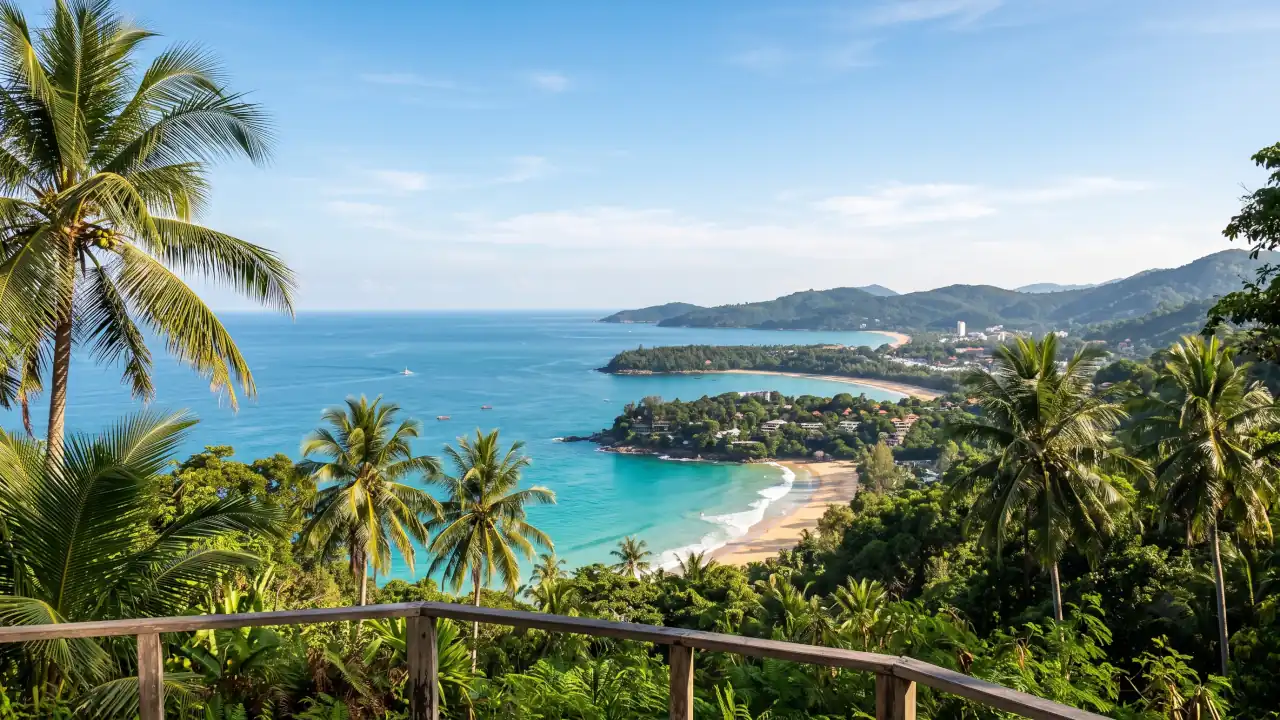
Most tourists land, head straight to Patong, and leave thinking they’ve seen the island. Patong is loud, crowded, and built almost entirely for short-term visitors. It’s not a fair sample of what Phuket actually offers. The island is genuinely huge, roughly the size of Singapore, and it’s split into dozens of areas that each have their own personality. Some are calm and residential. Some attract digital nomads with coworking spaces and cafés. Some feel more like a small Thai fishing town than anything resembling a tourist strip.
If you’re serious about moving here, spend time outside the obvious tourist zones before you commit to a lease. Rent an apartment for a month in a couple of different areas if you can. We also recommend avoiding long leases until you’ve experienced both the high and low seasons. Some neighborhoods feel dramatically different once tourist numbers rise or the rainy season arrives. Starting with a one- or two-month rental gives you time to understand traffic, noise levels, and your day-to-day routine before committing.
What looks perfect in photos might feel completely wrong once you’re actually living the daily routine of grocery runs, traffic, and finding a decent gym.
It also helps to remember Phuket isn’t the only option in the region. The island sits close to some genuinely stunning Thai islands that make for easy weekend trips once you’re settled, and if you’re still deciding where to put down roots, it’s worth comparing it against the wider list of best places to live in Thailand. If the beach-town pace of Phuket doesn’t quite fit but you still want island living, Koh Pha Ngan on the Gulf side offers a smaller, quieter alternative worth a look too.
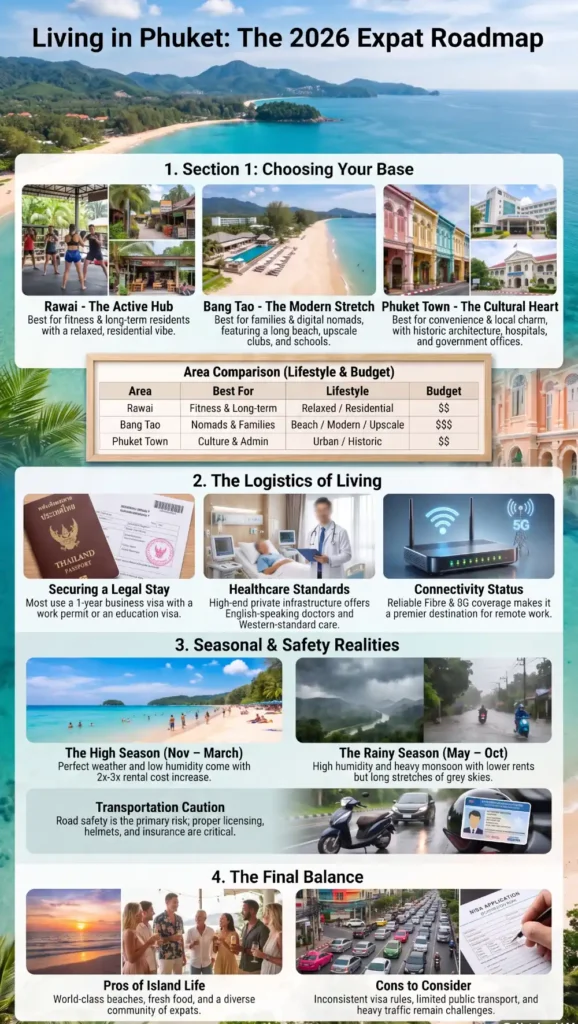
| Area | Best For | Lifestyle | Budget |
| Rawai | Fitness lovers & long-term expats | Relaxed | $$ |
| Bang Tao | Digital nomads & families | Beach + modern | $$$ |
| Phuket Town | Culture & convenience | Urban | $$ |
Best Areas to Live in Phuket
Every expat you talk to will have a different favorite neighborhood, and honestly, that’s a good sign. It means there’s genuinely something for different lifestyles here. These three areas come up again and again as the strongest options for people actually settling down, not just passing through.
Rawai
Rawai sits on the southern tip of the island and has become one of the most popular spots for long-term expats, especially anyone into an active lifestyle. The area is especially popular with long-term residents because it feels more residential than resort-focused, while still offering easy access to beaches, restaurants, and everyday amenities. It’s close to Chalong, home to a well-known outdoor fitness area that draws a steady crowd of regulars, and it’s a short drive from several of the island’s best viewpoints and piers.
What makes Rawai work day-to-day is the mix of food options. You’ll find plenty of no-frills Thai restaurants serving curries, rice dishes, and noodle soups for a couple of dollars a plate, right alongside expat-run cafes and restaurants if you’re craving something from home. It doesn’t feel like a manufactured tourist strip, which a lot of people appreciate after a few visits to Patong.
Bang Tao
Bang Tao sits on the west coast and centers around one of the longest, most impressive stretches of beach on the island. It’s a bit of a drive from the south, so most people treat it as its own self-contained hub rather than a place you pop into for an afternoon.
The beach itself is lined with casual bars and restaurants at one end and upscale beach clubs at the other, so you can dial your budget up or down depending on the night. It’s also one of the most established expat and digital nomad communities on the island, with coworking spaces and long-term rental buildings built specifically around that crowd. It also attracts families thanks to newer housing developments, international schools nearby, and a growing number of cafés and restaurants aimed at year-round residents rather than tourists.
Phuket Town
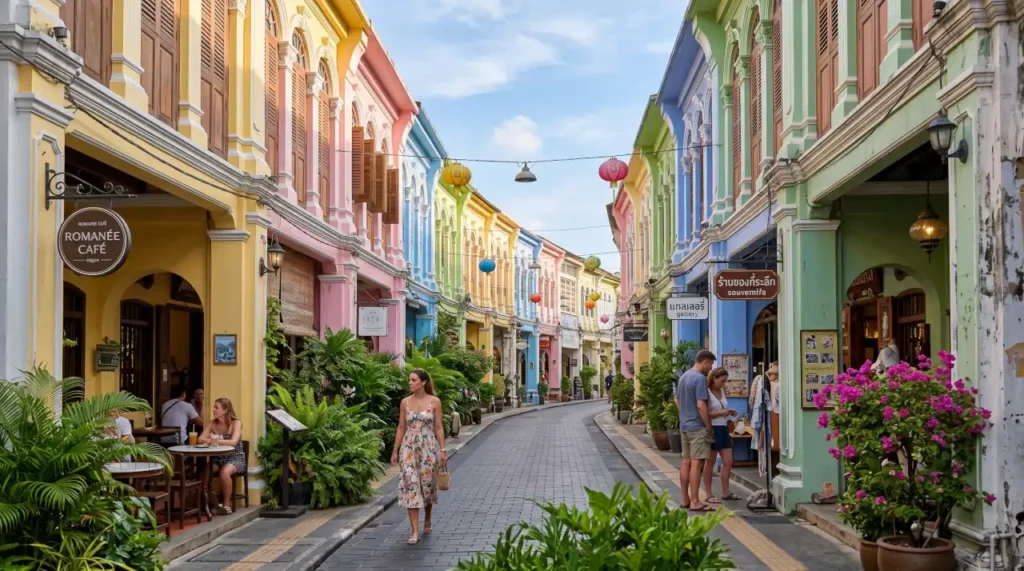
If Rawai and Bang Tao are about beach life, Phuket Town is about everything else. It’s the island’s old commercial center, full of Sino-Portuguese shophouses painted in pastel colors, some genuinely excellent coffee shops, and a lively Sunday walking market with street food and local crafts.
It’s not beachfront, so you’ll need a scooter or car to get to the water, but it makes up for that with character and convenience. Hospitals, banks, big supermarkets, and the island’s main government offices are all clustered here, which matters more than you’d think once you’re dealing with visa paperwork or setting up a Thai bank account.
Opening a Thai bank account can make everyday life much easier, especially for paying rent, utilities, or receiving salary payments. Requirements vary depending on your visa type, so ask your employer or bank which documents you’ll need before applying.
If you’ll regularly deal with banking, immigration paperwork, or shopping, living near Phuket Town can make everyday errands much easier than living on the island’s far southern or western coasts.
If you’re planning to buy rather than rent, it’s worth understanding that Thailand has restrictions on foreign land ownership. Many expats rent long term or purchase condominiums that meet foreign ownership regulations instead of buying land directly. If property ownership is part of your long-term plan, seek independent legal advice before signing contracts.
Getting a Thai Visa
Visas are, without question, the trickiest part of moving to Phuket, or anywhere in Thailand for that matter. The rules shift often enough that anything written today deserves a double-check closer to your move date, but here’s the general landscape.
Thailand’s immigration policies can change with little notice, especially around long-term stay options, visa extensions, and documentation requirements. Before applying or making travel plans, always verify the latest requirements through the Royal Thai Immigration Bureau, which publishes current visa categories, application procedures, and official announcements.
For years, a lot of long-termers stayed on education visas, which used to be relatively simple and affordable to arrange through a language school or cultural program. That route has gotten more expensive and more scrutinized over time, though it’s still available and used by plenty of people.
Tourist visa runs, where you leave and re-enter the country repeatedly, have also become harder to rely on. Immigration officers have gotten stricter about people who appear to be living in Thailand full-time on a string of tourist entries, so treat that as a short-term bridge rather than a real long-term plan.
The two most common legitimate routes into long-term expat life in Phuket are working here and studying here. Teaching English remains one of the most accessible paths; if you’re weighing that option, it’s worth reading up on what it actually takes to become an English teacher in Thailand, since schools can sponsor the work permit and visa together. Some people also come through volunteer organizations, which in certain cases can support a visa application as well.
Whichever route you’re considering, find a licensed visa agent with a solid reputation, ideally recommended by someone who’s actually used them, rather than the cheapest name that comes up in a Facebook group.
If you’re planning to live and work in Thailand for an extended period, it’s also worth understanding whether you’ll have Thai tax obligations alongside any reporting requirements in your home country. Tax residency rules vary, so consider seeking professional advice if you’re unsure.
1-Year Business Visa
If you have a specific skill or business that a Thai employer or studio can sponsor, a one-year Non-Immigrant B visa paired with a work permit is one of the more stable options available. It usually involves your employer providing documentation, an agent handling the visa paperwork, and sometimes a short trip to a neighboring country to process the visa itself before re-entering Thailand.
Expect this route to cost you real money, often well over a thousand dollars once agent fees and visa costs are added up, and expect some patience while paperwork moves through the system. But once it’s done, it gives you a genuine legal foundation to build a life here, which matters enormously for peace of mind. It also frees you up to actually enjoy the island rather than constantly worrying about your legal status, whether that means exploring the food scene, picking up a new hobby, or working to stay fit abroad instead of stressing over immigration deadlines.
In our experience, the paperwork itself wasn’t especially difficult once we had the right employer and visa agent. Most of the work involved gathering supporting documents, while the agent handled the application process. Having a legal work permit made settling into daily life much less stressful.
Friends & Networking
Making friends in Phuket is easier than you might expect, mostly because so many people here are in the exact same boat: new, a little unsure of the place, and actively looking to connect. Fitness communities, whether that’s a gym, a running club, or a muay thai gym, tend to be one of the fastest ways in, since group classes naturally throw you together with the same faces week after week.
The one honest downside is that Phuket’s expat population is transient. A lot of digital nomads and seasonal residents come for a few months and move on, so you’ll make a great friend and then watch them leave for the next destination on their list. It happens often enough that most long-term residents just accept it as part of island life and keep meeting new people anyway.
WhatsApp and Facebook groups do a lot of the heavy lifting here too. There are active groups for pretty much everything: expat women in Phuket, wellness and fitness meetups, parents groups, buy-and-sell pages, you name it. Joining a handful of these early is one of the fastest ways to plug into the community, get real answers to logistical questions, and hear about events happening around the island.
Many cafés, coworking spaces, and fitness communities also organize weekly social events, making it relatively easy to meet people if you’re willing to attend regularly.
Coworking spaces, language exchanges, volunteering opportunities, and local sports clubs are also among the fastest ways to build long-term friendships beyond short-term traveller circles. Building any kind of social circle abroad takes intention, though, so if you’re new to this, it’s worth reading up on making friends as an expat before you land, so you walk in with a plan rather than just hoping it happens.
While English is widely spoken in tourist areas and private hospitals, learning a few basic Thai phrases goes a long way in everyday interactions and is appreciated by locals.
Healthcare and Everyday Costs
The cost of living in Phuket is one of the biggest questions people ask before relocating, but healthcare is just as important to consider. One thing that genuinely surprised us moving from a big Vietnamese city was how good the healthcare is here. Phuket has several private hospitals that cater specifically to the international community, with English-speaking doctors, short wait times, and standards that rival what you’d find back home.
It’s not cheap compared to going to a local Thai clinic, but compared to private healthcare in the US or UK, it’s still remarkably affordable. Most long-term expats carry international health insurance rather than relying on Thailand’s public system, since it’s built more for locals and doesn’t always accommodate foreigners smoothly. Dental care is also widely available and generally costs considerably less than in many Western countries, making routine treatment affordable for many expats.
Before relocating, it’s also worth reviewing Thailand’s public health guidance and any vaccination recommendations that may apply to long-term residents based on your personal circumstances.
If you’re relocating permanently, compare international health insurance plans before arrival rather than relying on travel insurance, since many travel policies exclude routine care or longer stays.
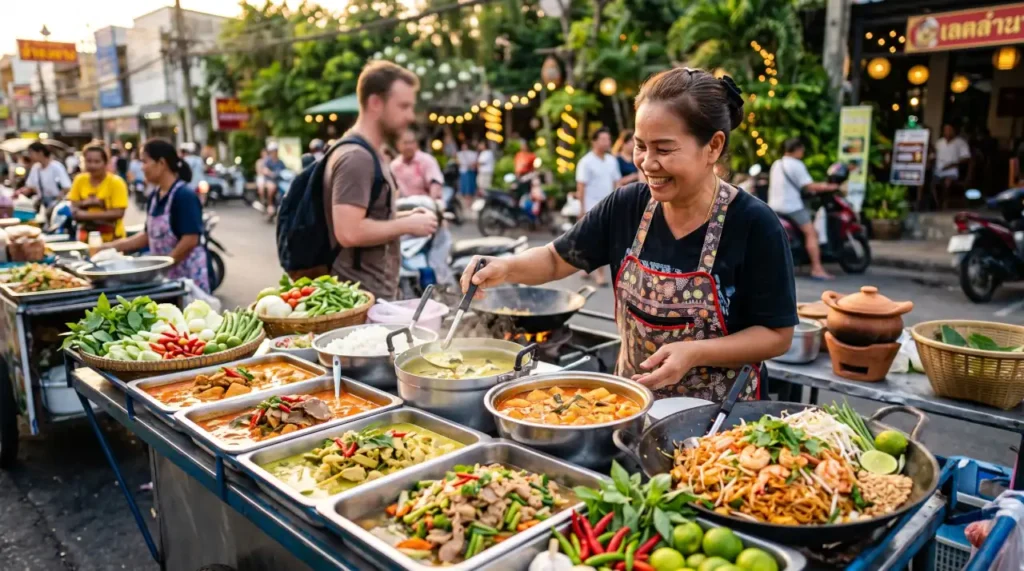
Overall, day-to-day living costs sit somewhere in the middle for Southeast Asia. Local food is cheap, a plate of pad thai or a bowl of noodle soup from a street stall rarely costs more than a couple of dollars, and you can eat well without much planning. Where costs climb is anything imported, western-style groceries, wine, and certain electronics all carry a noticeable markup.
Rent is the biggest line item in most people’s budgets, and as mentioned, it swings hard between low and high season. While the overall cost of living in Phuket depends heavily on your lifestyle, many single expats find that housing, food, transport, utilities, and leisure together can range from budget-friendly to comfortably mid-range compared with many Western countries.
Beachfront accommodation, imported groceries, nightlife, and frequent taxi use increase costs significantly, while cooking at home and living slightly inland can reduce monthly expenses considerably. Electricity bills can also rise noticeably if you use air conditioning throughout the day, particularly during the hotter months.
Internet infrastructure is excellent across Phuket, with fibre broadband available in many residential areas and reliable 4G and 5G coverage across most of the island. Getting connected is straightforward, with prepaid SIM cards and eSIM options widely available at the airport and throughout Phuket. Remote workers generally won’t struggle with connectivity, and coworking spaces in Bang Tao, Chalong, and Phuket Town provide reliable work environments if you prefer not to work from home.
What I Wish I Knew Before I Moved to Phuket
A few things caught us off guard even after plenty of research, and they’re worth knowing before you book a one-way ticket.
The Seasons
Rainy season in Phuket is a real thing, and it lasts longer than most people expect, typically from roughly May through October. It’s not constant rain the whole time, but there are stretches where the sky stays grey for days and the humidity makes everything feel heavier. If you’re coming from somewhere genuinely rainy, like Manchester, you might think you’re prepared. You’re probably still underestimating it.
High season, from November through March, is the payoff. The weather turns close to perfect: low humidity, blue skies, and a light breeze most days. It’s also when the island gets noticeably more crowded and more expensive. Rents can climb, hotel prices jump two or three times over low-season rates, and even everyday things like scooter rentals and taxi fares creep up. If you’re budgeting for a move, build in some flexibility for how much prices swing between seasons.
Driving
Driving in Phuket deserves genuine caution. The roads are wider and faster than you’ll find in a lot of Southeast Asian cities, and that speed combined with heavy tourist traffic, rental scooters driven by complete beginners, and unpredictable weather makes accidents fairly common. If you’ve never ridden a scooter before, Phuket is not the place to learn.
If you don’t feel comfortable riding a scooter, taxis and ride-hailing services are widely available, although costs add up if you rely on them every day.
Take lessons, get properly licensed, and always wear a helmet, even for a five-minute trip to the shop. Foreign residents should also ensure they hold the correct licence or International Driving Permit where applicable, as driving without valid documentation can affect insurance coverage after an accident. It’s also worth having decent travel or health insurance in place before you start driving here, since local hospital bills for accident injuries can add up fast.
Getting Around Phuket
Phuket has limited public transport compared with Bangkok, so most long-term residents rely on scooters, cars, taxis, or ride-hailing apps such as Grab for daily travel. Choosing accommodation close to your workplace, gym, or favourite beaches can significantly reduce commuting time and transport costs.
Everyday Safety
Phuket is generally considered one of Thailand’s safer destinations for expats, but the same common-sense precautions apply as anywhere else. Petty theft can happen in busy tourist areas, and it’s worth keeping valuables secure at beaches, night markets, and nightlife districts. Tropical weather also brings occasional flooding during the rainy season, particularly on lower roads.
Also Read: An Expat Guide to Living in Koh Pha Ngan, Thailand
Why We Love Living in Phuket
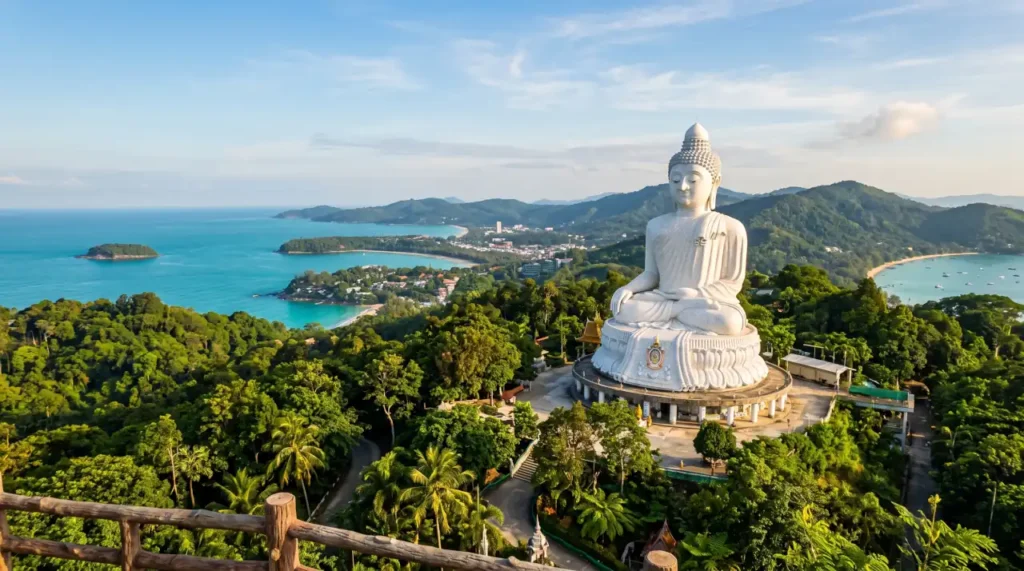
With all of that said honestly, and none of it hidden, we still genuinely love living here. The food alone would be worth it: fresh seafood, incredible street food stalls, and enough variety that you could eat out every night for a year and still find something new. The people are as warm and welcoming as everyone says, and that friendliness shows up in small daily interactions, not just in tourist-facing service.
Add in the beaches, the viewpoints, the mix of jungle and coastline, and the sheer variety of communities packed onto one island, and it’s easy to see why so many people come for a short stay and end up staying for years.
Families relocating with children will also find several international schools across Phuket, although tuition fees can vary considerably depending on the curriculum and school.
Final Thoughts
Phuket rewards people who look past the postcard version of the island. Spend real time in a few different areas before committing to a lease, take the visa process seriously and get proper advice early, and go in with realistic expectations about rainy season and road safety. Do that, and you’ll likely find what so many long-term expats here have found: a genuinely good quality of life, a strong sense of community, and an island that still surprises you even after years of calling it home.
Phuket isn’t the cheapest destination in Southeast Asia, nor is it the quietest, but for many expats it offers one of the best balances between modern infrastructure, tropical lifestyle, healthcare, and an established international community.