“Beed: Where History Whispers from Ancient Forts and Rivers Tell Tales of Time”
🔴 Introduction to Beed, Maharashtra
Nestled in the heart of Maharashtra’s Marathwada region, Beed is a city steeped in history, resilience, and cultural richness. Known for its rugged landscapes, ancient temples, and tales of medieval dynasties, Beed offers a unique blend of heritage and modernity. Once a strategic outpost for empires like the Yadavas, Bahmanis, and Mughals, today it stands as a testament to Maharashtra’s diverse past.
➤ Why Beed?
➸ Historical Significance: From the Yadavas to the Nizams, Beed’s layered history is etched in its forts, tombs, and temples.
➸ Architectural Marvels: Explore the fusion of Hemadpanti, Islamic, and Maratha architectural styles.
➸ Cultural Tapestry: A melting pot of Marathi, Urdu, and tribal traditions, reflected in festivals, food, and crafts.
➸ Natural Beauty: Situated on the Deccan Plateau, the Bensura River and Balaghat Range add dramatic backdrops.
In this guide, we’ll unravel Beed’s secrets—its storied past, must-visit sites, and practical travel tips. Whether you’re a history buff, nature lover, or cultural explorer, Beed promises an offbeat adventure.

🟢 Detailed Introduction to Beed, Maharashtra, India
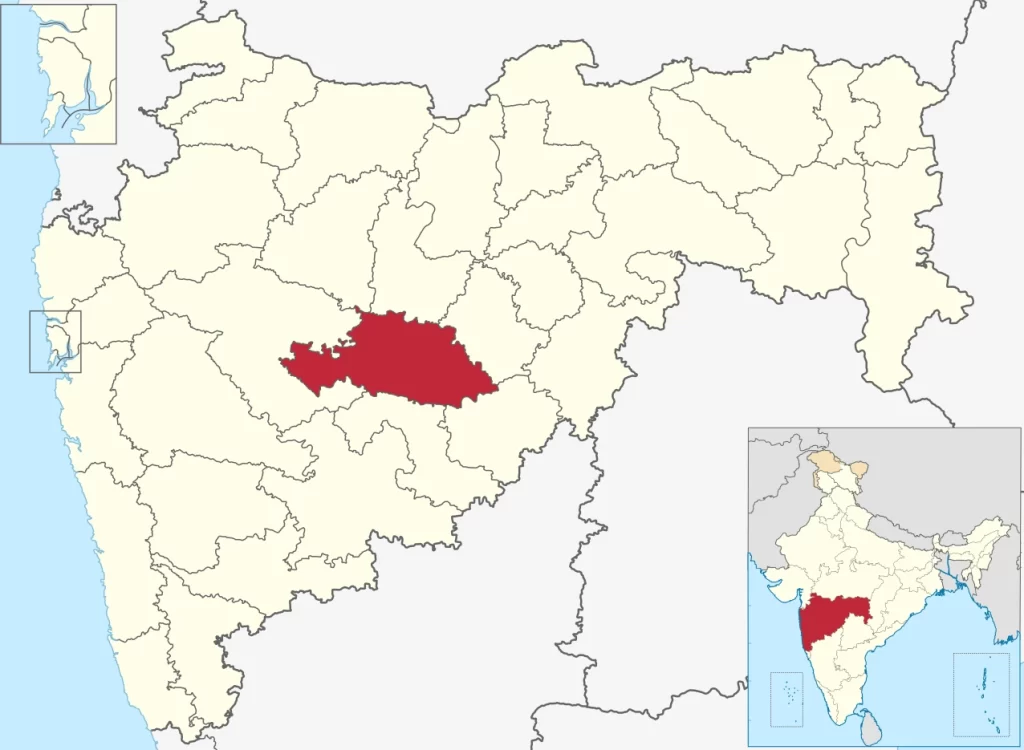
Beed, a historic district in Maharashtra’s Marathwada region, is a land of rugged landscapes, ancient temples, and a rich tapestry of cultural influences. Nestled on the Deccan Plateau, it spans 10,693 km² and serves as the administrative headquarters of Beed district. The city’s origins trace back to the medieval era, with archaeological evidence suggesting it was founded by the Yadava dynasty (1173–1317 CE) of Devagiri (Daulatabad).
Over centuries, it witnessed rule by the Bahmani Sultanate, Mughals, and Nizams of Hyderabad before becoming part of Maharashtra in 1960. Its name, derived from the Arabic “Bir” (Well), reflects its historical reliance on groundwater, though local legends also link it to the Marathi word “Bil” (Hole), referencing its topography.
The district’s geography is marked by the Balaghat Range, dividing it into northern plains and southern highlands. The Bensura (Bindusara) River, a tributary of the Godavari, flows through Beed city, though seasonal droughts and erratic monsoon rains pose challenges. Agriculture dominates the economy, with crops like Jowar, Cotton, and the GI-tagged Beed Custard Apple thriving here. Despite industrial underdevelopment, Beed’s cultural heritage shines through its Temples, Forts, and Sufi shrines, offering a glimpse into its syncretic past.
Also Read
Ratnagiri, Maharashtra – A Coastal Gem of History, Culture, and Alphonso Delights
Historically, Beed played a pivotal role in India’s freedom struggle, with revolts against British and Nizam rule, including the 1948 annexation of Hyderabad (Operation Polo), which led to communal tensions. Today, it balances modernity with tradition, hosting a mix of Marathi, Urdu, and tribal communities. The district’s literacy rate (89.34% in urban areas) and infrastructure are steadily improving, though water scarcity and poverty remain pressing issues.

Exploring Beed – History, Culture, and Travel Guide
“Unearth Beed’s hidden wonders—plan your journey today and step into a living museum of history!”
🟣 Section-by-Section Breakdown
🔘 A Journey Through Time: Beed’s Rich History
➸ Medieval Origins: Founded by the Yadava dynasty (12th century), Beed’s strategic location made it a hub for trade and warfare.
➸ Mughal & Nizam Influence: The Jama Masjid (1627) and Shahinshah Wali’s tomb reflect Islamic heritage.
➸ Operation Polo (1948): The annexation of Hyderabad brought Beed into independent India.

🔘 Architectural Gems
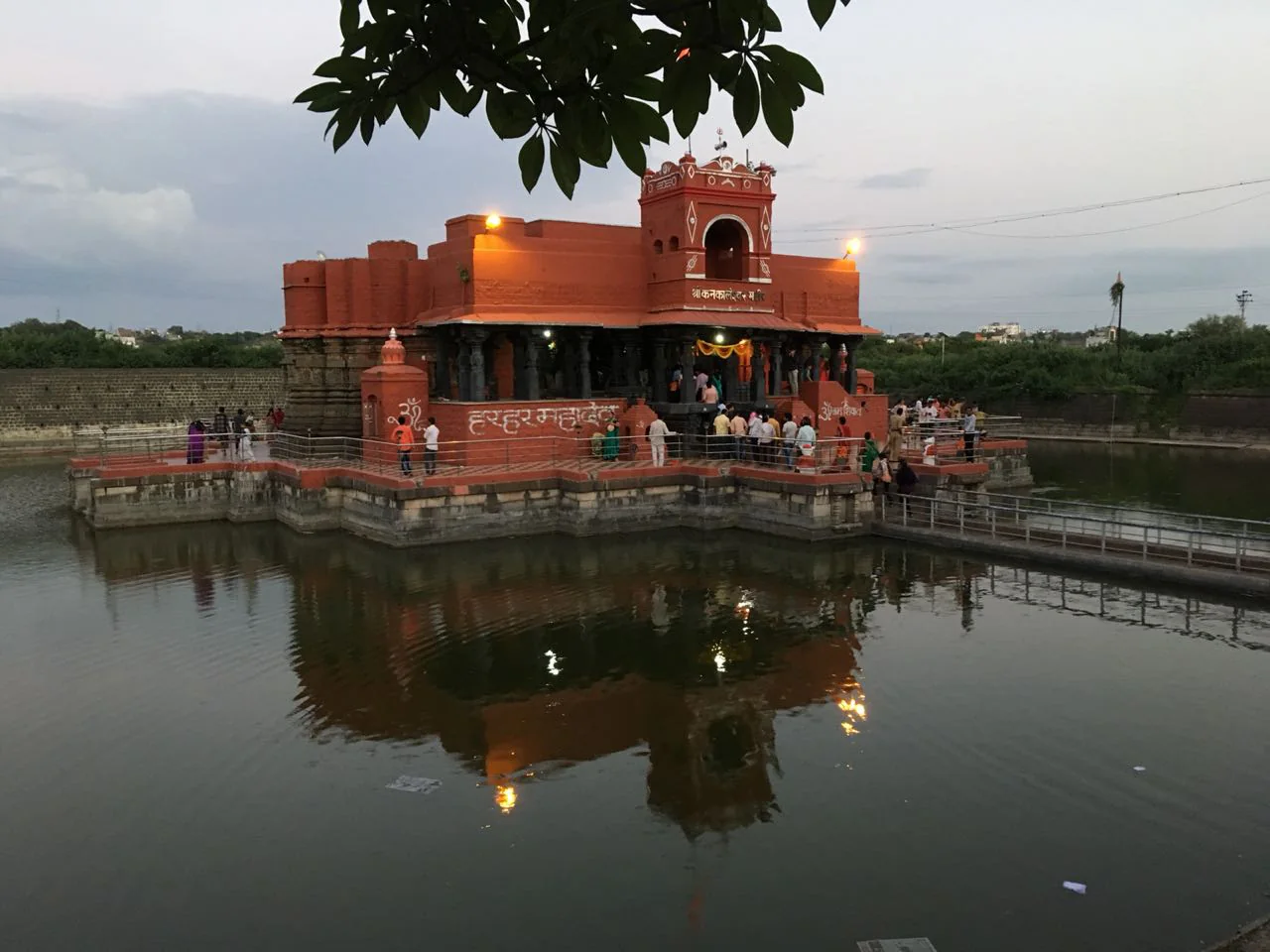
⦿ Kankaleshwar Temple: A 13th-century Shiva temple surrounded by water, built in the Yadava era.
⦿ Jama Masjid: Mughal-era grand mosque with ten domes and Persian inscriptions.
⦿ Khandoba Temple: Hemadpanti-style temple with 70-foot towers adorned with carvings.
🔘 How to Reach Beed
⦿ By Air: Nearest airports – Aurangabad (125 km), Mumbai (400 km).
⦿ By Rail: Direct trains from Mumbai (Latur Express) and Pune.
⦿ By Road: NH52 connects to Mumbai (8-hour drive), Pune, and Hyderabad.
🔘 Best Time to Visit
☁️ Winter (October–February): Pleasant weather (12°C – 25°C), ideal for sightseeing.
🌧️ Monsoon (June–September): Lush greenery but prone to flooding.
🔘 Cultural Insights & Local Life
⦿ Festivals: Urs at Shahinshah Wali’s tomb, Ganesh Chaturthi, and Diwali celebrated with fervour.
⦿ Cuisine: Savoury Pithla-Bhakri, sweet Puran Poli, and aromatic Biryani.
Read on to dive deeper into Beed’s hidden treasures!

🟠 Detailed History & Architecture
➤ From Durgavati to Beed: The Evolution of a City
Beed’s origins are shrouded in legend. Local lore claims it was part of the Pandava kingdom, named Durgavati. The Yadavas fortified the city, while Muhammad bin Tughluq renamed it Bir after digging wells here. Over centuries, Bahmani sultans and Mughal emperors left their mark—evident in the citadel built by Haji Sadar Shah (1703) and the tomb of Tughluq’s buried tooth near Karjani village.
➨ Architectural Fusion
⦿ Islamic Influence: The Jama Masjid’s symmetrical minarets and Quranic calligraphy.
⦿ Hindu Craftsmanship: Khandoba Temple’s stone carvings depicting deities and warriors.

➤ Distance from Major Cities
| City | Distance (km) | Travel Time |
| Aurangabad | 125 km | 2.5 hours |
| Pune | 260 km | 5 hours |
| Hyderabad | 320 km | 6 hours |
| Mumbai | 400 km | 8 hours |
Note: Distance is approximate and travel time may vary. Please check with google maps or local authorities before travelling.
➤ Travel Tips & Itineraries
➨ 3-Day Monsoon Itinerary
➸ Day 1: Explore Kankaleshwar Temple and Bendsura River.
➸ Day 2: Visit Jama Masjid and Shahinshah Wali’s tomb.
➸ Day 3: Trek Balaghat Range; interact with local tribal communities.
➨ Local Markets:
⦿ Mahbub Gunj: Handicrafts, leather Chhagals (water containers).
⦿ Kesar Chowk: Spices, traditional Maharashtrian jewellery.
⛔ Best Places for Refreshments with Authentic Local Food
Beed’s culinary scene is a blend of Maharashtrian and Deccani flavours. For authentic experiences, visit:
➸ Shivaji Maharaj Chowk: A bustling market area where street vendors serve Pithla Bhakri (Gram Flour curry with Millet Bread) and Zunka (Spiced Chickpea Flour curry). Don’t miss Taambda Rassa (Spicy Red Mutton curry) at local eateries.
➸ Ambajogai: Famous for Puran Poli (Sweet lentil-stuffed flatbread) at Shri Mukundraj Temple’s prasad counters. Nearby stalls offer Sabudana Khichdi during fasting seasons.
➸ Parli Vaijnath: Pilgrims flock to stalls near the Jyotirlinga temple for Maharashtrian Thali with Varhadi (Spicy) curries and Bhakri.
➸ Dharur Fort Area: Try Kalaadi (Fried Cheese) and Sheermal (Saffron-infused Bread) at heritage-themed cafes.

⛔ Best Places to Visit with Granular Details
➸ Parli Vaijnath Temple: One of India’s 12 Jyotirlingas, this 13th-century Shiva temple features intricate carvings and a serene Kund (Water Tank). The annual Maha Shivaratri festival draws lakhs of devotees.
➸ Sautada Waterfall: Located 45 km from Beed, this monsoon-fed cascade is surrounded by lush forests. The nearby Rameshwar Temple adds spiritual charm.
➸ Kankaleshwar Temple: A Yadava-era Shiva temple encircled by water channels, showcasing Hemadpanti architecture.
➸ Dharur Fort: A 16th-century Bahmani-era fort with crumbling walls and panoramic views of the Sina River.
➸ Bindusara Dam: Ideal for picnics, this reservoir near Beed city offers boating and sunset views.
⛔ Where to Stay
➸ Mid-Range Hotels:
⦿ Hotel Yash Grand (Beed City): Offers AC rooms and a rooftop restaurant serving local cuisine.
⦿ Shree Krishna Residency (Ambajogai): Proximity to Yogeshwari Temple and budget-friendly packages.
➸ Budget Guesthouses:
⦿ MTDC Tourist Lodge (Parli Vaijnath): Government-run lodging with basic amenities.
⦿ Zilla Parishad Guest House (Beed): Ideal for officials and travellers seeking affordability.

⛔ Notable People from Beed
➸ Gopinath Munde: Former Deputy Chief Minister of Maharashtra and BJP stalwart known for rural development initiatives.
➸ Pankaja Munde: BJP leader and daughter of Gopinath Munde; advocated for women’s empowerment.
➸ Sanjay Bangar: Ex-Indian cricketer and coach; hails from Bhokar village.
➸ Makarand Anaspure: Renowned Marathi actor and comedian with roots in Beed’s cultural scene.
➸ Bhaskaracharya: A 12th-century mathematician and astronomer, though his connection to Beed is debated in historical texts.
⛔ Demographics of Beed District
➸ Population: 2.58 million (2011 Census), with 17.91% urban dwellers.
➸ Religions: Hindus (84.12%), Muslims (12.39%), Buddhists (2.65%).
➸ Languages: Marathi (83.38%), Urdu (8.62%), Hindi (3.93%).
➸ Sex Ratio: 912 females per 1,000 males (below state average).
➸ Economy: Per capita income ₹1,21,515 (2020–21), driven by agriculture and migrant labor in sugarcane cutting.
⛔ Climatic Conditions
☀️ Summer (March–May): Scorching with highs up to 42°C. May is the hottest month.
🌧️ Monsoon (June–September): Receives 666 mm average rainfall. July is wettest, with flooding risks in lowlands.
☁️ Winter (October–February): Mild (12°C – 25°C), ideal for tourism. December nights can dip to 10°C.
⛔ Complete List of Talukas (Tehsils)
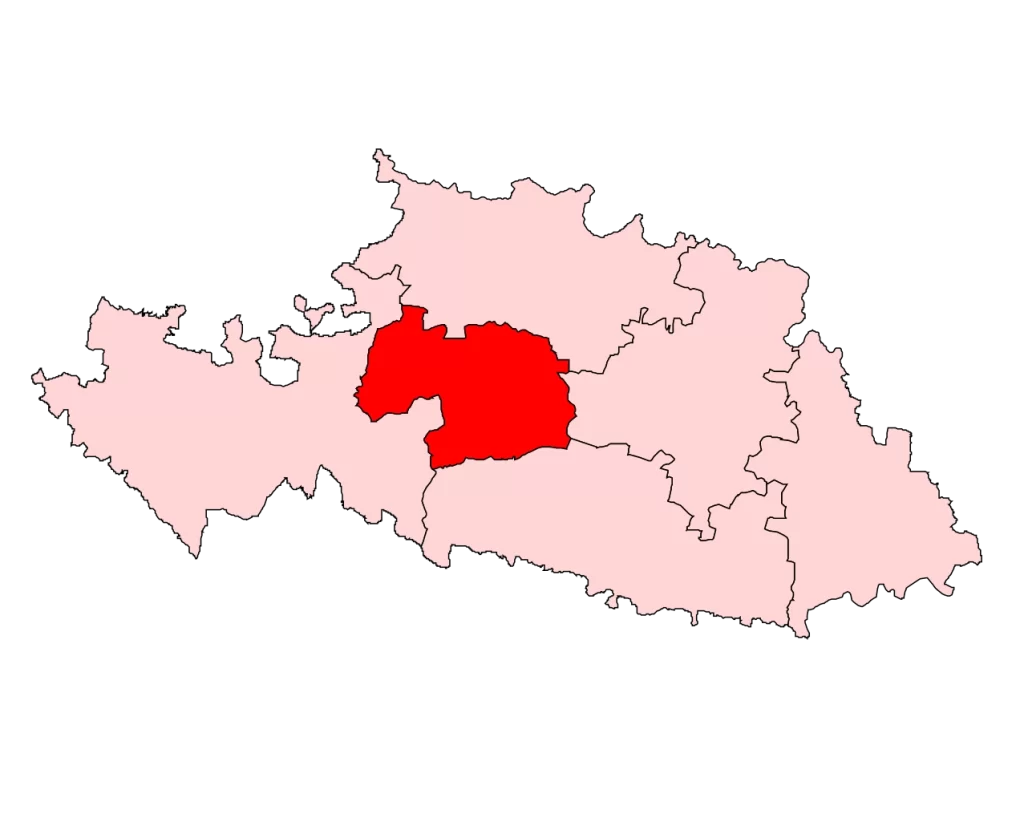
➸ Beed; Gevrai; Majalgaon; Dharur; Wadwani; Parli; Patoda; Ashti; Shirur Kasar; Ambajogai; Kaij
This guide synthesises Beed’s essence—its history, culture, and natural beauty—offering travellers and researchers a comprehensive resource.
➤ FAQs
Is Beed safe for solo travellers?
Yes, but avoid remote areas after dark.
What’s Beed’s signature dish?
Try Taambda Rassa (Spicy Mutton Curry) at local eateries.
➤ Conclusion
Beed is more than a pit stop—it’s a gateway to Maharashtra’s soul. Walk its ancient lanes, savour its flavours, and let its stories captivate you. Ready to explore?
➤ Sources:
➸ Beed District Official Website
Image Credit
➸ Wikimedia Commons – Kankaleshwar Temple Beed
➸ Wikimedia Commons – Khandoba temple in Beed city
➸ Wikimedia Commons – Beed in Maharashtra (India)
➸ Wikimedia Commons – Kankaleshwar Temple, Beed
➸ Wikimedia Commons – 230-Beed.svg
For more information, you can visit our website: ExploreXP
Latest Posts
- 4 Steps to Teach English in Vietnam (Complete 2026 Guide)

- The Complete Guide to Living in Ho Chi Minh City, Vietnam
- What Living in Hanoi Is Really Like for Foreigners
- Expat vs Immigrant: What’s the Real Difference?
- 7 Best Places to Live in Mexico Right Now: A Complete Guide
- Best Places to Live in Thailand: A Complete Guide for Expats in 2026