🌟 “Where History Echoes Through Forts & Culture Dances in Devotion – Welcome to Ahilyanagar, Maharashtra’s Unsung Jewel”.
🧭 Blog Sections:
➪ Introduction
➪ History of Ahmednagar (Ahilyanagar)
➪ Architectural Marvels
➪ Best Places to Visit
➪ How to Reach Ahilyanagar
➪ Best Time to Visit
➪ Nearby Tourist Attractions
➪ Climate & Weather Conditions
➪ Local Food & Markets
➪ Handicrafts & Local Lifestyle
➪ Religious & Spiritual Sites
➪ Travel Tips
➪ Ahmednagar District – Talukas & Demographics
➪ Languages Spoken
➪ Economy of Ahilyanagar
➪ Notable People
➪ Suggested Itinerary
➪ FAQs
➪ Conclusion
➪ Sources
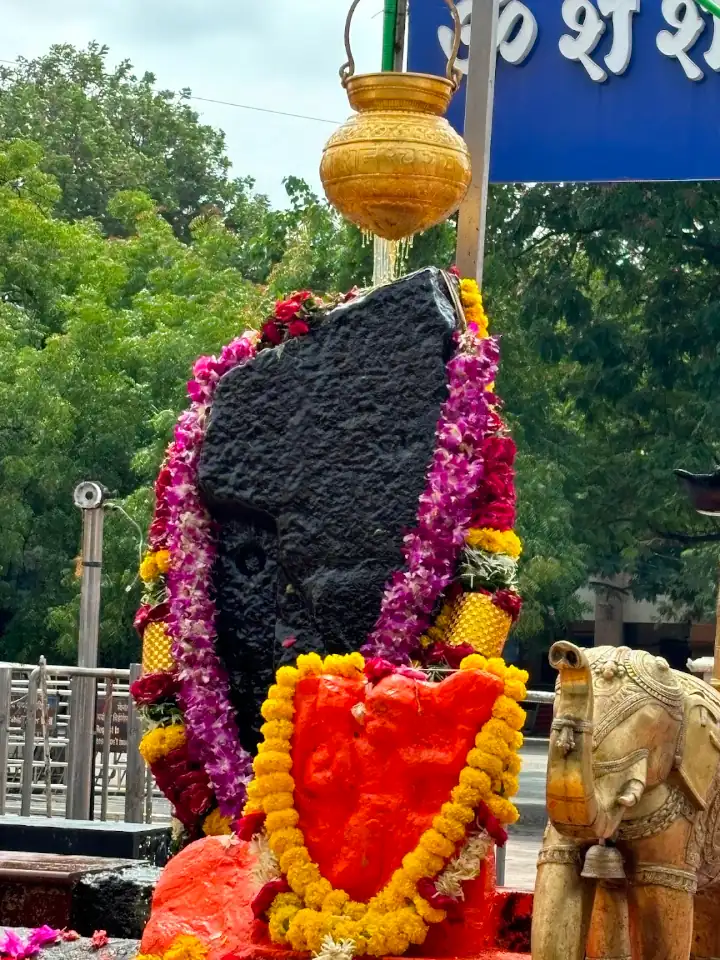
🏞️ Brief Introduction
Ahmednagar, officially renamed Ahilyanagar, is a treasure trove nestled in the heart of Maharashtra. Known for its regal past, spiritual resonance, and vibrant culture, the city often gets overlooked on the typical tourist trail — yet it is one of Maharashtra’s most historically significant and culturally deep-rooted districts. From the echoes of the Nizamshahi dynasty to the sacred devotion surrounding saints like Ahmednagar’s own Sai Baba (in nearby Shirdi), this land has stories etched in every stone and every soul.
Founded in 1494 by Ahmad Nizam Shah I, the city blossomed as the capital of the Nizam Shahi dynasty. Over centuries, it has stood as a witness to Mughal invasions, Maratha resurgence, British colonisation, and post-independence evolution. The city was officially renamed Ahilyanagar in honour of Maharani Ahilyabai Holkar, one of India’s most beloved and revered rulers, known for her piety and progressive governance. This renaming reflects a resurgence of pride in indigenous heritage.
What makes Ahilyanagar stand apart is not just its past but how deeply it integrates tradition with progress. Whether you walk through the corridors of Ahmednagar Fort — where Jawaharlal Nehru was imprisoned and wrote “The Discovery of India” — or visit Tank Museum, India’s only museum of its kind, you’re bound to feel a pulse of the past with every step.
As the district headquarters, Ahilyanagar is well-developed yet retains its serene charm. The blend of Islamic, Maratha, and British Architecture, rustic rural lifestyles, spiritual retreats like Meherabad, and modern civic developments create an enchanting fusion. Visitors find themselves enchanted by its diverse range of attractions — from serene Temples and Dargahs to bustling local markets.
Also Read
Amboli: Maharashtra’s Mist-Kissed Secret Where Waterfalls Dance & History Whispers
Culturally, the city is a melting pot of Marathi Traditions, deeply religious practices, folk arts, festivals, and agrarian celebrations. You’ll often find locals celebrating events like Ganesh Chaturthi, Muharram, or Makar Sankranti with colourful zest. We spoke to a local teacher, Mrs. Kanchan Bhosale, who said, “Ahilyanagar is not just a city; it’s a feeling — a feeling of belonging, a deep connection to our roots”.
The district’s eleven talukas, ranging from bustling Sangamner to scenic Akole, each have a unique identity, climate profile, dialect variation, and socio-economic layout. These microcosms of diversity offer a rewarding experience for both casual tourists and researchers alike.
Today, as Maharashtra reclaims its cultural icons, Ahilyanagar is gradually gaining attention for its holistic travel appeal — history buffs, spiritual seekers, and nature lovers alike are rediscovering its charm.
This blog post dives deep into every layer of Ahilyanagar: from how to reach it, its best sites, the architecture that whispers stories, to its warm people, colourful marketplaces, spiritual hotspots, food trails, and beyond. Whether you’re planning your next holiday, a research trip, or a weekend retreat, this guide will equip you with all the knowledge you need.
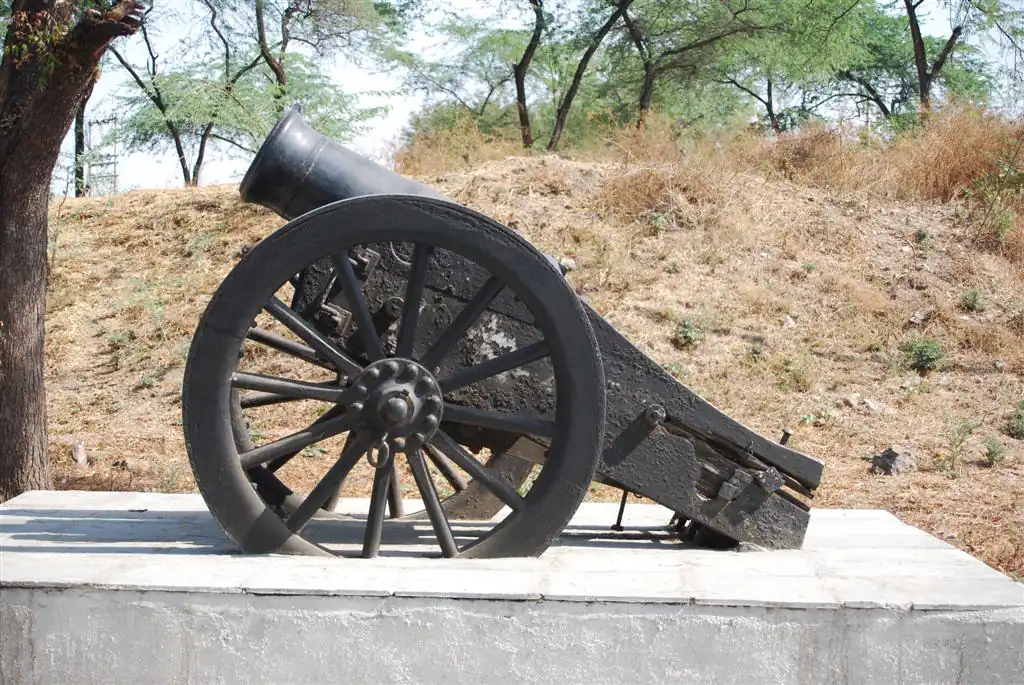
🏰 Brief History of Ahilyanagar
➙ Foundation: Established in 1494 by Ahmad Nizam Shah I after the fall of Bahmani Sultanate.
➙ Nizam Shahi Rule: Became capital of the Nizam Shahi dynasty — a major power in Deccan India.
➙ Mughal Conquest: Captured by Akbar in 1600, and served as a major Mughal outpost.
➙ Maratha Takeover: Gained prominence under the Peshwas and later British East India Company.
➙ Colonial Importance: Served as a key British cantonment; Ahmednagar Fort became a symbol of resistance.
➙ Modern-Day Renaming: Renamed Ahilyanagar to honor the contributions of Ahilyabai Holkar.
Interview Insight: “My grandfather would often tell us tales of Maratha warriors hiding in the hills around Nevasa”, says 80-year-old Baburao Kale, a local historian.
🏯 Architectural Heritage (Explained in Brief)
➙ Ahmednagar Fort: A circular marvel with 24 bastions, built by Malik Ahmad Nizam Shah. Nehru’s prison cell is a must-visit.
➙ Baugh Rauza: A Mughal-style tomb with Persian inscriptions, reflecting Indo-Islamic art.
➙ Tank Museum: An open-air display of military tanks used in World Wars — India’s only one of its kind.
➙ Meherabad: Spiritual retreat of Meher Baba — simple, serene architecture.
➙ Jama Masjid: A 500-year-old mosque with typical Islamic domes and arches.
➙ Chand Bibi Palace: Built for the valiant Queen Chand Bibi — Indo-Islamic architecture fused with rustic Deccan style.
🗺️ How to Reach Ahilyanagar (Explained in Tabular form Briefly)
| City | Distance (in km) | Mode of Transport |
| Shirdi | 85 km | Private Cab, MSRTC |
| Pune | 120 km | By Road, Rail (2–3 hrs) |
| Aurangabad | 125 km | By Car or Bus |
| Nashik | 150 km | By Car or Bus |
| Mumbai | 250 km | Road (5 hrs), Train (6 hrs) |
| Hyderabad | 515 km | Rail or overnight Bus |
📍 Best Places to Visit in Ahilyanagar (Provided in Brief – Elaborated section Down [↓])
✪ Ahmednagar Fort
✪ Meherabad (Spiritual retreat of Meher Baba)
✪ Tank Museum
✪ Salabat Khan Tomb (Chand Bibi Mahal)
✪ Shani Shingnapur
✪ Rehekuri Blackbuck Sanctuary
✪ Kapurbawdi Garden & Farah Bagh
🌤️ Best Time to Visit (Provided in Brief – Elaborated section Down [↓])
☁️ Winter (October to February): Pleasant & ideal for sightseeing.
🌧️ Monsoon (June to September): Scenic, lush but travel may be slower.
☀️ Summer (March to May): Hot, but good for short trips.
🌍 Nearby Tourist Attractions (Provided in Brief – Elaborated section Down [↓])
✪ Shirdi (85 km) – World-famous Sai Baba shrine.
✪ Ellora Caves (130 km) – UNESCO World Heritage Site.
✪ Aurangabad (125 km) – Historical town & Bibi ka Maqbara.
✪ Nevasa (45 km) – Mythical site of Sant Dnyaneshwar.
✪ Sangamner (70 km) – Picturesque rural town.
🌦️ Weather Conditions (Explained in Brief – Elaborated section Down [↓])
☀️ Summer: 30–42°C
🌧️ Monsoon: 25–32°C with moderate to heavy rainfall.
☁️ Winter: 10–25°C, best season for tourism.
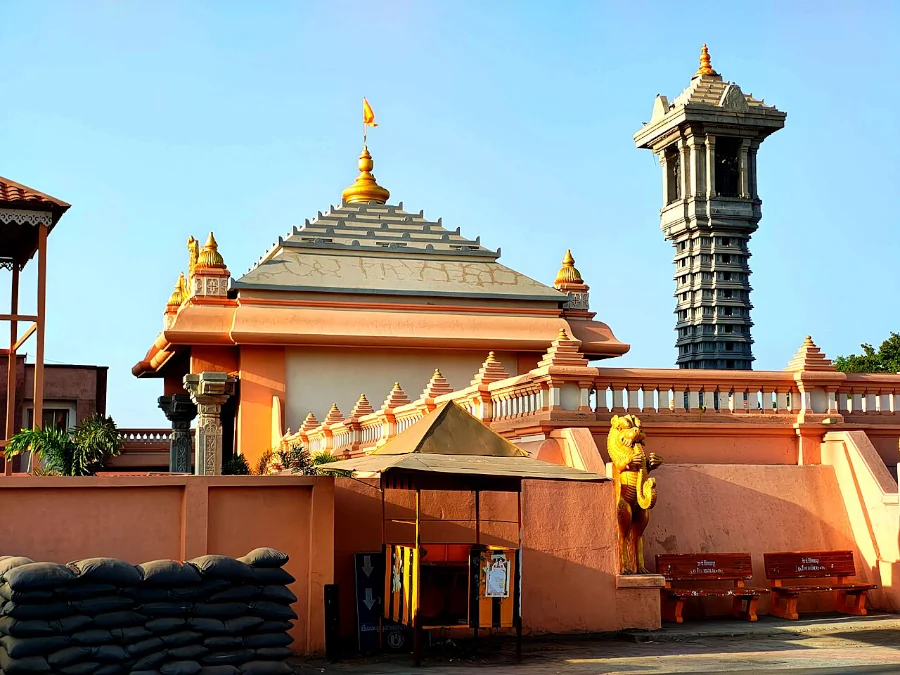
🛕 Places of Worship (Provided in Brief – Elaborated section Down [↓])
✪ Shani Shingnapur: Unique Temple with no doors.
✪ Sai Baba Temple, Shirdi
✪ Meherabad Ashram
✪ Jama Masjid, Ahmednagar
✪ Vitthal Mandir
✪ Balaji Mandir
🛍️ Local Markets & Handicrafts
✪ M.G. Road: Clothing, household items.
✪ Tilak Road: Street shopping, eateries.
✪ Traditional Crafts: Paithani-style fabrics, handmade brass utensils, local wooden toys.
🍲 Local Food & Lifestyle
➙ Food: Bhakri, Pithla, Misal, Varan-Bhaat, Mutton curry.
➙ Desserts: Puran Poli, Sheera.
➙ Lifestyle: Agrarian with spiritual undertones. People live simply and celebrate festivals with grandeur.
📜 List of Talukas in Ahmednagar District
✪ Ahmednagar
✪ Akole
✪ Jamkhed
✪ Karjat
✪ Kopargaon
✪ Nevasa
✪ Parner
✪ Pathardi
✪ Rahata
✪ Rahuri
✪ Sangamner
✪ Shrigonda
✪ Shevgaon
🧑🤝🧑 Demographics & Languages (Provided in Brief – Elaborated section Down [↓])
➙ Population: ~52 lakhs (as per 2011 Census)
➙ Major Languages: Marathi (primary), Hindi, Urdu, and English.
➙ Literacy Rate: ~82%
➙ Urbanisation: Mix of rural charm and expanding towns.
💼 Economy of Ahilyanagar
✪ Agriculture: Sugarcane, Cotton, Soybean.
✪ Industry: MIDC Industrial Estates, Military Establishments.
✪ Tourism: Religious, Historical, Spiritual Tourism Hubs.

🌟 Notable Personalities (Provided in Brief – Elaborated section Down [↓])
✪ Anna Hazare – Renowned social activist.
✪ Sai Baba of Shirdi – Revered saint.
✪ Meher Baba – Spiritual leader.
✪ Govind Ballabh Pant – Freedom fighter (linked historically via Fort events).
🧳 Things to Do (Provided in Brief – Elaborated section Down [↓])
➙ Visit the fort at dawn
➙ Meditation at Meherabad
➙ Shopping local crafts
➙ Eat traditional Maharashtrian thali
➙ Attend temple Aartis
➙ Explore rural life in Nevasa
➙ Photography at Salabat Khan Tomb
🗓️ Suggested Itinerary (Provided in Brief – Elaborated section Down [↓])
⦿ Day 1: Ahmednagar Fort ➛ Meherabad ➛ Local markets
⦿ Day 2: Shani Shingnapur ➛ Nevasa ➛ Salabat Khan Tomb
⦿ Day 3: Tank Museum ➛ Rehekuri Sanctuary ➛ Local food trail
🟢 Section-by-section Detailed Elaborated Information with Granular Details
🏙️ Detailed Introduction: Ahmednagar, officially Ahilyanagar – Maharashtra’s Historical Crown Jewel
Nestled in the heart of western Maharashtra, Ahmednagar, now officially known as Ahilyanagar (अहल्यानगर), is a district pulsating with stories of valour, spirituality, and a deeply entrenched cultural legacy. Founded over five centuries ago, the city has evolved into a unique blend of historical significance and contemporary relevance. It is not just a geographical location — it’s a time capsule that gracefully preserves the eras of Deccan Sultanates, Maratha chieftains, spiritual icons, and India’s freedom struggle. 🏰 📖
The renaming of Ahmednagar to Ahilyanagar is a heartfelt tribute to Maharani Ahilyabai Holkar, one of India’s most respected and progressive monarchs. Revered for her pious lifestyle, architectural patronage, and strong administrative acumen, Ahilyabai’s spirit resonates with the ethos of this region — where reverence and responsibility go hand-in-hand. The name change signifies a reclaiming of indigenous pride, weaving together threads of history, devotion, and empowerment. 👑 🌸
Geographically, Ahilyanagar is advantageously placed between Pune and Aurangabad, forming a cultural bridge between Maratha grandeur and Mughal elegance. The city and its district span over 17,000 square kilometres, making it one of Maharashtra’s largest districts in terms of area. Its 14 talukas — including Sangamner, Shrigonda, Rahata, Parner, and Akole — each represent a unique cultural and economic microcosm. From sugarcane fields in the plains to religious townships like Shani Shingnapur and Nevasa, Ahilyanagar is a traveler’s treasure chest waiting to be unlocked. 🗺️ 🚜

Historically, the city was founded in 1494 CE by Ahmad Nizam Shah I, the founder of the Nizam Shahi dynasty. Under his leadership, Ahmednagar flourished as a fortified capital with robust administrative systems and Indo-Islamic architectural marvels. The Ahmednagar Fort, one of India’s strongest stone forts, stands as an enduring symbol of the city’s resilience — it was here that Pandit Jawaharlal Nehru penned his iconic work, The Discovery of India, while imprisoned by the British. 🏯 📚
Today, the district is a vibrant mix of Heritage, Rural life, Agriculture, Spirituality, and Modern Industry. Its economy is primarily agrarian — with crops like sugarcane, cotton, and grapes — supported by sugar mills and cooperative industries. Yet, places like MIDC (Maharashtra Industrial Development Corporation) and Military Cantonments have brought in a growing urban population and economic diversity. With its evolving infrastructure, educational institutions, and civic systems, Ahilyanagar stands poised between tradition and transformation. 💼 🏫 🌾
Culturally, the people of Ahilyanagar are deeply rooted in Marathi Traditions, yet remarkably inclusive. The region is home to Hindus, Muslims, Buddhists, Christians, and Parsis, reflecting India’s multicultural tapestry. The district’s linguistic palette is dominated by Marathi, with dialectical nuances across talukas, while Hindi, Urdu, and English are also widely spoken. Festivals like Ganesh Chaturthi, Muharram, Makar Sankranti, and Shiv Jayanti are celebrated with communal harmony and full gusto. 🎉 🕌 🕉️
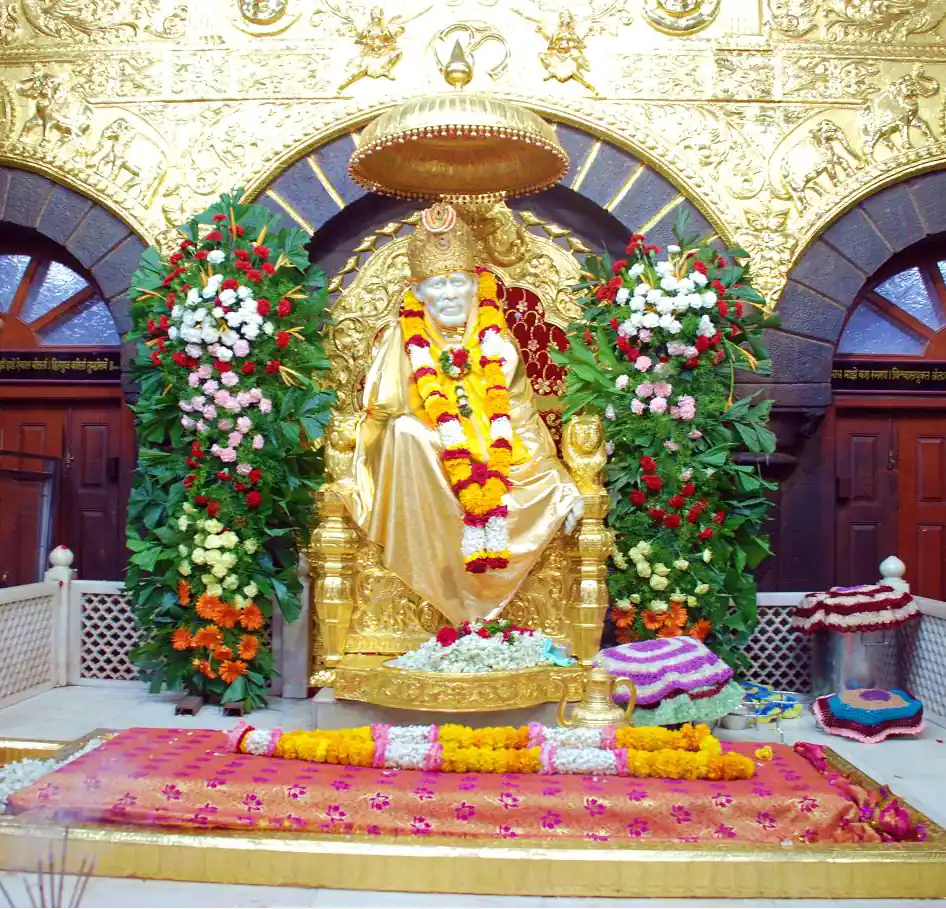
Spiritually, Ahilyanagar is no less significant. It houses sacred sites like Meherabad, the ashram of Meher Baba, visited by spiritual seekers from around the globe. Not far away, the mystical village of Shani Shingnapur, where houses famously have no doors, draws lakhs of devotees every year. Meanwhile, the influence of Sai Baba of Shirdi — whose shrine lies within Ahmednagar district — transcends religious boundaries and draws millions annually. These pilgrimage sites make Ahilyanagar a spiritual powerhouse. 🛕 🙏 🌌
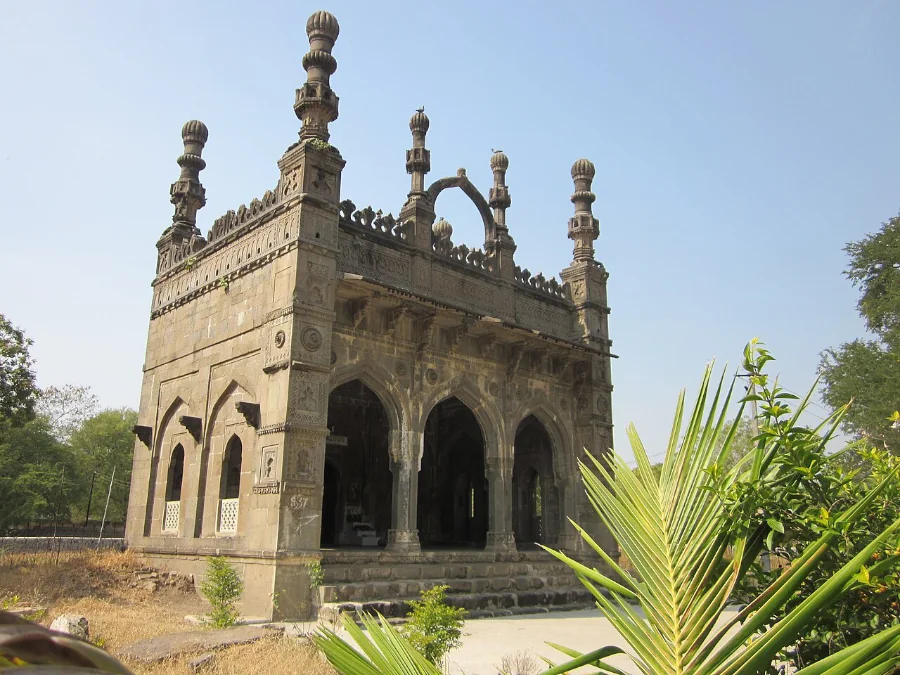
From a tourism perspective, Ahilyanagar offers Forts, Tombs, Temples, Museums, Rural Escapes, and Wildlife Sanctuaries. Historical sites like the Salabat Khan Tomb (Chand Bibi Mahal) offer sweeping views and echoes of Mughal-era aesthetics. The Cavalry Tank Museum, India’s only one of its kind, is a rare military heritage site that thrills history and defence enthusiasts alike. Nearby, the Rehekuri Blackbuck Sanctuary offers nature lovers a glimpse of endangered species in a semi-arid ecosystem. 📸 🐾 🌿
Interviews with locals reveal a strong sense of identity and pride. Dr. Vaishali Kulkarni, a local historian from Rahuri, says, “People here don’t just live in Ahilyanagar — they live through it. Our ancestors built it, and our children will carry it forward. We preserve our traditions but embrace modernity. That’s the Ahilyanagar spirit”. Such testimonies reflect the collective consciousness of a district that continues to evolve while staying rooted. 🧑🏫 🌳 📖
In essence, Ahilyanagar is a destination with depth — one that doesn’t just offer tourist attractions but experiences. It’s for the history lover, the spiritual seeker, the cultural enthusiast, the curious backpacker, and the urban explorer. Whether you come for a day or stay for a week, you’ll leave with stories etched in memory. Through this guide, you’ll uncover every layer of Ahilyanagar — from its majestic past to its modern pulse. 🌅 ✈️ 📍
🏰 Detailed Historical Facts and Events with Timeline in Ahmednagar (Ahilyanagar), Maharashtra, India
Ahmednagar — now officially known as Ahilyanagar — is not just a city but a living chronicle of India’s Dynastic Heritage, Architectural Brilliance, Spiritual Evolution, and Colonial Resistance. The history of this ancient city stretches back over 500 years, woven into the broader tapestry of Deccan History, Islamic Sultanates, Maratha Glory, and British occupation. Each chapter of its past has left behind enduring impressions on its Forts, Mosques, Temples, Shrines, and the collective consciousness of its people. 📖 🕰️
📅 1490 CE – The Founding of Ahmednagar by Ahmad Nizam Shah I
The roots of Ahmednagar can be traced back to the final days of the Bahmani Sultanate in the Deccan. After its collapse, Malik Ahmad, a Bahmani Governor, established an independent kingdom and founded the Nizam Shahi dynasty in 1490 CE. He chose the strategic location near the Bhingar region and named it Ahmednagar. The city quickly flourished under his leadership and was fortified with the now-iconic Ahmednagar Fort, which would play a pivotal role in Deccan History. 🏯
🗣️ “Our city was a centre of military brilliance and political foresight even in the 15th century”, says local history teacher Mr. Iqbal Sayyed.
⚔️ 1494–1600 CE – Nizam Shahi Dynasty’s Golden Era
For over a century, Ahmednagar remained the capital of the Nizam Shahi dynasty, one of the most powerful Deccan Sultanates. It competed with other regional kingdoms like Bijapur, Golconda, and Berar. During this period:
➪ The kingdom became a centre for Persian and Islamic art, learning, and Sufi culture.
➪ Major Architectural landmarks such as Jama Masjid, Baugh Rauza, & Farah Bagh were built.
➪ Chand Bibi, a warrior queen, famously defended the fort against Mughal invasions in the late 1500s. ⚔️👸
Chand Bibi’s leadership, courage, and military acumen are still celebrated across Maharashtra. Her tomb and the Salabat Khan Tomb continue to attract history lovers.
👑 1600 CE – Mughal Conquest Under Emperor Akbar
Despite valiant resistance, the Mughals under Emperor Akbar captured Ahmednagar in 1600 CE, marking the end of the independent Nizam Shahi rule. However, the resistance didn’t fade:
➪ The Mughal hold over Ahmednagar was tenuous at best for several years.
➪ Several local chieftains and former Nizam Shahi nobles continued their guerrilla campaigns.
Under Mughal rule, the city became an administrative centre in the Deccan Subah, though power slowly drifted to Aurangabad and Hyderabad over time.
🔥 1600s–1700s – The Maratha Resistance and Rise
The 17th century saw the rise of Chhatrapati Shivaji Maharaj and the Marathas, who frequently challenged Mughal control in the region. Ahmednagar, with its strong fort and strategic importance, was often contested:
➪ Chhatrapati Shivaji’s raids and military tactics affected Mughal control in the region.
➪ Peshwas of Pune later consolidated Maratha influence over the city.
➪ By the early 18th century, Ahmednagar became part of the Maratha Confederacy, though not without frequent clashes with the Nizam of Hyderabad. 🐎 🔥
🗣️ “My great-grandfather fought for the Peshwas during their last days here”, says 75-year-old Mr. Vitthalrao Jagtap from Nevasa.
🇬🇧 1803 – British Annexation of Ahmednagar During the Second Anglo-Maratha War
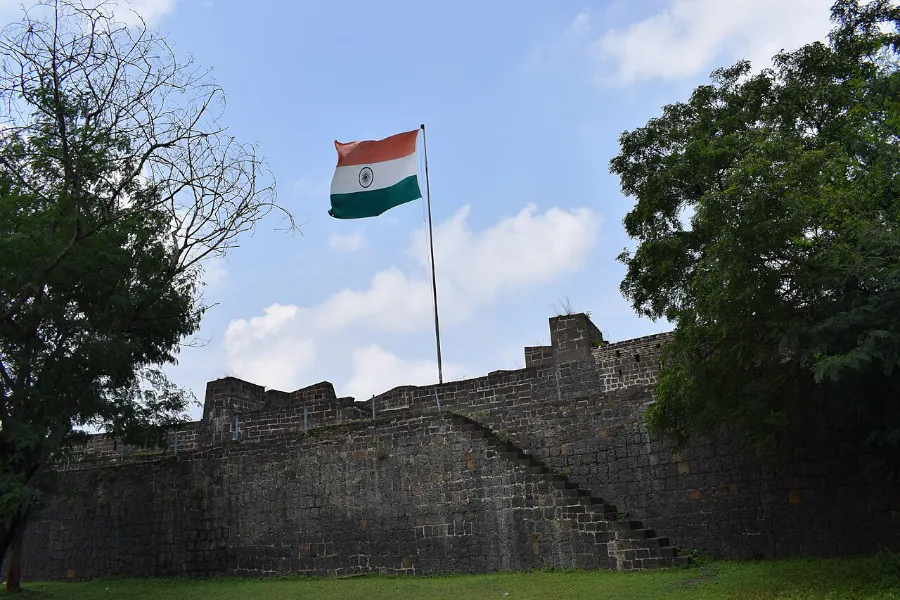
In 1803, during the Second Anglo-Maratha War, British East India Company troops under Arthur Wellesley (later Duke of Wellington) captured the Ahmednagar Fort, marking the beginning of British control.
Key outcomes:
➪ The city was annexed into the Bombay Presidency.
➪ Military cantonments were built, many of which still exist today.
➪ Railways, Postal Services, and Municipal councils were introduced by the British. 🚂 📬
Ahmednagar Fort was repurposed as a prison, later to be used for key national leaders during the freedom movement.
📚 1942–1945 – The Quit India Movement and Nehru’s Imprisonment
Perhaps the most iconic moment in Ahmednagar’s colonial chapter came during World War II. In 1942, during the Quit India Movement, the British imprisoned several Indian National Congress leaders at Ahmednagar Fort, including:
✪ Jawaharlal Nehru
✪ Sardar Vallabhbhai Patel
✪ Maulana Abul Kalam Azad
✪ Govind Ballabh Pant
It was within the thick stone walls of this fort that Jawaharlal Nehru wrote “The Discovery of India”, an enduring literary and philosophical work on India’s identity and heritage. 📘 🖋️
🕊️ 1947 – Post-Independence India and Democratic Transformation
After India’s independence in 1947, Ahmednagar became part of the Bombay State, and later, Maharashtra after state reorganisation in 1960. The district saw:
➪ Expansion of Agriculture and Irrigation Projects
➪ Rural Electrification
➪ Growth in Cooperative Sugar Industries, making it one of Maharashtra’s leading Agro-Industrial regions.
Civic institutions like Ahmednagar Municipal Corporation (AMC) were strengthened. The military continued to maintain its presence through training centres and establishments. 🏢 🚜
📜 2023 – Renaming to Ahilyanagar in Honour of Ahilyabai Holkar
In 2023, a state government notification officially changed the name of Ahmednagar to Ahilyanagar, honouring Maharani Ahilyabai Holkar, a ruler known for:
➪ Rebuilding and preserving sacred Hindu sites across India.
➪ Promoting Dharmic Governance, infrastructure, and public works.
➪ Empowering women and upholding just rule.
The renaming was widely celebrated as a cultural reclamation and symbolic tribute to one of India’s most beloved queens. Cultural events, exhibitions, and academic forums were organised across the city to educate citizens and celebrate this milestone. 🪔 👸🏾
🌟 Conclusion of Historical Timeline
From its origins as a Sultanate capital, through Mughal invasions, Maratha revival, British occupation, and finally into modern democratic India, Ahilyanagar has witnessed nearly every transformative chapter of the Indian subcontinent. It stands today not just as a geographic location but as a monument to endurance, adaptation, and pride. The fort still stands tall, as do the memories of Nehru’s writings, Chand Bibi’s valour, and Ahilyabai’s spiritual grace.
Each brick of this city whispers a story — all you need to do is pause and listen. 🎧 🕌 🏰
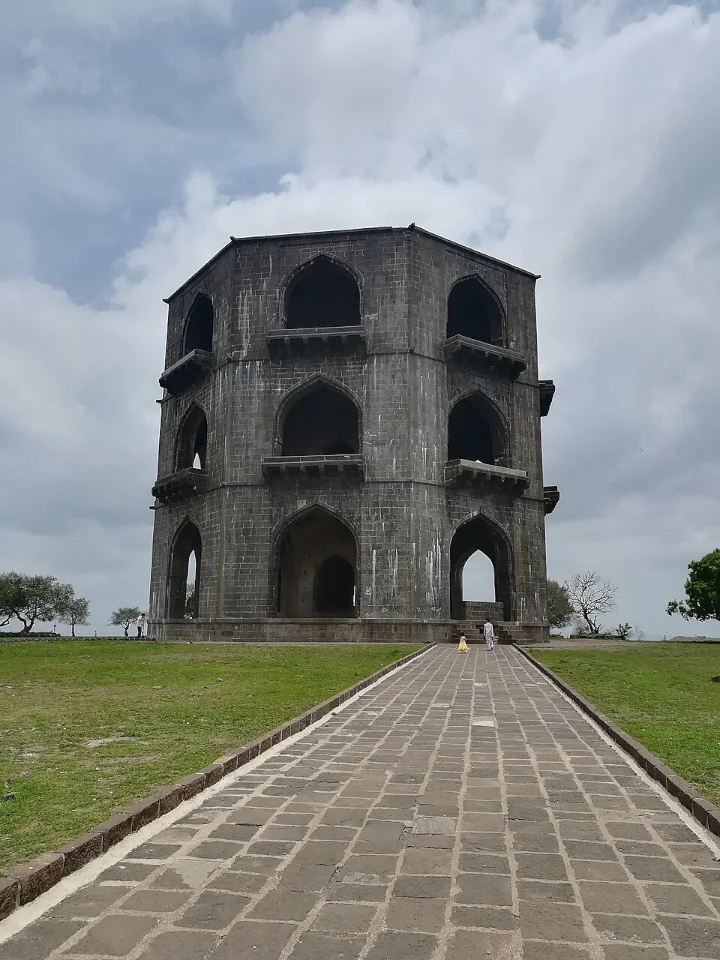
🏛️ Architectural Marvels in Ahmednagar (Ahilyanagar), Maharashtra, India – Fortified Legacies & Spiritual Elegance
Ahmednagar, now officially Ahilyanagar, is a city where stone tells stories. The architectural canvas of this region is a beautiful fusion of Deccan Sultanate fortifications, Mughal elegance, Maratha resilience, Spiritual symbolism, and Colonial utilitarianism. These monuments are not just static structures but living testaments to the city’s vibrant and layered history. Every dome, bastion, tomb, and column in Ahilyanagar echoes centuries of transformation, from Islamic sultanates to British imperialism to democratic India. 🕌 🛕 🏰
🏯 1. Ahmednagar Fort – The Iron Citadel of the Deccan
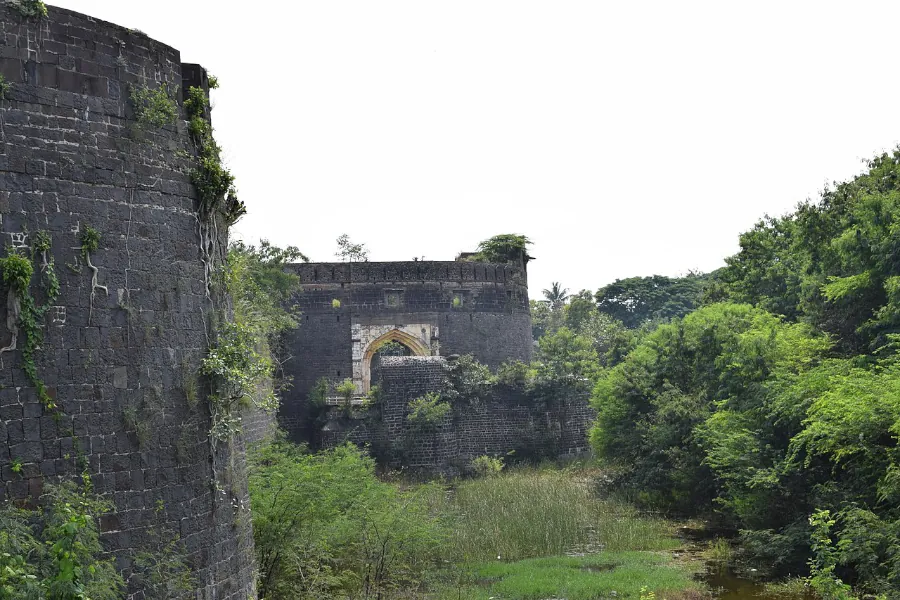
Built in the late 15th century by Ahmad Nizam Shah I, the Ahmednagar Fort is an extraordinary circular bastion considered one of the strongest stone forts in India. Enclosed by massive stone walls and a deep moat, the fort was designed for both military defence and regal residence.
➨ It Boasts:
➪ 24 solid bastions forming a near-perfect circle.
➪ A 60-foot-wide moat surrounding the structure.
➪ Underground tunnels and concealed passageways.
➪ Historical prison cells where Jawaharlal Nehru was incarcerated and authored “The Discovery of India”. 📚 🪖
Today, the fort is maintained by the Indian Army and can be visited with permission. The thick, black basalt walls give you an eerie yet inspiring sense of the city’s wartime past.
🕌 2. Jama Masjid – A Gem of Indo-Islamic Design
Located within the city, the Jama Masjid is a beautiful representation of Deccan Sultanate Architecture. Constructed under the Nizam Shahis in the early 1500s.
➨ The Masjid features:
➪ An elegant three-arched façade.
➪ Intricate Islamic calligraphy on its inner domes.
➪ Massive minarets that blend Persian and Indo-Islamic styles.
Despite its age, the structure has been well-maintained and continues to be an active centre of worship, especially during Ramzan and Eid. The mosque is a testimony to the region’s religious harmony and heritage. ☪️ 🕌 ✨
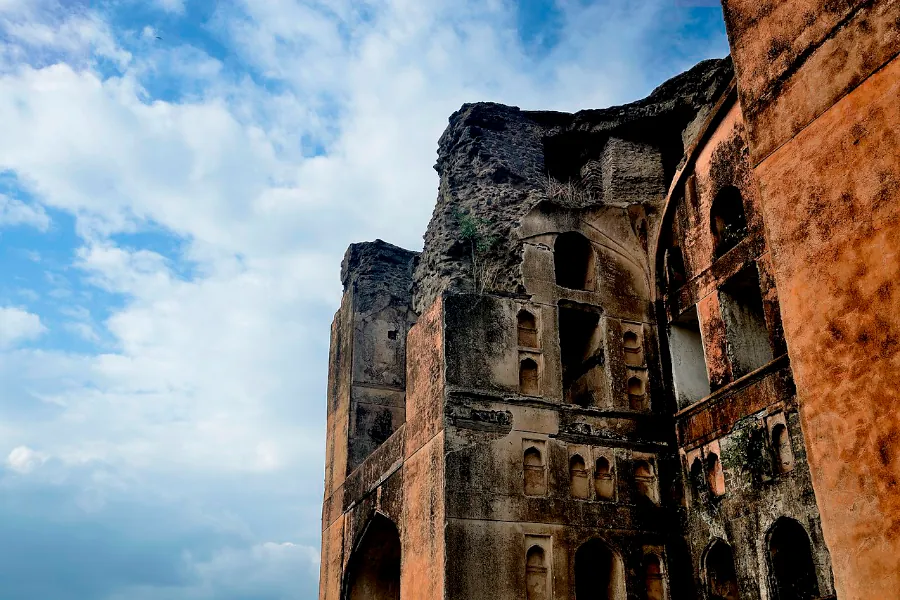
🪦 3. Baugh Rauza – The Garden Tomb of Husain Nizam Shah I
Situated on the southern edge of the city, Baugh Rauza is a magnificent Mughal-style tomb where Husain Nizam Shah I (the son of Ahmad Nizam Shah I) is buried.
➨ Highlights of the structure include:
➪ A spacious courtyard surrounded by Mughal Charbagh gardens.
➪ Inlaid Persian inscriptions praising the King.
➪ Beautiful arched corridors reminiscent of Delhi’s Humayun’s Tomb.
The entire complex breathes tranquility, and the site remains a quiet corner of reverence, deeply respected by locals of all faiths. 🌳 📿 🌺
🏚️ 4. Salabat Khan Tomb (Chand Bibi Mahal) – The Lone Sentinel on the Hill
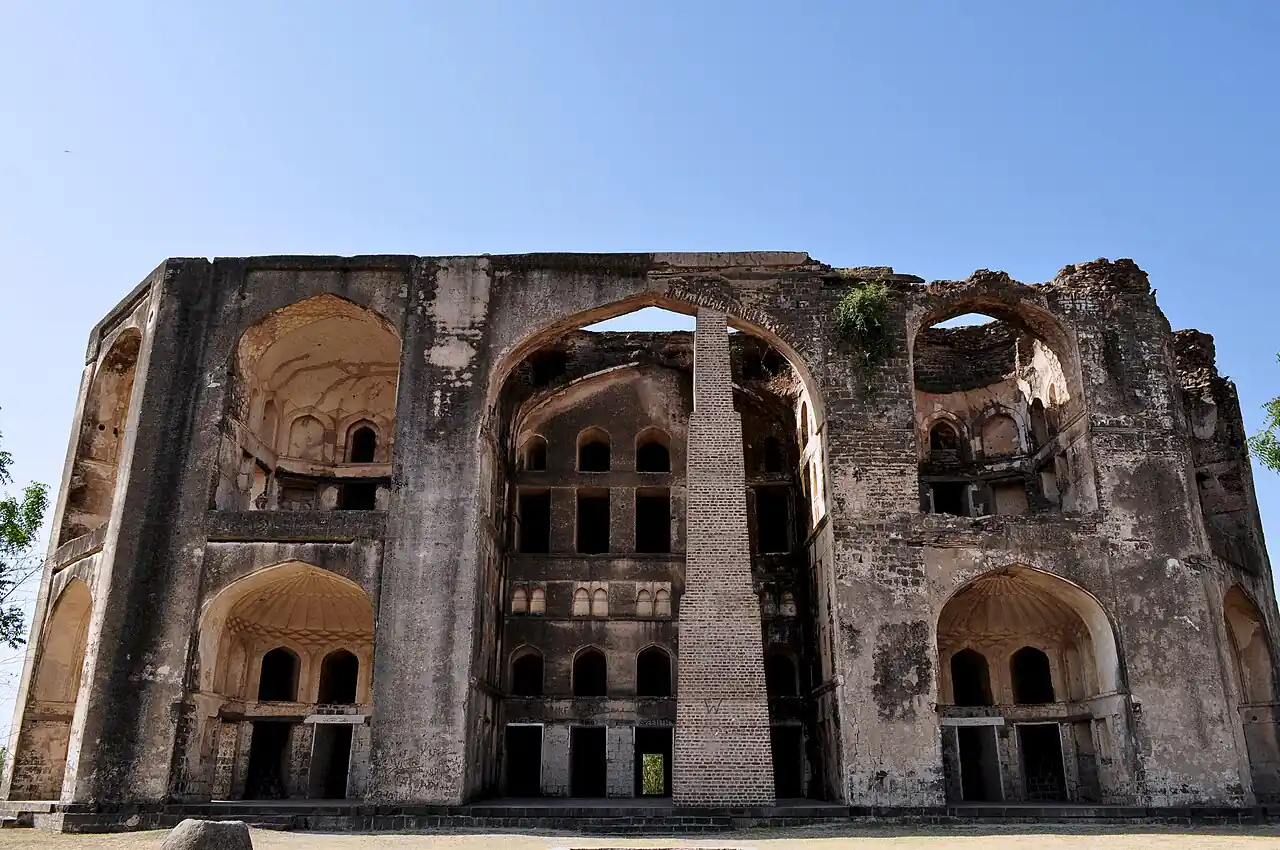
Perched atop a hill 900 feet above sea level, the Salabat Khan Tomb, often mistakenly referred to as Chand Bibi Mahal, offers 360-degree panoramic views of Ahilyanagar city.
➨ Though associated with Salabat Khan, a Nobleman during Mughal rule, the structure:
➪ Has Octagonal design elements typical of the Indo-Islamic period.
➪ Houses a central dome surrounded by triple-arched porticoes.
➪ Serves as a beloved sunrise/sunset point for locals and visitors alike.
Accessible via a steep winding road, the tomb is a place of Solitude, Elegance, and Historical curiosity. 🌄 🧭
🚀 5. Cavalry Tank Museum – India’s Armoured Archive
A completely unique architectural and thematic site in India, the Cavalry Tank Museum was established in 1994 by the Armoured Corps Centre and School (ACC/&S).
➨ Spread across acres of open ground, the museum features:
➪ Over 50 decommissioned battle tanks, including those used in World War II, Indo-Pak wars, and UN missions.
➪ An indoor section with blueprints, battlefield artefacts, and restored engines.
➪ Highlights include British Centurion, Russian T-55, and Pakistani Patton tanks captured in the 1965 war.
This Military Museum is not only educational but awe-inspiring for both history buffs and defence enthusiasts. 🛡️ 🧨 🪖
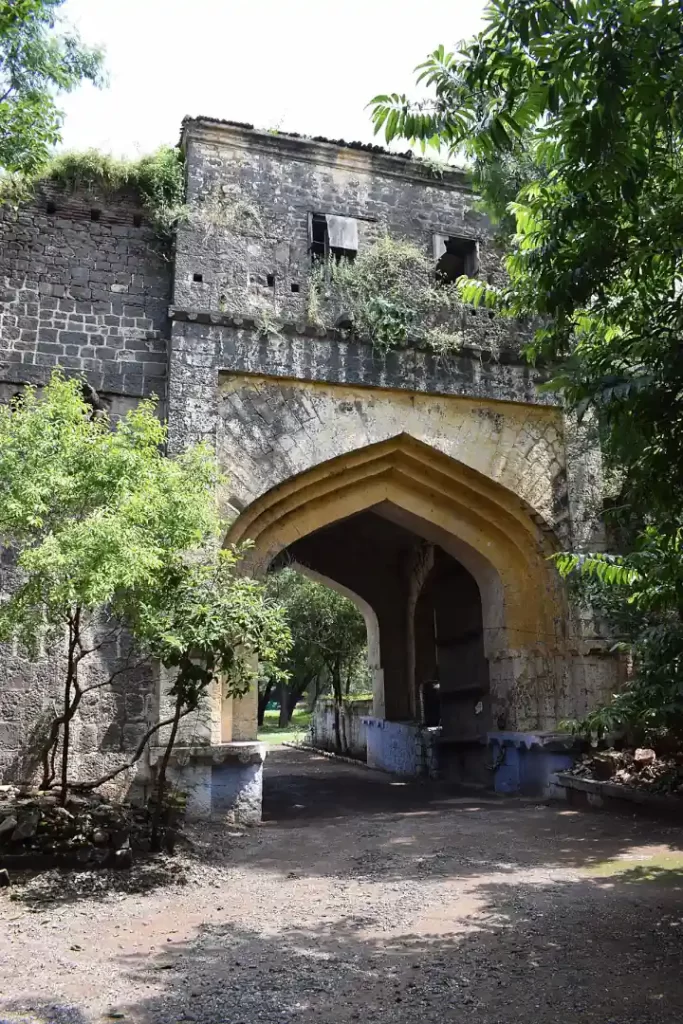
🏛️ 6. Chand Bibi Palace – A Forgotten Feminine Fortress
Although its association is debated, Chand Bibi’s Palace, also known as Faria Bagh Palace, is a semi-ruined but majestic remnant of Nizam Shahi elegance. Chand Bibi was a warrior princess who valiantly defended Ahmednagar against Mughal invasions.
➨ While much of the structure lies in ruins:
➪ The original central hall, once used for diplomatic meetings and poetic gatherings, still stands.
➪ Islamic-style arches, faded frescoes, and fragments of Deccani-style ornamentation can still be observed.
➪ The palace is surrounded by what once were Royal gardens and fountains.
Local historians are advocating for its restoration to preserve the memory of Chand Bibi, one of the few female military commanders in Indian history. 👸 ⚔️ 🌿
🕯️ 7. Meherabad Ashram – The Spiritual Retreat of Meher Baba
Located about 9 km south of the city, Meherabad is not architecturally grand in the traditional sense but holds spiritual and cultural significance. It was the home and resting place of Meher Baba, the silent spiritual master who famously declared, “Don’t worry, be happy”.
➪ The Ashram includes Meher Baba’s Tomb, a Meditation hall, and Residential quarters for followers.
➪ Built using local stone, wood, and minimalist design principles, Meherabad’s architecture mirrors Baba’s philosophy of humility and peace.
➪ It attracts followers from across the globe and hosts Meher Pilgrimage Week every February. 🕊️ 🌍 🛐
🪔 8. Shani Shingnapur Temples – Divine Design Without Doors
About 85 km from the main city lies Shani Shingnapur, a village revered for its Shani Temple and unique Architectural-cultural phenomenon:
➪ Homes in the village have no doors, signifying complete trust in Lord Shani’s protection.
➪ The open-air black stone idol of Shani Dev rests on a platform with no roof — said to be by divine command.
➪ Surrounding temple complexes and Dharmashalas are designed with simple, open-structure architecture.
This belief system has shaped not only the architecture but also the psychology of the community — a fascinating fusion of faith and form. 🔱 🚪 🛕
🧱 Conclusion – Ahilyanagar: Where Architecture is an Archive of Time
The architectural diversity of Ahmednagar (Ahilyanagar) is a living encyclopaedia of India’s dynastic transitions and spiritual inclinations. Whether you’re marvelling at the defensive genius of its fort, walking through forgotten palaces of warrior queens, standing in silent reverence at garden tombs, or absorbing the energy of sacred spaces — you’re journeying through centuries of stories, aspirations, and artistic mastery.
These monuments are not isolated structures but interconnected expressions of identity, resilience, and legacy. Each tells a unique story of Ahilyanagar — a city truly deserving of exploration, admiration, and preservation. 🏞️ 📜 ❤️
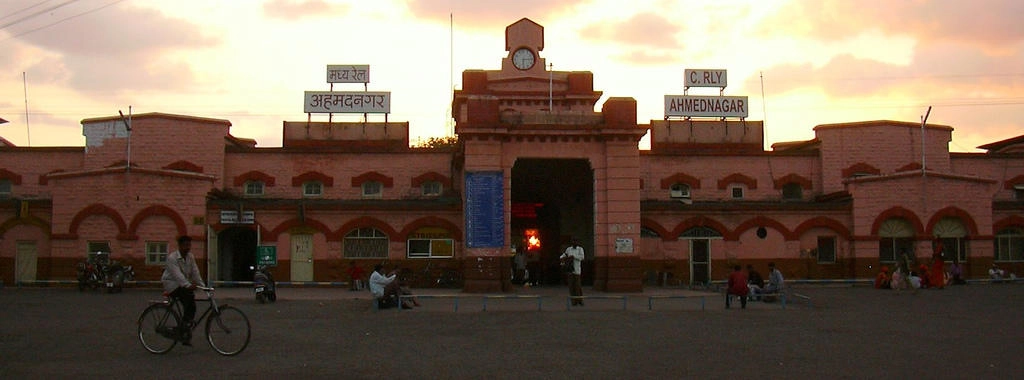
How to Reach Ahmednagar, officially Ahilyanagar, Maharashtra, India from Various Parts of India 🚉 ✈️ 🛣️
Including detailed travel routes, tips, and convenient options for every traveler. Let’s dive in!
🏙️ Introduction: A Well-Connected Cultural Hub
Ahmednagar (officially Ahilyanagar) is centrally located in Western Maharashtra, making it Strategically Accessible from major cities like Pune, Mumbai, Aurangabad, and Nashik. Whether you’re coming from Northern India, Southern metros, or the Eastern belt, reaching Ahilyanagar is convenient via road, rail, and limited air connectivity. This section gives you a Granular Breakdown of each travel mode, suitable for every type of traveler — budget, comfort, or luxury. 🧳 🗺️
🚆 By Train – Ahmednagar Railway Station (ANGR) – The Most Reliable Option
Ahmednagar Railway Station (ANGR) is part of the Central Railway Zone and is well-connected to multiple major cities across India.
🛤️ Major Trains Connecting Ahilyanagar:
➙ Mumbai: Deccan Express (with change at Pune), Pune–Manmad Express, and Sainagar Shirdi Express
➙ Delhi: Jhelum Express and Goa Expres
➙ Hyderabad: Hussainsagar Express (with change at Pune or Daund)
➙ Bangalore/Chennai: Via Coimbatore–Jabalpur Express or with changes at Daund Junction
🔹 Facilities:
➙ Waiting Rooms, Book stalls, Digital boards
➙ Ola/Uber and auto-rickshaw availability outside the station
➙ Frequent local bus services for town transfers 🚍
💡 Tip: Book train tickets at least 15-30 days in advance during the festive or pilgrimage season to avoid waitlists.
🛣️ By Road – NH 60 & NH 222 Highway Hub 🛻 🛣️
Ahilyanagar is a Road Travel Gem, thanks to its position on National Highways NH 60, NH 222, and NH 753F. The State-run MSRTC buses and private travel operators ensure 24×7 connectivity.
🚍 MSRTC (ST) Bus Services:
✪ Mumbai to Ahmednagar: ~260 km – 6 to 8 hours
✪ Pune to Ahmednagar: ~120 km – 3 hours
✪ Aurangabad to Ahmednagar: ~120 km – 3 hours
✪ Nashik to Ahmednagar: ~155 km – 4 hours
🚗 Private Cars & Taxi:
✪ Easily bookable through Zoomcar, Savaari, or local tour operators
✪ Scenic drives through the Sahyadri Ghats and Deccan Plateau
✪ Smooth roads with regular food stops & fuel stations ⛽
💡 Pro Tip: The Pune–Ahmednagar Highway (NH-753F) is under expansion, so night travel might see some delays.
✈️ By Air – Closest Airports to Ahmednagar 🛫
Ahmednagar doesn’t have a fully operational commercial airport yet, but there are multiple nearby Airports that act as viable options.
🛬 Nearest Airports:
🎯 Pune International Airport (PNQ) – 120 km
➙ Direct flights to/from Delhi, Mumbai, Bangalore, Chennai, Hyderabad, Goa
➤ Road/rail connectivity to Ahmednagar is excellent
🎯 Shirdi Airport (SAG) – 85 km
➙ Mostly flights from Mumbai, Hyderabad, and Bengaluru
➤ Taxis and buses available outside the Airport 🧳
🎯 Aurangabad Airport (IXU) – 120 km
➙ Ideal if clubbing with Ajanta–Ellora trip
➤ Road transfer via MSRTC or private taxi
💡 Coming Soon: The Ahilyanagar Airport Development Project is underway under UDAN 5.0 scheme. Domestic flights may start within the next few years. 🏗️ ✈️
🚌 Inter-City Bus Connectivity – Budget Friendly & Scenic
Ahmednagar enjoys robust intercity bus connectivity, especially with Maharashtra and adjoining states. Options range from semi-sleeper AC Volvo buses to budget ST buses.
Popular Routes:
⦿ Pune ↔ Ahmednagar (Every 20–30 mins)
⦿ Mumbai ↔ Ahmednagar (Overnight and morning services)
⦿ Solapur, Kolhapur, Beed, Parbhani ↔ Daily buses
💡 Travel Hack: For overnight journeys, book sleeper AC private buses via RedBus or Abhibus for comfort and reliability.
🛵 Local Transport in Ahmednagar – Easy and Efficient
Once you arrive, moving around Ahilyanagar is stress-free. The city has a growing public transport network and easily accessible private options.
🚖 Modes Available:
⦿ Auto-rickshaws (Metered & Shared)
⦿ City Buses (Connects suburbs to central town)
⦿ App-based Taxis like Ola & Rapido
⦿ Scooter Rentals available at major Bus/Train stands
💡 Insider Tip: For visiting forts and outskirt attractions, hire a local guide with a car for the best experience.
🛤️ Reaching from Major Indian Cities – Detailed Snapshot 📍
| City | Mode | Distance | Avg. Time | Best Route |
| Pune | Road/Rail | 120 km | 3 hrs | NH753F or daily trains from Pune Jn |
| Nashik | Road | 155 km | 4 hrs | State Highway SH60 |
| Mumbai | Road/Rail | 260 km | 6–7 hrs | NH60 or via Kalyan–Daund rail line |
| Hyderabad | Rail (via Daund) | 570 km | 10–12 hrs | Falaknuma Express or change at Pune/Daund |
| Bengaluru | Rail+Road | 870 km | 14–18 hrs | Trains till Pune, then Bus/Car |
| Delhi | Rail (Direct) | 1300 km | 20–24 hrs | Jhelum/Goa Express |
🧭 Final Thoughts: Journey to the Heart of Maharashtra ❤️
Whether you prefer the thrill of the road, the comfort of a train, or the speed of a flight, Ahmednagar (Ahilyanagar) is more accessible today than ever before. The expanding infrastructure, modern bus terminals, and diversified travel options make it a versatile destination for all budgets. 🌆 🌄
So plan ahead, pack your bags 🎒, and set off on a journey to experience History, Spirituality, and Culture in the timeless city of Ahilyanagar.
Best Time to Visit Ahmednagar & Cultural Festivals and Traditions of Ahilyanagar, Maharashtra, India 📅 🌼
🌤️ Ideal Weather, Ideal Travel: Best Time to Visit Ahilyanagar
Ahmednagar (officially Ahilyanagar) enjoys a Semi-arid climate with distinct seasonal shifts, making October to March the Best Time to explore the city comfortably. The weather is pleasant, dry, and cool — perfect for fort explorations, heritage walks, and spiritual visits. 🌄
➪ October to February: Cool and dry winter months with temperatures ranging from 10°C to 28°C, making it ideal for sightseeing.
➪ March to May: These are the hot summer months (35°C–42°C), generally avoided unless you’re attending local festivals.
➪ June to September: The monsoon season brings moderate to heavy rainfall, adding scenic beauty to the region’s green pockets and dams like Bhandardara and Mula Dam. 🌧️ 🌿
💡 Travel Tip: For photographers and nature lovers, post-monsoon (September–October) offers misty landscapes and fort treks.
🪔 Deep Roots, Grand Celebrations: Cultural Spirit of Ahmednagar
Ahmednagar’s culture is a melting pot of Maratha, Mughal, and Sufi traditions. The city’s vibrant culture is expressed through regional festivals, spiritual processions, and historical commemorations, each reflecting the deep spiritual and social fabric of Maharashtra. 🎉
The locals, called Nagarwallas, take great pride in their traditions and speak Marathi, though Hindi and Urdu are also widely understood. Cultural diversity here is marked by Hindu, Muslim, and Christian festivals, celebrated with harmony and grandeur.
🕯️ Diwali – The Festival of Lights 💥
Celebrated during October or November, Diwali lights up Ahilyanagar with Oil lamps, Firecrackers, colourful Rangolis, and Sweets. Families visit each other, exchange gifts, and light up their homes, while markets brim with festive décor and gold jewellery shopping (especially on Dhanteras). Local temples like Vitthal Mandir and Shani Mandir are illuminated beautifully. 🪔
In rural areas around the district, Cultural Folk Dances like Lezim, Tamasha, and Bharud performances are also staged in village fairs.
🐘 Ganesh Chaturthi – Unity in Devotion 🙏
One of the grandest festivals in the city, Ganesh Chaturthi is celebrated with huge public processions, idol installations in local Mandals, and ten days of Aartis, Bhajans, and Community Feasts. 🕉️
Ahmednagar’s Shree Siddhivinayak Mandal, Tarakpur and other central mandals attract thousands of devotees and tourists. The immersion (Visarjan) procession features live dhol-tasha troupes, traditional attire, and chants of “Ganpati Bappa Morya!” echoing through the streets. 🥁 🎭
🌾 Makar Sankranti – The Kite Festival 🪁
Celebrated on January 14th, Makar Sankranti marks the harvest season and is known for its sky filled with colourful kites across rooftops in the city. People prepare and distribute Tilgul (sesame and jaggery) sweets while greeting each other with “Tilgul Ghya, God God Bola!” 😋
The city witnesses community get-togethers, Haldi-Kunku ceremonies for women, and vibrant celebrations in both urban and rural settings.
💫 Urs at Hazrat Shah Sharif Dargah – Sufi Devotion
The Urs (Death Anniversary) of Hazrat Shah Sharif, held at his Dargah in Ahmednagar city, is one of the most spiritually significant events in the region, attracting thousands of devotees, regardless of religion. 💫
The multi-day event includes Qawwali Performances, Night Prayers, and a massive Langar (Community Meal). The Dargah is beautifully decorated, and people believe that their prayers here bring peace and healing. 🕌
🌈 Holi – Celebration of Colours and Spring
Like most of Maharashtra, Holi in Ahmednagar is a mix of playful Colour-throwing, Bonfires (Holika Dahan), and sweet treats like Puran Poli and Gujiya. Local temples such as Datta Mandir and Vitthal-Rukmini Mandir hold special prayers and traditional music sessions. 🌺 🌼
The second day, known as Dhulivandan, sees enthusiastic participation in colonies and villages, with organic colours and DJ parties in recent years.
🎉 Gudi Padwa & Shiv Jayanti – Pride of Maharashtra
Gudi Padwa marks the Marathi New Year and is celebrated in March/April. Ahmednagar homes raise the traditional “Gudi” (a Bamboo Stick with a Silk Cloth and Neem leaves) to signify prosperity and victory. Families prepare Puran Poli, and streets are decorated with Mango leaf garlands. 🍋 🌿
Shiv Jayanti, the Birth Anniversary of Chhatrapati Shivaji Maharaj, is a major event. Cultural programs, Traditional Sword Demonstrations, and speeches remembering the great warrior-king are held at schools, forts, and public spaces. 💂♂️ 🔥
🎭 Other Festivals and Local Traditions
➙ Eid-ul-Fitr and Bakri Eid are celebrated with great enthusiasm in neighbourhoods like Mukundnagar and Savedi, featuring community prayers and festive meals. 🍛
➙ Christmas in areas like Camp and Bhingar includes midnight masses at St. John’s Church, with carols and cribs attracting people from all faiths. 🎄
➙ Rural areas still preserve Jatra Utsavs – local village fairs held near temples post-harvest, featuring bullock cart races, traditional plays, and local cuisine.
🌟 Final Thoughts: Culture that Binds
Ahmednagar (Ahilyanagar) is a city where History, Spirituality, and Festivity walk hand-in-hand. The best time to visit isn’t just based on climate — it’s when the city is alive with traditions, music, lights, and laughter. Whether you plan around Diwali, Ganesh Chaturthi, or Shiv Jayanti, you’re in for a deeply cultural, heartfelt experience that reflects the soul of Maharashtra. ❤️ 🌾 🎶
🏨 Where to Stay in and near Ahmednagar (Ahilyanagar), Maharashtra, India
This detailed guide covers Luxury Hotels, Budget stays, Guesthouses, and Dharamshalas, including rates, check‑in details, amenities, and food facilities, with recommendations for every traveler type. ✨
🌟 1. Luxury & Premium Hotels
Ahmednagar has limited high‑end hotels, but the Enrise by Sayaji brand fits the bill for a more upscale stay in the city.
🏨 Enrise by Sayaji Ahmednagar (Savedi area):
➙ Approximate rate: ₹3,300/night (Breakfast Included)
➙ Check‑in: Typically 2:00 PM
➙ Facilities: AC Rooms, in‑house Restaurant, free Breakfast, Banquet halls, Parking, Wi‑Fi, 24×7 Room Service
➙ Food: Multi-cuisine Restaurant serving Indian, Continental dishes, tea/coffee, and snacks on demand
This is perhaps the most well‑featured hotel in Ahmednagar offering modern comforts and event facilities.
💲 2. Mid‑Range & Budget Hotels
➨ Ideal for families, long‑stay travellers, and budget-conscious visitors:
✪ Hotel V Star (Tarakpur): ₹2,565/night, free Breakfast
✪ Kale’s Orchid Resort (Ahmednagar outskirts): ₹3,000/night, includes Breakfast and garden setting
✪ Hotel Radiance (Maniknagar): ₹2,400/night; basic clean rooms and complimentary Breakfast
✪ Hotel Paradise (Maliwada): ₹2,613/night with free Breakfast; family‑oriented with local dining
✪ O Hotel (Savedi): ₹2,200/night, Breakfast included, Wi‑Fi and Parking
✪ Dwarka Palace Lodging (Bhavani Nagar): ₹1,980/night, free Breakfast, 24‑hour service
✪ Singh Residency (Tarakpur): ₹2,000/night, basic service and clean rooms
Check‑in timings are usually 12 PM to 2 PM. Basic amenities include AC or fan rooms, attached bathrooms, hot water, Wi‑Fi, free breakfast (continental or Indian), often with onsite parking.
🏘️ 3. Guesthouses & Lodges
➨ For budget travellers or those preferring local stays:
➪ Abhay Palace Lodging (Maliwada): ₹1,548/night; couple‑friendly, clean private rooms, basic amenities like AC/fan, attached bathroom
➪ Anmol Residency, Nagapur (MIDC area): ₹858/night (plus taxes), budget lodging with bar facility, close to eateries
➪ Hotel O Chaitanya (MIDC): ₹893/night; 24‑hour room service, restaurant, good for industrial area visitors
➪ Hotel Poonam Lodging & Boarding (Maliwada, near Kapileshwar Temple): ₹793/night, basic boarding facility good for pilgrims/high footfall areas
Check‑in is generally flexible from about 12 PM, and rooms commonly include basic bedding, fan or AC, and sometimes a shared or in‑room bathroom.
🙏 4. Dharamshalas & Ashram Guest Accommodation
➨ While Ahmednagar city itself has limited formal Dharamshalas, you’ll find:
➪ Meherabad Ashram, ~9 km South of the City: Inexpensive Rooms for followers or Pilgrims; shared bathrooms, simple meals, vegetarian kitchen, spiritual atmosphere
➪ Other smaller Temple-run Dharamshalas in villages like Shani Shingnapur (~35 km away) offer free/low-cost lodging and community meals for Pilgrims
These stays usually have check-in by afternoon, modest dormitory-style rooms, vegetarian food facilities (Langar), and shared toilets.
🔍 5. Recommend By Travel Style
➪ Luxury / Comfortable: Enrise by Sayaji Ahmednagar — with banquet & event facilities, a polished multi-cuisine restaurant.
➪ Mid‑Range / Family: Hotel V Star, Hotel Paradise, or Radiance — clean, central, decent breakfast and Wi‑Fi.
➪ Backpacker / Budget: Anmol Residency or Hotel Poonam — minimalist but highly affordable.
➪ Spiritual Pilgrim or Long‑Term Budget Traveler: Meherabad Ashram or local temple Dharamshalas — slow pace, communal meals, and minimal cost.
📝 Practical Info
➪ Check‑in Times: Most hotels ask for arrival between 12:00–14:00; early arrivals may get keys if rooms are ready.
➪ Check‑out: Usually by 10:00 AM.
➪ Food: Mid-range hotels offer Complimentary Breakfasts (Indian and Continental). Guesthouses may provide simple meals or let you order tiffin.
➪ Payment: Credit/Debit cards accepted; small guesthouses may be cash-only.
➪ Amenities: Wi‑Fi is standard in mid-range/higher; parking generally available. Some properties have event halls or on-site restaurants.
🌸 Sample Stay Options Comparison
| Property | Rate/Night | Breakfast Included | Key Facilities | Check‑In | Food |
| Enrise by Sayaji | ₹ 3,300 | Yes | AC, Restaurant, Parking, Hall, Wi‑Fi | 2 PM | Multi‑cuisine |
| Hotel V Star (Tarakpur) | ₹ 2,565 | Yes | Clean Rooms, Parking, Wi‑Fi | 12 PM | Indian / snacks |
| Hotel Radiance (Maniknagar) | ₹ 2,400 | Yes | Central, Simple Modern, Breakfast | 12–2 PM | Veg/Non‑veg |
| Hotel Paradise (Maliwada) | ₹ 2,613 | Yes | Family Rooms, Restaurant, Parking | 12–2 PM | Onsite Kitchen |
| Anmol Residency (Nagapur) | ₹ 858 | No (low cost) | Basic lodging, near eateries | Flexible | Order locally |
| Hotel Poonam (Maliwada) | ₹ 793 | No | Budget Dorm/Boarding style | Flexible | Local Tiffin |
✅ Final Recommendation
To truly enjoy Ahmednagar (Ahilyanagar), choose a stay based on your travel priorities. Families or leisure travellers may prefer mid-range hotels with comfort and breakfast. Pilgrims or budget backpackers might opt for guesthouses or ashram stays. And those seeking luxury or event-hosting facilities can look into Enrise by Sayaji.
🌆 Best Places to Visit in and near Ahmednagar (Ahilyanagar), Maharashtra, India
Ahmednagar, officially known as Ahilyanagar, is a fascinating mix of History, Spirituality, Fortitude, and Modern-day Charm. From Ancient Forts to Revered Temples, Bustling Bazaars to Serene Shrines — the city offers an immersive experience for Heritage seekers, Spiritual travellers, and curious Explorers alike. Let’s dive into the major attractions and landmarks across this Historic City and its outskirts.
🏯 1. Ahmednagar Fort – The Pride of Maratha Resistance
✪ Location: Near Bhingar area
✪ Timings: 10:00 AM – 5:00 PM
✪ Entry Fee: ₹25 for Indian Citizens
Constructed in the 15th century by Malik Ahmad Nizam Shah, the founder of the Nizam Shahi dynasty, the Ahmednagar Fort is a robust military structure with 24 bastions and a deep moat surrounding it. During the British rule, it served as a prison for prominent freedom fighters, most notably Pandit Jawaharlal Nehru, who wrote “Discovery of India” while imprisoned here.
🧱 Key Highlights:
⦿ Massive circular Architecture
⦿ Underground escape passages
⦿ Nehru’s jail room museum
⦿ Engraved stonework and Persian inscriptions
🕌 2. Farah Bagh – Tranquil Persian Elegance
✪ Location: North-west of the city
✪ Timings: 9:00 AM – 6:00 PM
✪ Entry Fee: Free
A symbol of romance and architecture, Farah Bagh was built by Nizam Shah to woo his queen. The central octagonal palace surrounded by gardens and water bodies reflects Persian-style aesthetics. Though now in ruins, it echoes Ahmednagar’s rich Islamic heritage.
🌿 Don’t Miss:
⦿ Ruins of the Royal Hammam (Bath)
⦿ The mosque and minarets in Indo-Persian style
⦿ Photography during monsoon months
🏰 3. Salabat Khan’s Tomb (Chand Bibi Mahal) – Hilltop Views & Legacy
✪ Location: On a hill about 13 km from the city
✪ Timings: 7:00 AM – 6:30 PM
✪ Entry Fee: Free
Commonly misattributed as Chand Bibi Mahal, this octagonal structure is actually the tomb of Salabat Khan II, a minister in the Nizam Shahi court. The elevated location offers a 360-degree panoramic view of the city and lush plains around it.
📸 Recommended:
⦿ Visit at sunrise or sunset
⦿ A perfect picnic spot
⦿ Learn the Chand Bibi connection from local guides

🛕 Temples and Places of Worship in Ahilyanagar
🙏 4. Siddheshwar Temple
✪ Location: Near Tarakpur
✪ Built: 12th Century
This ancient Shiva temple is a marvel of Hemadpanthi Architecture with intricate stone carvings. It remains an active site of worship, especially during Mahashivratri, when thousands gather for spiritual blessings.
🙏 5. Datta Temple – Meherabad
Dedicated to Lord Dattatreya, this temple is located within the Meherabad spiritual centre, where followers of Meher Baba congregate from across the globe. The peaceful atmosphere and chants make this a divine space for reflection.
🕌 6. Jama Masjid
Located in the heart of the city, this mosque represents Indo-Islamic Architecture with its arched corridors, expansive prayer halls, and intricate latticework. It is one of the oldest mosques in the region, built in the early 1500s by Nizam Shah.
🛍️ Local Marketplaces & Handicrafts
🛒 7. Maliwada Bazaar
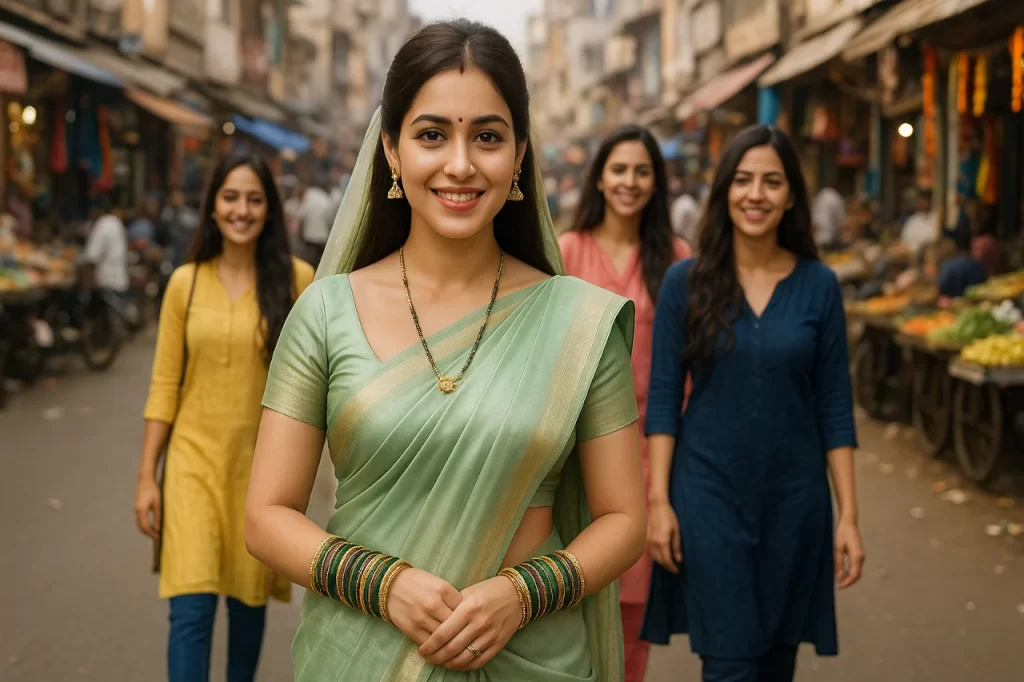
A vibrant market area in the city, Maliwada Bazaar offers a range of local produce, spices, cotton textiles, and utensils. Walk through the alleys filled with the aroma of Maharashtrian snacks, local crafts, and everyday essentials.
🧵 8. Silver Craft at Shani Chowk
Shani Chowk is famous for its traditional silver jewellery and handcrafted utensils. Families who have practiced silver craft for generations now showcase their art in small but fascinating workshops.
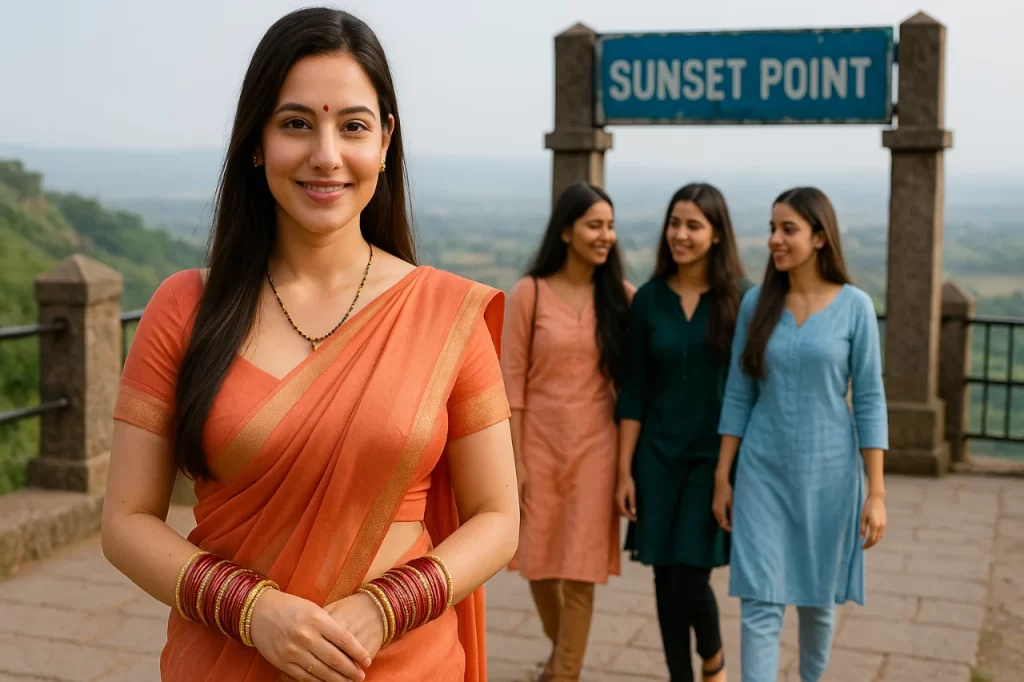
✨ Hot Tip: Ask for “Ahamadnagar Chi Paithani” — local-style handwoven sarees with bold borders and heritage patterns.
🌿 Other Must-Visit Attractions in and Around Ahmednagar
🌸 9. Meherabad – Global Spiritual Retreat
Located about 9 km from the city, this spiritual hub is associated with Avatar Meher Baba. Pilgrims come here for Meditation, Self-reflection, and to visit the Meher Baba Samadhi.
🛏️ Accommodations are available for spiritual travellers. The silence maintained here is profound and inspiring.
🐾 10. Rehekuri Blackbuck Sanctuary
✪ Location: 80 km from Ahmednagar
✪ Best Time to Visit: October to March
If you are a nature lover 🦌, this protected sanctuary is a paradise for spotting blackbucks, chinkaras, and a variety of birds. It is also a favourite among wildlife photographers.
🚜 11. Cavalry Tank Museum – A Military Gem
✪ Location: Inside the Armored Corps Centre
✪ Timings: 9:00 AM – 5:00 PM
✪ Entry Fee: ₹30
This one-of-a-kind museum in Asia showcases over 50 vintage military tanks and armoured vehicles from WWII to modern times. It’s an engaging place for kids and adults alike!
🧕 12. Anand Dham (Krantiveer Lahuji Salve Smarak)
A centre dedicated to Dalit leader Lahuji Salve, Anand Dham pays tribute to social reformers and revolutionaries. The museum and memorial are poignant reminders of India’s freedom movement and social awakening.
🏞️ 13. Harishchandragad – Trekking Paradise
✪ Distance from Ahmednagar: Around 80 km
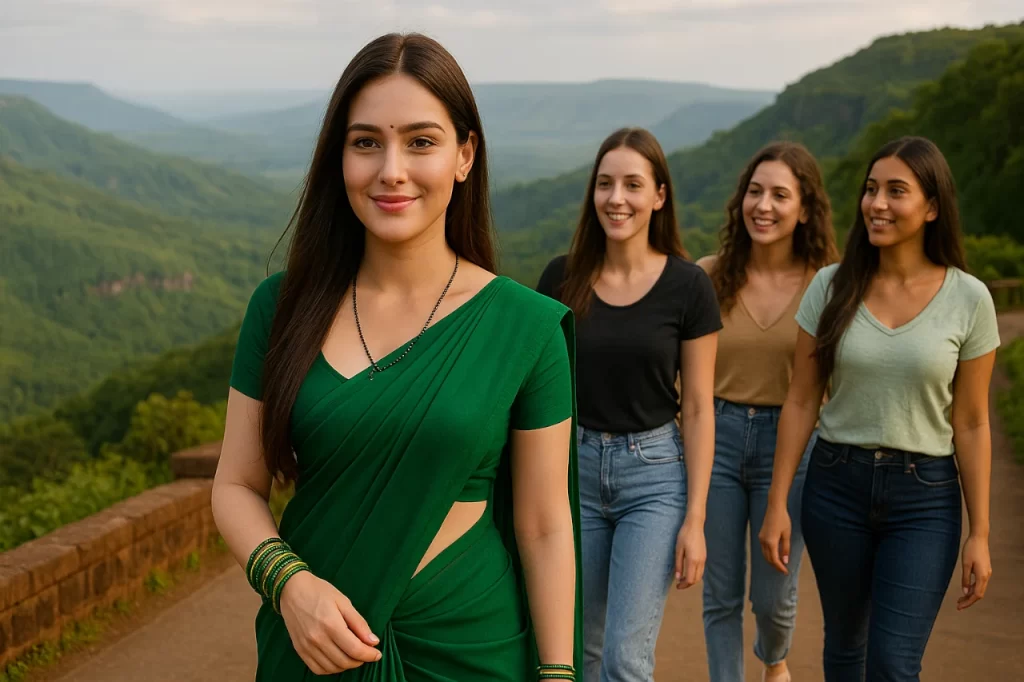
If you’re looking for a thrilling adventure, the Harishchandragad Trek is a must. The fort, Konkan Kada cliff, and temples atop the mountain make this a weekend favourite for trekkers and campers.
🏝️ 14. Bhandardara Hill Station
✪ Distance: 120 km
This scenic hill station near Ahmednagar is perfect for a monsoon retreat. Randha Falls, Arthur Lake, and Wilson Dam are must-visit points.
🌧️ Tip: Visit between July and September for lush greenery and cascading waterfalls.
🌅 15. Shirdi Sai Baba Temple (Nearby)
✪ Distance from Ahmednagar: 83 km
This globally renowned pilgrimage centre draws millions each year. If you are in Ahmednagar, you can plan a day trip to Shirdi, the abode of the saint Sai Baba, known for healing and spiritual miracles.
🧭 Wrapping Up This Granular Tour
From Majestic Forts to peaceful Ashrams, sacred Temples to bustling local bazaars, Ahmednagar (Ahilyanagar) is not just a city — it’s a mosaic of History, Faith, Art, and Resilience. Whether you’re a cultural explorer, spiritual seeker, nature lover, or history buff, there’s something here for everyone 💫.
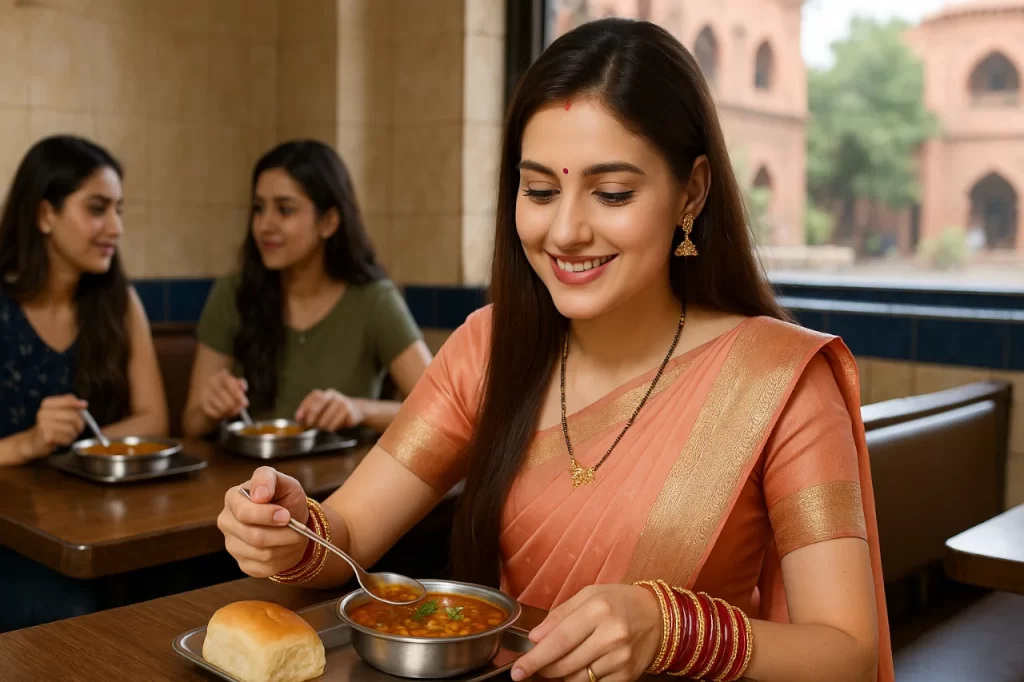
🍽️ Best Places for Refreshments with Authentic Local Food in Ahmednagar (Ahilyanagar), Maharashtra – A Granular Guide
Ahmednagar, officially Ahilyanagar, is not just a historical and spiritual hub — it is also a Gastronomic Delight that reflects the Bold, Spicy, and Soulful flavours of Maharashtrian cuisine. Whether you’re craving crispy Vadas, steaming Misal Pav, a hearty Thali, or refreshing local desserts, the city offers something to satisfy every palate. Below is a granular and immersive food guide to the best local eateries, food joints, and refreshment spots you simply cannot miss when in Ahilyanagar 🍛 🌶️ 🥤.
🥘 1. Hotel Yash Palace – Authentic Maharashtrian Thali 🍲
📍 Location: Near Maliwada Bus Stand
💰 Approx. Cost: ₹250 for two
🕒 Timings: 11:30 AM – 3:30 PM, 7:00 PM – 10:30 PM
Known for its traditional Maharashtrian thali, Hotel Yash Palace is a favourite among locals and travellers alike. The thali includes Bhakri, Pitla, Bharli Vangi (stuffed eggplant), Varan Bhaat (Dal Rice), and spicy Thecha (green chili chutney) that will set your taste buds on fire.
🔥 Must Try:
⦿ Puran Poli during festivals
⦿ Solkadhi (Kokum-based digestive drink)
⦿ Kothimbir Vadi (Coriander Fritters)
🍛 2. Hotel Swad – Misal Pav Heaven 🌶️
📍 Location: Savedi area
💰 Approx. Cost: ₹120 for two
🕒 Timings: 7:30 AM – 11:30 AM
Misal Pav is not just a dish here — it’s an emotion! Hotel Swad serves one of the spiciest and most flavourful Misal Pav’s in the city, loaded with Farsan, Matki Usal, Kat Rassa (Spicy Gravy), and a wedge of lemon to balance it all.
🥵 Pro Tip: Pair your Misal with Buttermilk or Taak for the perfect cooling contrast.
🍞 3. Cafe Cream Centre – Ahmednagar’s Iconic Old School Café ☕
📍 Location: Shivaji Road
💰 Approx. Cost: ₹300 for two
🕒 Timings: 10:00 AM – 11:00 PM
A legacy hangout spot in the heart of Ahilyanagar, this café is known for its Cutting Chai, Bun Maska, and Vegetarian Snacks. With its retro ambiance and vintage wall posters, it’s a nostalgic throwback to simpler times.
🥪 Best Picks:
⦿ Veg Cheese Grilled Sandwich
⦿ Bun Bhurji
⦿ Irani Chai ☕
🍢 4. Shivneri Non-Veg Point – A Paradise for Meat Lovers 🍖
📍 Location: Burudgaon Road
💰 Approx. Cost: ₹400 for two
🕒 Timings: 12:00 PM – 3:30 PM, 7:00 PM – 11:00 PM
If you’re in search of authentic Maharashtrian non-veg delicacies, Shivneri is the place to go. They specialise in Gavran Chicken, Mutton Sukka, and Bhakri, prepared in traditional masalas that have been passed down for generations.
🥘 Top Picks:
⦿ Chicken Rassa with Jowar Bhakri
⦿ Egg Curry with Jeera Rice
⦿ Mutton Fry with Thecha and Jowar Bhakri
🥟 5. Vijay Vada Pav Centre – The Local Favourite 🍔
📍 Location: Near Ahmednagar College
💰 Approx. Cost: ₹30 per Vada Pav
🕒 Timings: 8:00 AM – 8:00 PM
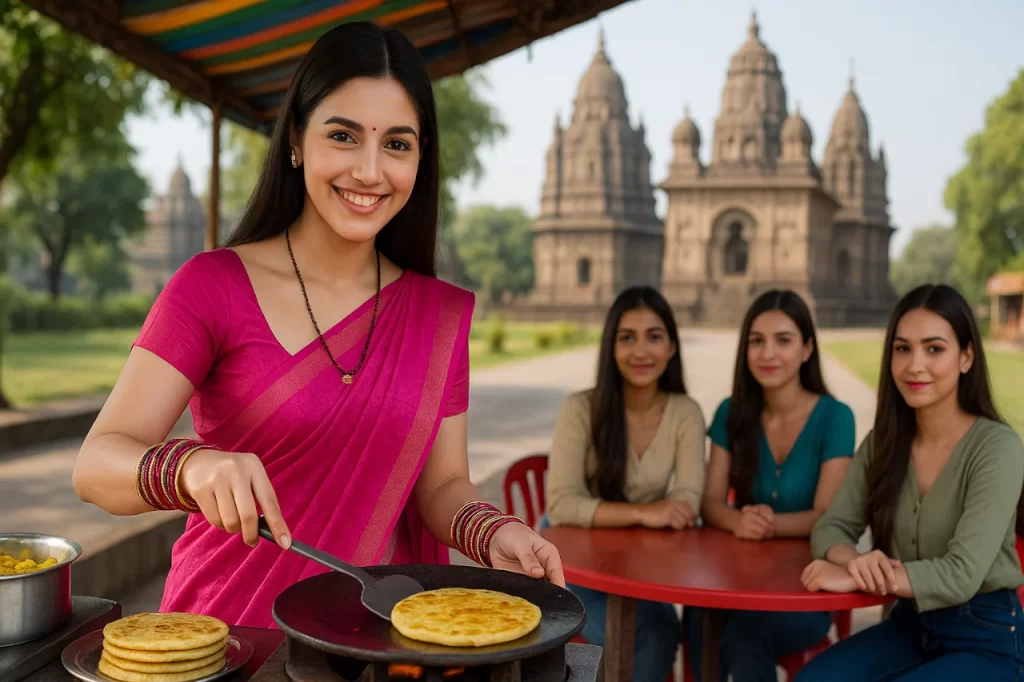
A visit to Ahmednagar is incomplete without savouring a Vada Pav from this bustling street-side stall. Freshly fried, served hot with Lasun Chutney (Garlic Chutney) and fried green chilies, it’s a quick snack that hits all the right notes.
🌟 Fun Fact: It’s been a local favourite for over 25 years!
🍨 6. Sanjay Ice Cream – The Go-To Dessert Spot 🍦
📍 Location: MG Road
💰 Approx. Cost: ₹100 for two
🕒 Timings: 11:00 AM – 11:00 PM
From kulfis to sundaes and seasonal mango delights, Sanjay Ice Cream is a refreshing pit stop on a hot day. Try their Sitaphal (Custard Apple) Ice Cream, a unique flavour that reflects the local palate.
🍧 Try This:
⦿ Kesar Pista Kulfi
⦿ Tender Coconut Ice Cream
⦿ Fresh Fruit Sundae
🫕 7. Sardar Khan’s Seekh Kabab – Street Food Royalty 🍢
📍 Location: Near Nehru Chowk, Night Market
💰 Approx. Cost: ₹150 for two
🕒 Timings: 6:00 PM – 11:30 PM
Located in the evening bazaar, this small stall serves mouth-watering Seekh Kababs, Rumali Roti, and Mutton Kheema Rolls. It’s a popular haunt for night owls and meat lovers seeking smoky, juicy bites.
🔥 Highly Recommended: Try the chicken tikka with mint chutney and squeeze of lime.
🫖 8. Khau Galli – Street Food Lane with Everything Under One Roof 🍳
📍 Location: Near Gulmohar Road
💰 Approx. Cost: Varies from ₹30 to ₹150
🕒 Timings: 5:00 PM – 10:30 PM
This lively street food lane comes alive every evening with stalls serving everything from Pav Bhaji, Tawa Pulao, Chinese Bhel, Kulhad Chai, to piping hot Jalebis. Perfect for a budget traveler or those who love hopping between snacks.
🎡 Insider Tip: The Gola (Ice slush with flavoured syrup) here is a favourite during summers!
🌿 9. Farm-to-Table: Shree Krupa Agro Tourism & Food Park 🥗
📍 Location: Around 15 km from Ahmednagar on Nagar-Manmad Road
💰 Approx. Cost: ₹500 for a full-day food & farm experience
🕒 Timings: 9:00 AM – 6:00 PM (Pre-booking required)
Experience Maharashtrian village food served on banana leaves amidst organic farms. Enjoy Bhakri, Pitla, Amti, Chaas, and Desi Ghee Desserts under open skies while learning about local agriculture and rural culinary methods.
🌾 Bonus: You can participate in Millet Grinding, Dairy Farming, and Sugarcane Juice making.
🍲 Wrapping Up the Culinary Journey of Ahilyanagar
Ahmednagar’s (Ahilyanagar’s) food culture is as rich and layered as its history. From roadside Vada Pav’s and fiery Misals to royal non-veg Thalis and serene farm lunches, the city’s cuisine represents Maharashtra’s heartland flavours at their best. Whether you’re looking for a sit-down experience, a quick Chai break, or a flavourful street food crawl, the city has something to satisfy your appetite at every turn 😋 🌶️ 🥘.
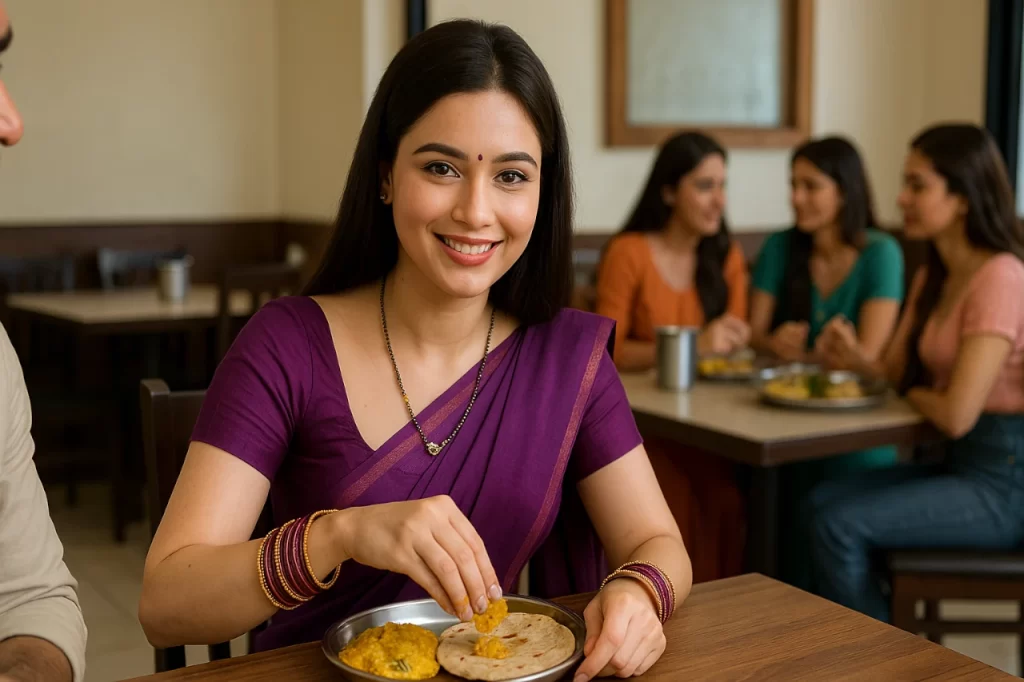
🗺️ Ahmednagar (Ahilyanagar) Local Food Trail Itinerary & Printable Food Map Guide
A Day-Long Culinary Journey Through the City’s Most Authentic Food Spots 🌞 🌙
🌄 Breakfast Trail: Start Your Day Like a Local (8:00 AM – 10:30 AM)
☕ Cafe Cream Centre (Shivaji Road)
➙ Must-Try: Cutting Chai, Bun Maska, Veg Cheese Sandwich
📝 Vibe: Retro, peaceful, ideal for reading or slow mornings
🥣 Hotel Swad (Savedi Area)
➙ Must-Try: Misal Pav, Buttermilk
📝 Vibe: Spicy Breakfast for foodies who like bold flavours
🍞 Vijay Vada Pav (Near Ahmednagar College)
➙ Must-Try: Classic Vada Pav with Garlic Chutney
📝 Vibe: Quick, cheap, local crowd favourite
📍 Foodie Tip: Carry a small water bottle and tissues. These spicy breakfasts can be messy but are absolutely worth it!
🕰️ Midday Meal Trail: Traditional and Filling (12:30 PM – 2:30 PM)
🍛 Hotel Yash Palace (Maliwada)
➙ Must-Try: Maharashtrian Thali, Varan-Bhaat, Puran Poli
📝 Vibe: Family-friendly, ideal for tasting a full range of traditional dishes
🍖 Shivneri Non-Veg Point (Burudgaon Road)
➙ Must-Try: Gavran Chicken Rassa, Bhakri, Thecha
📝 Vibe: Rustic, hearty, non-veg heaven
📍 Foodie Tip: If you’re vegetarian, stick to Yash Palace. Non-vegetarians — Shivneri is where flavour meets fire!
🌞 Afternoon Chill: Desserts & Coolers (3:00 PM – 4:00 PM)
🍨 Sanjay Ice Cream (MG Road)
➙ Must-Try: Sitaphal Ice Cream, Kesar Pista Kulfi
📝 Vibe: Family-friendly, budget-friendly dessert corner
🍹 Local Sugarcane Juice Carts (Nehru Chowk or near Zopadi Canteen)
➙ Must-Try: Fresh Sugarcane juice with lemon-ginger twist
📝 Vibe: Street-side cool down before evening exploration
📍 Foodie Tip: Avoid dairy if you’re planning to eat again soon — it’s quite filling!
🌆 Evening Street Food Trail (5:00 PM – 8:00 PM)
🛣️ Khau Galli (Gulmohar Road)
➙ Must-Try: Pav Bhaji, Tawa Pulao, Chinese Bhel, Kulhad Chai
📝 Vibe: Bustling food lane with all age groups, must-visit for street food lovers
🍢 Sardar Khan’s Seekh Kababs (Near Nehru Chowk)
➙ Must-Try: Mutton Rolls, Chicken Tikka, Rumali Roti
📝 Vibe: Authentic Muslim street food, aromatic and sizzling
📍 Foodie Tip: Go light on spicy food if you have a sensitive stomach — but do carry mint chutney or curd to soothe the palate.
🌙 Late-Night Foodie Delight (8:30 PM – 10:30 PM)
🫓 Hotel Vaibhav Garden Restaurant (Savedi)
➙ Must-Try: Paneer Handi, Butter Naan, Veg Kolhapuri
📝 Vibe: Air-conditioned comfort dining after a long food tour
🌿 Shree Krupa Agro Tourism (15 km from city) – Pre-booked dinner under the stars
➙ Must-Try: Bhakri, Pitla, Masala Rice, Ghee Desserts
📝 Vibe: Farm dining experience, perfect for cultural immersion
📍 Foodie Tip: If you’re staying overnight, this makes for a beautiful, peaceful final meal of the day.
🧾 Suggested Food Trail Checklist
➨ Use this checklist during your food exploration:
✅ Misal Pav & Buttermilk
✅ Vada Pav & Chutney
✅ Maharashtrian Veg Thali
✅ Gavran Chicken with Bhakri
✅ Sitaphal Ice Cream
✅ Kulhad Chai
✅ Tawa Pulao at Khau Galli
✅ Seekh Kababs at Nehru Chowk
✅ Farm-Fresh Pitla-Bhakri Meal

🌤️ Climatic Conditions in Ahmednagar (Ahilyanagar), Maharashtra: A Granular Overview
Ahmednagar, officially renamed Ahilyanagar, sits comfortably in the Western region of Maharashtra, right in the rain shadow zone of the Sahyadri ranges. Its climate is typically semi-arid – meaning it experiences long summers, moderate monsoons, and mild winters. The weather plays a crucial role in influencing the city’s Agriculture, Tourism, and even the local Lifestyle.
☀️ 1. Summer Season (March to Mid-June): The Scorching Spell
Ahmednagar’s summers are hot, dry, and sun-soaked. Temperatures regularly soar between 38°C to 44°C, especially during May, the hottest month. The heat can be oppressive in the afternoons, often accompanied by dry winds that further reduce humidity.
➪ Clothing Tips: Light Cotton wear, Sunglasses, Hats, and Sunscreen are highly recommended.
➪ Travel Tip: Avoid sightseeing between 12 PM – 4 PM, and always carry water bottles.
➪Activities: Early morning Temple visits, historic fort explorations, and indoor museum tours are manageable.
🌡️ Average Summer Temperature Range: 38°C to 44°C
🌦️ 2. Monsoon Season (Mid-June to September): A Much-Needed Relief
Ahmednagar receives its annual Southwest Monsoon from mid-June onwards, with rainfall averaging 500 mm to 650 mm annually. Being in a rain shadow region, the showers are less intense compared to the coastal areas but are enough to cool down the temperatures significantly.
➪ Weather Behaviour: Intermittent Showers, occasional Thunderstorms, and Cloudy Skies.
➪ Benefits: The surrounding countryside becomes lush green, perfect for scenic drives to places like Meherabad or Salabat Khan Tomb.
➪ Challenges: Muddy rural roads, occasional water-logging in low-lying areas.
☔ Average Rainfall: 550 mm annually
🍂 3. Post-Monsoon Season (October to November): The Transition Phase
This period marks a beautiful transition where the skies clear up, humidity drops, and there’s a pleasant freshness in the air. The average temperature ranges between 24°C and 32°C, making it ideal for outdoor activities, photography, and cultural exploration.
➪ Festive Time: Navratri, Diwali, and local fairs are celebrated with great enthusiasm during this time.
➪ Travel Tip: Ideal time to visit Ahmednagar’s Forts, Temples, and Step-wells.
🍁 Perfect for: Photography walks, exploring rural landscapes, and attending traditional festivals.
❄️ 4. Winter Season (December to February): Crisp & Comfortable
Winter in Ahmednagar is short but delightful. Temperatures drop to a minimum of 10°C to 12°C at night and hover around 25°C to 28°C during the day. The cold is dry and manageable, with clear skies and low humidity.
➪ Clothing Tips: Light woollens for evenings and early mornings.
➪ Best Time For: Religious Pilgrimages, Fort trekking, open-air markets, and Agro-tourism.
➪ Events: The Ahmednagar Festival and Makarsankranti are celebrated during this pleasant season.
🧣 Average Winter Temperature Range: 10°C to 28°C
🌀 5. Wind & Air Quality Factors: Seasonal Influences
➪ Winds: During summers, dry Western winds dominate. In monsoon, the moist Southwest winds bring in rainfall. Winters see light Eastern breezes in the morning.
➪ Air Quality: Generally moderate to good, especially outside urban core areas. However, vehicular traffic in congested markets can lead to localised pollution spikes.
🌬️ AQI Levels: Typically ranges between 50–100 (Good to Moderate)
☀️ 6. Sunlight and UV Exposure
With over 280+ sunny days a year, Ahmednagar has strong UV exposure, particularly during the summer and pre-monsoon months.
➪ Sunlight Duration: 10–12 hours per day in summer; 8–9 hours in winter.
➪ Tip: Always wear UV-protection Sunglasses, Sunscreen (SPF 30+), and a Hat if exploring during the day.
🌞 UV Index: Often reaches 7–9 during peak summer
🏞️ 7. How Climate Influences Tourism
Ahmednagar’s climate directly shapes its tourist seasons:
➪ October to February is the peak travel season — perfect for Fort visits, Temple tours, and Heritage walks.
➪ June to September suits those who love lush greenery and monsoon charm, though some trails may be slippery.
➪ March to May is best avoided unless you’re doing indoor activities or spiritual retreats.
📸 Tip: Photographers will love the contrast in light, skies, and landscape post-monsoon and during winter.
🚜 8. Impact on Agriculture & Rural Life
As a largely agrarian district, climate deeply affects the Kharif and Rabi crops grown around Ahmednagar:
➪ Kharif Crops: Jowar, Bajra, Pulses – sown during monsoon.
➪ Rabi Crops: Wheat, Gram, Onion – sown in post-monsoon months.
Farmers rely heavily on canal irrigation and wells due to erratic rainfall. The mild winter also helps vegetable cultivation and flower farming, supporting local markets.
🌾 Agricultural Tip: Visit the Weekly Rural Bazaars in winter to see the seasonal produce.
🌈 9. Best Time to Visit: Final Verdict
While each season offers a different experience, the ideal time to visit Ahmednagar (Ahilyanagar) is:
➪ October to February for General Tourism, Family Trips, Heritage sites.
➪ July to September for Nature Photography, Spiritual Retreats, and Monsoon Adventures.
➪ December for attending Local Fairs, Festivals, and enjoying Mild Winter.
📍 Travel Pro Tip: Book hotels in advance if traveling in December–January, the most popular time for both tourists and local events.
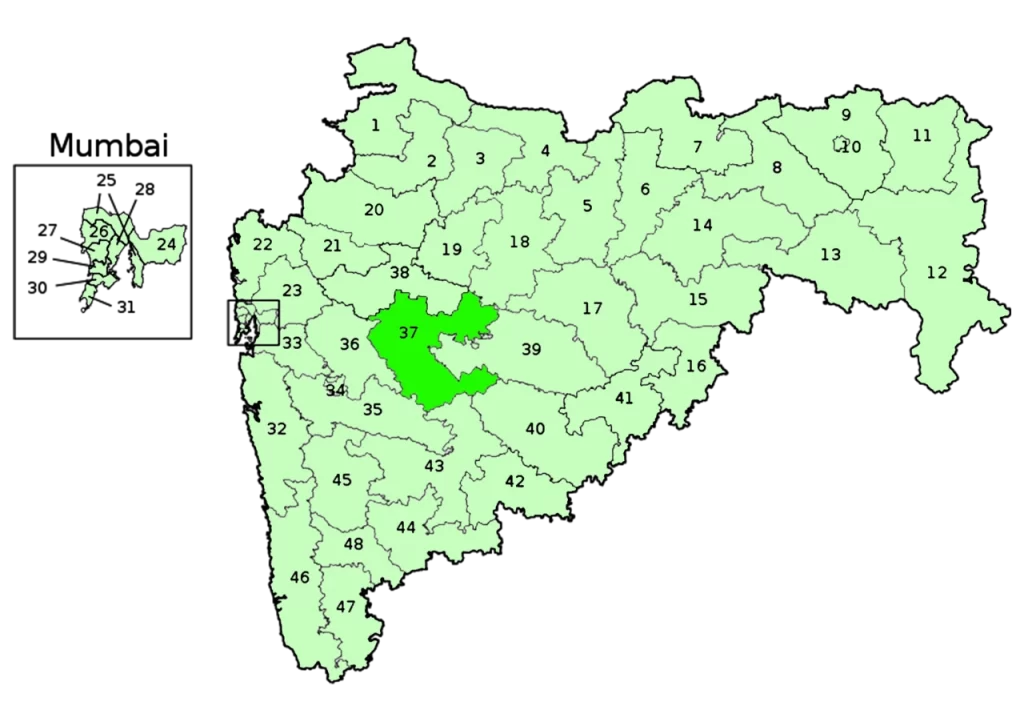
👥 Sociodemographic Profile of Ahmednagar (Ahilyanagar), Maharashtra: An In-depth Insight
Ahmednagar, now officially known as Ahilyanagar, is not just a historical city but also a culturally diverse, socioeconomically layered, and demographically dynamic district in Maharashtra. From traditional caste structures to modern educational institutions, from agrarian communities to urban entrepreneurs, Ahilyanagar offers a rich sociological tapestry that reflects both continuity and change in rural and urban India. Let’s dive into the granular details. 📊 🌍
🧬 1. Population Statistics and Urban-Rural Distribution
As per the latest census and estimates (2021–2024), the total population of Ahmednagar district stands at approximately 4.5 million people.
⦿ Urban Population: ~23%
⦿ Rural Population: ~77%
The city of Ahilyanagar itself (urban core) is home to nearly 400,000+ residents, while the rest live in over 1,500 villages, making it one of the most rurally dominated districts in Maharashtra.
🏙️ Urban Centers: Ahmednagar City, Shirdi, Sangamner, Rahata, and Pathardi
🌾 Prominent Rural Blocks: Shevgaon, Parner, Jamkhed, Nevasa, and Akole
🧑🌾 2. Caste Composition: A Diverse Social Fabric
Ahmednagar has a complex caste composition with a mixture of Upper Castes, Backward Castes (OBCs), Scheduled Castes (SC), Scheduled Tribes (ST), and Minority communities.
➨ Here’s a broad overview:
👉 Marathas (🛡️): One of the dominant landowning communities, especially in rural areas. They play a major role in Politics, Agriculture, and Cooperative Banking.
👉 Kunbis & Other OBC’s (🚜): Agriculturalists and traders forming a large part of the rural economy.
👉 Malis (🌼): Traditionally Horticulturists and Floriculturists; many now run nurseries and flower businesses.
👉 Dhangars (🐑): A traditional Shepherd community, also involved in Agriculture and Dairy.
👉 Brahmins (📖): Historically Educators and Priests; now also engaged in Teaching, IT, and Governance.
👉 Scheduled Castes (⚖️): Predominantly engaged in both traditional services and modern jobs through government reservations.
👉 Scheduled Tribes (🏞️): Small percentage; mainly in Akole and Rahuri talukas, often in forested and hilly areas.
👉 Muslims (☪️): Make up about 9-10% of the population; engaged in small businesses, Textiles, and Artisan work.
👉 Christians, Jains, Sikhs, Buddhists (✝️ 🕉️ ☸️): Minor but significant communities, contributing to Health care, Education, and Social work.
🧾 Caste dynamics influence everything from local governance and education to marriages and festivals.
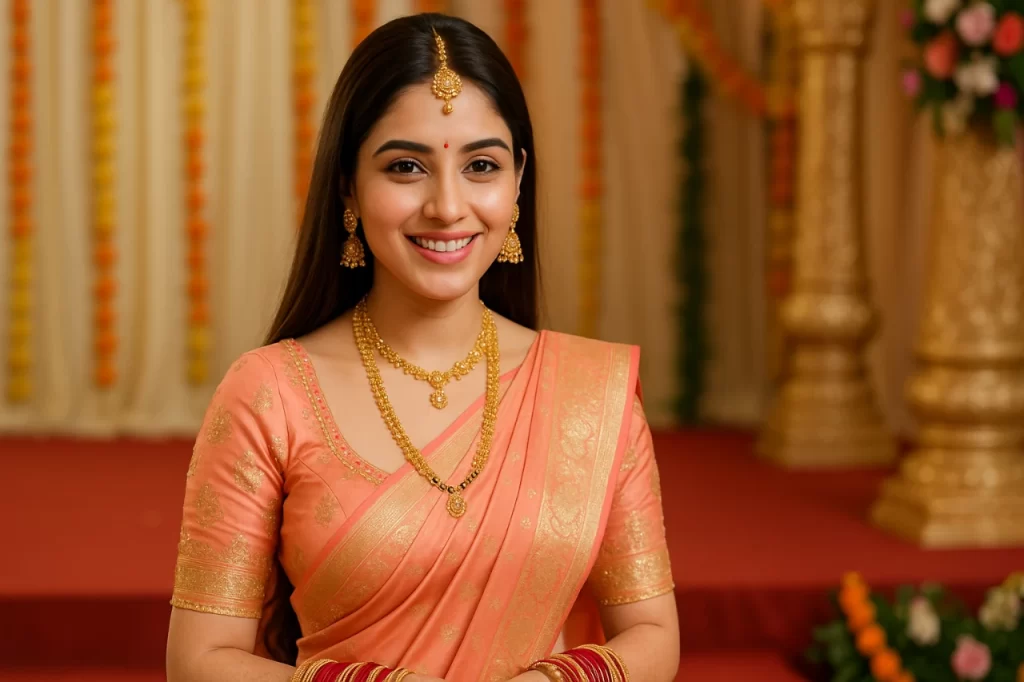
🗣️ 3. Languages Spoken: A Polyglot Landscape
The linguistic profile of Ahilyanagar is led by Marathi (मराठी), the official language of Maharashtra and the most widely spoken tongue in the region.
👉 Marathi (Primary Language) 🗣️: Spoken by over 90% of the population. Varies by dialect such as Desh Marathi, Ahirani, and Kolhati in local belts.
👉 Hindi (🇮🇳): Commonly understood, especially among migrants and traders.
👉 Urdu (☪️): Widely spoken by the Muslim community in Ahmednagar city and towns like Rahata and Sangamner.
👉 English (📚): Predominantly used in schools, official communication, and by the younger generation.
👉 Telugu and Kannada (🌏): Spoken by small communities of South Indian origin, mainly in urban and educational zones.
📚 Most schools in the city offer instruction in Marathi, English, and semi-English mediums.
🎓 4. Literacy and Educational Landscape
Ahmednagar has seen a significant improvement in literacy and education in recent years.
➙ Overall Literacy Rate: ~83%
⦿ Male: 89%
⦿ Female: 76%
There are numerous Primary and Secondary Schools, Junior Colleges, and Degree Institutions, including:
✪ Ahmednagar College (Established 1947, one of the oldest in Maharashtra)
✪ Padmashri Vikhe Patil College
✪ New Arts, Commerce & Science College
✪ SBES College of Science
🌟 Educational trends show increasing female enrolment and vocational skill development in rural areas.
🧑⚕️ 5. Occupational Distribution and Economic Activity
The district’s economy is a blend of Agriculture, Industry, Services, and Pilgrimage-related Tourism (especially due to Shirdi).
➪ Agriculture (🌾): 60% of the Rural Population is engaged in farming (Sugarcane, Onion, Wheat, Jowar).
➪ Dairy & Animal Husbandry (🐄): Major contributor in rural belts.
➪ Industry & Manufacturing (🏭): MIDC zones in Kedgaon and Supa Industrial Area host small-to-medium Industries.
➪ Education & Health Care (🏥): Emerging sectors in Ahmednagar city.
➪ Tourism & Hospitality (🛕): Shirdi, Meherabad, and Temples drive local tourism and jobs.
➪ IT & Professional Services (💼): A small but growing trend among the youth.

🕌 6. Religious Diversity and Harmony
➨ Ahmednagar is home to a range of Religious Traditions coexisting peacefully:
👉 Hinduism (🕉️): Vast majority; celebrated festivals include Gudi Padwa, Navratri, Diwali, and local Yatras.
👉 Islam (☪️): Important in urban towns; major events include Eid, Milad-un-Nabi, and Muharram processions.
👉 Christianity (✝️): Centres like St. John’s Church and schools run by missionary organisations.
👉 Buddhism (☸️): Gaining prominence among Scheduled Castes; observed at Dr. Ambedkar Jayanti events.
👉 Zoroastrianism & Jainism (🕯️): Micro-communities active in Trade and Philanthropy.
🕊️ Religious festivals are shared with communal harmony and local participation across communities.
🧑🏫 7. Gender Ratio, Age Group, and Social Indicators
➙ Sex Ratio: ~930 females per 1000 males
➙ Working Population: ~46% of total population
➙ Youth Demographic: More than 30% of the population is aged between 15 to 35, showing promise in terms of digital literacy and entrepreneurship.
👩🎓 Women’s participation in education and SHGs (Self-Help Groups) is growing significantly in rural talukas.
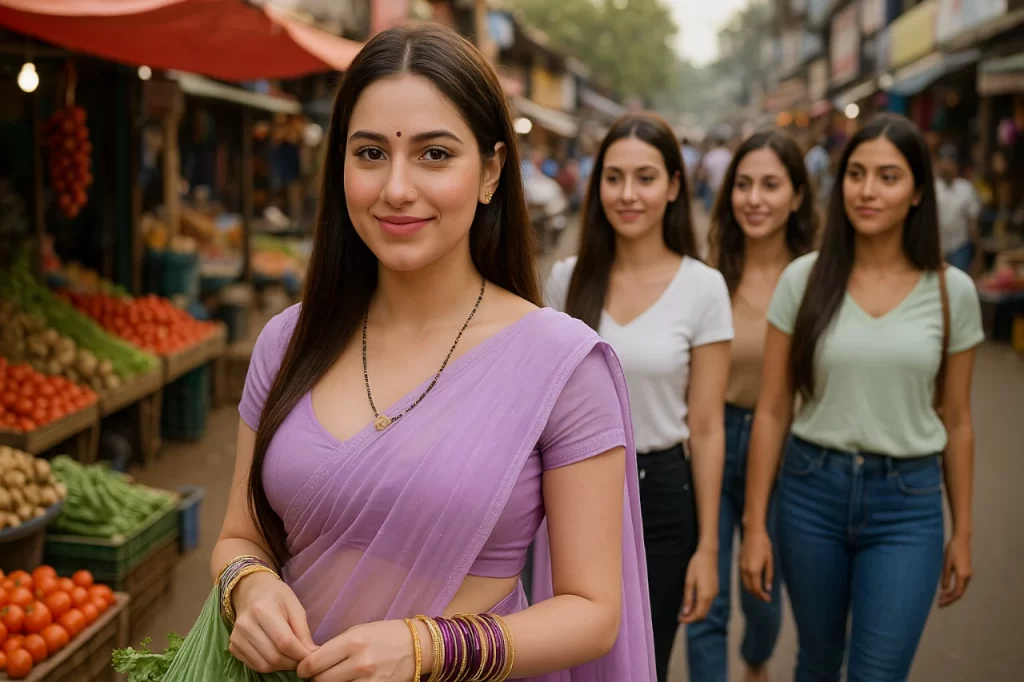
🏘️ 8. Urbanisation & Social Mobility
Ahmednagar city is slowly transforming into a Smart City, with increased Infrastructure Projects, Real Estate Development, and focus on Public Transportation, Cleanliness, and Green Spaces. The presence of Armed Forces (Cavalry Tank Museum, Military farms) also influences social dynamics.
➙ Migration Trends: Rural to urban migration is on the rise, especially for education and jobs.
➙ Digital Access: Growing mobile and internet penetration has changed how people access Government schemes, Health care, and Education.
🌐 Ahmednagar’s youth are increasingly exposed to Digital Platforms, Online Education, & Startups.
🔚 9. Summary: A Tapestry of Traditions and Transformations
From deeply rooted caste traditions to fast-paced urbanisation, from Marathi-speaking agrarian societies to tech-savvy urban youths, Ahmednagar (Ahilyanagar) is a miniature version of evolving Maharashtra. The diversity in caste, language, occupation, and faiths makes it both a traditional stronghold and a progressive district with immense potential for growth.
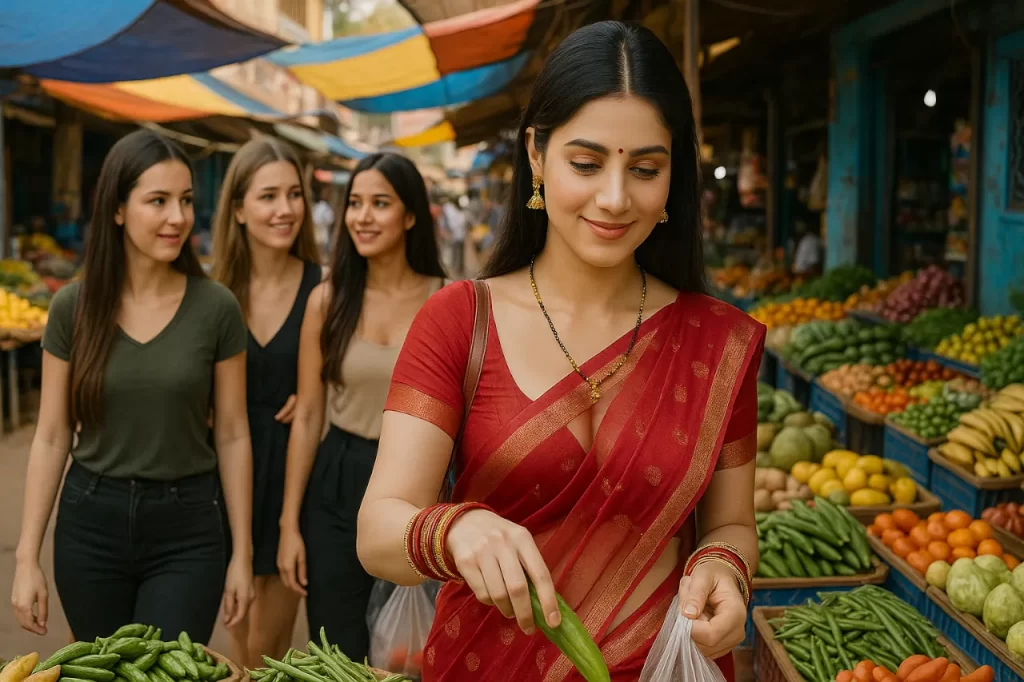
📍 Understanding its socio-demographics is key to appreciating the soul of this culturally rich district.
🏡 Local Lifestyle of Ahmednagar (Ahilyanagar): A Beautiful Blend of Tradition and Modernity
Ahmednagar, now officially named Ahilyanagar, presents a lifestyle that is as diverse as its history and geography. Nestled in the heart of Maharashtra, the local way of life here is a charming mix of rural simplicity, urban aspirations, rich traditions, and modern influences. Whether in the dusty lanes of Shevgaon or the buzzing streets of Ahmednagar city, every corner offers a unique insight into the day-to-day living of its people. Let’s take a deep dive into the lifestyle of this culturally rooted yet progressively evolving region. 🌿 🏙️
🌄 1. Early Risers & Village Rhythms: A Day Begins with Nature
In rural parts of Ahilyanagar, especially in talukas like Parner, Akole, and Nevasa, life begins at the crack of dawn 🌅. Farmers wake early to tend to their fields, milk cows, or prepare for the local market. The lifestyle here is deeply intertwined with agriculture, and people rely on natural cues like sunrise, weather patterns, and seasonal cycles to guide their daily routines.
Women in villages typically start their day by fetching water, preparing meals on traditional Chulhas (clay stoves), and cleaning the courtyards. It’s common to see homes decorated with Rangoli (colourful floor art) at the entrance – a symbol of welcome and prosperity. 🪔 🎨
☕ 2. Tea Talks and Community Bonds
In both urban and rural Ahmednagar, the day isn’t complete without multiple rounds of Chai (Tea). Small tea stalls and Katta spots (casual sitting corners) serve as the heartbeat of local social life. Here, men and women gather to discuss Politics, Farming, Weather, Cricket, and everything under the Sun ☀️.
Community ties are strong, and neighbourhoods function like extended families, especially in smaller towns and villages. Locals participate actively in Festivals, Marriages, Village functions (Yatra, Jatra), and religious rituals. These shared celebrations strengthen the cultural fabric of the region. 🧑🤝🧑 💬
👗 3. Traditional Attire and Evolving Fashion
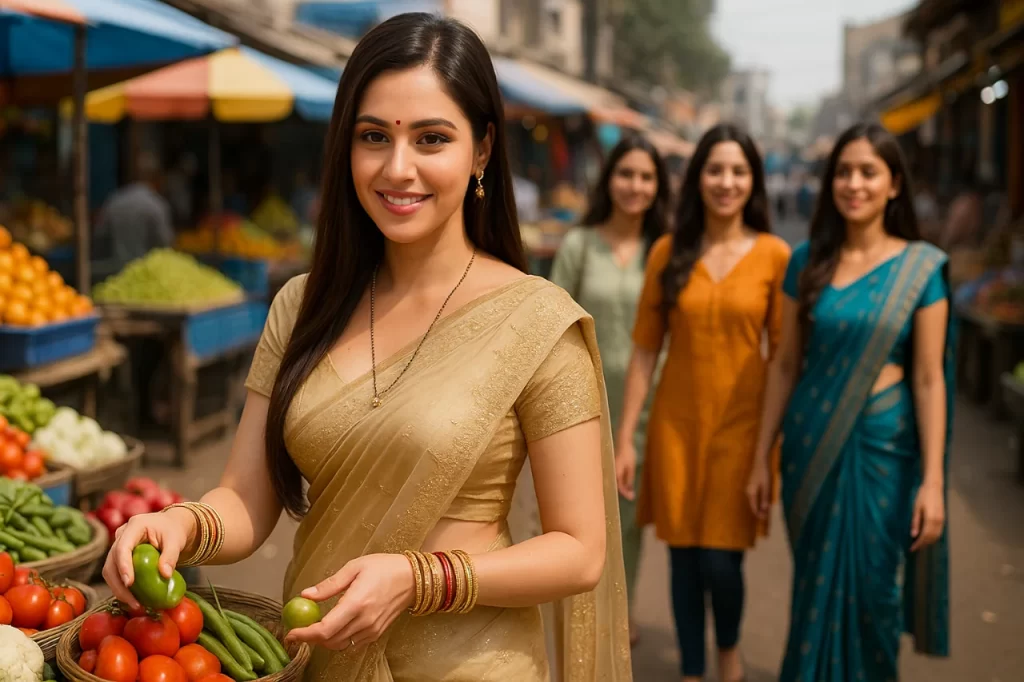
Clothing in Ahilyanagar reflects both tradition and practicality. In villages, men often wear Dhoti-Kurta or Pyjama-Kurta, paired with a Nehru cap or Pheta during festivals. Women traditionally wear Nauvari sarees (Nine-yard sarees) or Lugda-Choli, especially older generations.
In urban areas, you’ll find a blend of modern and ethnic wear. Young women prefer Salwar Kameez, Sarees, or even Western outfits like jeans and kurtis, especially in educational institutions and workplaces. Men wear Shirts, Pants, T-shirts, and sometimes Sherwanis during events. 👕 👖 👗
Wedding functions, naming ceremonies, and religious rituals often see residents donning colorful, embroidered traditional outfits, paired with gold jewellery and flower garlands. 🌸✨
🍛 4. Food Habits: Simple, Spicy, and Soul-Satisfying
The local cuisine of Ahmednagar is rich, flavourful, and rooted in rural tradition. Most families consume Bhakri (Jowar or Bajra flatbread), zunka (Gram Flour-based curry), Thecha (spicy chutney), and seasonal vegetables like Brinjal, Pumpkin, or Methi.
Some popular local delicacies include:
✪ Misal Pav (🌶️) – A spicy mix of Sprouts, Farsan, and curry served with Pav
✪ Puran Poli (🍯) – A sweet stuffed Bread made during festivals
✪ Vangi Bharta (🍆) – Roasted Brinjal mash with spices
✪ Kharwas & Shrikhand (🍨) – Sweet dishes made from milk
Meals are often served on banana leaves during rituals or in steel thalis at homes. In cities, people enjoy Chinese, South Indian, and Punjabi cuisine at restaurants and cafes, especially the youth. 🥣 🍽️
🚜 5. Occupation and Daily Work Culture
Ahmednagar’s rural populace is largely dependent on Agriculture, Dairy Farming, and Labor Work. Farmers tend to sugarcane, onions, wheat, and vegetables. In villages, Cooperative Societies and self-help groups (SHGs) are also common.
In the city, people work in Education, Government Jobs, Private Offices, Banking, Retail, Healthcare, and more. Ahmednagar is also home to a few industrial units and small businesses in Automobiles, Steel, Manufacturing, and Textile Trading. 💼 🏢
Shirdi, being a major religious hub, generates employment in Hospitality, Transport, and Tourism. Pilgrimage towns like Meherabad and Nevasa also contribute to the economy.
🎉 6. Celebrations and Social Life
People of Ahilyanagar are deeply festive and community-oriented. Major festivals like Ganesh Chaturthi, Diwali, Holi, Gudi Padwa, Navratri, and Makar Sankranti are celebrated with grandeur. During these times, families decorate homes with lanterns, light diyas, and prepare traditional sweets.
Rural regions also observe Jatra festivals, where local deities are honoured with fairs, music, and folk performances. Lavani and Tamasha shows – traditional Marathi theatre forms – are occasionally performed during village gatherings. 🪕 🎭
Muslim communities observe Ramzan, Eid, and Muharram with equal zeal, and their delicacies during Iftar are a local favourite even among other communities.

📚 7. Family Structure, Education, and Youth Aspirations
Ahmednagar still values joint family systems, especially in rural areas. However, nuclear families are becoming common in cities due to jobs and education. Respect for elders, community honour, and strong family bonds are at the core of social structure.
Education is increasingly important. Parents, even in villages, prioritise sending children to English-medium or semi-English schools. Youth aspire to join Engineering, Civil Services, Medicine, or start Small Businesses. With rising mobile and internet usage, Online Education, Digital learning, and YouTube-based tutorials have become part of students’ lives. 🎓 📱
🛒 8. Shopping, Leisure, and Entertainment
Local markets (Bazars) in areas like Savedi, Sarjepura, and Maliwada are popular for buying vegetables, groceries, clothes, and household goods. Weekly haats (open markets) are held in many rural villages, where people sell handmade items, tools, and even livestock. 🛍️ 🐄
Cinema is a beloved pastime. People flock to theatres to watch Marathi, Hindi, and South Indian films. OTT platforms like Netflix, JioCinema, and YouTube are gaining popularity among the urban youth. Cricket remains the most loved sport, and during tournaments, local grounds become packed with spectators. 🏏 🎥
🕊️ 9. Cultural Values, Traditions, and Hospitality
Ahmednagar’s people are known for their simplicity, hospitality, and respect for culture. Guests are treated with warmth and served home-cooked meals with love. Touching elders’ feet, lighting oil lamps at sunset, and starting the day with prayers are still common practices.
The Kolhati, Gosavi, and Warkari communities are examples of spiritual groups that maintain age-old traditions, music, and devotion. Local Bhajans (devotional songs) echo through temples in the evenings, and during pilgrimages, processions and chants fill the air. 🎶 🙏
🧭 10. The Balance Between Old and New
What makes Ahmednagar (Ahilyanagar) truly special is its seamless blend of tradition and progress. While elders uphold spiritual and cultural values, the younger generation is embracing Digital Tools, Startups, Skill Development, and Technology.
From Bullock Carts to Bikes, from Folk songs to Reels, from Temple Bells to Zoom Calls – Ahilyanagar’s lifestyle is a Celebration of Continuity, Culture, and Change. 🌐 🚀
🌟 Notable Personalities of Ahmednagar (Ahilyanagar) and Their Remarkable Contributions
➤ Anna Hazare (Kisan Baburao Hazare) – Social Activist & Rural Reformer 🚜
Born in Bhingar village, Ahmednagar, Anna Hazare transformed Ralegan Siddhi into a model village through water conservation and anti-corruption activism. He led national movements for transparency and rural upliftment, popularising hunger strikes for reform. His grassroots methods earned him the Padma Bhushan in 1992.
➤ Meher Baba (Merwan Sheriar Irani) – Spiritual Leader of Meherabad 🕊️
Based in Meherabad near Ahmednagar, Meher Baba attracted global followers with his message of love and silence. He founded schools, hospitals, and a spiritual retreat that continues to draw pilgrims from around the world.
➤ Sant Dnyaneshwar – Marathi Saint & Literary Luminary 📖
Though he lived in nearby Nevasa, Sant Dnyaneshwar’s life and work had profound roots in the Ahmednagar region. His “Dnyaneshwari”, an exposition of the Bhagavad Gita, revolutionised Marathi literature and spiritual philosophy.
➤ Balasaheb Vikhe Patil & Vithalrao Vikhe Patil – Leaders of the Cooperative Movement 🏭
➪ Vithalrao Vikhe Patil founded India’s first Cooperative Sugar Factory in Loni (Ahmednagar District), sparking a wave of rural industrialisation.
➪ His son, Balasaheb Vikhe Patil, served multiple terms as a Lok Sabha MP and Union Minister, winning the Padma Bhushan for rural development and social service.
➤ Rajanikant S. Arole – Visionary Public Health Pioneer 🏥
Born in Supa, Ahmednagar, Dr. Rajanikant Arole founded the Comprehensive Rural Health Project, Jamkhed, which earned global recognition for community-based health care. He received the Ramon Magsaysay Award (1979) and the Padma Bhushan (1990) for his pioneering work.
➤ Anna Leonowens & Michael J.S. Dewar – International Scholars with Local Links 📚
➪ Anna Leonowens, famed for The English Governess at the Siamese Court (and the inspiration for The King and I), had a connection to the district.
➪ Michael J.S. Dewar, a birth-era theoretical chemist, also traces part of his heritage back to Ahmednagar.
➤ Vaman Narayan Joshi (Daji) – Revolutionary Freedom Fighter ✊
Born in Akole taluka, Vaman Narayan Joshi was a key revolutionary in the Independence Movement. He trained Anant Kanhere for the assassination of British District Collector Jackson. Joshi was sentenced to life in prison and remains a symbol of uncompromising resistance.
➤ Dagdu Maruti Pawar (Daya Pawar) – Dalit Literary Icon 📚
Hailing from Dhamangaon (Akole), Dagdu Pawar emerged as a pioneering Dalit writer and poet whose works candidly portrayed caste discrimination. His writings, especially in Marathi literature, were critical in social awakening movements.
➤ Zaheer Khan & Ajinkya Rahane – International Cricketers from Ahmednagar 🎯
➪ Zaheer Khan, born in Shrirampur, became one of India’s premier pace bowlers and an ace in International Cricket.
➪ Ajinkya Rahane, from Sangamner taluka, has represented India across formats with elegant batting and leadership qualities.
➤ Pramod Kamble – Visionary Artist & Environmental Advocate 🎨
Born in Ahmednagar city, Pramod Kamble is celebrated for his monumental pencil artwork “Sare Jahan Se Achcha” and for pioneering eco-friendly clay Ganesh Idols, advocating for sustainable festival practices.
➤ Shahu Modak & Sadashiv Amrapurkar – Cinematic Icons 🎥
➪ Shahu Modak gained fame for his roles in Marathi and Hindi cinema, particularly in devotional films.
➪ Sadashiv Amrapurkar, a fearless character actor, became a household name through Bollywood classics like Ardh Satya and Sadak. Both were born in Ahmednagar city.
These remarkable personalities—from spiritual teachers and revolutionary thinkers to social activists, artists, and sports stars—reflect the cultural richness and transformative spirit of Ahilyanagar. Each individual’s legacy adds a thread to the vibrant tapestry of this historic region.
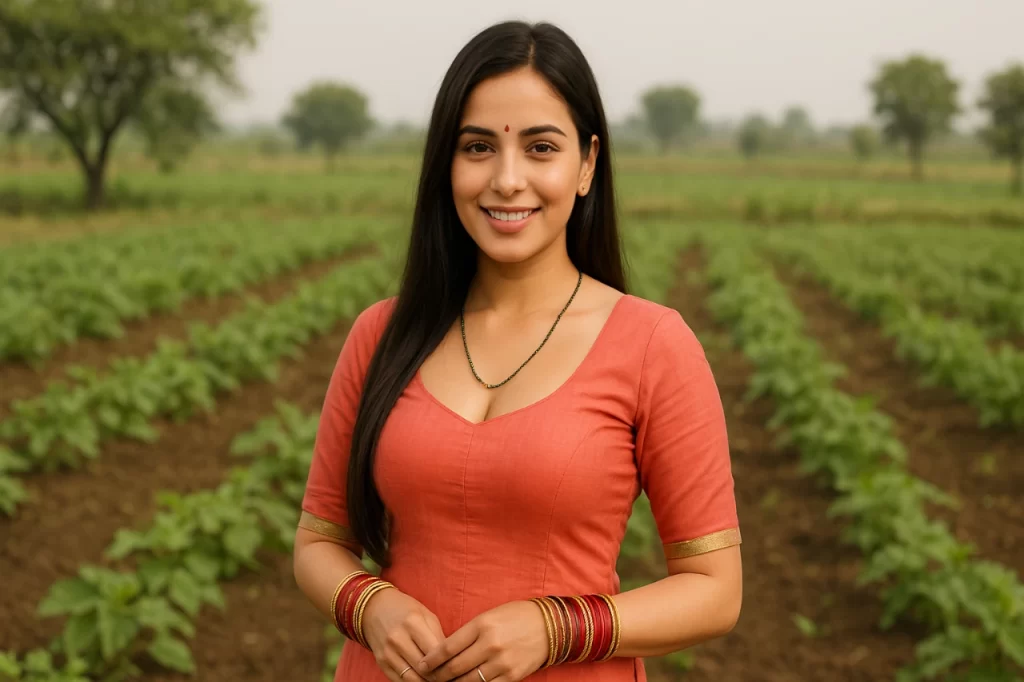
🏭 Industrial Development and Key Industries in Ahmednagar (Ahilyanagar), Maharashtra
🔘 A Legacy Rooted in Enterprise 📜 🏺
Ahmednagar, now officially known as Ahilyanagar, has a rich history not only in culture and governance but also in Entrepreneurial Foresight. The seeds of industrial development were sown as early as the post-independence era, primarily through the establishment of cooperative movements and agro-based industries. The region, historically known for its agricultural strength, gradually embraced mechanisation and agro-processing as a bridge to industrialisation. This foundation proved essential for the expansion of cooperative Sugar Mills, Dairies, Cotton Ginning factories, and Food Processing units across the district.
🔘 MIDC: The Backbone of Modern Industrialisation 🏗️
The Maharashtra Industrial Development Corporation (MIDC) played a pivotal role in shaping Ahmednagar’s modern industrial growth. Multiple MIDC industrial estates were established across key locations such as Ahmednagar city, Supne, Shendi, Shirur, Newasa, and Sangamner. These estates offer state-of-the-art infrastructure like wide roads, sewage systems, uninterrupted electricity, and connectivity to highways and rail networks, attracting both national and multinational investments.
Ahmednagar MIDC is the largest and most prominent hub, supporting Auto Ancillaries, Engineering, Chemicals, and Fabrication units.
🔘 Auto and Engineering Sector 🚙 🔩
Ahmednagar has emerged as a notable centre for auto components manufacturing, earning it a spot in Maharashtra’s engineering map. Several major companies including Premium Transmission, Bajaj Auto vendors, and Endurance Technologies have set up plants or supplier chains in the area. These units cater to both domestic automotive giants and export markets. Precision machining, gear manufacturing, and forging units operate with highly skilled manpower and automation.
The Automobile Ancillary Ecosystem in Ahmednagar benefits from its proximity to Pune, Aurangabad, and Nashik, forming a strong industrial triangle.
🔘 Sugar and Agro-Based Industries 🍬 🌾
Agriculture has always been central to the economy of Ahilyanagar. This led to the evolution of Sugar Factories and Agro-processing units. The district is home to more than 15 cooperative and private Sugar Mills, including Pravara Sugar Factory in Loni, founded by Dr. Vithalrao Vikhe Patil – the first cooperative Sugar Mill in Asia.
These industries not only process sugarcane but also engage in Ethanol Production, molasses-based products, co-generation of power, and bio-fertilisers. This integrated model has supported both farmers and local employment.
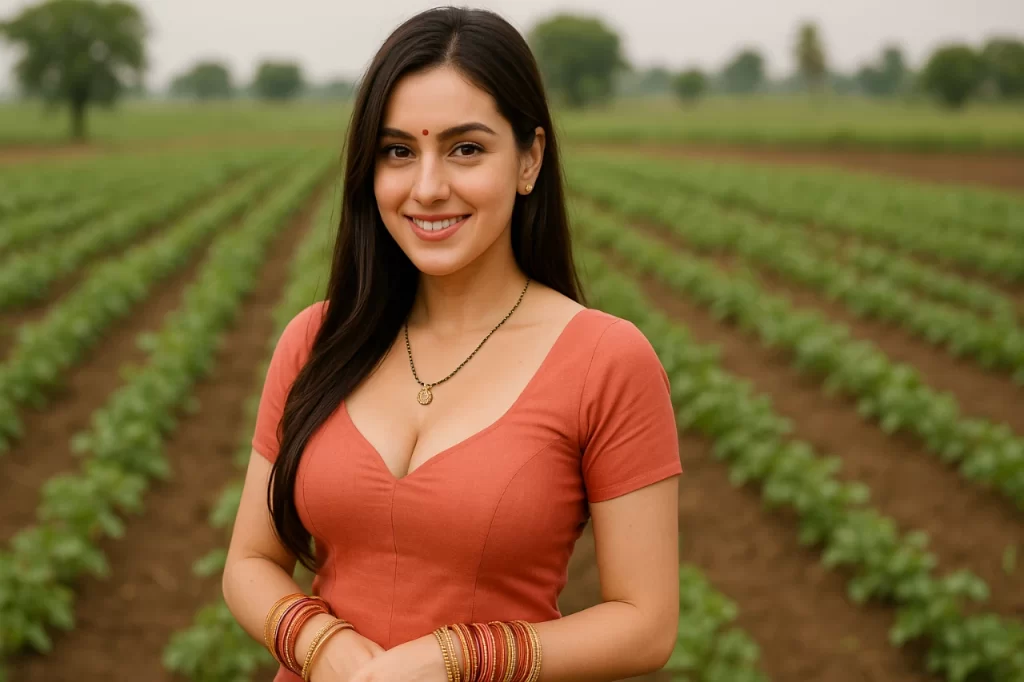
🔘 Textiles and Cotton Processing 🧵 👗
Ahmednagar is known for Cotton Production, which naturally led to the growth of Textile Spinning Mills and Ginning units. Regions like Parner and Pathardi have active textile units that process raw cotton into yarn. In addition, small-scale garment and tailoring industries support local employment, especially among women entrepreneurs. These units also export to domestic markets across Maharashtra and Gujarat.
🔘 Dairy and Cold Chain Industries 🥛 ❄️
Dairy is a major allied industry in Ahmednagar, supported by a vast network of milk producers. Renowned cooperative brands like Mahananda, Sahakar Maharshi Shankarrao Kolhe Dudh Sangh, and Govind Milk operate out of this region. These dairies engage in Milk Processing, Cheese, Ghee, Paneer, and Ice cream production. Cold chain logistics, supported by proper connectivity and storage infrastructure, have boosted the profitability and reach of these businesses.
🔘 Renewable Energy and Sustainable Ventures 🌞 ⚡
Ahmednagar has shown progressive steps toward Sustainable Industrialisation. Several solar energy projects and bioenergy initiatives are now functional in the region. MIDC and local Gram Panchayats are encouraging Solar Power Parks, Rooftop Solar Installations, and Biomass Units—especially those connected to sugar mills. These sustainable developments are in line with Maharashtra’s mission of being a Green Manufacturing State.
🔘 Chemical and Pharmaceutical Industries 🧪 💊
The district has a budding Chemical and Pharmaceutical Sector, mainly located in the MIDC estates of Ahmednagar and Supa. These units manufacture Agrochemicals, Dyes, specialty Chemicals, and Pharmaceutical Intermediates. The relatively low land costs, availability of skilled technical manpower, and proximity to urban research centres (like Pune) have enabled the sector to grow.
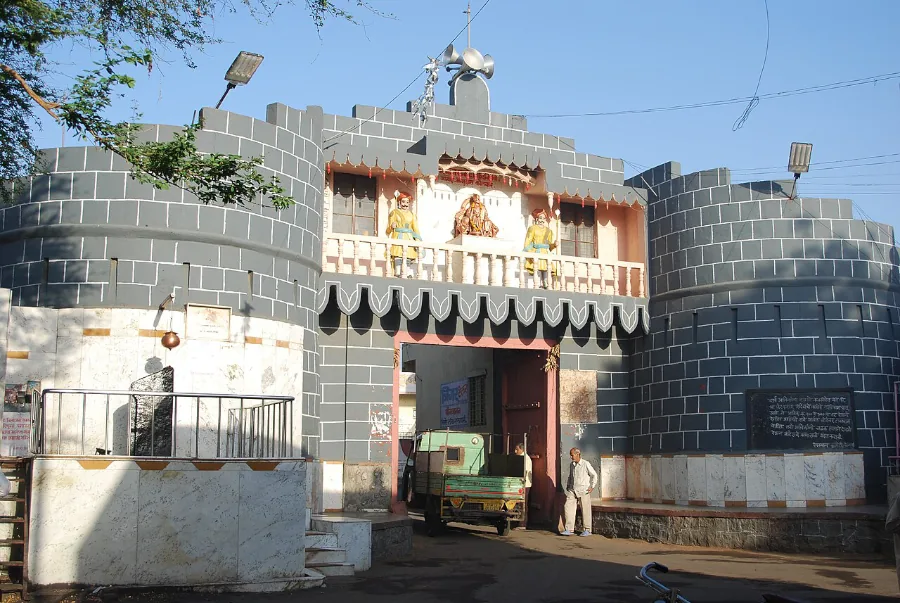
🔘 Micro, Small & Medium Enterprises (MSMEs) 🏢 📈
Ahmednagar’s Industrial Economy is strongly supported by MSME’s, especially in the fields of Fabrication, Packaging, Agro-tool Manufacturing, Woodcraft, Electronics servicing, and IT-enabled services. These enterprises not only act as ancillary support to larger industries but also create Entrepreneurship opportunities among the youth and women of the region. Support from local government schemes like PMEGP, Mudra Loans, and Maharashtra Udyog Mitra has accelerated this growth.
🔘 Future Industrial Vision & Smart City Growth 🌐 🏙️
With Ahmednagar city selected under the Smart Cities Mission, the future of industrial growth looks promising. Plans for integrated industrial corridors, warehousing parks, logistic hubs, and digital connectivity are already in motion. The Ahmednagar-Pune-Aurangabad rail and road connectivity is being strengthened to attract FDI and high-tech investments. Start-up incubation centres, e-commerce warehousing, and Fintech-based Agri-processing platforms are expected to become future pillars of growth in Ahilyanagar.
🧩 Final Thought
From its cooperative legacy to smart industrial ecosystems, Ahmednagar (Ahilyanagar) has gradually transformed into a Multi-sectoral Industrial Powerhouse in central Maharashtra. Its unique blend of traditional agro-based industries and modern engineering clusters make it a role model for Inclusive and Sustainable Development. With strategic government focus, industrial-friendly policies, and a growing educated workforce, Ahilyanagar is poised to be one of Maharashtra’s leading Industrial Districts in the coming decades.

🏡 Important Villages and Towns in Ahmednagar (Ahilyanagar), Maharashtra
Ahmednagar district, officially Ahilyanagar, is one of Maharashtra’s most historically rich and geographically vast regions. It spans 17 talukas, each comprising many culturally and economically significant villages and towns. These locales play crucial roles in shaping the district’s Agriculture, Economy, Spiritual Heritage, and Industrial Development.
🎯 Shirdi – The Spiritual Capital 🙏 ✨
Shirdi is arguably the most well-known town in Ahmednagar district, famous for being the home of Sai Baba, one of India’s most revered saints.
➙ Highlights: Shri Sai Baba Samadhi Mandir, Dwarkamai Mosque, Chavadi, and Sai Baba’s Khandoba Mandir.
➙ Economy: Entirely based on religious tourism, with lakhs of devotees visiting each month.
➙ Connectivity: Well connected by road, rail, and air (Shirdi International Airport ✈️).
➙ Hospitality: Dozens of Hotels, Guesthouses, and Prasadalaya (Community Kitchens).
🎯 Ralegan Siddhi – Model Village of Rural Development 🌱 🏆
Ralegan Siddhi, in Parner Taluka, gained national and international fame due to the efforts of Anna Hazare, a social reformer who transformed it into a model of Sustainable Rural Development.
➙ Key Features: Water conservation (check dams), Solar panels, prohibition of Alcohol, and Self-governance.
➙ Visitors: Policy Makers, Researchers, and Social Entrepreneurs from across the world.
➙ Awards: Recipient of several National Rural Development honours.
🎯 Rahata – Twin Town of Shirdi 🛕 🚏
Just 6 km from Shirdi, Rahata serves as a supportive town to the spiritual hub.
➙ Economy: Hospitality services, Vegetable trading, and Transport services.
➙ Culture: Known for the Dindi Yatra and other religious processions.
➙ Connectivity: Excellent road infrastructure due to proximity to Shirdi.
🎯 Kopargaon – Banking and Agricultural Hub 🌾 🏦
Located on the banks of the Godavari River, Kopargaon is an important semi-urban town near Shirdi.
➙ Specialties: Agro-markets, Sugar Mills, Educational Institutes.
➙ Religious Sites: Multiple Ancient Temples and Ghats along the river.
➙ Industry: Presence of co-operative Sugar Factories and Banks.
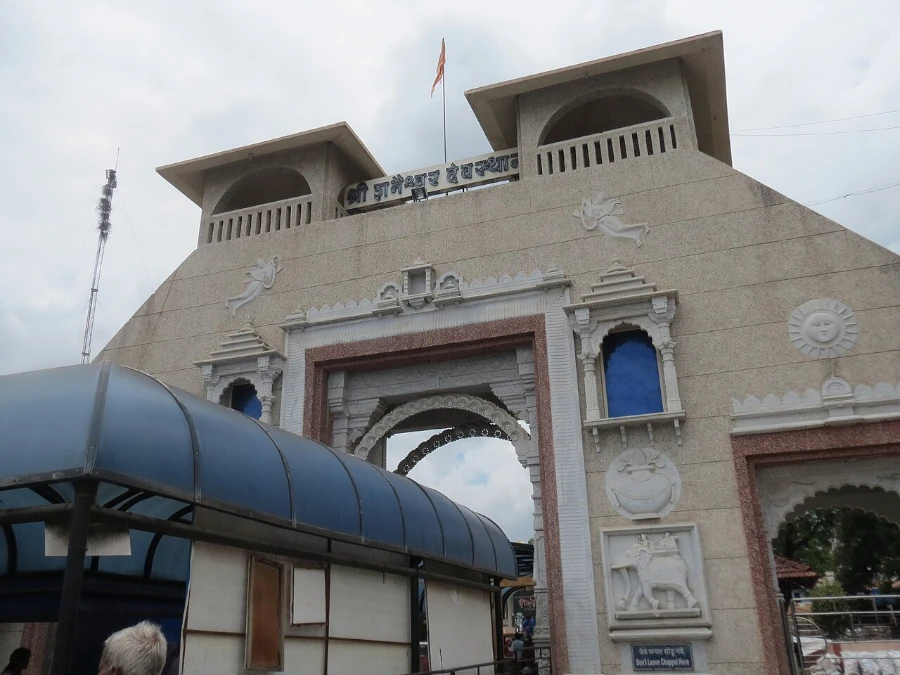
🎯 Sangamner – Commercial & Educational Centre 🏫 📈
Sangamner is the second-largest town in Ahmednagar district and a major commercial and industrial hub.
➙ Industries: Textiles, Dairy, Engineering, and Private Education Institutes.
➙ Geography: Located at the confluence (sangam) of Pravara and Mhalungi rivers.
➙ Transport: Located on Nashik-Pune Highway (NH-60), acting as a regional connector.
🎯 Nevasa – Land of Saint Dnyaneshwar 📚 🕉️
Nevasa is a town steeped in Religious, Literary, and Cultural significance. It is believed to be the place where Sant Dnyaneshwar wrote the Bhavarth Deepika (Dnyaneshwari) beneath a Peepal tree.
➙ Cultural Sites: Mohiniraj Temple, Dnyaneshwari writing spot.
➙ Economy: Agricultural (sugarcane, onion), religious tourism, and stone mining.
➙ Festivals: Nevasa Yatra attracts thousands every year.
🎯 Shevgaon – Agro-Industrial Settlement 🚜 🏭
Located in the Eastern part of the district, Shevgaon is a growing town combining Agriculture and Small-scale Industry.
➙ Industries: Agro-processing, Cotton Ginning, Oil Mills.
➙ Connectivity: Links to Pathardi, Beed, and Aurangabad make it a business route town.
➙ Attraction: Dattatreya Temple and Historical Wells.
🎯 Akole – Gateway to the Sahyadris 🌄 🥥
Akole is surrounded by scenic landscapes and acts as a Gateway to Hill Regions and tribal belts of Western Ahmednagar.
➙ Geography: Fertile valley fed by streams from the Sahyadri ranges.
➙ Crops: Sugarcane, Onions, Pomegranates, and Millet.
➙ Population: Includes both rural Maratha farmers and tribal communities.
🎯 Parner – Cradle of Co-operative Movement 🤝 🏫
Parner is known as the place where many cooperative societies and Educational Institutions were first pioneered in the region.
➙ Significant Villages: Ralegan Siddhi (Social Development) and Hivare Bazar (Water Conservation).
➙ Economy: Agriculture, Education, and Political leadership training.
➙ Festivals: Celebrates Bhandara and Shiv Jayanti with traditional fervour.
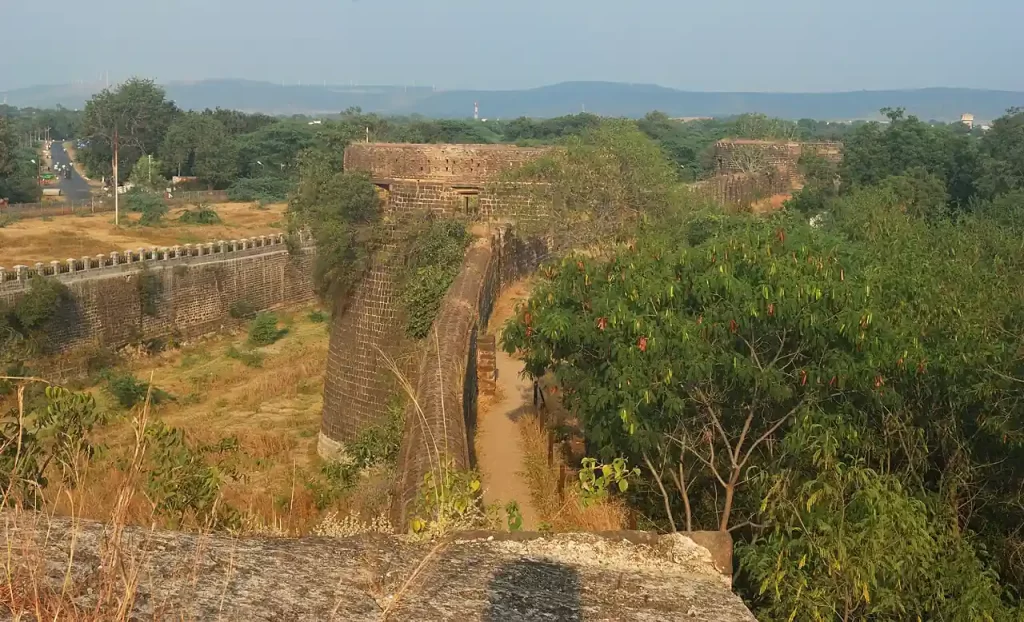
🎯 Pathardi – Hilltop Town with Ancient Temples 🏞️ ⛩️
Located in Eastern Ahmednagar, Pathardi is home to ancient spiritual sites.
➙ Key Temples: Bhagwan Bhoothnath Temple (on hill), Mhasoba Mandir.
➙ Natural Beauty: Surrounded by hilly terrain, attracts eco-tourists and pilgrims.
➙ Economy: Dryland farming and dairy-based co-operatives.
🎯 Shrirampur – Industrial and Railway Town 🚂 ⚙️
Shrirampur is an important Railway Junction and Industrial centre, located on the Mumbai-Manmad route.
➙ Highlights: Maharashtra State Transport Bus depot, Pharma and Textile factories.
➙ Industries: Dairies, Sugar Factories, and Printing Presses.
➙ Demographics: Cosmopolitan town with a diverse population and strong trade unions.
🎯 Jamkhed – Healthcare and Rural Medicine Excellence 🏥 🌾
Famous for the Jamkhed Comprehensive Rural Health Project (CRHP) initiated by Drs. Raj and Mabelle Arole, Jamkhed is known worldwide for Innovative Rural Health Models.
➙ Focus: Community healthcare, female health workers training.
➙ Recognition: Cited by WHO and Harvard as a model in global rural health.
➙ Local Economy: Based on farming and educational programs.
🧩 Conclusion
Ahmednagar (Ahilyanagar) is not just a district of one large city and surrounding farmland—it’s a tapestry of villages and towns that each contribute uniquely to the district’s overall identity. Whether it’s Shirdi’s Spiritual Allure, Sangamner’s Industrial Pulse, Ralegan Siddhi’s Development Model, or Jamkhed’s Healthcare Revolution, each place is a living example of Maharashtra’s Social, Cultural, and Economic Diversity. These towns and villages are more than mere dots on a map—they are the lifelines of the district, connecting history with hope, and tradition with transformation. 🌾 🚉 🏞️
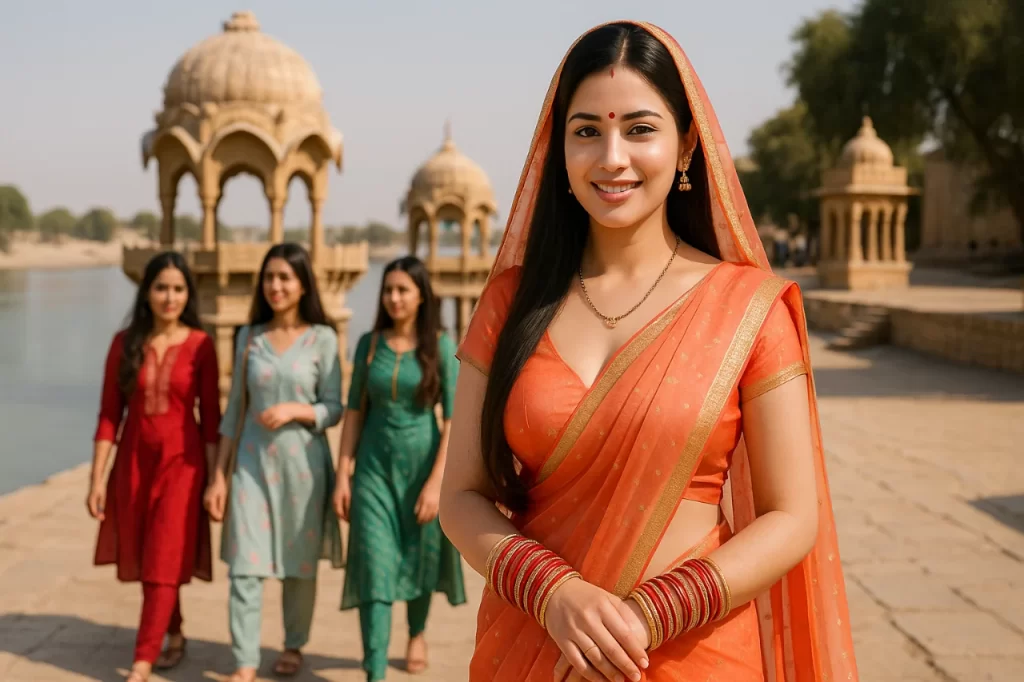
🗓️ 5-Day Detailed Tourist Itinerary for Ahmednagar (Ahilyanagar), Maharashtra
🏞️ Day 1: Historical Exploration in Ahmednagar City (Ahilyanagar City)
🔹 Morning:
Start your day at the Ahmednagar Fort 🏰 – a 15th-century marvel built by Ahmad Nizam Shah I. Visit the cells where Jawaharlal Nehru was imprisoned during British rule (and where he wrote Discovery of India).
Next Stop: Baug-e-Firdauz (Chand Bibi Palace) 🕌 – Explore Indo-Islamic Architecture and Hilltop views.
🔹 Afternoon:
Lunch at: A local Maharashtrian thali restaurant 🍛 – try Pithla-Bhakri, Bharli Vangi, and Sol Kadhi.
Visit Salabat Khan’s Tomb (Chandbi Mahal) – A scenic three-storied stone structure on a hilltop offering panoramic views 🌄.
🔹 Evening:
Relax at: Faria Bagh Palace Gardens 🌳 or take a walk at the Cavalry Tank Museum 🪖 – India’s only tank museum.
Enjoy street snacks like Misal Pav, Vada Pav, or Bhel Puri 🌮.
Stay at: A heritage-style Hotel or Guesthouse in Ahmednagar city 🏨.
🕉️ Day 2: Spiritual Circuit – Shirdi & Shani Shingnapur
🔹 Early Morning:
Head to Shirdi (Approx. 80 km / 2 hrs from Ahmednagar) 🚗.
Visit: Sai Baba Samadhi Mandir 🙏, Dwarkamai Mosque, Chavadi, and Gurusthan. Participate in morning Aarti 🌅.
🔹 Midday:
Lunch: Prasad Bhojan at the Sai Prasadalaya – a massive dining hall offering free meals to thousands daily 🍽️.
🔹 Afternoon:
Depart for Shani Shingnapur (Approx. 65 km / 1.5 hrs from Shirdi) 🚙.
Visit the open-air shrine of Lord Shani, where houses famously have No Doors 🚪 – a symbol of trust and divine protection.
🔹 Evening:
Return to Ahmednagar city by night (Approx. 2 hrs). Optional dinner on the way at a highway Dhaba.
Stay at: Ahmednagar or book a hotel in Shirdi if staying overnight 🛏️.
🌿 Day 3: Eco-Rural Tourism – Ralegan Siddhi & Hivare Bazar
🔹 Morning:
Drive to Ralegan Siddhi (Approx. 60 km / 1.5 hrs) – visit the Model Village of Anna Hazare 🧓🏻.
Explore Water Conservation Systems, Solar Panels ☀️, Community Halls, and Prohibition-driven Social Governance.
Visit the Yadavbaba Temple ⛩️ and the local school.
🔹 Midday:
Lunch at a local farmhouse with home-cooked organic food 🍲 – enjoy Jhunka-Bhakar, Buttermilk, and Kanda Bhaji.
🔹 Afternoon:
Visit nearby Hivare Bazar (20 km away) – another award-winning village known for self-sufficiency, clean governance, and water conservation 💧.
Walk through the green farmlands, speak to local farmers, and learn about drip irrigation & rainwater harvesting.
🔹 Evening:
Return to Ahmednagar city or stay overnight in Parner town 🏡.
Stay at: A local homestay or eco-tourism guesthouse 🌾.

🏕️ Day 4: Scenic Beauty & Hilltop Temples – Akole & Nevasa
🔹 Morning:
Depart for Akole (Approx. 90 km / 2 hrs).
Enjoy the Sahyadri hills, tribal hamlets, and green countryside 🌄.
Visit local markets selling pomegranates 🍎 and grapes 🍇.
🔹 Midday:
Continue to Nevasa (about 50 km from Akole) – place where Sant Dnyaneshwar wrote the Dnyaneshwari under a Peepal tree 📖.
Visit Mohiniraj Temple, Dnyaneshwar Samadhi Sthal, and the historic Peepal tree 🌳.
🔹 Afternoon:
Local lunch at Nevasa village eatery serving Puran Poli, Matki Usal, and Jaggery 🍯.
🔹 Evening:
Optional boating or riverside picnic on Godavari river ghats.
Return to Ahmednagar city by night.
Stay at: Hotel in Ahmednagar city 🛏️.
🚉 Day 5: Urban Culture, Markets & Heritage Trail in Sangamner or Shrirampur
➪ Option 1 – Sangamner:
Drive to Sangamner (Approx. 120 km / 2.5 hrs) – explore bustling local markets 🛍️, textile and agro-based industries.
Visit Ganesh Temple, Sangam Ghat and explore local education centres 🎓.
➪ Option 2 – Shrirampur:
Head to Shrirampur (Approx. 90 km) – visit local Co-operative Dairies 🥛, Sugar Factories, and Bustling Railway town centres 🚂.
➨ Midday:
Taste regional snacks like Kothimbir Vadi, Thalipeeth, and cold Masala Taak (Buttermilk) 🥤.
➨ Afternoon:
Shop for local Handicrafts, Agro-products, and Kolhapuri Chappals 🥿.
Enjoy a farewell lunch at a countryside restaurant.
➨ Evening:
Depart for Ahmednagar Railway Station 🚉 or Shirdi Airport ✈️ depending on onward travel.
🌟 Bonus Add-Ons (Optional Days)
Jamkhed Rural Health Project Visit 🏥 – for those interested in Healthcare & Social Work.
Bhandardara Dam and Sandhan Valley (on the edge of Ahmednagar-Nashik) for trekkers and nature lovers 🧗♀️ 🌊.
Meherabad (Meher Baba’s Ashram) near Ahmednagar – spiritual centre and global retreat place 🧘♂️ 🌐.
📌 Travel Tips
➛ Best time to visit: October to February for pleasant weather 🌤️.
➛ Languages Spoken: Marathi (main), Hindi, English.
➛ Clothing Tip: Carry light cottons in Summer, warm clothes in Winter, and modest attire for Temples.
➛ Local Transport: State Buses, Private Taxis, and Auto-rickshaws 🚖.
➛ Emergency Contact: Ahmednagar district tourist office ☎️ and Police helpline.
❓ FAQs
Is Ahilyanagar safe for solo travellers?
Yes, it’s culturally rich and safe, especially for women.
What is the best time to visit Ahmednagar?
From October to February – cool and pleasant weather.
Is Ahmednagar a religious town?
Yes, with several Temples, Ashrams, and Dargahs.
How many days are enough for Ahilyanagar?
2–3 days to cover major attractions.

✅ Brief Conclusion
Ahmednagar — or Ahilyanagar — is more than just another city on Maharashtra’s map. It’s a journey through centuries, a celebration of faith, and a lesson in history. Whether you’re drawn by spiritual calling, Architectural beauty, or rustic countryside, this region offers an experience that touches the heart and soul. As India reclaims its cultural identity, Ahilyanagar is slowly reclaiming its spotlight — and deservingly so.
🏁 Detailed Conclusion: Ahmednagar (Ahilyanagar) – A Journey Through Time, Culture & Resilience 🇮🇳 🌟
Ahmednagar, now officially known as Ahilyanagar, is more than just a dot on Maharashtra’s vast cultural map—it’s a living, breathing testament to centuries of History, Reform, Spirituality, Rural Empowerment, and Modern Resilience. 🕊️ From its majestic Forts and historic Tombs to revolutionary Villages like Ralegan Siddhi and Hivare Bazar, Ahilyanagar presents a rare blend of past and future harmoniously coexisting.
The city’s roots date back to the 15th century, founded by Ahmad Nizam Shah I, who laid the cornerstone of the Nizam Shahi Sultanate. The Ahmednagar Fort 🏰, where Pandit Nehru penned his monumental Discovery of India, stands as a symbol of not only political resistance but also intellectual legacy. Meanwhile, the Chand Bibi Palace 🕌 whispers tales of valour and visionary women in medieval India.
But Ahilyanagar isn’t confined to the pages of history books. It pulses with Vibrant Rural Life, where eco-conscious villages like Ralegan Siddhi 🌱 lead India’s grassroots revolution in water conservation, governance, and sustainable development. Hivare Bazar, once drought-stricken, today beams with prosperity—a model of what visionary community action can achieve. 💧 👨🌾
Spiritually, the region is sanctified by the footsteps of saints and mystics. Shirdi, the home of Sai Baba, welcomes millions seeking solace and blessings 🙏. Nevasa, tied to Sant Dnyaneshwar, Breathes Philosophy and Wisdom. Shani Shingnapur, with its open-door homes, testifies to an ancient spiritual trust that continues to guide lives today. 🕉️ ✨
Industrially, Ahilyanagar is climbing the ladder of development through Agro-processing, Dairy Cooperatives, Sugar Mills, and emerging Manufacturing Hubs 🚜 🏭. Towns like Sangamner, Shrirampur, Parner, and Pathardi contribute actively to the Economic and Infrastructural growth of the district, making it one of Maharashtra’s most balanced regions in terms of tradition and transformation.
The people of Ahilyanagar 👪 are its truest wealth. Whether it’s a farmer perfecting organic techniques, a woman self-help group running a dairy unit 🐄, or a local youth organising eco-tourism in Akole’s hills 🌄—every citizen contributes to this vibrant, self-sustained ecosystem. The deep-rooted Marathi culture, colourful festivals like Ganeshotsav, and cuisine rich in spice and soul (think Pithla-Bhakri, Bharli Vangi, and Misal Pav 😋) make for a sensory feast.
Moreover, the recent renaming to “Ahilyanagar” in honour of Ahilyabai Holkar 👸 isn’t just symbolic—it’s a nod to progressive values rooted in justice, spirituality, and woman-led governance. It reflects the city’s aspiration to uphold those ideals while advancing into the 21st century with pride and purpose.
So whether you’re a history buff, spiritual seeker, nature lover, social reform enthusiast, or simply someone craving authentic rural India – Ahmednagar (Ahilyanagar) opens its doors wide, offering warmth, stories, and an unforgettable journey 🌈 🚪 ✨.
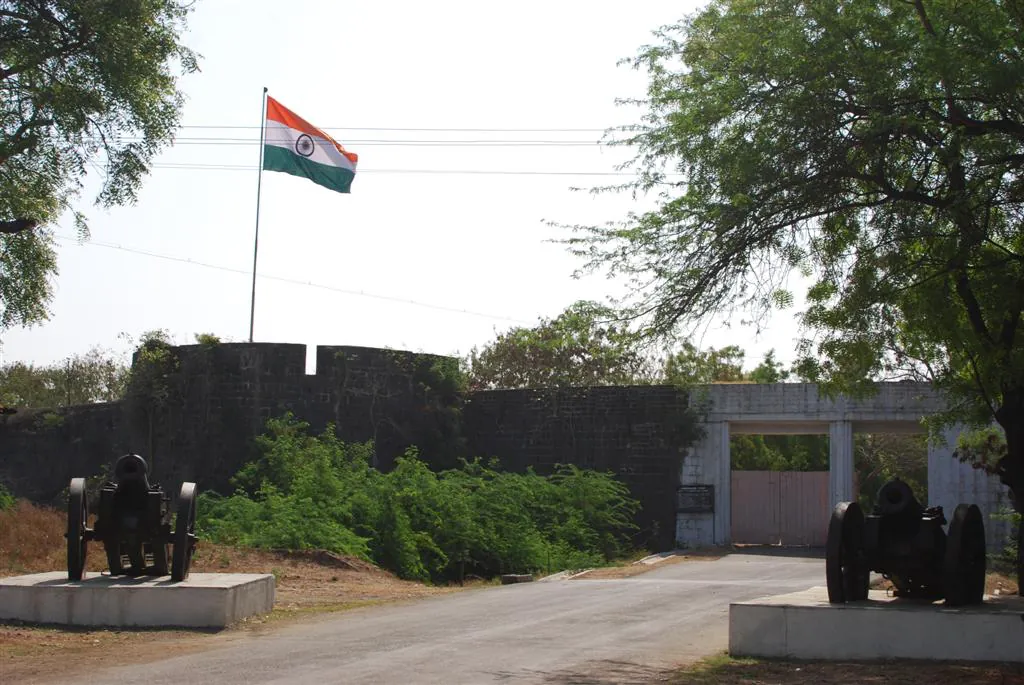
📣 Final Word: Why You Must Visit Ahilyanagar 📍
In an age of fast-paced tourism, Ahilyanagar offers something deeper – a chance to connect with India’s soul, to walk the same paths as Saints, Soldiers, Reformers, and Revolutionaries, and to experience the power of collective transformation.
💡 Ahmednagar is not just a destination – it’s an emotion, a history book, and a future vision rolled into one. So come, walk through its cobbled lanes, share a chai with locals, soak in Sahyadri sunsets, and let Ahilyanagar leave a lasting mark on your heart. ❤️ 📖 🌄
Note: Distance calculated & mentioned in this article is approximate and travel time may vary. Please check with google maps or local authorities before travelling.
Note: Hotel rates are subject to change and may vary based on factors like seasonality, availability, and promotions. Taxes, service charges, and other applicable fees are not always included in displayed rates.
📚 Sources:
➛ Wikipedia – Ahmednagar
➛ Wikipedia – Ahmednagar District
➛ Maharashtra Tourism – Ahmednagar
➛ Government of Maharashtra – Ahilyanagar
➛ Government of Maharashtra – Ahilyanagar
➛ Ahilyanagar Municipal Corporation
➛ Local Interviews & Travel Community Inputs
Image Credit
➛ Wikimedia Commons – Kedgaon Vesh
➛ Wikimedia Commons – 37 Ahmednagar
➛ Wikimedia Commons – Sai Gold full
➛ Wikimedia Commons – Ahmednagar fort
➛ Wikimedia Commons – 225-Ahmednagar City
➛ Wikimedia Commons – Anagar fort bastion 2
➛ Wikimedia Commons – Ahmednagar fort cannon
➛ Wikimedia Commons – Tomb Of Salabat Khan II
➛ Wikimedia Commons – Ahmednagar fort entrance
➛ Wikimedia Commons – Ahmednagar Fort Main Gate
➛ Wikimedia Commons – India 2012 Ahmednagar Fort
➛ Wikimedia Commons – Ahmednagar Railway Station
➛ Wikimedia Commons – Damri Masjid – Ahmednagar City
➛ Wikimedia Commons – Faria Bagh Palace of second Nizam
➛ Wikimedia Commons – Shani Shingnapur Shani Dev Temple
➛ Wikimedia Commons – Farah Bagh, Ahmednagar, Maharashtra
➛ Wikimedia Commons – Shree Shanidev Temple, Shani Shingnapur
➛ Wikimedia Commons – Ahmednagar fort inside of the fort gate
➛ Wikimedia Commons – Shani Shignapur renowned for its Shani Temple
➛ Wikimedia Commons – Magnificent view of Farah Bagh, Ahmednagar, Maharashtra
For more information, you can visit our website: ExploreXP
Latest Posts
- 4 Steps to Teach English in Vietnam (Complete 2026 Guide)

- The Complete Guide to Living in Ho Chi Minh City, Vietnam
- What Living in Hanoi Is Really Like for Foreigners
- Expat vs Immigrant: What’s the Real Difference?
- 7 Best Places to Live in Mexico Right Now: A Complete Guide
- Best Places to Live in Thailand: A Complete Guide for Expats in 2026