“A town that breathes history, echoes devotion, and nurtures culture — Shrirampur is not just a destination, it’s an experience”
🧩 Blog Sections:
➛ Introduction
➛ History of Shrirampur
➛ Architectural Highlights
➛ Geography, Talukas & Demographics
➛ Languages, Culture, and Local Lifestyle
➛ Detailed Weather Conditions
➛ How to Reach Shrirampur
➛ Best Time to Visit
➛ Best Places to Visit in Shrirampur
➛ Nearby Tourist Attractions
➛ Places of Worship
➛ Local Marketplaces & Handicrafts
➛ Local Cuisine & Street Food
➛ Things to Do in Shrirampur
➛ Travel Tips
➛ Notable Personalities from the Region
➛ Frequently Asked Questions (FAQs)
➛ Conclusion
➛ Sources

🔴 Section-by-section Details in Brief
🏞️ Introduction: Shrirampur — The Cultural Soul of Ahilyanagar
Located in the heart of Ahmednagar District (now officially Ahilyanagar), Shrirampur is more than just a municipal town—it’s a confluence of tradition, devotion, and understated charm. Nestled along the serene Godavari river basin and marked by its strategic position on the Ahmednagar-Manmad State Highway, this town serves as a bridge between history and modernity.
Unlike larger cities that often drown in noise and bustle, Shrirampur whispers its stories through temples, old educational institutions, and bustling weekly markets. With a population of over 100,000 (as per the 2011 census), the town has evolved into a modest urban centre that still holds tight to its rural roots and spiritual heritage.
One cannot speak of Shrirampur without acknowledging its Historical significance. Originally formed as a taluka in 1946, Shrirampur witnessed a slow and steady growth driven by Agriculture, Cooperative Sugar Industries, and Educational movements. The town blossomed with the arrival of the railway and road connectivity, eventually becoming a hub for nearby villages and agricultural trade.
This article explores Shrirampur from every angle—its Deep Historical Timeline, Architectural richness, Religious significance, Cultural festivities, and Vibrant local economy. We will also take you through a Detailed Travel Guide, complete with Interviews, Hidden Gems, and Itinerary suggestions perfect for all seasons.
Whether you are a history enthusiast, a spiritual traveler, a food lover, or someone just craving the peace of a slower-paced town—Shrirampur has something for you. 🧳 ✨
Here’s a detailed exploration, broken down into immersive sections, that makes planning your visit (or your blog) a delightful and well-informed experience.
🏛️ History of Shrirampur: From Humble Beginnings to Cultural Maturity
Shrirampur’s historical development began during the late British colonial era, becoming a taluka on 28th November 1946, carved out from Rahuri. The town grew rapidly in importance due to its agricultural produce and the establishment of sugar cooperative factories, a crucial movement led by Vithalrao Vikhe Patil, one of the pioneers of India’s cooperative sugar industry.
The 1950s-1970s were transformative decades. Educational institutions flourished. Temples were restored. Roads, health centres, and post offices were built. Shrirampur became a socio-political hub with several prominent leaders emerging from the town’s soil.
🔎 Interview Insight: Local historian Mr. Arun Deshmukh says, “Shrirampur’s history is inseparable from the cooperative movement. It laid the groundwork for modern development without losing cultural identity”.
🏰 Architectural Highlights of Shrirampur
While Shrirampur doesn’t flaunt royal forts or colossal monuments, its vernacular architecture stands out—temples adorned with Maratha-style shikharas, domes with Islamic influences, and colonial-era railway stations still in use.
Key Highlights:
⦿ Shani Mandir: Built in the 1950s, it features distinct black stone architecture.
⦿ Bhairavnath Mandir: A peaceful temple surrounded by banyan trees.
⦿ Old Railway Station Building: Reflects British-era colonial simplicity.
⦿ Wada-styled Homes: In adjacent villages like Belapur & Puntamba.
🏛️ The religious architecture merges spirituality with local art, visible in the intricate carvings, terracotta murals, and deeply symbolic shrines that dot the taluka.
🌍 Geography, Talukas & Demographics
Shrirampur is one of the 14 talukas in Ahilyanagar district, located in the northern region near the Godavari River basin.
📊 Key Stats:
⦿ Population: 100,000+ (2011 census)
⦿ Literacy Rate: 87%
⦿ Main Occupations: Agriculture, Education, Sugar Industry
⦿ Major Villages in Taluka: Puntamba, Belapur, Tilaknagar
Also Read
Amboli: Maharashtra’s Mist-Kissed Secret Where Waterfalls Dance & History Whispers
🗣️ Languages, Culture, and Local Lifestyle
➪ Languages Spoken: Marathi (official), Hindi, Urdu, and English
➪ Cultural Influence: Strong Maratha traditions blended with Bhakti spiritualism
➪ Festivals: Ganeshotsav, Diwali, Gudhi Padwa, and annual jatra of Bhairavnath are celebrated with fervour.
➪ Lifestyle: Rural-urban hybrid, known for cooperative farming culture, spiritual traditions, and slow-paced village life.
🎤 Local Voice: “People here believe in unity and self-help. You’ll often see neighbours gathering for Bhajans or community farming”, shares local school teacher Mrs. Kavita More.
🌦️ Detailed Weather Conditions
Shrirampur enjoys a tropical climate:
🌞 Summer (March–May): 30°C to 43°C — Hot & dry
🌧️ Monsoon (June–September): 22°C to 30°C — Moderate to heavy rainfall
❄️ Winter (October–February): 14°C to 28°C — Cool & pleasant
🌿 Travel Tip: The best time to visit is between October and February when the weather is ideal for sightseeing and festivals.
🚌 How to Reach Shrirampur
🚆 By Train:
➪ Shrirampur Railway Station (Belapur) is well-connected via the Central Railway route between Manmad and Daund.
➪ Major trains: Manmad–Pune Express, Mumbai–Nagpur Super-fast
🛣️ By Road:
➪ State and private buses connect Shrirampur to Pune, Nashik, Aurangabad, and Mumbai.
➪ National Highway 60 passes nearby.
✈️ By Air:
➨ Nearest Airports:
✪ Aurangabad Airport (90 km)
✪ Shirdi Airport (40 km)
📍 Distance from Major Cities:
| City | Distance to Shrirampur | Travel Time (Approx.) |
| Shirdi | 40 km | 1 hr |
| Ahmednagar | 70 km | 1.5 hrs |
| Aurangabad | 90 km | 2 hrs |
| Nashik | 120 km | 3 hrs |
| Pune | 190 km | 4.5 hrs |
| Mumbai | 265 km | 6 hrs (by Road) |
📍 Best Places to Visit in Shrirampur
✪ Bhairavnath Temple
✪ Shani Mandir
✪ Puntamba River Ghats
✪ Tilaknagar Winery (Nearby)
✪ Belapur Village for Rural Tourism
✪ Weekly Markets in Shrirampur Town
🧭 Nearby Tourist Attractions
✪ Shirdi Sai Baba Temple (40 km)
✪ Ellora Caves (110 km)
✪ Nashik Vineyards (130 km)
✪ Trimbakeshwar Temple
✪ Aurangabad City (Daulatabad Fort, Bibi Ka Maqbara)
🛕 Places of Worship
✪ Bhairavnath Mandir
✪ Hanuman Mandir
✪ Local Dargahs
✪ Community-run temples in every village
🛍️ Local Markets & Handicrafts
➛ Weekly Markets (Bazaar Days: Monday & Thursday)
➛ Cotton goods, Handmade Pottery, seasonal Sugarcane Produce
➛ Seasonal festive markets for Ganeshotsav and Diwali
🍛 Local Cuisine
➛ Misal Pav, Pithla-Bhakri, Sabudana Khichdi
➛ Locally grown sugarcane juice
➛ Village-prepared jaggery and chutneys
🎒 Things to Do in Shrirampur
➛ Explore Agricultural fields with locals 🌾
➛ Temple hopping 🛕
➛ Monsoon walks along the Godavari
➛ Attend weekly haats for authentic experiences
➛ Taste local food at traditional eateries
🧳 Travel Tips
✪ Visit during winter for comfortable sightseeing
✪ Carry cash—many small shops don’t accept cards
✪ Respect local customs at temples
✪ Avoid summers unless necessary
🌟 Notable Personalities from Ahilyanagar District
✪ Vithalrao Vikhe Patil – Cooperative movement pioneer
✪ Balasaheb Vikhe Patil – Former MP
✪ Anna Hazare – Social activist
✪ Bhau Saheb Hire – Educationist
✪ Prem Nath – Actor (born in Ahmednagar)
🟢 Section-by-section Elaboration with Granular Details
🌟 Detailed Introduction of Shrirampur, Ahmednagar District, Maharashtra, India
Shrirampur — nestled in the Northern part of the Ahmednagar District (officially renamed Ahilyanagar) in Maharashtra — is a fascinating blend of rural charm, agricultural dynamism, cooperative enterprise, and cultural depth. While often overshadowed by nearby pilgrimage towns like Shirdi or historically rich cities like Aurangabad, Shrirampur quietly thrives as a significant economic, educational, and religious hub in its own right. It’s not just a stopover town, but a place where tradition meets transformation. 🌾 🏛️
Strategically located along the Ahmednagar–Manmad State Highway, Shrirampur lies close to major junctions like Manmad (North) and Ahmednagar (South), making it easily accessible by road and rail. The Shrirampur Railway Station (Belapur) connects the town with major cities across Maharashtra and India, and its proximity to Shirdi Airport (just 40 km away) makes it a convenient travel destination for tourists and pilgrims alike. 🚆 🛣️ ✈️
What makes Shrirampur truly unique is its historical and economic evolution. The region’s journey from a modest rural settlement to a progressive taluka headquarters began formally on November 28, 1946, when it was carved out from Rahuri. It rose rapidly through the cooperative sugar movement, led by visionaries like Vithalrao Vikhe Patil, who played a key role in shaping the town’s socio-economic framework. Today, Shrirampur is home to one of India’s first cooperative sugar factories, placing it firmly on the national map of agricultural and industrial progress. 🏭 💪
Shrirampur’s urban planning is reflective of its roots. The town expands radially from its central bus stand, with neatly arranged marketplaces, government buildings, temples, and educational institutions. It thrives on weekly bazaars, sugarcane harvest seasons, and festive processions, offering a slow-paced yet vibrant lifestyle that echoes rural Maharashtra’s traditions. 🛕 🎉 🧺
The cultural fabric of Shrirampur is woven with religious pluralism and community togetherness. While Marathi is the dominant language, Hindi, Urdu, and English are also widely spoken, particularly among the younger generation and business communities. Religious landmarks such as the Bhairavnath Temple, Shani Mandir, and several Mosques and Dargahs create a spiritual mosaic, where Ganeshotsav, Ram Navami, and Eid are all celebrated with equal zeal. 🕌 ⛩️ 🪔
Local residents take pride in their cooperative farming practices, a legacy that continues to sustain the taluka’s economy. The surrounding villages—like Belapur, Puntamba, and Tilaknagar — are major contributors to Shrirampur’s agricultural wealth, producing sugarcane, cotton, onions, and grapes. The presence of agro-industrial units, dairy cooperatives, and educational institutions has elevated Shrirampur from a small-town outpost into a micro-urban economy that supports over a hundred surrounding villages. 🧑🌾 🍇 🏫
Education has played a transformative role in shaping the socio-political identity of Shrirampur. The Padmashree Dr. Vithalrao Vikhe Patil Foundation’s College, Dnyaneshwar Vidyalaya, and other colleges in Arts, Commerce, and Science, have helped foster local talent and leadership. Many public figures, politicians, and social workers from this region have gone on to serve the state and country, continuing the cooperative and reformist legacy. 📚 🎓 🗳️
From a climatic perspective, Shrirampur experiences a tropical semi-arid climate, with hot summers (up to 43°C), a refreshing monsoon, and pleasant winters, making it suitable for travel during October to February. This season also coincides with most religious festivals and agricultural harvests, making it a perfect time for visitors to witness the town’s vibrant culture and hospitality. ☀️ 🌧️ ❄️
Shrirampur is also known for its handcrafted products, rural textiles, and traditional sweets made during festive times. Local women often gather in self-help groups to produce Pickles, Papads, and Handmade goods sold in the weekly markets. These little-known aspects of Shrirampur’s micro-economy make it a rewarding place for cultural explorers and conscious travellers who want to support local artisans and understand grassroots economics. 🛍️ 🍬 👩🔧
In essence, Shrirampur is not just a taluka town on the map—it’s a living, breathing chronicle of grassroots development, cooperative success stories, spiritual heritage, and cultural pride. Whether you’re tracing Maharashtra’s history, exploring its rural heartlands, or simply looking to experience something authentic and grounded, Shrirampur welcomes you with folded hands and an open heart. 🙏 ❤️

🏛️ Detailed Historical Facts and Timeline of Shrirampur, Ahmednagar District, Maharashtra, India
Shrirampur’s journey from a modest rural settlement to a thriving taluka centre is a compelling story of resilience, cooperative development, and social reform. While the town may not feature prominently in royal chronicles or ancient texts, its 20th-century evolution into an economic, educational, and agricultural hub within Ahilyanagar (Ahmednagar) District makes it a shining example of modern rural transformation in Maharashtra. 🌱 🏭
📜 Pre-1940s: Agrarian Hamlet with Maratha Roots
Before the mid-20th century, the region around present-day Shrirampur was primarily agrarian and sparsely populated. Villages like Belapur, Puntamba, and Tilaknagar were clusters of Maratha farming communities, engaged in sugarcane, cotton, and grape cultivation. Temples like Bhairavnath Mandir served as spiritual and social gathering points. Shrirampur, though not a political centre, was geographically significant due to its proximity to the Godavari River and the Ahmednagar-Manmad rail line, which opened new routes for transportation and trade. 🚜 🛕
🗓️ 1946 – Formation of Shrirampur Taluka
A landmark moment occurred on November 28, 1946, when Shrirampur was officially carved out as a separate taluka from Rahuri. This administrative restructuring marked the town’s official entry into the political and developmental framework of the state. This move was prompted by both geographical convenience and local demands for decentralisation, enabling better governance of the northern parts of Ahmednagar district. 🗺️ 🏢
🏭 1950s – Birth of the Cooperative Sugar Movement
The post-independence period saw rapid socio-economic reforms across rural Maharashtra, and Shrirampur became one of the most notable participants in the cooperative movement. The visionary Padmashri Dr. Vithalrao Vikhe Patil, a son of the soil, established Asia’s first cooperative sugar factory — Pravara Sugar Factory — in Loni (near Shrirampur) in the early 1950s. Though the factory was based in Loni, its impact reverberated across the Shrirampur region. This initiative empowered thousands of local farmers, giving rise to cooperative banks, agro-industrial units, and self-help institutions. 🧑🌾 🏭 💰
🎓 1960s–1970s – Educational Reforms and Political Awareness
The 1960s and 70s were decades of transformation in the taluka. Inspired by Vikhe Patil’s ideals, a slew of educational institutions emerged across Shrirampur, including Colleges in Arts, Commerce, Science, and Vocational Training. Education became a tool for rural empowerment. At the same time, the region saw increased political mobilisation, with figures like Balasaheb Vikhe Patil emerging as key leaders. Locals began participating in state elections and cooperative societies, forming a civic consciousness that set Shrirampur apart from many other talukas. 📚 🗳️ 🎒
🚉 1980s – Railway Expansion and Agricultural Commercialisation
During the 1980s, the Shrirampur (Belapur) Railway Station became a critical junction on the Central Railway line, offering improved connectivity to Manmad, Pune, and Mumbai. This period also marked expansion in commercial agriculture, especially in grapes and onions, making Shrirampur an important supplier to cities across western India. The weekly markets (bazaar days) in town became larger and more structured, attracting traders and buyers from neighbouring talukas. 🚂 🧺 🍇
🛕 1990s – Infrastructure Growth and Religious Identity
The 1990s witnessed the growth of urban infrastructure, including water supply projects, electrification, and modernised bus depots. New temples, such as the Shani Mandir and various small community shrines, were either built or restored, reinforcing Shrirampur’s identity as a multi-faith spiritual destination. This was also the time when several Maratha and OBC Community halls, Dharmshalas, and cultural centres began organising annual yatras and festivals, further enriching the town’s religious and cultural life. 🕌 🛣️ 🛕 🎉
📱 2000s–2010s – Rise of Digital Literacy and Civic Engagement
The first two decades of the 21st century were marked by increasing digital penetration, especially through government-run Common Service Centres (CSCs), local internet cafés, and mobile phone access. Many residents began using online platforms for banking, education, and services. Simultaneously, youth-led initiatives in colleges pushed for environmental awareness, water conservation, and heritage protection, often in collaboration with local government bodies. Shrirampur emerged not only as an agricultural heartland but also as a civic-minded and progressive township. 💻 🌱 📱
🧩 2020–Present: Integration with Smart Governance and Regional Development
With the Ahmednagar district officially renamed Ahilyanagar in honour of Devi Ahilyabai Holkar, Shrirampur too found itself recontextualised within a historically proud lineage. Recent years have seen government focus on rural digitisation, modernisation of primary health centres, smart road networks, and increased support for micro and small enterprises (MSMEs) in the region. Despite challenges like urban migration and climate volatility, Shrirampur continues to adapt innovatively while preserving its roots. 🏙️ 🏥 🌾
🌟 Legacy Today: Shrirampur as a Model Taluka
Today, Shrirampur stands tall as a model taluka that reflects the ideals of cooperative development, grassroots empowerment, and inclusive growth. Its journey from being a lesser-known rural expanse to a respected educational, agricultural, and spiritual nucleus offers valuable lessons for rural transformation across India. The town embodies what can be achieved when visionary leadership, community participation, and cultural pride come together. 🌍 ✨
🏛️ Architectural Marvels in Shrirampur, Ahmednagar District, Maharashtra, India
Although Shrirampur may not boast of grand forts or royal palaces like some of Maharashtra’s historical cities, it stands out for its vernacular architecture, spiritual structures, and heritage-inspired buildings that reflect the town’s agricultural roots, cooperative movement legacy, and religious harmony. Its architectural narrative is quietly compelling—shaped more by function, devotion, and community aesthetics than by regal ambition. 🏡 🕌 🌿
🛕 1. Bhairavnath Temple – The Cultural Epicenter
One of the most revered temples in Shrirampur, the Bhairavnath Mandir, stands as a fine example of rural Maratha Temple Architecture. Built with locally sourced basalt stone, the temple features a simple mandapa, ornately carved wooden pillars, and a shikhar (spire) with traditional motifs. The temple complex is surrounded by old banyan trees, giving it a tranquil and sacred aura. It is not just a place of worship, but also a space for cultural gatherings, local festivals, and traditional music performances during the annual Bhairavnath Yatra. 🛕 🎶 🌳
🏗️ 2. Shani Mandir – Black Stone Craftsmanship and Astral Belief
Located near the city centre, the Shani Mandir is dedicated to Lord Shani and is known for its striking black stone construction, symbolising the planet Saturn. The architectural layout is austere yet deeply symbolic. The Idol is enshrined under an open sky, as per tradition, and surrounded by an arched structure with engraved astrological symbols. Devotees from surrounding villages visit in large numbers, especially on Saturdays. The structure also houses intricately etched stone panels and brass artefacts donated by devotees. 🌑 🔱 🛐
🕌 3. Masjids and Dargahs – Syncretic Islamic Architecture
Shrirampur’s religious harmony is echoed in its beautiful Mosques and Dargahs, such as the Hajrat Sayyad Shah Baba Dargah and local Masjids in Muslim-majority areas. The architecture here reflects Deccan Islamic influences—curved arches, bulbous domes, and minarets with floral calligraphy. Most structures are adorned with coloured glass panels and Persian-style stucco work. The Dargahs host Urs festivals, where Qawwalis echo through the courtyards, offering a blend of spirituality and musical heritage. 🕌 🎤 🌙
🛤️ 4. Colonial-Era Railway Infrastructure – The British Footprint
The Shrirampur (Belapur) Railway Station, built during the British Raj as part of the Central Railway Zone, is a classic example of Colonial Utility Architecture. It features low-lying buildings, sloped tiled roofs, and cast iron railings—built for durability rather than grandeur. The Station Master’s Office, Ticketing Counter, and Waiting Hall still retain their original teak wood furniture, giving a rustic touch that transports travellers back in time. The adjacent Railway Quarters and signal cabins are still in use and form a quiet architectural legacy from the 1930s. 🚉 🕰️ 🏘️
🏠 5. Wada-Inspired Rural Homes – Vernacular Maratha Heritage
In nearby villages like Belapur and Puntamba, you’ll find traditional Wada-style homes—a hallmark of Maratha Domestic Architecture. These multi-courtyard mansions, typically built using stone, mud plaster, and timber, are adorned with intricate wooden doors, verandahs, and tiled sloping roofs. Some Wadas have community wells, internal shrines, and carved ceiling rafters that tell stories of bygone family legacies. These homes offer a window into Rural Architectural Aesthetics and sustainable living. 🪵 🏚️ 🌾
🏢 6. Cooperative Institutions and Educational Complexes – Functional Modernism
The Pravara Rural Education Society and Vikhe Patil Educational Institutions have introduced a distinct functional-modern architectural identity in Shrirampur. These buildings, while utilitarian in design, are thoughtfully planned with natural ventilation, open corridors, and lecture halls with Greco-Indian facades. Many schools and colleges feature murals depicting Mahatma Phule, Dr. Ambedkar, and Dr. Vikhe Patil, turning architecture into a medium for social education and inspiration. 🧱 📚 🎓
🛣️ 7. Civic Buildings and Community Halls – Neo-Modern Vernacular Blends
Government structures like the Shrirampur Nagar Palika building, Tahsil Karyalaya, and Rural Hospital are built in a hybrid style blending contemporary layouts with vernacular materials. Community halls like the Maratha Samaj Bhavan and Dhangar Sabha Mandap serve as venues for weddings, debates, and cultural events. These halls incorporate coloured vitrified tiles, jali partitions, and solar roofs, reflecting the town’s transition into sustainable design without compromising on traditional usage. 🏛️ 💡 👥
🛍️ 8. Weekly Markets and Mandai Structures – Organic, Functional Layouts
The town’s weekly markets (mandais), especially near the bus stand, are spread across semi-permanent sheds and stall frameworks. While not conventionally considered architectural landmarks, they represent a chaotic beauty of organic design—formed through necessity and community wisdom. The use of tin roofing, modular bamboo partitions, wooden stalls, and fabric shading reflects Rural Architectural Adaptability. These vibrant spaces are cultural and economic hubs, pulsing with human interaction. 🛒 🪵 🎪
🧘 9. Ashrams and Yoga Centres – Modern Spiritual Architecture
Shrirampur also hosts a number of Ashrams and spiritual centres, such as the Swami Samarth Ashram and local Yog Sadhana Kendras. These structures combine modern concrete construction with serene landscaping—featuring open meditation halls, prayer gardens, and water tanks inspired by kundas (stepped wells). Such architecture reflects contemporary spiritual minimalism, offering peace amid modern chaos. 🌸 🕊️ 🧘♂️
🧩 10. Shrines in Farms and Fields – Sacred Simplicity
Lastly, the rural areas surrounding Shrirampur are dotted with small shrines dedicated to deities like Khandoba, Tulja Bhavani, and Mhasoba. Built with local stone and lime plaster, these modest temples are adorned with hand-painted symbols, bells, and marigold garlands. These are often family-owned and maintained, demonstrating the deep interweaving of faith with daily life in rural Maharashtra. You’ll often find them at the edge of sugarcane fields or beside irrigation wells. 🛕 🌾 🔔
🧭 Summary
The architecture of Shrirampur tells a tale not of imperial grandeur, but of people, purpose, and progress. From Maratha wadas and cooperative college campuses to rural temples and colonial train stations, the town’s buildings embody its agricultural roots, cooperative spirit, and cultural pluralism. These architectural marvels—both humble and historic—are an invitation to pause, observe, and appreciate the legacy of human-scale design in rural India. 🧱 ✨ 🏘️
🧭 How to Reach Shrirampur, Ahmednagar District, Maharashtra, India from Various Parts of India
Located in the heart of Northern Ahmednagar district (Ahilyanagar), Maharashtra, Shrirampur is a well-connected town that lies on one of the key travel corridors between Mumbai, Pune, Nashik, Aurangabad, and Shirdi. Whether you’re traveling by train, bus, private vehicle, or air, reaching Shrirampur is convenient and relatively hassle-free. Here’s a detailed guide for travellers coming from different corners of India. 🚉 🛣️ ✈️
🚆 1. By Train – Most Convenient & Widely Used Mode
Shrirampur Road Railway Station (Station Code: SRR), located near Belapur, is part of the Central Railway Zone on the Daund–Manmad route. This line is a vital connector between Mumbai–Manmad–Daund–Solapur, making it an easy stopover for trains coming from Mumbai, Pune, Delhi, Nagpur, Nashik, and Hyderabad.
🛤️ Key Trains Halting at Shrirampur:
✪ Manmad–Pune Express
✪ Nagpur–Pune Garib Rath
✪ Mumbai CST–Shirdi Fast Passenger
✪ Daund–Nanded Express
✪ Sainagar Shirdi–Secunderabad Express
✅ Travel Tip: Book tickets in advance during festive seasons, especially during Ganesh Chaturthi, Shirdi Sai Baba Temple events, and year-end holidays.
🛣️ 2. By Road – Scenic Drives & State-Run Buses
Shrirampur lies on the Ahmednagar–Manmad State Highway (SH-10), which makes it easily reachable by state transport (MSRTC) and private buses. The town’s central bus stand operates regular services to all major cities in Maharashtra.
🚍 Major Road Distances:
✪ Mumbai to Shrirampur – 265 km via NH 60 & SH 10 (Approx. 6 hrs)
✪ Pune to Shrirampur – 190 km via NH 60 (Approx. 4.5 hrs)
✪ Nashik to Shrirampur – 120 km via SH 30 (Approx. 3 hrs)
✪ Shirdi to Shrirampur – 40 km via SH 10 (Approx. 1 hr)
✪ Aurangabad to Shrirampur – 90 km via SH 60 (Approx. 2 hrs)
🛻 Travel Tip: Driving through Sinnar or Sangamner during monsoons offers breathtaking views of the Sahyadris, especially from Nashik or Pune.
✈️ 3. By Air – Closest Airports to Shrirampur
While Shrirampur doesn’t have its own airport, it is conveniently located near three regional airports, making it accessible for air travellers from across India.
✈️ Nearest Airports:
✪ Shirdi International Airport (SAG) – 40 km
➛ Direct flights from Mumbai, Delhi, Hyderabad, Bengaluru.✪ Aurangabad Airport (IXU) – 90 km
➛ Well-connected to Mumbai, Delhi, Hyderabad.✪ Pune International Airport (PNQ) – 190 km
➛ Flights from major Indian Metros & International hubs.From the airport, you can hire a private cab, board a shared taxi, or take an MSRTC bus to reach Shrirampur.
🧳 Travel Tip: Shirdi Airport is ideal for quick access. It’s a small airport with fast baggage claim and less crowded than larger metros.
🚖 4. Private Cabs, Ola/Uber, and Rentals
For travellers who prefer comfort and door-to-door convenience, cab aggregators and private taxi rentals from nearby cities are a great option. You can book a one-way or round trip from:
✪ Pune 🚖 ₹3,000 – ₹3,500
✪ Aurangabad 🚖 ₹2,000 – ₹2,500
✪ Nashik 🚖 ₹2,200 – ₹2,800
✪ Shirdi 🚖 ₹1,000 – ₹1,300
Most hotels in Shrirampur also offer pickup services from nearby transport hubs. Several car rental services are available in Pune and Aurangabad if you plan to self-drive.
🚌 5. State Transport & Inter-City Buses (MSRTC)
The MSRTC (Maharashtra State Road Transport Corporation) runs daily ST buses, including Semi-Luxury, Shivshahi, and Asiad buses connecting Shrirampur to towns and cities across Maharashtra.
🚌 Routes covered include:
✪ Mumbai–Shrirampur via Sangamner
✪ Pune–Shrirampur via Nagar
✪ Aurangabad–Shrirampur via Paithan
✪ Nashik–Shrirampur via Yeola
These buses are affordable, fairly punctual, and widely used by local travellers and students.
📍 Tip: The ST Bus Depot is located centrally, near local markets and auto-rickshaw stands, offering easy onward local transit.
🏙️ 6. From Major Indian Cities – Complete Overview
| City | Distance to Shrirampur | Best Mode of Travel | Approx. Travel Time |
| Shirdi | 40 km | Taxi / Bus | 1 hr |
| Aurangabad | 90 km | Road / Taxi | 2 hrs |
| Nashik | 120 km | Road / Train | 3 hrs |
| Pune | 190 km | Road / Train | 4.5 hrs |
| Mumbai | 265 km | Train / Road | 6–7 hrs |
| Hyderabad | 520 km | Train / Flight to Shirdi | 10–12 hrs |
| Bengaluru | 900 km | Train / Flight to Pune | 8–10 hrs |
| Delhi | 1,300 km | Flight to Aurangabad | 3 hrs + Road (2 hrs) |
🌏 Pro Tip: From southern and northern states, combine train + air routes via Pune or Shirdi for the smoothest journey.
🚖 7. Local Connectivity in Shrirampur
Once you reach Shrirampur, the town offers easy local transit options like:
✪ Auto-rickshaws (metered and shared)
✪ Private Taxis
✪ Rental Scooters and bikes
✪ Cycle Rickshaws in older parts of town
Landmarks like Shrirampur ST Stand, Bhairavnath Temple, Railway Station, and Main Bazaar are all within a 3–5 km radius, making commuting budget-friendly and simple.
🌍 8. Travel Suggestions for First-Time Visitors
🧭 Always confirm your train station as “Shrirampur Road (Belapur)”, not to be confused with Belapur CBD in Navi Mumbai.
🗓️ Plan your visit between October and February to enjoy cooler weather and avoid travel delays during the monsoon.
📱 Keep your M-indicator or IRCTC app handy for train schedules.
🧳 If you’re flying, pre-book a taxi from the airport, as cabs are limited at smaller airports like Shirdi.
✅ 9. In Summary – A Seamless Journey to the Heart of Rural Maharashtra
Reaching Shrirampur is easier than most travellers assume. Thanks to its strategic location, strong railway network, close proximity to multiple airports, and well-connected state highways, it offers flexible travel options from nearly every region of India. Whether you’re coming from Mumbai for a spiritual retreat, Pune for a weekend drive, or Delhi for rural exploration, Shrirampur welcomes you with ease and warmth. 🌄 📍 💛

🛣️ Best Routes to Reach Shrirampur, Ahmednagar District, Maharashtra, India from Various Parts of India
Located in the Northwestern part of Ahmednagar district (Ahilyanagar), Shrirampur is a vibrant town that lies strategically between major cities like Pune, Mumbai, Nashik, Aurangabad, and Shirdi. Because of its central position in Maharashtra’s Northern Deccan Plateau, the town is accessible via multiple road, rail, and air routes. Whether you’re planning a spiritual retreat, agricultural research trip, or regional exploration, here are the best routes to reach Shrirampur from different regions of India. 🚆 🚗 ✈️
🚗 1. From Mumbai – via Nashik or Pune
Travellers from Mumbai (265 km) have two highly scenic and convenient road options:
➨ Route 1 (via Nashik – SH 30 & SH 10):
✪ Mumbai → Thane → Kasara Ghat → Nashik → Sinnar → Yeola → Shrirampur.
✪ Approx. travel time: 6–7 hours
✪ Features: Green ghats 🌄, Vineyards near Nashik 🍇
➨ Route 2 (via Pune – NH 60 & SH 10):
✪ Mumbai → Lonavala → Pune → Ahmednagar → Shrirampur
✪ Approx. travel time: 6.5–7.5 hours
✪ Ideal for those stopping in Pune or Nagar.
🚉 For rail travellers, direct trains like Manmad Express and Nagpur–Pune trains with halts at Shrirampur Road (Belapur) station offer seamless access.
🚆 2. From Pune – Quickest & Widest Options
At a distance of 190 km, Pune provides excellent connectivity to Shrirampur:
➨ Route (By Road via NH-60):
✪ Pune → Nagar Road → Ahmednagar → Rahata → Shrirampur.
✪ Well-maintained highway; ideal for cars and buses. 🚌
➨ Train Route (via Daund/Manmad Line):
✪ Board from Pune Junction to Shrirampur Road, many options available including Garib Rath, Ashti Express, or Passenger trains.

✪ Private buses (Neeta, MSRTC Shivshahi) also offer luxury services between Pune and Shrirampur, especially during festive weekends.
🛻 Tip: The Ahmednagar to Shrirampur leg is beautiful during monsoons, with sugarcane fields and Sahyadri foothills 🌾.
✈️ 3. From Delhi – Best Route via Air + Road Combo
Delhi to Shrirampur (~1,300 km) is best covered through Air and Road combinations:
➨ Flight Option 1:
✪ Delhi ✈️ to Shirdi International Airport (SAG) (Direct flights from Vistara, IndiGo)
✪ Distance from Shirdi to Shrirampur: 40 km → Hire cab/shared taxi.
➨ Flight Option 2:
✪ Delhi ✈️ to Aurangabad Airport
✪ Aurangabad → Shrirampur via Paithan Road – approx. 2 hours by cab
➨ Train Option:
✪ Board Goa Express, Mangala Lakshadweep Express or Jhelum Express from Delhi to Daund or Ahmednagar, then change to a local train or road transport.✅ Tip: The Shirdi route is smoother for quick travel; Aurangabad offers historic detours to Ellora Caves or Bibi ka Maqbara. 🕌
🚉 4. From Hyderabad – Seamless Train or Flight Routes
Hyderabad to Shrirampur (~520 km) is well-connected via Railways and Flights:
➨ Best Train Route:
✪ Secunderabad–Sainagar Shirdi Express → Halt at Shrirampur Road
✪ Other options: Hyderabad–Manmad line trains (change at Aurangabad)
➨ Flight + Road Combo:
✪ Hyderabad ✈️ to Shirdi Airport → Road journey of 1 hour➨ Bus Route (MSRTC & TSRTC):
✪ Hyderabad → Zaheerabad → Sholapur → Ahmednagar → Shrirampur
✪ Approx. 10–12 hrs by bus
🧳 Pro Tip: Night trains are preferred for comfort; avoid road travel during peak summer due to high Deccan plateau temperatures ☀️.
🚗 5. From Aurangabad – Fastest and Direct Road Connectivity
At a short distance of 90 km, Aurangabad offers the fastest and most direct access to Shrirampur:
➨ Road Route:
✪ Aurangabad → Paithan → Nevasa → Shrirampur.
✪ Travel time: 2 hours via SH 60 and rural roads.
➨ Rail Route:
✪ Take Aurangabad–Manmad Passenger or Aurangabad–Pune Express → Halt at Shrirampur Road🛣️ Bonus: The drive is dotted with Temples, Villages, and Farmlands, making it a culturally immersive route. 🌿
🚉 6. From Nagpur – Long-Distance Trains & Affordable Travel
Nagpur lies nearly 620 km East of Shrirampur, but is connected via key central railway lines:
➨ Train Options:
✪ Nagpur–Pune Garib Rath
✪ Nagpur–Manmad Superfast
✪ Both halt at or connect through Daund or Manmad, where you can change to Shrirampur-bound trains.
➨ Road Route (if self-driving):
✪ Nagpur → Amravati → Akola → Jalna → Aurangabad → Shrirampur🕰️ Tip: Best for budget travelers or those combining religious tours like Trimbakeshwar–Shirdi–Shani Shingnapur–Aurangabad. 🔱
✈️ 7. From Southern India – Bengaluru, Chennai, Kerala
➨ Reaching Shrirampur from southern metros involves Multimodal Travel:
✪ Bengaluru to Pune (Flight/Train) → Pune to Shrirampur by road/train.
✪ Chennai to Pune (Train: Chennai–Pune Express) → Continue to Shrirampur by road/train.
✪ Kerala (Kochi/Trivandrum) to Pune/Aurangabad → then by cab/train.
➙ Alternatively, fly to Shirdi Airport, which has seasonal direct flights from Bengaluru and Chennai.
🎒 Pro Tip: Book through packages covering multiple religious sites, especially during Ayudha Puja or Navaratri.
🛤️ 8. From Central & Western India – Indore, Bhopal, Rajasthan
Central India connects well to Shrirampur through railways and NH corridors:
➨ From Indore:
✪ Train to Manmad → Connect to Shrirampur Road (80 km away)
✪ Road: Indore → Dhule → Malegaon → Yeola → Shrirampur (\~460 km)
➨ From Bhopal:
✪ Trains to Aurangabad or Daund → Change to Shrirampur
✪ Or road route via NH 52 & SH 10
➨ From Jaipur or Udaipur:
✪ Trains to Mumbai or Manmad → Road/train to Shrirampur🚍 These routes are best for travellers exploring western heritage belts.
🌟 Summary – Choose Your Ideal Route Based on Region & Budget
| Region | Best Route to Shrirampur | Estimated Time | Mode |
| Mumbai | Mumbai → Nashik → Yeola → Shrirampur | 6–7 hrs | Road / Train |
| Pune | Pune → Ahmednagar → Shrirampur | 4–5 hrs | Road / Train |
| Delhi | Delhi ✈️ Shirdi/Aurangabad → Shrirampur | 5–6 hrs total | Flight + Cab |
| Hyderabad | Train to Shrirampur / Flight to Shirdi | 10–12 hrs | Train / Air |
| Bengaluru | Bengaluru ✈️ Pune → Road to Shrirampur | 8–9 hrs total | Flight + Road |
| Aurangabad | Aurangabad → Paithan → Shrirampur | 2 hrs | Road / Train |
| Nashik | Nashik → Sinnar → Yeola → Shrirampur | 3 hrs | Road |
| Indore / Bhopal | Train to Manmad/Daund → Shrirampur | 10–12 hrs | Rail |
🌤️ Best Time to Visit Shrirampur & Cultural Festivals and Traditions
Nestled in the agriculturally rich heartland of Northern Ahmednagar district (Ahilyanagar), Shrirampur is a vibrant semi-urban town where Sugarcane fields, Spiritual traditions, and Maharashtrian folk culture come alive across the seasons. Whether you’re a spiritual traveler, cultural explorer, or nature enthusiast, understanding when to visit and what festivals to experience can transform your trip into an unforgettable memory. ✨
☀️ 1. Winter (November to February): The Ideal Season for Travel
The Best Time to visit Shrirampur is undoubtedly during the winter months of November to February. During this time, the daytime temperature ranges between 16°C to 28°C, making it extremely pleasant for sightseeing, temple visits, rural explorations, and photography.
The clear skies and comfortable weather are ideal for visiting nearby places like Shani Shingnapur, Shirdi, Nevasa, and Aurangabad. Winter is also the preferred season for Agritourism activities, as the sugarcane harvest season begins, and the local countryside turns golden with crops ready for harvesting. 🌾 ❄️
🌸 2. Spring (February to Early March): Festival Time Begins
February and early March mark the beginning of the cultural calendar in Shrirampur. With Maha Shivratri and Gudi Padwa (Marathi New Year) just around the corner, the region bursts into life with folk rituals, Temple fairs, and household festivities.
Locals celebrate Gudi Padwa by hoisting a traditional Gudi (a bamboo stick adorned with silk cloth and neem leaves), symbolising victory and prosperity. Streets are decorated with Rangolis, and homes are filled with the aroma of Puran Poli and Shrikhand. 🎉 🇮🇳
This period is excellent for cultural photography, community immersion, and rural lifestyle experiences. Don’t miss the local bazaars that sell traditional attire, brassware, and sweets unique to Ahmednagar district.
☀️ 3. Summer (March to June): Hot but Spiritually Active
Shrirampur witnesses scorching summers, especially from April to June, when temperatures can reach 40°C or more. However, this season also sees some spiritually significant festivals like Rama Navami, Hanuman Jayanti, and early celebrations of Ashadhi Ekadashi.
Though not ideal for daytime exploration, this is the time when rural Kirtans (Devotional Singing) and processions become active in temples and villages. The early mornings and evenings are filled with religious fervour, and devotees prepare for the Palkhi (palanquin) Yatra that passes through nearby towns en route to Pandharpur. 🙏 🔥
If you’re visiting during this time, plan indoor temple visits during the day and join spiritual gatherings in the evenings.
🌧️ 4. Monsoon (Late June to September): Greenery, Fairs & Farming
Monsoon brings a dramatic transformation to Shrirampur. The dry Deccan plateau turns lush green, fields brim with water, and farmers begin sowing Paddy, Cotton, and Sugarcane.
While travel can be challenging due to muddy roads in rural stretches, the post-rain freshness, cooler temperatures, and local festivals like Nag Panchami and Raksha Bandhan bring life to the town.
Many rural temples conduct Gram Devta Utsavs – community festivals where villagers perform Lezim Dances, Tamasha Folk plays, and Dhol-Tasha parades. Travellers looking for authentic rural Maharashtrian culture will find monsoon rewarding. 🌧️ 🌿 🎭
🎉 5. Ganesh Chaturthi – The Pinnacle of Cultural Expression
Among the most vibrant festivals celebrated in Shrirampur is Ganesh Chaturthi – the 10-day grand festival of Lord Ganesha. Celebrated with deep devotion, local Ganpati mandals like Shree Siddhivinayak Mitra Mandal and Sainagar Ganesh Utsav Mandal organise cultural programs, dramas, and music nights. 🐘 🌺
Homes are decorated with intricate Rangolis, and people offer Modaks and prayers daily. The final immersion (Visarjan) is a grand affair with processions of dhol-tasha pathaks, colourful floats, and community gatherings at immersion points like Godavari river banks nearby.
For culture enthusiasts, this is the ideal time to visit for photography, interviews, and witnessing traditional Marathi performances like Bharud and Kirtan.
🪔 6. Diwali – A Festival of Lights in the Countryside
Diwali in Shrirampur is a deeply familial and spiritual affair. Homes are lit with Oil lamps (Diyas), and streets are alive with lanterns (Akash Kandils), Bursting Crackers, and community feasts.
A unique local tradition involves preparing Kharvas (Colostrum Pudding), Chakli, Karanji, and Ladoo, made in bulk and exchanged among families. The five-day celebration includes Dhanteras, Narak Chaturdashi, Lakshmi Pujan, and Bhaubeej – a heartfelt celebration of sibling love. 🪔 🎇 👫
The early winter setting makes this one of the most photogenic and warm-hearted times to experience Shrirampur.
🧑🌾 7. Makar Sankranti, Pola & Harvest Festivals
Being in an agrarian region, harvest festivals like Makar Sankranti (January) and Pola (August–September) are deeply rooted in Shrirampur’s identity. During Makar Sankranti, locals fly kites 🪁 and exchange Tilgul (sesame sweets), symbolising sweetness in relationships.
Pola, a festival dedicated to bullocks, is a sight to behold in Shrirampur’s rural belts. Farmers decorate their bulls with colourful fabrics, jewellery, and bells, worship them, and parade them through village lanes. 🐂 💐
This offers rich opportunities for Cultural Documentation, Agritourism experiences, and Photography.
🏞️ 8. Holi and Rangpanchami – Colourful & Traditional
The festival of Holi, followed by Rangpanchami, is celebrated in Shrirampur with much zeal. While the main day involves Holika Dahan and family gatherings, Rangpanchami sees the streets painted in bright hues of red, yellow, and green as youth and children enjoy the festival of colours. 🌈 🎨
The rural neighbourhoods and school communities organise folk dance competitions, musical chairs, and traditional food contests, offering visitors a slice of small-town community life.
📅 Summary – When Should You Visit?
| Season | Weather | Highlights | Recommended For |
| Nov – Feb (Winter) | Pleasant, 16–28°C | Temple visits, Diwali, Sankranti, Agritourism | All travellers 🌍 |
| Mar – May (Summer) | Hot, up to 40°C | Devotional Events, Indoor Cultural visits | Spiritual seekers 🙏 |
| Jun – Sep (Monsoon) | Cool, rainy | Rural fairs, green landscapes, Pola festival | Rural tourism lovers 🌿 |
| Oct – Nov (Autumn) | Mild and festive | Ganesh Chaturthi, Navaratri, Post-harvest charm | Festival Photographers, Cultural buffs 🎉 📸 |
🏨 Where to Stay Around Shrirampur, Maharashtra
While Shrirampur is not a major hotel hub, it offers a surprising variety of Budget Hotels, Lodges, and a few mid‑range stays, along with nearby Resorts just outside town that cater to leisure travellers. Accommodation choices include simple guesthouses, OYO‑style properties, and the occasional Dharamshala for pilgrims.
🌟 Luxury / Mid‑Range Stays (Near Shrirampur)
Though within the town limits luxury hotels are rare, visitors can opt for higher‑end properties just 20–25 km away near Rahta / Shirdi corridor:
➪ Nisarg Farm Resort (≈ ₹3,980–4,100/night): Features a swimming pool, in‑house restaurant, landscaped gardens, and indoor‑outdoor lounge areas. Free cancellation and online booking available.
➪ Vedic Village Spa Resort (≈ ₹4,845/night): A 4‑star styled retreat with spa, excellent food, serene ambience—ideal for families and couples seeking upscale comfort.
These resorts offer peaceful escapes from town hustle and have superior amenities such as recreational lawns, spa centres, and sit‑down dining.
💼 Mid to Upper‑Budget Hotels in Shrirampur Town
A few properties in Shrirampur offer comfortable mid‑range rooms with restaurant services:
➪ Hotel Uday Palace: Located just 2 minutes from Belapur Railway Station. Room rates around ₹3,600–3,999/night inclusive of taxes. Amenities include an in‑house Restaurant & Bar, free Wi‑Fi, Parking, Power Backup, and Card Payments. Usual check‑in 12 PM, check‑out 11 AM.
➪ Panchshil Lodge: Slightly upscale with AC, Power Backup, and proximity to the bus stand. Rates around ₹3,538–3,999/night, with all major amenities.
🛌 Budget Hotels & Lodges
For travellers seeking affordable, no‑frills stays, Shrirampur has several budget options:
➪ Hotel Sanap Nilayam: Basic rooms with attached bathrooms, in‑house Restaurant & Bar. Rates about ₹1,634–1,800/night. Free cancellation available.
➪ Hotel Nilayam (TravelGuru): Very budget‑friendly: ₹1,009/night. Located within 0.5 km of railway station and bus stand. Generally clean, functional rooms with shared or attached amenities.
➪ Hotel Yogesh Executive: Similar pricing—around ₹1,200–1,400/night; close to transport hubs and basic facilities like TV, Room Service, and occasional Breakfast.
🛕 Guesthouses, Lodges & Dharamshalas (Basic Pilgrim Stay)
Shrirampur’s small size means formal Dharamshalas are rare, but local lodges and inexpensive Guesthouses serve pilgrims:
➪ Local Adarsh Lodge, Sai Lodging, Nilayam Hotel, Hotel Laxmi Narayan Palace, and Hotel Siddharth offer dormitory or shared‑room options at very low cost (often ₹400–₹800/night), with minimal amenities.
➪ Ideal for groups or budget travellers comfortable with shared toilets and limited services.
🧍 Facilities & Food at These Properties
Most hotel and lodge properties in Shrirampur include:
➪ In‑house restaurants or simple cafés, serving local Maharashtrian Meals, Breakfasts, and Snacks. Some serve vegetarian fare primarily.
➪ Clean attached bathrooms, basic toiletries, and sometimes bottled water.
➪ Wi‑Fi Access, Power Backup, Secure Parking, and CCTV Surveillance in Mid‑tier Hotels.
➪ Reception usually open 24 hours, with check‑in around 12 PM and check‑out by 11 AM. Couples welcome at many lodges with valid ID proof.
🧭 Ideal Stays Based on Traveller Type
🧳 Budget or backpacker travellers will find the ₹1,000–1,800/night range ideal—not fancy, but practical and centrally located.
👪 Families and tourists who prefer more comfort can opt for Hotel Uday Palace or Panchshil Lodge, offering better amenities and meals on-site.
💆 Wellness seekers or those visiting for leisure should consider Nisarg Farm Resort or Vedic Village Spa Resort for their landscaping, spa, and restful environment.
📅 Seasonal Price Trends & Booking Tips
➪ Peak seasons like winter (November–January) and festival times such as Ganesh Chaturthi and Diwali may raise prices by 10–15%. Early booking recommended.
➪ Off‑season (summer/monsoon) offers better deals; resorts may offer discounted packages.
Always confirm check‑in/out times, food availability, and cancellation policy before booking.
✅ Summary Table
| Category | Property Name | Approx. Rate/Night | Key Facilities | Check‑in/Check‑out |
| Mid-Range | Hotel Uday Palace | ₹3,600–₹3,999 | Restaurant, Wi‑Fi, Parking, Bar | 12 PM / 11 AM |
| Mid-Range | Panchshil Lodge | ₹3,538–₹3,999 | AC, Power Backup, near Station | 12 PM / 11 AM |
| Budget | Hotel Sanap Nilayam | ₹1,634–₹1,800 | Restaurant, Basic Room, Central location | 12 PM / 11 AM |
| Budget | Hotel Nilayam | ₹ 1,009 | Simple Room, Close to Transport Hubs | 12 PM / 11 AM |
| Budget | Hotel Yogesh Executive | ₹1,200–₹1,400 | Room Service, TV, Basic Breakfast | 12 PM / 11 AM |
| Deluxe / Resort (nearby) | Nisarg Farm Resort | ₹3,977–₹4,100 | Pool, Garden, Restaurant, Spacious Property | 2 PM / 12 PM typical |
| Deluxe / Resort (nearby) | Vedic Village Spa Resort | ₹ 4,845 | Spa, Landscaped Ambience, Quality Dining | Afternoon / Morning |
🌟 Best Places to Visit in & Near Shrirampur, Ahmednagar District, Maharashtra, India
Nestled in the agriculturally vibrant heart of Ahilyanagar (Ahmednagar) district, Shrirampur serves as a gateway to spiritual treasures, rural heritage, and local cultural experiences. While the town itself may be modest in size, its surroundings boast pilgrimage hotspots, historic fort-treks, natural scenic beauty, and vibrant market life. Whether you’re planning a religious trip, heritage tour, or cultural exploration, here are 20+ finely detailed paragraphs to guide your journey.
🛕 1. Shri Ram Mandir, Shrirampur Heartbeat
Located on Nevasa Road, the Shri Ram Mandir is Shrirampur’s namesake temple and the first monument most visitors encounter. Built in classic Maratha style, it features a domed sanctum, carved pillars, and a peaceful courtyard where locals gather for Bhajans and Ramnavami celebrations. In addition to architectural detail, the temple is integral to the town’s identity and is often adorned in festive lights and flowers during Navratri and Ram navami.
🛐 2. Jama Masjid & Sayyed Baba Dargah – Harmony in Divine Presence
Shrirampur is known for its communal serenity, embodied by the Jama Masjid (next to the Railway Station) and the Sayyed Baba Dargah Shrine. Both religious sites host annual Urs festivals where Hindu and Muslim communities join in devotion. The recently built mosque minaret and the shrine’s calm courtyard welcome pilgrims from nearby villages, offering insight into the town’s interfaith tradition.
🧘 3. Jain Temples – Spiritual Stillness in Stone
Within the outskirts of Shrirampur, the Shri Sambhavnath Swami Jain Shwetamber Mandir in Belapur Bk (~6 km) and the Shri Parshvanath Digamber Jain Mandir in town are serene sanctuaries. Both open from 5:30 AM to 11:30 AM and 5:30 PM to 8:30 PM, they feature white marble and ornate decor, appealing to both devotees and heritage enthusiasts. Architecture is minimalist yet elegant, with peaceful courtyards and carved motifs typical of Jain tradition.
🕉️ 4. Nearby Nazareth Faith Sites – Haregaon Church & Gangagiri Samadhi
Just 5 km from Shrirampur lies Haregaon, home to the Feast of the Blessed Virgin Mary, attracting up to 400,000 devotees annually. Known as the “Pandharpur of Marathi Catholics”, this shrine blends local culture with devotion. Around 25 km away, the Gangagiri Maharaj Samadhi in Sarala Bet (Godavari River island) features a peaceful ashram established by the saint and witnesses the annual Harinaam Saptah.
⛩️ 5. Pilgrimage Triad: Shirdi, Shani Shingnapur & Pandharpur
Within a 30–80 km radius, Shrirampur connects with major pilgrimage centres:
➪ Shirdi Sai Baba Temple (~60 km): A global spiritual magnet featuring Dwarkamai, Gurusthan, and Samadhi Mandir.
➪ Shani Shingnapur (~35 km): Famous for its open-air shrine and the village’s tradition of homes without doors—a lived symbol of divine protection. Visits peak on Amavasya Saturdays.
➪ Pandharpur Vitthal‑Rukmini Temple (~80 km): Important pilgrimage along Bhima River.
These spiritual destinations make Shrirampur an ideal anchor for religious tourists.
🏞️ 6. Nature & Forts: Mula Dam, Bhandardara & Ratangad
Heading westward, you can explore natural beauty and historical forts:
➪ Mula Dam (~25 km): A serene reservoir where boating and lakeside relaxation are popular.
➪ Bhandardara & Ratangad Fort (~100 km): Stunning during monsoon, offering verdant treks, panoramic views, and ancient Hemadpant-era carvings. The famed “Eye of the Needle” rock aperture crowns the trek.
Ideal for day trips or weekend breaks.
🏰 7. Ahmednagar Fort – History Written in Stone
About 50 km away, the Ahmednagar Fort, built in the 16th century, is where Nehru reportedly drafted The Discovery of Indi. Today, its ramparts, seven gates, and museums offer glimpses into Deccan’s history under various dynasties. Combine this with a stop at the bustling Ahmednagar vegetable market or a meal at local eateries for a full-day experience.
🛍️ 8. 🛒 Local Marketplaces & Handicrafts – Vibrant Rural Trade
Shrirampur’s weekly bazaars (Mandai), especially on Mondays and Thursdays, are a sensory delight—brimming with fresh produce (sugarcane, cotton, onions), textiles, and homemade pickles and sweets. Stalls are often made of bamboo, fabric shade, and tin roofs woven into an organic tapestry of trade and tradition. Bargaining is customary!
🧵 9. Handicraft Highlights: Supporting Local Women’s Self‑Help Groups
Nearby villages engage in producing reed mats, cotton handkerchiefs, and festive sweets (papads, chutneys, jaggery). You can also find artisans selling brassware and Marathi textile motifs, particularly during festival bazaars. While Kolhapuri chappals are mostly found in Pune or Kolhapur markets, some travellers note regional stalls selling simple leather sandals or local decor items.
🛕 10. Local Temple Circuit – Hanuman, Krushna & Datt Mandirs
Within Shrirampur township, temples like Hanuman Mandir, Krushna Mandir, Panch Durga and Datt Temple (all within 1–3 km radius) offer a concentrated glimpse into everyday spiritual life. Many are simple structures, decorated during festivals and serve as centres of social gathering.
📿 11. Sant Rituals & Community Utsavs
During festivals like Ramnavami, Ganesh Utsav, and Muharram, these temples and shrines light up with community feasts, Bhajans, Qawwalis, and cultural programs. The annual Urus at Sayyed Baba and the Samadhi Samadhi in Sarala Bet draw pilgrims from neighbouring talukas, blending devotion and cultural dialogue.
🚶 12. Village Exploration – Belapur & Sarala Bet
Explore Belapur village (6 km) to encounter traditional Wada architecture, rural craftsmanship, and local Jain temples. A boat trip to Sarala Bet (Godavari island) offers time at Gangagiri’s ashram and a chance to walk along riverbanks. These experiences reveal the region’s agro-spiritual interconnections.
🌻 13. Seasonal Attractions – Monsoon & Harvest Beauty
From June to September, the surroundings of Shrirampur transform: fields turn emerald green, villages host Pola festivals celebrating bullocks, and nature looks lush. Nearby Umbrella and Randha Falls in Bhandardara sparkle during monsoon—perfect for nature lovers.
🧭 14. Heritage Treks & Panorama Views
For trekkers and heritage buffs, visiting Ratangad Fort near Bhandardara is ideal during October–February. The trek ends near Amruteshwar Temple, known for exquisite carvings from the Hemadpant era—plus sweeping views of the Sahyadris and the dam’s lake.
🧳 15. Local Flavours & Culinary Stops
Don’t miss trying Shev Bhaji, Puran Poli, Chikki, and village-style Sugarcane Juice during your visit. Local eateries and mandai food stalls often serve wholesome, home-cooked meals, especially during festive bazaars or weekend markets.
👪 16. Family-Friendly Attractions
For families, Mula Dam, farm visits, and village tours to Belapur Wadas or Sarala Bet offer safe and wholesome outings. Many farms nearby welcome visitors, allowing them to observe sugarcane harvesting or dairy operations at Prabhat Dairy.
🕌 17. Spiritual Connectivity Hub
Shrirampur’s position—between Shirdi, Shingnapur, and Pandharpur — makes it an ideal base for Multi-Temple circuits. You can plan 2–3 day pilgrim trips combining Sai Baba darshan, Lord Shani’s blessings, and Vitthal worship in Pandharpur. Spans Temple Architecture, Local Hospitality, and Shared Devotion.
🎥 18. Cultural Photography & Research Opportunities
The town and its periphery offer rich subjects for cultural photography—temple processions, rural markets, Jain shrine rituals, and interfaith gatherings at Haregaon or Gangagiri Samadhi. Local historian walks can be arranged through institutions in Shrirampur for deeper insights.
🗺️ 19. Logistics-Friendly Day Trips
Using Shrirampur as a base, day trips to Shirdi (60 km), Shani Shingnapur (35 km), Ahmednagar Fort (50 km), or Nevasa’s Mohiniraj Temple (75 km) are easily managed with hired cabs or local buses. Each offers unique Spiritual, Historical, and Architectural richness.
🌅 20. Summary – A Living Cultural Mosaic
Shrirampur and its surroundings may not be on mainstream tourist maps—but it weaves together spiritual depth, agricultural heritage, architectural simplicity, and communal harmony. From humble temples and weekly haats to pilgrimage triads and panoramic forts, every corner tells a story. If you seek authentic, grassroots Maharashtra, this region delivers in abundance. 🌾 🛕 🛍️
🍽️ Local Flavours: Best Spots for Authentic Local Food & Refreshments in Shrirampur
Shrirampur may be small, but it offers a delightful array of local eateries, street-food joints, and cozy cafés that serve genuine Maharashtrian flavors. Here’s your guide to authentic refreshment spots that are worth exploring:
☕ 1. Mirawali Tea Centre – The Best Local Chai Spot
Located centrally in Shrirampur, Mirawali Tea Centre is famed for its strong, flavourful tea and budget-friendly prices. Open from 6 AM to noon daily, the place has an impressive 4.7-star rating, and locals swear by their special chai—it’s considered the best locally. Perfect for an early-morning tea break before visiting temples or markets.
🥪 2. Shrirampur Tales Café – Café Culture with a Twist
Shrirampur Tales Café on Dr. Dhus Road offers a charming atmosphere with indoor-outdoor seating, especially good for teens and young adults. Ranked #1 café in the rural area, they serve vegetarian snacks, cold coffee, momos, burgers, and burgers like a mini hangout spot for ₹200–₹400 per person. Great for an evening hangout or a brunch vibe.
🥘 3. Hotel Maharashtra – Big Menu & Vegetarian Fare
Just behind Shubham Wedding Hall on Sangamner Road, Hotel Maharashtra is a bustling vegetarian dining spot. With a well-rounded menu — Shev Bhaji, Pithala, Bajari Bhakri, Udad Papad Fry, Paneer dishes, and Misal — you can enjoy a filling Maharashtrian meal. Highlight items like Tupachi Jawari Bhakari (₹48) and homestyle Pithala get regular praise. Pricing is around ₹200–₹300 per main course.
🍛 4. Amar Pure Veg Restaurant – Parathas & Vegetarian Dishes
Situated along the Newasa Road, Amar Pure Veg Restaurant is a calm, vegetarian-focused eatery open from 8:30 AM to 11 PM. Locals commend their Paratha varieties, Curd, and friendly service. Especially noted for Aalu Parathas, Curd Rice, and Veg Mains, pricing is modest and taste consistent. A solid spot for lunch or dinner.
🌮 5. Saikrupa Pav Bhaji Centre & Gautam Vada Centre – Street Snack Heaven
Nearby to the railway station, Saikrupa Pav Bhaji Centre and Gautam Vada Centre are go-to spots for street food lovers. Expect crisp Vada Pav, Spicy Pav Bhaji, and quick bites whenever the mood strikes. These fresh, spicy snacks are ideal for travellers or quick lunch breaks.
☕ 6. Sangam Nasta Centre, Bajrang Nasta Center – Local Breakfast Stops
These early-morning snack stalls — Sangam Nasta Centre and Bajrang Nasta Centre — serve affordable local breakfasts like Poha, Upma, Sabudana Vada, and Sarva from ₹30–₹60. Open around 7–10 AM, they’re perfect for fuel before heading out on a day tour.
🍖 7. Dhole Matan Khanaval – Traditional Non-Veg Delight
On Ram Mandir Road, the Dhole Matan Khanaval is a non-vegetarian spot offering local specialties like Mutton Curry, home-style Khanaval, and hearty rice meals. This place is typically busy in the evenings and draws locals craving traditional meat-based food.
🥦 8. Pineapple Café & Hotel Yogesh – Casual Café & Biryani Specials
Pineapple Café on Shivaji Road is a casual hangout with burgers, shakes, and café bites. Meanwhile, Hotel Yogesh Executive is popular for its Mutton Biryani and Kheema dishes, combining comfort and local taste in dining.
🍬 9. Samadhan Dry-fruit & Masale – Sweets, Namkeen & Snacks
Near the grain market on Shivaji Road, Samadhan Dry-fruit & Masale is a packed spot for Dry Fruit Snacks, Namkeen, Papad, and homemade Farsans. Items like Shengdana Chutney, Papads, and Fiery Farsans are all locally made and great for take-home souvenirs.
🥗 10. Local Market Stalls – Fresh Street Bites & Seasonal Sweets
On Mandai days (Mondays and Thursdays), local vendors set up street food stalls near temples and marketplaces. Pick up Shev Puri, Sev Bhaji, Misal Pav, Puran Poli, and homemade Kothimbir Vadi or Pudachi Vadi — seasonal snacks made fresh by self-help groups and local Halwais. These bites offer insight into rural flavours and traditions.
🧀 11. Traditional Maharashtrian Thalis – Homestyle Meals
Some eateries (like Amar and Hotel Maharashtra) serve simple Thalis featuring Pithala-Bhakri, Dal, Vegetable Sabji, Chutney, and Yogurt. These meals, served with hot Bhakri (Bajri or Jowari), Cheese-like Kothimbir Vadi, and sweet Puran Poli, let you taste rural cuisine in a wholesome meal format.
🍡 12. Sampling Seasonal Sweets – Festivals & Markets
During festivals like Ganesh Chaturthi, Diwali, and Makar Sankranti, look out for seasonal sweets like Modak, Kharvas, Tilgul, and Chakli made by local Halwais. Vendors near temples and Mandai plazas sell these traditional treats, perfect for experiencing festive food culture first-hand.
✅ Summary: Snack & Meal Guide
| Spot | Specialty | Must-Try Dishes | Price Range |
| Mirawali Tea Centre | Morning Tea, Chai lovers | Strong Tea | ₹10–₹20 per cup |
| Shrirampur Tales Café | Burgers, Coffee, Momos | Veg Burgers, Momos, Cold Coffee | ₹200–₹400 |
| Hotel Maharashtra | Maharashtrian Vegetarian Fare | Shev Bhaji, Pithala, Jawari Bhakari | ₹100–₹300 |
| Amar Pure Veg | Parathas and Veg Meals | Aloo Paratha, Curd Rice, Veg Curries | ₹100–₹250 |
| Pav Bhaji & Vada Centres | Quick Street Food Bites | Vada Pav, Pav Bhaji | ₹30–₹80 |
| Nasta Centres | Breakfast staples | Poha, Sabudana Vada, Upma | ₹30–₹60 |
| Dhole Matan Khanaval | Local Mutton/Punjabi Khanaval style | Mutton Curry Meals | ₹200–₹350 |
| Pineapple Café / Yogesh | Fast Food & Biryani Dishes | Biryani, Burgers | ₹150–₹350 |
| Samadhan Dryfruit & Masale | Snacks, Namkeen, Sweets | Papads, Churans, Chutneys | ₹50–₹150 per Pack |
These local food stops offer not just taste but a window into Shrirampur’s culinary soul—from street snacks and farm-style meals to festive sweets and chai stops. Want help mapping a food walk or pairing food with nearby sights? Just ask!
🗺️ Sunlight to Stars: Shrirampur Local Food Trail & Map Guide
🌅 Morning Fresh: Tea & Early Treats
Kick off your food trail at Mirawali Tea Centre — a beloved local chai corner. Serving strong, aromatic masala tea from around 6 AM to noon, this spot is perfect to begin with an energising roadside cup. Pair it with crispy Poha or Sabudana Vada from nearby early-morning vendors like Sopanrao Wadewale or Payal Cake Shop (₹30–₹60) for authentic Maharashtrian breakfast vibes. The narrow lanes around the town plaza are dotted with these small but vibrant morning-stall clusters.
🍩 Street Noms at Mandai Market (Monday/Thursday Days)
If your visit coincides with the weekly Mandai bazaar (Monday & Thursday) near the bus stand or main market, indulge in fresh Shev Puri, Sev Bhaji, Misal Pav, Puran Poli, Kothimbir Vadi, and Tilgul. Market traders and self-help group women make these midday bites fresh. The chaats served under fabric-shaded stalls are spicy, tangy, and budget-friendly.
☕ Café Break: Casual & Youthful
Around 10:30 AM–12 PM, head to Shrirampur Tales Café on Dr. Dhus Road for Vegetarian Snacks, Momos, and Cold Coffee. A hip enclave that locals and college students frequent—great for a coffee recharge and sitting down for a light sandwich or shake (₹200–₹400 per person).
🥘 Midday Maharashtrian Thali or Veg Fare
Lunch is best at Hotel Maharashtra or Amar Pure Veg Restaurant (on Newasa Road). Expect hearty plates of Shev Bhaji, Pithala-Bhakri, Jawari Bhakri, Dal Sabji, and yogurt. Prices range ₹150‑₹300 per meal. These sit-down spots offer calm and consistent vegetarian dining with local flavours.
🥪 Station-Side Quick Snack Stop
Just steps from Shrirampur Railway Station, find Saikrupa Pav Bhaji Centre and Gautam Vada Pav Centre. These are ideal for travellers arriving by train or buses—quick, flavourful bites like spicy Pav Bhaji and soft Vada Pav for just ₹40–₹80.
🍖 Early Evening Special: Non-Veg & Khanaval Meals
For something heavier, try Dhole Matan Khanaval on Ram Mandir road in evening hours. Local favourites include Mutton Curry and hearty rice meals in native style. A rustic, crowd-filled eatery with home-style food priced around ₹200–₹350.
🍧 Sweet Treat Stops & Snacks
Time for dessert? Swing by Samadhan Dry-fruit & Masale on Shivaji Road. Pick up local Namkeens, Papads, Dry-fruit mixtures, and Seasonal Farsans. Expect ₹50–₹150 per packet. For cakes, ice creams or pastries, visit Ratan Cake Shop, Payal Cake Shop, or Shiv Sagar Cake Shop, all offering sweets from ₹300 for two.
🌙 Dinner Picks: Fast Food or Veg Dining
As evening deepens, check out Pineapple Café or Hotel Yogesh Executive on central roads. Pineapple Café offers café-style burgers and shakes, while Hotel Yogesh is known for its Mutton Biryani and Kheema dishes (₹150‑₹350). For vegetarian dinners, Radhika Pure Veg and Food Darbar serve Maharashtrian, North Indian, and Chinese items (₹200‑₹400).
📌 Printable Map Guide Layout (Suggested Format)
Section A – Morning (6 AM–10:30 AM): Mirawali Tea Centre, Payal Cake Shop, Sopanrao Wadewale.
Section B – Market Snacks (11 AM–1 PM): Mandai chaat stalls, Shevpuri, Misal Pav.
Section C – Lunch (12 PM–2 PM): Hotel Maharashtra, Amar Pure Veg.
Section D – Snacks/Transit (2 PM–4 PM): Vada Pav Centre, Pav Bhaji Centre.
Section E – Evening (5 PM–7 PM): Dhole Matan Khanaval, Pineapple Café.
Section F – Dinner & Desserts (7 PM–9 PM): Radhika Pure Veg, Food Darbar, Cake Shops.
Each section can be marked on a simple town map showing the Central Railway Station, Bus Stand, Main Bazaar, and Roads—facilitating walking or rickshaw-based tour.
🍴 Bonus Tips for the Food Trail
➪ Always carry small change (₹10–₹50 notes) for street-food vendors.
➪ Mandai days offer the richest variety—plan food exploration on Monday or Thursday if possible.
➪ Check opening hours: most stalls close by 3 PM, Cafés open 10 AM–10 PM.
➪ For dietary variety, Vegetarian and Non-veg options co-exist comfortably across the trail.
➪ Use WhatsApp or local guides for hidden stalls—locals recommend certain Momos or cake shops based on freshness.
✅ Final Thoughts
This curated Local Food Trail for Shrirampur blends authentic flavours and local culture seamlessly—from the early-morning tea rituals to bustling Mandai snacks, from homestyle vegetarian meals to soulful non-veg Khanaval, and sweet takeaways perfect to enjoy on the go. The printable food map guide helps you plot a delicious timeline—walking or rickshaw-based, timed for freshness and flavour.
🌤️ Climatic Conditions in Shrirampur, Ahmednagar District, Maharashtra – A Detailed Overview
🌡️ Overview of Shrirampur’s Semi-Arid Climate
Shrirampur experiences a Semi-arid climate (Köppen: BSh), typical of interior Maharashtra. It is characterised by hot summers, mild winters, and a moderate monsoon, with significant diurnal and seasonal temperature variation. Owing to its geographical location in the Godavari Basin, between the Western Ghats and Deccan Plateau, the region experiences low annual humidity and high summer heat, but without coastal influence. The yearly weather cycle divides into three major seasons: Summer (March–June), Monsoon (June–September), and Winter (November–February).
🔥 Summer (March to June) – Scorching and Dry
Summer in Shrirampur is long and extremely hot, beginning by mid-March and peaking around May, with average daytime temperatures between 38°C to 43°C. In severe years, mercury can soar above 45°C, especially in May. Nights offer minimal relief, often staying above 28°C. The region sees dry, gusty winds (loo) and occasional dust storms, particularly in April and May. Due to this intense heat, outdoor life slows down during the afternoon, with locals preferring early morning or late evening activities 🥵 ☀️.
☁️ Monsoon (June to September) – Moderate Rainfall & Short Relief
Monsoon arrives with the Southwest winds by mid-June, bringing moderate rainfall. Shrirampur receives around 600–800 mm of annual rainfall, lower than the Sahyadri belt but vital for agriculture. July is the wettest month, averaging 150–200 mm. The monsoon provides respite from extreme heat, lowering average temperatures to around 28–33°C during the day and 22–25°C at night. The skies remain overcast, and humidity levels rise to 70–85%, especially in July and August 🌧️ 🌿.
🌫️ Post-Monsoon (October) – Transition Season
October marks the post-monsoon retreat, a transitional month when rainfall tapers off and humidity begins to drop. Daytime temperatures hover between 30°C to 35°C, while nights become slightly cooler (around 20–22°C). The landscape stays lush, and this period is known as the “second spring” in the region, with fields turning green and air quality improving. Farmers prepare for Rabi sowing during this short but beautiful weather window 🍃 🌾.
❄️ Winter (November to February) – Cool and Pleasant
Winter is the most comfortable season, with cool mornings and dry afternoons. Temperatures range between 10°C to 28°C, with January being the coldest month. Shrirampur does not experience frost, but early mornings can be chilly, especially in rural areas and open fields. The skies remain clear, and humidity drops below 40%, making it ideal for tourism, fieldwork, and outdoor festivals. Warm woollens are used at night, while days remain bright and sunny ☀️ 🧣.
💨 Wind Patterns & Air Quality
Shrirampur experiences hot, dry winds from the Northwest in summer and moisture-laden winds from the Southwest during monsoon. Winter sees occasional cool breezes from the northeast. Dust and suspended particles are higher in the pre-monsoon months due to dry topsoil and vehicle movement, especially in semi-urban areas. However, air quality in rural pockets remains better, and pollution levels are moderate due to limited industrial presence 🌬️ 🌾.
🌾 Impact on Agriculture
Climate directly affects Shrirampur’s agrarian calendar. The Kharif season (June–October) relies on monsoon rainfall for crops like Cotton, Soyabean, Jowar, Bajra, and Tur. The Rabi season (November–March) uses residual soil moisture and irrigation for Wheat, Gram, Onion, and Sugarcane. Farmers depend heavily on canal irrigation from the Godavari and Pravara rivers, especially in dry years. Drought years (once every 4–6 years) severely impact yields, leading to dependency on bore-wells and water tankers 💧 🌽.
🏘️ Lifestyle & Seasonal Adaptations
Locals adjust their routines with the climate. Summer sees a shift to early morning work, minimal afternoon activity, and use of shade nets and water coolers. Monsoon brings short-term road congestion due to poor drainage but revitalises natural water bodies. Winter is festival season, with Diwali, Sankranti, and Republic Day events held outdoors. Builders also prefer this season for construction due to minimal rainfall and hard soil. Traditional mud homes stay cooler in summer, while urban homes use concrete with high thermal insulation 🛖 🏠 🌡️.
🎒 Tourism and Best Time to Visit
The ideal time to visit Shrirampur is between November and February, when the weather is cool, the landscape green post-harvest, and cultural events are frequent. Tourists and pilgrims en route to Shirdi or Aurangabad often pass through during these months. Monsoon can also be pleasant for nature photography, but roads may get slippery. Summer is the least favourable season for visitors due to intense heat and sparse shade on roads or public places 🧳 📸.
⚠️ Climate Change Effects
Over the last decade, climate variability in Shrirampur has intensified. Rising average summer temperatures, delayed or erratic monsoons, and frequent heatwaves are now more common. Water tables are dropping due to higher bore-well dependency, and unseasonal rains in March or October have affected onion and sugarcane crops. Local bodies are beginning to adopt Water Conservation, Drip Irrigation, and Rainwater Harvesting to mitigate future risk. Awareness campaigns are also encouraging climate-smart agriculture and solar energy usage 🌍 🌱 🔆.
✅ Final Thoughts
Shrirampur’s climate—while harsh in summer—offers a distinct rhythm to local life, farming, and culture. From the parched yet resilient summers to green monsoons and vibrant winters, the town adapts gracefully to seasonal cycles. Understanding these climatic patterns helps residents, farmers, and travellers plan better—and allows for appreciation of how weather shapes the pulse of this rural-urban town in Ahmednagar district.

🧑🏽🤝🧑🏻 Sociodemographic Fabric of Shrirampur: A Diverse Tapestry
🌍 Overview: A Semi-Urban Confluence of Rural and Urban Cultures
Shrirampur is a semi-urban town located in the northern belt of Ahmednagar district, known for its agricultural prosperity, educational institutions, cooperative sugar industries, and strategic location on the Ahmednagar-Manmad Railway line. With a population of over 95,000 (as per 2011 census, and estimated 1.1 lakh by 2025), Shrirampur serves as a major regional hub for commerce, transport, and education in north-western Maharashtra. The population density is moderate, and the town is expanding toward adjacent rural villages, resulting in a blend of urban livelihoods and rural traditions.
👥 Population Distribution by Caste and Communities
Shrirampur exhibits a diverse caste composition shaped by history, occupation, landholding patterns, and migration:
➪ Marathas form the largest group and are traditionally engaged in Agriculture and Politics. Many belong to the Kshatriya Maratha Kunbi sub-category.
➪ Dalit Communities, particularly Mahar, Matang, and Chambhar, make up a significant portion and are spread across both rural and town peripheries.
➪ Other Backward Classes (OBC’s) such as Mali, Lohar, Teli, Navi, Kumbhar, and Sutar are prominently involved in Artisan, Farming, and Service Industries.
➪ Nomadic Tribes (NT) and Denotified Tribes (DNT) such as Banjara, Gondhali, and Vanjari have settlements near the rural fringes.
➪ Brahmins, particularly Deshastha and Chitpavan, although fewer in number, are historically associated with education and religious duties.
➪ Muslim communities, mostly Sunni and some Shia, are active in trade, transport, and meat – related occupations.
➪ A small but visible population of Christians, particularly Roman Catholics and Protestants, contribute significantly to the education and nursing sectors.
This pluralistic demography contributes to a dynamic socio-political environment, often reflecting in cooperative societies, elections, and festivals 🎉 🕌 ⛪.
🗣️ Languages Spoken in Shrirampur
The Primary language spoken in Shrirampur is Marathi (मराठी), which is the official and cultural language of the region. However, due to Historical Migrations and Educational Influence, Multilingualism is common:
➪ Marathi – Spoken by nearly 90% of the population, including all castes and communities.
➪ Hindi – Widely understood and spoken, especially among traders, North Indian migrants, and in schools.
➪ Urdu – Spoken predominantly by the Muslim community in religious, literary, and informal contexts.
➪ English – Used in formal education, administration, and among professionals like doctors, teachers, and students.
➪ Telugu, Gujarati, and Kannada – Rarely heard, but present in micro-communities due to inter-state movement and marriage alliances.
Marathi spoken here is a mix of standard Marathi and the Ahmednagar dialect, which features rural phonetics and rustic idioms. Street vendors, schoolchildren, and temple priests often switch between languages based on the listener 🎙️ 📚.
👨👩👧👦 Family Structures and Social Organisation
Shrirampur retains a semi-traditional family structure with a mix of joint families in rural zones and nuclear families in the urban core. Patriarchal norms dominate, especially in agrarian and OBC castes. However, women’s participation in education and cooperative employment (especially in Banks, Hospitals, Sugar Mills) is steadily increasing. Marriage practices still lean toward arranged alliances within caste but love marriages and inter-caste unions are increasingly accepted in educated segments 💍 👨👩👧👦.
🧑🏽🏫 Education and Literacy
Shrirampur has a high literacy rate (Approx. 84%+), significantly above the national average. Male literacy is around 90%, while female literacy stands near 77%. There are multiple Municipal, Private, and Missionary-run schools offering education in Marathi, English, and Urdu. Institutions like Padmashri Vikhe Patil College, New Arts College, and several ITI/Polytechnic colleges contribute to a steady stream of professionals and technicians. Christian institutions also have a strong presence in education 🏫 📘 👩🎓.
🕌 Religious Composition and Harmony
The majority of Shrirampur’s population is Hindu, followed by Muslims, Christians, Jains, and a few Buddhists and Sikhs. Hindus follow various sects including Shaivism, Vaishnavism, and Warkari Sampraday. Temples, Mosques, and Churches coexist across localities, and the town celebrates festivals like:
➪ Ganeshotsav, Navratri, Diwali, Holi – Hindu-majority celebrations 🪔
➪ Eid-ul-Fitr, Bakrid, Milad-un-Nabi – Celebrated widely in Muslim Mohallas 🕌
➪ Christmas and Good Friday – Marked in convent schools and churches 🎄
➪ Buddha Jayanti – Among Dalit Buddhist followers near Ambedkar statues and Buddha Viharas
Despite the diversity, communal harmony is generally observed, with occasional political tensions but no major historical conflicts 🔔 ✝️ 🕊️.
🏠 Housing, Localities, and Caste-Based Clusters
Local housing in Shrirampur reflects caste and class clusters:
➪ Gokul Nagar, Bhingarwadi, Ashok Nagar – Dominated by Maratha and OBC households.
➪ Qureshi Nagar, Shantinagar, Bismillah Nagar – Areas with large Muslim populations.
➪ Railway Quarters and Shivaji Nagar – Government and Railway employee housing, often mixed-caste.
➪ Ambedkar Nagar, Siddharth Nagar – Predominantly SC (Dalit) populations with Buddhist influences.
➪ Bhaskar Nagar, Market Road Area – Cosmopolitan urban mix with Traders, Teachers, and Professionals.
Each locality often has its own Temple, Mosque, or Cultural Hall, shaping a deeply rooted and geography-based social organisation 🏘️ 🛕 🕌.
💼 Occupational Patterns and Class Segmentation
Historically agrarian, Shrirampur has evolved into a Multi-occupational town:
✪ Farming (Maratha, Mali, Kunbi)
✪ Transport and Mechanics (Muslims, Vanjari, SC’s)
✪ Retail and Small Businesses (Jains, Marwadis, Muslims, OBCs)
✪ White-collar jobs (Teachers, Nurses, Bank workers — Brahmins, Christians, Marathas)
✪ Sugar factory and Cooperative jobs (all castes, especially OBC’s)
✪ Artisan crafts and services (Kumbhar, Lohar, Sutar, Matang)
This occupational segmentation still intersects with caste lines but mobility across classes is increasing, especially among educated youth 💰 🚜 👩🔧.
🧘 Cultural Identity and Caste in Public Life
Caste-based identity remains politically relevant. Cooperative sugar factories, municipal corporations, and Zilla Parishad elections often revolve around caste affiliations. However, youth movements, Ambedkarite Ideology, and Warkari reformist teachings are changing the narrative. Cultural organisations and caste-based mandals host community events, yatras, and literacy drives. There’s also a growing awareness of Social Justice, Reservation Rights, and inclusive Education through NGOs and student unions 🪔 🎤 📣.
✅ Conclusion: A Social Microcosm in Transition
Shrirampur mirrors the diversity and complexity of rural Maharashtra, where caste and community identities continue to influence daily life, yet new aspirations are shaping a more inclusive future. Education, political awareness, and migration are steadily changing traditional structures. The town is evolving into a cultural melting pot where festivals, languages, castes, and food reflect both rootedness and a forward-looking spirit. Whether you’re a visitor, researcher, or resident, understanding this nuanced sociocultural fabric offers deeper insight into the soul of Shrirampur 🌸 📖 🌏.
🏘️ Daily Life in Shrirampur: The Heartbeat of a Semi-Urban Maharashtra Town
🌅 Early Mornings: A Blend of Devotion, Discipline, and Daily Chores
The lifestyle in Shrirampur begins at dawn, with the first rays of the sun often accompanied by Temple Bells 🔔, Azaan from local Mosques 🕌, and Devotional Songs playing from loudspeakers in various Mohallas. Farmers in the outskirts begin their day early, heading to their fields with bullock carts or tractors 🚜, while women in both urban and rural households start their morning routines of drawing Rangoli 🌀, lighting lamps 🪔, and preparing traditional breakfasts like Poha, Upma, or Bhakri. In more urban settings, people often sip their morning chai ☕ while reading ‘Sakal’ or ‘Lokmat’ newspapers.
👨🏫 Education and School Life: Uniforms, Discipline, and Aspirations
Children in Shrirampur generally attend either Municipal Schools, private English-medium schools, or Urdu-medium institutions. Mornings see flocks of schoolchildren walking or cycling 🚲 in uniform, often accompanied by parents or elder siblings. Convent schools like St. Xavier’s and institutions like New Arts College and Padmashri Vikhe Patil College are respected for academics. The town has a strong academic ethos, especially among middle-class families, where education is viewed as a ladder to upward mobility 🎓. Evening tuition classes and coaching for MPSC/UPSC or medical entrance exams are also common.
💼 Occupations and Work Culture: From Farms to Factories to Front Desks
Occupational diversity is a hallmark of Shrirampur’s lifestyle. While a large number of residents in peripheral villages are engaged in Agriculture (Sugarcane, Onion, Jowar, Pomegranate farming), the urban centre boasts employment in Co-operative Sugar Factories, Banks, Government Offices, Medical Services, and Retail Businesses. Women increasingly work as Nurses, Clerks, Tailors, Beauticians, or School Teachers 👩⚕️ 🧵. Many families also run small grocery stores, mobile shops, or auto garages. The local economy is vibrant during sugarcane harvest season and around the time of religious fairs and festivals 🎡 💰.
🍛 Cuisine: A Spicy Affair with Simplicity and Tradition
The cuisine of Shrirampur reflects its agrarian and Maharashtrian roots. Meals typically consist of Bhakri (Jowar or Bajra Roti), Pithla (Gram flour curry), Bharli Vangi (Stuffed Brinjal), Varan-Bhaat (Dal Rice), Thecha (Spicy Chili Chutney), and Seasonal Vegetables 🌶️ 🥬. In Muslim households, Biryani, Kheema, and Seekh Kebabs are festive staples. Street food like Vada Pav, Misal Pav, Dabeli, and Chinese Bhel is immensely popular among college students 🍔 🌮. During weddings or festivals, elaborate dishes such as Puran Poli, Shrikhand, Khandvi, and Sabudana Khichdi take centre stage.
👗 Clothing and Fashion: Traditional Yet Evolving
The dress code in Shrirampur ranges from traditional to modest urban wear. Women in rural areas still wear Navvari (Nine-yard) or six-yard sarees, while younger women and students in town prefer Salwar Kameez or Jeans and Kurtis 👚 👖. Men commonly wear Shirt-pant combinations, but in villages, one can still see Dhotis, Gandhi Topis, and Kurtas. During festivals or weddings, women accessorise heavily with gold jewellery, green bangles (symbolising marital status), and decorative bindis. Fashion trends from Pune and Nashik do trickle in, particularly among youth through social media and cable TV 📺 💄.
🛕 Social and Religious Life: Devotion, Community, and Celebrations
The people of Shrirampur are deeply spiritual and community-oriented. Temples, Mosques, Churches, and Buddha Viharas are not just places of worship, but social hubs where locals gather for Festivals, Kirtans, Bhajans, and cultural programs 🎶. Popular temples like Vitthal Mandir, Hanuman Mandir, and Shirdi Sai Mandir (nearby) witness daily footfalls. Ganeshotsav, Navratri, Eid, Diwali, Christmas, and Ambedkar Jayanti are celebrated with pomp and unity. Warkari processions with pilgrims chanting bhajans are a common spiritual sight, showcasing Shrirampur’s rooted Maharashtrian devotional culture 🚩.
🛒 Markets, Economy, and Daily Commerce
The lifestyle in Shrirampur is centred around its bustling weekly bazaars and daily markets. The Main Market Area, Gandhi Chowk, and Station Road are filled with shops selling Grains, Vegetables, Clothes, and Electronics 📱 🥦. Bargaining is a norm. The city sees a mix of Co-operative Banks, nationalised banks, and private financial services, reflecting its strong involvement in Micro-finance and Agriculture-linked commerce. Tea stalls, barbershops, auto-rickshaws, and Pan-Tapris form the informal backbone of daily life and gossip networks. 🛍️ ☕
🧘♀️ Leisure, Recreation, and Modern Influences
Entertainment in Shrirampur still thrives on local Theatre groups, School programs, Dhol-tasha Pathaks, and Religious gatherings. Yet, Cinema Halls, Smartphones, YouTube, and OTT apps like Jio Hotstar and Netflix are reshaping recreation patterns 🎬 📱. Youth hang out at Cafes, Gaming Parlors, or gather for cricket matches at local grounds. Traditional games like Lagori, Kho-Kho, and Kabaddi are played during school sports days. Public Gardens, Libraries, and Temple Courtyards act as informal meeting spots for both elders and students 📖 🏏.
💒 Marriage, Traditions, and Gender Roles
Marriages in Shrirampur still largely follow traditional customs with horoscope matching, community venues (Mandaps), and rituals like Haldi, Sangeet, and Lagna Sohala. Caste-based samajs often play a central role in matchmaking and organising. Dowries are still given, although often discreetly. However, Inter-caste and love marriages are on the rise, especially among the educated youth. Gender roles are gradually shifting, with more women stepping into education, entrepreneurship, and even politics 💍 🌼 🧑🤝🧑.
🌱 Conclusion: A Life Rooted in Tradition, Growing Toward Tomorrow
In essence, the lifestyle of the people of Shrirampur is a rich tapestry woven from tradition, community, occupation, and evolving modern influences. While agriculture and religious values form the foundation, education, digital exposure, and urban aspirations are nudging this town toward a hybrid identity. The locals are deeply proud of their cultural ethos, cooperative spirit, and resilient lifestyle. For travellers or researchers, Shrirampur offers a microcosm of Marathi life in transition — where Temple Bells coexist with mobile ringtones, and the spirit of the Warkari lives on beside Wi-Fi signals 📶 🪔.
⭐ Notable Personalities from Shrirampur, Ahmednagar District – and Their Legacy
🔘 Zaheer Khan – The Pride of Shrirampur in International Cricket 🎖️
Born in Shrirampur in October 1978, Zaheer Khan emerged as one of India’s most successful fast bowlers. He played for the national cricket team across formats between 2000 and 2014 and became renowned for his swing bowling and lethal yorkers. In Test cricket, he ranks as India’s second-highest wicket‑taker among pacers after Kapil Dev. His rise from a small town to global cricketing stages inspires many young athletes in the region.
🔘 Rutuja Sampatrao Bhosale – Rising Star of Indian Tennis
A contemporary sportswoman from Shrirampur, Rutuja Bhosale (born 1996) represents India at international tennis events, including the 2018 Asian Games. With multiple ITF titles and national championships to her name, she exemplifies emerging female sporting excellence from local tennis academies and colleges in Ahmednagar district.
🔘 Vithalrao Eknathrao Vikhe Patil – Cooperative Pioneer & Social Reformer 🏵️
Though born in nearby Loni taluka, Padmashri Vithalrao Vikhe Patil (1901–1980) profoundly shaped Shrirampur’s destiny. As the founder of Asia’s first cooperative Sugar Factory in 1950 and later a network of educational and healthcare institutions—including the Vikhe Patil Medical College—he enabled rural upliftment and economic self-reliance. The sugar cooperative model he pioneered remains central to local livelihoods and governance.
🔘 Karamshi Jethabhai Somaiya – Educationist and Philanthropist 🎓
Born in Malunjar village of Shrirampur taluka in 1902, Karamshi Jethabhai Somaiya founded the Somaiya Vidyavihar educational campus in Mumbai and led educational extension into rural Maharashtra. Awarded the Padma Bhushan (2000) for social service, his legacy includes a network of Schools, Vocational Institutes, and Rural Healthcare Programs, influencing how Education intersects with grassroots development.
🔘 Ramrao Wamanrao Adik – Lawyer‑Politician and Deputy CM
Ramrao Adik hailed from Khanapur in Shrirampur taluka and became a respected Barrister, Law Minister, and Deputy Chief Minister of Maharashtra (1984–85). Known for drafting Maharashtra’s balanced budget and modernising civic infrastructure, he handled key portfolios—Finance, Urban Development, Law—which shaped policy and administration across the state, especially in revenue-sharing and urban planning.
🔘 Govindrao Wamanrao Adik – Humanitarian Politician & Advocate
Brother of Ramrao Adik, Govindrao Adik also had deep roots in Shrirampur and served as a noted Indian National Congress leader and MP from Ahmednagar region. His public service included grassroots connectivity, cooperative society support, and legislative outreach, reinforcing the region’s political voice at both state and national levels.
🔘 Annasaheb Pandurang Shinde – National Agricultural Leader
Though born near Nashik, Annasaheb Shinde spent significant time in Shrirampur area contributions; he served as Union Deputy Minister and Minister of Agriculture (1966–1977) and represented the region in Lok Sabha for multiple terms. His efforts in Community Development, Agricultural Reforms, Food Security, and Irrigation Policies had wide-reaching impact on rural livelihoods including those in Shrirampur taluka.
🔘 Dr. Sunil N. Mhaske – Academic Leader in Medical Education
Currently the Dean of Vikhe Patil Medical College, Prof. Dr. Sunil Mhaske (born 1970) represents a modern educator from Ahmednagar with deep connections to Shrirampur region. With over 200 research Publications, Multiple Patents, and leadership in Postgraduate Training, he reflects the next generation’s commitment to Healthcare Excellence and Rural Medical outreach.
🔘 Civic and Spiritual Figures – Followers of Tradition
While not nationally prominent, local spiritual custodians like the Mahants of Gangagiri Maharaj Ashram at Sarala Bet, and parish leaders of the Haregaon Catholic shrine, serve as deeply influential figures within Shrirampur’s religious landscape. Their yearly yatras and pilgrimages draw hundreds of thousands and reinforce the area’s interfaith and cultural significance.
🔘 Emerging Talents & Youth Leadership
Beyond the names above, several local college alumni, cooperative leaders, social activists, and sports coaches from Shrirampur are increasingly active in regional growth. Although less widely documented, their work in Cricket Coaching, Youth Entrepreneurship, Women’s self-help groups, and Digital literacy programs echo the spirit of earlier pioneers and suggest a vibrant future rooted in grassroots development and civic innovation.
🧠 At a Glance: Notable Figures & Contributions
| Name | Field | Contribution |
| Zaheer Khan | Cricket | International Fast Bowler; India’s Pace Bowling Icon |
| Rutuja Bhosale | Tennis | Represented India in Asian Games and ITF circuits |
| Vithalrao Vikhe Patil | Cooperative & Education | Pioneer of Sugar Cooperatives, founder of Rural Institutions |
| K. J. Somaiya | Education & Industry | Built Vidyavihar campus; expanded Rural Educational outreach |
| Ramrao Adik | Law & Politics | Former Deputy CM of Maharashtra; Policy Reformer |
| Govindrao Adik | Political Service | Representation in Parliament; Regional leadership |
| Annasaheb Shinde | National Agriculture | Led Agricultural Policy as Union Minister |
| Sunil N. Mhaske | Medical Education | Dean and Prolific Medical Researcher in region |
🌟 Summary
From sports icons and educationists to social reformers and regional politicians, Shrirampur’s contribution to Maharashtra and India is anchored in individuals who shaped Cooperative Movements, Governance, Education, and Sport. Their legacies continue to influence the region and inspire upcoming generations from this quietly powerful town.
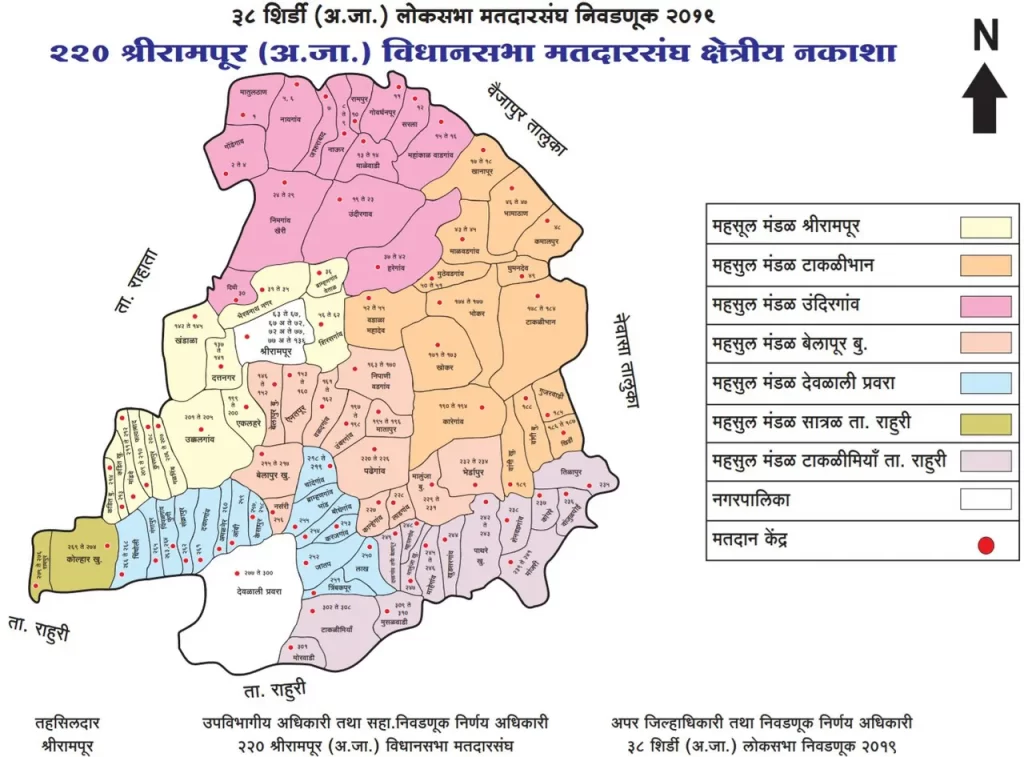
🏭 Industrial Development and Industries in Shrirampur, Ahmednagar District, Maharashtra
1️⃣ Overview of Industrial Growth 📈
Shrirampur, a key taluka in the Northern belt of Ahmednagar district, has undergone a gradual but impactful Industrial Transformation over the decades. Initially driven by agriculture and cooperative movements in the mid-20th century, industrial growth accelerated with the establishment of Cooperative Sugar Factories, Agro-processing units, and small and medium-sized manufacturing enterprises. Its strategic location on the Ahmednagar–Manmad Railway line and proximity to Pune, Nashik, and Aurangabad has made it a Transit hub for both industrial materials and agro-produce.
2️⃣ Sugar Industry – The Historical Pillar 🍬
The Sugar Industry is historically the backbone of Shrirampur’s Industrial Development. Led by the visionary Vithalrao Vikhe Patil, the region became home to one of Asia’s first cooperative sugar factories, established in 1949 at Loni, near Shrirampur. This model spurred the foundation of several other sugar factories like Padmashree Dr. Vithalrao Vikhe Patil Sahakari Sakhar Karkhana and Samarth Sahakari Sakhar Karkhana in nearby villages. These factories provided employment to thousands, encouraged sugarcane cultivation, and established Shrirampur as a Rural Industrial Pioneer.
3️⃣ Agro-Based and Food Processing Units 🌾 🥫
Given Shrirampur’s agrarian base, the region has developed a strong Agro-Industrial Ecosystem. Numerous Food Processing Plants, Poultry Units, Milk Chilling Centres, and Grain Mills are operational. Industries process Maize, Cotton, Jaggery, Sugarcane Juice, and Onions, which are grown locally. The area is also known for small-scale Cold Storage facilities supporting Vegetable Exports, especially Onions and Tomatoes that are sent to metros like Mumbai and Pune.
4️⃣ Vikhe Patil Industrial Estate – An Emerging Hub 🏗️
The Vikhe Patil Industrial Estate developed under the Padmashri Dr. Vithalrao Vikhe Patil Foundation is a landmark development in Shrirampur. Located on the outskirts, this estate houses Engineering Workshops, Fabrication Units, Automobile Servicing Plants, Electrical Component Manufacturers, and Packaging Industries. It has been instrumental in Skill Generation, Employment, and Entrepreneurial Training for the local youth. Additionally, ITI Institutes and Polytechnics affiliated with the estate support industrial training and human capital development.
5️⃣ Pharmaceutical and Allied Industries 💊
In recent years, the Pharmaceutical Industry has found its foothold in and around Shrirampur, especially due to its connection with Rural Medical Education Hubs like the Pravara Institute of Medical Sciences (PIMS) in Loni. Small-scale Ayurvedic Medicine Manufacturers, Packaging Industries, and Medical Supply vendors have emerged in the area. These units cater to rural health centres across Ahmednagar, Nashik, Aurangabad and even Jalgaon.
6️⃣ Retail and Service Sector Growth 🛒 🔧
Alongside manufacturing, the retail and service sectors in Shrirampur have expanded significantly. Automobile showrooms, Two-wheeler service stations, Agricultural Machinery outlets, Hardware shops, and Building Material suppliers are abundant across the town. Financial services, including branches of Nationalised and Cooperative Banks, Insurance Agents, and Microfinance Institutions, contribute to the Semi-urban Industrial Ecosystem.
7️⃣ Transport, Warehousing & Logistics Industry 🚚 📦
With Shrirampur situated along a major Rail corridor (Ahmednagar–Manmad) and connected via State Highway 10, Transportation and Logistics play a vital role. The city hosts Goods Handling depots, Freight Carriers, and Private Transport offices supporting movement of Sugar, Grains, Construction Materials, and Chemicals. The town is increasingly serving as a Nodal Warehousing point for nearby rural talukas, facilitating Agricultural Exports and Imports of fertilisers and machinery.
8️⃣ Handicrafts, Cottage Industries & Women’s SHGs 👩🌾 🧶
Shrirampur also supports a network of Small Cottage Industries, often led by women’s self-help groups (SHGs). These include Handmade Textile units, Papad and Pickles production, Garment stitching, Bead jewellery making, and Eco-friendly bag manufacturing. NGOs and cooperative societies assist in Marketing, Skills Training, and Microloans, strengthening livelihoods in low-income households.
9️⃣ Government Initiatives and MSME Support 🏛️
Shrirampur’s Industrial growth is supported by various MSME (Micro, Small, and Medium Enterprises) policies under the Maharashtra State Industrial Development Corporation (MIDC). Industrialists in the area benefit from Cluster-based development, Subsidised Power tariffs, Loan facilities, and Raw Material supply chains. The District Industries Centre (DIC) in Ahmednagar also conducts periodic workshops and trade fairs to boost local entrepreneurship and export potential.
🔟 Future Outlook and Potential for Industrial Expansion 🔮
With growing interest in Sustainable Agriculture, Rural Digitisation, and Green Industry, Shrirampur is well-positioned to expand its Eco-friendly Industrial base. Opportunities lie in Solar Panel assembly, Biogas Production, Organic Food packaging, and Rural e-commerce warehousing. The upcoming Ahmednagar Smart District Plan, as part of regional development, is expected to bring Technological Infrastructure, Wider Market linkages, and Smart logistics support, giving a major boost to the region’s Industrialisation.
🌟 Summary
From its cooperative sugar revolution roots to today’s diversified Agro-processing, Engineering, Pharmaceutical, and Logistics sectors, Shrirampur has emerged as a resilient Rural-Industrial town. Its blend of traditional industries with modern SMEs and support for grassroots innovation makes it a unique model of Inclusive Industrial Development in semi-urban Maharashtra. 🏭 🌾 💼
🗺️ Important Villages and Towns of Shrirampur, Ahmednagar District, Maharashtra
1️⃣ Loni – The Educational and Medical Powerhouse 🏥 📚
Arguably the most renowned village in the Shrirampur taluka, Loni is famous for being the hometown of Padmashree Dr. Vitthalrao Vikhe Patil, the pioneer of India’s cooperative sugar movement. It is also home to the Pravara Institute of Medical Sciences (PIMS) – a deemed university offering premier education in health sciences. The town has a large Hospital, Pharmacy College, Engineering College, and Polytechnic Institute, making it a Rural Education and Medical Hub in Maharashtra. Loni has seen rapid urbanisation, with wide Roads, Educational Hostels, Medical Tourists, and a Semi-urban lifestyle. 🏫 🩺
2️⃣ Belapur – Commercial and Transport Junction 🚉 🛍️
Located close to Shrirampur city, Belapur is an important transportation junction, housing a major Railway Station on the Ahmednagar–Manmad Rail line. It has a bustling Marketplace, numerous Small-scale Industries, and a rapidly growing Real Estate sector. The town’s connectivity and its industrial estate make it a key player in the taluka’s economy. There are also many schools, cooperative societies, and wholesale agriculture trading centres here. 🛒 🚛
3️⃣ Tilaknagar – Synonymous with Liquor Industry 🥃 🏭
This small but significant settlement is world-famous due to the Tilaknagar Industries Ltd., which manufactures the popular Mansion House Brandy and other Alcoholic Beverages. Founded by the late Shankarrao Genuji Kolhe, Tilaknagar has provided employment to hundreds and created a Brand Identity associated with premium liquor manufacturing in India. The surrounding villages benefit from auxiliary industries such as Packaging, Transport, and Bottle Manufacturing. 🍾
4️⃣ Wambori – A Cultural and Historical Treasure 🏛️ 🎭
Situated near the taluka border, Wambori is a Historic village known for its Temples, age-old Fair (Jatra), and Traditional Marathi folk culture. The village is surrounded by farms and is home to beautiful shrines like the Lord Hanuman Temple and Khandoba Temple. Locals celebrate festivals like Gudhi Padwa, Makar Sankranti, and Mahashivratri with great enthusiasm. 🕉️ 🎉
5️⃣ Ashwi – Agricultural Richness and Natural Beauty 🌿 🚜
Ashwi is known for its fertile black soil, making it a centre for Sugarcane, Onion, and Maize farming. Several modern Drip Irrigation Projects have been implemented here. The village also plays a key role in the Cooperative Dairy movement, and residents are actively engaged in Milk Production. Ashwi reflects the resilient spirit of rural Maharashtra with its Farmer-led Economy and Eco-sensitive Practices. 🌱 🐄
6️⃣ Ranjankhol – A Village with Industrial and Agricultural Identity 🧱 🍅
Located on the Ahmednagar–Aurangabad road, Ranjankhol is both Industrially active and Agriculturally productive. The village is known for its Bricks and Tiles Manufacturing, thanks to the abundant red soil. It also grows Tomatoes, Onions, and Soybeans. A growing number of Warehouses, Tractor Dealerships, and Rural Cold Storages make it a key node in the Agribusiness Network. 🏘️ 🌽
7️⃣ Dhamori – Hub for Local Artisans and Pottery 🏺 👩🎨
The village of Dhamori is known for its Clay Craftsmanship and Traditional Pot-making. Many Artisanal families continue the legacy of producing Earthen Pots, Diyas, Matkas, and Rural Décor items. These goods are often sold in weekly markets and during festive occasions like Diwali and Holi. It is also known for its proximity to riverine canals and greenery, attracting local tourists. 🎨 🪔
8️⃣ Kolhar – Agriculture Meets Heritage 🕍 🌾
Kolhar is a large, scenic village located near the Pravara River and known for Historic Step-wells, ancient Maratha-era Temples, and Productive Sugarcane fields. It also has a Government High School, Cooperative Banks, and Progressive Farmers adopting Organic Farming. Kolhar is famous for its Ganesh Chaturthi festival, celebrated on a grand scale with Dhol-tasha processions and Artisanal Idols. 🌊
9️⃣ Kopargaon (Nearby) – Bordering Influence and Economic Spillover 💼 🏢
Although technically a separate taluka, Kopargaon’s proximity to Shrirampur makes it a strong economic influencer. With Educational centres, Sugar Mills, Temples like the Kopeshwar Mandir, and access to the Godavari River, it complements Shrirampur’s development. Many people from Shrirampur work or study in Kopargaon and vice versa. It serves as a Bridge Town for transport and trade with Nashik District. 🚉 📦
🔟 Other Important Villages in Shrirampur Taluka 🌄
Shrirampur taluka has over 80+ revenue villages, and some of the other noteworthy ones include:
✪ Gondegaon – Known for Sugarcane and Milk production 🥛
✪ Chandegaon – Famous for its Banana plantations 🍌
✪ Dattnagar – A rapidly urbanising satellite village 🏘️
✪ Rahimpur – A peaceful village with a strong Maratha and Muslim cultural presence 🤝
✪ Savali Vihir – A village with emerging Onion and Garlic markets 🧄 🧅
Each of these villages contributes uniquely to the Economic, Cultural, and Social Fabric of the Shrirampur region.
🌟 Summary
From Academic Epicentres like Loni to Historic and Cultural gems like Wambori and Kolhar, and Industrial zones like Tilaknagar and Belapur, the villages and towns of Shrirampur reflect rural Maharashtra’s rich diversity. Each settlement is a unique blend of Agriculture, Industry, Culture, and Innovation, collectively weaving the vibrant story of Shrirampur’s growth and identity. 🌿 🏞️ 🏙️
Long and elaborated tourist itinerary for visitors exploring Shrirampur, located in the Ahmednagar District (Ahilyanagar), Maharashtra, India
🗓️ Day 1: Arrival & Settling In – Introduction to Shrirampur
➨ Morning:
Arrive at Shrirampur Railway Station (connected to major cities like Pune, Mumbai, and Manmad).
➪ Check-in at a pre-booked hotel such as:
✪ Hotel Saideep Executive (Mid-budget)
✪ Hotel Utsav (Budget-friendly)
➪ Refresh with a local Maharashtrian Breakfast: Poha, Kanda Bhaji, and Masala Chai ☕.
➨ Afternoon:
➪ Visit Shani Mandir, one of the oldest temples in the city.
➪ Stroll through central marketplaces for first glimpses of local life.
➪ Lunch at Hotel Krishna Veg & Non-Veg, famous for Pithla-Bhakri and Chicken Sukka 🍛.
➨ Evening:
➪ Enjoy a sunset walk at Khandoba Tekdi – a peaceful hillock.
➪ Dinner at Mayuri Garden Restaurant with regional Thali and Sweets like Puran Poli and Basundi.
🗓️ Day 2: Religious & Architectural Circuit – Local Legends and Temples
➨ Morning:
➪ Head to Shree Sai Baba Mandir and Hanuman Mandir 🛕.
➪ Visit Datta Mandir in the outskirts, known for its spiritual aura.
➪ Breakfast en route – enjoy Sabudana Khichdi and Upma.
➨ Afternoon:
➪ Explore Balaji Temple in Belapur (~15 km): South Indian architectural style with tranquil surroundings.
➪ Lunch at a Highway Dhaba near Belapur offering Bhakri, Zunka, and Thecha 🌶️.
➨ Evening:
➪ Return to Shrirampur; stop by Gurudwara Nanaksar Sahib, a serene Sikh worship spot.
➪ Evening snacks at Shivneri Misal House – popular for spicy Misal Pav 🔥.
➪ Cultural movie night at a local theatre or catch a Bhajan Sandhya during festival season.
🗓️ Day 3: Rural Discovery & Cultural Immersion 🌾
➨ Morning:
➪ Depart early for a village-tourism circuit:
✪ Wangi – known for organic farming.
✪ Tilaknagar – Industrial and Cultural Hub (home to Tilaknagar Industries).
✪ Belapur – Temples and Rural Market life.
➪ Interact with villagers, visit local Gram-Panchayat Buildings, and learn about Paithani Weaving if active in the region.
➨ Afternoon:
➪ Enjoy a home-cooked traditional meal in a local farmhouse – Bhakri, Matki Usal, Chutneys, and Buttermilk 🥛.
➪ Try bullock cart rides and traditional folk performances (on request through local tourism cell).
➨ Evening:
➪ Visit local haats or weekly markets in villages for Handicrafts, Pottery, or Handwoven Fabrics.
➪ Return to Shrirampur for a light dinner at Sai Raj Restaurant.
🗓️ Day 4: Educational & Industrial Tour + Food Trail
➨ Morning:
➪ Visit Pravara Rural Engineering College (PRECI) and Pravara Medical Trust for those interested in academic tourism 🏫.
➪ Visit Tilaknagar Industries (Pre-approved Industrial tour can be arranged) – known for its heritage distillery.
➨ Afternoon:
➪ Begin the Shrirampur Food Trail 🍽️:
✪ Shivneri Misal – Best Misal Pav.
✪ Mahalaxmi Bhojanalaya – Authentic Thali.
✪ Ajinkya Vadapav Centre – Famous for crispy snacks.
✪ Sankalp Juice Corner – Fresh fruit juices and desserts.
➪ Take breaks for photos, interviews with vendors, and taste-testing 🥭 🍊.
➨ Evening:
➪ Visit Shrirampur Lakefront or Water Body Zone for relaxation (if active in the area).
➪ Buy edible souvenirs like Chivda, Kharwas, and Mango Barfi.
➪ Final night dinner at Hotel Poonam, serving Malvani-style seafood.
🗓️ Day 5: Day Trips & Departure 🧳
➨ Option A: Shirdi Excursion (Approx. 40–45 km)
➪ Visit the world-famous Shirdi Sai Baba Temple for blessings.
➪ Breakfast & lunch at Sai Prasadalay (Free Meals to lakhs daily).
➨ Option B: Rahata & Kopargaon Tour
➪ Explore nearby towns for rural art, sugar industries, and temples.
➨ Return to Shrirampur:
➪ Check-out from hotel.
➪ Buy final souvenirs: spices, sweets, or crafted goods.
➪ Drop at Railway Station or Bus Depot 🚉 🚌.
🗺️ Pro Tips for Tourists in Shrirampur:
✅ Best Time to Visit: November to February (cool weather for exploration).
✅ Language: Marathi 🇮🇳 (locals are friendly and accommodating).
✅ Mode of Transport: Auto-rickshaws, private cabs, and bikes on rent.
✅ Keep local cash handy as smaller eateries may not accept UPI or cards 💵.
✅ Ask your hotel about guided village tours or participate in local festivals like Ganeshotsav, Diwali Pahat, and Gudhi Padwa for a vibrant cultural experience 🪔 🎉.
❓ Frequently Asked Questions (FAQs)
Is Shrirampur safe for tourists?
Yes, it’s considered safe with warm local hospitality.
Are there hotels in Shrirampur?
Yes, a range of budget and mid-range hotels are available.
Is English widely spoken?
Basic English is understood, though Marathi is dominant.
What’s unique about Shrirampur’s culture?
Its cooperative movement and rural spirituality.
🧾 Closing Comments
Shrirampur may not boast of grand palaces or crowded bazaars, but in its silent temples, friendly faces, and fertile fields lies the soul of Maharashtra’s rural glory. It’s a town that has seen growth without losing touch with its roots—a model of cooperative progress and spiritual richness. If you’re seeking an offbeat destination that’s rich in culture, simplicity, and warm-hearted experiences, Shrirampur is waiting for you.
🏁 Detailed Conclusion: Shrirampur – A Tapestry of Culture, Faith, Growth & Simplicity
Shrirampur, nestled in the heart of Ahmednagar District (Ahilyanagar) in Maharashtra, may seem like a modest town at first glance, but as one walks through its Temple-studded lanes, vibrant local bazaars, fertile rural surroundings, and bustling Educational and Industrial zones, it becomes evident that Shrirampur is far more than just a dot on the map – it is a living narrative of Maharashtra’s evolving soul. 🌾 🛕 🏙️
With its roots grounded deeply in Spiritual Heritage, Shrirampur invites visitors and residents alike to experience peaceful devotion at Temples like Shani Mandir, Sai Mandir, and Dattatreya Mandir, blending tradition with tranquility. 🕉️ 🙏 These religious landmarks form the town’s spiritual backbone, where locals and travellers pause for introspection amidst the fast-paced world.
Equally enriching is its culinary charm, where the fragrance of Misal Pav, the warmth of Pithla Bhakri, and the sweetness of Shevaya Kheer come together to offer an unforgettable taste of authentic Maharashtrian hospitality 🍲 🍛 🫓. The local food culture is not merely a necessity; it is an expression of generational knowledge, community bonding, and everyday celebration.
On the demographic and cultural front, Shrirampur proudly embodies diversity and unity. The Marathi-speaking majority, along with Hindi and Urdu speakers, participate together in festivals, fairs, and community gatherings, transcending linguistic and caste lines. ✨ 👨👩👧👦 🎊 Caste diversity—from Marathas and Dhangars to Dalits and Mali communities—adds depth to its social structure, fostering a sense of inclusiveness rooted in coexistence.
Economically, Shrirampur is emerging as a dynamic growth centre, balancing Agricultural legacy with Industrial evolution. The presence of Tilaknagar Industries, local sugar mills, and a strong cooperative economy contributes to a thriving financial ecosystem, while educational hubs like Pravara Engineering and Medical Colleges serve as beacons for knowledge-seeking youth from across the region. 🏭 📚 💼
The town’s rural periphery adds yet another dimension. Villages like Belapur, Tilaknagar, Wangi, and Padhegaon pulse with life through farming, folk traditions, and native craftsmanship. This rural-urban symbiosis makes Shrirampur a perfect destination for immersive cultural tourism, where you can wake up to the sounds of temple bells and end the day with a walk across golden farmlands. 🌄 🚜 🌾
Climatically, Shrirampur reflects the broader Deccan Plateau’s weather rhythms — hot summers, lush monsoons, and cool winters — each season painting the town in a new light, inviting a different kind of experience. Be it monsoon temple treks or winter food festivals, the local calendar is never devoid of energy or emotion. ☀️ 🌧️ ❄️
Beyond the economic and cultural markers, the people of Shrirampur are the town’s greatest asset. Known for their warmth, humility, and hard-working spirit, they make Shrirampur not just a place to visit, but a place to connect with. Their simplicity in living, pride in heritage, and openness to innovation form a compelling identity that is uniquely Maharashtrian yet universally appealing. 🤝 ❤️
In essence, Shrirampur stands at the crossroads of past and present, tradition and transformation, Spirituality and Industry. Whether you are a devout pilgrim, a curious traveler, a food enthusiast, a historian, or a student of society, this town promises not just places to see, but stories to hear, flavours to savour, and people to remember. 📖 🍴 👣
🌟 Come to Shrirampur – not just to visit, but to immerse yourself in its heartbeat. Here, every street tells a story, every festival sparks joy, and every encounter leaves a memory. 🌿 🛤️ 🎨
Note: Distance is approximate and travel time may vary. Please check with google maps or local authorities before travelling.
Note: Hotel rates are subject to change and may vary based on factors like seasonality, availability, and promotions. Taxes, service charges, and other applicable fees are not always included in displayed rates.
📚 Sources:
➛ Wikipedia: Shrirampur
➛ Wikipedia: Shrirampur Taluka
➛ Shrirampur Taluka – Ahilyanagar Govt Website
➛ Vill.co.in – Shrirampur Taluka Details
➛ Goibibo – Shrirampur Hotels
Image Credit
➛ Wikimedia Commons – 220-Shrirampur
➛ Wikimedia Commons – Shrirampur Taluka
➛ Wikimedia Commons – श्रीरामपूर विधानसभा मतदारसंघ
➛ Wikimedia Commons – Ahmednagar in Maharashtra (India)
For more information, you can visit our website: ExploreXP
Latest Posts
- 4 Steps to Teach English in Vietnam (Complete 2026 Guide)

- The Complete Guide to Living in Ho Chi Minh City, Vietnam
- What Living in Hanoi Is Really Like for Foreigners
- Expat vs Immigrant: What’s the Real Difference?
- 7 Best Places to Live in Mexico Right Now: A Complete Guide
- Best Places to Live in Thailand: A Complete Guide for Expats in 2026