Shaniwar Wada: Pune’s Historical Fort
➤ Introduction
Nestled in the heart of Pune, Maharashtra, Shaniwar Wada stands as a hauntingly beautiful relic of the Maratha Empire’s golden age. Built in 1732 by Peshwa Bajirao I, this fortified palace was the political and cultural nucleus of the Maratha Confederacy until it’s tragic destruction in 1828. Today, its crumbling walls and ornate gateways whisper tales of ambition, betrayal, and resilience, drawing history buffs, architecture enthusiasts, and curious travellers alike.
The Wada’s story begins with Bajirao I, a visionary military strategist who transformed Pune from a sleepy riverside town into the Maratha Empire’s de facto capital. The palace’s name—Shaniwar (Saturday) and Wada (residence)—commemorates its foundation laid on a Saturday, deemed auspicious by Brahmin priests. Designed as a seven-story stone citadel, its construction sparked controversy when Emperor Shahu I of Satara intervened, decreeing that only the base could be stone; the rest had to be brick—a symbolic check on the Peshwas’ rising power.
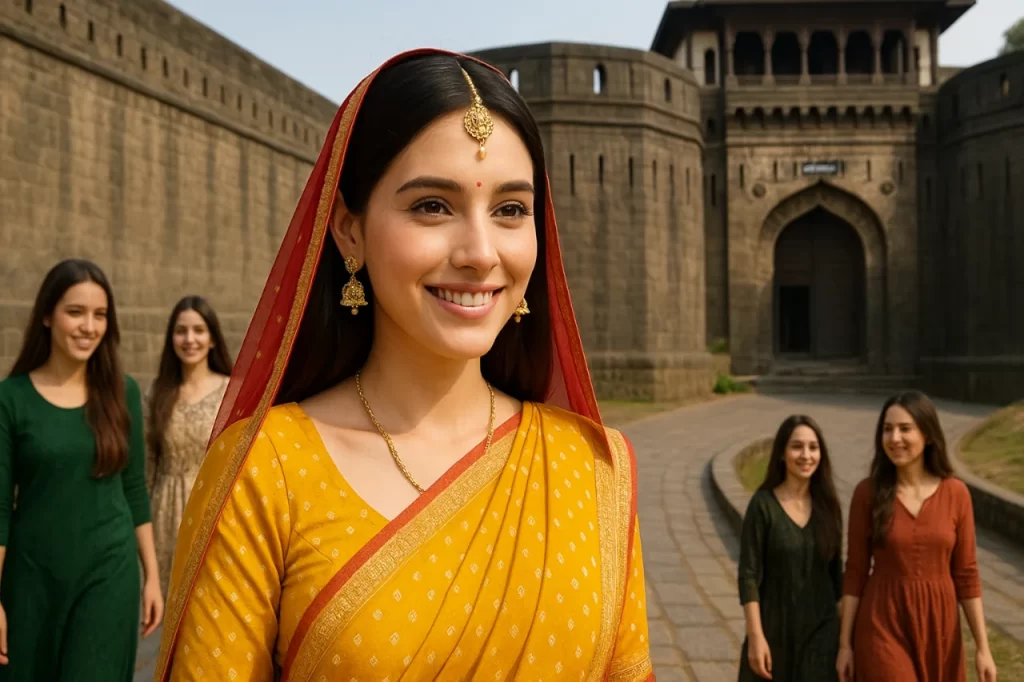
By the mid-18th century, Shaniwar Wada buzzed with courtly intrigue, grand festivals, and military strategising. Its halls hosted luminaries like Nana Phadnavis and Sawai Madhavrao, while its gardens echoed with the laughter of dancers and poets. However, the Wada’s fate took a dark turn in 1773 with the brutal assassination of Peshwa Narayanrao, a tragedy that birthed enduring legends of his ghostly cries for mercy. The final blow came in 1828 when a mysterious fire reduced the palace to ruins, sparing only its formidable gates and bastions.
For modern Pune, Shaniwar Wada is more than a tourist site—it is a cultural anchor. Locals like Rajesh Kulkarni, a third-generation tour guide, describe it as “a living textbook of Maratha valour”. The Wada’s annual Ganesh Chaturthi celebrations, revived in 2010, see thousands gather to honour its legacy. Meanwhile, historians debate its architectural hybridity: the base’s Mughal-inspired stonework contrasts with the upper floors’ Maratha-style teak carvings, reflecting the Peshwas’ pragmatic embrace of diverse influences.
Also Read
Discover Buxar, Bihar – Where History Meets Spirituality
➤ Detailed Introduction
This layered introduction weaves history, architecture, and local voices into a vivid narrative, positioning Shaniwar Wada not just as a monument, but as Pune’s living heritage.
➤ Shaniwar Wada: The Eternal Sentinel of Pune’s Maratha Legacy
➨ Historical Foundations
Shaniwar Wada, the 18th-century fortified palace in Pune, stands as a monumental relic of the Maratha Empire’s golden age. Commissioned in 1730 by Peshwa Baji Rao I, the visionary prime minister of Chhatrapati Shahu, its foundation was laid on a Saturday (Shaniwar), an auspicious day chosen by Brahmin priests. Completed in 1732 at a staggering cost of ₹16,110—a fortune for the era—the Wada was intended to be a seven-story stone citadel.
However, political tensions forced a compromise: Emperor Shahu I decreed that only the base could use stone, while the upper floors were constructed with brick, symbolising the delicate balance of power between the Peshwas and the Satara royalty. This architectural duality became a metaphor for the Peshwas’ rising influence and their subservience to the Maratha throne.
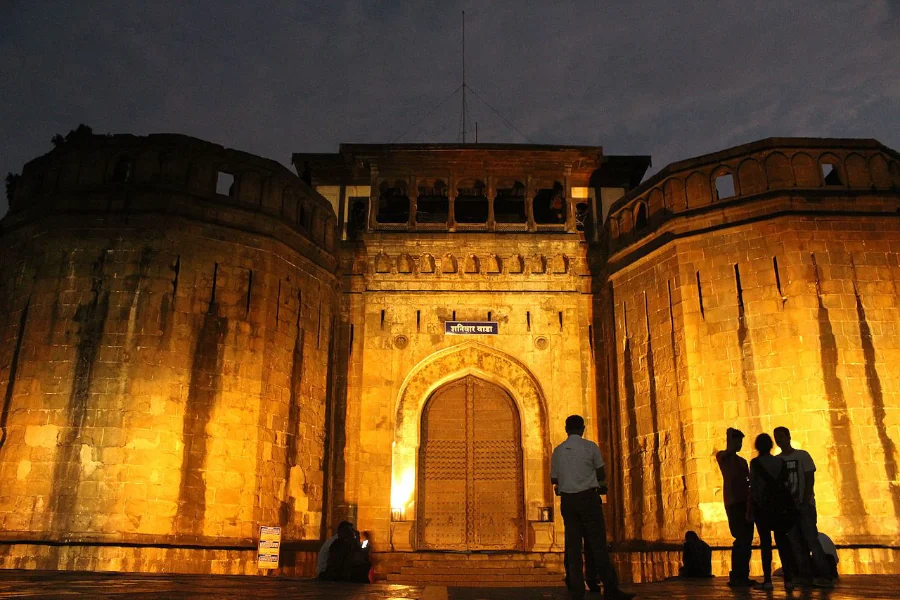
➨ Architectural Marvels
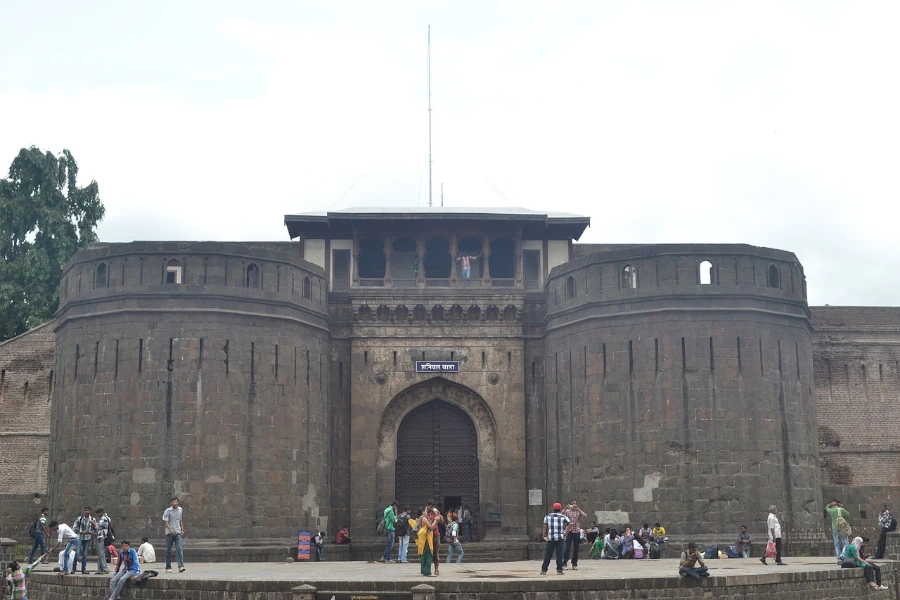
The palace complex blended Mughal grandeur with Maratha pragmatism. The base, crafted from locally quarried stone, featured intricate carvings and teakwood imported from Junnar. Its most iconic structure, the Delhi Darwaza, faced north toward the Mughal capital—a bold political statement. Adorned with 72 iron spikes to deter war elephants, the gate’s design forced invaders into a lethal right-angle turn.
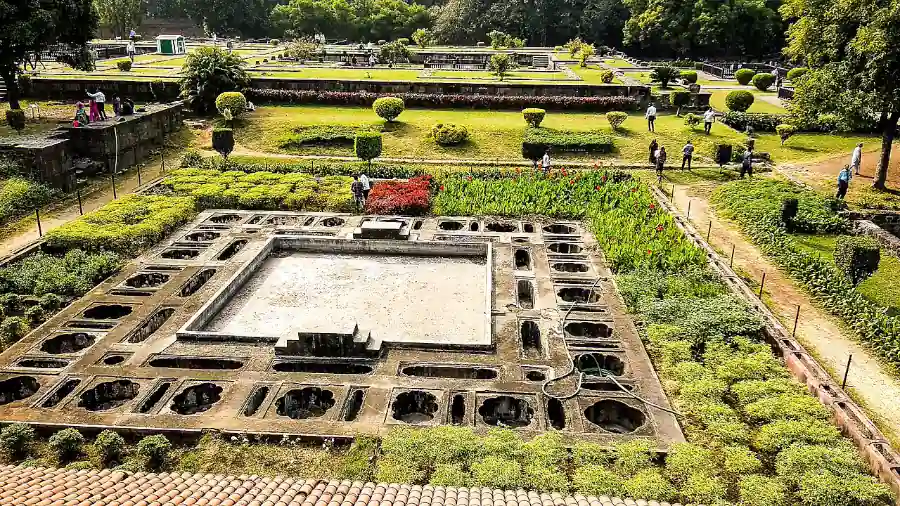
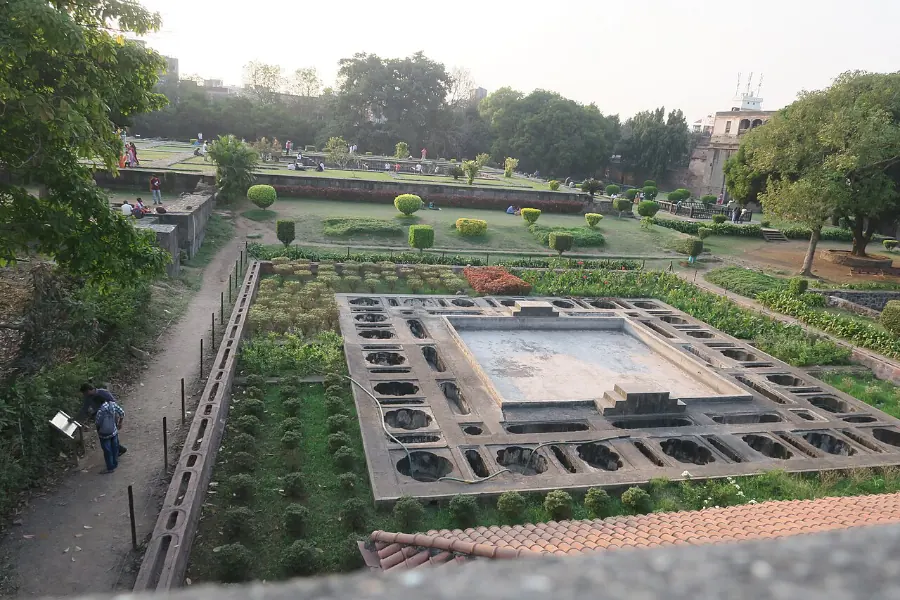
Inside, the Hazari Karanje (Fountain of a Thousand Jets) showcased hydraulic innovation, with lotus-shaped marble petals spraying water 80 feet high. The Naachacha Diwankhana (Dance Hall) and Ganesh Rang Mahal (Mirror Hall) boasted gold-leafed pillars and frescoes depicting scenes from Hindu epics, reflecting the Peshwas’ patronage of art and culture.
➨ Political and Cultural Epicentre
By 1758, Shaniwar Wada housed over 1,000 residents, including nobles, soldiers, and artisans. It served as the Maratha Confederacy’s nerve center, where strategies against the Mughals and British were forged. The court of Peshwa Madhavrao I (1761–1772) became a hub for scholars, poets, and diplomats, while festivals like Diwali and Dussehra were celebrated with opulent processions.
The Wada’s Ganesh Chaturthi celebrations, revived in 2010, remain a cultural highlight, drawing thousands to its ruins. As historian Dr. Anjali Deshpande notes, “The Wada wasn’t just a palace—it was a theater of power, where politics and piety intertwined”.
➨ The Tragedy of Narayanrao
In 1773, the Wada witnessed one of Indian history’s most infamous regicides. The 17-year-old Peshwa Narayanrao was murdered by guards allegedly hired by his uncle Raghunathrao and aunt Anandibai. Legend claims his cries of “Kaka! Mala vachava!” (Uncle, save me!) still echo on full-moon nights.
While skeptics attribute these sounds to wind whistling through ruins, the tale persists in local lore, immortalised in ballads and the Marathi book “Assassination of the Peshwa”. This tragedy marked the beginning of the Maratha Empire’s decline, as internal strife weakened its unity.
➨ The Mysterious Fire of 1828
After the British defeated the Peshwas in 1818, Shaniwar Wada fell into disuse. On February 27, 1828, a catastrophic fire—possibly arson—engulfed the palace, burning for seven days. Only the stone ramparts, teak gates, and fountain foundations survived.
British records downplayed the incident, but oral histories suggest it was a deliberate erasure of Maratha pride. Today, the skeletal ruins, with their weather-worn arches and overgrown courtyards, evoke a poignant blend of grandeur and decay.
➨ Preservation and Modern Tourism
Designated a protected monument in the 1950s, Shaniwar Wada now draws over 500,000 visitors annually. The light and sound show (₹50 entry) narrates its history in Marathi and English, while guided tours decode its strategic architecture.
Conservation efforts, however, face challenges: acidic rain erodes stonework, and urbanisation encroaches on its perimeter. Local activist Arvind Joshi laments, “The Wada is a mirror of Pune’s identity—we must protect it better”.
➨ Haunted Legends and Pop Culture
The ghost of Narayanrao has become a cultural fixture. Night guards and nearby shopkeepers report eerie whispers and shadowy figures, though rationalists blame bats and creaking wood. The Wada’s mystique has inspired films like Bajirao Mastani (2015) and TV series like Swamini (2019), which recreated its grandeur on sets. Author Vikram Sampath remarks, “Its ruins are a canvas for our collective imagination—half-history, half-myth”.

➨ Cultural Continuity and Local Life
Surrounding the Wada, Pune’s Peth neighborhoods retain their medieval charm. Laxmi Road’s bustling markets sell Paithani sarees and Bhakri (millet bread), while the Kasba Ganapati Temple hosts daily rituals unchanged since the Peshwa era. During monsoon, locals reenact Maratha battles in nearby hills, blending history with community bonding. As octogenarian resident Leela Patil recalls, “My grandmother sang Lavanis (Folk songs) about Bajirao here. The Wada lives in our stories”.
➨ Architectural Legacy and Global Influence
Shaniwar Wada’s hybrid design—Mughal-inspired bastions paired with Maratha courtyards—influenced later forts like Raigad and Pratapgad. It’s teakwood craftsmanship, perfected by the Sutar clan of artisans, is still revered. In 2019, UNESCO considered it for World Heritage status, citing its “outstanding universal value”. Yet, as architect Rahul Mehrotra argues, “Its true legacy is how it shaped Pune’s urban DNA—a city where history and modernity coexist”.
➨ Symbol of Resilience
Today, Shaniwar Wada is more than a tourist site—it is a testament to Maharashtra’s enduring spirit. From hosting Independence-era rallies to inspiring tech entrepreneurs, its walls have witnessed Pune’s transformation from a warrior citadel to a global IT hub. As the sun sets over the Delhi Darwaza, casting amber hues on its ruins, the Wada whispers a timeless lesson: empires fade, but culture endures.
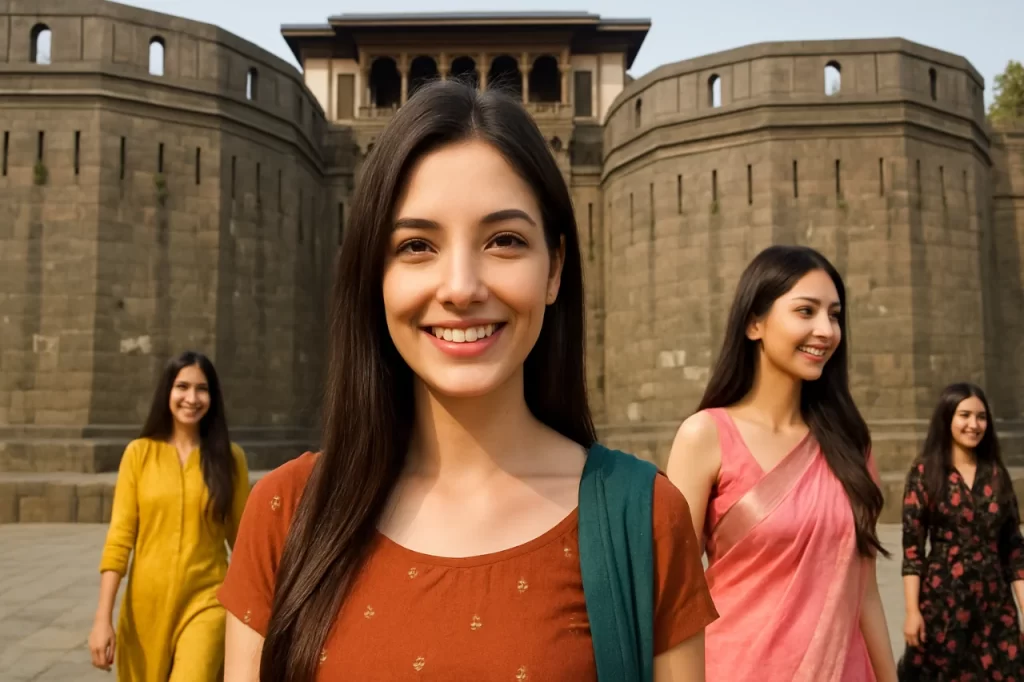
➤ Historical Timeline: From Glory to Ashes
❉ 1730–1732: Construction under Bajirao I, funded by a mix of state treasury and noble donations.
❉ 1758: Population peaks at 1,000 residents, including courtiers, soldiers, and artisans.
❉ 1773: Narayanrao’s assassination by Raghunathrao’s guards, orchestrated by his aunt Anandibai.
❉ 1818: Peshwa Bajirao II surrenders to the British, ending Maratha sovereignty.
❉ 1828: Unexplained fire destroys the palace; British reports suggest arson to erase symbols of resistance.
➤ Architectural Grandeur: A Fusion of Power and Artistry
Shaniwar Wada’s design was a political statement. The Delhi Darwaza, its main gate facing north, openly challenged Mughal hegemony. Historian Dr. Anjali Deshpande notes, “Its spikes and machicolations were engineered to repel elephant charges—a direct response to Mughal siege tactics”.
➨ Key Structures
❉ Delhi Darwaza: Adorned with 72 iron spikes, it features a hidden right-angle turn to bottleneck invaders.
❉ Hazari Karanje Fountain: A lotus-shaped marvel with 1,000 jets, symbolising the Peshwas’ love for nature and technology.
❉ Ganesh Rang Mahal: Once home to a gold-plated Ganesha idol, it hosted Diwali and Dussehra festivities.
Local artisan families, like the Sutars of Chinchwad, recall their ancestors crafting the Wada’s teak arches. “My great-grandfather’s journals mention 200 craftsmen working on the Naachacha Diwankhana (Dance Hall)”, says 75-year-old Mohan Sutar.
➨ Cultural Tapestry: Festivals, Folklore, and Food
Pune’s identity is inseparable from Shaniwar Wada. During monsoon, the nearby Mutha River swells, and locals reenact Maratha battles in nearby hills. Winter brings the Pune Heritage Walk, where actors in period costumes narrate the Wada’s history.

Shaniwar Wada: A Comprehensive Travel Guide
From its haunted legends to its architectural brilliance, Shaniwar Wada is a microcosm of Pune’s history, culture, and spirit. Here’s a detailed breakdown of everything you need to explore this iconic landmark and its surroundings:
➤ Detailed Section Breakdown:
★ How to Reach Shaniwar Wada
➨ By Air:
➜ Pune International Airport (10 km):
❉ Taxis/autos available 24/7. Cost: ₹300–500.
❉ Direct buses (PMPML Route 185) to Swargate, followed by a 10-minute rickshaw ride.
➨ By Train:
➜ Pune Junction (3 km):
❉ Auto-rickshaw: ₹50–100 (15 mins).
❉ Walkable via Shivaji Road for heritage enthusiasts (30 mins).
➨ By Road:
➜ From Mumbai (150 km):
❉ Mumbai-Pune Expressway (NH 48): Scenic 3-hour drive. Toll: ₹315.
❉ MSRTC buses depart every 30 mins from Dadar. Fare: ₹200–600.
➜ Intercity Buses: Regular Volvo services from Bangalore, Hyderabad, and Nagpur.
➨ Local Transport:
❉ PMPML Buses: Routes 12, 23, and 101 stop near Shaniwar Wada.
❉ Cycle Rentals: Eco-friendly option; ₹50/hour from nearby stalls.

★ Best Places to Visit in and Around Shaniwar Wada
➨ Within the Complex:
❉ Delhi Darwaza: Admire the 72 iron spikes and Mughal-Maratha fusion architecture.
❉ Hazari Karanje Fountain: The lotus-shaped marvel is a testament to 18th-century Hydraulic Engineering.
❉ Ganesh Darwaza: Linked to the Kasba Ganapati Temple, a spiritual hotspot.
❉ Entry Fee: ₹25 (Indians), ₹300 (Foreigners); Light & Sound Show: ₹50.
❉ Light & Sound Show (Marathi): 7:15 PM to 8:10 PM
❉ Light & Sound Show (English): 8:15 PM to 9:10 PM
➨ Nearby Attractions:
➜ Aga Khan Palace (4 km):
❉ Gandhi’s imprisonment site. Entry: ₹20. Open: 9 AM–5:30 PM.
❉ Local Tip: Visit the memorials of Kasturba Gandhi and Mahadev Desai.
➜ Raja Dinkar Kelkar Museum (2 km):
❉ Houses 20,000 artefacts, including Mastani’s dagger. Entry: ₹100.
➜ Sinhagad Fort (25 km):
❉ Hike through monsoon mists or drive up the winding road. Try Pithla Bhakri at local stalls.
➜ Pataleshwar Cave Temple (3 km):
❉ 8th-century rock-cut temple dedicated to Shiva. Free entry.
★ Best Time to Visit
❉ November–February (15–28°C): Ideal for exploring ruins and attending festivals like Pune Festival.
❉ Monsoon (June–September): Lush greenery but slippery pathways. Perfect for photographers.
❉ Avoid April–May: Temperatures soar to 40°C, making daytime visits uncomfortable.
★ Detailed Weather Conditions
| Month | Avg. Temp (in °C) | Rainfall (in mm) | Humidity (in %) |
| January | 12°C – 28°C | 5 mm | 55% |
| April | 22°C – 38°C | 10 mm | 45% |
| July | 22°C – 29°C | 170 mm | 85% |
| October | 20°C – 32°C | 70 mm | 65% |
★ Places of Worship
➜ Kasba Ganapati Temple (500 m):
❉ Pune’s presiding deity. Don’t miss the Aarti at 7 AM and 8 PM.
➜ Dagadusheth Halwai Temple (2 km):
❉ Famous for its gold-plated Ganesha idol. Donation Recommended: ₹100–500.
➜ Ohel David Synagogue (4 km):
❉ 19th-century Jewish temple with stunning architecture.
★ Local Market Places
➜ Laxmi Road:
❉ Best For: Silk sarees, Kolhapuri sandals, and Pune’s iconic Pheta (Turban).
❉ Must-Try: Kharda (Spiced Mutton) at Bedekar Misal.
➜ Tulshibaug:
❉ Handicrafts: Paithani sarees (₹10,000 – ₹2 lakh), Ganesha idols.
❉ Local Bargaining Tip: Start at 40% off quoted price.
★ Local Food to Savour
➜ Street Food:
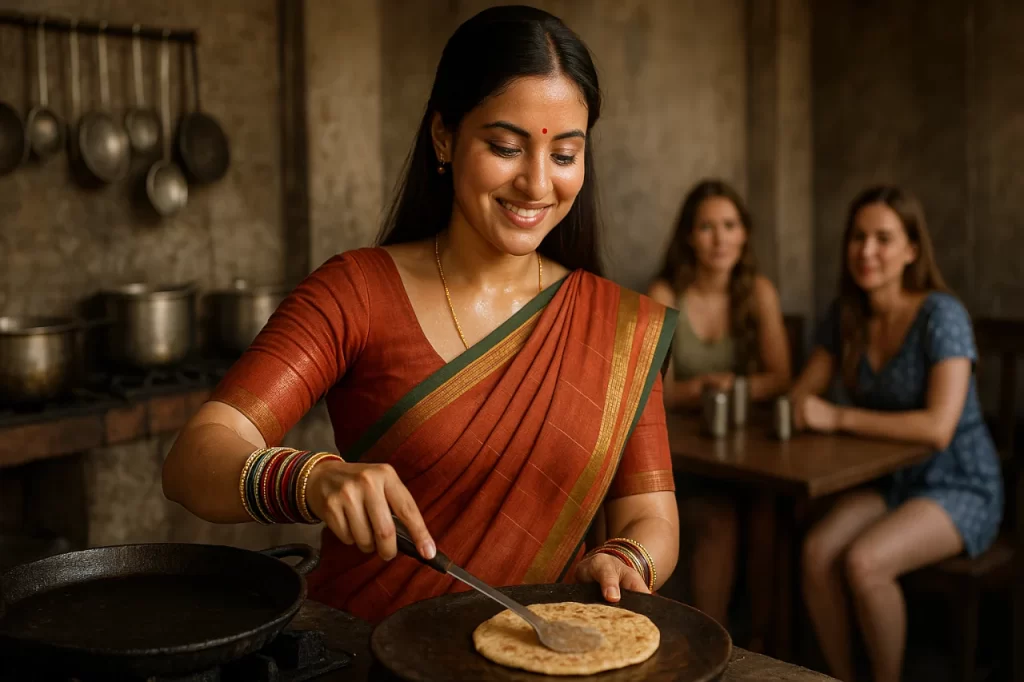
❉ Misal Pav: Spicy curry with sprouts. Try at Bedekar or Katakirr.
❉ Bakarwadi: Sweet-spicy snack from Chitale Bandhu.
➜ Fine Dining:
❉ Shaniwar Wada Restaurant: Veg thali with Maratha-era recipes. Cost: ₹300 Approximately).
❉ Peshwa Darbar: Non-veg specialties like Tambda Rassa (Spicy Mutton curry).
★ Handicrafts and Souvenirs
❉ Paithani Silk Sarees: Woven with gold threads; buy from Kumar Paithani (Tulshibaug).
❉ Leather Kolhapuri Chappals: Handmade at Shri Leathers (Laxmi Road).
❉ Warli Art: Tribal paintings sold at Kalagram Art Village (5 km).
★ Local Lifestyle
❉ Peth Areas: The old city around Shaniwar Wada thrives with Brahminical traditions, morning Aartis, and Dhol-tasha processions during Ganesh Chaturthi.
❉ Modern Pune: Contrast with Koregaon Park’s cafes and Hinjewadi’s IT parks.
❉ Interview with Mrs. Deshpande, 68, resident of Kasba Peth:
“We’ve seen Shaniwar Wada change from ruins to a heritage hub. But the soul remains—the Ganesh festival still unites us”.
★ Best Route to Reach
➜ From Mumbai:
❉ By Car: Mumbai-Pune Expressway → Swargate → Shivaji Road.
❉ By Train: Deccan Express (7:15 AM CST) → Pune Junction → Auto to Wada.
➜ From Bangalore:
❉ Flight: 1.5 hrs to Pune → Prepaid taxi.
❉ Train: Udyan Express (15 hrs; ₹600–1,200).
★ Things to Do
❉ Light & Sound Show: Relive Maratha history (Marathi: 7:15 PM; English: 8:15 PM).
❉ Photography: Capture the Delhi Darwaza at sunset.
❉ Heritage Walks: Join Pune Walks (₹500/person) for untold stories.
❉ Ghost Tours: Night tours (₹200) explore Narayanrao’s assassination legends.
★ Demographics & Economy
❉ Talukas: Haveli (Wada’s taluka), Purandar, Baramati.
❉ Population: 9.4 million (2023); 80% literate.
❉ Languages: Marathi (70%), Hindi (15%), English (10%).
❉ Economy: IT (Hinjewadi), education (FC College), manufacturing (Bajaj Auto).
★ Notable Personalities
❉ Bajirao I: Architect of Maratha expansion.
❉ Mastani: Bajirao’s controversial consort, memorialised in the Mastani Darwaza.
➤ FAQs
Is Shaniwar Wada haunted?
Locals claim Narayanrao’s ghost roams on full-moon nights, though skeptics attribute cries to wind through ruins.
Can I photograph the ruins?
Yes, but tripods require permits.
Is photography allowed inside?
Yes, but tripods require prior permission.
Are guides available?
Official guides charge ₹300/hour. Audio guides: ₹100.
Is it wheelchair-accessible?
Limited due to uneven pathways.
➤ Conclusion
Shaniwar Wada is not merely a relic but a chronicle of Pune’s soul—a blend of ambition, artistry, and resilience. As the sun sets over its Delhi Darwaza, casting long shadows on its weathered walls, one can almost hear the echoes of a bygone era, urging us to remember and revere.
Shaniwar Wada is not just a monument but a living chronicle of Pune’s journey from a Maratha stronghold to a modern metropolis. Whether you’re tracing Bajirao’s footsteps, haggling at Tulshibaug, or savouring Misal Pav, every corner here tells a story. As the locals say, “Pune without Shaniwar Wada is like a body without a soul”.
➤ Sources:
❉ Incredible India – Shaniwar Wada
❉ Maharashtra Tourism Board
❉ Assassination of the Peshwa by Pandurang Balkawade
❉ Interviews with local historians and artisans (2023)
❉ Pune Municipal Corporation Archives
➤ Image Credit
❉ Wikimedia Commons – Shaniwar wada (pune)
❉ Wikimedia Commons – The entrance of Shaniwar Wada
❉ Wikimedia Commons – Entrance to Shaniwar wada
❉ Wikimedia Commons – Shaniwar wada garden
❉ Wikimedia Commons – SHANIWAR WADA
❉ Wikimedia Commons – Interior of Shaniwar Wada
❉ Wikimedia Commons – Shaniwar Wada palace fountain
This structured, immersive approach weaves history, culture, and practical travel advice into a vivid tapestry, inviting readers to explore Shaniwar Wada as both a monument and a living legacy.
Latest Posts
- 4 Steps to Teach English in Vietnam (Complete 2026 Guide)

- The Complete Guide to Living in Ho Chi Minh City, Vietnam
- What Living in Hanoi Is Really Like for Foreigners
- Expat vs Immigrant: What’s the Real Difference?
- 7 Best Places to Live in Mexico Right Now: A Complete Guide
- Best Places to Live in Thailand: A Complete Guide for Expats in 2026