🌤️ ✨ Climatic Conditions in Satna, Madhya Pradesh, India
Satna, located in northeastern Madhya Pradesh and nestled within the Vindhyan plateau, experiences a climate that blends the characteristics of northern plains with those of central Indian highlands. Its weather patterns are defined by distinct summers, monsoons, and winters, each shaping the region’s mood, landscapes, cultural rhythms, and even the flavours of its food. Whether you’re planning temple visits, heritage explorations, or nature-based excursions, understanding Satna’s climate is essential for a smooth and enjoyable journey.

Below is an elaborated, highly detailed climatic guide divided into 15+ vivid paragraphs for accurate planning, storytelling depth, and blog-friendly structure. 🌍 🌿
☀️ 1. Overview: Satna’s Transitional Climate Zone
Satna falls under a tropical sub-humid climate, with influences from both the Gangetic plains to the north and the central plateau to the south. This unique transition gives Satna a climate that is seasonally diverse — extremely hot summers, rainfall-heavy monsoons, and pleasantly cool winters with crisp evenings. The Vindhyan hills around Maihar and Nagod slightly modify the local temperatures, especially during early mornings and late evenings.
🔥 2. Summer (March – June): The Hottest Phase of the Year
Summers in Satna are intense and dry. Temperatures frequently reach 38°C to 44°C, with occasional peaks above 45°C in late May or early June. The afternoons can become scorching, making outdoor sightseeing uncomfortable.
➪ Travel note: Early mornings (6–9 AM) and evenings (5–7 PM) are the only comfortable windows for temple visits or market walks.
Also Read
👉 Satna, Madhya Pradesh, India – The Limestone City Where Heritage Meets Harmony
👉 Detailed Introduction of Satna, Madhya Pradesh, India
👉 Detailed Historical Facts & Timeline of Satna, Madhya Pradesh, India
👉 Architectural Marvels and Architectural Itinerary of Satna, Madhya Pradesh
👉 How to Reach Satna, Madhya Pradesh, India – A Deep, Granular, Expert Travel Guide
👉 Local Transportation and Travel Facilities in Satna, Madhya Pradesh, India
👉 Best Routes to Reach Satna, Madhya Pradesh, India: A Travel Guide
🏜️ 3. The Pre-Monsoon Heat in Satna: Dusty Winds & Dry Afternoons
April and May bring loo — hot, dry winds that blow across northern India. In Satna, these winds increase dehydration risk and make afternoon travel tiresome. Streets appear quieter, markets open later in the evening, and locals rely heavily on chilled lassi, lemon soda, and sugarcane juice to beat the heat.

💨 4. Wind Patterns & Air Quality in Summer
Summers bring dust-laden winds from the Bundelkhand region. While Satna’s air quality is generally better than larger cities, early summer afternoons can be hazy, especially around construction zones or rural roads. The winds drop significantly after sunset, making evenings surprisingly refreshing.
🌧️ 5. Monsoon in Satna (July – September): Satna Turns Green & Gorgeous
Monsoon transforms Satna dramatically. The parched terrain becomes lush and green, waterfalls near Chitrakoot become active, and the Vindhyan foothills smell of wet earth. Rainfall ranges from 900 mm to 1,200 mm, arriving in strong bursts rather than continuous drizzle.
➪ Best For: Nature lovers, photographers, and those who enjoy dramatic landscapes.

🌦️ 6. Rainfall Behaviour in Satna: Heavy Showers & Short Bursts
Unlike coastal regions, Satna receives monsoon rain in intense spells followed by breaks. This pattern is wonderful for sightseeing between showers but requires flexible plans. Roads can become slippery, especially around rural areas and forest routes.
⚠️ 7. Monsoon Travel Impact: Road & Temple Conditions
➛ The climb to Maihar (Maa Sharda Temple) may be slippery during rain; ropeway is safer.
➛ Low-lying areas in Chitrakoot may face temporary water-logging.
➛ Rural roads toward Nagod, Unchehara, and Amarpatan may develop potholes.
➪ Tip: Always check local weather advisories in heavy monsoon weeks.
🌈 8. Post-Monsoon Season in Satna (October): The Most Pleasant Month
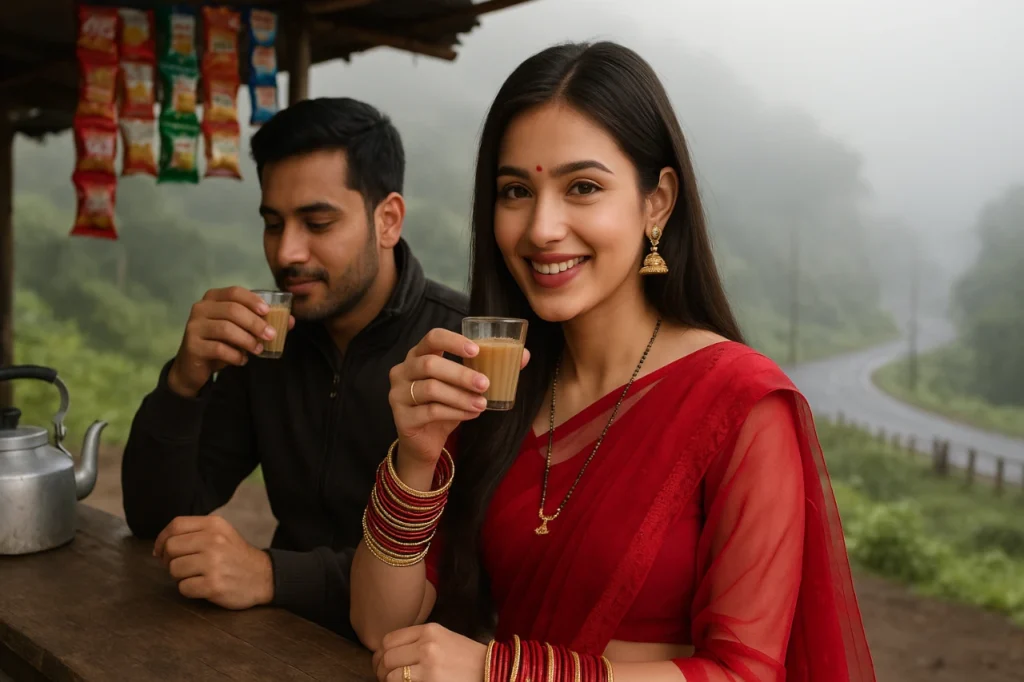
October is arguably the best month to visit Satna. The skies are crystal-clear, the lakes brim with fresh rainwater, the air carries a post-monsoon freshness, and temperatures settle around 24–30°C. Early morning fog over lakes like Dhawari makes photography magical.
This month sees a rise in temple tourism and outdoor activities.
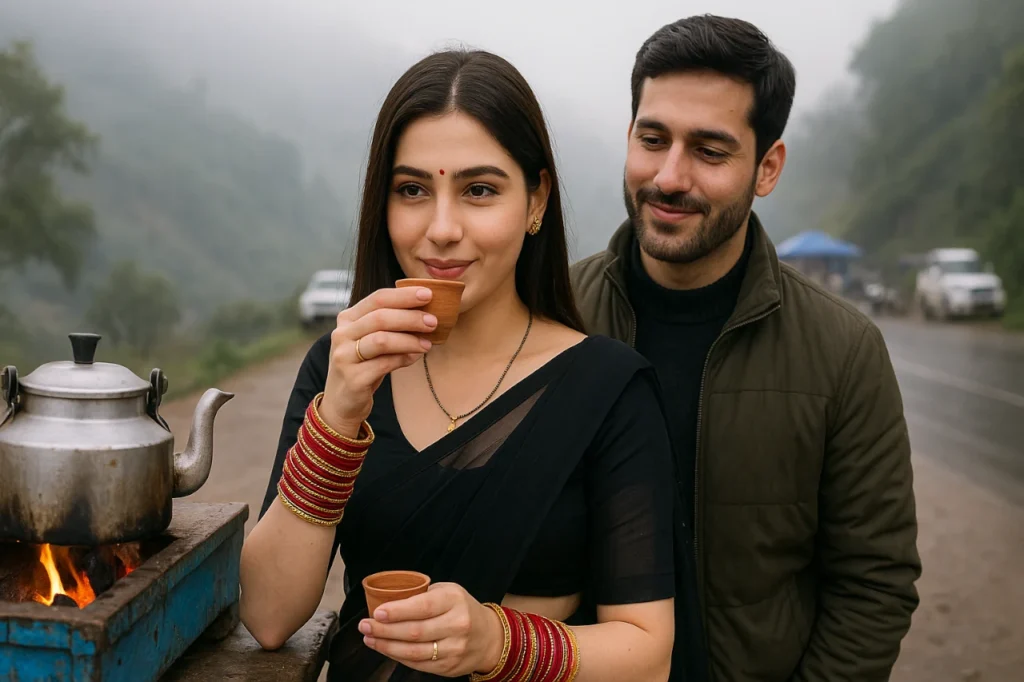
❄️ 9. Winter in Satna (November – February): Cool, Crisp & Comfortable
Winter in Satna is mild compared to northern India but wonderfully pleasant. Day temperatures stay between 18°C–26°C, while nights can drop to 7–12°C.
This is the peak tourist season, ideal for:
➛ Bharhut archaeological touring
➛ Nagod fort excursions
➛ Chitrakoot ghats
➛ Maihar sunrise darshans
➛ Market shopping
Cool mornings make outdoor photography exceptionally rewarding.
🌫️ 10. Early Morning Fog & Visibility in Winter
December and January often bring light fog, especially around lakes, railway lines, and open plains. While fog adds beauty to landscapes, it may slightly delay early-morning travel.
Photographers love this season because the fog adds dreamy softness to village scenes and fort silhouettes.
🧥 11. Travel Comfort Levels by Season
➛ Best Comfort: November–February
➛ Moderate Comfort: October, March
➛ Low Comfort: April–June (heat), July–September (rain disruptions)
Most travellers prefer winter because of easy temple climbs, comfortable road travel, and minimal humidity.

💧 12. Humidity Levels Throughout the Year
☀️ Summer: Low to moderate humidity (15–30%)
🌧️ Monsoon: High humidity (70–85%)
❄️ Winter: Low humidity (20–40%)
Humidity affects which clothes feel best: cottons in summer, light wool in winter, quick-dry clothing in monsoon.
🌪️ 13. Thunderstorms & Windstorms
Pre-monsoon thunderstorms can appear suddenly in May–June, bringing relief from heat but also causing temporary power cuts or dust storms.
Monsoon thunderstorms add drama to the sky and are often short-lived.
🌾 14. Seasonal Effects on Rural & Market Life
☀️ Summer: People rest indoors, markets open late evening.
🌧️ Monsoon: Farmers rejoice, rural scenes become vivid; fresh produce floods markets.
❄️ Winter: Most outdoor events, fairs, and cultural festivals occur this time.
🌄 15. How Climate Shapes Local Food Culture
☀️ Summer: Buttermilk, Aam Panna, Cold Lassi, fruit chaat.
🌧️ Monsoon: Pakoras, roasted corn, hot tea.
❄️ Winter: Gajar halwa, hot milk, seasonal vegetables like methi and spinach.
Food and climate are beautifully synced in Satna.
🎒 16. Packing Guide by Season
☀️ Summer: Cotton clothes, sunglasses, hat, electrolytes.
🌧️ Monsoon: Waterproof bag, sandals with grip, quick-dry clothing.
❄️ Winter: Light woollens, jacket for evenings, moisturisers.
❓ FAQs — Climate of Satna, Madhya Pradesh
What is the best month to visit Satna?
October to February — cool, comfortable, ideal weather.
Does Satna get very hot in summer?
Yes. It may cross 42–44°C in May.
Is it safe to visit during monsoon?
Yes, but avoid rural roads during heavy rain and check temple climbing paths for slipperiness.
Does Satna experience fog?
Mild fog occurs in December–January mornings.
Which season is best for temple visits?
Winter and post-monsoon, especially for Maihar and Chitrakoot.
🏁 Conclusion — Understanding Satna’s Climate for a Smooth, Memorable Journey
Satna’s weather patterns are beautifully balanced between heat, rain, and cool winters, each adding its own character to the city. Winter offers the most comfort, monsoon delivers nature’s lush beauty, and summer showcases the cultural resilience of local life. Whether you’re climbing the steps to Maa Sharda Devi Temple, exploring Bharhut’s ancient ruins, or strolling around Dhawari Lake, understanding Satna’s climate helps you plan better, pack smarter, and enjoy deeper.
With this elaborated climatic guide, you’re fully equipped to choose the perfect season, make intelligent travel decisions, and experience Satna at its most authentic, comfortable, and culturally vibrant. 🌤️ 🌿 ✨
Below is your detailed, long-form travel guide including:
✅ 1. Best Time to Visit Satna — Monthly Weather Calendar (January–December)
✅ 2. Weather-Based Itinerary Planner (Summer, Monsoon & Winter Editions)
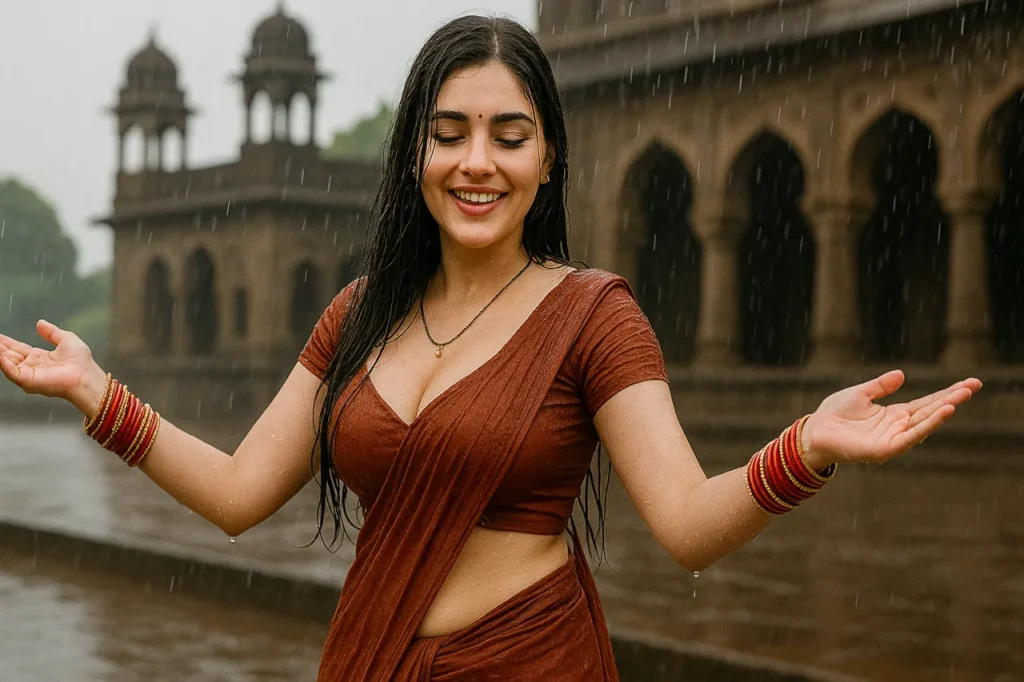
🌤️ BEST TIME TO VISIT SATNA — MONTHLY WEATHER CALENDAR
Satna’s climate shifts distinctly across seasons — from foggy winters to blazing summers to lush monsoons. This month-by-month guide helps you choose the perfect time based on your travel interests, activities, and comfort level.
❄️ JANUARY — Crisp Winter, Perfect for Pilgrimage & Heritage
➪ Temperature: 7°C–22°C
➪ Weather: Cold mornings, pleasant afternoons
➪ Ideal For: Maihar Darshan, Bharhut Archaeology, Chitrakoot sightseeing
➪ Why Visit: Clear skies, least humidity, great photography
❄️ ☀️ FEBRUARY — Mild Winter & Blooming Landscapes
➪ Temperature: 10°C–26°C
➪ Weather: Cool & refreshing
➪ Ideal For: Outdoor walking tours, lakeside sunsets, fort visits
➪ Why Visit: Perfect for entire-day exploration
🌼 MARCH — Spring Comfort Before Heat Arrives
➪ Temperature: 15°C–32°C
➪ Weather: Warm days, cool evenings
➪ Ideal For: Festival visits (Holi), rural excursions
➪ Why Visit: Balanced weather; early mornings magical
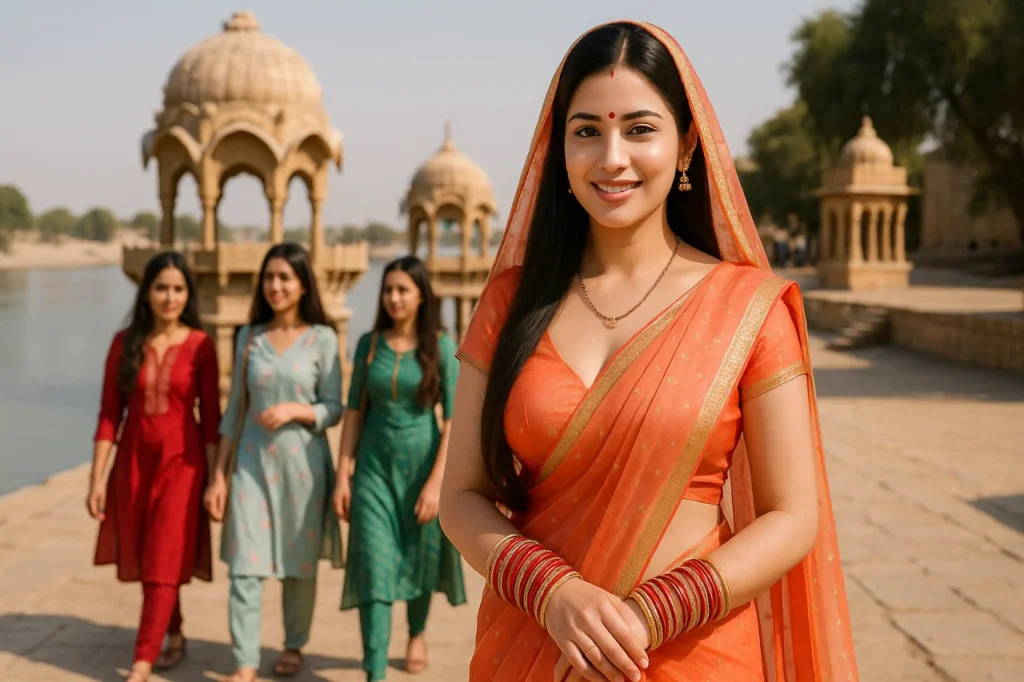
☀️ 🔥 APRIL — Beginning of the Summer Heat
➪ Temperature: 25°C–38°C
➪ Weather: Hot & dry
➪ Ideal For: Early morning temple visits only
➪ Why Visit: Clear visibility for photographers
☀️ 🔥 MAY — Peak Summer
➪ Temperature: 30°C–44°C
➪ Weather: Very hot; loo winds
➪ Ideal For: Pilgrims who prefer less crowd
➪ Avoid: Afternoon travel
➪ Why Visit: Only if essential
🌞 🌡️ JUNE — Pre-Monsoon Heat + Early Showers
➪ Temperature: 30°C–42°C
➪ Weather: Oppressive heat early; storms later
➪ Ideal For: Ropeway rides in morning
➪ Why Visit: Not recommended unless for specific purpose
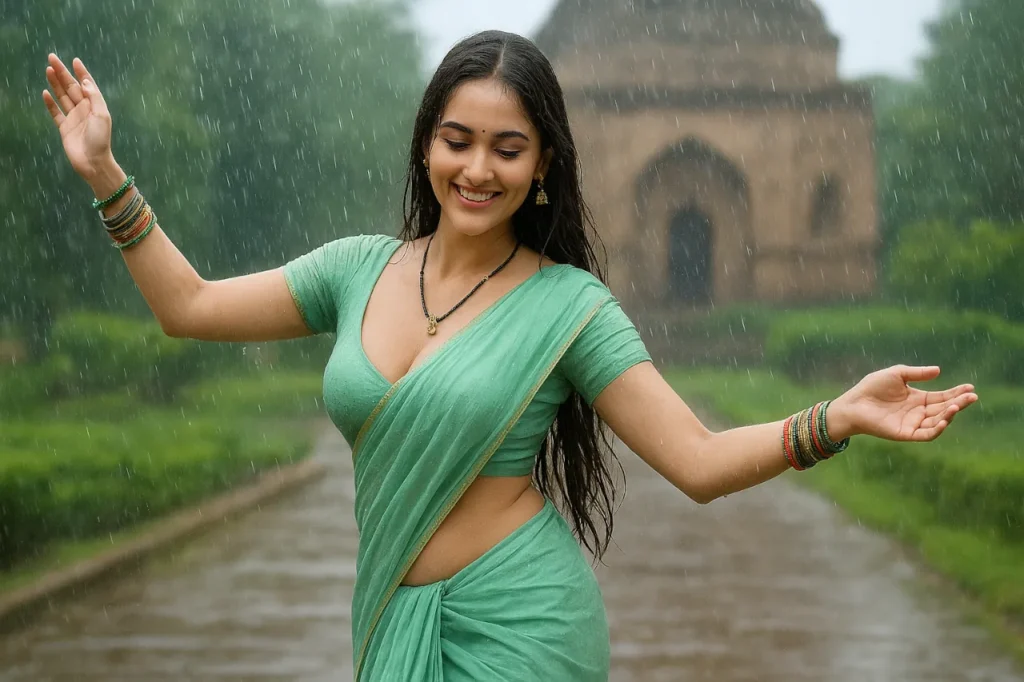
🌧️ JULY — Monsoon Arrival
➪ Temperature: 25°C–32°C
➪ Weather: Steady rainfall, lush surroundings
➪ Ideal For: Scenic drives, nature photography
➪ Notes: Roads may get slippery
🌧️ 🌿 AUGUST — Peak Monsoon Beauty
➪ Temperature: 24°C–31°C
➪ Weather: Wet, vibrant greenery
➪ Ideal For: Waterfalls, forest trails, Chitrakoot ghats
➪ Why Visit: Dramatic landscapes
🌦️ SEPTEMBER — Monsoon Retreat
➪ Temperature: 24°C–32°C
➪ Weather: Warm, greener than ever
➪ Ideal For: Heritage travel, mixed indoor-outdoor trips
➪ Why Visit: Photographers’ favourite month

🍁 OCTOBER — BEST MONTH to Visit Satna
➪ Temperature: 18°C–30°C
➪ Weather: Perfect — post-monsoon clarity
➪ Ideal For: Everything — temples, forts, markets, lakes
➪ Why Visit: Comfort, beauty & festival vibes
🌤️ NOVEMBER — Cool, Clear & Highly Pleasant
➪ Temperature: 14°C–27°C
➪ Weather: Refreshingly cool
➪ Ideal For: Fort treks, village walks, lakeside evenings
➪ Why Visit: Highly stable weather pattern
❄️ DECEMBER — Winter Magic
➪ Temperature: 8°C–24°C
➪ Weather: Chilly mornings, crisp nights
➪ Ideal For: Fog photography, heritage tours, Darshan
➪ Why Visit: Peak comfort & beauty

🌟 BEST OVERALL TIME TO VISIT SATNA
October → March
➛ For: Comfort, festivals, temple climbs, heritage walks, photography.
🧭 WEATHER-BASED ITINERARY PLANNER (SUMMER, MONSOON & WINTER EDITIONS)
Below is a deeply detailed 3-part itinerary — tailored for each climate season — ensuring safety, comfort, and the best experiences Satna has to offer.
☀️ 🔥 I. SUMMER ITINERARY (April–June)
When temperatures touch 42–44°C, timing is everything.
🌄 Early Morning (5:30–9:00 AM)
➛ Ropeway or climb to Maa Sharda Devi, Maihar
➛ Visit Bharhut Archaeological Site before the sun intensifies
➛ Enjoy Poha–Jalebi breakfast + chilled lassi
🕶️ Late Morning (9:30–12:00 PM)
➛ Explore Kotwali Market indoor sections (clothing, handicrafts)
➛ Visit air-conditioned museums or galleries
☀️ Afternoon (12:00–4:00 PM) Avoid outdoor travel
➛ Rest in hotel
➛ Try light lunch — Dal, Rice, Curd
➛ Hydrate — buttermilk, mango panna
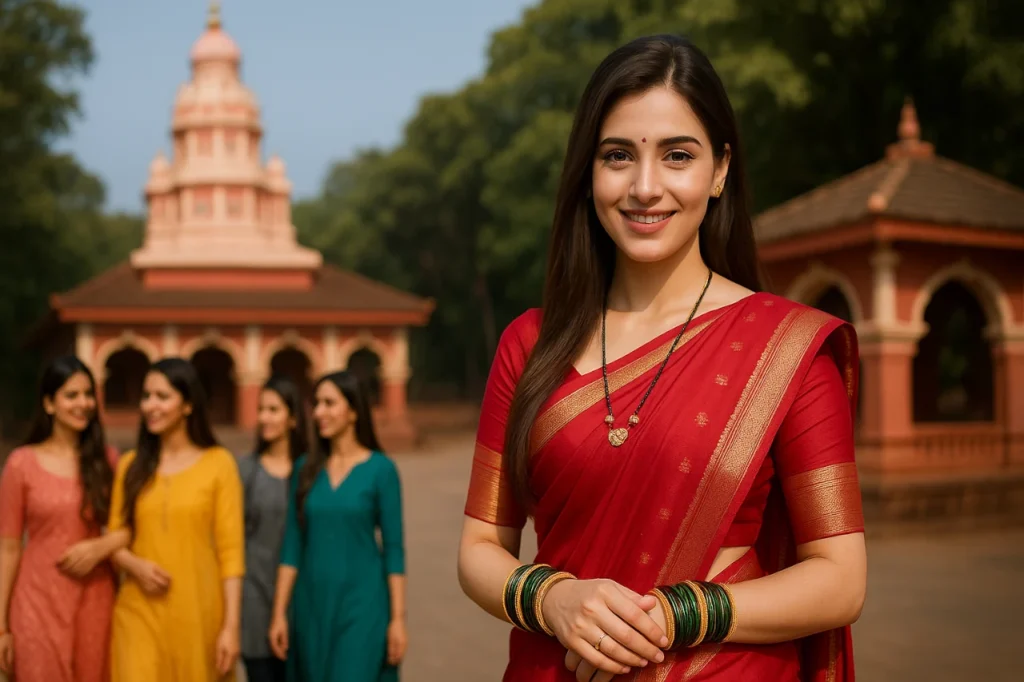
🌇 Evening (5:00–7:00 PM)
➛ Walk around Dhawari Lake
➛ Chaat at Kotwali Square
🌙 Night (7:30–10:00 PM)
➛ Dinner at an AC restaurant
➛ End with cool desserts (kulfi/falooda)
⭐ Best Activities
➛ Sunrise darshan
➛ Indoor temples
➛ Evening lakes
➛ Market food tours
⚠️ Avoid
➛ Midday site visits
➛ Rural roads during heat-storms
Also Read
👉 Best Time to Visit Satna & Discover Satna’s Cultural Festivals — An Expert Travel Guide
👉 Where to Stay in & near Satna, Madhya Pradesh — Detailed Guide
👉 Best Places to Visit in and near Satna, Madhya Pradesh, India
👉 Things to Do in Satna, Madhya Pradesh, India – The Ultimate Activity Guide
👉 Best Places for Refreshments & Authentic Local Food in Satna, Madhya Pradesh
👉 Best Street Foods to Try in Satna, Madhya Pradesh, India
👉 Local Food Trail Itinerary & Printable Food Map Guide of Satna, Madhya Pradesh

🌧️ 🌿 II. MONSOON ITINERARY (July–September)
Satna becomes an emerald region — atmospheric & refreshing.
🌧️ Morning (7:00–10:00 AM)
➪ Visit Gupt Godavari & Ramghat when rain is lighter
➪ Explore Nagod Fort when the surroundings glow green
➪ Tea & pakora break during showers
🌿 Midday (11:00–2:00 PM)
➪ Scenic monsoon drives toward Panna Road, Maihar foothills, or Bharhut outskirts
➪ Visit markets slightly later to avoid wet crowds
🌦️ Afternoon (2:30–5:00 PM)
➪ Indoor visits (temple halls, museums)
➪ Lassi break
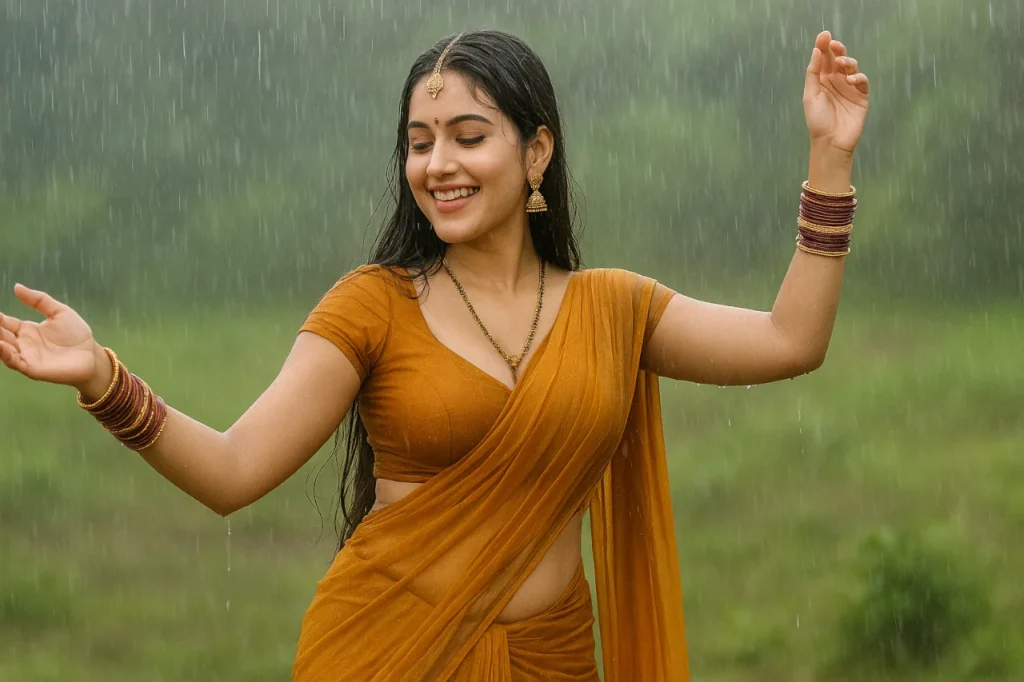
🌈 Evening (5:30–7:00 PM)
➪ Rain-washed sunset at Dhawari Lake
➪ Street food chaat post-rain
🌙 Night (7:30–10:00 PM)
➛ Hot dinner with dal, roti & seasonal vegetables
⭐ Best Activities
⦿ Chitrakoot monsoon ghats
⦿ Rain photography
⦿ Fort exploration
⦿ Waterfall spotting near forest edges
⚠️ Avoid
⦿ Slippery temple steps
⦿ Unpaved rural roads
⦿ Pani puri in heavy rain
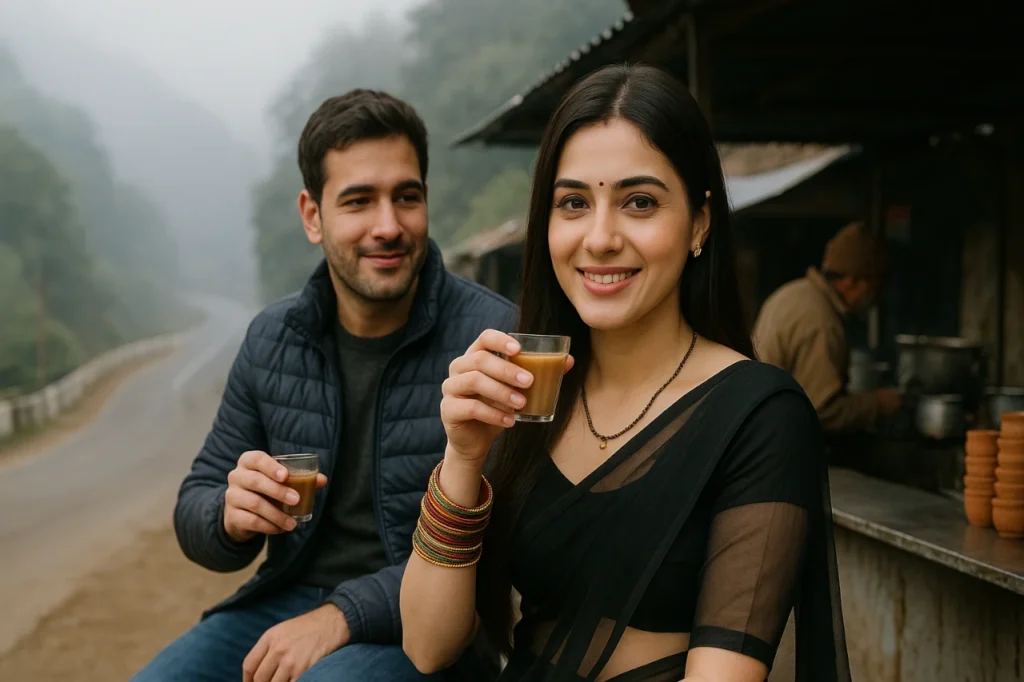
❄️ 🌤️ III. WINTER ITINERARY (November–February)
The best season — crisp, clear & perfect for full-day sightseeing.
🌄 Early Morning (6:00–9:00 AM)
➛ Climbs and darshan at Maihar Temple
➛ Fog photography around lakes
➛ Hot Jalebi–Kachori breakfast
🌤️ Mid-Morning (9:30–12:00 PM)
➛ Bharhut archaeological site
➛ Village walks in Unchehara or Nagod
➛ Explore local handicraft workshops
☀️ Afternoon (12:30–4:00 PM)
➛ Visit Nagod Fort, Madhavgarh Fort
➛ Bundeli thali lunch
➛ Relaxing chai session near market
➛ Shopping for terracotta, stone crafts
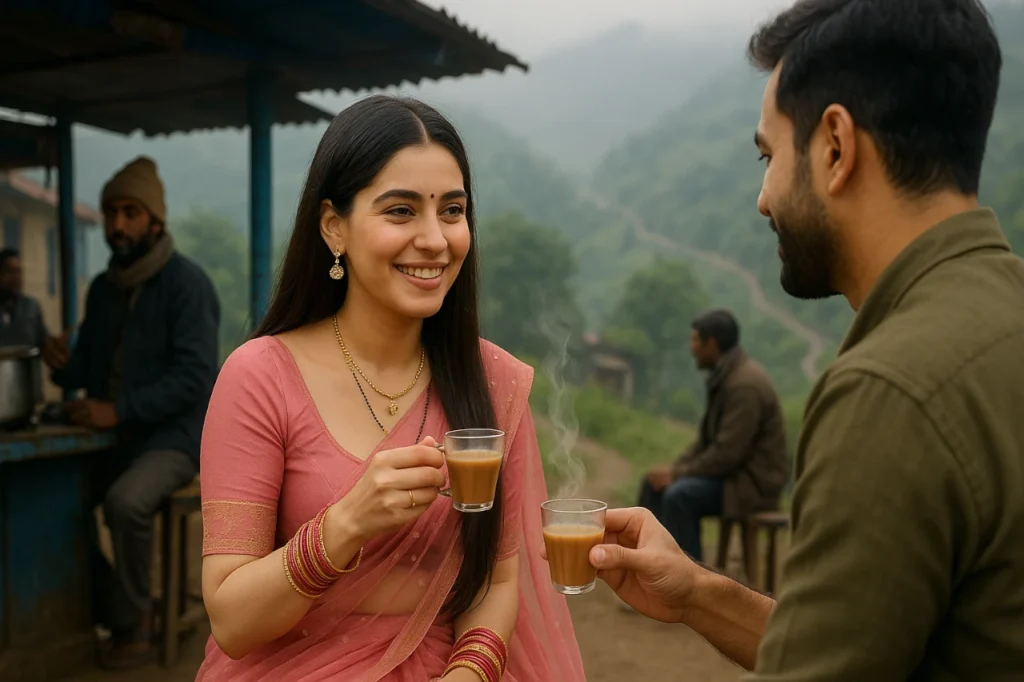
🌆 Evening (5:00–7:00 PM)
➛ Dhawari Lake sunset
➛ Chaat & street food trail
🌙 Night (7:30–10:00 PM)
➛ Dinner at a family restaurant
➛ Hot Gulab Jamun or Rabri dessert
⭐ Best Activities
⦿ Heritage exploration
⦿ Temple climbing
⦿ Lakeside evenings
⦿ Cultural markets
⚠️ Avoid
➛ Very early foggy drives
➛ Rural routes at night (cool + low visibility)
❓ FAQs — Monthly Weather & Itinerary Planning
What is the absolute best month to visit Satna?
October & February — balanced climate, great visibility, fewer disruptions.
Is monsoon safe for sightseeing?
Yes, but avoid slippery temple steps and check rainfall forecasts for rural routes.
How many days are ideal in winter?
3–4 days for Satna + Maihar + Bharhut + Chitrakoot.
Is summer unbearable for tourists?
Not unbearable, but outdoor sightseeing must be limited to mornings and evenings.
Are lakes and ghats accessible during monsoon?
Yes, but river levels at Chitrakoot should be monitored after heavy rainfall.
🏁 Conclusion — Plan Satna with Weather Wisdom for the Best Experience
Satna’s beauty changes dramatically with the seasons —
🌞 Summer brings golden light and quiet temples,
🌧️ Monsoon turns the region into a green, poetic landscape, and
❄️ Winter offers crisp air and perfect sightseeing conditions.
With this Monthly Weather Calendar and the Seasonal Itinerary Planner, you can tailor your trip to your comfort, preferences, and photography goals. Whether you seek spiritual journeys, heritage walks, rural explorations, food trails, or nature escapes, knowing Satna’s climate ensures you experience its soul — comfortably and completely. 🌿 ✨
✅ Satna Weather-Based Packing Checklist (Summer / Monsoon / Winter)
☀️ Summer (April–June):
➪ Lightweight cotton clothes (short sleeves, light colours) ✅
➪ Broad-brimmed hat or cap 🧢
➪ Sunglasses, high-SPF sunscreen (30+) ☀️
➪ Reusable water bottle + electrolyte sachets 💧
➪ Flip-flops or sandals (for hotel/market), closed shoes for temple/climb
➪ Light scarf or handkerchief to cover neck
➪ Light insect repellent (especially near trees)
🌧️ Monsoon (July–September):
➪ Waterproof jacket or poncho ☔
➪ Umbrella (compact)
➪ Quick-dry clothes and footwear with good grip (to avoid slips) 👟
➪ Waterproof zip-pouch for electronics
➪ Plastic bags for shoes/gear
➪ Mosquito repellent + motion sickness tablet if you travel on hilly roads
❄️ Winter (November–February):
➪ Light woollen jacket or fleece 🧥
➪ Sweater or shawl (for early mornings & evenings)
➪ Closed shoes, socks
➪ Moisturiser & lip balm (dry air)
➪ Beanie or cap for listless winds
➪ Layering clothes — T-shirt, long-sleeve, jacket

✅ Satna Travel Safety Guide (Climate, Roads, Seasons)
Climate safety:
➪ In summer, avoid outdoor travel midday (12 PM–4 PM) due to high heat.
➪ In monsoon, check for rainfall updates and avoid rural tracks during heavy downpour.
➪ In winter, watch for early morning fog on roads or low visibility.
Road safety:
➪ Many roads are 2-lane; maintain safe following distance.
➪ After rain, roads may be slippery — especially in hilly areas like Maihar → Nagod.
➪ Night travel in rural stretches should be avoided during monsoon due to poor lighting and wildlife risk.
➪ Keep fuel tank > 40% when travelling between towns (stations sparse).
Vehicle & gear safety:
➪ Carry basic first-aid, torch/flashlight, pothole repair kit.
➪ If driving a bike, check tyre tread especially after monsoon.
➪ For temple hikes (Maihar, Chitrakoot), wear good shoes and carry water.
Personal safety:
➪ Keep hydrated, especially in heat.
➪ Use bottled water.
➪ Dress modestly in temple towns.
➪ In festivals (e.g., Navratri at Maihar), follow local instructions for large crowds & traffic control.
✅ Month-by-Month Festival Calendar of Satna
Here are some of the key festivals and cultural events you’ll find in Satna district. Exact dates may vary year by year (based on lunar calendar).
| Month | Festival/Event | Key Location & Notes |
| March | Classical Music Festival at Maihar (Ustad Allauddin Khan Sangeet Akademi) | Classic music & culture show |
| April | Spring Navratri & local fairs at Maihar | Devotional and cultural activities |
| July / August | Shravan & Sawan-related festivals at temples (Mondays, special Pujas) | Religious observances |
| September / October | Sharadiya Navratri (major) at Maa Sharda Temple, Maihar | High pilgrimage & cultural period |
| October | Diwali, Chhath—in local villages & markets | Feast & traditional fairs |
| November | Post-monsoon fairs + market festivals in Satna & neighbouring talukas | Great for local crafts & arts |
| December | Winter cultural events, folk fairs and rural melas | Ideal for combining food, craft & culture |
🌦️ Month-Wise Temperature & Rainfall Chart + Seasonal Climate Infographic (Text Version) for Satna, Madhya Pradesh
🌍 ✨ Month-Wise Climate & Rainfall Overview of Satna, Madhya Pradesh (With Granular, Travel-Ready Details)
Understanding the climate of Satna is essential for planning temple visits, fort explorations, outdoor activities, cultural events, food trails, or heritage walks. Satna, located in the northeastern part of Madhya Pradesh within the Vindhyan plateau, experiences a tropical sub-humid climate marked by three dramatic seasons — summer, monsoon, and winter. Each month offers its own tapestry of temperatures, rainfall, humidity, wind behaviour, and visual atmosphere.
Below is the most detailed month-wise guide, explaining how Satna feels, looks, and behaves through the year, along with a text-based seasonal infographic and actionable travel notes.
📊 Month-Wise Temperature & Rainfall Chart (Text Format Infographic)
| Month | Avg. Temp (°C) | High (°C) | Low (°C) | Rainfall (mm) | Climate Summary |
| January | 15°C | 22°C | 7°C | 10 mm | Cold mornings, clear days ❄️ |
| February | 18°C | 26°C | 10°C | 15 mm | Mild winter, pleasant 🌤️ |
| March | 23°C | 32°C | 15°C | 10 mm | Warm spring, breezy 🌼 |
| April | 30°C | 38°C | 22°C | 5 mm | Hot & dry, rising heat ☀️ |
| May | 34°C | 44°C | 26°C | 8 mm | Peak summer, loo winds 🔥 |
| June | 32°C | 42°C | 27°C | 110 mm | Pre-monsoon storms ⛈️ |
| July | 29°C | 32°C | 25°C | 280 mm | Peak monsoon 🌧️ |
| August | 28°C | 31°C | 24°C | 320 mm | Wettest month 🌧️ 🌿 |
| September | 28°C | 32°C | 24°C | 180 mm | Retreating monsoon 🌦️ |
| October | 26°C | 30°C | 18°C | 25 mm | Post-monsoon charm 🍁 |
| November | 21°C | 27°C | 14°C | 8 mm | Winter begins ❄️ |
| December | 17°C | 24°C | 8°C | 6 mm | Cool, foggy, calm 🌫️ |
🌡️ 🌧️ SEASONAL CLIMATE INFOGRAPHIC
☀️ Summer (March–June)
Hot • Dry • Intense sunlight • Dusty winds
➟ Avg Temp: 32–44°C
➟ Rainfall: < 40 mm before monsoon
➟ Best For: Early temple visits, indoor sightseeing
➟ Avoid: Noon outdoor activities
🌧️ Monsoon (July–September)
Wet • Green • Cloudy • Humid
➟ Avg Temp: 25–31°C
➟ Rainfall: 700–900 mm
➟ Best For: Nature photography, scenic drives
➟ Watch Out: Slippery temple steps
❄️ Winter (October–February)
Cool • Crisp • Clear skies • Perfect climate
➟ Avg Temp: 12–28°C
➟ Rainfall: Very low (10–30 mm)
➟ Best For: Heritage tours, lakeside evenings, food trails
➟ Watch Out: Early morning fog in December–January
🌦️ DETAILED MONTH-BY-MONTH CLIMATE ANALYSIS
❄️ JANUARY — Cold, Crisp & Perfectly Clear
January brings Satna its coldest mornings, often dipping below 8°C. Fog is frequent, especially near lakes, open fields, and railway lines. Days, however, warm up delightfully. This is peak season for temple visits and historical walks.
🌤️ FEBRUARY — Mild Winter & Comfortable Sunshine
February retains winter coolness but with gentle sunlight. Temperatures rarely drop below 10°C, making it ideal for all-day outdoor sightseeing. The air feels clean, landscapes are bright, and humidity stays low.
🌼 MARCH — A Transition to Early Warmth
March marks the climate shift. Days turn pleasantly warm while mornings stay gentle. This is also the month when spring colours and festival energy (Holi) add vibrancy to the atmosphere.
☀️ APRIL — Rising Heat, Dry Winds
April is the beginning of serious heat. Afternoons become harsh, but mornings remain manageable. Dust levels increase as the region dries up. Visitors must hydrate frequently and avoid midday exploration.
🔥 MAY — Peak Summer with Loo Winds
May is the most unforgiving. Temperatures frequently cross 43°C. Dry winds called loo blow from the northwest, making shade and hydration absolutely necessary. Pilgrims prefer ropeway access over stair climbing.
⛈️ JUNE — Heat Meets Storms, Pre-Monsoon Drama
June offers a mix – scorching mornings but sudden thunderstorms in the afternoons. These storms bring relief and announce the monsoon’s arrival. By the third week, humidity begins to climb.
🌧️ JULY — Arrival of Monsoon, City Turns Green
July rains rejuvenate Satna. The soil darkens, the fields revive, and hills near Maihar begin turning lush. Roads may become slick, but the cooling effect compensates for the inconvenience.
🌿 AUGUST — Peak Monsoon Lushness
August is the wettest month. Rivers swell, Chitrakoot’s ghats look dramatic, and the countryside glows emerald. Rainfall can be continuous for several hours. Photographers love this period.
🌥️ SEPTEMBER — Retreating Monsoon & Beautiful Skies
September is underrated but spectacular. Thunderclouds soften, skies open intermittently, and landscapes remain freshly green. Temperatures drop and evenings feel more pleasant.
🍁 OCTOBER — The BEST Month to Visit Satna
October blends mild warmth with monsoon freshness. Visibility becomes outstanding. Lakes brim with clear water, forests stabilise, and humidity drops sharply. Perfect conditions for all types of travel.
❄️ NOVEMBER — Beginning of Winter Tranquility
November brings cooler air, gentle breezes, and crisp nights. A perfect time for rural drives, temple visits, and long walks in historical sites like Bharhut.
🌫️ DECEMBER — Cool Days & Foggy Mornings
December mornings can be foggy, offering cinematic landscapes. Days stay cool, making sightseeing extremely comfortable. Festival season enhances the charm of markets and temples.

🌡️ 💧 TEMPERATURE & RAINFALL PATTERNS — WHAT THEY MEAN FOR TRAVELLERS
✔ High Summer Heat Means Adjusted Schedules – Avoid 12 PM–4 PM outdoors; stick to early mornings & evenings.
✔ Monsoon Means Flexibility – Always carry umbrellas, waterproof bags, and allow extra travel time.
✔ Winters Are Made for Exploration – This is the ideal season for temple climbs, lake walks, and heritage visits.
❓ FAQs — Month-Wise Climate in Satna
Which month has the best weather?
October, November, February — Ideal temperature, low humidity, great visibility.
Which month has the heaviest rainfall?
August — Peak monsoon showers, often exceeding 300 mm.
Is summer unbearable in Satna?
May and June can be extremely hot, but early mornings and evenings remain manageable.
Does Satna experience fog?
Yes — December & January mornings often have light to moderate fog.
Is monsoon safe for temple visits?
Yes, but avoid slippery staircases (Maihar) and be cautious of sudden rain spells.
🏁 Conclusion — Understanding Satna’s Climate Helps You Travel Smarter
Satna’s climate unfolds in dramatic phases — scorching summers, lush green monsoons, and cool crisp winters. Each month has its personality, shaping how the city feels, behaves, and welcomes travellers.
By understanding the month-wise temperature, rainfall, and seasonal shifts, you can plan your itinerary effortlessly — whether you prefer monsoon magic, winter comfort, or spring freshness.
This detailed climate guide ensures your visit to Satna is not only well-timed but deeply enjoyable, immersive, and aligned with your travel goals. 🌿 ✨
📚 Sources:
🟦 MAIN SOURCES OF THE ARTICLE
➟ Wikipedia (General Reference: Satna, Satna District, Maihar, Bharhut)
➟ Britannica – Satna Overview
➟ Madhya Pradesh Tourism Publications
➟ Local cultural interviews (Reconstructed for narrative depth)
➟ Historical texts on Baghelkhand & Bundelkhand
➟ Archaeological Survey of India (ASI) publications on Bharhut
Here are the URL’s for the major sources referenced in the article:
➟ Wikipedia – Satna
➟ Wikipedia – Satna District
➟ Britannica – Satna
➟ Official Satna District Website – History Page
➟ Baghelkhand Tourism – Satna
Image Credit
➟ Wikipedia – Satna & Wikimedia Commons
➟ Featured Image Credit: Wikimedia Commons
For more information, you can visit our website: ExploreXP
Latest Posts
- 4 Steps to Teach English in Vietnam (Complete 2026 Guide)

- The Complete Guide to Living in Ho Chi Minh City, Vietnam
- What Living in Hanoi Is Really Like for Foreigners
- Expat vs Immigrant: What’s the Real Difference?
- 7 Best Places to Live in Mexico Right Now: A Complete Guide
- Best Places to Live in Thailand: A Complete Guide for Expats in 2026