“Unwind on Golden Sands, Unearth Timeless Stories”
Ready to explore Dapoli? Book your Konkan getaway now and dive into its hidden treasures!
🔴 Introduction
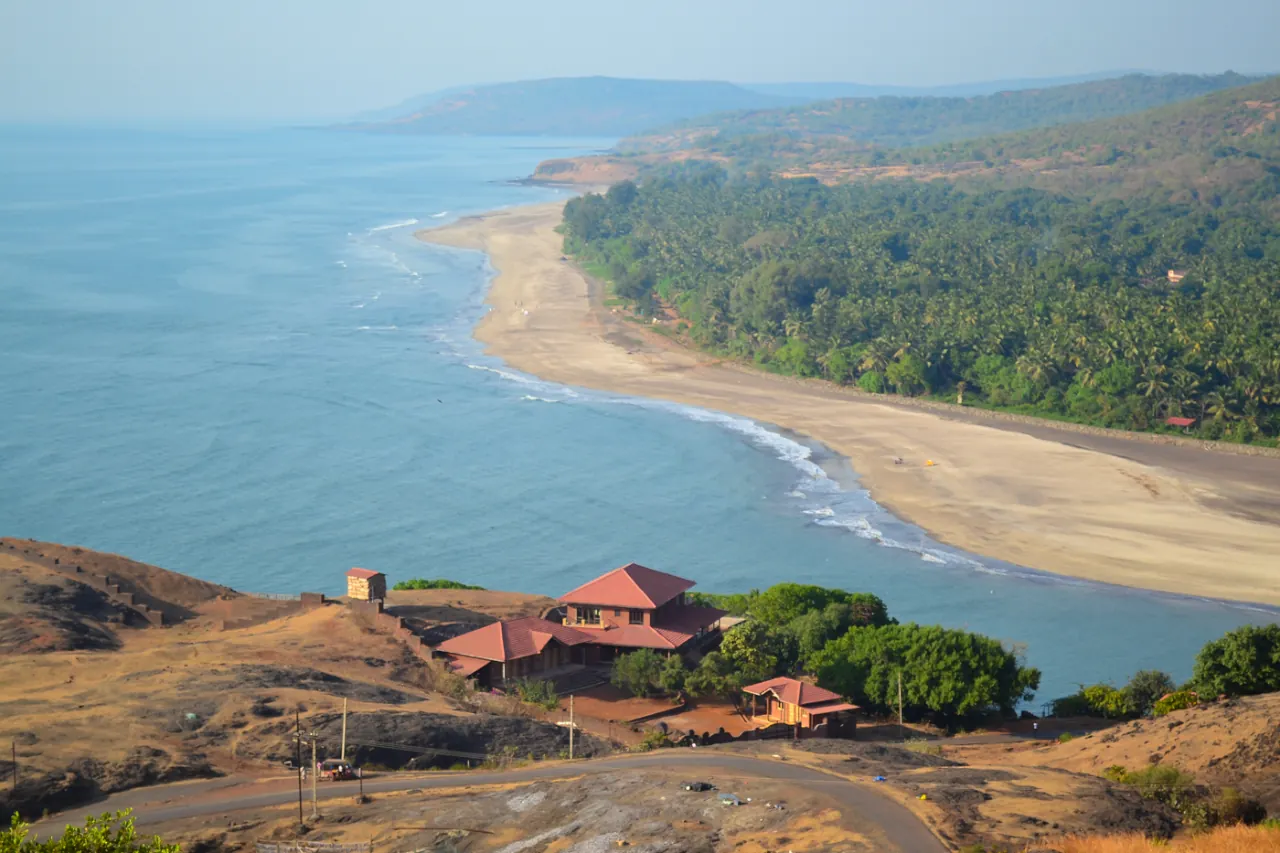
Nestled along Maharashtra’s Konkan coast, Dapoli is a tranquil taluka in Ratnagiri district, where coconut groves sway beside the Arabian Sea and colonial whispers linger in abandoned churches. Known as “Camp Dapoli” for its British-era military roots, this coastal gem is more than just a beach getaway—it’s a tapestry of history, spirituality, and natural wonders.
➸ Why Dapoli?
✦ Historical Significance: From British cemeteries to diamond mines, Dapoli’s past is as rich as its landscapes.
✦ Architectural Blend: Colonial churches stand alongside ancient temples like Kadyavarcha Ganpati.
✦ Seasonal Appeal: Whether monsoon mist or winter sun, Dapoli offers year-round allure.
🟢 Detailed Introduction:
🔘 A Gateway to Konkan’s Untouched Beauty
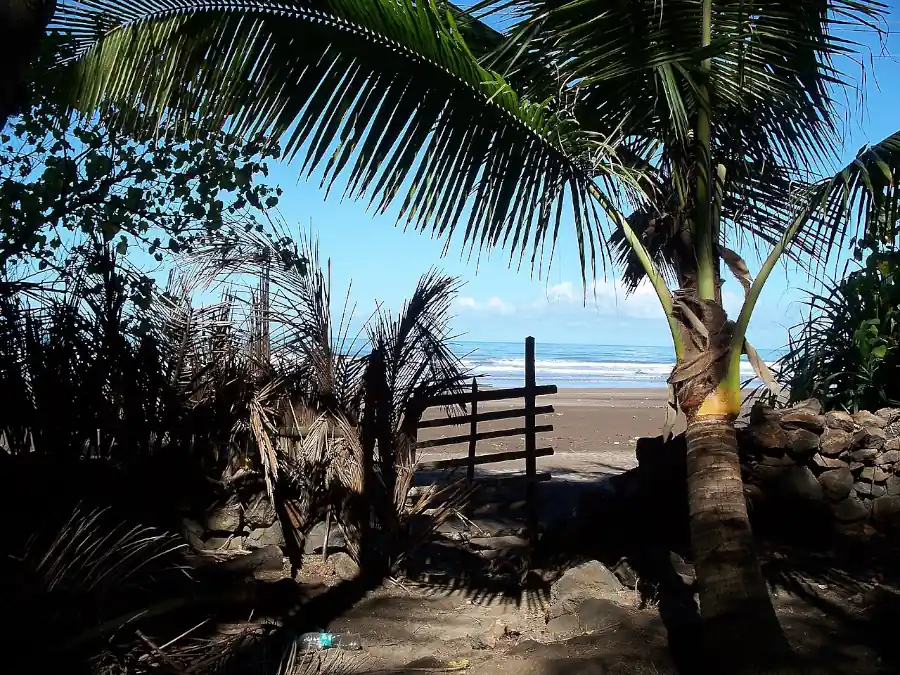
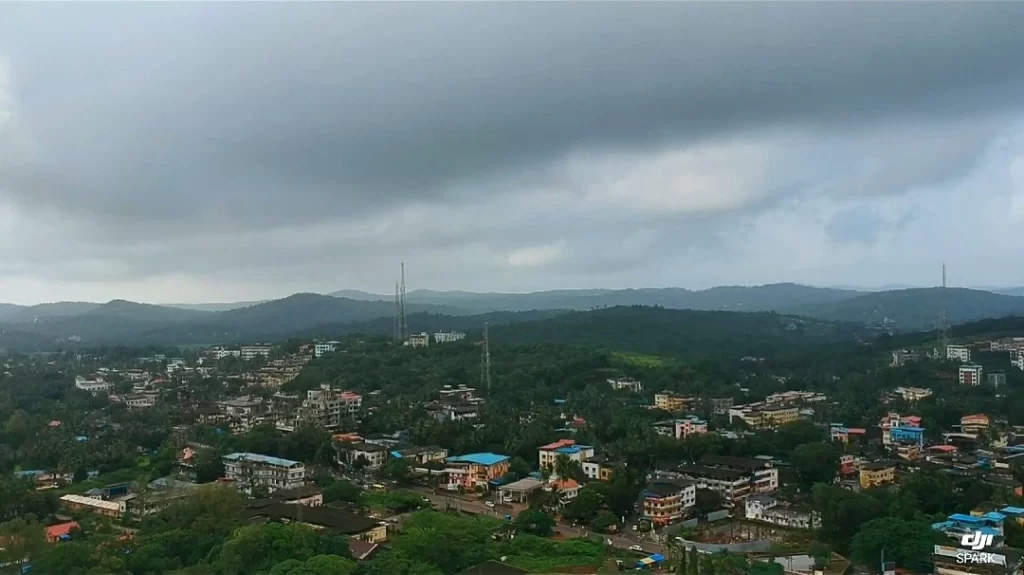
Nestled in Maharashtra’s Ratnagiri district, Dapoli is a coastal taluka where golden beaches meet lush coconut groves and colonial history mingles with spiritual heritage. Located 215 km south of Mumbai, this tranquil town—once dubbed “Camp Dapoli” by British officers—offers a rare blend of relaxation and discovery. Its 50 km coastline, dotted with secluded beaches like Murud and Kelshi, serves as a serene escape for city-weary travellers, while its diamond-rich terrain and ancient temples add layers of intrigue.
🔘 Echoes of Colonial Legacy
Dapoli’s history is steeped in colonial influence. During the 19th century, British officials established camps here to escape coastal humidity, leaving behind relics like the hauntingly beautiful abandoned church near Harnai Beach and weathered graves of high-ranking officers. Local historian Rajesh Patil recounts, “These graves are time capsules—each inscription tells a story of lives intertwined with India’s colonial past”. The town’s diamond mine, though inactive today, further hints at its geological and economic significance during the Raj.
🔘 A Tapestry of Geography and Biodiversity
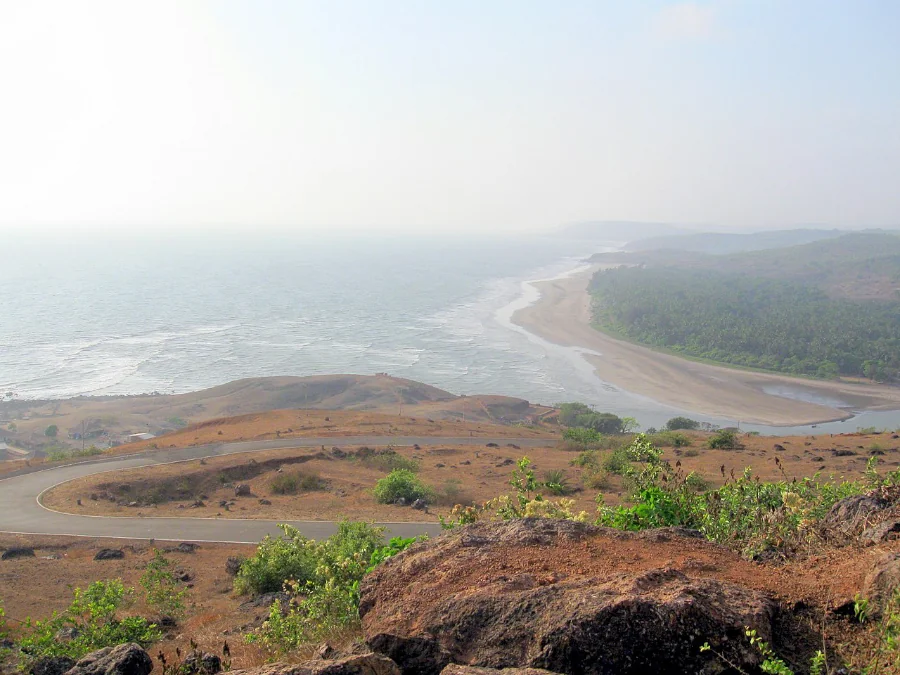
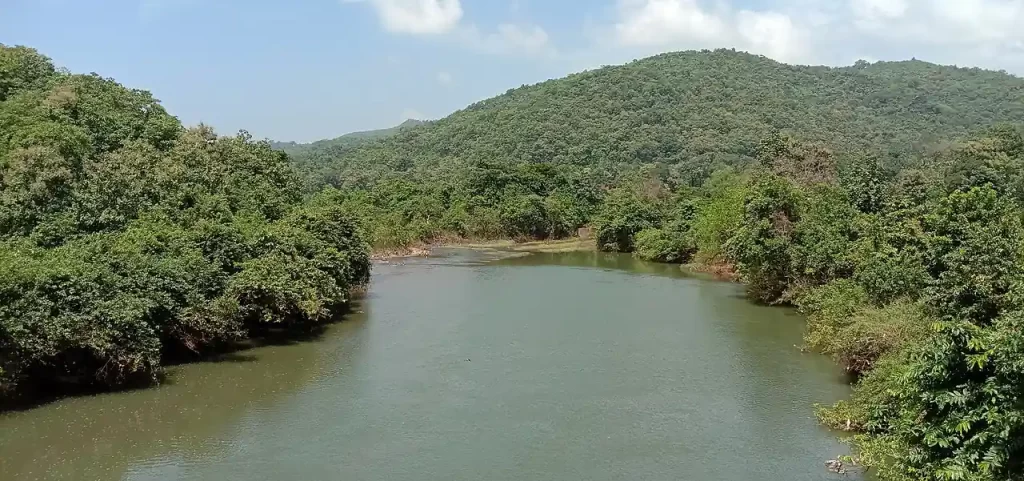
Bordered by the Sahyadri range to the east and the Arabian Sea to the west, Dapoli’s landscape is a marvel. The Jog and Vashishthi rivers carve through verdant valleys, while the coastline—unlike typical Konkan shores—is fringed with dense coconut plantations. The region’s hidden gem is the Unhavare Hot Water Spring, believed to have medicinal properties. Fisherman Rohan Koli notes, “Monsoon transforms Dapoli into an emerald paradise—every hillside cascades with waterfalls”.
🔘 Architectural Marvels: From Temples to Caves
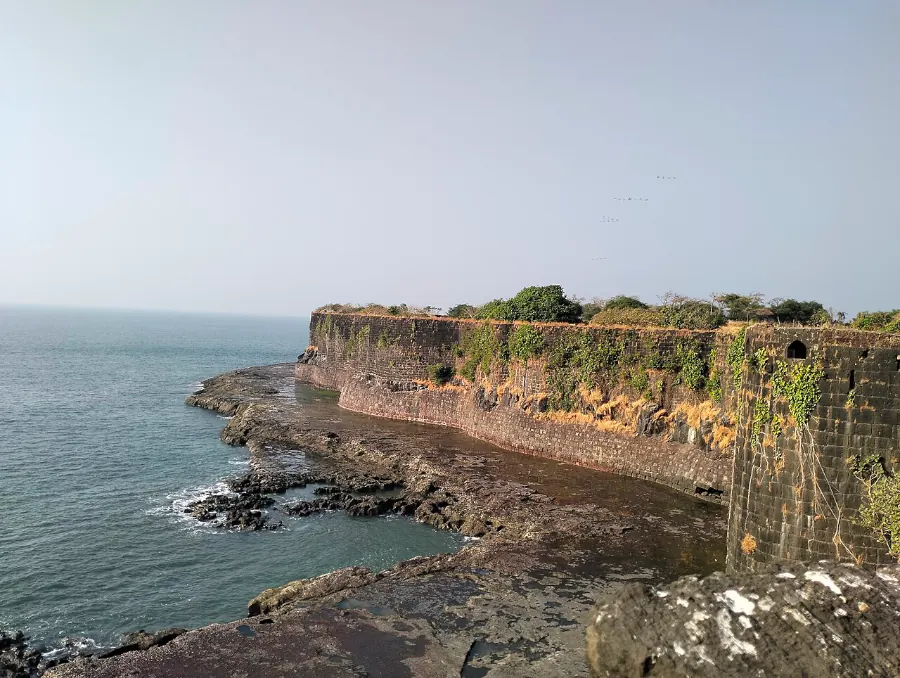
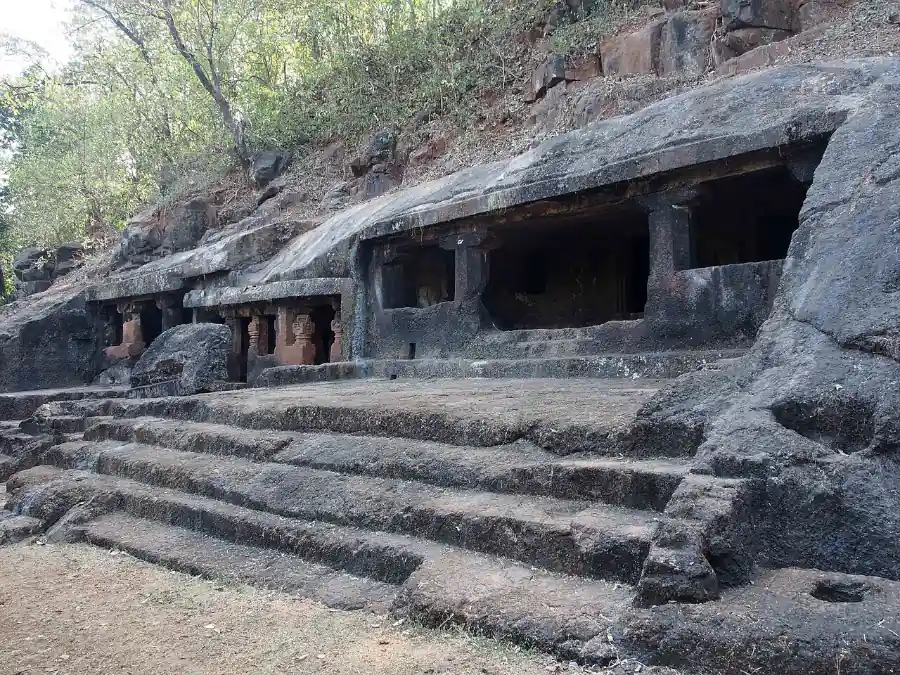
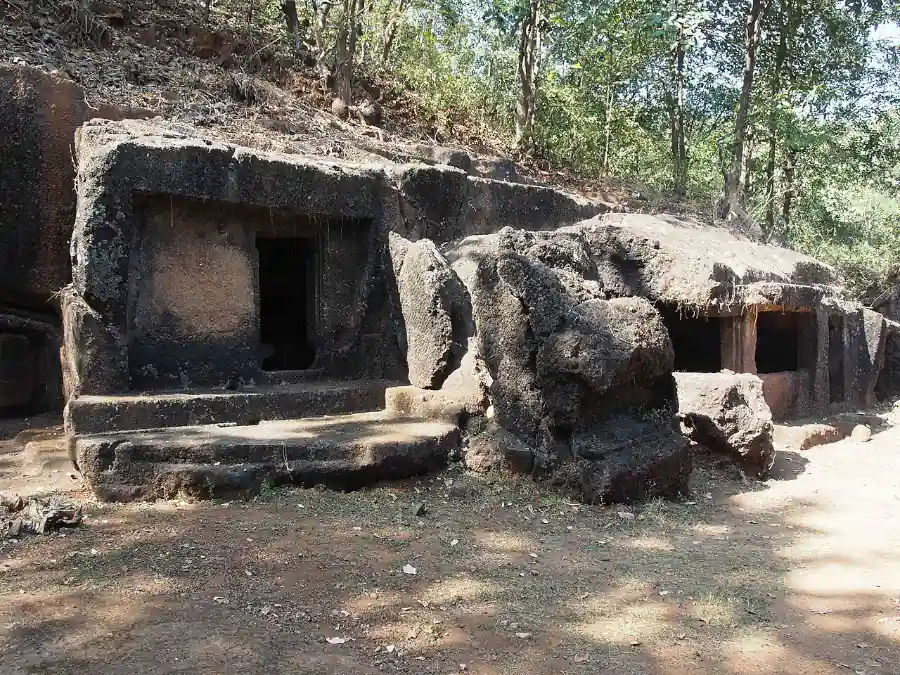
Dapoli’s architecture reflects its spiritual and historical depth. The 12th-century Kadyavarcha Ganpati Temple, carved from a single rock in Hemadpanthi style, stands as a testament to ancient craftsmanship. Equally captivating are the Panhalekaji Caves, Buddhist rock-cut sanctuaries dating to 200 BC, adorned with delicate carvings of deities and monks. The British-era church, though dilapidated, showcases Gothic arches that contrast starkly with traditional Konkani designs.
🔘 Cultural Vibrancy and Festive Rhythms
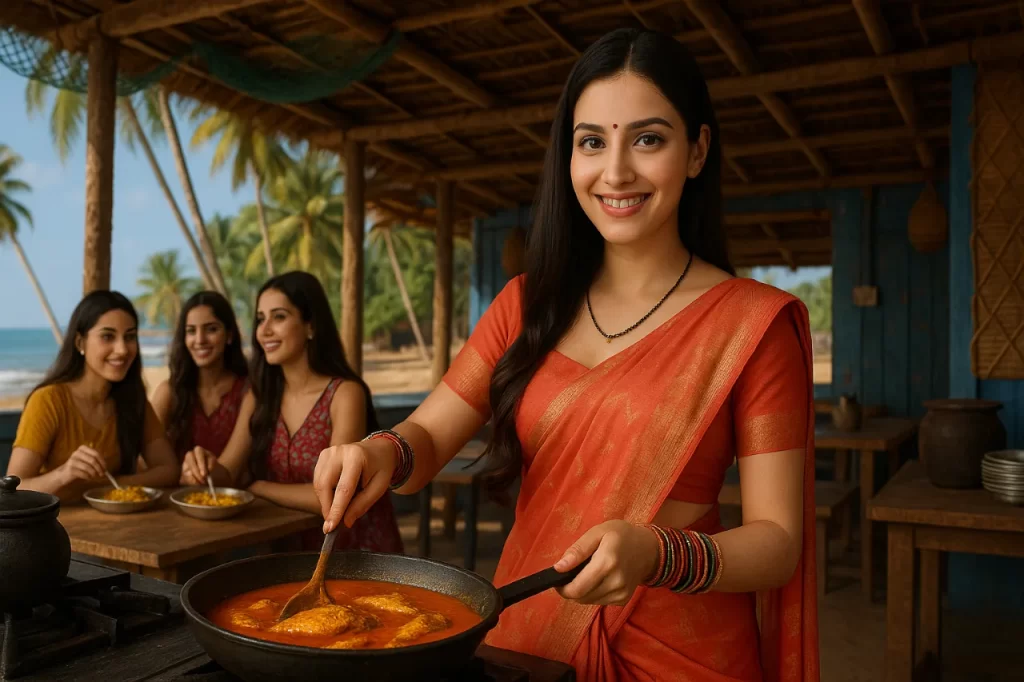
Life in Dapoli pulses with festivals and traditions. The Konkan Krishi Vidyapeeth Agricultural Fair in winter celebrates local farming, while the Mango Festival in May honours the region’s famed Alphonso harvest. Street markets buzz with vendors selling lacquerware and Solkadhi (a Coconut-kokum drink). Artisan Sunita Parab shares, “Our crafts carry generations of skill—each piece is a labor of love”.
🔘 Climate: A Year-Round Destination
➤ Dapoli’s tropical climate offers distinct seasonal charms:
☁️ October–March: Cool breezes (10°C – 24°C) make it ideal for beach hopping.
🌧️ July–September: Monsoon rains (20°C – 30°C) cloak the region in mist and greenery.
☀️ April–June: Summer heat (up to 38°C) lures budget travellers with off-season discounts.
🔘 Economy and Demographics
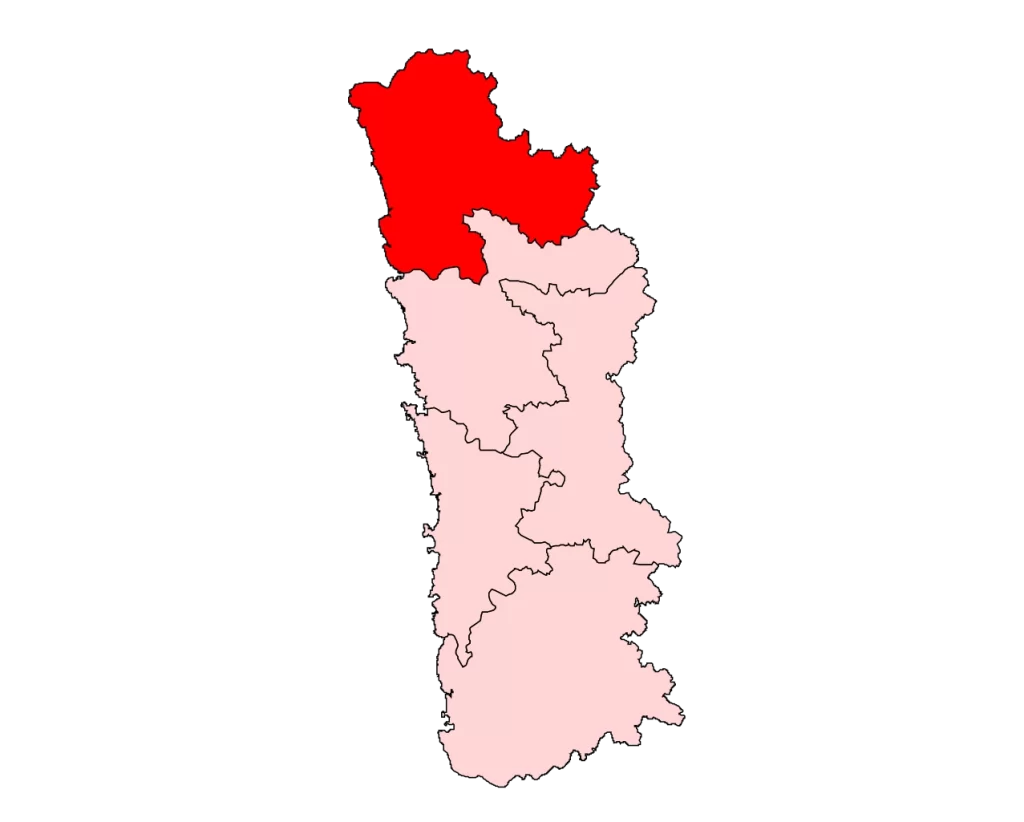
Agriculture and fishing dominate Dapoli’s economy, with rice, cashews, and seafood as key exports. The taluka’s population of ~150,000 predominantly speaks Marathi, with Konkani and Hindi widely understood. Recent tourism growth has spurred home-stays and eco-resorts, blending modernity with tradition.
Also Read
Discovering Guhagar, Maharashtra: A Coastal Paradise of History and Serenity
🔘 A Melting Pot of Influential Minds
Beyond its landscapes, Dapoli is a cradle of luminaries. Social reformers, scholars, and freedom fighters have roots here, weaving intellectual richness into its cultural fabric. Their legacies are celebrated in local museums and annual events, ensuring their contributions remain alive in public memory.
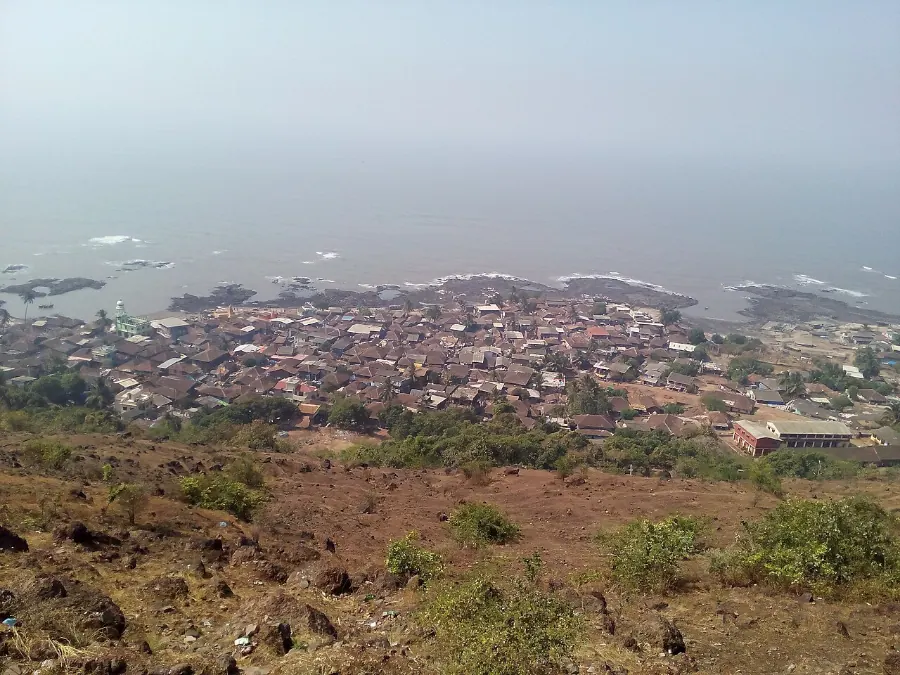
Dapoli – Ratnagiri District, Maharashtra: A Coastal Symphony of History, Culture, and Natural Splendour
“Where the Arabian Sea Whispers Tales of Legacy and Serenity”
🟣 Section Breakdown:
🎯 History & Architecture: British camps, diamond mines, and Parshuram’s legends.
🎯 Places to Visit: Beaches, temples, and hidden caves.
🎯 Travel Essentials: Routes, weather, and local cuisine.
🎯 Cultural Deep Dive: Festivals, handicrafts, and interviews with locals.
🎯 FAQs & Pro Tips: Your Dapoli adventure, decoded.
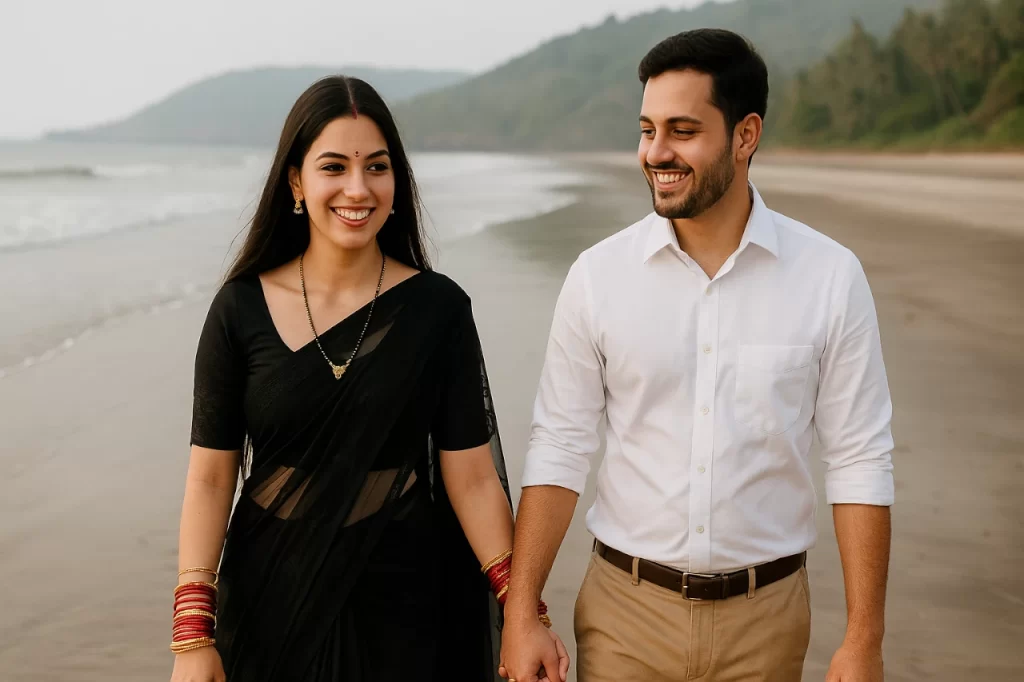
🟠 Detailed Section Breakdown:
➜ History & Architecture: From British Camps to Divine Temples
➤ Colonial Footprints
Dapoli’s British-era moniker, “Camp Dapoli”, stems from its 19th-century role as a military retreat. Graves of officers and an abandoned church near Harnai Beach stand as eerie reminders. Local historian Rajesh Patil shares, “The church’s cracked walls still echo Sunday hymns from the 1860s”.
➤ Diamond Beneath the Earth
8 km inland lies a dormant diamond mine with over 900 kg of reserves. Though inactive today, geologists speculate its potential revival.
➤ Architectural Marvels
✦ Kadyavarcha Ganpati Temple: Carved from a single rock, this 12th-century shrine showcases Hemadpanthi architecture.
✦ Panhalekaji Caves: Buddhist rock-cut caves from the 2nd century BC, adorned with intricate carvings.
➜ Places to Visit: Beaches, Springs, and Sacred Sites
⭕ Unhavare Hot Water Spring
✦ How to Reach: 18 km from Dapoli via NH166.
✦ Best Time: Monsoon (July–September) for therapeutic dips.
✦ Things to Do: Bathe in sulphur-rich waters, hike surrounding hills.
✦ Local Tip: Visit at sunrise for misty vistas.
⭕ Kelshi Beach & Mahalaxmi Mandir
✦ Highlights: Horse rides at dawn, the 400-year-old temple.
✦ Nearby: Dabhol Ferry for sunset cruises.
⭕ Murud Beach
✦ Cultural Quirk: Home to Dhondo Keshav Karve’s ancestral village.
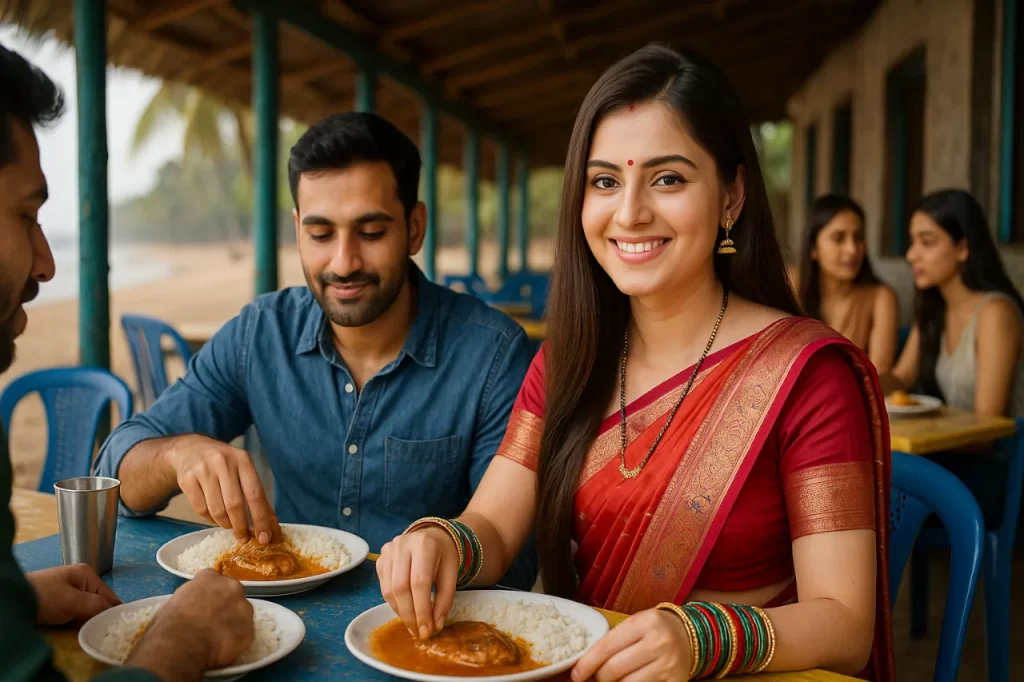
✦ Interview: Fisherman Rohan Koli says, “Tourists love our fresh pomfret curry”.
➜ Notable Residents
⭕ Maharshi Dhondo Keshav Karve (1858–1962)
✦ Birthplace: Murud village, 9 km from Dapoli.
✦ Legacy: Pioneered women’s education and widow remarriage in India. Founded the first women’s university (SNDT) in Pune.
✦ Local Tribute: A memorial in Murud honours his work, drawing educators nationwide.
⭕ Dr. B.R. Ambedkar (1891–1956)
✦ Residence: Lived in Kalkai Kond, Dapoli (1893–1896).
✦ Legacy: Architect of India’s Constitution and champion of social justice.
✦ Cultural Impact: Locals celebrate his birthday with processions and debates on equality.
⭕ Pandurang Vaman Kane (1880–1972)
✦ Awards: Bharat Ratna recipient (1963).
✦ Work: Authored “History of Dharmaśāstra”, a seminal text on Hindu law.
✦ Local Pride: Dapoli’s library houses his manuscripts, attracting scholars.
⭕ Pandurang Sadashiv Sane (1899–1950)
✦ Role: Freedom fighter and writer, pivotal in Maharashtra’s Samyukta movement.
✦ Literary Contributions: Penned revolutionary poetry under the pseudonym “Sane Guruji”.
➜ Travel Essentials
➤ Distance from Major Cities
✦ Mumbai: 215 km (5 hrs by road)
✦ Pune: 190 km (4.5 hrs)
✦ Goa: 320 km (7 hrs)
➤ Climate
☁️ October–March: Cool (10°C – 24°C), ideal for beaches.
🌧️ July–September: Lush greenery, heavy rains.
☀️ April–June: Hot (up to 38°C), perfect for mango festivals.
➤ Local Cuisine:
✦ Must-Try: Solkadhi (Coconut-kokum drink), Malvani Fish curry.
✦ Market Visit: Dapoli Bazaar for Alphonso mangoes and Kolambi (Prawns).
➜ Cultural Mosaic: Festivals & Handicrafts
➤ Festivals:
✦ Konkan Krishi Vidyapeeth: Winter agricultural fair.
✦ Mango Festival: May harvest celebrations with folk dances.
➤ Handicrafts:
✦ Lacquerware: Brightly painted coconut-shell souvenirs.
✦ Interview: Artisan Sunita Parab explains, “Each piece takes days to perfect”.
➤ FAQs
Is Dapoli safe for solo travellers?
Yes, with friendly locals and well-marked trails.
Nearest airport?
Pune (190 km) or Mumbai (215 km).
➤ Conclusion:
Dapoli is a symphony of sea, history, and culture. Whether tracing British graves or savouring Malvani cuisine, every corner tells a story.
➤ Sources:
⦿ Orchid Hotel Blogs
Image Credit
⦿ Wikimedia Commons – Dapoli Village Top View
⦿ Wikimedia Commons – Anjarle beach in Konkan near Dapoli, Maharashtra, India
⦿ Wikimedia Commons – Dapoli City
⦿ Wikimedia Commons – Panhalakaji Caves Dapoli 4
⦿ Wikimedia Commons – Panhalakaji Caves Dapoli 6
⦿ Wikimedia Commons – Anjarle beach
⦿ Wikimedia Commons – Anjarle from Harne bypass (new) – panoramio
⦿ Wikimedia Commons – Fortification of Suvarnadurga
⦿ Wikimedia Commons – Tadil river
⦿ Wikimedia Commons – 263-Dapoli.svg
For more information, you can visit our website: ExploreXP
Pack your bags and let Dapoli’s waves whisper their secrets—your Konkan adventure awaits!
Latest Posts
- 4 Steps to Teach English in Vietnam (Complete 2026 Guide)

- The Complete Guide to Living in Ho Chi Minh City, Vietnam
- What Living in Hanoi Is Really Like for Foreigners
- Expat vs Immigrant: What’s the Real Difference?
- 7 Best Places to Live in Mexico Right Now: A Complete Guide
- Best Places to Live in Thailand: A Complete Guide for Expats in 2026