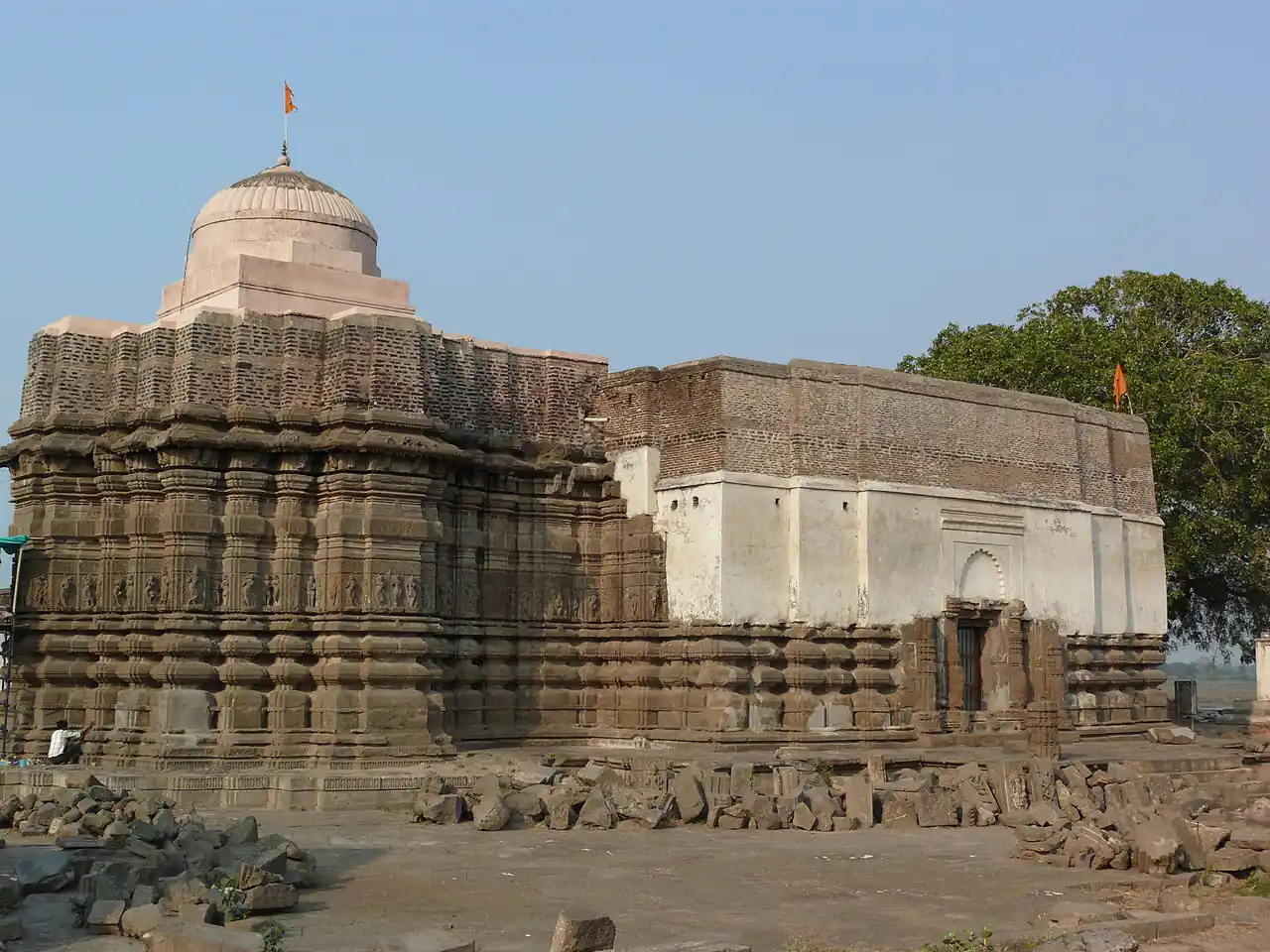
Changdeva Temple: Where Spirituality Meets Timeless Heritage
“Unveiling Maharashtra’s Hidden Gem – A Temple Built on Legends and Stones”
🔴 Brief Introduction
Nestled at the sacred confluence of the Tapi and Purna rivers in Jalgaon district, the Changdeva Temple is more than just a place of worship—it’s a living testament to India’s spiritual and architectural legacy. Dedicated to the 12th-century yogi-saint Changdev Maharaj, this temple blends mystical tales, Hemadpanthi craftsmanship, and vibrant traditions. Whether you’re a history buff, architecture enthusiast, or spiritual seeker, this temple offers a journey through time. Let’s dive into its story, stone by stone.
🟢 Detailed Introduction to Changdeva Temple, Muktainagar Taluka, Jalgaon District, Maharashtra
Nestled at the sacred confluence of the Tapi and Purna rivers in Maharashtra’s Jalgaon district, the Changdeva Temple stands as a timeless testament to India’s spiritual and architectural heritage. Dedicated to the 12th-century yogi-saint Changdev Maharaj, this ancient temple is revered not only for its religious significance but also for its Hemadpanthi architectural brilliance.
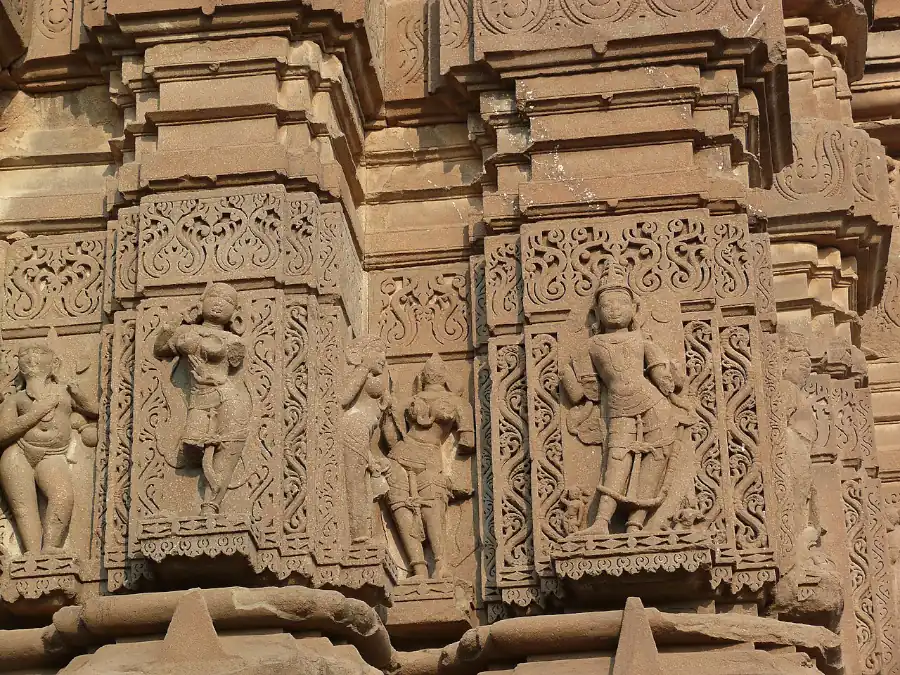
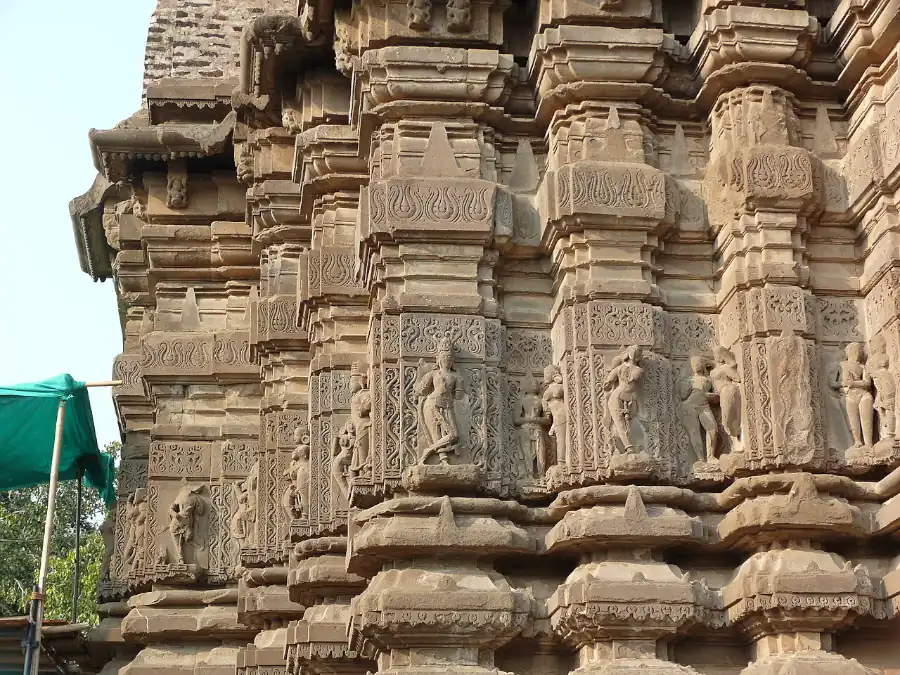
Built entirely of interlocking black basalt stones and lime mortar, the temple exemplifies the engineering prowess of medieval India. The temple’s walls are adorned with intricate carvings of celestial nymphs (apsaras) and deities, while its sanctum houses a vermilion-adorned idol of Changdev Maharaj, drawing thousands of devotees annually.
The temple’s history is steeped in legend. Changdev Maharaj, believed to have lived for 1,400 years, was a yogi who mastered control over the five elements (Bhuta Siddhi). His legendary encounter with Saint Dnyaneshwar and Muktabai — where he arrived on a tiger wielding a cobra, only to be humbled by their divine wisdom—remains a cornerstone of Maharashtra’s spiritual folklore. The temple itself is said to have been built during a mythical era of a six-month-long night, though historical records trace its origins to the 12th century.
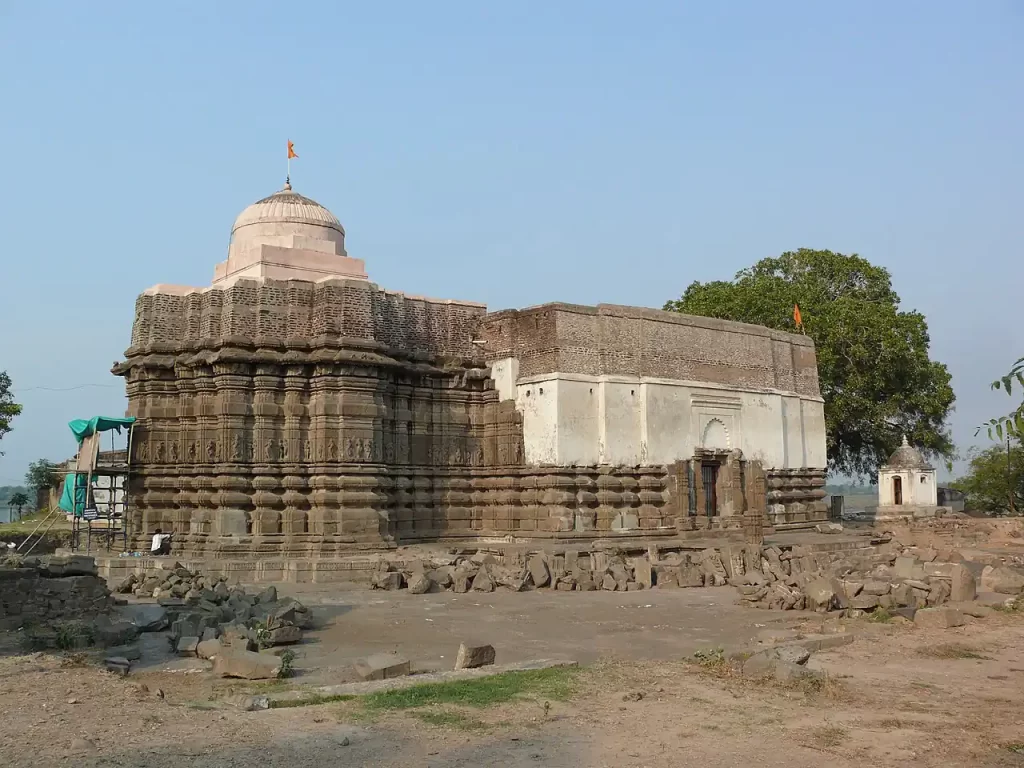
Archaeological excavations by the Archaeological Survey of India (ASI) in 2008 revealed foundations of ancient stone temples, a large Shiva Linga, and Ganpati idols near the site, underscoring its historical depth. The original structure suffered damage during the 1837 floods, but restoration efforts have preserved its grandeur. Today, the temple is a protected monument under the ASI, blending spiritual devotion with historical exploration.
Also Read
Explore Gadchiroli, Maharashtra: History, Architecture, Culture, Itineraries and Nature
The annual Mahashivaratri Fair transforms the temple into a vibrant hub of devotion and culture. Over 100,000 pilgrims flock here to participate in rituals, boat rides on the Tapi-Purna rivers, and the recitation of the Dnyaneshwari (a Marathi commentary on the Bhagavad Gita). The fair also features local markets selling handicrafts and traditional snacks, offering a glimpse into Maharashtra’s rural economy.
Architecturally, the temple’s Mandapa (Assembly Hall) spans 43 feet, supported by 16 intricately carved pillars, while the Garbhagriha (Sanctum) enshrines the saint’s idol on a raised platform. The temple’s proximity to the Hatnur Dam ensures year-round water flow in the rivers, enhancing its scenic appeal.
For history enthusiasts, the temple serves as a gateway to nearby UNESCO World Heritage Sites like the Ajanta and Ellora Caves, located 150 km away. The region’s spiritual tapestry is further enriched by sites like Shri Kshetra Audumbar (a Dattatreya pilgrimage centre) and the Panchvati Hills, ideal for trekking.
The temple’s cultural significance extends beyond religion. It is a living archive of Maharashtra’s agrarian and artisanal traditions, reflected in the local markets’ offerings of gold jewellery, cotton textiles, and banana-based products. The nearby town of Muktainagar, once known as Shri Kshetra Bhingnapur, thrives on its spiritual economy, with guesthouses and eateries catering to pilgrims.
In essence, the Changdeva Temple is not merely a place of worship but a microcosm of Maharashtra’s history, ecology, and culture. Its serene riverside setting, coupled with its architectural splendour, makes it a must-visit for seekers of both spiritual solace and historical intrigue.
Changdeva Temple: Spiritual Heritage in Maharashtra
Ready to experience divine history? Share your travel plans in the comments and download our free Maharashtra Temple Guide!
🟣 Section-by-Section Breakdown
➸ History: Legends, Floods, and Rediscovery
➸ Architecture: Hemadpanthi Grandeur in Black Stone
➸ Annual Mahashivratri Fair: A Festival of Faith
➸ How to Reach: Distances from Major Cities
➸ Nearby Attractions: Beyond the Temple
➸ Travel Tips & Climate: When to Visit
➸ Cultural Insights: Demographics, Economy, and Local Life
➸ FAQs: Your Questions Answered
🟠 Detailed Section-by-Section Breakdown
🔘 History: Where Myth Meets Archaeology
The Legend of the Six-Month Night
Local lore claims the temple was built during a mythical era when the region experienced a six-month-long night. While this tale remains unverified, it adds a layer of mystique to the temple’s origins.
Changdev Maharaj: The 1,400-Year-Old Yogi
Changdev Maharaj, the temple’s patron saint, is revered for his mastery over the five elements (Bhuta Siddhi) and his legendary encounter with Dnyaneshwar and Muktabai. According to legends, he arrived on a tiger wielding a cobra, only to be humbled by the siblings’ divine wisdom.
Rediscovery by ASI
In 2008, the Archaeological Survey of India (ASI) unearthed ancient temple foundations, Ganpati idols, and a massive Shiva Linga during excavations. The original structure suffered damage in the 1837 floods, but restoration efforts preserve its grandeur.
🔘 Architecture: Hemadpanthi Brilliance in Stone
Black Rock & Dove-Tailed Craftsmanship
Built in the Hemadpanthi style, the temple uses interlocking black basalt stones and lime mortar—no cement! The walls feature intricate carvings of Apsaras (Celestial Nymphs) and deities, reflecting the artisans’ mastery.
Layout & Dimensions
⦿ Mandapa: A 43-foot-square hall with 16 carved pillars.
⦿ Garbhagriha: Houses a vermilion-adorned idol of Changdev Maharaj on a raised platform.
⦿ External Sculptures: Depictions of Vishnu, Hanuman, and dancers adorn the walls.
ASI’s Role
Declared a protected monument, the temple’s restoration blends ancient techniques with modern masonry, ensuring its survival for future generations.
🔘 Mahashivratri Fair: A Divine Carnival
Every February, over 100,000 devotees flock here for Mahashivratri. The fair features:
⦿ Boat Rides: On the Tapi-Purna rivers, kept full year-round by the Hatnur Dam.
⦿ Varkari Pilgrims: Singing devotional songs (Abhangas) in procession.
⦿ Local Markets: Selling handicrafts, Maharashtrian snacks (Poha, Vada Pav), and ritual items.
🔘 How to Reach: Distance from Major Cities
| City | Distance (km) | Travel Mode |
| Jalgaon | 85 km | Road |
| Aurangabad | 150 km | Road |
| Pune | 335 km | Road |
| Mumbai | 425 km | Road/Train |
| Delhi | 1,150 km | Flight + Road |
Nearest Airport: Aurangabad (150 km).
Nearest Railway Station: Jalgaon Junction (85 km).
Note: Distance is approximate and travel time may vary. Please check with google maps or local authorities before travelling.
Also Read
Unveiling Sangli, Maharashtra – A Land of History, Culture, Rivers and Agriculture
🔘 Best Places to Visit with Granular Details
➸ Ajanta & Ellora Caves (150 km): UNESCO World Heritage Sites featuring rock-cut Buddhist, Hindu, and Jain temples adorned with ancient murals and sculptures.
➸ Panchvati Hills (25 km): Offers trekking trails with panoramic views of the Tapi River valley.
➸ Hatnur Dam (30 km): A scenic spot for boating and picnics, crucial for irrigation and hydroelectric power in the region.
➸ Shri Kshetra Audumbar (15 km): A Dattatreya pilgrimage site surrounded by ancient banyan trees.
🔘 Travel Tips & Climate
➸ Best Time to Visit: October–March (Cool, 10°C – 30°C).
➸ Monsoon (June–September): Lush greenery but slippery paths.
➸ Summer (April–June): Hot (up to 48°C) — carry water!.
🔘 Cultural Insights: Life in Muktainagar
⦿ Demographics: 4,436 villagers, 49.8% female, literacy rate 69.4%.
⦿ Economy: Cotton farming, Banana plantations, and Gold trading.
⦿ Local Cuisine: Try Bhakri (Millet Bread) and Pithla (Chickpea Curry).
🔘 Best Places for Refreshments with Authentic Local Food
➸ Jai Mata Di Pani Puri & Bhel Center (Changdev Village): A beloved street-food stall serving crispy Pani Puri and tangy Bhel Puri, prepared with fresh local ingredients.
➸ Hotel Gokul (Muktainagar): Renowned for its Pithla Bhakri (Chickpea Curry with Millet Bread) and Shev Bhaji (Fried Snacks in Spicy Gravy), this restaurant offers a rustic Maharashtrian dining experience.
➸ Hotel Sayali Restaurant (Muktainagar): Specialises in Zunka Bhakar (Spiced Gram Flour with Sorghum Bread) and Varhadi Chicken, a fiery regional delicacy.
➸ Local Fair Stalls (Mahashivaratri Fair): During the festival, stalls serve Sabudana Khichdi, Puran Poli (Sweet Flatbread), and Mango Aamras (Mango Pulp).
🔘 Where to Stay
➸ Hotel Flora (Muktainagar): Budget-friendly with AC rooms and proximity to the temple.
➸ Hotel Gitanjali (Muktainagar): Mid-range option offering traditional Maharashtrian hospitality.
➸ Hotel Royal Palace (Jalgaon): Luxury stay with modern amenities, 85 km from the temple.
Note: Hotel rates are subject to change and may vary based on factors like seasonality, availability, and promotions. Taxes, service charges, and other applicable fees are not always included in displayed rates.
🔘 Notable People and Their Work
➸ Changdev Maharaj: 12th-century Yogi-saint, Central Figure of the Temple, known for Bhuta Siddhi (Elemental Control).
➸ Saint Dnyaneshwar: Philosopher-poet whose encounter with Changdev Maharaj is legendary.
➸ Muktabai: Spiritual guide to Changdev Maharaj, revered in the Varkari sect.
🔘 Demographics of the Region
⦿ Population: 4,000 in Changdev Village (49.8% female).
⦿ Literacy Rate: 69.4%.
⦿ Languages: Marathi (primary), Ahirani, Hindi.
🔘 Climatic Conditions
☀️ Summer (March–June): Scorching (up to 48°C), Dry Winds.
🌧️ Monsoon (July–September): 700 mm rainfall, lush greenery.
☁️ Winter (October–February): Pleasant (10°C – 25°C), Ideal for Tourism.
🔘 Talukas in Jalgaon District
➸ Jalgaon
➸ Muktainagar
➸ Amalner
➸ Chopda
➸ Pachora
➸ Chalisgaon
➸ Parola
➸ Yawal
➸ Raver
➸ Bhusawal
➸ Erandol
➸ Jamner
➸ Bhadgaon
➸ Dharangaon
➸ Bodwad
🔘 Industrial Development and Key Industries
⦿ Agriculture: Cotton, bananas, and sugarcane dominate; Jalgaon is India’s “Banana Capital”.
⦿ Gold Trade: Jalgaon’s gold market is among Maharashtra’s largest.
⦿ Textiles: Cotton mills and processing units in Bhusawal.
🔘 Sectional Breakdown with Local Insights
Local Interview: Ramesh Patil, a Muktainagar shopkeeper, shares, “The Mahashivaratri fair boosts our economy — vendors from Nashik and Aurangabad sell handicrafts and spices here”.
🔘 3-Day Itinerary:
⦿ Day 1: Temple Visit + Boat Ride.
⦿ Day 2: Ajanta Caves Exploration.
⦿ Day 3: Panchvati Hills Trek.
🔘 Historical Timeline:
⦿ 12th century: Temple Construction.
⦿ 1837: Flood damages Original Structure.
⦿ 2008: ASI Excavations.
This comprehensive guide blends spirituality, history, and local culture, ensuring a holistic exploration of Changdeva Temple and its surroundings.
➤ FAQs
Why is Changdeva Temple famous?
For its Hemadpanthi Architecture and association with Yogi Changdev Maharaj.
Can I visit during Monsoons?
Yes, but roads may be muddy. October–March is ideal.
Are Guided tours available?
Local guides offer insights into the temple’s history and legends.
➤ Conclusion
The Changdeva Temple is a symphony of faith, history, and artistry. From its mythical origins to its vibrant festivals, every stone here whispers a story. Whether you’re meditating by the river or marvelling at the carvings, this temple promises a transformative journey.
➤ Sources:
➸ Wikipedia – Changdeva Temple
➸ Maharashtra Tourism
➸ Puratattva: Changdev’s Spiritual Bond
Image Credit
➸ Wikimedia Commons – Changdev Temple Muktainagar Dist Jalgaon P1220210 (2)
➸ Wikimedia Commons – Changdev Temple Muktainagar Dist Jalgaon P1220210 (3)
➸ Wikimedia Commons – Architchture on the Changdev Temple walls Muktainagar Dist Jalgaon P1220210 (20)
➸ Wikimedia Commons – Architchture on the Changdev Temple walls Muktainagar Dist Jalgaon P1220210 (22)
For more information, you can visit our website: ExploreXP