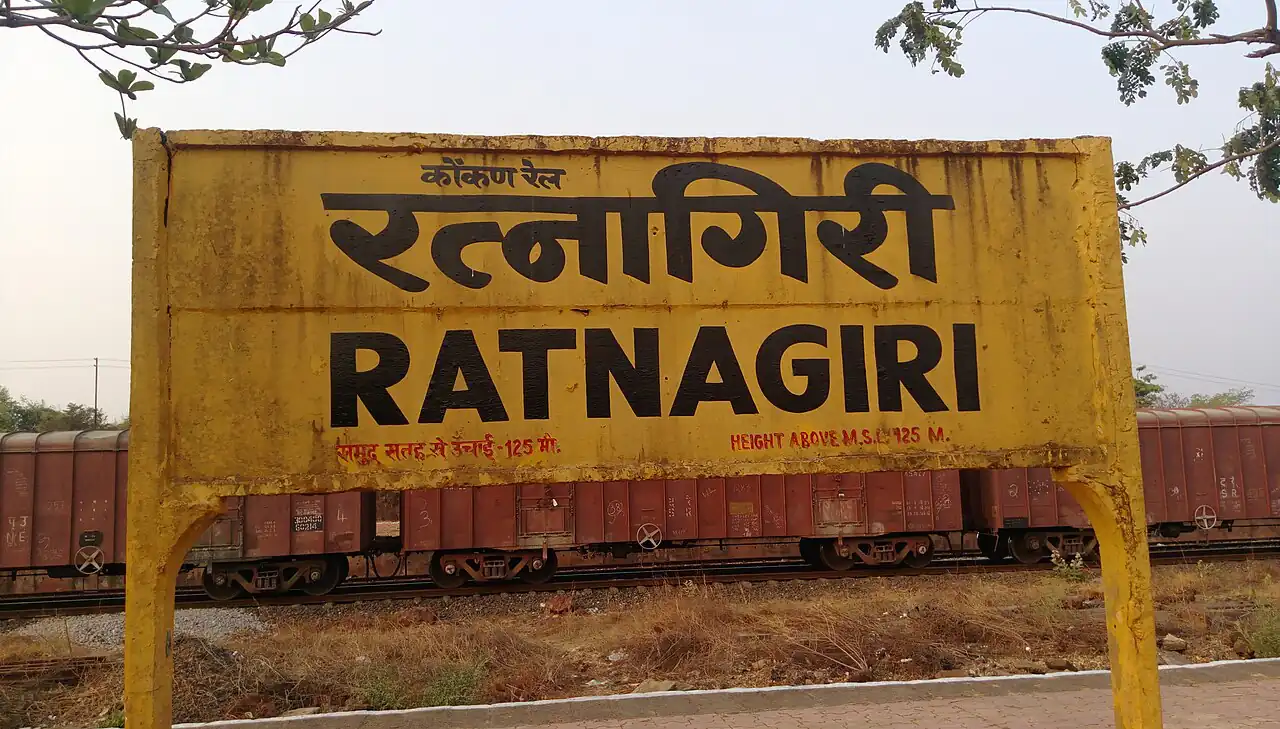
“Ratnagiri: Where Golden Mangoes, Colonial Echoes, and Azure Waves Collide”
🔴 Introduction: The Allure of Ratnagiri
Nestled along the Konkan coast of Maharashtra, Ratnagiri is a treasure trove of history, culture, and natural beauty. Known globally for its succulent Alphonso mangoes (Hapus), this port city is more than just a tropical paradise—it’s a living museum of India’s freedom struggle, colonial legacies, and architectural marvels. Let’s embark on a journey through its sun-kissed beaches, ancient forts, and vibrant markets.
🟢 Detailed Introduction:
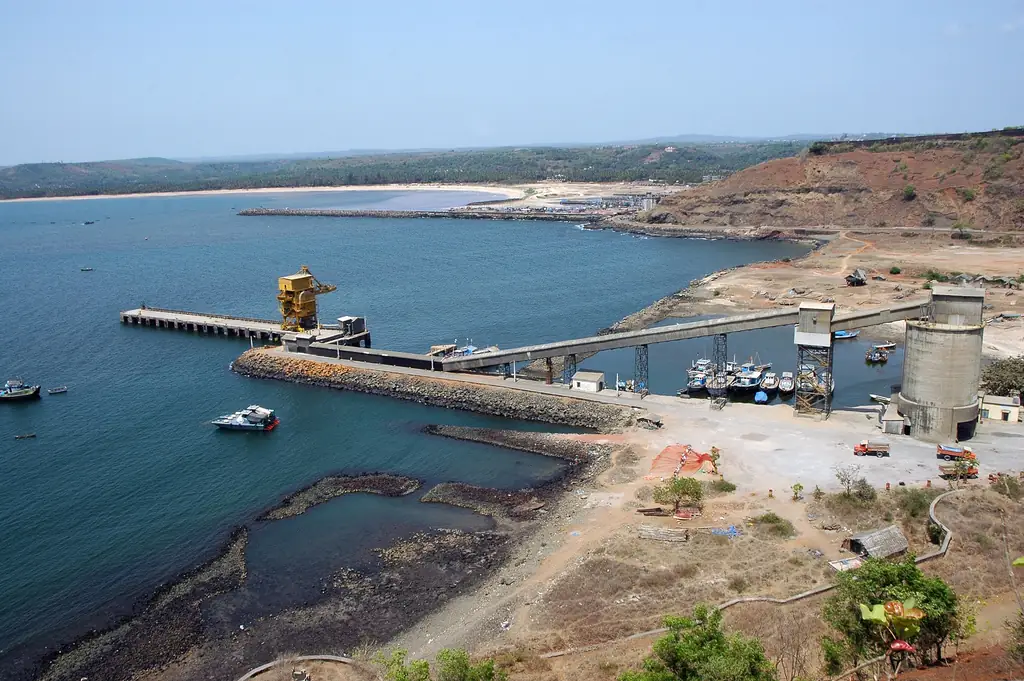
Ratnagiri is a distinctive coastal district located in the Konkan region of Maharashtra, India. It has earned recognition not only for its scenic beauty along the Arabian Sea but also for its multifaceted cultural and historical heritage. This region seamlessly blends the vibrancy of contemporary life with deep-rooted traditions, making it a unique destination for both residents and visitors alike.
Historically, Ratnagiri has been an important centre of trade and maritime activity. The district’s strategic location along the coast made it a vital hub for shipping routes between India and other parts of Asia and Europe. Over the centuries, these interactions enriched the cultural fabric of the region, influencing its architecture, cuisine, and local customs.
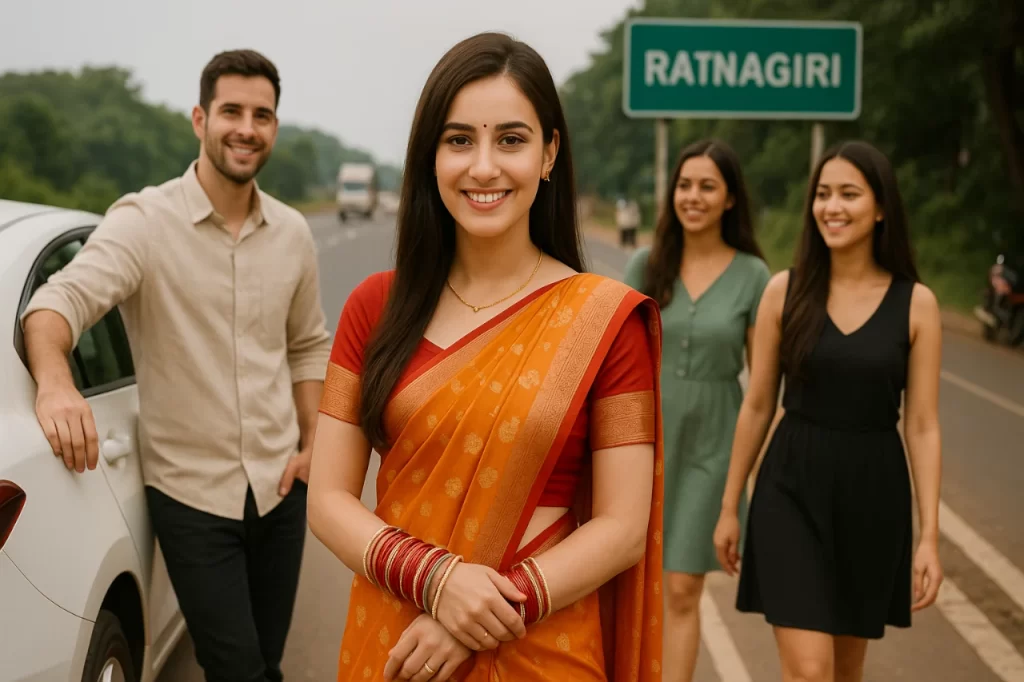
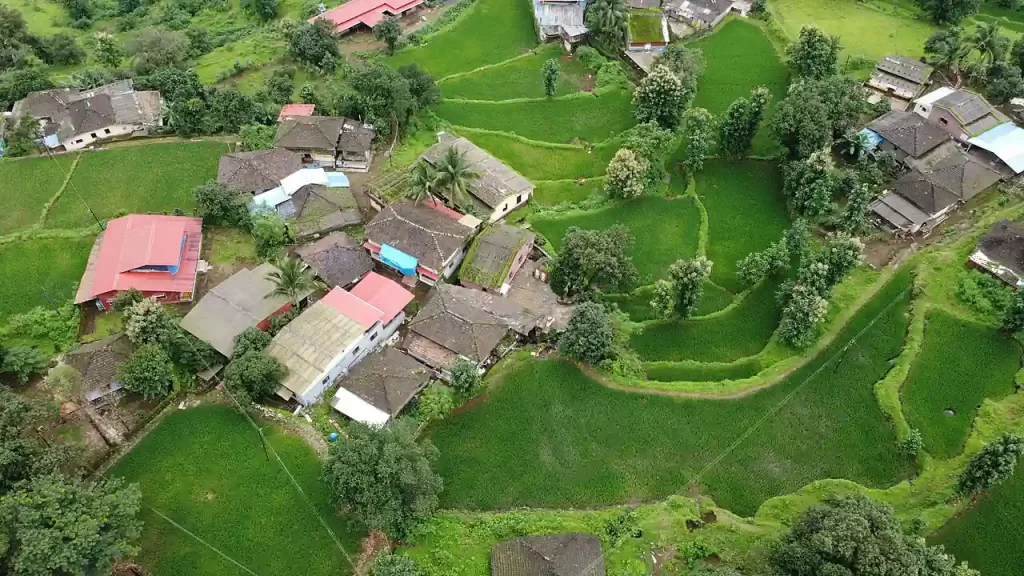
The natural geography of Ratnagiri is characterised by a mesmerising blend of rugged hills, lush green forests, and pristine beaches. Its coastline is dotted with secluded coves and wide sandy shores that attract tourists and nature enthusiasts in search of tranquility and unspoiled natural beauty. This landscape also provides a habitat for diverse flora and fauna, contributing to its allure as an ecotourism destination.
Tourism in Ratnagiri has grown considerably, thanks to its abundance of historical sites, temples, and natural attractions. Visitors are drawn to its ancient forts, temples imbued with local folklore, and panoramic viewpoints that offer breathtaking vistas of the Arabian Sea. The region’s tourism infrastructure, supported by both government initiatives and private partnerships, ensures that travellers have access to comfortable accommodations, guided tours, and authentic culinary experiences.
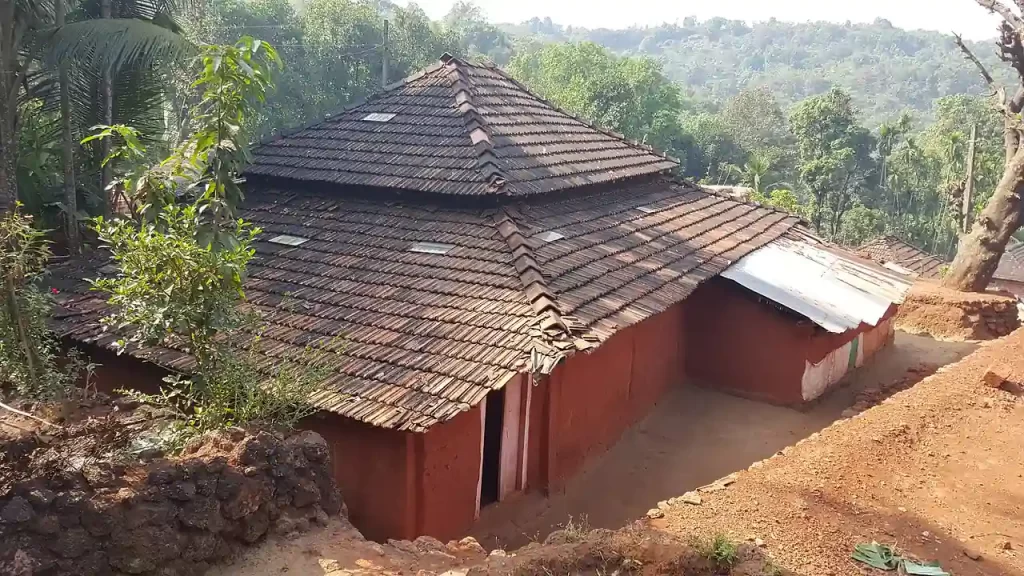
Culturally, Ratnagiri is a vibrant tapestry of traditions and festivities. The local population, predominantly Marathi-speaking, celebrates a range of festivals with zeal—be it Ganesh Chaturthi, Diwali, or locally significant fairs that honour the region’s maritime traditions. These celebrations not only offer a glimpse into the local way of life but also serve as a means of preserving the district’s rich heritage for future generations.
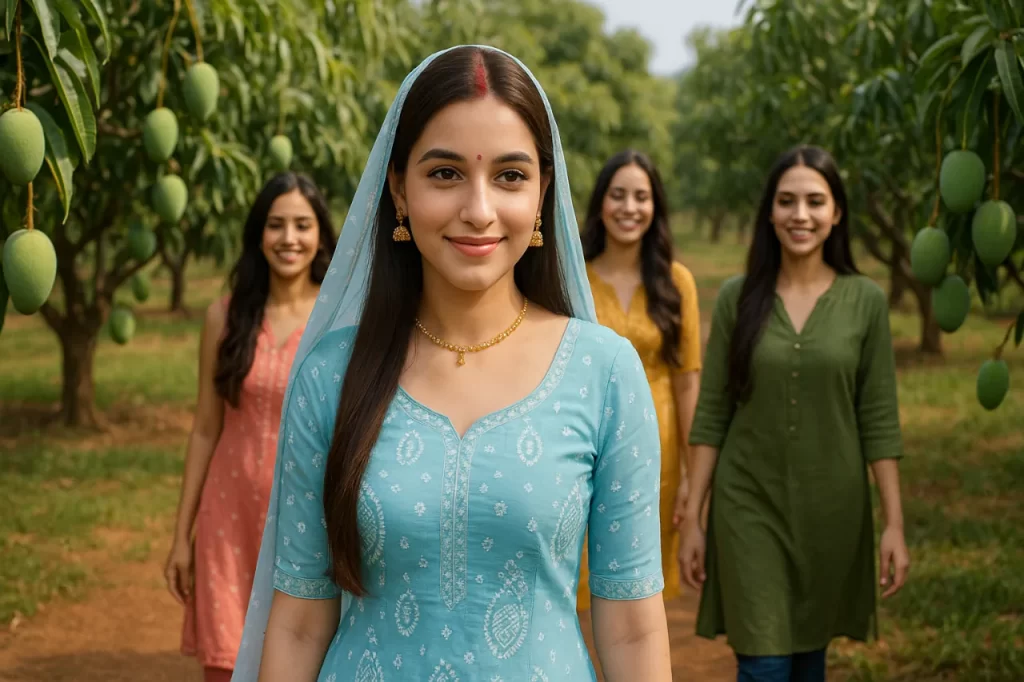
Economically, the district has a diversified profile. Agriculture and horticulture play a key role, with the region being famous for its Alphonso mangoes and other tropical fruits. In addition, the fishing industry forms a cornerstone of the local economy, supported by the abundant marine resources along the coast. Modern industries and small-scale enterprises further contribute to the region’s economic stability, blending tradition with innovation.
Also Read
Kas Plateau Reserved Forest, Maharashtra: A Natural Marvel of Biodiversity and Cultural Heritage
Another prominent aspect of Ratnagiri is its strong maritime legacy, which continues to influence both the lifestyle and the economic activities of its inhabitants. The district’s ports not only facilitate the export of local produce but also symbolise a long-standing relationship with the sea. This deep connection with maritime culture is evident in local culinary traditions and the festivals that celebrate the bounty of the ocean.
Modern infrastructure in Ratnagiri complements its natural and cultural attractions. Enhanced connectivity through road and rail networks has boosted accessibility to remote corners of the district, fostering economic development and tourism. The district authorities continue to invest in infrastructure projects while striving to maintain the environmental integrity and heritage of the area.
The public administration and law enforcement in Ratnagiri are noteworthy for their commitment to maintaining safety and order. The district police, for instance, work diligently to ensure that both locals and tourists experience a secure environment. Their efforts in community policing, traffic management, and crisis response are critical in supporting the overall well-being of the area, reflecting the efficiency of local governance.
In summary, Ratnagiri stands out as an exemplary blend of natural splendour, historical depth, and cultural richness. It’s enduring legacy as a maritime hub coupled with modern developments makes it a dynamic destination that offers something for everyone. Whether one is drawn by its tranquil beaches, its famed Alphonso mangoes, or its vibrant festivals, Ratnagiri remains a captivating region that continues to evolve while cherishing its storied past.
🟣 Section-by-Section Breakdown of the Article
⦿ History & Architecture: From the Bijapur Sultanate to British rule.
⦿ Geography & Climate: Monsoon magic and winter escapes.
⦿ How to Reach: Road, rail, and air connectivity.
⦿ Best Places to Visit: Thibaw Palace, Ratnadurg Fort, and more.
⦿ Local Culture & Cuisine: Konkani flavors and handicrafts.
⦿ Travel Itineraries: 3-day monsoon trails, summer beach guides.
⦿ Demographics & Economy: Taluka insights, Alphonso trade.
⦿ FAQs & Travel Tips: Weather, transport hacks, mango seasons.
➤ Detailed History & Architecture
➨ Historical Timeline
❉ Pre-Colonial Era: Ratnagiri served as a strategic port under the Bijapur Sultanate (15th century). The iconic Ratnadurg Fort was built here as a maritime defence post.
❉ Maratha Reign: Reconstructed by Chhatrapati Shivaji Maharaj in 1670, the fort became a key stronghold against European invaders.
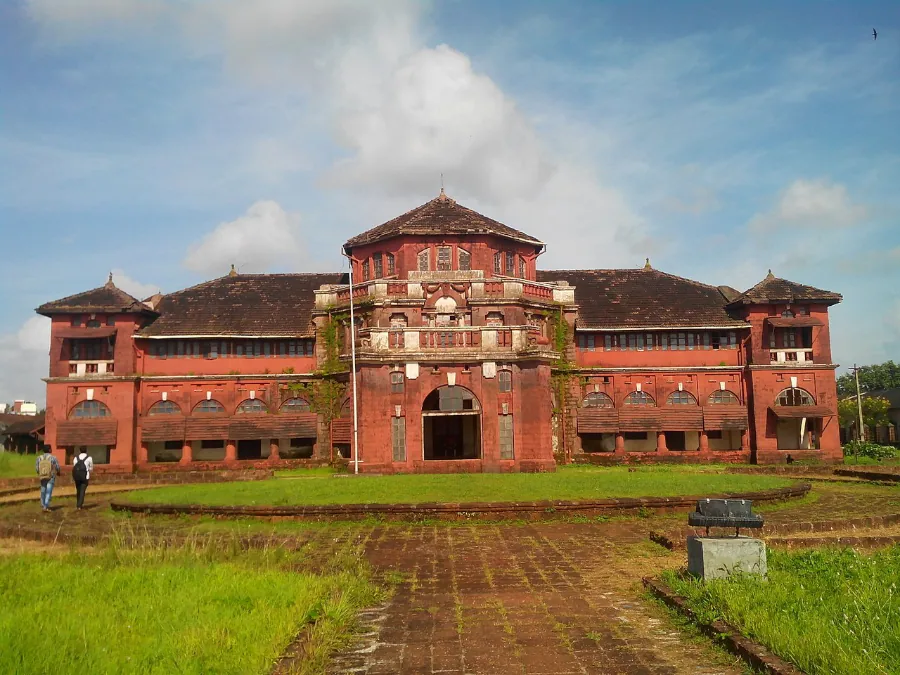
❉ British Annexation: After the Third Anglo-Maratha War (1818), Ratnagiri became a British district. It later housed exiled Burmese King Thibaw in the Thibaw Palace (1886–1916).
❉ Freedom Struggle: Birthplace of Lokmanya Tilak (1856), whose childhood home is now a memorial.
➨ Architectural Marvels
❉ Thibaw Palace: A Victorian-Gothic mansion with Burma teakwood interiors. Local Insight: “The palace’s sunset views are surreal”, says historian Rajesh Patil.
❉ Ratnadurg Fort: A 17th-century sea fort with a 2-km-long wall and a hidden tunnel system.
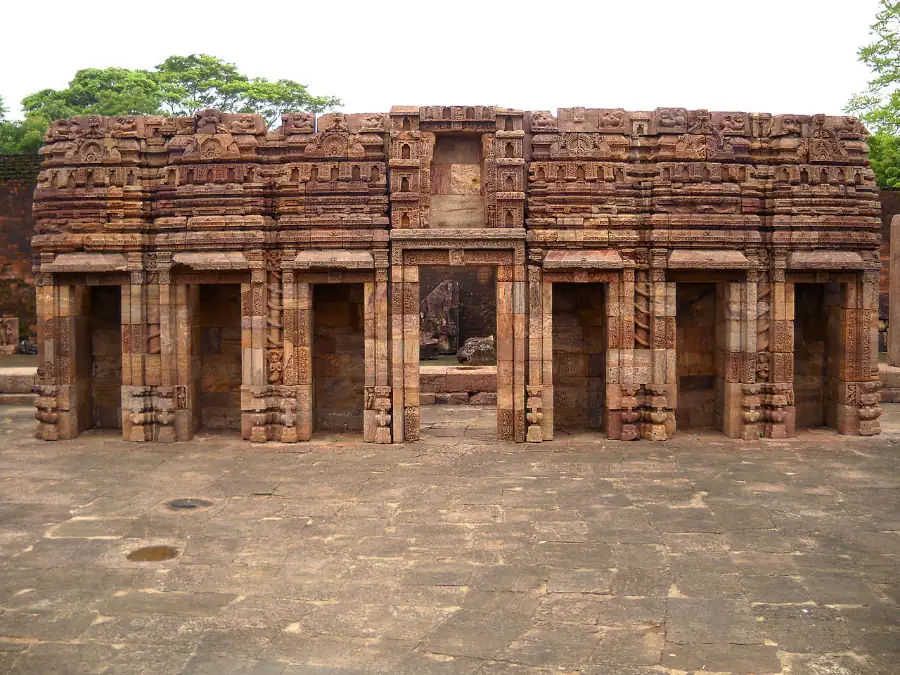
❉ Maruti Temple: A 400-year-old shrine with intricate Hemadpanthi carvings.
➤ How to Reach Ratnagiri
| City | Distance (km) | Travel Time |
| Goa (Panaji) | 300 km | 6 hrs by road |
| Mumbai | 330 km | 7 hrs by road |
| Pune | 375 km | 8 hrs by road |
| Bengaluru | 840 km | 14 hrs by road |
➨ Best Routes:
❉ By Road: NH66 offers scenic coastal drives. Private buses from Mumbai/Pune cost ₹800–₹1,200.
❉ By Rail: Konkan Railway connects Ratnagiri to Delhi (Mangala Express), Mumbai (Mandovi Express), and Kerala.
❉ By Air: Nearest airports are Goa (170 km) and Pune (240 km).
Note: Distance is approximate and travel time may vary. Please check with google maps or local authorities before travelling.

➤ Best Places to Visit
➸ Thibaw Palace
❉ How to Reach: 3 km from city centre; auto-rickshaws charge ₹50.
❉ Best Time: October–March (cool weather).
❉ Nearby Attractions: Bhagwati Mandir, Ratnagiri Beach.
➸ Ratnadurg Fort
❉ Key Feature: Lighthouse offering panoramic Arabian Sea views.
❉ Local Tip: Hire a guide (₹200) to explore hidden tunnels.
➸ Marine Biological Research Station
❉ Highlight: Interactive aquariums and rare marine species exhibits.
➤ Local Culture & Cuisine
➨ Festivals:
❉ Hapus Utsav (May): Mango tasting, folk dances.
❉ Ganesh Chaturthi: Grand processions with Konkani Dhol beats.
➨ Food to Try:
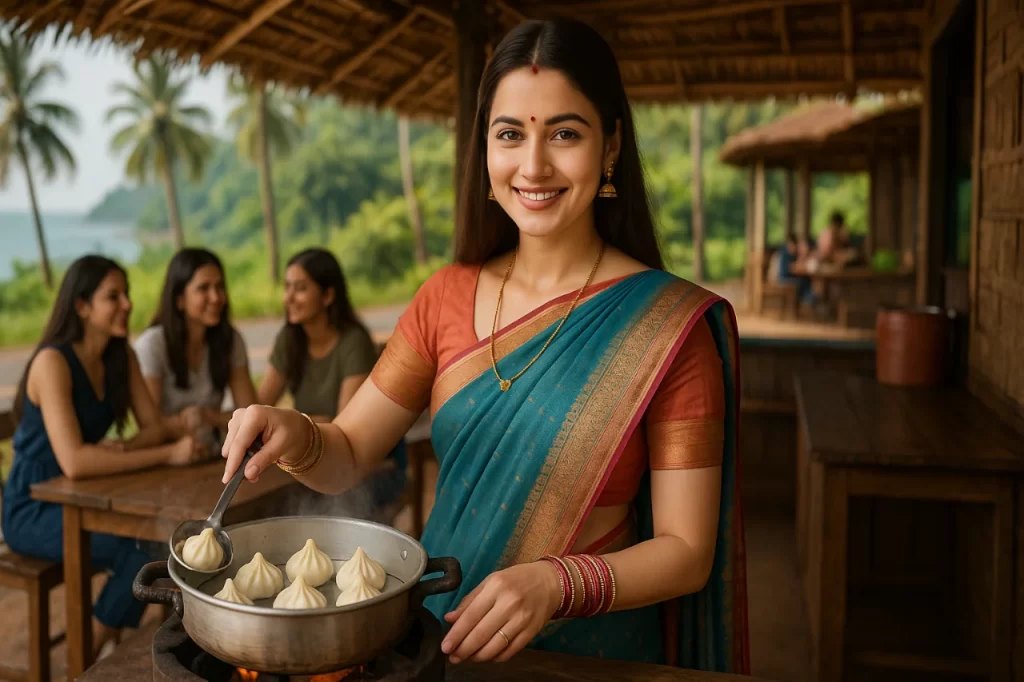
❉ Malvani Fish Curry: Spicy coconut-based delicacy.
❉ Amboli: Rice pancake served with chutney.
➨ Handicrafts:
❉ Konkani Jewellery: Seashell necklaces from local markets like Shivaji Chowk.
➤ Travel Itinerary (3-Day Monsoon Plan)
⦿ Day 1: Explore Thibaw Palace → Ratnadurg Fort → Sunset at Mandvi Beach.
⦿ Day 2: Visit Tilak Memorial → Marine Research Station → Local mango farms.
⦿ Day 3: Day trip to Ganpatipule Temple (67 km away).
➤ Demographics & Economy
❉ Talukas: Ratnagiri, Mandangad, Dapoli, Khed, Chiplun, Guhagar.
❉ Languages: Marathi (80%), Malvani Konkani (15%), Hindi.
❉ Economy: Alphonso mango exports (₹1,200 crore/year), fishing, and tourism.
➤ Notable Personalities:
❉ Lokmanya Tilak: Freedom fighter.
❉ Vinayak Damodar Savarkar: Revolutionary writer & Freedom fighter.
➤ FAQs
When is the best time to visit Ratnagiri?
October–March for pleasant weather; May for Mango harvests.
Are there direct flights to Ratnagiri?
No, fly to Goa/Pune and drive/take a train.
“Ready to explore Ratnagiri’s hidden gems? Book your Konkan adventure today and savour the taste of golden Hapus mangoes!”
➤ Conclusion
Ratnagiri captivates with its blend of coastal serenity and historical grandeur. Whether you’re tracing Lokmanya Tilak’s footsteps or relishing monsoon treks, this Konkan jewel promises unforgettable memories.
➤ Sources:
➸ Maharashtra Tourism – Ratnagiri
➸ GMC Ratnagiri
➸ Ratnagiri Police District Portal
Image Credit
Featured Image Credit: Wikimedia Commons
For more information, you can visit our website: ExploreXP
Latest Posts
- 4 Steps to Teach English in Vietnam (Complete 2026 Guide)

- The Complete Guide to Living in Ho Chi Minh City, Vietnam
- What Living in Hanoi Is Really Like for Foreigners
- Expat vs Immigrant: What’s the Real Difference?
- 7 Best Places to Live in Mexico Right Now: A Complete Guide
- Best Places to Live in Thailand: A Complete Guide for Expats in 2026