Living in Mexico City can be exciting, overwhelming, rewarding, and occasionally frustrating—all at the same time. Mexico City is one of those places that can surprise you fast. It is huge, energetic, a little chaotic, and full of everyday moments that make you think, “Okay, this city really does have a personality.” For expats, that is part of the appeal. This Mexico City expat guide explores what daily life is really like, including safety, housing, visas, neighborhoods, weather, and the cost of living before you make the move.
Also Read: Explorexp blog
Quick Answer
Living in Mexico City offers a mix of culture, affordability, career opportunities, and urban convenience that appeals to many expats and digital nomads. While challenges such as traffic, air quality, and rising housing costs exist, the city provides excellent public transportation, diverse neighborhoods, world-class food, and a lower cost of living than many major North American cities. It is best suited to people who enjoy big-city living, cultural experiences, and walkable neighborhoods rather than a slower-paced beach lifestyle.
Key Takeaways
- Living in Mexico City offers a mix of culture, affordability, public transportation, and urban convenience that appeals to many expats and digital nomads.
- Popular neighborhoods for newcomers include Roma Norte, Condesa, Juárez, Narvarte, San Rafael, and Polanco.
- While Mexico City is generally manageable for expats, safety depends heavily on neighborhood choice and everyday habits.
- Spanish is not strictly required, but it makes housing, banking, transportation, and daily life significantly easier.
- Many long-term expats use a Temporary Resident Visa when staying in Mexico for more than 180 days.
- Housing costs, transportation expenses, and lifestyle choices have the biggest impact on your overall cost of living.
- Mexico City is best suited to people who enjoy large, fast-paced cities rather than beach destinations or quieter retirement communities.
Living in Mexico City: Things to Consider
If you are thinking about living in Mexico City, the first thing to understand is that this is not a beach town or a slow-moving expat bubble. It is a capital city with a huge population, heavy traffic, busy streets, and a pace that can feel intense at first. The upside is that you get access to excellent restaurants, museums, parks, neighborhoods with very different personalities, and enough variety to keep life interesting for years. The downside is that you have to get comfortable with noise, crowds, and the occasional dose of urban frustration.
The city also rewards flexibility. Some blocks feel polished and walkable, while others a few minutes away can feel rougher or more chaotic. That block-by-block contrast is normal here, so it is worth taking your time before choosing where to live. If you are still deciding where in Mexico to settle, our guide to the best places to live in Mexico provides a helpful overview of the country’s top destinations. From there, comparing Mexico City with destinations such as Playa del Carmen or Mérida can help you understand how lifestyle, climate, and living costs differ across the country.
Is Mexico City Safe?
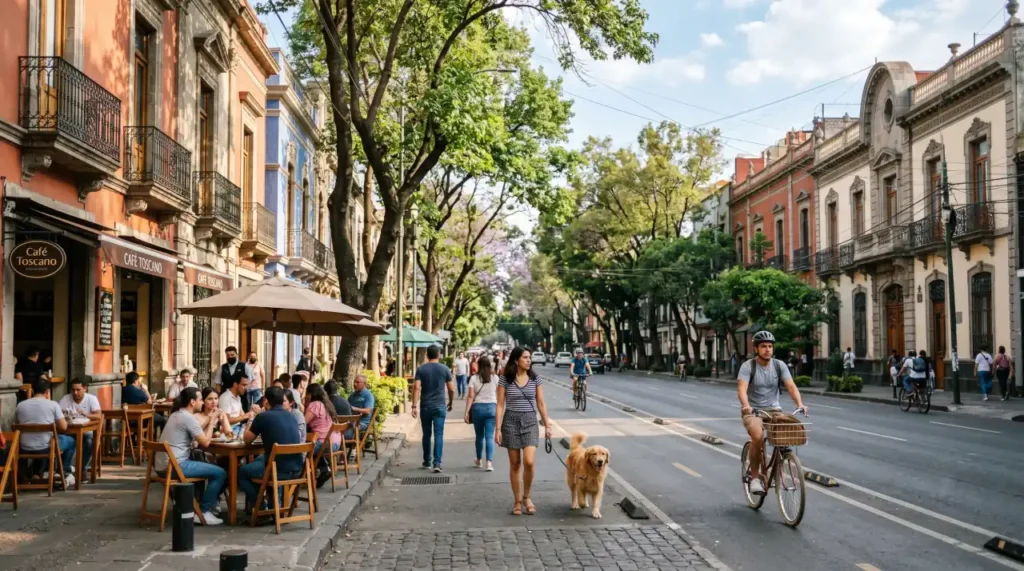
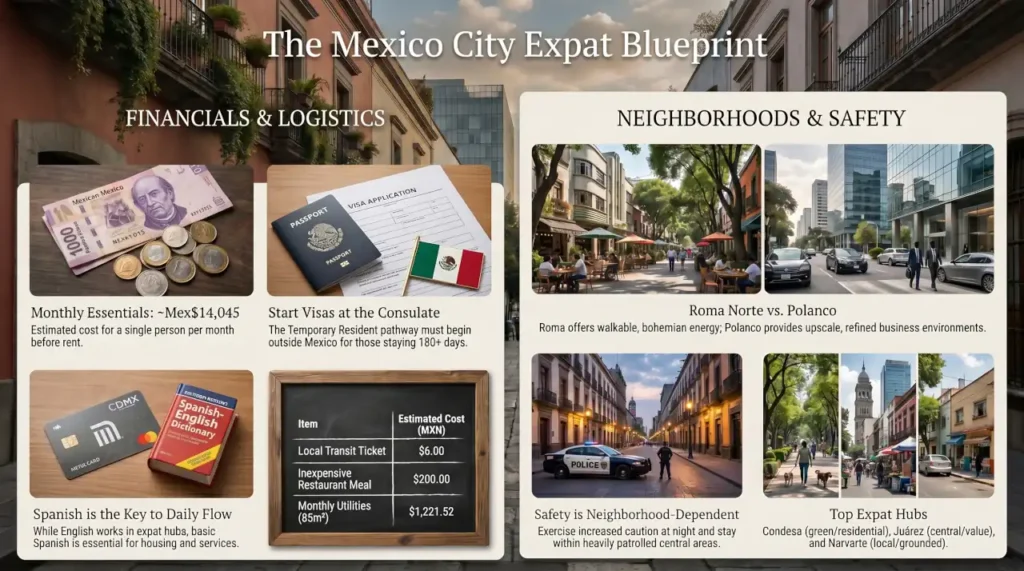
This is the question almost everyone asks first, and the honest answer is: Mexico City is not risk-free, but it is also not the scary place many first-time visitors imagine. According to the U.S. Department of State’s Mexico Travel Advisory, travelers should exercise increased caution in Mexico City due to crime. While most expats experience normal day-to-day life without major issues, understanding local safety practices is an important part of settling successfully. It also says petty crime is common and that extra caution is especially important at night and outside the more heavily patrolled popular areas.
That does not mean you should panic. It means you should live like an adult in a big city. Choose your neighborhood carefully, use trusted transport at night, keep your phone out of sight when you are walking, and pay attention when you are in crowded places. Most expats who settle in central areas build a routine pretty quickly and feel comfortable after the first few weeks.
One experience many newcomers mention is that Mexico City often feels less intimidating after the first month. Once people learn which neighborhoods they use most often, how public transportation works, and which areas to avoid late at night, daily life usually becomes far more predictable. The city has real safety issues, but it also has millions of people living normal, productive lives every day.
The practical truth is that your experience often depends more on where you live and how you move around than on the city as a whole. A calm street in Roma Norte feels very different from a busy avenue in another part of town. That is why neighborhood choice matters so much here.
What Is the Cost of Living Like in Mexico City?
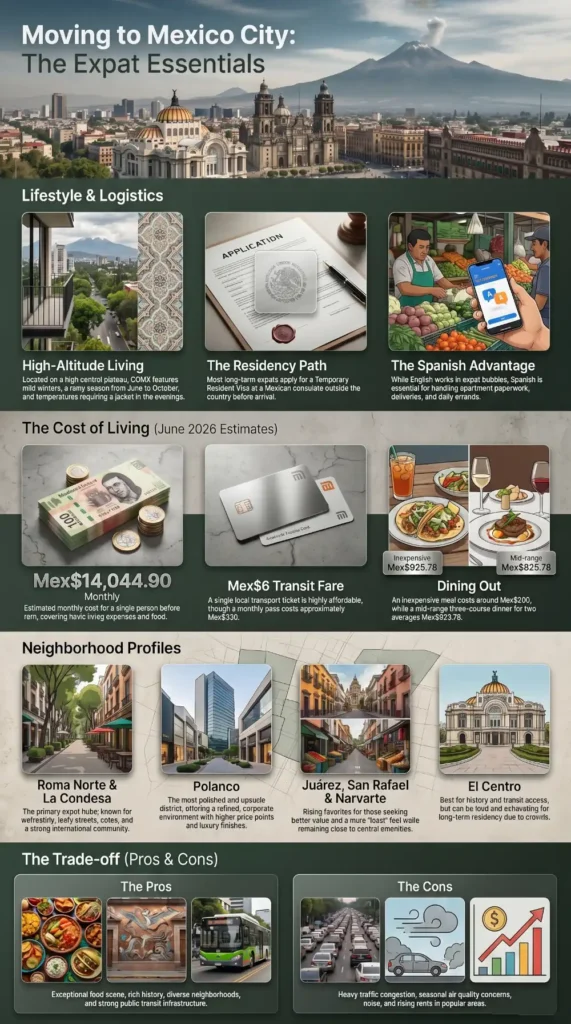
Mexico City is not as cheap as it used to be, especially in the neighborhoods expats tend to like most. Still, it is often more affordable than major U.S. or Canadian cities, depending on your lifestyle. Numbeo’s June 2026 snapshot estimates a single person’s monthly costs at about Mex$14,044.9 before rent, and it lists a one-way local transport ticket at Mex$6, a monthly public transport pass at about Mex$335, and basic monthly utilities for an 85 m² apartment at about Mex$1,221.52. It also shows an inexpensive restaurant meal at about Mex$200 and a mid-range three-course meal for two at about Mex$925.78.
Cost estimates change regularly, so it is worth checking the latest figures directly on Numbeo before finalizing your relocation budget.
What matters more than the headline numbers is your lifestyle. A digital nomad working from cafes, ordering Ubers, and renting in Roma or Condesa will spend a lot more than someone who uses the metro, shops locally, and chooses a quieter area. Rent is usually the biggest swing factor.
A common surprise for new arrivals is how quickly small daily expenses add up. Coffee shops, coworking memberships, ride-hailing apps, and frequent restaurant meals can push monthly spending well beyond an initial budget, particularly in Roma, Condesa, and Polanco. In the central neighborhoods, good furnished apartments can get expensive fast, and the trend has been especially noticeable in the most in-demand parts of the city.
A realistic monthly budget with a contingency buffer is one of the smartest financial preparations you can make before moving. If affordability is one of your biggest priorities, it may also be worth exploring Central Mexico Cities where many expats can live comfortably on a smaller monthly budget.Mexico City has a habit of tempting you into spending a little more on food, coffee, and weekends than you planned. That is not necessarily a bad thing, but it is worth knowing upfront.
Common challenges include:
- Heavy traffic
- Air pollution during certain months
- Rising rents in popular neighborhoods
- Language barriers for non-Spanish speakers
- Longer commutes than expected
Do You Need to Speak Spanish to Live in Mexico City?
No, not absolutely. You can get by with English in some expat-heavy areas, coworking spaces, and certain apartment searches. But if you actually want daily life to feel smooth, Spanish helps a lot. The city is not built around English the way some global capitals are.
Basic Spanish will make it easier to handle apartment paperwork, talk to landlords, ask for help, deal with deliveries, and feel less dependent on apps or other people. According to Encyclopaedia Britannica, Mexico has the world’s largest Spanish-speaking population, which gives newcomers a good sense of how important Spanish is in daily life outside tourist-focused areas.
The good news is that you do not need perfect Spanish to start. A friendly attitude, a few core phrases, and a willingness to learn will take you a long way. In central Mexico City, people are used to foreigners, and many expats slowly build confidence through classes, language exchanges, and day-to-day life. If you are serious about staying for more than a few months, Spanish stops being optional in practice, even if it is not legally required.
What Is Mexico City’s Weather Like?
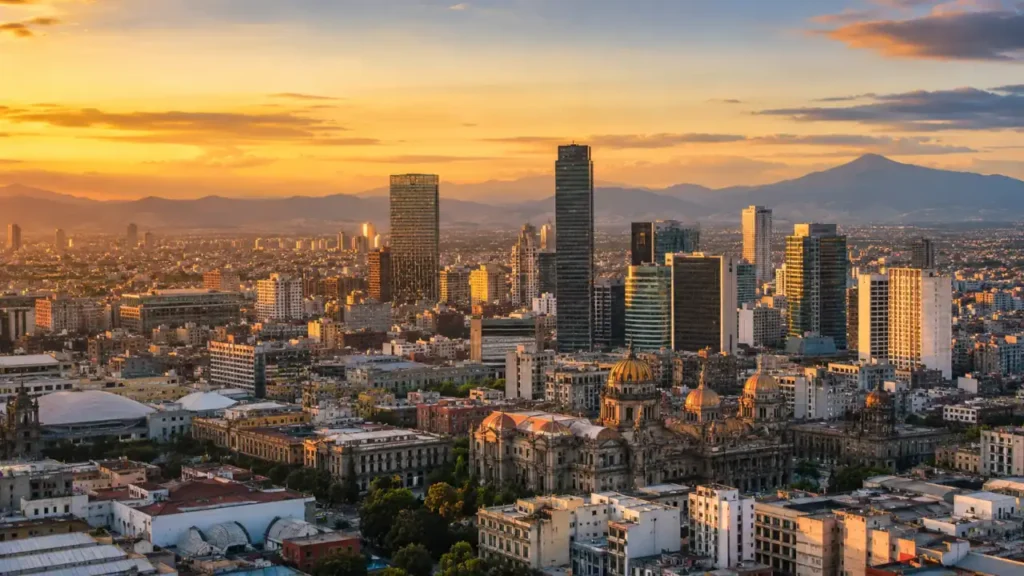
Mexico City has a pleasant climate compared with many major cities, but it is also a high-altitude city, so the weather feels different from what many newcomers expect from Mexico. The city government describes the climate as generally pleasant year-round, with mild winters and the hottest months usually being April and May. The rainy season runs from June through early October, and most of the annual rainfall comes in that period. The city government also notes that Mexico City is a high-altitude location, so visitors and residents should take that into account.
Britannica also places Mexico City in the high central plateau, which helps explain why the weather is milder than people expect. In real life, this means you may need a jacket in the evening, even after a sunny day, and you will also want to be ready for sudden afternoon rain in the wet season. If you are moving from a tropical beach town, that contrast can take a little getting used to.
Air quality is another factor worth considering. Like many large metropolitan areas, Mexico City can experience periods of reduced air quality, particularly during drier parts of the year, which may be important for people with asthma or other respiratory conditions.
If you like climate that feels balanced rather than extreme, Mexico City often works well. If you want year-round beach heat, it is probably the wrong fit. That is why many expats also compare Mexico City with places like Living in Mérida if they prefer consistently warmer weather, or Living in Cancun if they want a coastal lifestyle before deciding where to settle long term.
Is It Easy to Get Visas for Mexico?
Mexico is fairly approachable for many expats, but the visa path is not something you should treat casually. The official Mexican consulate says the temporary resident visa is for foreign visitors who intend to stay in Mexico for more than 180 days and less than four years. That is the route many longer-term visitors look at when they want to live in the country beyond the usual tourist stay.
For remote workers, the process often starts outside Mexico at a consulate, not after arrival. That is an important detail because many people assume they can sort it out later once they land. If you are exploring remote work options alongside residency pathways, it may also be worth reviewing available Thailand Digital Nomad Visa options to understand how different countries structure long-term remote work visas before deciding which destination best fits your lifestyle. In Mexico, the practical answer for many expats is not a special digital nomad label, but a temporary resident path that fits a longer stay.
The main thing to remember is that visa planning should happen early. Do not build your move on assumptions. Check the latest consulate requirements, prepare financial proof if needed, and give yourself time. Many expats also begin researching Mexican bank account options during this stage, since banking requirements often depend on residency status and proof of address. That is much less stressful than trying to fix paperwork after your flight.
How to Find an Apartment
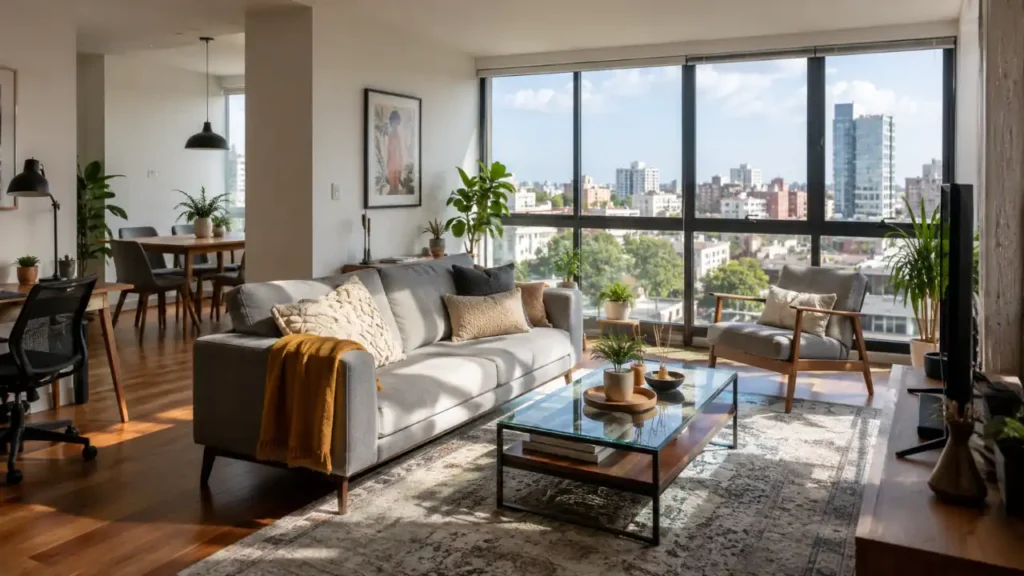
Finding an apartment in Mexico City is not impossible, but it can be more involved than many newcomers expect. A lot depends on whether you want a furnished short-term place first or are ready for a standard long-term lease.
For many expats, the smartest move is to start with a furnished rental so you can learn the city before committing to a full year in a neighborhood you barely know. That buys you time to understand commute patterns, noise levels, water pressure, and what the area feels like at different times of day.
Remote workers should also test internet speeds and fiber internet availability whenever possible. Connection quality can vary significantly between buildings, and reliable internet often becomes more important than expected once work calls and daily routines begin.
Many expats say this trial period ends up being one of the smartest decisions they make. A neighborhood that feels perfect during a weekend visit can feel very different during weekday rush hour or after several weeks of daily life.
Rental norms can also feel different if you are coming from the West. A deposit of one month’s rent is common, and many landlords want a guarantor, often called an aval or fiador. If you do not have one, some landlords may accept a rental-guarantee policy instead. The usual search channels include local real estate agents, listings on Mexican rental portals, and neighborhood-based listings.
A practical rental guide published by Mexico News Daily recommends reviewing lease terms carefully, understanding maintenance responsibilities, and ensuring all agreements are documented in writing before signing.
Before you sign anything, visit the apartment if you can, or at least ask detailed questions about noise, building age, water supply, internet quality, and whether the building has good security. It is also worth testing the internet speed if you work remotely, as connection quality can vary significantly between buildings. Mexico City can be fantastic to live in, but the quality of your actual apartment will shape your experience more than almost anything else.
Best Neighborhoods for Expats and Digital Nomads in Mexico City
The neighborhoods expats talk about most often include Roma Norte, Condesa, Polanco, Juárez, San Rafael, Narvarte, El Centro, and areas near Paseo de la Reforma.
These are popular because they offer a strong mix of location, food, cafés, coworking spaces, reliable services, and a lifestyle that feels manageable for newcomers. If you are comparing destinations across Mexico, it may also help to explore what it is like to live in Guadalajara or review our guide to the most popular neighborhoods in CDMX before choosing where to base yourself.
Roma Norte is usually the first neighborhood that gets recommended to new expats, and for good reason. Interestingly, many long-term residents start in Roma or Condesa and later move to neighborhoods such as Narvarte or San Rafael once they become more familiar with the city. These areas often provide better value while still offering excellent access to the parts of Mexico City expats use most.
It feels central, walkable, and easy to settle into. Cafes, restaurants, tree-lined streets, and a strong international crowd make it very convenient. Condesa has a similar energy but feels a bit softer and more residential, with more green space and a slightly calmer rhythm. Polanco is more polished and upscale, with a more corporate feel and higher price points.
Juárez, San Rafael, and Narvarte often give you better value and a more local feel, while El Centro is fantastic if you want history and access, but it can feel busier and less relaxed for long-term living. Roma Norte, Condesa, and Juárez are especially popular among remote workers because they offer some of the city’s highest concentrations of coworking spaces, cafés, and networking opportunities.
La Condesa
La Condesa is one of the easiest neighborhoods for an expat to enjoy quickly. It is leafy, walkable, and full of places where you can sit down for a coffee and pretend you have lived there for years. It has a softer pace than the city’s most hectic zones, but it still keeps you close to the action.
For a budget stay, you are usually looking at older apartments, smaller layouts, or places just outside the core of the neighborhood. The upside is that you can still enjoy the area without paying top-tier Condesa prices. A mid-tier stay is where Condesa really shines, because that is where you get the best balance of comfort, location, and daily convenience. For a luxury stay, expect renovated apartments, better finishes, and often a more stylish building with a stronger premium for the location.
Roma Norte and Roma Sur
Roma Norte is lively, central, and extremely convenient for food, nightlife, and coworking. If you want to meet people easily, this is one of the easiest places to do it. Roma Sur is a little more relaxed and often feels slightly less polished, but it can be a smart choice if you want the Roma lifestyle without always paying the absolute highest price.
A budget stay in Roma usually means compromising on size, older buildings, or a location closer to the edges of the neighborhood. Mid-tier stays are the sweet spot for many expats because you can still get a comfortable apartment in a great location. Luxury stays in Roma often mean beautifully renovated spaces, strong design, and a premium for being in one of the most in-demand parts of the city. If your budget allows it, Roma is one of those neighborhoods that can make everyday life feel easy.
Juárez, San Rafael, and Narvarte
Juárez has become increasingly attractive because it sits close to the action but often feels a bit less expensive than the most famous expat zones. San Rafael has a more traditional, lived-in city feel, and Narvarte is loved by people who want a more local neighborhood with good access and a more grounded atmosphere. These areas are especially appealing if you do not need every café and boutique to be in walking distance.
A budget stay in these neighborhoods can be a smart way to live centrally without paying premium Roma or Polanco prices. Mid-tier stays often give you the best value, especially if you are happy with a practical apartment and a good commute. Luxury options exist too, but in these neighborhoods luxury usually means newer finishes or a better building rather than the same level of polish you might find in Polanco.
Polanco
Polanco feels more refined, more expensive, and more polished than most of the other neighborhoods on this list. It is a favorite for people who want an upscale base, strong restaurants, and a more business-oriented environment. It can feel less bohemian than Roma or Condesa, but for some expats that is exactly the point.
A budget stay in Polanco is possible, but you usually give up size, view, or flexibility. Mid-tier stays are still fairly comfortable but will likely cost more than similar apartments elsewhere in the city. Luxury stays are where Polanco really stands out, because that is where you get the best buildings, better finishes, and the cleanest sense of order. If you want the most polished part of Mexico City life, this is one of the main places to look.
El Centro
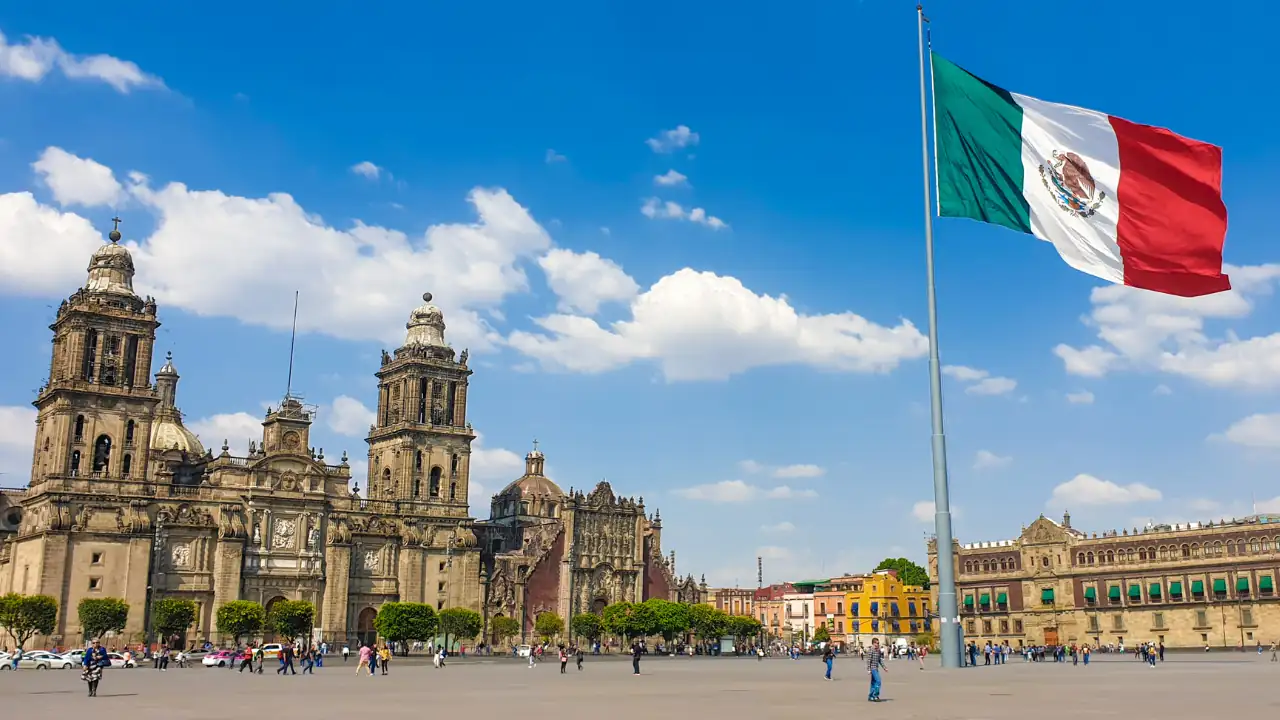
El Centro is where the city’s history really hits you. It is busy, central, and visually rich, with enormous value if you want to be near major landmarks and public transport. The trade-off is that it is usually louder, more crowded, and less comfortable for everyone as a long-term base. Some people love that energy. Others find it exhausting after a few weeks.
For a budget stay, El Centro can make sense if you care more about location and price than quiet comfort. Mid-tier stays are usually the better choice if you want a balanced city experience. Luxury options exist, but they need to be chosen carefully because not every expensive apartment in El Centro delivers the same day-to-day comfort you might get in Roma, Condesa, or Polanco.
How to Get Around in Mexico City
Getting around Mexico City is easier than many newcomers expect, especially once you understand the system. The city has a large metro network, Metrobus, light rail, public bikes, and a very usable system map on the city’s official site. The city government also highlights its Integrated Transit Card, which helps make public transport more manageable for daily use.
For day-to-day life, many expats use a mix of metro, ride-hailing, and walking. The metro is cheap and efficient when used smartly, while Uber or similar services are useful when you are going somewhere later at night or carrying more than you want to deal with on public transport. The U.S. Department of State recommends using regulated taxi stands or app-based transportation services such as Uber or Cabify instead of hailing taxis directly from the street.
One thing I would say to any newcomer is this: traffic can shape your life here more than you think. One lesson many newcomers learn quickly is that choosing the right neighborhood often matters more than choosing the right apartment. Saving twenty minutes on a daily commute can have a bigger impact on quality of life than having a larger living space.
A neighborhood that looks close on a map can feel very far in real time. For example, living near Paseo de la Reforma can feel very different from commuting into the area every day from a more distant neighborhood, even when the map distance appears relatively short. So when you choose where to live, do not just ask, “Is this a nice area?” Ask, “How will this place feel on a Tuesday at 8:15 a.m.?” That question saves people a lot of regret.
Fun Things to Do in and Around Mexico City
This is the part that makes many people fall in love with the city. Mexico City gives you endless things to do if you like museums, food, history, parks, and street life. The official Mexico City tourism portal highlights attractions such as Chapultepec Castle, Coyoacán, world-class museums, cultural routes, and seasonal events, making it a useful resource for newcomers looking to explore beyond their immediate neighborhood. The city government also promotes a long list of “must-see” places and routes, which is a good sign that there is always more to explore.
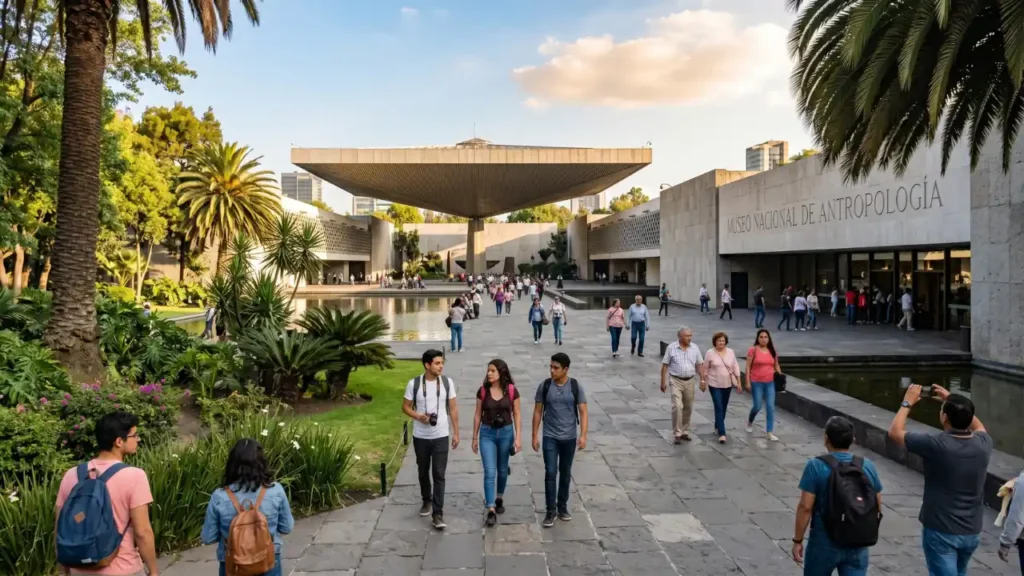
A normal weekend can easily include a long brunch, a visit to the National Museum of Anthropology, a walk through Bosque de Chapultepec, one of the largest urban parks in the Western Hemisphere, a trip to Coyoacán, or a day exploring the historic center. If you want a bigger outing, Teotihuacan is one of the classic trips from the city, and the capital is full of guided experiences that mix history, food, and local culture. The point is not to tick boxes. The point is that the city keeps handing you something new if you stay curious.
There is also a lot to be said for simply living well inside the city. Find your neighborhood cafe, discover a favorite taquería or mercado, a park you actually like, and one or two weekend routines. Mexico City works best when you stop treating it like a giant checklist and start treating it like a city you are slowly getting to know.
Pros and Cons of Living in Mexico City
Will You Move to Mexico City?
For many expats, Mexico City offers one of the strongest combinations of culture, food, career opportunities, public transportation, and neighborhood diversity in Latin America. It is not the easiest city in the region, but for people who enjoy urban energy and want an immersive cultural experience, it is often one of the most rewarding places to live. If you want peace, beach weather, or a place that feels simple from the start, you may be happier elsewhere.
One of Mexico City’s biggest strengths is its depth and variety. Many long-term residents find that even after years in the city, there are still new neighborhoods, restaurants, parks, and cultural experiences to discover.
It has layers. You can live there for years and still find new streets, new restaurants, new parks, and new routines. The biggest drawback is that it asks more of you than a smaller city does. You need patience, a little Spanish, decent street sense, and the willingness to accept some chaos. If you can do that, the city gives back a lot.
Many expats describe the first few months as overwhelming and exciting at the same time. Once routines develop and favorite neighborhoods begin to feel familiar, the city often becomes much easier to navigate and enjoy.
Because visa rules, residency requirements, transportation systems, and living costs can change, prospective expats should always verify critical information through official government and immigration sources before making relocation decisions.
For most expats, Mexico City is best suited to people who want a large, culturally rich city with excellent food, strong public transportation, diverse neighborhoods, and more affordable living costs than many major North American cities.
Also Read:
Who Mexico City Is Best For
As a practical Mexico City expat guide, this article is designed to help prospective residents evaluate whether the city matches their budget, lifestyle, and long-term goals.
Mexico City is best for: digital nomads, remote workers, food lovers, culture enthusiasts, and expats who enjoy big-city living.
It may not be ideal for: people looking for beach weather, a slower pace of life, or a quieter retirement destination.