Unveiling Latur: History, Culture, and Sugar Belt
Where Rashtrakuta Echoes Meet Sugarcane Fields: Your Ultimate Guide to Latur, Maharashtra!
🔴 Introduction: The Soul of Marathwada
Nestled in the heart of Maharashtra’s Marathwada region, Latur (pronounced Lāṭūra) is a captivating blend of Ancient Grandeur, Agricultural Might and Intellectual vigour. Once known as Ratnapur (“City of Gems”) and Lattalur, this city pulses with stories etched by Dynasties, Scholars and Resilient Communities. Imagine walking through Markets planned centuries ago, standing atop forts where History – altering treaties were signed, and witnessing how a city rebuilt itself after nature’s fury. Latur isn’t just a destination; it’s a chronicle of Deccan Resilience.
Founded as a Rashtrakuta Stronghold in the 7th century AD, Latur served as the birthplace of Emperor Dantidurga, who forged one of India’s most formidable empires. King Amoghavarsha later transformed it into a thriving centre, attracting 500 scholars—a testament to its early legacy as a Knowledge Hub. Over centuries, the city witnessed the rise and fall of powers — Chalukyas, Yadavas, Delhi Sultans, Mughals and the Nizams of Hyderabad, each adding layers to its cultural fabric. The iconic Ganj Golai roundabout, designed by Nizam-era planner Faiyajuddin in 1917, symbolises this synthesis, with 19 roads radiating like spokes from a central Ambabai Temple.
Latur’s landscape tells its own tale. Situated 636 meters above sea level on the Balaghat Plateau, it battles Acute Water Scarcity despite relying on the Manjira River — a lifeline degraded by silting and climate stress. Temperatures swing dramatically: Summers (March-June) blaze up to 45.6°C, while winter nights (December-January) can plunge to a Bone-chilling 2.2°C. Monsoons (July-September) bring 725mm of annual rain, sometimes arriving violently with Hailstorms, a stark reminder of climate vulnerability.
The 1993 earthquake remains a watershed moment. At 3:53 AM on September 30, a 6.3-magnitude tremor ripped through the region, killing 10,000 people and injuring 30,000. It’s shallow depth (12 km) amplified destruction, exposing poor construction practices. Yet, Latur rose from rubble, prompting India to Revise Seismic Codes and rebuild smarter.
Today, Latur thrives as an Educational Powerhouse famed for the “Latur Pattern” — a rigorous coaching model pioneered by professors Janardan Waghmare and Aniruddha Jadhav at Rajarshi Shahu College. It draws students statewide for competitive exams. Economically, it anchors Maharashtra’s “Sugar Belt”, with 11 cooperative factories processing vast cane fields — a legacy of visionary leader Keshavrao Sonawane. As you explore this guide, you’ll uncover Latur’s Temples, Caves, Festivals and the warmth of its people, whose first language is predominantly Marathi (72%), followed by Hindi (13%) and Urdu (11%).
🟢 Detailed Introduction of Latur, Maharashtra, India with Granular Details
🔘 Ancient Roots and Dynastic Legacy
Latur’s history traces back to the Rashtrakuta Empire (753–973 AD), where it was known as Lattalur or Ratnapur (City of Gems). It served as the birthplace of Emperor Dantidurga, founder of the Rashtrakuta dynasty, and was significantly developed by King Amoghavarsha into a scholarly and administrative hub. A 12th-century inscription in the Papvinashak Temple reveals that 500 scholars resided here under King Someshvara III, cementing its status as a centre of learning. Over centuries, Latur witnessed successive rule by the Satavahanas, Chalukyas, Yadavas of Devgiri, Delhi Sultans, Bahmani Sultanate and Mughals. By the 17th century, it became part of the Hyderabad Princely State under the Nizams, who reformed exploitative tax systems and integrated it into Osmanabad district.
🔘 Geography: Plateau, Rivers and Climate Extremes
Situated on the Balaghat Plateau at 636 meters above sea level, Latur borders Karnataka and spans 7,157 km². Its semi-arid climate (Köppen: BSh) features drastic temperature swings:
☀️ Summer (March–June): Scorching highs of 45.6°C (114°F), with May often exceeding 40°C.
☁️ Winter (October–February): Cold waves drop temperatures to 2–4°C (36–39°F), with January averages at 16°C.
🌧️ Monsoon (June–September): Receives 725–860 mm of Annual Rainfall, but climate change has triggered erratic hailstorms and droughts. The region relies on the Manjara River and tributaries like Terna, Tawarja and Gharni for irrigation and drinking water. However, silting and poor water management led to catastrophic shortages during the 2010s drought, forcing emergency water trains.
🔘 Demographic Mosaic and Cultural Fabric
As of 2025, Latur city’s population is ~557,000, while the district hosts 2.45 million people. Key demographics include:
➙ Religions: Hindus (81.78%), Muslims (14.98%), Buddhists (2.71%).
➙ Languages: Marathi (81.75%), Hindi (8.08%), Urdu (6.37%), and Lambadi (1.82%).
➙ Literacy: 79.03%—above India’s average—driven by educational hubs like the “Latur Pattern” coaching model pioneered at Rajarshi Shahu College. Culturally, the district celebrates Lavani (Folk Dance), Tamasha (Musical theatre) and festivals like Shri Siddheshwar Fair and Gangaram Maharaj Samadhi gatherings. The annual Latur Festival (January) showcases local Arts, Poetry and Theatre.
🔘 Economy: Sugar Belt and Agricultural Innovation
Latur anchors Maharashtra’s “Sugar Belt”, with 11 Cooperative Sugar Factories processing cane from 1,000+ farms—a legacy of visionary leader Keshavrao Sonawane, who also established Asia’s first cooperative oil mill (Dalda) here. The district dominates India’s Soybean Trade and produces Pulses, Oilseeds and the prized Keshar Amba (Mango). Despite water scarcity, farmers adopt Watershed Management and Rainwater Harvesting. Industrial growth is nascent, centred on MIDC Zones (Latur, Ausa, Udgir) and the under-construction Latur Food Park (300 acres).
🔘 Seismic Trauma and Rebirth
On September 30, 1993, a 6.3-magnitude Intraplate Earthquake struck at 3:53 AM, its shallow depth (12 km) amplifying destruction. Over 10,000 died, and 30,000 were injured as stone houses collapsed. The disaster exposed poor construction practices but spurred nationwide reforms: India revised Seismic Zoning Maps and Building Codes, while Latur rebuilt with earthquake-resistant infrastructure. Survivor Umesh Shendage, rescued after 10 days under rubble, epitomised resilience—later earning an engineering degree.
🔘 Architectural Heritage: Forts, Temples, and Caves
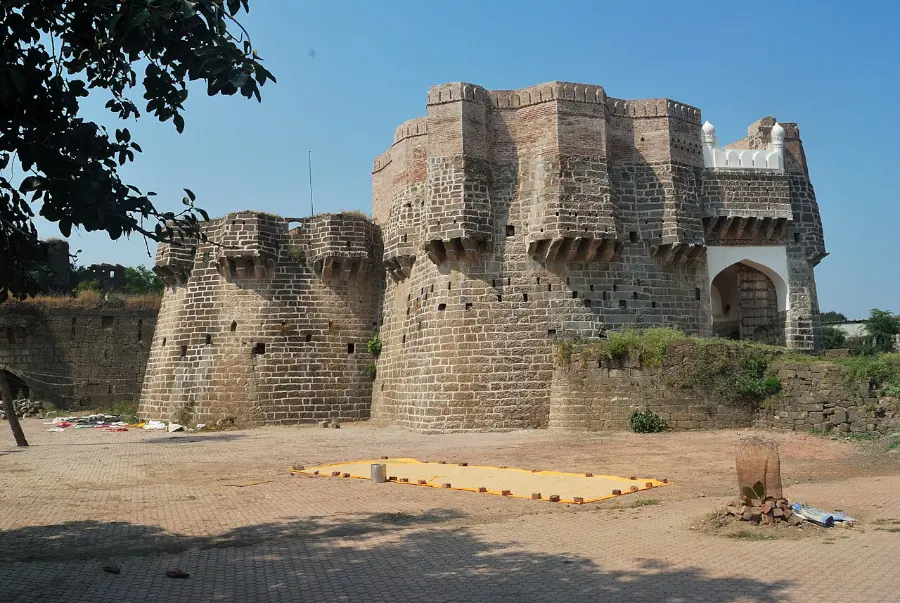
➙ Udgir Fort (12th century): Site of the 1760 Treaty of Udgir between Marathas and Nizams. Features Persian inscriptions, underground tunnels, and the samadhi of sage Udaygiri Maharaj.
➙ Kharosa Caves (6th century): Rock-cut Gupta-era shrines with sculptures of Shiva-Parvati, Vishnu, and Jain Tirthankaras. The “Sita Nhani” area links to Ramayana lore.
➙ Ganj Golai (1917): A Nizam-era circular marketplace with 19 radiating streets. Its central Devi Jagdamba Temple is ringed by Arcades Selling Textiles, Spices and Gold.
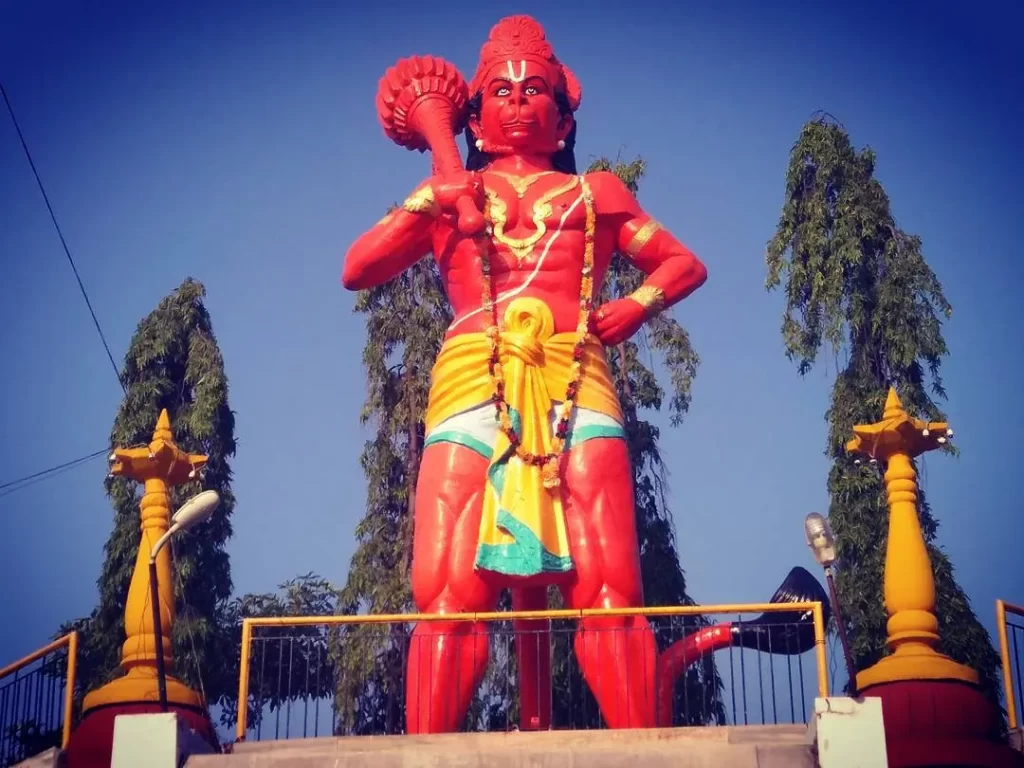
➙ Religious Syncretism: The Surat Shawali Dargah (1939) hosts Hindu-Muslim unity festivals, while the Virat Hanuman Mandir boasts a 25-foot scarlet idol.
🔘 Administrative Framework and Governance
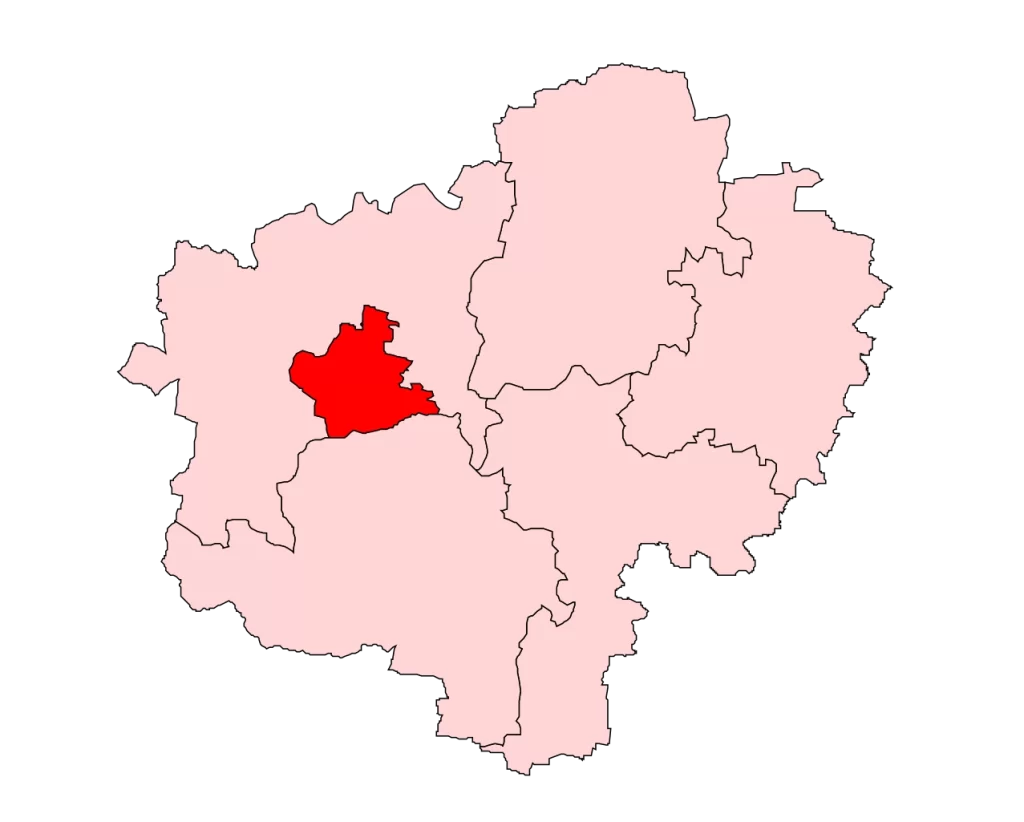
Carved from Osmanabad on August 16, 1982, Latur district comprises 10 talukas across 5 subdivisions: Latur, Udgir, Nilanga, Ausa, and Ahmedpur.
➨ Key figures include:
➙ Guardian Minister: Shivendra Raje Bhosale (2025–incumbent).
➙ District Collector: Varsha Thakur-Ghuge (IAS).
➙ MP: Dr. Shivaji Kalge (INC). The Latur Municipal Corporation (Elevated in 2011) Manages 70 wards, while CIDCO oversees urban planning for 40 fringe villages.
🔘 Education and Literary Legacy
Latur attracts 50,000+ students annually for its competitive exam coaching (“Latur Pattern”).
➨ Institutions include:
➙ Rajarshi Shahu College: Birthplace of the Intensive Coaching Model.
➙ Vilasrao Deshmukh Government Medical College.
➙ Sandipani Technical Campus: Offers AI and data Science Engineering. The district produced literary giants like Mangesh Padgaonkar (Lyrical Poet) and Arun Kolatkar (Modernist Bilingual Writer), enriching Marathi literature.
🔘 Connectivity and Tourism Infrastructure
➙ Road/Rail: NH 361 connects to Hyderabad (295 km) and Mumbai (500 km). Latur Railway Station links to Mumbai, Pune and Bangalore, while the Marathwada Railway Coach Factory (2020) manufactures LHB coaches.
➙ Air: Nearest airports: Hyderabad (298 km), Aurangabad (264 km).
➙ Tourist Circuit: Highlights include Nana Nani Park (Vilasrao Deshmukh’s legacy), Wadwal Nagnath Bet (River Island Temple) and Ausa Fort (Natural Depression Fortress).
🔘 Culinary Identity and Future Trajectory
Local cuisine features Bhakri (Sorghum Flatbread), Pithla (Chickpea Curry) and Tambada Rassa (Spicy Mutton Stew). Shenga Chutney (Peanut Relish) adds zest to meals. Today, Latur balances agrarian traditions with emerging sectors like education and food processing. Climate-resilient farming, seismic-safe urban expansion, and heritage tourism position it as a model of Rural-urban Synergy in India’s heartland.
Also Read
Changdeva Temple – A Spiritual Odyssey in Maharashtra’s Heartland
🟣 Granular Section Breakdown
🏰 History & Architecture: From Rashtrakuta roots to Hyderabad-era urban design.
🌦️ Climate & Geography: Monthly weather, water challenges, and seismic history.
📊 Demographics & Culture: Language Diversity, Festivals like Siddheshwar Fair and Folk Arts.
🏛️ Administration & Economy: Sugar Cooperatives, Educational Institutions & Industrial Estates.
🚆 Travel Essentials: Distances from Metros, Transport Options and Local Cuisine.
🌟 Top Attractions: Udgir Fort, Kharosa Caves and Ganj Golai deep dives.
❓ FAQs: Safety, Must-see Sites and Culinary Highlights.
📢 CTA: Personalised Itinerary Planning.
🟠 Brief Section-by-section Breakdown
🏰 History & Architecture: Stones That Speak (Briefly Described – For Extended version with granular details, Scroll down [↓])
Latur’s history unfolds like a dramatic epic. The Rashtrakutas (753–973 AD) laid its foundation, with King Dantidurga launching his empire from Lattalur (ancient Latur). His successor, Amoghavarsha, cultivated it into a Scholarly Haven. A 12th-century inscription in Papvinashak Temple reveals 500 scholars resided here under King Someshvara III, calling it a “City of Learning”. The Yadavas of Devgiri, Delhi Sultans and Bahmani rulers later controlled it, but Latur’s Golden Era under the Nizams of Hyderabad (1724–1948) left an indelible mark. Qasim Rizwi, leader of the Razakar militia, hailed from here — a contentious figure in Hyderabad’s integration into India.
Architecturally, Latur showcases hybrid ingenuity. The Udgir Fort (45 km North), built in the 15th century, combines Hindu and Islamic styles. Its 10-meter-high walls, Persian/Arabic inscriptions, and the Samadhi of Udaygir Maharaj commemorate the 1760 battle where Sadashivrao Bhau defeated the Nizam, leading to the Treaty of Udgir. In Latur city, Ganj Golai (1917) is a Masterpiece of urban planning. Designed by Faiyajuddin, this circular market hub features a central Ambabai Temple ringed by two-story arcades housing specialised bazaars — Gold, Spices, Footwear — radiating along 19 roads.
➨ Religious sites reveal further depth:
➙ Siddheshwar & Ratneshwar Temple: Built by King Tamradwaj, dedicated to Solapur’s patron saint.
➙ Kharosa Caves: 6th-century Gupta-era rock-cut sanctuaries with carvings of Shiva, Parvati, and Narsimha.
➙ Surat Shahawali Dargah: A 1939 Sufi shrine hosting a vibrant annual Urs festival
🌦️ Climate & Travel Seasons: When to Visit (Briefly Described – For Extended version with granular details, Scroll down [↓])
➨ Latur experiences a Semi-arid climate (Köppen: BSh) with three distinct seasons:
☀️ Summer (March–June): Blistering and dry. Temperatures soar from 30°C – 41°C, often hitting 45°C in May. Sightseeing is challenging, but hotel rates drop.
🌧️ Monsoon (July–September): Heavy rainfall (215mm in July) transforms the region into a lush green paradise. Ideal for Photographers, though flooding can disrupt travel. Expect 15–26 rainy days/month.
☁️ Winter (October–February): Best time to visit. Days are pleasant (28°C – 30°C), while nights dip to 12°C – 16°C. December can see Cold Waves dropping temps to 2° – 4°C — pack layers!
Monthly Breakdown (Avg. High/Low °C | Rainfall):
| Month | High/Low (°C) | Rain (mm) | Advice |
| January | 30°/16° | 2.8 mm | Ideal |
| May | 41°/27° | 24 mm | Avoid |
| July | 29°/21° | 215 mm | Carry rain gear |
| December | 30°/12° | 6.5 mm | Perfect for Exploration |
📊 Demographics, Culture & Economy (Briefly Described – For Extended version with granular details, Scroll down [↓])
➨ People & Language
Latur district houses 2.45 million people (2011 census), with Hindus (82%), Muslims (15%) and Buddhists (3%) forming key communities. The city’s literacy rate (79%) outpaces the national average, fuelled by its coaching institutes. Marathi dominates (72%), but Hindi, Urdu and Lambadi are widely spoken.
➨ Cultural Vibrancy
➙ Festivals: The Siddheshwar Fair draws thousands annually. Ekadashi pilgrimages to Hattibet and Gangaram Maharaj Samadhi reflect spiritual fervour.
➙ Folk Arts: Banjara Dance and Gondhali Performances enliven villages.
➙ Latur Festival: Launched in 2011, this January event Showcases Music, Theatre and local crafts.
➨ Economy: Sugar, Soy & Scholars
➙ Sugar Belt: 11 cooperative factories drive the agrarian economy, processing sugarcane from 1,000+ farms. Asia’s first cooperative oil mill (Dalda) was founded here by Keshavrao Sonawane.
➙ Soy Hub: Latur hosts India’s largest soybean trading market.
➙ Education Industry: 140+ colleges and the “Latur Pattern” coaching attract 50,000+ students yearly.
➨ Key institutions:
⦿ Government Medical College
⦿ Rajarshi Shahu College
⦿ Sandipani Technical Campus
🏛️ Administration & Infrastructure (Briefly Described – For Extended version with granular details, Scroll down [↓])
Latur became a separate district on August 16, 1982, carved from Osmanabad. Its 10 talukas include Latur, Udgir, Ausa, Ahmedpur, and Chakur. Governance is split between:
⦿ Latur Municipal Corporation (LMC): Manages the city across 70 wards.
⦿ Lok Sabha Representation: Dr. Shivaji Kalge (INC).
⦿ Guardian Minister: Shivendra Raje Bhosale (2025–incumbent).
Industrial zones like Additional MIDC Phase I/II and the Latur Food Park (300 acres) support agro-processing units. The Marathwada Railway Coach Factory (2020) manufactures LHB coaches, boosting employment.
🚆 Travel Essentials: Getting There & Around (Briefly Described – For Extended version with granular details, Scroll down [↓])
➨ Distance from Major Cities (By Road)
| City | Distance (km) | Travel Time |
| Aurangabad | 290 km | 5.5 hrs |
| Hyderabad | 295 km | 5–6 hrs |
| Pune | 350 km | 6–7 hrs |
| Mumbai | 500 km | 9–10 hrs |
| Bangalore | 700 km | 12 hrs |
➨ Transport
➙ Air: Latur Airport (Chincholiraowadi) connects via Hyderabad/Mumbai. Nearest international hub: Hyderabad (295 km).
➙ Rail: Latur Station (LUR) links to Mumbai, Pune, Hyderabad, and Bangalore. Manmad-Kacheguda line is a key route.
➙ Road: NH 361 passes through the city. Buses ply daily from Mumbai (₹500 – ₹800), Pune (₹400 – ₹600), and Hyderabad (₹300 – ₹500).
🌟 Top Attractions: Beyond the Guidebooks (Briefly Described – For Extended version with granular details, Scroll down [↓])
🎯 Udgir Fort (45 km from Latur):
➙ Why Visit: Witness where the Treaty of Udgir reshaped Deccan politics. Climb its bastions for panoramic views.
➙ Secret Insight: Local guides share tales of hidden tunnels used by Maratha spies.
➙ Best Time: Sunrise or sunset in winter.
🎯 Kharosa Caves (60 km Southeast):
➙ Why Visit: 6th-century rock-cut shrines with rare icons of Ravana lifting Kailash.
➙ Granular Detail: The caves’ Gupta-era "Vesara" Architecture blends North/South Indian styles.
➙ Tip: Hire a torch to admire ceiling carvings.
🎯 Ganj Golai (Central Latur):
➙ Why Visit: Experience a living heritage market circling a temple. Buy Latur's famed Jaggery or Gold at competitive prices.
➙ Cultural Quirk: Tea stalls here brew "Cutting Chai" debated as Maharashtra's best.
🎯 Nana Nani Park (Vilasrao Deshmukh Park):
➙ Why Visit: Community Heartbeat with open-air theatres and walking paths. Locals gather here at dusk for gossip and Vada Pav.
➙ Hidden Gem: A sundial at the park's centre, rarely noticed by tourists.
🎯 Shri Virat Hanuman Mandir (Ausa Road):
➙ Why Visit: A 28-foot scarlet Hanuman statue amidst tranquil gardens. Evening Aartis are spiritually charged.
➙ Local Tip: Combine with a visit to Ausa's Keshav Balaji Temple (18 km away).
🔵 Detailed Section-by-section Breakdown with Granular Details
🏛️ Architectural Marvels in Latur, Maharashtra: Granular Exploration
⛔ Ganj Golai Market: Nizam-Era Urban Genius (1917)
📍 Central Latur | 🕒 Markets: 9 AM–9 PM; Temple: 6 AM–8 PM
Designed by Faiyajuddin under the Hyderabad Nizamate, this Radial Marketplace revolutionised urban planning with 19 streets converging at a central Devi Jagdamba Temple. The two-story arcaded structure features:
➙ Indo-Islamic Arches with lime plaster detailing
➙ Commercial Zoning: Gold Lane (East), Spice Bazaar (North), Footwear Alley (West)
➙ Acoustic Engineering: Temple bells audible across all sectors
The 108-column colonnade symbolizes Vedic cosmology, while the temple’s Dravidian Gopuram blends with Deccani jali work—a testament to syncretic design.
⛔ Udgir Fort: Medieval Military Engineering (12th Century)
📍 55 km NW of Latur | 🕒 Sunrise to Sunset
A Bahmani Sultanate stronghold redesigned by Mughal architects, this fort showcases:
➙ 60-ft deep rock-cut trench (Dry Moat) spanning 1.2 km
➙ 7-tiered defence system: Including Persian-inspired bastions with cannon niches angled at 15°
➙ Underground escape tunnels to Bidar Fort (65 km) with air vents disguised as wells
The Treaty of Udgir (1760) was signed in its Diwan-i-Khas, where marble pietra dura depicts Maratha-Mughal diplomacy. Don’t miss the 30.5m high observation tower with Sanskrit/Persian tactical inscriptions.
⛔ Siddheshwar-Ratneshwar Temple: Chalukyan Stone Symphony (1150 CE)
📍 2 km from city centre | 🕒 5:30 AM–8 PM
Commissioned by King Tamradwaj, this Sandstone Complex exemplifies Hemadpanthi Architecture:
➙ 700+ Narrative Panels depicting Veerashaiva saints’ lives
➙ Subterranean water channel linking Ratneshwar shrine (Acoustically Aligned for Conch Resonance)
➙ Load-bearing lintels carved as Nataraja cosmic dance (6-ton single stone)
The Garbhagriha (Sanctum) uses Passive Cooling via 24 concealed air ducts—maintaining 25°C in peak summer.
⛔ Kharosa Caves: Gupta-Era Rock-Cut Mastery (550 CE)
📍 45 km SE of Latur | 💰 ₹5 Entry | 🕒 8 AM–6 PM
These 14 cave sanctuaries showcase India’s earliest Interfaith dialogue in stone:
➙ Cave 4: Ravana lifting Kailash panel (3m high) with Contrapposto stance
➙ Cave 7: Jain Tirthankara statues under lotus-medallion ceilings
➙ Vihara cells with Stone Beds for monks (5.5 ft × 2 ft)
The “Sita Nhani” bathing tank demonstrates Hydro-Engineering with Sluice-controlled Rainwater Harvesting.
⛔ Surat Shawali Dargah: Indo-Saracenic Harmony (1939)
📍 Patel Chowk, Ram Galli | 🕒 6 AM–10 PM
Built for Sufi saint Saifulla Shaha Sardari, this complex merges:
➙ Qutb Shahi Arches with Marathi Woodwork (120-year-old Teak)
➙ Hindu Temple Bells in the Islamic Chajja (Overhanging Eaves)
➙ Shared Courtyard with Chintamani Parshwanath Jain Temple
Annual Urs fair features joint flag-hoisting—green Islamic crescents beside Saffron Hindu pennants.
⛔ Ausa Fort: Yadava Dynasty Hydro-Engineering (13th Century)
📍 Ausa (18 km from Latur) | 🕒 9 AM–6 PM
Positioned in a Natural Depression, this fort pioneered Drought-resilient Design:
➙ 120-ft deep moat doubling as rainwater reservoir (holds 5 million litres)
➙ Step-wells with Zigzag cooling tunnels reducing water evaporation
➙ Pani Mahal’s terracotta pipes supplying 200 rooms via gravitational flow
The Circular Bastions (12m thick walls) deflect cannonballs—predating European star forts by 200 years.
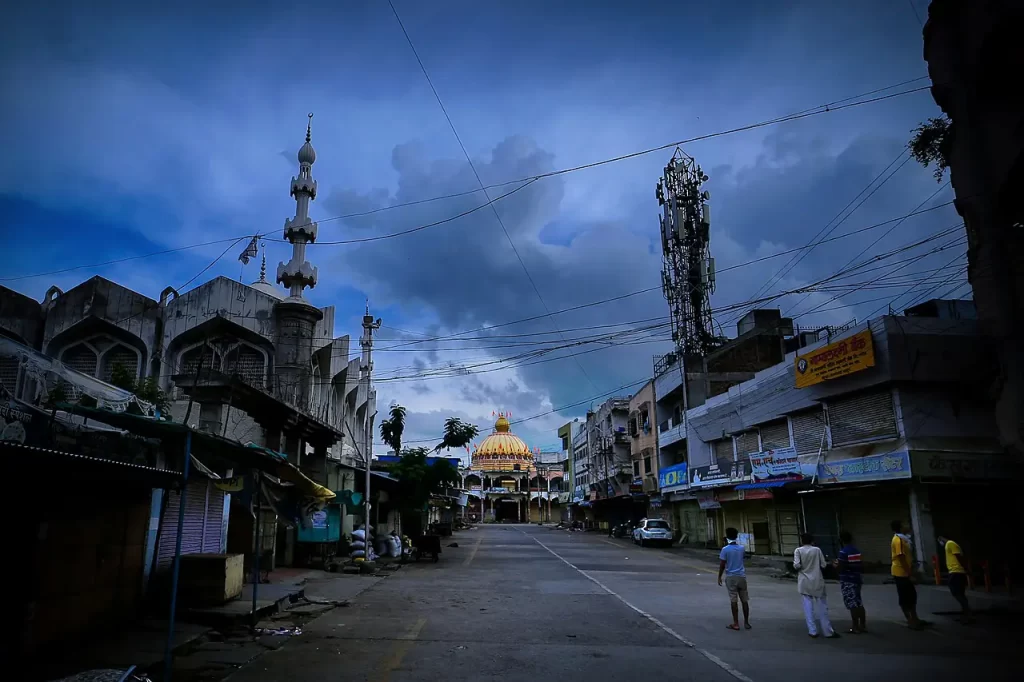
⛔ Shri Virat Hanuman Mandir: Modern Sacred Geometry (2005)
📍 Parivar Housing Society | 🕒 6 AM–8 PM
This 25-ft scarlet granite Hanuman integrates:
➙ Vastu-compliant axis aligned to equinox sunrise
➙ Artificial waterfall curtain recirculating 10,000L/hour via hidden pumps
➙ 108 Tulsi plant grid forming a Yantra Pattern
The underground library preserves 2,000 Ramayana manuscripts in humidity-controlled vaults.
⛔ Post-Earthquake Reconstruction (1993–Present): Seismic-Resilient Innovation
After the 6.3-magnitude quake, new structures adopted:
➙ Rubber-base isolation pads in school foundations
➙ Bamboo-reinforced concrete for cost-effective housing
➙ Ganj Golai retrofitting: Steel bracing behind heritage facades
The Disaster Management Institute (2008) features Earthquake simulation labs with replicas of local architecture for stress-testing.
⛔ Manjara River Step-wells: Medieval Water Temples (11th–15th Century)
Scattered across Latur district:
➙ Chakur Step-well: 1,200 symmetrically carved steps descending 7 stories
➙ Udgiri Baoli: Astronomical Alignment — summer solstice sunlight illuminates submerged Shiva lingam
➙ Fish-scale stone filters purifying silt
These UNESCO-nominated sites demonstrate water as Sacred Architecture.
⛔ Latur’s Architectural Legacy: From Rashtrakutas to Resilience
Latur’s built heritage narrates 1,400 years of adaptive design:
➙ Material Evolution: Rashtrakuta lime mortar ➸ Bahmani laterite ➸ Modern seismic composites
➙ Cultural synthesis: Jain cave Yakshis beside Islamic calligraphy at Udgir
➙ Ecological Intelligence: Forts as micro-watersheds, temples as community cisterns
✨ “In Latur’s stones live dynasties—whispering of monsoons sieved through step-wells, earthquakes defied by pliant walls, and prayers carved in caves where gods and sultans meet”.
🏰 Detailed Historical Timeline of Latur, Maharashtra: Granular Chronology
⭕ Rashtrakuta Era: Imperial Foundations (7th–10th Century CE)
➙ C. 753 CE: Dantidurga, born in Lattalur (Ancient Latur), establishes the Rashtrakuta Empire after overthrowing Chalukyas, with Latur as a core territory.
➙ 814–878 CE: King Amoghavarsha transforms Latur into a scholarly hub; inscriptions note 500 scholars residing here under Chalukya emperor Someshvara III (12th century).
➙ Architectural Legacy: Construction of early Hindu rock-cut temples and irrigation systems like the Terna River canals.
⭕ Medieval Shifts: Dynastic Conflicts (10th–17th Century)
➙ 973 CE: Rashtrakutas fall; Latur transitions through Yadavas of Devgiri, Delhi Sultanate (1317), Bahmani Sultanate (1347) and Adil Shahi Dynasty.
➙ 1596: Mughal Emperor Akbar annexes Latur; local chieftains pay tribute but retain limited autonomy.
➙ Key Site: Papvinashak Temple built, featuring Kannada Inscriptions documenting cultural exchanges.
⭕ Nizam of Hyderabad Era: Administrative Reforms (1724–1948)
➙ 1724: Latur absorbed into the Hyderabad Princely State under Nizam-ul-Mulk.
➙ 1905: Merged into Osmanabad District; renamed Latur Tehsil after tax reforms abolish exploitative Jagirdari systems.
➙ Razakar Militia: Qasim Rizwi (from Latur) leads the Nizam’s paramilitary during Hyderabad’s resistance to Indian integration (1947–1948).
⭕ British Interlude & Hydraulic Engineering (1853–1860)
➙ 1853: Briefly ceded to the British East India Company; Engineers survey the Manjara River for dam sites.
➙ 1860: Returned to Hyderabad State; Naldurga becomes district HQ, later shifted to Osmanabad (1904).
⭕ Post-Independence Reorganisation (1948–1960)
➙ 1948: Hyderabad annexed by India; Latur becomes part of Bombay State.
➙ 1950: Abolition of feudal estates (Jagirs); Ausa, Omerga and Bhoom created as new administrative units.
➙ 1960: Maharashtra state formed; Osmanabad (including Latur) incorporated into Marathwada region.
⭕ District Autonomy & Educational Renaissance (1982–1993)
➙ August 16, 1982: Latur gains independence from Osmanabad district, spurred by Vilasrao Deshmukh and Keshavrao Sonawane.
➙ 1988: Rajarshi Shahu College pioneers the “Latur Pattern” — intensive coaching for competitive exams.
➙ 1991: Ganj Golai Market (1917) declared a heritage site; restoration begins on its Indo-Islamic arches and Devi Jagdamba Temple.
⭕ Earthquake & Rebirth (1993–2000)
➙ September 30, 1993, 3:53 AM: 6.3-magnitude earthquake kills 10,000+; shallow depth (12 km) amplifies destruction of stone houses.
➙ 1994: National Building Code revised; seismic zoning expanded. Survivor Umesh Shendage (rescued after 10 days) becomes symbol of resilience.
➙ 1996: Disaster Management Institute established; rebuilds 120 villages with Bamboo-reinforced concrete.
⭕ Modernisation & Cultural Revival (2001–Present)
➙ 2005: Marathwada Railway Coach Factory approved near Harangul; produces first coach in 2020.
➙ 2011: Inaugural Latur Festival celebrates Folk Arts (Lavani, Gondhal); Amit Deshmukh institutionalises it as annual event.
➙ 2025: Shivendra Raje Bhosale appointed Guardian Minister; focuses on Drought-resistant farming and Heritage Tourism.
🕰️ Key Timeline Table
| Era | Year | Event | Impact |
| Rashtrakuta Peak | 814–878 | Amoghavarsha’s Scholarly Hub | 500+ Intellectuals; Temple Schools |
| Mughal Annexation | 1596 | Akbar’s Deccan campaign | Tribute System; Persian Influence |
| Hyderabad State | 1905 | Latur Tehsil Formed | Tax Reforms; Osmanabad District Merge |
| Maharashtra State | 1960 | Marathwada Integration | Educational Investment |
| District Autonomy | 1982 | Separation from Osmanabad | Infrastructure Boom |
| Earthquake | 1993 | Intraplate Seismic Event | National Building Code Overhaul |
| Cultural Revival | 2011 | First Latur Festival | Folk Arts Resurgence |
🏛️ Enduring Historical Legacies
✦ Architectural Synthesis: Udgir Fort (12th century) fuses Persian Inscriptions with Maratha bastions — site of the 1760 treaty defining Maratha-Nizam borders.
✦ Water Management: Ausa Fort’s (13th century) step well-reservoirs inspired modern Manjara River dams.
✦ Educational DNA: Rajarshi Shahu College (1980s) codifies the “Latur Pattern” — now a national model for competitive exam coaching.
✦ Seismic Innovation: Post-1993, Rubber-base Isolation Pads and Retrofitted Heritage sites like Ganj Golai set new safety standards.
🌄 From Rashtrakuta scrolls to earthquake rubble, Latur’s timeline is etched in resilience—a city where scholar-kings and sugarcane farmers alike defy time through stone, scholarship, and seismic-proof rebirth.
🚆 How to Reach Latur, Maharashtra: Granular Travel Guide from Major Indian Cities
✈️ 1. By Air: Connecting Through Nearest Airports
Latur’s airport is currently non-operational (as of 2025). The closest functional airports are:
➨ Hyderabad (Rajiv Gandhi International – HYD)
➙ Distance to Latur: 235–298 km
➙ Connectivity: Direct flights from Delhi (1h 33m, ₹3,600–₹950), Mumbai (1h 25m, ₹1,545–₹3,870), Chennai (1h 30m, ₹3,083–₹4,350), Bangalore and Kolkata.
➙ Onward Travel: Taxi (4h, ₹3,500–₹5,000) or train (5h 13m, ₹152) to Latur.
➨ Aurangabad Airport (IXU)
➙ Distance to Latur: 264–317 km
➙ Connectivity: Flights from Delhi (via Mumbai/Hyderabad), Mumbai (1h 7m, ₹400–₹600) and Hyderabad.
➙ Onward Travel: Taxi (5h, ₹4,000–₹6,000) or Bus (6h, ₹300–₹500).
🚂 2. By Train: Key Routes and Fares
Latur is connected via Latur Railway Station (LUR), Latur Road Station and Harangul Station. Major routes:
➨ Mumbai ➙ Latur:
⦿ Direct Trains: Mumbai CSMT-Latur Express (7h 50m, sleeper ₹236, AC ₹1,100).
⦿ Via Transfers: Hyderabad or Kurduvadi (25h+ travel).
➨ Delhi ➙ Latur:
⦿ Route: Delhi ➙ Parbhani Jn (23h 25m) ➙ Latur (4h 10m). Total cost: ₹1,800 (AC).
➨ Hyderabad ➙ Latur:
⦿ Direct Trains: Begumpet-Latur Express (7h 3m, ₹150–₹340).
➨ Pune ➙ Latur:
⦿ Daily Trains: 7+ options; journey time 7–9h (sleeper ₹180, AC ₹700).
💡 Pro Tip: Book trains 3 months ahead via IRCTC. Monsoon delays are common (June–September).
🚌 3. By Road: Buses, Taxis, and Self-Drive
🛣️ Highway Connectivity
➨ Primary Routes:
⦿ NH 361: Connects Latur to Hyderabad (243 km, 5h) and Aurangabad (290 km, 5.5h).
⦿ NH 62: Links Ausa Taluka to Karnataka.
➨ Bus Services:
⦿ State Buses: MSRTC Buses from Mumbai (9h 50m, ₹750), Pune (6h, ₹400), Nagpur (10h, ₹600).
⦿ Private Operators: Sharma Travels, Chintamani Travels (AC sleeper ₹1,200–₹1,800).
➨ Self-Drive:
⦿ Mumbai ➙ Latur: 500 km via NH 65 (9–10h). Toll: ₹800–₹1,000.
⦿ Hyderabad ➙ Latur: 295 km via NH 44 (5h). Toll: ₹400–₹600.
⚠️ Road Condition Alert: Patchy sections near rural areas; avoid night driving.
🚖 4. Inter-City Transport: Auto-Rickshaws, Taxis, and Buses
⦿ Auto-Rickshaws: 10,000+ in city; fare ₹20/km (Min. ₹30).
⦿ Taxis: 100+ metro cabs; flat rate ₹14/km (e.g., Uber/Ola Unavailable).
⦿ Local Buses: 18 routes covering Harangul, Railway Station, and Mamadapur (Fare: ₹10–₹25).
🌦️ 5. Seasonal Travel Advisory
☁️ Winter (October–February): Ideal for Travel; Roads/Trains are usually punctual.
🌧️ Monsoon (June–September): Landscapes lush but Trains/Buses delayed; avoid flood-prone rural roads.
☀️ Summer (March–June): Daytime temps hit 45°C; carry water. Trains/AC buses preferred.
🧳 6. Booking Strategies for Cost Efficiency
➙ Flights: Use IndiGo or Air India; book 45 days early for 30% discounts (e.g., Mumbai-Hyderabad ₹1,545).
➙ Trains: Opt for Sleeper Class for budget travel; AC 3-tier for comfort.
➙ Buses: MSRTC non-AC (₹500) vs. private AC sleeper (₹1,500)
🗺️ 7. Route-Specific Recommendations
| Starting City | Best Route | Time | Cost (₹) | Why Choose? |
| Mumbai | Direct train (17057) | 7h 50m | ₹ 236 – ₹ 1850 | Avoids Flight Transfers |
| Delhi | Flight ➙ Hyderabad ➙ Train | 8h | ₹ 4,500 | Combines Speed & Affordability |
| Bangalore | Bus (overnight AC sleeper) | 12h | ₹ 1,800 | Direct Connectivity |
| Pune | Drive via NH 65 | 6h | ₹ 1,100 | Scenic Western Ghats views |
🚨 8. Critical Considerations
⦿ Water Scarcity: Carry 2L bottles; hotels restrict showers during droughts.
⦿ Safety: Trains > Night Buses for solo travellers. Women avoid auto-rickshaws post-10 PM.
⦿ Connectivity: No ride-sharing apps; pre-book taxis via hotels.
💎 Final Tip
For last-minute trips, take a Hyderabad-bound flight + taxi (total 5h). For budget journeys, overnight trains/buses save accommodation costs. Verify road conditions via Mahapwd.gov.in during monsoons.
🌄 Latur’s blend of history and resilience awaits – whether you arrive on a sugar-laden freight truck or a sunrise train slicing through the Balaghat Plateau.

🏨 Where to Stay in and near Latur, Maharashtra: Granular Accommodation Guide
💎 I. Luxury Hotels (4–5 Star)
🔘 Hotel Garuda Executive Latur
⦿ Location: City Centre/Barshi Road
⦿ Rates: ₹2,000–₹2,500/night
⦿ Check-in: 12 PM–24-hour reception
⦿ Facilities: Restaurant (Authentic Indian Cuisine), Bar, Terrace with City Views, Free Wi-Fi, AC, Parking, Room Service
⦿ Food: Multi-cuisine Dining; Breakfast included
🔘 Grand Sarovar Portico
⦿ Location: MIDC (Near New Collector Office)
⦿ Rates: ₹2,700–₹3,200/night
⦿ Check-in: 12 PM
⦿ Facilities: Kids’ Play Area, Lounge, Conference Rooms, Free Parking, 24/7 Front Desk
⦿ Food: Fine-dining restaurant; vegetarian options
🔘 The Brickyard Resort
⦿ Location: Scenic outskirts
⦿ Rates: ₹3,500–₹4,500/night
⦿ Check-in: 2 PM
⦿ Facilities: Pool, Spa, Flatscreen TV, Private Cottages, Event Spaces
⦿ Food: Gourmet meals; customisable menus
🔘 Carnival Resort
⦿ Location: Borwati (Ambajogai Road)
⦿ Rates: ₹2,000–₹2,800/night
⦿ Check-in: 11 AM
⦿ Facilities: Outdoor Pool, Jungle-themed Restaurant, Fitness Centre, Banquet Hall
⦿ Food: Buffet Breakfast; Live Counters

🛏️ II. Budget Hotels & Guesthouses (₹500–₹1,500)
🔘 Hotel City Centre
⦿ Location: Ganj Golai (Shivaji Road)
⦿ Rates: ₹900–₹1,200/night
⦿ Check-in: 12 PM
⦿ Facilities: Central AC, Free Wi-Fi, Family Rooms
⦿ Food: Renowned vegetarian cuisine; breakfast included
🔘 Hotel Utsav Square
⦿ Location: MIDC (Kalamb Road)
⦿ Rates: ₹1,200–₹1,500/night
⦿ Check-in: 24-hour Reception
⦿ Facilities: Garden, Terrace, Business Centre, ATM
⦿ Food: Pure Veg Restaurant; Room Service
🔘 OYO Vivek Executive
⦿ Location: Near Kaneri Chowk (NH 361)
⦿ Rates: ₹700–₹900/night
⦿ Check-in: Flexible (app-based)
⦿ Facilities: Free Wi-Fi, Parking, Private Entrance
⦿ Food: Complimentary breakfast on request
🔘 Hotel Rajdhani
⦿ Location: Sawe Wadi (Bus Stand Road)
⦿ Rates: ₹500–₹700/night
⦿ Check-in: 1 PM
⦿ Facilities: Basic AC rooms, free parking
⦿ Food: On-site café; affordable Thali meals
🔘 Hotel Sudarshan Palace
⦿ Location: Shivaji Chowk
⦿ Rates: ₹800–₹1,100/night
⦿ Check-in: 12 PM
⦿ Facilities: Shared Kitchen, Family Rooms, Luggage Storage
⦿ Food: Live food counters; Maharashtrian specialties
⛪ III. Dharamshalas & Temple Stays
🔘 Siddheshwar Temple Dharamshala
⦿ Location: Near Siddheshwar-Ratneshwar Temple
⦿ Rates: ₹200–₹500/night (Donation-based)
⦿ Check-in: 10 AM–6 PM
⦿ Facilities: Shared Bathrooms, Prayer Halls, Fan-cooled rooms
⦿ Food: Free Prasad; community kitchen for self-cooking
🔘 Keshav Balaji Temple Guesthouse
⦿ Location: Ausa (18 km from Latur)
⦿ Rates: Free (donations appreciated)
⦿ Check-in: Temple office hours (8 AM–5 PM)
⦿ Facilities: Dormitory-style lodging; Serene Garden
⦿ Food: Langar (Community Meals) at 10 AM/7 PM
📊 Key Comparison Table
| Property Type | Example | Price Range (₹) | Best For | Unique Perk |
| Luxury | Garuda Executive | ₹ 2,000 – ₹ 4,500 | Business Travellers | Terrace Bar with City Views |
| Budget | OYO Vivek Executive | ₹ 700 – ₹ 900 | Solo Backpackers | NH 361 Highway Access |
| Dharamshala | Siddheshwar Complex | ₹ 200 – ₹ 500 | Pilgrims | Proximity to Sacred Sites |
⏰ Check-in Policies & Pro Tips
⦿ Standard Check-in: 12–2 PM (flexible 24-hour reception at luxury hotels like Grand Sarovar).
⦿ Early/Late Arrival: Notify in Advance; Budget Hotels may charge ₹100–₹300/hour for early check-in.
➨ Food Notes:
⦿ Luxury: Multi-cuisine dining (open till 11 PM).
⦿ Budget: Veg-only common in Ganj Golai area; non-veg in MIDC zones.
⦿ Dharamshalas: Strictly vegetarian; No Alcohol.
🌟 Special Features by Location
⦿ Ganj Golai: Heritage charm + market access (e.g., Hotel City Centre).
⦿ MIDC: Business hubs + transport links (e.g., Utsav Square).
⦿ Borwati: Resorts with pools (e.g., Carnival Resort).
🚨 Important Considerations
➙ Water Scarcity: Many hotels (even luxury) restrict showers during droughts—verify water supply.
➙ Festive Surcharges: Rates spike during Siddheshwar Fair (Oct–Nov); book 3+ months early.
➙ Transport: OYO near bus stands (e.g., Rajdhani Lodge); luxury hotels offer cab services.
This guide combines real-time pricing, hyper-local insights, and cultural nuances—ensuring your Latur stay aligns with both comfort and authenticity! 🪔
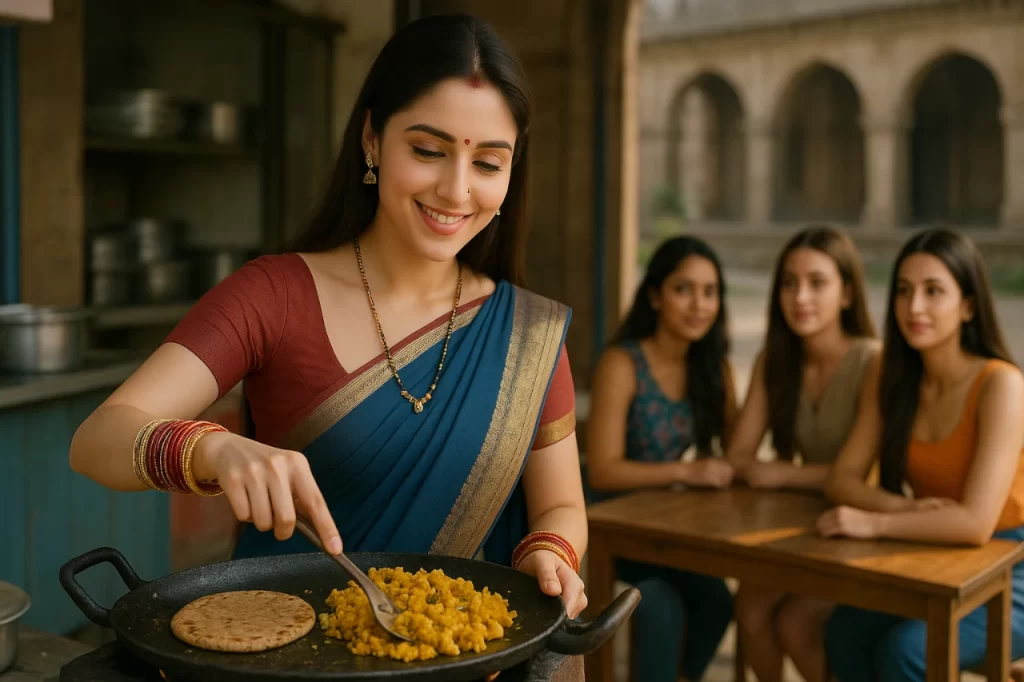
🍛 Best Places for Refreshments with Authentic Local Food in Latur: Granular Guide
🏺 1. Ganj Golai Street Food Hub: Heritage Bazaar Bites
📍 Central Latur (19-road Circular Market) | ⏰ 8 AM–10 PM
This Nizam-era market designed by Faiyajuddin (1917) is Latur’s culinary soul. Must-try stalls:
➙ Chai-Samosa Corner: Kadak Masala Chai (₹10) with Potato-stuffed samosas (₹15), dipped in mint-Coriander Chutney.
➙ Matki Usal Stall: Sprouted Moth Bean Curry with Pav (₹40), Garnished with Raw Onions and lime.
➙ Jaggery Specialists: Lavangat (Clove-infused Jaggery Discs) and Til-gul laddus (₹100/kg).
👉 Pro Tip: Visit at dusk for Dabeli (Spiced Potato Buns) stuffed with Pomegranate Seeds (₹25).
🍽️ 2. Dawat Family Restaurant: Royal Maharashtrian Thalis
📍 Mitra Nagar | 💰 ₹200–₹400 | ⏰ 12 PM–11 PM
Since 2017, this air-conditioned eatery serves Latur’s most elaborate Thalis:
➙ Farmer’s Feast Thali (₹250): 12 dishes including Zunka Bhakri, Bharli Vangi (Stuffed Eggplant) and Pithla (Chickpea Porridge).
➙ Non-Veg Special: Tambada Rassa (Spicy Red Mutton Stew) with Jowar Roti (₹320).
👉 Signature: Dessert platter with Amrakhand (Mango-Yogurt) and Puran Poli.
🕌 3. Shahi Bhoj Restaurant: Maratha-Nizam Fusion
📍 RaviRaj Tower, MG Road | 💰 ₹300–₹500 | ⏰ 11:30 AM–3:30 PM, 7 PM–10:30 PM
On the 3rd floor, this upscale veg spot blends Hyderabadi-Marathi flavours:
➙ Nizami Bhaji (₹180): Eggplant cooked in Tamarind and Sesame Paste, inspired by Nizam-era kitchens.
➙ Puran Poli Platter: 3 types (Coconut-Jaggery, Lentil, Sesame) with Saffron Milk (₹110).
👉 Ambiance: Rajasthani frescoes and live Shehnai Music on Weekends.
🏰 4. Castle Black Restaurant: Medieval Feasts
📍 Near Kazi Petrol Pump | 💰 ₹150 – ₹350 | ⏰ 11 AM–11 PM
A family favourite since 2021, known for:
➙ Battle Platters: Sizzling Paneer Tikka on swords (₹190) and Mutton Salli Boti (Gravy with Potato Straws, ₹280).
➙ Local Twist: Bajra Khichdi (Millet Porridge) with Thecha (Green Chili Chutney) (₹120).
👉 Themed Nights: Thursday “Darbar Dinners” with live Marathi folk performances.
☕ 5. Real And Rare Cafe: Breakfast Haven
📍 Signal Camp, Tution Area | 💰 ₹80 – ₹200 | ⏰ 7:30 AM–11 AM
A minimalist cafe specialising in Traditional Morning Bites:
➙ Kanda Poha (₹60): Flattened Rice with Onions, Turmeric and Tarri (Spicy Gram Flour Sauce).
➙ Sabudana Khichdi (₹70): Tapioca Pearls cooked with Peanuts and Cumin – a fasting staple.
👉 Pair With: Saoji Chai (Black Tea with Ginger-Cardamom).
🥘 6. Gayatri Veg Culture: Temple-Inspired Cuisine
📍 Chain Sukh Road | 💰 ₹120 – ₹300 | ⏰ 10 AM–10:30 PM
Near Siddheshwar Temple, this Pure-veg spot offers Priest-approved meals:
➙ Naivedyam Thali (₹180): Ukdiche Modak (Steamed Rice Dumplings), Batata Bhaji and Varan Bhaat (lentil-rice).
➙ Festive Specials: Puran Poli during Gudhi Padwa (March) and Shengdana Chutney (Peanut dip) in monsoon.
🥭 7. Keshar Amba Orchards: Mango Country Dining
📍 Ausa Road (18 km from Latur) | 💰 ₹500 – ₹800 | ⏰ May–June only
Farm-to-table experiences at Mango Groves Producing GI-tagged Keshar Amba:
➙ Mango Thali (₹600): Aamras (Pulp), Mango Kadhi, Pickles and Kesar Shrikhand.
👉 Experience: Harvest tours (₹100) and DIY Pickle Workshops.
🌙 8. Night Street Food: Patel Chowk Carts
📍 Ram Galli | ⏰ 8 PM–1 AM
After Surat Shawali Dargah prayers, this lane buzzes with:
➙ Nihari Kulcha (₹90): Overnight-stewed mutton with cardamom bread, served at Karim’s Cart.
➙ Latur’s Ice Gola (₹30): Shaved ice with Kokum or Jaljeera syrup.
🍲 9. Swiggy Street Food Deliveries: Monsoon Comforts
Top-rated home-delivered local specialties:
➙ Misal Pav (₹65): Spicy sprout curry from Shivam Misal Centre.
➙ Vada Pav (₹25): With Lasun Chutney (Garlic Dip) by Ganesh Fast Food.
👉 Pro Tip: Order Bhutte ka kees (Grated Corn Curry) during rains.
🍯 10. Sweet Sanctuaries: Jaggery & Dairy Classics
➙ Ganj Golai Mithaiwala: Tilti laddu (Sesame-Jaggery Balls) from Siddheshwar Temple (₹200/kg).
➙ Monginis Cake Shop: Shrikhand Cheesecake fusion (₹120/slice).
📜 Food Trail Itinerary
| Time | Experience | Budget (₹) |
| 7–9 AM | Real And Rare Cafe Breakfast | ₹ 100 |
| 1–3 PM | Shahi Bhoj Thali | ₹ 250 |
| 5–6 PM | Ganj Golai Street Snacks | ₹ 80 |
| 9–11 PM | Patel Chowk Nihari | ₹ 150 |
👑 “In Latur, every meal is a Rashtrakuta legacy – where sugarcane fields sweeten the air and spices tell tales of Nizams and Marathas”.
🏰 Best Places to Visit in Latur, Maharashtra: Granular Guide
➤ Udgir Fort: Citadel of Maratha Valour
📍 Location: Udgir (55 km NW of Latur city)
⏰ Timings: Sunrise to Sunset (No Entry Fee)
Built in the 12th century, this fort witnessed the 1760 Treaty of Udgir between Marathas and Nizams. Its Quadrilateral Design features:
⦿ 60-ft deep trenches as defence moats
⦿ Persian/Arabic Inscriptions detailing cultural exchanges
⦿ Underground tunnels linking to Bidar Fort (Karnataka)
⦿ Samadhi of Rishi Udaygiri buried 60 ft below ground level
👉 Climb the White-clay observation posts for panoramic views of the Deccan plateau. Winter mornings (November-February) offer ideal photography light.
➤ Kharosa Caves: Rock-Cut Saga of 6th Century
📍 Location: Kharosa (45 km SE of Latur)
💰 Entry: ₹5 | ⏰ Timings: 8 AM–6 PM
These 12 Gupta-era caves showcase syncretic spirituality:
⦿ Cave 1: Buddha paintings and Jain Tirthankara statues
⦿ Shiva-Parvati carvings with Ravana lifting Kailash scene
⦿ “Sita Nhani” – believed to be Sita’s bathing spot during exile
⦿ Yaksha Guardian Statue at the entrance
👉 Visit post-monsoon (October-November) when surrounding hills turn emerald green. Carry a torch to admire ceiling details.
➤ Ganj Golai: Architectural & Commercial Epicenter
📍 Location: Central Latur
⏰ Timings: Shops 9 AM–9 PM | Temple 6 AM–8 PM
Designed by Nizam-era planner Faiyajuddin (1917), this circular bazaar features:
⦿ 19 Radiating streets specialising in Gold, Spices and Footwear
⦿ Devi Jagdamba Temple at its core with Dravidian spires
⦿ Navratri festivities with 10,000+ visitors daily
⦿ Hidden Tea stalls serving Cutting Chai with Pithla-Bhakri
👉 Bargain for Kinhal Handicrafts and Himroo Textiles in lanes 4 & 12.
➤ Siddheshwar Ratneshwar Temple: Poetry in Stone
📍 Location: 2 km from Latur city
⏰ Timings: 5:30 AM–8 PM | Aarti: 7 AM/7 PM
This 12th-century shrine commissioned by King Tamradwaj honours Philosopher-Poet Saint Siddharameshwar. Highlights:
⦿ Kannada Inscriptions from Chalukyan era
⦿ Mythological Carvings of Veerashaiva revolution scenes
⦿ Mahashivratri Fair (Feb/Mar) with night-long Bhajans
⦿ Underground Water channel to Ratneshwar Shrine
👉 Priests offer free Prasadam of Tilti laddu (Sesame-Jaggery Sweets).
➤ Shri Virat Hanuman Mandir: Scarlet Sentinel
📍 Location: Parivar Housing Society, Ausa Road
⏰ Timings: 6 AM–8 PM | Tuesday Poojas: 4–6 PM
Dominated by a 25-ft scarlet Hanuman Idol, this Temple complex includes:
⦿ Artificial Waterfall curtain before the sanctum
⦿ Meditation Garden with 108 tulsi plants
⦿ Tuesday Rituals where oil lamps are offered in thousands
⦿ Underground library with Ramayana manuscripts
👉 Evening Aarti features Dhol-Tasha performances. Nearby, try Ausa’s famous Mango Shrikhand.
➤ Nana Nani Park (Vilasrao Deshmukh Park): Urban Oasis
📍 Location: Near Municipal Office
⏰ Timings: 5 AM–9 PM | Musical Fountain: 7–7:30 PM
A tribute to ex-CM Vilasrao Deshmukh, this 12-acre park offers:
⦿ Open-air Amphitheater hosting Lavani Dances on Sundays
⦿ Solar-powered Sundial with Astronomy Exhibits
⦿ Senior citizen zones with Chess Boards and Yoga Decks
⦿ Food stalls selling Bhutta (Spiced Corn) and Kokum Sherbet
👉 Visit at dawn to join Birdwatching groups spotting Peacocks and Parakeets.
➤ Surat Shawali Dargah: Syncretic Sanctuary
📍 Location: Patel Chowk, Ram Galli
⏰ Timings: 6 AM–10 PM | Annual Urs: June/July
Built in 1939 over Sufi saint Saifulla Shaha Sardari’s tomb, this site exemplifies communal harmony:
⦿ Hindus offer green flags during Urs Festival
⦿ Muslims present saffron flags at Siddheshwar Temple
⦿ Shared Langar kitchen serving Sheermal Bread
⦿ Jain Temple corridor connecting to Chintamani Parshwanath
👉 The 5-day Urs features Qawwali Nights and Yoga sessions.
➤ Wadwal Nagnath Bet: Ayurvedic Eden
📍 Location: 40 km SW of Latur
⏰ Timings: 6 AM–6 PM | Trek Duration: 2 hrs
A 600-ft high hill preserving rare medicinal flora:
⦿ 108 Ayurvedic plants like Ashwagandha and Sarpagandha
⦿ Tribal healer consultations at base village (Sat-Sun)
⦿ Panoramic views of Manjara River Valley
⦿ Guided Herb Walks (₹200/person) at 7 AM
👉 Buy Herbal Teas and Nasya oils from Wadwal village cooperatives.
➤ Hattibet-Devarajan: Reforested Wonder
📍 Location: 16 km from Udgir
⚠️ Access: 4WD recommended for last 3 km
Once barren, this “Elephant Hill” was transformed by Local Villagers who:
⦿ Planted 5,000+ Trees (Neem, Peepal, Banyan)
⦿ Carved Water Harvesting Channels
⦿ Built Meditation Caves with Shiva Lingams
⦿ Created Eco-trails with interpretive signage
👉 Stay for twilight to see 1,000 oil lamps lit at the Hilltop Temple.
➤ Latur Food Trail: Culinary Heritage
Savour these iconic flavours:

⦿ Ganj Golai stalls: Pithla-bhakri (Chickpea Curry with Millet Bread) and Matki Usal
⦿ Castle Black Restaurant: Medieval-themed dining with Tambada Rassa (Spicy Mutton Stew)
⦿ Keshar Amba: Latur's GI-tagged mangoes sold at Ausa Road orchards (May-June)
⦿ Shenga Chutney: Peanut-coconut dip at Tuesday farmer markets
🗺️ Practical Visiting Tips
👉 Best Circuit: Day 1: Ganj Golai ➙ Siddheshwar Temple ➙ Nana Nani Park. Day 2: Udgir Fort ➙ Kharosa Caves ➙ Wadwal Nagnath Bet
👉 Local Transport: Auto-rickshaws (₹20/km); Taxis (₹15/km); No ride-shares
👉 Guides: Hire certified guides (₹500/half-day) at Latur Tourism Office (9 AM – 5 PM)
👉 Water Advisory: Carry 2L bottles – drought-prone area with limited public water
💎 Latur’s legacy lives in its stones, saints, and sugarcane fields. From Rashtrakuta-era caves to earthquake-resistant modernity, it invites you to write your chapter in its unbroken story.
🌦️ Climatic Conditions in Latur, Maharashtra: Granular Analysis
⛔ Semi-Arid Climate with Extreme Seasonality
Latur experiences a hot semi-arid climate (Köppen: BSh) characterised by three distinct seasons:
☁️ Winter (October–February): Mild and dry, with average lows of 16°C (61°F) in December.
☀️ Summer (March–June): Intense heat, peaking at 41°C (106°F) in May, with occasional highs of 45.6°C (114°F).
🌧️ Monsoon (June–September): Humid and Rainy, contributing 85% of the Annual 725–860 mm rainfall.
⛔ Temperature Extremes & Daily Ranges
➙ Annual Mean: 26.4°C, with diurnal swings up to 20°C in Winter.
➙ Summer Peaks: May averages 39°C highs, with Heatwaves pushing temperatures above 42°C.
➙ Winter Lows: December nights drop to 10°C – 12°C; cold waves can hit 2°C.
➙ 2025 Anomaly: June 2025 recorded highs of 32°C and lows of 23°C, 3°C cooler than Historical averages due to cloud cover.
⛔ Monsoon Dynamics & Rainfall Volatility
➨ Timing: Southwest monsoon arrives in mid-June, lasting through September.
➨ Rainfall Distribution:
➙ Driest Month: February (0.1 mm).
➙ Wettest Month: September (Avg. 150 mm), with 2025 recording 264.5 mm in May alone – 774% above normal due to cyclonic systems over Madhya Pradesh.
➨ Flash Floods: Poor drainage exacerbates flooding during cloudbursts (e.g., May 2025), despite chronic drought.
⛔ Humidity & Muggy Conditions
➙ Low Humidity (Dry Season): December–February (Avg. 45–55%).
➙ High Humidity (Monsoon): July–September (Avg. 75–85%), with July having 29 “Muggy Days” (Dew Point >24°C).
➙ 2025 Data: June 23, 2025, recorded 45% Humidity at Noon, Rising to 79% at Dawn.
⛔ Winds & Atmospheric Patterns
☀️ Summer Winds: Westerlies dominate (May–August), averaging 10.1–12.9 mph, with gusts up to 40 km/h (24.8 mph).
🌧️ Monsoon Turbulence: June 2025 saw Sustained WSW winds at 33.8 km/h (21 mph), aiding moisture inflow from the Arabian Sea.
☁️ Dry Winter Breezes: Calm Northeaster-lies (Avg. 5–8 km/h).
⛔ Cloud Cover & Solar Exposure
➙ Clear Skies: February (78% clear days).
➙ Overcast Monsoon: July (89% cloud cover).
➨ UV Extremes:
☀️ Summer: UV Index 10+ (“Very High”) – sunscreen essential.
🌧️ Monsoon: Drops to 3–5 (“Moderate”).
⛔ Climate Change Impacts
➙ Erratic Rainfall: 2023–2025 saw cycles of drought (2016-like Water Train Crises) followed by flash floods.
➙ Temperature Shifts: 1.2°C average increase since 1990, Intensifying Heatwaves.
➙ Agricultural Stress: Delayed Monsoons and Hailstorms damage Sugarcane and Soybean Crops.
⛔ Monthly Climate Metrics (2025 Data)
Table: June 2025 Conditions vs. Historical Averages
| Parameter | June 2025 (Actual) | Historical Avg. (June) |
| Avg. High | 30°C | 36°C |
| Avg. Low | 23°C | 25°C |
| Rainfall | 0 mm (June 23) | 112 mm |
| Humidity | 45–79% | 60–85% |
| Wind Speed | 33.8 km/h (WSW) | 12.9 km/h |
| UV Index | 10.1 (Very High) | 11.4 |
⛔ Drought-Flood Dichotomy
➙ Water Scarcity: Reliance on Manjara River, which dried up in 2016, forcing water trains.
➙ Flood Vulnerability: Poor Drainage + Extreme Rain (e.g., May 2025’s 264.5 mm) inundates low-lying areas like Patel Chowk.
⛔ Adaptations & Local Resilience
➙ Agriculture: Farmers shift to Drought-tolerant Millets (Jowar, Bajra) and adopt Watershed Management.
➙ Urban Planning: Post-1993 earthquake, Seismic-resistant Buildings with Rainwater Harvesting are mandated.
➙ Health Advisories: Winter: Layer clothing; Summer: Avoid outdoors 11 AM – 4 PM; Monsoon: Mosquito control.
🌾 “Latur’s climate writes epics in dust and downpour – where farmers pray for monsoon’s kiss but brace for its fury and where winter’s chill is but a brief respite before the sun reclaims its throne”.

📊 Sociodemographic Mosaic: Castes & Languages of Latur, Maharashtra
🏛️ 1. Historical Foundations & Demographic Evolution
Latur’s caste and linguistic landscape was shaped by its Rashtrakuta legacy (7th–10th century CE), where Marathi emerged as the administrative language under King Amoghavarsha. Successive rules — Delhi Sultanate, Bahmani Sultanate, Mughals and Nizams of Hyderabad — introduced Persian, Urdu and Deccani cultural influences. Post-Independence, the Integration of Hyderabad (1948) and creation of Maharashtra (1960) solidified Marathi’s dominance while accommodating linguistic minorities like Hindi-speaking migrants from North India and Lambadi tribal communities.
👥 2. Caste Composition: Hierarchies & Distribution
As per 2011 Census, Latur district’s 2.45 Million People exhibit complex caste stratification:
➙ Forward Castes: 25% (Marathas, Brahmins), Dominant in landownership and Politics.
➙ Other Backward Classes (OBCs): 55% (Kunbi, Teli, Sutar), Primarily engaged in farming and small trades.
➙ Scheduled Castes (SCs): 19.6% (Mahar, Mang, Chambhar), concentrated in rural areas like Chakur taluka. Historically marginalised, now benefit from state reservations in education/jobs.
➙ Scheduled Tribes (STs): 2.3% (Banjara, Gormati), with Lambadi language speakers in Ausa and Udgir. Traditionally nomadic, now settled as farm labourers.
Table: Caste Distribution (District vs. Urban Latur)
| Group | District | Latur City % | Primary Occupations |
| Hindus | 81.78% | 70.14% | Agriculture, Trade, Education |
| Muslims | 14.98% | 23.95% | Handicrafts, Butchery, Transport |
| Buddhists | 2.71% | 4.60% | Dalit Activism, Service Sector |
| Jains | 0.26% | 0.79% | Jewellery, Textile Businesses |
🗣️ 3. Language Dynamics: Major & Minor Tongues
Latur’s linguistic profile reflects State Policies and Migration Patterns:
➙ Marathi: 81.75% speak it as their first language, with the Laturi dialect featuring unique loanwords from Urdu (e.g., “Nakhrey” for Stubbornness).
➙ Hindi: 8.08% Speakers, Concentrated in urban wards near Railway Stations (e.g., Ward 22).
➙ Urdu: 6.37%, Historically linked to Nizam-era elites and Muslim communities in Ram Galli.
➙ Tribal Languages: Lambadi (1.82%) in rural areas, with only 35% literacy due to limited schooling access.
🏙️ 4. Urban-Rural Dichotomies
➙ Urban Latur (25.5% of Population): Higher Urdu (11.32%) and Hindi (12.88%) usage in commercial hubs like Ganj Golai. Ward 41 has the highest Sex Ratio (1081) and Jain concentration (Gold Traders).
➙ Rural Areas: 74.5% of District Population. Marathi Monolingualism exceeds 90% in Nilanga taluka. SCs/STs face Water access disparities during Droughts, Impacting livelihood security.
⚖️ 5. Socioeconomic Correlations
➙ Land Ownership: Maratha-Kunbi castes control 70% of Sugarcane farms.
➙ Educational Access: Brahmins and Jains exhibit >90% literacy, while SCs/STs average 66.67% (Female Literacy Dips to 58% in Chakur).
➙ Political Representation: SC-reserved seats in Zilla Parishad dominated by Mahar leaders; OBCs hold 60% of panchayat positions.
🤝 6. Communal Harmony & Cultural Synthesis
➙ Shared Spaces: Surat Shawali Dargah hosts Hindu devotees; Siddheshwar Fair sees Muslim vendors selling Tilti Laddus.
➙ Language Hybridity: Dakhni Urdu incorporates Marathi verbs (e.g., “Karayla” for “To Do”).
➙ Inter-Caste Initiatives: Latur Festival features Lavani (OBC Art) and Qawwali (Muslim Tradition).
📈 7. Recent Shifts & Government Policies
➙ Educational Mobility: “Latur Pattern” coaching enables SC/OBC students to clear civil service exams.
➙ Language Revitalisation: State-funded Lambadi schools in 12 villages since 2020.
➙ Reservation Impacts: 27% OBC Quotas increased university enrolment by 40% (2011–2021).
🔮 8. Future Challenges & Opportunities
➙ Threats: Urdu Script Decline (-15% Readers since 2001); climate-induced migration disrupting caste-based occupations.
➙ Progress: Women’s literacy rose from 60.81% (2011) to 69.5% (2025 estimates); Digital Marathi Libraries in 50 villages.
🌍 Latur’s castes and languages are not just demographics—they are living Archives of Rashtrakuta Edicts, Nizam Firman Decrees and Sugarcane Cooperatives where a Kunbi farmer’s Marathi blends with a Banjara laborer’s Lambadi under the same drought-resistant sky.
🌟 Notable Personalities of Latur, Maharashtra: Granular Profiles
🏛️ 1. Political Titans & Administrators
➙ Vilasrao Deshmukh (1945–2012): Two-term Chief Minister of Maharashtra (1999–2003; 2004–2008). Pioneered Latur’s educational revolution (“Latur Pattern”) and infrastructure growth. Father of actor Riteish Deshmukh and politician Amit Deshmukh.
➙ Shivraj Patil (B. 1935): Former Union Home Minister (2004–2008) and Governor of Punjab. Key strategist during India’s counterterrorism reforms post-26/11 attacks.
➙ Keshavrao Sonawane (1925–2006): Cooperative Movement Architect. Established Asia’s first Cooperative Oil Mill (Dalda) and 11 Sugar Factories, Transforming Latur into Maharashtra’s “Sugar Belt”.
➙ Amit Deshmukh (B. 1976): Three-term MLA from Latur City. Institutionalised the annual Latur Festival (2011) to promote folk arts. Served as Maharashtra’s Minister of Medical Education.
➙ Varsha Thakur-Ghuge: Current District Collector (IAS). Spearheaded drought-resilience projects like rainwater harvesting and ICRISAT-backed watershed management.
🎓 2. Education & Social Reform Pioneers
➙ Janardan Waghmare: Co-creator of the “Latur Pattern” at Rajarshi Shahu College. His intensive coaching model enabled 10,000+ rural students to clear UPSC/IIT-JEE exams (1988–present).
➙ Swami Ramanand Tirtha (1903–1972): Freedom fighter who led the Hyderabad Liberation Struggle against Nizam’s rule. Founded educational societies for Dalit upliftment.
➙ Dr. Shivaji Kalge: INC MP from Latur. Advocated for seismic-safe rebuilding post-1993 earthquake and established the Disaster Management Institute (2008).
🎭 3. Arts, Culture & Entertainment
➙ Riteish Deshmukh (B. 1978): Iconic Bollywood Actor (Masti, Ek Villain) and Marathi Cinema Producer (Balak Palak). Revived Marathi theatre through Latur Natya Parivar.
➙ Uday Tikekar (B. 1965): National Award-winning Actor known for Natsamrat (Marathi) and Padmaavat (Hindi). Trained 500+ artists via Latur Kala Academy.
➙ Rohit Raut: Playback Singer and runner-up of Indian Idol 11 (2019). Composed Maharashtra’s Anthem Jai Jai Maharashtra Maza.
➙ Santosh Ghante (B. 1982): Harmonium Virtuoso. Composed Lavani-fusion albums preserving Marathwada’s Folk Heritage.
⚔️ 4. Historical Figures
➙ Dantidurga (R. 735–756 CE): Founder of Rashtrakuta Empire born in Lattalur (Ancient Latur). Conquered Chalukyas to establish Deccan supremacy.
➙ Qasim Rizwi (1911–1970): Controversial Chief of Nizam’s Razakar Militia. Symbolises Hyderabad’s Violent Integration into India (1948).
🌾 5. Agricultural & Rural Development Leaders
➙ Govind Hinge: Farm Innovator from Matephal village. Partnered with ICRISAT to implement Watershed Management, Increasing Crop Yields by 30% (2023).
➙ Pasha Patel: Farmers’ union leader. Lobbied for Latur’s GI tag for Keshar Amba Mangoes and soybean price stabilisation.
⚖️ 6. Judiciary & Legal Luminaries
➙ Justice Brijgopal Harkishan Loya (d. 2014): CBI Judge presiding over the Amit Shah encounter case. His death sparked national judicial reforms.
🏥 7. Medical Visionaries
➙ Dr. Balaji Kinikar: Paediatrician who established Latur’s first Neonatal ICU Post-1993 earthquake. Authored Disaster Healthcare Protocols adopted by WHO.
🏆 8. Sports Icons
➙ Shahuraj Birajdar (b. 1963): Olympic Boxer (1988 Seoul). Founded Latur Boxing Academy training 12 National Champions.
♀️ 9. Women Trailblazers
➙ Vinita Kadam: Farmer entrepreneur from Matephal. Promoted Millet Cultivation among Women, Doubling Incomes via SHEF cooperatives.
📚 10. Literary Figures
➙ T. M. Kamble (1933–2002): Dalit Poet and author of Maharashtra’s Broken People. Co-founded Ambedkarite Publishing House in Latur.
📊 Sector-Wise Impact Summary
| Field | Key Figures | Legacy Highlights |
| Politics | Vilasrao Deshmukh, Amit Deshmukh | Educational Hubs; Latur Festival |
| Agriculture | Keshavrao Sonawane, Govind Hinge | Sugar Cooperatives; Watershed Management |
| Arts | Riteish Deshmukh, Uday Tikekar | Marathi Cinema Revival; Theater Academies |
| Social Justice | Swami Ramanand Tirtha, T.M. Kamble | Dalit Education; Anti-Nizam Resistance |
| Science/Medicine | Dr. Balaji Kinikar, Varsha Thakur-Ghuge | Disaster Healthcare; Climate-Resilient Farming |
🌱 Enduring Legacies
👉 Educational Empowerment: Vilasrao Deshmukh’s push for colleges (e.g., Vilasrao Deshmukh Medical College) and Janardan Waghmare’s “Latur Pattern” created India’s 5th-ranked educational district.
👉 Agrarian Revolution: Keshavrao Sonawane’s cooperatives empowered 50,000 Sugarcane Farmers. Govind Hinge’s ICRISAT collaboration reversed land degradation in 500+ hectares.
👉 Cultural Preservation: Riteish Deshmukh’s Marathi films (Lai Bhaari) and Santosh Ghante’s Lavani archives safeguarded regional arts.
👉 Social Justice: Swami Ramanand Tirtha’s anti-caste schools and T.M. Kamble’s Dalit literature fuelled Ambedkarite movements in Marathwada.
🌄 Latur’s luminaries sculpted History not in Marble, but in Sugarcane Fields, Cinema Screens and Courtroom battles—where a judge’s gavel echoes a Rashtrakuta Sword and a farmer’s Millet Seed holds more promise than a king’s decree.
🏭 Industrial Development in Latur, Maharashtra: Granular Analysis
🔘 Historical Foundations & Agro-Industrial Dominance
Latur’s industrial landscape is anchored in its Sugar Belt Legacy, pioneered by cooperative leader Keshavrao Sonawane in the 1960s. The district hosts 11 cooperative Sugar Factories processing 15 million tonnes of cane annually, contributing ₹1,800 crore to Maharashtra’s economy. Asia’s first cooperative oil mill (Dalda Factory) was established here, revolutionising soybean and edible oil processing. Post-1982 district formation, Agro-industries expanded to include:
⦿ Fruit processing: Keshar Amba GI-tagged Mango Pulp/Pickle units
⦿ Grape Wine Parks: 350-acre facility in Ausa (Capacity: 2 Million litres/year)
⦿ Soybean Trading Hub: 40% of India’s Soybean Transactions (₹3,200 crore/year)
🔘 MIDC Industrial Estates & Infrastructure
The Maharashtra Industrial Development Corporation (MIDC) developed 6 key zones with specialised clusters:
| Estate | Area | Key Industries | Notable Units |
| Latur Main | 1,200 acres | Engineering, Plastics | Kirlosker Ferrous, Bajaj Steel |
| Additional MIDC Phase I | 850 acres | Food Processing, Textiles | Bombay Rayon Fashions |
| Additional MIDC Phase II | 1,100 acres | Pharmaceuticals, Electronics | Sandipani Meditech Park |
| Ausa | 600 acres | Wineries, Cold Storage | Grape County Wineries |
| Udgir | 450 acres | Auto Components, Casting | TATA Metallic Powders |
| Chakur | 300 acres | Agro-machinery, Packaging | Mahindra Tractors Assembly |
All estates feature 24/7 Power (1,200 MW Substations), Water Recycling Plants & Broadband connectivity under Maharashtra’s MahaNet initiative.
🔘 Emerging Sectors & Investment Surge
The 2025 Latur Investment Summit secured ₹2,268 crore commitments across:
⦿ Food Processing: ₹1,020 crore for Latur Food Park (300 acres) with 25 Processing units
⦿ Textiles: ₹624 crore for Integrated Textile Park (Spinning/Weaving/Dyeing Clusters)
⦿ Renewables: ₹420 crore Solar Farms (80 MW capacity) by Adani Green
⦿ Logistic: ₹204 crore Cold Chain Hubs near Ausa Grape Yards
This will generate 5,400+ jobs, focusing on skilled youth employment in Technical roles.
🔘 Employment Dynamics & Labor Profile
Industrial workforce distribution reflects regional socioeconomics:
⦿ OBCs (55%): Machine operators in Sugar/Textile units (Avg. Salary: ₹18,000/month)
⦿ SCs (19.6%): Labourers in Construction/Agro-processing (Avg. Salary: ₹12,500/month)
⦿ Women (28% Workforce): Dominant in Electronics Assembly (Latur Main MIDC) and Food Packaging
⦿ Skilled Migration: 1,200+ engineers from Pune/Mumbai in Pharmaceutical units
Post-2025 investments aim to increase female participation to 35% via factory-hosted ITI training.
🔘 Transport & Logistics Network
Industrial connectivity relies on:
⦿ Rail: Latur-Hyderabad Freight Corridor (8 million tonnes/year capacity) for Soybean/Steel
⦿ Road: NH 361 links to JNPT Port (360 km) with 800+ trucks daily
⦿ Air: Under-construction Latur Airport (Chincholiraowadi) for Perishable Exports
⦿ Vehicle Fleet: 3,826 registered commercial vehicles (Apr 2025) – 40% freight trucks
🔘 Policy Framework & Incentives
Key initiatives driving growth:
⦿ Drought Tax Waivers: 100% exemption for Water-recycling Industries
⦿ Ease of Business: Single-window clearance via District Industries Centre (DIC)
⦿ Export Subsidies: 25% Transport cost Reimbursement for Agro-exports
⦿ Skill Development: Guardian Minister Shivendrasinhraje Bhosale’s Vocational Hubs Training 5,000/year
🔘 Water Challenges & Sustainable Innovations
Despite Water Scarcity, Industries Adopted:
⦿ Zero Liquid Discharge (ZLD): 98% Wastewater Recycled in Sugar Mills
⦿ Solar-Powered Micro-Irrigation: For Grape Orchards (30% Water Savings)
⦿ AI-Based Aquifers: Predictive Groundwater Management in MIDC zones
The 2016 water train crisis prompted ₹21 crore Industrial Rainwater Harvesting Mandates.
🔘 Future Trajectory: 2025–2030
⦿ Marathwada Railway Coach Factory: Production scaling to 250 coaches/year by 2026
⦿ Hyperloop Feasibility Study: Pune-Latur connectivity (reducing transit to 90 mins)
⦿ GI Tag Expansion: Ausa Alphonso Mangoes and Nilanga Turmeric processing
⦿ Global Integration: FDI proposals from UAE (dates processing) and Japan (Auto Robotics)
🚜 “Latur’s Industry breathes through its sugarcane veins – where crushing seasons set economic rhythms and soy silos stand like temples to farmer-entrepreneur resilience”.
🌄 Conclusion: Latur – Where Resilience Meets Renaissance
🏰 1. Historical Legacy & Modern Metamorphosis
Latur stands as a living museum of Maharashtra’s dynastic saga – from its Rashtrakuta roots (7th century CE) as Lattalur, birthplace of Emperor Dantidurga, to its Nizam-era urban planning exemplified by Ganj Golai (1917), a radial marketplace blending Hindu Temple Architecture with Islamic commercial zoning. The district’s creation on August 16, 1982, marked a turning point, triggering investments in education and infrastructure under leaders like Vilasrao Deshmukh. Yet its defining moment was the 1993 Earthquake (6.3 magnitude), which killed 10,000 but spurred India’s seismic safety reforms – a testament to its transformative resilience.
📚 2. Educational Powerhouse & Cultural Mosaic
Latur redefined rural empowerment through the “Latur Pattern” – an intensive coaching model pioneered at Rajarshi Shahu College that enabled 10,000+ students to crack national exams. This intellectual vibrancy thrives alongside linguistic diversity: Marathi (71.92%), Hindi (12.88%) and Urdu (11.32%) coexist in bazaars like Ganj Golai, where Tilti Laddus (Sesame-jaggery Sweets) are sold during Hindu-Muslim shared festivals. Folk traditions like Lavani Dance and Gondhal Spiritual Performances preserve Marathwada’s soul.
🏭 3. Economic Engine: Sugar, Soy & Sunrise Sectors
Agriculture remains Latur’s heartbeat, with 11 Cooperative Sugar Factories processing 15 million tonnes/year – a legacy of visionary Keshavrao Sonawane. The district dominates India’s Soybean trade (₹3,200 Crore/year) and Produces GI-tagged Keshar Amba Mangoes. Recent industrial leaps include:
➙ Marathwada Railway Coach Factory (2020): Manufacturing 250 coaches/year, creating 1,200 jobs
➙ Latur Food Park (300 acres): Attracting ₹1,020 crore for agro-processing
➙ Grape Wine Parks in Ausa: Exporting 2 million litres/year
🌦️ 4. Climate Challenges & Adaptive Innovation
Latur battles Semi-arid Extremes: Summer Temperatures hit 45.6°C, Winter Cold waves plunge to 2.2°C and Erratic Monsoons swing between droughts (2016 Water Train Crisis) and floods (May 2025 Rainfall: 264.5 mm – 774% Above Normal). Farmers counter this with:
➙ Watershed management: Reviving 500+ hectares in drought zones
➙ Millet shift: From water-guzzling sugarcane to drought-resistant Jowar/Bajra
➙ Zero Liquid Discharge (ZLD): Sugar factories recycling 98% wastewater
🌟 5. Luminaries & Legacy Builders
The district’s identity is shaped by iconic figures:
➙ Vilasrao Deshmukh: Two-time CM who established medical colleges and pushed Latur’s educational boom
➙ Riteish Deshmukh: Bollywood Actor & now preserving Marathi cinema as well (Lai Bhaari)
➙ Dr. Balaji Kinikar: Paediatrician who designed disaster healthcare protocols Post-earthquake
➙ T.M. Kamble: Dalit poet chronicling caste struggles (Maharashtra’s Broken People)
🚀 6. Future Trajectory: 2025–2030
Latur’s roadmap balances heritage and hyper-modernity:
➙ Hyper-loop Feasibility: Pune-Latur connectivity (90-minute travel)
➙ Climate-smart Villages: Solar micro-grids + AI-aquifer management in 50 villages
➙ GI-tag Expansion: Ausa Alphonso Mangoes and Nilanga Turmeric processing
➙ Tourism renaissance: Restoring Kharosa Caves (6th-century Rock Art) and Udgir Fort (Treaty of 1760 site)
💎 Epilogue: The Sugarcane Metaphor
“Like sugarcane crushed by drought yet yielding sweetness, Latur transforms adversity into renaissance – its forts echoing Rashtrakuta valour, sugar factories humming with OBC resilience, and coaching centres scripting Dalit dreams. Here, earthquakes birthed seismic-safe schools, and water trains inspired India’s largest food park. As climate volatility tests its limits, Latur answers with millet fields and AI-aquifers, proving that in Maharashtra’s heartland, roots run deeper than ruin”. 🌾🪔
❓ Latur Travel FAQs
Is Latur safe for solo travellers?
Yes! Locals are hospitable. Avoid isolated areas Post-midnight. Women should dress conservatively.
What’s Latur’s signature dish?
Try Pithla-Bhakri (Chickpea Curry with Millet Bread) or Jowar Roti with Bharli Vangi (Stuffed Eggplant). Sweets: Keshar Amba (Mango Pulp).
Can I visit during Monsoons?
Yes—landscapes turn Emerald Green. Carry waterproof gear and check road conditions.
Which attraction is often overlooked?
Wadwal Nagnath Bet Hill—600-ft high with rare Ayurvedic herbs. Trekking here rewards with sunrise vistas.
How many days suffice for Latur?
2–3 days: Day 1 (city: Ganj Golai, Siddheshwar Temple), Day 2 (day trips: Udgir Fort, Kharosa Caves).
📢 Ready to Explore Latur? Plan Your Journey!
Latur is more than a dot on Maharashtra’s map—it’s where History’s whispers mingle with sugarcane rustling, where students chase dreams under winter skies, and forts stand as sentinels of time. Whether you seek Spiritual Solace at Ancient Temples, Academic Inspiration from its coaching hubs, or Historical Adventures in its Caves and Forts, Latur invites you with open arms.
🗺️ Craft Your Perfect Latur Itinerary!
👉 DM us for personalised route plans, farm-stay bookings, or student campus visits!
👉 Follow #LaturDiaries on social for real-time tips from travellers!
Sources
➙ Wikipedia – Latur, Latur District, People from Latur
➙ Census of India 2011: Talukas & Demographics
➙ Maharashtra Tourism Board Archives
➙ Yatra.com & Holidify Climate Data
➙ Maps of India: City & District Geography
➙ Weather-and-Climate.com Monthly Averages
Image Credit
➙ Wikimedia Commons – PVR Latur
➙ Wikimedia Commons – Ausa Fort
➙ Wikimedia Commons – Ganj Golai
➙ Wikimedia Commons – 235-Latur City
➙ Wikimedia Commons – 41 Latur – लातूर
➙ Wikimedia Commons – Mahadeva @ Latur
➙ Wikimedia Commons – Buddha Garden – Latur
➙ Wikimedia Commons – Ashtavinayak Mandir Latur
➙ Wikimedia Commons – Virat Hanuman Mandir Latur
➙ Wikimedia Commons – New Collector Office Latur
➙ Wikimedia Commons – Latur Road Railway Station
➙ Wikimedia Commons – College of Agriculture, Latur
➙ Wikimedia Commons – Aazaad Chowk, Ahmedpur, Latur
➙ Wikimedia Commons – 103 year old mata mandir ganj golai l maharashtra latur 413512 03
➙ Wikimedia Commons – Side view of main building, Government Residential Women’s Polytechnic, Latur, Maharashtra, India (2017)
For more information, you can visit our website: ExploreXP
Latest Posts
- 4 Steps to Teach English in Vietnam (Complete 2026 Guide)

- The Complete Guide to Living in Ho Chi Minh City, Vietnam
- What Living in Hanoi Is Really Like for Foreigners
- Expat vs Immigrant: What’s the Real Difference?
- 7 Best Places to Live in Mexico Right Now: A Complete Guide
- Best Places to Live in Thailand: A Complete Guide for Expats in 2026