Discover Ratlam: Malwa’s Hidden Gem of History, Spice & Soul
Where Royal Legacies, Golden Sev, and Jain Sanctuaries Collide!
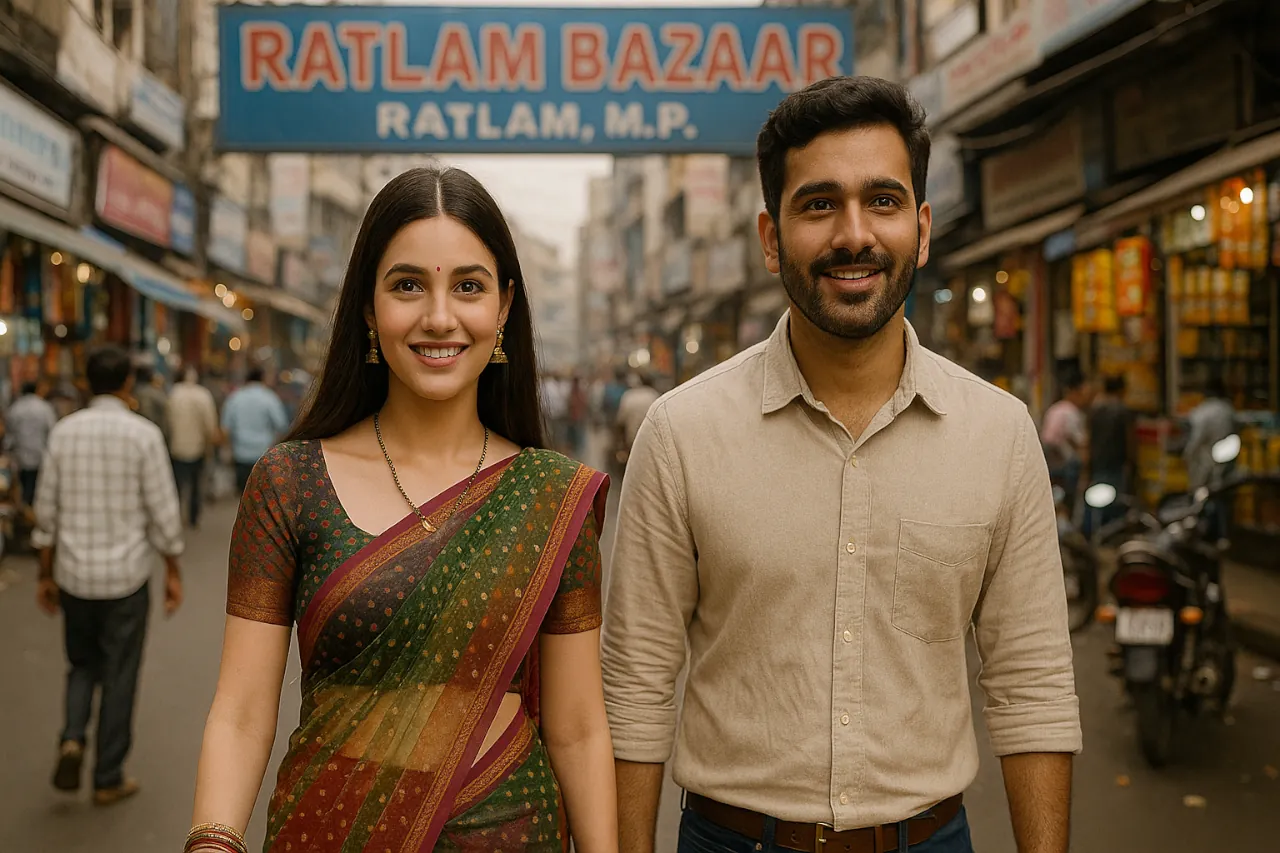
🎯 Illustration: Explore Ratlam, Madhya Pradesh — a City of Warrior Kings, World-famous Snacks and Architectural Marvels. Uncover History, Monsoon Getaways, Food Trails and Travel Tips. Plan your trip now!
🔴 Brief Introduction: The Soul of Malwa
Perched 480 meters above sea level on the Malwa Plateau, Ratlam is a symphony of clattering Railway Wagons, Sizzling Spices and Whispered Legends. Founded in 1652 by the valiant Raja Ratan Singh Rathore, this Northwestern Madhya Pradesh hub thrived as a trading Empire for Opium, Salt and Gold. Today, it’s a sensory explosion — from the crunch of Ratlami Sev to the chants in 13th-century Jain temples.
🎯 Why Ratlam Stands Apart:
➙ Gateway to Three States: Nestled near Rajasthan and Gujarat, absorbing diverse cultures.
➙ Railway Titan: A pivotal junction with 157+ daily trains, divisional HQ of Western Railways.
➙ Culinary Capital: Home to India’s most addictive spicy snack — Ratlami Sev, born from Bhil tribe traditions.
🎯 In this guide, we’ll unravel:
⦿ Granular History from Bhil kings to Mughal alliances
⦿ Monsoon Magic in Kharmour Sanctuary
⦿ Architectural Jewels like the Emerald Parshvanath Idol
⦿ Food trails beyond Sev
⦿ Secret Villages where Silk Weavers keep Ancient Crafts alive
🎯 Article Structure
➙ The Warrior’s Legacy: History Unfolded
➙ Stone & Soul: Architectural Marvels
➙ Monsoons, Markets & More: Travel Itineraries
➙ 48 Hours in Ratlam: A Food Pilgrimage
➙ Beyond the City: Tehsils & Villages
➙ Connect with Ratlam: Logistics Made Simple
➙ Voices of Ratlam: Cultural Tapestry
➙ FAQs: Decoding the City
“Craving adventure? Download our free Ratlam Pocket Guide—map Hidden Temples, Sev stalls and Monsoon Trails!”
Discover Ratlam: The Crown Jewel of Malwa
🟢 Detailed Introduction
➤ Introduction: Where History, Spice, and Spirit Converge
Nestled at 480 meters above sea level on the Malwa Plateau, Ratlam is a city that pulses with Historical Grandeur, Culinary Legends and Cultural Resilience. Founded in 1652 by the valiant Rajput ruler Raja Ratan Singh Rathore — A descendant of Jodhpur’s royalty — this Northwestern Madhya Pradesh hub emerged as a Strategic Trading Empire for Opium, Salt and Gold under Mughal Patronage. Its name, derived from Raja Ratan Singh and his son Ram Singh (Rat-Ram), echoes through centuries as a testament to Sacrifice and Sovereignty. In 1658, Ratan Singh’s martyrdom against Aurangzeb at Dharmatpur (near Ujjain) became folklore — his body bore 80 sword wounds, yet his legacy birthed a dynasty.
➤ A Crossroads of Cultures
Ratlam’s Unique Geography — sandwiched between Rajasthan and Gujarat—infuses it with a Tri-cultural tapestry. This fusion manifests in its architecture: Jain temples with Intricate Marble Carvings, Rajput palaces adorned with Jharokhas and British-era grid-planned streets commissioned by Captain Borthwick in 1829. The city’s Commercial DNA thrived as Central India’s Premier Satta (Bargain) hub for opium and tobacco, long before railways arrived in 1872.
➤ The Snack That Conquered the World
No introduction to Ratlam is complete without Ratlami Sev — A spicy gram flour marvel born from Bhil tribal ingenuity. Legend claims a Bhil king served “Bhildi sev” to a Mughal chief, igniting a culinary revolution. Today, this Crunchy Delicacy laced with cloves, black pepper, and asafoetida fuels a ₹440-crore export industry, reaching Italy, Canada, and Angola. As local jeweller Rajesh Jain recounts: “Our Ancestors Traded Gold; now we Trade Taste. Ratlami Sev is Edible Heritage”.
➤ Railways & Rhythm of Life
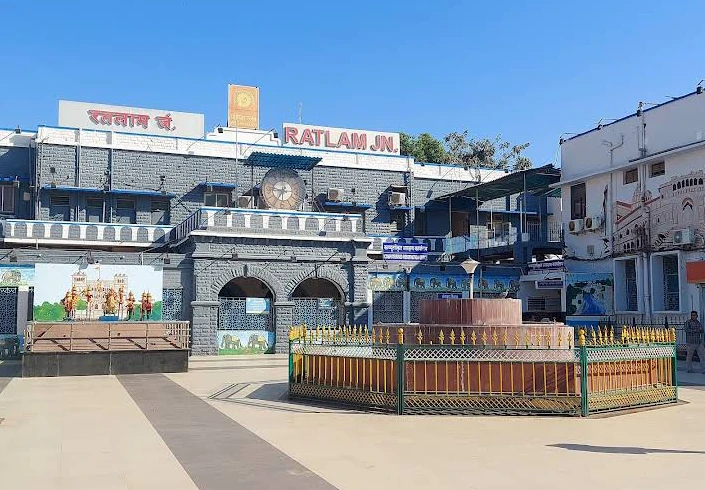
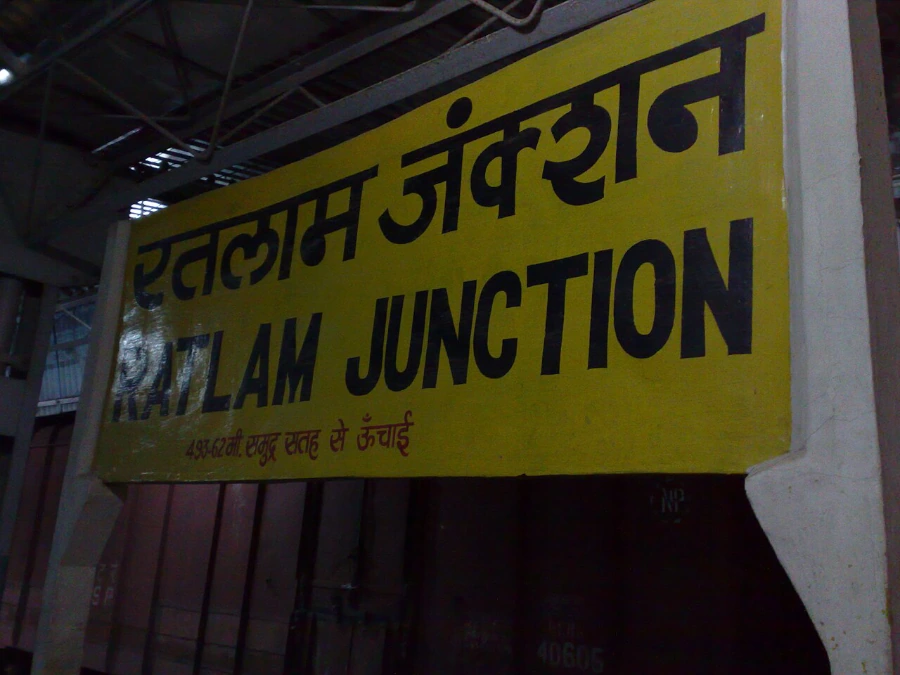
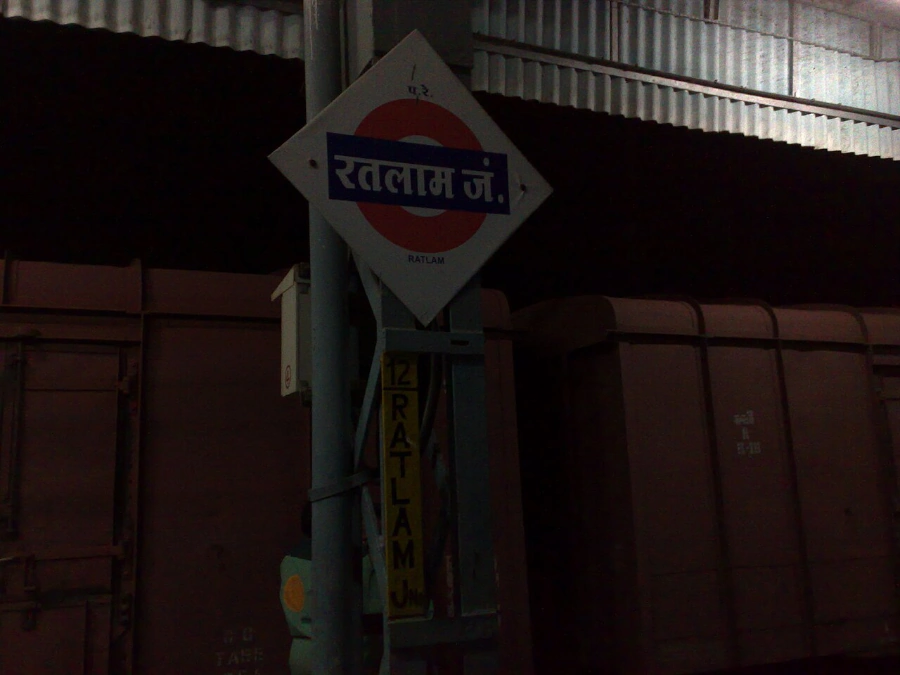
As the Divisional Headquarters of Western Railways, Ratlam Junction buzzes with 157+ daily trains. Its status as India’s first “Clean Train Station” (where coaches are vacuum-cleaned mid-journey) mirrors the city’s disciplined spirit. Beyond the tracks, Sarafa Bazaar dazzles with 99.9% pure gold — A tradition upheld since royalty—while silk weavers in Dhanasuta village spin Ratlami sarees with recycled Zari.
➤ Monsoon Magic and Agrarian Heartland
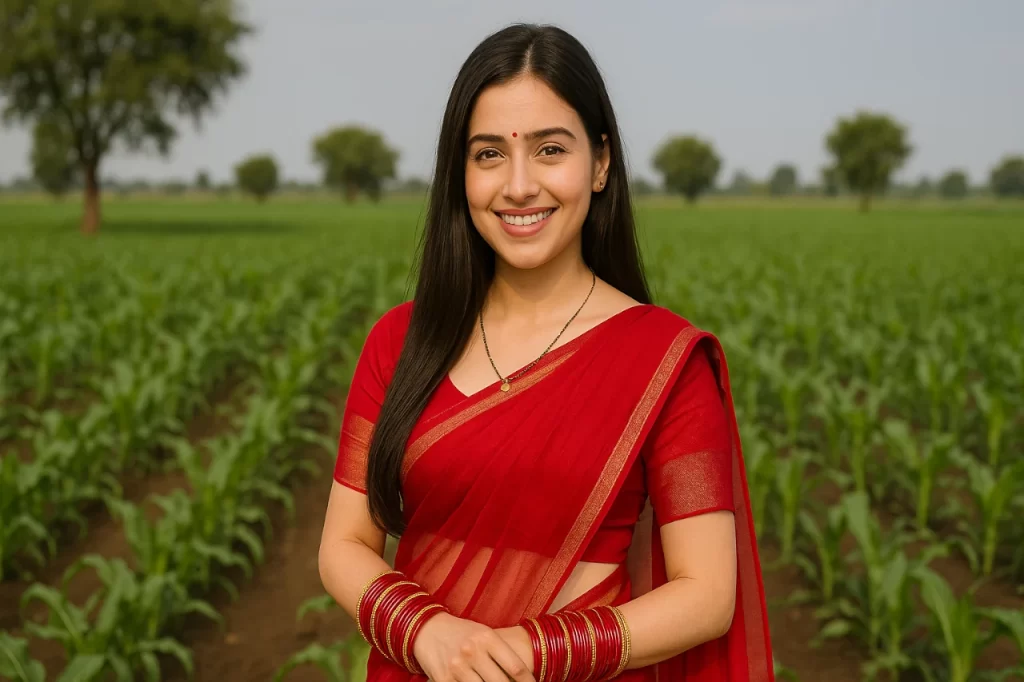
The Kharmour Bird Sanctuary erupts in emerald glory during monsoons (July–September), hosting endangered Lesser Floricans and migratory flocks. Surrounding farmlands — nourished by 940 mm annual rainfall — yield Garlic (Exported to Nepal), Opium (licensed cultivation in Jaora) and Soybean that fuels local industry.
➤ A Spiritual Mosaic
From the Emerald Parshvanath Idol (2,850 years old) at Nageshwar Tirth to the Kalka Mata Temple’s Navratri fairs, Ratlam harmonies faiths. The annual Bibrod Mela draws 50,000+ Jain pilgrims, while Sufis gather at Hussain Tekri Dargah — a symbol of syncretic devotion.
Also Read
Changdeva Temple – A Spiritual Odyssey in Maharashtra’s Heartland
➤ Industrial Backbone
Beneath its historic veneer, Ratlam thrives as an Industrial Workhorse. Factories like Kataria Wires (Copper Manufacturing) and IPCA Laboratories (Pharmaceuticals) employ thousands, while the ODOP (One District One Product) initiative empowers 50+ Sev MSMEs in Karmdi cluster. As farmer Leela Bai notes: “Our garlic fields feed factories; our sev spices feed the world”.
➤ Resilience in Demographics
With 264,914 urban souls (2011 Census), Ratlam balances tradition and modernity:
⦿ Tribal Roots: 28.17% Scheduled Tribes (Bhil, Bhilala)
⦿ Linguistic Diversity: Malvi (42.33%), Hindi (41.38%), Bhili (13.59%)
⦿ Gender Equity: 964 females per 1,000 males—outpacing national averages
Ratlam, Madhya Pradesh: A Granular Exploration
➤ Geographical & Historical Foundations
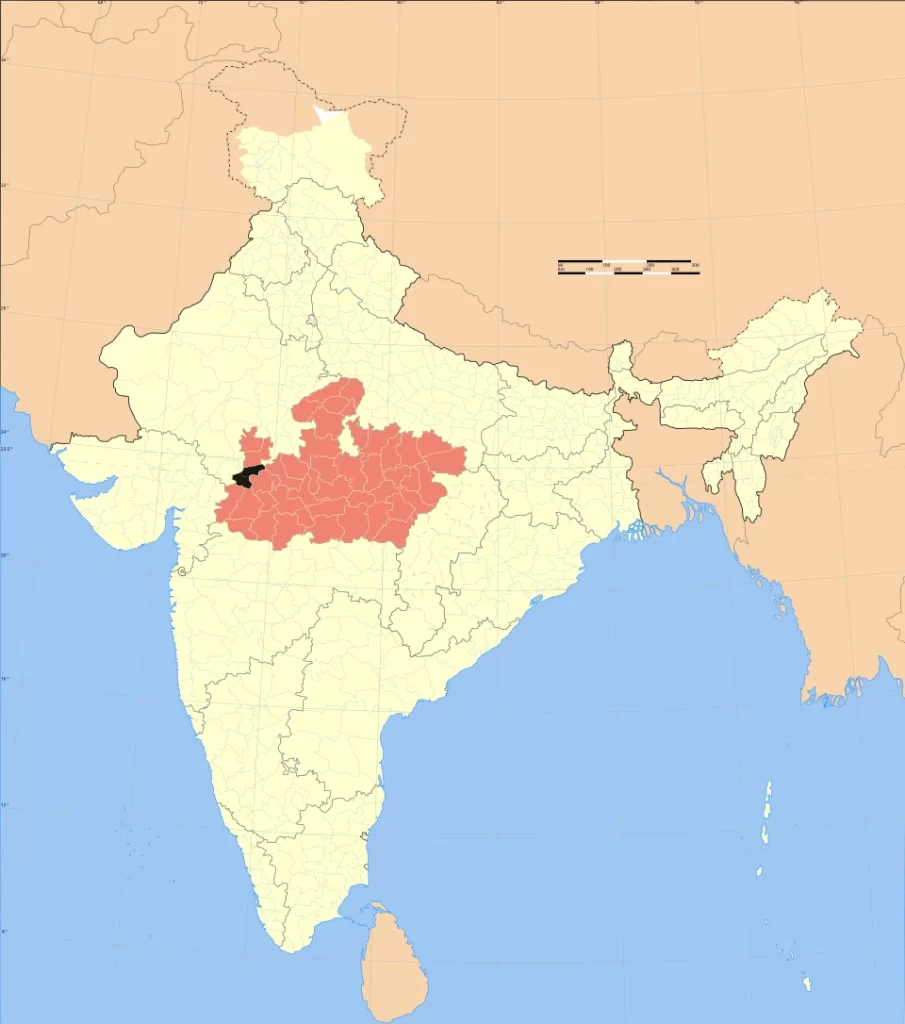
Ratlam (23°19′0″N 75°04′0″E) sits 480 meters above sea level on the Malwa Plateau in Northwestern Madhya Pradesh, serving as the administrative nucleus of Ratlam District since its formation in 1947. The district spans 4,861 km², bordering Rajasthan and Gujarat, fostering a unique cultural fusion. Founded in 1652 by Raja Ratan Singh Rathore — A Jodhpur royal rewarded by Shah Jahan for military valour — the city’s name evolved from “Ratram” (Combining Ratan Singh and his son Ram Singh). Its origins trace deeper to Bhil tribal rulers like King Ratna Bhil, whose legendary hospitality birthed Ratlami Sev when he served “Bhildi sev” to a Mughal chief. The 1658 Battle of Dharmatpur, where Ratan Singh died resisting Aurangzeb, remains a defining historical tragedy.
➤ Cultural Synthesis & Economic Legacy
Ratlam’s identity merges Rajput valour, Bhil Traditions and British Colonial Influences. Captain Borthwick’s 1829 urban replanning catalysed its rise as Central India’s premier trading hub for Opium, Salt and Tobacco via “Satta” bargains. This commercial DNA persists:
➙ Gold Markets: Sarafa Bazaar’s 99.9% purity Goldsmithing, a royal-era tradition.
➙ Textiles: Ratlami sarees with recycled Zari, woven in villages like Dhanasuta.
➙ Culinary Fame: The IG-marked Ratlami Sev (Gram Flour snack with clove and Asafoetida) fuels a ₹440-crore export industry.
➤ Climatic Rhythms & Agrarian Pulse
The district experiences a Tropical savanna climate (Köppen Aw) with three stark seasons:
☀️ Summer (March–June): Scorching highs of 44°C; ideal for garlic harvesting in April.
🌧️ Monsoon (July–September): Torrential 940 mm Rainfall (75% of Annual Precipitation), turning Kharmour Sanctuary into a migratory bird paradise.
☁️ Winter (November–February): Crisp temperatures (4°C – 16°C), Foggy Mornings and Optimal Temple visits.
Agriculture dominates rural economies, with Soybean, Opium (licensed in Jaora tehsil) and Garlic (Exported to Nepal) as key crops.
➤ Demographic Mosaic
As per the 2011 Census:
⦿ Population: 1.45 million district-wide; 264,914 in Ratlam city.
⦿ Urbanisation: 29.9% (higher than MP average).
⦿ Tribal Heritage: 28.16% Scheduled Tribes (Bhil, Bhilala), concentrated in Alot and Bajna tehsils.
⦿ Languages: Malvi (42.33%), Hindi (41.38%), Bhili (13.59%).
⦿ Gender Dynamics: 973 females per 1,000 males—outpacing National Ratios.
➤ Architectural & Spiritual Landscape
Ratlam’s skyline harmonies Sacred Sites and Colonial Remnants:
➨ Jain Sanctuaries:
➙ Nageshwar Parshwanath Tirth: Houses a 2,850-year-old Emerald Idol, guarded by a live serpent rarely seen.
➙ Bibrod Tirth (13th-century): Black Adinath Idol and the Annual Bibrod Mela (50,000+ Pilgrims).
➨ Hindu Temples: Kalka Mata Temple’s Navratri Fairs and Kedareshwar Cave Temple’s rock-cut Shiva Lingam.
➨ Colonial-Rajput Fusion: Sailana Palace (1736), Blending Jharokhas with Victorian Arches and its Cactus Garden (1,200+ Species).
➤ Industrial Backbone & Commercial Vibrancy
Post-independence industrialisation pivots on:
⦿ Copper Manufacturing: Kataria Group supplies 30% of India’s PVC-coated wires.
⦿ Pharmaceuticals: IPCA Laboratories Exports Antimalarials Globally.
⦿ Agri-Processing: Sai Krishna Impacts processes garlic for ₹160cr/year Exports.
The ODOP Initiative Empowers 50+ Sev MSMEs in Karmdi, exporting to 12 countries.
➤ Ecological & Touristic Gems
➙ Kharmour Bird Sanctuary: A 13 km² haven for endangered Lesser Floricans (July–September) and 200+ migratory species.
➙ Dholawad Dam: Saroj Sarowar Lake offers Boating and Winter Picnics.
➙ Jhar Waterfall: Monsoon-fed cascade 12 km from Ratlam city.
➤ Connectivity & Urban Infrastructure
➙ Railways: Ratlam Junction — Western Railway’s divisional HQ—hosts 157+ daily trains, including the Mumbai Rajdhani.
➙ Roadways: NH-79 connects to Indore (137 km) and Udaipur (252 km).
➙ Aviation: Devi Ahilya Bai Holkar Airport (Indore, 130 km) links to Delhi/Mumbai.
➤ Cultural Economy & Daily Life
Markets like Sarafa Bazaar and Gulab Market trade in gold, spices, and handicrafts. Street food thrives on Garadu (Fried Yam) and Mawa-Bati (Milk Dessert). The Ratlam Utsav celebrates Malwi folk arts, while monsoon Mushairas (Poetry Gatherings) reflect Urdu influences from its 10.38% Muslim populace.
➤ Governance & Contemporary Significance
Governed by BJP MP Anita Nagar Singh Chouhan (2024 elections), Ratlam balances heritage preservation with industrial growth. Initiatives like the “Clean Train Station” project at Ratlam Junction symbolise its modernising ethos.
👉 “Ratlam’s soul lies in its contradictions: ancient emerald idols beside bustling sev factories; opium fields shadowed by Jain asceticism. Here, history isn’t conserved—it’s lived”. – Local Bhil Proverb
🥘 Best Places for Refreshments with Authentic Local Food [Briefly Explained – For more detailed version continue scrolling downwards (↓)]
🍛 Sarafa Bazaar: The Gold & Snack Arcade
➙ Golani Sev: Third-generation shop selling Ratlami Sev (₹200/kg). Try their “Tawa Sev” — freshly warmed to unleash clove-pepper aromas. “NRIs carry 10kg packs to the U.S.!” — Owner Amit Golani.
➙ Jain Kachori Wala: Stuffed with lentil-pep mix, served with Tamarind Chutney (₹20/pc). Opens 7 AM.
➙ Palak Patta Chaat Stall: Spinach leaves fried crisp, topped with yogurt, chutneys and sev (₹50/plate). Monsoon specialty.
🍛 Station Road: Tiffin Titans
➙ Silverinn Restaurant: Poha-Jalebi (₹40) Breakfast — Fluffy Rice flakes with Saffron Jalebis. Opens 6:30 AM.
➙ Gujarat Sweets: Banana Samosas (₹30/2 Pcs) — Ripe Banana – Cardamom filling in crisp crust. Evening-only.
🍛 Kalka Mata Temple Street: Divine Bites
➙ Garadu Wala: Yam cubes fried in Mustard Oil, Dusted with Chaat Masala (₹30/bowl). Served hot during Winter fairs.
➙ Mawa-Bati Cart: Cardamom-scented Milk Dessert (₹50) paired with Kulhad Chai.
🏞️ Best Places to Visit [Briefly Explained – For more detailed version continue scrolling downwards (↓)]
🌴 Sailana (20 km West)
➙ Cactus Garden: 1,200+ species, including rare Euphorbia caducifolia.
➙ Entry: ₹50. Best time: February–April for Blooms.
➙ Kedareshwar Caves: 8th-century Rock-cut Shiva shrine. Trek through monsoon-slicked trails (July–September).
➙ Sailana Palace: Rajput-Victorian fusion.
➙ Heritage stay: ₹3,500/night with Cactus Honey Tasting.
🌴 Kharmour Sanctuary (35 km Southeast)
➙ Key Species: Lesser Florican (August–October), Sarus Cranes.
➙ Monsoon Itinerary:
⦿ 6 AM: Birdwatching at Bilpank Wetlands
⦿ 10 AM: Tribal Bhil-led forest walk (₹200/person)
⦿ 4 PM: Photography at Saroj Sarowar Lake.
🕉️ Ratlam City Temples
➙ Nageshwar Parshwanath: Emerald Idol Guarded by a live snake. Darshan 6 AM – 8 PM. No photography.
➙ Kalka Mata: Evening Aarti with Jhali Talab Illuminations. Annual fair: October–November.
🏛️ Where to Stay: Luxury, Budget & Dharamshalas [Briefly Explained – For more detailed version continue scrolling downwards (↓)]
➨ Luxury Hotels (Check-in: 12 PM)
| Property | Rate/Night | Facilities | Food |
| Hotel Samta Sagar Palace | ₹ 3,500 | Pool, Butler | Veg Restaurant (try Dal Bafla) |
| Hotel Balaji Central | ₹ 2,500 | Indoor Games | Poolside BBQ |
➨ Budget Hotels (Check-in: 24-hour)
| Property | Rate/Night | Facilities |
| Hotel JMC Inn | ₹ 900 | 5-min walk to station, AC Rooms |
| Hotel Amigo | ₹ 1,100 | Gujarati Thali service |
➨ Dharamshalas
➙ Shri Digambar Jain Dharamshala: Near Nageshwar Tirth. Donation basis. Shared baths. Pure veg meals (6–9 PM).
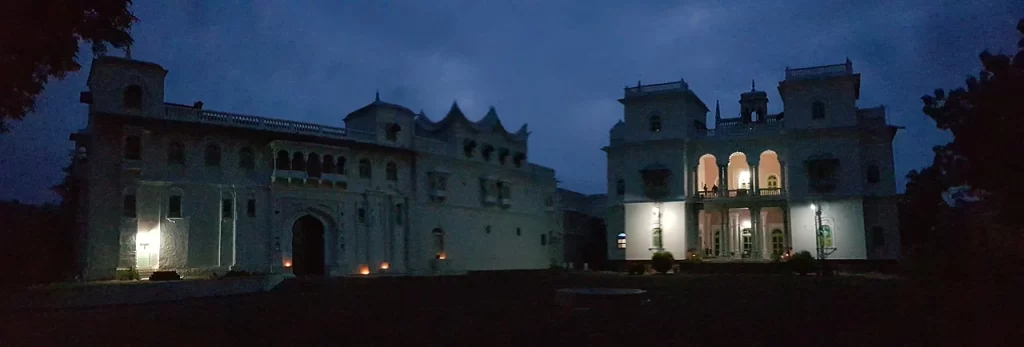
📊 Detailed Demographics of Ratlam District [Briefly Explained – For more detailed version continue scrolling downwards (↓)]
⦿ Population: 1.45 million (2011 Census)
⦿ Urbanisation: 29.9%
⦿ Literacy: 77.0% (Male: 81.2%, Female: 72.8%)
⦿ Tribes: Bhil (18.3%), Bhilala (9.87%)
⦿ Workforce: 42% Agriculture, 23% Industry, 35% Services
🌄 Climatic Conditions: A Seasonal Symphony [Briefly Explained – For more detailed version continue scrolling downwards (↓)]
| Season | Period | Avg. Temp | Highlights |
| Summer | March–June | 44°C | Dry heat. Garlic harvest in Apr. Avoid noon outings |
| Monsoon | July–September | 38°C | 940 mm rainfall. Kharmour Sanctuary turns lush green |
| Winter | November–February | 4°C – 16°C | Foggy mornings. Ideal for Temple tours |
🛤️ Complete List of Tehsils (Talukas)
- Ratlam
- Jaora (Opium/Garlic Hub)
- Sailana (Cactus Farming)
- Piploda
- Alot (Sandstone mining)
- Bajna
- Raoti (Dholawad Dam)
🏭 Industrial Development & Commercial Activities [Briefly Explained – For more detailed version continue scrolling downwards (↓)]
➨ Key Industries
⦿ Copper Wires: Kataria Group supplies 30% of India’s PVC-coated wires.
⦿ Pharma: IPCA Labs unit exports antimalarials.
⦿ Agri-Processing: Sai Krishna Impacts — top Garlic Exporter (₹160cr/year).
➨ ODOP Revolution
➙ Ratlami Sev Cluster (Karmdi): 50+ units, exports to 12 countries. Contact M/s Khandelwal Namkeen (922xxxxx99) for factory visits.
🧕 Notable People & Their Contributions [Briefly Explained – For more detailed version continue scrolling downwards (↓)]
- Anita Nagar Singh Chouhan: Current BJP MP (2024). Advocate for tribal education.
- Kailash Kataria: Founder of Kataria Wires Ltd. (Copper manufacturing empire).
- Lotan Baba: Ascetic meditated 22 years atop Mangarh Hill.
⏱️ Historical Timeline: Granular Milestones
⦿ Pre-1652: Bhil kings (Ratna Bhil, Jassa Bhil) rule.
⦿ 1652: Raja Ratan Singh founds Ratlam State after aiding Shah Jahan.
⦿ 1658: Battle of Dharmat—Ratan Singh dies opposing Aurangzeb.
⦿ 1819: British protectorate; Captain Borthwick rebuilds city (1829).
⦿ 1947: Ratlam district formed post-Independence.
⦿ 1983: Kharmour Sanctuary established.
⦿ 2021: ODOP launches Ratlami Sev exports to Italy (₹61.6cr).
👉 “Ratlam isn’t just a place; it’s a flavour, a faith, and a fight for legacy”. — Local Proverb
Exploring Ratlam: History, Culture, and Food
🟣 Section-by-section Elaboration with Granular Details
🏁 How to Reach Ratlam, Madhya Pradesh: A Granular Connectivity Guide
✈️ Air Connectivity: Strategic Airport Options
Ratlam lacks its own airport, but Five major Airports serve the region, with Devi Ahilya Bai Holkar Airport (Indore) being the closest at 130 km. Key air linkages include:
➙ Indore (IDR): 1.5-hour drive via NH 47. Daily flights from Delhi (Air India, IndiGo; 1.5 hrs), Mumbai (IndiGo, Vistara; 1.25 hrs), and Hyderabad (Air India; 2 hrs). Pre-paid taxis charge ₹2,500–₹3,000 to Ratlam.
➙ Udaipur (UDR): 184 km away, connected via daily Air India flights from Delhi and Jaipur. Taxis cost ₹4,000 (4-hr drive).
➙ Ahmedabad (AMD): 249 km distant, with superior international connectivity. Direct flights from Singapore, Dubai. Best for travellers from West India or overseas.
👉 Pro Tip: Winter flights (October–March) frequently face fog delays at Indore. Opt for early-morning flights for reliability.
🚂 Railway Hub: Western Zone’s Beating Heart
Ratlam Junction (RTM) is a Divisional Headquarters under Western Railways, hosting 157+ daily trains. Critical routes include:
➨ Delhi to Ratlam:
⦿ Mumbai Rajdhani (12952): 7 hrs; AC 2-tier ₹1,900 (Approx.)
⦿ Avantika Express (12961): Sleeper ₹450, 14 hrs
➨ Mumbai to Ratlam:
⦿ Mumbai Rajdhani (12951): 8 hrs; AC 2-tier ₹2,500 (Approx.)
⦿ Pune–Jaipur SF (12997): 13 hrs 10 min; AC 3-tier ₹1,200
➨ Ahmedabad to Ratlam:
⦿ Vadodara Jn – RTM Local: 3h 9m; sleeper ₹150 (hourly service)
👉 Notable Feature: India’s first “Clean Train Station” – Coaches are vacuum – cleaned during 15–20 min halts.
🛤️ Road Networks: Highways & Bus Services
Ratlam connects via NH 79 (Indore–Chittorgarh) and NH 927A (Udaipur–Banswara). Bus options include:
➨ State Transport:
⦿ Indore–Ratlam: 136 km, 3 hrs; AC sleeper ₹450 (every 30 min)
⦿ Ujjain–Ratlam: 105 km, 2.5 hrs; non-AC ₹144 (6 AM – 11 PM)
➨ Private Operators:
⦿ RedBus: Jaipur–Ratlam (518 km; sleeper ₹680, 10 hrs)
⦿ FlixBus: Pune–Ratlam via Indore (14 hrs; ₹1,800)
👉 Monsoon Advisory: Avoid night buses July–September due to landslide risks on Mhow–Jhalawar Road.
🚖 Local Transport: Last-Mile Connectivity
Within Ratlam, Navigate via:
⦿ Auto-Rickshaws: Metered fares ₹30/km; ₹100 night surcharge (10 PM – 6 AM).
⦿ Uber Moto: Bike taxis for solo travelers; ₹10/km via App.
⦿ Tata Magic Vans: Shared shuttles to Sailana (20 km; ₹50) and Kharmour Sanctuary (35 km; ₹80).
🌤️ Seasonal Travel Strategies
☁️ Winter (October–March): Optimal for Road/Rail. Pre-book Dec–Jan tickets during Bibrod Mela.
🌧️ Monsoon (July–September): Train preferred; bus routes to Banswara flood. Carry rain gear for bird sanctuary visits.
☀️ Summer (April–June): Travel overnight; daytime temps hit 44°C. Trains with AC coaches recommended.
🛤️ Regional Connectivity Table
| Origin City | Distance | Fastest Mode | Duration | Approx Cost |
| Indore | 136 km | Train (Indore Jn–RTM) | 1h 55m | ₹330 (3AC) |
| Ahmedabad | 249 km | Bus/Train | 5h 30m | ₹1,100 (AC bus) |
| Udaipur | 250 km | Taxi via NH 927A | 4h 20m | ₹4,000 – ₹6,000 |
| Bhopal | 296 km | Bus (RedBus) | 7h 14m | ₹500 – ₹950 |
| Delhi | 804 km | Rajdhani Express | 9h | ₹1,900 (2AC) |
➨ Accessibility for Special Needs
➙ Rail: Ratlam Junction offers Wheelchair ramps and dedicated coaches for disabled passengers (book via IRCTC portal).
➙ Bus: MP Tourism Volvos include hydraulic lifts (request 72 hrs ahead; +91 755 2778383).
➙ Taxis: Uber Assist available in Indore for medically equipped vehicles to Ratlam (₹15/km).
➨ Border Crossings: Rajasthan & Gujarat Links
➙ Rajasthan Entry: From Banswara (84 km), shared jeeps depart hourly (₹100; 2.5 hrs). Checkpoint at Thandla requires ID proof.
➙ Gujarat Entry: From Vadodara, hourly trains (₹150 Sleeper) or Private Taxis (₹5,000; 4 hrs via Godhra).
➨ Custom Itineraries by Travel Time
➙ 48-Hour Sprint: Fly to Indore ➪ Taxi to Ratlam (2 hrs) ➪ Focus on City Temples + Sarafa Bazaar.
➙ Week-Long Exploration: Train from Mumbai ➪ Explore Ratlam Junction Markets ➪ Sailana (2 days) ➪ Kharmour Sanctuary (Monsoon Birding) ➪ Return via Udaipur flight.
👉 “Ratlam’s rail lines aren’t just tracks—they’re threads weaving Malwa’s spice tales into India’s industrial tapestry”. – Local Railway Historian.
🏰 Architectural Marvels of Ratlam: Stones That Whisper History
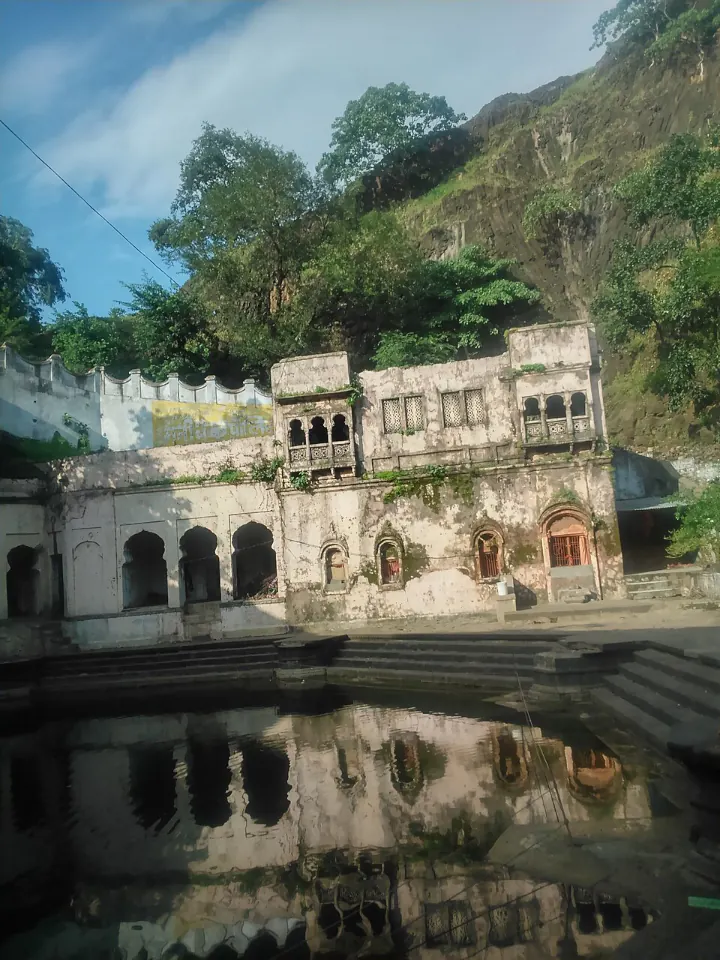
Ratlam’s architectural landscape is a Living Chronicle of dynastic ambition, spiritual devotion, and cross-cultural synthesis. From 9th-century cave temples to colonial railway engineering, the city’s structures reveal a saga of resilience and artistry. Here, Rajput valour, Jain Asceticism, British Pragmatism and Bhil Tribal ingenuity converge in Stone, Marble and Mortar.
➤ Ratlam Fort: The Citadel of Sacrifice (17th Century)
➨ Historical Backdrop: Built by Raja Ratan Singh Rathore in 1652 after Shah Jahan granted him territories for defeating Persians in Afghanistan. Its strategic position on the Malwa Plateau symbolised Rajput-Mughal alliances.
➨ Architectural Synthesis:
➙ Rajput-Mughal Fusion: Octagonal bastions (Rajput) combined with Jali Screens (Mughal). The central Darbar Hall features frescoes depicting the Battle of Dharmatpur (1658), where Ratan Singh died resisting Aurangzeb.
➙ Material Innovation: Walls use Vindhyan Sandstone fused with lime mortar mixed with Gur (Jaggery) for Elasticity — a technique later seen in Jaipur’s Amer Fort.
➨ Current State: Partial ruins house the Rani Sati Temple, where Devangan community women tie Kalawa (Sacred Threads) for marital longevity.
➤ Ratlam Palace: Colonial-Era Grandeur (1829)
➨ British Reinvention: Commissioned by Captain Borthwick after the 1821 opium market fire. Designed by Henry Irwin (Architect of Chennai’s Viceregal Palace).
➨ Stylish Hybrid:
➙ Facade: Tuscan columns (Ground Floor), Italian-Doric pilasters (First Floor), and Corinthian capitals (Second Floor).
➙ Interiors: Belgian crystal chandeliers in the Sheesh Mahal and Gulabi (Pink) Sandstone corridors inspired by Jaipur’s City Palace.
➨ Royal Legacy: The Laxmi Vilas Wing displays the throne of Maharaja Sajjan Singh (R. 1893–1921), who restored royal titles stripped by Aurangzeb.
➤ Kalika Mata Temple: Shakti’s Abode (15th Century)
➨ Sacred Geometry: Built by Ratlam’s rulers using Vastu Shastra principles:
➙ Sanctum Alignment: Faces east to capture equinox sunrise, illuminating the Swayambhu (Self-manifested) black stone idol.
➙ Jhali Talab: The temple pond’s Kund has 108 miniature shrines—each housing a Shakti Peeth symbol.
➨ Festival Architecture: During Navratri, the courtyard transforms into a 9-night performance arena with Garba dancers encircling a 10-foot Ghat (Pot) of eternal flame.
➤ Rani Ji Ka Mandir: Love in Stone (1860)
➨ Romantic Genesis: Maharaja Ranjit Singh built this for Queen Ajab Kunwar after she saved his life in a tiger hunt. The Radha-Krishna idols mirror their love saga.
➨ Artisan Legacy:
➙ Carving Technique: Jangla (Lattice) screens carved from Makrana marble by artisans from Jaisalmer.
➙ Murals: Ceiling paintings depict Raas Leela using natural pigments—saffron yellow from Neemuch, indigo from Ratlam’s Nil farms.
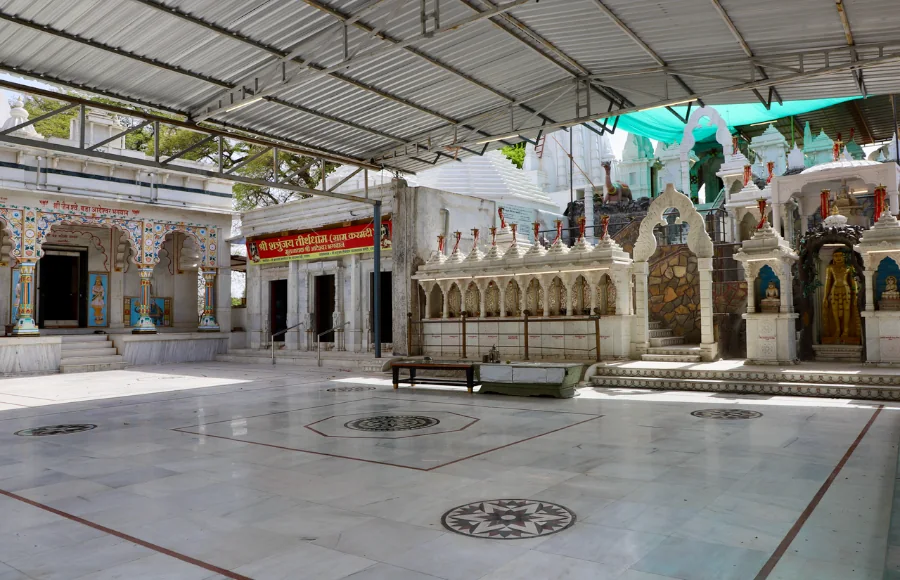
➤ Jain Marvels: Emerald Idols & Cosmic Symbology
➨ Nageshwar Parshwanath Tirth:
➙ Idol Engineering: The 2,850-year-old emerald Moolnayak weighs 1.4 tons. Legends claim it was carved by Devas (Celestial Beings) — its 7-hooded canopy hides a cavity where a live snake resides.
➙ Astro-Alignment: The Garbhagriha (Sanctum) is oriented so that the Equinox Sunbeam strikes the idol’s third eye.
➨ Bibrod Tirth (13th Century): Features a Samavasarana (Universal Preaching Hall) design—concentric marble tiers symbolising spiritual ascent.
➤ Colonial Infrastructure: Ratlam Junction (1876)
➙ Engineering Feat: Western Railway’s divisional HQ, built during the Rajputana State Railway expansion. The platform canopy uses French Truss Systems spanning 200 feet without pillars.
➙ “Clean Train Station” Innovation: India’s first mid-journey coach-cleaning system (2018). Coaches are vacuumed in 15-minute halts using Portable HP Cleaners.
➤ Hidden Gems: Folk Ingenuity
➨ Barbad Hanuman Temple:
➙ Material Symbolism: Red Sindoor (Vermilion) Coatings on Walls—applied by Devotees—strengthen the structure through calcite crystallisation.
➙ Acoustic Miracle: Chants at the Dhuni (Sacred Fire) echo 7 times—a nod to Hanuman’s Sapta Chiranjeevi immortality.
➨ Sailana Palace (1736):
➙ Botanical Architecture: The Cactus Garden’s greenhouse replicates Rajasthan’s Baoris (Step-wells) with terracotta ducts regulating humidity for exotic cacti.
➤ Lesser-Known Wonders
➨ Kedareshwar Cave Temple (8th Century):
➙ Geological Artistry: Carved into Deccan Basalt, the Monolithic Lingam changes colour from Grey (Summer) to Rust-red (Monsoon) due to iron oxide leaching.
➨ Dholawad Dam (1921):
➙ Masonry Precision: 1.8-million-stone blocks laid without mortar—each interlocked like Jigsaw Puzzles using Bhil tribal techniques.
➤ Preservation & Cultural Praxis
Despite neglect, grassroots efforts thrive:
➙ Temple Restoration: The Directorate of Archaeology uses Anastylosis (Original Fragment Reassembly) for collapsed Shikharas at Kalika Mata, sourcing replacement stones from Rajnagar quarries.
➙ Living Traditions: At Rani Ji Ka Mandir, priests still use 19th-century Silver Aarti plates commissioned by Queen Ajab Kunwar — polished annually with limestone paste.
👉 “In Ratlam, architecture isn’t frozen in time—it breathes through the turmeric paste on Kalika’s idol, the monsoon moss on Kedareshwar’s lingam, and the soot-stained walls of Barbad Hanuman’s dhuni”. — Local Artisan, Kishor Patwa.
➤ Visitor’s Guide: Decoding the Details
➙ Winter Exploration (October–March): Study Jali screen patterns at Ratlam Palace at 3 PM—low-angle sun reveals hidden Swastika Motifs (Symbols of Well-being).
➙ Monsoon Mystique (July–September): Witness Kedareshwar’s “Bleeding Lingam” phenomenon after heavy rains.
➙ Guided Insights: Contact Directorate of Archaeology for backstage tours of Bibrod Tirth’s underground Bhojan Shala (Dining Hall) feeding 5,000 Pilgrims daily.

🏨 Where to Stay in and near Ratlam, Madhya Pradesh: A Granular Accommodation Guide
🔘 Luxury Hotels: Colonial Grandeur & Modern Comforts
Ratlam’s luxury stays blend Rajput Architectural Elements with Contemporary Amenities, Catering to business travellers and heritage enthusiasts:
➨ Hotel Samta Sagar Palace (Samta Nagar, 2.1 km from Ratlam Junction):
➙ Rates: ₹3,500/night (breakfast included).
➙ Facilities: Butler Service, 24-hour Room Service, Multicuisine Vegetarian Restaurant (Try Dal Bafla), Banquet Halls.
➙ Check-in: 12 PM; late check-out until 2 PM (₹500/hour beyond).
➙ Unique Feature: Rooftop garden with Malwa Plateau views.
➨ Hotel Balaji Central (Sailana Road, Naya Gaon):
➙ Rates: ₹2,200/night; poolside BBQ packages at ₹1,500/person .
➙ Facilities: Outdoor Pool, Spa (Ayurvedic treatments), Indoor Games (Table Tennis, Carrom), conference rooms.
➙ Check-in: 24-hour flexible timing; early 10 AM check-in (₹300 fee).
🔘 Heritage Stays: Royalty Reimagined
Experience Ratlam’s princely legacy at these restored palaces:
➨ Sailana Palace (20 km west of Ratlam):
➙ Rates: Heritage rooms from ₹3,500/night; Includes Cactus Garden Tour and Honey Tasting.
➙ History: Built in 1736 by Raja Jai Singh Rathore; original Jharokhas (Overhanging Balconies) and Belgian chandeliers.
➙ Check-in: 1 PM; Complimentary Kesar Milk welcome drink.
➨ Hinglaj Resort (Near Dholawad Dam, 25 km Southeast):
➙ Rates: Lake-view cottages at ₹2,800/night; monsoon discounts (July–September).
➙ Facilities: Boating, Tribal – style Bonfire Dinners, Guided Birdwatching Treks.
🔘 Budget Hotels & Guesthouses: Railway Hub Convenience
For transit-focused travellers near Ratlam Junction:
| Property | Distance | Rates | Key Amenities | Food |
| Hotel JMC Inn | 5-min walk | ₹900/night | AC rooms, Fireplace Lounge | Gujarati thali (₹220) |
| Silver-inn | 6-min walk | ₹950/night | Restaurant, Free Wi-Fi | Poha-Jalebi Breakfast (₹40) |
| Hotel Amigo | 8-min walk | ₹1,100/night | Luggage Storage, Caretaker | Lounge snacks (24/7) |
➙ Check-in: All offer 24-hour check-in; Sharma Lodge (₹700/night) has dorm beds (₹250/bed).
🔘 Pilgrim Stays: Dharamshalas & Spiritual Retreats
➨ Shri Digambar Jain Dharamshala (Near Nageshwar Parshwanath Tirth):
⦿ Rates: Donation-based (Suggested ₹200/person); Priority for Jain Pilgrims.
⦿ Facilities: Shared Baths, Pure Veg Meals (6–9 PM), Meditation Hall.
⦿ Rules: No leather items; Silence Post-10 PM.
➨ Barbad Hanuman Temple Dharamshala:
⦿ Rates: Free Stay (Donation Optional); 2-day advance booking via temple office.
⦿ Food: Prasad Meals (lunch 12–2 PM); No Onion/garlic.
🔘 Business Hotels: Connectivity & Conferencing
➨ Hotel Lavanya Palace (Sala Khedi, 4.2 km from station):
⦿ Rates: ₹3,100/night; corporate monthly packages (₹65,000).
⦿ Facilities: 100-seat conference hall (Projector, PA system), High-speed Wi-Fi (50 Mbps).
⦿ Transport: Airport shuttles to Indore (₹2,500/vehicle).
➨ Hotel Ajanta Palace (Shastri Nagar):
⦿ Rates: ₹1,600/night; Meeting Room (₹800/hour).
⦿ Perk: Walking distance to Sarafa Bazaar’s gold markets.
🔘 Family-Friendly Stays: Pools & Play Zones
➨ Hotel Sweet Avenue Grande (Shastri Nagar):
⦿ Rates: ₹1,400/night; Extra Bed (₹300).
⦿ Kid-Centric: Board games, baby-sitting (₹100/hour), customised Mild-spice Meals.
➨ Kharmour Bird Sanctuary Eco-Cottages (35 km southeast):
⦿ Rates: ₹2,000/night (Includes Binoculars/Bird Guides).
⦿ Activities: Tribal-led forest walks, monsoon bird photography workshops.
🔘 Pet-Friendly Options: Furry Companions Welcome
➨ Nilam Guest House (As):
⦿ Rates: ₹1,800/night; No Pet Fee.
⦿ Amenities: Fenced Garden, Pet Bedding, vet on call.
➨ Inizio Resort (Banjali):
⦿ Rates: ₹2,500/night; pet menu (₹150/meal).
🔘 Seasonal & Booking Insights
➙ Monsoon Deals (July–September): 20% off at lakeside resorts; Kharmour Sanctuary Cottages require 30-day advance booking.
➙ Festive Peaks (October–November during Bibrod Mela): Rates surge 40%; Dharamshalas fill 6 months ahead.
➙ Pro Tip: Use codes like TRIPBACKHOME (MakeMyTrip) for 15% discounts.
🔘 Area-Wise Advantages
⦿ Railway Junction Zone: Ideal for short stays (Hotel Rama’s, ₹1,800; 5-min walk).
⦿ Shastri Nagar: Best for foodies (near Golani Sev) and gold shopping.
⦿ Rural Retreats: Sailana (Heritage) and Bilpank (Birding) offer monsoon tranquility.
👉 “In Ratlam, your lodging isn’t just a bed—it’s a doorway to Bhil folklore, Jain serenity, and Malwa’s monsoons”. – Local Hotelier Rameshwar Patidar

🏘️ Best Places to Visit in Ratlam, Madhya Pradesh: A Granular Exploration
⛔ Kharmour Bird Sanctuary: Avian Paradise
➙ Location & Significance: 35 km southeast in Sailana, established in 1983 across 13 km² to protect the endangered Lesser Florican (Kharmour).
➙ Key Species: Spot migratory birds like Sarus Cranes (July–September) and resident species like Indian Coursers.
➙ Best Time: Monsoon (July–September) when Grasslands turn Emerald and Floricans perform courtship dances.
➨ Experiences:
➙ Tribal-Guided Walks: Bhil-led forest trails (₹200/person; 6–10 AM) focusing on nesting sites.
➙ Bilpank Wetlands: Prime photography spot for waterfowl; hire binoculars (₹50/hour) at the entrance.
➨ Infrastructure: Watchtowers at 4 strategic points; minimal entry fee of ₹50 for adults.
⛔ Cactus Garden, Sailana: Botanical Marvel
➙ History & Collection: Founded 50 years ago by Raja Digvijay Singh, featuring 1,200+ species including rare Euphorbia Caducifolia and “Old Man Cactus” from Americas.
➙ Layout: Divided into 8 Thematic sections (e.g., “Desert Giants,” “Miniature Varieties”) with labeled pathways.
➨ Unique Offerings:
➙ Cactus Honey Tasting: Sample Sailana’s signature mono-floral honey (₹200/jar) at the Garden stall.
➙ Sailana Palace Views: Adjacent 18th-century palace (External viewing only; Rajput-Victorian Architecture).
👉 Visit Timing: February–April for blooming cacti; Avoid Summer Afternoons (entry ₹50).
⛔ Kalika Mata Temple: Spiritual Epicenter
➨ Historical Roots: Built by Ratlam’s Royal family; houses a Shakti Peeth Idol believed self-manifested.
➨ Architectural Highlights:
➙ Jhali Talab: Temple pond with illuminated Aarti Reflections; Surrounded by 108 Diya Niches.
➙ Navratri Fair: 10-day festival (October–November) with 50+ Garba groups, Chaat stalls and Gold-offering rituals.
👉 Visitor Tips: Arrive by 5 PM for evening Aarti; avoid Mondays (Ritual Cleaning days).
⛔ Dholawad Dam & Eco-Park: Adventure Hub
➨ Location: 25 km west near Raoti village; also called Saroj Sarowar Bandh.
➨ Activities:
➙ Water Sports: Boating (₹200/30 min), Banana Rides (₹150), and Monsoon Kayaking (July–September).
➙ Sunset Point: West-facing cliff with Panoramic Dam views; Photographers gather at 6 PM.
➨ Eco-Tourism Park:
➙ Adventure Zone: Archery (₹100), Camel Rides (₹50) and Ziplining over the Reservoir.
➙ Picnic Spots: Lakeside Gazebos with Barbecue Pits (Book via Ratlam Tourism; ₹500/day).
⛔ Kedareshwar Temple: Monsoon Mystique
➨ Geological Wonder: 8th-century Rock-cut Cave Temple dedicated to Shiva, carved into igneous cliffs 4 km from Sailana Palace.
➨ Monsoon Magic (July–September):
➙ Waterfall Cascade: Streams flow over the Cave Mouth into a natural Pool (Swimming Prohibited).
➙ Festivals: Mahashivratri sees all-night Bhajans; locals tie threads on Ancient Banyan Trees.
➨ Access: Trek 1.2 km from Parking; wear grip shoes (Rocks Slippery in Rains).
⛔ Bibrod Tirth: Jain Legacy
➨ Sacred Idol: 2.49-foot black Adinath statue (1st Tirthankara), Pre-13th Century, in Padmasana posture.
➨ Annual Bibrod Mela:
➙ Scale: 50,000+ pilgrims during Kartik Purnima (October–November); Rath Yatra with Gold-chariot procession.
➙ Rituals: Abhishek with Saffron Milk at 4 AM; Community Meals (Bhojan Shala) for 5,000 daily.
➨ Architecture: White Marble Shikharas with detailed Torana Arches; Photography restricted in Inner Sanctum.
⛔ Hussain Tekri Dargah: Sufi Syncretism
➨ Location: Jaora tehsil, 40 km north; Mughal-style complex with 7 domes.
➨ Rituals:
➙ Jinn Healing: Believers tie threads for Jinn-affliction cures; Mujawars perform night rituals.
➙ Urs Festival: 10-day event (Islamic calendar) with Qawwali, free Langar and rose-petal offerings.
➨ Cultural Blend: Hindu devotees offer Chadors; Silence Zones for Meditation.
⛔ Kirti Stambh, Sailana: Colonial-Era Sentinel
⦿ Historical Context: Built by King Jaswant Singh (1859–1919) to mark 100 years of British rule.
⦿ Design: 90-foot Victory Pillar with mixed Rajput-Gothic Motifs; 108 spiral steps to the top.
⦿ Views: Panoramic vistas of Sailana’s opium fields and Vindhyan hills; sunrise photography hotspot.
⛔ Bilpakeshwar Temple: Riverside Serenity
⦿ Setting: 18 km south on Mahi River banks; 10th-century Pachayatana-style Temple (5 shrines).
⦿ Unique Feature: “Echoing Sanctum” – whispers at the Shiva Lingam resonate in the Garbhagriha.
⦿ Nearby: Garh Khankhai Mataji – Hilltop temple with Mahi River vistas; Navratri pilgrim crowds.
⛔ Dharamrajeshwar Temple: Architectural Gem
➙ Hidden Wonder: 12 km northwest; 9th-century temple with Fossil-embedded Pillars and Nagara spires.
➙ Festival: Shravan Maas (July–August) sees saffron-clad devotees carrying Ganges water.
💎 Seasonal Itinerary & Pro Tips
☁️ Winter (October–March): Temple tours (Kalika Mata, Bibrod) + Dholawad picnics. Pack woollens for 4°C nights.
🌧️ Monsoon (July–September): Bird sanctuary + Kedareshwar waterfalls. Use 4WD for Rural roads.
☀️ Summer (April–June): Limited to morning cactus garden visits. Hydrate – temperatures hit 44°C.
🛺 Local Transport: Auto-rickshaws charge ₹15/km; book full-day cabs via MP Tourism (₹1,500/day).
👉 “Ratlam’s magic lies beyond guidebooks – in the monsoon mist at Kharmour, the clove-scented sev stalls near Kalika Mata, and the echoing chants at Kedareshwar’s caves”. – Local Tour Guide, Rameshwar Patidar.
🥘 Best Places for Refreshments with Authentic Local Food in Ratlam: A Granular Culinary Journey
🍛 Sarafa Bazaar: The Golden Triangle of Snacks & Sweets
Ratlam’s culinary soul resides in Sarafa Bazaar, where century-old shops fuse gold trading with snack mastery. Here, food isn’t just consumed—it’s ritualised:
➙ Goverdhan/Golani Sev: Third-generation shop selling Ratlami Sev (₹200 – ₹300/kg). Their “Tawa Sev” is reheated on iron griddles to amplify clove-black pepper aromas.
➙ Owner Amit Golani reveals: “Our well water’s mineral content gives the sev its crunch. Export orders to Dubai ship weekly!”.
➙ Lala Satish Chaat House: Specialises in Palak Patta Chaat (₹50/plate) — Spinach leaves fried in Besan, layered with Tamarind Chutney, Yogurt and Ratlami sev. Served blisteringly crisp to retain texture.
➙ Kesar Elaichi Peda Vendors: Milk-based sweets (₹400/kg) using saffron from nearby Neemuch farms. Best sampled at Jain Mishtan Bhandar during Diwali.
🍛 Railway Station Zone: Dawn-to-Dusk Fueling Stations
Within 500m of Ratlam Junction, these spots cater to train travellers with lightning-fast service:
➙ Saklecha Nashta Point: Opens 5 AM for Poha-Jalebi (₹40). Their poha uses Jeeravan Masala (a Ratlam Spice Blend), crowned with Pomegranate Seeds and Extra Sev. Porters swear by its energy boost.
➙ Bajrang Bhai Ki Restaurant: Kesar Chai (₹25) brewed with Saffron strands and Cardamom. Paired with Ginger-Garlic Aloo Vada (₹30) — a spicy potato fritter. “We use milk cream Malai for richness”, says brewer Ramesh Bajrang.
➙ Karumama Samosa Wale: Banana Samosas (₹30/2 pcs) stuffed with Ripe Bananas, Jaggery and Cardamom – created for Jain devotees avoiding root vegetables.
➙ Monsoon special: Raw Banana versions.
🍛 Shastri Nagar: Street Food Epicentre
Ratlam’s Gen Z hub buzzes after 6 PM with innovative chaat:
➙ Hotel Angara: Mutton Dum Biryani (₹320) slow-cooked with Ratlami Garam Masala (Clove-heavy blend). Served with Kachumber Salad and Mint Raita.
➙ Ratlami Tadka: “Sev Chura” Platter (₹80) — a deconstructed Chaat with Sev, Flattened Rice, Onions, and three Chutneys. Customisable spice levels.
➙ Harish Punjabi Kulfi: Rabdi Kulfi Falooda (₹90) — layered with Basil Seeds, Rose Syrup and Thickened Milk. Summer queues stretch past 9 PM.
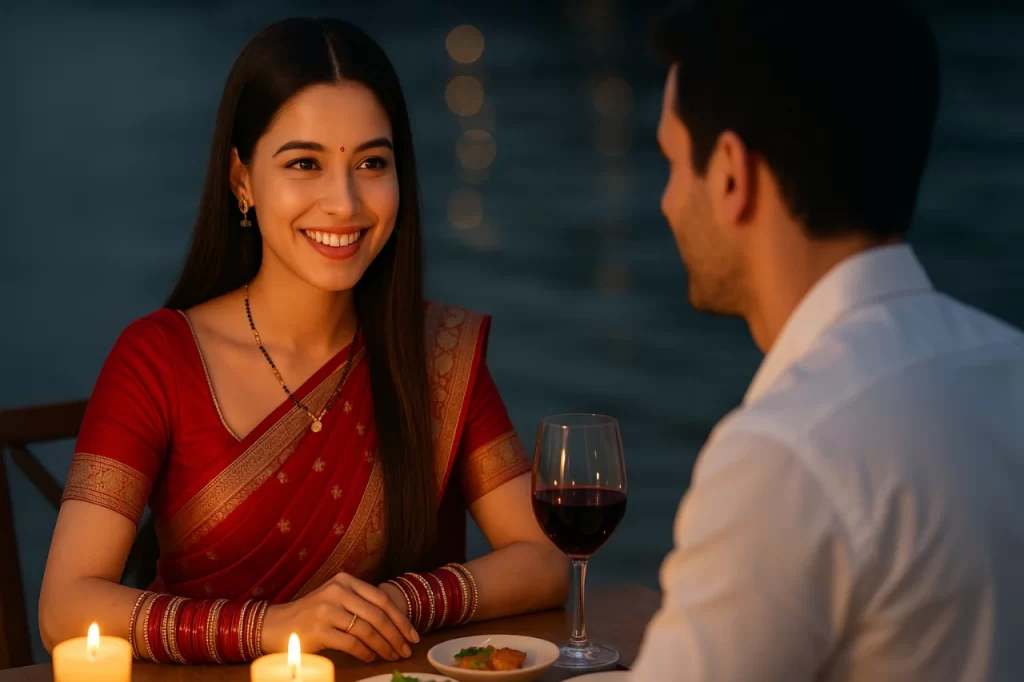
🍛 Temple Corridors: Divine Bites with Spiritual Auras
Near sacred sites, food carries ritual significance:
➙ Kalka Mata Temple Street: Garadu (Yam Cubes) fried in Mustard Oil (₹30/bowl). Winter-only stalls like Shiva Garadu Corner add Chaat Masala and Lemon.
➙ Bibrod Tirth Complex: Samarpan Bhojanalaya serves Satvik Thalis (₹100) during Bibrod Mela — No Onion/Garlic, with Amla chutney and Bajra Roti.
➙ Nageshwar Parshwanath Jain Tirth: Sabudana Khichdi (₹40) at Temple Bhojanalaya — Tapioca Pearls with Peanuts, Curry Leaves and Rock Sugar.
🍛 Rural Gems: Village-Specific Specialties
Venturing 15–20 km outside Ratlam unveils hyper-local traditions:
➙ Sailana (20 km West): Cactus Honey Jam (₹150/jar) at the Cactus Garden stall. Made from Euphorbia Caducifolia Nectar—tangy with floral notes.
➙ Jaora (40 km North): Malpua (₹20/pc) soaked in opium Poppy-infused syrup—legally sold via MP Opium Department licenses. Found at Bansilal Sweets.
➙ Dhanasuta Village: Saffron Lassi (₹50) using milk from Malwi cows. Served in clay Kulhads at home-stays.
🍛 Hidden Institutions: Culinary Time Capsules
These spots preserve generations-old recipes:
➙ Vyas Dal Baati: Dal Bafla (₹120/thali) — wheat Balls Boiled, Baked, then Dunked in Ghee – laced Dal. Eaten crushed with Garlic Chutney. “Bafla must be softer than Rajasthan’s Baati”, insists chef Prakash Vyas.
➙ Gordhanlal Sev Wale: Operating since 1955. Their Black Pepper Sev (₹250/kg) uses Tellicherry peppercorns. Free tasting for first-time visitors.
➙ Govind Paan Shop: Ratlami Meetha Paan (₹50) with Rose Petal Jam, Saffron and Edible Silver. Closes at midnight.
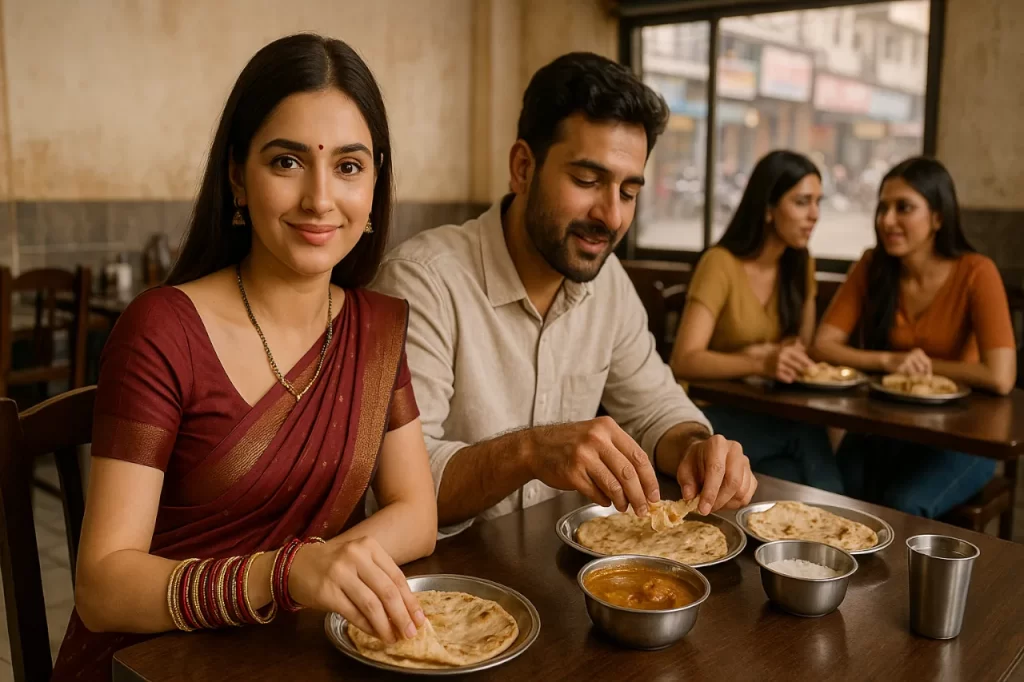
🍛 Seasonal Calendars: When to Eat What
Ratlam’s climate dictates its menus:
🌧️ Monsoon (July–September): Bhutte Ka Kees (Grated corn curry) at Station Road Carts (₹50). Steamed in Milk and Coconut.
☁️ Winter (October–February): Kadhai Doodh (₹40) — Milk Simmered in Iron Woks with Nuts, Served near Kalika Mata Temple.
☀️ Summer (March–June): Aamras (Mango Pulp) with Makka Roti at Shree Balaji Restaurant (₹120).
🍛 Modern Reinventions: Fusion & Delivery
Next-gen eateries blending tradition with convenience:
➙ Swiggy’s “Ratlami Sev Tacos”: Local sev + Pico de Gallo (₹150). Order via app from Desi Bhatti.
➙ Aahanas Home Food: Cloud kitchen delivering Jowar Pizzas (₹180) topped with Sev and Tadka Onions.
🌶️ Practical Food Trail Itinerary
For a 1-Day Culinary Deep Dive:
⦿ 7 AM: Poha-Jalebi at Saklecha Nashta Point
⦿ 11 AM: Sev tasting at Gordhanlal’s + Sarafa Bazaar shopping
⦿ 2 PM: Dal Bafla thali at Vyas
⦿ 5 PM: Palak Patta Chaat at Lala Satish
⦿ 8 PM: Mutton Biryani at Hotel Angara
⦿ 10 PM: Kesariya Doodh at Bajrang Bhai + Ratlami Paan
👉 “Here, even the goldsmiths snack on sev while crafting jewellery. Food isn’t separate from life—it’s the thread weaving our days together”. – Food Historian Meera Patel.

🌅 Climatic Conditions in Ratlam, Madhya Pradesh: A Granular Analysis
⭕ Geographical & Climatic Context
Ratlam experiences a Tropical Savanna Climate (Köppen classification Aw), characterised by extreme seasonal contrasts in Temperature, Humidity and Precipitation. Located at 480 Meters (1,570 ft) above sea level on the Malwa Plateau, its elevation moderates temperatures slightly compared to lowland regions. The city records an Annual Average Temperature of 24°C (75°F), with three sharply defined seasons: summer (March–June), monsoon (July–September), and winter (November–February). Annual precipitation averages 937 mm (36.9 in), with 85% concentrated during the monsoon.
⭕ Summer (March–June): Blistering Heat & Arid Skies
➨ Temperature Extremes:
➙ April–May: Peak temperatures average 38°C – 40°C (100°F – 104°F), with record highs reaching 45.5°C (114°F) in May. Nighttime lows hover around 28°C (82°F).
➙ Heat Index: “Feels like” temperatures often exceed 44°C (111°F) due to solar radiation intensity.
➨ Arid Conditions:
⦿ Humidity: Dips to 19–26% (April–May), creating parched landscapes and dust storms.
⦿ Wind Patterns: Westerly winds at 18.6 km/h (June), offering minimal relief.
➨ Health Risks: High UV index (9+ in April), necessitating hydration and sun protection.
⭕ Monsoon (July–September): Torrential Rebirth
➨ Rainfall Dynamics:
➙ Peak Precipitation: July and August receive 294–501 mm (11.6–19.7 in) each, contributing to 75% of annual rainfall.
➙ Storm Intensity: Short, intense downpours (e.g., 47 mm in 2 hours) cause localised flooding.
➨ Humidity Surge:
⦿ Muggy Conditions: Dew points soar to 25°C (77°F), with humidity hitting 85% in August.
⦿ Cloud Cover: Sky remains 77% overcast, limiting sunshine to 5 hours daily.
➨ Ecological Impact: Rivers like Mahi swell, transforming Kharmour Sanctuary into wetlands ideal for migratory birds.
⭕ Winter (November–February): Crisp & Invigorating
➨ Temperature Gradients:
⦿ Daytime: Pleasant 25°C – 29°C (77°F – 84°F) in December–January.
⦿ Nighttime: Chilly 10°C – 13°C (50°F – 55°F), occasionally dropping to 4°C (39°F) in January.
➨ Atmospheric Clarity:
⦿ Sunshine: 9.9 daily hours with minimal clouds (12% Cloud Cover).
⦿ Air Quality: PM2.5 levels dip to 47 (Good), offering clear views of Vindhyan hills.
➨ Frost Risk: Rare light frost in rural tehsils like Sailana, affecting garlic crops.
⭕ Precipitation Patterns & Variability
➨ Monsoon Onset: Typically June 12, signalled by southwesterly winds (5.8 m/s). Delays cause agricultural stress.
➨ Rain Distribution:
⦿ July 26: Wettest single day (55% Probability of Rain).
⦿ Rainless Months: December averages 0.1 mm (0.004 in), with only 0.5 rainy days.
➨ Drought Vulnerability: 6% of years record <700 mm Rainfall, impacting soybean yields.
⭕ Humidity & Wind Synergies
➨ Muggy Months: August has 31 days of oppressive humidity (dew point >25°C).
➨ Seasonal Winds:
☀️ Summer: Westerlies at 18.6 km/h carry dust from Rajasthan.
🌧️ Monsoon: Southwester-lies (6 m/s) drive moisture from the Arabian Sea.
⭕ Microclimates & Local Anomalies
➙ Urban Heat Island Effect: Ratlam city averages 3°C warmer than rural areas like Bilpank village.
➙ Elevation Influence: High-altitude villages near Dholawad Dam (620 m) experience 5°C cooler nights than the city.
➨ Agricultural Microzones:
⦿ Jaora Tehsil: Higher soil moisture supports opium/garlic cultivation.
⦿ Alot Tehsil: Rocky terrain increases nighttime radiative cooling.
⭕ Climate-Linked Cultural & Agricultural Cycles
➨ Festivals:
⦿ Bibrod Mela (October–November): Harvest festival timed post-monsoon.
⦿ Navratri (March/October): Aligns with spring/autumn equinoxes.
➨ Farming Calendar:
☀️ Summer: Garlic harvest (April) before scorching May heat.
🌧️ Monsoon: Soybean sowing (June) utilising first rains.
☁️ Winter: Wheat planting (November).
⭕ Climate Change Impacts
⦿ Temperature Trends: 1.2°C rise since 1990, with May extremes now exceeding 45°C.
⦿ Monsoon Shifts: 15% increase in July rainfall intensity but 10% fewer Rainy days since 2000.
⦿ Water Stress: Groundwater depletion rate of 1.5 m/year due to Erratic Monsoons.
👉 “Ratlam’s climate is a pendulum – Swinging from Searing Summer Silence to Monsoon’s thunderous applause, each season scripting the rhythm of Malwa’s life”. – Local Agriculturist’s Observation
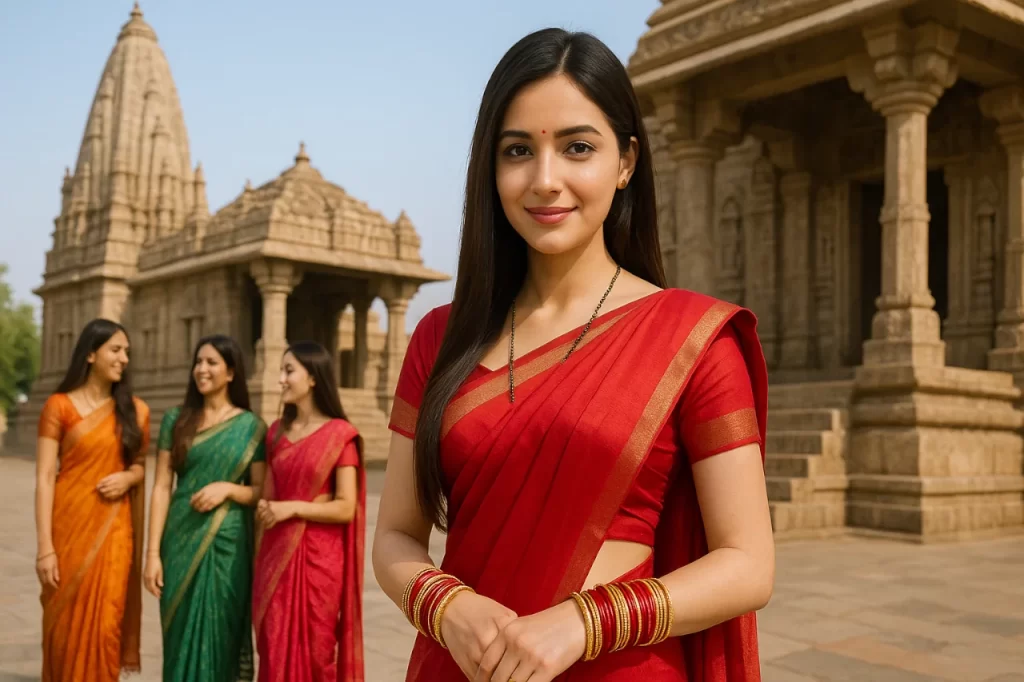
👨👩👧 Castes & Languages of Ratlam: A Granular Sociocultural Mosaic
🔘 Linguistic Landscape: Dominant Tongues & Dialects
Ratlam’s linguistic identity reflects its geographic position at the crossroads of Rajasthan, Gujarat and Madhya Pradesh.
➨ As per the 2011 Census:
➙ Malvi (42.33%): The primary language of rural Malwa, characterised by Rajasthani-Prakrit roots and distinct Ghos (Retroflex) sounds. Used in folk songs like Nirguni and Agricultural Transactions.
➙ Hindi (41.38%): Urban administrative language, with local Ratlami Hindi incorporating Bhili loanwords (e.g., “Dang” for hill).
➙ Bhili/Bhilodi (13.59%): Tribal language of the Bhil Community, featuring Agglutinative Grammar and Austroasiatic substrate vocabulary. Oral traditions include Pithora Painting Rituals.
➙ Minority Languages: Urdu (1.27%) among Muslim communities, Gujarati (0.52%) in merchant castes and Sindhi (0.16%) among Partition migrants.
🔘 Scheduled Tribes: Bhil Hegemony & Subgroups
Tribals constitute 28.17% of Ratlam’s population, with intricate social stratification:
➨ Bhil (72% of ST’s): Largest Tribe, organised into Falyas (Hamlets).
➨ Subgroups:
⦿ Bhilala: Rajput-Bhil mixed lineage, landlords in Sailana
⦿ Barela: Forest-dwelling shifting cultivators
⦿ Pataliya: Specialised in terracotta pottery
➨ Bhil Economy: Traditional Jhum (Slash-Burn) Agriculture transitioning to Soybean Farming. 22% now work in Ratlam’s Copper Wire Industries.
➨ Cultural Markers:
⦿ Bhagoriya Festival: Premarital elopement ritual with Teetka (Coloured Stick) exchanges
⦿ Ghoomar Dance: Accompanied by Pawa (Flute) and Mandri (Percussion).
🔘 Scheduled Castes: Occupational Diversification
SC’s constitute 16.8% of the District, Historically linked to Artisanal work:
➙ Chamar (43% of SC’s): Leatherworkers called Mochi locally, now dominant in Ratlami Sev manufacturing.
➙ Balahi/Balar (19%): Weavers of Ratlami Silk Sarees with Zari Borders.
➙ Mehtar (11%): Municipal Sanitation Workers, concentrated near Ratlam Junction.
🔘 Merchant Castes: Commercial Backbone
➨ Jains (3.2%):
⦿ Porwal: Gold traders in Sarafa Bazaar, upholders of 99.9% Purity Standards
⦿ Osval: Owners of 68% of Sev Manufacturing Units.
➨ Banias (8.7%):
⦿ Maheshwari: Opium and Tobacco Traders since British Era
⦿ Agarwal: Modern Industrialists (e.g., Kataria Copper Wires).
🔘 Pastoral & Agrarian Communities
⦿ Gurjars (12%): Buffalo herders supplying milk to Mawa-Bati Sweet Shops.
⦿ Dialect: Gujari with Dardic influences.
⦿ Patidars (7%): Soybean farmers in Jaora tehsil. Pioneered Garlic Export to Nepal.
🔘 Religious Minorities: Linguistic Adaptations
➨ Muslims (10.4%):
⦿ Ansari: Weavers speaking Urdu with Malvi inflection
⦿ Mughal: Butchers using Persianized Hindi.
➨ Sikhs (0.1%): Punjabi – Speaking Traders near Railway Colony.
🔘 Tribal Language Vitality & Challenges
⦿ Bhili Preservation: Taught in 47 Ashram schools using Warli script.
⦿ Threat: 32% lexical replacement by Hindi.
⦿ UNESCO Status: Malvi classified “Vulnerable” due to urban youth shift.
🔘 Caste-Language Correlations
Table: Social Stratification by Speech Patterns
| Caste Group | Language | Unique Features | Social Domain |
| Bhil (ST) | Bhili | Retroflex trills (/ɽ/), e.g., “Dang” (Hill) | Rituals, Folk Arts |
| Jain (Merchant) | Gujarati-Malvi mix | Loanwords like “Vyapar” (Trade) | Markets, Temples |
| Brahmin | Sanskritised Hindi | Shuddh (Pure) Vowels | Religious Ceremonies |
| Chamar (SC) | Hindi-Bhili Creole | Aspirated Stops (/pʰ/), e.g., “Phalya” (Hamlet) | Informal Labor |
🔘 Contemporary Shifts & Identity Politics
➙ Digital Divide: 73% of Malvi speakers lack Internet access vs. 22% of Hindi speakers.
➙ Caste Certificate Demand: 34,000+ issued annually at Lok Seva Kendra (Ratlam), requiring Nadas (village proofs).
➙ Electoral Influence: Bhils determine 12/16 Zila Panchayat seats, prioritising land rights in Bhili manifestos.
👉 “In Ratlam, your surname speaks your history, your tongue sings your geography, and your caste whispers centuries of resilience”. – Local Sociologist’s Observation
🎖️ Detailed Complete List of Notable People and Their Noticeable Work in Ratlam, Madhya Pradesh
1. Historical Royalty & Foundational Figures
➨ Maharaja Ratan Singh Rathore (1648–1658):
➙ Foundational Role: Established Ratlam State in 1652 after receiving territories from Mughal Emperor Shah Jahan for Military Victories against Persians in Afghanistan.
➙ Architectural Legacy: Built Ratlam Fort with Rajput-Mughal fusion Architecture, featuring frescoes depicting the Battle of Dharmatpur where he died resisting Aurangzeb.
➙ Cultural Impact: Instituted Ratlam’s goldsmithing traditions mandating 99.9% purity standards still upheld in Sarafa Bazaar.
➨ Maharaja Sajjan Singh (1893–1921):
➙ Diplomatic Achievement: Restored the royal title stripped by Aurangzeb through negotiations with the British.
➙ Economic Reforms: Modernised opium and salt trade routes, establishing Ratlam as Central India’s premier commercial hub.
2. Freedom Fighters & Social Reformers
➨ Janaki Devi Bajaj (1893–1979):
➙ Key Contribution: Led Civil Disobedience Movement in Malwa, imprisoned in 1932 for organising Salt Satyagrahas against British taxes.
➙ Legacy: Founded women’s literacy centres and promoted Khadi Spinning across Ratlam’s villages.
➨ Lotan Baba (Mohan Das) (Active 20th C.):
➙ Unique Protest: Walked 30,000+ km by Rolling his Body across India to Promote Peace; began journeys from Ratlam.
➙ Spiritual Influence: Established Ashrams promoting Tribal-Medicinal Plant Conservation in Sailana forests.
3. Political Leaders
➨ Dileep Singh Bhuria (1944–2015):
➙ Tribal Advocacy: As Lok Sabha MP (1980–1998), enacted the Panchayats Extension to Scheduled Areas Act (PESA), granting self-governance rights to Ratlam’s Bhil communities.
➙ Educational Reforms: Founded Janjati Shiksha Kendra schools focusing on Bhili language preservation.
➨ Anita Nagar Singh Chouhan (Current MP):
➙ 2024 Election Victory: Won Ratlam seat for BJP, focusing on Tribal land rights and Industrial Corridor Development.
➙ Infrastructure Projects: Spearheaded Ratlam-Indore Highway Expansion and clean water initiatives for 120 villages.
4. Arts & Entertainment
➨ Ananya Khare (Actor):
➙ Acclaim: National Film Award for Best Supporting Actress in Chandni Bar (2001); trained in Malwa Folk Theatre at Ratlam’s Sangeet Kala Mandir.
➙ Cultural Work: Curates Ratlam Utsav, showcasing local arts like Bhagoriya Dance.
➨ Sapna Sikarwar (Actor):
➙ Notable Works: Starred in TV series F.I.R. and Happu Ki Ultan Paltan; founded Natya Bharti Drama academy in Ratlam.
➨ Kamlesh Patidar (Actor/Producer):
➙ Regional Cinema: Produced Malwi Dialect films like Raja Bhoj (2022), depicting Ratan Singh’s legacy.
5. Sports & Athletics
➨ Rakesh Thakur (Cricketer):
➙ Career: Represented Goa in the 2021 Syed Mushtaq Ali Trophy; coach at Ratlam’s Madhya Pradesh Cricket Academy.
➨ Sen Keshav (Shooter):
➙ Olympian: Competed in Trap Shooting at Rome 1960; trained local Athletes in Rifle Sports.
6. Spiritual Leaders
➨ Swami Kailash Narayan Pandey:
➙ Medical Education: Namesake of Dr. Laxmi Narayan Pandey Government Medical College; advocated Ayurvedic-allopathic integration.
7. Industrialists & Economic Pioneers
➨ Kailash Kataria (Copper Magnate):
➙ Business Empire: Founded Kataria Wires Ltd., supplying 30% of India’s PVC-coated Copper Wires; Employs 1,200+ locals.
➨ Golani Family (Food Industry):
➙ Culinary Legacy: Popularised Ratlami Sev Globally via exports to 12 countries; patented clove-pepper recipe in 1955.
8. Academic & Literary Figures
➨ Dr. Himmat Kothari (b. 1947):
➙ Historical Scholarship: Authored Malwa ka Itihas (History of Malwa), documenting Ratlam’s opium trade archives.
➨ Dr. Ajit Raizada:
➙ Onomastic Research: Debunked Ratlam’s naming myths in Ratlam: Ek Adhyayan, proving Pre-Ratan Singh existence via Mughal records.
9. Unsung Heroes & Local Icons
➨ Amit Golani (Third-Generation Sev Producer):
➙ Innovation: Developed “Tawa Sev” Technique reviving traditional crunch; supplies Ratlami Sev for IRCTC trains.
➨ Leela Bai (Garlic Farmer):
➙ Agricultural Leadership: Pioneered Garlic Export to Nepal from Jaora tehsil; President of Ratlam Garlic Growers’ Cooperative.
10. Contemporary Innovators
➨ Mehul Joshi (VFX Director):
➙ Global Projects: Worked on Arctic Justice (2018) and Chehre (2021) at DNEG Mumbai; mentors students at Ratlam’s Digital Arts Hub.
➨ Anivesh Soni (Filmmaker):
➙ Award-Winning Films: Just Like a Bird won 5 International Festivals; conducts Documentary workshops on Bhil culture.
👉 “Ratlam’s greatness lies not in gold or sev alone, but in those who turned its soil into legacies – from kings who built forts with warrior-blood to farmers who made garlic a currency of pride”. – Local Historian’s Reflection
🏭 Industrial Development and Industries in Ratlam, Madhya Pradesh: A Granular Analysis
🔘 Strategic Industrial Infrastructure Development
Ratlam is undergoing Transformative Industrial Expansion driven by state and national initiatives:
➙ Ratlam Investment Region: A 1,466.7 – Hectare Integrated Zone (79% Saleable land) being developed by MP Industrial Development Corporation (MPIDC) for large industries, MSMEs, logistics, and residential areas. Recent interest includes a ₹650 crore Solar facility (2 GW capacity for Panels/Lithium-ion Batteries) and Food Processing/Heavy Engineering units.
➙ Railway Expansion: The ₹1,018 crore Ratlam-Nagda 3rd/4th Rail line (41.4 km) will reduce line capacity utilisation from 116% to 65%, enhancing connectivity to Kandla/Mundra ports and Delhi-Mumbai Industrial Corridor. Projected to save 38 crore kg CO₂ Annually.
➙ Industrial Zone Upgrade: ₹12 crore MSME allocation for Roads, Power Lines, Drainage and Water supply in Ratlam’s oldest Industrial Area (140+ units), Addressing Chronic Power Disruptions.
🔘 Traditional Manufacturing Strongholds
➙ Copper Wire Production: Kataria Group Dominates, supplying 30% of India’s PVC-coated wires. Employs 1,200+ workers with exports to 15+ countries.
➙ Pharmaceuticals: IPCA Laboratories manufactures Antimalarials and APIs, leveraging Ratlam’s rail connectivity for national distribution.
➙ Textiles & Chemicals: Viscose staple fibre units near Nagda Junction benefit from new Rail links. Chemical plants produce Sulphuric Acid and Ethanol.
🔘 ODOP Initiative: Ratlami Sev Cluster
Ratlam’s iconic spicy snack drives a ₹440+ crore Global Enterprise:
➨ Export Powerhouse: Top markets: Italy (₹34.07 crore), Canada (₹37.82 crore), Germany (₹46.14 crore). Angola recorded 176% Growth (2020–2022).
➨ Karmdi Cluster: 50+ units including:
⦿ Khandelwal Namkeen (92xxxxxx99)
⦿ Shree Padmavati Foods (94xxxxxx33)
⦿ Gelala Namkeen (98xxxxxx99)
➨ Innovations: “Tawa Sev” (Griddle-roasted variant) and Organic Clove sourcing from Sailana farms.
🔘 Emerging Green Industries
➙ Solar Manufacturing: New facility to produce Bifacial Panels and Lithium-ion Batteries, creating 1,500+ jobs.
➙ Ethanol Production: Planned units targeting 10,000 KL/year capacity using Soybean and Maize from Ratlam’s hinterlands.
🔘 MSME Challenges & Interventions
➨ Infrastructure Gaps: Power disruptions 3–4 times daily damage equipment and productivity.
➨ Remedial Actions:
⦿ Malwa Chamber of Commerce lobbying for dedicated industrial feeders.
⦿ MP Industrial Policy 2025 offering Green Industrialisation Assistance and FDI Incentives.
🔘 Agricultural Processing Ecosystem
➙ Garlic Export Hub: Jaora tehsil ships 15,000+ tonnes/year to Nepal and UAE. Processing by Sai Krishna Impacts (₹160 crore turnover).
➙ Opium Derivatives: Licensed farms supply alkaloids to pharmaceutical units in Pithampur.
➙ Soybean Crushing: 20+ oil mills producing 200,000 MT/year of animal feed and refined oil.
🔘 Logistics & Connectivity Advantages
➨ Ratlam Junction: Western Railway’s Divisional HQ with 157+ Daily Trains.
➨ Critical for:
⦿ Sev dispatch to Mumbai/Ahmedabad ports within 12 hours.
⦿ Copper wire transport to automobile hubs.
➨ Highway Links: NH 79 (Indore–Chittorgarh) enables 6-hour trucking to Kandla Port.
🔘 Policy Support & Investment Incentives
➨ MP Industrial Policy 2025: Offers:
⦿ 75% Subsidy on land for FDI units.
⦿ Export freight subsidies and organic certification incentives.
➨ Dedicated ODOP Support: Nodal team including:
⦿ Shri Amar Singh More (94xxxxxx74)
⦿ Shubham Gupta (79xxxxxx55) for Export Queries.
🔘 Industrial Employment & Skill Development
➨ Workforce Profile: 34,000+ employed; 22% tribals in MSMEs.
➨ Training Initiatives:
⦿ ODOP Skill Centres: Sev-making courses for women entrepreneurs.
⦿ Rail Project Jobs: 28 lakh human-days generated during construction.
🔘 Future Growth Sectors
⦿ Textile Parks: Proposed 100-acre zone for viscose spinning.
⦿ Electric Vehicle Components: Lithium-ion battery units aligned with solar expansion.
🔘 Key Challenges & Strategic Recommendations
⦿ Power Reliability: Urgent need for Dedicated Substations (Current Gap: 45 MW).
⦿ Export Barriers: High logistics costs (18% of sev FOB value).
⦿ Recommendation: Utilise MPIDC’s freight subsidy scheme.
⦿ Global Competition: Cheaper snacks from Thailand.
⦿ Counterstrategy: GI tagging for Ratlami Sev.
👉 “Ratlam’s industries breathe resilience—from Sev Artisans battling Global Markets to Copper Wires lighting Indian homes. Our Infrastructure must now match their Ambition”. — Industrialist Pradeep Malhotra.
🎯 Industrial Units Directory
| Sector | Key Players | Specialisation |
| Snack Manufacturing | Khandelwal Namkeen, Gelala Namkeen | Clove-infused Sev, Export Variants |
| Renewable Energy | Unnamed Solar Co. (Proposed) | Bifacial Panels, Lithium Batteries |
| Copper Products | Kataria Wires Ltd. | PVC-coated Wires for Automobiles |
| Agri-Processing | Sai Krishna Impacts | Dehydrated Garlic, Soybean Oil |
➤ FAQs: Decoding the City
Why is Ratlam railway station famous?
It’s Western Railway’s divisional HQ, a “Clean Train Station”, and featured in Jab We Met (though not filmed here).
Where to buy authentic Ratlami Sev?
Golani (Sarafa Bazaar) or Pre-order via www.ratlamisev.in.
Is Sailana worth a day trip?
Absolutely! Palace Tours, Cactus Garden (₹50 entry) and Kedareshwar caves.
➤ Conclusion: The City That Whispers
Ratlam is Malwa’s unsung maestro—where history echoes in sandstone temples, sev sizzles on street corners, and monsoons paint the hills emerald. Whether you seek spiritual solace at Nageshwar Parshwanath, a food coma in Sarafa Bazaar, or a village homestay in Binja Khedi, this city rewards the curious.
👉 Final Tip: Visit during Bibrod Mela (October–November) when the temple town becomes a carnival of devotion, dance, and deep-fried delights.
➤ Sources:
➙ Wikipedia – Ratlam
➙ District Administration, Ratlam
➙ Census Data 2011, Madhya Pradesh
➙ Encyclopaedia Britannica, Ratlam
➙ Western Railway Division, Ratlam
➙ Railway Announcements
➙ MP Trade Portal
➙ Times of India
➙ MPKonnect
Image Credit
➙ Wikimedia Commons – Sailana Palace
➙ Wikimedia Commons – Ratlam Junction
➙ Wikimedia Commons – Ratlam junction MP
➙ Wikimedia Commons – Ratlam Junction (2)
➙ Wikimedia Commons – Kedareshwar Mandir Sailana (M.P.)
➙ Wikimedia Commons – Karamdi Jain Temple, Ratlam, Madhya Pradesh
➙ Wikimedia Commons – Madhya Pradesh district location map Ratlam
For more information, you can visit our website: ExploreXP
“Ready to taste history? Book your Ratlam getaway with our curated partners—get 10% off with code RATLAM10!”
✨ Ratlam isn’t visited; it’s lived. Let it rewrite your soul.
Latest Posts
- 4 Steps to Teach English in Vietnam (Complete 2026 Guide)

- The Complete Guide to Living in Ho Chi Minh City, Vietnam
- What Living in Hanoi Is Really Like for Foreigners
- Expat vs Immigrant: What’s the Real Difference?
- 7 Best Places to Live in Mexico Right Now: A Complete Guide
- Best Places to Live in Thailand: A Complete Guide for Expats in 2026