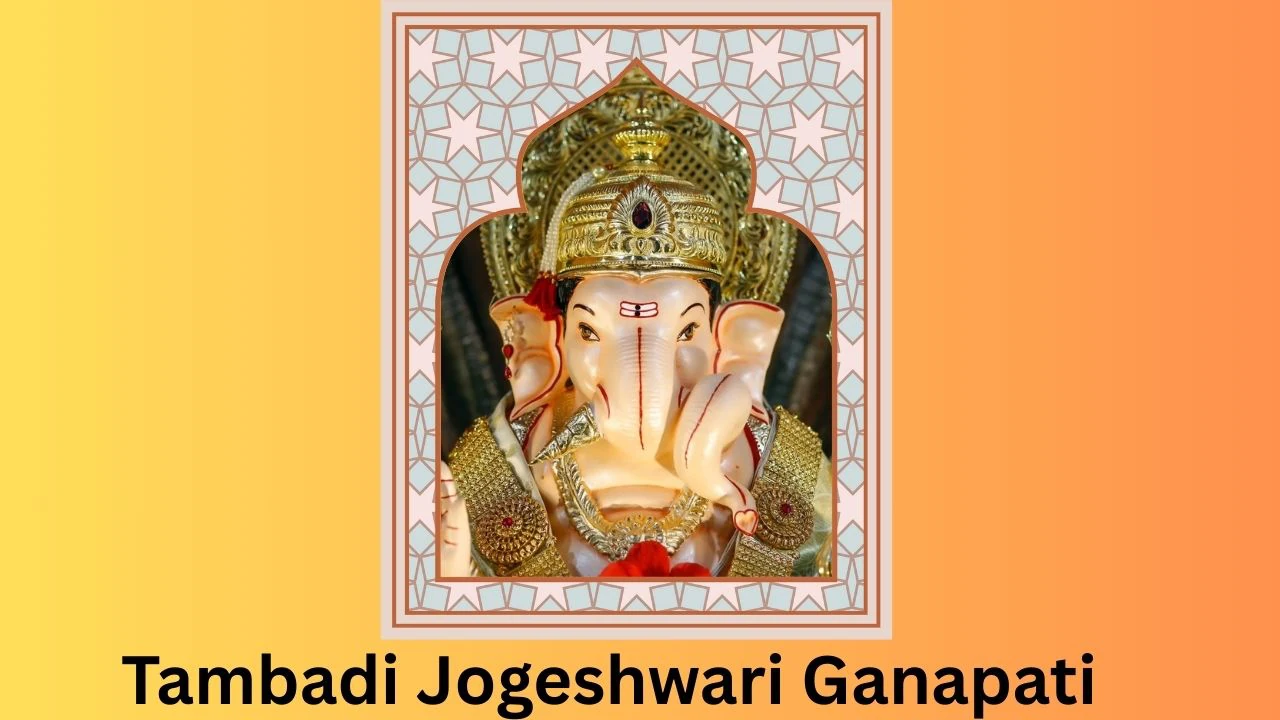
Tambdi Jogeshwari Public Ganeshotsav Mandal – Pune: A Legacy of Devotion, Culture, and Community
“Where Pune’s Heart Beats in Devotion and Tradition”
🔴 Introduction: The Heartbeat of Pune’s Spiritual Legacy
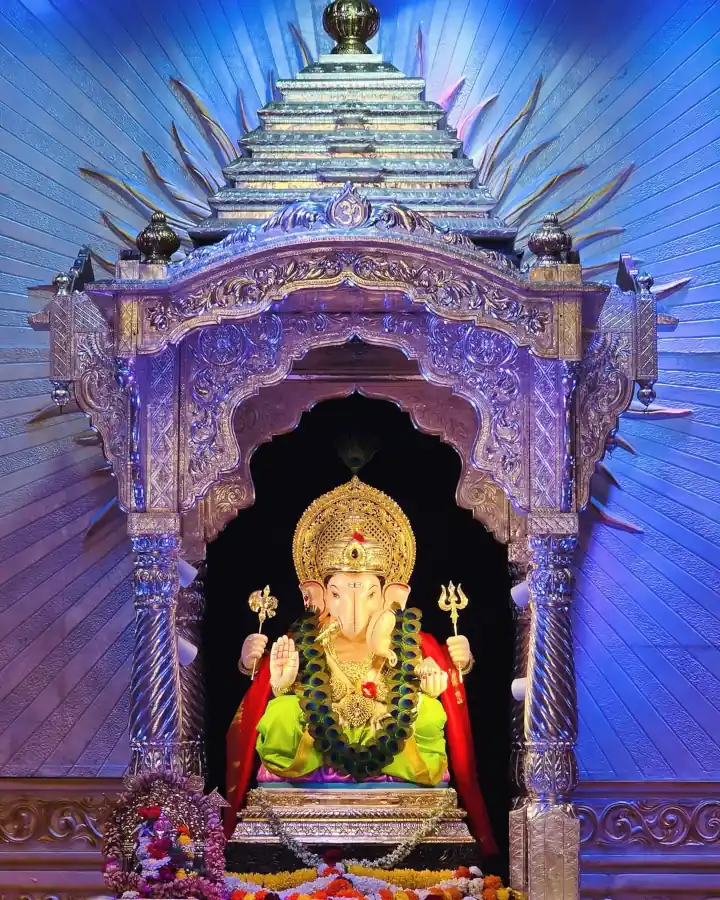
Tambdi Jogeshwari Public Ganeshotsav Mandal isn’t just a temple—it’s a living chronicle of Pune’s history, faith, and resilience. Nestled in Budhwar Peth, this 16th-century shrine dedicated to Goddess Jogeshwari (a form of Durga) and Lord Ganesha has witnessed the rise of Maratha power, colonial struggles, and modern-day celebrations. Designated as Pune’s Gramdevata (village deity) and the Manacha Dusara Ganpati (second-most revered Ganesh idol) by Lokmanya Bal Gangadhar Tilak in 1893, its Ganeshotsav celebrations are a vibrant fusion of devotion, culture, and heritage.
Tambdi Jogeshwari Public Ganeshotsav Mandal – Pune’s Timeless Cultural Jewel
Let’s embark on a journey through time and tradition!
⭕ Section 1: History – From Folklore to Freedom Struggle
➤ Origins (1545–1700s)
The temple’s story begins in 1545 when Trimbak Bendre, a devotee of Goddess Jogeshwari, discovered a Swayambhu (self-manifested) idol near the Ambil Odha stream. He built a modest shrine, marking Pune’s southern boundary.
➤ Maratha Era & Peshwa Patronage
In 1636, Jijabai and a young Shivaji Maharaj revitalised Pune after Mughal destruction. Shivaji plowed the land near the temple with a golden plough, symbolising renewal. The Peshwa rulers later expanded the temple, and their wives became ardent devotees, initiating the Dassera procession tradition.
➤ Colonial Era & Lokmanya Bal Gangadhar Tilak’s Vision
In 1893, Lokmanya Tilak integrated Tambdi Jogeshwari into his Sarvajanik Ganeshotsav movement to unite Indians against British rule. He granted it the Manacha Dusara status, ensuring its procession follows Kasba Ganpati during immersions.
➤ Modern Times
Post-independence, the temple faced urban challenges like road widening but retained its spiritual essence. The Gulunjkar family has crafted its eco-friendly Shadu clay idols since 1893, now in their fourth generation.
⭕ Section 2: Architecture – A Blend of Medieval and Maratha Styles
➤ Structural Design
Built in 1750, the temple follows a classic medieval plan:
👉 Garbhagriha (Sanctum): Houses the vermilion-covered Jogeshwari idol with a trident, skull, and damru.
👉 Sabha Mandapa (Hall): Once part of a larger complex, now bifurcated by a road.
👉 Deepamalas (Lamp Towers): One remains today, linked to Jijabai’s golden plough ritual.
➤ Silver Shrine & Renovations
In 2000, a 58-kg silver shrine replaced the brass structure to accommodate growing devotees. The palanquin for processions weighs 12.5 kg of silver.
⭕ Section 3: Ganeshotsav Celebrations – A 130-Year Legacy
➤ Unique Traditions
👉 Women Warriors: Processions feature women performing sword fights and horseback stunts, a tradition since the Peshwa era.
👉 Eco-Friendly Idols: Made from Shadu clay by the Gulunjkar family, immersed annually.
👉 Cultural Performances: Past artists include Pandit Basavraj Rajguru and Hirabai Badodekar.
➤ Festival Timeline
👉 Day 1: Idol installation (Pratishthapana) in the silver shrine.
👉 Days 2–9: Bhajans, lectures, and dance performances.
👉 Day 10: Immersion procession with Dhol-tasha beats, trailing Kasba Ganpati.
🟢 Detailed Introduction:
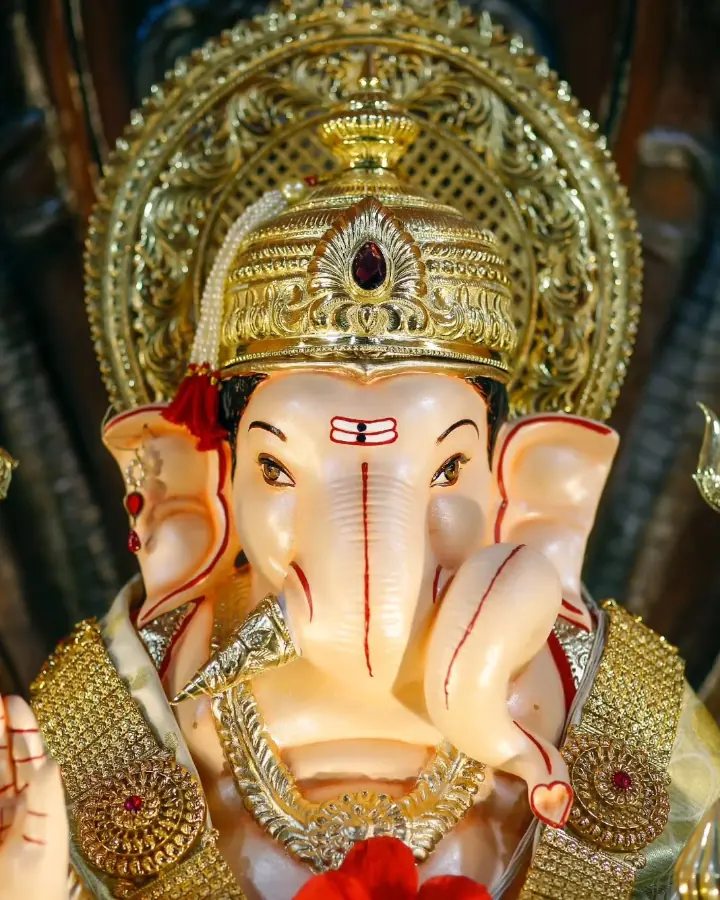
If you’re searching for the soul of Pune during Ganesh Chaturthi, it beats loudest at Tambdi Jogeshwari Public Ganeshotsav Mandal. One of the oldest and most revered mandals in the city, Tambdi Jogeshwari is not just a spiritual destination—it’s a cultural cornerstone, a historical beacon, and a celebration that embodies the essence of Maharashtrian pride. With an unbroken legacy that dates back to 1893, this mandal has stood the test of time, not just preserving but actively enriching the traditions of Pune’s iconic Sarvajanik Ganeshotsav.
The Ganeshotsav of Pune, originally transformed into a public movement by the legendary Lokmanya Bal Gangadhar Tilak, was a masterstroke to unite people under the banner of spirituality and nationalism. Amidst the bustling lanes of Budhwar Peth, lies the Tambdi Jogeshwari Temple, devoted to Goddess Durga, affectionately known as Pune’s Gramdevata. From the very inception of the Sarvajanik Ganeshotsav, Tilak himself accorded the Second most honoured status — “Manacha Dusara Ganapati” — to the Ganesh idol installed here, right after Kasba Ganpati. This recognition has imbued Tambdi Jogeshwari with a sense of sanctity and reverence that few places can rival.
Walking through the narrow but lively alleys leading to Tambdi Jogeshwari during Ganeshotsav is like entering a living museum of culture. The energy is electric. Ancient dhol-tasha performances echo through the air, children parade with saffron flags, and the smell of modaks and fresh flowers wafts from every household. But behind this grandeur is a profound spiritual simplicity—the idol, unlike many others, is not flamboyant but traditionally styled, reflecting the mandal’s commitment to authentic celebration over showmanship.
The history of Tambdi Jogeshwari Temple itself adds another rich layer to the story. Believed to be over 800 years old, the temple is a fine example of Pre-Peshwa era architecture with influences from the Yadava and Maratha dynasties. Built with red stone—hence the name ‘Tambdi’ (meaning red in Marathi)—the temple is intimately woven into the socio-cultural fabric of the city. Interviews with local priests reveal that the temple has been a centre for spiritual learning and Navratri rituals for generations, serving not only as a place of worship but also a community hub.
Today, Tambdi Jogeshwari Ganeshotsav Mandal is not merely a site of festivities; it’s an institution. Its continued celebration since 1893—without interruption—is a testament to Pune’s undying devotion and disciplined tradition. The mandal has been at the forefront of promoting environmentally friendly idols, classical music programs, and heritage walks, blending celebration with consciousness. According to locals, some families have been offering their Seva (service) to the mandal for five generations, an unbroken lineage of devotion that continues to define the mandal’s cultural significance.
As we delve deeper into this blog post, you’ll discover how Tambdi Jogeshwari stands apart from the hundreds of mandals across Pune, not by competing for grandeur, but by leading in authenticity, discipline, and devotion. We’ll explore in detail the history and architecture of the temple and mandal, local legends and rituals, and how this ancient tradition is kept alive in the modern age. We’ll also offer a comprehensive travel guide—how to reach from major Indian cities, best times to visit, local attractions, and detailed insights into nearby food, markets, and culture.
Additionally, this post will highlight the cultural impact of Tambdi Jogeshwari on Pune and beyond. We’ll share first-hand stories from local artisans, mandal organisers, and older citizens who’ve witnessed the evolution of this event over decades. You’ll also get detailed breakdowns of climatic conditions, demographics of the area, local languages, and the economy surrounding the temple precinct—especially during festival seasons.
Whether you’re a spiritual seeker, a history enthusiast, or just a traveler looking to experience Ganeshotsav in its most authentic form, Tambdi Jogeshwari offers an immersive window into Pune’s identity. This introduction is just the beginning—what follows is an all-encompassing guide to one of India’s oldest and most meaningful public festivals, rooted in a temple older than many cities and celebrated with a heart that’s distinctly Puneri.
Let’s now dive into the full story behind the Tambdi Jogeshwari Public Ganeshotsav Mandal, including its fascinating history, stunning architecture, traditions, itineraries, and essential travel tips—all curated to give you not just information, but a deeply personal connection with this spiritual marvel.
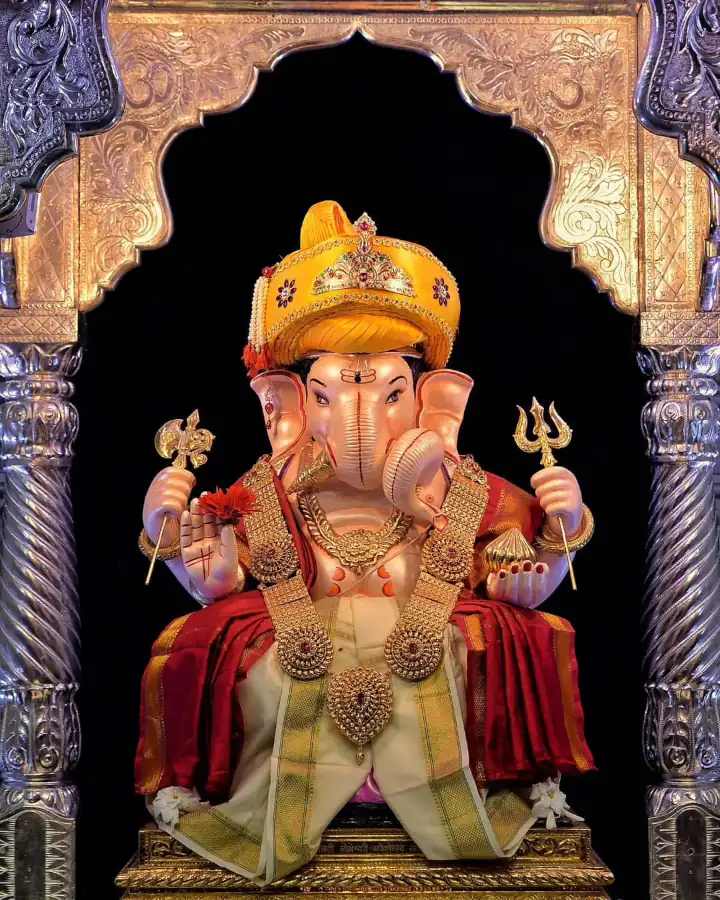
Tambdi Jogeshwari Public Ganeshotsav Mandal – Pune: A Sacred Legacy Carved in Time
🟣 Section Breakdown:
🎯 Historical Background
🎯 Architectural Brilliance of Tambdi Jogeshwari Temple
🎯 Significance of Tambdi Jogeshwari Ganeshotsav Mandal
🎯 How to Reach Tambdi Jogeshwari Ganeshotsav Mandal, Pune
🎯 Best Time to Visit
🎯 Local Weather and Climate
🎯 Places of Worship Nearby
🎯 Local Markets and Handicrafts
🎯 Local Food and Culinary Culture
🎯 Nearby Tourist Attractions
🎯 Local Lifestyle and Culture
🎯 Things to Do Around Tambdi Jogeshwari
🎯 Travel Tips for Visitors
🎯 Demographics, Languages, and Economy
🎯 Notable People Associated
🎯 FAQ
🎯 Conclusion
🎯 Sources
Also Read
Tulshibaug Ganapati – Pune’s Majestic Fourth Manacha Ganpati
🟠 Detailed Section Breakdown:
🔘 Historical Background
The story of Tambdi Jogeshwari Ganeshotsav Mandal begins in 1893, the very year when Lokmanya Bal Gangadhar Tilak revolutionised the private Ganesh celebrations into a grand public festival to unite citizens during the British era. Lokmanya Bal Gangadhar Tilak recognised the spiritual importance of the Tambdi Jogeshwari Temple, home to the Gramdevata of Pune, and declared its Ganpati idol as the “Manacha Dusara Ganapati”, or the second most revered Ganesh idol after Kasba Ganpati.
The temple predates the Ganeshotsav celebrations and is believed to be over 800 years old. With a rich tapestry of mythological lore and community involvement, this site holds immense religious and historical value. Locals recall that during the independence struggle, Tambdi Jogeshwari Mandal served as a discreet meeting point for freedom fighters, adding a layer of patriotic legacy to its religious importance.
🔘 Architectural Brilliance of Tambdi Jogeshwari Temple
The temple, located in Budhwar Peth, is constructed using distinctive red basalt stone, which gives it its name — “Tambdi” meaning red in Marathi. The sanctum sanctorum houses the idol of Goddess Jogeshwari, depicted with intricate carvings and flanked by traditional oil lamps.
➤ Noteworthy architectural features include:
✔ Hemadpanthi-style architecture
✔ Wooden ceiling with floral motifs
✔ Beautifully carved sanctum and Sabha Mandap
✔ Red stone exterior reflecting Maratha aesthetics
✔ Intricately decorated archways and columns
The temple also showcases murals and sculptures from the Peshwa era, symbolising a blend of spirituality and artistry.
🔘 Significance of Tambdi Jogeshwari Ganeshotsav Mandal
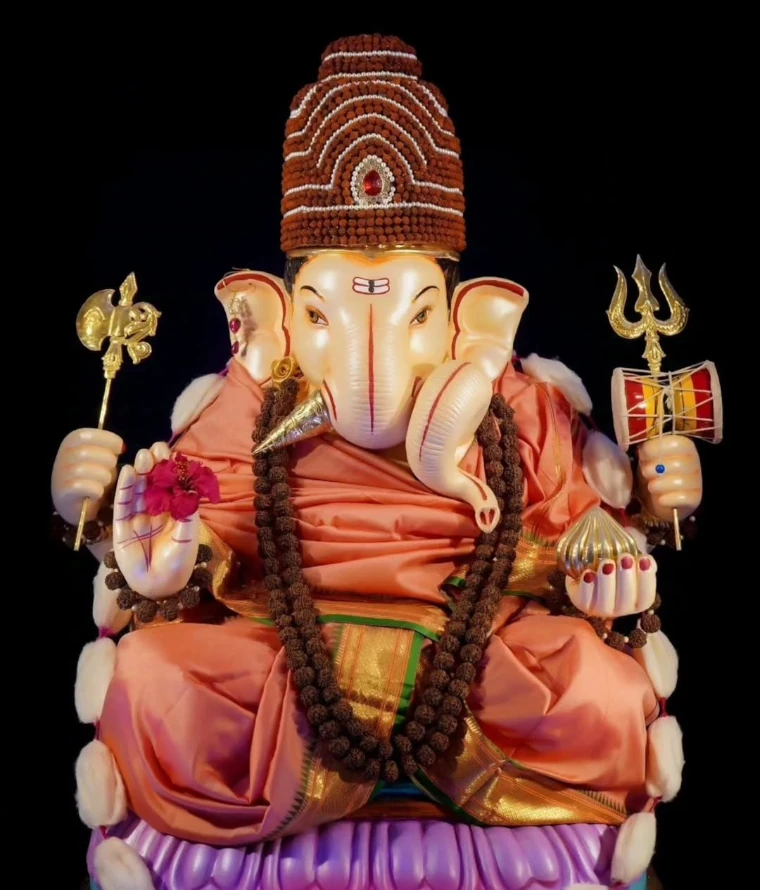
Tambdi Jogeshwari Ganeshotsav Mandal is one of the oldest and most disciplined mandals in Pune. Unlike the more extravagant and modern mandals, it emphasises:
✔ Traditional rituals
✔ Eco-friendly practices
✔ Community engagement through cultural programs
✔ Classical music and devotional concerts
It is also known for its disciplined processions and high spiritual quotient. Families from Pune and nearby regions come in large numbers, often for generations, to seek blessings.
🔘 How to Reach Tambdi Jogeshwari Public Ganeshotsav Mandal – Pune
➤ By Air:
👉 Pune International Airport: 12 km away (~30 mins by cab)
👉 Mumbai International Airport: 155 km (Approx. 3.5 to 4 hours by road)
➤ By Train:
👉 Pune Junction: 3 km away
👉 Frequent trains from Mumbai, Delhi, Bengaluru, Hyderabad, and Chennai.
➤ By Road:
👉 From Mumbai: 150 km (3.5 hours via Expressway)
👉 From Nashik: 220 km (5 hours)
👉 From Bengaluru: 840 km (12–13 hours)
Auto rickshaws, local buses, and cabs are easily available from all points within Pune.
➤ How to Reach Tambdi Jogeshwari – Distance from Major Cities (In a Tabular form)
| City | Distance (km) | Travel Time (hours) | Best Route |
| Mumbai | 150 km | 3.5 hours | Pune Expressway |
| Hyderabad | 560 km | 10 hours | NH65 |
| Bengaluru | 840 km | 12–13 hours | NH48 |
| Chennai | 1,100 km | 18 hours | NH38 |
| Delhi | 1,420 km | 24 hours | NH44 |
🔘 Best Time to Visit
👉 Ganeshotsav Festival (August–September): Peak season; experience the grandeur and rituals.
👉 Navratri (October): Visit the Jogeshwari Temple for Durga Puja.
👉 Post-monsoon (October to February): Ideal for sightseeing and cooler weather.
🔘 Local Weather and Climate
👉 Summer (March–June): 25°C to 40°C – Hot and dry
👉 Monsoon (June–September): 22°C to 32°C – Pleasant but wet
👉 Winter (October–February): 10°C to 28°C – Cool and best for travel
🔘 Places of Worship Nearby
👉 Kasba Ganpati Temple – Gramdaivat of Pune
👉 Dagdusheth Halwai Ganpati – Known for grandeur
👉 Omkareshwar Temple – Riverside Shiva temple
👉 Jangli Maharaj Mandir – Historic and revered
🔘 Local Markets and Handicrafts
👉 Tulshibaug – Traditional Maharashtrian jewellery and clothes
👉 Laxmi Road – Festive wear, bangles, Puja items
👉 FC Road & Juna Bazaar – Antiques and handicrafts
Look for Pune’s specialities like Paithani sarees, handmade diyas, and copper idols.
🔘 Local Food and Culinary Culture
👉 Misal Pav, Puran Poli, Modak – Traditional delights
👉 Vada Pav & Bhel Puri – Street food essentials
👉 Shabree and Durvankur – Best places for Maharashtrian Thali
🔘 Nearby Tourist Attractions
👉 Shaniwar Wada – Maratha fort and light show
👉 Raja Dinkar Kelkar Museum – 21,000+ artefacts
👉 Aga Khan Palace – Historical monument linked to Mahatma Gandhi
👉 Parvati Hill Temple – Offers panoramic city views
🔘 Local Lifestyle and Culture
Punekars are known for their love of literature, music, and spirituality. The city blends modern aspirations with deep-rooted traditions. Cultural sabhas, theatre, and bhajan mandals flourish, especially around Tambdi Jogeshwari during Ganeshotsav.
🔘 Things to Do Around Tambdi Jogeshwari
👉 Attend Aarti during Ganeshotsav
👉 Participate in dhol-tasha processions
👉 Visit nearby wadas and heritage homes
👉 Explore local art galleries and workshops
👉 Join a cultural heritage walk
🔘 Travel Tips for Visitors
👉 Book accommodation early during festivals
👉 Wear modest clothing when entering temples
👉 Use local transport or walk for short distances
👉 Try local food but from hygienic vendors
👉 Keep cash handy as small vendors may not accept cards
🔘 Demographics, Languages, and Economy
➤ Talukas of Pune District:
⦿ Haveli
⦿ Mulshi
⦿ Maval
⦿ Junnar
⦿ Khed
⦿ Purandar
⦿ Bhor
⦿ Baramati
➤ Languages Spoken:
✔ Marathi (Primary)
✔ Hindi and English widely understood
➤ Economy:
✔ Based on services, tourism, education, and IT
🔘 Notable People Associated
👉 Lokmanya Bal Gangadhar Tilak – Freedom Fighter & Initiated public Ganeshotsav
👉 Shivaram Rajguru – Indian Freedom Fighter was born in nearby Rajgurunagar in Khed Taluka
👉 Dnyaneshwar Agashe – Industrialist and philanthropist
👉 Bal Gandharva – Renowned Marathi stage actor
🔘 FAQs
Is there any entry fee to visit Tambdi Jogeshwari Temple?
No, the temple is open to all without any entry fee.
Can tourists participate in Ganeshotsav events?
Yes, many events are open to the public, especially during Aartis and cultural programs.
Are photography and videography allowed?
It’s generally allowed outside the sanctum, but permission may be needed during rituals.
What makes Tambdi Jogeshwari unique from other Ganesh Mandals?
Its traditional discipline, heritage, and recognition by Lokmanya Bal Gangadhar Tilak.
Is the area well connected by public transport?
Yes, it is centrally located in Budhwar Peth and accessible by buses, autos, and cabs.
🔘 Conclusion
Tambdi Jogeshwari Public Ganeshotsav Mandal is more than a place of celebration—it’s a living testimony to Pune’s history, devotion, and cultural pride. It has withstood the test of time, evolving while preserving its roots. Whether you visit for spiritual solace, cultural curiosity, or historical interest, this mandal will leave you deeply inspired.
🔘 Sources:
→ Image Credit – Instagram
For more information, you can visit our website: ExploreXP
- Jade Laroche: From Spotlight to Soundwaves — The Reinvention of a French Icon

- Milind Shinde – The Relentless Craftsman of Marathi Cinema Who Turned Every Frame into Fire
- Subodh Bhave: The Timeless Torchbearer of Marathi Cinema Who Redefined Biographical Storytelling

- Svetlana Khodchenkova: The Enigmatic Russian Beauty Who Conquered Hollywood Without Losing Her Soul

- Rashmi Gautam: The Fearless Voice of Telugu Television Who Turned Stardom into Substance

- Simone Holtznagel: From Wollongong’s Coastal Dreams to Global Runways — A Blonde Force Who Turned Reality TV into a Fashion Empire