Pachora, Jalgaon District, Maharashtra – A Hidden Gem of History, Culture, and Agriculture
Ready to uncover the secrets of Pachora? Share your travel plans with us and download our free Maharashtra travel checklist!
🔴 Introduction: Unveiling Pachora’s Multifaceted Identity
Nestled on the banks of the Hivra River, Pachora is more than just a dot on Maharashtra’s map. This town, part of Jalgaon district, is a living tapestry of history, agriculture, and spirituality. With a population of 59,609 (2011 Census) , Pachora thrives as a hub for cotton farming, ancient architecture, and cultural festivities. Let’s embark on a journey through its winding lanes, where every corner tells a story.
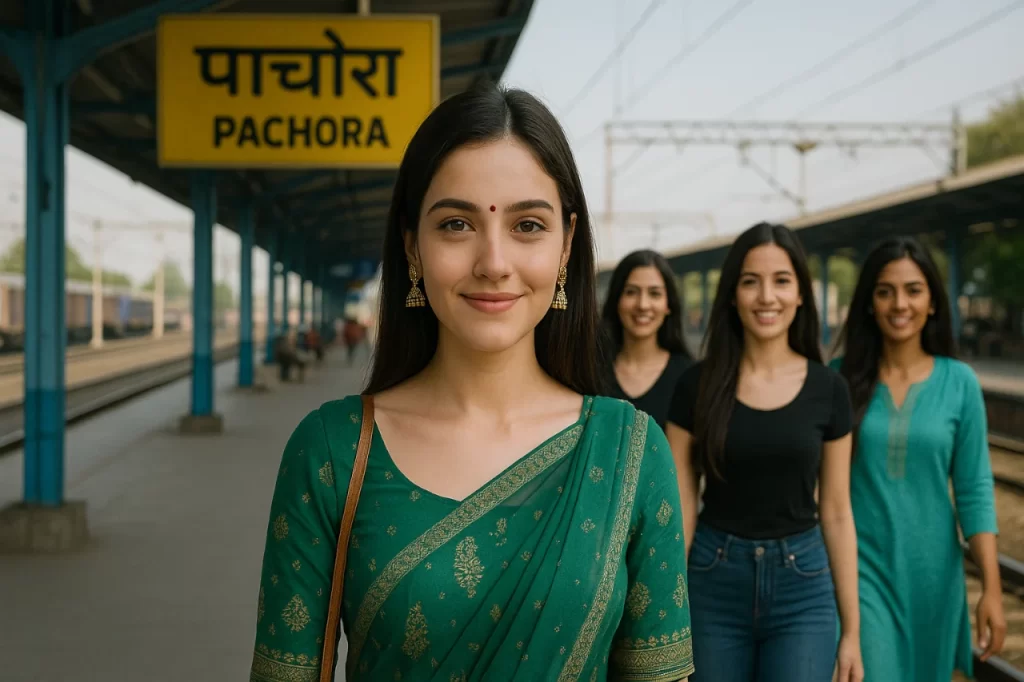
🟢 Pachora, Jalgaon District, Maharashtra: A Comprehensive Detailed Introduction
🔘 Geographical and Administrative Overview
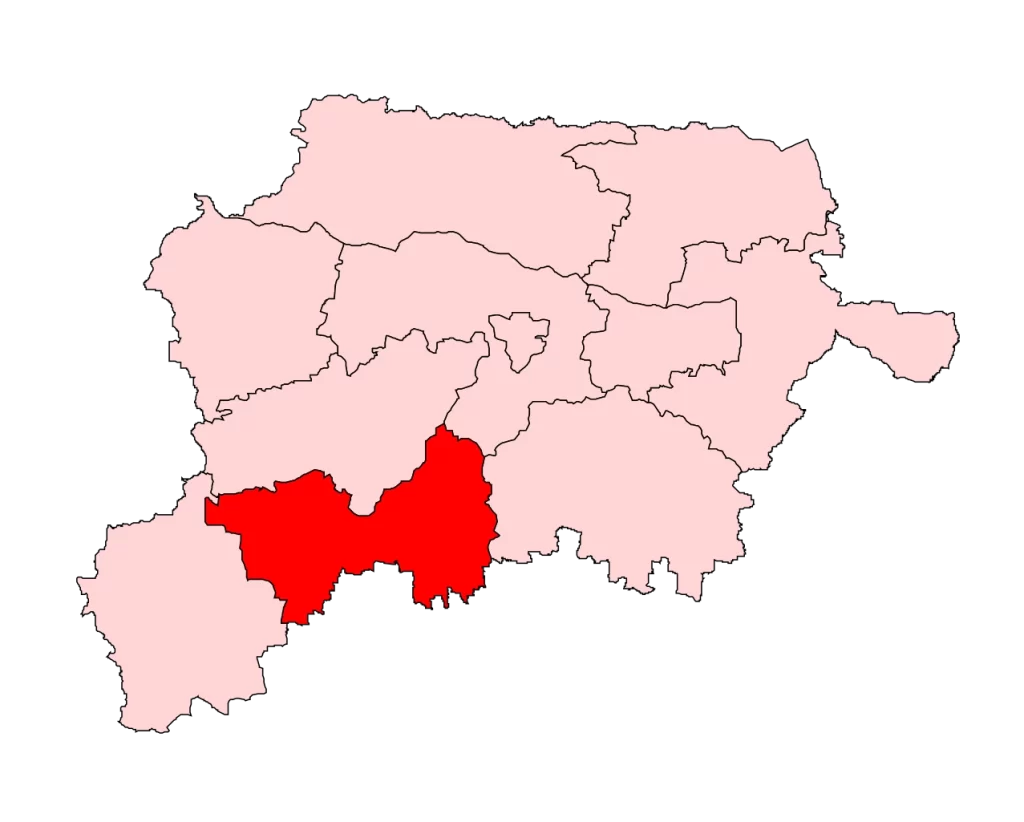
Nestled on the banks of the Hivra River in Maharashtra’s Jalgaon district, Pachora is a town steeped in historical and cultural significance. Governed by the Pachora Municipal Council, established in 1947, it comprises 25 administrative wards and serves as a tehsil headquarters.
The region boasts Maharashtra’s largest rural infrastructure, with 95 gram panchayats under its jurisdiction, reflecting its role as a hub for local governance and rural development. Spanning 813 km², the tehsil includes 128 villages, such as Lohara (population 9,663) and Pimpalgaon Bk. (14,918 residents), which contribute to its agrarian economy and community-centric lifestyle.
🔘 Demographics and Social Fabric
As per the 2011 Census, Pachora’s population stands at 59,609, with a literacy rate of 84.67%—higher than the state average. However, gender disparities persist: the female sex ratio (758 per 1,000 males) and child sex ratio (739) lag behind Maharashtra’s averages.
Religiously, Hindus form 75.23% of the population, followed by Muslims (19.26%), Buddhists, and Jains. The tehsil’s rural-urban divide is pronounced, with 79.35% residing in rural areas engaged in agriculture, while urban zones thrive on trade and education.
🔘 Historical Legacy
Pachora’s history traces back to the 3rd century BCE, when it was known as Pachavardhana under the Mauryan Empire. Over centuries, it witnessed the rule of the Satavahanas, Rashtrakutas, Yadavas, Bahmani Sultanate, and Mughals. During British colonialism, it emerged as a cotton-producing hub, with mills established in the early 20th century. The town also played a role in India’s independence movement, participating in the 1920s Non-Cooperation Movement. Post-1947, it became part of Maharashtra, evolving into a centre for education and commerce.
🔘 Economic Backbone: Agriculture and Trade
Agriculture drives Pachora’s economy, with Cotton, Bananas, Maize, Jowar, and Bajra as primary crops. The town’s gold and cloth markets attract traders regionally, while banana cultivation remains a key livelihood. Villages like Bambarud Kh. (population 1,788) and Kurhad Kh. (5,904) exemplify the agrarian focus, with small-scale industries complementing rural incomes.
🔘 Cultural and Religious Vibrancy
Pachora’s spiritual landscape is marked by ancient temples and Sufi shrines. The Panchaleshwar Temple, linked to the Pandavas, and the 250-year-old Balaji Mandir (hosting an annual 50-foot Rath Yatra) draw devotees. The Khandoba Fair, celebrated for 800 years atop KakanBardi Hill, and the syncretic dargah of Hazrat Syed Jalalludin Bukhari highlight its cultural pluralism. Navratri festivals at Kaila Mata and Jagdamba Devi temples further showcase its vibrant traditions.
🔘 Connectivity and Infrastructure
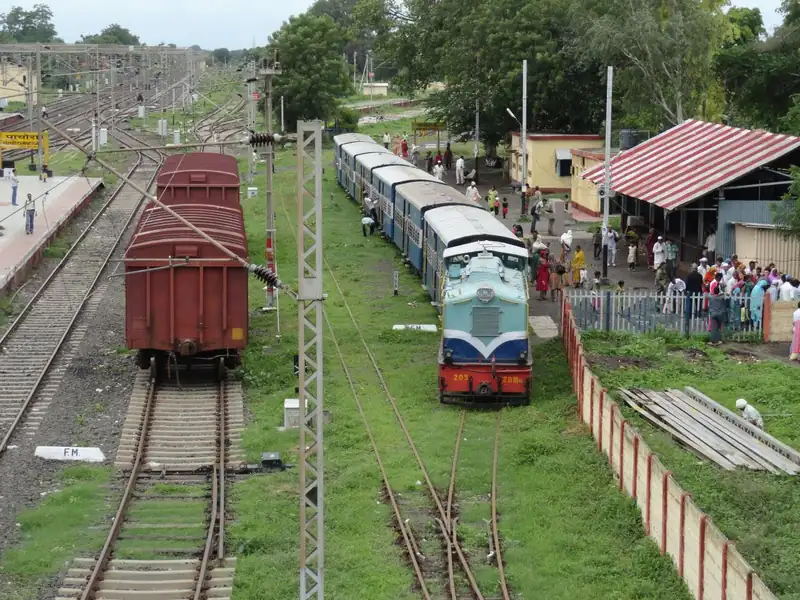
Pachora’s strategic location on state highways (Nagpur-Pune and Nagpur-Surat) and the Central Railway network enhances its accessibility. The Pachora–Jamner narrow-gauge railway, built in 1918, once connected travellers to the Ajanta Caves, though now a relic of colonial engineering. Jalgaon Airport, 50 km away, provides air links, while road distances include 48 km to Jalgaon and 210 km to Nashik.
Also Read
Ganpatipule, Maharashtra: A Divine Coastal Paradise Blending Spirituality, Nature, and Culture
🔘 Rural Life and Village Dynamics
The tehsil’s 128 villages, such as Lohara and Shindad (6,440 residents), embody agrarian traditions. Communities here rely on monsoon-dependent crops, with literacy rates varying widely—from 72.18% in Lasgaon to 49.32% in Bhokari. Villages like Goradkhede (near the Sufi dargah) and Pimpalgaon Bk. reflect a blend of spirituality and agrarian routines.
🔘 Governance and Education
The Pachora Municipal Council oversees urban infrastructure, while gram panchayats manage rural development. Educational institutions, supported by an 84.67% literacy rate, cater to both urban and rural populations, though female literacy (81.65%) remains an area for improvement.
🔘 Climate and Environment
The region experiences a semi-arid climate, with summers peaking at 42°C and monsoon rains (June–September) rejuvenating farmlands. Winters are mild (10°C – 25°C), ideal for exploring its historical sites.
🔘 Modern Challenges and Future Prospects
While Pachora thrives agriculturally, gender disparities and rural-urban divides pose challenges. Initiatives to boost female literacy, sustainable farming, and tourism—leveraging sites like the Ajanta Caves (72 km away)—could drive future growth.
This multifaceted town, where ancient temples coexist with cotton fields, offers a microcosm of Maharashtra’s rural heartland—a blend of tradition, resilience, and untapped potential.
🟣 Section Breakdown:
👉 Historical Legacy – From Mauryan rule to British-era cotton mills.
👉 Architectural Marvels – Temples, Dargahs, and Colonial-era railways.
👉 Cultural Vibrancy – Festivals, local markets, and handicrafts.
👉 Travel Essentials – How to reach, best time to visit, and itineraries.
👉 Granular Insights – Demographics, economy, and climate.
Pachora, Jalgaon District, Maharashtra: Where History Meets Rural Charm
Step into a world where ancient temples whisper tales, cotton fields paint the horizon, and festivals ignite the soul.
🟠 Detailed Section Breakdown:
⭕ Historical Legacy: A Timeline of Empires and Revolutions
Pachora’s roots stretch back to the 3rd century BCE, when it was known as Pachavardhana under the Mauryan Empire. Over centuries, it witnessed the rise and fall of the Satavahanas, Rashtrakutas, and Yadavas. By the 14th century, the Bahmani Sultanate took hold, followed by Mughal dominance.
➤ Colonial Era & Independence:
During British rule, Pachora emerged as an agricultural powerhouse, with cotton mills established in the early 1900s fuelling its economy. The town also played a role in India’s freedom struggle, participating in the 1920s Non-Cooperation Movement . Post-independence, it became part of Maharashtra in 1960, with its municipal council established in 1947.
➤ Interview with a Local Historian:
“My grandfather worked in the cotton mills. They weren’t just factories—they were symbols of Pachora’s resilience”, shares Rajesh Patil, a 75-year-old resident. “Even today, the old railway line to Jamner reminds us of our industrial past”.
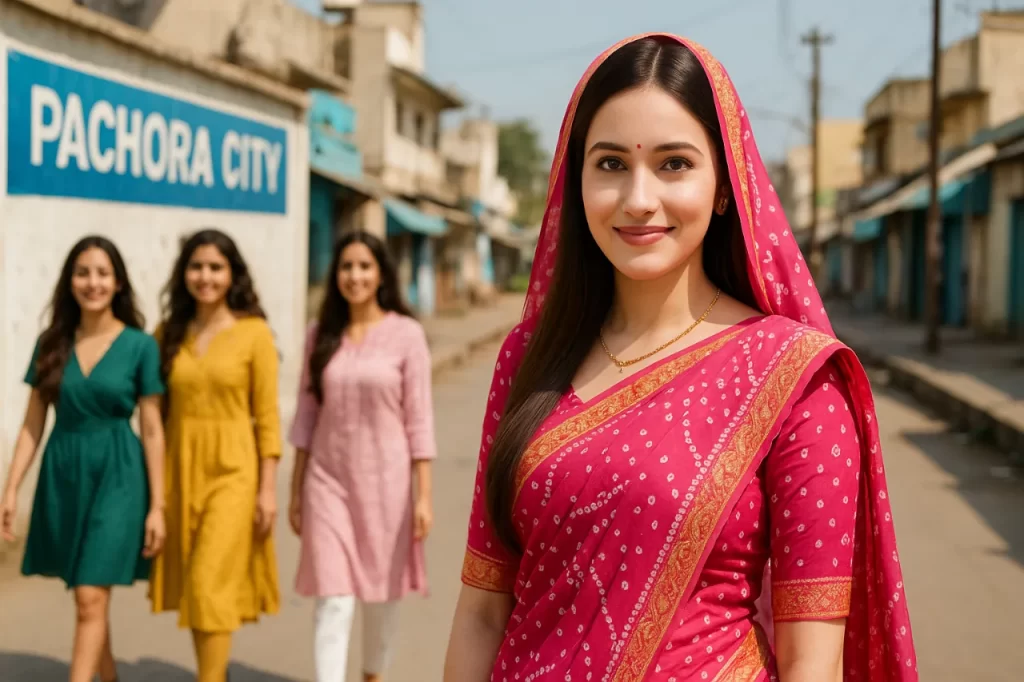
⭕ Architectural Marvels: Temples, Railways, and Sufi Shrines
➤ Panchaleshwar Temple:
Legend claims this Shiva temple was built by the Pandavas during their exile. The annual Navratri Dandiya here transforms the town into a dance floor.
➤ Balaji Mandir & Rath Yatra:
A 250-year-old temple in Nagardeola hosts a vibrant Rath Yatra, where a 50-foot wooden chariot is paraded through Rath Galli.
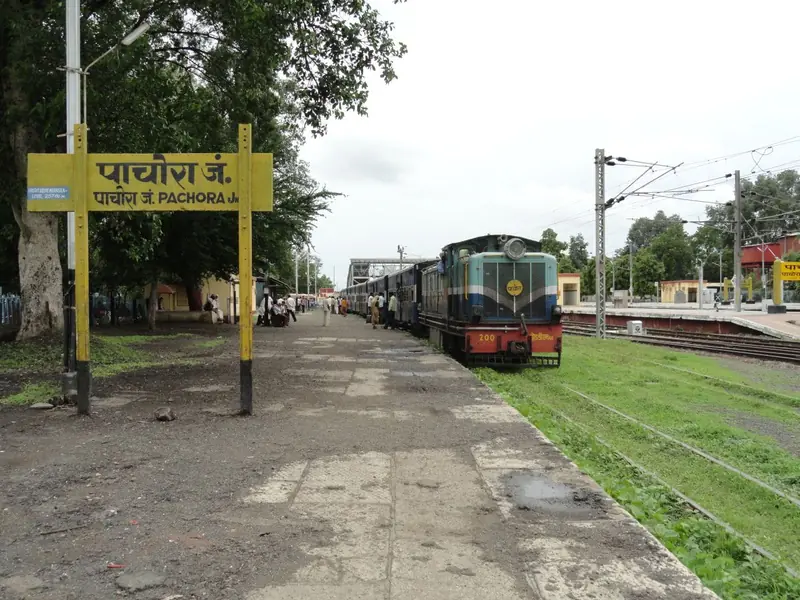
➤ Pachora–Jamner Narrow-Gauge Railway:
Built in 1918 by Shapoorji Godbole, this railway once connected Pachora to the Ajanta Caves. Though now defunct, its vintage charm attracts history buffs.
➤ Sufi Heritage:
The dargah of Hazrat Syed Jalalludin Bukhari, 5 km from town, reflects Pachora’s syncretic culture. Locals here celebrate both Hindu and Muslim festivals with equal fervour.
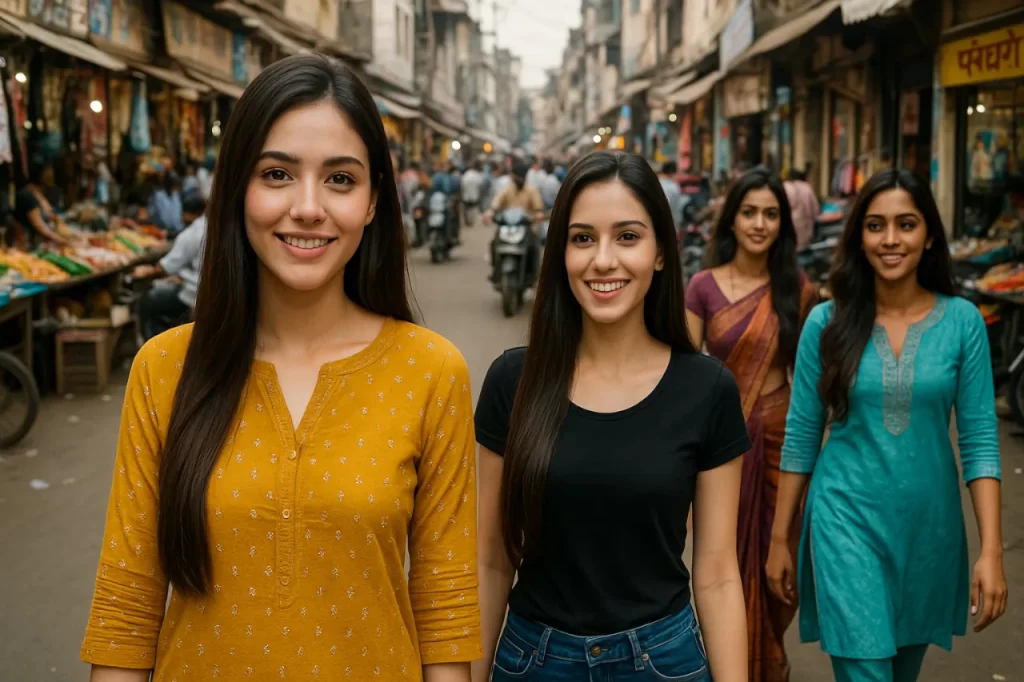
⭕ Cultural Vibrancy: Festivals, Markets, and Local Life
➤ Festivals:
✦ Khandoba Fair: An 800-year-old tradition at KakanBardi Hill, featuring folk music and bullock cart races.
✦ Balaji Rath Yatra: A dawn-to-dusk procession with devotional songs lighting up the night.
➤ Local Markets:
Pachora’s cloth and gold markets are a sensory overload. The bustling Bhadgaon Road Market offers handwoven cotton sarees, while the Rath Galli area is famed for its banana plantations.
➤ Handicrafts & Cuisine:
✦ Cotton Weaving: Families in villages like Lohara (population 9,663) still practice traditional loom weaving.
✦ Street Food: Savour Vada Pav, Misal Pav, and Thalipeeth at Prakash Talkies Road stalls.
⭕ Travel Essentials: How to Reach, Best Time, and Itineraries
➤ How to Reach:
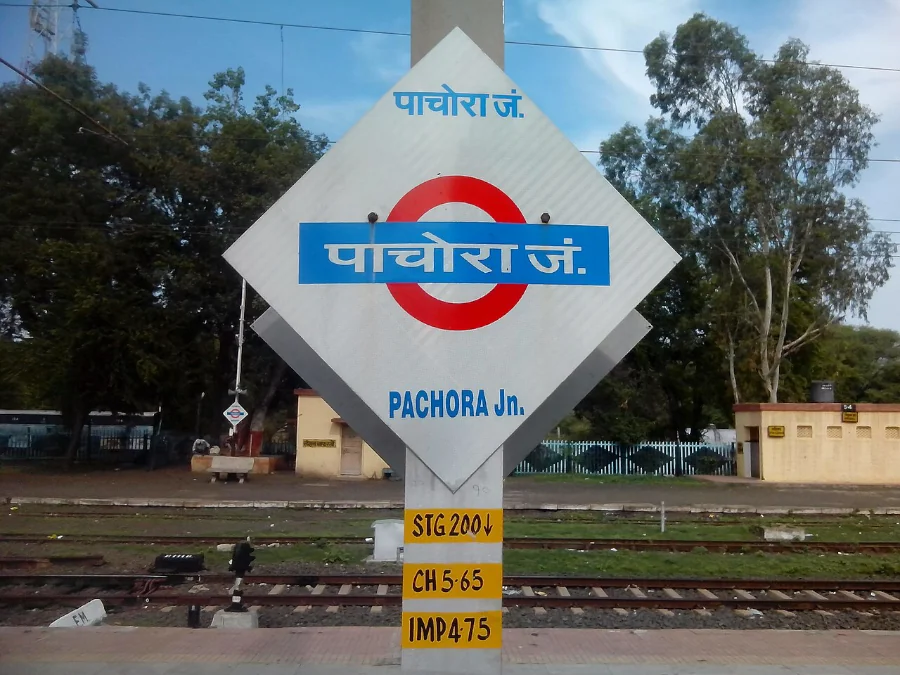
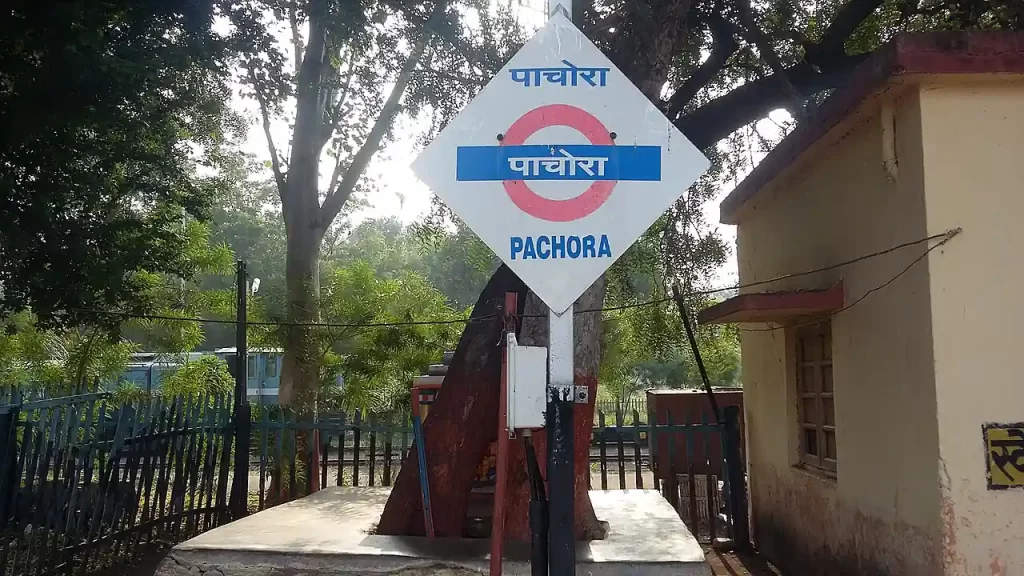
✦ By Rail: Pachora Junction connects to Mumbai (6 hours) and Jalgaon (50 km).
✦ By Air: Jalgaon Airport (50 km) offers flights to Mumbai and Delhi.
✦ By Road: State highways link to Nagpur (450 km), Pune (330 km), and Nashik (210 km).
➤ Best Time to Visit:
October–March offers pleasant weather (15°C – 28°C). Monsoon (June–September) transforms the region into a lush green paradise, ideal for rural photography .
➤ 5-Day Itinerary:
👉 Day 1: Explore Panchaleshwar Temple and local markets.
👉 Day 2: Day trip to Ajanta Caves (72 km via Jamner).
👉 Day 3: Attend Khandoba Fair and visit Sufi dargah.
👉 Day 4: Agricultural tour of cotton and banana farms.
👉 Day 5: Relax by the Hivra River and enjoy street food.
⭕ Granular Insights: Demographics, Economy, and Climate
➤ Demographics:
✦ Population: 59,609 (2011), with 75% Hindus and 19% Muslims.
✦ Literacy Rate: 84.67%, higher than Maharashtra’s average.
➤ Economy:
✦ Agriculture: Cotton, bananas, and jowar dominate. The town hosts 95 gram panchayats, Maharashtra’s largest rural network.
✦ Gold Trade: Pachora’s gold market is a key economic driver, attracting traders from neighbouring states.
➤ Climate:
✦ Summer: 25°C – 42°C (March–June).
✦ Monsoon: Heavy rainfall (900 mm annually) revitalises farmlands.
✦ Winter: Mild, with temperatures dipping to 10°C.
🟤 FAQs
What’s unique about Pachora’s festivals?
The Balaji Rath Yatra’s 50-foot chariot and 800-year-old Khandoba Fair are must-see events.
How far is Pachora from Mumbai?
330 km by road (~6 hours) or 6 hours by train.
Best local dish to try?
Thalipeeth (Multigrain Pancake) at Ma Gayatri Bhojnalay.
🔵 Conclusion:
Pachora – A Symphony of Past and Present
From its ancient temples to its cotton fields, Pachora offers a slice of Maharashtra rarely found in guidebooks. Whether you’re a history enthusiast, a cultural explorer, or a foodie, this town promises an unforgettable journey.
🟡 Sources:
👉 Jalgaon District Administration
👉 Census Data 2011
Image Credit
Wikimedia Commons – Pachora Railway Stationne
Wikimedia Commons – Pachora Junction Railway Stn
Wikimedia Commons – Pachora Jamner Narrow Guage-1
Wikimedia Commons – 18-Pachora
Wikimedia Commons – Pachora Railway Station 1
Wikimedia Commons – Pachora Railway Station
For more information, you can visit our website: ExploreXP
Plan Your Trip Now! Dive deeper into Maharashtra’s heartland with our custom itineraries. Download your free travel guide today! 🌾🚂
Latest Posts
- Jade Laroche: From Spotlight to Soundwaves — The Reinvention of a French Icon

- Milind Shinde – The Relentless Craftsman of Marathi Cinema Who Turned Every Frame into Fire

- Subodh Bhave: The Timeless Torchbearer of Marathi Cinema Who Redefined Biographical Storytelling

- Svetlana Khodchenkova: The Enigmatic Russian Beauty Who Conquered Hollywood Without Losing Her Soul

- Rashmi Gautam: The Fearless Voice of Telugu Television Who Turned Stardom into Substance

- Simone Holtznagel: From Wollongong’s Coastal Dreams to Global Runways — A Blonde Force Who Turned Reality TV into a Fashion Empire