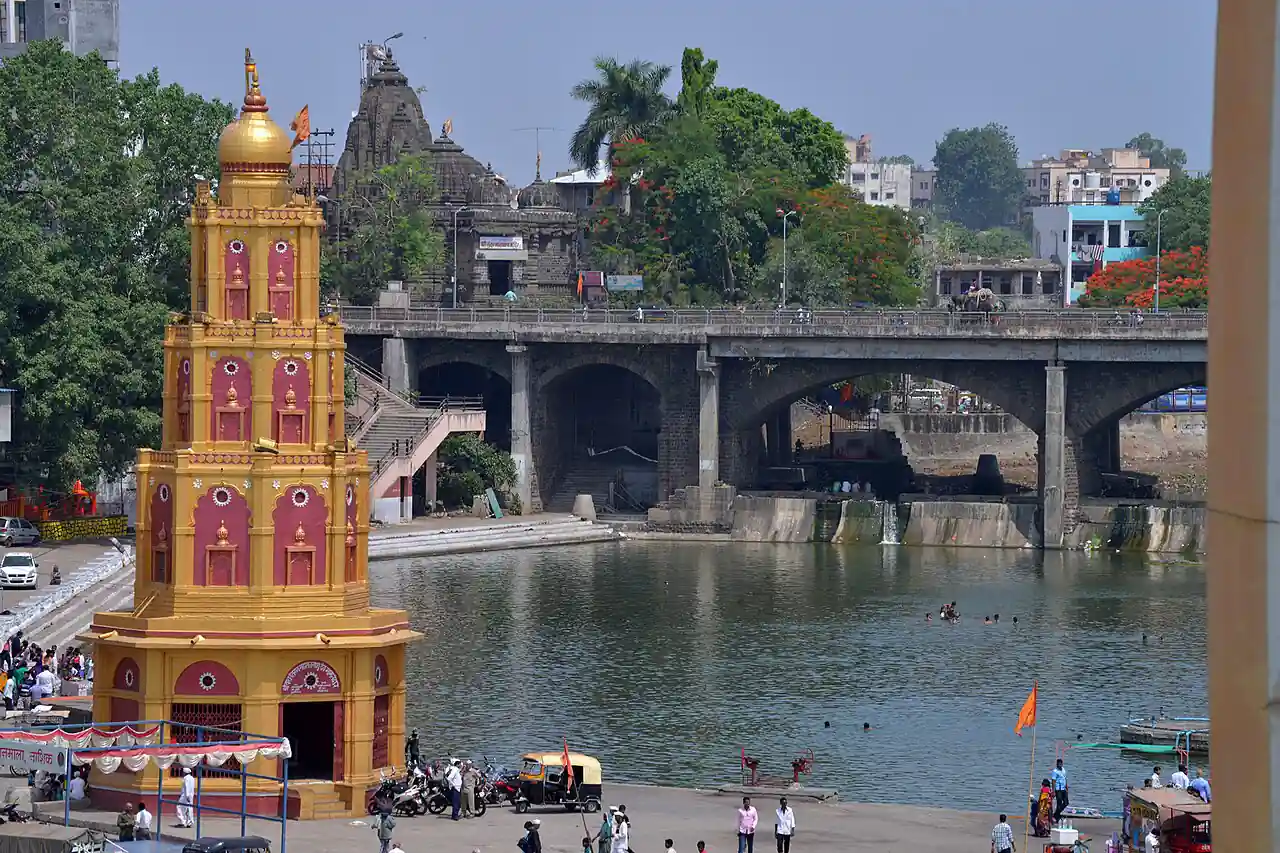
Nashik: A Spiritual and Travel Guide
“Where Mythology Blooms and Vineyards Whisper: Nashik’s Timeless Allure”
🔴 Introduction: Nashik – A Tapestry of Faith, History, and Nature
Nestled along the sacred Godavari River, Nashik is a city where ancient legends, colonial echoes, and modern vibrancy converge. Known as the 🍷 “Wine Capital of India” and a cornerstone of Hindu pilgrimage, Nashik offers a unique blend of spiritual sanctity and scenic charm. From the hallowed grounds of Panchavati to the sprawling vineyards that produce award-winning wines, this city is a treasure trove for history buffs, nature lovers, and spiritual seekers.
🟢 Detailed Introduction to Nashik, Maharashtra: A City of Myths, Rivers, and Renaissance
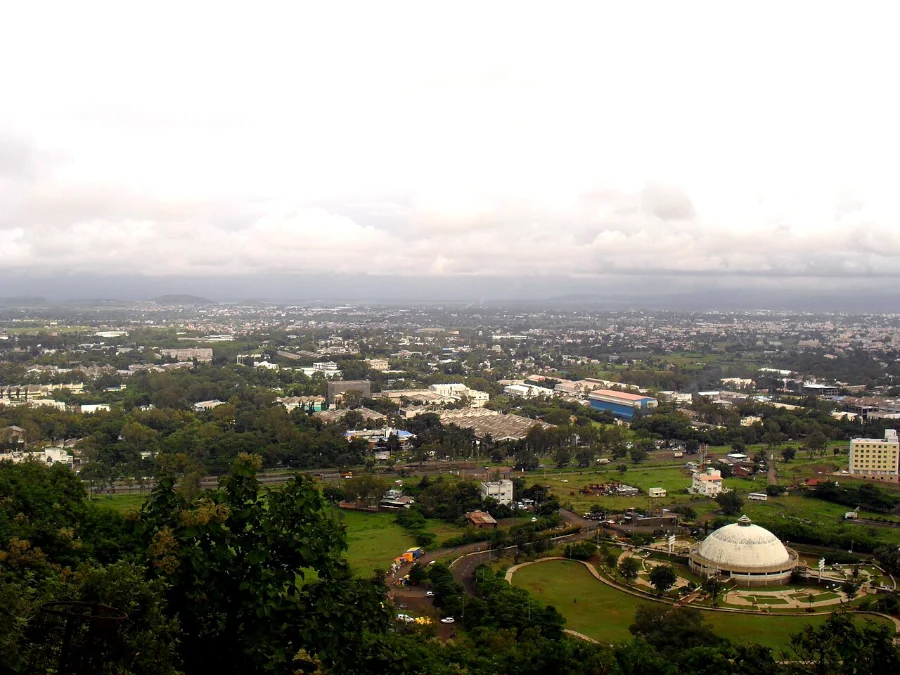
Nashik, cradled along the serpentine banks of the sacred Godavari River in Maharashtra, is a city where ancient spirituality and modern dynamism coexist harmoniously. Known as the “Pilgrimage Capital of Maharashtra”, Nashik’s history stretches back to the epics of the Ramayana, where it served as the refuge of Lord Rama, Sita, and Lakshmana during their 14-year exile.
The city’s name, derived from the Sanskrit word Nasika (nose), commemorates the moment Lakshmana severed the nose of the demoness Shurpanakha, etching Nashik’s significance into Hindu mythology. Today, this city of 1.8 million residents is not just a spiritual haven but also a thriving hub of vineyards, industries, and cultural festivals.

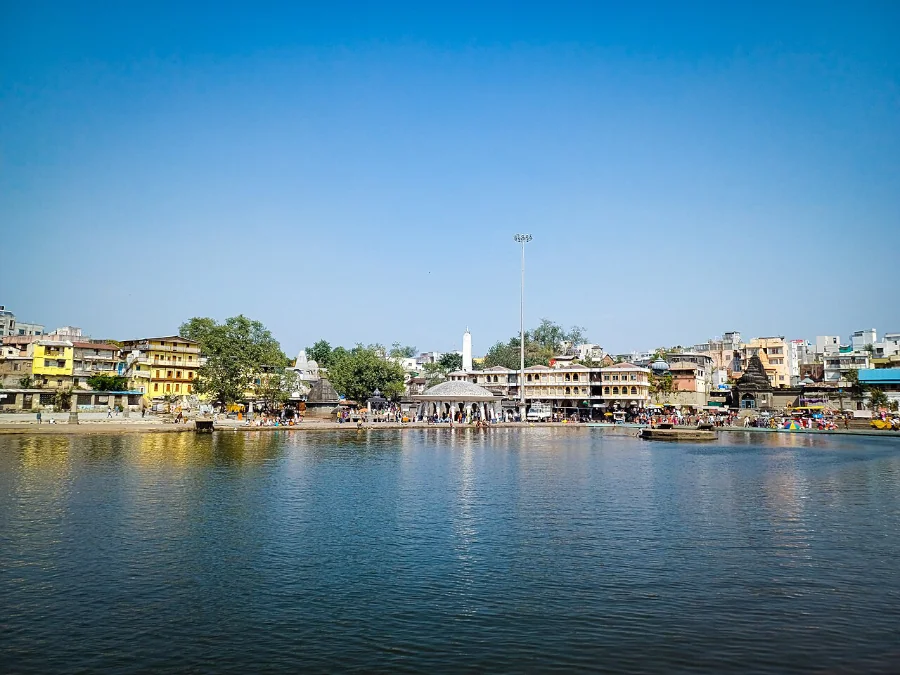
The Godavari River, India’s second-longest river, is the lifeline of Nashik. Originating from the Brahmagiri Hills in Trimbakeshwar, just 30 km from the city, the river’s pristine waters have nurtured Nashik’s agrarian prosperity and spiritual identity. Pilgrims flock to the Ram Kund and Kushavart Kund for ritual baths, believing its waters cleanse sins and bestow blessings. However, rapid urbanisation in the 21st century led to alarming pollution levels, prompting massive cleanup drives that restored the river’s sanctity.
Nashik’s historical tapestry is rich and layered. During the Mughal era, it was renamed Gulshanabad (City of Gardens) for its lush landscapes. The British colonial period left an indelible mark with the Nashik Tramway (1889–1933), one of India’s earliest tram networks, which ferried passengers from the old city to Nashik Road railway station.
Remnants of this tram, including rusted tracks near Phalke Road, stand as silent witnesses to a bygone era. The city also played a pivotal role in India’s freedom struggle: revolutionary Vinayak Damodar Savarkar founded the secret society Abhinav Bharat here, and the 1930 Nashik Satyagraha led by Dr. B.R. Ambedkar marked a turning point in the Dalit rights movement.
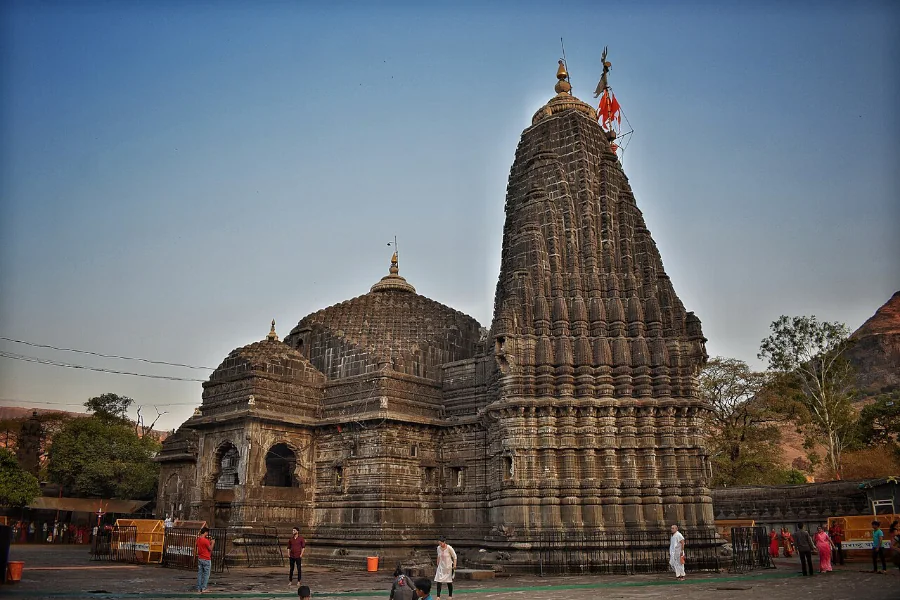
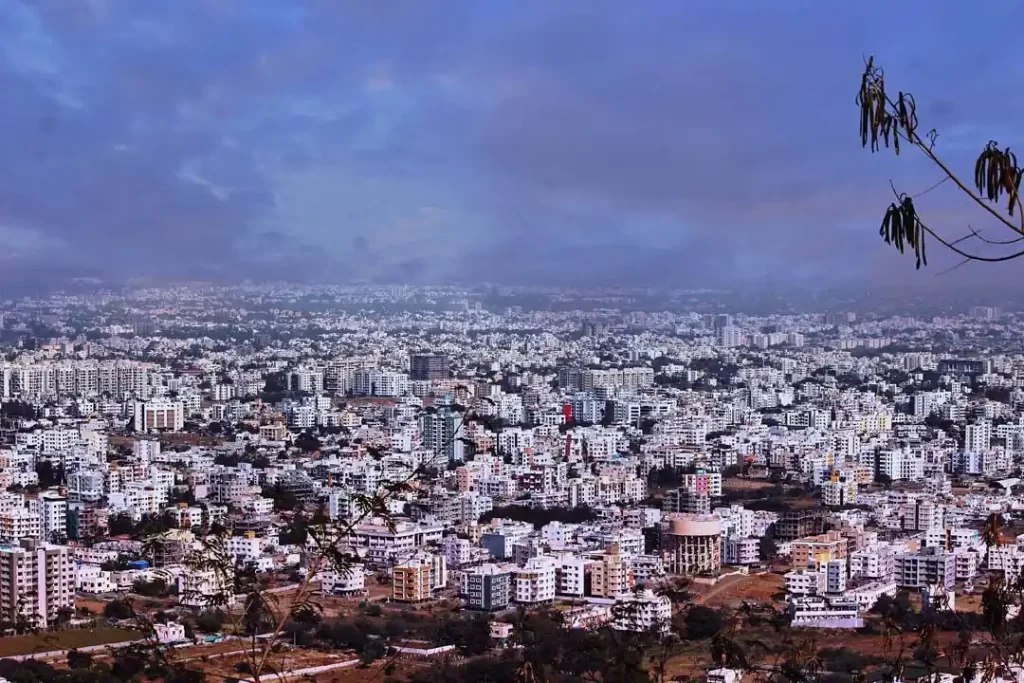
Architecturally, Nashik is a treasure trove. The Trimbakeshwar Temple, one of the 12 Jyotirlingas, is a masterpiece of Nagara-style architecture with its black-stone Shikharas and intricate carvings. The Pandavleni Caves, a cluster of 24 Buddhist rock-cut caves dating to the 1st century BCE, showcase exquisite stupas and inscriptions in Brahmi script. Colonial-era structures like the Old Municipal Building and the Gothic-style St. Thomas Cathedral add a European flair to the city’s skyline.

Nashik’s economy is as diverse as its heritage. It is India’s “Wine Capital”, producing 70% of the country’s grapes and home to renowned vineyards like Sula and York. The city’s industrial zones in Satpur and Ambad host global giants like Bosch, CEAT, and ThyssenKrupp.
Nashik’s defence manufacturing sector, anchored by the Hindustan Aeronautics Limited (HAL) plant, underscores its strategic importance. The recent inclusion in the Delhi-Mumbai Industrial Corridor promises to catapult Nashik into a future of smart infrastructure and technological innovation.
Culturally, Nashik is a melting pot. The Marathi-speaking majority coexists with vibrant Gujarati, Hindi, and tribal communities. Festivals like Kumbh Mela, Ram Navami, and Ganesh Chaturthi transform the city into a carnival of processions, music, and dance. The annual SulaFest, a global music and wine festival held at 🥂 Sula Vineyards, attracts millennials and sommeliers alike, blending Nashik’s rustic charm with cosmopolitan energy.
Education and innovation thrive here. The Maharashtra University of Health Sciences and Yashwantrao Chavan Maharashtra Open University are premier institutions, while initiatives like Tata Consultancy Services’ Digital Impact Square (DISQ) foster social entrepreneurship. Nashik’s literacy rate of 89.85% reflects its commitment to progress.
Yet, Nashik remains rooted in tradition. The bustling Saraf Bazaar, with its glittering gold shops, contrasts with the serene lanes of Panchavati, where ancient temples like Kalaram and Sunder Narayan whisper tales of devotion. The city’s cuisine—spicy Misal Pav, tangy Vinegar Chips, and sweet Shrikhand—offers a gastronomic journey through Maharashtra’s flavours.
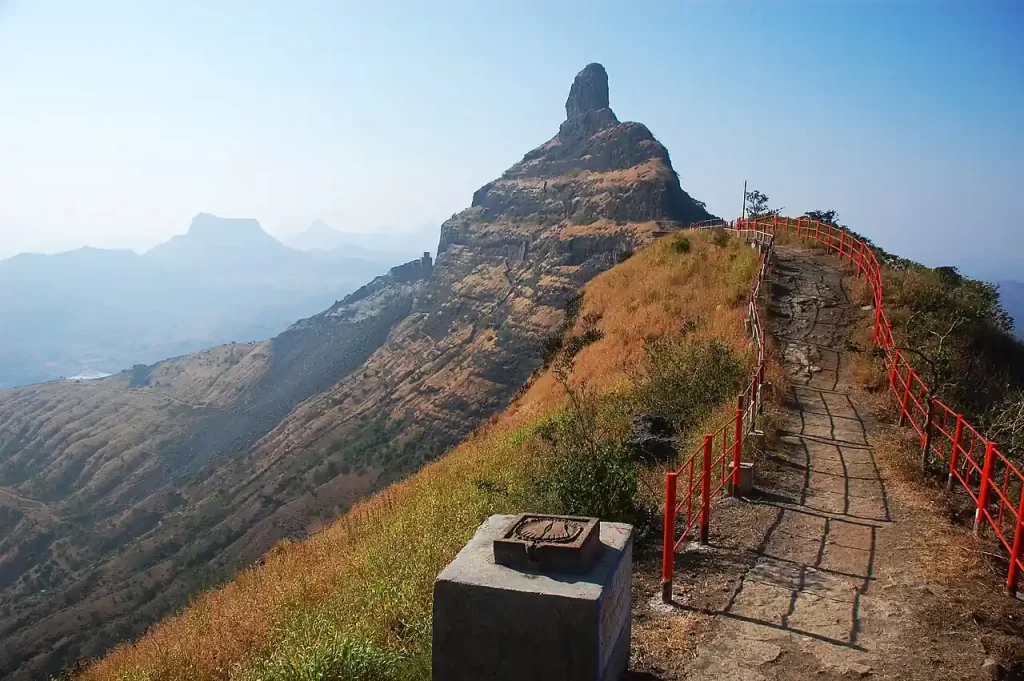
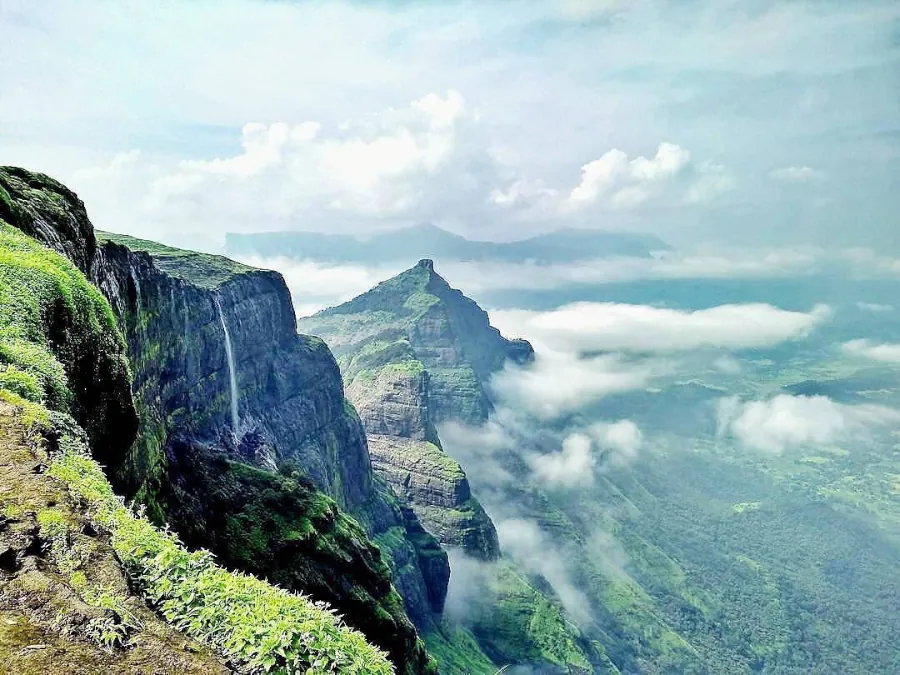
In recent years, Nashik has emerged as a magnet for adventure seekers. The rugged terrain of the Western Ghats surrounding the city offers trekking trails to forts like Harihar and Anjaneri, believed to be the birthplace of Lord Hanuman. The Mangi-Tungi hills, home to the world’s tallest monolithic Jain statue (108 ft), draw both pilgrims and history buffs.

Nashik’s climate, with cool winters (10°C – 28°C) and moderate monsoons, makes it a year-round destination. However, October to March is ideal for exploring its outdoor splendours, while the monsoon months (June–September) cloak the region in emerald greenery, perfect for waterfall hikes and vineyard tours.
As Nashik strides into the future, it retains its soul—a city where every stone, river bend, and vineyard tells a story. Whether you seek spiritual solace, historical intrigue, or a sip of award-winning wine, Nashik invites you to unravel its mysteries.
Also Read
Exploring Pachora: History, Culture, and Agriculture
🟣 Section Breakdown of the Article
👉 Nashik’s Spiritual Legacy: Dive into its Ramayana roots and the Kumbh Mela.
👉 Architectural Marvels: Explore ancient caves, temples, and colonial-era structures.
👉 Nashik Flower Park: A detailed guide to India’s largest floral paradise.
👉 Travel Essentials: Distance from major cities, climate, and itineraries.
👉 Cultural Tapestry: Local markets, cuisine, and festivals.
👉 FAQs: Answers to common traveler queries.
🟠 Detailed Section Breakdown:
🔘 Nashik’s Spiritual Legacy: From Ramayana to Kumbh Mela
Nashik’s identity is deeply rooted in Hindu mythology. According to the Ramayana, Lord Rama, Sita, and Lakshmana spent 14 years of exile here. The city’s name originates from Lakshmana’s act of cutting Shurpanakha’s nose (Nasika in Sanskrit). Panchavati, a cluster of five ancient banyan trees, remains a sacred site where devotees visit the Sita Gufa (cave) and Kalaram Temple.
Every 12 years, Nashik hosts the Kumbh Mela, attracting millions to bathe in the Godavari’s holy waters. The last Maha Kumbh in 2015 saw over 30 million pilgrims, cementing Nashik’s status as a spiritual epic-enter.
🔘 Architectural Marvels Through the Ages
➸ Trimbakeshwar Temple: One of the 12 Jyotirlingas, this black-stone temple showcases Nagara-style architecture with intricate carvings. The nearby Kushavart Kund is believed to purify sins.
➸ Pandavleni Caves: These 2,000-year-old Buddhist rock-cut caves feature inscriptions from the Satavahana dynasty and stunning stupas.
➸ Colonial Heritage: The Nashik Tram (1889–1933), India’s third-oldest tram network, reflects British influence. Remnants of its tracks can still be spotted near Phalke Road.

🔘 Nashik Flower Park: A Floral Wonderland
➨ Location: Shubham Water World, Trimbakeshwar Road, 20 km from Nashik city centre.
➤ Highlights:
⦿ Over 5 million flowers, including 45 international varieties.
⦿ Sculptures like 30-foot peacocks and a 60-foot Eiffel Tower replica.
⦿ Activities: Aquarium, water rides, and graffiti walls.
➤ Distance from Major Cities:
⦿ Mumbai: 185 km (3.5 hours via Mumbai-Nashik Expressway).
⦿ Pune: 232 km (4.5 hours).
⦿ Ahmedabad: 550 km (10 hours).
⦿ Delhi: 1,200 km (18 hours by train).
➤ Best Time to Visit: October–January, when flowers are in full bloom.
🔘 Travel Tips & Climate
➸ Weather: Winter (October–February) is ideal, with temperatures at 10°C – 28°C. Summers (March–June) can hit 40°C.
➸ Local Transport: Auto-rickshaws and city buses (Citilinc) are affordable.
➸ Monsoon Itinerary: Trek Anjaneri Fort (birthplace of Lord Hanuman) or visit Bhaktidham’s rain-washed gardens.
🔘 Best Places to Visit in Nashik: Granular Details
⛔ Trimbakeshwar Temple 🕉️ 🛕
➸ Spiritual Significance: One of the 12 Jyotirlingas, dedicated to Lord Shiva.
➸ Architecture: Black-stone spires with Gold Kalasha (Pinnacle). The inner sanctum houses a rare three-faced linga representing Brahma, Vishnu, and Shiva.
➸ Rituals: Participate in the Rudrabhishek ceremony at dawn.
➸ Nearby: Visit the Brahmagiri Hill trek for panoramic views.
⛔ Pandavleni Caves
➸ Historical Insight: 24 Hinayana Buddhist caves with inscriptions from King Krishna of the Satavahana dynasty (1st century BCE).
➸ Cave 18: Features a 7-foot statue of Buddha in teaching posture.
➸ Timings: 8:30 AM–5:30 PM. Entry: ₹25 for Indians.
⛔ Sula Vineyards 🍷
⦿ Wine Tours: Guided tours (₹1,000/person) include tastings of Sula’s Dindori Reserve Shiraz.
⦿ Activities: Grape stomping (February–March), full-moon dinners.
⦿ Stay: Beyond by Sula—luxury cottages with vineyard views.
⛔ Nashik Flower Park (Shubham Water World Complex)
➨ Attractions:
⦿ 60-acre park with themed gardens (Dutch, Japanese).
⦿ Rare blooms like Blue Poppies and Black Tulips.
➨ Distance from Major Cities:
⦿ Mumbai: 185 km (3.5 hours via NH160).
⦿ Pune: 232 km (4.5 hours).
➨ Entry Fee: ₹300 (Weekdays), ₹400 (Weekends).
⛔ Anjaneri Fort
⦿ Mythological Connection: Birthplace of Lord Hanuman.
⦿ Trek Difficulty: Moderate (3 hours round trip).
⦿ Views: Sunrise over the Brahmagiri range.
⛔ Mangi-Tungi
⦿ Jain Pilgrimage: Twin peaks with 108 ft monolithic statue of Tirthankara Rishabhanatha.
⦿ Unique Fact: Listed in Guinness World Records for the tallest Jain idol.
⛔ Coin Museum
⦿ Collection: Over 12,000 coins from the Maurya, Gupta, and Mughal eras.
⦿ Interactive Exhibit: Mint your own coin (₹50).
🔘 Cultural Insights: Markets, Cuisine & Festivals
⦿ Saraf Bazaar: Hunt for traditional jewellery and Paithani silk sarees.
⦿ Street Food: Try Misal Pav (Spicy Curry with Bread) and Nashik’s Vinegar Chips.
⦿ Festivals: Ram Navami Rath Yatra and SulaFest (wine tasting at Sula Vineyards 🍷).

🔘 Best Places for Refreshments: Authentic Local Food in Nashik
Nashik’s culinary scene is a vibrant mix of traditional Maharashtrian flavours and innovative global cuisine. Here’s a curated list of must-visit spots:
⭕ Tapovan Road Street Food Stalls
➨ Specialties:
✦ Misal Pav: A fiery curry made of sprouted moth beans, topped with Farsan (Crispy snacks), onions, and lemon. Try Shree Samarth Misal for its secret spice blend.
✦ Vada Pav: Nashik’s version of Mumbai’s iconic snack features a softer bun and garlic-laden chutney.
➸ Ambiance: Bustling open-air stalls with plastic stools. Open 7 AM – 10 PM.
➸ Pro Tip: Pair with Taak (Spiced Buttermilk) to cool your palate.
⭕ Guruji Khanaval, Panchavati
✦ Thali Experience: A traditional Maharashtrian thali with unlimited servings of Puran Poli (sweet flatbread), Bharli Vangi (stuffed eggplant), and Zunka Bhakar (Gram flour curry with Millet Bread).
✦ Highlight: Meals served on banana leaves in a no-frills, temple-like setting.
✦ Timings: 12 PM – 3 PM, 7 PM – 10 PM.
⭕ Sula Vineyards’ Beyond Restaurant 🍷
✦ Gourmet Pairings: Savour wood-fired pizzas and tapas paired with Sula’s Chenin Blanc or Zinfandel.
✦ Must-Try: Wine-infused desserts like Cabernet Shiraz chocolate mousse.
✦ Ambiance: Alfresco dining with views of vine-covered hills.
⭕ Jagdamb Bhuvan, Sharanpur Road
✦ Signature Dish: Nashik’s Vinegar Chips — thinly sliced potatoes fried in coconut oil and tossed with red Chili powder and Kokum vinegar.
✦ Legacy: A 50-year-old eatery frequented by locals for evening snacks.
⭕ Ice & Spice, College Road
✦ Fusion Food: Try the Cheese Garlic Misal or Pizza Dosa for a modern twist.
✦ Student Favourite: Budget-friendly shakes and burgers.
⭕ Mango Masala, Trimurti Chowk
✦ Street Sweets: Aamras Puri (Mango Pulp with Fried Bread) and Nashik’s Famous Kulfi.
✦ Seasonal Special: Raw mango chaat during summer.
🔘 FAQs
What’s the best time to visit Nashik?
October–March for pleasant weather and festivals.
How far is Shirdi from Nashik?
90 km (2-hour drive) – perfect for a day trip.
Are drones allowed in Nashik Flower Park?
No, professional cameras/drones require prior approval.
🟤 Conclusion:
Nashik – A Journey Through Time
Nashik is more than a pilgrimage site; it’s a sensory experience where history, spirituality, and nature intertwine. Whether you’re sipping wine 🍷 at Sula Vineyards or meditating by the Godavari, this city leaves an indelible mark.
This guide captures Nashik’s essence—spiritual depth, culinary delights, and natural splendour. Let me know if you need further elaboration! 🕉️🍷
Ready to explore Nashik? Plan your trip today and uncover the secrets of Maharashtra’s hidden gem!
🔵 Sources:
➸ Nashik District Government Portal
Image Credit
➸ Wikimedia Commons – Nashik Clouds
➸ Wikimedia Commons – Trimbakeshwar Temple-Nashik-Maharashtra-1
➸ Wikimedia Commons – Nashik View from PandavLeni
➸ Wikimedia Commons – Gandhi Talav Godavari Nashik Maharashtra
➸ Wikimedia Commons – Bird’s eye view of Nashik city from the Pandavlena Caves
➸ Wikimedia Commons – Mangi Tungi Nashik Maharashtra
➸ Wikimedia Commons – Ganga Gath, Nashik
For more information, you can visit our website: ExploreXP
Latest Posts
- Jade Laroche: From Spotlight to Soundwaves — The Reinvention of a French Icon

- Milind Shinde – The Relentless Craftsman of Marathi Cinema Who Turned Every Frame into Fire

- Subodh Bhave: The Timeless Torchbearer of Marathi Cinema Who Redefined Biographical Storytelling

- Svetlana Khodchenkova: The Enigmatic Russian Beauty Who Conquered Hollywood Without Losing Her Soul

- Rashmi Gautam: The Fearless Voice of Telugu Television Who Turned Stardom into Substance

- Simone Holtznagel: From Wollongong’s Coastal Dreams to Global Runways — A Blonde Force Who Turned Reality TV into a Fashion Empire