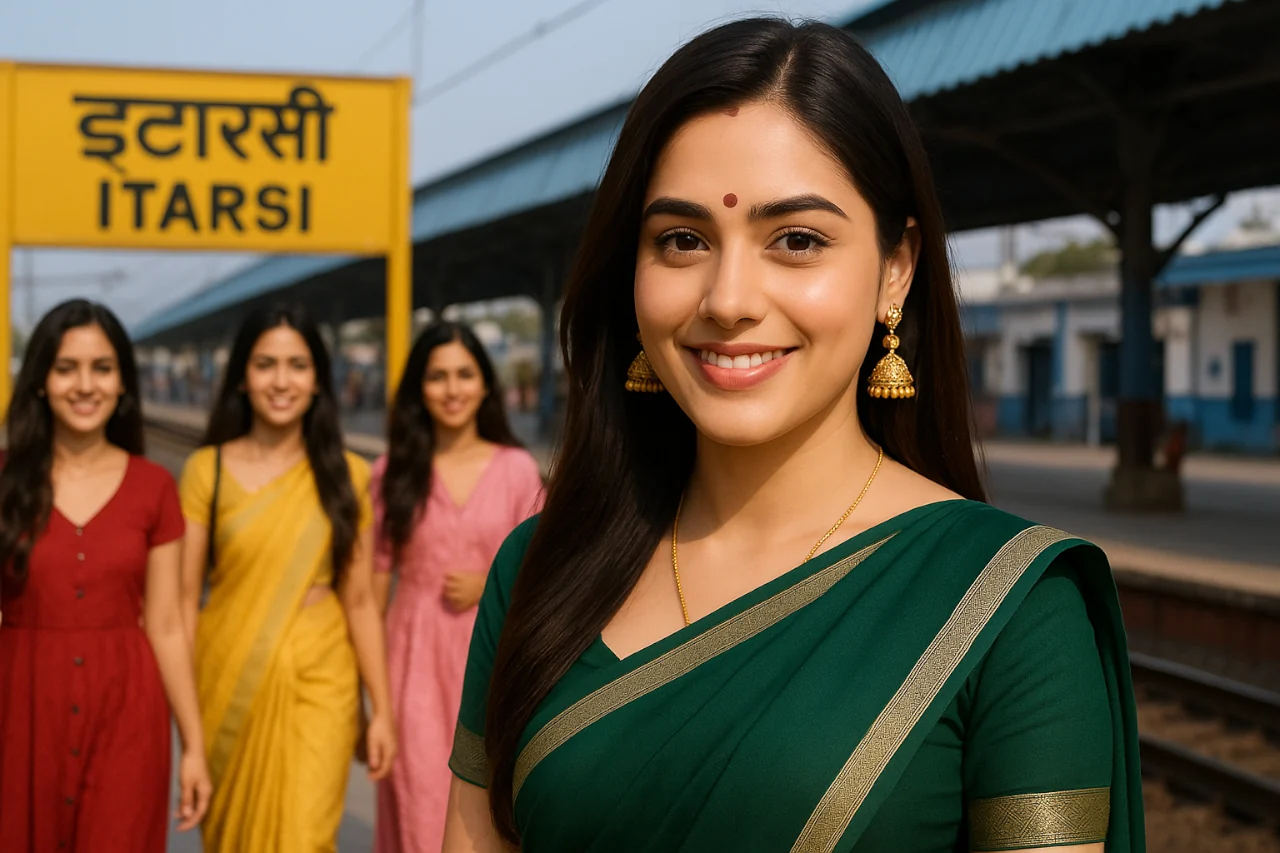
Your Ultimate Guide to History, Culture, and Connectivity
“Itarsi: Where Trains Whisper Tales of Heritage and Rivers Carve Lifelines”
🔴 Introduction to Itarsi
Nestled in the Narmadapuram District of Madhya Pradesh, Itarsi is a city where history, industry, and nature converge. Known as the “Railway Junction of Central India”, this bustling hub connects Mumbai, Kolkata, Delhi, and Chennai, making it a linchpin of India’s transport network. But beyond the clatter of trains lies a city steeped in heritage, with a name derived from Eeta (bricks) and Rassi (Ropes), reflecting its artisanal roots.
🎯 Why Visit Itarsi?
✦ Strategic Connectivity: A gateway to destinations like Pachmarhi and Bhopal.
✦ Agro-Industrial Powerhouse: Home to sprawling warehouses and the Ordnance Factory.
✦ Natural Wonders: Proximity to the Tawa Dam and Bori Wildlife Sanctuary.
In this guide, we’ll unravel Itarsi’s layered history, explore its architectural marvels, and craft the perfect itinerary for your visit.
🟢 Detailed Introduction to Itarsi, Narmadapuram District, Madhya Pradesh
Itarsi, a bustling city in the Narmadapuram District of Madhya Pradesh, is a unique blend of industrial vigour, historical legacy, and natural beauty. Nestled at coordinates 22.62°N 77.75°E, it lies at an average elevation of 304 meters, flanked by the Satpura Range and the Narmada River valley.
Known as the “Railway Junction of Central India”, Itarsi derives its name from its historical roots in brick (Eeta) and rope (Rassi) manufacturing, industries that once dominated its economy. Today, it serves as a critical logistics and agro-industrial hub, home to the largest railway junction in Madhya Pradesh and thriving soy-processing units.
The city’s history is deeply intertwined with British colonial infrastructure. Established as a strategic railway junction in the 19th century, Itarsi Junction (1870) became a linchpin for connecting Mumbai, Kolkata, Delhi, and Chennai, fostering economic growth and cultural diversity . Post-independence, Itarsi expanded its industrial footprint with establishments like the Ordnance Factory (1984) and the Diesel Loco Shed (1964), which now maintains 170 locomotives.
Geographically, Itarsi experiences a tropical climate with stark seasonal contrasts. Summers (March–June) see temperatures soaring to 41°C, while winters (November–February) are mild, with averages of 11–19°C. The monsoon (July–September) brings 326 mm of rainfall, revitalising the surrounding forests and rivers. This climatic diversity supports nearby ecological treasures like the Bori Wildlife Sanctuary and Tawa Dam, making Itarsi a gateway to both adventure and tranquility.
Demographically, Itarsi’s population of 114,495 (2011 Census) reflects a balanced gender ratio (52% male, 48% female) and a literacy rate of 75%, surpassing the national average. The city’s cultural fabric is woven with Hindu traditions, evident in festivals like Narmada Jayanti, celebrated with processions at Sethani Ghat, a 7-km riverside structure built by philanthropist Jankibai Sethani.
Economically, Itarsi thrives on agriculture and industry. The fertile Narmada basin supports wheat, soybean, and sugarcane cultivation, while its warehouses and Security Paper Mill underscore its agro-industrial prominence. The city’s railway network remains its backbone, with 250 daily trains and ongoing projects like the Itarsi-Bhusawal 3rd line to enhance freight capacity.
Also Read
Mumbai-Pune Deccan Queen – The Iconic Journey Through Time
Architecturally, Itarsi juxtaposes colonial-era structures with modern infrastructure. The Victorian-style Itarsi Junction, with its seven platforms, stands as a testament to British engineering, while the Ordnance Factory symbolises India’s defence prowess. Nearby, the Tawa Dam—Madhya Pradesh’s largest reservoir—showcases post-independence infrastructural ambition.
Culturally, Itarsi is a microcosm of Central India. Local markets like Jawahar Bazaar offer bamboo crafts and soy-based snacks, reflecting tribal and agrarian influences. The Evangelical Lutheran Church and Hussaini Masjid highlight its religious diversity, while the annual Haat Bazaar attracts artisans from neighbouring states.
For travellers, Itarsi serves as a transit point to iconic destinations like Pachmarhi, a hill station 64 km away, and the Satpura National Park, renowned for biodiversity. Its strategic location on NH-69 ensures seamless connectivity to Bhopal (70 km) and Nagpur, while Raja Bhoj Airport in Bhopal provides air access.
In essence, Itarsi is not merely a railway town but a dynamic urban centre where history, industry, and nature converge. Its evolving identity—from brick kilns to biosphere reserves—makes it a compelling study in resilience and transformation.

🟣 Section Breakdown:
👉 History & Architecture: From Bricks to Railways
👉 Geography & Climate: Land of Contrasts
👉 Demographics & Culture: A Melting Pot
👉 Economy: Agro-Hub & Industrial Backbone
👉 Transport: India’s Railway Powerhouse
👉 Tourist Gems: Bori Sanctuary, Tawa Dam & More
👉 Travel Tips & Itineraries
👉 FAQs
👉 Conclusion & Sources
Itarsi, Madhya Pradesh: History, Culture, and Nature
🟠 Detailed Section Breakdown:
🔘 History & Architecture: From Bricks to Railways
➤ Historical Timeline
✦ Pre-Colonial Era: Originally a small settlement known for brick-making and rope craftsmanship.
✦ British Colonial Era (19th Century): Transformed into a strategic railway junction, linking major cities. The Itarsi Junction (established in 1870) became Central India’s lifeline.
✦ Post-Independence: Emerged as a critical logistics hub with agro-industries and the Diesel Loco Shed (1964), now housing 170 locomotives.
➤ Architectural Highlights
✦ Itarsi Junction: A colonial-era marvel with 7 platforms, blending Victorian design with modern upgrades.
✦ Ordnance Factory: A symbol of India’s defence infrastructure, established in 1984.
✦ Sethani Ghat (Nearby): A 7-km-long riverside structure on the Narmada, built by philanthropist Jankibai Sethani.
👉 Local Insight: “The railway station isn’t just a transit point; it’s where our grandparents’ stories of migration and trade come alive”, says Ramesh Patel, a third-generation railway employee.
🔘 Geography & Climate: Land of Contrasts
➤ Coordinates: 22.62°N, 77.75°E | Elevation: 304 meters.
✦ Summer (March–June): Scorching highs of 41°C – pack light cotton!
✦ Monsoon (July–September): Lush greenery with 326 mm rainfall – perfect for river visits.
✦ Winter (November–February): Mild temps (11°C – 19°C) – ideal for wildlife safaris.
👉 Pro Tip: February offers breezy days at 28°C – perfect for exploring.
🔘 Demographics & Culture: A Melting Pot
✦ Population: 1.14 lakh (2011), with a 52% male–48% female ratio.
✦ Languages: Hindi (96%), Gondi, and Korku.
✦ Festivals: Narmada Jayanti sees vibrant processions at Sethani Ghat.
👉 Cultural Quirk: The city’s Haats (Markets) sell bamboo crafts and soy-based snacks, reflecting tribal and agrarian influences.
🔘 Economy: Agro-Hub & Industrial Backbone
✦ Agriculture: Wheat and soybeans thrive here, aided by Tawa Dam’s irrigation.
✦ Industries: Ordnance Factory, Security Paper Mill, and over 50 agro-processjing units.
✦ Employment: The Diesel Loco Shed employs 750+ workers, despite challenges like dermatitis among staff.
🔘 Transport: India’s Railway Powerhouse
✦ Rail: 250+ daily trains, including the Vindhyachal Express.
✦ Road: NH-69 connects to Bhopal (70 km) and Nagpur.
✦ Air: Nearest airport – Bhopal’s Raja Bhoj (90 km).
👉 Did You Know? The Itarsi-Bhusawal 3rd line project aims to ease freight congestion.
🔘 Tourist Gems
👉 Top Attractions
🎯 Bori Wildlife Sanctuary: Spot leopards and 250+ bird species.
🎯 Tawa Dam: Cruise on Madhya Pradesh’s largest reservoir.
🎯 Pachmarhi: A hill station 64 km away, dubbed “Satpura ki Rani”.
👉 Local Experiences
✦ Food: Savour Poha-Jalebi at Ramdev Stall, a 50-year-old eatery.
✦ Handicrafts: Bamboo baskets from tribal markets.
🔘 Travel Tips & Itineraries
✦ 5-Day Monsoon Itinerary: Day 1: Itarsi Junction & Loco Shed | Day 2: Tawa Dam | Day 3: Bori Sanctuary | Day 4: Pachmarhi | Day 5: Sethani Ghat.
✦ Packing Tips: Umbrellas in monsoon, sunscreen in summer.

🟤 Best Places for Refreshments with Authentic Local Food
⭕ Jawahar Bazaar Street Food Stalls
✦ Specialties: Savour Poha-Jalebi, a quintessential Madhya Pradesh breakfast pairing fluffy rice flakes with syrupy jalebis. Try Dal Bafla, a baked wheat dumpling served with lentil curry, reminiscent of Rajasthani Dal Bati.
✦ Must-Try: Bhutte ka Kees (Grated Corn cooked with Spices) and Soybean Tikki, reflecting the region’s agrarian roots.
⭕ Ramdev Stall (Near Railway Station)
✦ A 50-year-old institution famous for Aloo Paratha and Chai. Locals swear by their Samosa Chaat, topped with tangy tamarind chutney.
⭕ Local Dhabas on NH-69
✦ Relish Murg Handi (clay-pot chicken curry) and Baingan Bharta at roadside dhabas. Makki ki Roti with Sarson ka Saag is a winter favourite.
⭕ Sethani Ghat Food Market
✦ Evening snacks like Kachori-Sabzi and Bhajiyas (Vegetable Fritters) are popular here. Don’t miss Narmada Machli Fry (River Fish), a regional delicacy.
🔵 Best Places to Visit
🔘 Bori Wildlife Sanctuary
✦ Highlights: Spot leopards, sloth bears, and 250+ bird species. The sanctuary is part of the Pachmarhi Biosphere Reserve, offering guided safaris.
✦ Activity: Trek to the ancient rock paintings in Lakhajuar caves.
🔘 Tawa Dam & Reservoir
✦ Experience: Boat rides on the reservoir, surrounded by Satpura hills. Sunset views here are breathtaking.
🔘 Sethani Ghat
✦ Significance: A spiritual hub on the Narmada River. Attend evening Aarti or explore the Satsang Bhavan for cultural discourses.
🔘 Pachmarhi (64 km Away)
✦ Attractions: Bee Falls, Pandava Caves, and Dhupgarh Peak (1,352 m). Stay at colonial-era lodges like Forsyth Lodge.
🟡 Where to Stay
⭕ Budget:
✦ Hotel Shridevi (Jawahar Bazaar): Offers AC rooms from ₹1,583/night with free breakfast.
✦ Hotel Yashraj Residency: Clean, budget-friendly options at ₹1,250/night.
⭕ Mid-Range:
✦ Hotel Tawa Plaza: Known for its riverside views and vegetarian restaurant (₹1,530/night).
⭕ Luxury (Nearby):
✦ Forsyth Lodge (Pachmarhi): A heritage property with eco-friendly cottages (₹14,339/night).
✦ Taj Lakefront (Bhopal): 90 km away, offering lakeside luxury (₹10,499/night).
👉 Note: Hotel rates are subject to change and may vary based on factors like seasonality, availability, and promotions. Taxes, service charges, and other applicable fees are not always included in displayed rates.
This guide synthesises Itarsi’s essence—historical depth, culinary vibrancy, and natural splendour—ensuring a holistic travel experience.
✅︎ FAQs
What’s the best time to visit Itarsi?
October–February for cool weather.
How far is Itarsi from Delhi?
~800 km via NH44 (14-hour drive) or 12-hour train ride.
✅︎ Conclusion & Sources
Itarsi is more than a transit point—it’s a tapestry of history, industry, and natural beauty. Whether you’re a history buff, nature lover, or culture enthusiast, this city promises unforgettable stories.
✅︎ Sources:
✦ Census Data, Madhya Pradesh Tourism.
✦ Indian Railways Reports, Local Interviews.
Image Credit
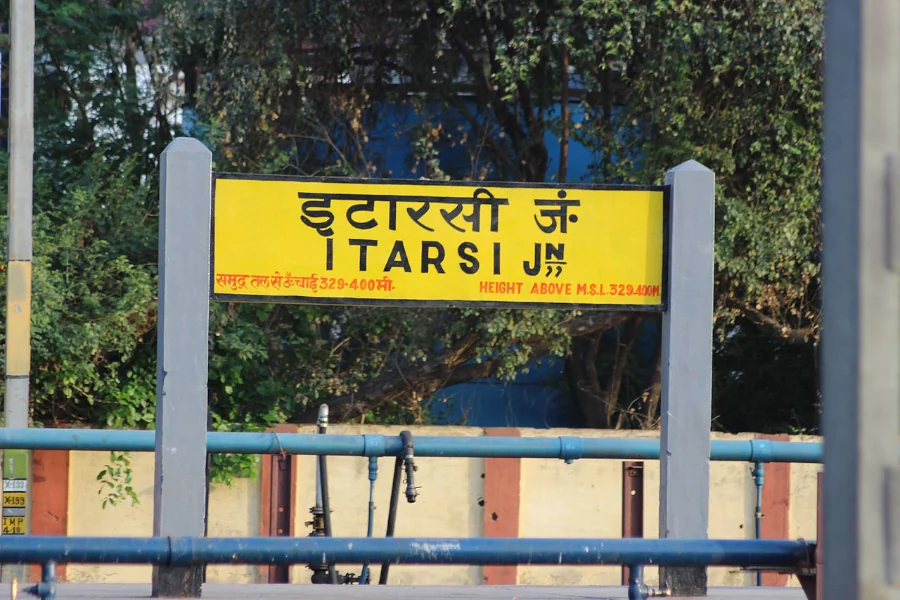
Wikimedia Commons – Itarsi junction stone
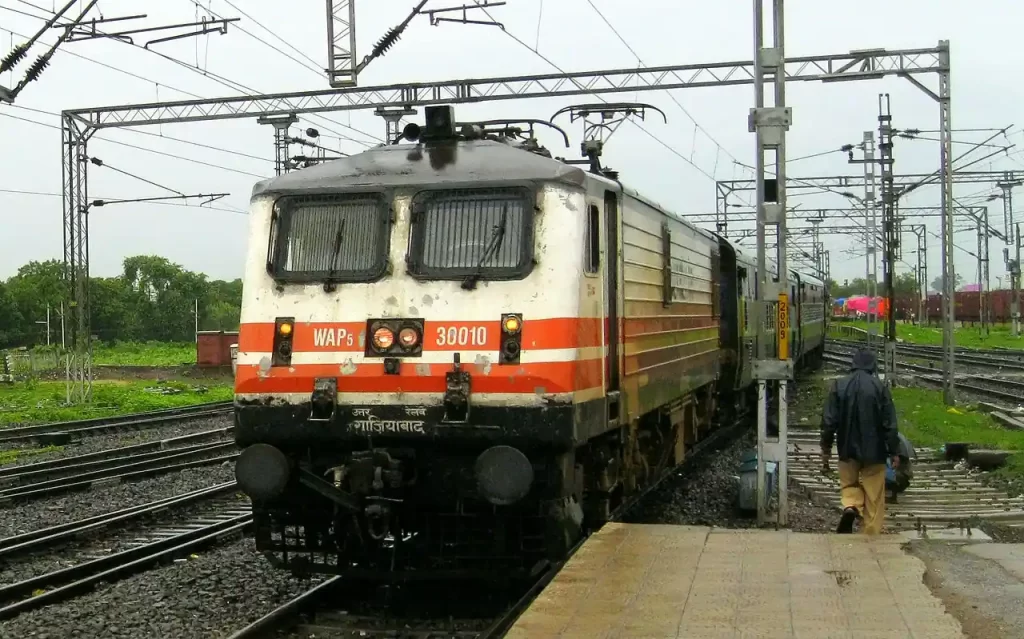
Wikimedia Commons – WAP-5 at Itarsi
For more information, you can visit our website: ExploreXP
Ready to explore Itarsi? Share this guide with fellow travellers and tag #DiscoverItarsi on social media!
Latest Posts
- Jade Laroche: From Spotlight to Soundwaves — The Reinvention of a French Icon

- Milind Shinde – The Relentless Craftsman of Marathi Cinema Who Turned Every Frame into Fire

- Subodh Bhave: The Timeless Torchbearer of Marathi Cinema Who Redefined Biographical Storytelling

- Svetlana Khodchenkova: The Enigmatic Russian Beauty Who Conquered Hollywood Without Losing Her Soul

- Rashmi Gautam: The Fearless Voice of Telugu Television Who Turned Stardom into Substance

- Simone Holtznagel: From Wollongong’s Coastal Dreams to Global Runways — A Blonde Force Who Turned Reality TV into a Fashion Empire