Hanoi has a way of getting under your skin. If you’re thinking about living in Hanoi, you’ll probably arrive planning to stay six months—and somehow six months turns into six years. Between the motorbike horns, the tiny plastic stools outside egg coffee shops, and neighbors who wave at you like you’ve lived there forever, this city grows on people fast. If you’re weighing a move to Vietnam’s capital, here’s what daily life, costs, and paperwork actually look like once you’re living it, not just visiting.
Also Read: Explorexp blog
Quick Answer
Living in Hanoi as a foreigner offers an affordable lifestyle, excellent food, a welcoming expat community, and easy access to travel across northern Vietnam. The trade-offs include heavy traffic, seasonal air pollution, language barriers, and navigating changing visa rules. For many expats, the city’s culture and low living costs outweigh the challenges.
Key Takeaways
- Hanoi is one of Southeast Asia’s most affordable capital cities for expats.
- Tay Ho remains the most popular neighborhood for foreign residents.
- Air pollution and traffic are among the biggest lifestyle challenges.
- Most foreigners need an e-visa or employer-sponsored work permit.
- Learning basic Vietnamese makes daily life considerably easier.
| Best For | Less Suitable For |
| English teachers | People sensitive to pollution |
| Digital nomads | Those wanting quiet streets |
| Remote workers | Drivers uncomfortable with scooters |
| Budget-conscious expats | Anyone expecting Western bureaucracy |
What’s It Like Living as a Foreigner in Hanoi?
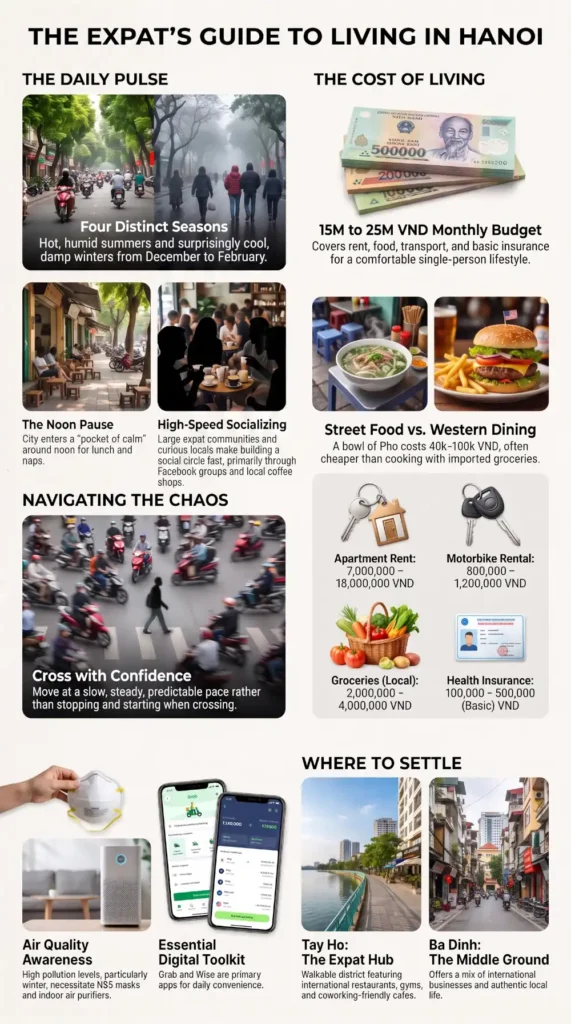
Living in Hanoi feels a bit like being handed a strong cup of coffee every morning and never quite putting it down. The city runs on energy, but it also surprises many newcomers with its climate. Hanoi experiences four distinct seasons, something many people don’t expect from a Southeast Asian capital. Summers are hot and humid, while winters are noticeably cooler than newcomers often anticipate.
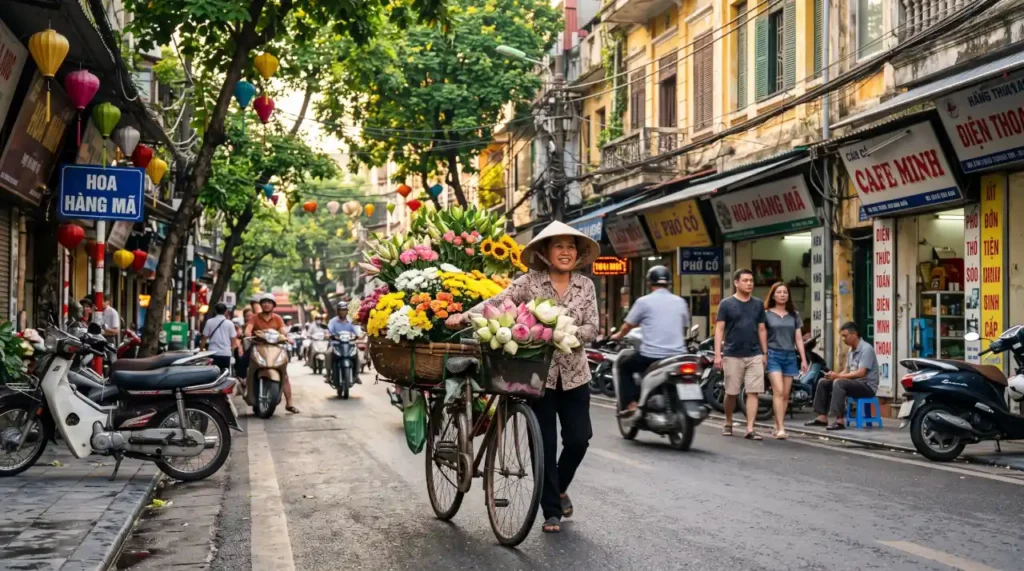
Motorbikes stream through the streets from sunrise, street vendors set up before most people are even awake, and somehow, right in the middle of all that motion, there’s a strange pocket of calm every day around noon when the whole city seems to pause for lunch and a nap.
For a foreigner, that mix takes some getting used to. The first few weeks can feel overwhelming, crossing the road alone can feel like a small act of bravery, and the noise never fully disappears. But most people find that within a month or two, the chaos starts to feel normal, even comforting. You start recognizing the same fruit seller on your corner. You learn which bia hoi has the coldest beer. Eventually, even the soundtrack of constant scooter horns fades into the background. The city stops feeling foreign and starts feeling like yours.
Before long, you’ll recognize your neighborhood by its morning coffee carts, evening food stalls, and the familiar rhythm of scooters weaving through the streets.
Making Friends
One of the easiest parts about settling into life here is how quickly you can build a social circle. Hanoi has a large, active expat community, plus plenty of locals who genuinely enjoy meeting foreigners and are curious about where you’re from. You’ll find people through work, through the gym, through language exchange meetups, or just by becoming a regular at your local coffee shop.
Facebook groups are still the easiest starting point. Search for expat groups focused on Hanoi and you’ll find people posting about everything from apartment shares to weekend hikes to spontaneous dinner meetups. If you’re new in town, joining one or two of these before you even land can help you line up your first few social plans and take some of the edge off those early lonely weeks.
Don’t be surprised if your social circle changes quickly during your first year. Hanoi has a steady flow of teachers, remote workers, and travelers coming and going, so making an effort to maintain friendships is part of expat life here.
Things to Do in Hanoi
There’s rarely a shortage of things to fill your weekends. The Old Quarter alone can eat up a full day, with its maze of streets each named after the goods once sold there, plus night markets, street food stalls, and rooftop bars overlooking the chaos below. Hoan Kiem Lake is a nice spot for an early morning walk, especially if you want to watch locals doing group tai chi as the sun comes up. Afterwards, stop at a traditional café for Hanoi’s famous egg coffee, one of the city’s signature drinks and a favorite among both locals and visitors.
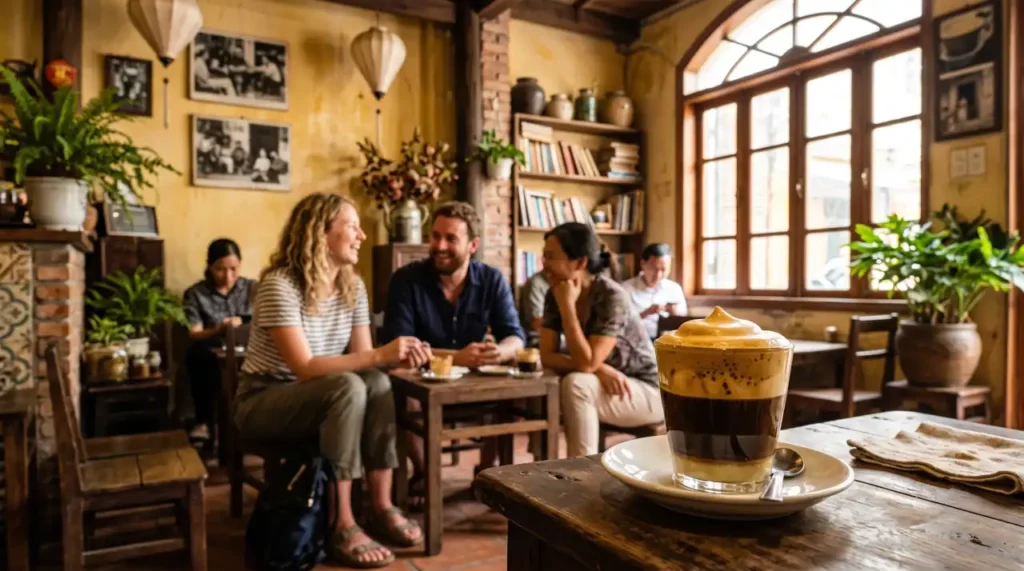
If you want a bit of an adrenaline hit, Train Street is worth the hype, though it’s gotten stricter about access in recent years, so check current rules before you go. History buffs will want to spend an afternoon at the Vietnam Military History Museum or the Hoa Lo Prison site. And when you need a break from the city entirely, Ha Long Bay, Ninh Binh, and Sapa are all reachable within a few hours, making for solid weekend escapes once you’ve settled in.
Vietnamese Culture & Language
Vietnamese culture runs deep in Hanoi, and locals genuinely appreciate foreigners who make an effort to understand it, even in small ways. If you’re invited to celebrate Tet, the Lunar New Year, say yes. It’s one of the most meaningful times to be here, full of family visits, lucky money envelopes, and a citywide sense of renewal.
The language itself is tonal and takes real effort to learn properly, but you don’t need fluency to get by. Locals are patient with beginners, and younger generations increasingly speak English, especially in the areas where foreigners tend to live and work. Learning basic greetings, numbers, and how to order food goes a long way and tends to earn you a warm smile and sometimes a discount.
If you want to go further with the language, apps like Drops are decent for building basic vocabulary in short daily sessions, while platforms like iTalki connect you with native tutors for one-on-one lessons if you’re serious about actually holding conversations.
Beyond language, there’s a rhythm to daily life here that takes a bit of getting used to. Meals happen early, dinner at 6pm is completely normal, and you’ll notice shops and street stalls often close earlier than you’d expect coming from a Western city. Family plays a huge role in Vietnamese culture, and it’s common to see multiple generations living together or gathering for Sunday meals. If you’re renting from a local landlord, don’t be surprised if they check in on you occasionally out of genuine concern rather than nosiness. It’s a small window into how community-minded life in Hanoi tends to be, even for outsiders who are just passing through for a year or two.
General Cost of Living
Vietnam is genuinely one of the more affordable places to build a life abroad, and Hanoi in particular tends to run cheaper than Ho Chi Minh City, especially on rent. Cost estimates vary depending on lifestyle, but most expats find Hanoi considerably more affordable than major cities in North America, Western Europe, and Australia.
Your actual monthly budget depends heavily on housing choices and lifestyle. Expats who primarily eat local food and use Grab or public transport generally spend considerably less than those who prefer imported groceries and frequent international restaurants. Here’s a more practical breakdown of what your monthly budget might look like.
Rent
Expect to pay somewhere between 7,000,000 and 18,000,000 VND a month for an apartment, depending on the size, the building, and how close you are to the lake in Tay Ho or the center. Splitting rent with a roommate is common among younger expats and teachers, and it can cut your housing cost significantly. Serviced apartments with a pool or gym will sit toward the top of that range, while a simple studio further from the main expat pockets can come in well under it.
Travel Related Expenses
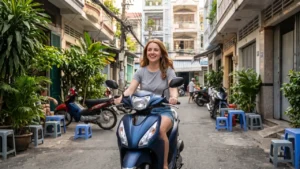
Motorbikes are how most people get around Hanoi, and renting one typically runs 800,000 to 1,200,000 VND a month. If you’d rather not own or rent a bike full time, Grab (Southeast Asia’s answer to Uber) works well for both bikes and cars. A short GrabBike ride might cost 13,000 to 60,000 VND, while a GrabCar trip runs from around 40,000 up to 200,000 VND depending on distance. Rush hour traffic can dramatically increase travel times, even for relatively short distances, so many residents choose to live close to work whenever possible. Public buses exist too and are dirt cheap, though they’re not always the fastest option given Hanoi traffic.
One thing worth flagging early: if you plan to drive a motorbike over 50cc here long term, Vietnam requires a Vietnamese license, not just your home country license or an international permit. That means a trip to the Traffic Police Department, your residency paperwork, and a notarized translation of your home license. Riding without the right paperwork, or over the country’s strict zero-tolerance drink driving limit, can also void your travel insurance if something goes wrong, so it’s worth sorting out properly rather than hoping you won’t get stopped.
Food
If you cook at home, groceries typically run 2,000,000 to 4,000,000 VND a month, and that number drops significantly if you shop at local markets instead of imported-goods supermarkets. Fresh produce from street vendors is remarkably cheap.
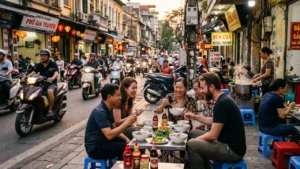
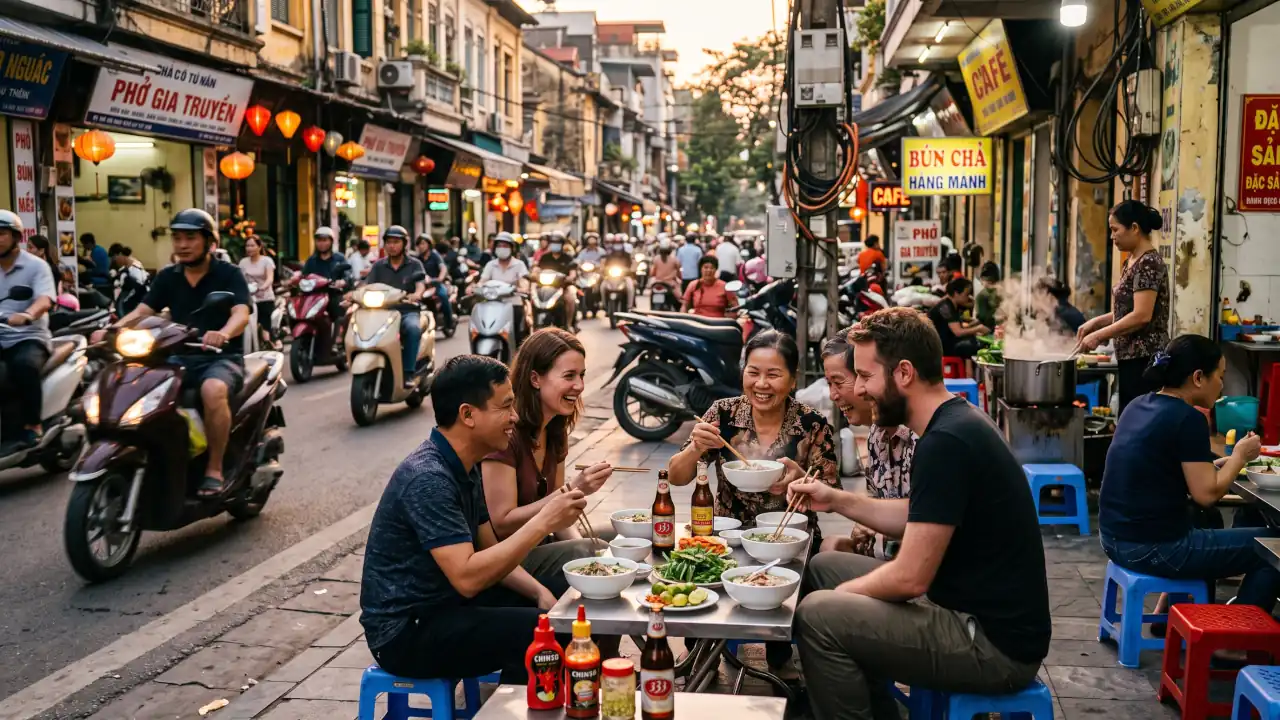
Eating out is where Hanoi really shines for your wallet: a proper bowl of pho, bun cha, or com binh dan from a local spot usually costs between 40,000 and 100,000 VND, meaning you can eat well without ever turning on your stove if you don’t want to. Street food is an everyday part of life in Hanoi, and many locals eat several meals each week at small family-run stalls.
Health Insurance
If you’re working for a local company, your employer typically covers your insurance, or deducts a modest amount from your salary for it. If you’re buying your own private plan, whether as a freelancer, digital nomad, or early retiree, expect to pay somewhere between 100,000 and 500,000 VND a month for basic local coverage, though international plans with wider hospital networks will cost more.
It’s worth getting a plan that includes evacuation coverage for serious medical situations, since specialist care for complex conditions is sometimes better handled in Bangkok or Singapore. Hanoi has several international-standard hospitals that are popular with foreigners for routine care, while more complex treatments may still require medical evacuation depending on your insurance policy.
Recommended Neighborhoods / Areas to Live
Hanoi is a sprawling city, and picking the wrong neighborhood can mean a long, sweaty commute or feeling isolated from other foreigners. If you’re apartment hunting, spending a few days in each neighborhood before signing a lease can help you decide which area best matches your lifestyle. These are the areas most expats gravitate toward, and for good reason.
Tay Ho District
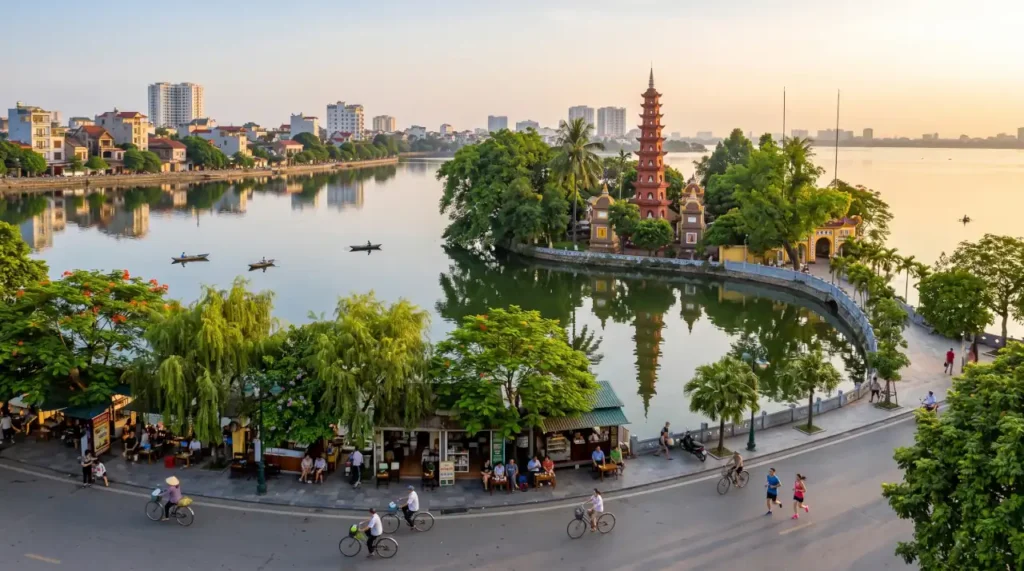
Tay Ho, built around West Lake, is where the majority of Hanoi’s expat community lives. Its walkability, international grocery stores, and abundance of coworking-friendly cafés make it especially popular with remote workers and young professionals. It’s full of international restaurants, coffee shops, yoga studios, and gyms, and English is widely spoken by staff in most businesses here. It’s also just a genuinely pretty part of the city, with lake views and a slower pace than the center.
Ba Dinh District
Ba Dinh sits between Tay Ho and the Old Quarter, offering a middle ground. There are still plenty of international businesses and Western comforts here, but you’ll be surrounded by more local life than in Tay Ho, which some people prefer if they want to feel genuinely immersed rather than living inside an expat bubble.
Other Districts
Plenty of foreigners live outside these two core areas, usually to be closer to work or to an international school. Families often choose Ciputra, home to UNIS, or areas like Times City and Royal City, which house Vinschool campuses. These neighborhoods are especially popular with families relocating with children because they’re close to several international schools and offer a quieter, more residential environment than Tay Ho.
Visa & Residency Options
Getting the paperwork right matters more in Vietnam than in a lot of countries, and the rules have shifted more than once in recent years, so treat any older blog post you find with a healthy dose of skepticism and double check current requirements before you commit to anything. If you already have a job offer, your employer will typically handle your work permit and residence paperwork, though you’ll usually need a notarized degree, a notarized TEFL certificate if teaching is your route in, a full health check, and confirmation from your landlord that you’re registered at your address.
Teaching remains one of the most common and accessible paths into the country for foreigners without a prearranged corporate job, and if that’s a route you’re considering, it’s worth reading up on what the process actually involves before you commit, including Teaching English requirements and typical salaries. Plenty of others come through international companies with offices in Hanoi or Ho Chi Minh City, and Vietnam’s digital nomad scene has grown substantially too, though most nomads still rely on tourist entries and periodic visa renewals rather than a dedicated long-term nomad visa.
Vietnam’s visa rules changed meaningfully as of mid-2025 and into 2026, and it’s worth understanding the current landscape before you plan your move. Because Vietnam updates immigration policies periodically, always verify entry requirements, visa validity, and work permit rules through the Vietnam Immigration Department before making travel plans.
Some passport holders, mostly from parts of Europe, currently get 45 days visa-free entry under recent government resolutions, but this doesn’t extend to US, Canadian, Australian, or New Zealand passport holders, who generally need to apply for an e-visa in advance, now valid for up to 90 days.
Work permits are also now processed differently than they were a couple of years ago, with provincial authorities handling approvals rather than the previous national labor department structure, and converting a tourist entry into a work visa only becomes possible once your permit has already been approved, not before. If any of this sounds like a lot to untangle, it’s genuinely worth reading a full breakdown on how to move to Vietnam before you book a one-way ticket, since getting the sequence wrong can cost you time and money.
Other Useful Tips
Opening a bank account is usually straightforward once you have a job and the right paperwork, and your employer will often help you through the process. Vietnamese banks like Sacombank or Vietcombank work fine for daily use, though many expats also use Wise for receiving international payments and moving money across currencies without heavy fees. Just confirm your employer can actually pay into a Wise account before you rely on it as your main setup.
A local SIM card is cheap and easy to sort out in your first week. Providers like Viettel offer solid coverage across the city, and topping up data through their app or a local shop usually costs somewhere around 100,000 VND every few weeks depending on your usage. It’s also worth getting comfortable with Grab early on, not just for rides but for food delivery, since it becomes something of a lifeline on days when you don’t want to brave the traffic yourself.
Internet speeds are generally reliable for remote work, and most apartments and cafés offer fast fiber connections, although occasional outages can happen during severe storms or maintenance.
Air quality is genuinely something to plan around rather than ignore. Hanoi ranks among the more polluted capital cities in the world, particularly during the drier winter months, so a decent air purifier for your apartment and a proper N95-style mask for motorbike rides aren’t overkill, they’re just practical.
Common Mistakes New Expats Make in Hanoi
What I Wish I Knew Before Moving Here
There are a handful of things that would have made those first few months easier if someone had just told me plainly.
If Hanoi isn’t quite calling to you the way you expected, it’s worth exploring a couple of other options within the country before ruling Vietnam out entirely. Da Nang offers a slower, beach-adjacent pace of life that suits people who want less chaos and more coastline, while Ho Chi Minh City leans faster, more commercial, and noticeably hotter year-round. If you’re still narrowing things down, a rundown of the top 5 places to live in Vietnam is a useful next read before you commit to any one city.
Also Read: The Complete Guide to Living in Ho Chi Minh City, Vietnam

Could You See Yourself Living Here?
Hanoi isn’t a city that suits everyone, and that’s fine. If you need quiet streets, consistently clean air, or a slower pace of life, another Vietnamese city may be a better fit. But if you’re drawn to a bit of controlled chaos, incredible food on every corner, genuinely warm people, and a cost of living that lets your money stretch further than it would back home, Hanoi has a real shot at winning you over.
Most people who move here for a year end up staying much longer than planned, and that’s not an accident. There’s something about the daily rhythm, the friendships that form fast, and the sense that every week brings something new, that makes leaving harder than expected.
If you’re looking for an affordable city with rich culture, excellent food, and a welcoming international community, Hanoi deserves serious consideration. Just make sure you arrive with realistic expectations about traffic, air quality, and visa requirements, because understanding those trade-offs is what separates a great move from a frustrating one.