Most people planning a move to Mexico start with the obvious choices — Mexico City or one of the beach towns. And honestly? Fair enough. Many of the best cities in Central Mexico are where expats quietly end up, and for good reason. The region has this rare mix of stunning colonial cities and architecture, genuinely affordable living, and real communities where people actually stay. This guide covers seven cities worth your serious attention.
While every city in this guide has a distinct personality, factors such as healthcare, transportation, safety, internet reliability, cost of living, and long-term infrastructure often matter just as much as scenery when choosing where to live or spend an extended stay. These practical considerations are reflected throughout the guide to help you compare destinations beyond their tourist appeal.
Unlike many guides that focus almost exclusively on Mexico’s beaches, this guide highlights destinations that combine history, affordability, modern infrastructure, and established expat communities. Whether you’re planning a vacation, scouting places to live, or considering a long-term move, these cities offer some of the country’s most rewarding experiences. Many of these cities also make excellent weekend getaways from Mexico City.
Also Read: Mexico City Neighborhoods Expats Love Most
Quick Answer
The best Central Mexico cities to visit or live in are Mexico City, Querétaro, Guadalajara, San Miguel de Allende, Guanajuato, Tequila, and Puerto Vallarta. Whether you’re relocating, working remotely, or planning an extended trip, each city offers a different mix of affordability, culture, healthcare, infrastructure, and lifestyle.
Key Takeaways
- Querétaro and Guadalajara offer the best balance of affordability, infrastructure, and long-term livability for expats.
- San Miguel de Allende is ideal for retirees and anyone seeking a large international community.
- Mexico City provides the strongest healthcare, dining, public transportation, and remote work opportunities.
- Guanajuato and Tequila are excellent choices for travelers seeking authentic culture and historic charm.
- Puerto Vallarta combines beach living with modern amenities and one of Mexico’s most established expat communities.
- The dry season (November to April) generally offers the best weather for visiting most of Central Mexico.
Central Mexico Cities at a Glance
The table below compares the seven cities at a glance, making it easier to see which destination best matches your travel style, budget, or relocation goals.
| City | Best For | Cost | Expat Community |
| Mexico City | Remote workers | $$$ | Large |
| Querétaro | Families | $$ | Growing |
| San Miguel | Retirees | $$$ | Very Large |
| Guanajuato | Budget expats | $ | Moderate |
| Guadalajara | Professionals | $$ | Large |
| Tequila | Weekend trips | $$ | Small |
| Puerto Vallarta | Beach lifestyle | $$$ | Very Large |

If you’re planning a Mexico itinerary focused on Central Mexico, the most common route among first-time visitors to the region is Mexico City, then up to San Miguel de Allende and Guanajuato, then across to Guadalajara with a day trip to Tequila, and down to Puerto Vallarta to finish on the coast. It’s a logical circuit that lets you experience several of the cities without backtracking, and it works well over two to three weeks.
For those thinking about relocation rather than just visiting, Queretaro and Guadalajara tend to be the most practical long-term bases, offering the best combination of infrastructure, affordability, and quality of life. San Miguel and Guanajuato are better for those who prioritize beauty and culture and have more flexibility on budget.
1. Mexico City
If you’re flying into Central Mexico, chances are Mexico City is your first stop. And even if it wasn’t in your original plan, give it at least a few days before you move on. It has a way of holding your attention longer than you expect.
Mexico City is massive — over 20 million people in the metro area — but the neighborhoods you’ll actually want to spend time in are surprisingly walkable and approachable. Roma and Condesa are the two that come up most in expat conversations, and for good reason. Tree-lined streets, coffee shops on every corner, great restaurants, weekend markets, and an energy that feels creative without being overwhelming. These two neighborhoods sit right next to each other, so you can wander between them easily.
What surprises most new arrivals is how much there is to do at every price point. World-class museums like the Anthropology Museum and Frida Kahlo’s Casa Azul cost almost nothing to enter. Street tacos that’ll ruin you for tacos anywhere else in the world go for about 15 pesos each. And if you want a nice dinner or a cocktail at a rooftop bar, those exist in abundance too.
The city has its challenges — traffic is a nightmare, the altitude (7,350 feet) hits some people hard in the first few days, and the air quality can be rough. But for expats who want to live in Mexico City, the tradeoffs are usually worth it.
Mexico City also offers one of Mexico’s largest selections of private hospitals, international schools, coworking spaces, and reliable public transportation, making it particularly attractive for digital nomads, remote workers, and long-term expats. It’s one of those cities where six months in, you stop noticing what you gave up and start appreciating what you gained.
Where to Stay in Mexico City
The Mexico City neighborhoods of Roma Norte and Condesa are the sweet spot for most expats and visitors. You’re close to everything without being in the middle of tourist-heavy areas like Zocalo, and both neighborhoods are safe to walk around at night.
Budget Option: Look for guesthouses or short-term rentals in Roma Sur, which is slightly more affordable than Roma Norte but still very well connected. Expect to pay around $30-50 USD per night for a clean, comfortable room.
Mid-Tier Option: Boutique hotels in Condesa offer a great balance of comfort and location, usually running $80-120 USD per night. Many have rooftop terraces and include breakfast, which makes a real difference when you’re figuring out the neighborhood.
Luxury Option: Polanco is Mexico City’s upscale district, and the hotels here reflect that. You’re looking at $200+ per night, but the service, location, and overall experience are hard to beat if budget isn’t your primary concern.
2. Queretaro
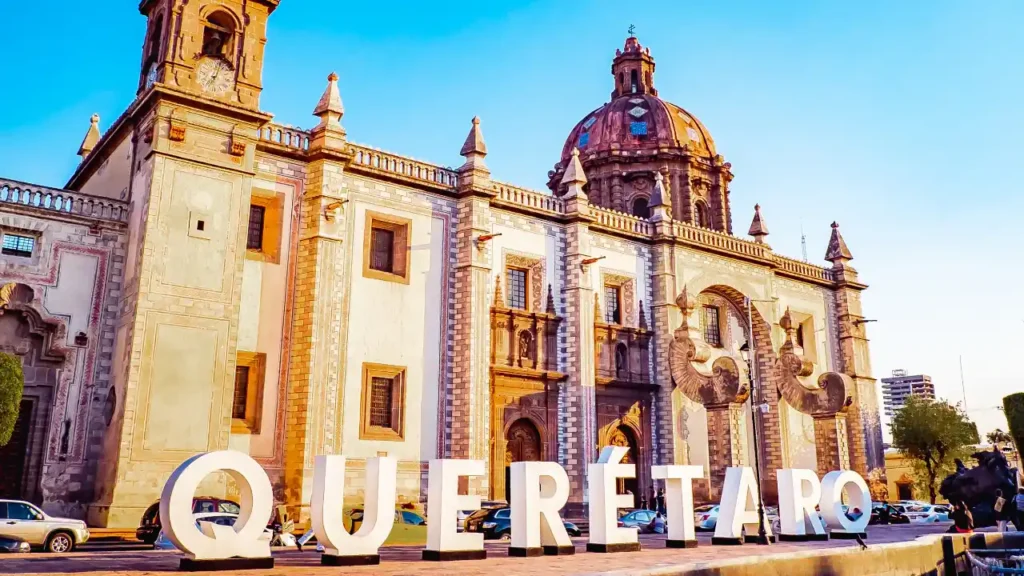
About three hours north of Mexico City, Queretaro doesn’t get the same international attention as some of the other cities on this list, but expats who end up there tend to stay. It’s one of those places where the quality of life sneaks up on you.
The historic center is UNESCO-listed and genuinely beautiful. The aqueduct that runs through part of the city is an extraordinary piece of colonial-era engineering that still defines the skyline. The streets around the central plaza are full of cafes, restaurants, and small shops, all set inside well-preserved colonial buildings.
What makes Queretaro particularly interesting for relocation is that it has a real economy. It’s not just a retirement town or a tourism hub — it’s an industrial and tech center, which means there’s actually infrastructure here. Reliable internet, good private hospitals, well-maintained roads, and a population that includes younger professionals alongside the older expat crowd.
Querétaro consistently ranks among Mexico’s strongest regional economies, supported by growing aerospace, automotive, and technology industries. That economic stability contributes to better infrastructure and employment opportunities than many similarly sized cities.
Wine is another reason people make the trip. The area around Queretaro, particularly near the small town of Tequisquiapan, has a growing wine route with dozens of vineyards that produce surprisingly good bottles. A weekend afternoon doing wine and cheese tastings in the countryside outside the city is hard to beat.
Cost of living here is noticeably lower than Mexico City. A nice one-bedroom apartment in the historic center runs around $600-800 USD per month. Groceries, transport, and eating out are all cheaper than the capital, and you get a better quality of life for most of it.
Where to Stay in Queretaro
For a short visit, stay in the historic center. You can walk to pretty much everything that matters, and the neighborhoods around the main plaza have the best concentration of restaurants and cafes.
Budget Option: Small guesthouses and posadas in the historic center offer clean rooms with a lot of character for around $25-40 USD per night. Many are inside restored colonial buildings, which adds to the experience.
Mid-Tier Option: Boutique hotels in Queretaro have gotten better in recent years. Expect to pay $70-100 USD per night for a well-designed room in a restored colonial property, often with a courtyard and good breakfast included.
Luxury Option: There are a handful of hacienda-style hotels within a short drive of the city center that offer a step up in space and atmosphere. These run $150-200+ per night and are worth it for a special occasion or a relaxed few days with more breathing room.
3. San Miguel de Allende
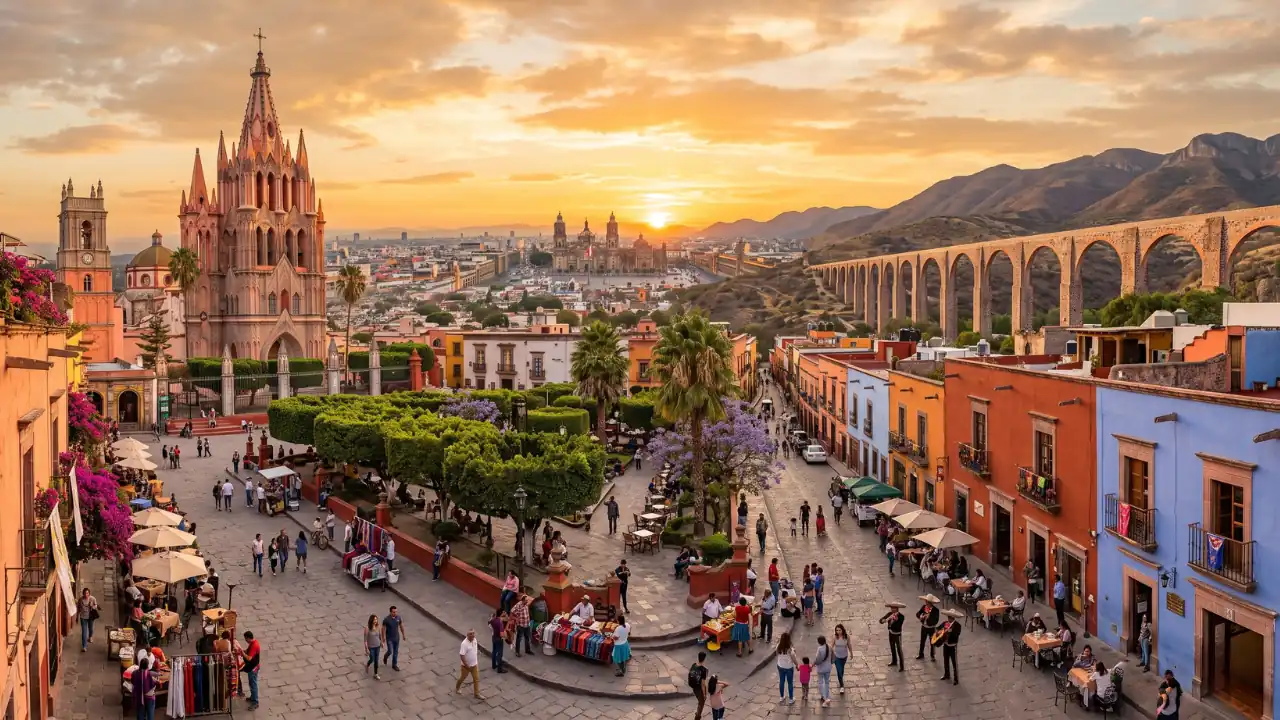
San Miguel de Allende is probably the most internationally recognized city on this list, and it earns the attention. The entire city is a UNESCO World Heritage Site, and walking through the historic center genuinely feels like stepping into another century. Cobblestone streets, brightly colored facades, and the iconic pink towers of La Parroquia church rising above everything — it looks exactly like the photos, and somehow the reality is even better.
The expat community here is large and well-established, which cuts both ways. On the positive side, you’ll find plenty of English-speaking services, a well-developed rental market, good private medical care, and cultural institutions like art schools and galleries that cater to international residents.
On the downside, that same demand has pushed prices up, and San Miguel is now one of the more expensive places to live in Central Mexico. Because demand for rentals is high throughout the year, it’s worth booking long-term accommodation several months in advance if you’re planning to relocate rather than simply visit. A one-bedroom apartment in the centro can run $900-1,200 USD per month, sometimes more.
That said, if lifestyle is your priority and budget is flexible, San Miguel delivers. The food scene is excellent, the social life is active, and the surrounding landscape — high desert, painted in purples and golds at sunset — is striking in a way that doesn’t get old.
For sunset, grab a local beer and walk up to the Mirador viewpoint above the city. It costs nothing and gives you one of those views you’ll reference for the rest of your life.
Where to Stay in San Miguel de Allende
Since the whole city is a heritage site, there’s really no bad area to stay. The centro histórico is the obvious choice if it’s your first visit and you want to be close to everything.
Budget Option: Hostels in San Miguel have stepped up their game over the years. You’ll find well-run spots with private rooms starting around $35-50 USD per night, often with rooftop spaces and social areas that make it easy to meet other travelers.
Mid-Tier Option: The mid-range boutique hotel category is where San Miguel really shines. Properties in the $100-150 USD range offer beautiful rooms in colonial buildings with rooftop pools, courtyard gardens, and the kind of detail that makes the stay feel special.
Luxury Option: San Miguel has some of the best boutique luxury hotels in Mexico. Expect to pay $200-400+ per night, but what you get in return — service, design, location, and food — is genuinely world-class.
4. Guanajuato
Guanajuato is the city that tends to catch people completely off guard. Most visitors come expecting a pleasant colonial town and leave having had one of their favorite travel experiences in Mexico. The city is built across a series of ravines, which means the streets wind and climb in ways that make no logical sense, and every turn reveals a new color, a new plaza, or a new view.
The quirk that makes Guanajuato unlike anywhere else in Mexico is underground. Beneath the city runs a network of tunnels that were originally built to manage flooding. Decades ago, the city converted them into roads. So all the car traffic runs underground, and the streets above are almost entirely pedestrian. You can walk across the whole city center without once worrying about traffic.
At night, the energy shifts. Plazas fill up with mariachi bands, and the area around Teatro Juarez becomes a kind of open-air concert that you can wander into and out of freely. Buy a drink from one of the small stands, find a spot on the steps, and just let the evening happen.
Students make up a significant portion of the population here, thanks to the University of Guanajuato, which keeps the city young, creative, and considerably more affordable than San Miguel. The city’s large student population also helps support an active calendar of cultural events, live music, museums, and festivals throughout the year.
Apartments in the city center can be found for $400-600 USD per month, and the quality of food and coffee you get for your money is excellent.
The hike up to La Bufa or to the Pipila monument above the city gives you a view of the whole colorful spread below. Do it in the late afternoon when the light is at its best.
Where to Stay in Guanajuato
Like San Miguel, Guanajuato is also a UNESCO-listed city, so the historic center is where you want to be. It’s small enough that staying central puts you within walking distance of virtually everything.
Budget Option: Student-friendly guesthouses and small hostels run $20-35 USD per night. The city’s university culture means affordable, decent-quality budget options are plentiful, which isn’t always the case in Central Mexico.
Mid-Tier Option: Colonial-style boutique hotels in the city center range from $70-120 USD per night. Many have rooftop terraces with views over the city that are worth the extra dollars.
Luxury Option: A handful of properties offer a higher-end experience inside beautifully restored colonial buildings. Expect to pay $160-250+ per night for the standout options, several of which include pools, bars, and restaurants that are good enough to warrant a visit even if you’re not staying.
5. Guadalajara
Guadalajara is Mexico’s second-largest city, and it operates at a different scale than the smaller colonial towns on this list. It’s a proper metropolis — nearly five million people in the metro area — with all the infrastructure, opportunity, and variety that comes with that size.
Expats who decide to move to Guadalajara often do so because they want the benefits of a large city — good international airport, solid healthcare system, reliable internet, a proper tech sector — at a price point that Mexico City can’t match.
Guadalajara is also considered one of Mexico’s leading technology hubs, with numerous multinational companies operating throughout the metropolitan area alongside a growing startup ecosystem. You can find a large, modern apartment in a good neighborhood for $700-900 USD per month, which in a city this size is genuinely remarkable.
Food is a serious reason to visit, and the Guadalajara specialties are distinct enough to be worth seeking out. Birria — slow-braised beef served with a rich broth for dipping — originated in Jalisco, and you’ll find it all over the city. The torta ahogada, a pork sandwich drowned in spicy tomato salsa, sounds chaotic but is absolutely worth eating, ideally at a stand in the Mercado San Juan de Dios, the largest indoor market in Latin America.
Tlaquepaque, a neighborhood southeast of the center, is where you’ll find the best bar and restaurant strip. The streets here are lined with colonial architecture and good food, and the plaza fills up on weekends with street musicians. It’s worth an afternoon or an evening regardless of how long you’re in the city.
Where to Stay in Guadalajara
Tlaquepaque is the best base for most visitors — it has the best combination of walkability, dining options, and atmosphere. The Chapultepec and Providencia neighborhoods are good choices if you want something more residential and slightly more upscale.
Budget Option: Guesthouses and small hotels in Tlaquepaque run $30-50 USD per night, with decent rooms and good proximity to the action. The neighborhood is safe to walk around and has enough going on that you won’t need to go far.
Mid-Tier Option: Boutique hotels in Chapultepec or Tlaquepaque offer well-designed rooms in the $80-130 USD range, often inside restored colonial or hacienda-style buildings. Breakfast is usually included, and the service tends to be warm and personal.
Luxury Option: Hacienda-style luxury hotels in and around Tlaquepaque can run $180-300+ per night. The best ones have pools, excellent on-site restaurants, and enough outdoor space to make you feel like you’re somewhere in the countryside even when you’re in the middle of a major city.
6. Tequila
Yes, Tequila is a real place, and yes, the entire town is more or less what you’d expect from a place named after a spirit. Distilleries line the streets, bars serve tequila in everything from shot glasses to giant clay mugs, and the surrounding landscape is an endless roll of blue agave plants stretching across the volcanic hills.
The agave landscape surrounding Tequila has been recognized as a UNESCO World Heritage Site, reflecting both the cultural importance of tequila production and centuries of agricultural history.
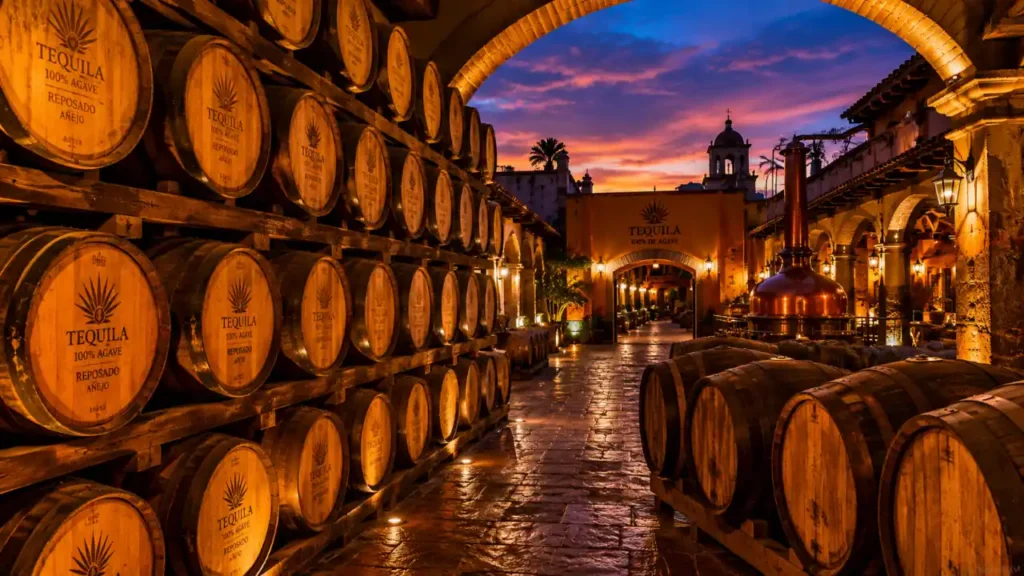
The town itself is small — you can walk across the center in about twenty minutes — but it’s genuinely interesting beyond the drinking. The production of tequila is a fascinating process to watch up close, from the harvesting of the agave hearts (called pinas, because they look like giant pineapples) all the way through fermentation, distillation, and aging. Every distillery does things slightly differently, and the tours give you a real appreciation for what makes a good bottle versus a mediocre one.
The Jose Cuervo distillery is the obvious tourist draw, and it’s worth seeing for the scale alone. But some of the smaller, family-run distilleries just outside town are more rewarding if you want an experience that feels less packaged. The quality of the tequila you’ll taste at these places is often significantly better, and the guides tend to be more knowledgeable and enthusiastic.
Tequila is most naturally visited as a day trip from Guadalajara, which is about an hour away by car or bus. The Tequila Express train, which runs on certain weekends, is a popular option that includes tastings and entertainment during the journey. But if you want to stay overnight and explore at a more relaxed pace, there are good options for that too.
Where to Stay in Tequila
Since the town is compact, location matters less here than in the larger cities. Anywhere within walking distance of the central plaza will do.
Budget Option: Small apartments and guesthouses in the center run $30-50 USD per night. They’re not glamorous, but they’re clean, well-located, and fine for a night or two. Some include breakfast, which is a nice touch.
Mid-Tier Option: A step up in quality gets you into boutique hotels that lean into the regional aesthetic — exposed stone, wood beams, locally made decor. Expect to pay $70-100 USD per night for something that feels appropriately of the place.
Luxury Option: The standout option in this category is a countryside estate just outside town, where you’re surrounded by agave fields and have access to a pool, excellent food, and private distillery tours. Rates for these properties start around $150-200+ per night and are absolutely worth it for a special occasion.
7. Puerto Vallarta
Puerto Vallarta is the one city on this list that already has a significant international profile, particularly among North American expats and retirees. It’s well-established, well-served, and comes with the kind of infrastructure that makes relocation straightforward — good private hospitals, reliable utilities, strong English-speaking services, and an international airport with direct connections to most major US and Canadian cities.
Because Puerto Vallarta has a large year-round international population, newcomers often find it easier to access English-speaking healthcare providers, real estate professionals, and relocation services than in many other Mexican cities.
The city sits on a wide bay on the Pacific coast, with the Sierra Madre mountains rising directly behind it. That geography creates a landscape that’s genuinely dramatic — you can be on a boat watching humpback whales in the morning and hiking through jungle to a waterfall in the afternoon.
The Zona Romantica is the neighborhood that tends to attract younger expats and LGBTQ+ travelers. It’s relaxed, walkable, and has a good concentration of independent restaurants and bars that feel more personal than the large hotel strip along the main malecon. For those who want something quieter, the area south of town toward Boca de Tomatlan has a more local feel, with smaller beach communities and better access to the natural coastline.
The beaches immediately around Puerto Vallarta are fine, but the real draw is the southern coastline. Mismaloya, Las Animas, and Yelapa are all within reach by bus or water taxi, and each offers something the main strip doesn’t — quiet, clear water, and the feeling that you’ve actually found something rather than arrived at a destination.
If you visit between December and March, take a boat trip. Humpback whales congregate in the bay during those months in significant numbers, and the trips are well-run and genuinely memorable.
Where to Stay in Puerto Vallarta
The Zona Romantica and the area just south of it toward Mismaloya are the best bases for most visitors. Staying on the main hotel strip gives you convenience but loses you the personality that makes Puerto Vallarta worth the trip.
Budget Option: Guesthouses and small apartment rentals in the Zona Romantica start around $40-60 USD per night. You’re within walking distance of good restaurants and a short bus ride from the southern beaches.
Mid-Tier Option: Boutique hotels in this range ($100-160 USD) offer a more comfortable experience without the corporate feel of the large resort properties. Many have small pools and rooftops, and are well-located relative to both the beach and the restaurant strip.
Luxury Option: The high-end options here range from boutique oceanfront properties in the Zona Romantica to larger resort-style hotels further south along the coast. Rates start around $200-250 per night and go significantly higher during peak season (December-March). If whale watching season aligns with your visit, it’s worth paying more for a good location.
When to Visit Central Mexico
The best time to visit Central Mexico depends on what kind of traveler you are, but the broad answer is that most of the region is good year-round. If you want to read more about planning your timing, this breakdown of the best time to visit Mexico covers it in detail.
The dry season runs roughly November through April, which is also when temperatures in the highlands are most pleasant. Days are warm and sunny, nights are cool, and you’re not dealing with afternoon rain. This is peak travel season, particularly for the Christmas and Easter holiday periods, so accommodation prices go up and popular destinations get busier.
May through October is the rainy season in most of Central Mexico. The rains typically come in the late afternoon or evening and clear quickly, so you usually still get full mornings for exploring. Temperatures are warmer, crowds are thinner, and prices drop noticeably outside of holiday weekends.
The colonial cities in the highlands — Guanajuato, San Miguel de Allende, Queretaro — sit at elevations between 5,500 and 7,000 feet, which keeps temperatures moderate year-round. You’re not looking at the heat extremes you’d get on the coast, but evenings can be genuinely cold in the December-January period, so pack a layer or two.
Puerto Vallarta and the coastal areas follow a slightly different pattern. The winter months (December-March) are warm, dry, and popular. Summer can be hot and humid with heavier rain. Whale watching season runs December through March, which is a strong reason to visit during that window.
Public Transportation in Central Mexico
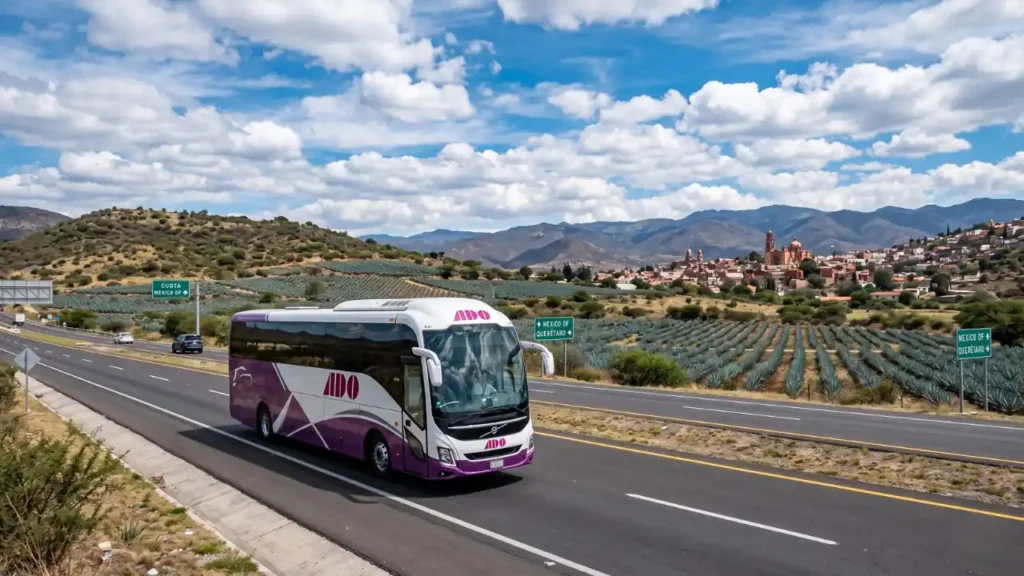
Getting around Central Mexico is more manageable than most newcomers expect, though it requires some adjustment if you’re coming from a country with a structured transit system.
Within cities, local buses are the most affordable option and cover most routes you’ll want to use. The catch is that routes and schedules aren’t always clearly signposted for visitors. In Mexico City, the Metro is excellent — cheap, fast, and extensive, though it gets very crowded during rush hours. Uber operates in most Central Mexican cities and is a reliable, affordable alternative to taxis.
Between cities, the ADO bus network is your best option for intercity travel. The buses are comfortable, air-conditioned, and operate on reasonably reliable schedules. Mexico City to Queretaro takes about three hours. Mexico City to San Miguel de Allende takes about three and a half hours. San Miguel to Guanajuato is under an hour. Guadalajara to Tequila is about an hour. These journeys are cheap, comfortable, and genuinely pleasant — the Mexican highway system is better than its reputation.
For routes that don’t connect neatly by ADO, collectivos (shared minivans) fill the gap. They’re faster than buses and cheaper than taxis, though less comfortable and with no fixed departure times — they leave when they’re full.
Renting a car is worth considering if you plan to explore rural areas or want flexibility around Queretaro’s wine country or the coastline south of Puerto Vallarta. Just be aware that driving in Mexico City is genuinely stressful and probably not worth it for that city specifically. According to Mexico’s Secretariat of Infrastructure, Communications and Transportation (SICT), the country’s highway network covers over 400,000 kilometers, with the toll road system offering the fastest and safest routes between major cities.
Things to Know Before You Go
Before you arrive, here are a few practical tips that can make your trip or relocation smoother. The altitude affects people differently. Mexico City, Queretaro, San Miguel de Allende, and Guanajuato all sit at significant elevation. Some people feel it immediately — headaches, fatigue, shortness of breath. Others don’t notice it at all. Either way, take it easy on your first day or two, drink more water than you think you need, and avoid heavy drinking until you’ve acclimatized.
Tap water is not safe to drink anywhere in Mexico. Bottled or filtered water is the standard, and you’ll find it in every accommodation and most restaurants. Many accommodations now provide complimentary filtered water dispensers or refill stations, helping travelers reduce bottled plastic waste while staying hydrated. Brush your teeth with filtered water if your stomach tends to be sensitive when you travel.
The currency is the Mexican peso, and cash is still king in a lot of places, particularly in smaller towns and local markets. ATMs are available in all cities, though fees can add up. It’s worth getting a travel card that doesn’t charge foreign transaction fees before you arrive.
Spanish is the working language throughout the region, and while you’ll find English speakers in tourist areas and major cities, you’ll have a significantly better time if you have even basic conversational Spanish. Apps like Duolingo or a few lessons before you go make a meaningful difference in everyday interactions — ordering food, asking for directions, negotiating at a market.
Tipping is customary and genuinely appreciated. Restaurant servers typically get 10-15% of the bill. Taxi drivers don’t expect tips but won’t refuse them. Hotel staff appreciate small daily tips.
Safety varies by neighborhood and city more than by region as a whole. The historic centers and established residential neighborhoods covered in this guide are generally considered among the safer parts of their respective cities, although safety conditions can vary by neighborhood. It’s always worth checking current local guidance before visiting unfamiliar areas.
Use common sense — don’t display expensive items, be aware of your surroundings at night, and trust the recommendations of locals and other expats who know the specific area.
Also Read: Living in Cancun in 2026: Costs, Pros, Cons & Local Tips
Which Central Mexico City Is Right for You?
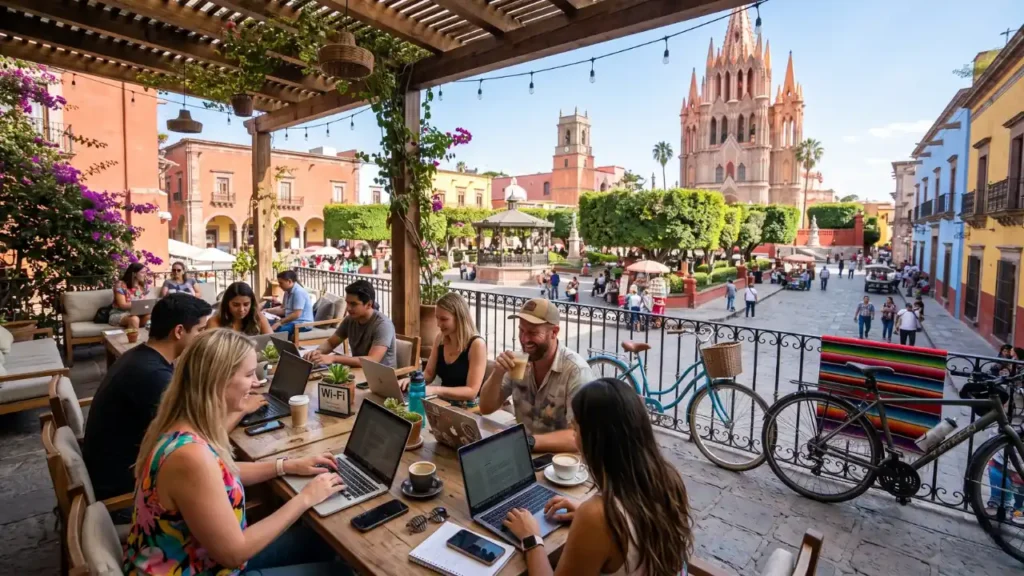
Choosing the right city depends on the lifestyle you’re looking for.
- Choose Mexico City if you want the widest selection of jobs, coworking spaces, healthcare, museums, restaurants, and public transportation.
- Choose Querétaro if you want one of the best balances of affordability, safety, modern infrastructure, and quality of life.
- Choose San Miguel de Allende if you value a strong international community, walkable colonial streets, and a slower pace of life.
- Choose Guanajuato if you’re looking for culture, history, and one of the best values for long-term living.
- Choose Guadalajara if you’re a remote worker, entrepreneur, or professional who wants big-city amenities without Mexico City’s size.
- Choose Tequila if you’re planning a short cultural getaway centered around agave landscapes and tequila heritage.
- Choose Puerto Vallarta if you want a coastal lifestyle with modern amenities, excellent healthcare, and one of Mexico’s largest expat communities.
No matter which city you choose, visiting for a week or two before making a long-term commitment is the best way to decide whether it’s the right fit for your lifestyle.
Final Thoughts
Central Mexico is one of those places that rewards people who look past the obvious. The beach resorts and party towns get the most publicity, but the best cities to visit in Central Mexico offer something that’s harder to find and harder to leave—a real sense of place, a genuinely livable lifestyle, and a cost of living that makes it possible to do it properly rather than on a shoestring. If you’re also considering other popular expat destinations, our guide to living in Mérida compares another city that’s frequently shortlisted alongside Central Mexico.
Whether you’re visiting for a few weeks or seriously considering a longer stay, any of these seven cities will give you something worth your time. Start with one or two if the list feels overwhelming. But don’t be surprised if you end up coming back for the others.
If you’re still deciding where to start, prioritize the lifestyle you want rather than simply the lowest cost of living. Visiting two or three cities before committing to a long-term move is often the best way to determine which destination feels like the right fit.