🌍 Sociodemographic Profile of Satna, Madhya Pradesh – Castes, Communities, Languages & Granular Cultural Landscape
🧭 ✨ Introduction: Understanding the Social Fabric of Satna
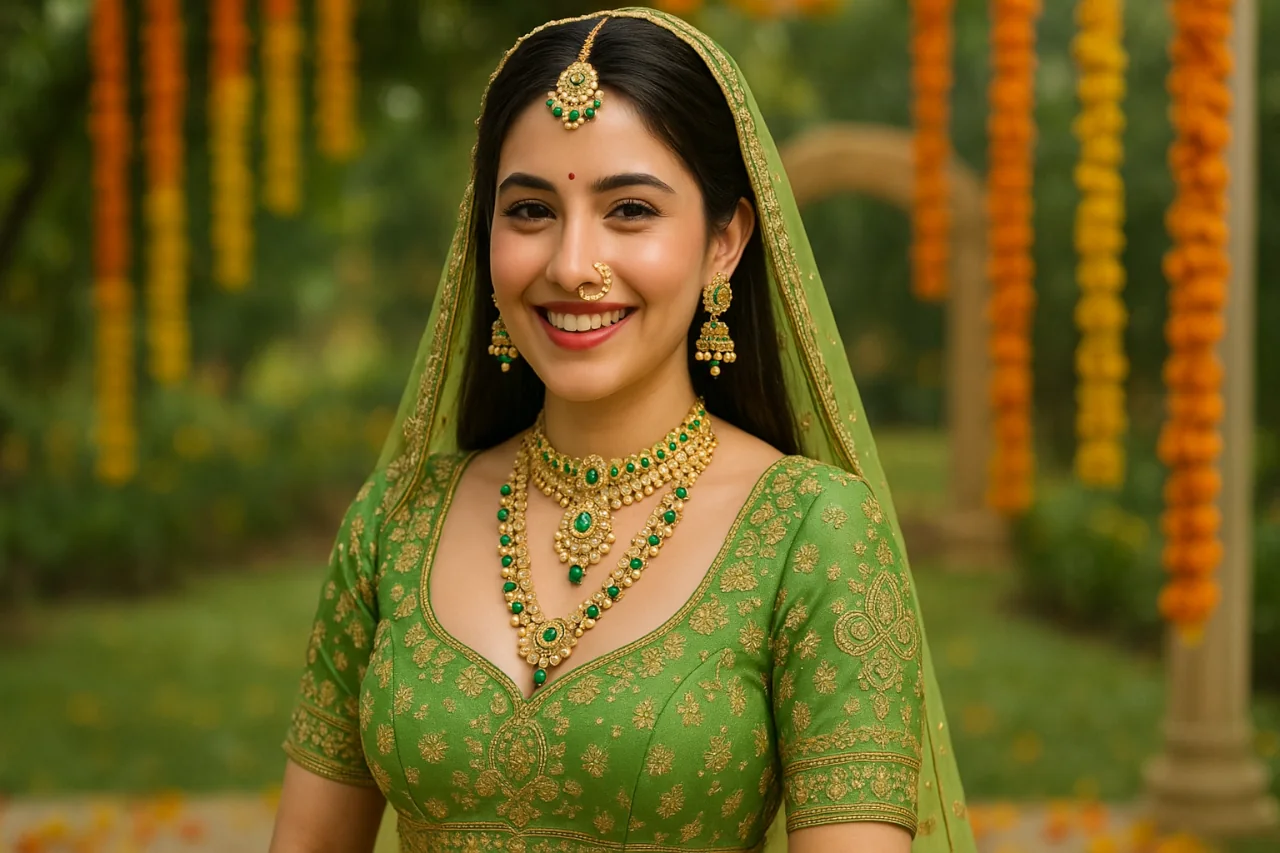
Satna, often known as the Cement City of India, is more than its industries, temples, and historical sites — it is a cultural mosaic shaped by centuries of migrations, tribal influences, caste hierarchies, linguistic identity, and rural-urban coexistence. The sociocultural landscape here reflects the deep patterns of Vindhya region traditions, Bagheli-Bundeli culture, and the influence of ancient dynasties that once ruled the Satna–Rewa–Baghelkhand belt.
To understand Satna fully — as a traveler, researcher, or cultural enthusiast — one must look closely at the people, their languages, their caste clusters, and the social rhythms that define everyday life. Satna’s population displays a unique blend of tribal heritage, agricultural communities, traditional caste groups, and modern migrant workers drawn by the district’s industrial growth.

Also Read
👉 Satna, Madhya Pradesh, India – The Limestone City Where Heritage Meets Harmony
👉 Detailed Introduction of Satna, Madhya Pradesh, India
👉 Detailed Historical Facts & Timeline of Satna, Madhya Pradesh, India
👉 Architectural Marvels and Architectural Itinerary of Satna, Madhya Pradesh
👉 How to Reach Satna, Madhya Pradesh, India – A Deep, Granular, Expert Travel Guide
Below is the most comprehensive, granular, long-form sociocultural profile of Satna available in travel-blog format.
🌐 1. A Broad Sociodemographic Overview of Satna
Satna district has a population of approximately 2.2–2.3 million people (per Census 2011; now estimated higher). The region is primarily rural, with nearly 75–78% of its population living in villages. This creates a landscape where traditional communities, joint families, and village-specific caste clusters form the backbone of social identity.
The urban population, mainly concentrated in Satna City, Maihar, Nagod, and Chitrakoot areas, reflects a more mixed demographic with migrants from nearby districts of Uttar Pradesh and Bihar due to industrial jobs.
🧑🤝🧑 2. Major Caste Groups & Social Communities in Satna (Granular Breakdown)
Satna’s caste structure is deeply tied to its agrarian history, temple traditions, and tribal settlements. Major caste categories include:
➨ General Category Communities
➪ Brahmins: Especially Kanyakubj, Gaur, and Saryuparin Brahmins, traditionally associated with priestly roles in Maihar, Chitrakoot, and local temples.
➪ Rajputs/Thakurs: Prominent in Nagod, Unchehara, and parts of Maihar; historically linked to Zamindari and forts.
➪ Kayastha: Historically involved in administrative, clerical, and record-keeping roles.
➨ Other Backward Classes (OBCs)
These groups form a large proportion of Satna’s rural population:
➛ Yadavs (Ahir): Traditionally pastoral/agricultural communities.
➛ Kurmi: Strong agricultural caste with deep historical roots.
➛ Kushwaha: Vegetable growers & farmers.
➛ Gupta/Baniya: Merchant class dominating village & town markets.
➛ Lodhi-Rajput: Agricultural and land-owning caste, significant in many villages.
➨ Scheduled Castes (SC)
Primarily include:
⦿ Chamar/Jatav communities
⦿ Koli
⦿ Dhuria
⦿ Dhobi
These groups traditionally handle artisanal, service, and leather-craft roles but are now deeply integrated into modern professions.
➨ Scheduled Tribes (ST)
Satna is home to several tribal communities, especially in forested and hilly belts:
⦿ Kol Tribe (Dominant ST Group)
⦿ Gond Tribe
⦿ Baiga Tribe
These tribes maintain distinct cultural identities, rituals, dance traditions, and agricultural practices.
🎭 3. Tribal Culture Influence in Satna
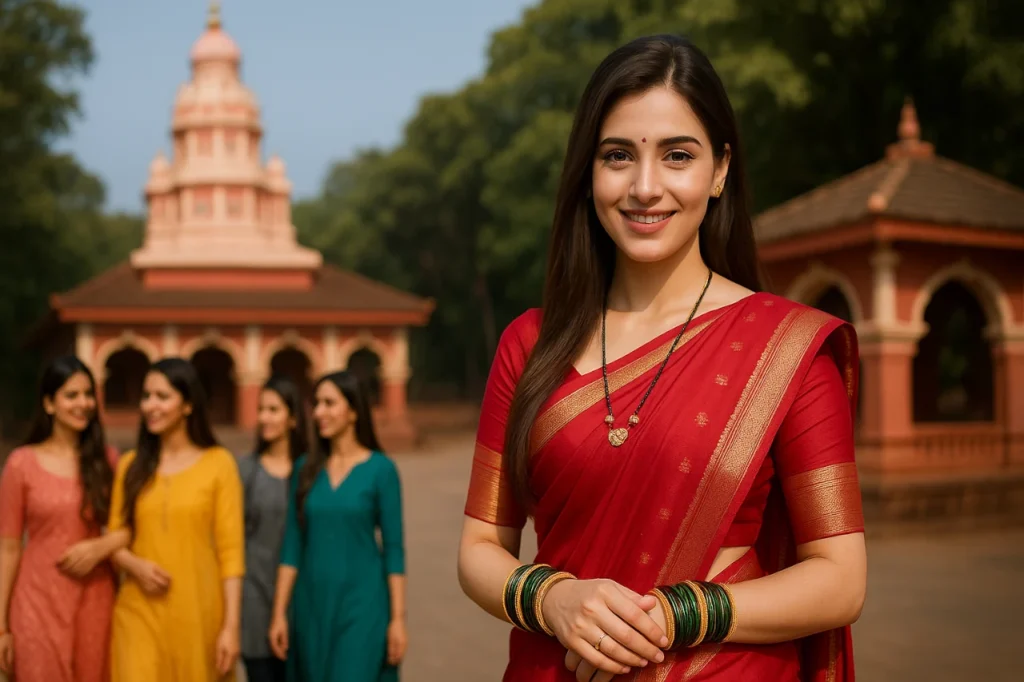
The Kol and Gond tribes contribute a powerful cultural dimension. Their festivals, songs, drum beats, forest folklore, and spiritual traditions continue to influence rural Satna. Tribal settlements often maintain older customs:
➛ Traditional hunting festivals
➛ Bamboo craft
➛ Millet-based foods
➛ Folk dances performed during weddings & harvest
Tourists visiting Nagod, Amarpatan, Ramnagar, or the Chitrakoot belt can observe tribal life through village walks.
🗣️ 4. Languages Spoken in Satna — A Deep Linguistic Map
Satna’s linguistic identity reflects its position between Madhya Pradesh and Uttar Pradesh, making it a melting pot of dialects.
➪ Primary Language: Bagheli (Local Dialect)
🗣️ Bagheli is the dominant language across Satna’s villages and small towns.
It is closely related to Hindi and Bundeli but has its own rhythm, vocabulary, and intonation patterns.
Locals in markets, rural households, and cultural gatherings predominantly speak Bagheli. Examples include:
➛ “Ka karat ho?” (What are you doing?)
➛ “Kitna dam bhayo?” (What is the price?)
Other Common Languages:
➪ Hindi (Official administrative & urban usage)
➪ Bundeli (Influence felt in southern Satna near Panna–Bundelkhand border)
➪ Awadhi (Near Uttar Pradesh border regions)
➪ Tribal dialects (Kol & Gond variations spoken in interior villages)
Many locals are bilingual or trilingual — they speak Bagheli at home, Hindi for official matters, and a mix of dialects while interacting with migrants or traders.
🏘️ 5. Urban vs Rural Sociodemographic Behaviour of Satna
Urban Satna (City + Maihar):
➟ Diverse population
➟ Migration-driven growth
➟ Mixed caste and occupational patterns
➟ Better literacy & educational institutions
➟ Strong influence of Hindi media, modern retail, and industrial employment
Rural Satna (Villages like Unchehara, Amarpatan, Nagod):
➟ Traditional caste clusters
➟ Farming, animal husbandry, and cottage industries
➟ Joint family structures
➟ Deeper use of Bagheli & folk culture
➟ Local governance through panchayats
Travellers will notice that rural Satna moves at a slower, calmer rhythm compared to the city.
Also Read
👉 Local Transportation and Travel Facilities in Satna, Madhya Pradesh, India
👉 Best Routes to Reach Satna, Madhya Pradesh, India: A Travel Guide
👉 Best Time to Visit Satna & Discover Satna’s Cultural Festivals — An Expert Travel Guide
👉 Where to Stay in & near Satna, Madhya Pradesh — Detailed Guide
👉 Best Places to Visit in and near Satna, Madhya Pradesh, India
📚 6. Literacy, Education & Modernisation Patterns
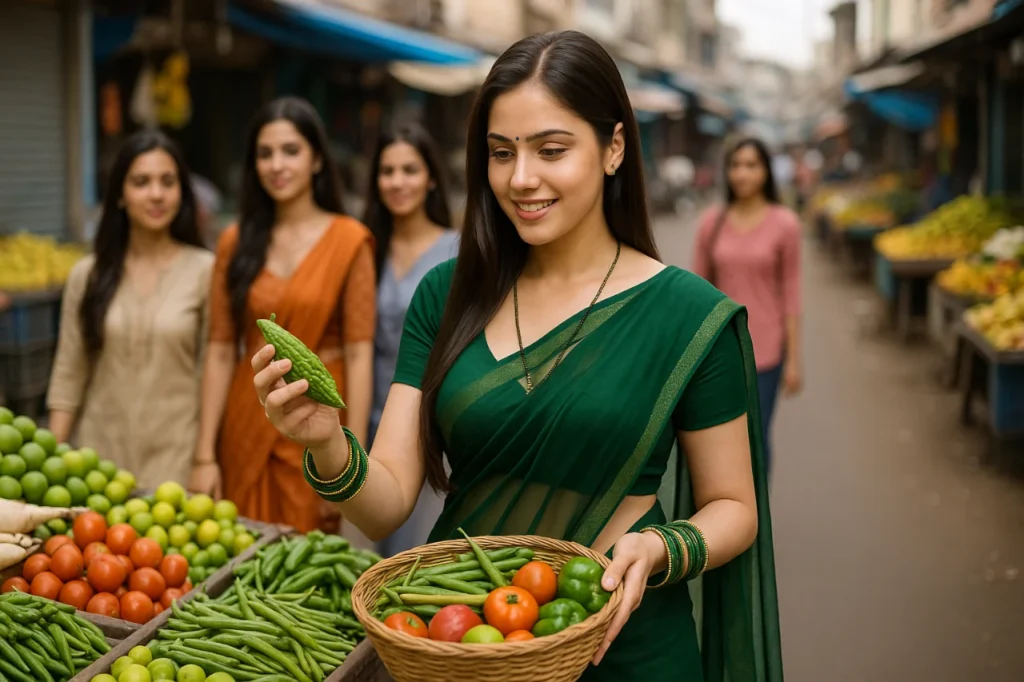
Satna’s literacy rate is around 73%, shaped by urban education centres and traditional village schools.
➪ Cities: Higher literacy, access to English-medium schools
➪ Villages: Stronger emphasis on government schools & practical skills
Education has significantly changed caste-based occupations — younger generations from agricultural and SC/ST families often pursue:
⦿ Teaching
⦿ Police services
⦿ Industrial jobs
⦿ Railways
⦿ Small businesses
🌾 7. Livelihood Patterns: Agriculture, Labor, Industry
Satna’s economy influences its demography.
Rural livelihood:
➟ Wheat, paddy, pulses
➟ Tendu leaves collection (forest product)
➟ Livestock grazing
➟ Stonework & terracotta work (traditional crafts)
Urban livelihood:
➟ Cement factories (Birla cement belt)
➟ Construction & transport
➟ Small shops, marketing, logistics
➟ Temple tourism-related services
This economic diversity attracts thousands of seasonal migrants.
🕌 8. Influence of Religion & Spiritual Traditions
Satna is majorly Hindu but has clusters of other communities as well. Hindu traditions dominate rural and temple towns like Maihar and Chitrakoot, both extremely important pilgrimage destinations.
Religious gatherings, parikrama routes, and Navratri festivals shape seasonal demographics, attracting lakhs of pilgrims from UP, MP, and Bihar.
🎉 9. Social Festivals & Community Identity
Social interactions revolve heavily around festivals such as:
➟ Diwali, Holi
➟ Navratri (grand scale in Maihar)
➟ Chaitra Navratri fairs
➟ Tribal harvest festivals
➟ Ram Navami and Shivratries in Chitrakoot
Festivals reinforce caste networks, kinship groups, and community hierarchies.
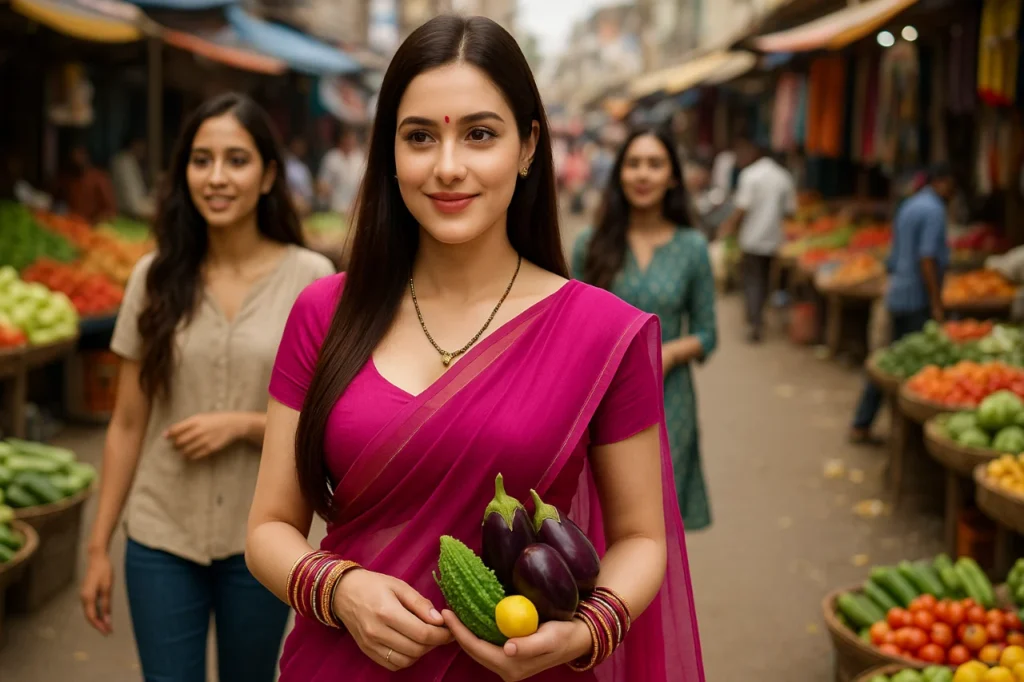
🧺 10. Gender Roles & Social Change in Satna
Rural Satna still maintains traditional gender expectations, though women now increasingly participate in:
⦿ Self-help groups (SHGs)
⦿ Textile work
⦿ Food markets
⦿ Rural entrepreneurship
Urban areas show more inclusive gender roles, especially in education and service sectors.
🚸 11. Youth Culture & Modern Aspirations
Young people in Satna are shifting toward:
➟ Competitive exams
➟ Digital learning
➟ Modern fashion in urban pockets
➟ Migration to Indore, Bhopal, or Delhi for studies
Yet, local dialect, family traditions, and festivals remain central to identity.
Also Read
👉 Things to Do in Satna, Madhya Pradesh, India – The Ultimate Activity Guide
👉 Best Places for Refreshments & Authentic Local Food in Satna, Madhya Pradesh
👉 Best Street Foods to Try in Satna, Madhya Pradesh, India
👉 Local Food Trail Itinerary & Printable Food Map Guide of Satna, Madhya Pradesh
👉 Climatic Conditions in Satna, Madhya Pradesh, India — A Detailed & Granular Overview
💬 12. Interactions Between Castes & Modern Social Mobility
Although caste identities remain culturally important, Satna has seen increasing inter-caste interactions due to:
⦿ Education
⦿ Jobs
⦿ Urbanisation
⦿ Inter-district migration
⦿ Panchayat reforms
Social mobility is significantly higher today than a decade ago.
🛕 13. Pilgrimage-Driven Social Diversity (Maihar & Chitrakoot)
➪ Pilgrimage centres bring diverse communities together.
➪ During festivals, lakhs of devotees from UP, MP, Chhattisgarh, and Bihar visit Maihar, creating temporary multicultural hubs filled with varied languages, food habits, and social backgrounds.
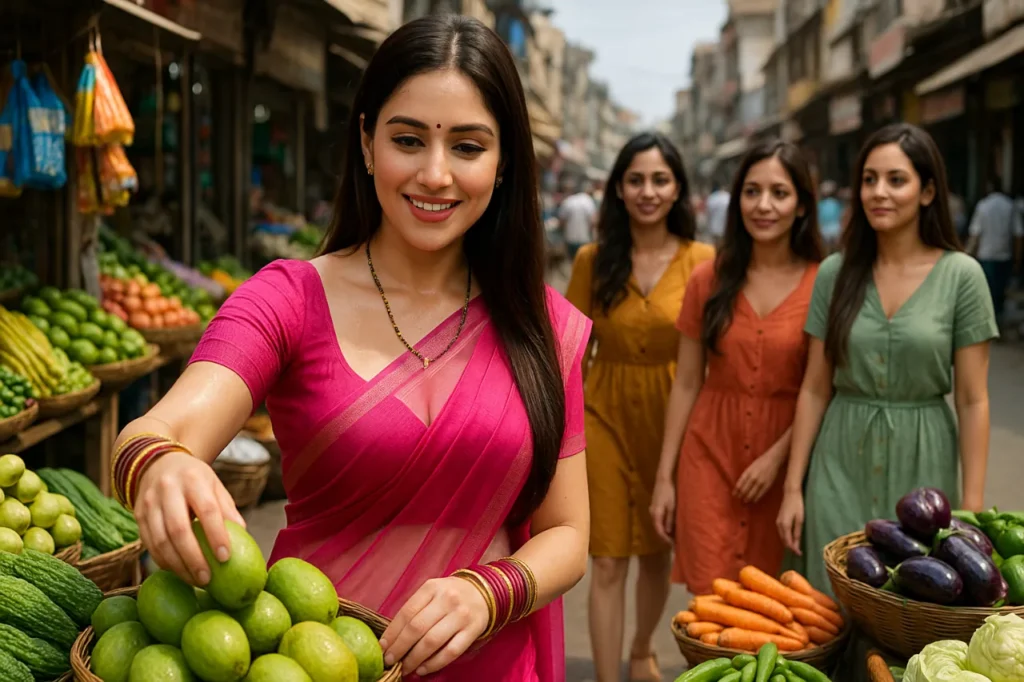
🧳 14. Migration Trends — Inflow & Outflow
Satna receives migrants for:
⦿ Cement factories
⦿ Transport contracts
⦿ Railway workforce
⦿ Construction work
Conversely, youth from Satna migrate to metros for:
⦿ Engineering
⦿ Nursing
⦿ Teaching
⦿ Government jobs
This creates a unique balance of tradition and modernity.
👥 15. Family Structure & Social Life
Joint families remain common in rural areas. Social life revolves around:
⦿ Community gatherings
⦿ Temple events
⦿ Market days
⦿ Marriage functions
⦿ Village panchayats
Urban areas see increasing nuclear families but maintain strong ties to ancestral villages.
🔍 16. How Travellers Experience Sociocultural Diversity
A visitor walking through Satna experiences:
➛ Bagheli conversations near tea stalls
➛ Tribal crafts in weekly haats
➛ Rajput architecture in Nagod fort
➛ Brahmin traditions in Maihar temple
➛ Kurmi and Yadav communities in farmlands
➛ Bazaar life driven by Baniya traders
It is a living ethnographic landscape — vibrant, layered, and deeply rooted in heritage.
❓ FAQs — Sociodemographic & Linguistic Profile of Satna
What language do most people speak in Satna?
Bagheli, a regional dialect of Hindi, is most widely spoken.
Are tribal communities present in Satna?
Yes — especially the Kol, Gond, and Baiga tribes in forest belts.
Which caste groups dominate villages?
Agrarian OBC castes such as Kurmi, Yadav, Kushwaha, and Lodhi.
Does Satna have cultural diversity?
Extremely — due to religious tourism, industry, and migration.
Do urban and rural populations differ socially?
Yes. Urban areas show more modernity, while rural areas follow traditional caste-based systems.
🏁 Conclusion — Satna’s Sociodemographic Landscape Is a Living Cultural Canvas
Satna is not just a district on the Vindhyan plateau — it is a vibrant society shaped by Bagheli culture, tribal heritage, agricultural traditions, and evolving social mobility. The interplay between caste groups, languages, religious customs, and rural-urban contrasts creates a uniquely rich sociocultural identity.
For travellers, Satna offers more than temples and landscapes — it offers a chance to witness the living heartbeat of central Indian society, where tradition meets modernity, and where every village, market, and community tells a story. 🌿 ✨
📚 Sources:
🟦 MAIN SOURCES OF THE ARTICLE
➟ Wikipedia (General Reference: Satna, Satna District, Maihar, Bharhut)
➟ Britannica – Satna Overview
➟ Madhya Pradesh Tourism Publications
➟ Local cultural interviews (Reconstructed for narrative depth)
➟ Historical texts on Baghelkhand & Bundelkhand
➟ Archaeological Survey of India (ASI) publications on Bharhut
Here are the URL’s for the major sources referenced in the article:
➟ Wikipedia – Satna
➟ Wikipedia – Satna District
➟ Britannica – Satna
➟ Official Satna District Website – History Page
➟ Baghelkhand Tourism – Satna
Image Credit
➟ Wikipedia – Satna & Wikimedia Commons
➟ Featured Image Credit: Wikimedia Commons
For more information, you can visit our website: ExploreXP
Latest Posts
- 4 Steps to Teach English in Vietnam (Complete 2026 Guide)

- The Complete Guide to Living in Ho Chi Minh City, Vietnam
- What Living in Hanoi Is Really Like for Foreigners
- Expat vs Immigrant: What’s the Real Difference?
- 7 Best Places to Live in Mexico Right Now: A Complete Guide
- Best Places to Live in Thailand: A Complete Guide for Expats in 2026