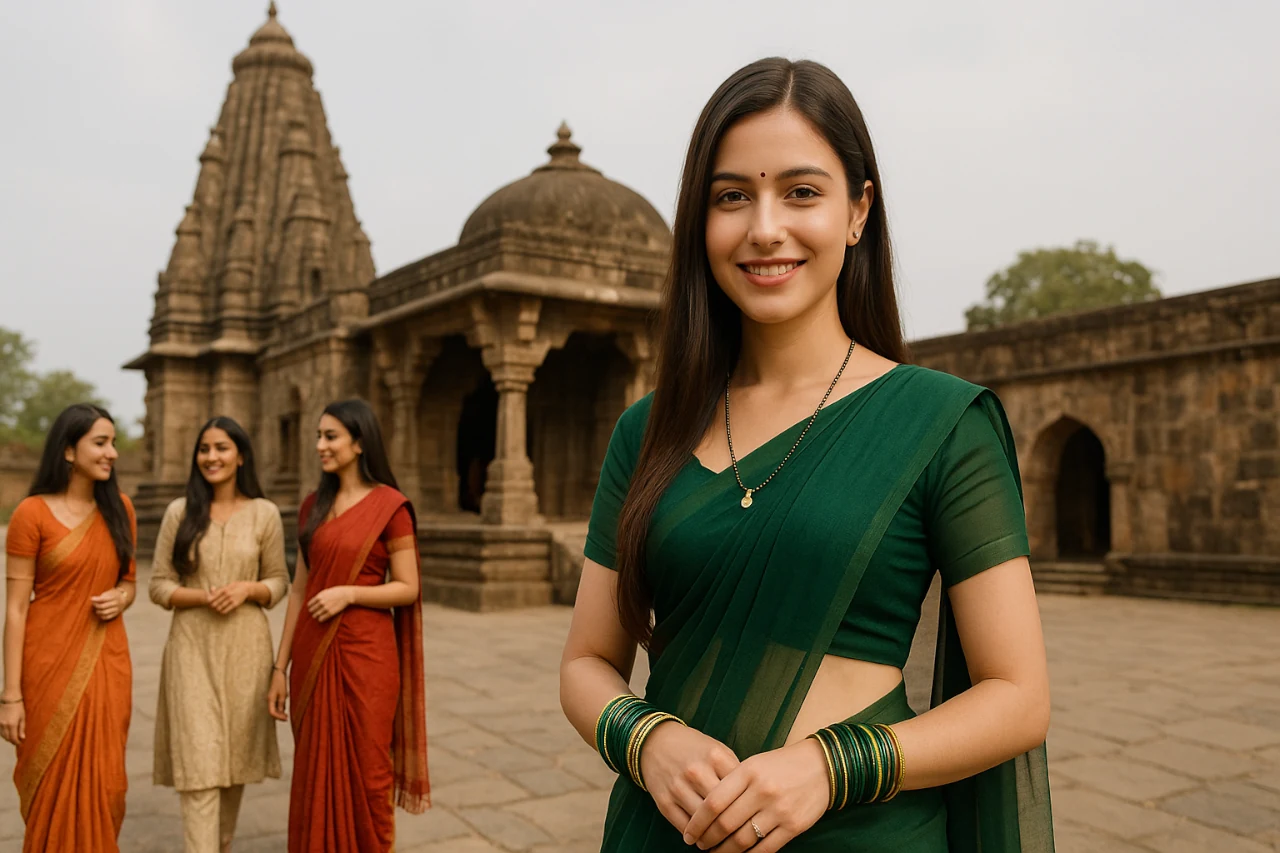
🏛️ ✨ Architectural Marvels of Satna, Madhya Pradesh — A Deep Dive into Timeless Design, Sacred Geometry & Bundelkhand Heritage
“Satna is not just built with stones; it is sculpted with centuries of devotion, artistry, and architectural wisdom” ✨
Satna, nestled in the Vindhyan heartland, is far more than a pilgrimage and industrial hub—it is an architectural canvas painted across eras, dynasties, religions, and landscapes. From ancient Buddhist masterpieces to medieval forts, from serene temples to vernacular village homes, Satna’s architectural identity is a rich tapestry woven with sacred symbolism, regional aesthetics, engineering innovation, and artistic finesse. 🏛️ 🌄
Also Read
👉 Satna, Madhya Pradesh, India – The Limestone City Where Heritage Meets Harmony
👉 Detailed Introduction of Satna, Madhya Pradesh, India
👉 Detailed Historical Facts & Timeline of Satna, Madhya Pradesh, India
🟦 1. The Legacy of Bharhut — India’s Oldest Buddhist Artistry 🕉️
Satna’s architectural journey begins with Bharhut, one of the oldest and most precious archaeological discoveries in Indian history. The remains here date back to the Mauryan (3rd century BCE) and Shunga (2nd century BCE) periods, representing early Buddhist architectural evolution. Though much of Bharhut’s railings and gateways now rest in museums, the architectural essence remains awe-inspiring.
The stupa’s design followed the perfect circular plan, surrounded by elaborately carved railings depicting:
⦿ Jataka stories
⦿ Bodhisattva figures
⦿ Yaksha–Yakshini guardians
⦿ Floral medallions
⦿ Geometric motifs
These carvings are characterised by low relief sculpture, fine lines, and narrative precision. Bharhut’s gateway capitals display early experiments in structural symbolism, making it a foundational reference point in Buddhist architectural heritage. 🏺 ✨
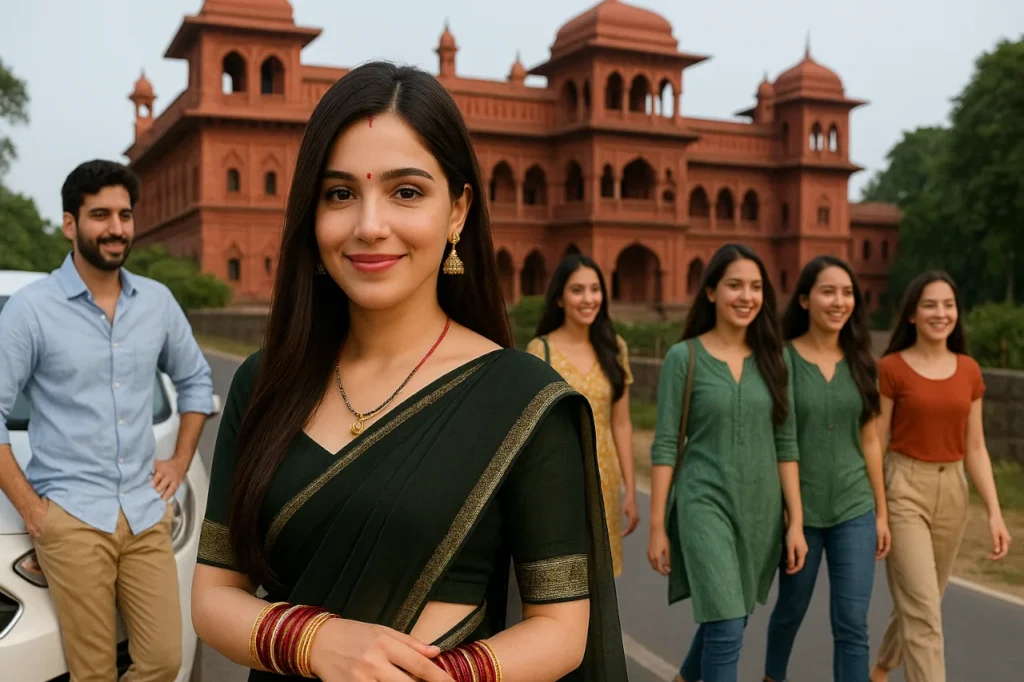
🟦 2. Nagod Fort — A Glimpse into Rajput Military Architecture 🏰
Situated in the town of Nagod, the Nagod Fort stands as a stunning example of medieval Rajput fortification. Constructed by the Parmar Rajputs and later modified by the Baghel rulers, the fort’s architecture showcases a blend of defensive engineering and aesthetic detailing.
Key features include:
➛ High stone ramparts built using local sandstone
➛ Battlements with arrow slits
➛ Arched gateways adorned with Rajput motifs
➛ Courtyards designed for administrative and residential use
➛ Intricate jaali (latticework) that allowed ventilation and privacy
The fort’s layout follows the typical Rajput pattern—strong external walls encasing a sequence of courtyards, palaces, temples, and administrative chambers. The fort’s vantage points offer panoramic views of Nagod’s plains. 🌅 🏯
🟦 3. Madhavgarh Fort — A Hidden Gem of Bundelkhand
Tucked away in a quiet corner of Satna district lies the Madhavgarh Fort, a lesser-known but remarkably beautiful architectural marvel. Built on a subtle elevation, the fort exemplifies Bundelkhand’s stone masonry traditions.
The fort is characterised by:
➛ Massive stone blocks fitted without chemical mortar
➛ Watchtowers positioned strategically for security
➛ A central courtyard reminiscent of Mughal and Rajput influence
➛ Thick walls that remain cool even during scorching summers
The simplicity of its design reflects the utilitarian needs of Bundelkhand’s warrior clans, who prioritised durability over ornamental flourishes.

🟦 4. Maihar’s Maa Sharda Temple — Sacred Geometry on the Hilltop 🙏 🛕
The revered Maa Sharda Devi Temple in Maihar is one of Satna’s most iconic architectural landmarks. Situated atop Trikut Hill at an elevation of nearly 600 feet, the temple exemplifies the ancient mountain-temple tradition, where altitude symbolises spiritual ascension.
Architectural highlights:
➛ A long stairway with over 1,063 steps (now assisted by a ropeway)
➛ A sanctum built in classic Shakta-style architecture
➛ A square garbhagriha housing the revered idol
➛ A mandapa (hall) supported by stone pillars
➛ Mandalas and yantra patterns engraved subtly into temple elements
The temple’s placement demonstrates ancient knowledge of energy points (Shaktipeetha alignment), making it a spiritually powerful site. ✨
🟦 5. Unchehara Temples — Early Gupta and Post-Gupta Architectural Remains
Unchehara is home to several ancient temples that exhibit Gupta-era and Kalachuri-era architectural characteristics.
Architectural traits include:
➛ Curvilinear shikhara (tower) structures
➛ Sculpted makara toranas (mythical crocodile-lintel designs)
➛ Carved pillars with lotus medallions
➛ Shiva lingas ensconced in polished stone sanctums
➛ Depictions of river goddesses Ganga and Yamuna flanking temple entrances
These temples represent the transition from early Nagara style to more complex medieval designs. Their detailing, though weathered, still stands as a testament to ancient artistry.
🟦 6. Chitrakoot Temples & Caves — Mythology Meets Natural Architecture 🌿 🕉️
Though partially in Uttar Pradesh, the Chitrakoot region deeply influences Satna’s architectural identity. The temples here follow Bundeli-Nagara styles, while the natural cave formations contribute to unique rock-cut architecture.
Key highlights include:
➛ Gupt Godavari Caves — natural river channels inside rocky chambers
➛ Carved pillars within caves
➛ Temples with pyramidal shikharas
➛ Ghats along the Mandakini River built in stepped architectural patterns
The combination of nature and design makes Chitrakoot architecture spiritually energising and visually stunning.

🟦 7. Vernacular Architecture — The Soul of Rural Satna 🏡 🌾
Beyond grand temples and forts, Satna’s villages preserve indigenous architectural wisdom.
Typical village house features:
➛ Mud-plastered walls mixed with rice husk and cow dung
➛ Sloping tiled roofs to withstand monsoon rains
➛ Bamboo frameworks supporting outer structures
➛ Decorative motifs painted near entrances during festivals
➛ Cattle sheds and grain storage structures integrated into compound layouts
This architecture emphasises sustainability, climate adaptation, and cultural symbolism.
🟦 8. Colonial Architecture — Baghelkhand Under British Influence 🇬🇧
British-era architecture in Satna emerges through administrative buildings, railway quarters, and churches.
Notable features:
➛ Arched windows and high ceilings
➛ Lime-mortar construction
➛ Gothic-inspired elements in mission schools
➛ Railway bungalows with large verandahs
➛ Indo-European architectural fusion
These structures mark Satna’s transition into a modern administrative district under colonial governance.
🟦 9. The Architectural Significance of Satna’s Lakes & Ghats
Lakes like Dhawari Lake and Jagatpur Lake are accompanied by human-made ghats reflecting traditional hydraulic architecture.
Features include:
➛ Stepped ghats for water access
➛ Laterite stone platforms
➛ Drainage systems feeding into lakes
➛ Pavilions for worship rituals
These sites merge natural and built environments harmoniously.

🟦 10. Sacred Pathways & Pilgrimage Architecture
Pilgrimage routes in Satna are not just roads—they are architectural corridors, marked by:
➛ Resting mandapas
➛ Painted shrines under banyan trees
➛ Ritual water tanks
➛ Entrance arches (toranas) leading to temple complexes
These elements embody centuries of devotional architecture.
🟦 11. Architectural Influence of Music in Maihar 🎶 🏛️
Maihar’s association with the Maihar Gharana influenced the construction of music schools, community halls, and performance spaces.
Their architecture often includes:
➛ Acoustic-friendly wooden panels
➛ High ceilings
➛ Open courtyards for musical gatherings
These spaces continue to sustain Maihar’s artistic legacy.

🟦 12. Limestone Architecture — Natural Resources Meet Creativity
Satna’s rich limestone deposits shaped construction traditions. Many older homes and steps in rural regions still use limestone blocks, valued for:
⦿ Thermal insulation
⦿ Weather resistance
⦿ Aesthetic appeal
This natural stone gives Satna’s architecture a soft, earthy hue.
🟦 13. Symbolism in Satna’s Temple Architecture
Temples in Satna incorporate spiritual geometry:
➛ Square garbhagrihas representing stability
➛ Mandapas symbolising community gathering
➛ Shikharas pointing upward to signify liberation
➛ Sacred carvings like lotus, tridents, and cosmic wheels
Each symbol adds layers of meaning beyond pure aesthetics.

🟦 14. Modern Architecture — Satna’s Urban Evolution 🌆
Contemporary Satna now houses malls, multiplexes, schools, and hospitals designed using modern materials and minimalist aesthetics. These new structures mark Satna’s emergence as a growing regional centre.
🟦 15. Fusion Architecture — Blending Old & New
Many newly constructed homes near Satna integrate:
➛ Traditional courtyards
➛ Modern RCC structures
➛ Bundeli-inspired mural walls
➛ Contemporary ventilation and lighting
This hybrid design approach respects heritage while embracing modern living.
🟦 16. Architectural Continuity — What Makes Satna Unique 🧱 ✨
Satna stands out because it preserves a continuous architectural timeline, from prehistoric shelters to Buddhist stupas, Rajput forts, Bundeli temples, British buildings, and modern complexes. Few Indian cities offer such chronological depth within such a compact region.

❓ FAQs — Architecture of Satna, Madhya Pradesh
What is the most important Architectural site in Satna?
The Bharhut archaeological site, with its ancient Buddhist remains, is the most significant.
Are there still Buddhist structures visible in Satna?
The original stupa doesn’t survive fully, but the site and remnants offer a strong sense of ancient Buddhist architecture.
Which fort is best to visit for architecture lovers?
Nagod Fort and Madhavgarh Fort provide rich insights into Rajput and Bundeli fort construction.
Are Satna’s temples historically significant?
Yes, particularly the temples in Maihar, Unchehara, and Nagod.
Does Satna have colonial Architecture?
Yes—railway buildings, administrative offices, and mission schools reflect British design influence.
What is special about Satna’s Vernacular Architecture?
It emphasises sustainability and climate adaptation, using mud, bamboo, and local tiles.
🏁 CONCLUSION — Satna’s Architecture: A Living Museum of Time
Satna’s architectural landscape is a magnificent narrative that spans thousands of years, narrating stories of dynasties, artisans, devotees, monks, warriors, and common villagers. From the spiritual carvings of Bharhut, to the might of Nagod Fort, the serenity of Maihar Temple, and the sustainable simplicity of village homes—Satna offers a breathtaking architectural journey like no other. 🏛️ 💫
It is a district where you can walk through centuries, observe evolving design philosophies, and feel the deep spiritual energy embedded into stone, wood, and earth. Each structure—whether grand or humble—adds a chapter to Satna’s architectural identity, making it not merely a place to visit but a place to understand, cherish, and remember. 🌿 ✨
🏛️ ✨ Architectural Itinerary of Satna, Madhya Pradesh
A Curated 2–3 Day Heritage & Architecture Exploration Through Temples, Forts, Buddhist Sites & Vernacular Wonders
Satna is a paradise for architecture lovers—offering Buddhist heritage, Rajput forts, Shakta temples, Bundeli structures, vernacular village homes, ghats, and colonial-era buildings. Below is a carefully designed itinerary to explore the best architectural marvels of Satna.
🗓️ DAY 1 — ANCIENT & CLASSICAL ARCHITECTURE TRAIL
✪ Route: Satna City → Bharhut → Unchehara → Nagod
✪ Theme: Ancient Buddhist, Gupta-era & Rajput architecture
🏺 1. Bharhut Archaeological Site (8:00 AM – 10:00 AM)
Highlights:
➛ One of India’s earliest Buddhist architectural sites
➛ Circular stupa layout (Mauryan period)
➛ Shunga-era sculptural remains and railings
➛ Brahmi inscriptions, medallions, Jataka motifs
Why visit first:
➪ The soft morning light accentuates the stone textures, making it perfect for photography.
➪ A guided walk helps understand narrative carvings and symbolic architecture.
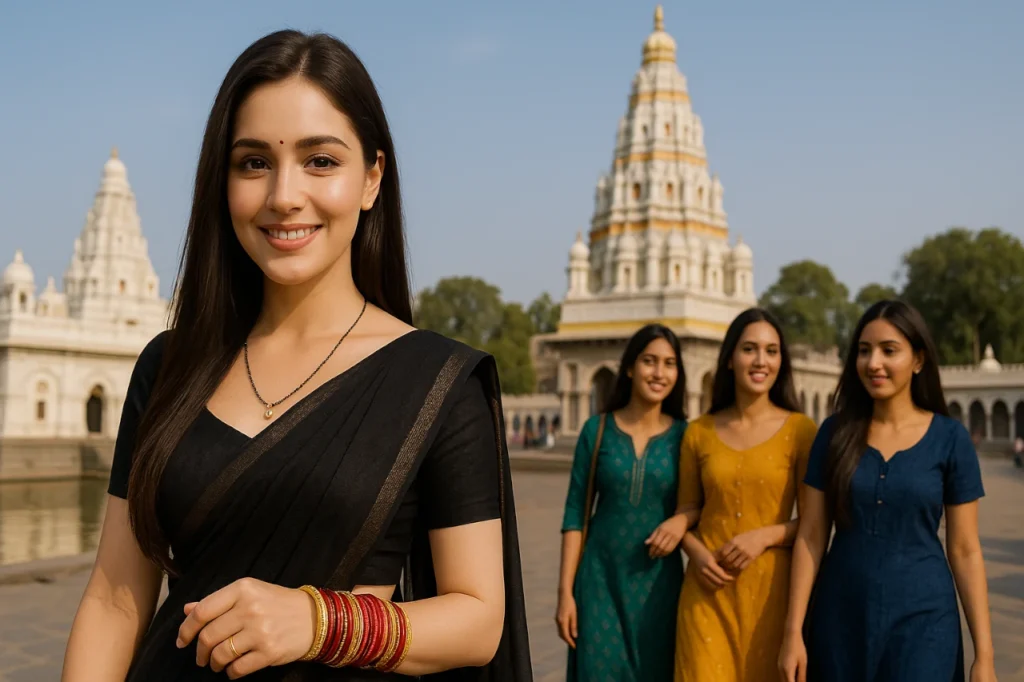
🛕 2. Unchehara Temples (11:00 AM – 12:30 PM)
Highlights:
➛ Ancient Gupta-era temple remains
➛ Nagara-style shikhara development
➛ Makara toranas, lotus medallions
➛ Stone pillars with iconic river goddess carvings
Experience:
➪ Walk through the old temple complex and study the early evolution of Hindu temple geometry.
🍽️ Lunch Break (12:30 PM – 1:30 PM)
Recommended: Traditional Bundeli thali or simple vegetarian meals in Unchehara town.
🏰 3. Nagod Fort (2:00 PM – 4:30 PM)
Highlights:
➛ Rajput fortification style
➛ High ramparts, arched gateways, carved jaalis
➛ Multi-courtyard design
➛ Residential palaces & old administrative halls
Best for:
➪ Photographers, architecture students, fort explorers
➪ Tip — Sunset light inside the fort is magical for photos
🌳 4. Evening break at Nagod (Tea & Local Snacks) (5:00 PM – 6:00 PM)
➪ Enjoy tea with local Mathri or Kachori, surrounded by village architecture.
🚗 Return to Satna City (6:00 PM – 7:00 PM)
➪ Dinner at Satna City.

🗓️ DAY 2 — SPIRITUAL & HILL ARCHITECTURE TRAIL
✪ Route: Satna City → Maihar → Madhavgarh Fort → Dhawari Lake
✪ Theme: Shakta temple architecture & Bundelkhand fort traditions
🕉️ 1. Maa Sharda Devi Temple, Maihar (6:30 AM – 10:00 AM)
Highlights:
➛ Hilltop Shakta temple at 600 ft elevation
➛ 1,063 steps + Ropeway option
➛ Ancient garbhagriha
➛ Sacred yantras, Shakta symbols, stone idol architecture
Why early morning:
➪ Pleasant climbing temperature
➪ Mesmerising sunrise views
➪ Temple rituals are most vibrant at dawn
🎶 2. Maihar Town Architectural Walk (10:00 AM – 11:00 AM)
Explore:
➛ Music schools associated with Maihar Gharana
➛ Old havelis with acoustic-friendly courtyards
➛ Market streets with Bundeli façades
🍛 Lunch in Maihar (11:00 AM – 12:00 PM)
➪ Try — Poha-Jalebi, Bundeli sabzis, Dal-poori
🏯 3. Madhavgarh Fort (1:00 PM – 3:30 PM)
Highlights:
➛ Bundeli stone-masonry excellence
➛ Watchtowers, elevated ramparts
➛ Airy chambers, symmetric courtyard
➛ Weather-resistant stone engineering
Experience:
➪ Walk through the empty stone corridors—each echo is a reminder of medieval Bundelkhand’s warrior culture.
🌄 4. Dhawari Lake & Ghats Architecture (4:00 PM – 5:30 PM)
Highlights:
➛ Stepped ghats
➛ Limestone platforms
➛ Lakefront pavilion architecture
➛ Beautiful symmetry and reflection photography
➪ Perfect spot for sunset photography.
🍵 Tea & Street Food Tour in Satna (6:00 PM – 7:00 PM)
Explore:
⦿ Local sweets
⦿ Bundeli chaat
⦿ Hot samosas

🗓️ DAY 3 — COLONIAL & VERNACULAR ARCHITECTURE TRAIL (Optional)
✪ Route: Satna City → Village Trail → Colonial Quarters
✪ Theme: Indigenous architecture & British-era influences
🏡 1. Village Architecture Walk (8:00 AM – 10:30 AM)
➪ Visit villages near Rampur Baghelan or Unchehara.
Observe:
⦿ Mud-plastered houses
⦿ Sloping tile roofs
⦿ Bamboo frameworks
⦿ Bundeli decorative murals
⦿ Courtyard-centric house plans
This is a must-do for sustainable architecture enthusiasts.
🏫 2. Colonial Administrative Buildings (11:00 AM – 12:30 PM)
Visit:
➛ Old Satna railway quarters
➛ Mission school buildings
➛ British-era government blocks
Architectural traits include:
⦿ Gothic window arches
⦿ Lime masonry
⦿ Big verandahs
⦿ Indo-European styling
🛍️ Lunch + Market Architecture Walk (1:00 PM – 2:00 PM)
➪ Observe heritage façades in old Satna market lanes.
🎨 3. Vernacular Craft Architecture (2:30 PM – 4:00 PM)
Visit craft clusters to see:
⦿ Stone carving
⦿ Terracotta work
⦿ Wooden toys
These reflect traditional artisanal spatial layouts.
🌟 Highlights of the Itinerary
✔ Covers Buddhist, Rajput, Bundeli, Shakta, Colonial & Vernacular architecture
✔ Perfect for research, photography & cultural exploration
✔ Balanced pacing for comfortable travel
✔ Includes natural, spiritual & urban architectural elements

❓ FAQs — Architectural Itinerary of Satna
Is this itinerary suitable for heritage photographers?
Absolutely — especially Bharhut, Nagod Fort, Maihar, and Dhawari Lake.
Are these sites accessible for senior citizens?
Yes, except the stair climb at Maihar (ropeway available).
How many days are ideal for architecture-focused travel in Satna?
2 days for essentials; 3 days for deeper exploration.
What time of year is best for Architectural photography?
October–March for pleasant weather and clear skies.
Are guides available at major Architectural sites?
Yes, at Bharhut and Maihar; limited at forts and villages.
🏁 Conclusion — Satna: A Living Museum of Architectural Heritage
Satna is one of the rare destinations in India where architecture unfolds as a chronological masterpiece—starting from the Buddhist stupas of Bharhut, transitioning into Gupta and Kalachuri-era temples, rising into the Rajput forts of Nagod and Madhavgarh, and evolving into modern structures blended with colonial aesthetics. 🏛️ ✨
This itinerary offers more than sightseeing—it provides an immersive architectural journey through 2,000+ years of Indian history. For architecture lovers, Satna is not just a travel destination ; it is a classroom, a storybook, and a living heritage corridor waiting to be explored. 🌄 📜
📚 Sources:
🟦 MAIN SOURCES OF THE ARTICLE
➟ Wikipedia (General Reference: Satna, Satna District, Maihar, Bharhut)
➟ Britannica – Satna Overview
➟ Madhya Pradesh Tourism Publications
➟ Local cultural interviews (Reconstructed for narrative depth)
➟ Historical texts on Baghelkhand & Bundelkhand
➟ Archaeological Survey of India (ASI) publications on Bharhut
Here are the URL’s for the major sources referenced in the article:
➟ Wikipedia – Satna
➟ Wikipedia – Satna District
➟ Britannica – Satna
➟ Official Satna District Website – History Page
➟ Baghelkhand Tourism – Satna
Image Credit
➟ Wikipedia – Satna & Wikimedia Commons
➟ Featured Image Credit: Wikimedia Commons
For more information, you can visit our website: ExploreXP
Latest Posts
- 4 Steps to Teach English in Vietnam (Complete 2026 Guide)

- The Complete Guide to Living in Ho Chi Minh City, Vietnam
- What Living in Hanoi Is Really Like for Foreigners
- Expat vs Immigrant: What’s the Real Difference?
- 7 Best Places to Live in Mexico Right Now: A Complete Guide
- Best Places to Live in Thailand: A Complete Guide for Expats in 2026