🏰 Architectural Marvels in Jhansi, Uttar Pradesh, India (With Granular Details)
Jhansi, often celebrated as the City of Courage, is not only a historical landmark but also a living museum of Architectural Grandeur. The city’s skyline tells stories carved in stone — of Bundela artistry, Maratha resilience, and British-era sophistication. Each monument here echoes a distinctive style, blending Rajputana might, Mughal finesse, and British precision. Let’s take a deep dive into the Architectural wonders of Jhansi, where every structure has its own soul, symmetry, and saga. ✨
“Jhansi – The Timeless Tale of Bravery, Heritage, and Heart ❤️ 🛡️”
🏯 1. Jhansi Fort – The Crown Jewel of Bundelkhand’s Architecture
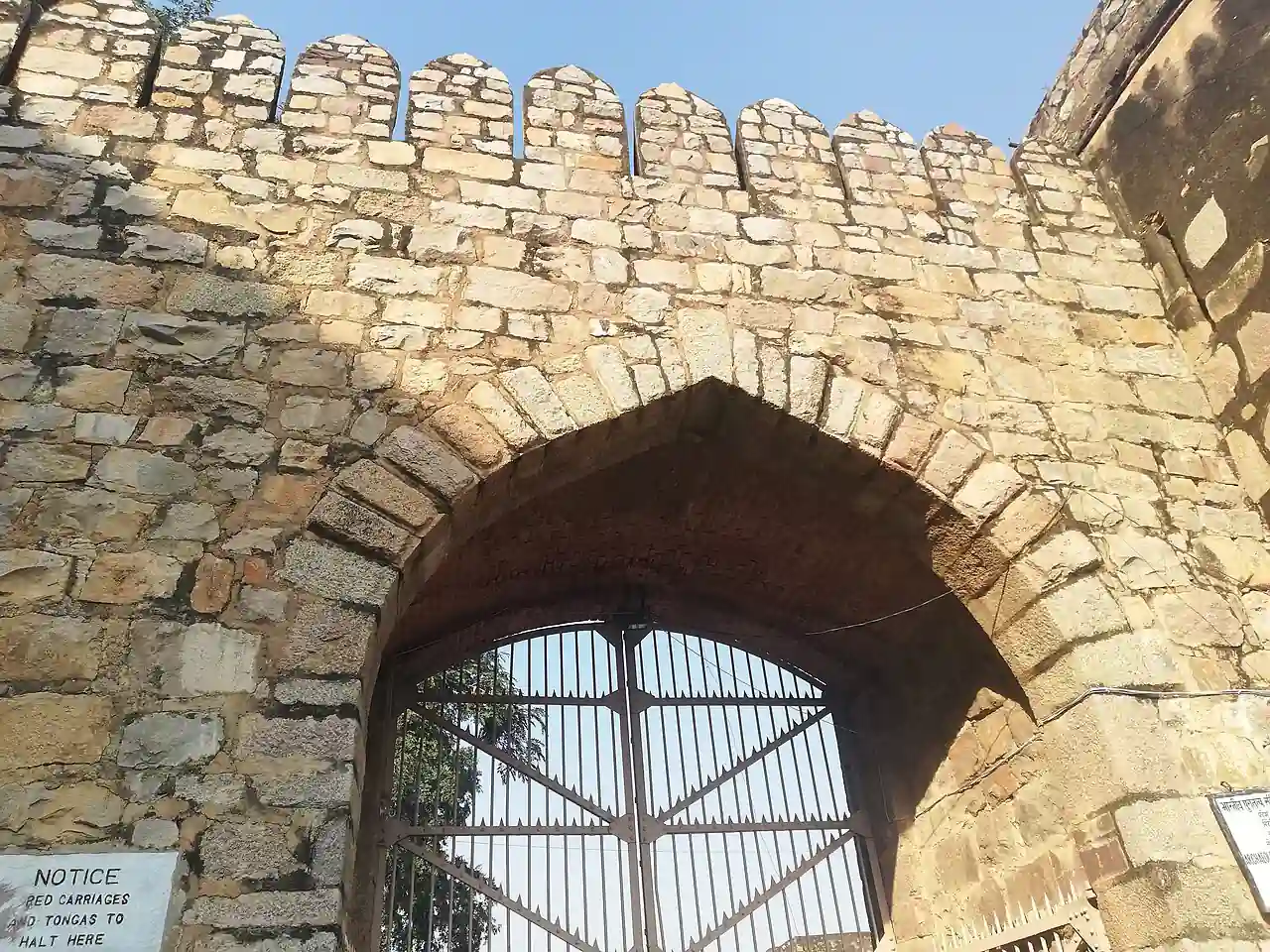
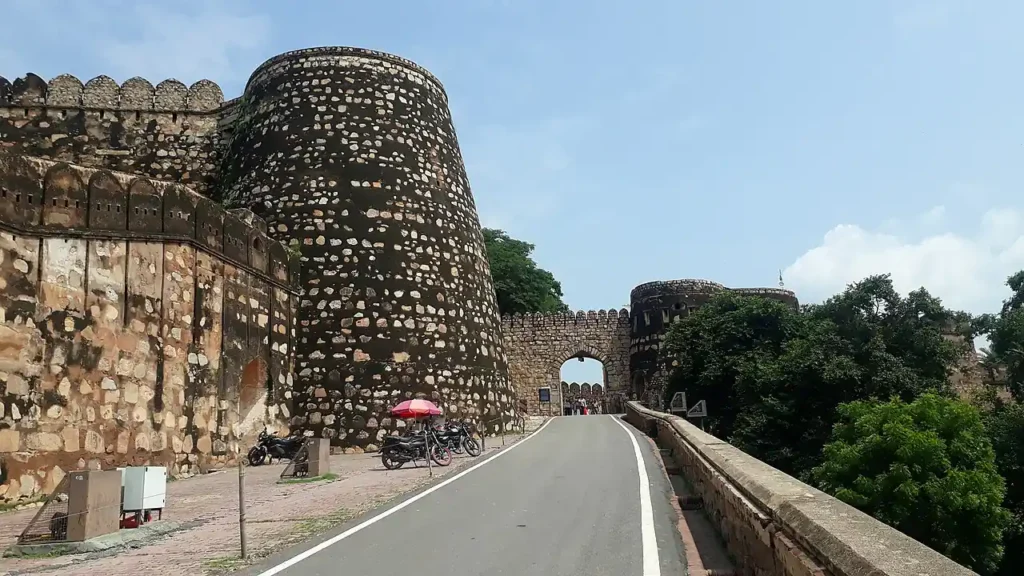
Dominating the city’s horizon, the Jhansi Fort (Jhansi ka Qila) stands as an architectural masterpiece that narrates over four centuries of valor and endurance. Constructed by Raja Bir Singh Deo of Orchha in 1613, the fort sits atop Bangra Hill, commanding a panoramic view of the city below. Its massive granite walls, stretching across 15 acres, reveal Bundela craftsmanship at its zenith.
The fort comprises ten grand gates — including Khanderao Gate, Datia Gate, Laxmi Gate, and Sagar Gate — each named after nearby towns or leaders. The Bhawani Shankar Gate, known for its stone carvings, remains a striking example of the Bundeli-Maratha blend of design. Inside, the Rani Mahal, Baradari, and Panch Mahal form the heart of the fortress. Each structure reflects a balance between aesthetics and defence — thick bastions designed for cannons, yet adorned with arches and jharokhas that reveal delicate artistry.
From the Kalka Mandir within its precincts to the Temple of Lord Shiva (Shankar Mandir), the fort perfectly harmonises spirituality with military engineering. Standing at 312 meters above sea level, it remains a timeless tribute to both architecture and bravery. 🛕 ⚔️
Also Read
Jhansi, Uttar Pradesh, India – Where Courage Echoes Through Every Fort Wall
Detailed Historical Facts and Events with Timeline of Jhansi, Uttar Pradesh, India
🏰 2. Rani Mahal – The Palace of the Warrior Queen
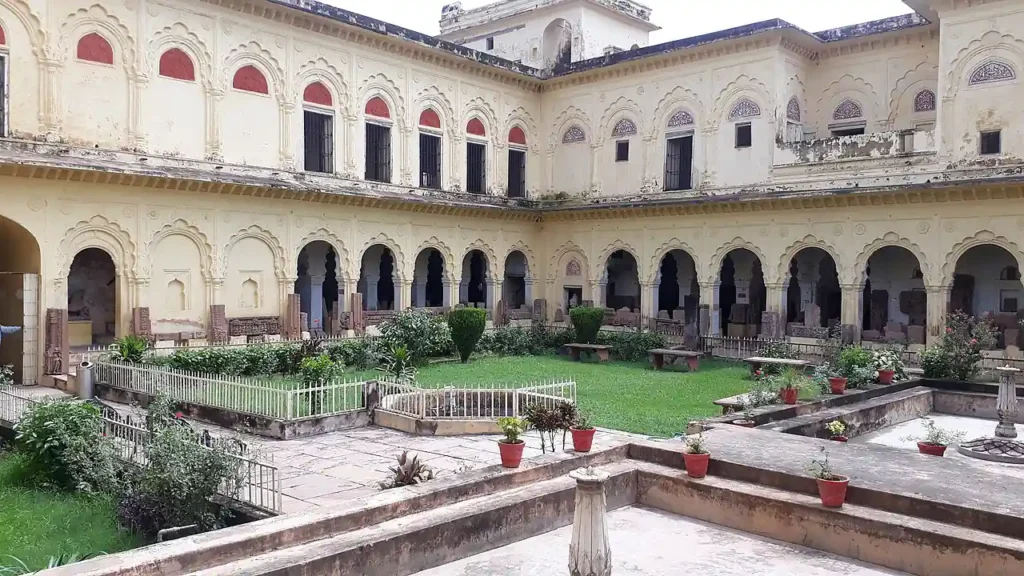
Nestled near the fort, the Rani Mahal (Queen’s Palace) is a gem of Maratha architecture built in the late 18th century by Raghunath II Newalkar. Later, it became the residence of Rani Lakshmi Bai, immortalising it as one of Jhansi’s most treasured landmarks.
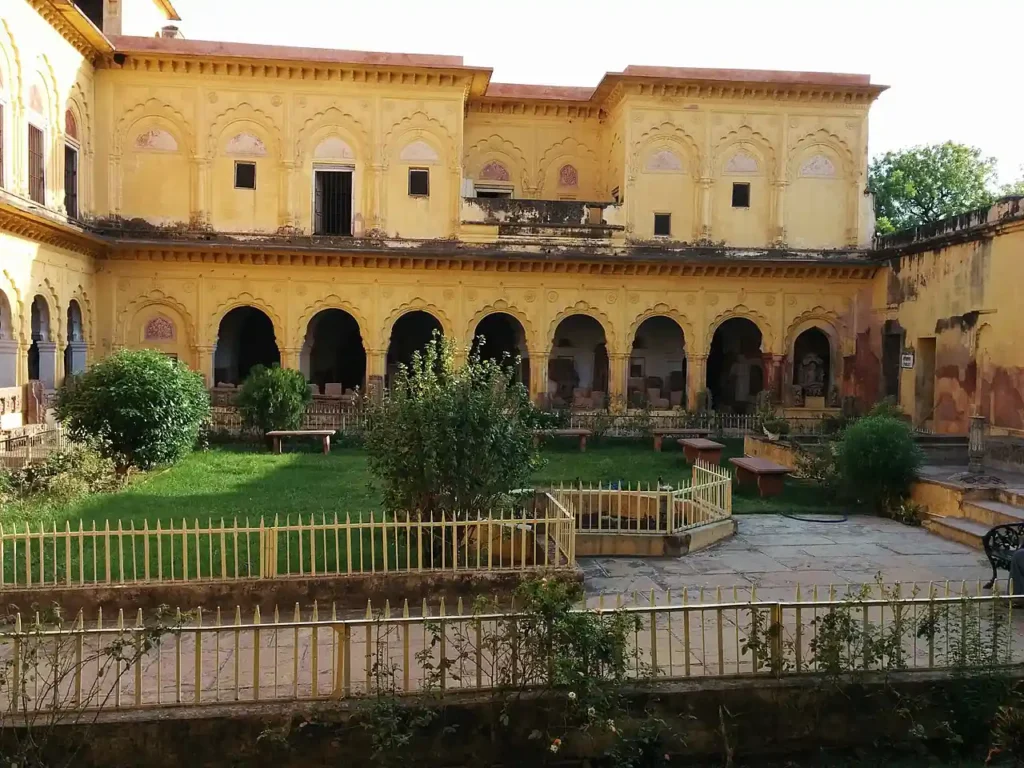
The palace showcases intricate floral motifs, stucco work, and arched corridors, blending Maratha and Mughal elements. Its two-story structure features an open courtyard surrounded by carved pillars and balconies. The highlight is the central hall, adorned with vibrant murals depicting mythological scenes from the Ramayana and Mahabharata.
Today, the Rani Mahal serves as a museum, housing rare sculptures from the 9th to 12th centuries, excavated from nearby regions like Madanpur and Barua Sagar. Each artefact — from sandstone idols of Vishnu to terracotta panels — reflects Jhansi’s evolution as a cultural hub. 🏺 ✨
🏛️ 3. Government Museum – A Repository of Bundelkhand’s Heritage
Located near Rani Mahal, the State Government Museum (also known as the Jhansi Museum) was established in 1878 and offers a deep dive into Jhansi’s historical, artistic, and cultural layers. Architecturally, the museum is a fine blend of colonial and vernacular design, characterised by high arches, pillared corridors, and wide verandahs — reminiscent of the British administrative buildings of the 19th century.
Inside, the galleries display weapons, manuscripts, coins, sculptures, and costumes from the Chandela, Bundela, and Maratha periods. The museum’s armoury section is particularly fascinating, displaying swords, cannons, and shields used during the Revolt of 1857. The British-era architectural discipline, combined with Bundeli artistry in its interiors, makes the building both historically and aesthetically captivating. 🏹 📜
🕍 4. Maha Lakshmi Temple – Spiritual and Structural Grandeur
One of the most revered temples in Jhansi, the Maha Lakshmi Temple is dedicated to the Goddess of Wealth and Prosperity. Built during the 18th century under Maratha influence, the temple’s design is a symphony of Nagari and Dravidian architecture.
The sanctum is crowned with a shikhara (spire) that rises gracefully into the sky, while its walls bear detailed carvings of deities, floral motifs, and mythological symbols. The temple complex is adorned with pillared halls (mandapas) that host hundreds of devotees during the annual Diwali and Navratri festivals. Its white marble flooring and red sandstone exterior present a captivating contrast, reflecting both piety and artistic devotion. 🌺
🌉 5. Barua Sagar Fort – The Sentinel by the Lake
About 24 km from Jhansi, the Barua Sagar Fort perches on a hill overlooking the Barua Sagar Lake — a manmade reservoir commissioned by Raja Udit Singh of Orchha. The fort’s architecture embodies military precision with its battlemented walls, bastions, and arched gateways, designed to guard the lake’s approach.
From the fort’s vantage point, visitors can enjoy sweeping views of Bundelkhand’s landscape, dotted with ancient shrines and forests. Legends say that the fort witnessed several fierce battles between the Marathas and Bundelas. Its robust stonework, arched corridors, and high watchtowers showcase the region’s defensive architectural excellence. 🌄 ⚔️
🕌 6. St. Jude’s Shrine – A Blend of Faith and Colonial Craftsmanship
A relatively modern yet significant architectural landmark, St. Jude’s Shrine was built during the British colonial period. Known for its serene ambience and Gothic Revival style, this church features arched windows, stained glass panels, and tall steeples, reminiscent of European cathedrals.
Every October, devotees from across India gather for the St. Jude’s Feast, celebrating unity and compassion. The church’s interior, with its vaulted ceilings and soft pastel hues, provides a peaceful contrast to the city’s bustling energy. ⛪ 💫
🏗️ 7. Cenotaphs and Temples of Bundelkhand – Stone Stories of Devotion
Jhansi’s landscape is dotted with cenotaphs (chhatris) built in memory of its rulers and warriors. These domed memorials, primarily constructed in sandstone and granite, are adorned with intricate latticework and floral motifs. Notable examples include the Gangadhar Rao Chhatri, located near the Lakshmi Talab, which commemorates the Rani’s beloved husband.
Temples such as the Ganesh Mandir and Kali Mandir further exemplify Bundeli architecture — compact shrines with elevated platforms, ornate gateways, and kalash-topped domes. Together, they create a mosaic of spiritual artistry that defines Jhansi’s sacred landscape. 🌸
🏛️ 8. The British Cantonment and Colonial Residences
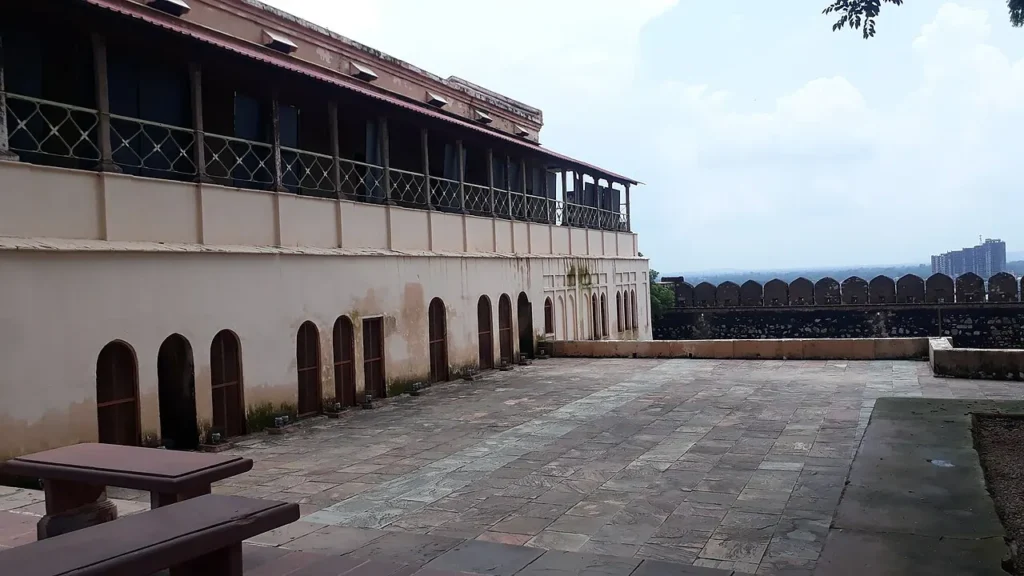
The Jhansi Cantonment, established in 1842, marks the city’s transition into the British era. Unlike traditional Indian architecture, these structures follow Victorian and Georgian styles, characterised by symmetrical facades, arched colonnades, and wide verandahs. The Collectorate Building, St. John’s School, and Residency Bungalows reflect the adaptation of European design to Indian climatic conditions — thick walls for insulation and sloped roofs for monsoon drainage.
These colonial edifices add a unique layer to Jhansi’s architectural identity, representing the fusion of East and West. 🏫 🇬🇧
🌺 9. Smart City Initiatives and Heritage Restoration
Under the Smart City Mission, Jhansi has embarked on several heritage conservation projects to restore its historic monuments. The Jhansi Heritage Walk, launched recently, takes visitors through restored facades, ancient step-wells, and temple complexes. LED-lit fort walls and heritage trails now bring Jhansi’s golden past alive at night, blending technology with tradition. 💡 🏰
🧱 10. The Art of Bundeli Architecture – A Cultural Reflection
Bundeli architecture, prominent across Jhansi’s monuments, is defined by its rugged strength and understated elegance. Thick stone masonry, intricately carved brackets, domed pavilions, and courtyards that invite sunlight — these are its hallmarks. Unlike the grandeur of Mughal palaces, Bundeli designs prioritise functionality, defence, and harmony with nature, using locally sourced granite and sandstone.
Every monument, from fort to temple, captures Bundelkhand’s soulful simplicity — an art form born from its arid hills and resilient people. 🌞
🏹 11. Oral Heritage – The Living Architecture of Memories
Architecture in Jhansi isn’t just about stone — it’s about stories. Locals often narrate tales of secret tunnels, hidden chambers, and underground routes within the fort used during Rani Lakshmi Bai’s reign. Elderly residents, like Pandit Mahadev Mishra, a temple priest, recall how their ancestors participated in restoration efforts after the 1857 siege, ensuring that these monuments continued to stand as symbols of endurance.
Such oral histories breathe life into the monuments, making Jhansi not just a destination but a living legend. 💬 🪶
🙋♀️ Frequently Asked Questions (FAQs) – Architecture of Jhansi
What is the most famous architectural monument in Jhansi?
The Jhansi Fort is the city’s most iconic architectural marvel, symbolising both Bundeli engineering and Rani Lakshmi Bai’s courage.
Which styles of architecture can be seen in Jhansi?
Jhansi’s architecture combines Bundeli, Maratha, Mughal, and British colonial styles, reflecting its diverse rulers.
Are there any colonial-era buildings in Jhansi?
Yes, structures in the Jhansi Cantonment and Collectorate area showcase Victorian and Georgian architectural influences.
What are the most beautiful temples in Jhansi?
The Maha Lakshmi Temple, Ganesh Mandir, and Kali Temple are prime examples of Jhansi’s spiritual architecture.
Is Rani Mahal open to the public?
Yes, Rani Mahal now serves as a museum, open to visitors year-round, displaying historical artefacts and sculptures.
What material was used in constructing Jhansi Fort?
The fort was primarily built from granite and sandstone, locally quarried from the Bundelkhand plateau.
Are restoration works ongoing in Jhansi?
Yes, the Smart City Mission and ASI actively restore and preserve the city’s historical monuments and facades. 🏗️
🌅 Conclusion
Jhansi’s architecture is more than an artistic expression — it’s a chronicle of the city’s soul. From the indomitable Jhansi Fort to the serene Maha Lakshmi Temple, from colonial bungalows to sacred cenotaphs, every edifice tells a story of survival, devotion, and identity.
As the sun sets over the fort’s ramparts, the city seems to glow in reverence — a reminder that Jhansi’s stones are not silent; they sing the songs of centuries. Whether you’re an architecture enthusiast, a history lover, or a traveler in search of inspiration, Jhansi welcomes you to witness its eternal blend of art, history, and heroism. 🏰 🌸 ✨
📚 Sources:
➟ Incredible India – Jhansi
➟ Jhansi District Website
➟ Wikipedia – Jhansi
➟ Smart City Jhansi
➟ Britannica – Jhansi
Image Credit
➟ Wikipedia – Jhansi & Wikimedia Commons
➟ Featured Image Credit: Wikimedia Commons
Latest Posts
- 4 Steps to Teach English in Vietnam (Complete 2026 Guide)

- The Complete Guide to Living in Ho Chi Minh City, Vietnam
- What Living in Hanoi Is Really Like for Foreigners
- Expat vs Immigrant: What’s the Real Difference?
- 7 Best Places to Live in Mexico Right Now: A Complete Guide
- Best Places to Live in Thailand: A Complete Guide for Expats in 2026