📜 Detailed Historical Facts and Events with Timeline of Jhansi, Uttar Pradesh, India (With Granular Details)
Few cities in India can match the historical grandeur and indomitable spirit of Jhansi, a name synonymous with courage, resistance, and pride. The city’s past unfolds like a cinematic saga — rich in heroism, royal intrigue, and architectural brilliance. Every stone in Jhansi’s fort walls, every temple pillar, and every lane carries stories from centuries past — of dynasties, wars, revolts, and rebirths. Let’s embark on a journey through time and trace the granular historical timeline of Jhansi, Uttar Pradesh, India. 🕰️
“Discover Jhansi – A City That Fought, Flourished, and Forever Inspires 🌿 ✨”
🪶 1. The Early Foundations (Before the 11th Century)
Before Jhansi rose to prominence, the Bundelkhand region was ruled by tribal and local chieftains, whose settlements were scattered across rocky hills and fertile river valleys. The area around present-day Jhansi was known for its strategic terrain — an ideal defence location. Archaeological findings indicate that early civilisations thrived along the Betwa and Pahuj rivers, engaging in agriculture, metalwork, and trade. Ancient folklore also connects this region with the epic tales of the Mahabharata, referring to Bundelkhand as part of “Chedi Desh”.
Also Read
Jhansi, Uttar Pradesh, India – Where Courage Echoes Through Every Fort Wall
🏯 2. The Chandela Dynasty (9th – 13th Century)
The Chandela rulers, famed for their artistic legacy at Khajuraho, held sway over Jhansi’s region during their reign. This era marked the beginning of organised settlement and urban planning in the area. The Chandelas constructed small forts, temples, and reservoirs, laying the groundwork for future urban growth. It was during this time that the early foundations of Balwantnagar (the ancient name of Jhansi) were established. Their architectural style — stone carvings, temple spires, and water bodies — later influenced the structures built under subsequent Bundela rulers. 🏛️
⚔️ 3. The Rise of the Bundelas (14th – 16th Century)
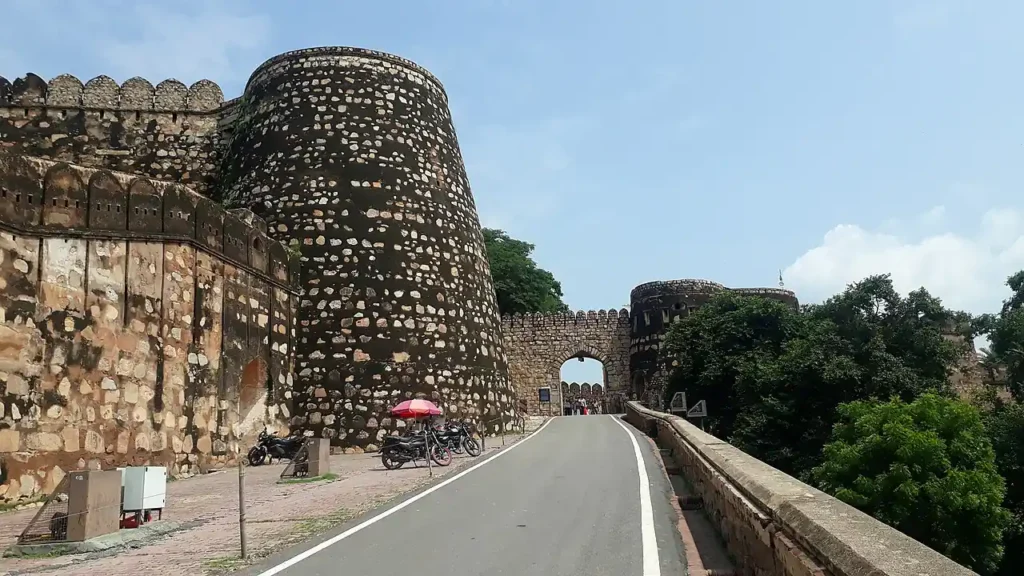
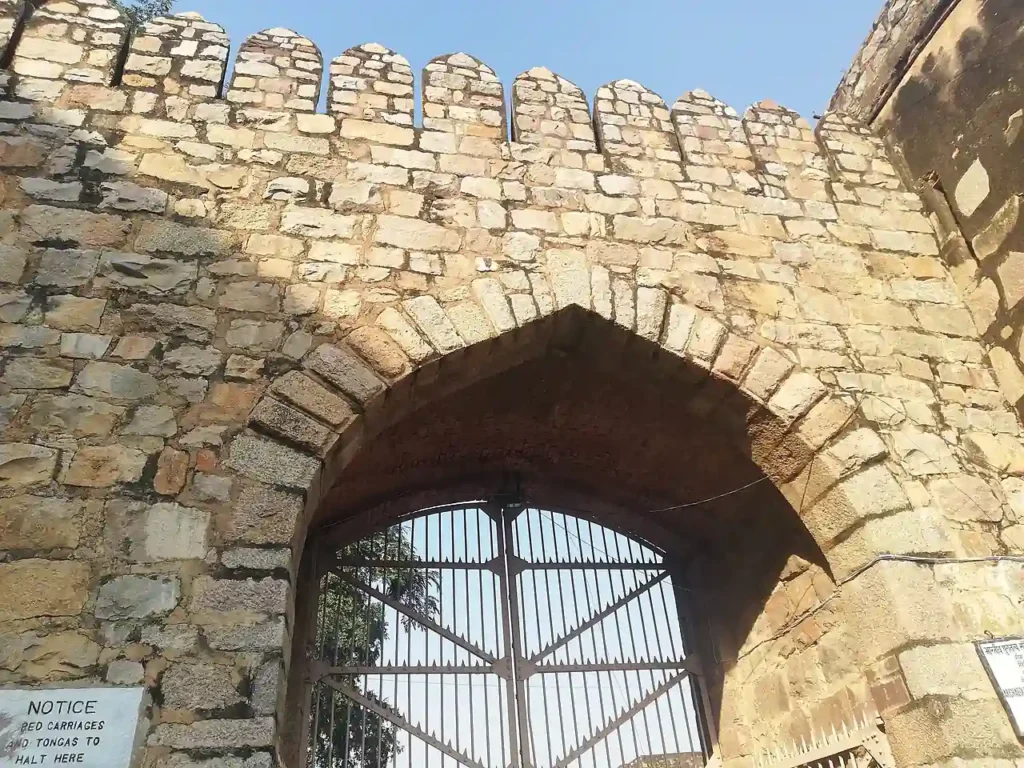
As the Chandela empire declined, the Bundela Rajputs emerged as the dominant power in the region. Under Raja Bir Singh Deo (r. 1605–1627) of Orchha, the city began to take shape as a fortified stronghold. Bir Singh Deo was not only a fierce warrior but also a patron of art and architecture. In 1613, he commissioned the construction of the Jhansi Fort, which became the nucleus of the town. The name Jhansi is said to have originated from “Jhainsi” — meaning blurred shadow, referring to the hazy view of the fort seen from afar.
The fort’s massive walls, bastions, and gates symbolised Bundela might. From its ramparts, one could see miles across the plateau — a natural watchtower protecting the Bundelkhand kingdom from external invasions. 🌄
👑 4. The Maratha Rule and the Rise of Jhansi (18th Century)
By the early 18th century, as the Mughal Empire weakened, the Marathas began extending their influence northward. In 1729, Raghunath Rao I, a Maratha governor, was entrusted with Jhansi’s administration. Later, Naroshankar, another Maratha officer, fortified the city further and developed civic amenities. Under Shiv Rao Bhau and his successors, Jhansi became a significant Maratha military outpost.
In 1769, Raghunath Rao Newalkar, a Maratha Subedar, founded the Newalkar dynasty, which would rule Jhansi for nearly a century. The Newalkars developed Jhansi into a prosperous princely state, establishing temples, gardens, and administrative institutions. Their rule brought stability, trade, and culture to Bundelkhand. 🌾
💍 5. The Reign of Gangadhar Rao and Rani Lakshmi Bai (1843–1853)
The turning point in Jhansi’s history arrived with Raja Gangadhar Rao Newalkar, who ascended the throne in 1843. Known for his intellect and cultural refinement, Gangadhar Rao modernised Jhansi’s administration. He married Manikarnika Tambe, later known as Rani Lakshmi Bai, in 1842, marking the beginning of one of India’s most inspiring sagas.
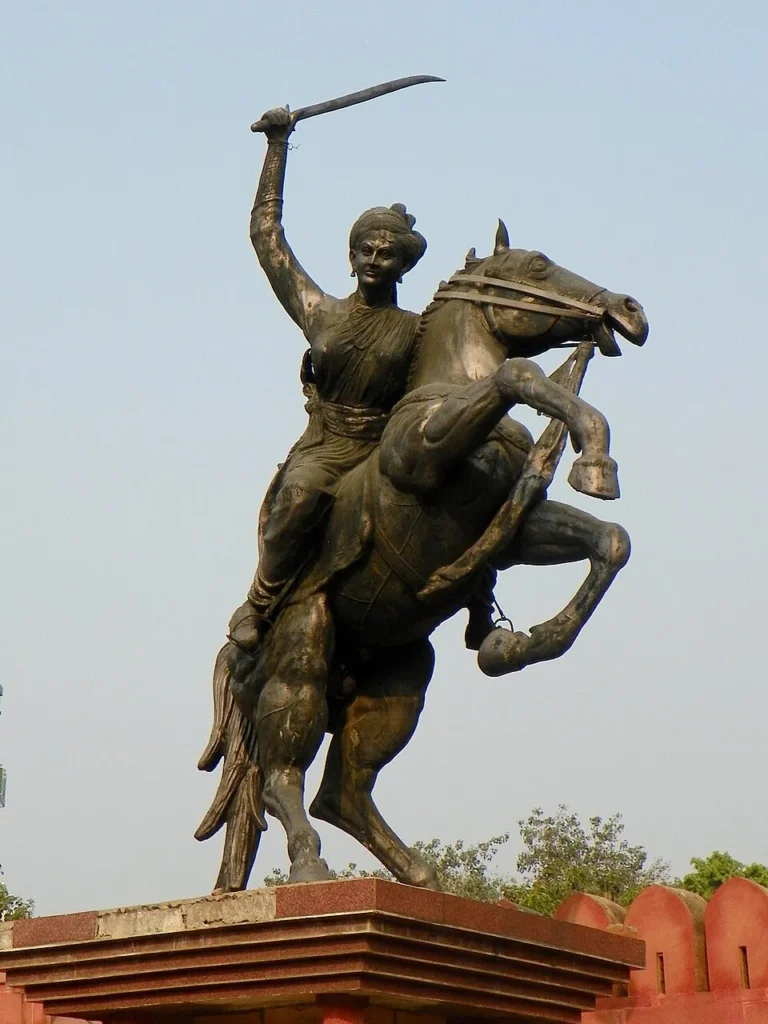
Rani Lakshmi Bai, a symbol of courage, was educated, articulate, and skilled in horse riding and swordsmanship. After the death of her infant son in 1853, the royal couple adopted Damodar Rao. However, following Gangadhar Rao’s death the same year, the British East India Company, under Lord Dalhousie’s Doctrine of Lapse, refused to recognise Damodar Rao’s succession — annexing Jhansi to British rule. ⚖️
🔥 6. The Revolt of 1857 – The Flame of Freedom
When the First War of Indian Independence erupted in 1857, Jhansi became its fiercest battlefield. Rani Lakshmi Bai emerged as its heart and soul, refusing to surrender her kingdom. She famously proclaimed, “Main Apni Jhansi Nahi Doongi!” (“I shall not surrender my Jhansi!”).
With unmatched valour, she organised an army of loyal soldiers — men and women alike — and defended the Jhansi Fort against the British siege led by Sir Hugh Rose. Despite immense odds, Rani Lakshmi Bai held the fort for weeks before being forced to retreat. She later joined forces with Tantia Tope and Nana Sahib, continuing her resistance until her heroic death on June 18, 1858, near Gwalior.
Her martyrdom transformed her into a national legend, inspiring generations in India’s freedom struggle. 🌺 🔥
🏵️ 7. British Raj and Colonial Transformation (1858–1947)
After Rani Lakshmi Bai’s death, Jhansi fell under British control and became part of the United Provinces of Agra and Oudh. The British established administrative offices, railways, and cantonments, transforming Jhansi into a major military base. The Jhansi Cantonment, built during this time, remains an important defence establishment even today.
The British also built schools, hospitals, and churches — introducing Western education and governance. However, local resentment simmered, and nationalist movements gained traction here in the early 20th century, with freedom fighters organising under the influence of Mahatma Gandhi’s campaigns.
🕊️ 8. Jhansi in Independent India (Post-1947)
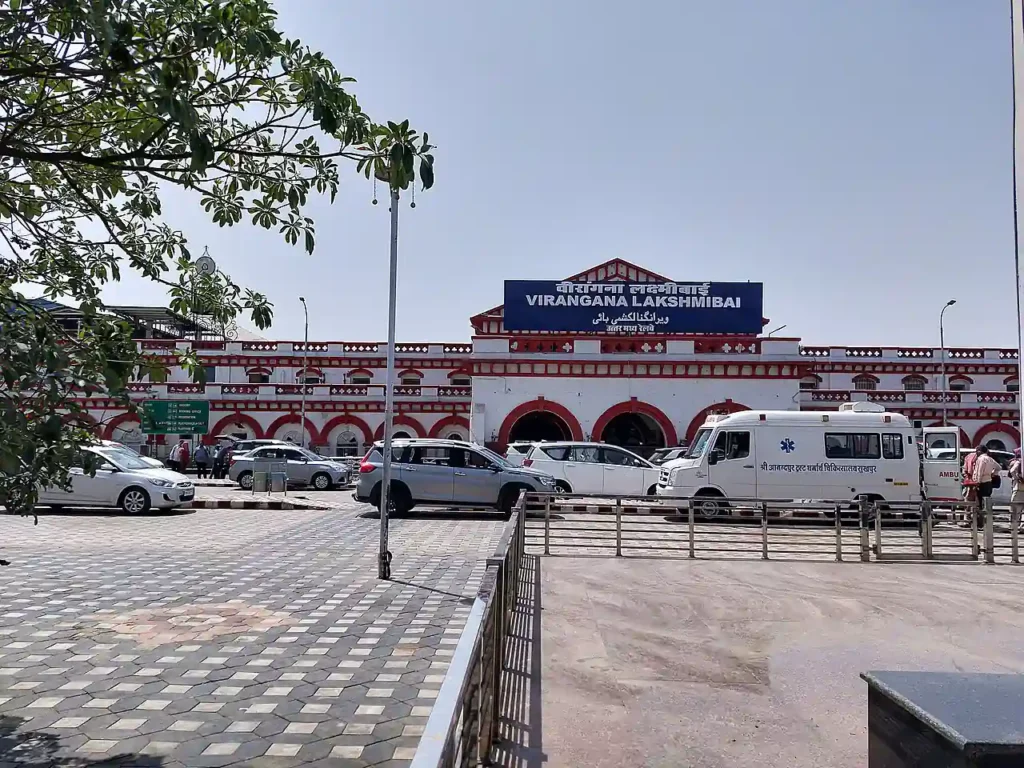
Following India’s independence in 1947, Jhansi became part of Uttar Pradesh. The city expanded rapidly, developing as an educational and administrative hub. The establishment of Bundelkhand University (1975) and Jhansi Engineering College marked the city’s intellectual growth. In the decades that followed, Jhansi became a bridge between North and Central India, thanks to its railway junction and road network.
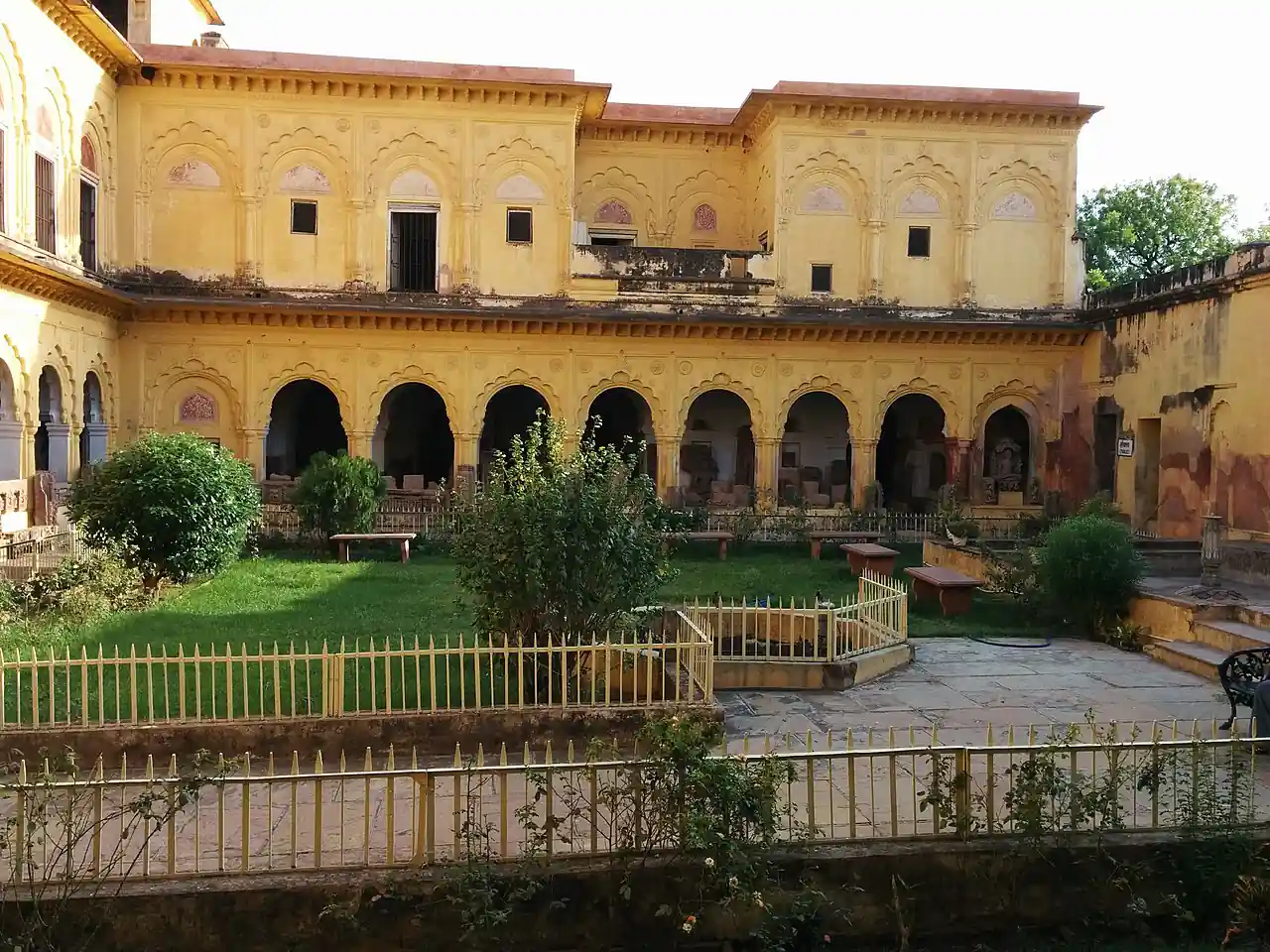
Modern Jhansi now thrives as a Smart City, combining heritage conservation with urban innovation. Restoration projects at Jhansi Fort, Rani Mahal, and Barua Sagar Fort aim to preserve its glorious past while welcoming the future. 🏙️ ✨
🌾 9. Cultural Continuity and Modern Legacy
Despite modernisation, Jhansi retains its Bundeli essence. Folk songs still sing praises of Rani Lakshmi Bai, while Jhansi Mahotsav, celebrated annually, revives its cultural vibrancy through dance, music, and crafts. The city’s educational institutions, markets, and museums continue to narrate its historical significance to younger generations.
Today, Jhansi stands as both a symbol of resistance and a testament to resilience, embodying the spirit of India’s enduring journey through centuries. 🌻
🕰️ Chronological Timeline of Jhansi’s History
| Year | Event |
| Before 9th Century | Early settlements along Betwa and Pahuj rivers |
| 9th–13th Century | Chandela rule; formation of Balwantnagar |
| 1613 | Construction of Jhansi Fort by Raja Bir Singh Deo |
| 1729 | Maratha administration established |
| 1769 | Raghunath Rao Newalkar founds Newalkar dynasty |
| 1843 | Raja Gangadhar Rao ascends the throne |
| 1853 | Doctrine of Lapse; British annexation of Jhansi |
| 1857 | Revolt of 1857 led by Rani Lakshmi Bai |
| 1858 | Martyrdom of Rani Lakshmi Bai near Gwalior |
| 1858–1947 | British Raj; Cantonment and Railway established |
| 1947 | India gains Independence; Jhansi joins Uttar Pradesh |
| 1975 | Bundelkhand University established |
| 2016 | Jhansi selected under Smart City Mission |
🙋♀️ Frequently Asked Questions (FAQs) about Jhansi’s History
Who founded the city of Jhansi?
Jhansi was founded by Raja Bir Singh Deo of Orchha around 1613.
Why is Rani Lakshmi Bai so significant in Jhansi’s history?
She symbolises India’s fight for freedom during the Revolt of 1857, fearlessly defending Jhansi against British forces.
What was Jhansi called in ancient times?
It was historically known as Balwantnagar under the Chandela dynasty.
When did the British annex Jhansi?
Jhansi was annexed in 1853 under Lord Dalhousie’s Doctrine of Lapse.
What was the role of Jhansi during British rule?
It served as a military cantonment and administrative centre, as well as a hub for the early nationalist movement.
What is the significance of Jhansi Fort?
It is the epicentre of Rani Lakshmi Bai’s resistance, built in 1613, and remains one of India’s most iconic historical landmarks.
Is Jhansi still culturally connected to its history?
Yes, Jhansi celebrates its heritage through Jhansi Mahotsav, fort exhibitions, and preservation projects that honour its glorious past. 🏰
🌅 Conclusion
Jhansi’s history is not confined to dusty archives — it’s alive in its streets, people, and monuments. From the Chandela temples to the defiant stand of Rani Lakshmi Bai, every era has added a new layer to the city’s legacy. Jhansi remains a monument of courage, a place where India’s struggle for freedom found one of its bravest voices.
Today, as the fort stands tall against the Bundelkhand skyline, it continues to whisper tales of valour, honour, and resilience — reminding us that Jhansi was, is, and will forever remain the land of heroes. 🇮🇳 ✨
📚 Sources:
➟ Jhansi Official District Portal
➟ Incredible India – Jhansi
➟ Wikipedia – Jhansi
➟ Britannica – Jhansi
➟ Smart City Jhansi
Image Credit
➟ Wikipedia – Jhansi & Wikimedia Commons
➟ Featured Image Credit: Wikimedia Commons
Latest Post
- 4 Steps to Teach English in Vietnam (Complete 2026 Guide)

- The Complete Guide to Living in Ho Chi Minh City, Vietnam
- What Living in Hanoi Is Really Like for Foreigners
- Expat vs Immigrant: What’s the Real Difference?
- 7 Best Places to Live in Mexico Right Now: A Complete Guide
- Best Places to Live in Thailand: A Complete Guide for Expats in 2026