Here’s an Elaborate and Detailed Profile of Notable Individuals from Skardu, Gilgit–Baltistan, Pakistan highlighting their significant contributions across various fields, including mountaineering, politics, literature, and social activism. 🏔️ 📚 🎖️
🧗♂️ Mountaineers and Adventurers
➨ Ali Sadpara (1976–2021)
Ali Sadpara was a renowned Pakistani high-altitude mountaineer from Sadpara village near Skardu. He gained international acclaim for summiting multiple peaks exceeding 8,000 meters, including K2, Mount Everest, Nanga Parbat, and Kangchenjunga. Sadpara’s legacy is marked by his pioneering spirit and dedication to mountaineering, inspiring countless adventurers worldwide.
➨ Hassan Sadpara (1964–2016)
Hassan Sadpara, also from Sadpara village, was the first Pakistani to summit six of the world’s 14 eight-thousanders, including Everest, K2, and Kangchenjunga. Starting his career as a porter, he rose to prominence through sheer determination and skill. Sadpara’s achievements have left an indelible mark on Pakistan’s mountaineering history.
➨ Little Karim (1950/51–2022)
Mohammad Karim, affectionately known as “Little Karim”, was a legendary high-altitude porter and mountaineer from Hushe Valley. He climbed Gasherbrum II without supplemental oxygen, showcasing exceptional endurance and skill. Karim’s contributions have been instrumental in the success of numerous expeditions in the region.
Also Read
Skardu, Gilgit-Baltistan, Pakistan – “Gateway to the Roof of the World”
Detailed Historical Facts, and Timeline of Skardu, Gilgit–Baltistan, Pakistan
Explore the Architectural Marvels in Skardu, Gilgit–Baltistan, Pakistan
How to Reach Skardu, Gilgit–Baltistan, Pakistan – A Complete Travel Guide with Granular Details
Best Time to Visit & Where to Stay in Skardu along with Its Cultural Festivals and Traditions – A Complete Guide with Local Insights
Best Places to Visit in and near Skardu, Gilgit–Baltistan, Pakistan
Best Places for Refreshments & Authentic Local Food in Skardu, Gilgit–Baltistan, Pakistan
Climatic Conditions in Skardu, Gilgit–Baltistan, Pakistan
Sociodemographic Profile & Detailed Local Lifestyle of Skardu, Gilgit–Baltistan, Pakistan
🏛️ Political Leaders and Activists from Skardu
➨ Syed Mehdi Shah
Syed Mehdi Shah is a prominent politician from Skardu who served as the first Chief Minister of Gilgit-Baltistan from 2009 to 2014. Affiliated with the Pakistan People’s Party, he has been an influential figure in the region’s political landscape, advocating for the rights and development of Gilgit-Baltistan.
➨ Raja Jalal Hussain Maqpoon
Raja Jalal Hussain Maqpoon served as the 7th Governor of Gilgit-Baltistan from 2018 to 2022. A member of the Pakistan Tehreek-e-Insaf party, his tenure focused on regional development and governance reforms.
➨ Raja Zakaria Khan Maqpoon
Raja Zakaria Khan Maqpoon is a current member of the Gilgit-Baltistan Assembly, representing Skardu-I. He won the 2020 elections as a candidate of Pakistan Tehreek-e-Insaf and later joined the Pakistan Peoples Party.
➨ Yusuf Hussain Abadi
Yusuf Hussain Abadi is a distinguished Balti scholar, writer, and social worker from Skardu. He is renowned for translating the Quran into the Balti language and establishing the first private English-medium school in Baltistan, Jinnah Public School. Abadi’s efforts have significantly contributed to the preservation and promotion of Balti culture and education.
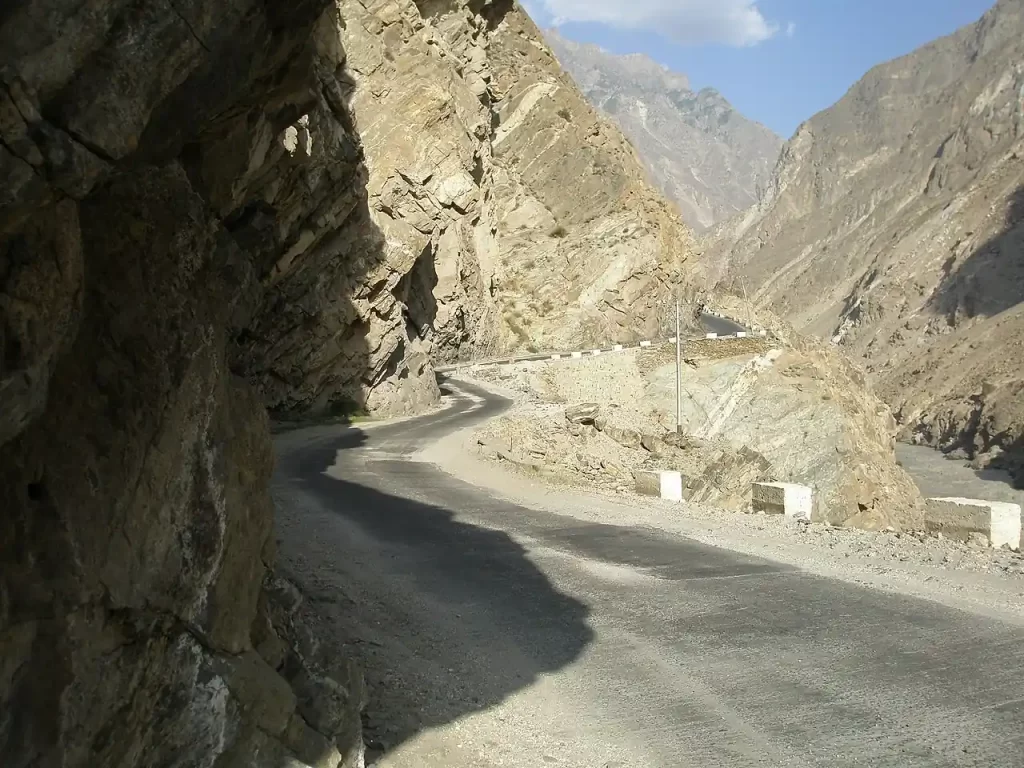
🎶 Artists and Cultural Icons
➨ Manzoor Baltistani
Manzoor Baltistani is a celebrated singer from Skardu, known for his contributions to Balti music. His performances have garnered a wide audience, promoting the rich musical heritage of the region.
🧗♀️ Emerging Talents
➨ Amina Shigri
Amina Shigri made headlines as the first girl from Gilgit-Baltistan to summit Khosar Ganj, a peak in the Shigar Valley. Her achievement at the age of 15 has inspired many young women in the region to pursue mountaineering.
➨ Anita Karim
Anita Karim is Pakistan’s first female mixed martial artist from Gilgit-Baltistan. Her accomplishments in the sport have broken gender barriers and paved the way for other women in the region to engage in combat sports.
These individuals exemplify the diverse talents and contributions of the people from Skardu, Gilgit–Baltistan. Their achievements span various fields, from mountaineering and politics to education and the arts, reflecting the rich cultural tapestry of the region.
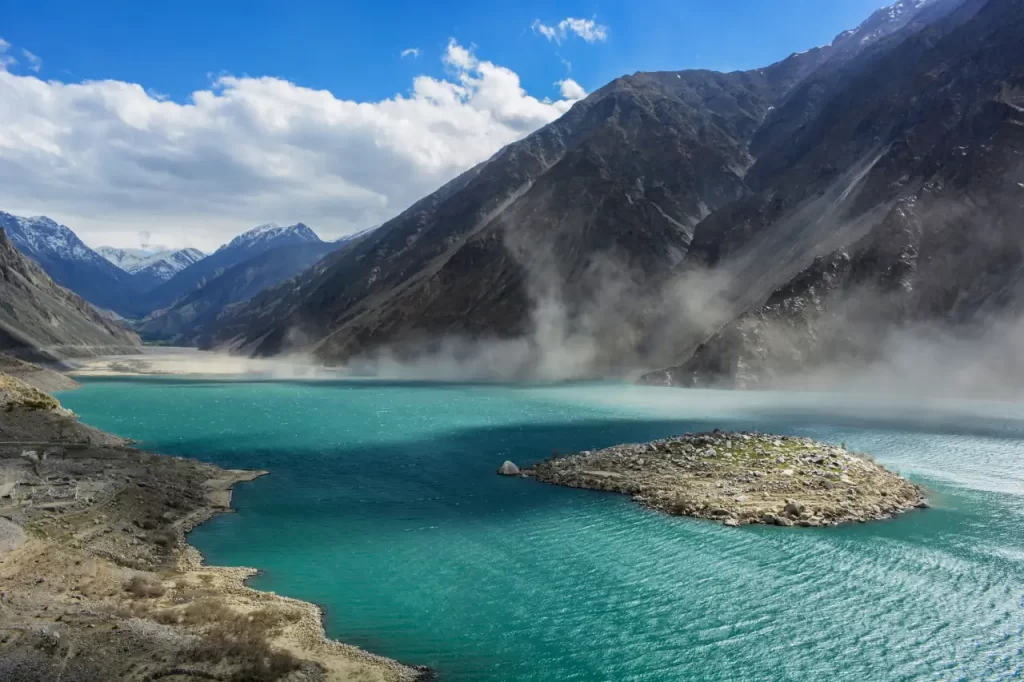
Here’s an elaborate and detailed description of the industrial development and industries in Skardu, Gilgit–Baltistan, Pakistan, encompassing various sectors and their granular aspects
🏔️ Industrial Landscape of Skardu, Gilgit–Baltistan
Skardu, located in the Gilgit–Baltistan region of northern Pakistan, is renowned for its stunning landscapes and rich cultural heritage. While the region has traditionally been agrarian, recent initiatives have spurred industrial development, aiming to diversify the economy and improve livelihoods.
🏭 1. Agriculture and Agro-Based Industries
Agriculture remains the backbone of Skardu’s economy. The fertile valleys support the cultivation of various crops, including:
➪ Fruits: Apricots, apples, cherries, and almonds are abundantly grown.
➪ Cereals: Barley and wheat are staple crops.
➪ Vegetables: Potatoes and peas are commonly cultivated.
Agro-based industries have emerged to process these agricultural products:
➪ Fruit Processing Units: Facilities that produce dried fruits, jams, and juices.
➪ Flour Mills: Processing wheat into flour for local consumption.
➪ Cold Storage Facilities: Preserving perishable produce for extended periods.
🧵 2. Handicrafts and Cottage Industries
Skardu’s rich cultural heritage is reflected in its handicrafts:
➪ Pashmina Shawls: Handwoven shawls made from fine goat wool.
➪ Woollen Carpets: Intricately designed carpets crafted by local artisans.
➪ Wood Carvings: Decorative items made from locally sourced wood.
These products are not only used locally but are also exported, contributing to the region’s economy.
🪨 3. Mining and Mineral Processing
The region is rich in mineral resources:
➪ Marble: High-quality marble is extracted and processed.
➪ Gemstones: Skardu is known for its deposits of gemstones like rubies and emeralds.
➪ Salt: Salt mines in the region are a significant source of income.
Mining activities have led to the establishment of processing units that add value to these raw materials before they are sold.
⚡ 4. Energy Sector Development
To support industrial growth, energy infrastructure has been enhanced:
➪ Hydropower Projects: The Satpara Dam, with a capacity of 17.36 MW, provides electricity to the region.
➪ Solar Energy Initiatives: Projects like the 100 MW solar power initiative aim to supplement energy needs.
➪ Proposed Projects: The Katzarah Dam, if constructed, could generate up to 15,000 MW, significantly boosting energy supply.
🛣️ 5. Infrastructure and Connectivity
Improved infrastructure facilitates industrial activities:
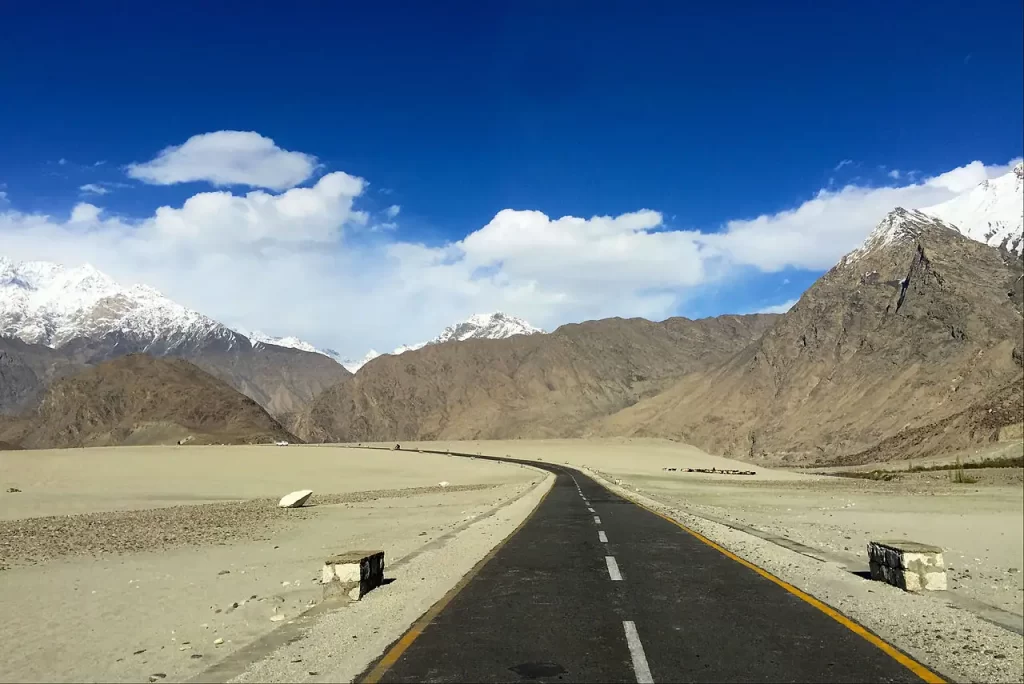
➪ Road Networks: The Gilgit-Shandur Road project aims to enhance connectivity.
➪ Airports: Skardu International Airport has been upgraded to handle international flights.
➪ Special Economic Zones (SEZs): Zones like Moqpondass SEZ are being developed to attract industries.
🧑💼 6. Skill Development and Employment
To support industrial growth, skill development programs are essential:
➪ Vocational Training Centres: Institutions offering training in various trades.
➪ Entrepreneurship Programs: Encouraging local youth to start their own businesses.
➪ Employment Opportunities: Industries provide jobs, reducing migration to urban centres.
🌐 7. Trade and Export
Skardu’s strategic location enhances its trade prospects:
➪ Cross-Border Trade: Proximity to China facilitates trade.
➪ Export Products: Items like dried fruits, gemstones, and handicrafts are exported.
➪ Trade Routes: The Karakoram Highway serves as a vital trade link.
📈 8. Challenges and Opportunities
While there is potential, challenges remain:
➪ Infrastructure Gaps: Need for better roads and facilities.
➪ Access to Markets: Difficulty in reaching broader markets.
➪ Investment: Attracting investors to the region.
Addressing these challenges can unlock further industrial growth.
🏞️ 9. Environmental Considerations
Industrial development must be balanced with environmental preservation:
➪ Sustainable Practices: Encouraging eco-friendly manufacturing.
➪ Waste Management: Proper disposal and recycling of industrial waste.
➪ Conservation Efforts: Protecting natural resources amidst development.
🏁 10. Future Outlook
The future of Skardu’s industrial sector looks promising:
➪ Diversification: Expanding into sectors like information technology and tourism.
➪ Investment Incentives: Government policies to attract investors.
➪ Regional Integration: Enhancing ties with neighbouring regions for mutual growth.
Skardu’s industrial development is in its nascent stages but holds immense potential. With strategic investments, infrastructure improvements, and skill development, the region can achieve sustainable industrial growth, benefiting its local population and contributing to Pakistan’s overall economic development.
Sources:
➟ Wikipedia – Skardu
➟ And deep Google Research & other verified sources
Image Credit
➟ Wikipedia – Skardu & Wikimedia Commons
➟ Featured Image Credit: Wikimedia Commons
Latest Posts
- 4 Steps to Teach English in Vietnam (Complete 2026 Guide)

- The Complete Guide to Living in Ho Chi Minh City, Vietnam
- What Living in Hanoi Is Really Like for Foreigners
- Expat vs Immigrant: What’s the Real Difference?
- 7 Best Places to Live in Mexico Right Now: A Complete Guide
- Best Places to Live in Thailand: A Complete Guide for Expats in 2026