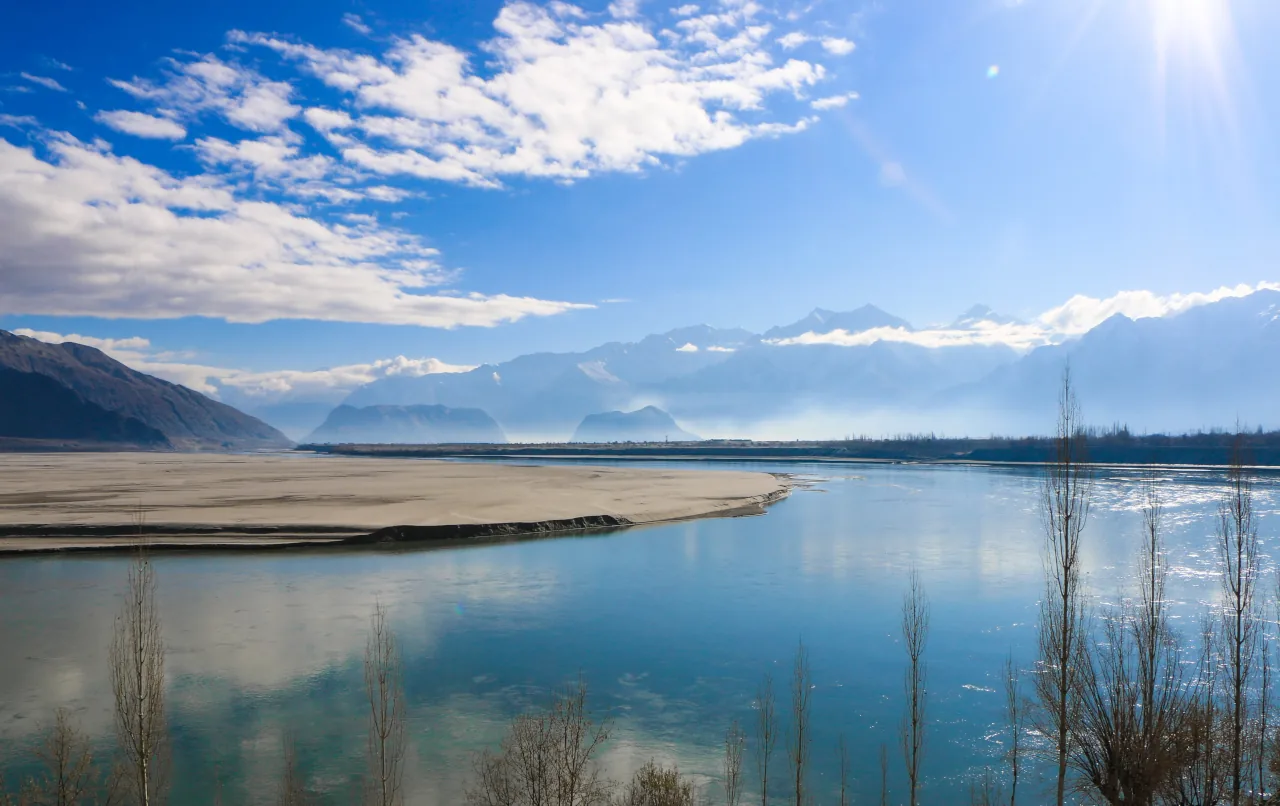
“Where Every Turn Unfolds a Dream — Welcome to Skardu 🌌 🏔️”
🌄 Detailed Introduction of Skardu, Gilgit–Baltistan, Pakistan
🌍 A Heavenly Abode Amidst the Karakoram – “Where Mountains Touch the Sky”
Nestled in the heart of the Gilgit–Baltistan region of northern Pakistan, Skardu stands as one of the most captivating and awe-inspiring destinations in South Asia. Often referred to as the “Gateway to the Mighty Karakoram Range”, this picturesque valley sits gracefully at an elevation of around 2,500 meters (8,200 feet) above sea level. Skardu serves as the administrative capital of the Skardu District, strategically positioned near some of the world’s highest peaks — including K2 (8,611 m), the second-highest mountain on Earth. With its blend of pristine landscapes, turquoise lakes, historical forts, and rich cultural tapestry, Skardu has become a dream destination for adventure seekers, historians, photographers, and nature lovers alike 🌿 📸.
🏔️ Geography and Topography: A Paradise Sculpted by Nature
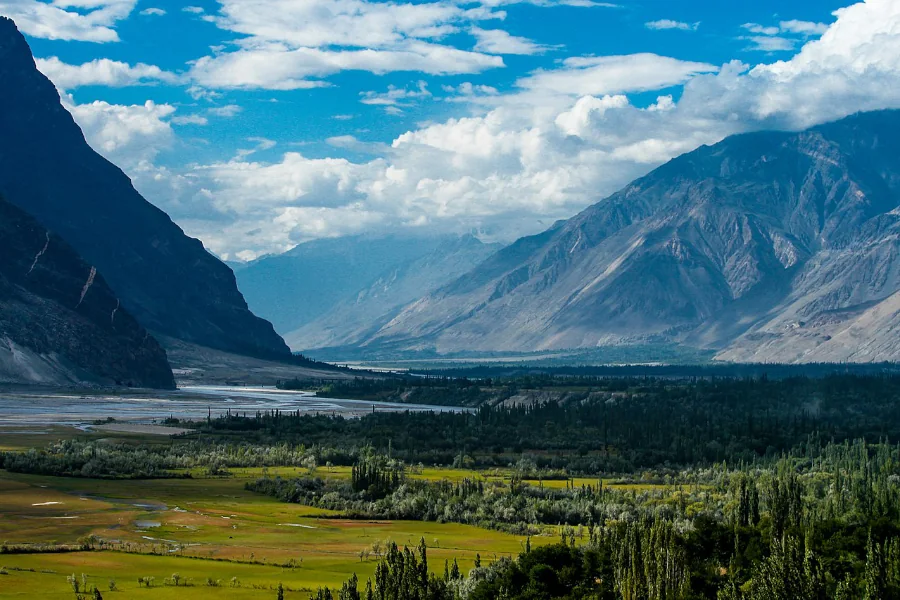
Skardu lies along the banks of the mighty Indus River, flanked by the Karakoram and Himalayan mountain ranges — two of the planet’s most magnificent natural formations. The landscape is characterised by rugged mountains, glacial valleys, lush meadows, and crystal-clear lakes such as Upper Kachura Lake, Lower Kachura (Shangrila) Lake, and Satpara Lake. The region’s dramatic geography makes it a vital hub for trekkers embarking on expeditions to K2, Broad Peak, Gasherbrum I & II, and Trango Towers. 🧭 The breathtaking contrast between snow-clad summits and arid high-altitude deserts adds to Skardu’s visual drama — a natural masterpiece sculpted by centuries of geological evolution.
Also Read
Skardu, Gilgit-Baltistan, Pakistan – “Gateway to the Roof of the World”
Explore the Architectural Marvels in Skardu, Gilgit–Baltistan, Pakistan
How to Reach Skardu, Gilgit–Baltistan, Pakistan – A Complete Travel Guide with Granular Details
Best Time to Visit & Where to Stay in Skardu along with Its Cultural Festivals and Traditions – A Complete Guide with Local Insights
Best Places to Visit in and near Skardu, Gilgit–Baltistan, Pakistan
Best Places for Refreshments & Authentic Local Food in Skardu, Gilgit–Baltistan, Pakistan
Climatic Conditions in Skardu, Gilgit–Baltistan, Pakistan
Sociodemographic Profile & Detailed Local Lifestyle of Skardu, Gilgit–Baltistan, Pakistan
Notable Individuals & Industrial Development in Skardu, Gilgit–Baltistan, Pakistan
Detailed description of various Important villages and towns in Skardu District, Gilgit–Baltistan, Pakistan
Travel Itinerary for Tourists visiting Skardu, Gilgit–Baltistan, Pakistan
🕌 Cultural Harmony and the Balti Legacy
Skardu is deeply rooted in the traditions of Baltistan, a region often called “Little Tibet” due to its Tibetan cultural and linguistic influences. The majority of the local population is of Balti ethnicity, and they speak Balti, a Tibetan-derived language that coexists with Urdu and Shina. The Balti people are known for their warmth, hospitality, and strong sense of community 🤝. Their way of life reflects a harmonious blend of Islamic faith and Tibetan-Buddhist heritage, evident in the architectural remnants of ancient monasteries, rock carvings, and forts like Shigar Fort and Kharpocho Fort.
Local festivals such as Losar (Balti New Year) and traditional polo matches bring the community together in celebration, showcasing colourful attire, rhythmic dances, and melodic folk songs. The spiritual calmness of Skardu’s atmosphere — where the call to prayer echoes amidst mountain winds — adds a profound sense of peace and serenity 🌙.
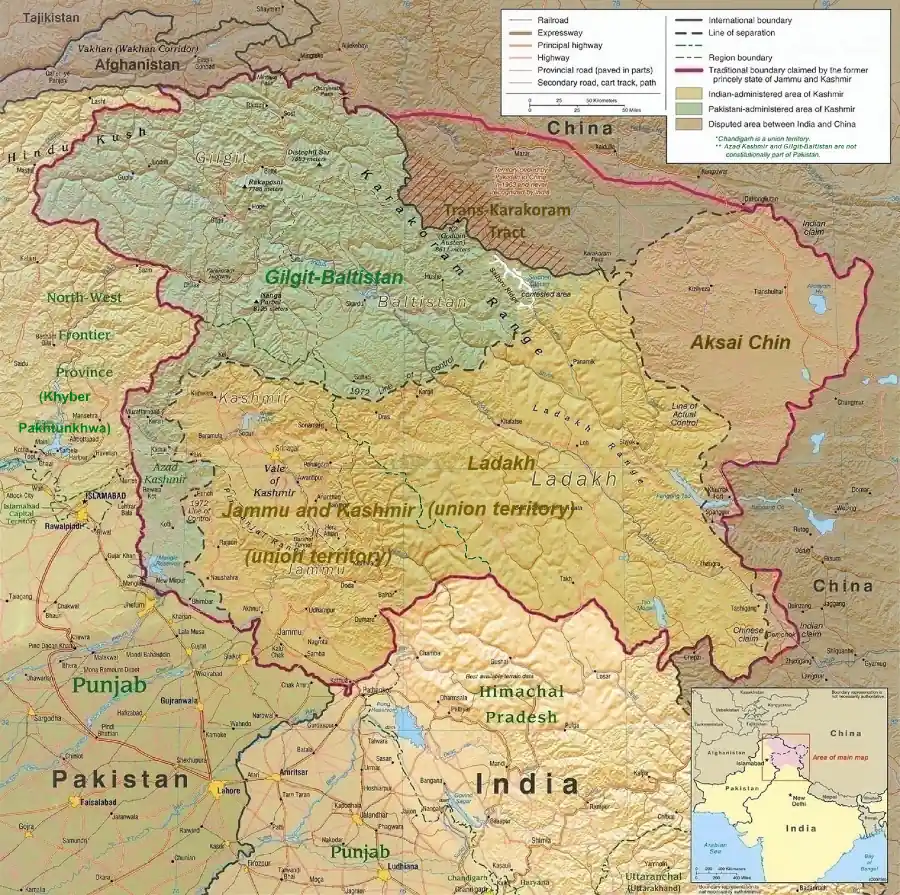
🏰 Historical Tapestry: A Chronicle of Resilience
Historically, Skardu was part of the ancient Baltistan Kingdom, which thrived as a crucial trading route between Kashmir, Tibet, and Central Asia. The region’s location made it an intersection of diverse cultures and political powers. Ancient Tibetan Buddhist inscriptions and monasteries dating back to the 8th century stand as silent witnesses to Skardu’s early history 🕉️.
During the medieval period, Balti kings and chieftains built imposing structures like Kharpocho Fort, overlooking the Skardu town, as a symbol of power and defence. The fort not only served as a military bastion but also as a royal residence. In later centuries, the Dogra invasion (1840s) and subsequent inclusion into the State of Jammu and Kashmir under the British Raj shaped the region’s political landscape. After the partition of British India in 1947, Skardu became part of Pakistan’s Gilgit–Baltistan territory, following the Baltistan Liberation Movement.
🏞️ Architectural Essence: Forts, Monasteries, and Traditional Homes
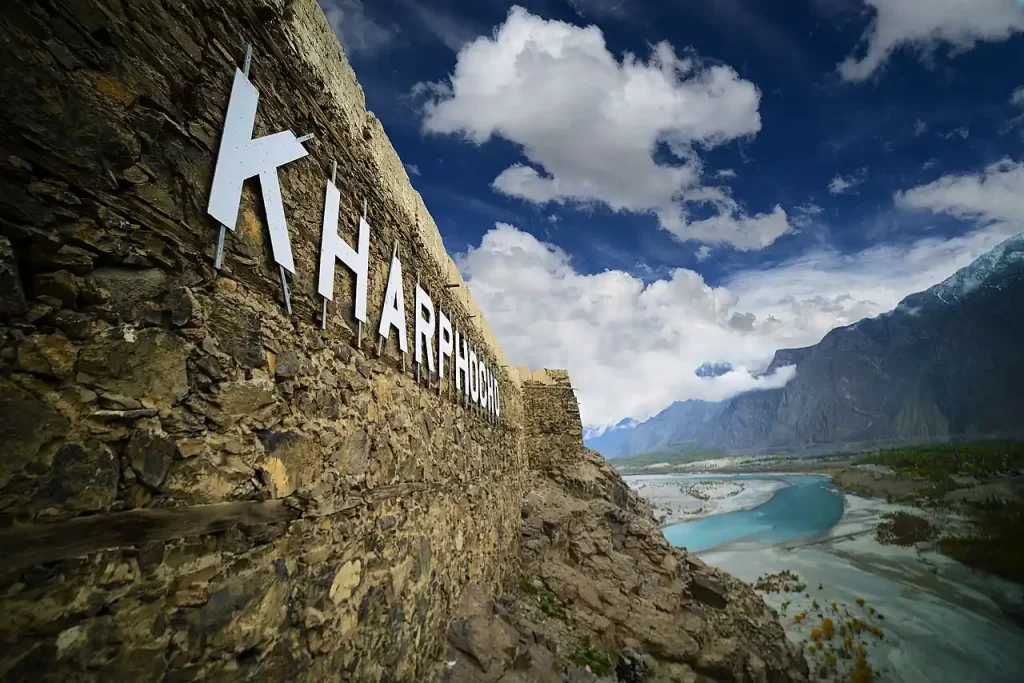
The architecture of Skardu is an extraordinary reflection of Tibetan, Persian, and Central Asian influences, adapted to withstand its rugged terrain and harsh climate. The Shigar Fort, locally known as “Fong-Khar” (Palace on the Rock), exemplifies 16th-century Balti craftsmanship — blending wood, stone, and mud in intricate harmony. This fort-palace has been beautifully restored by the Aga Khan Cultural Service Pakistan, and now operates as a heritage hotel. Similarly, Kharpocho Fort, perched on a rocky hill, offers panoramic views of Skardu town and the Indus River.
Traditional Balti homes are built from mud, stone, and timber, with flat roofs designed to bear snow. The unique lattice woodwork and carved window frames exhibit artistic mastery passed down generations 🏡. Old Buddhist stupas and rock carvings near Satpara and Manthal Valley highlight the region’s Buddhist past before the arrival of Islam.
🌤️ Climate, Ecology, and Biodiversity
The climate of Skardu is continental and alpine, characterised by long, cold winters and short, pleasant summers. From November to March, temperatures often drop below freezing ❄️, while June to September sees comfortable weather ideal for tourism. The valley blooms with wildflowers in spring 🌸, while autumn paints the landscape with golden hues. Skardu’s ecosystem supports rare wildlife, including snow leopards, Himalayan ibex, marmots, and migratory birds. Conservation efforts by local and international organisations help preserve this fragile environment, balancing tourism with ecological protection.
🧭 Economy and Lifestyle: Simplicity Amidst the Peaks
The economy of Skardu is primarily based on tourism, agriculture, and small-scale trade. Locals cultivate barley, apricots, wheat, and potatoes, and are known for their exquisite hand-woven woollen products and handicrafts. Tourism provides seasonal employment, while adventure tourism — particularly mountaineering and trekking — contributes significantly to local income. Despite modern developments, life in Skardu remains simple, community-oriented, and deeply connected to nature 🌾.
Locals can often be seen sharing stories over cups of traditional Balti tea (gur-gur chai), a buttered salty tea inspired by Tibetan culture. Their warm hospitality and calm demeanor leave an everlasting impression on visitors.
🚗 Gateway to Adventure – The Strategic Importance of Skardu
Skardu is not just a scenic retreat but also a strategically vital region due to its proximity to the Siachen Glacier and the Line of Control (LoC). It houses a major Pakistan Army garrison and Skardu Airport, which connects the valley to Islamabad via regular flights (subject to weather conditions ✈️). The Skardu Road (via Karakoram Highway) offers one of the most dramatic drives in the world — a journey through deep gorges, turquoise rivers, and mountain tunnels. The region also serves as a base camp for mountaineering expeditions, making it an indispensable location for adventure enthusiasts.
💫 The Soul of Northern Pakistan
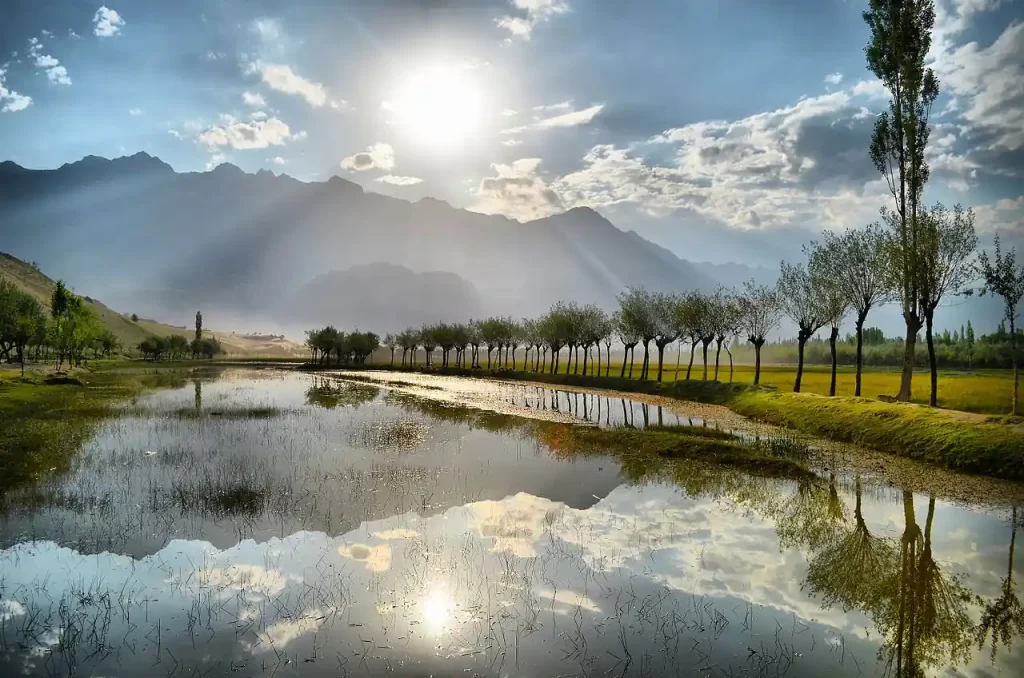
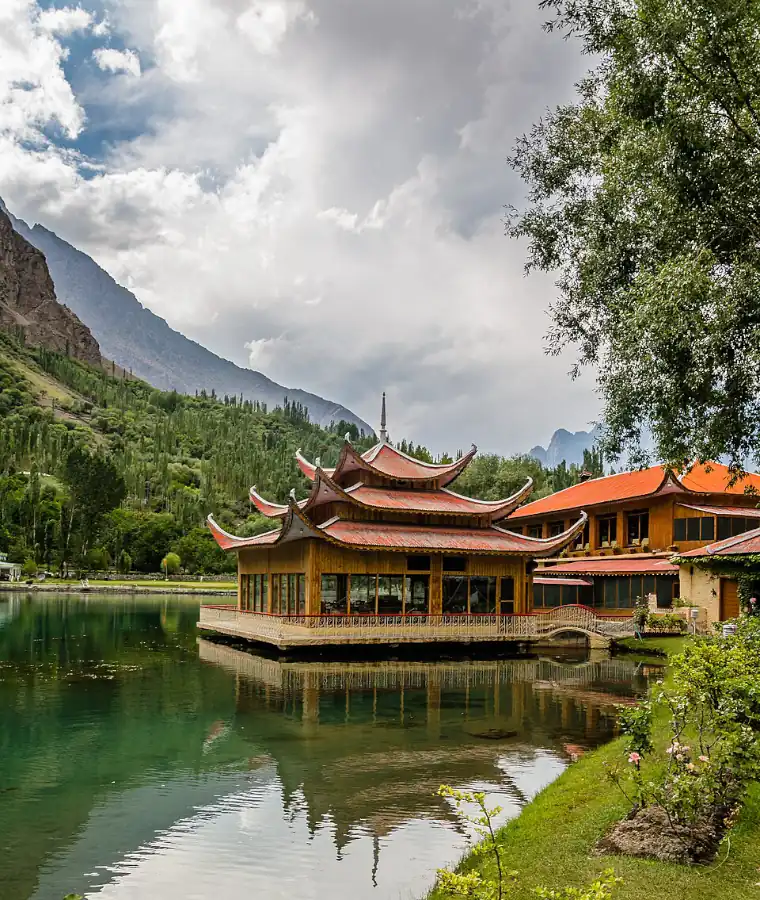
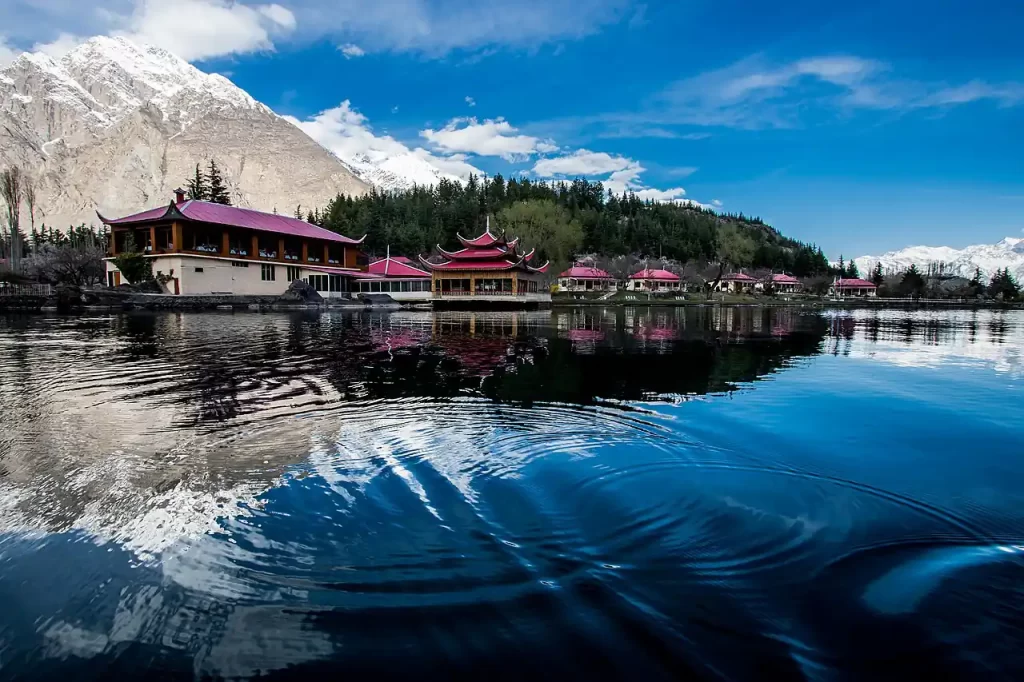
What makes Skardu truly unique is its soulful harmony between man and mountain. Whether it’s the echo of laughter from children playing near Satpara Lake, the sight of yaks grazing in alpine meadows, or the serene reflections of snow peaks mirrored in the waters of Shangrila Lake — every corner of Skardu breathes poetry 🌅. It’s a land where time slows down, where the modern traveler rediscovers tranquility, and where ancient traditions continue to shape the rhythm of daily life.
Skardu isn’t just a destination — it’s an emotion, an experience, and an eternal connection between humanity and nature 💖.
🕰️ Detailed Historical Facts and Timeline of Skardu, Gilgit–Baltistan, Pakistan
🏞️ Origins and Early Civilisation (Before 7th Century CE)
The story of Skardu begins deep in antiquity — a time when early human settlements were first recorded in the upper Indus Valley. Archaeological findings suggest that Baltistan, of which Skardu is the heart, was inhabited thousands of years ago by Tibetan and Dardic tribes. The early inhabitants practiced Bon and Tibetan Buddhism, evident from numerous rock carvings, petroglyphs, and inscriptions found across Skardu, Shigar, and Khaplu valleys.
These carvings, many of which date back to the 1st millennium BCE, depict Buddhist stupas, Bodhisattvas, and ancient deities, showing Skardu’s early ties with the Silk Route that connected Tibet, Ladakh, and Central Asia 🕉️. This era laid the cultural foundation for the Balti identity, which later evolved into a fusion of Tibetan, Central Asian, and Islamic influences — a blend that still defines Skardu today.
🏯 The Rise of the Tibetan Influence (7th to 10th Century CE)
Between the 7th and 10th centuries CE, the Tibetan Empire expanded westward, bringing Buddhist teachings, art, and architecture into the Baltistan region. Skardu, known in ancient texts as “Skar-do” meaning “The Land Between Mountains”, became a key spiritual and cultural centre. During this period, Tibetan Buddhism flourished, and monasteries were built atop hills and near rivers — though many have since vanished, traces remain near Manthal and Satpara 🏔️.
This was a period of intellectual exchange and spiritual enlightenment ✨. Scholars and monks traveled from Tibet to Baltistan and beyond, bringing with them scriptures, art, and architectural techniques. The Balti language itself, derived from classical Tibetan, began to take root in the region during this time.
⚔️ Medieval Era – Formation of Balti Kingdoms (11th to 15th Century)
From the 11th century onward, Skardu began to emerge as a regional capital. Small Balti chieftains and kingdoms ruled over valleys like Shigar, Khaplu, and Skardu, forming semi-autonomous domains. Trade caravans passed through Skardu, connecting Kashmir to Central Asia, bringing silk, salt, spices, and precious stones 💎.
During this era, the Balti rulers established administrative systems and fortified settlements to protect their territories. The Kharpocho Fort (Fort on the Rock), built strategically overlooking the Skardu River, symbolises this period of consolidation and defence. Oral traditions suggest that Ali Sher Khan Anchan, a revered Balti ruler, expanded Skardu’s influence to Ladakh and Gilgit, uniting Baltistan under a centralised authority for the first time.
👑 The Golden Era of the Maqpon Dynasty (15th to 17th Century)
The Maqpon Dynasty (circa 15th–17th century) marked the golden age of Skardu’s political and cultural power. Under the leadership of Ali Sher Khan Anchan (R. 1560–1620), Skardu reached its zenith 🌟. He extended his rule as far as Ladakh, Gilgit, and Chitral, earning the title of “The Lion of Baltistan”.
Ali Sher Khan constructed grand palaces and forts, including the Shigar Fort (Fong-Khar), reflecting a blend of Tibetan and Persian architecture. He also introduced new agricultural methods and irrigation systems that transformed the region’s economy 🌾. During his reign, Skardu became a thriving centre for trade, culture, and religion, attracting poets, scholars, and craftsmen from across Asia.
It was also during the Maqpon era that Islam spread widely in Baltistan, replacing Buddhism as the dominant faith. Sufi missionaries from Kashmir and Persia brought Islam through peaceful preaching, leading to a cultural synthesis between Islamic mysticism and Tibetan spiritual heritage 🕋 ✨.
⚔️ The Dogra Invasion and the End of Independence (1840–1947)
By the mid-19th century, the political balance in the region shifted dramatically. In 1840, the Dogra Army, under General Zorawar Singh, invaded Baltistan as part of the expansion of the Jammu and Kashmir State under the Sikh Empire. After fierce resistance from the local Balti forces, Skardu was captured, and Baltistan was annexed into the princely state of Jammu and Kashmir.
The invasion marked the end of centuries of Balti independence, and the region came under Dogra administrative rule. During this period, forced labor (begar), heavy taxation, and economic exploitation led to widespread hardship among locals. The cultural and political autonomy of Skardu declined, but the spirit of the Balti people remained unbroken 💪.
🕊️ Post-Partition Era and Liberation (1947–1948)
Following the Partition of British India in 1947, Skardu’s fate became intertwined with the Kashmir conflict. When the Maharaja of Jammu and Kashmir acceded to India, the people of Baltistan and Gilgit launched an armed uprising known as the Baltistan Liberation Movement. In 1948, after months of intense battles, local militias aided by the Gilgit Scouts captured Skardu Fort and liberated the area from Dogra control 🇵🇰.
Following liberation, Skardu became part of Pakistan’s Northern Areas (now Gilgit–Baltistan). The city became a strategic hub for the Pakistani military and the gateway for mountaineering expeditions into the Karakoram and Himalayas.
🏗️ Modern Development and Infrastructure (1950s–1990s)
The decades after independence saw gradual modernisation. Roads, schools, and healthcare facilities were established, linking Skardu more closely with the rest of Pakistan. The Karakoram Highway (KKH), constructed in the 1970s, transformed access to Gilgit–Baltistan and turned Skardu into a focal point for tourism, trade, and adventure travel 🚗 🛣️.
The Skardu Airport, operational since the 1960s, provided crucial air connectivity to Islamabad, further strengthening its position as the logistical and cultural capital of Baltistan. Education flourished, and local institutions began preserving Balti literature and oral history to protect their ancient heritage.
🏞️ 21st Century – Tourism Boom and Cultural Renaissance
In the 21st century, Skardu has emerged as one of Pakistan’s premier tourist destinations 🌍. Government initiatives, including the establishment of Skardu University (2017) and the upgrade of Skardu Airport to international status (2021), have spurred economic and cultural revitalisation. Tourism to Shangrila Resort, Satpara Lake, Shigar Fort, and Katpana Desert has increased manifold.
At the same time, there’s a growing movement to preserve Balti culture, architecture, and language. Local NGOs and international agencies, such as the Aga Khan Cultural Service Pakistan, have undertaken restoration projects to protect heritage sites like Shigar Fort and Khaplu Palace 🏰.
Skardu today stands as a vibrant blend of ancient traditions and modern aspirations — a living museum where every fort, carving, and mountain tells a story of resilience and timeless beauty.
🕉️ Timeline Summary of Key Historical Events
| Period | Event | Significance |
| Prehistoric Era | Early settlements and petroglyphs | Foundation of human presence in Baltistan |
| 7th–10th Century | Tibetan Buddhist influence | Spread of Buddhism, linguistic development |
| 11th–15th Century | Rise of Balti chieftains | Formation of independent valley kingdoms |
| 15th–17th Century | Maqpon Dynasty | Golden age of Skardu’s political and cultural rise |
| 1840’s | Dogra Invasion | Annexation into Jammu & Kashmir |
| 1947–48 | Liberation movement | Integration into Pakistan |
| 1970’s | Karakoram Highway built | Regional connectivity and tourism |
| 2000s–2020s | Modern Skardu | Growth of tourism, education, and heritage conservation |
🌟 Conclusion
From a Buddhist spiritual centre to a Maqpon royal seat, from colonial subjugation to modern renaissance, the history of Skardu is a testament to endurance and transformation 💫. Every stone of its ancient forts, every verse of its Balti poetry, and every breeze from its snowcapped mountains whispers tales of courage, spirituality, and unity.
Skardu’s timeline isn’t just a record of rulers and wars — it’s a story of how a small Himalayan valley became the beating heart of Northern Pakistan’s identity, culture, and natural beauty 🇵🇰 ❤️.
Sources:
➟ Wikipedia – Skardu
➟ And deep Google Research
Image Credit
➟ Wikipedia – Skardu & Wikimedia Commons
➟ Featured Image Credit: Wikimedia Commons
Latest Posts
- 4 Steps to Teach English in Vietnam (Complete 2026 Guide)

- The Complete Guide to Living in Ho Chi Minh City, Vietnam
- What Living in Hanoi Is Really Like for Foreigners
- Expat vs Immigrant: What’s the Real Difference?
- 7 Best Places to Live in Mexico Right Now: A Complete Guide
- Best Places to Live in Thailand: A Complete Guide for Expats in 2026