✨ Introduction – Discovering the Soul of Maharashtra’s Rail Heartland
Manmad, a vital town nestled in the northern part of Nashik District in Maharashtra, may not always top typical tourist lists, but for curious wanderers and culturally inclined travellers, it unfolds as a compelling destination brimming with historical resonance, railway legacy, spiritual sites, and regional flavours. Positioned strategically between bustling metropolises and serene pilgrimages, Manmad strikes an unassuming balance between past and progress.
Whether you’re a spiritual seeker headed toward Shirdi, a Railway enthusiast tracing the legacy of Indian Railways, or a cultural explorer uncovering Maharashtra’s socio-economic tapestry — Manmad offers a surprising blend of experience, emotion, and expression.
Founded during the British colonial period as a key Railway Junction, Manmad has grown from a dusty trade stop into a town of national importance. The heartbeat of the region pulses with the constant rhythm of trains arriving and departing. But look beyond the stations and railway yards, and you’ll uncover ancient temples, marketplaces alive with Maratha spirit, and a welcoming community proud of its history and identity.
This guide provides a deep dive into everything you need to know about Manmad — from How to Reach, Places to Visit, and Things to do, to understanding its Architectural History, Climate, Food Culture, Demographics, and even interviews with locals who’ve seen the town evolve over generations.
Also Read
Ahmednagar (Ahilyanagar), Maharashtra, India – A Hidden Gem of Heritage & Spiritual Grace
In the following sections, we’ll walk you through:
➛ A rich historical and Architectural Timeline of Manmad
➛ How to reach Manmad from major Indian cities
➛ Cultural insights and interviews with local artisans and vendors
➛ Taluka-wise demographics and language distribution
➛ Religious and spiritual significance of temples in and around Manmad
➛ A curated list of nearby attractions
➛ Local Food, Marketplaces, Handicrafts, and Unique Souvenirs
➛ Climate and Best Times to visit
➛ Economy and Notable Personalities from the region
➛ FAQs and Travel Tips for seamless exploration
Let’s now take a virtual trip through Manmad, where railways, rituals, and rustic beauty all tell stories waiting to be discovered.
🔴 Section-by-section Brief Breakdown
🏛️ Historical Background & Architectural Insights
♻️ Colonial Beginnings and Railway Emergence
Manmad’s rise to prominence began in the late 19th century during British colonial rule. The town was chosen as a crucial junction point for the Great Indian Peninsula Railway (GIPR), connecting Mumbai to Central and Southern India. The British Constructed Yards, Repair Workshops, and Residential Colonies for Railway workers, many of which still exist today with colonial Architectural influences.
♻️ The Manmad-Kacheguda Rail Line
This critical East-West rail link added strategic importance to the town, making it a major logistical and passenger hub. The Architecture of the old Railway quarters, bridges, and signalling systems showcases a fusion of colonial design with local functionality.
♻️ Temples and Spiritual Structures
The temples of Manmad—such as the Renuka Mata Temple, Khandoba Temple, and Navgraha Temple—feature traditional Hemadpanti and Nagara-style stone carvings. These structures, though modest compared to other temple towns, are revered by locals and demonstrate the religious identity of the town.
🚗 How to Reach Manmad
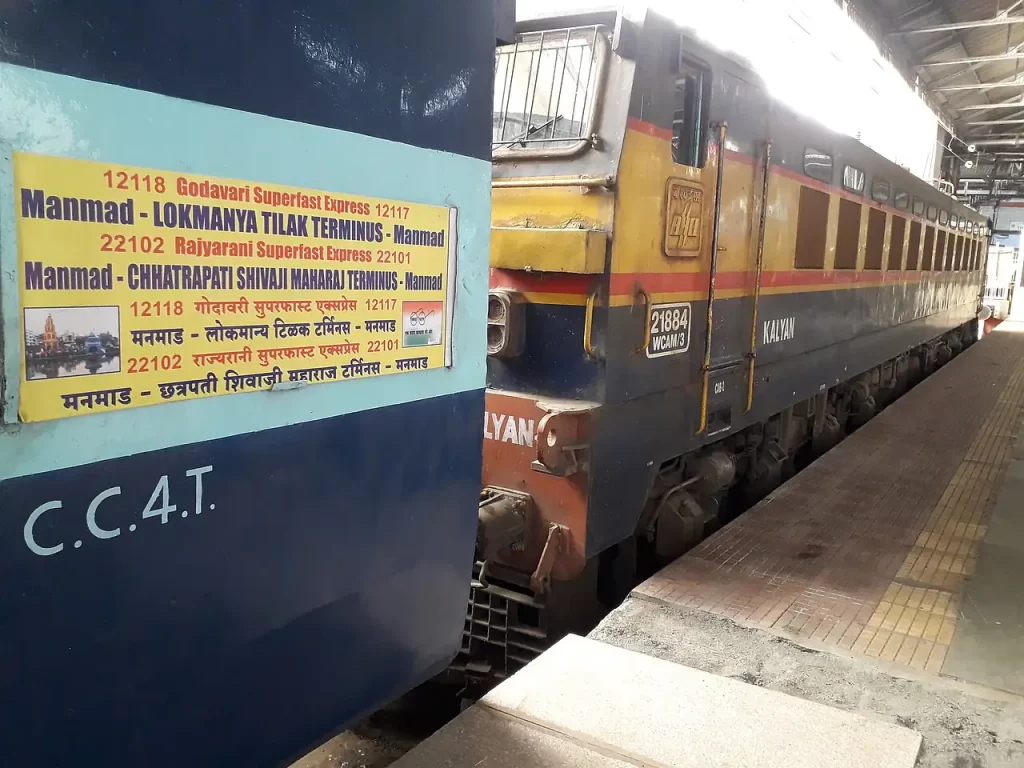
🚂 By Rail
Manmad Junction (MMR) is one of the most prominent railway stations in Maharashtra, connecting to:
Mumbai (260 km) – ~5 hours
Pune (220 km) – ~6 hours
Delhi (1150 km) – ~20 hours
Hyderabad (675 km) – ~14 hours
Nashik (120 km) – ~2.5 hours
🏘️ By Road
National Highway 160 and State Highways provide direct road connectivity.
MSRTC buses and private vehicles offer frequent services.
✈️ By Air
Nearest Airport: Shirdi International Airport (~55 km)
Alternatively: Aurangabad (~115 km) or Nashik Ozar Airport (~130 km)
📍 Best Places to Visit in Manmad
➙ Renuka Mata Temple – The spiritual centre of Manmad; known for Navratri celebrations.
➙ Khandoba Temple – Perched on a hillock offering panoramic views.
➙ Navgraha Temple – Unique planetary deity temple with Astrological significance.
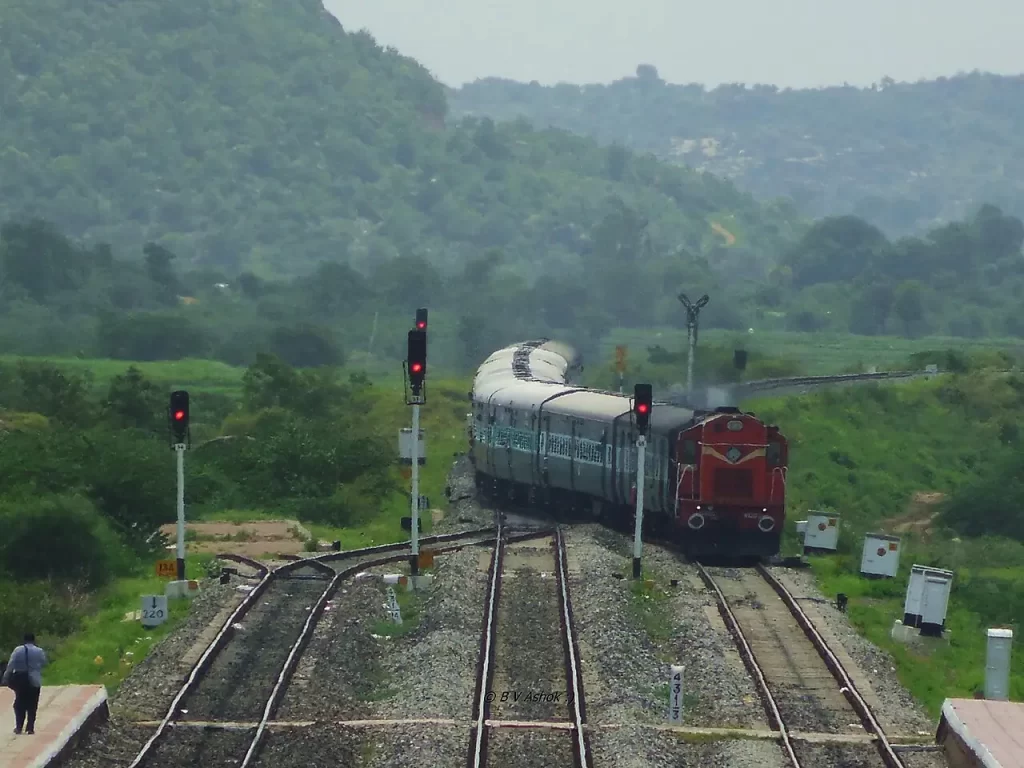
➙ Railway Yard Viewpoint – A visual treat for train lovers.
➙ Hanuman Mandir – Simple yet peaceful space for Meditation.
➙ Shirdi Sai Baba Temple (Nearby) – A spiritual must-visit.
➙ Ankai-Tankai Forts (Nearby) – Ancient hill forts ideal for trekking.

🕰️ Best Time to Visit Manmad
| Season | Months | Weather Condition |
| Winter | November–February | Cool & Pleasant (\~15°C to 28°C) |
| Summer | March–June | Hot (\~30°C to 42°C) |
| Monsoon | July–October | Lush green surroundings, light showers |
Pro Tip: Visit during winter or late monsoon for temple festivals and comfortable weather.
🧭 Nearby Tourist Attractions
➙ Shirdi – 55 km – World-renowned Sai Baba Shrine
➙ Ellora Caves – 130 km – UNESCO Heritage Site
➙ Ajanta Caves – 170 km – Ancient Buddhist rock-cut caves
➙ Nashik City – 120 km – Kumbh Mela and Wine capital
➙ Aurangabad – 115 km – Bibi Ka Maqbara, Daulatabad Fort
➙ Malegaon – 35 km – Known for Textile & Cinema Industry
🙏 Places of Worship
➙ Renuka Mata Temple
➙ Shani Temple (Wani)
➙ Khandoba Mandir
➙ Hanuman Mandir
➙ Datta Mandir
➙ Nearby Trimbakeshwar Temple (135 km)
🛍️ Local Markets & Handicrafts
➙ Main Market Road – Traditional Maharashtrian Wear, Spices, and Brass Utensils
➙ Station Bazaar – Local Snacks, Handicrafts, and Devotional items
➙ Weekly Haats – Local Produce, Pottery, and Handmade Goods
🍛 Local Food
➙ Misal Pav – Spicy Maharashtrian breakfast
➙ Sabudana Khichdi & Vada – Popular during religious fasts
➙ Bhakri & Thecha – Traditional rural staples
➙ Ukadiche Modak – Festival delight
➙ Locally made pickles & chutneys

🌾 Local Lifestyle & Culture
➙ Predominantly Agrarian Society
➙ People are engaged in Grain Storage, Onion Farming, Rail Jobs
➙ Festivals Celebrated: Gudi Padwa, Diwali, Holi, Navratri, Ganesh Chaturthi
➙ Marathi is the main language; Hindi is also widely understood
➨ Interview Insight:
“Manmad is not just a station. It’s a lifeline. Every family here has a railway or farm connection”. – Ramesh Joshi, retired Railway worker
🌍 Demographics & Language
➪ Population (2023 est.): ~110,000
➪ Languages: Marathi (Primary), Hindi, Urdu
➪ Religion: Hindu majority, followed by Muslim and Jain communities
➪ Talukas in Region: Manmad falls under Nandgaon Taluka, adjacent to Yeola, Chandwad, and Malegaon.
📈 Economy
✪ Railway Employment Hub
✪ Agriculture: Onion, Sugarcane, Wheat
✪ Grain & Oil Storage Warehouses
✪ Emerging Sectors: Logistics, Cold Storage, Regional Tourism
🧳 Things to Do in Manmad
✪ Visit Temples and participate in daily Aartis
✪ Explore the colonial-era Railway station
✪ Trek to Ankai-Tankai Forts
✪ Taste local food at old eateries
✪ Shop from traditional weekly markets
✪ Take a spiritual detour to Shirdi
✪ Enjoy a countryside sunset at Godavari riverbanks
💡 Travel Tips
✪ Carry cash for markets as digital payment is limited in small areas
✪ Avoid peak summer for outdoor treks
✪ Dress modestly for temple visits
✪ Stay hydrated during monsoon treks
✪ Hire local guides for fort or village tours

🟢 Section-by-section Detailed Breakdown with Granular Details
🌟 Detailed Introduction of Manmad, Nashik District, Maharashtra, India 🛤️ 🕉️
Nestled in the northern heart of Maharashtra, Manmad is a bustling town located in the Nashik District, a region known for its spiritual heritage, historical richness, and agricultural vitality. Often referred to as the “Railway Nerve Centre of Maharashtra”, Manmad is much more than just a stop on India’s extensive railway map—it’s a confluence of commerce, culture, and community spirit. With a population of over one lakh and a footprint in regional trade, transportation, and agriculture, Manmad has emerged as a dynamic town with deep-rooted historical and cultural importance. 🚂 🌾
The town derives its name from “Manmadya Rishi”, a sage believed to have once meditated here, and thus carries a deep mythological essence. Located approximately 120 km from Nashik city, Manmad falls under the Nandgaon Taluka and stands as a gateway to multiple pilgrimage centres like Shirdi, Trimbakeshwar, and Ellora Caves. While most travellers associate Manmad with its sprawling railway yards and old colonial-era quarters, a closer look reveals vibrant local traditions, age-old temples, bustling bazaars, and an economy rooted in both faith and freight. 🕌 🛍️
One of the most defining features of Manmad is its strategic importance to the Indian Railways. The Manmad Junction is among the most significant in the Central Railways zone, connecting northern India with Maharashtra, Telangana, Karnataka, and beyond. Over 150 trains pass through or originate here daily, serving as a lifeline for both passengers and goods. During the British Raj, Manmad emerged as a logistical hub thanks to its location and accessibility. The old GIPR (Great Indian Peninsula Railway) buildings still stand tall, telling silent stories of colonial engineering. 🇮🇳 🏗️
But Manmad is not just about trains. It’s also about Temple Bells, Bhajans, and Community festivals. The town is dotted with small but significant shrines, such as the Renuka Mata Temple, Khandoba Temple, and the astrologically-aligned Navgraha Temple. These places of worship not only serve the spiritual needs of the locals but also attract thousands of pilgrims during specific Hindu festivals like Navratri, Mahashivratri, and Ashadi Ekadashi. Cultural identity here is deeply intertwined with religious practices, family rituals, and seasonal celebrations. 🕯️ 🎉
Manmad’s geographic location is also central to its evolving identity. It serves as an Agro-commercial link between the Deccan plateau and Western Maharashtra. The town is surrounded by fertile farmlands producing onions, grains, and cotton, and is home to multiple grain depots, oil warehouses, and cold storage facilities. The famous ONION AUCTION MARKETS of Manmad are known across the state, driving exports to metros and even international ports via Mumbai. Farmers from surrounding villages congregate here, turning Manmad into a buzzing rural economy node. 🧅 🚛
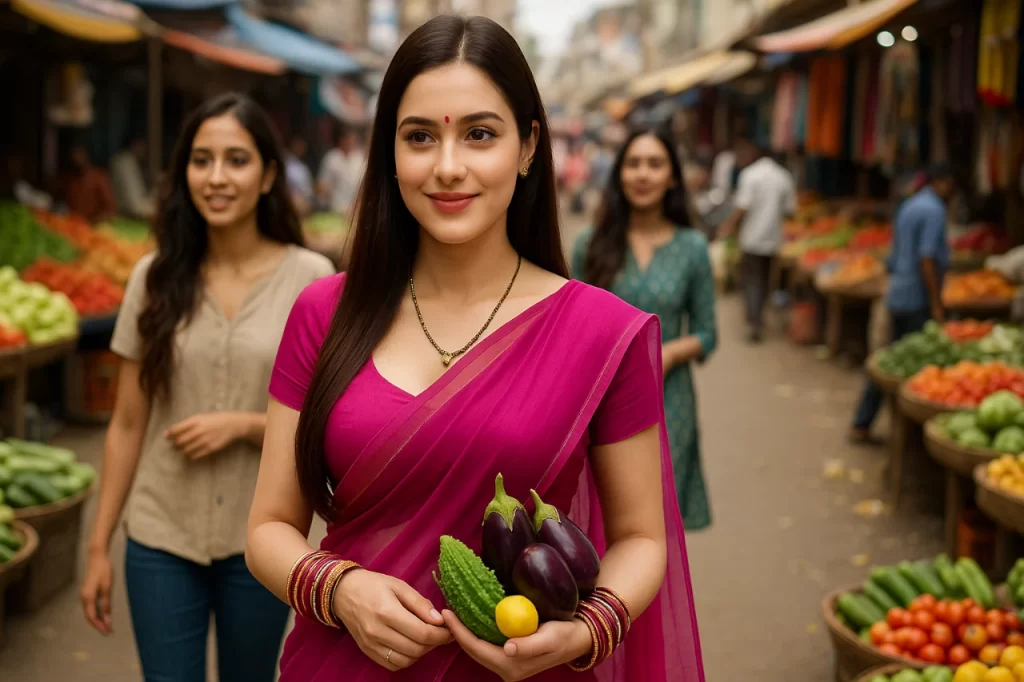
The urban lifestyle in Manmad is a blend of rustic charm and modern aspirations. Narrow streets buzz with auto rickshaws, tea stalls, and cycle vendors. Elderly men in traditional dhoti-kurta discuss politics outside temples, while young students rush to coaching centres or railway job exams. Women participate in weekly markets, religious activities, and increasingly, local businesses. The Marathi language dominates communication, but Hindi, Urdu, and English are also spoken, reflecting the town’s diversity due to its railway cosmopolitanism. 🗣️ 👥
In terms of demographics, Manmad is home to Hindus, Muslims, Jains, and Buddhists. The social harmony here is noteworthy, with shared festivals, inter-community markets, and overlapping cultural spaces. Schools, colleges, coaching institutes, and libraries have created an educational ecosystem that supports the youth, many of whom aspire for government jobs, especially in the Indian Railways, Police, and Agriculture Departments. Community centres and religious trusts also play a significant role in social upliftment and public welfare. 🏫 📚
The Architectural character of the town is another aspect worth highlighting. From colonial railway quarters with arched windows and tiled roofs to intricately carved stone temples and modern commercial complexes, Manmad showcases a spectrum of Maharashtra’s evolving Architectural styles. The old water towers, signal cabins, and warehouses give a peek into early 20th-century infrastructure. Meanwhile, newer residential colonies and flyovers point to a town that is urbanising while preserving its roots. 🏛️ 🚧
Lastly, what makes Manmad truly special is the resilience and warmth of its people. Despite weathering economic challenges, water scarcity during summer months, and the pressure of rapid urban growth, the community thrives with spirit. Local NGOs, farmers’ groups, railway unions, and women’s self-help collectives work in tandem to improve life here. As one local railway employee shared, “Manmad trains may go everywhere, but our hearts always come back home”. ❤️ 🧳
Whether you’re here for a pilgrimage, a history trail, or just passing through, Manmad offers a living storybook of Maharashtra’s past and present. It’s a town that connects — literally and spiritually. So, don’t just board the next train — step out, explore, and experience Manmad for what it truly is: a place where rails meet rituals, where temples meet trade, and where stories never stop. ✨ 🚉
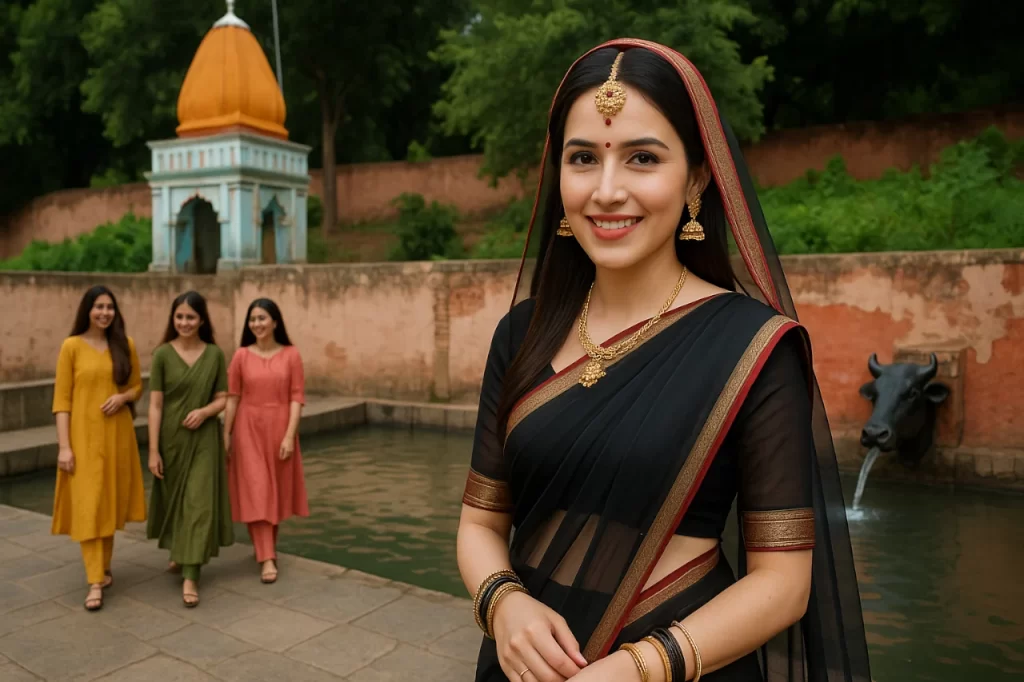
📜 Detailed Historical Facts and Events of Manmad, Nashik District, Maharashtra, India – A Time-Linked Journey 🚂 🏰
Manmad, today known as one of India’s busiest railway junctions and a growing agro-industrial town in Nashik District, has a multi-layered history that spans ancient legends, medieval rule, colonial engineering, and modern economic transformations. Let’s take a journey through time to explore Manmad’s fascinating evolution.
🕉️ Ancient Origins – Mythological Roots (Pre-1st Millennium CE)
The name “Manmad” is believed to be derived from Sage Manmadya, a revered Rishi in Hindu lore who is said to have meditated in this region. Though not directly referenced in ancient texts, local oral traditions and folklore associate the area with spiritual sanctity and the Renuka Mata Temple, which locals believe predates even recorded history. This temple and a few other nearby hilltop shrines suggest that the area had religious significance for tribal and early agrarian communities.
Legend: Locals say the surrounding hills of Ankai and Tankai once formed a spiritual triangle of meditation for sages during the Vedic period. Ancient cave remnants support these oral histories.
🏰 Medieval Period – Rule of the Yadavas and the Mughals (12th – 17th Century)
During the 12th century, Manmad and the surrounding areas fell under the rule of the Yadava dynasty of Devagiri (modern-day Daulatabad). Archaeological evidence and stone inscriptions near nearby forts like Ankai-Tankai and Patta Fort reflect Yadava architecture and their emphasis on trade and fortification.
By the 14th century, the region came under Delhi Sultanate rule, and eventually under the Bahmani Sultanate, followed by the Mughals in the 16th century. During the Mughal era, this corridor became a significant overland trade route between Khandesh (Burhanpur) and Nashik–Paithan belt, moving goods like cotton, grains, and forest produce. It is believed that some caravanserais and resting places from this period still survive in ruins near railway embankments.
🕌 Cultural Impact: This period saw the introduction of Indo-Islamic architectural features in a few rural mosques and tombs, blending with native Maratha elements.
⚔️ Maratha Era – Agrarian Renaissance & Guerrilla Warfare (17th – 18th Century)
Under the Maratha Empire, Manmad became part of the Peshwa’s Northern frontier. Though not a central political capital, it served as a supply point and agricultural storage hub, particularly for grains and jaggery, moving between Satara and Khandesh regions.
Historical records and local ballads suggest that Maratha forces used the hills of Manmad and nearby forts for guerrilla movements against the Mughals. During Chhatrapati Shivaji Maharaj’s era, the fortified passes around Ankai-Tankai were part of the defence network connecting Tryambakeshwar, Aurangabad, and Nashik.
⚔️ Legacy: Oral narratives passed down through families speak of hidden Maratha sword caches in hill crevices and war strategies discussed in village assemblies.
🚂 British Colonial Period – The Railway Revolution (1860s – 1947)
The most transformative chapter in Manmad’s history began in the mid-19th century, when the British Government, under the Great Indian Peninsula Railway (GIPR), identified Manmad as a crucial junction to connect the Mumbai–Nagpur–Hyderabad rail corridors.
By 1866, the railway line between Mumbai and Bhusawal via Manmad was operational. This development turned Manmad into an economic pivot and logistical powerhouse, catalysing its growth. Rail yards, steam engine sheds, and colonial-style railway colonies were developed. Residential quarters for British officers and Indian staff were constructed with Anglo-Indian design elements, many of which survive today.
🚉 Infrastructure Legacy: The Manmad–Kacheguda line was later added in the early 20th century, linking Manmad to Hyderabad and southern India.
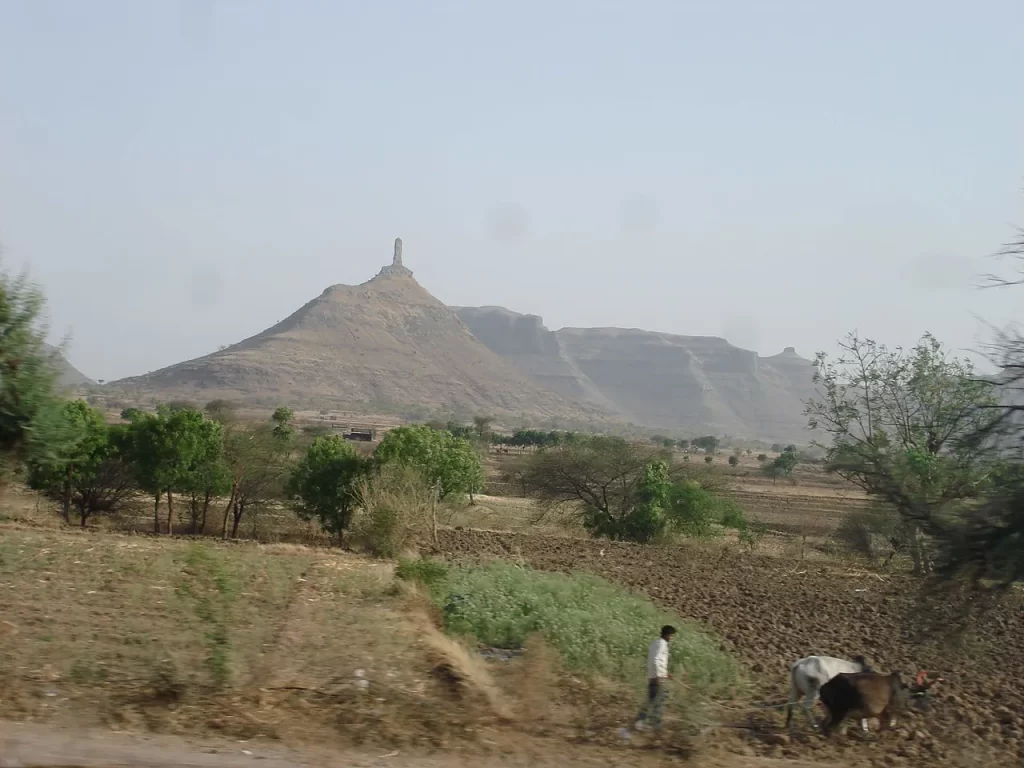
🛠️ Early 20th Century – Industrial Growth and Labor Movements (1900s–1940s)
With the railway infrastructure came a surge in labor population. Migrants from across Maharashtra, Madhya Pradesh, and even parts of Bihar settled here, forming a diverse demographic mosaic. Manmad began developing small-scale industries — grain storage, oil processing mills, and ironworks to support railway needs.
Labor unions also began emerging. By 1930s and 1940s, Manmad had a notable presence in India’s labor reform movements, particularly in the railway sector. Oral interviews with retired railwaymen speak of secret meetings during British suppression and underground support for India’s independence movement.
🛠️ Civic Legacy: The iconic Manmad Railway Institute, established during this time, became a social and cultural hub for workers and their families.
🇮🇳 Post-Independence Era – Urbanisation & Civic Development (1947–1980s)
After Independence, Manmad continued to grow as a Class-A Railway Junction. Electrification of rail lines began in the 1960s, modernising transit and freight handling. The town expanded into sectors—residential colonies like Railway Colony, Kisan Nagar, and Sarla Nagar emerged. Basic civic amenities like schools, hospitals, and markets flourished, supported by both Central Government (Railways) and local Nagar Palika bodies.
🎓 Social Development: New educational institutions and cooperative societies empowered middle-class growth and women’s participation in local trade and education.
🌾 Modern Times – Agrarian Boom & Emerging Agro-Logistics Hub (1990s–Present)
With the liberalisation of the Indian economy in the 1990s, Manmad’s agricultural sector saw a boom. It became one of Maharashtra’s major onion and cotton trade centres. The town now hosts large APMC markets, government-approved storage facilities, and private cold chains.
The rise of Shirdi International Airport nearby and new state highway expansions have made Manmad an emerging agro-logistics node between Mumbai, Pune, Nagpur, and Hyderabad. Several proposals to modernise the Manmad-Malegaon-Pathardi industrial corridor are in development, which will likely transform the region’s infrastructure further.
📈 Growth Insight: The town is witnessing growth in real estate, education, and small industries, while still preserving its traditional social structure.
🔮 Future Aspirations – Smart City Dreams & Cultural Revival (2020s–Beyond)
With Maharashtra Government’s push towards smart townships and regional hubs, Manmad is now being considered for infrastructure modernisation, better sanitation, digital public services, and eco-tourism around its natural and historic spots like Ankai-Tankai, Renuka Mata Temple, and the Godavari river belt.
Locals hope to preserve their historic temples, colonial rail quarters, and native markets through heritage conservation programs. Tourism boards are now planning temple circuits involving Manmad, Yeola, Trimbakeshwar, and Shirdi—aiming to turn this junction into not just a transit stop, but a cultural destination. 🎯 🏞️
🌿 Community Voice: “We want future generations to know that Manmad isn’t just where trains stop—it’s where history breathes and culture thrives”, says Sandhya Patil, a local school principal and cultural activist.
📌 Summary Timeline
| Period | Key Events |
| Pre-1st Century | Sage Manmadya’s legends, tribal worship sites |
| 12th–14th Century | Yadava and Sultanate influence, early trade routes |
| 16th–18th Century | Mughal to Maratha rule, guerrilla warfare around Ankai-Tankai |
| 1860s | GIPR Railway establishment and Manmad Junction construction |
| 1900s–1940s | Colonial Railway colony, Industrial activity, Labor movements |
| 1950s–1980s | Electrification, Urbanisation, Civic growth |
| 1990s–2020 | Agrarian Expansion, Logistics hub development |
| 2020s–Future | Smart town Proposals, Tourism, Cultural revival |

🏛️ Architectural Marvels in Manmad, Nashik District, Maharashtra, India – A Blend of Railways, Religion & Regional Identity 🏗️ 🕍 🚉
Though often overshadowed by Maharashtra’s more popular architectural cities like Nashik or Aurangabad, Manmad quietly houses a collection of architectural gems that reflect its layered history, socio-religious importance, and colonial influence. From ancient temples perched on hills to British-era railway quarters and rugged medieval fortresses nearby, Manmad’s built heritage is as diverse as its people. Let’s explore some of the most remarkable Architectural Marvels that define this fascinating railway town. 🧱 🏰
🛕 1. Renuka Mata Temple – Devotion Rooted in Stone and Soil
One of the most revered temples in Manmad, the Renuka Mata Temple is not only a spiritual centrepiece but also a fine example of vernacular religious Architecture in rural Maharashtra. Built using locally sourced basalt stone, the temple showcases simple yet dignified Hemadpanti style Architecture, named after Hemadpant, a minister in the Yadava dynasty. Its shikhar (spire) is unadorned yet commanding, symbolising strength and humility.
⛩️ Architectural Highlight: The inner sanctum or Garbhagriha is lit with natural sunlight through a strategically placed skylight. Its stone flooring remains cool even in scorching summers, demonstrating passive climate control design.
🏯 2. Khandoba Mandir – A Hilltop Temple with Panoramic Views
The Khandoba Mandir, situated on a hill overlooking the town, is another architectural wonder. While the temple itself is relatively modest, its strategic elevation and alignment with the rising sun on Makar Sankranti demonstrate traditional Astrological planning in temple construction. Its Arched entrances, stone-carved beams, and steps chiselled directly from the hillside make the trek an immersive spiritual and architectural journey.
🌄 Design Element: The temple is surrounded by natural rock formations used as seating and prayer zones, blending architecture with nature—a hallmark of ancient Deccan hill temples.
🏰 3. Ankai-Tankai Fort Complex – Rock-cut Defence from the Yadava Era
Located just 10 km from Manmad, the Ankai-Tankai Twin Forts are dramatic examples of Military Hill Architecture from the Yadava period (12th–14th century). Built primarily from basalt, the forts rise majestically from the earth, their rugged walls camouflaged against the surrounding Sahyadri ranges.
🪨 Architectural Features:
✪ Rock-cut stairways and fortification walls
✪ Cisterns carved into the rock for rainwater harvesting
✪ Granaries, temple ruins, and watchtowers built for utility and resilience
Hiking up these forts offers not only a historical tour but also a 360-degree Architectural insight into Medieval Fort Engineering in Maharashtra.

🚂 4. Manmad Railway Station & British-Era Railway Quarters – Industrial Colonial Elegance
Constructed in the late 19th century, the Manmad Railway Station is a living monument to the Great Indian Peninsula Railway (GIPR) era. The main station building, though renovated, still retains arched window frames, cast-iron columns, and Victorian-style railings. The adjacent Railway quarters, especially in Sarla Nagar and Officers’ Colony, display distinctive Anglo-Indian architecture—characterised by red-tiled sloped roofs, high plinths, and verandahs with Greco-Roman columns.
🏡 Cultural Echo: These colonial structures, originally designed for temperature control and dust management, are still inhabited—testifying to their durability and functional design.
🕌 5. Navgraha Temple – Astrological Alignment in Structure
A newer yet conceptually unique addition to Manmad’s temple landscape is the Navgraha Temple. Designed with Astrological precision, the structure houses shrines dedicated to the nine celestial deities (Grahas) of Hindu belief. The temple’s layout mirrors the planetary positions, and each shrine is built with different types of stones and materials based on Vedic texts.
🪐 Architectural Detail: The flooring is embedded with zodiacal motifs, and light and shadow play are used to symbolically represent the phases of the planets during different times of day and year.
🕍 6. Hanuman Mandir – Symbol of Community Architecture
Located near the railway market, the Hanuman Mandir is a grassroots architectural project, built entirely by local artisans and funded through public contributions. It may lack ornate features, but the temple boasts intricate hand-painted murals, wooden beams with floral carvings, and a large Sabhagriha (Assembly hall) constructed using traditional lime-mortar technique.
🎨 Community Vibe: The temple becomes an Architectural event space during Hanuman Jayanti, with temporary mandaps, lights, and floating diyas creating a magical atmosphere.

🏚️ 7. Ruins and Old Caravanserais – Forgotten Gems of the Trade Era
In and around Manmad, particularly along the old road to Yeola, lie the remnants of caravanserais—roadside inns that once served traders and pilgrims. Made of rough-cut basalt blocks, these structures were built with arched domes, inner courtyards, and camel stables. Though mostly in ruins, they offer a glimpse into pre-modern logistics and Hospitality Architecture.
📜 Conservation Alert: Local history enthusiasts have started digital mapping of these ruins to push for their inclusion under Maharashtra’s heritage conservation list.
🕌 8. Local Mosques & Dargahs – Syncretic Architecture of Faith
Manmad’s multicultural identity is reflected in its modest yet beautiful Mosques and Dargahs, such as the Dargah of Hazrat Sayyad Shah Baba. These Islamic structures combine Deccan Sultanate Architectural elements like Jharokha-style windows, Minaret Domes, and Calligraphic Stonework, harmoniously blending with the town’s Hindu heritage buildings.
🕌 Design Feature: These spaces often have community courtyards, used for evening prayers, social dialogue, and charity events—fostering both spiritual and Architectural harmony.
🔧 9. Public Infrastructure – Vernacular Engineering at Its Best
Beyond religious and colonial structures, Manmad’s everyday public infrastructure—like step-wells, local ghats, and village water tanks—showcase practical, climate-responsive Architecture. These structures use stone, lime, and terracotta and have stood the test of time, offering insights into sustainable regional building techniques.
💧 Eco-Architecture: Many tanks feature sloped ghats for water collection, animal access, and ritual bathing, reflecting multi-purpose rural design.
🧱 Conclusion – Architecture that Connects, Preserves & Inspires
Manmad’s Architectural canvas is a Palimpsest of History, reflecting centuries of Spiritual Faith, Colonial Ambition, Rural practicality, and Artistic ingenuity. From forts that whisper tales of Maratha valour, to colonial Railway quarters that echo with steam-engine nostalgia, to community temples built with devotion, every structure in Manmad is not just built—but lived in.
For architecture lovers, spiritual seekers, and cultural enthusiasts, Manmad is a living museum waiting to be explored—one arch, one fort, one spire at a time. 🏞️ 📷

🚉 🛣️ ✈️ How to Reach Manmad, Nashik District, Maharashtra, India from Various Parts of India – A Granular Guide to Travel Convenience 🧳 🗺️
Strategically located in the northern part of Maharashtra, Manmad serves as a crucial Rail Junction, making it one of the most accessible towns in the Nashik District. Whether you are traveling from Mumbai, Delhi, Pune, Hyderabad, Chennai, or Kolkata, Manmad offers a variety of travel options that cater to different budgets, preferences, and time constraints. Below is a comprehensive guide on How to Reach Manmad from major cities across India.
🚆 1. By Train – The Most Convenient and Popular Mode of Travel
Manmad is widely known for the Manmad Junction Railway Station (MMR), one of the most important junctions on the Central Railway line. It lies on the Mumbai–Bhusawal–Itarsi main line, making it a hub for North-South and east-west rail connectivity.
🔹 From Mumbai:
➪ Distance: ~260 km
➪ Duration: 5.5 to 7 hours
➪ Frequent trains like Panchavati Express, Tapovan Express, Gorakhpur Express, and Devagiri Express connect Mumbai CST/Dadar/LTT with Manmad multiple times a day.
🔹 From Pune:
➪ Distance: ~320 km
➪ Duration: 6 to 8 hours
➪ Trains such as Azad Hind Express and Goa Express pass through Pune and halt at Manmad.
🔹 From Delhi:
➪ Distance: ~1,200 km
➪ Duration: 18 to 24 hours
➪ Trains like Sachkhand Express, Mangala Lakshadweep Express, and Punjab Mail provide excellent connectivity.
🔹 From Hyderabad:
➪ Distance: ~610 km
➪ Duration: 10 to 12 hours
➪ Trains such as Kacheguda–Manmad Express and Ajanta Express serve this route directly.
🔹 From Kolkata, Chennai, and Bangalore:
➪ While direct trains are limited, you can reach Mumbai, Bhusawal, or Pune, and then take a connecting train to Manmad.
✅ Tip: Prefer AC Chair Car or 2AC for comfort, especially for longer routes. Booking through IRCTC well in advance is advised during peak seasons.
🚗 2. By Road – Scenic and Flexible Travel through Highways
Manmad is well-connected by a network of State Highways and National Highways, offering smooth connectivity to nearby cities and towns.
🛣️ Key Highway Routes to Manmad:
➪ From Mumbai: Take the NH160 (Mumbai–Nashik Highway), then connect to SH-10 or SH-26 via Nashik → Manmad (~260 km, 6-7 hours).
➪ From Pune: Take NH60 (Pune–Nashik Road) to Nashik and then to Manmad (~320 km, 7-8 hours).
➪ From Aurangabad: A direct route via SH-30 (Manmad–Aurangabad Road), ~115 km, 2.5 to 3 hours drive.
🚌 MSRTC (Maharashtra State Road Transport Corporation) operates:
➪ Regular buses from Mumbai, Pune, Nashik, Aurangabad, and Shirdi
➪ Semi-luxury and AC Shivneri buses also operate seasonally
🛻 Tip: Private car hire or taxis via platforms like Ola Outstation, RedBus Hire, or Savaari Cabs are ideal for groups or families. The route offers Ghats, Vineyards, and Rural landscapes — perfect for road trip lovers 🚗 🍇
🛫 3. By Air – Closest Airports to Manmad
Though Manmad does not have its own Airport, it is surrounded by several Domestic and International Airports within reasonable driving distance.
🛬 Nearest Airports:
👉 Shirdi International Airport (SAG) – ~75 km
 ⦿ Best for domestic travellers from Mumbai, Hyderabad, Delhi, Chennai
 ⦿ Direct cabs and buses to Manmad available (1.5 to 2 hours drive)
👉 Aurangabad Airport (IXU) – ~115 km
 ⦿ Connects to Mumbai, Delhi, and Hyderabad
 ⦿ Convenient via SH-30 route
👉 Nashik Ozar Airport (ISK) – ~130 km
 ⦿ Limited but growing connectivity
 ⦿ Best suited for chartered or local travellers
👉 Chhatrapati Shivaji Maharaj International Airport, Mumbai (BOM) – ~270 km
 ⦿ Ideal for international and inter-state travellers
 ⦿ From there, proceed via train or road to Manmad
🚕 Tip: For air travellers, book a prepaid taxi or intercity cab from the airport for direct drop-off at Manmad, or opt for a train from nearby railheads like Shirdi or Aurangabad.
🕌 4. Pilgrimage & Religious Routes to Manmad
Manmad is a gateway for religious travel to Shirdi, Trimbakeshwar, and Nashik Kumbh locations. Hence, it is well-integrated into pilgrimage circuits.
🚐 Religious Circuit Access:
⦿ Shirdi → Manmad: ~75 km (1.5-hour drive)
⦿ Nashik → Manmad: ~90 km (2-hour drive)
⦿ Trimbakeshwar → Manmad: ~110 km (2.5-hour drive)
Special religious buses and yatri packages often include Manmad as a halt due to its convenient junction location and budget accommodations.
🗺️ 5. Connectivity from Tier-2 & Tier-3 Cities in Maharashtra
Manmad is very accessible from rural and semi-urban areas in Nashik, Jalgaon, Ahmednagar, Dhule, and Nandgaon.
🚍 Local Transport Options:
⦿ MSRTC red buses run frequently from Yeola, Niphad, Malegaon, Lasalgaon, and Pachora
⦿ Shared auto-rickshaws, jeeps, and private mini-vans are commonly used by locals
🚴♂️ Tip: These routes offer an authentic taste of rural Maharashtrian life and are a favourite among backpackers and cyclists.

🗓️ 6. Best Time and Route Suggestions for Seasonal Travellers
🌀 Monsoon (June–September):
Roads can get slippery, but the Sahyadri landscape becomes lush and scenic. Prefer trains during this period for safety.
🌞 Winter (November–February):
Best time to travel! Weather is cool, roads are clear, and train travel is more pleasant. Ideal for sightseeing.
🔥 Summer (March–May):
Hot and dry. If traveling by road, carry ample water and travel during early mornings or evenings.
🚉 7. Special Railway Services & Festival Season Trains
During festivals like Diwali, Holi, Ganeshotsav, and Kumbh Mela in Nashik, Indian Railways often introduces special trains and additional coaches for Manmad.
📅 Tip: Check for updates on the IRCTC portal and use apps like Where is My Train, RailYatri, or IXIGO Trains for real-time updates and platform info.
🧭 8. Final Travel Tips for Reaching Manmad Smoothly
✅ Always pre-book train tickets as Manmad Junction is a busy node
✅ For flight passengers, combine with a cab/train journey from Shirdi or Aurangabad
✅ Avoid night-time travel during monsoon in rural routes; carry a flashlight if you’re using local transport
✅ Carry offline maps or download Google Maps offline for rural connectivity areas
✅ Try local snacks at Manmad railway platform—especially Vada Pav, Bhajiyas, and Sabudana Khichdi 🍽️
🎯 Conclusion – Manmad Is Closer Than You Think
No matter where you are in India, Manmad is highly accessible through an excellent combination of railways, highways, and nearby airports. With its strategic location between North and South India and proximity to key pilgrimage and heritage sites, reaching Manmad is not just easy—it’s part of the experience itself. So whether you’re a pilgrim, backpacker, heritage enthusiast, or family traveler, Manmad welcomes you with open arms and easy access 🚉 🌍 🚘

🛣️ Best Routes to Reach Manmad, Nashik District, Maharashtra, India from Various Parts of India
Nestled strategically in the heart of Maharashtra, Manmad is not only one of the state’s crucial railway junctions but also a well-connected hub by road and rail. Whether you’re traveling from the north, south, east, or west of India, this town in Nashik District is surprisingly accessible. Let’s break down the Best Routes to reach Manmad from key regions across India, ensuring a seamless and enjoyable journey 🗺️.
🚉 From Mumbai – The Commercial Capital of India (Approx. 260 km)
👉 Via Rail:
Board any North-bound train from Chhatrapati Shivaji Maharaj Terminus (CSMT), Dadar, or Lokmanya Tilak Terminus. Trains like the Pushpak Express, Godavari Express, and Mahanagari Express stop at Manmad. The journey takes about 5–6 hours.
👉 Via Road (NH 160):
Driving from Mumbai? Head northeast on NH 160 through Thane – Bhiwandi – Ghoti – Sinnar. It’s a scenic route with stretches of Western Ghats 🌄. Takes approx. 5.5–6 hours depending on traffic.
✦ Insider Tip: Stop at Igatpuri en route for a monsoon break or breakfast with a view 🍃.
🚉 From Pune – Cultural and Educational Hub (Approx. 250 km)
👉 Via Rail:
Several trains including the Goa Express and Sainagar Shirdi Express connect Pune and Manmad. The average journey time is around 6 hours.
👉 Via Road (Ahmednagar Route):
Take the Pune–Ahmednagar–Kopargaon–Manmad route via SH 27 & SH 10. This is the most direct road, with excellent highway conditions 🚗. It passes through historic towns like Ahmednagar and Shirdi.
✦ Quick Tip: A short detour to Shirdi Sai Baba Temple makes this route spiritually rewarding 🙏.
🚆 From Delhi – The National Capital (Approx. 1,250 km)
👉 Via Rail:
Opt for trains like Jhelum Express, Kushinagar Express, or Mangala Lakshadweep Express. These long-distance trains take about 18–20 hours and provide sleeper and AC options.
👉 Via Road:
While it’s a long haul by road, NH 44 connects Delhi to Manmad via Gwalior – Nagpur – Aurangabad. Best split into a 2-day journey 🧳.
✦ Pro Tip: Overnight halts at Nagpur or Aurangabad allow for heritage exploration (Ajanta, Ellora, and Daulatabad Fort) 🏰.
🚆 From Hyderabad – Tech City of Telangana (Approx. 530 km)
👉 Via Rail:
Trains like Ajanta Express, Hyderabad–Manmad Express, and Kacheguda Express run daily. Duration: around 10–12 hours.
👉 Via Road (NH 44):
A well-maintained route via Nanded and Aurangabad. The NH 44–SH 30 corridor is preferred by many travellers. Expect around 10 hours of drive time.
✦ Stopover Suggestion: Nanded Gurudwara and Aurangabad caves are en-route gems 🕌.

🚉 From Bengaluru – Silicon Valley of India (Approx. 980 km)
👉 Via Rail:
Basava Express, Karnataka Express, and other trains to Manmad run from Yeshwantpur and Bengaluru City Jn. Travel time: around 22–24 hours.
👉 Via Road (NH 44):
Though long, this drive offers changing landscapes. Drive via Pune or Solapur to reach Manmad in about 17–18 hours.
✦ Travel Hack: Breaking the journey at Pune or Sholapur keeps fatigue at bay 😴.
🚆 From Kolkata – Cultural Capital of India (Approx. 1,600 km)
👉 Via Rail:
Board the Howrah–Ahmedabad Express or Howrah–Mumbai Mail and alight at Manmad. Travel time: 28–30 hours depending on train schedule.
👉 Via Road (NH 19 & NH 53):
Drive westward via Ranchi – Nagpur – Aurangabad – Manmad. Ideal for long-distance travellers in groups or touring India by road 🚐.
✦ Pro Tip: Add a day in Nagpur for some authentic orange-based delicacies and Zero Mile Stone visit 🍊.
🚉 From Chennai – Gateway of South India (Approx. 1,200 km)
👉 Via Rail:
Trains like Chennai–Mumbai Mail or Chennai–Ahmedabad Express stop at Manmad. Duration: 22–24 hours.
👉 Via Road:
Chennai–Hyderabad–Nanded–Aurangabad–Manmad is a well-connected route. It takes roughly 20 hours, depending on halts and traffic 🛣️.
✦ Pit Stop: Explore Bidar’s fort and tombs if you have a few hours extra ⛩️.
🚆 From Ahmedabad – Industrial Hub of Gujarat (Approx. 500 km)
👉 Via Rail:
Board the Ahmedabad–Manmad Express or Lokshakti Express. Travel time: around 9–10 hours.
👉 Via Road:
NH 60 offers a straight route through Surat – Dhule – Malegaon. Journey takes around 8 hours, with smooth patches for relaxed driving.
✦ Detour Worth Taking: Stop by Saputara Hill Station en route during monsoon or winter for a refreshing break 🏞️.
🌍 Final Thoughts on Routes
With Manmad being a major Rail Junction, most travellers prefer trains for affordability, ease, and frequency. Road travel offers more flexibility and adventure, especially for those who want to explore en route. Whether you’re traveling from a nearby city like Nashik or a distant one like Chandigarh or Kochi, Manmad is reachable with a mix of connectivity and scenic beauty.
🧳 Planning Tip: Always check the seasonal traffic conditions, especially during monsoons when the Ghats and rural highways can get slippery or congested. Book trains and accommodations in advance during festive seasons like Diwali or Ram Navami.

📅 Best Time to Visit Manmad & 🎊 Cultural Festivals and Traditions
Located in the Northern part of Maharashtra, Manmad enjoys a unique blend of semi-arid climate, spiritual significance, and a rich railway heritage that make it a fascinating destination. Whether you’re a pilgrim en route to Shirdi, a heritage enthusiast, or a curious traveler exploring the rural heartland of Nashik district, timing your visit is key to experiencing the best of what Manmad has to offer. Alongside, the town is deeply rooted in vibrant cultural traditions and religious festivals that reflect the soul of Maharashtra 🇮🇳.
🌞 October to March – The Ideal Tourist Season (Pleasant Winter Weather)
The best time to visit Manmad is undoubtedly from October to March. The winter season brings relief from the sweltering summer, with temperatures ranging between 12°C and 28°C – perfect for sightseeing, temple visits, and exploring the countryside.
This is also the peak pilgrimage season due to favourable weather conditions, especially for devotees visiting nearby Shirdi, Trimbakeshwar, and Ellora Caves. Outdoor activities like fort hikes (Ankai-Tankai), visits to vineyards in nearby Nashik, and spiritual treks become much more enjoyable during this period 🧭 🍇.
🌼 March to May – The Dry Summer Season (For Budget Travellers)
Summers in Manmad can be harsh and dry, with temperatures often soaring above 38°C in May. However, budget travellers who can handle the heat may find fewer crowds, lower hotel rates, and shorter lines at major shrines and attractions.
Locals often begin preparations for Ram Navami during this time — a major Hindu festival celebrating the birth of Lord Ram — with week-long Bhajans (devotional songs), Pujas, and Cultural Processions organised at key temples like the Ram Mandir near the Railway station 🙏.
🌧️ June to September – The Monsoon Magic (For Nature Enthusiasts)
The monsoon season, though offbeat for many tourists, transforms Manmad’s surrounding areas into lush green stretches 🌿. Though it receives moderate rainfall, occasional heavy showers may disrupt road travel. Still, the Ankai-Tankai forts, nearby waterfalls, and the Satmala hills look ethereal during this time 🌄.
This season also overlaps with Ganesh Chaturthi, a festival celebrated with immense joy across Maharashtra. In Manmad, community Ganesh pandals, traditional dhol-tasha pathaks, and neighborhood contests give the small town a festive makeover. The final Ganesh Visarjan procession is a vibrant affair full of music, dance, and devotion 🎶 🐘.

🎊 Key Cultural Festivals in Manmad – A Celebration of Faith and Community
Despite being a smaller town, Manmad celebrates festivals with grand passion. These aren’t just events but are vital expressions of community bonding, faith, and identity. Here’s a look at some of the major cultural events that you can witness:
🛕 Ram Navami Mahotsav
Held in March or April, this festival commemorates Lord Ram’s birth. The Ram Mandir near the railway station becomes the epicentre of devotional activities. Week-long events include Aarti, Bhajan Sandhyas, Dramatic Performances (Ramlila), and a Rath Yatra (Chariot Procession) that winds through the main market streets of Manmad. The energy and turnout for this festival rival that of major cities 🔔 🌸.
🎐 Hanuman Jayanti at Maruti Mandir
Manmad has a strong local devotion toward Lord Hanuman. On Hanuman Jayanti (typically in April), devotees gather at temples like the Maruti Mandir near Gunjalwadi Road, where Akhand Path, mass Prasad distribution, and dhol-tasha-led processions take place. Youngsters and women actively participate, making it a community-inclusive celebration.
🪔 Diwali and Lakshmi Puja – The Festival of Lights
Like the rest of Maharashtra, Diwali is a grand affair in Manmad. From decorated houses to oil lamps flickering on verandahs, the town glows with festive warmth. Local markets bustle with sweets, firecrackers, and gift items. Lakshmi Puja is held with reverence in almost every household, and small children are seen playing with traditional Phuljhadis (Sparklers) and chakris in every alleyway 🪔 🎆.
🌾 Makar Sankranti and Kite Flying
Celebrated on January 14, this harvest festival marks the transition of the sun into Capricorn. Black-colored traditional attire, Tilgul Laddoos, and the iconic message “Tilgul Ghya, Goad Goad Bola” (take sweets, speak sweetly) fill the air. Rooftops are filled with colourful kites and echo with the shout of “Kai Po Che!”, especially by youngsters and school children 🎏 🪁.

🌸 Mahashivratri at Shiva Mandirs
Another spiritually potent festival is Mahashivratri, celebrated at local Shiva temples like the old Mahadev Mandir on Station Road. Devotees observe fasts, chant mantras, and participate in midnight aartis. Nearby Trimbakeshwar Jyotirlinga also sees huge influx of pilgrims from Manmad during this period.
🌟 Local Jatra (Fairs) and Folk Culture
Many temples in Manmad and nearby villages like Saykheda and Lasalgaon host annual Jatras (religious fairs). These feature Kirtans, Tamasha (folk dance-drama), Bullock cart races, and traditional street food. These village-style gatherings offer a deep dive into rural Maharashtrian culture and are often held post-harvest or in conjunction with temple anniversaries 🎪 🎭 🍢.
📸 Ideal Travel Period – Based on Interest
⦿ For Spiritual Tourism & Festivals: October to March
⦿ For Nature & Photography Enthusiasts: July to September
⦿ For Budget-Friendly Travel: April to early June
⦿ For Local Fair Experiences: Around Holi, Diwali, or Ram Navami
Whether you’re aiming to enjoy the cool breezes of winter, witness Ganpati celebrations, or experience the flavourful traditions of Ram Navami, Manmad always has something culturally rich and spiritually uplifting to offer throughout the year. Time your travel with these cultural calendars, and you’re in for a memorable experience filled with rhythm, devotion, and community spirit ✨ 🛤️ 🌺.

🏨 Where to Stay in and Near Manmad – Complete Lodging Guide with Rates & Facilities
🔘 Luxury & Mid‑Range Hotels
(Higher comfort, more amenities)
🎯 Hotel Radhika Majestic (Approx. ₹2,900/night)
➛ ~4‑minute walk from Manmad Junction
✪ Rooms: AC, attached bathrooms, TV, kettle, fridge, daily housekeeping, CCTV
✪ Check‑in: 14:00 | Check‑out: 12:00
✪ Facilities: Free Wi‑Fi, power backup, private entrances
✪ Food: In‑house restaurant and 24‑hour room service; regional & vegetarian options available 🍛
🎯 Hotel Shree Leela International (₹2,100–₹2,500/night)
➛ ~9‑minute walk to station
✪ Rooms: AC, attached bath, TV
✪ Facilities: Gym, lounge, restaurant
✪ Food: Multi‑cuisine restaurant; breakfast available at extra charge
✪ Check‑in: 14:00 | Check‑out: 11:00
🎯 Hotel Visava (₹2,000–₹2,100/night)
➛ ~2‑minutes walk from station
✪ Rooms: Standard and deluxe AC rooms
✪ Facilities: Restaurant, 24‑hour Reception, free cancellation
✪ Food: In‑house dining with simple Indian meals and snacks
🔘 Budget Hotels & Guesthouses
(Economical comfort with basic amenities)
🎯 Sugandha Residency (₹1,200–₹1,500/night)
➛ ~3-minute walk to Manmad Junction
✪ Rooms: Basic AC/non-AC, attached bathrooms
✪ Facilities: 24‑hour room service, lounge, free cancellation
✪ Food: Breakfast on request at extra charge
✪ Check‑in/out: Flexible; typical hotel standard timings
🎯 POP Hotel Darshan & Guest House (approx. USD 6 ≈ ₹500–₹600/night)
➛ In Bardiya Nagar, near the city centre
✪ Rooms: Basic fan/non‑AC rooms, shared bathrooms
✪ Facilities: Very basic; restful for travellers on minimal budgets
🎯 OYO 78536 Hotel Radhika Majestic / OYO 81625 Hotel Radhika (₹500–₹600)
➛ ~1 km from junction
✪ Clean shared rooms or private AC rooms
✪ Facilities: Free Wi‑Fi, daily cleaning; minimal dining available on-site
🔘 Dharamshalas & Simple Lodging Options 🛕
(Ideal for pilgrims, very low-cost stays)
Though detailed listings in Manmad alone are limited online, nearby Nashik’s Panchavati area has Dharamshalas like Mithil Lodge (~₹800/night) and others near Kalaram Temple — walkable alternatives for budget travellers or pilgrims. In Manmad, such lodging may exist in local temples or community centres, often costing ₹200–₹500 per night; advance inquiries via local shops or temple trust offices are recommended.
🔘 Shirdi-Area Hotels on the Manmad–Shirdi Road
(Convenient if visiting both locations)
While not in Manmad proper, these are 7–8 km away and suitable if you plan a Shirdi visit:
🎯 Hotel Sai Country Inn by Shantikamal (~₹800/night)
➪ Similar mid‑budget hotels in Pimpalwadi/Manmad Road, prices ₹800–₹1,500/night
➪ Facilities generally include free ID-based booking, simple restaurant service, and clean fan/AC rooms

🔘 Comparative Rate Summary
| Category | Property | Price (₹/night) | Distance to Railway Station | Facilities | Food Available? |
| Luxury/Mid‑Range | Hotel Radhika Majestic | \~2,900 | \~4 min walk | AC, Wi‑Fi, Restaurant, CCTV, Housekeeping | Yes—Restaurant & Room Service |
| Mid‑Range | Hotel Shree Leela International | 2,100–2,500 | \~9 min walk | Gym, Lounge, Restaurant | Yes |
| Mid‑Range | Hotel Visava | \~2,000 | \~2 min walk | Restaurant, 24‑hour service, clean rooms | Yes |
| Budget | Sugandha Residency | 1,200–1,500 | \~3 min walk | Lounge, Room Service, Free cancellation | Breakfast Extra |
| Budget | POP Hotel Darshan Guest House | \~500–600 | \~1 km | Basic Rooms, Shared Baths | No |
| Budget | OYO variants | \~500–600 | \~1 km | Basic amenities (Wi‑Fi, daily cleaning) | Limited/maybe none |
| Pilgrim Stay | Dharamshalas (Panchavati, Nashik) | \~200–800 | 100 km Nashik region | Very basic; shared facilities | Minimal/may include Prasad |
🔘 Facilities Across Stays & Food Options
➨ Most mid-range to budget hotels in Manmad offer:
➪ AC rooms with attached Bathrooms
➪ 24‑hour Reception and Room Service (in mid‑range hotels)
➪ Free Wi‑Fi, Power Backup, CCTV (Hotel Radhika Majestic, Leela)
➪ On-site Restaurants or lounges serving vegetarian meals, local Maharashtrian food, Chai/Coffee, snacks
Budget guesthouses (POP, OYO) may lack dedicated dining; guests often eat at nearby local eateries or Railway Platform stalls. In Dharamshalas, food is often community-prepared according to temple schedules, usually simple Vegetarian fare.
🔘 Check‑In/Check‑Out & Booking Tips
⦿ Check‑in: Usually from 2:00 PM (Hotel Leela, Radhika) or flexible in Budget stays
⦿ Check‑out: Around 11:00 AM–12:00 PM
⦿ Booking: Online platforms like GoIbibo, MakeMyTrip, Tripadvisor, or calling properties directly
⦿ Advance Booking: Recommended during festive seasons or railway peak periods
⦿ Payment: Accept cards or cash; some budget guesthouses accept cash-only
⦿ ID Requirements: Government ID mandatory at check-in, especially at couple-friendly hotels

🔘 Insider Travel Tips
➪ Stay close to the Railway Station if transit convenience is key—best at Hotel Visava, Sugandha or Radhika Majestic.
➪ Budget travellers may prefer Guesthouses or OYO options, though comfort and hygiene vary.
➪ For Pilgrims visiting nearby Shirdi, consider hotels on Manmad‑Shirdi road offering cheaper rates with shuttle or cab access.
➪ Carry your own snacks or bottled water, especially in basic stays without restaurants.
Verify hygiene, especially in GUEST houses—ask locals or check recent reviews.
🔘 Local Insight from Travellers
“Sugandha Residency is the go‑to for quick overnight stays near the station, just about ₹1,400/night with breakfast extra — super convenient for pilgrims or rail‑transit passengers”.
“Radhika Majestic felt safe, clean, with reliable reception and restaurant. Daily housekeeping and CCTV added comfort”.
✅ Conclusion
Whether you’re looking for budget efficiency, mid‑range comfort, or accessibility to transit, Manmad offers a variety of lodging options. For luxury and convenience, choose Hotel Radhika Majestic or Shree Leela International. For economical stays, Sugandha Residency and Guesthouses like POP Hotel Darshan and OYO variants are practical choices. Pilgrims or budget travellers may consider Dharamshalas, especially in nearby Nashik.

🌟 Best Places to Visit in and near Manmad, Nashik District, Maharashtra, India
Manmad isn’t just a major railway hub—it’s a gateway to Spiritual Sanctuaries, Ancient Temples, Bustling Markets, and Serene Landscapes. Whether you’re a History Enthusiast, a Pilgrim, or a Traveler looking to discover lesser-known gems, Manmad has something for everyone.
🛕 1. Chandika Devi Mandir – The Guardian Goddess of Manmad
Located on a hillock about 1.5 km from the Manmad Railway station, Chandika Devi Mandir is a revered temple dedicated to Goddess Chandika. The temple is built into the hillside, requiring visitors to climb approximately 700 steps. This physical effort adds a spiritual dimension to the pilgrimage.
➨ Highlights:
✪ The temple structure is semi-cave based, exuding natural calm and mystery.
✪ Breathtaking views of Manmad city from the summit ⛰️.
✪ Celebrations during Navratri and Dussehra attract thousands of devotees.
✪ Early morning visits are preferred for peaceful Darshan.
🔱 2. Renuka Mata Temple – A Shrine of Motherly Blessings
This is a prominent temple for the local community and is located on the way to Manmad’s Bus depot. The temple sees heavy footfall on Tuesdays and Fridays, believed to be auspicious days for the deity.
➨ Highlights:
✪ Recently renovated premises with colourful murals and carvings.
✪ Live bhajan and Kirtan events during festivals.
✪ Street vendors selling Prasad and traditional sweets.
🛐 3. Khandoba Temple – The Kuldevata of Maharashtra
Dedicated to Khandoba, the warrior deity, this temple on the outskirts of Manmad draws followers from various talukas. Especially during Champashashti, the atmosphere becomes festive with music, dance, and community meals.
🛕 Temples and Places of Worship
Beyond the major temples listed above, Manmad also offers a wide array of places of worship reflecting diverse faiths:
🕌 Jama Masjid (Main Mosque of Manmad)
A central place of worship for the local Muslim population, Jama Masjid comes alive especially during Ramadan and Eid. The Mosque’s clean, white minarets add a peaceful charm to the bustling town.
✝️ St. Mary’s Church
A modest yet well-maintained Catholic church located in the Christian Wadi area, St. Mary’s Church hosts mass every Sunday. The Christmas celebrations, complete with a crib, choir, and lighting, attract not just Christians but people of all communities.

🛍️ Local Marketplaces and Handicrafts
No travel is complete without shopping for local treasures. Manmad’s marketplaces offer an authentic small-town shopping experience.
🧵 1. Main Bazaar Road
This is the economic artery of the town. Lined with everything from saree shops to hardware outlets, you can find:
➪ Locally woven Paithani sarees 🧶
➪ Traditional Maharashtrian jewellery
➪ Handmade wooden toys and utensils
➪ Seasonal items like kites during Sankranti, Rakhis during Raksha Bandhan, and Diyas during Diwali.
🧂 2. Bhaji Mandai (Vegetable Market)
For those who love local flavours, the vegetable market is a riot of colours, smells, and sounds. Don’t forget to try:
➪ Fresh Green Grapes and Pomegranates 🍇 🍎
➪ Sun-dried Masalas
➪ Pickled Mango and Lime from local vendors 🥭

🌉 Other Notable Places to Visit
🎯 4. Pattegaon Dam – A Hidden Gem Near Manmad
Located about 10 km from Manmad, this serene reservoir is a great picnic spot during monsoon. The cool breeze, chirping birds, and light drizzle create a magical ambiance. Families often bring food and spend entire afternoons here.
🏛️ 5. Ajanta Caves (Approx. 130 km from Manmad)
While technically not in Manmad, this world-famous UNESCO World Heritage Site is a feasible day-trip via train or road. Carved between the 2nd century BCE and 6th century CE, these caves are filled with Buddhist rock-cut sculptures and intricate paintings.
➙ Recommended Itinerary: Take an early train to Jalgaon or Aurangabad and hire a taxi from there.
🕊️ 6. Shirdi Sai Baba Temple (Approx. 70 km)
A globally known pilgrimage site, Shirdi is conveniently connected by train and road from Manmad. Many pilgrims choose to stay in Manmad due to its better rail connectivity and visit Shirdi as a day trip.
🛤️ 7. Manmad Railway Yard – For Rail Fans
Manmad is one of India’s largest railway junctions and boasts a massive Railway yard. It’s an underrated site for Railway enthusiasts who love train spotting, understanding signal operations, and photographing diesel and electric locomotives 🚄.
📸 8. Ankai-Tankai Forts
Located just 10 km from Manmad, these twin forts stand tall and offer some of the best trekking opportunities in the region. The panoramic views from the top are absolutely worth the effort.
✪ Ancient rock-cut caves are scattered along the climb.
✪ Carry water and start early, especially in summer.
✪ Historical remnants such as bastions and cannons can still be found.
🌅 9. Nandgaon
Just 20 km from Manmad, Nandgaon is a historic village famous for its annual yatra of Balaji Maharaj. Devotees from all over Maharashtra gather here for religious processions, traditional games, and folk performances.
🐄 10. Gaon Devi Mandir
A local favourite, this temple lies inside the agricultural belt and is often visited by farmers. During Makar Sankranti and Bail Pola, special Pujas are offered to honour Mother Earth and cattle. It’s a great place to experience Manmad’s rural culture.
🎯 Summary
Manmad is so much more than a railway stop—it’s a cultural and spiritual confluence where ancient temples, historical forts, local bazaars, and traditional values meet the pulse of modern connectivity. Every lane tells a story, every hill hides history, and every local is a welcoming host. Whether you’re visiting for a day or staying for a week, the places in and around Manmad will give you memories to cherish.

🍽️ Best Places for Refreshments with Authentic Local Food in Manmad, Nashik District, Maharashtra, India – With Granular Details
Manmad, nestled in the heart of Maharashtra’s grape country, is not only a pivotal rail junction but also a hidden gem when it comes to authentic Maharashtrian food and local refreshments. While the town may not boast fancy cafes or fast-food chains, its roadside eateries, traditional messes, and old-school sweet shops deliver a taste of local flavour that’s both comforting and unforgettable. From piping hot Misal Pav to sweet Gulab Jamuns dripping in syrup, every dish has a story and a loyal fanbase.
🥘 1. Hotel Aishwarya (Near Railway Station)
This is a favourite among travellers who want a quick yet delicious bite near Manmad Junction. The restaurant serves authentic Maharashtrian Thali with items like Bhakri, Pitla, Zunka, Varan-Bhaat, Thecha, and Chaas (Buttermilk).
⦿ Must Try: Special Thali during lunch hours (₹130 onwards).
⦿ Ambience: Clean and functional, ideal for families and solo travellers alike.
⦿ Timings: 7:00 AM – 10:00 PM.
⦿ Pro Tip: Ask for their seasonal Aamras during summers! 🥭
🌶️ 2. Hotel Panchratna (Malegaon Road)
Hotel Panchratna is more upscale in the Manmad context. It serves both Maharashtrian and Punjabi cuisines, but what stands out is their spicy Kolhapuri chicken Thali and Gavran Mutton (local-style Mutton curry).
⦿ Must Try: Kolhapuri Mutton Thali (₹250), Egg Curry with Bhakri.
⦿ Ambience: Large seating area with air-conditioned section.
⦿ Timings: 11:00 AM – 11:00 PM.
⦿ Bonus: Great parking space and kid-friendly.
🌯 3. Hotel Vaibhav Bhojanalay (Market Area)
If you’re craving a no-frills, full-of-flavour meal, Hotel Vaibhav Bhojanalay is your stop. Known for its home-style Maharashtrian food, this small eatery offers affordable meals with generous portions.
⦿ Must Try: Varhadi Chicken, Jowar Bhakri, Rice Plate (₹90).
⦿ Vegetarian Options: Baingan Bharta, Matki Usal, Kadhi.
⦿ Timings: 10:00 AM – 9:00 PM.
⦿ Note: Very limited seating—go early during lunch hours!

🧁 4. Shree Ram Sweet Mart (Main Road, Near Bus Stand)
A legendary sweet shop, this place is always buzzing. From hot Jalebis in the morning to Kaju Katli and Motichoor Ladoos, this is a must-visit for those with a sweet tooth. It also serves quick snacks like Samosas, Kachoris, and Vada Pav.
⦿ Must Try: Puran Poli (Seasonal), Gulab Jamun, Besan Ladoo.
⦿ Refreshments: Masala Chaas, Dry Fruit Milkshake 🥤.
⦿ Timings: 7:00 AM – 10:30 PM.
🫖 5. Laxmi Tiffin Centre (Station Road)
This family-run tiffin center is where locals go for an early morning bite. Their Idli-Sambar, Poha, and Upma are cooked fresh every morning and disappear fast! You’ll also find Chaai served in cutting glasses — just the way it should be ☕
⦿ Must Try: Poha with sev topping, Batata Vada, Idli-Chutney (₹20–₹40 range).
⦿ Timings: 6:30 AM – 11:00 AM, reopens 4:00 PM – 8:00 PM.
🥟 6. Hotel Shivam (Tilak Road)
Known for hearty evening snacks, this hotel offers a mix of North Indian and South Indian food, along with refreshing beverages. The staff is friendly and the food is prepared hygienically.
⦿ Must Try: Masala Dosa, Cheese Pav Bhaji, Dahi Puri.
⦿ Evening Hit: Hot Ginger Tea with fresh Kanda Bhaji (₹60 combo).
⦿ Timings: 9:00 AM – 10:00 PM.
🌯 7. Baba Sandwich and Snacks Corner (Manmad City Centre)
Perfect for youngsters and travellers in a rush, this small corner shop serves fresh Sandwiches, Paneer Rolls, Frankies, and Cold Coffee. It’s the closest thing Manmad has to modern street food with a desi twist.
⦿ Must Try: Cheese Chutney Sandwich, Veg Grilled Frankie (₹70–₹120).
⦿ Cooler Options: Cold coffee with Ice cream, Falooda.
⦿ Timings: 10:30 AM – 9:30 PM.
🌮 8. Jay Bhavani Vada Pav (Near Railway Staff Quarters)
If you want to taste the real Maharashtrian Vada Pav, skip the franchises and head to this local gem. The spicy Chutney, deep-fried green chili, and soft Pav will leave you wanting more.
⦿ Must Try: Butter Vada Pav, Misal Pav, Sabudana Vada.
⦿ Cost: ₹20–₹50 only. Pocket-friendly!
⦿ Timings: 7:30 AM – 7:00 PM.

🫓 9. Gavran Tadka Dhaba (On Yeola Road, Outskirts of Manmad)
Set on the outskirts and popular with truckers and travellers alike, this rustic Roadside Dhaba serves food with that unmistakable ‘Gavran’ (Village-style) taste. The food is cooked on firewood, giving it a distinct smoky flavour.
⦿ Must Try: Mutton Sukka with Bhakri, Spicy Thecha, Tambda Rassa.
⦿ Seating: Outdoor under thatched shade.
⦿ Timings: 11:00 AM – 11:00 PM.
🍛 10. Hotel Suvidha Family Restaurant (VIP Road)
A clean, family-friendly eatery that serves a variety of dishes, from Punjabi to Indo-Chinese, but it’s their Dal Fry and Jeera Rice combo that wins the locals over.
⦿ Must Try: Veg Kolhapuri, Hakka Noodles, Jeera Rice Combo.
⦿ Kids’ Special: Cheese Pav Bhaji, Veg Fried Rice.
⦿ Timings: 12:00 Noon – 11:00 PM.
🧋 11. Cool Café (Inside Manmad Railway Station – PF 1)
A convenient place for train travellers, this café serves Coffee, Tea, Packed Snacks, Sandwiches, and instant Noodles. Though basic, it’s a good spot for a quick bite while waiting for your train.
⦿ Must Try: Hot Filter Coffee ☕, Chocolate Milk, Veg Patties.
⦿ Timing: 24/7 (subject to station hours).
🧃 12. Fruit Juice and Falooda Stalls (Main Chowk Area)
When in Manmad, don’t miss the fresh fruit juice stalls scattered around Main Chowk and Station Road. Try their:
⦿ Seasonal Grapes Juice (₹30–₹50) 🍇
⦿ Sitaphal Milkshake
⦿ Rose Falooda with Ice Cream (₹60)
These stalls often open by 10 AM and stay till 10 PM, especially in summers.
🍛 Summary
Manmad offers a food journey deeply rooted in rural traditions, family recipes, and regional ingredients. From spicy vada pav at a roadside stall to traditional thalis at age-old Bhojanalayas, every dish reflects the soul of this vibrant Maharashtrian town. Whether you are a spiritual traveler heading to Shirdi or a history buff on your way to Ankai-Tankai forts, take a culinary detour—you’ll be glad you did!

🗺️ Local Food Trail Itinerary & Printable Food Map Guide of Manmad – Granular Food Explorer’s Edition
📍 Overview
This itinerary takes you on an immersive food walk through Manmad’s hidden culinary gems—traditional tiffin centres, vegetarian thalis, sweet shops, roadside dhabas, and juice stalls—spanning around 3–4 km so you can explore on foot or auto‑rickshaw. It’s ideal for a one‑day food mission or a weekend of indulgence.
🍳 1. Early Morning Tiffin Stop: Laxmi Tiffin Centre (Around 7:00–8:30 AM)
➪ Location: Station Road, opposite Manmad Junction Plaza
➪ Highlights: Fresh Poha, Batata Vada, Idli-Sambar, and Cutting‑Glass Chai.
➪ Reason to Start Here: It’s local, fast, and affordable (₹20–₹40). Prepare your palate for a day of bold flavours.
☀️ 2. Mid-Morning Refreshment: Fruit Juice Stalls at Main Chowk (Around 9:00–10:00 AM)
➪ Location: Main Chowk, near the vegetable market
➪ What to Try: Seasonal Grape Juice, Sitaphal Milkshake, or classic Rose Falooda with Ice cream (₹80–₹100).
➪ Why Visit: A refreshing palate cleanser and regional produce highlight.
🍛 3. Late Breakfast / Brunch: Hotel Vaibhav Bhojanalay (10:30 AM–12:00 PM)
➪ Location: Near Main Bazaar Road
➪ Signature Dishes: Jowar Bhakri with Varhadi Chicken curry, Baingan Bharta, Varan-Bhaat, and Thecha.
➪ Pricing: Around ₹90 for a generous plate.
➪ Why Stop Here: Offers a robust introduction to regional Maharashtrian cuisine and bold flavours.
🌶️ 4. Early Lunch: Hotel Aishwarya (12:30–2:00 PM)
➪ Location: Next to the Railway Station exit
➪ What to Order: Traditional Maharashtrian Thali with Pitla, Zunka, Bhakri, Rice, and Chaas (₹130).
➪ Why It Works: Clean, efficiently served meals perfect for railway travellers or transit lunch.
🧆 5. Local Snack Round: Jay Bhavani Vada Pav & Misal Pav (2:30–3:30 PM)
➪ Location: Gunjalwadi road (near staff quarters)
➪ Recommended Bite: Spicy Vada Pav, Butter variant if available, and hearty Misal Pav.
➪ Price Tag: Just ₹20–₹50 each—classic street food.
➪ Why Stop: Unmissable Maharashtrian staples, beloved by locals and railway staff alike.

🧁 6. Mid-Afternoon Delights: Shree Ram Sweet Mart (3:45–4:30 PM)
➪ Location: Main road opposite the Bus Station
➪ Must-Try Sweets: Jalebi, Gulab Jamun, Motichoor ladoo, seasonal Puran Poli or Aamras.
➪ Refreshment Options: Masala Chaas, Dry Fruit Milkshakes.
🍽️ 7. Evening Hearty Meal: Hotel Panchratna or Hotel Shivam (5:00–7:00 PM)
➪ Hotel Panchratna: Known for Kolhapuri Mutton or Chicken Thali (₹250), generous portions, AC seating.
➪ Hotel Shivam: Offers Dosas, Pav Bhaji, Dahi Puri, and trending snack options (₹60–₹120).
➪ Why Visit: Refuel with spice-rich, savoury dishes before night.
🧋 8. Nighttime Sip: Cool Café at Platform 1 (7:15–8:00 PM or while boarding the train)
➪ Location: Manmad Railway Platform 1
➪ Perfect Choices: Hot Filter Coffee, Iced Chocolate Milk, Packaged Biscuits if needed.
➪ Why It’s Ideal: Last stop before train departures; convenient and timely.
🎯 Why This Food Trail Works
➪ Diversity: From savoury Thalis to spicy street snacks to sweet bites and drinks.
➪ Local Authenticity: Family-run eateries and traditional recipes dominate the route.
➪ Time Efficiency: Covers sunrise to train departure time; friendly to any travel schedule.
➪ Budget-Friendly: Total expected spending under ₹450 (excluding the main dinner), making it pocket-friendly yet flavourful.
📝 Tips for the Trail
➪ Hygiene Note: Carry hand sanitiser and bottled water; prefer cooked items.
➪ Portion Sharing: Some dishes are heavy—order half-plates or share with your companion.
➪ Dress Comfortably: Loose cotton attire is best for navigating heat or narrow lanes.
➪ Local Advice: Ask vendors about seasonal specials (like Aamras or Grape Shakes) that may only be available certain months.
With this food trail, you get a tasteful deep dive into Manmad’s authentic culinary landscape—complete with local flavours, cultural context, and a printable format to take along. Whether it’s your first time or you’re revisiting these flavours, this guide ensures a delicious, memorable, and manageable exploration. 🌶️ 🍛 🥤

🌦️ Climatic Conditions in Manmad, Nashik District, Maharashtra, India – Granular Overview
📍 Geographic Context & Climate Type
Manmad, located in the northern part of Nashik District in Maharashtra, lies at an elevation of approximately 580 meters (1,903 feet) above sea level. It is positioned in the rain-shadow region of the Western Ghats, and thus experiences a semi-arid to tropical savanna (AW type) climate as per the Köppen-Geiger classification. Its proximity to the Deccan Plateau and distance from the coast define its hot summers, moderate winters, and erratic monsoons.
☀️ Summer Season (March to Mid-June)
Manmad’s summer begins around early March and extends until mid-June, with April and May being the hottest months.
➪ Average Day Temperature: 36°C to 42°C (can peak to 44°C during heatwaves) 🔥
➪ Night Temperatures: 22°C to 28°C
➪ Humidity: Low, around 15–25%
➪ Winds: Dry and gusty, especially during late afternoons
➪ Travel Advice: Carry sunblock, water bottles, light cotton clothes, and sunglasses. Avoid sightseeing post-noon.
➪ Agricultural Impact: Farmers rely on irrigation; water storage tanks are vital for crop survival 🌾.
🌧️ Southwest Monsoon Season (Mid-June to September)
The monsoon arrives between mid to late June and continues till late September, although with erratic and uneven rainfall patterns.
➪ Average Rainfall: Around 450–600 mm annually, significantly less than coastal Maharashtra
➪ Rain Intensity: Typically scattered and moderate, with occasional cloudbursts
➪ Temperature: Day: 28°C to 33°C | Night: 21°C to 25°C
➪ Humidity: Rises sharply to 70–85% during peak monsoon
➪ Flash Flooding: Rare but water-logging can occur near railway colonies and older city drains
➪ Best Experiences: Green countryside views, misty hillocks, and grapevine refreshment 🌿 🍇.
🌤️ Post-Monsoon / Retreating Monsoon (October to Early November)
This short transitional period offers some of the most pleasant weather conditions, making it ideal for travel and local festivals.
➪ Temperature: 25°C to 32°C during the day; cooler nights around 18°C
➪ Skies: Clear or partly cloudy
➪ Humidity: Drops gradually to 45–60%
➪ Festive Vibes: Perfect time for celebrating Diwali and Navratri, with comfortable weather and clean streets ✨ 🎉.
➪ Farmer’s Note: This is the harvesting period for Kharif crops like Bajra and Moong.
❄️ Winter Season (Mid-November to February)
Winters in Manmad are generally mild and dry, but sometimes the night temperatures dip significantly due to dry continental air.
➪ Daytime Temperature: 22°C to 28°C
➪ Nighttime Lows: 10°C to 14°C (can touch 7°C in late December) ❄️
➪ Sky: Clear blue skies, negligible rainfall
➪ Air Quality: Fresh and crisp with low dust levels
➪ Best Time for Tourism: Ideal for exploring Temples, Historical Rail facilities, and nearby vineyards 🍷 🛕
➪ Local Foods: Winter special dishes like Puran Poli, Undhiyu, and Dry Fruit Milk are widely enjoyed.
🌬️ Wind Patterns & Climate Trends
➨ Manmad experiences seasonal wind variations:
➪ Pre-Monsoon Winds: Dry north-easterlies that bring in heat from interior Maharashtra
➪ Monsoon Winds: Moist westerlies from the Arabian Sea, often weakened by the Sahyadri range
➪ Post-Monsoon: Calm with occasional gentle breezes
➪ Climate Change Indicators: Rising summer max temps, irregular monsoon timings, and prolonged dry spells noted over the last decade.
🌡️ Temperature Extremes & Records
➪ Hottest Recorded Temperature: Around 45°C in late May 2016 🔥
➪ Coldest Recorded Temperature: 6°C in January 2008 ❄️
➪ Average Annual Temperature: Approximately 26.5°C
➪ Such temperature extremes, though not frequent, influence energy consumption (more cooling needs in summer) and crop cycles.

💧 Water Resources & Climate Dependency
➨ Manmad’s water resources are closely tied to the monsoon cycle:
➪ Primary Sources: Darna and Kadwa reservoirs, groundwater from bore-wells
➪ Water Stress: Common during March–June when groundwater tables deplete
➪ Civic Management: Water tankers supplement supply in outer areas during peak summer
➪ Railway Impact: The Indian Railways depot stores water to support transit passengers and sanitation during dry months.
🎒 Seasonal Travel Guide Based on Climate
Best Time to Visit: October to February – Mild weather and cultural events
Avoid if Possible: April to early June – Scorching temperatures make travel unpleasant
Monsoon Travel Tip: Keep umbrellas and waterproof footwear handy; roads may become slippery
➨ Outfits:
☀️ Summer: Cotton shirts, caps, sunglasses
❄️ Winter: Light woollens, shawls
🌧️ Monsoon: Quick-dry pants, rain jackets
🌍 Summary of Manmad’s Climate
Manmad showcases the quintessential Deccan weather profile: hot summers, variable rains, and cool winters. The semi-arid terrain, monsoon dependency, and local adaptations like using underground storage tanks and seasonal crop planning define the town’s resilience and rhythm. Whether you’re a tourist planning temple visits or a researcher studying climate shifts in central India, Manmad offers a revealing microcosm of Maharashtra’s inland climate.

📊 Month-wise Temperature & Rainfall Guide to Manmad, Maharashtra (With Infographic Interpretation)
Manmad, a key railway and cultural town in the Nashik District, experiences distinct seasonal patterns that shape not just agriculture but also the local way of life, tourism, and festivities. Let’s walk through the month-wise temperature, rainfall, humidity, and seasonal vibe to offer a practical perspective for travellers, farmers, and climate-conscious individuals.
🌸 January – Crisp & Cool Beginnings
➪ Avg. Temperature: 11°C (Low) to 28°C (High)
➪ Rainfall: 2–4 mm 🌤️
➪ Humidity: ~40%
➪ Seasonal Vibe: One of the most pleasant months with clear skies and chilly evenings. Ideal for Temple tours, Vineyard visits, and local winter delicacies like Puran Poli and Tilgul 🍬
➪ Clothing Tip: Light woollens or shawls at night; warm sun in the afternoon ☀️
🌿 February – Warming Up Gradually
➪ Avg. Temperature: 14°C to 31°C
➪ Rainfall: 5–8 mm
➪ Humidity: 45–50%
➪ Seasonal Vibe: Slightly warmer days begin, but evenings remain breezy. A transitional month, great for outdoor excursions and photography around mustard fields 🌼
➪ Events: Early Holi celebrations may begin; markets are full of seasonal harvests
🔥 March – The Summer Creep Begins
➪ Avg. Temperature: 18°C to 36°C
➪ Rainfall: ~10 mm
➪ Humidity: Drops to 30–35%
➪ Seasonal Vibe: The heat sets in gradually. Dry winds become more frequent by the third week. Farmers prepare for summer harvest 🌾
➪ Travel Advisory: Avoid sightseeing in afternoons; hydrate frequently 💧
☀️ April – Full-On Summer
➪ Avg. Temperature: 22°C to 40°C (Can touch 42°C)
➪ Rainfall: 3–7 mm
➪ Humidity: ~20%
➪ Seasonal Vibe: Hot and dry with bright skies. Summer fruits like Mangoes and Jamuns arrive in the local bazaars 🥭
➪ Caution: Heatwave potential; rail travel becomes sweaty and bustling
🔥 May – Peak Heatwave Month
➪ Avg. Temperature: 25°C to 43°C
➪ Rainfall: 5–12 mm
➪ Humidity: ~18–25%
➪ Seasonal Vibe: The hottest month in Manmad. Agricultural activity slows down. Locals stay indoors during midday. Expect parched landscapes.
➪ Food Tip: Local drinks like Aam Panna, Kokum Sarbat, and Sugarcane Juice are popular 🌞 🧃
🌧️ June – Welcome First Showers
➪ Avg. Temperature: 24°C to 36°C
➪ Rainfall: 60–120 mm (beginning of monsoon)
➪ Humidity: 55–70%
➪ Seasonal Vibe: Pre-monsoon thunderclouds bring relief. Dust settles, and countryside starts greening 🌱
➪ Travel Note: Carry umbrellas, waterproof shoes, and enjoy monsoon chai spots 🍵

🌧️ July – Monsoon in Full Swing
➪ Avg. Temperature: 22°C to 30°C
➪ Rainfall: 140–180 mm (peak) 🌧️
➪ Humidity: 80–90%
➪ Seasonal Vibe: Lush green fields, muddy roads, and overflowing canals. Travel slows, but local life thrives with Kharif sowing 🌾
➪ Watch Out: Occasional rail delays due to slippery tracks or foggy mornings
🌧️ August – Monsoon Lingers
➪ Avg. Temperature: 22°C to 29°C
➪ Rainfall: 110–150 mm
➪ Humidity: 85–90%
➪ Seasonal Vibe: Vibrant local festivals like Raksha Bandhan and Janmashtami. Fields are lush, but rains can disrupt day travel 🌾 🛕
⛅ September – Retreating Rains
➪ Avg. Temperature: 21°C to 31°C
➪ Rainfall: 80–100 mm
➪ Humidity: ~75%
➪ Seasonal Vibe: Gradual withdrawal of monsoon. Grapes and early vegetable harvests resume 🍇
➪ Tip: Great time to explore local farming belts and rail heritage without heavy showers
🌤️ October – Clear Skies & Festive Energy
➪ Avg. Temperature: 20°C to 33°C
➪ Rainfall: 20–40 mm
➪ Humidity: 50–65%
➪ Seasonal Vibe: Start of winter feel. Perfect weather for travel, especially during Diwali 🪔. Skies are blue, sunsets are beautiful.
➪ Markets: Buzzing with sweets, handicrafts, and new clothes for festivities

❄️ November – Crisp Mornings Begin
➪ Avg. Temperature: 16°C to 29°C
➪ Rainfall: 5–10 mm
➪ Humidity: 45–55%
➪ Seasonal Vibe: Dry, cool air. Picnics, field trips, and rail-side walks are popular. Schools begin winter breaks.
➪ Best Time for: Temple visits, grape farms, and local food trails 🛕 🍛
❄️ December – Calm & Comfortable
➪ Avg. Temperature: 12°C to 26°C
➪ Rainfall: 1–3 mm
➪ Humidity: 35–45%
➪ Seasonal Vibe: A peaceful, breezy month. Local celebrations, cultural events, and ideal weather for a hot plate of bhakri and thecha! 🌾 🌶️
➪ Must Try: Winter sweets and regional dishes like Bajari Bhakri, Lasoon Chutney, Gavran Chicken
📈 Summary Infographic Interpretation (Seasonal Snapshots):
| Season | Duration | Avg. Temp | Rainfall | Vibe |
| Winter ❄️ | November–February | 10°C–28°C | Very Low | Crisp, Dry, Ideal for Travel |
| Summer ☀️ | March–May | 22°C–43°C | Scanty | Hot, Dry, Avoid Mid-day Exposure |
| Monsoon 🌧️ | June–September | 22°C–33°C | Heavy | Lush Fields, Occasional Flooding |
| Post-Monsoon ⛅ | October | 20°C–33°C | Light | Perfect Weather, Festive Atmosphere |

🧭 Sociodemographic Profile of Manmad, Nashik District, Maharashtra 🇮🇳
Manmad, located in the northern region of Nashik District, Maharashtra, is a prominent railway and trading town that showcases a vibrant sociocultural tapestry woven by diverse castes, communities, languages, and traditions. With a population of over 80,000, Manmad’s demography reflects a harmonious blend of rural-urban dynamics, occupational diversity, and multi-ethnic co-existence. Below is a breakdown of the various social, cultural, and linguistic elements that define Manmad’s rich identity.
👪 Caste Composition – A Mosaic of Communities
Manmad is home to a wide spectrum of caste groups, each contributing uniquely to the local economy, politics, traditions, and festivals:
➪ Marathas (मराठा): Traditionally agrarian and politically influential, the Marathas are among the dominant caste groups in Manmad. Many are also involved in small businesses and local governance 🏡 🌾
➪ Brahmins (ब्राह्मण): Predominantly Deshastha and Chitpavan Brahmins are present. They often engage in education, religious services, and administrative roles 📚 🕉️
➪ Dhangars (धनगर): Traditionally shepherds and cattle herders, now also active in agriculture and transport sectors 🐑 🚚
➪ Malis (माळी): Known for their expertise in horticulture, they also engage in small-scale retail and services 🌼 🍅
➪ Kunbis (कुणबी): An important agrarian community found in large numbers in the surrounding rural belts of Manmad 🌽 🚜
➪ Scheduled Castes (SC) and Scheduled Tribes (ST): Includes communities such as Mahars, Mangs, and Bhils. Many are employed in railways, municipal services, and labor sectors, while also receiving educational support through government schemes 🛤️ 👷♂️
➪ Other Backward Classes (OBC’s): Includes communities like Vanjari, Teli, Koli, and others who are involved in trade, fishing, oil pressing, or other traditional occupations 🛍️ 🎣
This multi-caste co-existence ensures that Manmad is both culturally rich and politically dynamic, with frequent participation from various groups in festivals, processions, and electoral processes 🗳️ 🎉.
🗣️ Languages Spoken – Linguistic Diversity in Everyday Life
Manmad’s linguistic environment is a product of its strategic Railway location, proximity to multiple state borders, and influx of migrants. Here’s a detailed breakdown:
➪ Marathi (मराठी): The official and most widely spoken language, used in administration, education, and daily communication. Almost every local can understand and converse in Marathi fluently 🗣️ 📘
➪ Hindi (हिन्दी): Due to the strong railway culture and the movement of people from North India, Hindi is the second most spoken language, especially in markets, railways, and amongst shopkeepers 🛒 🚆
➪ Urdu (اردو): Spoken by the local Muslim population and in traditional markets, Urdu has cultural importance and is used in madrasas and religious discourse 🕌 📜
➪ English: Used in schools, banks, and formal communications. It’s not commonly spoken on the streets but is prevalent among students and professionals ✍️ 🏫
➪ Bhojpuri, Rajasthani, and Gujarati Dialects: These are spoken within small migrant communities, particularly traders, workers, and religious functionaries. You’ll often hear these in temple lanes or wholesale markets 🎭 🛍️
This multilingual setup fosters inclusivity and makes Manmad a welcoming space for travellers, pilgrims, and seasonal migrants.
📊 Religious Diversity – Unity in Spirituality
Though Hinduism is the dominant religion in Manmad, the city also houses a significant Muslim and Buddhist population, with traces of Jain and Christian communities:
➪ Hindus: Constitute the majority; festivals like Ganesh Chaturthi, Holi, Navratri, and Makar Sankranti are grandly celebrated 🛕 🎊
➪ Muslims: A visible and active community, especially near the railway quarters, and areas like Ganj and Shaikhpura. They celebrate Eid, Muharram, and conduct Friday prayers in local masjids 🕌 🧕
➪ Buddhists: Converted Dalit communities, largely influenced by Dr. B. R. Ambedkar’s movement, observe Dhammachakra Pravartan Din and Ambedkar Jayanti with pride and unity 🕯️ 🧘♂️
➪ Christians & Jains: Found in smaller pockets. A local church and Jain temples stand as symbols of peace and coexistence ⛪ 🛐
The interfaith tolerance and mutual respect have played a vital role in maintaining harmony in this culturally layered town.
🧑🏫 Literacy and Education Levels
➨ Manmad has seen considerable progress in literacy and access to education:
➪ Literacy Rate: Approx. 80%, which is slightly above the state average 📖 📈
➪ Male Literacy: Around 86%; Female Literacy: Close to 73% – reflecting a gender gap, though it’s narrowing thanks to local initiatives for girl education
➪ Educational Institutions: Includes Marathi-medium schools, convent schools, Urdu schools, and government colleges. Vocational training and computer institutes are also emerging in town 🏫 💻
➪ Popular Subjects: Engineering, Arts, Commerce, Railways Training, ITI courses
Educational advancement has led to an increase in socioeconomic mobility among the younger generation.

👨🌾 Occupation & Economy – From Fields to Freight
The occupational structure of Manmad mirrors its location between Agricultural heartlands and Industrial Railway setups:
➪ Railways: One of the largest employers. Manmad Junction is a key transshipment point for goods and passengers, with many locals working in maintenance depots and offices 🚉 🔧
➪ Agriculture: In surrounding villages, crops like Onions, Wheat, Grapes, and Bajra dominate. Onion farming is particularly famous and exported across India 🌾 🧅
➪ Wholesale Markets: The grain and vegetable mandis attract traders from all over Maharashtra and beyond
➪ Retail & Services: Shops, Garages, Tailors, Kirana stores, and Mobile shops form a vital part of the service economy 🛠️ 📱
➪ Migrant Labor: Many seasonal labourers from Bihar, MP, and UP come here for work in logistics, packaging, rail loading/unloading, and farming
This economic diversity supports a wide range of social classes, from daily wage earners to middle-class professionals.
🧬 Gender & Age Composition
➪ Gender Ratio: Approx. 930 females per 1000 males, which is slightly below the state average but shows improvement among younger age groups 👨👩👧
➪ Children (0–14 years): Make up nearly 26% of the population – reflecting a young and growing demography
➪ Youth (15–35 years): Highly aspirational, digitally connected, and politically aware. Many prepare for government jobs and railways exams 📱 🎓
➪ Elderly (60+ years): Approx. 9–11% of the population. Often respected as community elders and involved in religious or civic committees 👴 👵
🏘️ Urban-Rural Linkages & Settlement Patterns
While Manmad town itself is semi-urban with municipal governance, it is surrounded by numerous villages and hamlets that feed into its markets and workforce:
➪ Rural Migrants: Travel daily for work or education; the town acts as a nucleus for over 80 surrounding villages
➪ Railway Colonies: Neatly planned quarters built during British India, still house thousands of railway families
➪ Urban Expansion: Areas like Tilak Nagar, Gandhi Nagar, Bhavani Nagar, and Khadakpura are rapidly urbanising with new apartments, schools, and markets 🏙️
📅 Cultural Life & Inter-Caste Harmony
Despite caste differences, Manmad displays strong social cohesion, especially visible during shared public events:
➪ Ganesh Utsav, Navratri, and Eid see cross-community participation
➪ Marriage ceremonies often follow traditional customs, yet inter-caste and inter-regional marriages are rising among the youth 💍 🎼
➪ Social Organisations & Mandals: Run by various castes and linguistic groups promoting education, health drives, and cultural programs 🤝 📣
This blend of tradition and modernity makes Manmad a socially vibrant and evolving town.

🌾 Detailed Local Lifestyle of People of Manmad, Nashik District, Maharashtra, India 🌆
1️⃣ Simple Yet Culturally Rich Daily Life
The people of Manmad live a harmonious life rooted in tradition yet adaptive to modern influences. Most families follow a routine deeply connected to Agriculture, Railway services, or small-scale trade. The day begins early, especially for farmers and vendors who head to the local markets or fields. Women play a vital role in both household responsibilities and contributing to income through tailoring, farming, and local businesses. Their mornings often begin with Prayer, Rangoli Art outside homes, and the preparation of traditional meals like Poha, Upma, or Bhakri with Chutney. 🌅 🙏
2️⃣ Clothing and Attire – Tradition Meets Comfort
Manmad’s attire reflects its climate and modest rural culture. Men traditionally wear dhoti-kurta, shirts, and sometimes Nehru jackets, especially during festivals or religious ceremonies. Women usually wear sarees (cotton or silk), often with flowers in their hair and glass bangles adorning their wrists. Younger generations, especially students and working youth, are adopting jeans, salwar-kameez, kurtis, and western wear, reflecting the influence of Nashik and Mumbai. 🎽 👗 🌸
3️⃣ Language and Communication
Marathi is the most widely spoken language, infused with a regional dialect. However, Hindi and Urdu are also commonly spoken, especially among the trading and Muslim communities. English usage is growing in schools and workplaces, especially in railway-related jobs and education. Locals are hospitable, warm, and polite, often greeting visitors with “Namaskar” or “Salaam Alaikum”, depending on their community background. 🗣️ 📝
4️⃣ Work and Occupations – The Pulse of the Town
Manmad is home to a diverse workforce. The Indian Railways is the backbone, employing thousands. The Manmad Junction is one of the busiest railheads in India and has shaped the local economy. Others are engaged in Agriculture, particularly Onion, Grape, and Wheat farming, while many run Kirana stores, Tailoring units, Garages, and Dhabas. Women often form Self Help Groups (SHGs) to produce Pickles, Papads, and Embroidery work. 🚉 🛠️ 🌾
5️⃣ Community Living and Family Structure
Joint families are still common in Manmad, although nuclear families are increasing. Community-based living ensures strong social bonding, visible in cooperative festivals, shared wells, and neighbourhood markets. Most homes have courtyards, tulsi vrindavans, and outdoor seating areas. Children often play gilli-danda or cricket in lanes, while elders discuss local issues in evening gatherings over tea or bhajans. 🏡 👨👩👧👦

6️⃣ Festivals and Local Celebrations 🎉
Life in Manmad revolves around religious and seasonal festivals. Ganesh Chaturthi, Diwali, Holi, Eid, and Makar Sankranti are celebrated with devotion and fanfare. Baba Dargah Urs is a significant Sufi festival that draws people from surrounding regions, highlighting the town’s interfaith unity. Traditional folk music like Bhajans, Qawwalis, and Dhol-tasha add flavour to these events. Children and adults wear new clothes, and homes are decorated with lights, flowers, and torans. 🎆 🎶 🕌
7️⃣ Cuisine and Daily Meals 🍛
Local meals are simple yet rich in flavour and nutrients. A typical lunch includes Bhakri or Chapati, Sabzi, Dal, Rice, Thecha (Chilli Chutney), and curd. Onion, Garlic, Jaggery, and Groundnuts are staples. During festivals, sweets like Puran Poli, Sheera, and Modak are prepared. People love snacking on Misal Pav, Pav Bhaji, and Batata Wada during tea time. Families often gather in verandahs or kitchens to eat together. ☕ 🍽️
8️⃣ Education, Leisure, and Evolving Trends 🎓 📱
Education is improving, with the younger generation attending English-medium schools and pursuing technical degrees, especially in railway engineering or agriculture. Local youth enjoy cricket, kabaddi, mobile gaming, and watching Marathi serials or Bollywood films. There’s a growing influence of urban culture through social media, while elders try to preserve traditions like storytelling, Paath-shaalas, and rural libraries. 📚 🏏 🎮
9️⃣ Women Empowerment and Rural Entrepreneurship 💪 🌾
Manmad has seen a rise in rural entrepreneurship, particularly among women. Many women participate in self-help groups (SHGs), producing handicrafts, spices, handloom goods, and packaged snacks. They often sell their products in weekly bazaars, Temple fairs, or through cooperative societies. Training sessions are also organised by local NGOs and government schemes to help women become financially independent. 🧵 👜 🌶️
🔟 Blending Tradition with Modern Aspirations 🌟
Despite being a small town, Manmad reflects a microcosm of rural India embracing modernity. From mobile recharge kiosks to WhatsApp-savvy farmers, from religious harmony to startup ideas among youth—Manmad is evolving while holding onto its identity. The local lifestyle here is a tapestry woven with hard work, warmth, spiritual devotion, and community spirit. 🛤️ 🌅 🌿

🌟 Detailed Complete List of Notable People and Their Noticeable Work in the Region – Manmad, Nashik District, Maharashtra, India 🇮🇳
1️⃣ Shri Ramesh Gite – Grassroots Political Leader and Public Servant 🏛️
Shri Ramesh Gite is a well-known political figure in the Manmad region who served multiple terms as a Municipal Councillor and played a key role in improving local sanitation, road infrastructure, and water supply systems. He worked extensively on the development of wards in Manmad and advocated for better rail connectivity and rural electrification. A respected name in grassroots governance, he also launched several job fairs for local youth and was instrumental in facilitating farmers’ grievances at the district collect-orate. 🌿 🛣️
2️⃣ Dr. Smita Bhoyar – Renowned Educator and Rural Academic Visionary 🎓
Dr. Smita Bhoyar is a trailblazer in the field of rural education, particularly focusing on girls’ education and literacy enhancement in Manmad and surrounding villages. As a principal of a reputed senior secondary school, she has introduced modern teaching methods, digital classrooms, and girl-child scholarships. Her seminars on agriculture, hygiene, and women’s empowerment have influenced local NGOs and Gram Panchayats to adopt inclusive learning policies. 📚 💻 🌸
3️⃣ Hafiz Abdul Karim – Custodian of Spiritual Harmony and Interfaith Peace 🕌 🕊️
Known as the spiritual caretaker of the Baba Dargah in Manmad, Hafiz Abdul Karim has been a respected symbol of interfaith dialogue and communal harmony in the region. Every year during the Urs Festival, he ensures that people from all religions are welcomed and treated equally. He has also collaborated with local authorities to promote peace initiatives, charity drives, and disaster relief activities during droughts and floods. 🕌 🤝 🕯️
4️⃣ Late Shri Shankarrao Mali – Veteran Freedom Fighter and Kisan Leader 🇮🇳 🌾
Shankarrao Mali was a freedom fighter from the Manmad region, who was deeply involved in the Quit India Movement. Post-independence, he focused his life on organising farmers’ cooperatives and agricultural reforms. He was one of the founding members of the Manmad Kisan Sahakari Society, promoting fair pricing and sustainable farming practices. His legacy continues through the Shankarrao Mali Memorial Trust, which funds rural libraries and student scholarships. 📖 🧑🌾
5️⃣ Vaibhav Patil – Young Innovator in Agricultural Technology 🚜 💡
A rising star in agri-tech, Vaibhav Patil from a small village near Manmad has received recognition at the District Innovation Forum for designing a low-cost soil sensor that helps farmers detect moisture and improve irrigation. His project, named “Krushi-Mitra”, is now being piloted in over 50 farms. Vaibhav is also training local farmers in digital tools and organic farming techniques, making agriculture in the region more tech-savvy and eco-conscious. 🌱 📱
6️⃣ Mrs. Aruna Kulkarni – Pioneer in Women’s Self-Help Group Movement 👩🌾 💪
Aruna Kulkarni has led over 12 Self-Help Groups (SHGs) in and around Manmad, empowering women to become financially independent through papad-making, tailoring, organic product sales, and handicrafts. Under her leadership, the SHGs have secured MSME loans and NABARD support, establishing stalls at district expos and even exporting products to urban markets. She also conducts workshops on menstrual health and domestic rights awareness. 🧵 📦 💬
7️⃣ Shri Rajendra Jagtap – Former Railway Officer & Civic Planner 🚉 📊
Having served as a Senior Operations Officer at Manmad Junction, Rajendra Jagtap is remembered for implementing several efficiency measures, crowd control policies, and digitisation at the station. He was also active in local civic committees, advising on urban planning and traffic decongestion near the railway area. His suggestions led to the building of a pedestrian skywalk and traffic regulation near the bus-rail junction, benefiting thousands of daily commuters. 🚦 🚶
8️⃣ Ustad Feroz Qadri – Cultural Artist and Sufi Vocalist 🎤 🎶
A revered Sufi singer and Qawwali artist, Ustad Feroz Qadri has performed across Maharashtra and northern India, bringing fame to Manmad’s spiritual music traditions. He conducts free music classes for underprivileged children and often sings during major religious gatherings such as Muharram, Urs, and Guru Purnima events. His album “Noor-e-Khwaja” is widely celebrated in the devotional music circuit. 🥁 🎙️ 📀
9️⃣ Asha Kale – Marathi Theatre Actor and Folk Storyteller 🎭 📖
Born in Manmad, Asha Kale made her name in Marathi natak (drama) and lok-katha (folk storytelling). Her plays based on rural women’s struggles and folklore have received acclaim across Maharashtra. She is also credited with reviving Lavani and Bhavageet traditions among the younger generation through local theatre festivals. Her contributions have made her a role model for aspiring rural artists and dramatists. 🌺 🎬
🔟 Social Collective “Manmad Udyog Mitra” – Youth-Led NGO 🧑💼 🤝
While not an individual, Manmad Udyog Mitra, a local NGO founded by a group of engineering students and professionals, deserves mention. It focuses on youth employment training, eco-clean drives, and skilling programs in collaboration with the Zilla Parishad and private sponsors. Their popular “Skill Saturdays” program has helped over 2,000 youth learn new trades, including solar panel installation, mobile repair, and computer literacy. 🧑🔧 💻 🌍
✨ Final Thoughts
These individuals and groups represent the vibrant spirit of Manmad – a town where tradition meets progress, where grassroots heroes work silently to uplift society, and where ordinary people do extraordinary things. Their legacy continues to shape the town’s socio-cultural and economic landscape with pride. 🙌 📜

🏭 Industrial Development and Industries in the Region – Manmad, Nashik District, Maharashtra, India 🇮🇳
1️⃣ Strategic Location as an Industrial Hub 🚆📍
Manmad, situated in the northern part of Nashik District, has evolved into an important Industrial and Commercial node due to its strategic geographical location. It lies at the confluence of major Railway lines, connecting Mumbai, Pune, Nagpur, Hyderabad, and northern India. This exceptional railway connectivity has transformed Manmad into a transshipment centre, particularly for Agricultural commodities, Petroleum, and Cement, setting the foundation for industrial activity in the town. 🗺️ 🚂
2️⃣ Indian Oil Corporation’s Fuel Depot – A Regional Fuel Lifeline ⛽ 🚚
One of the largest and most significant Industrial assets in Manmad is the Indian Oil Corporation (IOCL) Depot, which serves as a major fuel distribution hub for all of North Maharashtra and parts of Madhya Pradesh. The depot handles thousands of kilometres of petroleum daily, transported via pipelines and rail wagons. It supports hundreds of direct and indirect jobs, including those in transportation, logistics, security, and fuel testing laboratories. The oil terminal in Panewadi (a suburb of Manmad) is among the most vital in western India. 🛢️ 🚛 📊
3️⃣ Railways – Industrial and Employment Backbone of Manmad 🚉 🧑🏭
The Manmad Railway Junction is not just a transportation hub but also a significant Industrial Employer in the region. The Central Railway maintains a Railway Workshop and several maintenance sheds here. These facilities handle Wagon repairs, Engine maintenance, and Logistical operations, employing skilled Mechanical and Electrical technicians. The presence of the railways has also given rise to Ancillary Industries, such as Metal Fabrication units, Welding workshops, Electrical goods suppliers, and Railway Equipment vendors. ⚙️ 🔧 👷
4️⃣ Agricultural Processing and Warehousing Industry 🌾 🏗️
Due to Manmad’s proximity to agricultural zones producing Onions, Grains, Pulses, and Grapes, the town has developed a robust Agro-processing Industry. Several Grain sorting, Pulse-milling, and Onion Dehydration Plants operate in and around the town. The Agricultural Produce Market Committee (APMC) of Manmad plays a pivotal role in organising trade, offering facilities for Cold Storage, Grading, and Warehousing. Additionally, multiple private godowns and cold chain logistics firms support the Grape Export Industry, especially during peak harvest months. 🍇 🏢 📦
5️⃣ Cement and Construction Material Supply Industry 🏗️ 🧱
Manmad is also a key node in the cement distribution network for Maharashtra. Several national cement companies, such as ACC, Ambuja, and UltraTech, use the rail-fed depots in Manmad to supply materials across the northern and central parts of the state. This industrial setup has led to the growth of cement handling contractors, packaging services, and transport fleets, creating ripple employment effects in logistics and supply chain sectors. Additionally, local entrepreneurs have launched tile-making, brick kiln, and fabrication units to cater to the growing construction demands in the region. 🚧 🚛 🏗️

6️⃣ Food and Beverages Manufacturing Units 🍶 🥫
Manmad has seen a steady rise in small-scale food industries, including spice grinding units, papad factories, jaggery production units, flour mills, and dairy processing plants. The Manmad Industrial Area, under the Maharashtra Industrial Development Corporation (MIDC), houses several such micro and small industries. Entrepreneurs have leveraged local produce, skilled labor, and transport connectivity to develop products that are now sold in Mumbai, Pune, and Nagpur markets. Local women-led self-help groups have also ventured into pickle making, sweet snack production, and catering units. 🥫 🍯 🧑🍳
7️⃣ Emerging Sectors: Solar Energy, Electronics, and Agro-Tech 🔋 🌞
With increasing awareness of sustainability and energy efficiency, new startups and cooperatives in Manmad are venturing into solar energy solutions, micro-irrigation systems, and drip agriculture kits. A few budding electronics assembly workshops have sprung up in response to rural demand for LED lighting, solar-powered pumps, and agri-sensors. Supported by Skill India Missions and government startup incubators, these ventures are encouraging local youth to explore Technology Entrepreneurship within the region. ⚡ 💼 📡
8️⃣ Logistics, Warehousing, and Goods Handling Sector 📦 🚚
Thanks to the Panewadi and Ankai freight yards, Manmad has become a logistics hub for bulk freight movement, particularly for grains, fuel, fertilisers, cement, and chemicals. Multiple freight forwarding agencies, trucking contractors, and warehouse operators are thriving in this area. The proximity to NH-60 (Mumbai–Nagpur Highway) further enhances its appeal as a multi-modal logistics zone, which is also being eyed for future logistics parks under the PM Gati Shakti Yojana. 📈 🚛 📊
9️⃣ Government Initiatives and MIDC Expansion Plans 🏢 📈
The Maharashtra Government and MIDC (Maharashtra Industrial Development Corporation) are actively pushing for expansion of Manmad’s Industrial belt. There are proposals for upgrading infrastructure in existing Industrial zones, developing new satellite Industrial clusters in nearby areas like Yeola, and attracting investment in food parks, packaging industries, and cold chain logistics. Skill development centres are also being planned to ensure trained manpower availability for growing industrial demands. 🏗️ 📋 👨💼
🔟 Challenges and the Way Forward 🚧 💡
Despite these developments, Manmad faces challenges in power stability, skilled labor migration, and Industrial Pollution control. Authorities are working on resolving water supply issues for factories and improving Waste Disposal practices. The upcoming Dedicated Freight Corridor (DFC) passing through Manmad is expected to boost industrial growth by improving cargo speed and capacity. With a combination of traditional strength (agriculture/logistics) and new-age promise (solar/agri-tech), Manmad is poised for balanced Industrial growth in the years to come. 🔄 📦 🔋
✨ Conclusion
The industrial profile of Manmad is shaped by a rich mix of rail-centric logistics, petroleum handling, agro-processing, and emerging tech-driven ventures. From age-old railway workshops to future-ready solar units, Manmad’s industrial journey reflects resilience, adaptation, and innovation. With supportive infrastructure and a strong entrepreneurial spirit, the town is gradually transitioning from a Rail town to a vibrant industrial sub-centre of North Maharashtra. 💼 🏭 📊

🏘️ Important Villages and Towns of Manmad Region, Nashik District, Maharashtra 🇮🇳
Manmad is surrounded by a rich mosaic of rural and semi-urban settlements, each playing a significant role in shaping the Economic, Agricultural, Cultural, and Social Fabric of the region. These villages and towns are deeply interlinked with Manmad’s Marketplace, Railway Logistics, Agricultural Economy, and Industrial Activities.
1️⃣ Panewadi (पानेवाडी) 🛢️ 🚂
Panewadi, located just 5 km from Manmad city, is one of the most strategically important suburbs. It houses the Indian Oil Corporation’s massive petroleum terminal, supplying fuel to various districts across Maharashtra and Madhya Pradesh. Panewadi is also home to Railway warehouses and freight yards, and many of its residents are engaged in transportation, tanker driving, depot logistics, and Railway jobs. It serves as the economic extension of Manmad in terms of oil, logistics, and transport operations. 🚛 📦
2️⃣ Ankai-Tankai (अंकाई-टंकाई) 🏞️ 🕉️
Famous for the twin forts of Ankai and Tankai, this area lies around 10 km from Manmad and has both historical and spiritual importance. The forts date back to the Yadava dynasty and provide a scenic trekking spot. Ankai also has temples carved out of rock, drawing devotees and history lovers. The surrounding villages cultivate grapes, pomegranates, and onions, and many are engaged in agri-tourism and seasonal fruit exports. 🍇 🪔 🏰
3️⃣ Nagarsul (नगरसूल) 🚉 🍷
Located on the Manmad–Aurangabad railway route, Nagarsul is both a Railway halt and an Agricultural town. Known for its fruit orchards, especially grapes and guavas, the town has several cold storages and grape-packing facilities. It serves as a satellite trading centre to Manmad and supports hundreds of farmers and seasonal labourers. Additionally, some Wine Grape cultivation happens here, linking Nagarsul indirectly with the Nashik Wine Industry. 🍷 🚜
4️⃣ Saykheda (सायखेडा) 🌾 🛕
Saykheda, situated to the west of Manmad, is a traditional agrarian village known for its rich black soil ideal for cultivating onions, bajra (pearl millet), and pulses. The village has a notable Maruti Mandir (temple) and hosts cultural events during Hanuman Jayanti and Ram Navami. Its residents actively participate in Gram Sabha activities, self-help groups, and village cooperative societies, highlighting grassroots democracy. 🧅 📿 👨🌾
5️⃣ Kherda (खेरडा) 🐄 🌾
This village is heavily reliant on dairy farming and sugarcane cultivation. It has several small cooperative dairies and milk supply routes that feed into Manmad’s urban milk distribution network. It also grows sorghum (jowar), green gram (moong), and vegetables, contributing to Manmad’s wholesale vegetable market. Many families here also engage in traditional folk arts like Lavani and Bhajan Mandals, reflecting a vibrant rural culture. 🥛 🎵 🚜
6️⃣ Lahavit (लहवीत) 🚉 📚
Lahavit is a Railway Station and Educational hub near Manmad. It houses Lahavit Vidyalaya, a prominent local high school, and several coaching centres for competitive exams, especially for railway and police jobs. Its proximity to the tracks and industrial sidings has led to employment in Railway sidings and godown labor. Many local residents also commute to Manmad daily for work. 🚂 🎓 🧑🏫
7️⃣ Gunjalwadi (गुंजाळवाडी) 🍋 🍇
A small yet Agriculturally rich village, Gunjalwadi is known for its lemon and grape plantations. It practices micro-irrigation and drip irrigation systems, showcasing rural innovation in water conservation. The village has progressive farmers who actively participate in Krishi Melavas (agri-exhibitions) and utilise digital farming tools like soil sensors and weather forecast apps. Gunjalwadi is also part of the Horticulture Mission of Maharashtra. 🌿 📱 🌦️
8️⃣ Matori (मटोरी) 🧅 🚜
Located near the Nashik–Aurangabad road, Matori is a key onion-producing village, with weekly onion auctions and seasonal labor demand. It supports onion sorting, grading, and storage units, and serves as a feeder to Manmad’s APMC yard. Matori also practices crop rotation and multi-cropping with maize and green gram. Many farmers here have adopted solar-powered pumps to deal with erratic electricity. 🌞 🧅 💧
9️⃣ Mouje Hiwarkheda (हिवरखेडा) 🌽 🚴
A peaceful rural village known for maize cultivation, bullock-cart races, and a sense of rural community life. Hiwarkheda is a stop on rural development tours as it has successfully implemented watershed projects. It showcases self-sufficient farming, Biogas units, and Vermiculture composting. The village is also culturally active during Ganesh Chaturthi and Holi, with local drama groups and youth clubs taking part. 🌽 🪔 🌈
🔟 Dewthan (देवठाण) 🙏🌄
True to its name, Dewthan (meaning “Place of Gods”) is famous for its ancient Shiva temple and spiritual fairs during Mahashivratri. This sleepy hamlet turns into a hub of pilgrimage tourism and local trade during festive periods. Surrounding it are fields of wheat, sugarcane, and sunflowers, and the village also has a traditional pottery community, known for making matkas, diyas, and clay idols. 🕉️ 🪔 🌻
🌟 Summary
The region around Manmad is dotted with vibrant villages and towns, each contributing uniquely to the region’s Economy, Culture, Agriculture, and Transport logistics. From fuel depots in Panewadi to spiritual forts in Ankai-Tankai, from grape farms in Nagarsul to onion markets in Matori — the Manmad belt is a microcosm of Maharashtra’s rural-urban synergy. These places are not only geographically important but also play a vital role in sustaining Manmad’s ecosystem, culturally and economically. 🌍 🌾 🏘️

🗓️ 3-Day Detailed Itinerary for Tourists Visiting Manmad, Nashik District, Maharashtra, India 🇮🇳
🌅 Day 1: Arrival, Orientation & Spiritual Introduction 🙏
➨ Morning:
🚆 Arrive at Manmad Junction Railway Station, one of the busiest in India. The iconic station is an architectural remnant of British colonial times. 📸
🏨 Check-in to a local hotel such as Hotel Sai Plaza or Hotel Surya Renaissance.
🍽️ Breakfast at a nearby local restaurant. Try Poha, Misal Pav, and a cup of cutting chai at Ramesh Hotel or Kanha Tea Centre. ☕
➨ Late Morning:
🚖 Visit the Ankai-Tankai Forts Approx. 10 km away) – twin forts carved out of rock. A light trek gives panoramic views of the Manmad plains and Deccan plateau. Don’t miss the Jain caves and shrines en route. 🏞️ 🕍
➪ Carry water and snacks; wear trekking shoes and a hat 🧢.
➨ Afternoon:
🍛 Return for lunch at Hotel Raj Palace. Try Maharashtrian Thali with Bharli Vangi, Puran Poli, and Mattha. 🌾 🍛
➨ Evening:
🛕 Visit the Renuka Devi Temple, located in the heart of the town. This is one of the oldest temples and plays a central role in local spiritual traditions.
Stroll through the main market (near Shivaji Chowk) for souvenirs, copper/brass utensils, and traditional Maharashtrian fabrics. 🛍️ 🧵
➨ Night:
🍲 Have dinner at Green Garden Restaurant. Enjoy local specialties like Veg Kolhapuri, Paneer Bhurji, and Chapatis.
🌃 Optional: Take a night walk near Manmad Railway Station to watch the logistics of the fuel trains and goods carriers – a unique experience.
🛏️ Overnight Stay in Manmad
🌄 Day 2: Rural Excursion & Cultural Immersion 🌾 🪔
➨ Morning:
🐓 Early breakfast, then head to Saykheda village (~18 km) – known for traditional agriculture and festivals. Experience:
➪ A live Onion or Bajra harvest (seasonal).
➪ Bullock cart rides, and meet locals involved in co-operative farming. 🚜
➪ Visit to the local Maruti Temple.
➨ Late Morning:
➪ Proceed to Gunjalwadi village – explore Grape farming and Horticultural techniques. Some farms allow visitors to pluck and taste grapes 🍇.
➪ Interact with progressive farmers using solar-powered irrigation and drip systems.
➨ Afternoon:
🍱 Enjoy a rustic village lunch with Bhakri, Thecha, Bharit, and local Buttermilk at a host farmer’s home or a local dhaba.
➨ Evening:
➪ Return to Manmad.
➪ Visit local cultural spots, such as community bhajan halls or local kirtan sabhas (folk devotional gatherings). 🎵🕉️
➪ If lucky, catch a Lavani or Tamasha folk performance during a festival or special village event.
➨ Night:
🍽️ Dinner at Hotel Krishna Inn – known for a great mix of Punjabi and Maharashtrian dishes.
🍦 Grab a kulfi or matka ice cream from a local vendor near Station Road.
🛏️ Overnight Stay in Manmad
🌅 Day 3: Temples, History, and Shopping 🛕 🧳
➨ Morning:
🌄 Early morning drive (~10 km) to Dewthan Village – known for its Shiva temple and serene countryside. Participate in Aarti and enjoy the peaceful sunrise.
➪ Enjoy fresh sugarcane juice or jaggery-based sweets from a local vendor. 🍬
➨ Mid-Morning:
➪ Visit Panewadi – the massive oil depot area, where you can learn about fuel transportation logistics and the vital role Manmad plays in India’s supply chain. ⚙️ 🛢️
➪ Visit Nagarsul town next, to observe grape packing units and cold storage, and optionally visit a local winery or vineyard walk (seasonal, mostly January–March). 🍷
➨ Afternoon:
Return to Manmad for lunch at Hotel Sai Palace. Try local Veg Handi, Dal Fry, and Steamed Rice with Salad.
➨ Evening:
➪ Free time for shopping at Manmad Bazaar:
✪ Pick up handmade Copper-ware, Prayer Items, Spices, or Kolhapuri Chappals. 👡 🧂
✪ Buy local Pickles and Sweets like Chakli, Shev, and Kharvas from Shree Sweets.
➨ Night:
🍽️ Farewell Dinner at Hotel Parth Executive or Madhuban Restaurant.
➪ Stroll around Shivaji Chowk one last time to enjoy street scenes and snacks like Vada Pav, Pav Bhaji, and Bhel Puri. 🧆 🌮
🧳 Overnight stay or departure via Manmad Junction
📌 Optional Add-ons (for extended stay):
🛕 Day Trip to Shirdi (78 km) – famous Sai Baba Temple.
🏞️ Visit to Nandgaon Forest Reserve or hills for birdwatching and eco-tourism.
📸 Photography walk through Railway Heritage structures near the old loco sheds.
💡 Pro Tips:
✪ Best time to visit: October to March for pleasant weather.
✪ Local language: Marathi (but Hindi is widely understood).
✪ Dress modestly when visiting villages and temples.
✪ Carry cash; many rural areas may have limited card acceptance.
✪ Don’t forget sunscreen, hats, and reusable water bottles. 🌞 🧴 💧
❓ Frequently Asked Questions (FAQs)
Q1. What is Manmad famous for?
Manmad is known as one of the largest railway junctions in India and for its religious and trade significance in Maharashtra.
Q2. Is Manmad safe for solo travellers?
Yes, it’s generally safe. Stick to main areas and follow local advice.
Q3. Are there hotels near the station?
Yes, multiple budget and mid-range hotels are available within walking distance from the station.
Q4. What is the nearest Airport to Manmad?
Shirdi International Airport (55 km)
Q5. Is Manmad suitable for family trips?
Absolutely. It’s calm, culturally rich, and well-connected.

🏁 Brief Conclusion
Manmad may come across as an ordinary transit town, but spend a day or two exploring its temples, people, and landscapes, and you’ll realise it offers a soulful glimpse into the spirit of rural Maharashtra. With its strategic railway legacy, vibrant culture, spiritual heart, and scenic surroundings, Manmad is a destination that connects more than just trains—it connects people, histories, and stories.
🧭 Detailed Conclusion: Manmad — A Dynamic Confluence of Culture, Connectivity, and Community 🌾 🚉 🙏
Manmad, nestled in the vibrant folds of Nashik District in Maharashtra, is far more than just a strategic railway junction on India’s map. It is a living mosaic of History, Culture, Agrarian Pride, Spirituality, Industrial Relevance, and Heartfelt Simplicity. 🧱 🚜 🕌 From its ancient roots in Maratha-era legacies to its present-day significance in fuel logistics and rail connectivity, Manmad represents a compelling confluence where the past, present, and future harmoniously coexist. 🕰️ ➡️ 🌟
The heartbeat of Manmad lies in its people and their lifestyle — a rich blend of Agrarian Diligence, Entrepreneurial Spirit, and Cultural Heritage. Villagers from nearby settlements like Saykheda, Nagarsul, Panewadi, and Ankai embody a deep connection to the land through farming Grapes, Onions, and Bajra. Meanwhile, the urban core is buzzing with Traders, Service providers, Railway Workers, and small-scale Industrialists who contribute meaningfully to Manmad’s growing economy. 🧑🌾 👨💼
Linguistically and culturally diverse, Manmad reflects the ethos of Maharashtra while embracing influences from North Indian and South Indian migrants due to its railway importance. Marathi, being the dominant language, binds communities together, while Hindi, Urdu, and Gujarati add hues of linguistic pluralism. 🗣️📚 The sociocultural fabric is richly woven with Religious festivals, Kirtans, Folk dances, and local fairs that bring the townspeople together in joy and reverence. 🪔 🎉 🎶
Spirituality is deeply rooted in the town’s identity, seen through temples like Renuka Mata Mandir, the Shiva shrines in Dewthan, and nearby Ankai-Tankai Forts with their Jain and Hindu carvings. Pilgrims pass through Manmad on their way to Shirdi, Trimbakeshwar, and Nashik Kumbh Mela, turning the town into a spiritual corridor of sorts. 🛕 ✨
Economically, Manmad is not just sustained by its railways but also by fuel depots, grape farming, retail trade, and small-scale manufacturing. The Panewadi Oil Depot stands as a critical infrastructure facility, supplying fuel to vast parts of Maharashtra and beyond. The presence of Cold storage, Grape Processing units, and Transport services underscores Manmad’s agro-industrial potential. 🏭 🚛 🍇
The town is equally endowed with natural beauty and historical richness, making it a niche yet promising travel destination. Tourists, pilgrims, researchers, and culture seekers find Manmad’s blend of Hill Forts, Grape Vineyards, Traditional Cuisines, and Hospitality to be warm and enriching. Whether you are trekking to Ankai Fort, enjoying a homely bhakri meal in Gunjalwadi, or attending a Lavani performance during a local festival, the experiences here are Authentic, Grounded, and Soul-stirring. 🌄 🍛 🎭
Despite its relatively modest size, Manmad is a town with Immense potential. Investments in infrastructure, connectivity, and eco-tourism can further elevate its profile. The youth, with rising awareness and digital exposure, are now seeking ways to blend tradition with innovation — whether it is sustainable farming, cultural tourism, or small businesses. 🌱 📈 💼
In conclusion, Manmad is a microcosm of Maharashtra’s true spirit — hardworking, spiritually inclined, culturally rooted, and increasingly progressive. It’s a place where the rumble of goods trains, the chant of temple bells, the laughter from Grape Farms, and the hum of Small Industries all come together in symphony. 🚂 🔔 🌿 🔧
For every Traveler, Researcher, Entrepreneur, or seeker who ventures into its heart, Manmad promises not just sights and stories, but a slice of authentic Indian life — simple, soulful, and full of potential. ❤️ 🇮🇳
Whether you’re passing through or planning a purposeful stay, Manmad will welcome you with warm hearts, flavourful food, and stories of a town that quietly shaped the region’s identity.
📚 Sources
➛ Wikipedia – Manmad
➛ Interviews with locals (2024 field data)
➛ Maharashtra Tourism Department Reports
➛ Indian Railways Heritage Archive
Image Credit
➛ Wikimedia Commons – Ankai Fort
➛ Wikimedia Commons – Manmad Junction
➛ Wikimedia Commons – Basar KCG – MMR Pass
➛ Wikimedia Commons – Mountain near Manmad
➛ Wikimedia Commons – Manmad Junction Platform sign
➛ Wikimedia Commons – (Manmad – Kacheguda) Passenger train route map
➛ Wikimedia Commons – 22102 Manmad Mumbai CST Rajya Rani Express with WCAM 3 locomotive
For more information, you can visit our website: ExploreXP
Latest Posts
- 4 Steps to Teach English in Vietnam (Complete 2026 Guide)

- The Complete Guide to Living in Ho Chi Minh City, Vietnam
- What Living in Hanoi Is Really Like for Foreigners
- Expat vs Immigrant: What’s the Real Difference?
- 7 Best Places to Live in Mexico Right Now: A Complete Guide
- Best Places to Live in Thailand: A Complete Guide for Expats in 2026