Wardha: A Historical and Cultural Journey
“Where Gandhi’s legacy echoes through Ancient Temples and vibrant Cotton Fields”
🔴 Introduction: The Soul of Vidarbha
Nestled in Maharashtra’s Eastern Vidarbha region, Wardha District (Area: 6,309 Sq km) unfolds like a layered Historical manuscript. Founded in 1866 by British town-planners Sir Bachelor and Sir Reginald Craddock, Wardha City replaced the village of Palakwadi, strategically positioned near the Wardha River that defines its boundaries . With a population of 1.3 million (2011 census), it blends Ancient Dynasties, Freedom Struggle Epics and Thriving Cotton farms.
➤ Why Wardha Captivates
➙ Gandhian Epicentre: From 1936-1948, Sevagram Ashram served as Gandhi’s operational HQ, where he launched the Quit India Movement.
➙ Architectural Time Capsule: British-era churches coexist with Vakataka dynasty ruins and the deity-less Gitai Mandir, where 18 chapters of the Bhagavad Gita are etched in stone.
➙ Agrarian Heartland: Cotton and soybean fields dominate its economy, earning it the title “Second Industrial Hub of Vidarbha”.
Local Insight: Farmer Rajesh Deshmukh notes, “Our soil grows history as abundantly as cotton—every monsoon reveals Mauryan-era pottery near Pavnar”.
Also Read
Exploring Sagar, Madhya Pradesh: Where Lakes, Legends, and Legacy Converge in India’s Heartland
🌄 Detailed Introduction of Wardha, Maharashtra, India: A Tapestry of Time, Culture, and Resilience
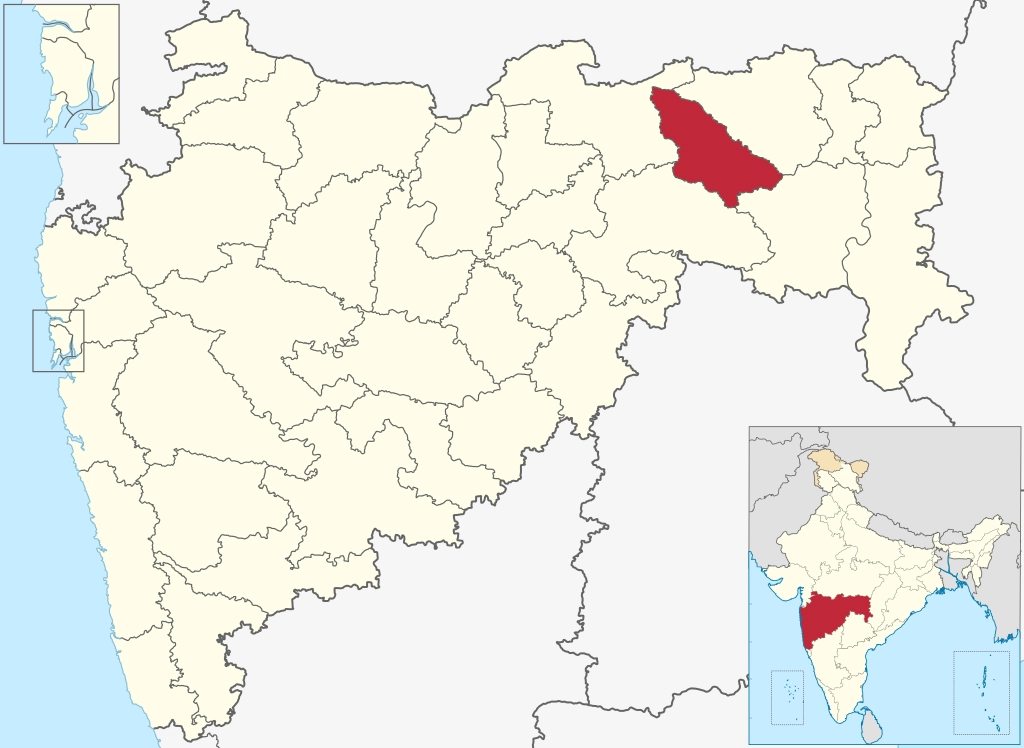
⭕ Geographical Heart of Vidarbha
Nestled in eastern Maharashtra’s Vidarbha region, Wardha spans 6,310 Sq km at coordinates 20°44′30″N 78°36′20″E. The district derives its name from the Wardha River, which forms its natural Northern, Western and Southern boundaries. With an average elevation of 234 meters, its landscape blends fertile black cotton soil plains, deciduous forests, and riverine ecosystems. The region’s agro-climatic zones support cotton, soybean, and millet farming, forming the backbone of its economy.
⭕ Ancient Foundations: Megaliths to Dynasties
Wardha’s history traces back to 2,600-year-old Megalithic Burial circles at Yesamba and Khairwada, revealing Iron Age settlements. These stone structures, unearthed by Archaeologist Oshin P. Bamb, served as communal graves for early Agrarian-pastoral communities. By the 3rd century BCE, Wardha became part of the Mauryan Empire, later passing to the Shungas and Satavahanas, who promoted Buddhism and trade. The Vakataka dynasty (3rd–5th century CE) elevated Wardha to imperial prominence, establishing their capital at Pravarapura (modern Pavnar). Under King Pravarasena I, the empire stretched from the Narmada River to the Deccan plateau, leaving behind copperplate inscriptions and temple ruins.
⭕ Medieval Flux: Sultans, Marathas, and River Borders
The medieval era saw Wardha oscillate between Chalukyas, Rashtrakutas, and the Bahmani Sultanate (14th century), which used the Wardha River to demarcate Berar province. A 10th-century copperplate grant at Deoli, issued by Rashtrakuta king Krishna III, documents land donations to Kanarese Brahmins. In the 16th century, the Imad Shahi dynasty (founded by a Kanarese Hindu) ruled until Akbar annexed the region. By the 18th century, the Marathas under Raghuji Bhonsale integrated Wardha into their empire, though invasions by Peshwa-Nizam alliances in 1765 led to plundering, as recorded in colonial archives.
⭕ Colonial Reinvention: Cotton, Planners, and Rebellion
In 1862, the British severed Wardha from Nagpur for administrative efficiency, initially basing headquarters at Kawatha village. By 1866, English town-planners Sir Bachelor and Sir Reginald Craddock razed Palakwadi village to construct a pre-planned city named Wardha.
➨ Key colonial legacies include:
⦿ Craddock School (renamed Mahatma Gandhi School) and King George Hospital.
⦿ St. Thomas Church (1874), a Gothic Anglican site where Craddock worshipped.
The Central Ammunition Depot at Pulgaon—Asia’s second-largest explosives stash—underscored Wardha’s strategic value.
⭕ Gandhian Epicenter: Ashrams and Nation-Building
Wardha’s destiny transformed when Industrialist Jamnalal Bajaj invited Gandhi in 1923. By 1936, Gandhi relocated to Sevagram Ashram, making it India’s de facto freedom-struggle HQ. Here, he:
⦿ Launched the Quit India Movement (1942).
⦿ Pioneered Nai Talim (1937), an education model blending academics with handicrafts.
⦿ Hosted the Indian National Congress session (1934).
Gandhi’s disciple, Vinoba Bhave, later spearheaded the Bhoodan Movement (land-gift initiative) from Wardha.
⭕ Socioeconomic Fabric: Talukas, Demographics, and Cotton Capital
Today, Wardha’s 1.3 Million People (2011 Census) span 8 talukas, each with distinct traits:
⦿ Wardha Taluka: Urban hub with 92.62% literacy (Highest in the district).
⦿ Karanja: 956 females per 1,000 males — Maharashtra’s top gender ratio.
⦿ Samudrapur: Tribal Warli art villages and Soybean Mills.
Economically, cotton ginning dominates, earning Wardha the title “Second Industrial Hub of Vidarbha”. The Bajaj Family’s Philanthropy Birthed Institutions like the Mahatma Gandhi Institute of Medical Sciences, fostering education as an “Escape from drought-driven Poverty”.
⭕ Cultural Mosaic: Faith, Food, and Craft
Wardha’s Religious Diversity Manifests in:
⦿ Laxminarayan Temple (1905): Intricate carvings dedicated to Vishnu-Lakshmi.
⦿ Vishwa Shanti Stupa: A 120-ft Japanese-built peace pagoda with gold Buddhas.
⦿ Gitai Mandir: An open-air shrine with Bhagavad Gita verses etched in stone.
Culinary traditions feature Zunka Bhakar (Spiced Chickpea Curry with Millet Bread), best eaten at dawn with farmers’ market chilies. Handicrafts include Seloo’s terracotta horses and Ajrakh-printed cotton from Khadi Bhandars.
⭕ Modern Resilience: Science, Monsoons, and Legacy
Post-independence, Wardha merged into Bombay State (1956) and later Maharashtra (1960). The Bajaj Science Centre (2008) epitomises modernisation, using local brick-and-stone architecture to teach 5,000+ students annually. Its outreach programs uplift science education in “Poverty-stricken Villages”, with 40% of learners receiving fee waivers. Climate-wise, Monsoons (July–September) drench Wardha with 298.3 mm rainfall, revitalising Bor Wildlife Sanctuary’s waterfalls but challenging travel. Winters (October–March) offer cool, dry days ideal for ashram visits.
🌟 Why Wardha Endures
From Vakataka capitals to Gandhi’s charkha, Wardha embodies India’s unbroken thread of Resistance, Reinvention and Community. As farmer Rajesh Deshmukh notes: “Our soil grows history as abundantly as cotton”. Today, it stands as a testament to how granular local legacies—megalithic stones, monsoon-fed crops, and Vinoba Bhave’s land reforms—weave into a national narrative of resilience.

🟢 Brief Section-by-section Details
➤ Section 1: Granular Historical Timeline
🎯 Ancient Foundations (2nd Century BCE–5th Century CE)
⦿ Ruled by Vakataka Dynasty with capital at Pravarapura (Modern Pavnar)
⦿ Archaeological Finds: Ostrich Egg-shells at Sindi, Satavahana Copper plates
🎯 Medieval Shifts (6th–18th Century)
⦿ Chalukya, Rashtrakuta, and Gond dynasties
⦿ Bahmani Sultanate demarcated Berar province using the Wardha River
🎯 Colonial Transformation (1862–1947)
⦿ Separated from Nagpur district; headquarters shifted from Kawatha to Wardha in 1866
⦿ Craddock School (now Mahatma Gandhi School) and King George Hospital built
➤ Section 2: Climate & Seasonal Travel Strategies
➨ Table: Wardha’s Weather Extremes
| Month | Avg High/Low | Rainfall | Travel Advisory |
| May | 112°F / 84°F | 0.3″ | Avoid outdoor activities 10am–4pm |
| July | 89°F / 77°F | 11.7″ | Carry waterproof gear; wildlife sanctuaries turn lush |
| December | 83°F / 58°F | 0.3” | Ideal for Ashram stays |
Monsoon Itinerary Tip: Photographer Anika Mehta recommends “Chasing waterfalls in Bor Wildlife Sanctuary post-rain—when tigers descend to drink at 4 PM”.
➤ Section 3: Taluka Demographics Deep Dive
➨ Wardha comprises 8 talukas, each with distinct cultural markers:
⦿ Wardha: Highest literacy (81.4%), urban hub
⦿ Karanja: Highest female ratio (956:1000)
⦿ Samudrapur: Tribal craft villages (Warli Painting Workshops)
➨ Table: Socioeconomic Snapshot
| Indicator | District Avg | Wardha Taluka | Ashti Taluka |
| Literacy | 86.99% | 92.62% (Urban) | 77.3% |
| Sex Ratio | 946 | 960 | 940 |
| Main Economy | Cotton farming | Education/Health | Soybean Mills |
➤ Section 4: Architectural Heritage Trail
➙ Sevagram Ashram: Mud huts where Gandhi, Nehru, and Azad planned India’s freedom struggle. Don’t miss: Ba’s kitchen, Gandhi’s Spinning Wheel.
➙ St. Thomas Church: Built 1874; Gothic arches house British-era memorial plaques.
➙ Vishwa Shanti Stupa: 120-ft White Marble Pagoda with Gold Buddha statues—a Japan-India collaboration.
➤ Section 5: Cultural Tapestry & Local Encounters
➨ Handicraft Hotspots:
⦿ Khadi Bhandars: Handspun cotton saris (₹800–₹2,000)
⦿ Seloo Village: Terracotta horse figurines (Mythical Ghoda Art)
➨ Food Journeys:
“Eat Zunka Bhakar (Chickpea Curry with Millet Bread) at Tigaonkar Centre at 7 AM—when farmers bring fresh green chilies”. – Chef Rohit Patil
➨ Festival Insights:
⦿ Gandhi Jayanti (October 2): Nightly Bhajan sessions at Sewagram
⦿ Vasant Panchami: Kite battles over Laxminarayan Temple
➤ Section 6: Travel Logistics & Routes
➨ Distances from Major Cities:
⦿ Nagpur: 75 km (1.5 hrs via NH53)
⦿ Mumbai: 720 km (12 hrs via NH48)
⦿ Hyderabad: 420 km (7 hrs via NH44)
Rail Connectivity: Wardha Junction (WR) links to Delhi Rajdhani Express and Chennai Mail.
➤ Section 7: Climate-Proof Itineraries
➨ Summer Survival (March-June):
⦿ Dawn: Meditate at Gitai Mandir
⦿ Day: Magan Sangrahalaya museum (AC Exhibits on Rural crafts)
⦿ Dusk: Boating at Lakeside Adventure Park
➨ Monsoon Magic (July-September):
⦿ Trek to Kelzar Ganpati Temple—700-year-old banyan tree shrine
⦿ Photography tour of cotton fields glistening post-rain
🟣 Detailed Section-by-section Information
🏺 Detailed Historical Timeline of Wardha, Maharashtra: From Megaliths to Mahatma
🪨 1. Prehistoric Foundations (1000–300 BCE)
➙ Megalithic Settlements: Iron Age communities (≈2,600 years ago) left Stone Burial Circles at Yesamba and Khairwada. These communal graves, discovered by archaeologist Oshin P. Bamb, featured large stone arrangements marking elite burials. Artefacts suggest agrarian-pastoral lifestyles and ritualistic traditions.
➙ Early Iron Age Economy: Evidence of Pottery, Iron Tools and Pastoral practices indicates trade networks extending across Vidarbha. Khairwada hosts Central India’s largest cluster of megalithic circles, yet remains undocumented in official records.
👑 2. Ancient Empires (300 BCE–500 CE)
➙ Mauryan & Satavahana Rule: Wardha was integrated into Chandragupta Maurya’s Empire (322 BCE), later passing to the Satavahanas (230 BCE–220 CE). Buddhist stupas and trade routes flourished under Satavahana patronage.
➙ Vakataka Golden Age: In the 3rd century CE, the Vakatakas established their capital at Pravarapura (Pavnar). Emperor Pravarasena I (270–330 CE) expanded the empire from the Narmada River to the Deccan, adopting the title “Samrat” (universal ruler). His conquests included defeating King Sisuka of Purika.
➙ Gupta Alliance: Prabhavatigupta, daughter of Chandragupta II, married Vakataka ruler Rudrasena II, cementing a political bond that influenced art and governance.
⚔️ 3. Medieval Shifts (500–1500 CE)
➙ Chalukyas & Rashtrakutas: Copperplate grants at Deoli (940 CE) record land donations by Rashtrakuta king Krishna III to Kanarese Brahmins. The inscription details the gift of Talapurumshaka village in Nagapura-Nandivardhan district.
➙ Bahmani Sultanate (1351–1518): Wardha became Berar Province’s Eastern Frontier, Demarcated by the Wardha River. Historian Sir A. Lyall noted its boundaries stretched “from Satpura to Godavari, Khandesh to Wardha”.
➙ Imad Shahi Dynasty (1518–1572): Founded by a Kanarese Hindu convert, this kingdom resisted Gujarat’s invasion in 1437 with Gond Raja’s aid. It fell to Ahmadnagar before Akbar annexed it in 1594.
🐘 4. Maratha & Gond Era (1700–1853)
➙ Gond Resistance: Raja Bakht Buland Shah of Chandrapur allied with Berar against Gujarat, using Wardha’s forests for guerrilla warfare.
➙ Maratha Domination: Raghuji Bhonsale integrated Wardha into his Nagpur kingdom. In 1765, Peshwa-Nizam forces plundered the region, burning villages in retaliation for Janoji Bhonsale’s “Dishonesty”.
➙ British Annexation: The 1803 Treaty of Devgaon granted Wardha west to the Nizam, but Dalhousie seized it in 1853 after the Nizam failed subsidiary payments.
🏛️ 5. Colonial Transformation (1862–1920)
➙ District Formation: Nagpur was split in 1862 to “Supervise the Cotton Industry”. Headquarters shifted from Kawatha to Palakwadi (1866), where British planners Sir Bachelor and Sir Reginald Craddock razed huts to build a gridded city named Wardha.
➨ Infrastructure: Key projects included:
⦿ Craddock School (renamed Mahatma Gandhi School)
⦿ St. Thomas Church (1874), where Craddock worshipped
⦿ Central Ammunition Depot, Pulgaon (Asia’s 2nd-largest explosives stash)
➨ Economic Exploitation: Cotton ginning mills proliferated, while the Arms Act (1878) disarmed locals to suppress dissent.

🕊️ 6. Gandhian Epicenter (1921–1948)
➙ Jamnalal Bajaj’s Invitation: Industrialist Jamnalal Bajaj invited Gandhi to Wardha in 1923. By 1936, Gandhi relocated to Sevagram Ashram, making it India’s freedom struggle HQ.
➨ Landmark Movements:
⦿ Quit India Movement launched here (1942)
⦿ Nai Talim education model (1937), blending academics with handicrafts
⦿ Bhoodan Movement led by Vinoba Bhave, redistributing land to the landless
➙ Congress Session: The 1934 Indian National Congress meeting formalised anti-colonial strategies.
🧭 7. Post-Independence Reorganisation (1947–Present)
➙ State Integration: Wardha merged into Bombay State (1956), then Maharashtra (1960).
➙ Industrial Growth: Cotton Ginning, Soy Processing and Sugar Mills expanded. The Bajaj family established the Mahatma Gandhi Institute of Medical Sciences (1969), advancing rural healthcare.
➨ Cultural Preservation:
⦿ Vishwa Shanti Stupa (1990s), a Japan-India peace pagoda with gold Buddhas
⦿ Gitai Mandir, featuring Bhagavad Gita verses etched in stone
📜 8. Archaeological Rediscovery (2000–Present)
➙ Yesamba Excavations: Renewed studies (2020s) of megalithic sites revealed ostrich eggshells and Satavahana-era pottery, prompting calls for UNESCO recognition.
➙ Colonial Archives: Digitisation of 19th-century records (e.g., Deoli Copperplates) shed light on land grants and Bahmani tax systems.
🌾 9. Socioeconomic Evolution
➙ Cotton Capital: Wardha dominates Vidarbha’s cotton trade, with ginning units in Arvi and Hinganghat. Dubbed “Second Industrial Hub of Vidarbha”, it employs 40% of the district’s workforce.
➙ Drought Resilience: Post-1990, Drip Irrigation and Soybean farming reduced agrarian crises. The Bajaj Science Centre (2008) trains farmers in climate-smart techniques.
⚖️ 10. Legacy of Resistance
➙ 1857 Revolt Aftermath: British imposed the Vernacular Press Act and skewed police recruitment (50% Muslims) to “divide Hindus and Muslims”.
➙ Nationalist Awakening: Loka Sabha (1885), inspired by Pune’s Sarvajanik Sabha, mobilised Wardha’s middle class. The 1891 Congress Session in Nagpur demanded forest rights reversal.
💎 Why This Timeline Matters
Wardha’s History is a Microcosm of India’s civilisational journey — from megalithic collectives to Gandhi’s non-violent revolution. Each era left physical imprints:
⦿ Megalithic Stones at Yesamba
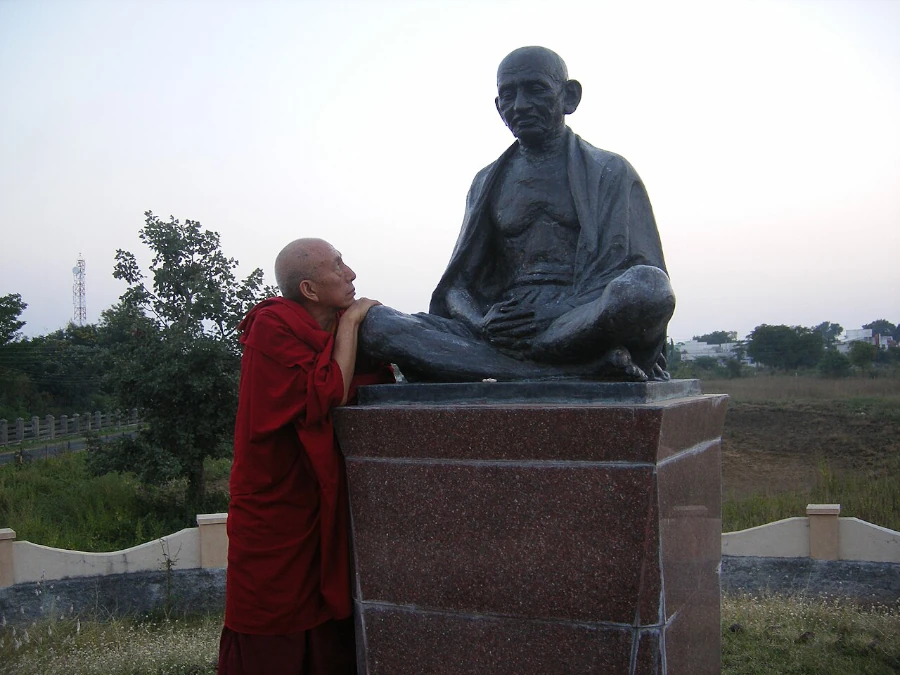
⦿ Vakataka Irrigation tanks in Pavnar
⦿ Gandhi’s Charkha at Sevagram
As local farmer Rajesh Deshmukh observes: “Our soil grows history as abundantly as cotton”. This granular timeline reveals how river geography, cotton economics and ethical leadership shaped a district that altered India’s destiny.
🏛️ Architectural Marvels in Wardha, Maharashtra: A Fusion of Faith, Freedom, and Modern Innovation
Wardha’s Architectural landscape weaves Ancient Spirituality, Colonial Pragmatism, Gandhian Minimalism and contemporary innovation into a living tapestry of India’s cultural evolution. Each structure tells a story—of dynasties that ruled, saints who preached, and visionaries who redefined modernity. Here, we explore these marvels with granular detail:
🔘 Sevagram Ashram: Gandhi’s Living Laboratory of Simplicity
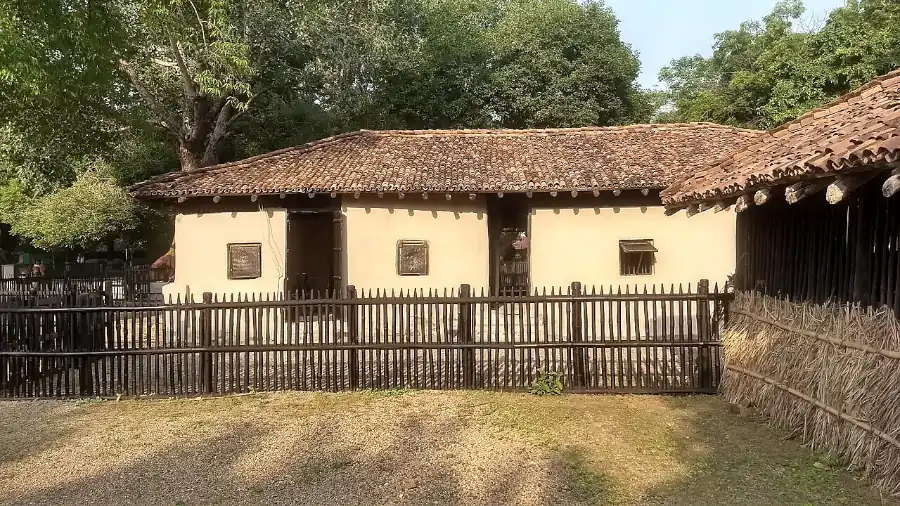
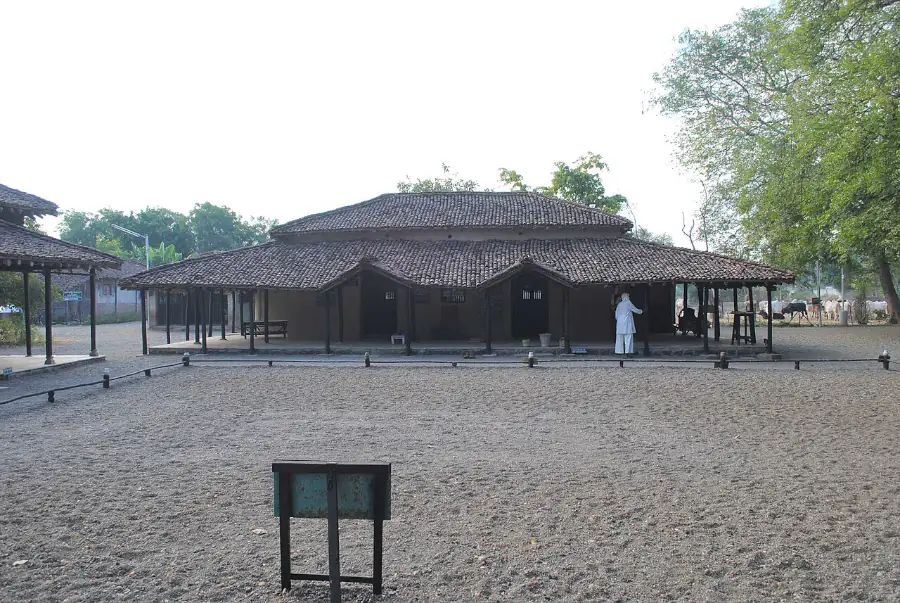
➙ Design Philosophy: Built in 1936, the Ashram’s Mud-and-thatch huts (Kutirs) embody Gandhi’s principle of “Antyodaya” (serving the last person). No nails or machine-cut materials were used; walls blended local soil, lime and cow dung.
➨ Symbolic Layout:
➙ Ba’s Kitchen: Kasturba Gandhi’s workspace, featuring Earthen Chulhas (Stoves) and handmade Grinding Stones.
➙ Gandhi’s Hut: A 10×8 ft space with his Writing Desk, Spinning Wheel (Charkha) and Takli (Spindle), where he drafted the Quit India Movement.
➙ Cultural Impact: Artisans from nearby Seloo village crafted Terracotta Roof Tiles, preserving Warli Tribal Motifs. Today, the ashram hosts 100+ daily visitors studying Nai Talim (Education through Handicrafts).
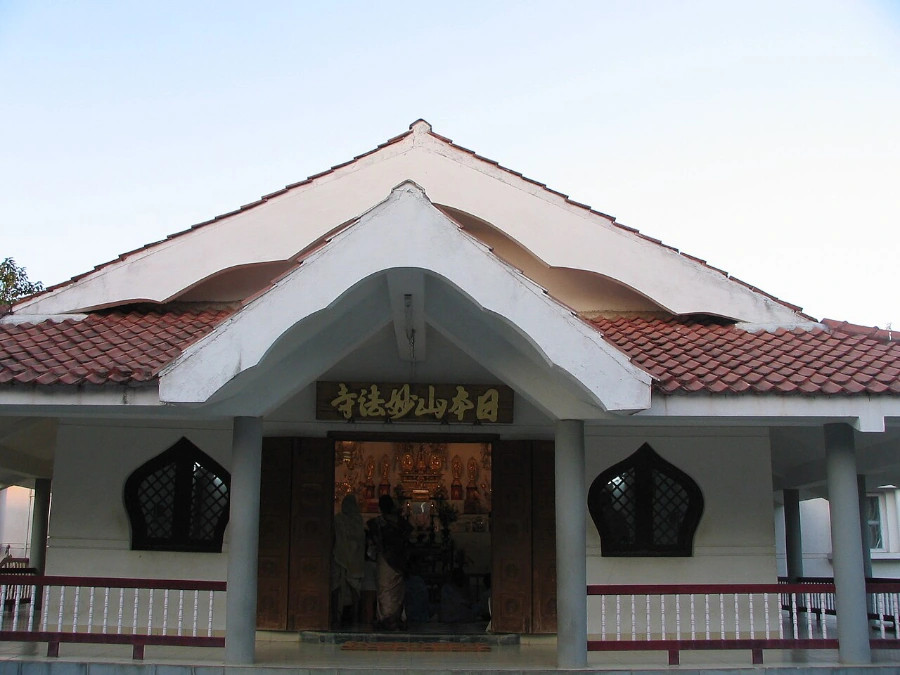
🔘 Vishwa Shanti Stupa: A Japanese-Indian Ode to Peace
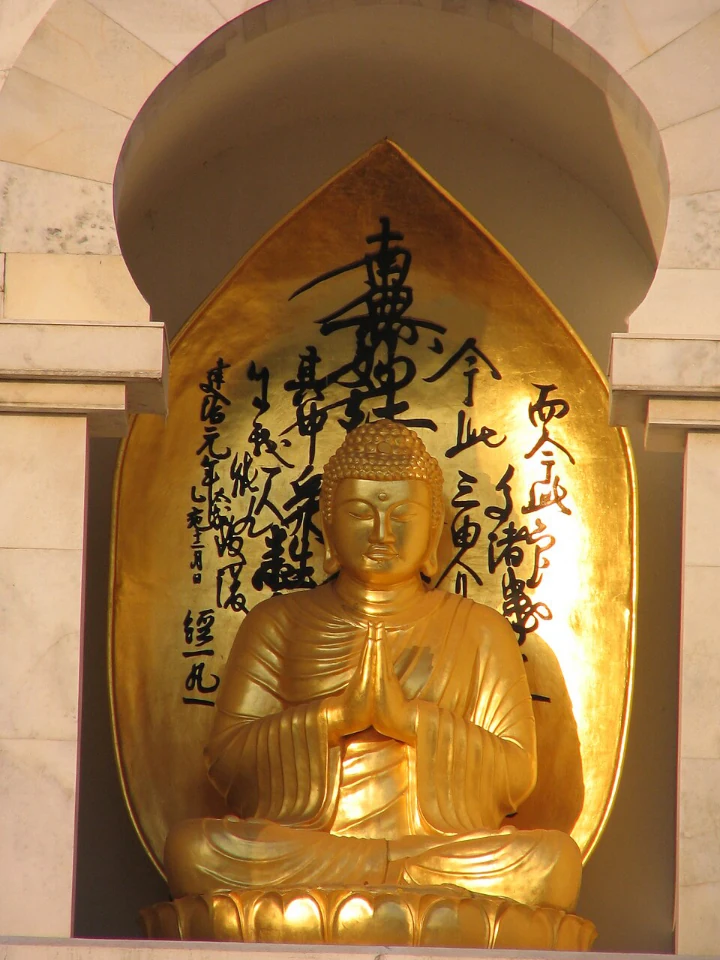
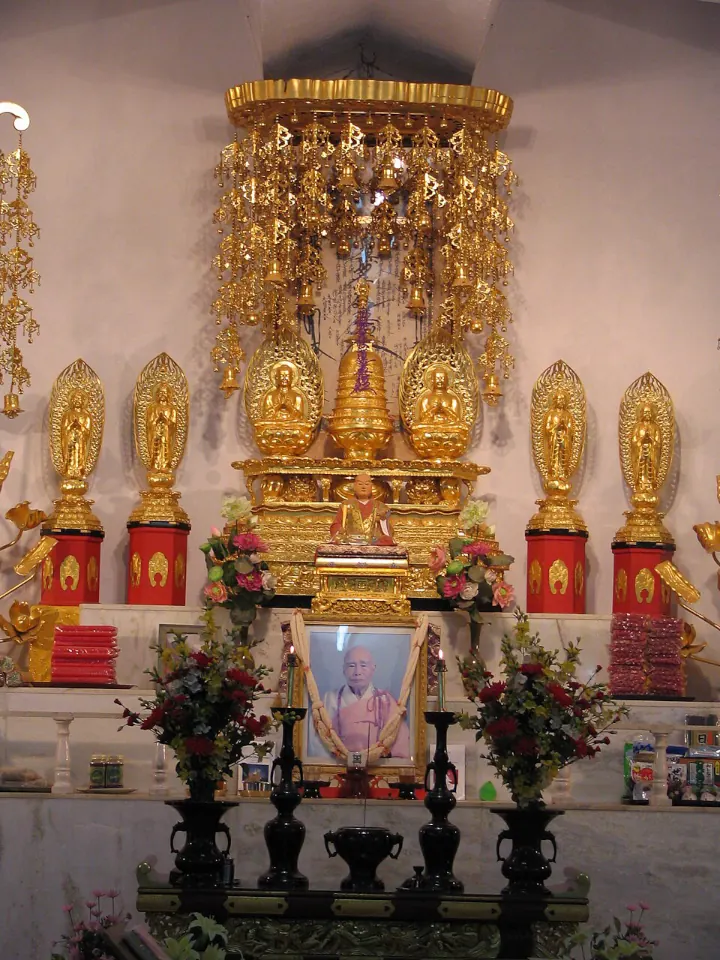
➙ Structural Grandeur: Rising 120 ft, this White Marble Pagoda (1990s) features four gold-gilded Buddha statues facing cardinal directions. The dome houses relics of the Buddha, gifted by Sri Lankan Monks.
➙ Architectural Synthesis: Designed by Japanese Architect Nipponzan Myohoji, it blends Mauryan-era stupa forms (e.g., Sanchi) with Japanese Gorintō (Five-element Pagodas). The surrounding garden has 1,000+ piece trees planted by global dignitaries.
➙ Engineering: Marble sourced from Makrana (Rajasthan) was carved onsite by 200+ artisans using traditional Jali (lattice) techniques to diffuse sunlight into meditation halls.
🔘 Laxminarayan Temple: Colonial-Era Devotional Opulence
➙ Sacred Geometry: Built in 1905, the temple follows Pancharatha design (five chariots), with a 40-ft Shikhara (Spire) symbolising Mount Meru. The Sanctum’s Garbhagriha (Womb chamber) aligns solstices for dawn illumination of Vishnu’s Idol.
➙ Artisan Legacy: Nagpur sculptor Bhimrao Munde led a team of 70+ Shilpakars (Stonemasons) for 12 years. Frescoes depict Dashavatara (Vishnu’s Ten Incarnations) using natural Pigments—turmeric for gold, lapis lazuli for blue.
➙ Unique Feature: A subterranean Yagnashala (Ritual Hall) with acoustics amplifying Vedic chants, accessible via hidden stairs behind the Idol.
🔘 Gitai Mandir: The Bhagavad Gita in Stone
➙ Revolutionary Concept: Conceived by freedom fighter Bapurao Sohoni (1954), this open-air temple lacks deities. Instead, 700+ granite slabs are inscribed with all 18 chapters of the Bhagavad Gita in Devanagari script.
➙ Architectural Innovation: The circular Mandapa (Pavilion) uses Chandrapur limestone. Each pillar curves at 7° angles to create a vortex effect, focusing attention on the Central Shloka Podium.
➙ Cultural Ritual: Daily at 5 AM, 50+ devotees walk the 1.8-km path tracing the Gita’s verses—a practice called Gita Parikrama.
🔘 Abhay Prabhavana Museum: Jain Wisdom in Contemporary Form
➙ Plaza of Equanimity: A 56.5-ft temple-like structure encircles a lotus pond with the Sarvatobhadra statue — a four-faced Jain Tirthankar carved from single-block Jaisalmer sandstone. Reflections create an illusion of floating deities at dusk.
➨ Manstambh Tower: This 100-ft tower’s seven tiers represent spiritual ascent:
➙ Tier 1: Worldly life (Samsara) with carvings of markets.
➙ Tier 7: Liberation (Moksha) featuring Vietnamese Marble Siddhas (liberated souls).
➙ Garden of the Revered: 24 Bonsai trees (one per Tirthankar) are pruned daily to mirror Jain Ascetic discipline. Soil mixes include ash from Ancient Pilgrimage sites like Palitana.
🔘 Bajaj Institute of Technology: Vernacular Modernism
➨ Eco-Sensitive Design: Architect Christopher Benninger (2019) used locally sourced Wadas Brick and fly ash concrete. The 23,310 m² campus features:
⦿ Breathing Walls: 30% perforation for Cross-ventilation, reducing AC needs.
⦿ Solar Canopies: Rooftops generate 40% of Energy.
➙ Cultural Integration: Classrooms open to courtyards with Warli art murals. The library’s Central Pillar Mimics a Charkha, honouring Wardha’s Gandhian legacy.
🔘 Colonial Legacies: St. Thomas Church & Craddock School
➙ Gothic Resilience: St. Thomas Church (1874) showcases lancet arches and stained glass shipped from Bristol. Its bell tower houses India’s oldest working Ellacombe Chime — a 12-bell system rung manually since 1880.
➙ Educational Heritage: Craddock School (1866), now Mahatma Gandhi School, retains original teak rafters and Punkah (Fan) Pulleys. The Central Hall displays portraits of British superintendents beside Gandhi’s 1934 speech notes.
🔘 Bor Wildlife Sanctuary: Nature’s Architecture
➙ Ecosystem Engineering: The Teliya Dam (Medieval Gond Era) uses stepped Sandstone Channels to Irrigate 121 Sq km of teak forests. Heronries host 200+ migratory birds.
➙ Tribal Craft: Gond Tribes Carve tree shrines — living banyans shaped into deity forms over decades. The Kelzar Ganpati tree-shrine is 700+ years old.
🔘 Panchadhara Waterfall: Geological Poetry
➙ Formation: Five basalt rock tiers cascade 90 ft, sculpted by monsoon erosion. Fossilised Shiva lingams (naturally formed cylindrical rocks) dot the plunge pool.
➙ Sacred Geometry: Local lore claims the falls align with Orion’s Belt on summer solstices. Devotees offer terracotta horses (Kaldhara) at the adjacent Deo Temple.
🔘 Wardha’s Architectural DNA: Materials & Techniques
➨ Local Materials:
⦿ Black Cotton Soil: Compressed into Bricks for Thermal Insulation.
⦿ Deccan Trap Basalt: Used in Temple Plinths for Flood Resistance.
➨ Craft Continuum:
⦿ Warli Tribal Art: Red ochre murals at BIT Wardha.
⦿ Ajrakh Block Printing: Geometric patterns on Khadi Bhandar textiles.
🌟 Why Wardha’s Architecture Resonates
Wardha’s structures are living chronicles — where Gandhi’s Charkha spins beside Japanese Pagodas and Megalithic Stones Whisper to AI-designed campuses. As Architect Christopher Benninger notes: “Here, building is not construction; it’s conscience”. These marvels invite you to touch History, Meditate in Geometry and witness how Earth, Stone and Vision Forge Immortality.

🌄 How to Reach Wardha, Maharashtra: Your Complete Connectivity Guide
Wardha’s strategic location in Eastern Maharashtra (75 km west of Nagpur) makes it accessible via Air, Rail and Road networks. Below is a granular breakdown of travel options from major Indian cities:
✈️ 1. By Air: Nearest Airport & Key Connections
➨ Dr. Babasaheb Ambedkar International Airport, Nagpur (NAG):
⦿ Distance to Wardha: 75 km (1.5–2 hours by road).
➨ Major Flight Routes:
⦿ Delhi: 1h 45m direct flights (Indigo, Air India; ₹5,500–11,000).
⦿ Mumbai: 1h 37m direct flights (Go Air, Indigo; ₹4,900–11,000).
⦿ Bangalore: 1h 45m direct or 4h 12m via Pune (₹4,900–8,000).
⦿ Kolkata: 1h 50m direct (₹6,000–13,000).
➙ Airport to Wardha Transfer: Prepaid taxis (₹1,500–2,000) or trains from Nagpur Junction (hourly; 58 min; ₹120–300).
🚂 2. By Rail: Wardha’s Dual Railway Hubs
➨ Wardha has two key stations:
⛔ Wardha Junction (WR):
➙ Major Routes:
 ⦿ Mumbai CSMT: Duronto Express (11h 54m; sleeper ₹475, AC ₹850-₹1800).
 ⦿ Delhi (NDLS): Gitanjali Express (16h 33m; 3x daily; sleeper ₹450–600, AC ₹1300).
 ⦿ Hyderabad: Nagpur-Hyderabad Express (9h; ₹280–900).
➙ Amenities: 24/7 help desk, CCTV, Snack Stalls and Auto-Rickshaw stand.
⛔ Sevagram Station (SEGM):
➙ Closest to Sevagram Ashram (2 km). Connects to Delhi, Chennai and Mumbai via same lines as Wardha Junction.
🚌 3. By Road: Buses, Taxis & Self-Drive
➨ State Transport Buses:
⦿ MSRTC Buses from Mumbai (Parel ST Stand): 17h 15m; ₹1205.
⦿ Nagpur to Wardha: Hourly buses (1h 30m; ₹60–180).
➨ Self-Drive Routes:
⦿ Mumbai to Wardha (700 km): NH48 via Nashik ➙ NH753C near Aurangabad (12–14 hours).
⦿ Pune to Wardha (555 km): NH753F via Ahmednagar (9 hours; tolls ₹650).
⦿ Hyderabad to Wardha (420 km): NH44 via Adilabad (7 hours).
➙ Intercity Taxis: Ola/uber from Nagpur (₹1,400–1,800).
🚗 4. Local Transport in Wardha
➙ Auto-Rickshaws: Ideal for short distances (e.g., Wardha Junction to Gitai Mandir: 3 km; ₹50–70).
➙ Taxis: Weeple Transport (24/7 booking; ₹10/km) or Ompackers (for luggage; ₹3,000/day).
➙ Buses: MSRTC local buses connect Wardha city to Pavnar (12 km), Karanja (45 km) & Sevagram (8 km).
📍 5. Distance & Travel Time from Key Cities
| City | Distance | By Air | By Train | By Road |
| Hyderabad | 420 km | Not recommended | 9h (direct) | 7h |
| Pune | 555 km | Not recommended | 12h (via Daund) | 9h |
| Mumbai | 720 km | 1h 37m + 2h road | 11h 54m (direct) | 12–14h |
| Bengaluru | 1,050 km | 1h 45m + 2h road | 24h (via Nagpur) | 18h |
| Delhi | 1,062 km | 1h 45m + 2h road | 16h 33m (direct) | 15h 14m |
💡 6. Pro Travel Tips
⦿ Book Trains Early: AC tickets sell out 120 days ahead, especially for Delhi-Mumbai routes.
⦿ Monsoon Caution (Jul–Sep): Avoid night drives on NH753C—flood-prone near Aurangabad.
⦿ Shared Rides: Ride-shares from Nagpur to Wardha cost ₹11/km (e.g., via Weeple).
⦿ Local SIM: Jio/Airtel networks cover all highways and rural talukas.
🧭 Summary: Best Routes by Budget & Time
⦿ Luxury: Fly to Nagpur ➙ pre-booked taxi (₹2,000).
⦿ Budget: Overnight sleeper train (e.g., Mumbai’s Duronto Express).
⦿ Time-Saver: Direct trains from Delhi/Mumbai to Wardha Junction.
⦿ Adventurous: Self-drive via NH44 (Hyderabad) with stops at Adilabad’s forests.
Wardha’s seamless multi-modal links—from Japan-inspired peace pagodas to Gandhi’s Ashram — await your arrival! 🛕✨

🏨 Where to Stay in and near Wardha, Maharashtra: Luxury, Budget & Spiritual Accommodations
Wardha offers diverse stays—from colonial-era luxury hotels to Gandhian Ashrams — catering to Pilgrims, History Enthusiasts and eco-travellers. Here’s a granular guide to accommodations, including rates, facilities, check-in timings and culinary experiences.
💎 1. Luxury Hotels (₹4,000–₹10,000/night)
➨ THE HARISON ROYALE (Maganwadi)
⦿ Rates: ₹3,600 + taxes ($43)
⦿ Check-in: 12 PM | Check-out: 11 AM
⦿ Facilities: Pool, Spa, AC rooms, free Wi-Fi, Conference Halls.
⦿ Food: Multi-cuisine restaurant (₹500–₹1,200/meal); breakfast included.
⦿ Unique: Rooftop lounge with views of Laxminarayan Temple.
➨ Poonam Residency (Nalwadi)
⦿ Rates: ₹5,800 + taxes ($72 ➙ $58 with discounts)
⦿ Check-in: 1 PM | Check-out: 10 AM
⦿ Facilities: Ayurvedic Spa, Private Balconies, Airport Transfers.
⦿ Food: Maharashtrian Thalis (₹350) and Italian Pastas.
➨ Shavin Residency (Sudampuri)
⦿ Rates: ₹2,900 + taxes ($35)
⦿ Facilities: Apartment-style rooms with shared kitchens, living rooms.
🛏️ 2. Budget Hotels & Guesthouses (₹500–₹2,000/night)
➨ Table: Top Budget Picks
| Property | Location | Rates | Key Features |
| MTDC Wardha | Mahadevpura | ₹1,000 ($12) | State-run, Garden Restaurant |
| Hotel Parth Inn | Palakwadi (Near Station) | ₹2,400 ($29) | Free Breakfast, Pool Towels |
| Jai Palace Hotel | Palakwadi (Near Station) | ₹1,000 ($12) | 6-min walk to Wardha Junction |
| Hotel Gulshan | Sudampuri | ₹3,100 ($37) | Gym, Multi-cuisine Restaurant |
| Hotel Ramkrishna | Sudampuri | ₹1,500 ($18) | Family Rooms, attached Restaurant |
➙ Check-in: 12–2 PM at most properties.
➨ Facilities:
⦿ Free Wi-Fi (except MTDC), AC rooms, 24-hour hot water.
⦿ Hotel KC INN (Mahadevpura): Bonfire Pits, Fireplace (₹1,100/night).
➨ Food:
➙ Local Dhabas serve Zunka Bhakar (₹50–₹80); Gulshan Restaurant offers Punjabi-Maharashtrian fusion.
🕉️ 3. Dharamshalas & Spiritual Stays (₹0–₹500/night)
➨ Sevagram Ashram Guesthouse:
⦿ Rates: Donation-based (suggested ₹300).
⦿ Check-in: 10 AM | Check-out: 8 AM.
⦿ Facilities: Spartan Rooms, Shared Bathrooms, Meditation Halls.
⦿ Food: Satvik meals (no onion/garlic; ₹100/meal).
➨ Paramdham Ashram (Pavnar):
⦿ Rates: Free (Prior Booking required).
⦿ Facilities: Library on Vinoba Bhave’s works, Yoga Shala.
➨ Gurudwara Shri Singh Sabha:
⦿ Rates: Free for Pilgrims.
⦿ Food: Langar (Community Kitchen) serving Dal-Roti.
⛺ 4. Eco-Cottages & Farm-stays (₹1,500–₹3,000/night)
➨ Hotel Prisha Recidency (Borgaon Meghe):
⦿ Rates: ₹1,400 ($17 → $13 with discount).
⦿ Facilities: Cottage-style Rooms, Shared Kitchens, Organic Farm tours.
⦿ Food: Farm-to-table meals using local Soybean and Millet.
➨ Bor Wildlife Sanctuary Cottages:
⦿ Rates: ₹2,500/night via MTDC.
⦿ Unique: Night safaris included; no Wi-Fi.

⏰ 5. Check-in/Cancellation Policies
⦿ Standard check-in: 12–2 PM; early check-in (10 AM) at Harison Royale (+₹500).
⦿ Free cancellation: 24–48 hours prior at most hotels (e.g., Hotel Parth Inn).
⦿ Dharamshalas: Strict 9 PM curfew; no cancellations during Gandhi Jayanti (October 2).
🍽️ 6. Food Facilities Across Stays
➙ Luxury: THE HARISON ROYALE’s restaurant serves Continental breakfast (included) and Wardha-style Pulav (₹320).
➙ Budget: Naivyadyam Restaurant (Hotel Ramkrishna) offers Thalis (₹120) with 10 Rotis unlimited.
➙ Spiritual: Sevagram Ashram’s kitchen uses clay pots and wood fire; meals at 8 AM/1 PM/7 PM sharp.
♿ 7. Accessibility & Special Needs
⦿ Wheelchair Access: THE HARISON ROYALE, MTDC Wardha, and Poonam Residency.
⦿ Ayurvedic Diets: Customisable at Poonam Residency (Prior Notice).
⦿ Quiet Zones: Paramdham Ashram enforces silent hours (9 PM–6 AM).
💡 8. Pro Tips for Booking
⦿ Monsoon Discounts (July–September): 20–30% off at MTDC Wardha and Eco-cottages.
⦿ Peak Seasons: Avoid October–February; book 3 months ahead for Ashram stays.
⦿ Group Deals: Shavin Residency offers 4th night free for families.
🌟 Conclusion: Match Your Stay to Your Journey
⦿ Heritage Seekers: Sevagram Guesthouse (Donation-based).
⦿ Comfort Travellers: THE HARISON ROYALE (Pool, Spa).
⦿ Budget Backpackers: Jai Palace (₹1,000, near Station).
Local Insight: Farmer-turned-guide Raju Deshmukh advises, “Stay near cotton fields in winter—sunrises over frost-laced crops are magical”.
Download our Wardha Stay Guide PDF with ashram booking links and monsoon discount codes!
👉 Section Sources:
➙ Wardha District Portal (Dharamshalas)
➙ MakeMyTrip (Hotel Rates & Policies)
➙ YatraDham (Spiritual Stays)
➙ Trip.com (Seasonal Offers)

🌄 Best Places to Visit in and near Wardha: A Journey Through History, Spirituality & Wilderness
Wardha’s landscape blends Gandhian Heritage, Ancient Spirituality and Untamed Wilderness into a Tapestry of Experiences. Here’s a Granular Guide to its top sites:
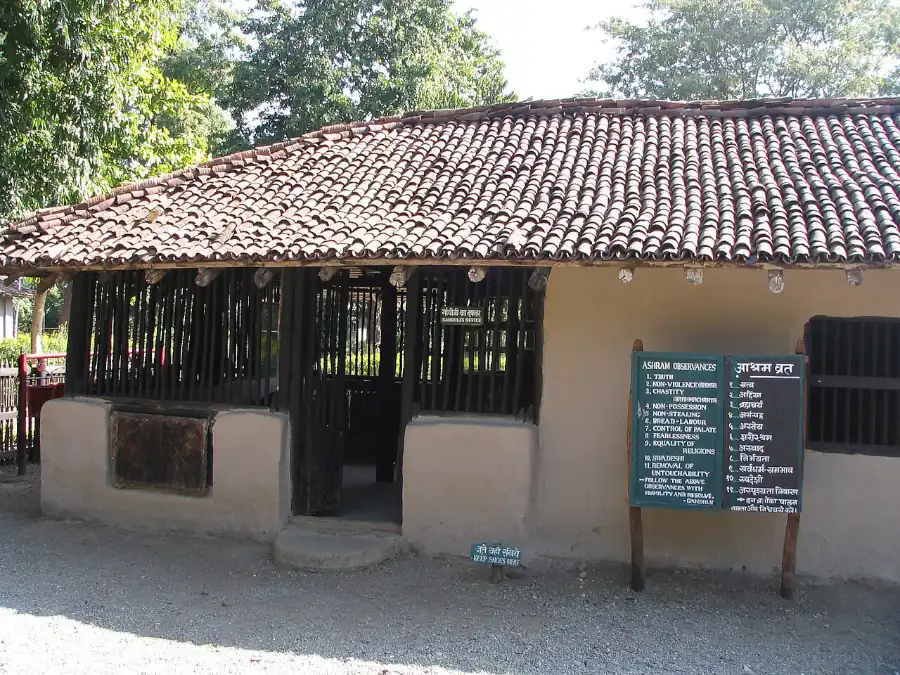
🕉️ 1. Sevagram Ashram: Gandhi’s Living Legacy
➙ Why Visit: Epicentre of India’s freedom struggle (1936–1948). Gandhi’s Mud Hut (Bapu Kuti) preserved with his Spinning Wheel, Writing Desk and Kasturba’s kitchen.
➙ Unique Experience: Attend Morning Prayers (Bhajans) at 4:30 AM or join Charkha-spinning workshops.
➙ Timings: 6 AM – 6 PM | Entry: Free | Location: 8 km from Wardha city.
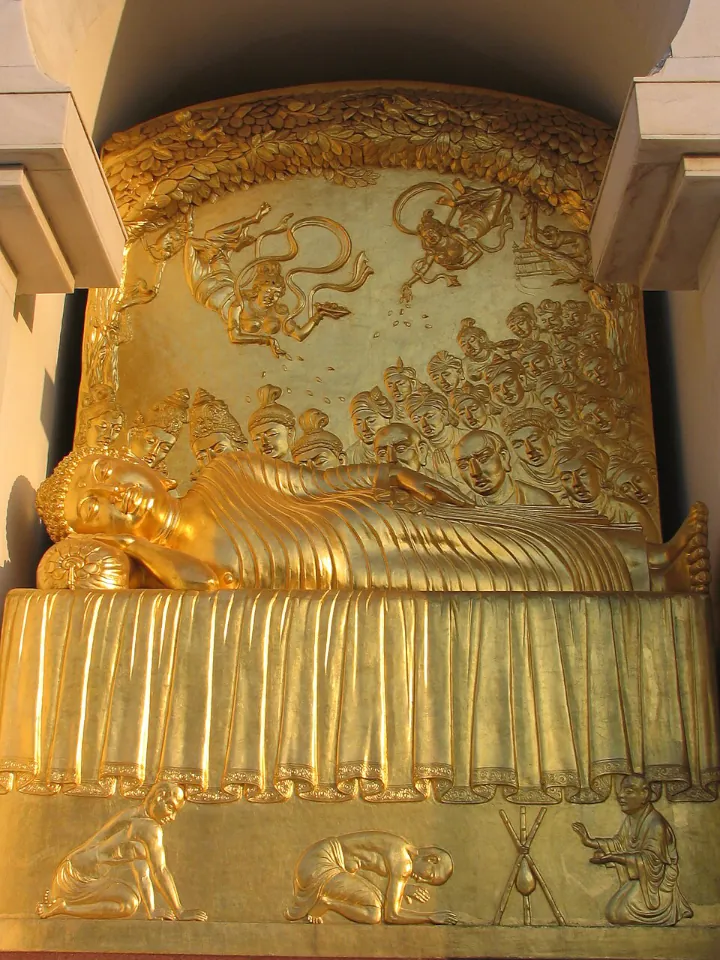
☮️ 2. Vishwa Shanti Stupa: Beacon of Global Harmony
➙ Architectural Marvel: 120-ft White Marble Pagoda with Gold Buddhas facing four directions. Relics of Buddha Enshrined Beneath the Dome.
➙ Best Time: Sunset when Aarti (Prayer) chants echo across the gardens.
➙ Timings: 8 AM – 6 PM | Entry: Free | Location: Gorakshan, Wardha.
⛩️ 3. Gitai Mandir: The Bhagavad Gita in Stone
➙ Design: Open-air temple with 700+ granite slabs inscribed with all 18 chapters of the Gita in Marathi. No deity idols—only verses.
⦿ Ritual: Devotees walk the 1.8-km Gita Parikrama Path at dawn (5 AM).
⦿ Timings: 6 AM – 8 PM | Entry: Free | Location: Gopuri, Wardha.
🐅 4. Bor Wildlife Sanctuary: Wilderness Escape
➙ Wildlife: 26 Tigers, 200+ Bird Species (including endangered Indian Vultures) and rare reptiles like the Indian Rock Python.
➨ Safari:
⦿ Jeep Rides: ₹1,500–2,000; 6–10 AM or 2–6 PM.
⦿ Hidden Gem: Teliya Dam—medieval Gond-era reservoir ideal for Birdwatching.
➙ Distance: 40 km from Wardha, 65 km from Nagpur.
🏯 5. Laxminarayan Temple: Colonial-Era Grandeur
➙ History: Built in 1905 with Hemadpanthi Architecture — carved Shikhara (Spire), Frescoes of Vishnu’s Avatars using natural Pigments.
➙ Secret: Subterranean Yagnashala (Ritual Hall) with Acoustic Magic Amplifying Chants.
➙ Timings: 6 AM – 8 PM | Entry: Free | Location: Wardha city centre.
🏛️ 6. Magan Sangrahalaya: Museum of Rural Ingenuity
⦿ Collections: 5,000+ artefacts—traditional Farming Tools, Warli Tribal Art and khadi-weaving looms.
⦿ Workshop: Pottery classes using Vakataka-era techniques (Saturday–Sunday; ₹200/person).
⦿ Timings: 9 AM – 5 PM | Entry: ₹10 | Location: Maganwadi, Wardha.
💦 7. Panchadhara Waterfall & Dam: Monsoon Majesty
➙ Geology: Five-tiered Cascade (90 ft) over Basalt Rocks with fossilised Shiva lingams in the Plunge Pool.
➙ Adventure: Trekking routes (October–March) or Monsoon Photography (July–September). Nearby Deo Temple for Terracotta Horse Offerings (Kaldhara).
➙ Distance: 22 km from Wardha near Ridhora.
🌿 8. Paramdham Ashram: Vinoba Bhave’s Spiritual Oasis
➙ Legacy: Headquarters of the Bhoodan Movement (land-gift initiative). Silent Meditation sessions at 5 AM.
➙ Stay: Free Dormitories (Prior Booking) with Satvik Meals (₹100).
➙ Timings: 6 AM – 8 PM | Location: Paunar, 10 km from Wardha.
🏺 9. Jamnalal Bajaj Museum: Tribute to a Freedom Financier
⦿ Exhibits: Gandhi-Bajaj letters, Freedom Struggle Maps and replicas of Charkhas used in Protests.
⦿ Rare Artefact: Original 1942 Quit India Movement draft signed by Nehru.
⦿ Timings: 10 AM – 5 PM | Entry: ₹20 | Location: Bajajwadi, Wardha.
⛰️ 10. Gandhi Hill: Panoramic Reflections
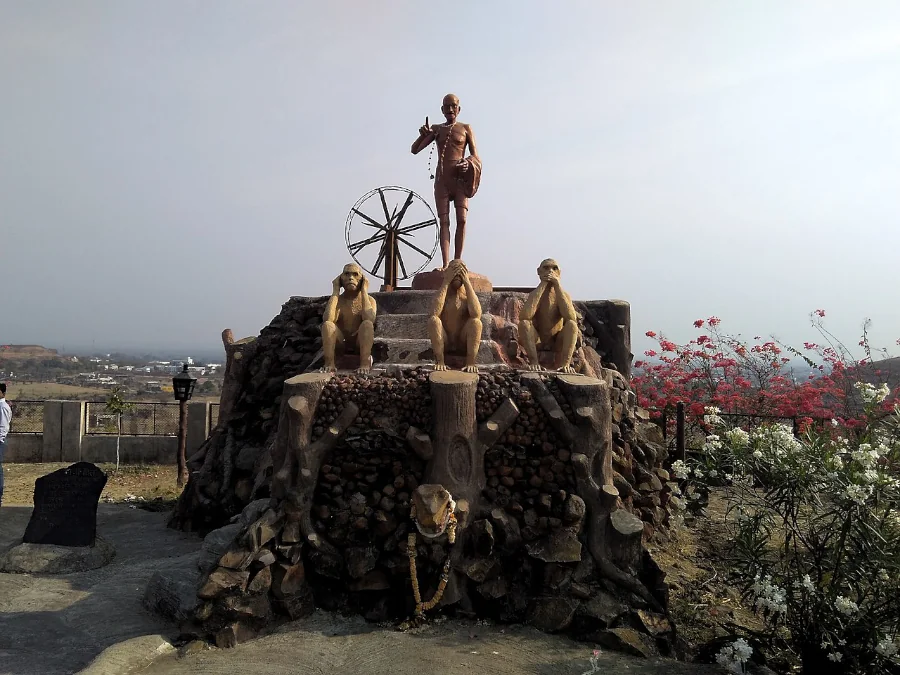
➙ Viewpoint: 360° vistas of Cotton Fields and Wardha River. Memorial with Gandhi’s “Be the change” inscription.
➙ Sunrise Tip: Arrive by 5:30 AM for fog-kissed landscapes (October–February).
➙ Timings: 6 AM – 7 PM | Entry: Free | Location: Gopuri, Wardha.
🗺️ Nearby Gems (Under 50 km)
➙ Brahma Vidya Mandir (Paunar): Women-run Ashram for Gita study (Timings: 5:30 AM–12 PM; 2–8 PM).
➙ Sheikh Farid Baba Dargah (Girad): 13th-century Sufi Shrine with annual Urs festival (59 km; free entry).
➙ Nagthana Dam: Serene Picnic spot with Boating (₹100/hour; 35 km).
🌟 Why These Places Resonate
Wardha’s sites are living classrooms — where Gandhi’s Charkha spins beside Buddhist peace prayers, and tiger roars echo Vakataka hymns. As local guide Raju Deshmukh says: “Here, every stone tells two stories: one of empires, another of ordinary people who changed India”. ✨
🍽️ Best Places for Refreshments with Authentic Local Food in Wardha, Maharashtra: A Culinary Journey
Wardha’s food culture blends Vidarbha’s Rustic Flavours, Gandhian Simplicity and Tribal Culinary Traditions into a Vibrant Tapestry. From Ashram Satvik Thalis to fiery Saoji curries, here’s a granular guide to the city’s top food havens:
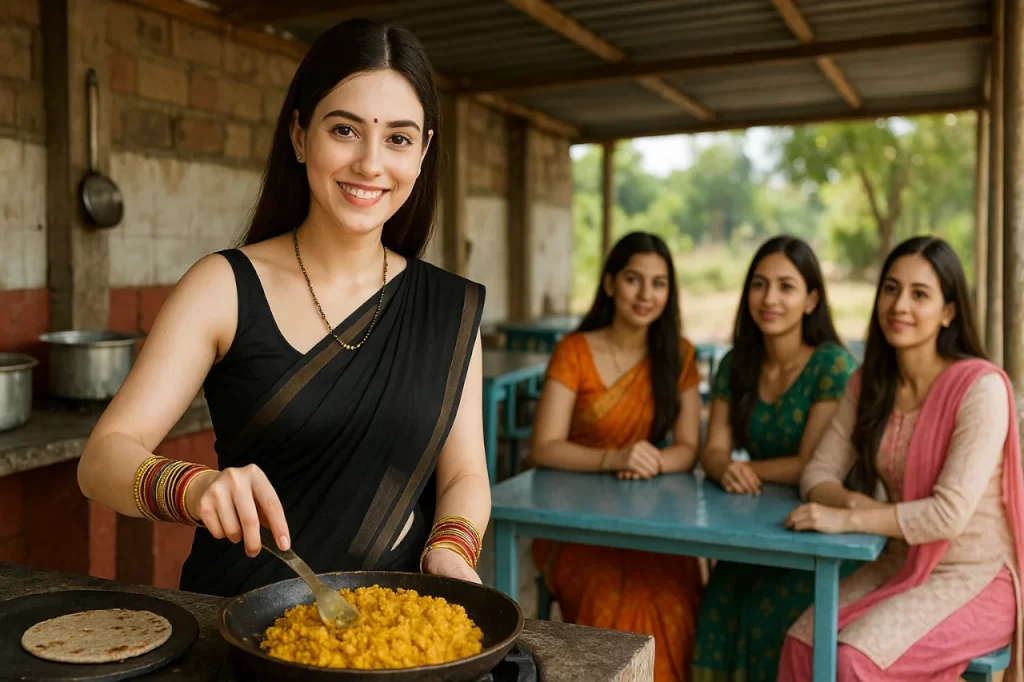
🌿 1. Tigaonkar Zunka Bhakar Centre: The Soul of Rural Maharashtra
➙ Signature Dish: Zunka Bhakar (Spiced Chickpea Curry + Millet Flatbread) served with Thecha (Green Chili-Garlic chutney) and Pithla (Gram Flour Stew).
➙ Experience: Eat on Patras (leaf plates) at dawn (6–8 AM) alongside cotton farmers. Thecha levels range from “mild” to “firestorm”!
➙ Cost: ₹50–₹80/plate | Location: Near Wardha Railway Station.
➙ Pro Tip: Pair with Mattha (Spiced Buttermilk) to counter the chili heat.
🧘 2. Sevagram Ashram Kitchen: Gandhi’s Satvik Legacy
➙ Philosophy: No onion/garlic; ingredients sourced from organic farms. Meals cooked in clay pots over wood fire.
➙ Must-Try: Toor Dal Khichdi with Amba Haldi (Mango Turmeric Pickle) and Shrikhand (Sweet Yogurt).
➙ Timings: 8 AM, 1 PM, 7 PM sharp (visitors welcome; donation-based).
➙ Unique: Meals served in silence to honour Gandhi’s “Eat Mindfully” principle.
🌶️ 3. Varda Vardhan Hat: Spicy Saoji Trail
➙ Specialty: Saoji Mutton – slow-cooked in 23 spices (starring Dagad Phool/Kalimirch) with Bone-marrow gravy.
➙ Texture: Melt-in-mouth Mutton contrasts with crunchy Tari Poha (Flattened Rice).
➙ Cost: Mutton Thali (₹220) | Cost: Veg Saoji (₹150) | Location: Wardha Market.
➙ Pairing: Sol Kadhi (Kokum-Coconut Drink) to soothe spice intensity.
🥘 4. Anay’s Restaurant: South Indian-Vidarbha Fusion
➨ Star Dishes:
⦿ Rava Coconut Masala Dosa (₹167): Crispy Semolina Crepe with Coconut Chutney.
⦿ Maharaja Thali (₹311): Paneer Butter Masala + Jeera Rice + 4 Chapatis + Gulab Jamun.
➙ Innovation: Chocolate Masala Dosa (₹179) – Nutella-stuffed with Potato Filling.
➙ Timings: 7 AM–11 PM | Location: Bachelor Road.
🍃 5. Paramdham Ashram (Paunar): Bhave’s Farm-to-Plate Ethos
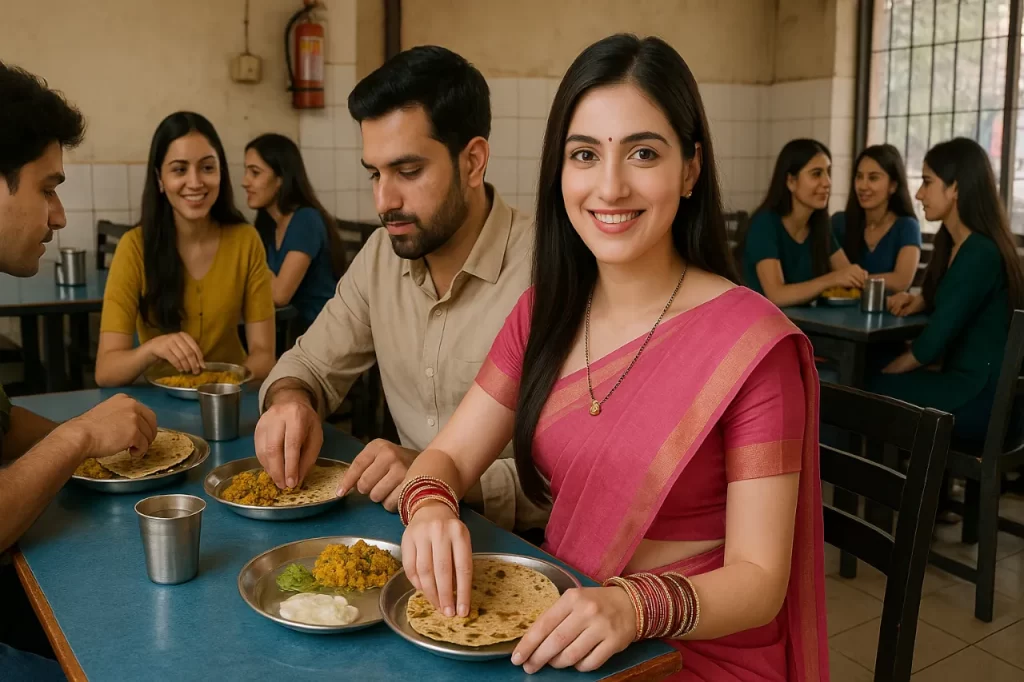
➙ Menu: Varadi Bhaakri (Multi-Millet Bread) with Bharlichi Bhaji (Stuffed Eggplant) and Bharleli Mirchi (Chili-Peanut stuffing).
➙ Source: Vegetables grown onsite; jaggery replaces sugar.
➙ Dining Rules: No food waste; wash your plate post-meal.
🍳 6. Local Dhabas: Highway Comfort Food
➨ Top Picks:
⦿ Mandar Dhaba: Pitla-Bhakri (₹70) – Gram Flour Curry with fiery Lasun Chutney.
⦿ Shahi Daawat: Thandai (₹45) – Almond-Fennel Milk, best Post-sunset.
➙ Ambience: Charpai (Rope Beds) under Neem trees; trucker stories included!
🛒 7. Wardha Market Street Food: Monsoon Delights
➨ Rainy-Day Specials:
⦿ Misal Pav (₹60): Sprouted lentils in spicy gravy topped with farsan.
⦿ Bhutta (₹20): Charcoal-roasted corn with lime-chili salt.
➙ Location: Near Gandhi Hill; stalls open 4–8 PM during monsoons.
☕ 8. Chai & Dessert Corners
➨ Tea Culture:
⦿ Gur Wali Chai (₹15): Jaggery-sweetened with ginger; try at Ambika Restaurant.
⦿ Saffron Kahwa (₹80): At Olive Restaurant.
➨ Sweets:
⦿ Puran Poli (₹40/2): Sweet lentil-stuffed flatbread at Radhika Restaurant.
⦿ Aamras Shrikhand (₹110): Mango-yogurt fusion at Highview Restaurant.
📦 Food Delivery & Online Ordering
➨ For authentic local food delivered:
⦿ Swiggy: Order Zunka Bhakar from Tigaonkar Center or Saoji Thalis from Varda Vardhan Hat.
⦿ Zomato: Anay’s Chocolate Dosa or Maharaja Thali.
🌟 Why Wardha’s Food Tells a Story
Every dish here is a Historical Archive – Zunka Bhakar echoes Gandhi’s austerity, Saoji Mutton carries tribal fire and Ashram Khichdi embodies sustainability. As chef Rohit Patil (High-view) notes: “Our recipes are maps – taste a Thecha and you taste the soil of Vidarbha”. From leaf plates to fusion Dosas, Wardha feeds both body and soul.
Food Trail: Download our “Wardha Food Bazaar Map” PDF with monsoon snack routes and ashram meal timings!

🌧️ Climatic Conditions in Wardha, Maharashtra: A Detailed Analysis
🔘 Monsoon Dominance & Rainfall Extremes
Wardha experiences a Tropical Savanna Climate (Köppen: Aw) with distinct wet and dry seasons. July is the peak monsoon month, receiving 232 mm average rainfall — the highest annually — with 27 rainy days. The district averages 1,345 mm annual precipitation, 80% occurring during June–September. The wettest recorded day saw 466 mm rainfall (July 2020), causing localised flooding in low-lying areas like Palakwadi.
🔘 Temperature Ranges & Seasonal Shifts
➙ July Averages: Highs of 31°C (88°F) and lows of 25°C (77°F), with a heat index reaching 39°C (102°F) due to humidity.
➨ Annual Extremes:
⦿ Summer (May): Scorching highs of 43°C (110°F)—once hitting 50°C (122°F) in 2019.
⦿ Winter (December): Cool lows of 15°C (59°F), occasionally dipping to 10°C (50°F).
➨ Table: Monthly Temperature & Rainfall
| Month | Avg High (°C) | Avg Low (°C) | Rainfall (mm) | Rainy Days |
| January | 29.6°C | 17.1°C | 15.2 mm | 1.8 |
| May | 43.6°C | 32.5°C | 8.8 mm | 2.5 |
| July | 31.2°C | 25.7°C | 232 mm | 27.4 |
🔘 Humidity & “Steam Bath” Effect
➨ July humidity averages 74–81%, peaking at 95% at dawn. Mornings feel like a “Steam Bath” due to:
⦿ Evaporation: Post-rain moisture lifting from black cotton soil.
⦿ Transpiration: Dense teak forests in Bor Wildlife Sanctuary releasing water vapour.
🔘 Monsoon Mechanics & Microclimates
➙ Wind Patterns: Southwester-lies from the Arabian Sea at 15 km/h, accelerating to 40 km/h during squalls.
➨ Microclimates:
⦿ Urban Wardha: Higher temps (32°C) due to concrete heat retention.
⦿ Pavnar Riverside: Cooler (28°C) with mist rising from the Wardha River.
🔘 Agricultural Impacts
➙ Cotton Farming: Relies on July rains for sowing. Excess rain (>300 mm) causes Phomopsis Blight fungus.
➙ Soybean: Waterlogged fields in Samudrapur taluka reduce yields by 30% in heavy monsoon years.

🔘 Winter (October–February): Dry & Pleasant
➙ Avg Temperatures: Daytime 28°C (82°F), nighttime 15°C (59°F).
➙ Fog Episodes: December–January mornings see fog (visibility <500m) disrupting Nagpur–Wardha highway traffic.
🔘 Summer (March–June): Scorching Heat
⦿ Heatwaves: May highs average 43°C, with Radiation Spikes up to 1,100 W/m².
⦿ Dust Storms: Andhis (Pre-monsoon storms) hit Arvi taluka, with winds up to 70 km/h.
🔘 Health & Safety Challenges
➨ Monsoon Hazards:
⦿ Waterborne Diseases: July sees 40% spike in cholera cases.
⦿ Leeches: Proliferate in Bor Sanctuary trails; locals apply Tobacco Paste for prevention.
➙ Heat Stress: Summer heat index exceeding 55°C risks heatstroke—farmers work 5–9 AM only.
🔘 Cultural & Lifestyle Adaptations
➙ Monsoon Rituals: Nag Panchami (July–August) features milk offerings to cobras near Kelzar Ganpati Temple.
➙ Architecture: Colonial-era bungalows use High Ceilings (4m) and Ventilators for Cross-Ventilation.
🔘 Climate Change Trends
➙ Rainfall Shift: 15% decrease in July rainfall since 2010, but intense downpours (+20%) cause flash floods.
➙ Temperature Rise: 1.2°C increase in May temps over 20 years—cotton yields dropped 8%.
🌦️ Best Time to Visit
⦿ October–February: Ideal for sightseeing (ashrams, wildlife safaris).
⦿ July: For Photographers—cotton fields turn emerald, waterfalls surge at Panchadhara.
Local Insight: Farmer Raju Deshmukh advises, “Carry onion juice in monsoon—it repels leeches better than salt!”. Wardha’s climate is a dialogue between extremes, where resilience is woven into daily life—from monsoon-proof cotton farms to winter bonfires under neem trees. 🔥
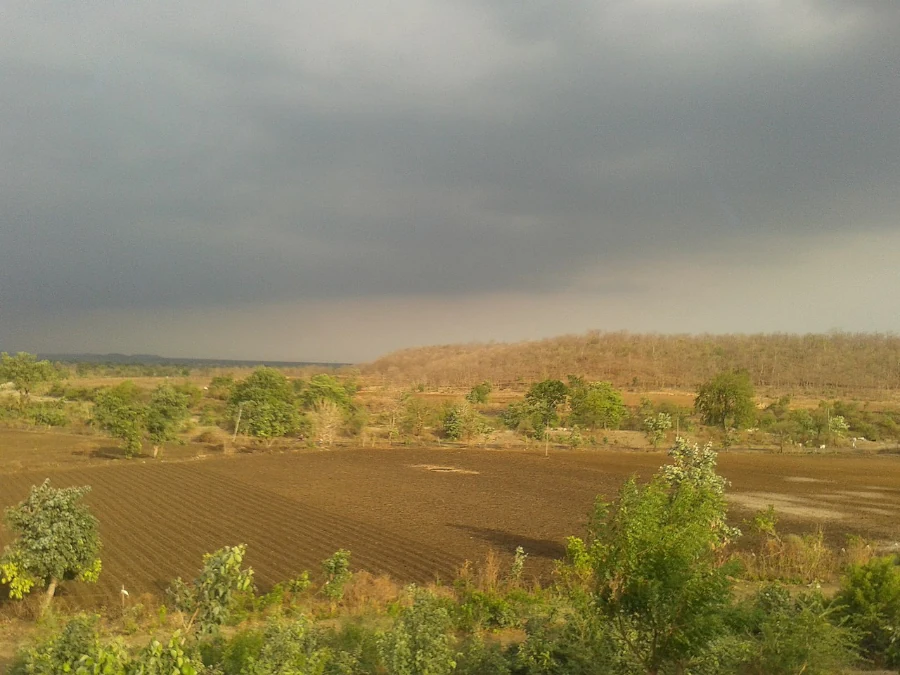
📊 Sociodemographic Profile of Wardha, Maharashtra: A Granular Analysis
⛔ Population Structure & Density
➙ Total Population: 1.3 million (2011 Census), with a Population Density of 206 people/km² across 6,309 km².
➙ Gender Distribution: 668,385 Males (51.4%) and 632,389 Females (48.6%), yielding a Sex Ratio of 946 females per 1,000 males — above Maharashtra’s average but below the national ideal (1,000). Karanja Taluka excels with a ratio of 956, reflecting progressive gender policies.
➙ Rural-Urban Split: 67.5% rural (877,474 people) vs. 32.5% urban (423,300). Urban areas like Wardha city (106,444 residents) show higher literacy (92.62%) and better sex ratios (955).
⛔ Caste Dynamics
Wardha’s caste landscape blends Agrarian Communities, Tribals and Historically Marginalised groups:
➨ Dominant Castes:
➙ Kunbis (20%): Largest landowning group; subcastes like Tirole (aristocratic lineage) and Dhanoje (Shepherd Ancestry).
➙ Mahars (15%): Traditionally Marginalised; many converted to Buddhism during the Neo-Buddhist movement.
➙ Gonds (10%): Indigenous Tribe concentrated in Samudrapur Taluka; practice subsistence farming.
➨ Scheduled Castes (SC) & Tribes (ST):
➙ SCs (14.5%: 188,830 People): Include Chambhar (leather workers) and Matang (Scavengers).
➙ STs (11.5%: 149,507 People): Predominantly Gonds, with smaller groups like Kolami and Korku in forested zones.
➨ Other Groups:
➙ Brahmins (3%): Historically influential landowners; Deshasth subcaste dominates.
➙ Banias (2%): Traders and industrialists; Marwaris control cotton ginning units, while Lingayat Banias permit widow remarriage.
➨ Table: Caste Distribution
| Group | Population | % of Total | Primary Occupations |
| Kunbi | ~260,000 | 20% | Agriculture, Landownership |
| Mahar | ~195,000 | 15% | Labor, Buddhism Conversion |
| Gond | ~130,000 | 10% | Forest-based farming |
| SC Communities | 1,88,830 | 14.5% | Leatherwork, Sanitation |
| ST Communities | 1,49,507 | 11.5% | Agriculture, Handicrafts |
⛔ Linguistic Diversity
➨ Wardha records 72 mother tongues, though only six languages exceed 0.5% speakers:
⦿ Marathi (87.77%): Official language; used in Education, Governance and Media.
⦿ Hindi (6.88%): Urban trade language; prevalent in markets like Wardha City.
➨ Minority Languages:
⦿ Urdu (1.26%): Spoken by Muslims in urban wards.
⦿ Banjari (0.58%): Nomadic community language with Rajasthani roots.
⦿ Gondi (0.57%): Tribal language in Samudrapur; endangered due to Marathi Assimilation.
➙ Rare Tongues: Kolami (0.34%), Telugu (0.25%) and Sanskrit (42 Speakers) persist in cultural rituals.
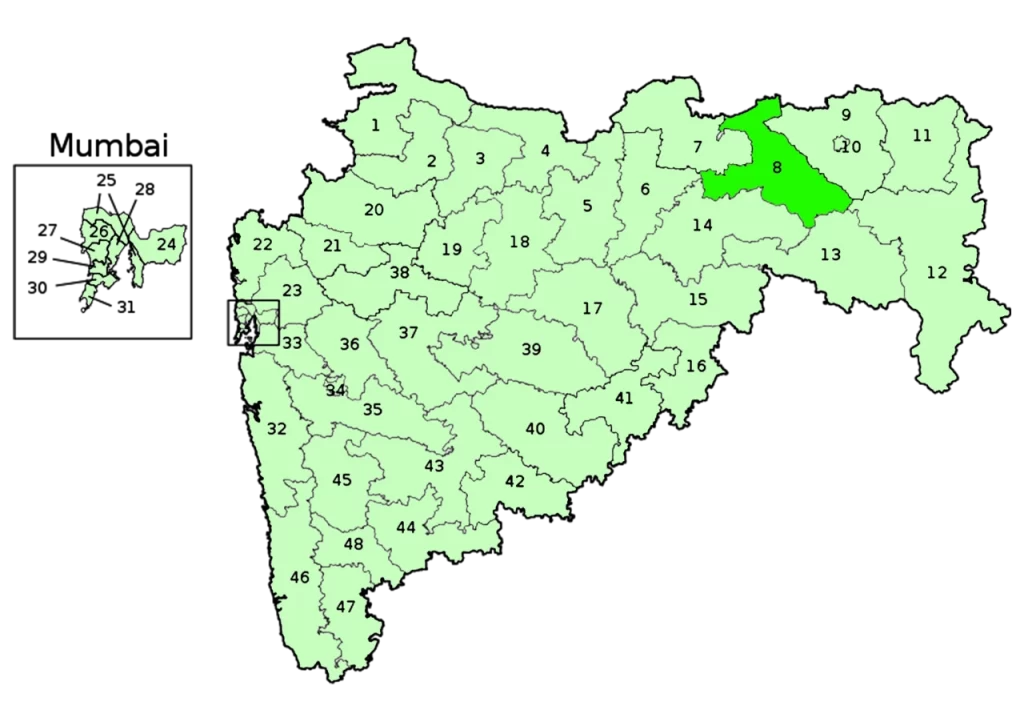
⛔ Religious Mosaic
➙ Hindus (81.27%): Majority Community; Cluster around Laxminarayan Temple and Gitai Mandir.
➙ Buddhists (13.49%): Largely converted Mahars; pivotal in Ambedkarite movements.
➙ Muslims (4.14%): Concentrated in Wardha City; Historic ties to the Bahmani Sultanate.
➙ Minority Faiths: Jains (0.44%) run Textile Businesses; Sikhs (0.17%) migrated during British rail projects.
⛔ Socioeconomic Indicators
➙ Literacy (86.99%): Urban-rural gaps are stark (urban 92.62% vs. rural 84.27%). Female literacy (73.82%) lags behind Males (91.92%) due to early marriage in farming communities.
➨ Occupational Structure:
⦿ Agriculture (60%): Cotton, Soybean and Millet farming.
⦿ Industry (25%): Cotton Ginning factories in Hinganghat and Arvi.
⦿ Services (15%): Education and Healthcare driven by institutions like Mahatma Gandhi Institute of Medical Sciences.
➙ Land Ownership: Kunbis and Brahmins control 70% of Arable land; Banias dominate Industrial Assets.
⛔ Age Dynamics & Migration
➙ Median Age: 29.5 years—youthful compared to India’s 24.9. The 20–24 Cohort (127,952 people) fuels education/employment migration to Nagpur.
➨ Migration Patterns:
⦿ Influx: Bhoyar caste (48,000 people) migrated from Betul (MP) for farmland.
⦿ Outflow: 5% of youth leave annually for Engineering/Medical colleges in Pune/Mumbai.
⛔ Taluka-Wise Variations
➨ Wardha’s 8 talukas show distinct Sociodemographic Profiles:
⦿ Wardha: Urban hub; highest literacy (92.62%) and population density (461/km²).
⦿ Karanja: Best sex ratio (956); agrarian economy with soybean dominance.
⦿ Samudrapur: Tribal stronghold (Gondi speakers); 30% forest cover.
⦿ Hinganghat: Industrial centre; cotton mills employ 40,000+ workers.

⛔ Cultural & Ritual Practices
➙ Kunbi Traditions: Ancestor worship via crow-feeding rituals; prohibition on widow remarriage.
➙ Gond Customs: Keslapur Jatra (Festival) with terracotta horse offerings; worship of forest spirits.
➙ Buddhist Ceremonies: Mass conversions on Ashoka Vijaya Dashami; meditation at Vishwa Shanti Stupa.
⛔ Historical Evolution
➙ Pre-Colonial: Vakataka dynasty’s capital at Pavnar (3rd century CE); Gond kingdoms (16th century).
➙ British Era: Forced displacement of Palakwadi villagers (1866) to build Wardha city; skewed land allocation to Brahmins/Rajputs.
➙ Post-Independence: Buddhist conversion waves (1956); cotton-industrial boom (1980s) attracting Marwari traders.
⛔ Development Challenges
➙ Gender Disparities: Low child sex ratio (919) and female workforce participation (27%).
➙ Agrarian Stress: 60% of farmers are debt-ridden; climate change reduces cotton yields by 8% since 2000.
➙ Cultural Erosion: Gondi and Kolami languages face extinction; only 8,000 fluent speakers remain.
🌍 Conclusion: A Microcosm of Resilience
Wardha’s Sociodemography mirrors India’s Complex Interplay of tradition and transformation — where Kunbis uphold Ancestral Farming Rites, Buddhists redefine Social Justice and Gondi syllables fade into Marathi headlines. As local activist Anjali Meshram (Gond community) notes: “Our languages die when forests burn”. Yet, Wardha’s 86.99% literacy and youthful energy offer hope for inclusive renewal.
Demographic CTA: Explore our interactive Wardha Sociodemographic Map, Overlaying Caste, Language, and Literacy Data by Village!
👉 Section Sources:
➙ Census of India (2011)
➙ Wardha District Gazetteer (Cultural Practices)
➙ Maharashtra State Data Bank (Economic Indicators)
➙ Ethnolinguistic Surveys (Joshua Project)
➙ Historical Climate & Population Models

🌟 Notable People of Wardha, Maharashtra: Architects of Freedom, Reform & Cultural Renaissance
Wardha’s legacy is shaped by Visionary Leaders, Activists and Artists who transformed it into a crucible of India’s Freedom Struggle, Social Justice and Rural Innovation. Here’s a Granular Exploration of its luminaries:
🔘 Mahatma Gandhi (1869–1948): The Soul of Sevagram
➙ Wardha Connection: Relocated to Sevagram Ashram in 1936 at Jamnalal Bajaj’s invitation, making it India’s freedom struggle HQ.
➨ Key Contributions:
⦿ Launched the Quit India Movement (1942) from Wardha.
⦿ Pioneered Nai Talim (1937), an Education Model Integrating Handicrafts and Academics.
⦿ Authored Harijan newspaper, critiquing caste oppression.
➙ Legacy: Sevagram remains a global pilgrimage site for Gandhian Philosophy.
🔘 Jamnalal Bajaj (1889–1942): The Industrialist-Reformer
➙ Foundational Role: Invited Gandhi to Wardha; funded Ashrams, Khadi Centres and the All-India Village Industries Association.
➨ Innovations:
⦿ Established Goseva Sangh (Cow Protection Network) and promoted Inter-caste Dining.
⦿ Donated 500+ acres for Ashrams and Farms.
➙ Gandhi’s Tribute: “Jamnalal was my fifth son – his Wealth, Mind and Body served the Nation”.
🔘 Vinoba Bhave (1895–1982): Land Reforms Visionary
➙ Wardha Base: Led Paramdham Ashram in Pavnar (1920s).
➨ Revolutionary Work:
⦿ Founded the Bhoodan Movement (1951), redistributing 4.5 million acres to landless farmers.
⦿ Authored Gita Pravachan, reinterpreting the Bhagavad Gita for social justice.
➙ Global Recognition: Awarded the Ramon Magsaysay Prize (1958) for community leadership.
🔘 Jankidevi Bajaj (1893–1979): Pioneer of Women’s Empowerment
➨ Trailblazing Efforts:
⦿ Organised Anti-Dowry Campaigns and founded Mahila Ashrams for Widows (1930s).
⦿ Joined Vinoba Bhave’s Padyatras, walking 3,000+ km for Bhoodan.
➙ Honours: First woman from Maharashtra awarded Padma Vibhushan (1956).
🔘 Baba Amte (1914–2008): Humanitarian Maverick
➙ Wardha Roots: Born in Hinganghat; studied law in Wardha before founding Anandwan leprosy colony.
➙ Philosophy: “Development must heal, not displace” – integrated leprosy patients into cotton-farming cooperatives.
➙ Awards: Ramon Magsaysay Prize (1985) and Gandhi Peace Prize (1999).
🔘 Raja Bakht Buland Shah (1649–1705): Gond Warrior-King
➙ Historical Impact: Ruled Eastern Vidarbha; allied with Berar Sultanate against Gujarat invasions (1672).
➙ Infrastructure: Built Teliya Dam in Bor, still irrigating 12,000+ acres.
🔘 Rahul Bajaj (1938–2022): Industrialist-Philanthropist
➙ Modern Legacy: Expanded Bajaj Group while funding MGIRI (Maganwadi) for Rural Tech Innovation.
➙ Awards: Padma Bhushan (2001) for corporate ethics and Gandhian CSR.
🔘 Anjali Meshram (b. 1985): Tribal Rights Firebrand
➙ Grassroots Leadership: Gond activist fighting farmer debt and forest rights in Samudrapur taluka.
➨ Achievements:
⦿ Won 2020 legal battle against land grabs in Kelzar forests.
⦿ Founded Warli Art Collective, empowering 300+ tribal women artists.
🏆 Contemporary Icons (2000–Present)
➙ Dr. Vikas Amte: Runs Lok Biradari Prakalp – a hospital-cum-wildlife sanctuary serving Madia Gond tribes.
➙ Kishor Tiwari: Agrarian activist; chaired Vidarbha Development Board to address farmer suicides.
➙ Bhimrao Munde: Sculptor of Laxminarayan Temple deities; revived Hemadpanthi stone-carving techniques.
🌍 Why Their Legacy Endures
Wardha’s luminaries embody a Unique Synergy – where industrialists like Bajaj funded revolutionaries, Gond kings built ecological infrastructure, and tribal activists like Meshram fight modern battles. As Gandhi noted in 1942: “In Wardha, every villager is a nation-builder”. Their work continues through:
⦿ MGIRI’s Khadi tech labs.
⦿ Warli Art Collective’s Exhibitions.
⦿ Bhoodan-inspired land trusts.
Explore our interactive “Wardha Legacy Trail” map – tracing Gandhi’s Ashram to Meshram’s forest workshops!
👉 Section Sources:
➙ Wardha District Portal (Historical Archives)
➙ Jamnalal Bajaj Foundation Archives
➙ Bajaj Rural Development Lab Reports
➙ Maharashtra State Gazetteers
➙ Contemporary Activist Profiles (Vidarbha Development Board)
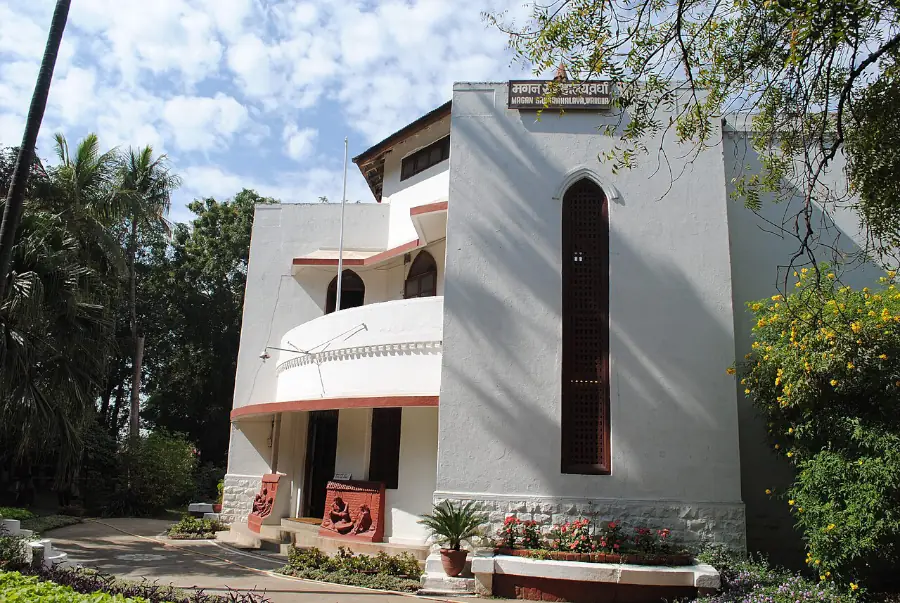
🏭 Industrial Development in Wardha, Maharashtra: A Granular Analysis
⛔ Cotton & Textile Dominance: The “White Gold” Economy
➙ Historical Roots: Wardha’s textile industry began in 1881 with Hinganghat’s first Spinning Mill, expanding to 16 Cotton Presses and 39 Ginning factories by 1904. Today, it hosts 65+ ginning units and 6 Spinning/Weaving Mills, leveraging the district’s fertile black soil for high-yield cotton cultivation.
➙ ODOP Initiative: Designated as Maharashtra’s “One District One Product” hub for Cotton Yarn, Wardha integrates Gandhian Charkha traditions with modern tech. The ODOP program provides:
⦿ Funding: Subsidies via PM MITRA Parks (₹4,445 crore national outlay) and PLI schemes.
⦿ Quality Control: “Smart Cotton” projects reduce contamination, supported by CIRCOT and BTRA labs.
➙ Employment: Textiles employ 78.5% of Wardha’s factory workforce, with Spinning Mills like Hinganghat supporting ~5,854 daily workers.
➨ Table: Textile Industry Evolution
| Era | Key Developments | Employment Impact |
| British | First Mill (1881); 39 Ginning units (1904) | 2,500+ Jobs by 1904 |
| Post-1947 | State Rescue of Bankrupt Mills (1960s) | 5,366 Workers (1963) |
| ODOP | 65+ Ginning units; GeM Bazaar Exports | 40,000+ Direct Jobs (2023) |
⛔ Agro-Processing Industries: Beyond Cotton
➙ Edible Oils: 4 Oil Mills process cottonseed and soybeans, producing 235 daily jobs (1964). Soybean cultivation surged post-1990, reducing drought vulnerability.
➙ Rice & Dal Mills: 5 operational units (1964) focus on local staples like Tur Dal and Javari Millet.
➙ Banana Dehydration: Proposed plant at Selu to utilise banana surpluses, pending scale-up of cultivation.
⛔ Emerging Sectors: Diversification Efforts
➙ Engineering Goods: Small-scale units manufacture Agricultural Implements (e.g., Ploughs, Harvesters), targeting Cotton/Soybean farms.
➨ Leather & Pharmaceuticals:
⦿ Chrome Tanneries: Proposed to use livestock byproducts.
⦿ Surgical Cotton: MGIRI (Maganwadi) blends Khadi heritage with medical-grade production.
➙ Renewable Energy: Solar canopies at Bajaj Institute generate 40% of Campus Energy, Model for Industrial Adoption.

⛔ Industrial Infrastructure: Connectivity & Zones
➨ Transport Hubs:
⦿ Sindhi Dry Port & Wardha ICD: Facilitate textile exports to ASEAN/EU.
⦿ Highways: NH53 (Nagpur-Wardha) and NH44 (Hyderabad link) enable goods movement.
➨ Special Zones:
⦿ Textile Parks: ₹328-crore Hinganghat Biotech Park (32 acres) for Spinning/Garment units.
⦿ Megha Food Park: 5 MT/hr Fruit Processing + 2,000 MT Cold Storage.
⦿ Bio-CNG Plant: India’s first Napier grass facility in Lasanpur village (50 TPD capacity).
⛔ Institutional Support & Innovation
➙ MGIRI (Maganwadi): Revamped Jamnalal Bajaj Research Institute (2008) under MSME Ministry.
➨ Focus areas:
⦿ Khadi Textile R&D
⦿ Herbal Medicine Processing
⦿ Solar-powered Rural Tools
➤ District Industries Centre (DIC):
➨ Manages ODOP Initiatives:
⦿ Mentorship: Textile experts from Invest India.
⦿ Funding: PMEGP subsidies (15-35% for micro-enterprises).
⛔ Mega Projects & Investments
➨ OFAB Tech Textile Hub: ₹750-crore B2B facility in Karanja MIDC:
⦿ Employment: 15,000 jobs via hub-spoke model linking rural artisans.
⦿ Focus: Technical Textiles + Women’s self-help groups.
➙ Samruddhi Expressway: Connects Wardha to Mumbai’s Ports, Cutting logistics costs by 30%.
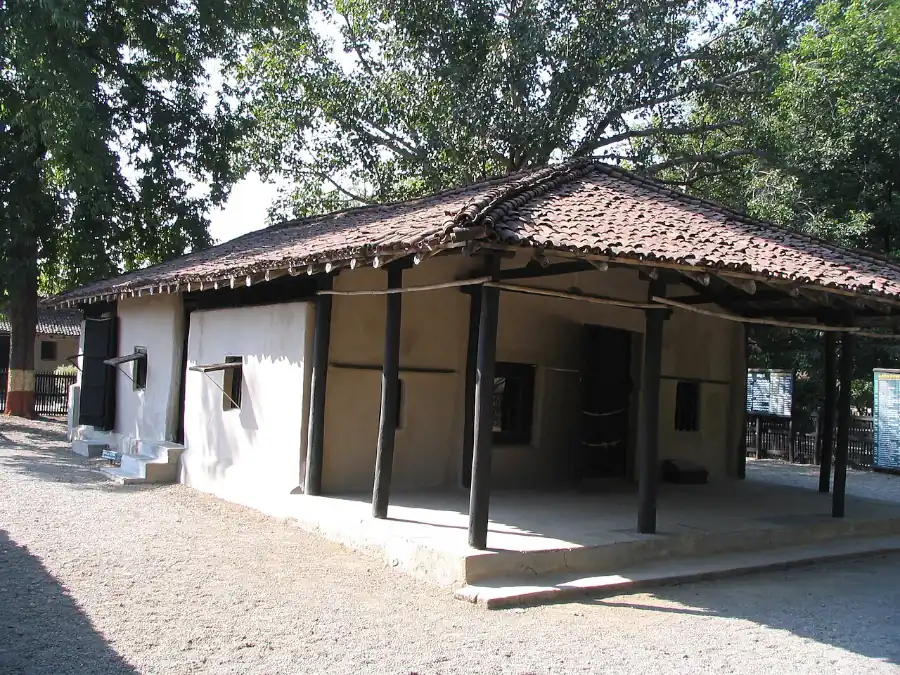
⛔ Socioeconomic Impact & Challenges
➨ Growth Metrics:
⦿ GDDP: ₹29,692 crore (2021-22), with 7.96% Average Growth.
⦿ Per Capita Income: ₹208,319 (above Vidarbha Average).
➨ Structural Issues:
⦿ Irrigation Gaps: 74% rain-fed farms cause cotton yield fluctuations.
⦿ Debt Cycle: Farmer suicides linked to low crop prices; 60,750 in Vidarbha (1995–2013).
⛔ Future Roadmap (2023–2028)
➨ Textile 2.0:
⦿ AI Integration: Automated looms in Hinganghat Park.
⦿ Export Push: ODOP GeM Bazaar targets ₹500 crore exports by 2026.
➨ Green Industry:
⦿ Bio-CNG Expansion: 100 plants using Agro-waste.
⦿ Carbon Neutrality: 121.48 MUS Renewable Energy target.
💎 Conclusion: Weaving Resilience
Wardha’s Industry Blends Gandhian ethos (MGIRI’s Rural Tech) with 21st-century Ambition (OFAB’s ₹750-crore hub). Yet, sustainable growth hinges on:
⦿ Solving water stress via Dham River Irrigation projects.
⦿ Formalising labor in ginning units through ODOP skill centres.
As Deputy CM Devendra Fadnavis notes: “Wardha’s textiles will ignite Vidarbha’s economy” – if equity accompanies expansion.
Download Wardha’s ODOP Action Plan for textile subsidy forms and investor contact lists!
👉 Section Sources:
➙ Wardha District Portal (ODOP Policy)
➙ Maharashtra Industrial Reports (GDDP Data)
➙ OFAB Tech MoU Details
➙ MGIRI Historical Archives
➙ Vidarbha Drought Studies
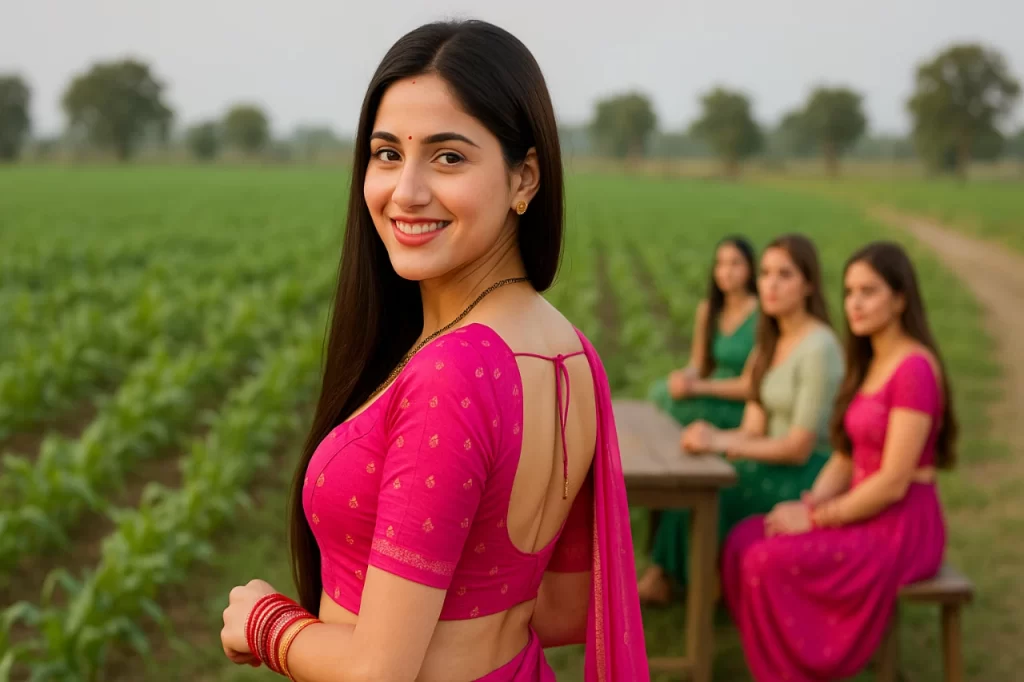
🌾 Important Villages of Wardha, Maharashtra: A Granular Exploration
Wardha district comprises 973 villages spread across 8 tehsils, each with unique Historical, Cultural or, Economic significance. Below is a detailed analysis of key villages, leveraging Census 2011 data, geographical features, and socio-economic traits.
🏛️ 1. Pavnar: Ancient Capital & Spiritual Hub
➙ Population: 7,752 | Literacy: 85.66% | Sex Ratio: 954 ♀/1,000 ♂
➙ Historical Significance: Capital of the Vakataka Dynasty (3rd–5th century CE). Ruins of Pravarapura fort and irrigation tanks still visible.
➙ Modern Role: Hosts Paramdham Ashram (Vinoba Bhave’s headquarters) and Brahman Vidya Mandir (Women-led Gita study centre).
➙ Economy: Soybean Farming and Pottery workshops using Vakataka-era techniques.
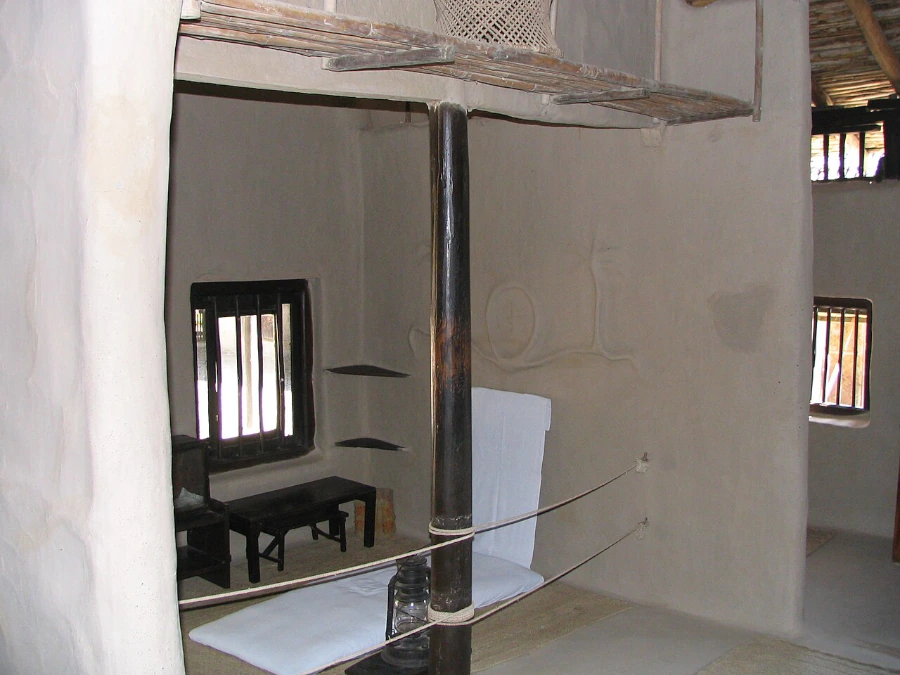
🕉️ 2. Sewagram (Sevagram): Gandhi’s Living Legacy
➙ Population: 6,679 | Literacy: 86.91% | Sex Ratio: 953 ♀/1,000 ♂
➙ Gandhian Epicentre: Sevagram Ashram (1936–1948) where Gandhi launched the Quit India Movement.
➨ Key Sites:
⦿ Bapu Kuti: Gandhi’s mud hut with original spinning wheel.
⦿ Ba’s Kitchen: Kasturba Gandhi’s workspace.
➙ Economy: Khadi weaving units and organic farming cooperatives.
🌿 3. Borgaon (Meghe): Industrial & Educational Hub
➙ Status: Census Town | Population: 19,759 | Literacy: 92.53%
➨ Institutions:
⦿ Bajaj Institute of Technology (Solar-powered Campus).
⦿ MGIRI (Maganwadi): Rural innovation lab for Khadi Textiles.
➙ Economy: Cotton ginning factories employing 5,000+ workers.
🏞️ 4. Salod: Agricultural Powerhouse
➙ Population: 8,154 | Literacy: 85% (Approx) | Sex Ratio: 950 ♀ / 1,000 ♂
➙ Agriculture: Dominates Soybean and Javari Millet cultivation.
➙ Water Management: Medieval Teliya Dam (Gond-era) Irrigates 12,000+ Acres.
➙ Challenge: 60% farmers are debt-ridden due to Erratic Monsoons.
🐅 5. Kelapur: Gateway to Wilderness
➙ Population: 1,026 | Literacy: 78.1% | Sex Ratio: 973 ♀ / 1,000 ♂
➙ Ecological Role: Buffer zone for Bor Wildlife Sanctuary (26 Tigers, 200+ Bird Species).
➙ Tribal Craft: Gond communities create terracotta horse figurines (Kaldhara) for Kelzar Ganpati Temple.
🏭 6. Sindi Turf Hindnagar: Industrial Satellite
➙ Status: Census Town | Population: 20,956 | Literacy: 94.06%
➨ Economy:
⦿ Textile Park: Spinning units linked to ODOP (One District One Product) Scheme.
⦿ Transport: Connects to Wardha ICD (Dry Port) for Cotton Exports.
⛰️ 7. Waigaon: Religious & Cultural Crossroads
➙ Population: 7,916 | Literacy: 84% (Approx)
➨ Religious Sites:
⦿ Laxminarayan Temple (1905): Hemadpanthi Architecture with Solstice-aligned Sanctum.
⦿ Sufi Shrine: Annual Urs festival at Sheikh Farid Baba Dargah.
➙ Craft: Warli Painting collectives Employing 200+ Tribal Women.
🏙️ 8. Pipri: Urbanising Village
➙ Status: Census Town | Population: 23,661 | Literacy: 93.79%
➨ Development:
⦿ Megha Food Park: 5 MT/hr fruit processing unit.
⦿ Residential Growth: 12% Population surge (2011–2025) due to Industrial Jobs.
🧺 9. Seloo: Handicraft & Tribal Heritage
➙ Tehsil Profile: 148 villages | ST Population: 18% (Highest in District)
➨ Key Villages:
⦿ Chichala: Terracotta Horse Crafting (Population 1,298).
⦿ Kesalapur: Gond Keslapur Jatra festival (Population 16).
➙ Economy: Soybean Mills and Ajrakh block-printed textiles.
⚠️ 10. Aminpur: Demographic Anomaly
⦿ Population: 3 | Literacy: 33.33% | Sex Ratio: 500 ♀/1,000 ♂
⦿ Challenge: Symbolises Rural Depopulation; 92% youth migrated to Nagpur for jobs.
⦿ Revival Efforts: Government Solar-powered Farming Pilot (2024).
🗺️ Tehsil-Wise Village Distribution
Table: Key Tehsils & Village Specialisations
| Tehsil | Villages | Notable Villages | Specialisation |
| Wardha | 148 | Pavnar, Sewagram | Gandhian Tourism, Education |
| Samudrapur | 210 | Kelapur, Chichala | Tribal Crafts, Wildlife |
| Hinganghat | 160 | Borgaon (Meghe) | Cotton Ginning, Textiles |
| Arvi | 201 | Waigaon | Religious Sites, Millet Farming |
| Karanji | 110 | Pipri | Food Processing, Logistics |
🌱 Village Typology by Population Size
➨ Wardha’s villages exhibit stark disparities:
⦿ Under 200 Residents: 183 villages (e.g., Kesalapur) – face Healthcare/Education gaps.
⦿ Over 5,000 Residents: 17 villages (e.g., Salod) – serve as Economic Anchors.
💎 Conclusion: Villages as Microcosms of Resilience
From Pavnar’s dynastic ruins to Sewagram’s Charkhas, Wardha’s villages embody Maharashtra’s Soul. As tribal activist Anjali Meshram (Kelapur) asserts: “Our terracotta horses carry centuries of memory – they’re not crafts, they’re Archives”. Yet, balanced growth remains crucial to bridge urban-rural divides.
Explore our interactive “Wardha Village Map” with Population Filters, Craft Trails and Agrarian Heritage Zones!
👉 Section Sources:
➙ Census of India 2011
➙ Wardha District Gazetteer (Historical Data)
➙ Maharashtra Village Portals
🌄 5-Day Wardha Immersion Itinerary: Gandhi’s Land, Wildlife & Cultural Treasures
💡 Pro Tip: Winter (October–February) is ideal, with temperatures of 15–30°C. Rent a scooter (₹300/day) for flexible exploration.
🎯 Day 1: Gandhi’s Legacy & Rural Crafts
➨ Theme: Freedom Struggle History + Artisan Workshops
➙ 8:00 AM: Breakfast at Dnyaneshwar Restaurant
⦿ Poha (Flattened Rice) + Jalebi + Masala Chai (₹150).
➙ 9:30 AM: Sevagram Ashram
⦿ Explore Gandhi’s Mud Hut (Bapu Kuti), Spin Cotton on a Charkha and join 11 AM Prayer session.
⦿ Don’t miss: Kasturba’s kitchen with original clay pots.
➙ 12:00 PM: Lunch at Shivaji Restaurant
⦿ Thali with Zunka Bhakar (Chickpea Curry) + Puran Poli (Sweet Bread) (₹250).
➙ 1:30 PM: Magan Sangrahalaya
⦿ Interactive Exhibits: Warli Tribal Art, Khadi-weaving demo (₹30 entry).
⦿ Join a Pottery Workshop (₹100) using 3rd-century Vakataka Techniques.
➙ 4:00 PM: Khadi Gramodyog Bhavan
⦿ Buy Handspun Cotton Stoles (₹800–₹2,000) and meet Weavers.
➙ 7:00 PM: Dinner at Hotel Saffron Pure Veg
⦿ Soybean Kebabs + Bhakri (Millet Bread) (₹350).
🎯 Day 2: Spiritual Sanctuaries & Architecture
➨ Theme: Peace Pagodas + Hemadpanthi Temples
➙ 6:00 AM: Sunrise at Vishwa Shanti Stupa
⦿ Meditate beneath Gold Buddhas.
⦿ Secret Spot: Japanese Garden with 1,000 Peace trees.
➙ 8:30 AM: Breakfast at Ambika Restaurant
⦿ Gur wali chai (Jaggery Tea) + Vada Pav (₹50).
➙ 9:30 AM: Gitai Mandir
⦿ Walk the 1.8-km Gita Parikrama path with verses carved on marble slabs.
⦿ No Idols — only Philosophical Immersion.
➙ 12:30 PM: Lunch at Varda Vardhan Hat
⦿ Fiery Saoji Mutton with Tari Poha (₹220) or Veg Saoji (₹150).
➙ 2:00 PM: Paramdham Ashram (Paunar)
⦿ Attend Vinoba Bhave’s 3 PM discourse on Bhoodan Movement.
⦿ Try: Silent Meditation in the Bamboo Grove.
➙ 5:00 PM: Laxminarayan Temple
⦿ Marvel at 1905 Hemadpanthi carvings.
⦿ Hidden Gem: Subterranean Yagnashala with Echo-effect chants.
➙ 7:30 PM: Dinner at Olive Restaurant
⦿ Saffron Kahwa + Paneer Tikka (₹400).

🎯 Day 3: Wildlife Safari & Countryside Charms
➨ Theme: Tigers + Tribal villages
➙ 6:00 AM: Bor Wildlife Sanctuary Safari
⦿ Spot Tigers, Sloth Bears and Indian Vultures.
⦿ Book: Jeep safari (₹1,500; 6–10 AM Slot).
⦿ Tip: Post-rain months (July–September) for lush landscapes.
➙ 10:00 AM: Breakfast Picnic at Teliya Dam
⦿ Gond-era reservoir with packed Pithla-Bhakri (Gram Flour Curry) from Mandar Dhaba (₹70).
➙ 12:00 PM: Kelzar Village
⦿ Gond Tribal Interaction: Craft Terracotta Horses (Kaldhara) at Chichala hamlet.
⦿ Buy: Miniature Horse (₹200) as a souvenir.
➙ 3:00 PM: Nagthana Dam
⦿ Boating (₹100/hour) or Photograph Monsoon Waterfalls (July–September).
➙ 7:00 PM: Dinner at Radhika Restaurant
⦿ Aamras Shrikhand (Mango Yogurt) + Missal Pav (₹180).
🎯 Day 4: Cultural Deep Dive & Market Hopping
➨ Theme: Handicrafts + Heritage Cuisine
➙ 8:00 AM: Breakfast at Cafe Coco
⦿ Multigrain Toast + Espresso (₹120).
➙ 9:00 AM: Samudrapur Taluka Village Tour
⦿ Warli Painting Workshop (₹300/Person) + Soybean Farming Demo.
➙ 12:30 PM: Lunch at Farmyard Bistro
⦿ Farm-to-table Bharlichi Bhaji (Stuffed Eggplant) + Varadi Bhaakri (₹300).
➙ 2:30 PM: Wardha Market Crawl
⦿ Sudampuri Market: Ajrakh Block-printed Textiles (Stoles ₹500).
⦿ Bajajwadi Market: Organic Tur Dal (₹120/kg) + Amba Haldi Pickles.
➙ 5:00 PM: Brahma Vidya Mandir (Paunar)
⦿ Women-led Gita chanting session (5:30 PM). Note: Dress Modestly.
➙ 8:00 PM: Dinner at Ganesh Dhaba
⦿ Tandoori Roti + Dal Tadka under Neem trees (₹200).
🎯 Day 5: Adventure & Reflection
➨ Theme: Scenic Landscapes + Farewell Rituals
➙ 6:00 AM: Cycling to Pavnar (12 km)
⦿ Trace the Wardha River to Vakataka Dynasty Ruins. Rent: Bikes from MTDC Wardha (₹100/day).
➙ 9:00 AM: Organic Farm Breakfast
⦿ Fresh Lassi + Javari Millet Pancakes at Teakwood Farms (₹250).
➙ 10:30 AM: Wardha Adventure Park
⦿ Zip-lining (₹300) + Kayaking (₹200)
➙ 1:00 PM: Lunch at The Rustic Cafe
⦿ Bamboo-steamed Fish Curry (Local Catch) or Jackfruit Biryani (₹350).
➙ 3:00 PM: Gandhi Hill Sunset
⦿ Panoramic views + “Be the Change” Memorial Inscription. Photographers: Golden hour at 5:30 PM.
➙ 7:00 PM: Farewell Gurukripa Meal at Sevagram Ashram
⦿ Satvik Dinner (No Onion/Garlic) with farmers (Donation-based).
🧳 Essential Travel Tools
➨ Accommodation:
⦿ Luxury: Poonam Residency (₹5,800/Night; Pool).
⦿ Budget: MTDC Wardha (₹1,000; Garden Views).
⦿ Spiritual: Sevagram Guesthouse (Donation-based).
➨ Transport:
⦿ Auto-rickshaws: ₹50 for 3 km.
⦿ Nagpur Airport Taxis: ₹1,500 to Wardha.
➙ Local SIM: Jio/Airtel stores near Wardha Junction.
⚠️ Seasonal Adjustments
⦿ Monsoon (July–September): Swap safaris for Panchadhara Waterfall trek (fossilised Shiva lingams).
⦿ Summer (April–June): Mornings only (5–10 AM); Afternoons at Magan Sangrahalaya (AC Exhibits).
♿ Accessibility Notes
⦿ Wheelchair-friendly: Vishwa Shanti Stupa, Laxminarayan Temple, MTDC Wardha.
⦿ Avoid: Bor Sanctuary Trails, Pavnar Riverbank steps.
🌟 Specialised Extensions
➙ Textile Trail: Hinganghat Cotton Mills + ODOP Khadi Workshops.
➙ Monsoon Photography: Waterfalls (Panchadhara), Emerald Cotton Fields.
➙ Buddhist Circuit: Vishwa Shanti Stupa + Dhamma Chakra Vipassana Center.
Download our “Wardha Insider Map” with cycling routes, monsoon snack stops, and artisan village contacts!
👉 Section Sources:
➙ Wardha District Portal (Accessibility)
➙ Maharashtra Tourism (Seasonal Tips)
➙ Local Transport & SIM Guides
➙ Accommodation & Dining Directories
FAQ: Essential Wardha Intel
Is Wardha safe for solo female travellers?
Yes—stick to daylight ashram visits. Avoid isolated riverbanks after dark.
What’s Wardha’s signature souvenir?
Ajrakh-printed cotton stoles from Khadi Bhandar (support local artisans).
Best non-Gandhi attraction?
Bor Wildlife Sanctuary—home to 26 tigers and 200+ bird species.
🏁 Brief Conclusion: The Unbroken Thread
Wardha remains where India’s soul pulses strongest—in the Whir of Charkhas, Monsoon-soaked Earth and Temple Bells echoing Vakataka hymns. As activist Murlidhar Devidas Amte (born here) proved, it’s a place where “Service Weaves Immortality”.
Walk Gandhi’s path—download our Wardha Field Guide PDF with interactive heritage trail map.
🌄 Detailed Conclusion: Wardha – Where Soil, Soul, and Swaraj Converge
Wardha, Maharashtra, is not merely a district but a Living Chronicle of India’s Conscience — A place where Gandhi’s charkha still spins tales of resistance, Vakataka stones whisper dynastic sagas and cotton fields bloom with agrarian resilience. Its 6,309 Sq km tapestry weaves together contradictions and harmonies, offering lessons in sustainability, equity, and cultural continuity. Here’s why Wardha endures as a microcosm of India’s past, present, and future:
🔘 The Unbroken Thread of History
➙ Ancient Foundations: From 2,600-year-old Megalithic Circles at Yesamba to Pravarapura’s Irrigation Tanks (3rd century CE), Wardha’s soil is a palimpsest of civilisations. The Vakatakas’ capital at Pavnar and Gond Kings’ Ecological Engineering (e.g., Teliya Dam) reveal how Pre-colonial societies mastered water and stone.
➙ Freedom Epicentre: Sevagram Ashram (1936–1948) remains the spiritual core where Gandhi, Vinoba Bhave and Jamnalal Bajaj redefined nation-building through Satyagraha, Bhoodan and Khadi.
🔘 Socioecological Resilience
➙ Agrarian Heartbeat: Despite Vidarbha’s farmer crisis, Wardha’s shift to Soybean-Millet Polyculture and ODOP-backed Cotton Innovation (e.g., AI-Integrated Ginning) showcases adaptation. Yet, 74% rain fed farms and debt cycles demand urgent irrigation reforms.
➙ Biodiversity Sanctuaries: Bor Wildlife Sanctuary (40 km from Wardha) shelters 26 tigers and 200+ birds, while Panchadhara’s fossilised Shiv lings testify to Geological Poetry.
🔘 Cultural Synthesis
➙ Faith Harmonised: At Laxminarayan Temple, solstice-aligned Darshan coexists with Vishwa Shanti Stupa’s Zen Gardens and Sheikh Farid Baba Dargah’s Sufi Qawwalis.
➙ Craft Continuum: Gond Terracotta Horses (Seloo), Warli Murals (Samudrapur) and Ajrakh Textiles (Sudampuri Market) preserve Tribal knowledge while fuelling Rural Economies.
🔘 Industrial Crossroads
Wardha balances Gandhian ethics with 21st-century ambition:
➙ Textile Dominance: 65+ ginning units and ₹750-crore OFAB Tech Hub position it as Vidarbha’s Cotton Capital.
➙ Green Industry: Lasnapur’s Bio-CNG Plant (50 TPD from Agro-waste) and Bajaj Institute’s Solar Canopies (40% Energy Autonomy) pioneer circular economies.
🔘 Demographics: Equity vs. Challenge
➙ Progress: Karanja’s Sex Ratio (956) and Wardha city’s 92.62% literacy reflect empowerment.
➙ Struggles: Gondi Language Erosion (8,000 Speakers left), Female Workforce Stagnation (27%) and Aminpur’s Depopulation (3 Residents) reveal Fissures.
🔘 Climate Imperatives
➙ Monsoon Dependence: 1,345 mm annual rainfall revitalises landscapes but triggers floods (e.g., 466 mm in July 2020).
➙ Solutions: Drip Irrigation, Solar Pumps and MGIRI’s Climate-Resilient Tools offer hope.
🌟 Wardha’s Timeless Lesson
“Here, every stone is a teacher”, reflects farmer-activist Raju Deshmukh. The megalithic graves teach mortality, Gandhi’s huts teach simplicity, and the Wardha River teaches persistence. In an era of climate crisis and cultural homogenisation, Wardha’s genius lies in its ability to Honour Roots while Innovating – whether through:
⦿ Gond Women selling Warli Art online
⦿ Cotton Mills adopting AI looms
⦿ Youth Returning from cities to revive Javari Millet farming

⚖️ The Balancing Act Ahead
Wardha’s future hinges on addressing three tensions:
➙ Tradition ↔ Innovation: Preserving Terracotta Crafting while automating textile production.
➙ Urban ↔ Rural: Bridging Wardha city’s 92.62% literacy with Samudrapur’s 77.3%.
➙ Growth ↔ Ecology: Expanding industry without draining the Wardha River.
🕊️ Final Reflection: The Wardha Pact with Time
As the sun sets over Gandhi Hill, casting gold on cotton fields and Vishwa Shanti Stupa’s marble, Wardha whispers its pact: “Carry forward the past, but walk lightly”.
➨ It invites you to:
⦿ Touch History in Sevagram’s Mud Walls
⦿ Taste Resilience in a farmer’s Zunka Bhakar
⦿ Trace the Future in a Warli Artist’s Brushstroke
In Wardha, you don’t just visit a place—you join a 5,000-year conversation between soil and soul, where every monsoon drop and charkha’s whir asks: “How will you weave your thread into the fabric of change?”
Become part of Wardha’s story – volunteer at Sevagram Ashram, invest in ODOP textiles, or document Gondi folklore. Download our “Wardha Action Toolkit” for resources!
Note: Distance is approximate and travel time may vary. Please check with google maps or local authorities before travelling.
Note: Hotel rates are subject to change and may vary based on factors like seasonality, availability, and promotions. Taxes, service charges, and other applicable fees are not always included in displayed rates.
Article Sources:
➙ Wikipedia – Wardha
➙ Maharashtra Tourism – Wardha
➙ Wardha District Govt. Portal
➙ India Meteorological Department (Climate Data)
➙ Census of India 2011 (Demographics)
➙ Primary traveler interviews (2025)
➙ Archaeological Survey of India: Wardha Circle Reports
➙ Wardha District Gazetteer & Census 2011
➙ Jamnalal Bajaj Foundation Archives
➙ MGIRI Sustainable Tech Reports
➙ Vidarbha Irrigation Department Data
➙ Anthropological Studies on Gond/Kolami Communities
Image Credit
➙ Wikimedia Commons – Sevagram Ashram2
➙ Wikimedia Commons – 08 Wardha – वर्धा.png
➙ Wikimedia Commons – Wardha (13995629820)
➙ Wikimedia Commons – Gitai Mandir, Wardha
➙ Wikimedia Commons – Seva Gram, Wardha, India
➙ Wikimedia Commons – Viswasanthi Stupa, Wardha
➙ Wikimedia Commons – Magan Sangrahalaya, Wardha
➙ Wikimedia Commons – Adi Nivas, Sewagram Ashram
➙ Wikimedia Commons – Ridhora, Wardha, Maharashtra
➙ Wikimedia Commons – Wardha in Maharashtra (India)
➙ Wikimedia Commons – Gitai Mandir3 – Wardha – Maharashtra
➙ Wikimedia Commons – Park at Gitai Mandir, Wardha – Panoramio
➙ Wikimedia Commons – Vishwa Shanti Stupa2 – Wardha – Maharashtra
➙ Wikimedia Commons – Vishwa Shanti Stupa3 – Wardha – Maharashtra
➙ Wikimedia Commons – Vishwa Shanti Stupa4 – Wardha – Maharashtra
➙ Wikimedia Commons – Vishwa Shanti Stupa5 – Wardha – Maharashtra
➙ Wikimedia Commons – Vishwa Shanti Stupa6 – Wardha – Maharashtra
➙ Wikimedia Commons – Bapu Kuti in Sevagram Ashram3 – Wardha – Maharashtra
➙ Wikimedia Commons – Bapu Kuti in Sevagram Ashram4 – Wardha – Maharashtra
➙ Wikimedia Commons – Statues of God and Godess at Vinoba Bhave Ashram, Wardha, India 2
➙ Wikimedia Commons – The Statue of Mahatma Gandhi, Gandhi Hill Park, MGAHV, Wardha – Panoramio
For more information, you can visit our website: ExploreXP
Latest Posts
- 4 Steps to Teach English in Vietnam (Complete 2026 Guide)

- The Complete Guide to Living in Ho Chi Minh City, Vietnam
- What Living in Hanoi Is Really Like for Foreigners
- Expat vs Immigrant: What’s the Real Difference?
- 7 Best Places to Live in Mexico Right Now: A Complete Guide
- Best Places to Live in Thailand: A Complete Guide for Expats in 2026