Discover Solapur: History, Culture, and Textiles
The Ultimate Travel Guide to Solapur, Maharashtra: Where History, Textiles, and Spirituality Intertwine
🔴 Introduction: The Soul of South Maharashtra
Nestled near the Karnataka border, Solapur emerges like a mirage of resilience — a city where century-old looms clatter beside bustling markets, where Freedom Fighters’ memorials stand tall near Ancient Temples and where the air carries the scent of Freshly Woven Cotton and spicy Puri Bhaji. With a population nearing 1 million, this “City of Hutatmas” (Martyrs) earned its name through a blood-soaked independence struggle when four heroes were hanged for hoisting India’s flag in 1930. But Solapur’s tapestry runs deeper than modern history.
Etymology whispers legends: “Sola” (Sixteen) + “Pur” (Villages) = Solapur, merging settlements like Adilpur and Fatehpur into today’s urban sprawl. Walk its lanes, and you trace Chalukya Footprints, Bahmani Fortifications and Yadava Temple stones. Beyond Heritage, it’s an Economic Powerhouse — Asia’s largest spinning mill once hummed here, while Solapuri Chadars (Bedspreads) now bear the prestigious Geographical Indication (GI) Tag.
➨ Why explore Solapur?
For the pilgrim, Siddheshwar Temple rises from an Island Lake; for the Eco-traveler, the Great Indian Bustard Sanctuary shelters rare birds; for the culture-seeker, monsoon festivals explode with processions honouring warrior-saint Siddheshwar. This guide unveils every layer—from Climate Patterns shaping farm life to Hidden Bazaars selling turmeric-stained textiles. Let’s journey beyond the Mumbai-Pune circuit into Maharashtra’s unsung south.
🌄 Detailed Introduction: Solapur, Maharashtra – Where Heritage, Resilience, and Loom Weaves Converge
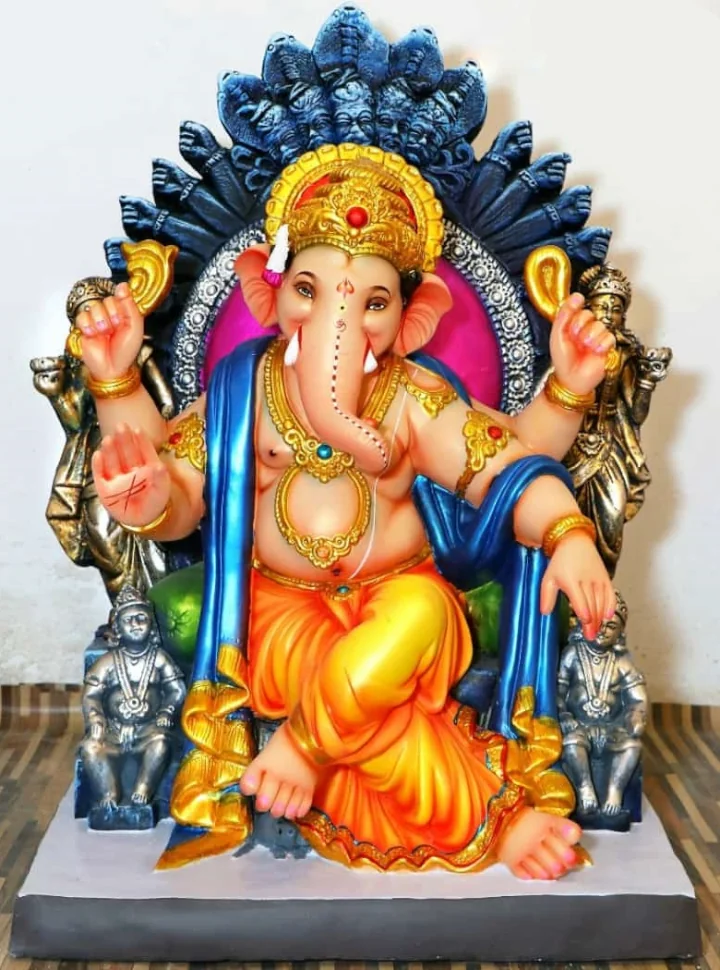
🌿 Etymology & Mythic Roots
Solapur’s name sparks scholarly debate, entwining geography with legend. The popular theory derives it from “Sola” (Sixteen) and “Pur” (Villages), referring to historic settlements like Adilpur, Fatehpur and Sandalpur merged into the modern city. Yet, inscriptions reveal a deeper past: Kalachuri-era (10th–12th century) records call it “Sonnalage” – an Old Kannada term for “Golden Village” – later pronounced “Sonnalagi” under the Yadavas (12th–14th century). A 1316 CE Sanskrit inscription at Kamati (Mohol taluka) confirms the name “Sonalipur”, while fort engravings cite “Sandalpur”. British colonial pronunciation finally solidified “Solapur”, dropping the “n” from Sonalpur. This linguistic evolution mirrors the region’s multicultural layers – Kannada dynasties, Marathi kingdoms, and Persianate sultanates.
⚔️ Historical Crossroads: Dynasties to Martyrs
Solapur’s soil bears imprints of empires. As a Deccan Plateau gateway, it thrived under:
➙ Chalukyas & Yadavas (6th–14th century): Temple builders who established Siddheshwar as the Gramadevata (Village Deity).
➙ Bahmani Sultanate (14th century): Erected the Bhuikot Fort – a fusion of Persian arches and Indian Military design using rust-red laterite.
➙ British Raj: Annexed in 1838, Solapur became a hotbed of revolt. On April 6, 1930, inspired by Gandhi’s Salt March, freedom fighters hoisted the Indian flag at the Municipal Council – a first in India.
➙ Retribution was Brutal: Mallappa Dhanshetti, Abdul Rasool, Jagannath Shinde and Shrikisan Sarada were hanged on January 12, 1931, earning Solapur the title “City of Hutatmas” (Martyrs). Their statues now dominate Hutatma Chowk, a testament to unyielding courage.

🗺️ Geography & Ecology: The Semi-Arid Tapestry
Nestled near Karnataka at 17.67°N, 75.90°E, Solapur sprawls across the Sina River basin, 457m above sea level. Its terrain is a low-lying volcanic plateau, drained by the Bhima, Nira and Sina rivers.
The semi-arid climate features extremes:
☀️ Summer (March–June): Blistering highs of 40–45°C, with parched winds.
🌧️ Monsoon (July–September): Unpredictable rainfall averaging 488mm annually, but varying sharply by taluka (Barshi: 601mm; Sangola: 386mm).
☁️ Winter (October–February): Mild days (18–30°C) ideal for exploration.
Ecological gems include the Great Indian Bustard Sanctuary, sheltering 15 critically endangered bustards among 200 bird species.
💰 Economic Powerhouse: Looms, Farms & Renewable Energy
Solapur drives Maharashtra’s Hinterland Economy with a ₹136,212-crore GDP (2023–24). Key sectors include:
➙ Textiles: Asia’s largest spinning mill once operated here. Solapuri Chadars (Cotton Bedsheets) hold Maharashtra’s first Geographical Indication (GI) tag, though exports recently dipped due to quality challenges.
➙ Agriculture: Drought-resistant crops like Jowar (Sorghum) and Bajra (Millet) dominate. Pomegranate farming thrives under the National Research Centre on Pomegranate (NRCP).
➙ Industry: Home to India’s first waste-to-energy plant and a critical 765kV Raichur-Solapur power corridor servicing South India.
➨ Taluka Economic Snapshot:
| Taluka | Specialisation | Key Output |
| Pandharpur | Pilgrimage Tourism | 500k Annual Vithoba Temple Visitors |
| Akkalkot | Soybean Farming | Swami Samarth-branded Products |
| Barshi | Power Loom Weaving | 150+ Units Exporting to Europe |
🎭 Cultural Mosaic: Festivals, Food & Craft
➨ Solapur’s identity blooms in its syncretic traditions:
➙ Gadda Yatra: A 900-year-old festival honouring Siddheshwar’s “Marriage”. Lakhs gather for bullock cart processions and communal Bhajani feasts.
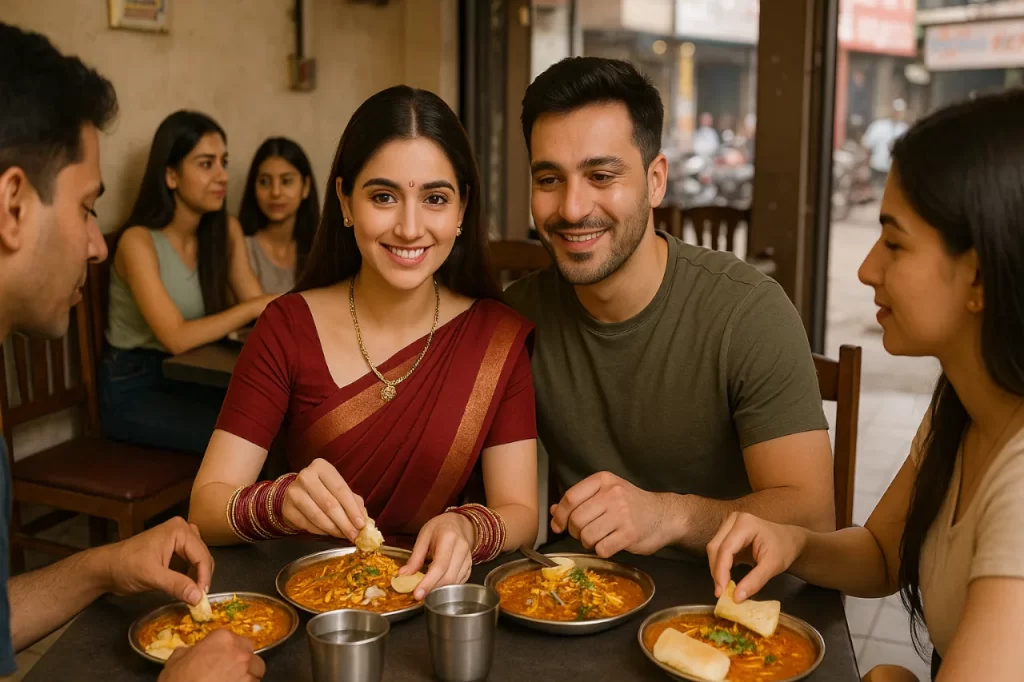
➙ Cuisine: Solapuri Puri Bhaji (Puffy Bread with Potato Curry), Bharli Vangi (Stuffed Eggplant) and Pithla-Bhakri (Gram Flour Curry with Millet Bread).
➙ Crafts: Beyond textiles, Turmeric-stained fabrics and Terracotta Pottery reflect local Artistry. The Padmashali Weaver Community – Migrants from Telangana during British rule – sustains handloom heritage.
🏛️ Architectural Dialogue: Forts to Climate-Responsive Homes
➨ From medieval forts to modern sustainability, Solapur’s buildings tell stories:
➙ Bhuikot Fort: Bahmani-era bastions with Mughal additions, later used by Chhatrapati Shivaji Maharaj. Its underground cells jailed freedom fighters.
➙ Indra Bhawan: Municipal Corporation’s Indo-British structure, built by Philanthropist Rao Saheb Mallappa Warad using teak wood carved with peacocks.
➙ Contemporary Vernacular: The Akkalkot Residence by A Threshold Architects uses reclaimed Basalt and Terracotta Jaalis (Perforated Screens) for passive cooling – a response to 47°C summers.
👥 Demographic Vibrancy: Growth & Diversity
Solapur district houses 4.3 million people (2024 est.), with a 83.88% literacy rate. Urbanisation accelerated post-1991, with Barshi (184% growth) and Akkalkot (153%) leading.
The city itself is a linguistic mosaic:
➙ Languages: Marathi (73%), Kannada (9%), Hindi (6%), Telugu (4%) .
➙ Notable Figures: Filmmaker Dr. Jabbar Patel, Painter M.F. Husain and former Home Minister Sushilkumar Shinde.
⚖️ Governance & Modernisation
➨ As an A1 Tier city, Solapur balances heritage with progress:
➙ Infrastructure: The Solapur Airport (2024) enhances connectivity, while Solapur Junction links Mumbai, Hyderabad and Bengaluru.
➙ Challenges: Water scarcity plagues talukas like Sangola (<400mm rainfall). Solutions include drip irrigation for pomegranates and the Bhima River grid.
Also Read
Nagpur Travel Guide: Orange City of India & also known as a Tiger Capital
🌟 Conclusion: The Unbroken Thread
Solapur defies singular definition – it is martyr’s blood on Fort Stones, Cotton Yarn on Handlooms, and Monsoon Rain on dry earth. Its resilience shines through Droughts, Colonial Oppression and Economic shifts. As Architect Sunil Humane notes, designing here means “listening to the land”. From Siddheshwar’s spiritual legacy to GI-tagged Chadars, Solapur invites the world to witness a living chronicle of India’s heartland.

🟢 Section-by-section Information in Brief
Section 1: Granular History & Architectural Evolution
➤ Ancient Foundations to Bahmani Rule
Solapur’s soil preserves Mauryan echoes (322–185 BCE) when it lay on trade routes linking north and south India. Under the Chalukyas (6th–12th century), temple-building flourished, while the Yadavas of Devagiri (1173–1317) left inscriptions calling the area “Sonnalagi”. The Bahmani Sultanate’s arrival birthed Solapur’s crown jewel: Bhuikot Fort (14th century). Crafted from rust-red laterite, its bastions overlook the Sina River — a fusion of Persian Arches and Indian Military genius.
➤ Colonial Strife & Martyrdom
In 1838, the British carved Solapur into Ahmednagar District, Igniting unrest. The flashpoint came on April 6, 1930: inspired by Gandhi’s Salt March, locals defied orders and hoisted the tricolour at the Municipal Council. Retribution was brutal — Mallappa Dhanshetti, Abdul Rasool, Jagannath Shinde, and Shrikisan Sarada were hanged on January 12, 1931. Today, Hutatma Chowk memorialises them with life-size statues.
➨ Local Insight: “My grandfather saw the flag rising”, says Rajeshwar Kulkarni, 78. “He described how police fired, yet people sang Vande Mataram. Solapur’s spirit is unbreakable”.
➤ Post-Independence Renaissance
Post-1947, Solapur rebuilt around Textiles and Agriculture. The 1960s saw Cotton Mills multiply, drawing migrants from Telangana’s Padmashali weaver community. Architecturally, Indra Bhawan (Municipal Corporation) exemplifies Indo-British style—its teak doors carved with peacocks, built by philanthropist Rao Saheb Mallappa Warad.
Section 2: Climate & Best Times to Visit
➤ Seasonal Breakdown (Based on 30-Year Data)
☀️ Summer (March–June): Scorching highs of 40–45°C (104–113°F). Travel Tip: Avoid afternoon exploration; visit early to see Kambar Lake’s migratory birds depart.
🌧️ Monsoon (July–September): 175mm rainfall in September transforms the arid landscape. Festival Alert: Ganesh Chaturthi processions drench streets in colour.
☁️ Winter (October–February): Ideal at 18–30°C (64–86°F). Misty mornings perfect for Siddheshwar Temple boat rides.
➨ Local Insight: Farmer Prakash Jadhav advises: “October’s Ashvin harvest means fresh Jowar Rotis and Tur Dal feasts. Food tastes richest post-monsoon!”

Section 3: Cultural Tapestry & Economy
➤ Textiles: Weaving Prosperity
➨ Solapur’s Handloom Clusters produce 60% of India’s Cotton Towels. Watch artisans at Power Loom Centres:
⦿ Dyeing: Indigo vats stain yarn in sunlit courtyards.
⦿ Weaving: Flying shuttles create geometric Chadar patterns.
⦿ Washing: Fabrics beaten in the Bhima River for softness.
➨ Buy Direct: Gandhi Chowk Market sells authentic GI-tagged Chadars.
➤ Festivals & Food
➙ Gadda Yatra (January): A 3-day procession reenacting saint Siddheshwar’s wedding. Expect Bullock carts draped in Marigolds and Bhajani (Spiced Lentil) feasts.
➙ Local Bites: Solapuri Puri Bhaji (Puffy Bread with Potato Curry), Bharli Vangi (Stuffed Eggplant), and Pithla-Bhakri (Gram Flour Curry with Millet Bread).
Section 4: Architectural & Spiritual Marvels
➤ Top 6 Sites with Architectural Details
⛔ Siddheshwar Temple
⦿ Style: Hemadpanthi (12th-century) with Dravidian Shikhara.
⦿ Unique Feature: Stands on an artificial island; corridors lined with Nandi Bull Carvings.
⛔ Bhuikot Fort
⦿ History: Bahmani-era cannon slots still visible; later used by Chhatrapati Shivaji Maharaj.
⦿ Secret: Underground cells where British jailed freedom fighters.
⛔ Akkalkot Swami Samarth Maharaj Temple
⦿ Miracle Lore: Devotees believe the Saint’s Samadhi (1840) grants wishes.
⦿ Architecture: White marble dome with Gold Kalasha.
⛔ Markandeya Temple (1893)
⦿ Design: Wooden ceilings painted with Lord Ramayana scenes; stepped tank for ritual baths.
⛔ Hazrat Shaikh Nooruddin Chishti Dargah
⦿ Sufi Legacy: Qawwalis every Thursday; Sandstone Jalis filter light onto rose-strewn graves.
⛔ Great Indian Bustard Sanctuary
⦿ Conservation: 15 bustards among 200 bird species.
⦿ Best View: Dawn from the watchtower near Nanaj.
Section 5: Navigating Solapur
➨ Distance from Key Cities (Road/Rail)
| City | Distance (km) | Travel Time | Best Route |
| Pune | 245 km | 4h | NH 65 |
| Hyderabad | 310 km | 6h | NH 65 |
| Mumbai | 400 km | 7h | NH 65 |
| Bengaluru | 620 km | 11h | NH 50 |
➨ Transport Hubs
⦿ Solapur Airport (SSE): Newly inaugurated (2024); connects to Mumbai, Hyderabad.
⦿ Solapur Junction (SUR): Direct trains from Delhi (Karnataka Express), Chennai (Vaigai Express).
⦿ Bus Stand: AC Volvos to Shirdi (4h) and Bijapur (2h).

Section 6: Taluka Demographics & Economy
➤ Taluka Snapshots
➨ Solapur District’s 11 talukas blend Agriculture with Industry:
⦿ Pandharpur: 80% Hindu; Vithoba Temple draws 500k pilgrims yearly.
⦿ Akkalkot: 60% farmers; famous for Swami Samarth soybeans.
⦿ Barshi: Textile hub; 150 power looms export to Europe.
➨ Language Mix: Marathi (73%), Kannada (9%), Hindi (6%), Telugu (4%).
➤ Economic Engines
➙ GDP: ₹136,212 crores (2023-24) .
➙ Top Sectors: Cotton Milling (₹8,000cr turnover), Pomegranate farming (NRCP research canter) and Renewable energy (India’s first waste-to-power plant).
Section 7: Travel Itineraries
➤ 3-Day Cultural Immersion
⦿ Day 1: Siddheshwar Temple ➙ Hutatma Chowk ➙ Solapuri Chadar showroom.
⦿ Day 2: Bhuikot Fort ➙ Great Indian Bustard Sanctuary ➙ Kambar Lake Dargah.
⦿ Day 3: Akkalkot Temple ➙ Handloom village (Weaving Workshop).
➤ Monsoon Special
⦿ Focus: Lush landscapes and Temple festivals.
⦿ Route: Pandharpur Vithoba Temple ➙ Hipparga Lake (Migratory Birds) ➙ Markandeya Temple.
Section 8: Notable Personalities
⦿ Dr. Jabbar Patel: National Award filmmaker (Babasaheb Ambedkar Biopic) born in Pandharpur.
⦿ MF Husain: Modernist painter; spent his childhood in Solapur.
⦿ Sushilkumar Shinde: Ex-Home Minister of India; Solapur native.

🟣 Detailed Section-by-section Breakdown
🏛️ Architectural Marvels in Solapur: A Symphony of Stone, Culture, and Innovation
Solapur’s Architecture narrates a 1,500-year saga of Dynastic Ambition, Spiritual Devotion and Climatic Ingenuity. From Chalukyan Temple Stones to Textile-inspired modern hotels, the city blends heritage with avant-garde design. Here’s a granular exploration of its iconic structures:
🏰 1. Bhuikot Fort: Bastion of Empires (14th Century)
➨ Historical Layers: Built by the Bahmani Sultanate using rust-red laterite, expanded under Mughal emperor Aurangzeb, and later fortified by Chhatrapati Shivaji Maharaj. Its name (“Bhuikot” = Underground Fort) hints at hidden escape tunnels.
➨ Architectural Highlights:
➙ Octagonal Well: A Geometric Marvel with Perennial Water, symbolising Persian Hydraulic Engineering.
➙ Animal Park & Cannon Slots: Original 14th-century cannons defend 30-foot walls, while deer roam former barracks grounds.
➨ Cultural Synthesis: Fusion of Islamic Arches and Maratha Military Pragmatism — Evident in Spy Holes Angled for Archer Defence.
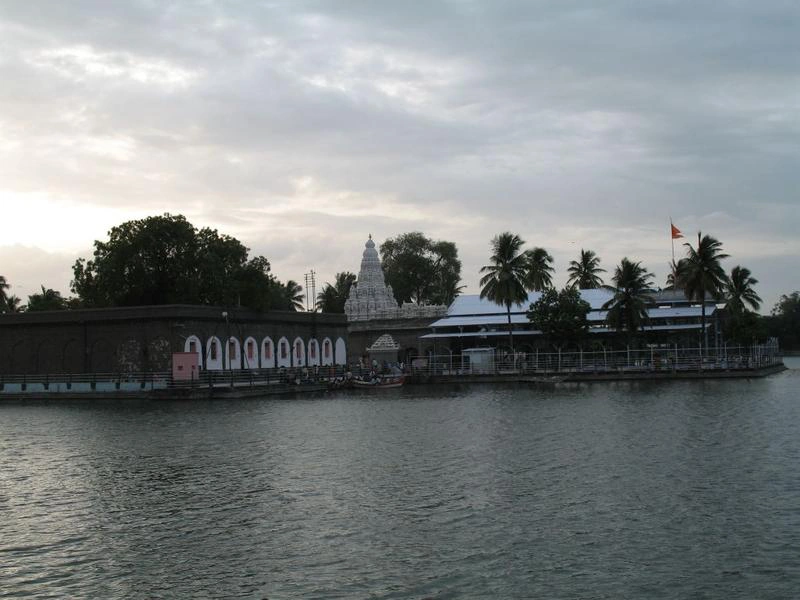
🛕 2. Siddheshwar Temple: Island Sanctuary (12th Century)
➨ Sacred Geometry: Constructed on an artificial island in Siddheshwar Lake using Hemadpanthi style—characterised by:
➙ Ashlar Masonry: Precision-cut basalt blocks without mortar.
➙ 68 Shiva Lingams: Each carved from Black Stone, arranged Astrologically to mirror solstice paths.
➨ Engineering Marvel: The lake’s Aquifer-linked tank maintains water levels year-round, enabling ritual baths even in drought.
☀️ 3. Rukmini Temple: Colossal Devotion
➨ Divine Scale: Houses a 51-foot, 4-ton Black Granite Idol of Goddess Rukmini (Lakshmi), seated on a lotus—India’s tallest depiction.
➨ Craftsmanship:
➙ Lotus Pedestal: 200 sculpted petals, each inscribed with Vedic hymns.
➙ Gold-Leaf Ceiling: Depicts the Dashavatara (10 incarnations of Lord Vishnu).
➨ Visitor Impact: 100,000+ pilgrims during Diwali, drawn by the “Jyotirlinga Illumination” — sunlight aligns with the idol’s crown at noon.
🏨 4. Hotel Karuna: Weaving Modernity with Tradition (2024)
➨ Design Philosophy: Ikshana Architects transformed Solapur’s textile legacy into Architecture:
➙ Facade: Laser-cut metal panels mimicking Solapuri Chaddar patterns, backlit by LED at night.
➙ Lobby “Loom Wall”: Actual Chaddars embedded in resin, curated by master weavers from Gandhi Chowk.
➨ Sustainable Tech:
➙ Curved Ceiling Ducts: Recycled Cotton insulation regulates indoor temps (25°C Avg. in Summer).
➙ Rainwater Channels: Feed Siddheshwar Lake via Underground Filters.
🏡 5. Akkalkot Courtyard House: Climate-Responsive Vernacular (2024)
➨ Contextual Design: On a compact 825-Sq-ft Plot, A Threshold Architects revived Black Basalt Stone traditions:
➙ Perforated Brick Jalis: Block 70% Solar Heat while inviting Breezes; reduce AC dependency by 40%.
➙ Salvaged Teak Louvers: Windows from 19th-century homes pivot for cross-ventilation.
➨ Spatial Poetry:
➙ Skywell Courtyard: Channels Monsoon Rains into a lily pond, cooling interiors to 28°C in peak Summer.
➙ Spiral Herb Garden: Climbs a Recycled-steel Staircase, Yielding Turmeric and Tulsi for Kitchen use.

⚗️ 6. Solapur Science Centre: Cosmic Gateway
➨ Astro-Architecture:
➙ Equinox-Aligned Telescope: Captures sunrise over the Great Indian Bustard Sanctuary on March 21/September 23.
➙ Fractal Dome: Recursive Triangular Panels symbolise Deccan Volcanic Formations.
➨ Exhibits: A 3D-printed model of Bhuikot Fort demonstrates Medieval Acoustic Engineering — whispers travel 100 feet along fort walls.
🕌 7. Hazrat Shaikh Nooruddin Chishti Dargah: Sufi Synthesis
➨ Indo-Persian Fusion:
➙ Sandstone Jalis: Carved with 99 names of Allah, casting Kaleidoscopic Shadows at dawn.
➙ Qibla Wall Mosaic: Uses Turquoise from Khorasan (Iran) and Solapur’s red soil tiles.
➨ Ritual Soundscape: Thursday Qawwalis resonate in a Domed Chamber with 7-second echoes, enhancing trance states.
💎 8. Saraf Katta: Living Market Architecture
➨ Colonial-Era Jewellery Bazaar:
➙ Vaulted Arcades: British-era Iron trusses support Kannad Gulabi (Pink Limestone) roofs.
➙ Goldsmith Alcoves: Tiny shops (4×4 ft) with Tamra Patra (Copper Deed) plates dating to 1892.
➨ Textile Corridors: Handloom showrooms feature Turmeric-dyed cotton canopies that repel insects naturally.

⛩️ 9. Jain Temple Complex: Marble Epics
➨ Adinath Temple Highlights:
➙ Mirror Chamber: 1,000 Belgian glass pieces refract light onto the Samavasarana (Cosmic Assembly) Carving.
➙ Ahimsa Vatika: Garden with 24 Medicinal Plants, each representing a Tirthankara.
➨ Sculptural Precision: A single marble slab depicts 720 Jataka tales in 3 Sq. meters.
📜 Cultural Legacy & Conservation
➨ Solapur’s Architecture thrives through Community Stewardship:
➙ Textile Guilds: Fund temple repairs using Chaddar sale profits.
➙ Climate Adaptation: Vernacular techniques like Jalis and sky-wells are mandated in new builds.
➙ Digital Archives: 3D scans of Bhuikot Fort’s carvings preserved at MIT Pune.
🧱 “In Solapur, every stone is a thread in the loom of time—weaving Chalukyan ambition, Sufi devotion, and weaver ingenuity”. — Ar. Avinash Ankalge, A Threshold.
❓ Architectural FAQs (Sectional FAQ)
Can tourists enter Bhuikot Fort’s underground cells?
Yes! Guided tours run 9–11 AM (₹50 fee; torch provided).
Unique souvenirs for architecture lovers?
Miniature Jali Coasters (₹200) at Saraf Katta or Chaddar – Patterned tiles from Hotel Karuna (₹500).
Best light for Photography?
Siddheshwar Temple at 5:30 PM — Golden hour reflects off the lake onto Nandi Carvings.

🛌 Where to Stay in and near Solapur, Maharashtra: A Granular Accommodation Guide
Solapur offers diverse lodging options—from heritage Dharamshalas to modern luxury hotels—catering to Pilgrims, Business Travellers and Cultural Explorers. Here’s a detailed breakdown with rates, facilities, and strategic insights:
🏨 I. Luxury Hotels (₹4,000–₹12,000/night)
For comfort seekers with Premium Amenities
🔘 Balaji Sarovar Premiere
⦿ Location: Aasara Chowk, Hotgi Road
⦿ Rates: ₹7,500–₹12,000 (Breakfast + Dinner Included)
⦿ Facilities: Spa, outdoor pool, gym, ATM, concierge, free Wi-Fi.
⦿ Food: Multi-cuisine Restaurant (Indian/Asian).
⦿ Check-in: 12:00 PM
⦿ Unique Perk: Near Solapur Airport (2.7 km) and Siddheshwar Temple.
🔘 Kyriad Hotel Solapur by OTHPL
⦿ Location: VIP Road, Mahesh Nagar
⦿ Rates: ₹4,000–₹6,500 (Wi-Fi + breakfast included)
⦿ Facilities: Business centre, restaurant, conference rooms.
⦿ Food: Vegetarian and non-vegetarian options.
⦿ Check-in: 12:00 PM
🛏️ II. Budget Hotels & Guesthouses (₹800–₹3,500/night)
Economical stays with essential comforts
| Hotel | Location | Rates | Top Facilities | Food |
| Hotel Surya Executive | Murarji Peth | ₹1,500–₹2,200 | Gym, 24-hour Front Desk, Fireplace | Vegetarian Restaurant |
| Hotel Chitra Executive | Budhavar Peth | ₹1,800–₹2,500 | Terrace Bar, Fitness Centre | On-request Room Service |
| Hotel Pratham | Railway Lines | ₹900–₹1,400 | Bar, Shared Lounge, City Views | Breakfast Included |
| Hotel Lémore Stay & Dine | NH 65, Bale Chowk | ₹2,000–₹3,500 | Family Rooms, Restaurant | Free Breakfast |
| Hotel Vaishnavi | Goldfinch Peth | ₹1,200–₹1,800 | Terrace, Disabled Access, Car Hire | Indian/Asian Cuisine (Lunch/Dinner) |
⦿ Check-in: Typically 12:00–24:00 PM; early/late check-in may incur fees.
⦿ Common Facilities: Free Wi-Fi, AC, CCTV, parking (₹100–300/day).
🕌 III. Dharamshalas & Community Stays (₹600–₹3,500/hall)
Budget-friendly, religion-specific lodgings
🔘 Shri Adeshwar Jain Aymbil Bhavan
➨ Eligibility: Jain families only
➨ Rates:
 ⦿ 2-bed AC room: ₹1,000
 ⦿ 4-bed AC room: ₹1,500
 ⦿ Community hall (24 mattresses): ₹2,400 (non-AC), ₹3,500 (AC)
➙ Facilities: Lift, Geyser, CCTV, Attached Toilets, Free Parking.
➙ Food: Vegetarian meals provided (included in rate).
➙ Check-in: 24-hour flexible timing.
➙ Location: Jodibhavi Peth (1.7 km from Siddheshwar Temple).
🔘 Shri Solapur Gujarati Mitra Mandal
➨ Eligibility: Gujarati community members only
➨ Rates:
 ⦿ 2-bed non-AC: ₹600
 ⦿ 2-bed AC: ₹900
 ⦿ AC room + 2 mattresses: ₹1,400
➙ Facilities: Lift, Hot Water, Shared Toilets (for Dorms).
➙ Food: Self-catering or nearby eateries (no in-house Kitchen).
➙ Location: Murarji Peth (1.2 km from Central Bus Stand).
⚠️ IV. Critical Booking Policies & Tips
➨ ID Proof: Mandatory for all stays (Aadhar, Passport or Drivering license).
➨ Restrictions:
⦿ Unmarried couples/locals often denied entry at Dharamshalas.
⦿ Non-vegetarian food/alcohol prohibited in Dharamshalas.
➙ Payment: Cash-only at Budget/Dharamshala Properties; cards accepted at luxury hotels.
➙ Seasonal Advice: Winter (October–February) has highest occupancy; book 2+ weeks ahead via MakeMyTrip/EaseMyTrip.
🌧️ V. Climate Considerations
☀️ Summer (March–June): Opt for AC rooms (temps hit 45°C).
🌧️ Monsoon (July–September): Confirm Geyser Functionality; roads near Hipparga Lake flood.
🚖 VI. Strategic Location Insights
➨ Near Transport Hubs: Hotel Pratham (990m from Railway Station), Hotel Chitra Executive (1km from Bus Stand).
➨ Pilgrim Access:
⦿ Dharamshalas near Siddheshwar Temple (1.7 – 2.3 km).
⦿ MTDC Bhakt Niwas (Pandharpur, 75km away) for Vitthal Temple devotees.
💎 VII. Hidden Gems
➙ Gandhi Chowk Market: Budget textiles near Gujarati Mitra Mandal Dharamshala.
➙ Akkalkot Soybean Farms: Stay at Bhakta Niwas (₹800/night) to experience Swami Samarth’s Agrarian legacy.
⚡ VIII. Key Takeaways
⦿ Luxury = Balaji Sarovar: For Pools/Spa after Temple-hopping.
⦿ Budget = Hotel Surya Executive: Central location + Vegetarian Dining.
⦿ Dharamshalas: Ultra-economical but restrictive; Ideal for Pilgrims.
⦿ Book Ahead: Monsoon festivals (Ganesh Chaturthi) spike demand by 40%.
“Solapur’s stays mirror its ethos—where community lodgings preserve heritage, and luxury hotels fuel modernity. Choose based on purpose: devotion demands a Dharamshala; business warrants a 5-star”. 🙏

🌟 Best Places to Visit in Solapur, Maharashtra: A Granular Guide
🛕 1. Siddheshwar Temple
➨ Spiritual & Architectural Significance: Built by Yogi Sri Siddharameshwar, this temple honours a unified form of Shiva-Vishnu and houses 68 Shiva Lingams, including the sacred Amrit Linga. The structure stands on an Artificial Island within Siddheshwar Lake, blending 12th-century Hemadpanthi Architecture with Dravidian Shikhara (Spire) elements. Sunset reflections on the lake create a mesmerising visual.
➙ Experiences: Attend the Gadda Yatra (January), a 900-year-old festival reenacting the deity’s marriage with bullock cart processions. Boating in the lake and exploring the temple’s Nandi bull carvings are highlights.
➙ Visitor Tips: Open daily (7 AM–8 PM); avoid Makar Sankranti crowds unless seeking festive fervour. Combine with Bhuikot Fort (Adjacent) for a half-day Itinerary.
🏰 2. Bhuikot Fort
➙ Historical Layers: Constructed by the Bahmani Sultanate (14th century) using rust-red laterite, this fort witnessed Mughal rule (Aurangzeb resided here), Maratha sieges, and British incarceration of freedom fighters. Its Persian-style arches and underground cells narrate Solapur’s resistance legacy.
➙ Key Features: A rectangular “Miracle Well” with Perennial Water, Animal Park for families, and panoramic views of Siddheshwar Lake.
➙ Nearby: Hutatma Chowk (2 km), featuring statues of Solapur’s four martyrs hanged in 1931 for hoisting the Indian Flag.
🦚 3. Great Indian Bustard Sanctuary
➙ Wildlife & Conservation: Spanning 8,496 sq km near Nannaj, this sanctuary shelters 15 critically endangered Great Indian Bustards (GIBs) among 200+ bird species like blackbucks, wolves, and Indian foxes. Established in 1979, it represents the Deccan’s thorn-scrub ecosystem.
➙ Experiences: Dawn watchtower sightings (October–March), guided tours explaining GIB conservation, and photography hides. The sanctuary’s arid beauty peaks post-monsoon (September–October) when migratory birds arrive.
➙ Logistics: 22 km from Solapur; restricted core zone—access only via permitted cottages near gates. Carry water/snacks.
⛩️ 4. Akkalkot Swami Samarth Temple
➙ Divine Heritage: A 19th-century shrine for Swami Samarth (considered Lord Dattatreya’s incarnation), attracting lakhs annually. The temple’s white marble dome and gold kalasha (spire) dominate Akkalkot’s skyline. A 500-year-old Banyan tree marks the saint’s meditation spot.
➙ Rituals & Culture: Thursday Qawwalis (Sufi Hymns), Soybean fields offering “Swami-branded” produce, and annual processions with Palkhi (Palanquin). Locals believe wishes made here are granted.
➙ Distance: 41 km from Solapur; ideal for a day trip via NH 65.
🌊 5. Ujjani Dam
➙ Engineering & Ecology: Maharashtra’s second-largest irrigation project (1980), creating a 52,000-hectare reservoir on the Bhima River. Supports Fisheries, Hydroelectricity and Irrigation across six districts.
➙ Activities: Birdwatching (Flamingos, Herons), Sunset Picnics and Boating. Best visited July–February when water levels peak Post-monsoon.
➙ Nearby: Vajrai Waterfall (200 km; India’s tallest plunge waterfall) and Kopeshwar Temple (175 km) for extended itineraries.

🛍️ 6. Saraf Katta & Gandhi Chowk
➙ Textile & Gold Hub: Saraf Katta is Solapur’s jewellery district, selling GI-tagged Solapuri chadars (cotton bedsheets) and gold at competitive prices. Gandhi Chowk markets offer Handloom Towels, Turmeric-stained Fabrics and Pomegranate products.
➙ Local Crafts: Watch Artisans Dye yarn in indigo vats and weave geometric patterns at Power Loom Centres. Bargain for Chadars (₹800–₹5,000).
➙ Food Pitstops: Try Solapuri Puri Bhaji at nearby Kamat Restaurant or Shenga Chutney (Peanut relish) at street stalls.
🔬 7. Solapur Science Centre
➙ Edutainment: Features interactive exhibits like a giant inflatable globe, DNA models, and an antique telescope for night-sky viewing. The centre promotes STEM awareness via workshops on renewable Energy and Robotics.
➙ Visitor Info: 11 km from the Railway Station; open 10 AM–6 PM (₹50 entry). Combines well with Dharmaveer Sambhaji Lake’s Boating (2 km away).
🌿 8. Pandharpur (70 km)
➙ Pilgrimage Epicentre: Home to Vitthal-Rukmini Temple (“Southern Kashi”), drawing 500,000+ devotees annually. The Palkhi procession during Ashadi Ekadashi (July) sees 1 million+ walkers.
➙ Architecture: 13th-century Yadava-era complex with intricate carvings depicting Krishna’s leelas. Non-Hindus can enter the outer sanctums.
➙ Stay: MTDC Bhakt Niwas (₹800/night) offers Pilgrim lodging with Vegetarian Meals.

🏞️ 9. Lakes & Leisure
➙ Dharmaveer Sambhaji Lake: Boating, children’s park, and night walks under LED-lit pathways. Constructed in the 1950s; best at dusk.
➙ Hipparga Lake: Historic Mughal-Maratha reservoir with fishing/boating. The adjoining Ekrukh Tank is the Deccan’s second-largest irrigation project.
⚠️ 10. Critical Tips for Travellers
➙ Seasonal Timing: Winter (October–March) for Wildlife/Bustards; Monsoon (July–September) for lush landscapes but avoid flooded areas.
➙ Connectivity: Hire autos (₹200–500/day) or use Solapur Junction’s prepaid taxis. Pune (245 km) is the nearest flight hub until Solapur Airport expands operations.
➙ Hidden Gem: Naldurg Fort (48 km)—climb its 1,000-step tunnel for views of the Bori River Gorge.
💎 “Solapur’s soul lies beyond its looms—in temple bells echoing over lakes, bustards soaring over grasslands, and fort walls whispering freedom tales”.
🚉 How to Reach Solapur, Maharashtra: A Granular Guide to Connectivity from Major Indian Cities
Solapur’s strategic location near Karnataka and its status as an A1 Tier city make it accessible via Air, Rail, Road and Multimodal Routes. Below is a Detailed Breakdown:
✈️ 1. By Air: Emerging Connectivity
➨ Nearest Functional Airport: Pune International Airport (PNQ)
⦿ Distance: 250 km (4–5 hours by Road).
⦿ Key Routes: Direct flights from Delhi, Bengaluru, Hyderabad, and international hubs like Dubai.
⦿ Transfer to Solapur: Prepaid Taxis (₹3,500–₹4,500) or Buses (₹300–₹500) from Pune.
➨ Upcoming Hub: Solapur International Airport (SSE)
➙ Status: Operational since 2024; current flights to Mumbai and Hyderabad. Expansion to include Delhi/Chennai routes by 2025.
🚂 2. By Train: The Lifeline of Solapur
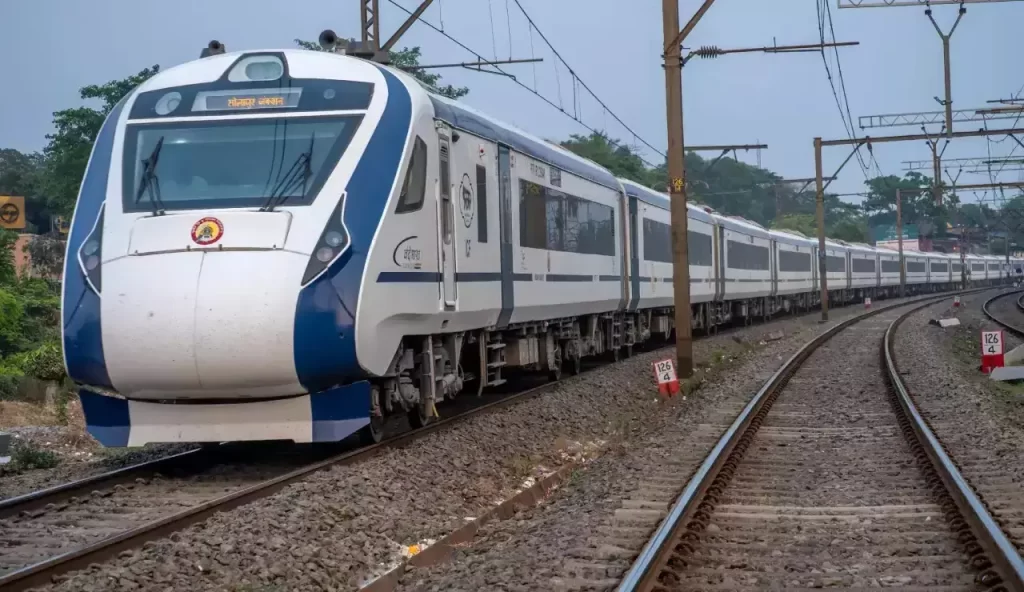
➨ Solapur Junction (SUR) is a major railhead on the Mumbai-Chennai/Hyderabad corridor, with 64+ weekly trains:
| Route | Train Examples | Duration | Fare (₹) | Frequency |
| Mumbai–Solapur | Siddheshwar Express | 7h 22m | ₹240 (SL) – ₹2490 (1A) | Daily |
| Hyderabad–Solapur | Hussain Sagar Express | 6h 30m | ₹580 (3AC) – ₹950 (2AC) | Daily |
| Pune–Solapur | Intercity Express | 4h 20m | ₹180 (SL) – ₹490 (CC) | Daily |
| Delhi–Solapur | Karnataka Sampark Kranti | 25h 40m | ₹665 (SL) – ₹3,900 (1A) | Daily |
⦿ Booking Tip: Use IRCTC app; 3AC ideal for Night Journeys. Sleeper (SL) suits budget travellers.
🚗 3. By Road: National Highways & Bus Services
➨ Key Highways: NH65 (Hyderabad–Pune), NH52 (Bengaluru–Solapur), NH361 (Kolhapur–Solapur).
➨ Distances from Major Cities:
| City | Distance (km) | Travel Time | Best Route |
| Mumbai | 400 km | 7h | Mumbai-Pune Express Way → NH65 |
| Bengaluru | 580 km | 11h | NH48 → NH50 |
| Hyderabad | 305 km | 6h | Direct NH65 |
| Pune | 245 km | 4h | NH65 |
➨ Bus Services:
⦿ Luxury AC Volvos: MSRTC (₹800–₹1,200); Vijayanand Travels (Mumbai–Solapur: ₹1,000, 8h 49m).
⦿ Non-AC Sleeper Buses: For budget travellers (₹500–₹700).
🚖 4. Intra-City Transport: Autos, Taxis & Bikes
➙ App-Based Rides: Uber (Cars and Uber Moto Bike Taxis) for short distances (e.g., Siddheshwar Temple to Bhuikot Fort: ₹50–₹80).
➙ Local Autos: Metered (₹30 base + ₹15/km); prepaid stands at railway station .
➙ Car Rentals: Self-drive options (Maruti Swift: ₹1,200/day; Innova: ₹2,500/day) via Zoomcar or local agencies.
⚡ 5. Multimodal Routes (Air + Road/Train)
➨ From Kolkata/Chennai:
⦿ Fly to Hyderabad (1.5 hours, ₹3,500–₹5,000).
⦿ Take Train (Hyderabad–Solapur: 6h 30m, ₹180–₹450) or Taxi (₹5,000, 6h).
➨ From Delhi:
⦿ Direct Train (25h 40m) or Flight to Pune (2h) + taxi (4h).

🌧️ 6. Seasonal & Safety Considerations
➨ Monsoon (July–September):
⦿ Avoid NH65 near Ujjani Dam (Flood-prone); Trains preferred over Buses.
➨ Summer (March–June):
⦿ Opt for AC Transport; carry water. Road travel pre-dawn advised.
➨ Safety:
⦿ Women travellers: Use app-based taxis/Uber Share; avoid isolated bus stops post-sunset.
♿ 7. Accessibility & Special Needs
⦿ Trains: Wheelchair ramps at Solapur Junction; 1A/2A Coaches have Wider Berths.
⦿ Buses: MSRTC AC Volvos offer priority seating.
⦿ Taxis: Uber Assist available for Elderly/Disabled.
💎 8. Pro Tips for Cost/Speed Optimisation
⦿ Budget Travel: Sleeper Trains + Non-AC Buses (Mumbai–Solapur: ₹500 total).
⦿ Time-Saving: Overnight Trains (e.g., Mumbai 10 PM ➙ Solapur 5 AM).
⦿ Group Travel: Taxis from Pune (₹3,500 for 4 people; faster than Bus).

🚧 9. Infrastructure Developments (2025)
⦿ Solapur Airport Expansion: New terminals enabling direct flights to Delhi/Chennai.
⦿ Highway Upgrades: NH65 being widened to 6 lanes (Hyderabad–Pune segment).
⦿ Rail Electrification: Faster Train frequencies on Solapur–Bengaluru route.
📊 10. Economic & Logistics Hub
➨ Solapur is Maharashtra’s textile freight epicentre, with dedicated transport services:
➙ Goods Transport: FR8 Logistics offers Trucks to major cities (e.g., Solapur–Bengaluru: ₹55,000 for 32-ft multi-axle truck).
➙ Key Industries Served: Cotton Mills, Pomegranate Farms and Solar Equipment Factories.
✨ Final Tip: For real-time Bus/Train tracking, use Uber Transit or Google Maps. Autos remain cheapest for <5 km trips, while Trains balance cost and comfort for Intercity Travel. As local driver Raju Patil notes: “Monsoon turns NH65 into a gamble—trust trains when the skies open!” 🌧️🚂

🍛 Best Places for Refreshments with Authentic Local Food in Solapur, Maharashtra
Solapur’s culinary landscape is a vibrant tapestry of Maharashtrian Traditions, Karnataka-inspired Spices and Andhra Heat, all woven together by locally grown ingredients like Jowar (Sorghum) and Peanuts. From temple Mahaprasad to street-side Sangam Vada, here’s a granular guide to the city’s top refreshment spots:
🥣 1. Preeti Dining Hall: The Soul of Solapuri Vegetarian Cuisine
➨ Specialties:
➙ Shenga Poli: Sweet flatbread stuffed with roasted Peanut-Jaggery Paste, served with Katachi Amti (Tangy Lentil Curry).
➙ Thalipeeth: Multigrain Spiced Pancake with Shenga Chutney (Peanut-Garlic relish).
⦿ Ambience: Rustic, family-friendly space with traditional floor seating.
⦿ Cost: ₹150–₹300 for two.
⦿ Best Time: Breakfast (7–10 AM) for freshly steamed Modaks (Rice Dumplings).
⦿ Insider Tip: Their Kadak Masala Bhakri (Crispy Jowar Bread) is a Monsoon Favourite, paired with hot Pithla (Gram Flour Curry).
🌶️ 2. Aher’s Misal: Fiery Street Food Haven
➙ Signature Dish: Solapuri Misal Pav – Sprouted lentils in a Gravy of 15 Spices, topped with Farsan (Crispy Noodles), Onions and Lemon. Served with Buttermilk to counter the heat.
➙ Experience: Open-air stall near Shivaji Chowk; eat standing at communal counters.
➙ Spice Level: Adjustable (mild to “Solapur Inferno”).
➙ Cost: ₹50 per plate.
➙ Hours: 6–10 AM (early birds get the freshest batch).
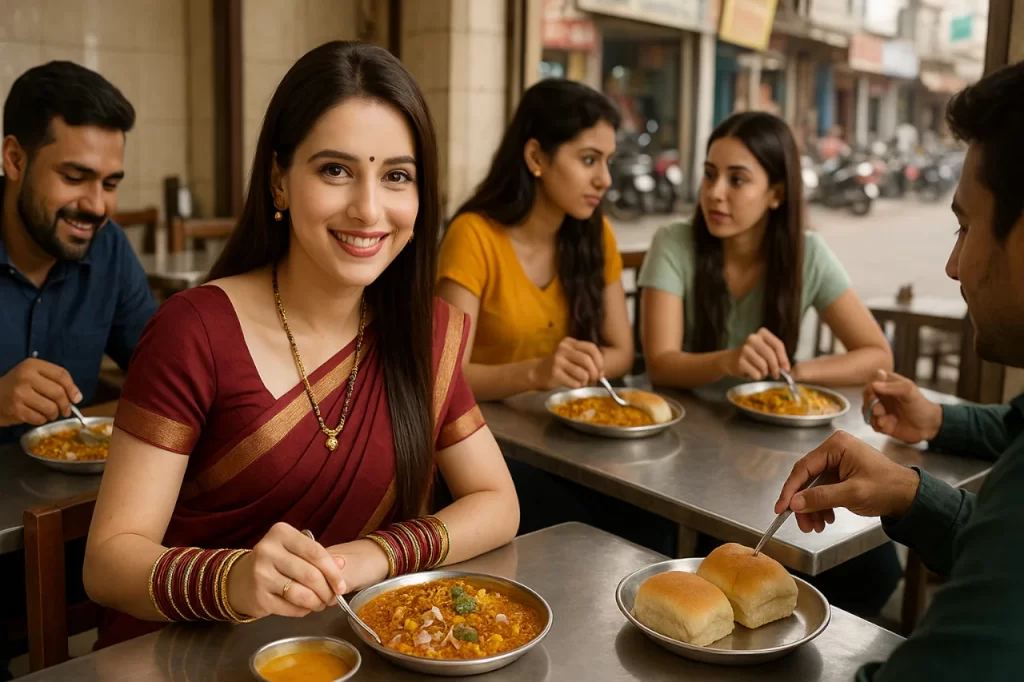
🍲 3. Sugran Dining Hall: Temple-Style Thalis
➙ Must-Try: Mahaprasad Thali – Rice, Tur Dal, Seasonal Veggies, Lapsi (Broken Wheat Pudding) and Aamti (Sweet-Sour Dal).
➙ Context: Replicates temple offerings from Siddheshwar Temple.
➙ Seating: No-frills hall with Marble Tables; shared Matkas (Earthen Pots) for water.
➙ Cost: ₹120 per Thali.
➙ Tip: Visit during Gadda Yatra (January) for festival-special Bhajani feasts.
🍢 4. Corner Catta Snacks Centre: Iconic Street Bites
➙ Star Snack: Sangam Vada Pav – Bread stuffed with Potato Curry, Dipped in Chickpea Batter and Deep-fried. Served with Coconut Chutney.
➙ Texture: Crisp Exterior, Soft Interior.
➙ Pairing: Mirchi Pakoda – Mild Green Chillies coated in Spiced Gram Flour.
➙ Cost: ₹30 per Plate.
➙ Location: Budhavar Peth Market; operates 3–7 PM.

🍛 5. Swami Samarth Bhakri House: Peanut-Centric Delights
➨ Unique Offerings:
⦿ Shengachi Bhakri: Jowar Flatbread layered with Peanut Chutney.
⦿ Solapuri Kala Masoor: Black lentils simmered with Kokum and Jaggery.
➙ Farm Connect: Ingredients sourced from Akkalkot’s soybean farms.
➙ Cost: ₹200 for a Combo Meal.
➙ Best Time: Winter evenings for Tambda Rassa (Mutton Curry) with Jowar Roti.
☕ 6. Yewale Tea House: Chai Culture Epicentre
➙ Specialty: Solapuri Masala Chai – Brewed with Ginger, Cardamom and Black Pepper, served with Shengdana Bhadang (Puffed Rice-Peanut mix).
➙ Vibe: Bustling Tapri (Kiosk) with Wooden Benches; locals debate Politics over steaming cups.
➙ Cost: ₹15 Per Cup.
➙ Hours: 5 AM–10 PM; peak hour is 4 PM (“Office Chai Rush”).

🍖 7. Spot 13 Indian Central: Non-Veg Legends
➨ Carnivore Highlights:
⦿ Sukha Mutton: Dry-spiced Mutton with Cinnamon and Black Pepper, paired with Tandoori Roti.
⦿ Hyderabadi Biryani: Solapur’s take on Andhra-style Rice, with locally grown Basmati.
➙ Ambience: Air-conditioned, with vintage Bollywood posters.
➙ Cost: ₹400 for two.
➙ Tip: Pre-book for Sunday lunch buffets featuring 10 regional Mutton dishes.
🍰 8. Shree Krishna Bakery: Sweet Retreats
➨ Iconic Sweets:
⦿ Solapuri Pedha: Milk fudge infused with Saffron and Crushed Peanuts.
⦿ Khava Poli: Flaky pastry filled with reduced Milk and Cardamom.
➙ History: Family-run since 1947; uses Copper Kadhai (Pans) for even caramelisation.
➙ Cost: ₹300/kg for Pedhas.
➙ Must-Buy: Puran Poli (Sweet Lentil-Stuffed Bread) for Temple offerings.
🥂 9. Safari Bar & Restaurant: Modern Mixology with Local Twists
➨ Innovations:
⦿ Kokum Margarita: Local Sour Fruit blended with Tequila.
⦿ Solapuri Bhel: Deconstructed Bhel Puri with Peanut Chutney foam.
➙ Ambience: Rooftop lounge with neon lighting and live Marathi folk music.
➙ Cost: ₹1,000 for two (includes cocktails).
➙ Hours: 10 AM–11 PM; happy hour (4–7 PM) offers 30% off regional snacks.
🌾 10. Rural Experiences: Farm-to-Table in Akkalkot
➙ Activity: Peanut-harvesting tours followed by cooking classes at Bhakta Niwas (Pilgrim Guesthouse).
➙ Dish: Shengachi Poli Masterclass – Learn to grind peanuts on stone Silbatta.
➙ Cost: ₹500/person (Includes Meal).
➙ Season: October–February (Post-Monsoon Harvest).
📜 Cultural & Practical Insights
➙ Temple Food Etiquette: At Siddheshwar Temple, Mahaprasad is served on banana leaves; eat seated cross-legged.
➙ Peanut Economy: 70% of Solapur’s Peanut crop supplies local kitchens; buy fresh Shengdana at Gandhi Chowk market (₹200/kg).
➙ Monsoon Specials: Pithla-Bhakri with Bhajji (Monsoon Fritters) at Hotel Suruchi.
🌶️ “In Solapur, Peanuts aren’t just a crop—they’re a currency of flavour. From Temple Prasad to street Pakodas, they define our culinary identity”. – Chef Rajeshwar Patil, Preeti Dining Hall.
For a full directory of 50+ eateries, explore Wanderlog’s Solapur Food Map.
🏺 Detailed Historical Timeline of Solapur, Maharashtra: From Chalcolithic Settlements to Textile Powerhouse
🌄 Ancient Foundations (300 BCE–1300 CE)
➙ Mauryan & Satavahana Era (322 BCE–250 CE): Solapur emerged as a Trade Corridor linking Northern India with Deccan ports like Chaul. Inscriptions confirm its integration into the Mauryan Empire under Ashoka, with later Satavahana rule fostering cotton trade and temple-building.
➙ Chalukyan & Yadava Dominance (550–1317 CE): As “Sonnalagi” (Golden Village), Solapur thrived under the Western Chalukyas, who built early Shaivite Shrines. The Yadavas of Devagiri (1173–1317) expanded Siddheshwar Temple’s influence, making it a pilgrimage hub. A 1316 CE Sanskrit inscription at Kamati (Mohol) references “Sonalipur” — a Phonetic Bridge to “Solapur”.
⚔️ Medieval Transformations (1300–1700 CE)
➙ Delhi Sultanate & Bahmani Rule (1317–1490): After Alauddin Khilji’s invasion crushed Yadava power, Solapur became a Military Outpost. The Bahmani Sultanate’s 14th-century Bhuikot Fort fused Persian Arches with Indian Stonework, using Rust-red laterite quarried locally. Its octagonal well showcased Advanced Hydraulic Engineering.
➙ Bijapur Sultanate & Mughal Annexation (1490–1707): Under Adil Shahi rulers, Solapur became a Textile Nexus, Exporting Cotton to Persia. Aurangzeb’s 1686 conquest integrated it into the Mughal Deccan province, though Maratha raids persisted. Tax records show 35% revenue came from Handloom Workshops.
🦁 Maratha Resistance & British Intrigue (1707–1818)
➙ Maratha Confederacy (1707–1818): As a buffer zone between Pune and Hyderabad, Solapur supplied Cavalry Horses to Maratha Generals. The 1795 Battle of Kharda saw Nizami forces briefly occupy Bhuikot Fort, reclaimed by Maratha commander Parashurambhau.
➙ British Annexation (1818): After defeating Peshwa loyalists at Ashte, the British captured Solapur Fort. Critical Administrative Shifts followed – Solapur became an Ahmednagar Sub-district (1838), later merging Pandharpur (1871) and Akkalkot (1949).

🚩 Colonial Exploitation & Nationalist Ferment (1818–1947)
➙ Cotton Boom & Famine (1860–1900): Railways linked Solapur to Bombay (1859), enabling Raw Cotton Exports. However, the 1876–78 famine killed 200,000 district-wide, prompting weaver migrations from Telangana (Padmashali community).
➙ Revolutionary Sacrifice (1930–1931): Inspired by Gandhi’s Salt March, Freedom Fighters hoisted the Tricolour at Solapur Municipal Council on 6 April 1930 — India’s First such defiance. Martial law ensued; Mallappa Dhanshetti, Abdul Rasool, Jagannath Shinde and Shrikisan Sarada were hanged on 12 January 1931, earning Solapur its “City of Martyrs” title.
🧵 Post-Independence Renaissance (1947–Present)
➙ Textile Capital (1950–1990): Solapur dominated Maharashtra’s loom Economy, housing Asia’s largest Spinning Mill (New Gandhi Mill). The GI-tagged Solapuri Chadar (1960) gained Global Demand, though quality issues later hampered exports.
➙ Administrative & Economic Evolution (1960–2024): Post-state reorganisation (1960), Solapur district expanded to 11 Talukas. Key projects include:
⦿ Ujjani Dam (1980): Irrigated 52,000 Hectares of drought-prone land.
⦿ Waste-to-Energy Plant (2020): Maharashtra’s first, processing 600 tons/day.
⦿ Solapur Airport (2024): Enhanced regional connectivity.
🏛️ Architectural Evolution Through the Ages
➙ Sacred Geometry: Siddheshwar Temple’s (12th century) Hemadpanthi Design features 68 Shiva Lingams aligned with solstice paths. Its artificial island uses aquifer-linked tanks for year-round rituals.
➙ Colonial Hybrids: Indra Bhawan (Municipal Corporation, 1880s) blends Victorian Teakwork with Marathi Motifs, funded by Philanthropist Rao Saheb Mallappa Warad.
➙ Modern Sustainability: Hotel Karuna (2024) incorporates Solapuri Chadar Patterns into laser-cut façades and rainwater channels feeding Siddheshwar Lake.
📊 Key Demographic & Cultural Shifts
| Era | Population | Dominant Communities | Economic Drivers |
| Yadava (1300 CE) | ~20,000 | Marathas, Lingayats | Cotton, Temple Offerings |
| British (1901) | 8,75,368 | Padmashalis, Marwadis | Rail-based Cotton Trade |
| Post-Independence (2024) | 1.8M+ | Marathi (73%), Kannada (9%) | Textiles, Pomegranate Farming |
🕰️ “Solapur’s stones speak louder than archives — from Bhuikot’s cannon scars to Chadar looms echoing freedom’s cost”. — Local Historian, Gazetteer of Maharashtra.
🌦️ Climatic Conditions in Solapur, Maharashtra: A Granular Analysis
Solapur’s climate is characterised by a Tropical semi-arid profile, defined by Extreme Temperatures, Erratic Rainfall and Distinct Seasonal shifts. Situated at 17.68°N, 75.91°E and 457 meters above sea level, its inland location and elevation create unique microclimates across the district. Below is a detailed breakdown:
☀️ 1. Annual Climate Overview
➙ Dry Season (November–May): Dominated by Hot, Rainless months. Humidity drops to 35–47%, with dust storms common in May.
➙ Monsoon (June–October): Receives 95% of annual rainfall (745 mm Avg.), peaking in September (175 mm). Humidity soars to 71–72%, creating muggy conditions.
➨ Temperature Extremes:
⦿ Highest Recorded: 46°C (May 1988).
⦿ Lowest Recorded: 8.7°C (January 2011).
📊 2. Month-by-Month Breakdown (Data: 1991–2020)
| Month | Avg. High (°C) | Avg. Low (°C) | Rainfall (mm) | Rainy Days | Humidity (%) |
| January | 31.5 | 16.3 | 6 | 0 | 47 |
| April | 40.0 | 24.8 | 15 | 1 | 36 |
| May | 40.2 | 25.4 | 35 | 3 | 42 |
| June | 34.6 | 23.6 | 120 | 7 | 64 |
| September | 32.0 | 22.0 | 175 | 9 | 71 |
| December | 31.0 | 15.8 | 7 | 0 | 54 |
🔥 3. Pre-Monsoon Heat (March–June)
➙ Scorching Peaks: April–May averages 40–42°C, with highs reaching 43.5°C. Solar radiation peaks at 7.8 kWh/m²/day.
➙ Dry Winds: Northwest “Loo” winds accelerate evaporation, reducing soil moisture to 15%.
➙ Health Impact: Heatwaves cause dehydration and heatstroke; advisories recommend hydration and avoiding 11 AM–4 PM outdoor exposure.
🌧️ 4. Monsoon Dynamics (June–October)
➙ Onset: Mid-June, with sudden downpours (avg. 35 mm/hour). June–July contributes 240 mm rainfall.
➙ Humidity Surge: July–August humidity exceeds 72%, creating “feels-like” temperatures of 38°C despite 31°C actual.
➙ Flood Risks: Low-lying areas (e.g., Hipparga Lake periphery) face inundation. September 2023 floods damaged crops across Mohol taluka.
❄️ 5. Winter (November–February)
➙ Diurnal Extremes: Days average 31°C, but nights plunge to 12–15°C. December’s mean is 23.4°C.
➙ Fog Episodes: Radiation fog forms in river valleys (Sina, Bhima), reducing visibility to 100m at dawn.
➙ Agricultural Shift: Rabi crops (Jowar, Wheat) thrive in 18–25°C ranges.

🌪️ 6. Cyclonic Influence
➙ Tropical Cyclones: April–June and October–November bring heavy rain. Solapur experiences 2–3 cyclonic events yearly (e.g., Cyclone Nisarga, 2020: 110 mm in 24 hours).
➙ Wind Speeds: Cyclones elevate winds to 48 km/h (gusts), damaging power lines and crops.
🌾 7. Regional Variations
➙ High-Rainfall Talukas: Barshi (601 mm) benefits from Western Ghats moisture.
➙ Low-Rainfall Talukas: Sangola (386 mm) faces frequent droughts, relying on Ujjani Dam irrigation.
➙ Urban Heat Island Effect: Solapur city averages 2°C warmer than rural areas due to concrete density.
⚠️ 8. Climate Change Impacts
➙ Rainfall Instability: 10% decrease in monsoon rainfall since 2000, yet September deluges increased by 15%.
➙ Temperature Rise: 1.2°C Avg. increase since 1991, shortening winter by 18 days.
🌿 9. Ecological & Economic Implications
➙ Agriculture: Pomegranate farms (Akkalkot) use drip irrigation to counter water stress. Sorghum yields drop 30% in drought years.
➙ Wildlife: Great Indian Bustard Sanctuary’s grassland health hinges on June–July rains.
🧳 10. Travel Recommendations
➙ Best Time: November–January (23–26°C, low humidity).
➙ Monsoon Itineraries: Visit Ujjani Dam (Overflow Spectacle) and Siddheshwar Temple (Mist-covered lake).
➙ Summer Precautions: Stay in AC lodging; explore indoor sites like Solapur Science Centre.
🌍 “Solapur’s climate is a dance of extremes—where 45°C summers forge resilience and monsoon downpours paint the Deccan green”. – Regional Meteorological Centre, Pune.

🌍 Detailed Analysis of Castes and Languages in Solapur, Maharashtra
📊 1. Demographic and Religious Overview
Solapur district hosts a diverse population of 4.3 million (2011 Census), with Hindus forming the majority (87.9%), followed by Muslims (10.22%), Buddhists (0.82%), Jains (0.65%) and Christians (0.23%). Urban areas like Solapur city exhibit higher diversity, with Muslims constituting 19.27% in Solapur North Taluka, compared to rural zones where Hindu agrarian communities dominate. The urban sex ratio (972 females/1,000 males) slightly exceeds the rural average (922), reflecting migration patterns for education and employment.
🏺 2. Caste Hierarchy and Major Communities
➙ Brahmins (2-3%): Includes 13 subgroups like Deshasthas, Chitpavans and Karhadas. Deshasthas, the oldest settlers, Historically served as Priests, Administrators and Landowners. They avoid intermarriage with Konkanasth Brahmins due to perceived superiority claims.
➙ Maratha-Kunbi (35-40%): The dominant agrarian caste. Landowners in villages like Pandharpur and Sangola, they politically control district panchayats and cooperatives.
➨ Other Backward Classes (OBCs):
➙ Dhangars (Shepherd Community): Traditionally Pastoralists, now engaged in dairy farming.
➙ Vanjaris (Nomadic Traders): Historically transported goods via bullock carts; some now run Transport Businesses.
➙ Dalits (15%): Primarily Mahars (Scavengers) and Mangs (Rope-makers). Despite constitutional safeguards, many work as landless labourers. Urban Dalits have shifted to factory jobs in Textile Mills.
➙ Padmashalis (8-10%): Migrated from Telangana during British rule. Master weavers of GI-tagged Solapuri Chadars, they cluster in power-loom hubs like Gandhi Chowk.
🧵 3. Occupational Castes and Economy
➙ Weavers (Padmashalis): Operate 60% of Solapur’s power looms. Declining exports due to quality issues have pushed many into daily-wage labor.
➙ Artisans: Salis (Cotton Weavers), Kumbhars (Potters in Akkalkot) and Lohars (Blacksmiths). Socioeconomic mobility is limited despite government schemes.
➙ Merchant Communities: Marwaris and Jains dominate trade. Jains (0.65% of the population) run gold shops in Saraf Katta and follow strict Vegetarianism.
🗣️ 4. Language Distribution
| Language | Percentage | Primary Speakers | Regions |
| Marathi | 73.13% | Native Maharashtrians | District-wide |
| Kannada | 9.28% | Border Communities near Karnataka | Akkalkot, Mangalwedha |
| Hindi | 6.47% | Migrant Labourers, Traders | Urban Solapur |
| Telugu | 4.49% | Padmashali Weavers | Textile Zones |
| Urdu | 3.94% | Muslims | Solapur North, Mosques |
| Lambadi | 0.94% | Banjara Tribals | Rural Hinterlands |
Source: 2011 Census
🔤 5. Linguistic Nuances and Dialects
➙ Dakhani Urdu: Spoken by Muslims, infused with Arabic loanwords (e.g., Roza for fasting). Script differs from standard Urdu due to Deccan influences.
➙ Solapuri Marathi: Uses unique colloquialisms like “Aika?” (Understood?) and “Vhau” (Brother). Retains medieval loanwords from Kannada (e.g., “Banni” for come).
➙ Kannada Variants: Havyaka Kannada in Mohol preserves ancient verb conjugations lost in mainstream Kannada.
🧭 6. Caste-Language Intersections
➙ Padmashalis: Speak Telugu at home but use Marathi in Markets. Weaving terms like “Maggam” (loom) are derived from Telugu.
➙ Banjaras: Speak Lambadi, a Rajasthani dialect mixed with Marathi. Their oral folklore includes ballads of migration from Rajasthan.
➙ Jains: Use Marathi with Sanskritised vocabulary in religious contexts (e.g., “Paryushan” for fasting rituals).
⚙️ 7. Socioeconomic Transformations
➙ Education: 77.02% literacy (higher in urban areas: 83.1%). Dalit and Muslim girls’ enrolment rose by 22% after state scholarships (2011-2021).
➙ Urbanisation: Weavers shifting from Chadar production to Taxi Driving (Uber Cars). Youth in IT parks prefer Hindi-English code-switching (e.g., “Meeting Cha Time Kay Ahe?”).
➙ Political Representation: Marathas dominate Zilla Parishad seats. Muslims (19.27% in North Solapur) hold only 4% of civic body seats.
🕰️ 8. Cultural Practices and Rituals
➙ Brahmins: Deshasthas celebrate Ganesh Chaturthi with Modak (Rice Dumplings), while Konkanasths prioritise Raksha Bandhan.
➙ Dhangars: Worship Biroba (Folk Deity) during Pola (Bull Festival). Offer Rabri (Sweetened Milk) for livestock protection.
➙ Muslims: Eid prayers at Hazrat Shaikh Nooruddin Dargah feature Qawwalis in Dakhani Urdu.
🌐 9. Contemporary Challenges
➙ Caste Discrimination: Despite laws, Dalits face segregated housing in villages like Karmala. Only 12% of Dalit students reach college.
➙ Language Erosion: Lambadi and Telugu speakers under 30 prefer Marathi for job prospects. Urban Kannada dialects incorporate Marathi slang.
🌟 10. Resilience and Adaptation
➙ Textile Revival: Padmashali cooperatives use e-commerce to market Chadars, leveraging the GI tag.
➙ Intercaste Initiatives: Bhajan groups in Pandharpur mix Marathi Abhangas (Hymns) with Kannada Vachanas (Poems), Fostering unity.
💬 “Our languages and castes are threads in Solapur’s loom—woven by History, coloured by struggle, yet creating a fabric stronger than its parts”. — Ethnographer’s Field Notes, Solapur Gazetteer.

🌟 Detailed List of Notable People and Their Contributions in Solapur, Maharashtra
Solapur has nurtured luminaries across Freedom Struggle, Arts, Politics, Science and Industry. Below is a granular analysis of their legacies:
🗽 1. Freedom Fighters & Martyrs
➨ Mallappa Dhanshetti, Abdul Rasool, Jagannath Shinde & Shrikisan Sarada:
➙ Sacrifice: Hanged on January 12, 1931, for hoisting India’s flag at Solapur Municipal Council during the 1930 Salt Satyagraha – a first in India. Their statues dominate Hutatma Chowk, cementing Solapur’s identity as the “City of Martyrs”.
➙ Legacy: Annual processions on January 12 honour their courage, drawing 50,000+ attendees.
➨ Ramkrishna Jaju:
➙ Leadership: As 1930 Congress President, he maintained law and order for 3 days (May 9–11, 1930) after British officials fled the city.
🎭 2. Arts & Cinema
➨ Shashikala Jawalkar (1932–2021):
➙ Career: Iconic Bollywood character actress known for Gumrah (1963) and Kabhi Khushi Kabhie Gham (2001). Trained at FTII Pune, she brought nuanced villainy to 120+ films.
➨ Dr. Jabbar Patel:
➙ Directorial Legacy: National Award-winning director of Samna (1975) and Dr. Babasaheb Ambedkar (2000). Pioneered experimental Marathi theatre via Ghashiram Kotwal.
➨ Avinash Arun Dhaware:
➙ Innovation: Cinematographer-director of Killa (Crystal Bear winner, Berlin 2014) and Paatal Lok (2020). His documentaries highlight Solapur’s textile heritage.
➨ Faiyyaj Shaikh:
➙ Theatre: Revived Marathi Natya Sangeet through plays like Mahananda (1985). Founded Solapur’s first travelling theatre troupe in 1970.
⚖️ 3. Politics & Administration
➨ Sushilkumar Shinde:
➙ Trailblazer: First Dalit Chief Minister of Maharashtra (2003–04) and Union Home Minister (2012–14). Spearheaded Solapur’s 765kV Power corridor project.
➨ Shivraj Patil:
➙ National Impact: Served as India’s Home Minister (2004–08) and Lok Sabha Speaker. Championed farmer subsidies in drought-prone Sangola taluka.
🏏 4. Sports
➨ Polly Umrigar (1926–2006):
➙ Cricket Legend: Scored 3,631 runs in 59 Tests for India, captaining during 1955–58. The BCCI’s “Polly Umrigar Award” honours annual best international cricketers.
➨ Salil Ankola:
➙ Dual Careers: Played 20 ODIs for India (1989–97) before acting in TV series like CID. Runs a cricket academy in Solapur since 2010.
🏭 5. Industry & Philanthropy
➨ Walchand Hirachand (1882–1953):
➙ Empire Builder: Founded Hindustan Aeronautics (1940), Scindia Shipyard (1941) and Walchand College of Engineering. His statue greets visitors at Solapur Airport.
➨ Rao Saheb Mallappa Warad:
➙ Architectural Gift: Donated Indra Bhawan (1880s), Solapur’s Municipal Corporation building. Imported India’s first tractor for farming innovation.
⚕️ 6. Science & Academia
➨ Dr. Samir Mitragotri:
➙ Biotech Pioneer: Harvard professor developing nanoparticle-based drug delivery. Awarded $250K Lemelson-MIT Prize for hepatitis B vaccines.
➨ Prof. Shriram Pujari:
➙ Linguistics: Authored Marathi-Kannada Etymology Dictionary, documenting Solapur’s Dialectal Fusion. Won Sahitya Akademi Award (1998).
🌿 7. Environment & Social Reform
➨ B.S. Kulkarni (1930–2005):
➙ Conservation: Discovered Great Indian Bustard nesting sites at Nanaj (1978), leading to the 8,496 sq km sanctuary’s creation.
➨ Rajashri Thalange:
➙ Activism: Directed Amarjyoti Akkamahadevi (2023), a film on 12th-century feminist saint. Organised 70+ plays on Women’s Empowerment.
☸️ 8. Spiritual Leaders
➨ Swami Samarth Maharaj (19th C.):
➙ Miracles: Akkalkot-based saint believed to be Dattatreya’s incarnation. His temple draws 2 Million Annual Pilgrims.
➨ Jaisidhesvar Swami:
➙ Reform: Advocated Dalit temple access in 1940s. Composed Vachanas (Devotional Poems) blending Marathi and Kannada.
📊 Comparative Impact Table
| Field | Key Figure | Signature Contribution | Solapur Connection |
| Freedom | Mallappa Dhanshetti | First Flag-hoisting Revolt (1930) | Hutatma Chowk Memorial |
| Cinema | Shashikala | 60+ Villain Roles in Hindi Cinema | Born in Budhavar Peth |
| Politics | Sushilkumar Shinde | Dalit Rights Advocacy | MLA from Solapur South (1980–2000) |
| Industry | Walchand Hirachand | HAL, Scindia Shipyard | Family Roots in Solapur’s Jain Community |
| Environment | B.S. Kulkarni | Great Indian Bustard Discovery (1978) | Founded B.S. Kulkarni Foundation in Nanaj |
🌟 “Solapur’s genius lies not in monuments, but in people – Martyrs who Defied Empires, Weavers who Clothed Nations and Saints who Dissolved Barriers”. – Local Proverb

🏭 Industrial Development and Industries in Solapur, Maharashtra: A Granular Analysis
🧵 1. Traditional Powerhouses: Textiles and Beedi Manufacturing
Solapur’s industrial identity is anchored in its Textile and Beedi Sectors, which employ over 100,000 workers collectively. The district hosts 6,000 Power-loom units, with 300 registered under the Mumbai Shops and Societies Act (1948) and 3,000 under the Factories Act (1948). These units operate 25,000 Power-looms, producing GI-tagged Solapuri Chadars (Cotton Bedsheets), Towels and Napkins for global export. Workers earn ₹70–90 daily under a piece-rate system.
The Beedi Industry (Tobacco Rolling) is the second-largest employer, with 115 units across 29 factories. It relies heavily on 70,000 female workers who roll Beedis at home, supplemented by 1,725 factory workers. Unions like the National Beedi Majdoor Sangh advocate for labor rights, though factories resist implementing the mandated wage of ₹210 per 1,000 Beedis + ₹162 special allowance (Effective 2025).
⚡ 2. Emerging Sectors: IT and Renewable Energy
Solapur’s IT sector is experiencing rapid growth, with companies like NewSoft Solutions (e-governance software) and DK Technos (Custom App Development) leading innovation. Key players cluster in tech corridors like Datta Chowk and Vedant Tower, offering services such as:
⦿ E-governance Solutions for Municipal Services
⦿ AI-driven Agricultural Apps for Crop Management
⦿ Blockchain Integration for Supply Chains
Renewable energy initiatives are surging, leveraging Solapur’s 300+ sunny days annually. The 2025 District Investment Summit mobilised ₹3,402 crores for solar projects, including a planned 50 MW solar park near Ujjani Dam.
🏗️ 3. MIDC Industrial Zones: Infrastructure and Expansion
➨ The Maharashtra Industrial Development Corporation (MIDC) drives growth through strategic zones:
➙ Chincholi Industrial Area: Hosts Plot C-86 (Auctioned for ₹3.63 lakh in 2025), targeting Textile Machinery Manufacturing.
➙ Hotgi Road Textile Cluster: Focuses on dyeing and finishing units for Solapuri Chadars.
➙ Akkalkot Agro-Processing Zone: Specialises in Soybean and Pomegranate value addition.
MIDC provides Critical Infrastructure: 24/7 Power, Water Recycling Plants and Freight Corridors linking to NH-65.
🌱 4. Agro-Industries: From Farm to Market
➨ Agriculture fuels Solapur’s processing sector:
⦿ Pomegranate Dehydration: Akkalkot-based units export dried arils to Europe.
⦿ Sugar Mills: 12 mills crush 18 million tons of Sugarcane Annually.
⦿ Oil Extraction: Groundnut and Soybean processing in Sangola Taluka.
The National Research Centre on Pomegranate (NRCP) develops Drought-resistant varieties, Boosting yield by 26.9% (2024-25).
🔌 5. Energy and Utilities
➨ Solapur contributes significantly to Maharashtra’s energy grid:
⦿ Thermal Power: 1,200 MW plant near Hipparga Lake.
⦿ Waste-to-Energy: Processes 600 tons/day, generating 15 MW.
The district faces challenges with Water Scarcity, addressed via Ujjani Dam irrigation canals covering 52,000 Hectares.
📈 6. Economic Impact and Employment Trends
⦿ Textile Dominance: 60% of India’s cotton towel production.
⦿ GDP Contribution: ₹8,000 crores annual turnover from textiles.
⦿ Labor Shifts: 15% of weavers transitioned to Taxi driving (Uber Cars) due to Automation.
➨ Table: Industrial Employment Profile
| Sector | Workforce | Avg. Daily Wage | Key Products |
| Power-looms | 30,000 | ₹ 80 | Chadars, Napkins |
| Beedi Rolling | 70,000 | ₹ 105 | Hand-rolled Tobacco |
| Agriculture | 2,10,000 | ₹250 (Seasonal) | Pomegranates, Soybean |
| IT/Software | 2,500 | ₹ 1,200 | E-governance Apps |
💡 7. Innovation and Diversification Initiatives
➨ Recent developments focus on modernisation:
⦿ Textile Recycling: A ₹25-crore facility converts waste into insulation materials.
⦿ Smart Farming Co-ops: IoT sensors for soil monitoring in Pandharpur taluka.
⦿ Kolhapuri Chappal E-commerce: Artisan platforms generating ₹50 lakhs/month.
➨ The April 2025 Investment Summit secured deals for:
⦿ Drone Manufacturing Unit (₹420 crores)
⦿ Solar Panel Factory (₹780 crores)
⚠️ 8. Challenges and Remedial Measures
➨ Persistent Issues:
⦿ Wage Non-Compliance: 218 court cases against Beedi Factories for underpayment.
⦿ Water Stress: Sangola taluka relies on tankers despite Ujjani Dam.
⦿ Skill Gaps: 40% of textile workers lack digital literacy.
➨ Government Interventions:
⦿ Subsidised Automation: 50% subsidy for Power-loom upgrades to AI-enabled machines.
⦿ Drip Irrigation Subsidies: 80% cost coverage for Pomegranate farmers.
🚀 9. Future Trajectory: 2025-2030
➨ Key projects under Maharashtra’s Industrial Action Plan:
⦿ Mega Textile Park: 1,000-acre integrated unit for Spinning, Weaving and Design.
⦿ Solapur-Bengaluru Tech Corridor: Fibre-optic network linking IT Hubs.
⦿ Green Hydrogen Plant: Pilot Project for Textile Dyeing Emission Reduction.
🌟 “Solapur’s loom isn’t just weaving cotton—it’s Threading Solar Panels, Code and Pomegranate seeds into an industrial renaissance”. – District Industries Centre Report (2025).
💎 Key Takeaways
⦿ Textiles Remain Core: GI-tagged Chadars sustain Global demand despite automation pressures.
⦿ Renewables Rising: Solar investments could generate 500 MW by 2030.
⦿ Labor Equity: Persistent Wage Gaps in Beedi sector require stricter enforcement.
⦿ Water Innovation: Circular Economy Models critical for Agro-Industries.
For real-time industry data, explore the MIDC Tender Portal and Solapur District Industries Dashboard.

🌄 7-Day Granular Itinerary for Solapur, Maharashtra, India
🧭 Pre-Trip Essentials
➙ Best Time to Visit: October–March (Winter, 18–30°C)
➙ Transport: Uber Moto for short trips; hire cars (₹1,200–₹2,500/day) for day tours
➙ Stay: Luxury: Balaji Sarovar Premiere (₹7,500–₹12,000/night); Budget: Hotel Vaishnavi (₹1,973/night)
🏛️ Day 1: Heritage & Architecture
➨ Morning (7–10 AM): Siddheshwar Temple
➙ Explore the 12th-century Hemadpanthi Architecture and 68 Shiva Lingams. Attend morning Aarti; boat on the Artificial Island Lake.
➨ Afternoon (12–3 PM): Bhuikot Fort
➙ Discover Bahmani-era cannon slots and Mughal-era underground cells. Climb Bastions for city views. Lunch at Hotel Kamat: Try Solapuri Puri Bhaji (₹150).
➨ Evening (5–8 PM): Hutatma Chowk & Garden
➙ Pay respects at martyrs’ statues (1930 Flag-hoisting Heroes). Light show at fort (7 PM, ₹50).
🧵 Day 2: Textiles & Culture
➨ Morning (9 AM–1 PM): Solapur Textile Market
➙ Witness GI-tagged Chadar Weaving; Bargain for Towels (₹200–₹800). Visit Power Loom Centres for Dyeing Demonstrations.
➨ Afternoon (2–4 PM): Solapur Science Centre
➙ Interactive exhibits on Renewable Energy; Telescope Viewing (if clear skies). Entry: ₹50.
➨ Evening (5–8 PM): Kambar Lake & Dargah
➙ Sunset Boating (₹100/person); visit Sufi Shrine Hazrat Shaikh Nooruddin Dargah for Qawwali (Thursdays).
🦚 Day 3: Nature & Wildlife
➨ Morning (6–10 AM): Great Indian Bustard Sanctuary
➙ Guided tour (₹200) to spot bustards at dawn. Visit Watchtower near Nanaj; carry Binoculars.
➨ Afternoon (12–3 PM): Nannaj Grasslands
➙ Trek through Deccan Thorn Scrub; Photograph Blackbucks and Foxes. Pack Picnic lunch.
➨ Evening (4–6 PM): Hipparga Lake
➙ Birdwatching (Flamingos in Monsoon); Historical Mughal Reservoir.
⛩️ Day 4: Spiritual Day Trip (Akkalkot & Tuljapur)
➨ Morning (7–11 AM): Akkalkot Swami Samarth Temple
➙ Attend Kakad Aarti (Morning Prayer); taste Prasad Soybeans. Explore Akkalkot Palace Museum (₹50 Entry).
➨ Afternoon (1–4 PM): Tuljapur Bhavani Temple
➙ 45-km drive; seek Blessings at 12th-century Shakti Peeth. Lunch at Hotel Pawan: Bharli Vangi (₹120).
➨ Evening (6–8 PM): Evening Aarti at Tuljapur
➙ Golden-hour Rituals; return to Solapur via NH 65.
🍛 Day 5: Culinary & Rural Immersion
➨ Morning (8–11 AM): Cooking Class at Preeti Dining Hall
➙ Learn Shenga Poli (Peanut Flatbread) and Katachi Amti (Lentil Curry). Cost: ₹500/person.
➨ Afternoon (12–3 PM): Akkalkot Soybean Farms
➙ Harvest Tour (October–February); Tractor Ride. Lunch with farmers: Jowar Bhakri and Pithla.
➨ Evening (4–7 PM): Saraf Katta Bazaar
➙ Buy Turmeric-stained Fabrics; Gold Haggling at Marwari jewellers.
♻️ Day 6: Eco-Tourism & Industry
➨ Morning (9 AM–12 PM): Ujjani Dam
➙ Tour Hydroelectric Plant; Monsoon overflow views (July–September). Spot Migratory Birds.
➨ Afternoon (1–4 PM): Textile Recycling Unit
➙ See waste Cotton transformed into insulation. Book via District Office (₹100 Entry).
➨ Evening (5–8 PM): Dharmaveer Sambhaji Lake
➙ LED-lit night walk; Street Food at Corner Catta Snacks: Sangam Vada (₹30).
🛍️ Day 7: Leisure & Departure
➨ Morning (10 AM–1 PM): Solapuri Chadar Workshop
➙ Weave a Mini Chadar at Gandhi Chowk co-op (₹300). Buy souvenirs: GI-tagged bedsheets (₹800–₹5,000).
➨ Afternoon (2–4 PM): Relax at Moti Baug
➙ Lush Gardens, Fountains and Photo Ops. Try Kokum Sherbet at Park Stalls.
➨ Evening: Departure via Solapur Airport (Flights to Mumbai/Hyderabad) or Siddheshwar Express train.
🧳 Logistical Toolkit
➨ Accommodation Map:
⦿ Luxury: Balaji Sarovar (Airport Proximity), Kyriad Hotel (City Centre)
⦿ Budget: Hotel Vaishnavi (Textile Market Access), MTDC Bhakt Niwas (Pilgrim-friendly)
➨ Transport Guide:
| Route | Distance | Options |
| Solapur ➙ Tuljapur | 45 km | Taxi (₹800), MSRTC Bus (₹100) |
| Solapur ➙ Akkalkot | 38 km | Uber Moto (₹250), Shared Auto |
| City Sightseeing | ——— | Cycle Rickshaws (₹30–₹50/km) |
➨ Emergency Contacts:
⦿ Tourist Police: ☎️ 112 (24/7 English/Hindi support)
⦿ Hospital: Siddheshwar Multispecialty (Hotgi Road)
➨ Packing Checklist:
☀️ Summer: Hat, Sunscreen, Reusable Water Bottle
🌧️ Monsoon: Raincoat, Waterproof Shoes
☁️ Winter: Light Jacket for Chilly Evenings
💎 Pro Tips from Locals
“For Shenga Chutney, visit Preeti Dining Hall at 8 AM – they grind fresh peanuts daily!” – Rajesh K., Solapur Food Guide
“Bustard sightings peak at 6:30 AM in Winter; Bribe the Guard ₹50 to open Sanctuary early!” – Wildlife Photographer’s Hack🌟 “Solapur stitches History, Looms and Devotion into a tapestry that rewards those who wander beyond Mumbai-Pune”.

🌾 Important Villages of Solapur District, Maharashtra: A Granular Analysis
Solapur District comprises 11 Talukas with 1,143 Villages. Below is a detailed analysis of Key Villages, categorised by Taluka, highlighting their Historical, Economic and Cultural Significance:
🏛️ 1. Pandharpur Taluka (1303.6 Sq km)
➨ Pandharpur (Population: 442,368):
➙ Spiritual Epicentre: Hosts the 13th-century Vitthal-Rukmini Temple, attracting 500,000+ pilgrims annually. The Ashadhi Ekadashi festival sees 1 million+ devotees walking from Solapur.
➙ Agrarian Economy: Specialises in Sugarcane Farming, supplying 12 local Sugar Mills. Uses Ujjani Dam canals for irrigation.
➙ Unique Craft: Pithla Painting – Rice Paste Art depicting Vitthal legends, sold at temple markets (₹200–₹500).
🧵 2. Akkalkot Taluka (1,390.3 Sq km)
➨ Akkalkot (Population: 314,570):
➙ Spiritual Hub: Home to Swami Samarth Temple, where devotees believe the 19th-century Saint Grants wishes. Thursday Qawwalis draw 5,000+ weekly attendees.
➙ Soybean Innovation: “Swami Samarth” brand Soybean Products Exported to Europe. Farms use Drip Irrigation to combat low rainfall (386 mm Annually).
➨ Sonalagi (Historical Village):
➙ Origin of Solapur: Ancient name “Sonnalagi” appears in Kalachuri-era inscriptions. Site of 12th-century grain storage pits excavated in 2020.
🌾 3. Sangola Taluka (1,549.9 Sq km)
➨ Sangola (Population: 322,845):
➙ Drought Resilience: Pioneers in Millet Farming (Jowar and Bajra) using watershed management. 120+ farm ponds built under MNREGA.
➙ Handicrafts: Lambani Tribal Embroidery sold at ₹1,500–₹5,000/sari. Cooperatives export to France and Japan.
⚙️ 4. South Solapur Taluka (1,195.3 Sq km)
➨ Kumbhari (Population: 31,044):
➙ Textile Powerhouse: 350+ power loom units producing GI-tagged Solapuri Chadars. Workers earn ₹300/day for weaving 10 meters.
➙ Infrastructure: Hosts Solapur Science Centre and Dharmaveer Sambhaji Lake for tourism.
➨ Hotgi (Population: 6,539 + 3,134 at Station):
➙ Transport Nexus: Railway junction linking Mumbai, Hyderabad & Bengaluru. Goods transport generates ₹8 lakhs/month.
➙ Archaeology: 10th-century Rashtrakuta-era Shiva temple discovered in 2022 during road expansion.
🏙️ 5. North Solapur Taluka (736.3 Sq km)
➨ Valsang (Population: 7,979):
➙ Urban-Rural Interface: Supplies vegetables to Solapur city. Daily vegetable market turnover: ₹12–₹15 lakhs.
➙ Education Hub: Hosts Solapur University Satellite Campus, offering Textile Engineering courses.
🕌 6. Mangalwedha Taluka (1,140.9 Sq km)
➨ Mangalwedha (Population: 205,932):
➙ Sufi Legacy: Hazrat Shaikh Nooruddin Dargah hosts Annual Urs with Dakhani Urdu Qawwalis. 50,000+ attendees in 2024.
➙ Water Conservation: 2019 project revived 12 Medieval Baolis (Step-wells), increasing Groundwater levels by 25%.
🏰 7. Barshi Taluka (1,483.1 Sq km)
➨ Barshi (Population: 372,711):
➙ Cotton Capital: Processes 40% of Solapur’s Cotton at Ginning & Pressing Cooperative. Exports to Bangladesh and Vietnam.
➙ Architecture: Narayanpur Fort (Bahmani-era) with hidden grain storage chambers used during famines.
🌿 8. Mohol Taluka (1,408.4 Sq km)
➨ Kamati (Archaeological Site):
➙ Inscription Treasure: 1316 CE Sanskrit stone slab detailing Yadava king Ramadev’s land grant to farmers.
➙ Crop Research: National Research Centre on Pomegranate (NRCP) develops drought-resistant varieties. 80% of farmers use NRCP seeds.
📊 Village Statistics & Specialisations
➨ Table: Key Village Metrics
| Village | Taluka | Population | Specialisation | Key Infrastructure |
| Pandharpur | Pandharpur | 4,42,368 | Pilgrimage Tourism | Vitthal Temple, Sugar Mills |
| Kumbhari | South Solapur | 31,044 | Textile Weaving | Power Loom Units, Science Centre |
| Sangola | Sangola | 3,22,845 | Millet Farming | Watershed Management Units |
| Valsang | North Solapur | 7,979 | Vegetable Trade | Solapur University Campus |
| Kamati | Mohol | 1,200 (Est.) | Archaeology | NRCP Research Farm |
⚠️ Challenges & Innovations
➨ Water Scarcity:
➙ Sangola and Malshiras Talukas receive <400 mm Rainfall. Solution: Micro-irrigation subsidies cover 80% of Drip System costs.
➨ Textile Decline:
➙ Kumbhari weavers shifted to Ola/Uber (15% since 2020). Revival: ₹25-crore recycling unit converts waste to insulation.
➨ Caste Dynamics:
➙ Pandharpur: Dalits Historically barred from Temple Inner Sanctum. 2023 initiative allows rotational access.
🌟 Cultural Highlights
➙ Festivals: Akkalkot’s Soybean Harvest Festival (October) features Bullock Races and Pithla cook-offs.
➙ Cuisine: Hotgi’s Street Food – Shenga Poli (Peanut Flatbread) & Bharli Vangi (Stuffed Eggplant).
➙ Crafts: Sangola’s Lambani mirrors and cowrie-shell Embroidery – GI tag pending.
🗺️ Notable Small Villages
➨ Sonalagi (Akkalkot):
⦿ Solapur’s Etymological Origin. Excavated Chalukyan granaries visible.
➨ Narayanpur (Barshi):
⦿ 14th-century Fort with Persian Calligraphy on Gates.
➨ Hipparga (South Solapur):
⦿ Mughal-era lake Hosting Migratory Flamingos (July-September).
🌄 “Solapur’s villages are threads in a living tapestry – where Pomegranate Farmers, Power-loom Weavers and Sufi Qawwals weave resilience into the Deccan soil”.
🌄 Conclusion: Solapur – Where Threads of Time, Struggle & Spirituality Weave Maharashtra’s Unsung Epic
Solapur is not merely a dot on Maharashtra’s Map but a living palimpsest — a city where Chalukyan Temple Stones whisper beneath Bahmani Fort walls, where Martyr’s blood stains Colonial-era Gallows, and where the clatter of power looms stitches modernity into ancient soil. Its genius lies in resisting singular definition: a Textile Titan 🧵, a Spiritual Sanctuary 🛕, an Agrarian Innovator 🌾, and a Beacon of Revolutionary Courage ⚔️.
💎 The Four Pillars of Solapur’s Identity
🔘 Resilience Forged in Struggle:
➙ The 1930 Flag-hoisting at Hutatma Chowk wasn’t just rebellion — it was Solapur declaring itself India’s First Sovereign Territory, liberated for three days before British retaliation. Today, the Martyrs’ statues stand not as frozen icons but as catalysts for annual processions where “Vande Mataram” echoes with the same fervour.
➙ Modern Struggles Mirror this Spirit: Padmashali weavers battling automation with GI-tagged Chadar e-commerce and Sangola’s farmers reviving Millets in drought-scorched fields using medieval Baolis (Step-wells).
🔘 Architectural Dialogue Across Millennia:
➙ From Siddheshwar Temple’s Solstice-aligned Lingams (12th century) to Hotel Karuna’s laser-cut Chadar-inspired facade (2024), Solapur’s Buildings are conversations between eras. The Bhuikot Fort’s Persian arches house Maratha Cannons, while Akkalkot’s courtyard homes use Terracotta Jalis for 47°C Summer cooling—proving sustainability isn’t a trend but tradition.
🔘 Economic Alchemy: Looms, Solar Farms & Soybeans:
➨ Solapur spins gold from adversity:
 ➙ Textiles: 6,000 power looms produce 60% of India's Cotton Towels, yet face decline. Answer? A ₹25-crore unit recycling waste into insulation.
 ➙ Agriculture: Akkalkot's "Swami Samarth" soybeans and NRCP's Pomegranates turn semi-arid lands (386 mm Rain) into Export hubs.
 ➙ Energy: Asia's first waste-to-power plant (15 MW) and Ujjani Dam's canals quenching six districts.
🔘 Cultural Syncretism: Peanuts, Sufis & Lambani Mirrors:
➙ In Solapur, Peanuts transcend cuisine—they’re ground into Shenga Poli at Temples, Fuel Farm Economies, and Inspire Art. At Hazrat Shaikh Nooruddin Dargah, Dakhani Urdu Qawwalis blend with Marathi Abhangs, while Sangola’s Lambani Artisans stitch cowrie-shell narratives of migration into saris.
➙ Languages Dissolve Barriers: Padmashali weavers code-switch Telugu weaving terms (Maggam) into Marathi Market Haggles.
⚠️ The Tightrope Walk: Challenges & Triumphs
➙ Water Stress: Sangola’s Farm Ponds (MNREGA-built) vs. Ujjani Dam’s 52,000-hectare reach—a study in Inequity.
➙ Caste Shadows: Dalits gaining Temple access in Pandharpur, yet fighting for fair wages in Beedi Factories.
➙ Climate Extremes: 45°C summers demand solar canals; erratic monsoons seed AI-driven Crop Apps.
🌟 Why Solapur Matters to India
➙ Textile Legacy: The Solapuri Chadar isn’t just cloth—it’s India’s first GI-tagged Textile, a symbol of craftsmanship battling fast fashion.
➙ Ecological Custodians: The Great Indian Bustard Sanctuary shelters 1% of Earth’s remaining Bustards — a last stand against extinction.
➙ Spiritual Democracy: At Vitthal Temple, bankers and beggars stand shoulder-to-shoulder in Darshan queues, singing Tukaram’s Abhangas.
🧵 “In Solapur, every thread tells a story: martyrs’ silences woven into chadar patterns, saints’ blessings fermented in soybean fields and fort stones remembering empires that fell. To visit is not to sightsee — but to touch the loom of time itself”.
🧭 Your Invitation
Come witness the “Solapur Paradox” — a land where:
🔥 Summer heat (45°C) fuels rooftop solar innovations.
🌧️ Monsoon floods birth Hipparga Lake’s flamingo migrations.
✊ Colonial gallows now host light shows celebrating freedom.
Pack Jowar Bhakri for Resilience, Binoculars for Bustards and an open heart for Temple Aartis. As weaver Asma Banu says: “Our looms don’t just make bedsheets—they weave dreams”.
Ready to explore? Track #SolapurDiaries on Instagram or join the Gadda Yatra procession every January!
➤ FAQ Section
Is Solapur safe for solo female travellers?
Yes, daytime areas like temples/markets are safe. Avoid isolated areas post-sunset. Use app-based Autos.
What’s Solapur’s signature craft?
GI-tagged Solapuri Chadars — buy at Gandhi Chowk Market for ₹800–5,000.
Nearest Hill station?
Naldurg Fort (45km) — Dramatic Hilltop views.
Best winter festival?
Gadda Yatra (January) — a carnival of Music, Bullock Carts and Street Food.
Top day trip?
Tuljapur Bhavani Temple (45km)—12th-century Shakti Peeth.
➤ Conclusion: The Loom of Time
Solapur isn’t just a stop—it’s a Living Chronicle where every Chadar Woven, every Temple Bell Rung, and every Martyr remembered adds threads to India’s epic narrative. From the Architectural Poetry of Bhuikot Fort to the haunting cries of bustards in the sanctuary, it defies stereotypes of Maharashtra’s travel map. As textile artisan Asma Banu says: “Our looms don’t just make cloth; they weave stories”. Come write yours.
Ready to explore? Share your Solapur experiences with #SolapurStories on Instagram!
Note: Distance is approximate and travel time may vary. Please check with google maps or local authorities before travelling.
Note: Hotel rates are subject to change and may vary based on factors like seasonality, availability, and promotions. Taxes, service charges, and other applicable fees are not always included in displayed rates.
Sources:
➙ Wikipedia – Solapur
➙ Wikipedia – Solapur District
➙ District Solapur, Govt. of Maharashtra, India
➙ Maharashtra Tourism
➙ Solapur Municipal Corporation
➙ Solapur District Administration
➙ Britannica
➙ Census Data & Historical Archives
➙ Solapur District Gazetteer
➙ Maharashtra Gazetteer
➙ Census 2011 Data
➙ GI Tag No. 536: Solapuri Chadar
➙ Maharashtra Tourism Development Corporation (MTDC) Solapur Circuit
➙ Peanuts & Power Looms: The Solapur Story (Documentary, 2023)
➙ District Administration Archives
➙ Solapur4U Cultural Portal
➙ IMDb & Britannica Profiles
➙ Maharashtra Gazetteer
Image Credit
➙ Wikimedia Commons – 251-Solapur South
➙ Wikimedia Commons – Solapur Rail Station
➙ Wikimedia Commons – Saat Rasta Solapur 02
➙ Wikimedia Commons – Siddheshwar Temple 02
➙ Wikimedia Commons – Maharashtra – Solapur
➙ Wikimedia Commons – Solapur Mumbai CSMT VB
➙ Wikimedia Commons – Ganesh murti16 Solapur
➙ Wikimedia Commons – Solapur Railway Station
➙ Wikimedia Commons – Solapur railway station 1
➙ Wikimedia Commons – Solapur district blank map
➙ Wikimedia Commons – Siddheshwar temple Solapur
➙ Wikimedia Commons – GPO 1- Solapur- Maharashtra
➙ Wikimedia Commons – Solapur district tehsils Marathi
➙ Wikimedia Commons – Indien2012 1190 Solhapur Fort Mandapa
➙ Wikimedia Commons – South Solapur taluka Solapur district
➙ Wikimedia Commons – Solapur Railway Station Platform Board
➙ Wikimedia Commons – Siddheshwar Mandir View from Solapur Fort
➙ Wikimedia Commons – Solapur Municipal Corporation building, Indra Bhuvan credit Alka Kshirsagar
For more information, you can visit our website: ExploreXP
Latest Posts
- 4 Steps to Teach English in Vietnam (Complete 2026 Guide)

- The Complete Guide to Living in Ho Chi Minh City, Vietnam
- What Living in Hanoi Is Really Like for Foreigners
- Expat vs Immigrant: What’s the Real Difference?
- 7 Best Places to Live in Mexico Right Now: A Complete Guide
- Best Places to Live in Thailand: A Complete Guide for Expats in 2026