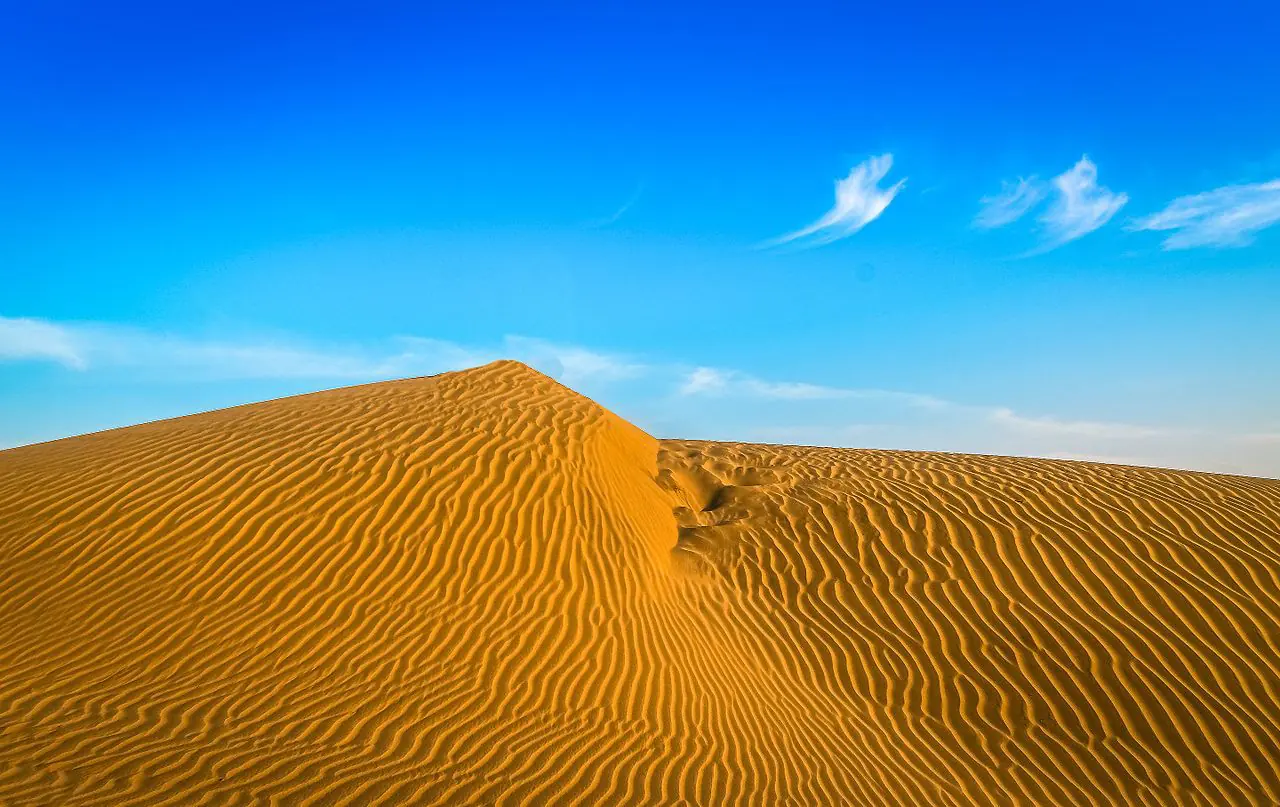
Exploring Jaisalmer: Sandstone Legends and Desert Magic
Where Sandstone Palaces Rise from Dunes and Legends Whisper on the Wind
Explore Jaisalmer, Rajasthan – India’s Golden City nestled in the heart of the Thar Desert. Discover its fascinating History, Golden Architecture, Culture, Travel tips and Iconic Destinations. A must-read guide for tourists and history lovers.
Table of Contents
- Exploring Jaisalmer: Sandstone Legends and Desert Magic
- 🔴 Brief Introduction: Where the Golden Sands Whisper Stories of Centuries
- 🟢 Blog Sections:
- 🟣 Brief Section-by-section Details
- The Golden Mirage: Unearthing Jaisalmer’s Living Desert Legacy
- For Detailed Sections with Granular Details, Please Scroll Down (↓)
- 🔘 History of Jaisalmer: A Kingdom Born from the Sands (Explained in Brief)
- ➨ Key Historical Timelines:
- Also Read
- 📍 Interviews with Locals:
- 🔘 Architecture of Jaisalmer: Carved in Gold (Explained in Brief)
- ➨ Jaisalmer Fort:
- ➨ Havelis:
- 🔘 Best Places to Visit in Jaisalmer (Explained in Brief)
- 🔘 Things to Do in Jaisalmer (Explained in Brief)
- 🔘 How to Reach Jaisalmer (Explained in Brief)
- ➨ Distances from Major Cities:
- ➨ Best Route:
- 🔘 Best Time to Visit (Explained in Brief)
- 🔘 Weather & Climate (Explained in Brief)
- 🔘 Nearby Tourist Attractions (Explained in Brief)
- 🔘 Local Lifestyle and Culture (Explained in Brief)
- ➨ Interview Highlight:
- 🔘 Talukas and Demographics (Explained in Brief)
- ➨ Talukas in Jaisalmer District:
- 🔘 Local Cuisine & Handicrafts (Explained in Brief)
- ➨ Food:
- ➨ Handicrafts:
- 🔘 Local Marketplaces (Explained in Brief)
- 🔘 Places of Worship (Explained in Brief)
- 🔘 Economy and Languages (Explained in Brief)
- ➨ Primary Sectors:
- ➨ Languages Spoken:
- 🔘 Notable Personalities (Explained in Brief)
- 🔘 Travel Tips (Explained in Brief)
- 🟠 Detailed Section-by-section Information with Granular Details
- Jaisalmer, Rajasthan, India: The Golden Mirage of the Thar Desert
- 🌺 Detailed Introduction of Jaisalmer, Rajasthan, India — A Comprehensive Guide with Granular Details
- ⌚️ Detailed Historical Facts and Timeline of Jaisalmer — A Comprehensive Guide with Granular Details 📖🗳️
- ✨ 1156 AD – Foundation of Jaisalmer
- ⛰️ 12th to 16th Century – Flourishing Trade and Jain Influence
- ⚔️ 1294 AD – Alauddin Khilji’s Siege
- ⚖️ 17th Century – Rebirth and Political Stability
- 🌍 18th Century – Trade Decline and British Treaty
- ✈️ 20th Century – Independence and Integration
- 🪖 1971 – Indo-Pak War and Tanot Mata Legend
- 🌿 Present Day – Heritage Revival & Tourism
- 🏯 Architectural Marvels in Jaisalmer, Rajasthan, India — A Comprehensive Guide with Granular Details
- 1️⃣ Jaisalmer Fort – The Golden Fortress of Legends 🏰
- 2️⃣ Patwon Ki Haveli – The Treasury of Art 🏡
- 3️⃣ Salim Singh Ki Haveli – Peacock-Shaped Wonder 🦚
- 4️⃣ Nathmal Ki Haveli – Synchronized Asymmetry 🎨
- 5️⃣ Jain Temples – Sacred Geometry & Spiritual Intricacy 🛕
- 6️⃣ Gadsisar Lake – Gateway to Desert Serenity 🌅
- 7️⃣ Desert Camps & Luxury Tent Architecture 🏕️
- 8️⃣ Architectural Harmony with Climate 🧭
- 🧭 How to Reach Jaisalmer, Rajasthan, India — A Comprehensive Guide with Granular Details
- 🌤️ Best Time to Visit Jaisalmer & Cultural Festivals and Traditions
- 📅 Best Time to Visit Jaisalmer
- 🔹 October to March (Winter Season):
- 🔹 April to June (Summer Season):
- 🔹 July to September (Monsoon Season):
- 🎭 Cultural Festivals and Traditions of Jaisalmer
- 🔸 Jaisalmer Desert Festival (Held in February):
- 🔸 Diwali and Dussehra:
- 🔸 Gangaur and Teej Festivals:
- 🔸 Ramdevra Fair (Held in August-September):
- 🔸 Folk Music & Dance:
- 🔸 Marriage Rituals and Festivals:
- 🔸 Artisanal Celebrations:
- 🏨 Where to Stay in and near Jaisalmer: Luxury, Budget & Spiritual Stays — A Comprehensive Guide with Granular Details
- 🌟 Luxury Hotels & Resorts
- ➨ Suryagarh Resort
- ➨ Fort Rajwada
- ➨ Rawalkot Resort & Spa
- 🛏️ Mid‑Range & Budget Hotels / Guesthouses
- ➨ Hotel Amazing Jaisalmer (Malka Pol, near Fort)
- ➨ Hotel Golden Rock Jaisalmer (Sadar Bazar)
- ➨ Hotel Pol Haveli (Sadar Bazar, ~1.4 km from Fort)
- ➨ Hostel / Dorm‑Style
- ➨ Zostel Jaisalmer & Zostel Sam Desert
- 🛐 Dharamshalas & Religious Guesthouses
- 🎯 Choosing According to Traveller Type
- ✅ Booking & Practical Tips
- 🧳 Final Thoughts
- 🛎️ In-Room Services Across Different Categories
- 🚐 Hotel Shuttle & Transport Connectivity
- 🏨 Luxury Properties
- ➨ Suryagarh & Fort Rajwada:
- ➨ Hotel Rawalkot:
- 🛏️ Mid-Range & Budget Hotels
- 🎒 Backpacker Hostels
- ➨ Zostel / Hostel Crowd:
- 🏕️ Desert Camp Packages (Sam, Khuri & Beyond)
- 🌅 Package Types
- 🎯 Day Safari + Cultural Dinner
- 🎯 Overnight Desert Stay
- 🎯 Premium Desert Glamping
- 🧾 Notes:
- 🗺️ Summary: What to Choose Based on Preferences
- 🏰 Best Places to Visit in and near Jaisalmer, Rajasthan — A Comprehensive Guide with Granular Details
- 🏜️ Desert Attractions Near Jaisalmer
- ⛩️ Temples and Places of Worship in Jaisalmer
- 🛍️ Local Marketplaces & Handicrafts in Jaisalmer
- 🍽️ Best Places for Refreshments with Authentic Local Food in Jaisalmer, Rajasthan, India — A Comprehensive Guide with Granular Details
- 1️⃣ Trio Restaurant – Fort View with a Taste of Royalty 🏯🍽️
- 2️⃣ Jaisalmer Kitchen at Marriott Resort & Spa – Fine Dining Royalty 🍷🍲
- 3️⃣ Desert Boy’s Dhani – Folk Dining Under the Stars 🌟🥘
- 4️⃣ The Turban Restaurant – Budget-friendly Fort View Eatery 🌄🍛
- 5️⃣ Monica Restaurant – Trusted by Travellers for Decades 🧳🍴
- 6️⃣ Free Tibet Restaurant – Fort Wall Rooftop Cafe 🏔️🍜
- 7️⃣ Killa Corner Café – Coffee and Culture ☕ 🎨
- 8️⃣ Suryagarh’s Legends of Marwar Dinner – A Royal Desert Experience 🐫🔥
- 9️⃣ Desert Camps Dinner Experiences – Folk, Fire, and Feast 🔥🎭
- 🌡️ Climatic Conditions in Jaisalmer, Rajasthan, India — A Comprehensive Guide with Granular Details
- 🧬 Sociodemographic Profile of Jaisalmer, Rajasthan, India with Granular Details
- 🧑🤝🧑 Total Population and Distribution
- 🏘️ Major Castes and Communities in Jaisalmer
- 📜 Tribal Influence and Folk Culture
- 🗣️ Languages Spoken in Jaisalmer
- 📊 Economic and Occupational Profile
- ➨ Jaisalmer’s economy is influenced heavily by:
- ✝️🕉️☪️ Religious Demographics
- 👨👩👧👦 Gender and Family Structures
- 🚸 Education and Youth Trends
- 🌐 Urban vs. Rural Demographic Divide
- 🌟 Notable People and Their Remarkable Contributions in Jaisalmer, Rajasthan, India
- 🎶 Ustad Allah Jilai Bai – Legendary Folk Singer of Rajasthan
- 🐪 Ustad Bundu Khan Manganiyar – The Maestro of the Desert
- 🎭 Rais Khan Pathan – Folk Dancer and Kalbeliya Promoter
- 🏰 Rana Chaitanya Raj Singh Bhati – Descendant of Jaisalmer Royalty
- 🪖 Colonel Bahadur Singh Rathore – War Hero from the Desert Soil
- 📚 Dr. Hariram Meghwal – Social Reformer and Educator
- 📸 Rita Chaudhary – Award-winning Desert Photographer
- 📺 Mohammad Sadiq – Prominent Local Historian and Cultural Documentarian
- 🏕️ Gajendra Singh Sodha – Desert Safari Entrepreneur and Rural Developer
- 🌐 Conclusion
- 🏭 Industrial Development and Industries in Jaisalmer, Rajasthan, India – A Granular Overview
- ☀️ Renewable Energy – The Solar Capital of India
- 🪨 Lignite and Limestone Mining
- 🏜️ Oil and Natural Gas Exploration
- 🧵 Handicrafts and Cottage Industries – The Cultural Backbone
- 🧂 Salt Production and Desert Agro-Industries
- 🏨 Tourism as a Service Industry – Industrialising Heritage
- 🧪 Defence and Research Facilities – Pokhran’s Strategic Edge
- 🛣️ Connectivity Infrastructure and Industrial Corridors
- 📈 Challenges and Sustainable Industrial Future
- 🏘️ Important Villages and Towns in Jaisalmer, Rajasthan – A Granular Exploration
- 1️⃣ Pokhran – The Historical & Strategic Town 🧪 🕌
- ➨ Highlights:
- 2️⃣ Sam – The Gateway to the Sand Dunes 🐪🌄
- ➨ Highlights:
- 3️⃣ Khuri – A Peaceful Desert Hamlet 🏜️ 🎶
- ➨ Highlights:
- 4️⃣ Ramgarh – The Mineral Town 🪨🚚
- ➨ Highlights:
- 5️⃣ Amar Sagar – Temple and Tank Complex 🛕 💧
- ➨ Highlights:
- 6️⃣ Lodurva – The Jain Heritage Village 🙏 📿
- ➨ Highlights:
- 7️⃣ Kuldhara – The Haunted Heritage Village 👻🏚️
- ➨ Highlights:
- 8️⃣ Tanot – The Border Village with Divine Faith 🇮🇳 🛐
- ➨ Highlights:
- 9️⃣ Nokh – A Lesser-Known Rural Treasure 🌾 🧣
- ➨ Highlights:
- 🔟 Other Notable Villages and Settlements 🧭
- 🗺️ Important Villages & Towns of Jaisalmer District – Tabular Breakdown
- 🧳 ✨ 5-Day Granular Travel Itinerary for Jaisalmer, Rajasthan, India
- 📅 Day 1: Arrival in Jaisalmer – The Golden City Welcome
- 🕐 Morning:
- 🍽️ Lunch Suggestion:
- 🕞 Afternoon:
- ➨ Explore:
- 🌆 Evening:
- 🍽️ Dinner Recommendation:
- 📅 Day 2: Full Exploration of Heritage, Lakes & Villages
- 🕗 Morning:
- 🕙 Mid-Morning to Afternoon:
- ➨ Proceed to:
- 🍽️ Lunch Recommendation:
- 🕓 Evening:
- 🌃 Night Suggestion:
- 📅 Day 3: Desert Safari & Cultural Night in Sam
- 🕗 Morning:
- 🎉 Midday Desert Experience:
- ➨ Activities include:
- 🍛 Lunch:
- 🕕 Evening:
- 🛏️ Overnight:
- 📅 Day 4: Border Tourism, Temples & Offbeat Experiences
- 🕗 Early Morning:
- 🕙 Border Excursion (Optional):
- 🍽️ Return to Jaisalmer by late afternoon:
- 🛕 Late Afternoon Visit:
- 🍽️ Dinner Recommendation:
- 📅 Day 5: Leisure, Shopping & Departure
- 🕗 Morning:
- ➨ Optional visit to:
- 🛍️ Final Shopping:
- 🚉 Departure:
- 📝 Tips for Travellers
- FAQs
- Conclusion
- 🏁 ✨ Detailed Conclusion: The Enduring Allure of Jaisalmer – Where Time Stands Still
🔴 Brief Introduction: Where the Golden Sands Whisper Stories of Centuries
If there’s one place in India that feels like stepping into a living legend, it’s Jaisalmer. Fondly called the “Golden City of India”, Jaisalmer stands tall and proud amid the blazing sands of the Thar Desert in western Rajasthan. It’s golden sandstone fortresses, intricately carved Havelis, narrow lanes brimming with local stories, and the mesmerising desert sunsets all come together to form a timeless travel tale.
Jaisalmer isn’t just a city—it’s an immersive canvas of Art, History, Culture and Architectural Brilliance that speaks volumes about the valour of Rajputana and the intricate aesthetics of Rajasthani artisanship. Every grain of sand here whispers a saga of trade caravans, royal parades, desert legends and spiritual awakening.
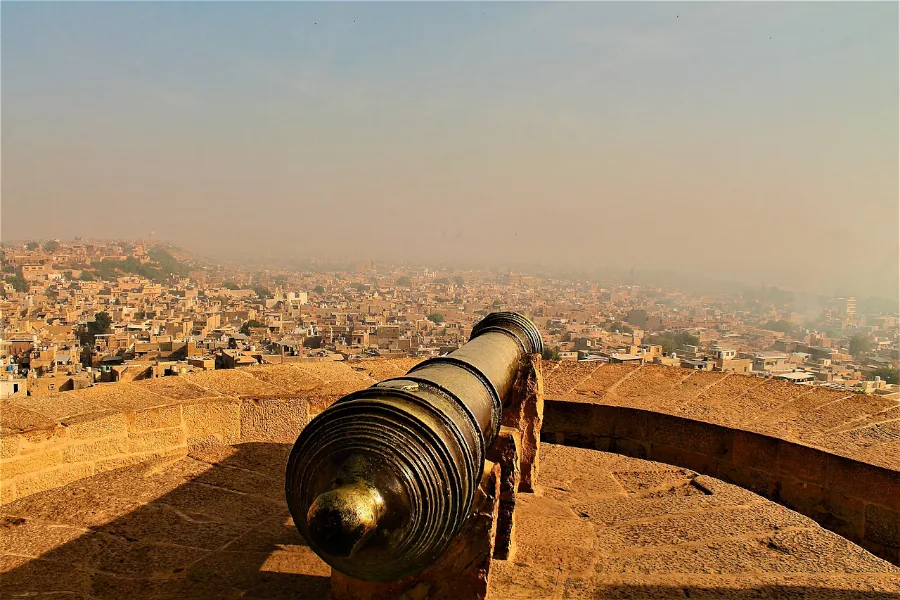
In this article, we’re going to take you on a deep dive into every aspect of Jaisalmer—its fascinating history, breathtaking architecture, unique cultural ethos, and vibrant present-day tourism scene. Whether you’re a solo traveler, a history buff, a spiritual seeker, or a honeymooner dreaming of golden sunsets, Jaisalmer has something magical for you.
Let’s break this journey into meaningful sections so you can get the most out of your virtual (or real!) visit to this golden marvel of Rajasthan.
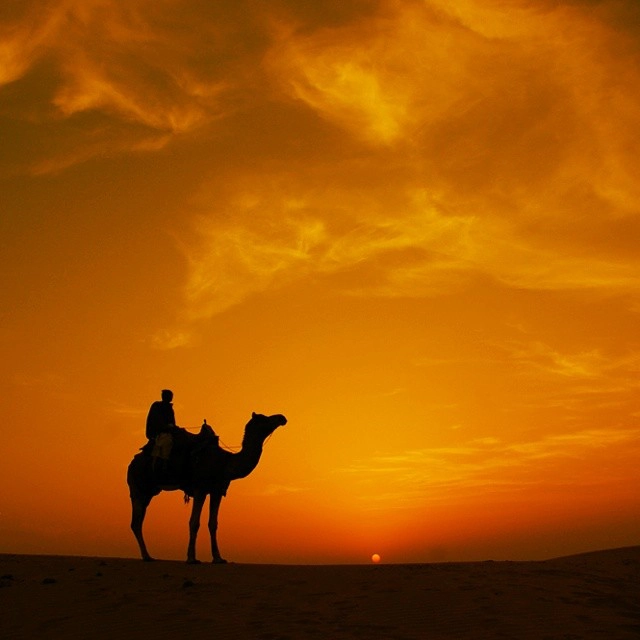
🟢 Blog Sections:
➛ Introduction to Jaisalmer
➛ The Grand History of Jaisalmer
➛ Architectural Marvels
➛ Best Places to Visit in Jaisalmer
➛ Things to Do in Jaisalmer
➛ How to Reach Jaisalmer
➛ Best Time to Visit
➛ Weather and Climate
➛ Nearby Attractions
➛ Local Lifestyle and Culture
➛ Talukas and Demographics
➛ Local Cuisine and Handicrafts
➛ Local Marketplaces
➛ Places of Worship
➛ Economy and Languages
➛ Notable Personalities
➛ Travel Tips
➛ FAQs
➛ Conclusion
➛ Sources
🟣 Brief Section-by-section Details
The Golden Mirage: Unearthing Jaisalmer’s Living Desert Legacy
For Detailed Sections with Granular Details, Please Scroll Down (↓)
🔘 History of Jaisalmer: A Kingdom Born from the Sands (Explained in Brief)
Founded in 1156 AD by Maharawal Jaisal Singh, Jaisalmer is named after him and means “the Hill Fort of Jaisal”. This strategic trade city was a major outpost on the ancient silk and spice routes that connected India with Central Asia, Persia and beyond.
➨ Key Historical Timelines:
⦿ 12th Century: Fort built by Rawal Jaisal Singh.
⦿ Medieval Era: Became a trading center with camel caravans connecting Persia and Arabia.
⦿ British Era: Though the city declined in economic importance, it retained its cultural prestige.
Also Read
Amboli: Maharashtra’s Mist-Kissed Secret Where Waterfalls Dance & History Whispers
📍 Interviews with Locals:
Elderly residents often recount how Jaisalmer transformed from a caravan hub to a tourism gem. “My grandfather used to guide traders from Afghanistan through the city gates”, says Karan Singh, a local historian.
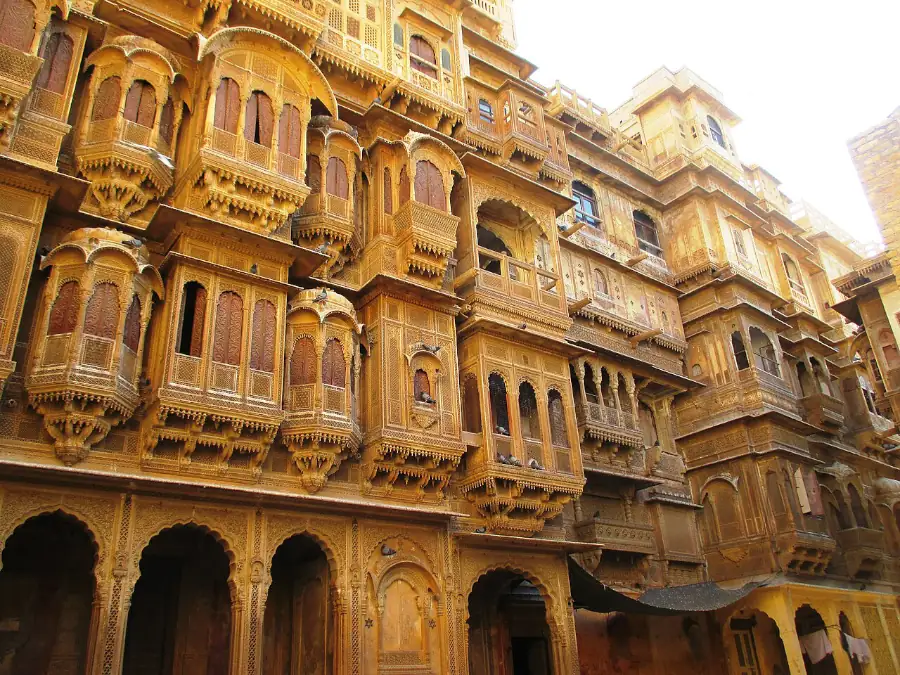
🔘 Architecture of Jaisalmer: Carved in Gold (Explained in Brief)
➨ Jaisalmer Fort:
⦿ A UNESCO World Heritage Site, also known as Sonar Qila (Golden Fort).
⦿ Constructed from yellow sandstone, it glows golden during sunrise and sunset.
⦿ Houses over 3,000 people inside its walls even today.
➨ Havelis:
⦿ Patwon Ki Haveli: 5 mansions built by wealthy traders.
⦿ Salim Singh Ki Haveli: Famous for its peacock-shaped roof.
⦿ Nathmal Ki Haveli: Symmetrical carvings done by two brothers without seeing each other’s work.
🔘 Best Places to Visit in Jaisalmer (Explained in Brief)
➙ Jaisalmer Fort – Explore Rajput Architecture and Panoramic views.
➙ Sam Sand Dunes – Camel Rides, Desert Safari and Cultural shows.
➙ Gadisar Lake – Scenic lake with Temples and Boating.
➙ Bada Bagh – Royal Cenotaphs with Golden Charm.
➙ Jain Temples – Beautifully carved and spiritually peaceful.
➙ Kuldhara Village – A haunted, abandoned village with a story.
➙ Tanot Mata Temple – Near the Indo-Pak border, known for Indo-Pak war legends.
🔘 Things to Do in Jaisalmer (Explained in Brief)
⦿ Take a camel safari into the desert.
⦿ Experience desert camping under starlit skies.
⦿ Attend the Jaisalmer Desert Festival (February).
⦿ Shop for handicrafts and embroidered garments.
⦿ Visit traditional Rajasthani homes and try folk food.
⦿ Enjoy Rajasthani folk music and Kalbeliya dance performances.
🔘 How to Reach Jaisalmer (Explained in Brief)
⦿ By Air: Jaisalmer Airport (domestic, seasonal flights).
⦿ By Rail: Direct trains from Delhi, Jaipur, Jodhpur.
⦿ By Road: Well-connected via NH11.
➨ Distances from Major Cities:
➙ Jaipur: 560 km
➙ Delhi: 770 km
➙ Jodhpur: 280 km
➙ Udaipur: 500 km
➙ Ahmedabad: 540 km
➙ Mumbai: 1,220 km
➨ Best Route:
⦿ Jodhpur ➛ Pokhran ➛ Jaisalmer via NH125
🔘 Best Time to Visit (Explained in Brief)
⦿ October to March is ideal due to pleasant weather.
⦿ Desert Festival in February is the cultural high point.
⦿ Summers (April–June) can reach up to 45°C.
⦿ Monsoons (July–September) are sparse but scenic.
🔘 Weather & Climate (Explained in Brief)
☀️ Summer: 25°C to 45°C
☁️ Winter: 5°C to 25°C
🌧️ Rainfall: Sparse, around 209 mm annually
➙ Ideal for desert trekking and stargazing in winter.
🔘 Nearby Tourist Attractions (Explained in Brief)
⦿ Longewala War Memorial – India-Pakistan war site.
⦿ Pokhran – Famous for India’s nuclear test site.
⦿ Barmer – Known for crafts and temples.
⦿ Desert National Park – Wildlife sightings including the Great Indian Bustard.
🔘 Local Lifestyle and Culture (Explained in Brief)
People here are warm, artistic, and spiritually inclined. Women wear vibrant ghagras and men don colourful turbans. Cultural pride runs deep, with Rajasthani music and traditions deeply embedded in daily life.
➨ Interview Highlight:
“We’ve preserved our traditions through song and craft”, shares Nandini Devi, a local artisan from Kanoi village.
🔘 Talukas and Demographics (Explained in Brief)
➨ Talukas in Jaisalmer District:
➙ Jaisalmer
➙ Fatehgarh
➙ Pokhran
⦿ Population (Census 2011): ~670,000
⦿ Languages Spoken: Rajasthani, Hindi, Marwari
⦿ Religion: Predominantly Hindu, followed by Muslims and Jains.
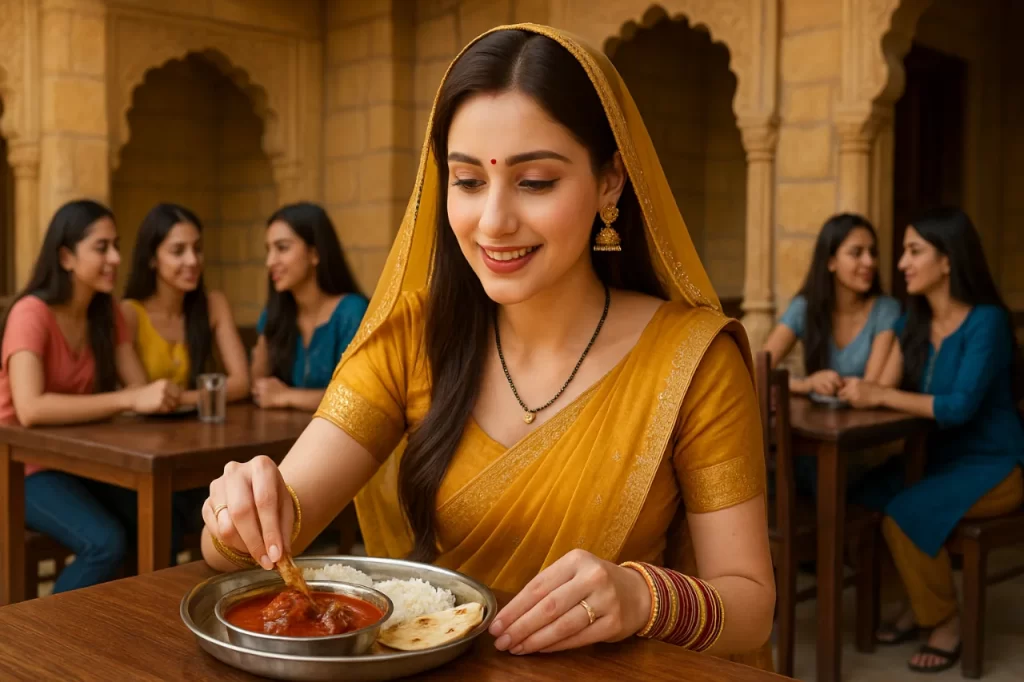
🔘 Local Cuisine & Handicrafts (Explained in Brief)
➨ Food:
➙ Dal Baati Churma
➙ Ker Sangri
➙ Gatte ki Sabzi
➙ Laal Maas
➙ Makhania Lassi
➨ Handicrafts:
➙ Embroidered Textiles
➙ Silver Jewellery
➙ Leather Goods
➙ Rajasthani Puppets
🔘 Local Marketplaces (Explained in Brief)
⦿ Sadar Bazaar – Textiles, Leather, Souvenirs.
⦿ Manak Chowk – Spices, Jewellery.
⦿ Pansari Bazaar – Handicrafts and Souvenirs.
⦿ Bhatia Bazaar – Heritage Shops.
🔘 Places of Worship (Explained in Brief)
⦿ Jain Temples inside the fort (12th–15th centuries)
⦿ Tanot Mata Temple
⦿ Laxminath Temple
⦿ Ramdevra Temple
🔘 Economy and Languages (Explained in Brief)
➨ Primary Sectors:
Tourism, Handicrafts, Mining (Limestone, Gypsum), Wool, Agriculture.
➨ Languages Spoken:
Marwari (widely spoken), Hindi (official), Rajasthani dialects.
🔘 Notable Personalities (Explained in Brief)
⦿ Colonel Jojar Singh Rathore – Gallant Indian Army officer.
⦿ Ishwar Choudhary – Rajasthani folk singer.
⦿ Desert crafts communities – Recognised globally for their embroidery and leatherwork.
🔘 Travel Tips (Explained in Brief)
⦿ Carry sunscreen and water in the desert.
⦿ Wear light cotton during summer and warm layers in winter.
⦿ Book desert camps in advance during peak seasons.
⦿ Respect local customs and avoid photographing women without permission.
⦿ ATMs are limited; carry cash in rural areas.
🟠 Detailed Section-by-section Information with Granular Details
Jaisalmer, Rajasthan, India: The Golden Mirage of the Thar Desert
🌺 Detailed Introduction of Jaisalmer, Rajasthan, India — A Comprehensive Guide with Granular Details
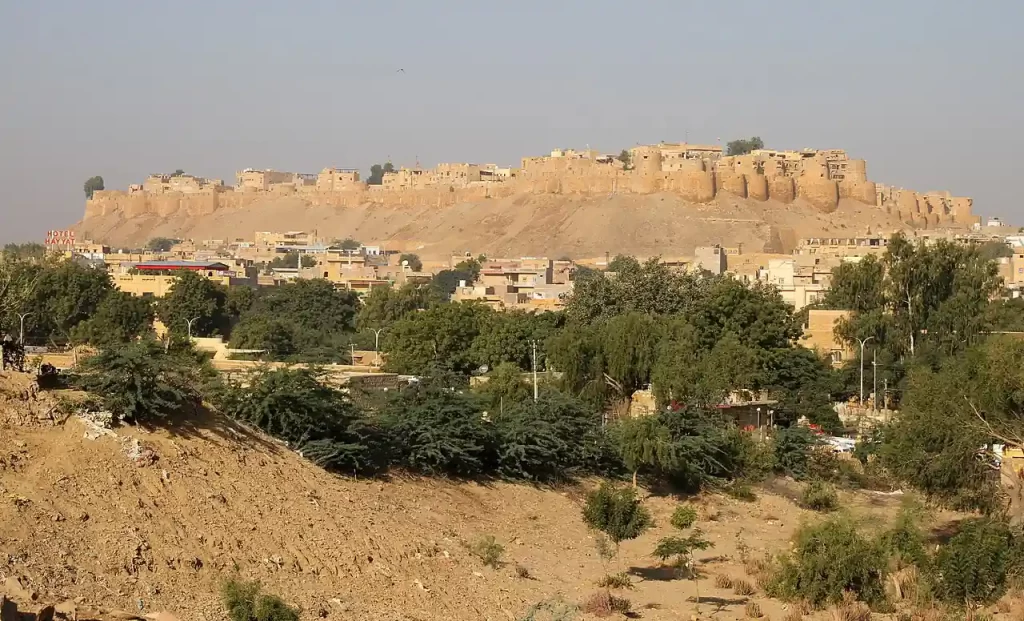
Tucked away in the far western edge of Rajasthan, deep within the sun-scorched expanse of the Thar Desert, lies the golden marvel of India — Jaisalmer. Often referred to as the “Golden City”, Jaisalmer gets its enchanting nickname from the Yellow Sandstone Architecture that radiates a golden hue under the desert sun. This centuries-old desert city, built atop the Trikuta Hill, is not just a destination—it’s a living museum of Rajput valor, caravan history, majestic fortresses, and timeless artistry. It proudly bears the marks of medieval trading glory, cultural grandeur, and spiritual tranquility that continues to charm travellers from around the world. ✨
Founded in 1156 AD by Rawal Jaisal Singh, a Bhati Rajput ruler, Jaisalmer was established with a vision to protect trade routes and assert dominance over the desert territories. Over time, it evolved into a critical Trading Hub for camel caravans navigating between India and Central Asia. Unlike bustling modern cities, Jaisalmer has managed to preserve its Medieval Heritage and Lifestyle remarkably well. Even today, when you walk through its narrow alleys, it’s as if time has paused somewhere in the 12th century, and you’re merely a guest in a vibrant sand-coloured time capsule. 🕰️
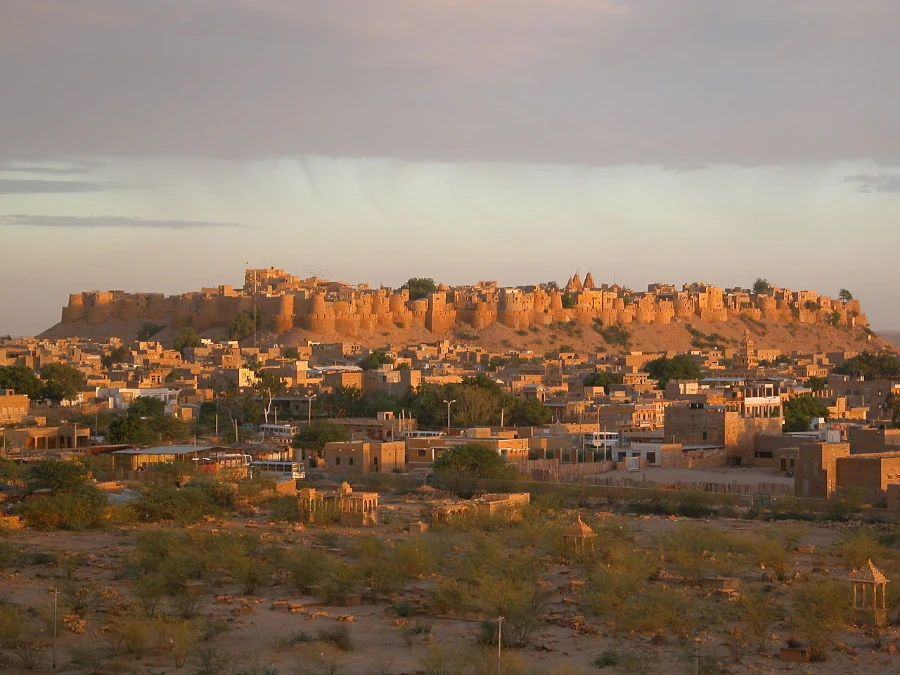
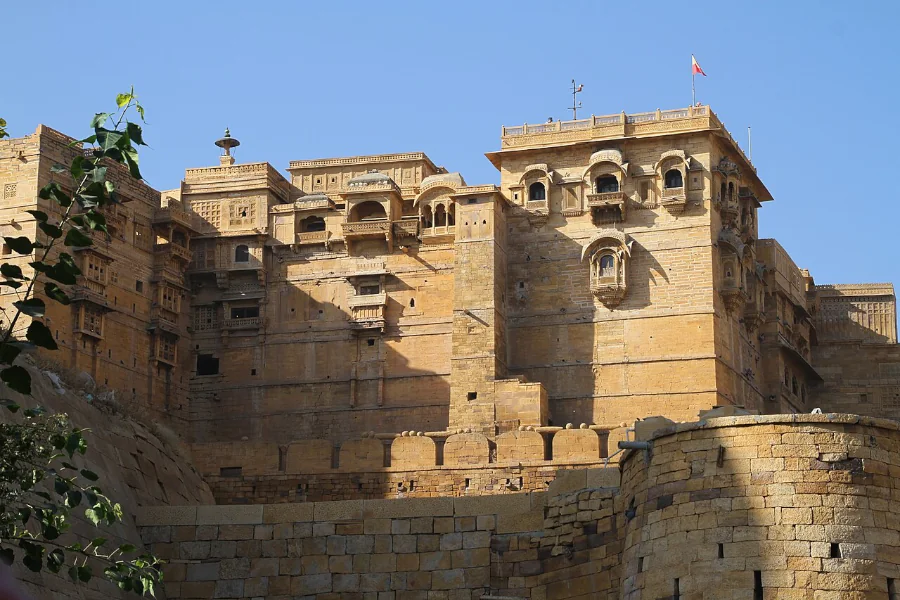
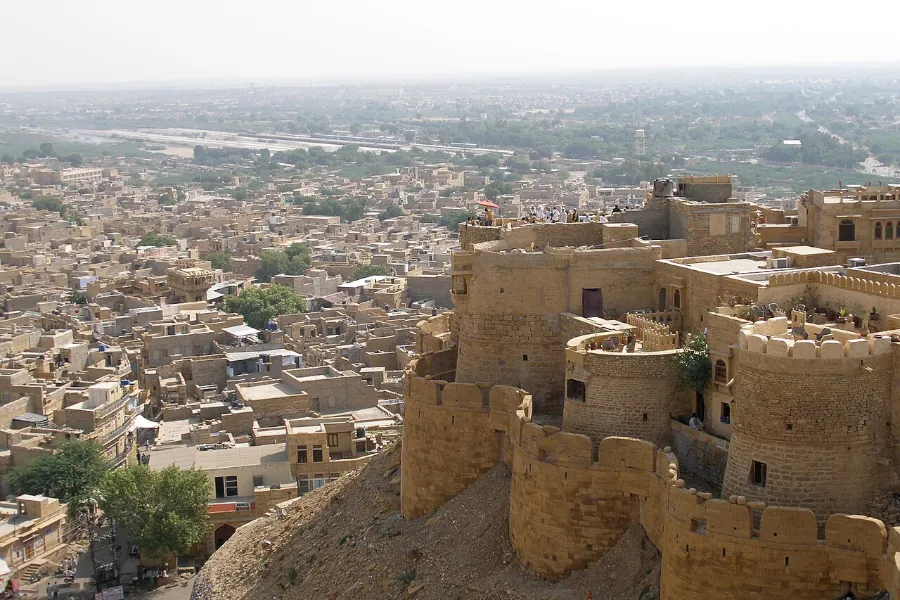
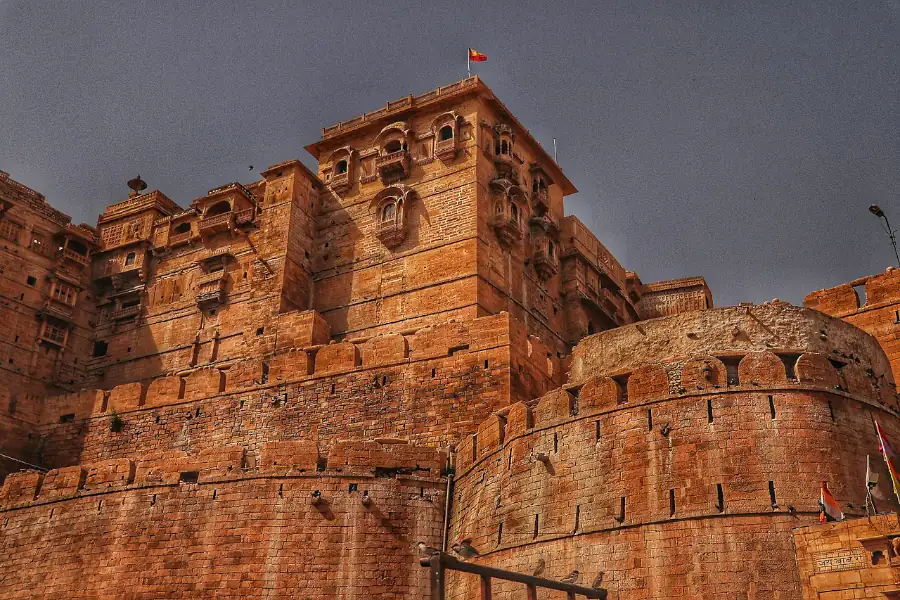
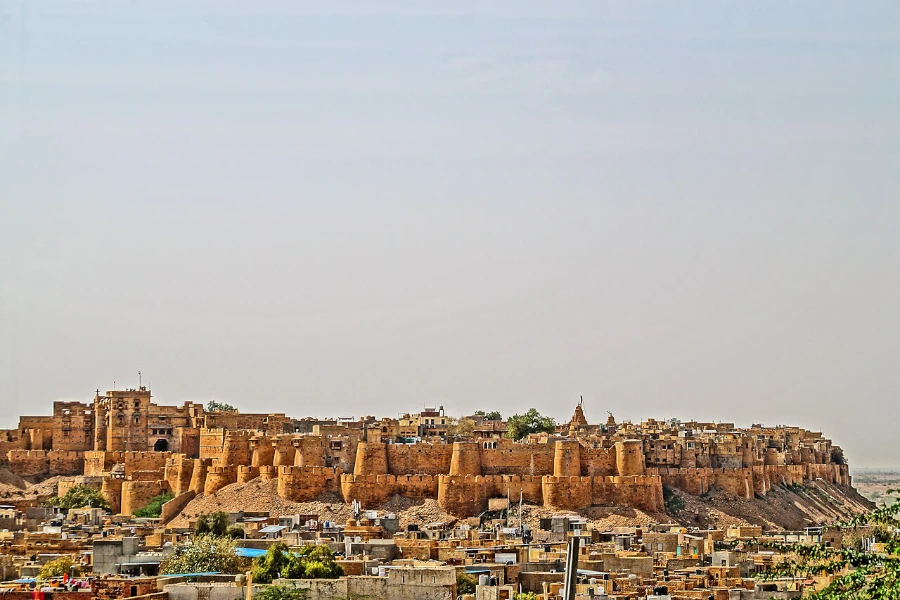
What sets Jaisalmer apart is the unique synergy between Desert Harshness and Architectural Brilliance. The city is crowned by the formidable Jaisalmer Fort (Sonar Quila) — a UNESCO World Heritage Site—one of the few living forts in the world, still inhabited by descendants of the original residents. Rising majestically above the city, the fort is not only a visual spectacle but also a complex labyrinth of Temples, Palaces, Shops, and Homes. Built entirely from honey-gold sandstone, it reflects sunlight like a shimmering citadel during the day and exudes a mystical glow by dusk. 🌄
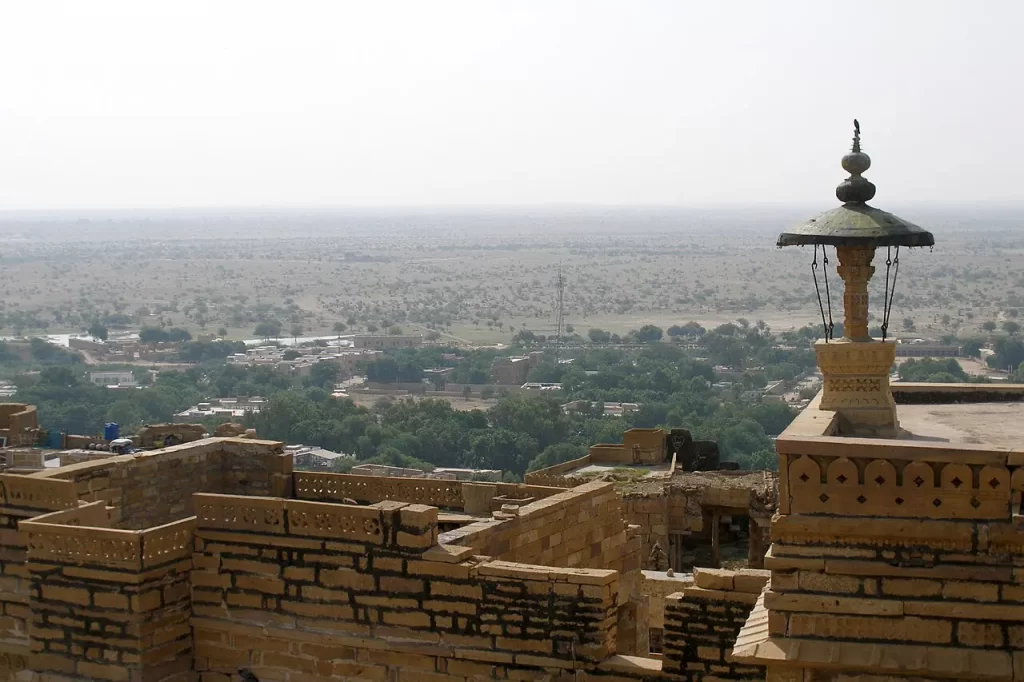
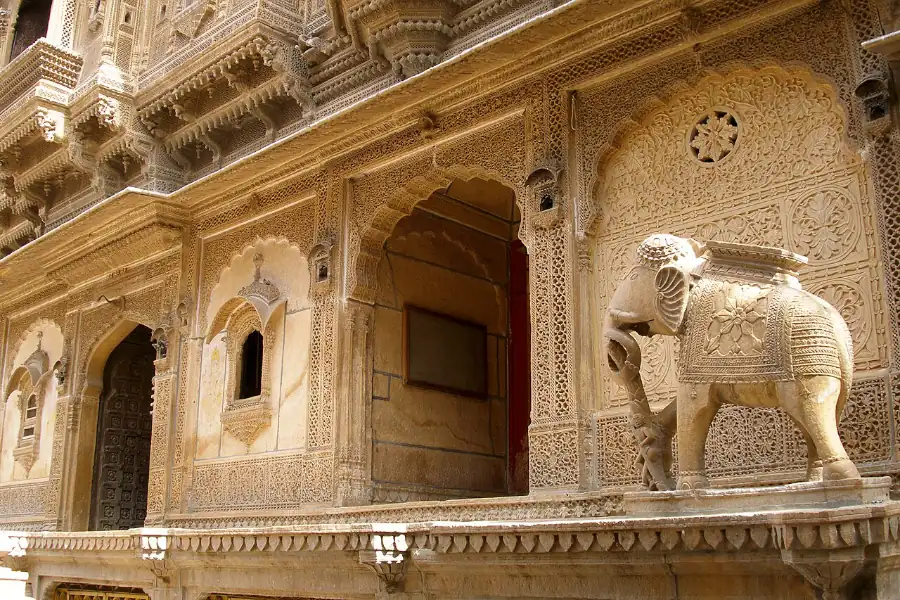
Apart from the fort, Jaisalmer is dotted with Havelis (Merchant Mansions)—each more intricately carved than the last. These masterpieces, including Patwon Ki Haveli, Salim Singh Ki Haveli, and Nathmal Ki Haveli, narrate stories of opulent merchants who flourished during the city’s heyday as a Silk Route junction. Their Ornate façades, Latticed windows, Jharokhas (Balconies), and Frescoed Interiors are perfect examples of fusion between Islamic and Rajput Architectural influences. It’s like each wall here tells a poem carved in stone. 🏩️
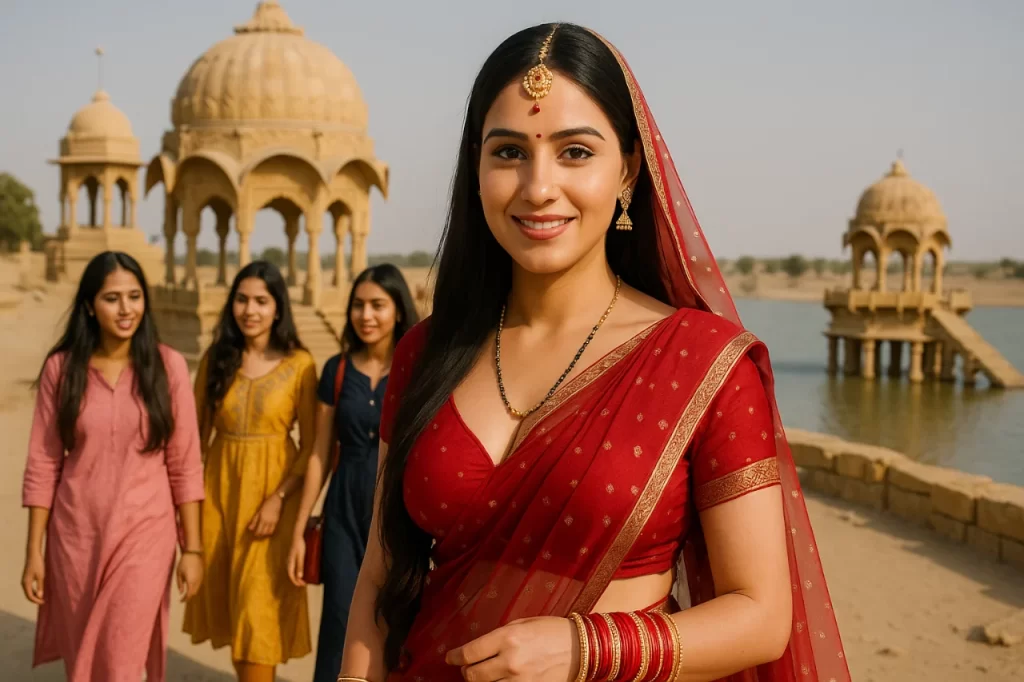
However, Jaisalmer is more than its stone monuments. It’s about the people who have braved the elements and built a thriving culture in one of the most arid parts of the country. The locals, especially the desert communities and artisans, are known for their warmth, storytelling traditions, and resilience. Women clad in vivid ghagras and odhnis, and men sporting elaborate turbans and curled mustaches, paint a portrait of vibrancy against the pale desert sands. Life in Jaisalmer is a celebration of survival, tradition, and aesthetics. 💃🕌
Adding to the city’s charm is its deep-rooted spiritual essence. Jainism has historically played a major role here, and the Jain Temples within the Fort stand as testaments to that influence. Built between the 12th and 16th centuries, these Temples are sculpted entirely from yellow sandstone and adorned with intricate carvings of Gods, Goddesses and Celestial Dancers. The spiritual calm they emit contrasts beautifully with the bustling bazaars and camel-laden lanes just outside. 🧘♂️🗱️
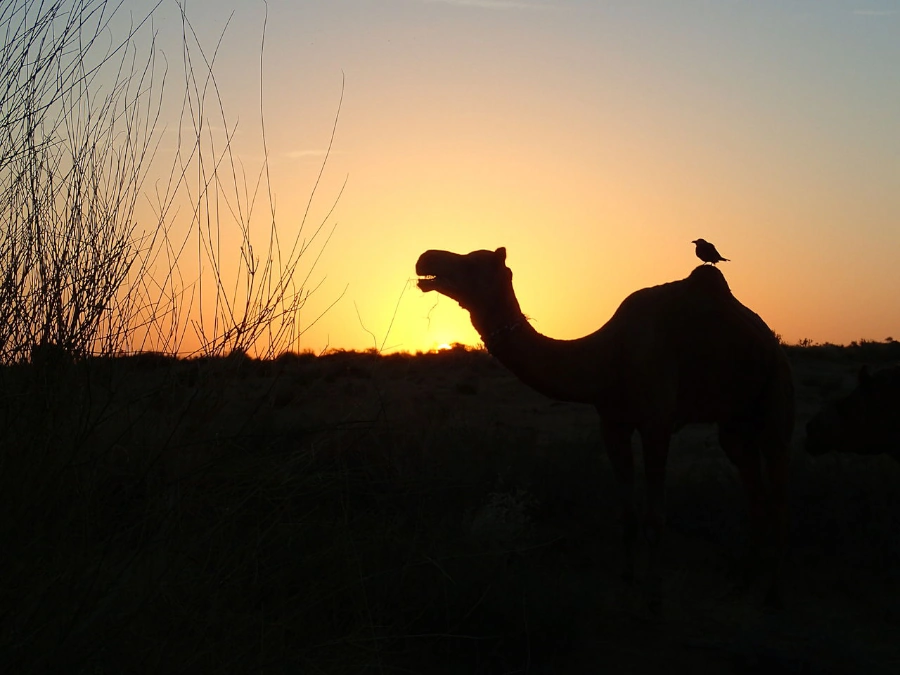
In recent decades, Jaisalmer has seen a transformation into one of India’s most Iconic Tourist Destinations. From backpackers to luxury travellers, the city attracts a wide variety of visitors. Activities like camel safaris in the Sam Sand Dunes, stargazing in Khuri, camping in the desert, and witnessing the Desert Festival have made Jaisalmer synonymous with immersive experiences. Yet, despite the growth in tourism, the city maintains its old-world charm, thanks to strong local initiatives in heritage conservation and eco-tourism. 🐪🌌
The culture of Jaisalmer is rooted in oral traditions passed down through generations. Folk musicians, puppeteers, dancers, and craftsmen continue to keep these traditions alive. A conversation with an elderly puppeteer or a folk singer from a desert hamlet can give you insights no guidebook ever can. Their songs, usually passed down orally, speak of valor, love, loss, and desert mysticism. This aspect of Jaisalmer provides a rich cultural context that enhances the travel experience, making it far more than just a sightseeing journey. 🎶📜
Geographically and politically, Jaisalmer also holds great strategic importance. Bordering Pakistan, it is close to India’s western frontier and houses vital military infrastructure. This has added a layer of historical and contemporary relevance to the region, making places like Tanot Mata Temple and Longewala War Memorial popular stops for those interested in military history and patriotic tourism. 🪖🇮🇳
All in all, Jaisalmer is not merely a tourist spot; it’s an experiential landscape — a place where every sandstone wall, every desert gust, and every folk melody transports you into a tale from centuries ago. Whether you seek royal heritage, cultural immersion, architectural marvels, spiritual peace, or desert adventure, Jaisalmer offers it all—wrapped in golden hues and regal silence. It’s a city you don’t just visit, you feel. 🌅🏰❤️
⌚️ Detailed Historical Facts and Timeline of Jaisalmer — A Comprehensive Guide with Granular Details 📖🗳️
Jaisalmer’s history is as golden and layered as its architecture. Its foundation, steeped in legends and strategic ambition, has weathered battles, trade booms, and cultural evolution over centuries. Here is a deep dive into the chronological and cultural milestones that define this timeless city. ⏳
✨ 1156 AD – Foundation of Jaisalmer
Rawal Jaisal Singh, a Bhati Rajput chieftain, established the city atop Trikuta Hill, fearing threats from his half-brother in Ludurva. He strategically chose this rocky outcrop to erect a fort and city that would remain safe from invasions and sandstorms. This marked the birth of Jaisalmer, which soon became a desert stronghold. 🏛️
⛰️ 12th to 16th Century – Flourishing Trade and Jain Influence
As Jaisalmer lay along the ancient Silk Route, it flourished through trade in silk, opium, spices, and precious metals. Jain merchants thrived here, resulting in the construction of magnificent Jain temples within the fort. The city enjoyed prosperity and cultural enrichment during this period. 👔 🕌
⚔️ 1294 AD – Alauddin Khilji’s Siege
One of Jaisalmer’s darkest historical moments came with the siege by Delhi Sultan Alauddin Khilji. Following prolonged resistance, Rajput warriors performed Saka (ritual combat till death), while women committed Jauhar (self-immolation). This event remains a poignant tale of sacrifice and honour. 💥 💔
⚖️ 17th Century – Rebirth and Political Stability
After turbulent centuries, Jaisalmer re-emerged under rulers like Maharawal Sabal Singh and Mulraj II. Trade resumed, and alliances with the Mughals brought relative peace. The city’s economy again thrived, this time more focused on caravan trade and arts. 💼 🌊
🌍 18th Century – Trade Decline and British Treaty
With the rise of Bombay and Calcutta ports, overland trade routes lost importance. In 1818, Jaisalmer entered a subsidiary alliance with the British Empire, which helped maintain internal autonomy while reducing external threats. The Bhatis shifted focus to agriculture and art patronage. 🇮🇳 📌
✈️ 20th Century – Independence and Integration
Post-1947, Maharawal Girdhar Singh signed the Instrument of Accession to join the Indian Union. Jaisalmer, though remote, was integrated into Rajasthan state and began slow-paced development under Indian governance. 🇲🇽 📅
🪖 1971 – Indo-Pak War and Tanot Mata Legend
During the Indo-Pakistani War, Jaisalmer played a key role due to its proximity to the border. The Battle of Longewala became legendary, especially due to the miraculous survival of Tanot Mata Temple amid heavy shelling—none of the shells exploded within temple premises. ✨ 🪨
🌿 Present Day – Heritage Revival & Tourism
Today, Jaisalmer thrives on tourism, arts, and cultural preservation. The fort and havelis are being restored, desert festivals attract global audiences, and camel caravans now offer safaris rather than silk. The golden city has embraced modernity while staying rooted in its timeless past. 🌟 😍
From its martial tales and merchant glory to spiritual resonance and touristic renaissance, Jaisalmer continues to glow — not just in colour, but in character. 🕊️
🏯 Architectural Marvels in Jaisalmer, Rajasthan, India — A Comprehensive Guide with Granular Details
Jaisalmer is often described as a living museum—its golden facades, intricately carved stonework, and timeless architecture capture the essence of Rajasthan’s desert heritage. The city is a celebration of yellow sandstone architecture, blending Rajputana grandeur with desert resilience. Here, every Archway, Jharokha (Balcony), and Fortification tells a story of artistry and survival. 🏜️
1️⃣ Jaisalmer Fort – The Golden Fortress of Legends 🏰
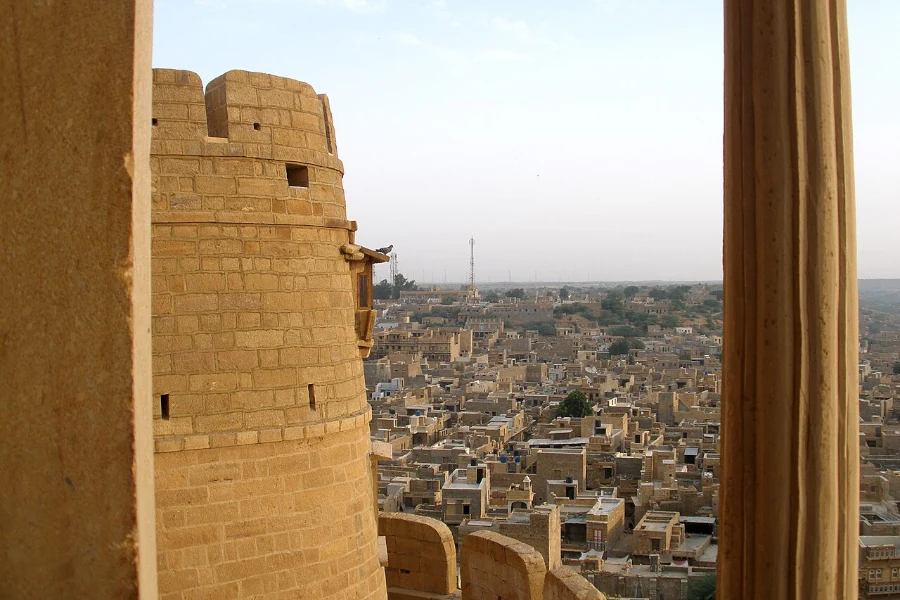
Rising majestically from the Trikuta Hill, the Jaisalmer Fort (Sonar Qila) is one of the largest living forts in the world. Constructed in 1156 AD by Rawal Jaisal, this UNESCO World Heritage Site is made from honey-hued sandstone that gleams like gold at sunrise and sunset. Unlike most forts, it houses a living population of nearly 4,000 people! Inside, you’ll find temples, palaces, homes, shops, and eateries, making it a vibrant medieval city within walls.
📐 Architectural Style: Rajputana with Jain and Islamic influences
🛕 Notable Structures Inside: Raj Mahal, Laxminath Temple, Jain Temples (12th–16th century) and Havelis
🪨 Materials Used: Yellow sandstone; no use of mortar—the stones interlock beautifully
2️⃣ Patwon Ki Haveli – The Treasury of Art 🏡
This cluster of five havelis, commissioned by a wealthy Jain trader Guman Chand Patwa in the 19th century, is the most elaborate and detailed in Jaisalmer. Each haveli was built for one of his five sons, and the facades are a spectacular mesh of filigree work, miniature balconies, arches, and mirror mosaics.
🖼️ Highlights: Intricate latticework (jali), murals, mirror-worked ceilings
🛕 Architecture: Fusion of Rajput and Mughal elements
📸 Perfect For: Cultural photography, architecture enthusiasts
3️⃣ Salim Singh Ki Haveli – Peacock-Shaped Wonder 🦚
Dating back to 1815, this haveli is famous for its peacock-shaped roof and distinct blue cupolas. Once the residence of Salim Singh, a powerful prime minister of Jaisalmer, the haveli has 38 carved balconies, each with a unique design.
🧱 Architectural Charm: Tapering shape—narrow base and broader top
🌟 Fun Fact: The haveli was designed to rival the royal palace in grandeur
4️⃣ Nathmal Ki Haveli – Synchronized Asymmetry 🎨
Built by two architect brothers in the late 19th century, this haveli is a marvel of harmonious dissimilarity. Each brother constructed one half independently, resulting in slight variations that reflect their individual artistic flair. Yet the structure remains symmetrical at first glance.
🖌️ Specialties: Carvings of elephants, flowers, soldiers, and even bicycles!
💡 Lighting: Natural sunlight filters beautifully through carved windows
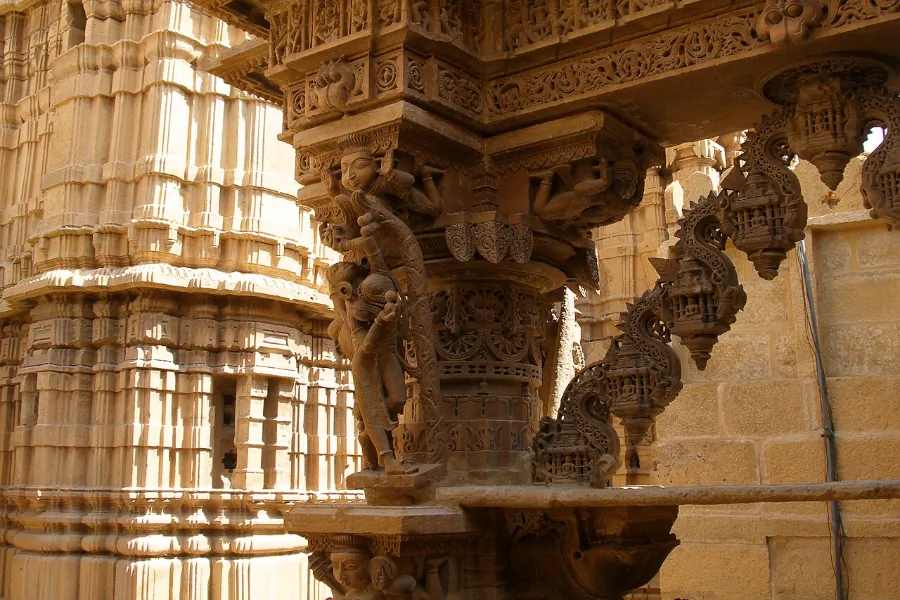
5️⃣ Jain Temples – Sacred Geometry & Spiritual Intricacy 🛕
Located within the Jaisalmer Fort, the Jain Temples date back to the 12th and 16th centuries. Built in Dilwara-style architecture, they are dedicated to Tirthankaras like Rishabhdev and Shantinath. The temple walls are adorned with mythological carvings, scenes from Jain texts, and floral motifs.
🕉️ Structure: Multiple shrines connected by pillared halls
🧘 Atmosphere: Peaceful, meditative vibe with exquisite craftsmanship
6️⃣ Gadsisar Lake – Gateway to Desert Serenity 🌅
While not a building, Gadsisar Lake is an architectural marvel in itself. Constructed by Maharawal Gadsi Singh in the 14th century, this artificial lake was once the primary water source for the city. The banks are adorned with ghats, chhatris (cenotaphs), temples, and gateways made of sandstone.
🌊 Highlight: Tilon-ki-Pol (ornate archway with intricate carvings)
🎒 Tip: Visit during sunrise or sunset for a picturesque view
7️⃣ Desert Camps & Luxury Tent Architecture 🏕️
Jaisalmer has pioneered modern desert hospitality through its unique tented accommodations. Luxury desert camps, built with a mix of canvas, thatch, and local stone, offer authentic Rajasthani decor, camel rides, folk music, and star-gazing nights.
🔥 Cultural Elements: Traditional jharokhas, mirror work interiors, lantern lighting
🌌 Perfect For: Experiencing desert lifestyle in comfort and style
8️⃣ Architectural Harmony with Climate 🧭
Jaisalmer’s architecture also showcases smart adaptations to harsh desert climate:
⦿ Thick stone walls for insulation
⦿ Courtyards for natural airflow
⦿ Narrow alleys to provide shade and channel desert winds
These sustainable techniques are centuries old yet remain effective in modern construction, reflecting ecological wisdom.
Jaisalmer’s architecture is not just about aesthetics; it is a living, breathing expression of its people’s identity, resilience, and relationship with the desert. From the imposing fort walls to the delicate carvings of a haveli, every structure here whispers stories of bygone eras and desert dreams. ✨
🧭 How to Reach Jaisalmer, Rajasthan, India — A Comprehensive Guide with Granular Details
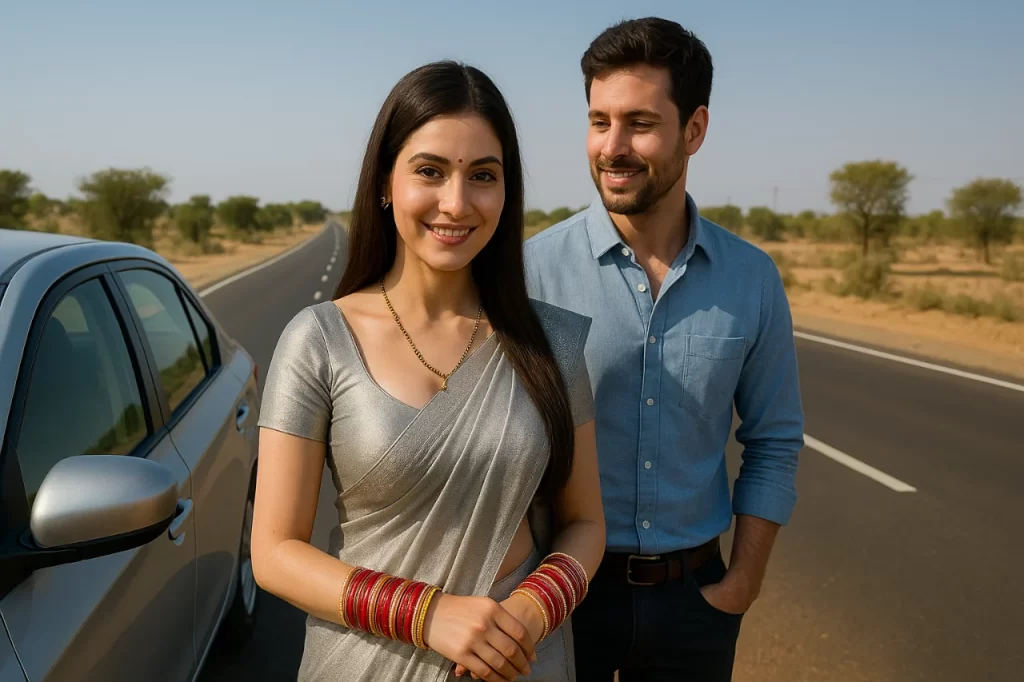
Jaisalmer, often called the “Golden City”, is nestled deep in the heart of the Thar Desert in Rajasthan. Though it may seem remote, it is remarkably accessible from various parts of India by air, rail, and road. Whether you’re planning a cultural odyssey, a historical escapade, or a desert adventure, reaching Jaisalmer is part of the experience itself. Let’s explore the best ways to get to this majestic desert town from all major corners of India. 🚆✈️🚌
🛫 By Air: Nearest Airports to Jaisalmer
Jaisalmer Airport (JSA) is a civil enclave managed by the Indian Air Force and is operational for commercial flights, especially during peak tourist season (October to March). It is located just 17 km from the city centre.
➙ Direct Flights: Operated mainly by SpiceJet and Indigo from cities like Delhi, Jaipur, Ahmedabad, and Mumbai (seasonal).
➙ Nearest Major Airport: Jodhpur Airport (JDH), about 280 km away, offers more regular connectivity.
✈️ Pro Travel Tip: If you’re unable to find a direct flight, fly to Jodhpur and hire a cab or take a train/bus to Jaisalmer for a scenic desert journey.
🚆 By Train: The Desert Express Journey
Jaisalmer Railway Station (JSM) is well-connected by rail and offers a rustic and scenic route across the desert terrain.
➪ From Delhi: Delhi-Jaisalmer Express (via Jodhpur) takes around 18-20 hours.
➪ From Jaipur: Ranikhet Express and Leelan Express offer convenient routes.
➪ From Mumbai: Bandra Terminus – Jaisalmer Superfast Express connects Jaisalmer to Mumbai weekly.
➪ From Jodhpur: Several daily trains operate between Jodhpur and Jaisalmer, taking about 6 hours.
🚂 Rail Tip: Choose AC classes during summers for comfort, and enjoy the authentic feel of the desert while traveling.
🛣️ By Road: Desert Highways and Scenic Drives
Jaisalmer is connected via well-maintained roads to major cities in Rajasthan and beyond. The long drives across arid landscapes and desert towns are a visual treat.
⦿ From Jodhpur (280 km): ~5-6 hours via NH125.
⦿ From Jaipur (560 km): ~10 hours via NH11 and NH62.
⦿ From Delhi (770 km): ~14 hours drive via NH62 and NH11.
⦿ From Udaipur (500 km): ~9 hours via NH62.
🛻 Road Tip: Renting a car or hiring a taxi is best for flexibility. Rajasthan State Road Transport Corporation (RSRTC) also runs luxury and sleeper buses to Jaisalmer from Jodhpur, Jaipur, and Bikaner.
🚍 Bus Services: Budget-Friendly and Convenient
Public and private bus services connect Jaisalmer to cities like Jodhpur, Jaipur, Udaipur, Bikaner, and Ahmedabad.
➙ Sleeper Buses: A/C and non-A/C sleeper buses are available for overnight travel.
➙ Timings: Most buses depart late evening and arrive early morning, making it ideal for budget travellers.
🚌 Local Tip: Opt for government buses for affordability or private Volvo services for comfort and reliability.
🚗 Self-Drive Experience: A Road Trip Through the Desert
Adventure lovers can opt for self-drive options from cities like Jodhpur, Jaipur, or even Delhi.
➙ Best Route: Jodhpur to Jaisalmer via Pokhran offers mesmerising views and a smooth drive.
➙ Fuel Stops: Well-placed along highways, but plan ahead in desert stretches.
🗺️ Pro Tip: Download offline maps, as signal strength may drop in remote desert regions.
🚙 Distance from Major Indian Cities
| City | Distance to Jaisalmer | Approx. Travel Time |
| Jodhpur | 280 km | 5–6 hours by road / 6 hours by train |
| Udaipur | 500 km | 9 hours by road |
| Ahmedabad | 540 km | 9–10 hours by road / 11 hours by train |
| Jaipur | 560 km | 9–10 hours by road / 12 hours by train |
| Delhi | 770 km | 13–14 hours by road / 18–20 hours by train |
| Mumbai | 1,220 km | 24+ hours by train / 2.5 hrs by air (via Jodhpur) |
📍 Distance Tip: Consider stopping in cities like Jodhpur or Bikaner as part of a multi-city Rajasthan itinerary.
🛎️ Final Travel Recommendations
➪ Book Early: Especially between October and February when tourist demand is high.
➪ Combine Modes: Mix train and road journeys to explore more of Rajasthan.
➪ Local Transport: Once in Jaisalmer, use auto-rickshaws, rented scooters, or camel carts for local sightseeing.
🚨 Safety Tip: Always keep water bottles, sun protection, and vehicle papers handy while driving through the desert.
🌤️ Best Time to Visit Jaisalmer & Cultural Festivals and Traditions
📅 Best Time to Visit Jaisalmer
Jaisalmer, the Golden City of Rajasthan, is most magical when visited during the cooler months between October and March. The desert climate, characterised by extreme temperatures, makes winters the most pleasant time to explore the city’s golden sands, stunning forts, and colourful bazaars without the scorching heat. 🌞
🔹 October to March (Winter Season):
➙ Temperature Range: 5°C to 25°C
➙ Why Visit: Comfortable weather, ideal for sightseeing, camel safaris, and fort exploration.
➙ Festivals: This period overlaps with several key cultural celebrations such as the Desert Festival and Diwali.
➙ Travel Tip: Carry warm clothes for chilly desert nights.
🔹 April to June (Summer Season):
➙ Temperature Range: 25°C to 45°C 🌡️
➙ Why Avoid: Harsh sun, unbearable heat, and potential dehydration.
➙ Activities Affected: Outdoor tours, safaris, and street shopping become challenging.
➙ Travel Tip: If visiting during this time, stay hydrated, book AC accommodations, and limit sightseeing to early mornings and evenings.
🔹 July to September (Monsoon Season):
➙ Temperature Range: 23°C to 35°C
➙ Rainfall: Sparse but refreshing 🌧️
➙ Why Visit: Off-season discounts, less crowded tourist spots, and occasional dramatic desert skies.
➙ Travel Tip: While the region receives low rainfall, flash showers might disrupt plans, so plan accordingly.
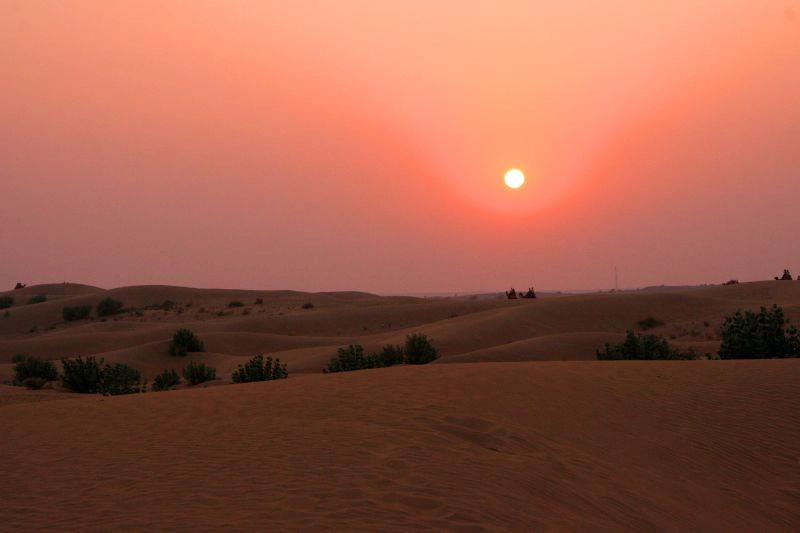
🎭 Cultural Festivals and Traditions of Jaisalmer
Jaisalmer’s identity is deeply entwined with its vibrant festivals, timeless traditions, and cultural richness. From soulful folk music to swirling Rajasthani dances under moonlit skies, every event is a burst of colour and spirit 🌈🎶.
🔸 Jaisalmer Desert Festival (Held in February):
➙ Highlight: One of Rajasthan’s most celebrated festivals, this 3-day spectacle showcases traditional Rajasthani music, Kalbelia dances, camel races, turban tying contests, and desert rituals.
➙ Venue: Sam Sand Dunes and Jaisalmer Fort.
➙ Local Insight: “We wait all year for the Desert Festival”, says Ramesh Bhati, a local artisan. “It brings the whole desert to life”.
🔸 Diwali and Dussehra:
➙ Significance: The city lights up in golden hues during these Hindu festivals. Forts and temples are illuminated, and local homes prepare sweets and host family rituals.
➙ Unique Tradition: Jaisalmer locals burn effigies of Ravana near the fort walls during Dussehra, blending storytelling with community celebration. 🪔
🔸 Gangaur and Teej Festivals:
➙ Celebrated By: Local women to honour Goddess Parvati and Lord Shiva, often involving processions in traditional attire, carrying painted clay idols.
➙ Visual Delight: The city buzzes with colour, flowers, devotional music, and intricate mehendi (henna) art.
🔸 Ramdevra Fair (Held in August-September):
➙ Devotees: Pilgrims of all faiths walk barefoot to the nearby village of Ramdevra, 12 km from Jaisalmer, in reverence to Baba Ramdevji.
➙ Spiritual Ambience: Songs, prayers, and offerings flow endlessly around the Ramdev Temple ⛩️
🔸 Folk Music & Dance:
➙ Traditions: Jaisalmer’s culture is enriched by Manganiyar musicians and Kalbelia dancers, whose performances at desert camps and heritage hotels enchant tourists.
➙ Local Quote: “Our music is as old as the sands”, says Ustad Gafur Khan, a veteran sarangi player. “It carries the stories of our land”.

🔸 Marriage Rituals and Festivals:
➙ Ceremonies: The elaborate and colourful traditional Rajput weddings of Jaisalmer are often held in palatial havelis and sand dunes under open skies.
➙ Tradition: Songs like “Panihari” and rituals like “mehfil” and “banna-banni” add to the ethnic charm.
🔸 Artisanal Celebrations:
➙ Craft Fairs: Festivals often coincide with local haats (markets) where artisans sell tie-dye textiles, mirror work, leather juttis, and carved wooden souvenirs.
➙ Cultural Tip: Try bargaining respectfully—it’s part of the local shopping charm!
👉 Whether you’re there to immerse yourself in music under the stars or to witness camels parade across the sand, timing your trip to align with these festivals will enhance your Jaisalmer experience tenfold.

🏨 Where to Stay in and near Jaisalmer: Luxury, Budget & Spiritual Stays — A Comprehensive Guide with Granular Details
🌟 Luxury Hotels & Resorts
➨ Suryagarh Resort
A majestic fort‑style property on the outskirts (~7 km from the city). It offers opulent suites, balconies with desert views, an in‑house spa, swimming pool, and fine‑dining.
➪ Rates: Approx. ₹12,000–₹18,000 per night for Deluxe Rooms/Suites
➪ Check‑in: Usually at 2:00 pm
➪ Facilities: Pool, Spa, Library, Boutique, Guided Jeep Safaris
➪ Food: Multi‑cuisine Restaurant serving Rajasthani specialities like Phulgar Ka Maans, Gourmet Multi‑course Meals and Vegetarian options
➙ Traveler feedback: “Suryagarh is a terrific property… meat cuisine was exquisite!”
➨ Fort Rajwada
Situated close to the Fort Area, offers heritage‑themed rooms with Rooftop Views of the Fort, Pool, and Spa.
➪ Rates: ~₹6,000–₹10,000 per night
➪ Check‑in: 2:00 pm
➪ Facilities: Rooftop Terrace, Spa, Heritage Décor, Tour Desk
➪ Food: In‑house Rajasthani and Continental Cuisine, Rooftop Dining
➨ Rawalkot Resort & Spa
Blend of luxury and local style, with a desert camp feel within walking distance of the fort.
➪ Rates: Around ₹8,000–₹12,000
➪ Check‑in: 2:00 pm
➪ Facilities: Pool, Spa, Desert Cultural Shows, Jeep/Camel Safari arrangements
➪ Food: Traditional Rajasthani Thalis, Buffet Breakfasts, Grilled specialties
🛏️ Mid‑Range & Budget Hotels / Guesthouses
➨ Hotel Amazing Jaisalmer (Malka Pol, near Fort)
Friendly Staff, Rooftop Fort views and Event Planning services.
➪ Rates: ₹1,050/night + taxes (₹1,300 total)
➪ Check‑in: Undefined but typically after 1:00 pm
➪ Facilities: Rooftop Restaurant, Bonfire Setups, Simple Lounge Area
➪ Food: In‑house restaurant with affordable local and continental meals
➨ Hotel Golden Rock Jaisalmer (Sadar Bazar)
Well‑rated for cleanliness and value for money. Close to markets and fort.
➪ Rates: ₹1,000/night + taxes (₹1,400)
➪ Facilities: Restaurant, Rooftop, Multilingual Staff, Bonfire Evenings
➪ Food: Homely Rajasthani meals and light snacks
➨ Hotel Pol Haveli (Sadar Bazar, ~1.4 km from Fort)
Authentic Haveli with Rooftop View, Bonfire, and In‑house Restaurant.
➪ Rates: ₹600–₹1,000/night + taxes (~₹1,000 total)
➪ Check‑in: Flexible after Noon
➪ Facilities: Kitchenette, Kids’ Play Area, Bonfire events
➪ Food: Homemade Regional Food and Breakfast included
➨ Hostel / Dorm‑Style
➪ Jaisalmer Hostel Crowd (Amar Sagar Pol, ~8 min walk to Fort)
➪ Ideal for solo travellers or backpackers
➪ Rates: ₹287–₹900/night + taxes (₹400–₹900)
➪ Check‑in: After 1:00 pm
➪ Facilities: Shared Kitchen, Lounge, Rooftop Social Area
➪ Food: Self‑cooking allowed, small communal meals, tea/snacks
➨ Zostel Jaisalmer & Zostel Sam Desert
Popular chain hostel offering both city and desert stays.
➪ Rates: ~₹1,400/night (City), ₹1,700 (Desert Camp)
➪ Facilities: Dorms/private tents, social commons, bookable desert activities
➪ Food: Included meals in desert portion, street‑food recommendations in city
🛐 Dharamshalas & Religious Guesthouses
A few basic dharamshalas and religious guesthouses are available near Temples and Pilgrimage sites like Tanot Mata and Ramdevra. They offer extremely affordable lodging, often free or donation-based.
➪ Rates: ₹0–₹300/night
➪ Check‑in: Usually during daytime after registration
➪ Facilities: Very basic—shared rooms, communal bathrooms, simple seating areas
➪ Food: Simple vegetarian meals (langar-style) often provided by trust/temple staff
🎯 Choosing According to Traveller Type
➛ Luxury seekers will enjoy the grandeur and amenities of Suryagarh, Rawalkot, or Fort Rajwada. Ideal for relaxation, spa treatments, and fine dining.
➛ Mid-budget travellers find excellent value and local charm at Hotel Amazing, Golden Rock, Pol Haveli. Close to fort and markets, ideal for 3-star comfort.
➛ Backpackers/solo travellers love Hostel Crowd or Zostel, offering social vibes and desert stay options.
➛ Pilgrims and spiritual budget travellers can opt for Dharamshalas near Ramdevra or Tanot; though Spartan, they offer spiritual connectivity at low cost.
✅ Booking & Practical Tips
➛ Book early especially during peak seasons (October–March and during the Desert Festival).
➛ Check‑in time typically post 1:00–2:00 pm; check‑out by 11:00 am.
➛ Most properties offer desert activity bookings, camel safaris, and city tours.
➛ Luxury hotels offer spa services, desert dinners, and cultural programming.
➛ Budget options may not provide in‑house food beyond breakfast; nearest eateries available.
🧳 Final Thoughts
Choosing the best stay in Jaisalmer depends on your travel style:
➛ Want heritage glamour and comfort? Go for Suryagarh or Fort Rajwada.
➛ Looking for local charm on a budget? Try Pol Haveli or Hotel Amazing.
➛ Travel solo or with friends? Zostel or Hostel Crowd offer interactive stays.
➛ Seeking austerity and spirituality? Dharamshalas are modest but meaningful.
🛎️ In-Room Services Across Different Categories
🏰 Luxury Hotels & Resorts
Properties like Suryagarh, Fort Rajwada, and Rawalkot Resort provide exceptional in-room services akin to 5-star experiences.
➨ Room Amenities Include:
➪ King-size beds with premium linens
➪ Smart TVs with satellite channels
➪ Air-conditioning / climate control
➪ Mini bar / refrigerator stocked with beverages
➪ In-room tea/coffee makers ☕
➪ Safe deposit lockers, bathrobes, slippers
➪ Turndown service and daily housekeeping
➪ Premium bath toiletries, hair dryers, bathtubs with desert views 🛁
➨ Additional Perks:
➪ 24/7 Room Service for Meals and Drinks
➪ Private Balcony or Courtyard access (Suryagarh offers private plunge pools in some suites)
➪ In-room dining menus featuring multi-cuisine, organic, and regional Rajasthani food
🏨 Mid-Range Hotels & Guesthouses
Hotels like Hotel Amazing, Pol Haveli, and Golden Rock provide more modest but comfortable services.
➨ Room Features Typically Include:
➪ Double or twin beds
➪ Ceiling fan and/or air conditioning
➪ Attached western-style bathrooms 🚿
➪ Daily housekeeping (on request in budget stays)
➪ Basic toiletries, towels, and bed linens
➪ TV (in mid-range hotels) and free Wi-Fi
➪ Hot water (some only during specific hours)
➙ In-room Food Service: Available in most hotels till 10:30–11:00 pm. Rooftop restaurants allow ordering from the room, especially at Pol Haveli.
🛌 Backpacker Hostels & Dorms
Zostel and Hostel Crowd focus on shared and private accommodations.
➨ Services:
➪ Lockable storage for each bunk
➪ Reading lights and charging ports per bed
➪ Wi-Fi access in rooms and common areas
➪ Private rooms have attached bathrooms and air-conditioning
➪ Common laundry facility (self-service or paid)
➪ Linen included; towels often rented for ₹50–₹100
🚐 Hotel Shuttle & Transport Connectivity
🏨 Luxury Properties
Most top-end hotels offer complimentary airport/train station pick-up and drop services on request.
➨ Suryagarh & Fort Rajwada:
➪ Chauffeur-driven pickup in private SUVs 🚙
➪ Internal buggies for large resort campuses
➪ Shuttle to Sam Sand Dunes or Khuri for desert activities (chargeable)
➨ Hotel Rawalkot:
➪ Group shuttle buses to major landmarks and train station
➪ Transfers to airport or private car rental on demand
🛏️ Mid-Range & Budget Hotels
➙ Paid Transfers: Many offer pre-booked shared or private taxis (₹300–₹800 per trip to station/airport)
➙ Local Connectivity: Auto-rickshaws are easily available from nearby market roads. Hotel staff help with booking.
➙ Free Pickup: Some hotels offer free station pickup for stays of more than 2 nights (e.g., Hotel Amazing Jaisalmer)
🎒 Backpacker Hostels
➨ Zostel / Hostel Crowd:
➪ No in-built shuttle but partnerships with local drivers
➪ Guests often coordinate shared transport to dunes
🏕️ Desert Camp Packages (Sam, Khuri & Beyond)
Most properties (luxury and budget) offer desert excursion packages, especially to Sam Sand Dunes, Khuri Village, and Osian Desert.
🌅 Package Types
🎯 Day Safari + Cultural Dinner
➪ Pickup from hotel (~3:00–4:00 pm)
➪ Camel ride at sunset 🐪
➪ Traditional Rajasthani dinner at camp with folk dance & music 🥁💃
➪ Return to hotel by 10:00–11:00 pm
➪ Cost: ₹1,000–₹1,800 per person (budget) | ₹2,500–₹3,500 (luxury)
🎯 Overnight Desert Stay
➪ Includes same sunset safari and cultural program
➪ Overnight stay in Swiss tents with attached bathrooms
➪ Bonfire under the stars ✨
➪ Morning breakfast + jeep ride at sunrise
➪ Cost: ₹2,000–₹3,000 per person (budget) | ₹4,000–₹6,000 (luxury)
🎯 Premium Desert Glamping
➪ Offered by Suryagarh, The Serai (Relais & Châteaux), or The Mama’s Camp
➪ Luxury Swiss tents or air-conditioned dome tents
➪ Butler service, wine/cocktail bar, live musicians 🎻
➪ Cost: ₹8,000–₹15,000 per night (includes all meals and transport)
🧾 Notes:
✪ Always confirm inclusions (Meals, Jeep/Camel Rides, Drinks)
✪ Some camps are non-licensed—check if booked via hotel or trusted aggregator
✪ Best time: October to March, avoid extreme heat of May–June
🗺️ Summary: What to Choose Based on Preferences
| Preference | Recommended Option | Estimated Cost Range |
| Heritage & Luxury | Suryagarh, Fort Rajwada | ₹8,000–₹18,000 |
| Budget with Rooftop Views | Hotel Pol Haveli, Hotel Amazing | ₹1,000–₹1,500 |
| Social Vibes & Affordability | Zostel, Hostel Crowd | ₹400–₹1,200 |
| Authentic Rural Desert Camp | Khuri Camp, Mama’s Desert Camp | ₹2,500–₹4,500 |
| Glamping in Dunes | The Serai, Suryagarh Desert Experience | ₹8,000–₹15,000 |
| Dharamshala Pilgrimage Stay | Ramdevra / Tanot Mata Temple Lodging | ₹0–₹300 |
🏰 Best Places to Visit in and near Jaisalmer, Rajasthan — A Comprehensive Guide with Granular Details
1️⃣ Jaisalmer Fort (Sonar Quila) – The Golden Citadel
One of the largest living forts in the world, Jaisalmer Fort or Sonar Quila (Golden Fort) is the crown jewel of the Thar Desert. Constructed in 1156 AD by Raja Rawal Jaisal, the fort rises majestically from the golden sands. Its yellow sandstone architecture appears to glow during sunrise and sunset 🌅, earning it the name Golden Fort.
➨ Highlights:
➪ Home to thousands of residents, including shops, cafes, temples & hotels
➪ 99 bastions, beautifully carved Rajput and Mughal Architecture
➪ Entry Fee: Free | Fort Palace Museum: ₹150–₹250
➪ UNESCO World Heritage Site under Hill Forts of Rajasthan 🏛️
2️⃣ Patwon Ki Haveli – The Mansion of Brocade Merchants
This is not one haveli, but a cluster of five havelis built by the wealthy Patwa family of traders in the 19th century. The first haveli was commissioned by Guman Chand Patwa, and each haveli showcases intricate stonework, jharokhas, mirror work, and frescoes.
➨ Highlights:
➪ Museum displays artefacts, paintings & period furniture
➪ Carved balconies and gold-tinged sandstone facades
➪ Entry Fee: ₹50–₹100
➪ Location: 500 meters from the fort
3️⃣ Salim Singh Ki Haveli – The Peacock-Arch Mansion
Built in the 18th century, this haveli belonged to Salim Singh, a powerful Prime Minister. Its most distinctive feature is its arched roof designed like a peacock’s tail, and 38 intricately carved balconies, each with a unique design.
➙ Famous for its Haunted Folklore, steeped in mystery
➙ Entry Fee: ₹20–₹100
➙ Offers panoramic views of the Jaisalmer Fort and city 🌆
4️⃣ Nathmal Ki Haveli – A Fusion of Architecture
Built by two architect brothers, Nathmal Ki Haveli is known for its unusual symmetry and fusion of Islamic and Rajput styles. Each brother worked independently on either side of the haveli, which led to slightly different facades, yet the overall design is breathtaking.
➙ Look out for intricately carved elephants, flowers, and soldiers
➙ Entry Fee: ₹30–₹50
🏜️ Desert Attractions Near Jaisalmer
5️⃣ Sam Sand Dunes – The Heart of the Thar Desert
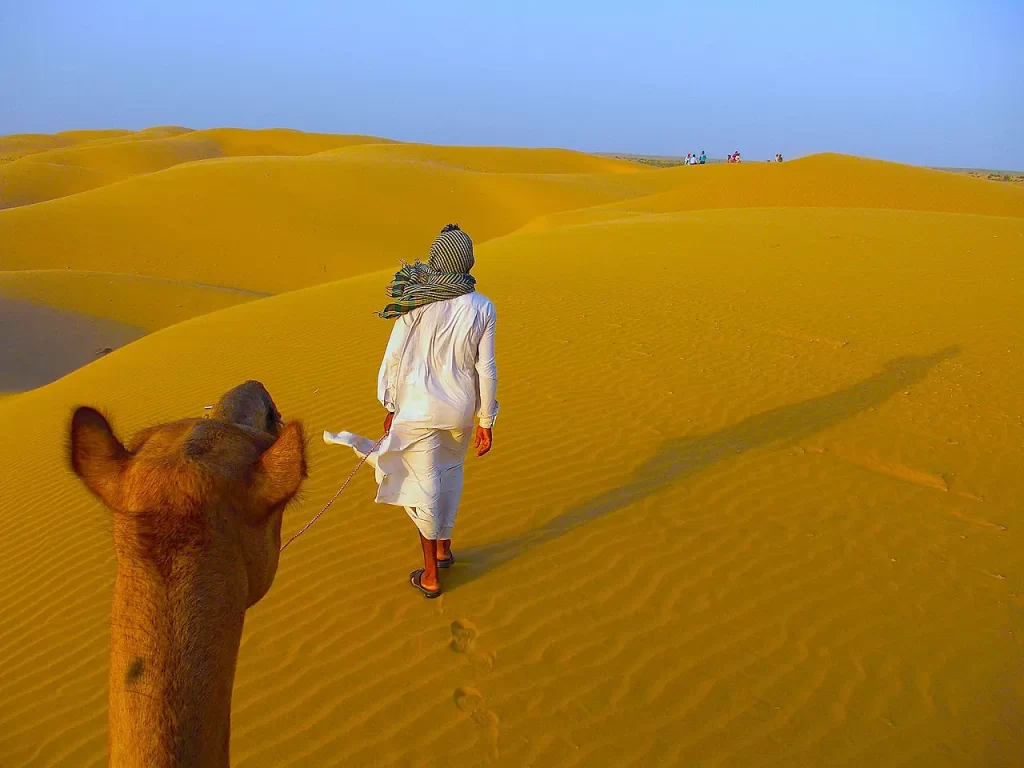
Located around 40 km from Jaisalmer, Sam is the most famous desert area for Sunset Camel Safaris, jeep rides, and cultural evenings under the stars ✨. The golden dunes here are as high as 30–60 meters and are best explored early morning or sunset hours.
➙ Desert Festival (February): Features camel polo, folk dance, music, turban tying & moustache competitions 🐪💃
➙ Luxury camps & glamping sites available from October to March
6️⃣ Khuri Sand Dunes – Quieter Desert Bliss
A less-commercialised alternative to Sam, Khuri village, about 50 km Southwest, offers a more authentic and serene desert experience. The mud houses and traditional Rajasthani hospitality make it ideal for peaceful stargazing 🌌 and homestay adventures.
➙ Best for: Photography, peace-lovers, offbeat experiences
➙ Home-cooked meals, camel rides, and local dance shows available
7️⃣ Kuldhara Village – The Abandoned Mystery
Just 18 km west of Jaisalmer, Kuldhara is a deserted village with eerie silence, abandoned overnight in the 1800s by the Paliwal Brahmins. Folklore says the villagers cursed it to never be inhabited again.
➙ Visit during daylight; the ruined stone houses are photogenic 🏚️
➙ Entry Fee: ₹10 | Still believed to be haunted by some locals
8️⃣ Bada Bagh – Royal Cenotaphs Amidst Windmills
Bada Bagh, or “Big Garden”, is a set of beautifully carved Chhatris (Cenotaphs) built in honour of Jaisalmer’s kings. Located on a hill with wind turbines spinning in the distance, it is a peaceful and photogenic location, especially during sunrise or sunset 🌄.
➙ Entry Fee: ₹50–₹100
➙ Slightly hilly terrain, best visited early morning or late evening
9️⃣ Gadisar Lake – The Rainwater Oasis
Constructed by Raja Rawal Gadsi Singh in the 14th century, Gadisar Lake is a man-made reservoir surrounded by ghats, temples, and archways. During winter, it becomes a haven for migratory birds and is ideal for boating and photography 🚣♂️🦜.
➙ Entry Fee: Free | Boating: ₹50–₹200
➙ Don’t miss the beautiful Tilon Ki Pol Archway at the entrance
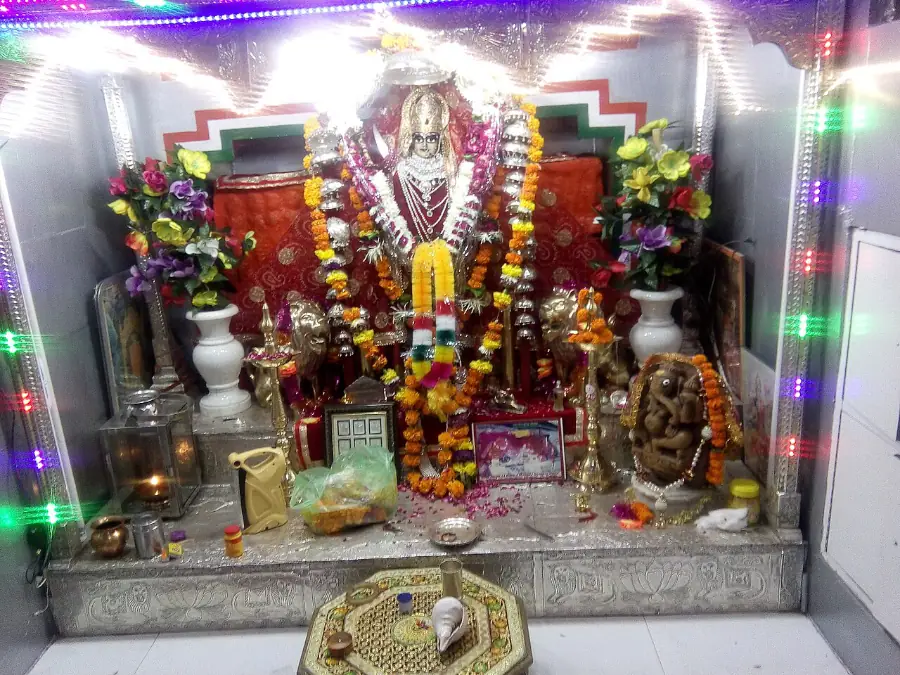
⛩️ Temples and Places of Worship in Jaisalmer
🔟 Jain Temples Inside Jaisalmer Fort
Built between the 12th–16th centuries, the seven interconnected Jain Temples within the fort walls are dedicated to Tirthankaras like Rishabhdev, Sambhavnath, and Parshvanath. The architecture features delicate marble carvings, similar to Mount Abu’s Dilwara temples.
➙ Entry Fee: ₹50 + camera charges
➙ Dress code: Modest clothing; no leather items inside
➙ Morning visit recommended for natural light
1️⃣1️⃣ Tanot Mata Temple – The Border Guardian
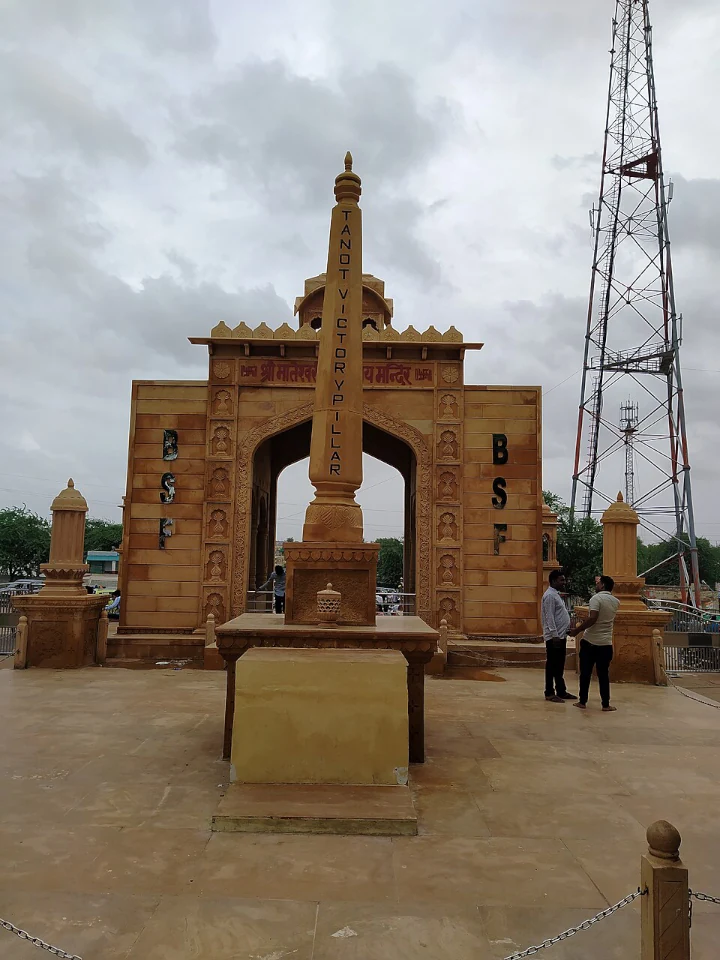
Located 122 km from Jaisalmer near the Indo-Pak border, Tanot Mata Temple is dedicated to Maa Tanot, revered by soldiers. During the 1965 war, bombs dropped near the temple didn’t explode, and it’s maintained today by the BSF (Border Security Force) 🇮🇳.
➙ Photography allowed | BSF Museum nearby
➙ On route to Longewala War Memorial (another must-visit)
1️⃣2️⃣ Ramdevra Temple – Pilgrimage to Baba Ramdevji
Situated 12 km from Pokhran and around 150 km from Jaisalmer, Ramdevra is a revered shrine for both Hindus and Muslims. Baba Ramdev, a 14th-century saint, is said to have taken Samadhi here. Devotees visit during Baba Ramdev Fair (August–September).
➙ Free dharamshala accommodations available
➙ Temple is always buzzing with devotional songs and local delicacies
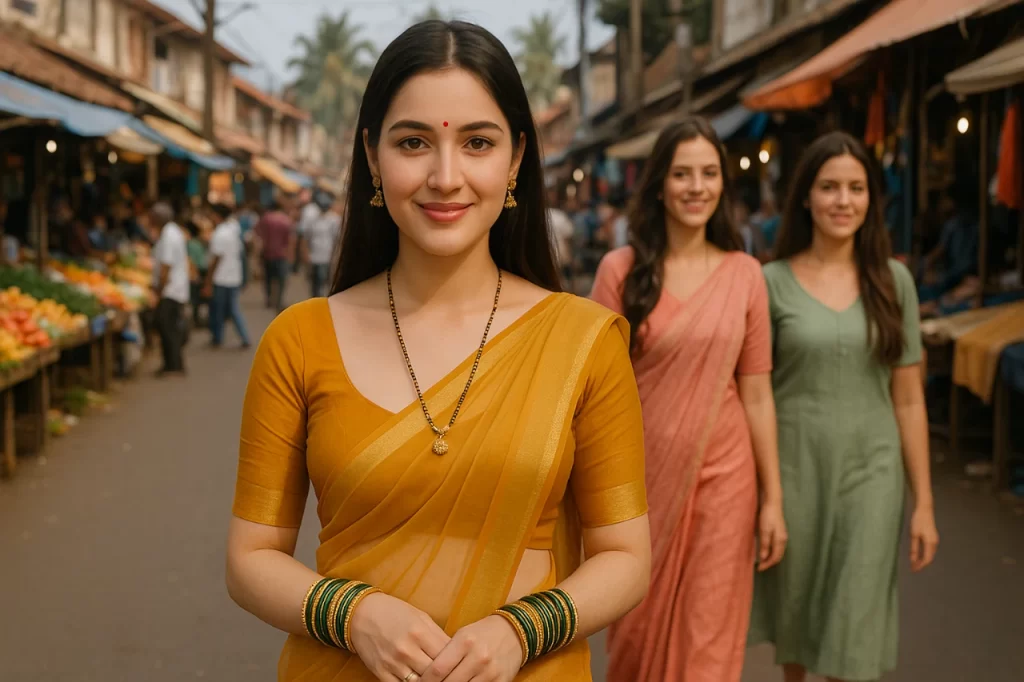
🛍️ Local Marketplaces & Handicrafts in Jaisalmer
1️⃣3️⃣ Sadar Bazaar – A Shopper’s Delight
Located in the heart of the city near the fort, Sadar Bazaar is known for embroidered textiles, camel leather goods, silver jewellery, and puppet dolls 🧵👜. Many shops are centuries old and offer bargaining opportunities.
➙ Must Buy: Bandhani dupattas, jootis, carved boxes
➙ Open 10 am–8 pm daily
1️⃣4️⃣ Bhatia Bazaar – For Souvenirs and Antiques
Another old marketplace known for traditional Rajasthani crafts, antique items, and mirror work handbags. You’ll find brass-ware, hand-dyed fabrics, and wooden artefacts ideal for home décor.
➙ Tip: Visit early to avoid crowds and catch the artisans at work
➙ Best Bargains: In the back lanes!
1️⃣5️⃣ Sonaron Ka Baas – The Goldsmiths’ Lane
Located close to the fort, this street is a gold lover’s haven. Traditional Rajasthani Kundan and Meenakari jewellery, gold bangles, and ornaments are handmade here.
➙ Mostly visited by locals during weddings
➙ Prices are higher, but quality is unmatched 💍
🔚 Conclusion
Jaisalmer is a vibrant canvas of history, heritage, and desert charm. From the living fort and majestic havelis to sacred temples and soulful desert nights, every corner whispers tales of the past. Add to that the colourful marketplaces, intricate crafts, and the spiritual serenity of temples, and you’ve got an immersive destination that touches all senses.
Whether you’re a heritage buff, a spiritual traveler, an adventure enthusiast, or a culture lover—Jaisalmer has something to mesmerise everyone. 🌟✨
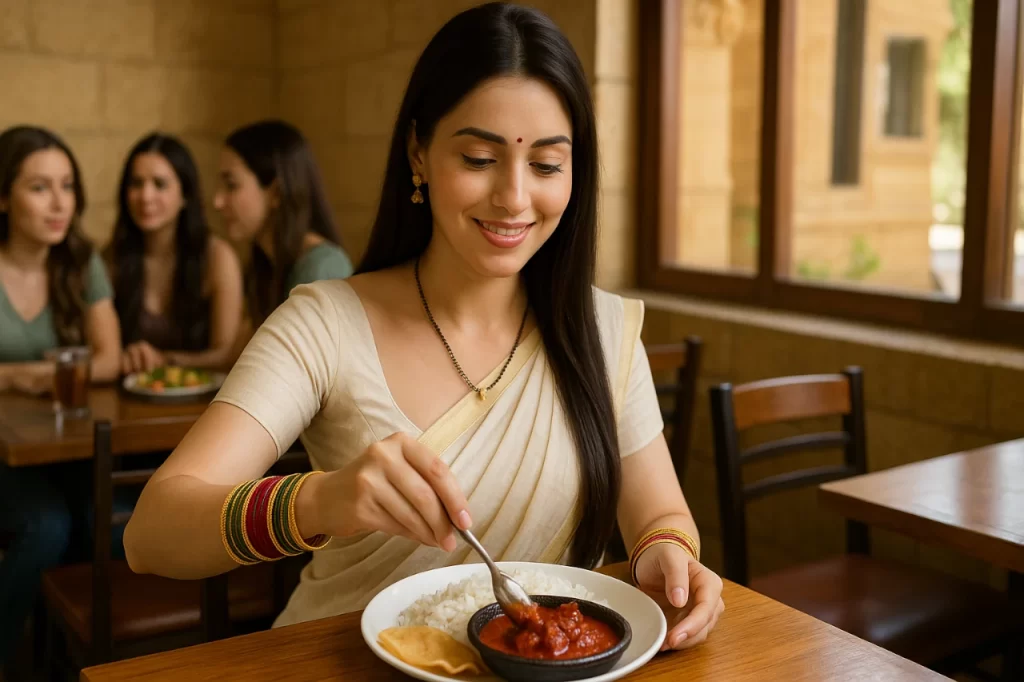
🍽️ Best Places for Refreshments with Authentic Local Food in Jaisalmer, Rajasthan, India — A Comprehensive Guide with Granular Details
Jaisalmer is not only a feast for the eyes but also a delight for the palate. The local cuisine is deeply rooted in Rajasthani culinary traditions, known for its bold flavours, aromatic spices, and hearty vegetarian fare—though you’ll find several excellent options for non-vegetarians too. From rooftop cafés overlooking the fort to rustic dhabas serving time-honoured recipes, Jaisalmer’s culinary landscape is as vivid as its golden sands.
1️⃣ Trio Restaurant – Fort View with a Taste of Royalty 🏯🍽️
Located near Gandhi Chowk, Trio is one of Jaisalmer’s most iconic restaurants offering panoramic views of Jaisalmer Fort. Housed in a heritage-style building with draped interiors and candlelit tables, it specialises in traditional Rajasthani thalis, including Ker Sangri, Gatte ki Sabzi, and Dal Baati Churma. Their Laal Maas (fiery Mutton Curry) is particularly famous among meat lovers 🔥🍖. Expect attentive service, authentic ambiance, and a menu that balances local delicacies with North Indian favourites.
➪ Must Try: Rajasthani Thali, Laal Maas, Garlic Naan
➪ Cost for Two: ₹800–₹1,000
➪ Timings: 11:00 AM – 10:30 PM
2️⃣ Jaisalmer Kitchen at Marriott Resort & Spa – Fine Dining Royalty 🍷🍲
If you’re craving indulgence with authentic flavours, head to Jaisalmer Kitchen located within the Jaisalmer Marriott Resort & Spa. Known for its grand buffet spreads and à la carte Rajasthani specials, this place pampers you with 5-star service, ambiance, and presentation. They offer live cooking stations and the freshest ingredients. During the evenings, a live folk music performance adds charm to your dining experience 🎶.
➪ Must Try: Safed Maas, Rajasthani Ghevar, Kesar Lassi
➪ Cost for Two: ₹2,500+
➪ Timings: Breakfast 7:00–10:30 AM | Lunch 12:30–3:00 PM | Dinner 7:30–10:30 PM
3️⃣ Desert Boy’s Dhani – Folk Dining Under the Stars 🌟🥘
This open-air restaurant tucked away behind Jaisalmer Fort is designed like a desert village, complete with Charpais (Cots), lanterns, and folk performances. It’s a tourist favourite for enjoying pure vegetarian Marwari cuisine under the night sky. Meals are prepared in traditional clay ovens, and the Bajre ki Roti with Chutney is as authentic as it gets.
➪ Must Try: Bajre ki Roti, Ker Sangri, Buttermilk
➪ Cost for Two: ₹400–₹700
➪ Timings: 11:00 AM – 11:00 PM
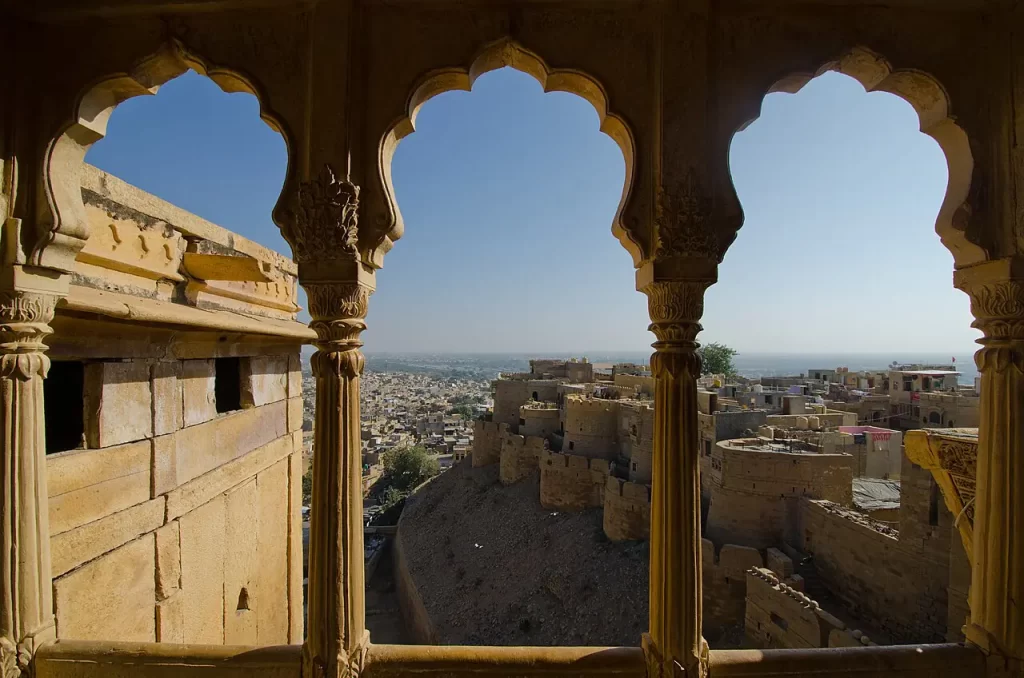
4️⃣ The Turban Restaurant – Budget-friendly Fort View Eatery 🌄🍛
Located on the rooftop of a heritage haveli near the main fort gate, The Turban is a hidden gem offering beautiful sunset views and hearty local meals. It’s budget-friendly yet doesn’t compromise on taste. Their Jodhpuri Kabuli Pulao and Makai Ka Soweta (a corn and ghee-based dish) are local treasures.
➪ Must Try: Kabuli Pulao, Tandoori Platter, Masala Chaas
➪ Cost for Two: ₹300–₹600
➪ Timings: 10:00 AM – 10:00 PM
5️⃣ Monica Restaurant – Trusted by Travellers for Decades 🧳🍴
A long-standing favourite among international backpackers and Indian tourists alike, Monica Restaurant near the fort serves fresh, homely, and hygienic food. Their thalis are generous and budget-friendly, and the terrace seating lets you soak in the lively atmosphere of the city below. They also offer Jain food on request and are known for quick service.
➪ Must Try: Veg Thali, Rajasthani Kadhi, Mango Lassi
➪ Cost for Two: ₹250–₹500
➪ Timings: 8:00 AM – 10:00 PM
6️⃣ Free Tibet Restaurant – Fort Wall Rooftop Cafe 🏔️🍜
Craving something light with a view? Head to Free Tibet Restaurant perched atop the Jaisalmer Fort walls. It serves Tibetan and fusion dishes with a view of the city’s golden rooftops. While Momos and Thukpa steal the show, they also offer simple local dishes, ideal for lunch or sunset snacks.
➪ Must Try: Thukpa, Aloo Paratha, Herbal Tea
➪ Cost for Two: ₹300–₹600
➪ Timings: 9:00 AM – 9:00 PM
7️⃣ Killa Corner Café – Coffee and Culture ☕ 🎨
Perfect for digital nomads, solo travellers, or readers, this quaint café near the Jaisalmer Fort offers freshly brewed coffee, lemon cakes, and light Rajasthani snacks. Decorated with local art and folk instruments, it’s a great place to unwind or meet fellow travellers. Occasionally, local musicians perform here live.
➪ Must Try: Lemon Cake, Masala Chai, Pakoras
➪ Cost for Two: ₹250–₹450
➪ Timings: 8:30 AM – 9:30 PM
8️⃣ Suryagarh’s Legends of Marwar Dinner – A Royal Desert Experience 🐫🔥
If you’re open to a once-in-a-lifetime culinary journey, book the “Legends of Marwar” dinner experience at Suryagarh Palace, a luxury desert hotel. This curated dining event features age-old Rajasthani recipes prepared using ancient cooking methods in a desert setting lit by torches. Paired with live Manganiyar music and traditional hospitality, it’s one of Jaisalmer’s most exclusive food experiences.
➪ Must Try: Entire curated menu – includes lamb, millet dishes, and sweets
➪ Cost per Head: ₹3,000–₹5,000
➪ Timing: Only via prior booking
9️⃣ Desert Camps Dinner Experiences – Folk, Fire, and Feast 🔥🎭
Many luxury and mid-range desert camps around Sam and Khuri Sand Dunes offer nightly cultural shows and Rajasthani Buffet Dinners. These include Tandoori Starters, Veg/Non-veg mains, and local Desserts like Malpua or Rabri. Dining under the stars with dancers, musicians, and traditional hospitality makes this a culinary highlight.
➪ Inclusions: Dinner + Folk Music + Dance Performance
➪ Cost: Usually included in ₹3,000–₹8,000 desert stay packages
➪ Timing: 7:00 PM onwards
From budget-friendly eateries to fine-dining heritage hotels and immersive desert feasts, Jaisalmer offers a wide variety of dining experiences to match every palate and budget. Whether you’re savouring Rajasthani Ghevar on a rooftop, sipping chai by the fort, or enjoying Laal Maas under the stars, every meal in Jaisalmer is a celebration of tradition, taste, and the desert spirit 🧡 🍽️ 🌅.
🌡️ Climatic Conditions in Jaisalmer, Rajasthan, India — A Comprehensive Guide with Granular Details
Nestled in the heart of the Thar Desert, Jaisalmer experiences an Arid Desert Climate (Köppen classification: BWh), characterised by extreme temperatures, minimal rainfall, and stark seasonal contrasts. Visitors to this golden city should prepare for the unique challenges and charms presented by its desert environment.
☀️ Scorching Summers (April to June)
Summers in Jaisalmer are intensely hot, with temperatures soaring between 35°C to 48°C (95°F to 118°F) during the day. The sun beats down relentlessly, and the heat radiates off the golden sandstone structures and the desert sand. The city experiences hot winds locally known as “loo”, which make midday travel uncomfortable and potentially dangerous without adequate hydration 🥵.
➪ Daytime highs: 40°C to 48°C
➪ Night lows: Around 25°C to 30°C
➪ Advice: Carry water, sunscreen 🧴, light cotton clothes, and avoid peak afternoon outings.
🌇 Warm Evenings & Desert Nights
Despite the harsh daytime heat, desert nights in Jaisalmer offer a welcome relief. Temperatures drop rapidly after sunset, often settling between 20°C to 30°C, especially in May and early June. This dramatic drop is due to the arid atmosphere, which lacks moisture to retain heat. This makes sunset safaris or late evening strolls near Gadisar Lake quite enjoyable 🌙.
➪ Ideal time for desert camps: After 6:30 PM
➪ Activities: Star gazing ✨, cultural performances around bonfires 🔥
🌧️ Monsoon Season (July to September)
Jaisalmer experiences a very short and sparse monsoon, receiving an average annual rainfall of just 100–200 mm (4–8 inches). Rain showers are rare, erratic, and mostly occur in brief, intense bursts. However, when it does rain, the arid landscape transforms briefly into a more vibrant palette of green and brown 🌿.
➪ Humidity: Slightly higher, but still tolerable (~50%)
➪ Benefits: Cooler weather, lush desert views, fewer crowds
➪ Downside: Some desert safari routes may be closed temporarily due to muddy terrain
🍃 Pleasant Autumn (October to November)
Post-monsoon and early autumn mark the beginning of the tourism season in Jaisalmer. With temperatures ranging from 20°C to 35°C, the weather becomes pleasant and breezy, ideal for outdoor sightseeing, camel safaris 🐪, and fort explorations. Humidity drops, and the air turns crisp.
➪ Sky conditions: Clear blue skies ☀️
➪ Perfect for: Photography, local festivals like Diwali, desert camping
❄️ Winter Wonderland of the Desert (December to February)
Contrary to popular belief, Jaisalmer winters can get surprisingly cold, especially at night. While daytime temperatures hover around 15°C to 25°C, nighttime temperatures can dip to 5°C or lower, especially in January. The dry, chilly air, especially during early mornings, makes it essential to pack warm clothing 🧣🧥.
➪ Best Time to Visit: Ideal for the Desert Festival (February)
➪ Recommended Gear: Woollens, shawls, and lip balm for dry air
➪ Travel Bonus: Clear skies perfect for astrophotography 📸✨
🏜️ Desert-Specific Climate Traits
Being part of the Thar Desert, Jaisalmer exhibits key desert traits:
➪ High Diurnal Range: Difference between day and night temperatures can exceed 20°C
➪ Low Humidity: Keeps the air dry, but increases chances of dehydration
➪ Bright Sunshine Year-Round: On average, 9–10 hours of sunshine per day, making sunglasses and headgear essential 🕶️👒
📆 Best Time to Visit
The optimal period to visit Jaisalmer is from October to March, when the weather is most hospitable and sightseeing is comfortable. During this time, major festivals like the Jaisalmer Desert Festival and Diwali bring colour, music, and joy to the desert.
➪ Peak Season: November to February
➪ Off-Season: April to September (lower tariffs but extreme weather)
💡 Local Tips for Climate Adaptation
➪ Hydration is Crucial: Always carry a water bottle, especially on camel safaris and walking tours 💧
➪ Moisturisers & Lip Balm: Dry desert winds can cause skin dryness and chapped lips
➪ Layered Clothing: Mornings and evenings may be cold even in transitional months
➪ Footwear: Opt for breathable shoes in summer and covered warm shoes in winter
Whether you’re watching the golden sunset at Sam Dunes or exploring sandstone havelis under a cobalt blue sky, Jaisalmer’s desert climate adds a unique element to your journey. Prepare smartly, pack accordingly, and embrace the golden warmth and cool desert breezes for an unforgettable experience 🌵☀️🌙.
🧬 Sociodemographic Profile of Jaisalmer, Rajasthan, India with Granular Details
Jaisalmer, the “Golden City” of Rajasthan, is not only rich in architectural grandeur and desert charm but also in its Vibrant Social Fabric, defined by its diverse castes, languages, occupations, religious traditions, and tribal communities. Its demographic mosaic paints a picture of an ancient desert civilisation still rooted deeply in tradition while adapting gradually to modernity.
🧑🤝🧑 Total Population and Distribution
According to the latest available census data, Jaisalmer District has a population of approximately 6.7 lakhs (670,000). A significant portion of this population resides in rural desert hamlets, while the urban population, concentrated in Jaisalmer city, is around 80,000 to 100,000. The population density is low due to the arid terrain, averaging 17 people per square kilometre, one of the lowest in India.
➪ Urbanisation rate: ~15%
➪ Male-to-female ratio: 950 females per 1000 males
➪ Literacy rate: ~58%, lower than the national average due to difficult geography and lower education outreach in desert regions 📚
🏘️ Major Castes and Communities in Jaisalmer
The society in Jaisalmer is caste-conscious but also showcases coexistence among communities. Some of the prominent castes and communities include:
➙ Rajputs (Bhati Rajputs) 👑: Historically dominant rulers and landowners, especially from the Bhati lineage. They were the erstwhile rulers of the Jaisalmer State.
➙ Brahmins 🕉️: Occupy priestly and scholarly roles in society. Many are involved in temple rituals and cultural preservation.
➙ Mahajans (Bania) 💰: Traditionally traders and merchants, especially prominent in the historic havelis.
➙ Meghwals and Jatavs ✂️: Involved in weaving, leatherwork, and other traditional crafts.
➙ Jats 🌾: Agrarian communities settled mostly in outskirts and rural regions.
➙ Muslim Communities (Qureshi, Sindhi Muslims) ☪️: Involved in livestock, weaving, and trade. The Sindhi Muslim population is notable due to Jaisalmer’s proximity to Pakistan.
➙ Bishnois 🌿: Environmentally conscious tribe known for their devotion to nature and wildlife protection.
➙ Bhils and Kalbeliyas (Scheduled Tribes) 🐍: Traditionally nomadic and known for folk dance and music.
📜 Tribal Influence and Folk Culture
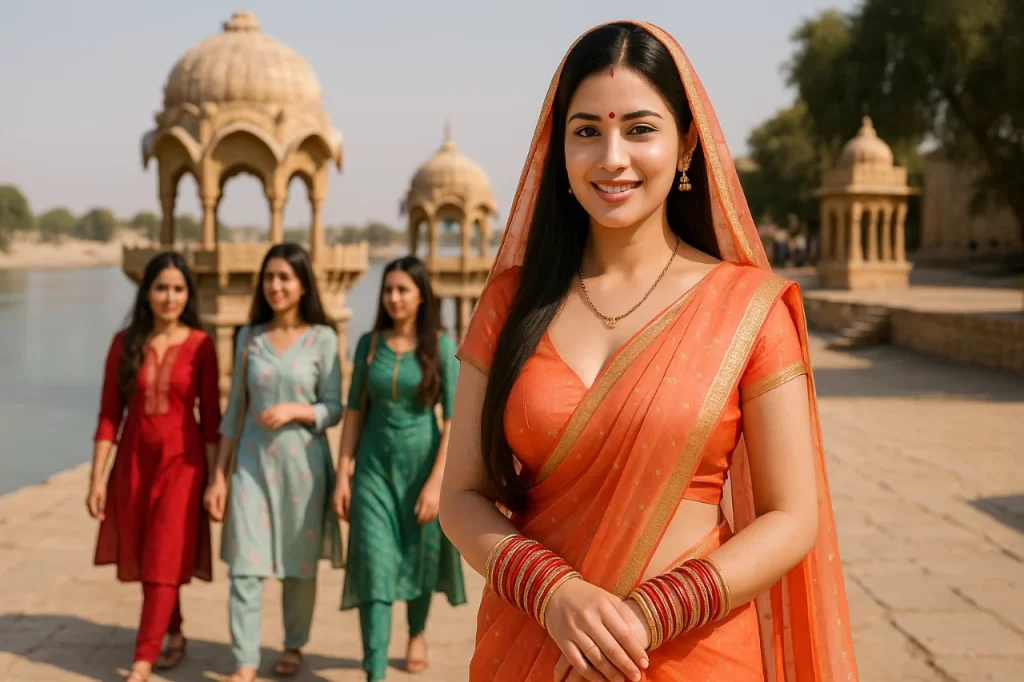
The Kalbeliyas, once snake charmers and entertainers, are now globally recognised for their Kalbeliya Dance. Likewise, the Manganiyars and Langas, two Muslim communities, have preserved Folk Music traditions passed down for generations 🎶. Their art and lifestyle form an integral part of Jaisalmer’s tourism appeal and socio-economic identity.
🗣️ Languages Spoken in Jaisalmer
The dominant language spoken in Jaisalmer is Rajasthani, specifically the Marwari Dialect 🗣️. However, the local version is often infused with Sindhi and Punjabi words due to geographical proximity to Pakistan and historical trade routes.
➪ Primary Language: Marwari (Rajasthani dialect)
➪ Secondary Languages: Hindi, Sindhi, Urdu
➪ Languages for Tourists: English is widely understood in hotels, government offices, and among younger generations and tour guides 🌍
Many desert dwellers also speak “Thali” or “Deswali”, a localised dialect used in villages. These dialects are oral and rarely written, passed down through songs, ballads, and storytelling traditions 🪕
📊 Economic and Occupational Profile
➨ Jaisalmer’s economy is influenced heavily by:
➪ Tourism 🏰
➪ Handicrafts and Textiles 🧵
➪ Camel Breeding and Dairy 🐪🥛
➪ Salt Mining and Stone Quarrying 🪨
➪ Military Employment due to its proximity to the Indo-Pak border
In rural areas, livestock rearing is a major livelihood. Families often keep goats, sheep, and camels for milk, wool, and transport. Women actively participate in embroidery and crafts, contributing to the local economy.
✝️🕉️☪️ Religious Demographics
Jaisalmer is a multi-religious town, although Hinduism is the predominant religion followed by around 85% of the population. Islam constitutes around 12–14%, and Jainism is also notable, particularly due to the magnificent Jain Temples in the Jaisalmer Fort 🛕.
➪ Hindus: 85%
➪ Muslims: 12–14%
➪ Jains: 1–2% (but Culturally Influential)
➪ Christians & Others: Less than 1%
Festivals like Diwali, Holi, Gangaur, Ramzan, and the Jaisalmer Desert Festival celebrate this vibrant religious co-existence 🎊.
👨👩👧👦 Gender and Family Structures
Jaisalmer society is largely patriarchal, especially in traditional Rajput and rural households. However, women play important roles in crafts, family businesses, and local governance through Panchayati Raj institutions.
➪ Marriage customs: Predominantly arranged, with early marriages still seen in rural regions
➪ Family setup: Joint families are common; younger generations in cities are moving toward nuclear families 🏠
➪ Women’s role: Significant in traditional arts like embroidery, pottery, mirror work, and folk performances
🚸 Education and Youth Trends
While Jaisalmer has seen improvements in education outreach, particularly through NGOs and government initiatives, challenges remain in rural access and girl-child education. There are several government schools and private English-medium institutions, including Kendriya Vidyalaya and Army Public Schools 🏫.
➪ Youth literacy (18–25 age group): Increasing at ~70%
➪ Popular career paths: Tourism, teaching, military service, small-scale trade, and migration to urban centres like Jodhpur or Jaipur for better job prospects
🌐 Urban vs. Rural Demographic Divide
Urban Jaisalmer features better infrastructure, educational institutions, and tourism-related businesses. In contrast, the rural and desert interiors still grapple with water scarcity, lack of electricity, and limited digital access. However, government schemes such as “Desert Development Programme (DDP)” and “Rural Skill Missions” are bridging the gap 🏜️.
➪ Rural population: ~85%
➪ Urban influence: Growing in surrounding villages through tourism
In conclusion, Jaisalmer is a land where ancient caste dynamics, tribal traditions, folk art, and modern aspirations converge. Understanding its sociodemographic structure gives travellers a deep insight into not just its majestic forts or golden sand dunes, but also the heartbeat of the desert — its people 💛.

🌟 Notable People and Their Remarkable Contributions in Jaisalmer, Rajasthan, India
Jaisalmer, often hailed as the “Golden City”, is not just known for its majestic forts and endless dunes but also for the luminaries who have contributed immensely to its cultural, military, artistic, social, and political fabric. These individuals, hailing from the heart of the Thar Desert, have left an indelible mark locally and globally through their inspiring work. Below is a comprehensive list of some of the most notable personalities associated with Jaisalmer.
🎶 Ustad Allah Jilai Bai – Legendary Folk Singer of Rajasthan
One of the most iconic names to emerge from the folk traditions of Jaisalmer is Ustad Allah Jilai Bai, born in 1902 in the nearby Bikaner-Jaisalmer belt. Although originally associated with Bikaner, she trained and performed extensively across Jaisalmer and was known for preserving the Maand, Thumri, and Khyal styles of Rajasthani music. She performed at royal courts and received the Padma Shri in 1982 for her invaluable contribution to Indian classical and folk music 🎵.
Her renditions of songs like Kesariya Balam brought international recognition to Rajasthani folk music, and she became a symbol of Rajasthan’s rich musical heritage.
🐪 Ustad Bundu Khan Manganiyar – The Maestro of the Desert
Belonging to the Manganiyar community of Jaisalmer, Ustad Bundu Khan is revered for his unparalleled mastery of the Kamaicha (a traditional string instrument). Through international tours and collaborations, he brought the sounds of the Thar Desert to global stages 🌍. His traditional performances, often accompanied by haunting vocals and desert instruments like the Khartal and Dholak, showcased the Oral Storytelling traditions of the region.
Bundu Khan was instrumental in preserving the Intangible Heritage of desert music and training the next generation of Manganiyar musicians.
🎭 Rais Khan Pathan – Folk Dancer and Kalbeliya Promoter
Hailing from a humble background in the outskirts of Jaisalmer, Rais Khan Pathan has played a pioneering role in reviving and modernising Kalbeliya dance, traditionally performed by the Kalbeliya (snake charmer) tribe 🐍. He founded cultural troupes that perform across India and abroad, bringing recognition to the marginalised tribal communities of Jaisalmer.
His efforts led to the UNESCO recognition of Kalbeliya dance as an Intangible Cultural Heritage of Humanity, placing Jaisalmer on the world cultural map.
🏰 Rana Chaitanya Raj Singh Bhati – Descendant of Jaisalmer Royalty
A present-day custodian of Jaisalmer’s royal legacy, Rana Chaitanya Raj Singh Bhati, a descendant of the Bhati Rajput Royal Family, has actively worked to preserve the heritage architecture and manuscripts of Jaisalmer Fort and Patwon Ki Haveli 🏛️. He has also collaborated with international heritage conservation bodies to maintain and restore ancient structures in the fort.
His foundation supports local artisans, museum digitisation, and heritage tourism projects, contributing to sustainable tourism and cultural preservation in Jaisalmer.
🪖 Colonel Bahadur Singh Rathore – War Hero from the Desert Soil
A decorated officer from the Rathore clan of Jaisalmer, Colonel Bahadur Singh Rathore played a crucial role in the 1971 Indo-Pak War, especially in operations in Rajasthan’s western front near the Longewala region. His valiant leadership and strategic brilliance earned him recognition and medals 🏅.
His legacy is often celebrated during Border Security commemorations, and his family continues to inspire youth to join the armed forces from this region close to the Indo-Pak border.
📚 Dr. Hariram Meghwal – Social Reformer and Educator
Coming from the Meghwal (Scheduled Caste) community, Dr. Hariram Meghwal is a leading social reformer and educator in Jaisalmer. He has worked tirelessly to promote Dalit rights, girl child education, and rural healthcare awareness. He established free libraries and evening schools in remote villages 🏫.
Through his NGO, Thar Seva Sansthan, he has reached over 200+ desert villages with mobile health clinics and digital learning buses, bridging the education divide.
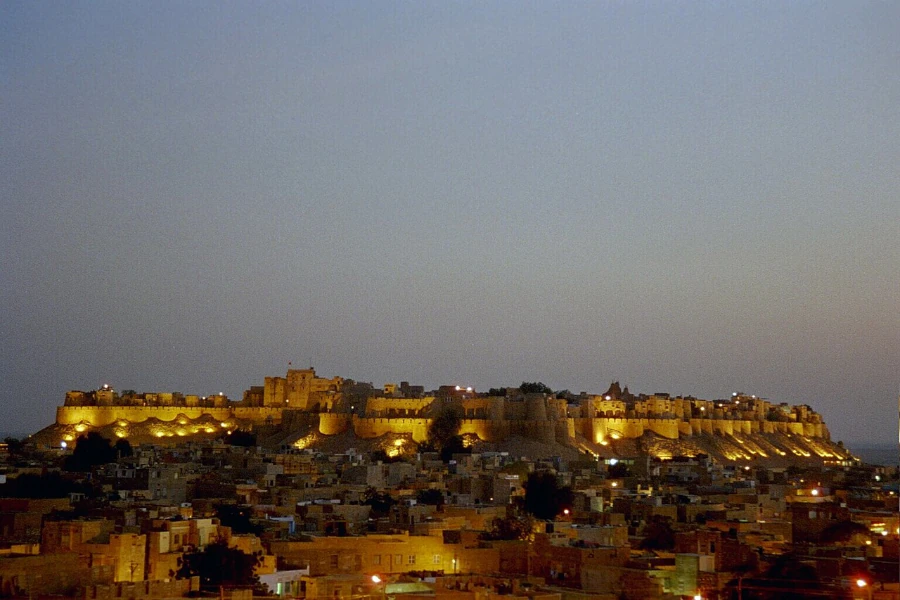
📸 Rita Chaudhary – Award-winning Desert Photographer
Rita Chaudhary, a native of Jaisalmer, is one of the few internationally acclaimed female photographers from Rajasthan who has dedicated her career to capturing the lives of desert communities. Her photographs often portray nomadic tribes, desert landscapes, and traditional Rajasthani attire, earning her accolades in global photography circles 🖼️.
She’s been featured in National Geographic, Lonely Planet, and several Indian tourism campaigns. Her work has played a pivotal role in boosting cultural tourism in rural Jaisalmer.
📺 Mohammad Sadiq – Prominent Local Historian and Cultural Documentarian
Based in the historic town centre of Jaisalmer, Mohammad Sadiq is a local historian who has dedicated his life to documenting the oral histories of Jaisalmer’s temples, forts, musicians, and trading families 📜. His home-turned-museum offers guided heritage walks, showcasing rare manuscripts, coins, maps, and desert stories passed down for generations.
His grassroots work in preserving local heritage outside mainstream narratives has received recognition from both UNESCO and the Indian Ministry of Culture.
🏕️ Gajendra Singh Sodha – Desert Safari Entrepreneur and Rural Developer
An ex-army personnel turned entrepreneur, Gajendra Singh Sodha is credited with transforming desert tourism in Jaisalmer through eco-conscious camel safaris and rural home-stays. He offers experiences that allow tourists to live with local shepherds, enjoy folk cooking, and witness solar-powered village life 🌞.
His work has empowered rural families by giving them income through tourism while maintaining cultural dignity and ecological sensitivity.
🌐 Conclusion
These notable individuals of Jaisalmer reflect the diverse, resilient, and artistically rich soul of this desert city. Whether through music, military valour, cultural preservation, education, or tourism, their efforts have helped shape the identity of Jaisalmer far beyond its sandy horizons. From the echo of a Kamaicha in a Manganiyar’s hand to the classroom lights in a rural Meghwal school, Jaisalmer’s legacy lives through its people 💛.
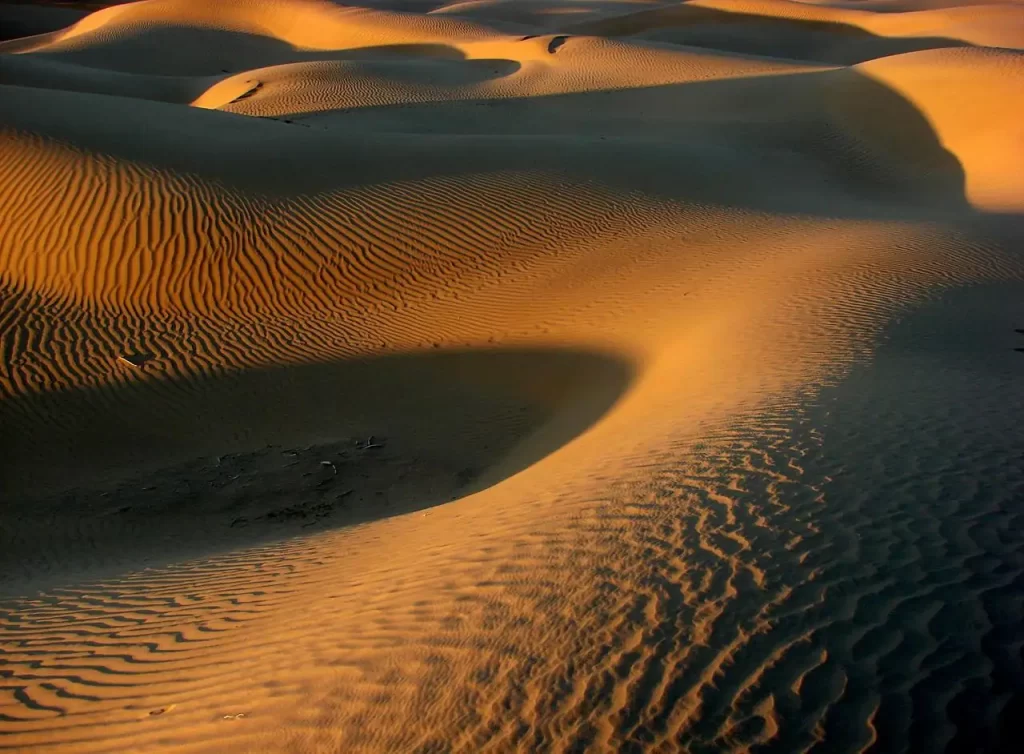
🏭 Industrial Development and Industries in Jaisalmer, Rajasthan, India – A Granular Overview
Jaisalmer, primarily known for its majestic forts, sand dunes, and tourism, may not strike one as an industrial hub at first glance. However, beneath the sands of the Thar Desert, Jaisalmer is witnessing gradual but strategic industrial growth, especially in energy, mining, handicrafts, and agro-based sectors. While the region faces environmental constraints, the government and private players have found innovative ways to harness its natural and cultural resources for sustainable industrial expansion.
☀️ Renewable Energy – The Solar Capital of India
Jaisalmer has emerged as a key player in India’s renewable energy sector, particularly in solar and wind energy. With over 300 sunny days annually, the district has attracted massive solar power investments, especially under the Jawaharlal Nehru National Solar Mission and Rajasthan’s own Solar Energy Policy. Major solar parks, including Bhadla Solar Park (shared with Jodhpur), although slightly outside Jaisalmer, have spilled over employment and infrastructural benefits to the region.
The Jaisalmer Wind Park, operated by Suzlon Energy, is one of the largest wind farms in India, generating thousands of megawatts of clean energy. These projects not only provide power but also employment for local technicians, guards, and maintenance staff 🌬️ 🔋.
🪨 Lignite and Limestone Mining
The mineral-rich desert soil of Jaisalmer is home to extensive deposits of lignite, limestone, and gypsum, which have become major contributors to the district’s industrial profile. The Rajasthan State Mines and Minerals Limited (RSMML) operates lignite mines at Jalipa and Kapurdi, with the fuel used in thermal power plants like the Barsingsar and Giral power stations.
Limestone and sandstone from this region are in high demand across India for use in construction and cement manufacturing. Many stone-cutting units, especially around Pokhran and Ramgarh, support both domestic and export markets, with high-quality Jaisalmer Yellow Stone being used in prestigious government buildings and heritage restorations 🪨 🏗️.
🏜️ Oil and Natural Gas Exploration
One of the most transformative industrial shifts in Jaisalmer came with the discovery of oil and gas reserves in the region. Cairn India (a part of Vedanta Group) and other energy giants have been involved in exploratory drilling and production activities around the Rajasthan basin, which stretches into Jaisalmer district. Fields like Raageshwari and Saraswati have yielded promising results for hydrocarbon extraction.
These projects have led to significant investment in local infrastructure like roads, pipelines, and base camps, indirectly boosting the economy and creating auxiliary jobs in logistics, security, catering, and construction ⛽ 🚧.
🧵 Handicrafts and Cottage Industries – The Cultural Backbone
Jaisalmer’s traditional handicrafts industry forms the backbone of rural employment, especially for women and artisans. The city and surrounding villages are known for embroidered textiles, mirror work, leather goods, wood carvings, and puppetry. Government initiatives like the Rajasthan Small Industries Corporation (RAJSICO), along with NGOs, have helped artisans modernise their techniques and access e-commerce platforms 🪡 🎨.
Craft clusters in villages like Amar Sagar, Baramsar, and Kanoi are now being developed into craft tourism hubs, attracting tourists for live craft demonstrations and workshop-based shopping experiences. Many artisans are also trained in digital marketing and packaging, making the industry both culturally relevant and economically sustainable.
🧂 Salt Production and Desert Agro-Industries
Thanks to its saline desert basins, areas in Jaisalmer near Khuri and Pokhran have thriving salt pans, producing edible and industrial-grade salt. These are often family-run or cooperatively managed and feed into chemical industries and food supply chains across North India.
In addition, desert agriculture innovations like Isabgol (Psyllium Husk), cumin, and aloe vera cultivation have led to the rise of agro-processing units in nearby industrial zones. These produce herbal oils, processed spices, and organic products, which are now being exported under Rajasthan’s organic brand labels 🧂 🌿.
🏨 Tourism as a Service Industry – Industrialising Heritage
Tourism is Jaisalmer’s most visible and evolved industry. But behind the scenes, it operates like a large-scale service-based industrial sector, generating thousands of jobs. From luxury hotels, desert camps, transport fleets, to local guides, artisans, and event managers, the tourism industry functions through a multi-layered supply chain.
Large hospitality players like Suryagarh, Marriott, and Desert Tulip operate alongside boutique desert resorts and camps. These establishments require consistent supply chains of linen, food, solar energy, maintenance, transport, and online management systems, supporting hundreds of SMEs and startups 🏨 📈.

🧪 Defence and Research Facilities – Pokhran’s Strategic Edge
The Pokhran Test Range, located in the Jaisalmer district, is one of India’s most strategic defence installations, managed by the Defence Research and Development Organisation (DRDO). Though its core is defence testing, its presence has led to enhanced security, infrastructure, and communication facilities in the region.
There are also spin-off benefits to local industries like logistics, transport, food supply, and uniforms, which support the regular inflow of military and scientific personnel to this remote part of Rajasthan 🚀 🛡️.
🛣️ Connectivity Infrastructure and Industrial Corridors
The Bharatmala Highway Project, Dedicated Freight Corridor (DFC) alignment, and Jaisalmer Airport’s expansion are set to boost industrial activity in the region. Better connectivity ensures faster logistics, lower transportation costs, and greater access to remote villages, which in turn attracts industrial warehousing, cold chains, and retail aggregators 🛣️ ✈️.
The government’s proposal for a Desert Industrial Corridor, connecting Jaisalmer with Barmer and Bikaner, is in conceptual stages but holds great promise for resource-based industrial clusters, including solar panel manufacturing, ceramics, and packaging units.
📈 Challenges and Sustainable Industrial Future
Despite these developments, Jaisalmer’s industrial growth is constrained by scarce water availability, extreme climatic conditions, and eco-sensitive zones. However, sustainable practices, such as solar-powered units, rainwater harvesting for industries, and eco-tourism, are helping redefine industrialisation in a desert context 🌾 🌞.
Future growth lies in balanced development, where clean energy, heritage preservation, and responsible industries create a unique blend of desert-driven economics and ecology.
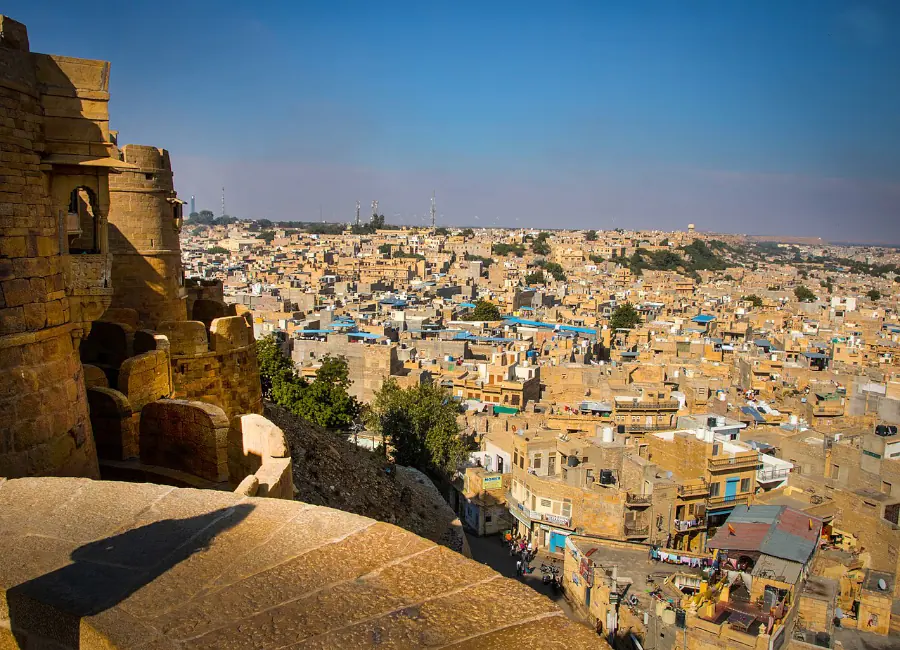
🏘️ Important Villages and Towns in Jaisalmer, Rajasthan – A Granular Exploration
Jaisalmer District, located in the heart of the Thar Desert, is not only about the iconic Golden Fort and sand dunes, but is also a mosaic of distinct towns and culturally rich villages, each playing a crucial role in the region’s heritage, economy, and demography. From historically strategic outposts to artisan-filled hamlets and border-facing villages, every settlement in Jaisalmer has a story to tell.
1️⃣ Pokhran – The Historical & Strategic Town 🧪 🕌
Pokhran is one of the most well-known towns in the Jaisalmer district, famously associated with India’s nuclear tests conducted in 1974 and 1998. Situated on the Jodhpur-Jaisalmer highway, Pokhran is not only a defence and research hub but also a culturally vibrant town.
➨ Highlights:
➪ Pokhran Fort, a 14th-century citadel with a majestic palace and museum.
➪ Presence of the DRDO testing range, which has led to improved infrastructure in the region.
➪ Several temples and cenotaphs dedicated to local deities and war heroes.
➪ Known for salt production and local handicrafts 🧂🪡.
2️⃣ Sam – The Gateway to the Sand Dunes 🐪🌄
Sam (pronounced “Saam”) is a world-renowned village located about 40 km west of Jaisalmer city, famous for its massive sand dunes and desert safaris. It’s a tourism hub that comes alive during the evening with cultural folk programs under starlit skies.
➨ Highlights:
➪ Hub for camel safaris, jeep rides, and camping in the desert.
➪ Numerous luxury desert camps and eco-resorts 🌵⛺.
➪ Known for annual Desert Festival, featuring Rajasthani folk music, dances, & turban-tying competitions.
➪ Supports hundreds of local families through tourism-based livelihood.
3️⃣ Khuri – A Peaceful Desert Hamlet 🏜️ 🎶
Khuri, located around 50 km southwest of Jaisalmer, is a quieter and less commercialised alternative to Sam. With its rustic mud houses, peaceful ambiance, and raw desert experience, Khuri is ideal for travellers seeking authentic village life and tranquility.
➨ Highlights:
➪ Famous for mud hut stays and folk storytelling sessions.
➪ Rich in indigenous flora and fauna like chinkaras and desert foxes 🦊.
➪ Artisans skilled in leatherwork and pottery.
➪ Strong presence of Bishnoi and Meghwal communities, known for eco-friendly living.
4️⃣ Ramgarh – The Mineral Town 🪨🚚
Located towards the north of Jaisalmer, Ramgarh is known for its limestone and sandstone mining. It plays an essential role in supplying construction materials not only locally but across India.
➨ Highlights:
➪ Major source of Jaisalmer Yellow Stone, used in government and heritage buildings.
➪ Cluster of stone-cutting units and transport depots.
➪ Developing as a semi-urban centre, with growing population and services like schools and banks 🏫 🏥.
➪ Agriculture here is supported by indigenous water harvesting techniques.
5️⃣ Amar Sagar – Temple and Tank Complex 🛕 💧
Amar Sagar is more of a historical village complex located close to Jaisalmer city. It’s best known for the Amar Singh Lake and Jain temples, offering a picturesque and spiritual retreat.
➨ Highlights:
➪ Amar Sagar Jain Temple, built in ornate sandstone.
➪ Ancient step wells and lake systems, once the town’s water source.
➪ Photography hotspot due to the blend of water, architecture, and desert.
➪ A place of cultural significance and religious tourism.
6️⃣ Lodurva – The Jain Heritage Village 🙏 📿
Lodurva (or Lodrawa) was the ancient capital of the Bhati Rajputs before Jaisalmer city was established. Now, it is a historic village and pilgrimage site, renowned for its Jain Temples with intricate carvings.
➨ Highlights:
➪ Lodurva Jain Temple, with mesmerising jali (lattice) work and peacock motifs 🦚.
➪ Surrounded by sand dunes and desert flora, perfect for sunset photography.
➪ Also home to ancient Torans (archways) and serpent worship temples.
➪ Draws pilgrims and architecture lovers alike.
7️⃣ Kuldhara – The Haunted Heritage Village 👻🏚️
One of India’s most mysterious and talked-about abandoned villages, Kuldhara lies about 18 km from Jaisalmer. Once home to prosperous Paliwal Brahmins, the village was abandoned overnight, allegedly due to tyrannical rule and social injustice.
➨ Highlights:
➪ Remains of ancient homes, temples, and lanes, all in ruins.
➪ A major archaeological and tourist site, maintained by ASI.
➪ Legends of curses and ghost stories attract curious travellers.
➪ Offers insights into pre-colonial desert architecture and community planning.
8️⃣ Tanot – The Border Village with Divine Faith 🇮🇳 🛐
Located close to the India-Pakistan border, Tanot is revered for its Tanot Mata Temple, believed to have miraculously protected the region from bombings during the Indo-Pak wars.
➨ Highlights:
➪ Tanot Mata Temple, where unexploded bombs are displayed.
➪ Maintained by the Indian Border Security Force (BSF).
➪ Gateway to the Longewala War Memorial, a key battlefield during the 1971 war.
➪ The village is a symbol of patriotism, divine belief, and military respect 💣 🪖.
9️⃣ Nokh – A Lesser-Known Rural Treasure 🌾 🧣
Nokh is a small but culturally rich village known for its textile weavers and tie-dye (bandhej) artists. It provides a glimpse into the traditional lifestyle of desert communities.
➨ Highlights:
➪ Hosts artisans creating bandhani and embroidery work.
➪ Home to Rajput and Meghwal communities.
➪ A centre for local fairs and traditional puppet shows.
➪ Potential for rural tourism and cultural home-stays.
🔟 Other Notable Villages and Settlements 🧭
➪ Bhaniyana: A mid-sized rural settlement with good educational institutions.
➪ Dechu: Acts as a rest stop for travellers between Jodhpur and Jaisalmer, has growing hospitality infrastructure.
➪ Chandan & Nachana: Historically linked to local Rajput lineages, now involved in goat herding, camel rearing, and wool-based economy 🐐 🐪.
Here’s a detailed tabular infographic summarising the key villages and towns in Jaisalmer, Rajasthan along with their industries, historical, and tourist significance 🏜️ 📊.
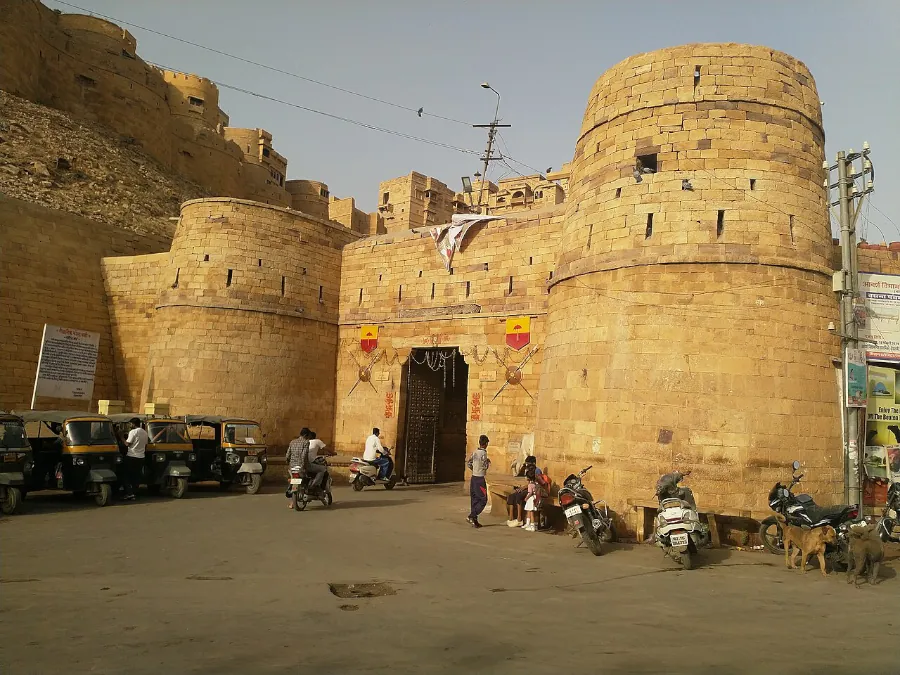
🗺️ Important Villages & Towns of Jaisalmer District – Tabular Breakdown
| 🏘️ Village/Town | 🛕 Primary Significance | 🌟 Notable Features |
| Pokhran | Strategic & Historical 🛡️ | Site of India’s 1974 & 1998 Nuclear Tests, Pokhran Fort, DRDO Base |
| Sam | Tourism – Desert Dunes 🐫 | Camel Safaris, Desert Camps, Jeep Rides, Sunset Views, Rajasthani Folk Shows |
| Khuri | Authentic Village Experience 🧵 🏚️ | Traditional Mud Houses, Local Desert Wildlife, Handicrafts, Pottery |
| Ramgarh | Mining & Resources ⛏️ | Rich in Yellow Sandstone (Golden Stone), Vital for Local Architecture |
| Amar Sagar | Religious & Scenic 🏞️ | Jain Temples, Artificial Lake, Pavilions and Gardens |
| Lodurva | Jain Heritage 🛕 | Intricate Jain Temples, Ancient Capital of the Bhati Rajputs |
| Kuldhara | Historical & Paranormal 👻 | Abandoned 19th-century Village, Folklore of Curses and Mass Exodus |
| Tanot | Border & Military Tourism 🪖 | Tanot Mata Mandir, Untouched in Indo-Pak Wars, Museum of the BSF |
| Nokh | Textiles & Crafts 👗 | Famous for Bandhani (Tie-Dye) Printing, Wool Weaving and Desert Crafts |
| Bhaniyana | Education & Agriculture 📚 🌾 | Hub for Rural Education, Local Grain Markets, Community Fairs |
| Dechu | Hospitality Gateway 🏕️ | Desert Resorts, Pitstop between Jodhpur and Jaisalmer |
| Chandan & Nachana | Animal Husbandry & Rajput Heritage 🐐 👑 | Famous for Camel and Goat Herding, Historic Rajput Settlements |
🏞️ How to Use This Table in Your Blog
📍 Integrate this breakdown with interactive maps or linked village profiles.
📸 Add image carousels of key landmarks (e.g., Tanot Temple, Sam Sand Dunes).
🛍️ Link local products (Bandhani, desert pottery) to shopping/recommendations section.
🧩 Summary
Jaisalmer district is much more than a desert city. Its towns and villages each offer a unique flavour of Rajasthani life – from spirituality and military pride to artisanal brilliance and ecological innovation. These settlements collectively represent the socio-economic fabric of a desert society that thrives on resilience, tradition, and gradual modernisation.
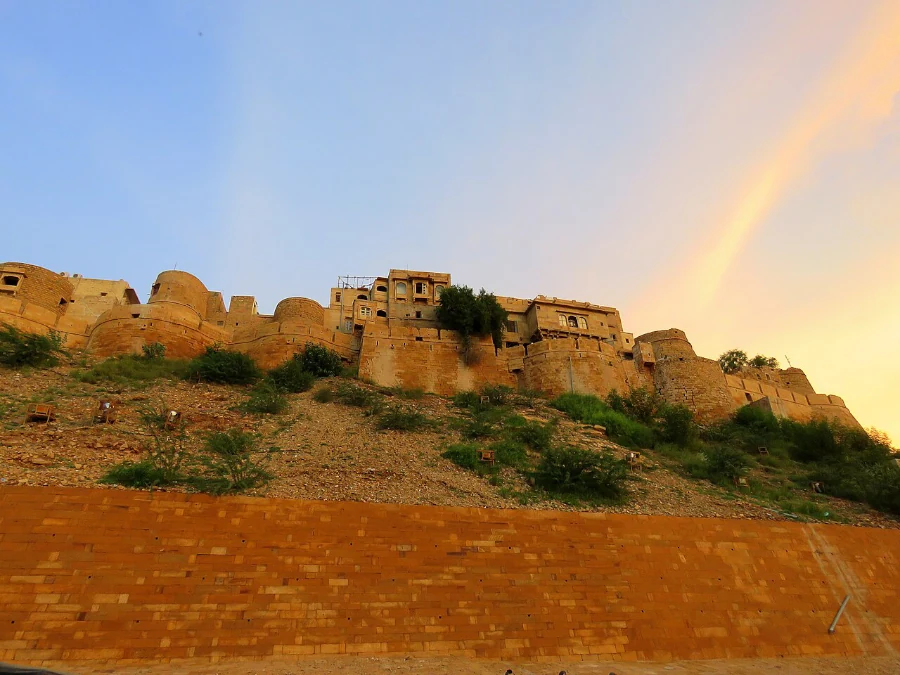
🧳 ✨ 5-Day Granular Travel Itinerary for Jaisalmer, Rajasthan, India
📅 Day 1: Arrival in Jaisalmer – The Golden City Welcome
🕐 Morning:
➪ Arrival at Jaisalmer Railway Station or Airport 🚉 ✈️
➪ Pickup and transfer to a heritage hotel or haveli-style guesthouse (e.g., Hotel Nachana Haveli or Fort Rajwada)
➪ Check-in and rest with welcome Rajasthani chai ☕
🍽️ Lunch Suggestion:
➪ Enjoy authentic Rajasthani thali at Trio Restaurant or Saffron Restaurant (inside Nachana Haveli)
🕞 Afternoon:
Begin with a leisurely heritage walk inside the Jaisalmer Fort (Sonar Quila) 🏰 – a UNESCO World Heritage Site
➨ Explore:
➪ Raj Mahal (Royal Palace)
➪ Jain Temples inside the fort
➪ Laxminath Temple
➪ Traditional homes and shops of locals still residing within the fort
🌆 Evening:
➪ Visit Patwon Ki Haveli and Salim Singh Ki Haveli for intricate stone carvings and architectural beauty 🪨
🍽️ Dinner Recommendation:
➪ Rooftop dinner at 1st Gate Home Fusion, overlooking the illuminated fort 🌟
📅 Day 2: Full Exploration of Heritage, Lakes & Villages
🕗 Morning:
➪ Breakfast with traditional dal-baati-churma 🌾 🍛
➪ Visit Gadisar Lake – peaceful boat ride and morning photography 🎣 🚣
➪ Walk around the lakeside temples and chhatris
🕙 Mid-Morning to Afternoon:
➨ Proceed to:
➪ Lodurva Jain Temples 🛕 – Stunning Torana (arch), Kalpavriksha motifs
➪ Amar Sagar – Jain temple complex and sacred tank
➪ Bada Bagh – Royal cenotaphs (chhatris) with desert backdrop 🌴
🍽️ Lunch Recommendation:
Local food at Desert Boy’s Dhani – traditional village-style seating
🕓 Evening:
➪ Explore local markets 🛍️ like Sadar Bazaar and Bhatia Bazaar
✅︎ Buy Bandhani textiles, mirror work kurtis, camel leather goods, silver jewellery
➪ Optional: Visit Jaisalmer War Museum near the military cantonment 🪖
🌃 Night Suggestion:
Enjoy a light and sound show at Jaisalmer Fort or a traditional puppet show at Desert Culture Centre
📅 Day 3: Desert Safari & Cultural Night in Sam
🕗 Morning:
➪ Early breakfast and drive to Sam Sand Dunes (approx. 40 km, 1-hour) 🐪
🎉 Midday Desert Experience:
➪ Check-in at luxury desert camp (e.g., The Serai, Royal Desert Camp, or Winds Desert Camp)
➪ Relax and explore the desert surroundings
➨ Activities include:
➪ Camel Safari 🐪
➪ Jeep Safari on Dunes 🛻
➪ Dune bashing
➪ Visit nearby villages like Khuri or Kuldhara Ghost Village 👻
🍛 Lunch:
➪ Traditional lunch in camp or mud-hut style dhaba
🕕 Evening:
➪ Sunset photography on the dunes 🌅
➪ Cultural program at the desert camp:
⦿ Kalbeliya & Ghoomar dance
⦿ Live folk music
⦿ Bonfire and Rajasthani dinner buffet under the stars 🔥 🍽️
🛏️ Overnight:
➪ Stay in luxury tent with attached bath, hot water, and heater (if winter)
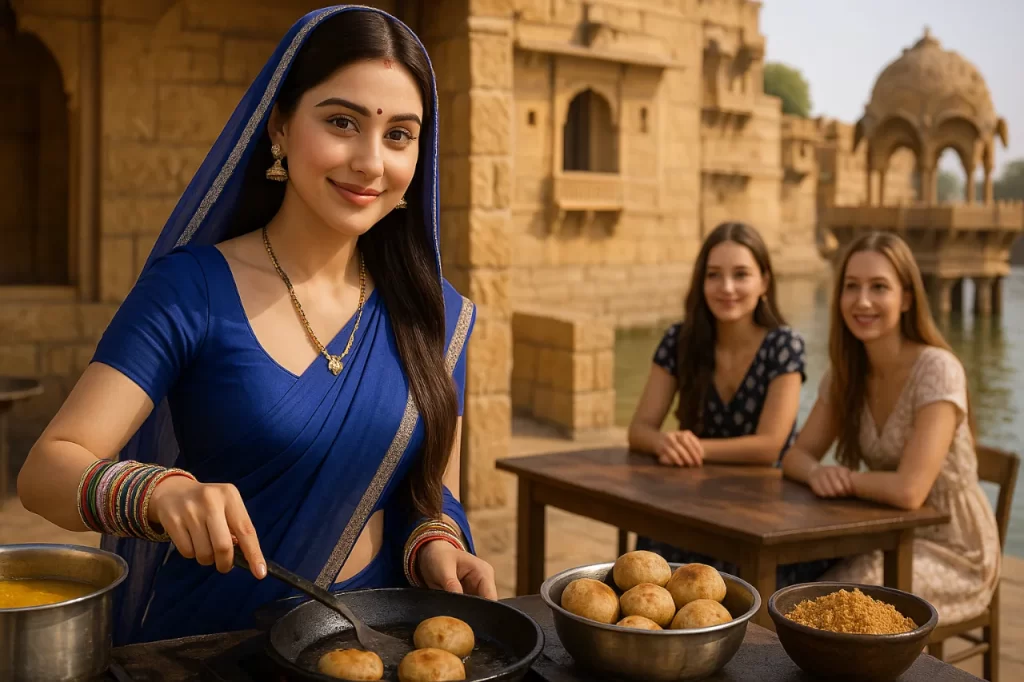
📅 Day 4: Border Tourism, Temples & Offbeat Experiences
🕗 Early Morning:
➪ Depart for Tanot Mata Temple near the Indo-Pak border 🇮🇳
⦿ Approximately 2.5 hours drive
⦿ Temple was miraculously untouched during 1971 war
⦿ Visit the Tanot War Memorial & BSF Museum
🕙 Border Excursion (Optional):
➪ With prior permission, visit Longewala Post & Museum 🪖
⦿ Site of the famous Battle of Longewala
⦿ Watch war film & see tanks and artefacts
🍽️ Return to Jaisalmer by late afternoon:
➪ Light lunch en route or back in town
🛕 Late Afternoon Visit:
➪ Explore Vyas Chhatri for sunset photography of Jaisalmer skyline 📸
➪ Relax at local café like Kuku Coffee Shop or Jaisal Italy
🍽️ Dinner Recommendation:
➪ Try Desert Cow or Gypsy Restaurant
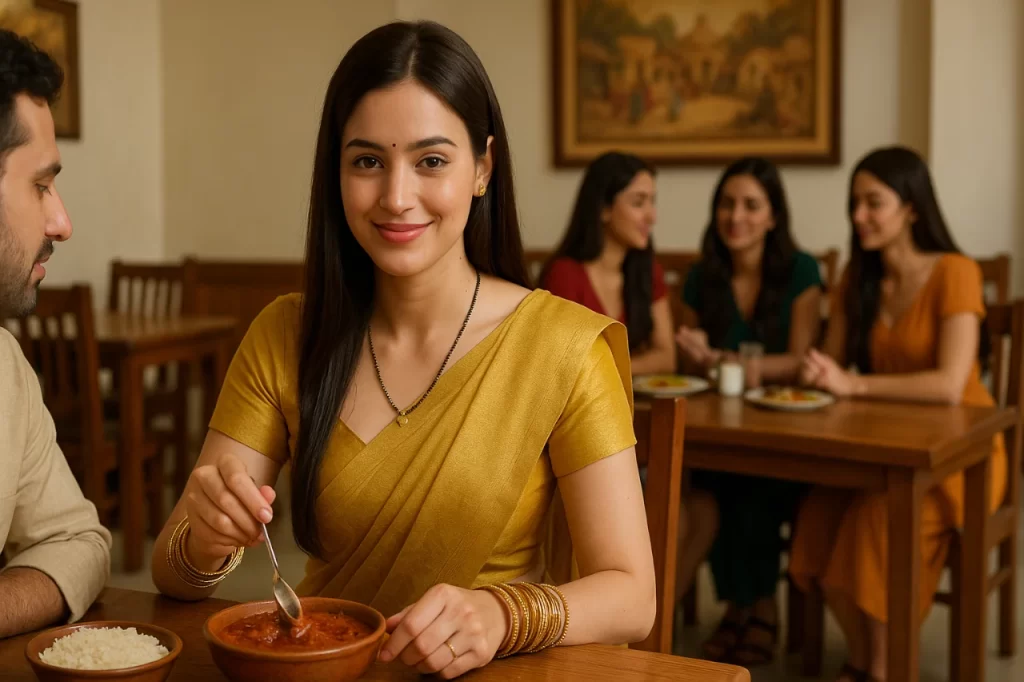
📅 Day 5: Leisure, Shopping & Departure
🕗 Morning:
➪ Breakfast and check out from hotel or camp
➨ Optional visit to:
⦿ Pokhran Fort (on the way to Jodhpur)
⦿ Ramgarh village for sandstone mining tour
⦿ Bhaniyana for rural education & handicraft exposure
🛍️ Final Shopping:
➪ Handicrafts, Puppets, Fossils, Jaisalmer yellow stone items
🚉 Departure:
➪ Transfer to Jaisalmer Railway Station or Airport with memories 📦
📝 Tips for Travellers
☀️ Best Season: October to March (Winter is Peak Tourist Time)
🧴 Carry Sunscreen, Sunglasses and Plenty of water
🧥 Night temperatures in desert drop sharply – carry warm clothes
📸 Respect locals and ask permission before photographing villagers
🐫 Book desert camps in advance for better deals
FAQs
Is Jaisalmer safe for solo travellers?
Yes, it’s very tourist-friendly and locals are very helpful.
How many days are enough for Jaisalmer tour?
3 to 4 days are ideal to explore the city and desert.
Can I stay inside Jaisalmer Fort?
Yes, several heritage hotels and home-stays are inside the fort.
Are desert safaris worth it?
Absolutely! It’s one of the top experiences in Jaisalmer.
What’s the Desert Festival all about?
It’s a three-day cultural extravaganza held every February showcasing Rajasthani music, dance, turban tying contests, and camel races.
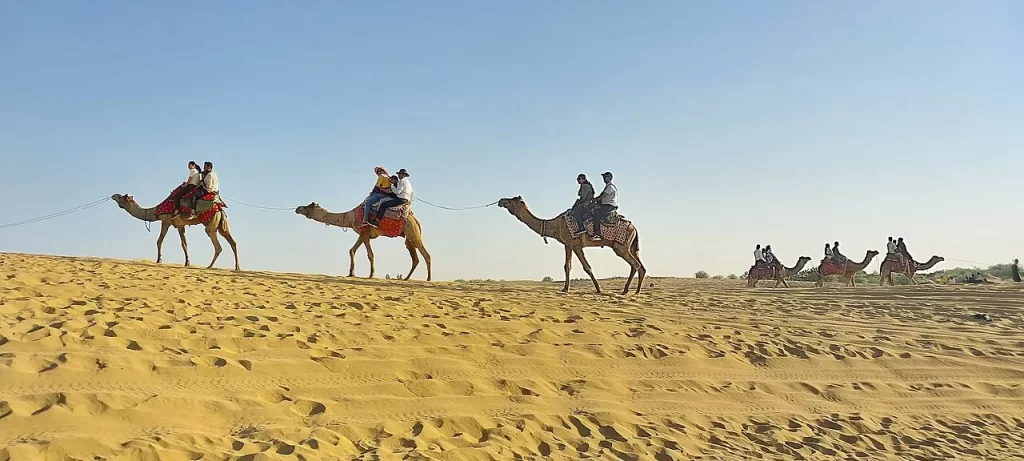
Conclusion
Jaisalmer isn’t just a destination—it’s an emotion carved in sandstone. From its heroic legends to its architectural jewels, from its golden dunes to the people who bring it all to life — Jaisalmer is India in its most regal, raw, and radiant form. It offers a deep dive into heritage while wrapping it all in a golden glow that stays with travellers long after they leave.
🏁 ✨ Detailed Conclusion: The Enduring Allure of Jaisalmer – Where Time Stands Still
Nestled on the western frontier of India, amid the swirling sands of the Thar Desert, Jaisalmer stands as a Timeless Masterpiece of Heritage, Culture and Desert Mystique 🏜️. Often referred to as the “Golden City” because of its sun-kissed yellow sandstone architecture, Jaisalmer offers far more than just majestic forts and ornate Havelis — it delivers a soulful experience of Rajasthan’s royal legacy intertwined with the vibrant life of its desert people.
🌅 From the moment you witness the first golden rays fall upon the ramparts of Jaisalmer Fort, or hear the evocative tunes of a lone Rajasthani folk singer echo through a narrow lane, you are swept into a world that refuses to be forgotten. This city is not just a destination; it’s a living museum of history, faith, and resilience that has weathered the test of time with unmatched grace.
✨ Whether you’re marvelling at the intricacies of Patwon Ki Haveli, riding a camel through the rolling dunes of Sam, or sharing a meal with locals in a village like Khuri, each moment in Jaisalmer is filled with deep cultural resonance and unmatched authenticity. You don’t just observe history here — you live it, breathe it, and carry it back home.
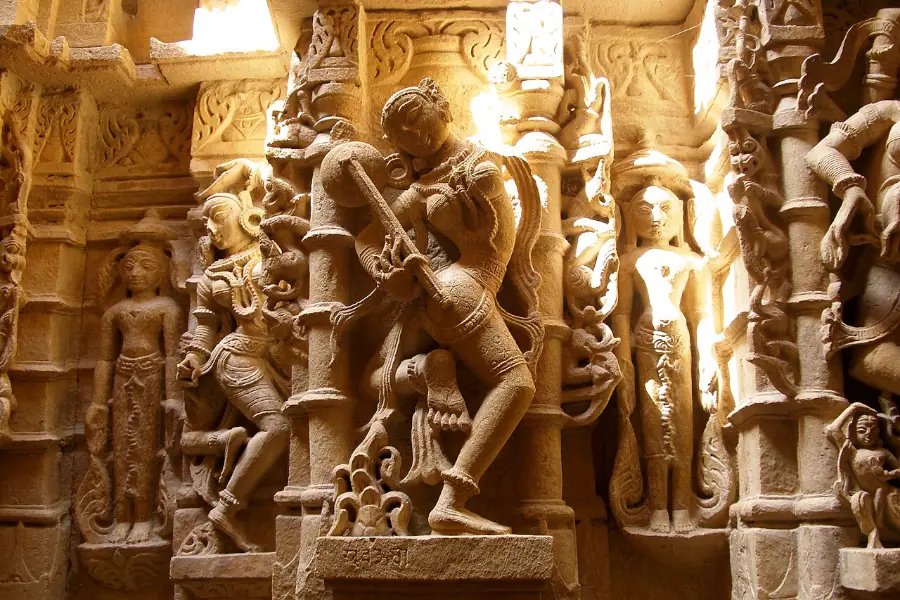
🙏 The temples and places of worship in Jaisalmer — from the sacred Jain shrines of Lodurva to the miraculous Tanot Mata Temple near the Indo-Pak border — are not just religious stops but symbols of faith and architectural brilliance, testaments to the deep spiritual roots embedded in desert life.
🛍️ The local marketplaces, brimming with embroidered fabrics, camel leather accessories, intricate silver-work, and vibrant puppets, offer not just souvenirs but stories sewn into every thread and sculpted into every artefact. Each alley in Sadar Bazaar, each kiosk in Bhatia Bazaar, carries the creative heartbeat of the local artisans — keeping centuries-old traditions alive.
🍛 And let’s not forget the culinary heritage of Jaisalmer, which dances on your palate with every bite of Dal Baati Churma, Ker Sangri, Gatte Ki Sabzi, or Laal Maas. From rooftop cafés overlooking the golden skyline to rural dhabas serving food with unmatched warmth, the city’s cuisine is a sensory celebration of desert life 🌶️ 🍲.
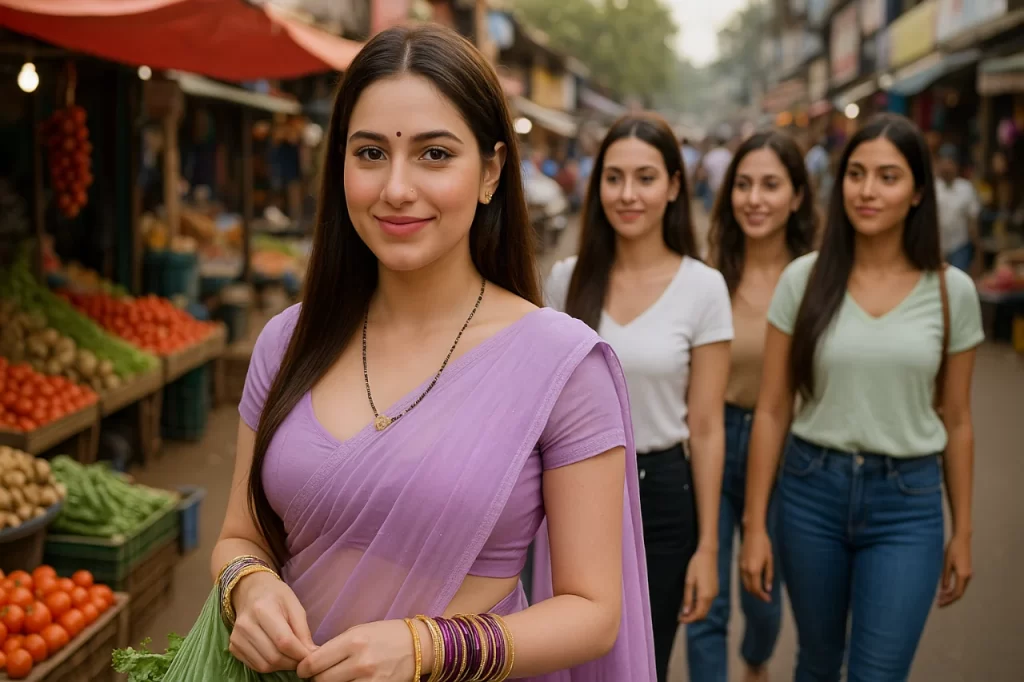
🌤️ Despite the extreme temperatures, Jaisalmer remains inviting year-round, especially from October to March when the cool desert breeze breathes new life into the streets, dunes, and temples alike. It’s during this season that the city comes alive with cultural fests, fairs, and unforgettable camel safaris under star-studded skies 🌌 🐪.
👨👩👧👦 From solo travellers and cultural enthusiasts to honeymooners and family explorers, Jaisalmer accommodates all with gracious hospitality, rich experiences, and an ever-present sense of serenity. The socio-demographic vibrancy — a mix of Rajputs, Muslims, Brahmins, Meghwals, and artisans — speaks volumes of its inclusive spirit and historical depth 🤝 🕌.
💼 Meanwhile, the emerging industrial front, especially renewable energy, tourism, and handicrafts, shows that while Jaisalmer cherishes its past, it is also boldly marching into the future, adapting without erasing its legacy ⚙️ 🔋.
🌟 As you leave Jaisalmer — whether from its heritage-laden streets or its mesmerising sand dunes — you don’t merely depart a city. You carry with you the golden dust of its stories, the warmth of its people, and the timeless echo of its desert winds. Jaisalmer isn’t just visited. It’s experienced. It’s felt. It’s remembered.
🎒 ✨ Final Thought:
Jaisalmer is where your Soul Rediscovers Silence, where the Walls tell stories and where each Sunset Paints a Golden Goodbye. So pack your bags, charge your camera, bring an open heart — and let the Golden City of India write its saga into the pages of your memory.
Sources
➛ Wikipedia – Jaisalmer
➛ Incredible India – Jaisalmer
➛ Rajasthan Tourism
➛ TripAdvisor – Jaisalmer
➛ MakeMyTrip – Jaisalmer
➛ Lonely Planet – Jaisalmer
➛ Interviews with local residents and artisans
Image Credit
➛ Wikimedia Commons – Jaisalmer Fort
➛ Wikimedia Commons – Jaisalmer fort 1
➛ Wikimedia Commons – RAJ Jaisalmer Fort
➛ Wikimedia Commons – Jaisalmer, Rajasthan
➛ Wikimedia Commons – Tanot Victory Pillar
➛ Wikimedia Commons – Jaisalmer, Thar Desert
➛ Wikimedia Commons – Fort Jaisalmer at Sunset
➛ Wikimedia Commons – View from Jaisalmer fort
➛ Wikimedia Commons – Jaisalmer-Fort-20-2018-gje
➛ Wikimedia Commons – Jaisalmer Fort – Rajasthan
➛ Wikimedia Commons – Patwon ki Haveli Jaisalmer
➛ Wikimedia Commons – The Great Indian Thar Desert
➛ Wikimedia Commons – Evening view of Jaisalmer Fort
➛ Wikimedia Commons – Tanot Mata, Jaisalmer, Rajasthan
➛ Wikimedia Commons – Jaisalmer, India, Jaisalmer Fort
➛ Wikimedia Commons – Jaisalmer, India, Jaisalmer Fort 2
➛ Wikimedia Commons – Thar Desert Sunset Rajasthan India
➛ Wikimedia Commons – Jaisalmer, India, View of Jaisalmer Fort
➛ Wikimedia Commons – Camel rides in Jaisalmer, Thar Desert 15
➛ Wikimedia Commons – Jaisalmer-Fort-04-von Gadsisar Lake-2018-gje
➛ Wikimedia Commons – Thar Desert, Nr. Jaisalmer, Rajasthan, India
➛ Wikimedia Commons – Jaisalmer, India, Jaisalmer Fort, Haveli Art
➛ Wikimedia Commons – Jaisalmer, India, Jaisalmer Fort, Jain Temple
➛ Wikimedia Commons – Jaisalmer, India, Jaisalmer Fort, Jain Temple, Art 3
➛ Wikimedia Commons – Views from Jaisalmer Fort -Jaisalmer -Rajasthan – Seal Sum 06
➛ Wikimedia Commons – View 2 From Jaisalmer Fort – Jaisalmer – Rajasthan – DSC 1535
➛ Wikimedia Commons – A sunset on the dunes of the Great Indian Thar Desert Rajasthan India
For more information, you can visit our website: ExploreXP
Latest Posts
- Jade Laroche: From Spotlight to Soundwaves — The Reinvention of a French Icon

- Milind Shinde – The Relentless Craftsman of Marathi Cinema Who Turned Every Frame into Fire
- Subodh Bhave: The Timeless Torchbearer of Marathi Cinema Who Redefined Biographical Storytelling
- Svetlana Khodchenkova: The Enigmatic Russian Beauty Who Conquered Hollywood Without Losing Her Soul

- Rashmi Gautam: The Fearless Voice of Telugu Television Who Turned Stardom into Substance

- Simone Holtznagel: From Wollongong’s Coastal Dreams to Global Runways — A Blonde Force Who Turned Reality TV into a Fashion Empire