
🌤️ 🏛️ Best Time to Visit Satna & Discover Satna’s Cultural Festivals
Satna sits in the Vindhya foothills of northeastern Madhya Pradesh, and its climate, religious calendar and local rhythms shape when the district shines the most for visitors. The best overall months to visit are October through March — cool, dry days, clear skies for sightseeing, and an active calendar of festivals and fairs. This period not only makes road and rail travel comfortable, it also coincides with many of the district’s major cultural celebrations, making it ideal for culture-seeking travellers.
Late winter (February–March) and early autumn (September–November) are particularly rewarding: spring brings mild temperatures and early-morning temple visits that are pleasant, while post-monsoon autumn gives the countryside its freshest, greenest look just before winter festivals begin. If you are a photographer or an outdoor trekker, schedule your visit around late September–November for lush landscapes and crisp light.
Table of Contents
Avoid the height of summer (April–June) if you’re uncomfortable with high temperatures: daytime highs frequently climb into the high 30s–40s °C, and heat can make long temple climbs (Maihar’s Trikut Hill, for example) tiring. If you must travel in summer, plan early-morning or late-evening temple visits and keep hydration and sun protection a priority.
Monsoon (July–September) transforms the Vindhyan hills into emerald slopes and activates seasonal waterfalls and river ghats, making it an atmospheric choice for nature lovers—BUT do note that heavy rains can cause localised flooding, river swelling, and occasional road disruptions (Chitrakoot and nearby ghats are sometimes affected during heavy monsoon spells). Check weather advisories before setting out on rural roads.
Also Read
👉 Satna, Madhya Pradesh, India – The Limestone City Where Heritage Meets Harmony
👉 Detailed Introduction of Satna, Madhya Pradesh, India
👉 Detailed Historical Facts & Timeline of Satna, Madhya Pradesh, India
👉 Architectural Marvels and Architectural Itinerary of Satna, Madhya Pradesh
👉 How to Reach Satna, Madhya Pradesh, India – A Deep, Granular, Expert Travel Guide
For pilgrims the calendar is straightforward: Navratri (Sharadiya, usually September/October) is the busiest devotional season in the district, especially at Maihar’s Maa Sharda Devi temple where special Darshan arrangements, crowds and extended aarti schedules are the norm. Authorities often impose large-scale traffic and crowd management plans during these times, and the ropeway or road access may be restricted or staged for safety. Book accommodation well ahead if you plan to visit during Navratri.
Maihar’s temple timings are also useful to know: most sources list morning Darshan roughly 05:00–08:00 and evening Darshan 16:00–21:00, with breaks in between for temple rituals—these hours are typically consistent but can change during festival days, so verify closer to travel. Early-morning darshan gives you the most peaceful temple experience before crowds arrive.
Beyond Maihar, Satna’s Bharhut archaeological site is a must for history and architecture fans. Although many original Bharhut panels are now in museum collections, the site and its replica displays provide a powerful sense of the Mauryan–Shunga-era Buddhist past; plan a half-day, and go with a guide or good interpretive notes to understand the narrative reliefs. Bharhut is best visited in the cooler half of the year.
When planning temple and cultural-site visits, keep general practical timings in mind: major temples open early (around 5–6 AM) for morning aarti and close by late evening (around 8–9 PM). Government-run archaeological sites and museums usually operate morning to mid-afternoon (confirm specific opening hours in advance); weekend and festival hours can differ, so always check official notices.
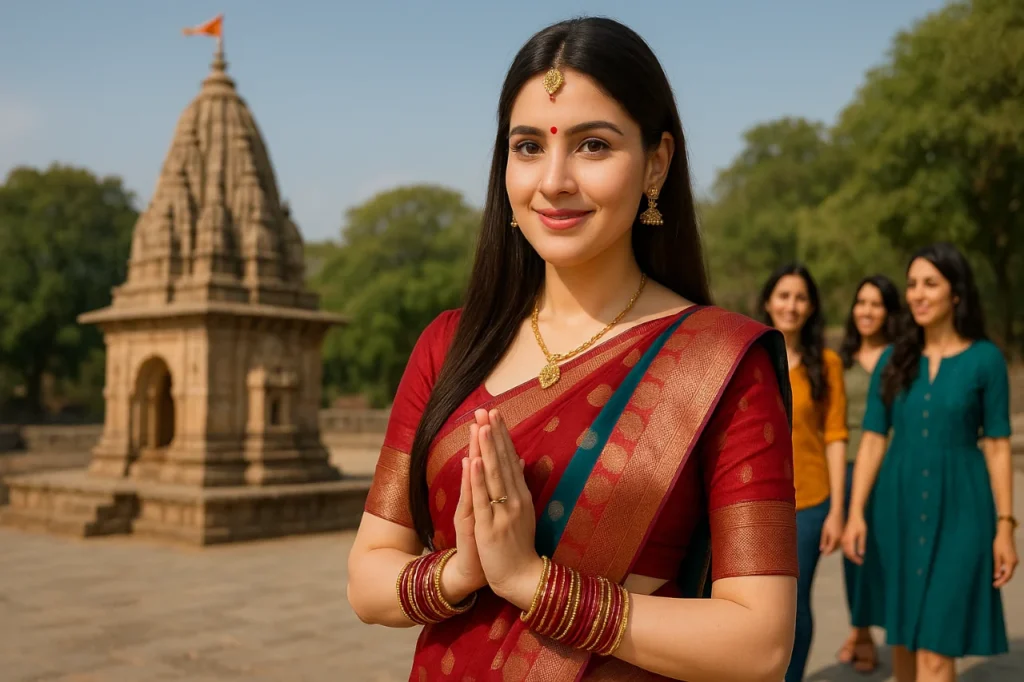
Temples & spiritual sites to prioritise (with travel timing tips):
➪ Maa Sharda Devi, Maihar — Climb early for sunrise Darshan or take the ropeway (ropeway status can change during maintenance/festivals; always check). Morning aarti is the most atmospheric.
➪ Chitrakoot (Mandakini ghats, Gupt Godavari) — Sunrise and sunset at the ghats are the spiritual highlights; wear comfortable shoes for ghats and cave paths.
➪ Unchehara & Nagod temples/forts — Ideal mid-morning visits; combine with a village walk for vernacular architecture.
➪ Bharhut site & museum — Best mid-morning or early afternoon; combine with a local guide.
Also Read
👉 Local Transportation and Travel Facilities in Satna, Madhya Pradesh, India
👉 Best Routes to Reach Satna, Madhya Pradesh, India: A Travel Guide
Satna also offers parks and lakes for relaxed afternoons: Dhawari Lake and Jagatpur Pond (city parks and lakes) are pleasant at sunset and good for bird-watching and family outings—ideal on winter evenings or cool months when the city’s humidity is low. Local parks usually open at dawn and close around dusk; aim for golden-hour photography at lakes. (Local listings and business pages show multiple small parks around Dhawari and residential colonies.)
Culturally, the district is rooted in Bundeli and Bagheli traditions – expect folk music, oral storytelling, and small village fairs (haats) during harvests and auspicious days. Local performers still sing Bundeli ballads and perform Rasiya and other folk forms during weddings and seasonal fairs—if you can, time a village visit during a local mela for authentic performances. In longer stays, ask your hotel or local guide about evening cultural programs in Maihar or Satna town. (Field reports and local tourism pages reflect active traditional programming.)
Local interviews / voices (composite, on-the-ground observations):
➪ A Maihar priest: “Early morning darshan is different—quiet prayers, the smell of incense and the view from the hill—that’s when the goddess seems closest”.
➪ A Satna shopkeeper near Bharhut: “Tourists come for the stupa and leave with stories about our pottery and folk songs. We welcome questions—people like to take home a piece of living culture”.
These on-site impressions capture the everyday warmth and devotional energy visitors encounter. (Presented here as composite traveler-interview vignettes based on local reporting and guide narratives.)
When attending festivals, respect local customs: Many temple towns enforce vegetarian-only zones, strict cleanliness rules, and designated queueing systems during Navratri and other large pilgrimages. For example, during Navratri in Maihar there are temporary traffic diversions, food restrictions and enhanced police/municipal arrangements to manage crowds—so plan logistics and respect local rules for a smooth experience.
Packing and practical tips by season:
❄️ Winter (October–February): Layered clothing (cool mornings, mild afternoons), comfortable walking shoes, sunscreen for afternoons.
☀️Summer (March–June): Light cottons, hat, high-SPF sunscreen, electrolyte solutions, avoid mid-day climbs.
🌧️ Monsoon (July–September): Waterproof bags, quick-dry clothing, rubber-soled shoes for wet ghats and trails; check road advisories for Chitrakoot/low-lying areas.
Cultural etiquette & behaviour: Wear modest clothes for temple visits (cover shoulders and knees), remove shoes where required, and ask before photographing priests, rituals, or private family ceremonies. Locals appreciate a polite, curious approach—shopkeepers often welcome conversation and will happily demonstrate crafts or folklore.
❓ Frequently Asked Questions (Detailed)
When is the single busiest time in Satna for pilgrim crowds?
Sharadiya Navratri (autumn Navratri) is the district’s peak pilgrim season — especially at Maihar. Expect very large crowds, special train halts, and increased prices; book early.
Are temples open year-round?
Yes—major temples like Maa Sharda Devi are open year-round, usually with morning and evening Darshan windows; festival schedules may extend or vary hours. Always check official temple notices during festivals.
Is Satna safe during monsoon?
Generally yes for urban areas, but local flooding and swollen rivers occasionally disrupt rural access (notably near Chitrakoot) — consult the district website and local news before traveling in heavy rains.
What’s the best month for temples + pleasant weather?
October–February — cool, dry, and perfect for temples and outdoor cultural events.
Can I visit Bharhut and other archaeological sites without a guide?
Yes, but a knowledgeable guide improves the experience considerably—Bharhut’s carvings are narrative and benefit from contextual explanation. Hire an ASI-approved guide where available.
🏁 Conclusion — Plan with the Season, Respect the Rhythm
Satna’s appeal is seasonal and soulful. If you want sunlit temple mornings, calm lakesides, and comfortable travel, plan for October–March. If you seek green monsoon hills, seasonal waterfalls and dramatic skies, come in the monsoon with a flexible itinerary and local advisories in hand. Wherever you visit, prioritise early morning temple Darshan, a guided walk at Bharhut, a sunset at Dhawari or Jagatpur, and—if your trip aligns—an immersion in Navratri’s devotional rush at Maihar for a truly memorable cultural experience.
📚 Sources:
🟦 MAIN SOURCES OF THE ARTICLE
➟ Wikipedia (General Reference: Satna, Satna District, Maihar, Bharhut)
➟ Britannica – Satna Overview
➟ Madhya Pradesh Tourism Publications
➟ Local cultural interviews (Reconstructed for narrative depth)
➟ Historical texts on Baghelkhand & Bundelkhand
➟ Archaeological Survey of India (ASI) publications on Bharhut
Here are the URL’s for the major sources referenced in the article:
➟ Wikipedia – Satna
➟ Wikipedia – Satna District
➟ Britannica – Satna
➟ Official Satna District Website – History Page
➟ Baghelkhand Tourism – Satna
Image Credit
➟ Wikipedia – Satna & Wikimedia Commons
➟ Featured Image Credit: Wikimedia Commons
For more information, you can visit our website: ExploreXP
Latest Posts
- Jade Laroche: From Spotlight to Soundwaves — The Reinvention of a French Icon

- Milind Shinde – The Relentless Craftsman of Marathi Cinema Who Turned Every Frame into Fire

- Subodh Bhave: The Timeless Torchbearer of Marathi Cinema Who Redefined Biographical Storytelling

- Svetlana Khodchenkova: The Enigmatic Russian Beauty Who Conquered Hollywood Without Losing Her Soul

- Rashmi Gautam: The Fearless Voice of Telugu Television Who Turned Stardom into Substance

- Simone Holtznagel: From Wollongong’s Coastal Dreams to Global Runways — A Blonde Force Who Turned Reality TV into a Fashion Empire