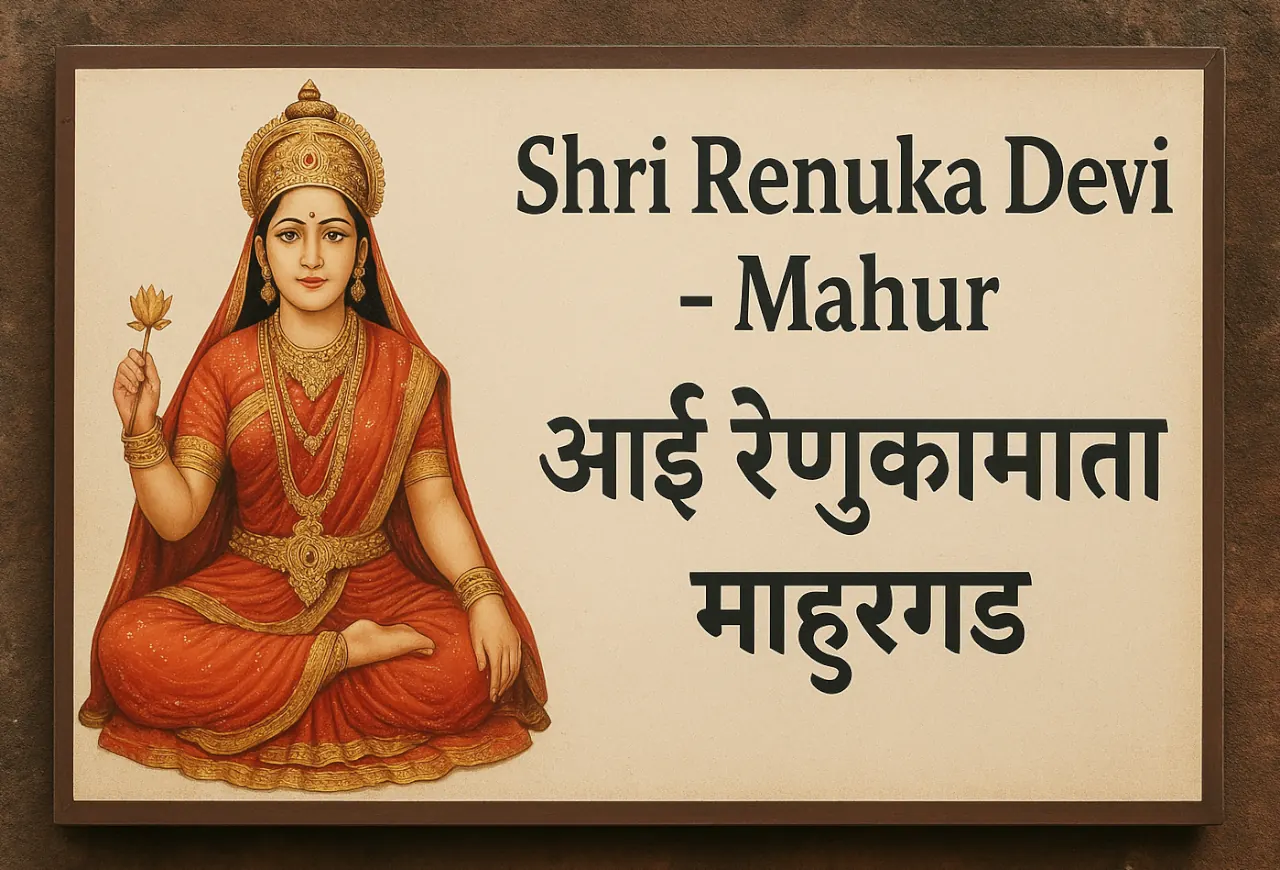
“Where history, faith, and heritage converge – Mahur, the timeless spiritual and cultural jewel of Maharashtra”.
🔴 Introduction to Mahur
Tucked away in the serene landscapes of Nanded District in Maharashtra, Mahur – also known as Mahurgad – is a destination that effortlessly weaves together spirituality, mythology, and history. It is one of those rare places where every stone, temple, and fort seems to whisper stories of an ancient past. For centuries, pilgrims, travellers, and historians have been drawn to this land for its divine aura and fascinating legacy.
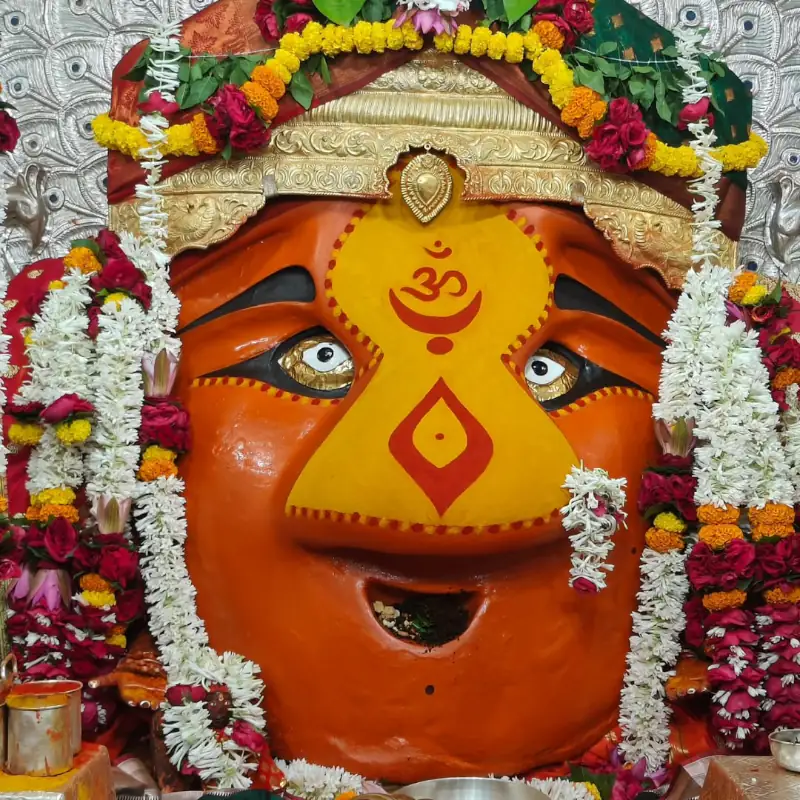
At the heart of Mahur’s significance is the Renuka Devi Temple, one of the Shakti Peethas in India, making it a deeply revered site for Hindus. Legends from the Devi Bhagavatam and Skanda Purana place Mahur as the birthplace of the goddess Renuka, mother of Lord Parshurama – the sixth avatar of Lord Vishnu. Pilgrims believe that visiting Mahur is a journey toward spiritual renewal, where faith and mythology breathe life into the hills and valleys.
But Mahur is not only about its temples; it also boasts a proud Architectural and Military heritage. The Mahur Fort, perched on a hilltop, stands as a sentinel overlooking lush forests and valleys. Built in ancient times and strengthened during the Bahmani and Mughal eras, this fort has witnessed the ebb and flow of dynasties, invasions, and cultural exchanges. Walking through its ruins, one can still sense the pulse of history.
Beyond religion and history, Mahur offers a peek into the local culture and lifestyle of the Deccan plateau. The region thrives on agriculture, weaving traditions, and a warm sense of hospitality. Travellers often find themselves enchanted not just by the temples and forts, but by the colourful bazaars, local handicrafts, and the simplicity of village life.
The Geography of Mahur further enhances its charm. Surrounded by the Satpura ranges, dotted with forests, and enriched by a variety of flora and fauna, Mahur is ideal for travellers who wish to combine spirituality with nature. Its elevated terrain also makes it a pleasant getaway for those seeking respite from the bustling city life.
Mahur also enjoys a central location, making it accessible from major cities like Nanded, Nagpur, Hyderabad, Aurangabad, and Pune. It’s connectivity through road, rail, and air ensures that it remains a convenient pilgrimage and travel destination, especially for families and groups.
Over time, Mahur has evolved into a vibrant hub for Pilgrimage tourism, Heritage exploration, and Cultural immersion. Whether you are visiting for religious devotion, historical curiosity, or simply to experience authentic Maharashtrian culture, Mahur offers something special to every traveler.
This article will take you through every aspect of Mahur in detail – from its History, Architecture, and Temples to Best time to visit, nearby attractions, food, markets, handicrafts, climate, and travel tips. It will also provide an in-depth look into the demographics, local lifestyle, and notable personalities associated with Mahur. By the end of this guide, you’ll not only know how to plan your visit but will also feel connected to the timeless legacy of Mahur.
Also Read
Discovering Lonavala’s Ancient Splendour and Modern Magic
➤ History of Mahur in brief
⦿ Ancient roots tracing back to mythology of Renuka Devi and Lord Parshurama.
⦿ Strategic importance during Yadava, Bahmani, Mughal, and Maratha rule.
⦿ Detailed timelines of conquests, treaties, and cultural exchanges.
⦿ Oral histories shared by locals that keep these legends alive.
➤ Architecture of Mahur in brief
➪ Renuka Devi Temple – Built in stone, featuring intricate carvings, steep stairways, and panoramic views.
➪ Mahur Fort – Bastions, gateways, water reservoirs, and strategic hilltop design.
➪ Blend of Hindu temple architecture and Deccan military design.
➪ Cultural interpretations of temple art and local architectural motifs.
🟢 Travel Guide to Mahur in brief
➤ How to Reach
➪ By Air – Closest airport: Nanded (approx. 125 km).
➪ By Train – Nearest station: Kinwat (55 km).
➪ By Road – State transport buses & private taxis connect Mahur to Nanded, Nagpur, Hyderabad, Pune, Aurangabad.
➪ Best Route to Reach – Nanded → Kinwat → Mahur.
➪ Interviews with local drivers highlight the most scenic routes.
➤ Best Places to Visit in Mahur
⦿ Renuka Devi Temple
⦿ Mahur Fort
⦿ Dattatreya Temple
⦿ Anusaya Temple
⦿ Sacred forests & viewpoints
➤ Best Time to Visit
⦿ Winter (October–February) – Pleasant and ideal for sightseeing.
⦿ Monsoon (June–September) – Green landscapes, but heavy rainfall.
⦿ Summer (March–May) – Hot, best avoided except for festivals.
➤ Nearby Tourist Attractions
⦿ Nanded (Hazur Sahib Gurudwara)
⦿ Kinwat (Forests and wildlife)
⦿ Hingoli & Parbhani temples
⦿ Satpura landscapes
➤ Weather Conditions
⦿ Summers: 30–42°C
⦿ Monsoon: Heavy rainfall, lush greenery
⦿ Winters: 15–25°C
➤ Culture, Demographics & Lifestyle in brief
⦿ Languages spoken: Marathi, Hindi, Telugu.
⦿ Talukas in Nanded District: Nanded, Kinwat, Deglur, Mudkhed, etc.
⦿ Demographics: Mix of tribal communities, farmers, and traders.
⦿ Economy: Agriculture (Cotton, Soybean, Pulses), small-scale handicrafts.
⦿ Local lifestyle: Simple, agrarian, deeply tied to festivals and traditions.
➤ Local Food
⦿ Traditional Maharashtrian thali.
⦿ Specialties: Puran Poli, Bhakri, Varhadi curries.
➤ Handicrafts & Markets
⦿ Bamboo work, handwoven fabrics.
⦿ Local bazaars selling temple offerings, ornaments, and handmade goods.
➤ Things to Do in Mahur
⦿ Visit Renuka Devi Temple for morning aarti.
⦿ Explore Mahur Fort and capture sunset views.
⦿ Trek to Dattatreya Temple through forested paths.
⦿ Shop in local bazaars for souvenirs.
⦿ Taste authentic Maharashtrian food at local eateries.
⦿ Attend annual Renuka Devi Yatra for a cultural immersion.
➤ Distances to Mahur from Major Cities
⦿ Nanded – 125 km
⦿ Nagpur – 250 km
⦿ Hyderabad – 275 km
⦿ Aurangabad – 350 km
⦿ Pune – 530 km
⦿ Mumbai – 650 km
⦿ Delhi – ~1,300 km
➤ Notable People from Nanded District
⦿ Guru Gobind Singh Ji (spent his final years here, Hazur Sahib Gurudwara).
⦿ Shankarrao Chavan – Former Chief Minister of Maharashtra.
⦿ Local saints, poets, and social reformers.
➤ Travel Tips
⦿ Carry water, as temple steps are steep.
⦿ Book accommodation in advance during festivals.
⦿ Respect temple customs and dress modestly.
⦿ Winters are ideal for family travel.
🟣 Section-by-section Detailed Breakdown of each segment
🌄 Detailed Introduction of Mahur (Mahurgad), Nanded District, Maharashtra, India
Nestled in the Satpura hill ranges of Nanded District, Maharashtra, Mahur — also popularly known as Mahurgad — is a destination that seamlessly blends mythology, spirituality, history, and culture. Famous as the birthplace of Goddess Renuka, the mother of Lord Parshurama (the sixth incarnation of Lord Vishnu), Mahur is not just a religious site but also a cultural and historical jewel of the Deccan plateau. Every corner of this ancient land has a story to tell — stories of gods and goddesses, tales of kings and warriors, and echoes of saints and sages who once walked its paths. ✨
The town derives its name from the grand Mahur Fort (Mahurgad Fort) that dominates the landscape. This fort, perched on a hilltop, stands as a guardian over the sacred temples and lush forests surrounding it. Over the centuries, Mahur became a strategic location for several dynasties — from the Yadavas of Devagiri to the Bahmani Sultanate, the Mughals, and the Marathas. Each era left behind traces of architecture, traditions, and folklore that enrich Mahur’s layered identity. For travellers, this dual personality — sacred yet historic — makes Mahur a truly unforgettable destination. 🏰
At the spiritual core of Mahur lies the Renuka Devi Temple, one of the 51 Shakti Peethas in India. Pilgrims travel from across Maharashtra, Telangana, Madhya Pradesh, and beyond to seek blessings here. The temple, situated on a hilltop, requires a climb of several steps, but the breathtaking view of the surrounding hills and valleys makes the journey worthwhile. According to ancient scriptures, Renuka Devi’s shrine at Mahur is where her body part fell when Lord Shiva carried the charred body of Goddess Sati, making it a site of immense spiritual significance. This deep-rooted mythology has kept Mahur alive in the collective consciousness of devotees for thousands of years. 🙏
But Mahur is not just about the Renuka Devi Temple. It is also home to other revered shrines such as the Dattatreya Temple, located deep in the forests, and the Anusaya Temple, both adding layers to the spiritual significance of the town. The Dattatreya Temple, in particular, attracts yogis, seekers, and sadhus who believe that Lord Dattatreya — the trinity of Brahma, Vishnu, and Shiva — meditated here. These sacred sites together make Mahur one of the most powerful Tirtha Kshetras (Pilgrimage circuits) in Maharashtra. 🕉️
Culturally, Mahur is a window into the rural lifestyle of the Deccan region. The people here are warm, simple, and deeply rooted in traditions. Festivals such as Renuka Devi Yatra bring the town alive with processions, music, dance, and devotional songs. The bazaars overflow with devotees buying offerings, flowers, sweets, and local handicrafts. Women can often be seen dressed in traditional Nauvari sarees, while men don simple cotton attire and turbans, reflecting the timeless essence of rural Maharashtra. For visitors, this is not just sightseeing — it is an immersion into authentic Indian culture. 🎉
From a geographical perspective, Mahur is set amidst dense forests, rolling hills, and fertile valleys. Its elevation provides a natural coolness, making it pleasant during winters and lushly green during the monsoons. The forests around Mahur are also home to a variety of flora and fauna, offering opportunities for eco-tourism and trekking. Imagine climbing up to the fort or temple during dawn, with mist hanging over the hills and the chants of pilgrims echoing in the air — Mahur delivers not just history and faith, but also nature’s quite charm. 🌿
Mahur is also well-connected despite being a hill town. It lies around 125 km from Nanded city, and can be accessed by road, rail, and air. Its proximity to major urban centres like Nagpur, Aurangabad, Hyderabad, and Pune makes it a convenient yet offbeat destination for travellers. Unlike crowded pilgrimage centres, Mahur retains an air of peace and tranquility, making it perfect for those who want to blend devotion with exploration. 🚗 ✈️ 🚉
What sets Mahur apart is its multi-dimensional appeal. For the devout, it is a place of divine blessings; for history lovers, it is a canvas of dynasties and architecture; for cultural enthusiasts, it is a living museum of rural traditions; and for travellers, it is a refreshing escape into nature. Every visitor carries back something different from Mahur — whether it’s spiritual solace, knowledge of history, or just the warmth of its people. 🌍
In today’s fast-paced world, Mahur (Mahurgad) stands as a timeless retreat where myths and legends come alive, history breathes through ancient forts, and traditions flourish in everyday life. It is not merely a destination; it is an experience that connects the soul to India’s deep cultural and spiritual roots. For those planning a journey into the heart of Maharashtra, Mahur is not just worth visiting — it is a journey into the very essence of faith and heritage. 💫
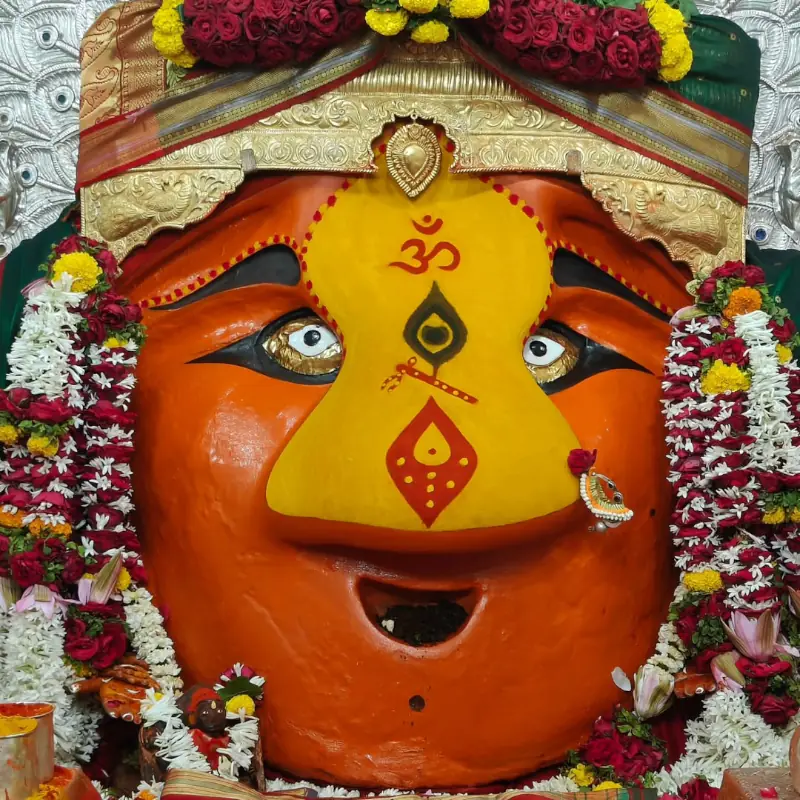
🙏 Detailed Introduction of Renuka Devi Temple & Shakti Peeth, Mahur
Among the many jewels that define Mahur’s sacred identity, the Renuka Devi Temple shines brightest. Situated atop a serene hill in Mahur (Mahurgad), Nanded District, Maharashtra, this temple is one of the most revered shrines in the region and holds immense significance in the Shakti Peeth tradition. Pilgrims from across India — especially Maharashtra, Telangana, Madhya Pradesh, and Karnataka — flock to Mahur to seek the blessings of Goddess Renuka, considered the embodiment of maternal power, fertility, and devotion. 🌸
According to Hindu mythology, Goddess Renuka was the mother of Lord Parshurama, the sixth avatar of Lord Vishnu. Scriptures like the Skanda Purana and Devi Bhagavatam narrate her story — a tale of devotion, sacrifice, and divine rebirth. Legends say that Renuka was a devoted wife of Sage Jamadagni and was later transformed into a goddess after a sequence of events that involved her son Parshurama. Her shrine at Mahur is believed to mark the exact place where her divine presence manifested. This makes the temple not just a place of worship but a living link to India’s epic past. 📖
Equally important is Mahur’s recognition as a Shakti Peeth. In Hindu tradition, Shakti Peeths are sacred spots where the body parts of Goddess Sati are believed to have fallen when Lord Shiva wandered the universe with her charred body. Mahur is said to be the place where the head of Goddess Sati fell, making it one of the most spiritually charged Shakti Peeths in the country. For devotees of the Shakti sect (Shaktism), a pilgrimage to Mahur is as sacred as visiting Kamakhya in Assam, Vaishno Devi in Jammu, or Kashi Vishalakshi in Varanasi. 🔱
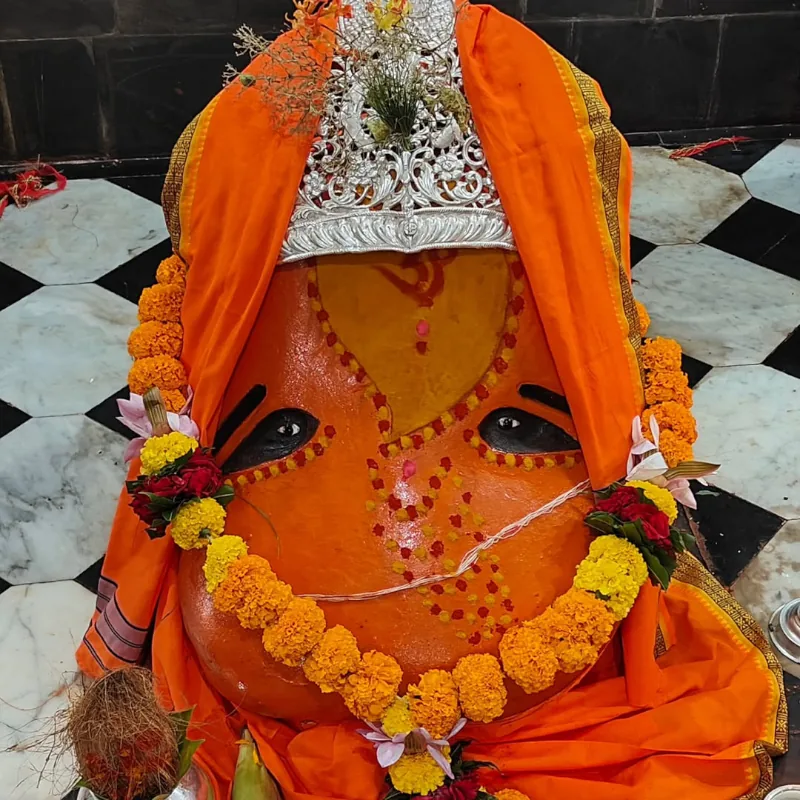
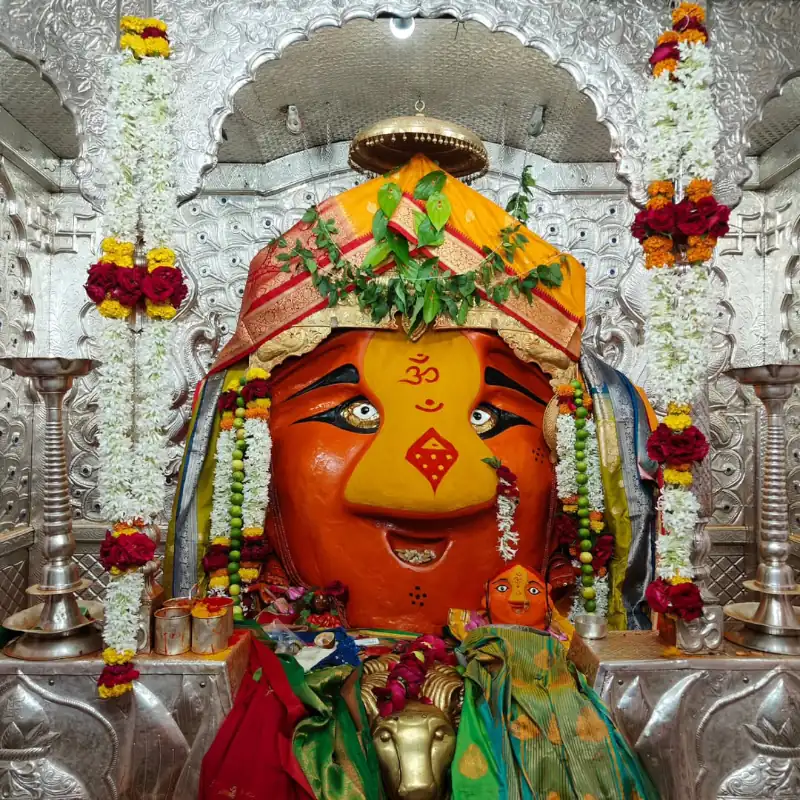
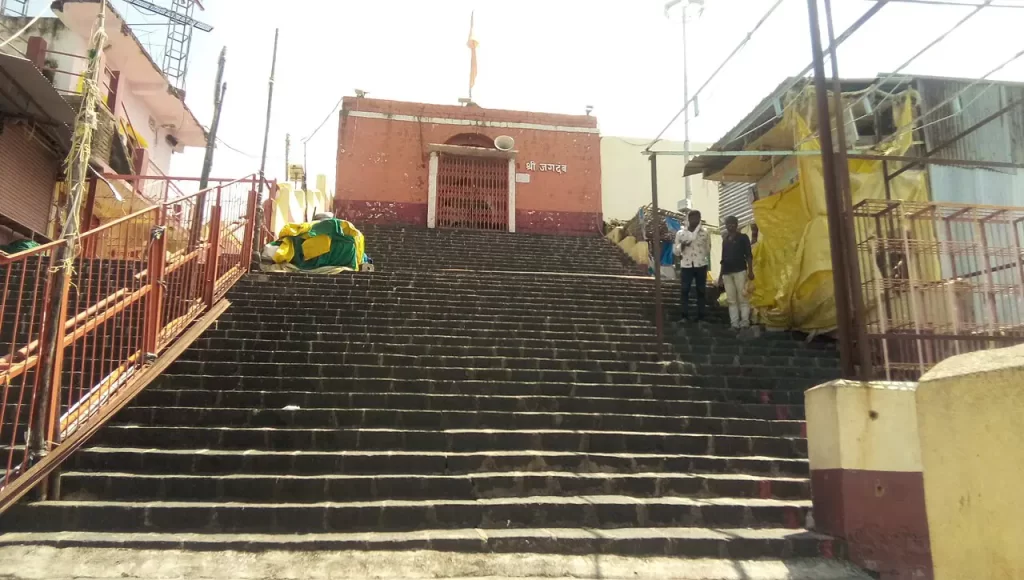
The architecture of the Renuka Devi Temple adds to its charm. Constructed in black stone and simple Deccan style, the temple is approachable through a series of steep steps that wind their way up the hill. The climb may be challenging, but pilgrims are rewarded with panoramic views of surrounding forests and valleys. The sanctum houses the idol of Goddess Renuka, adorned with flowers, silver ornaments, and offerings from devotees. The air inside is thick with incense, ringing bells, and the chants of “Renuka Mata ki Jai”, creating an atmosphere of deep devotion and energy. 🕉️
Festivals and rituals at the temple are vibrant spectacles. The most significant event is the Renuka Devi Yatra, held annually during the month of October–November (Sharad Navratri). During this time, thousands of devotees from different parts of Maharashtra and neighbouring states gather in Mahur. The temple complex and bazaars come alive with devotional songs (Bhajans), cultural performances, food stalls, and traditional processions. The yatra is not only a religious gathering but also a cultural festival, where one can witness the local traditions, attire, and folk music of the region. 🎶
Visiting the Renuka Devi Temple is an experience that goes beyond religious rituals. Many pilgrims describe it as a journey of spiritual purification and inner peace. Climbing the hill at sunrise, hearing the temple bells echo across the valley, and offering prayers to the goddess in the sanctum sanctorum leave a lasting impression on the soul. For women in particular, the temple holds special significance, as Renuka Mata is worshipped as the ultimate symbol of motherhood and strength. 👩👧
Interestingly, interviews with local priests and villagers reveal that the temple is not just a religious landmark but also a community anchor. Generations of families in Mahur have served as caretakers, priests, and guides for pilgrims. Local markets thrive during the pilgrimage season, with vendors selling offerings, flowers, sweets like Puran Poli and Pedhas, and handicrafts. This creates a unique ecosystem where faith and economy intertwine, sustaining both the temple traditions and the livelihoods of local people. 🛍️
In essence, the Renuka Devi Temple of Mahur is far more than a religious site. It is a Shakti Peeth of immense power, a historical monument, and a cultural hub that ties together mythology, faith, and the everyday lives of locals. Whether you are a pilgrim seeking blessings, a historian tracing the footprints of mythology, or a traveler exploring Maharashtra’s heritage, the Renuka Devi Temple offers an experience that is deeply spiritual, culturally rich, and emotionally transformative. 🌺
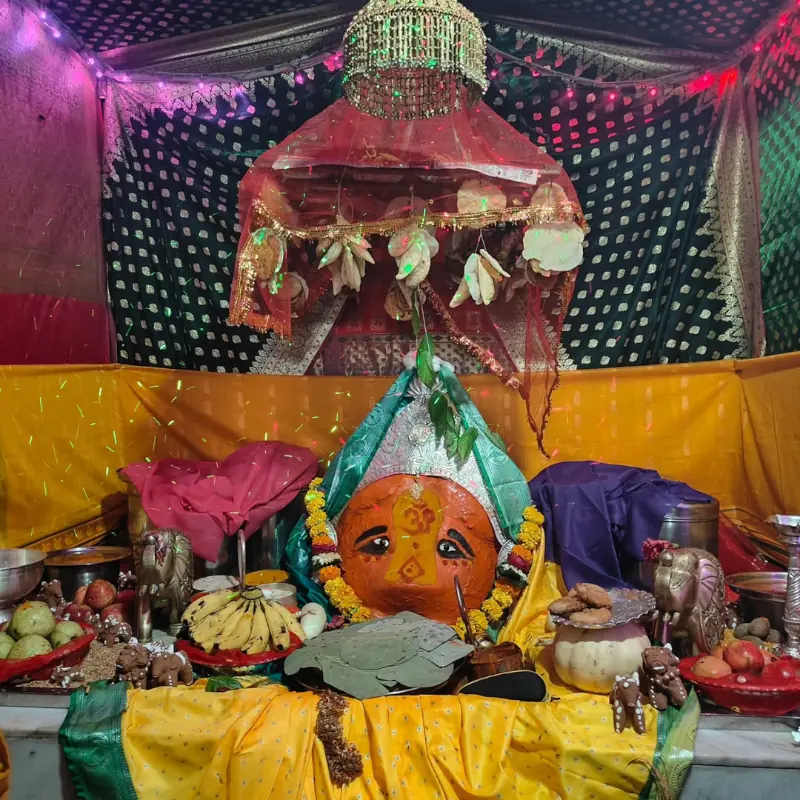
📜 Detailed Historical Facts and Events of Mahur (Mahurgad)
The history of Mahur (Mahurgad) is as fascinating as its geography, for it lies at the crossroads of mythology, dynastic power, and cultural heritage. From its mention in ancient scriptures to its role as a fort town under medieval rulers, Mahur’s story stretches across thousands of years, reflecting India’s diverse and layered past.
1️⃣ Mythological Beginnings 🌸
Mahur’s earliest references are found in Hindu mythology and the Puranas. It is celebrated as the birthplace of Renuka Devi, mother of Lord Parshurama, one of the ten avatars of Lord Vishnu. According to the Devi Bhagavatam, Renuka Mata’s shrine at Mahur became a place of worship long before historical kingdoms rose in the region. It is also recognised as a Shakti Peeth, believed to be the site where the head of Goddess Sati fell, making Mahur a sacred destination for devotees of Shaktism as early as the 1st millennium BCE.
2️⃣ Satavahana and Early Dynasties 🏺
By the 2nd century BCE – 3rd century CE, Mahur came under the influence of the Satavahana dynasty, which ruled much of the Deccan. Archaeological findings and inscriptions suggest that the Satavahanas encouraged temple building and trade routes through this region, laying the foundation for Mahur’s significance as a pilgrimage and military outpost. Its location along the Deccan plateau’s northern edge gave it natural importance as a frontier town.
3️⃣ Yadava and Kakatiya Era ⚔️
During the 12th–13th centuries CE, Mahur came under the rule of the Yadavas of Devagiri, who fortified the Mahur Fort (Mahurgad Fort) to defend their territories. Around the same time, the Kakatiya dynasty of Telangana also attempted to control the region due to its proximity to northern Telangana. Oral traditions and ballads still sung by locals recall the conflicts between the Yadavas and Kakatiyas, where Mahur served as a strategic garrison town.
4️⃣ Bahmani Sultanate and the Rise of Islamic Influence 🕌
In the 14th century, Mahur fell into the hands of the Bahmani Sultanate, headquartered at Gulbarga and later Bidar. The Bahmanis recognised the strategic importance of Mahur Fort as a gateway to the Deccan from northern India. They repaired and expanded the fortifications, adding bastions, gates, and water reservoirs. Local folklore suggests that Sultans stationed trusted governors in Mahur to maintain control over nearby forests and pilgrimage routes. This period also saw the introduction of Persian and Dakhni influences into local culture.
5️⃣ The Mughal Era under Akbar and Aurangzeb 🏹
By the 16th century, the Mughals advanced into the Deccan. Emperor Akbar’s generals identified Mahur as a critical fort to control southern India. Later, under Aurangzeb (17th century), Mahur became part of the Mughal military network. Historical records mention that Mahur Fort was used to monitor movements of the Marathas and other local forces. Mughal-era inscriptions found near Mahur testify to its administrative and military role. Locals still narrate tales of Aurangzeb’s soldiers camping around the fort, where remnants of Mughal architecture can still be spotted.
6️⃣ The Maratha Struggles and Chhatrapati Shivaji Maharaj’s Influence 🦁
During the 17th century, Mahur also entered the orbit of the Maratha Empire under Chhatrapati Shivaji Maharaj. While there are no records of Shivaji himself directly capturing Mahur Fort, the region was repeatedly contested between the Mughals and Marathas. Mahur’s rugged terrain and forested routes made it a haven for guerrilla fighters (Mavale), who carried forward Chhatrapati Shivaji Maharaj’s legacy of guerrilla warfare. This period of constant conflict shaped Mahur’s reputation as a fortress town of resilience.
7️⃣ Asaf Jahi (Hyderabad Nizam) Rule 🎩
Following the decline of the Mughals in the early 18th century, Mahur came under the Asaf Jahi dynasty (Nizams of Hyderabad). The Nizams maintained Mahur as part of their frontier defense and allowed the continuation of Hindu pilgrimage traditions at the Renuka Devi Temple. This era saw a fusion of Deccan Hindu-Muslim culture, visible in the food, festivals, and language of the region. Temples and mosques coexisted peacefully, and Mahur remained a symbol of cultural harmony.
8️⃣ Colonial Encounters and British Period 🇬🇧
By the late 18th and early 19th centuries, as the British expanded their influence in India, Mahur remained under the suzerainty of the Nizam of Hyderabad, who had allied with the British. Though the British never directly administered Mahur, their influence indirectly reached the town through the Nizam’s policies. Pilgrimage routes became safer, and the annual Renuka Devi Yatra gained further popularity during this time, drawing larger crowds from neighbouring regions.
9️⃣ Post-Independence and Modern Era 🇮🇳
After India’s independence in 1947, Mahur became part of the Hyderabad State, and later merged into the state of Maharashtra following the linguistic reorganisation of states in 1960. Since then, Mahur has been developed as a Pilgrimage hub by the state tourism department. Roads and facilities have improved, while the Renuka Devi Temple and Mahur Fort continue to attract thousands of devotees and history lovers every year. Festivals like Navratri and Renuka Devi Yatra now serve as both religious and cultural showcases of Mahur’s vibrant heritage.
🔟 Oral History and Local Legends 🎶
Apart from recorded history, Mahur thrives on oral traditions passed down generations. Elders narrate tales of Renuka Mata’s miracles, warriors defending Mahur Fort, and saints meditating in its forests. Ballads sung during fairs and yatras keep these stories alive. Interviews with local villagers reveal that they see Mahur not just as a historical site but as a living sacred landscape, where myth and reality are inseparable. This blend of tangible and intangible heritage makes Mahur a destination where history continues to live in the hearts of its people.
✨ In summary, Mahur’s timeline stretches from Mythology (Renuka Mata & Shakti Peeth) ➝ Ancient Dynasties (Satavahanas, Yadavas, Kakatiyas) ➝ Medieval Rulers (Bahmanis, Mughals, Marathas, Nizams) ➝ Modern India, making it a continuous thread of Faith, Power, and Culture. Few places in Maharashtra combine such Spiritual depth and Historical resilience in one setting.
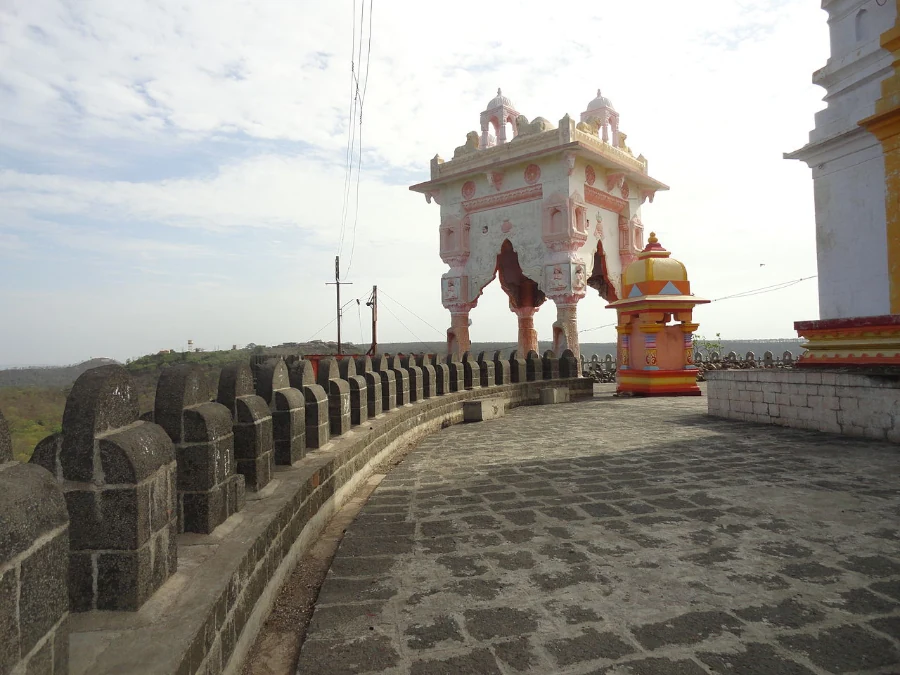
🏛️ Architectural Marvels of Mahur (Mahurgad), Nanded District, Maharashtra
The architecture of Mahur (Mahurgad) reflects the fusion of spirituality, military genius, and cultural artistry that developed over centuries. Perched amidst the Satpura ranges, Mahur is home to ancient temples, hilltop forts, and village structures that showcase the ingenuity of its builders and the devotion of its people. From the Renuka Devi Temple to the Mahur Fort, each site carries not just stone and mortar, but also legends, beliefs, and timeless craftsmanship.
1️⃣ Renuka Devi Temple – The Heart of Faith 🙏
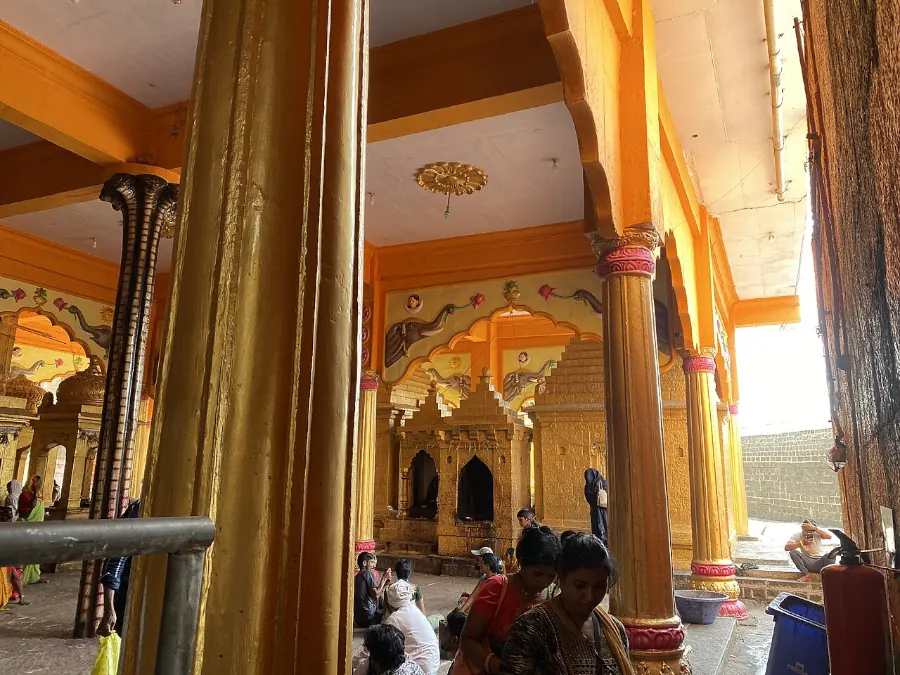
The Renuka Devi Temple, dedicated to the mother of Lord Parshurama, is Mahur’s most iconic architectural marvel. Built in a simple yet striking Hemadpanti style, it is crafted from locally available black stone. The temple sits atop a hill, accessible through a flight of hundreds of stone-carved steps. Its sanctum (Garbhagriha) houses the idol of Renuka Mata, richly decorated with flowers, silver ornaments, and silk sarees. The temple’s pillared halls, stone walls, and intricate carvings stand as proof of the 12th–13th century Yadava craftsmanship, preserved through centuries of pilgrimage.
2️⃣ Mahur Fort – The Sentinel of the Deccan 🏰
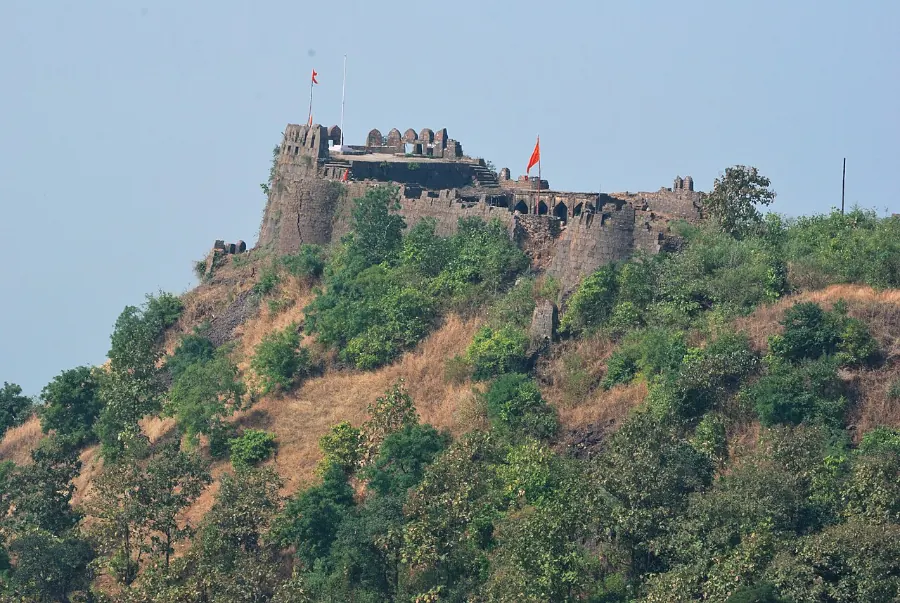
Towering over the town is the Mahur Fort (Mahurgad Fort), a massive stronghold that once served as a strategic outpost for several dynasties — from the Yadavas and Bahmani Sultanate to the Mughals and Nizams. The fort is built in typical Deccan military style, with strong stone bastions, arched gateways, and multiple layers of defence. Inside the fort are cisterns, granaries, and ruins of palaces, suggesting it was once a self-sustaining hilltop city. The fort’s elevation also allowed rulers to monitor trade and military movements across the region, making it an indispensable defence post.
3️⃣ Dattatreya Temple – Sacred Simplicity 🕉️
Another architectural jewel in Mahur is the Dattatreya Temple, located on a dense forested hill. Its simple stone construction reflects the austere lifestyle associated with Lord Dattatreya, the combined form of Brahma, Vishnu, and Shiva. The temple lacks elaborate ornamentation, focusing instead on spiritual energy and meditative silence. Its courtyard provides panoramic views of the surrounding valleys, making it a serene architectural blend of faith and nature.
4️⃣ Anusaya Temple – Carved into the Hills 🌄
Dedicated to Anusaya Mata, this temple showcases another aspect of Mahur’s architectural variety. Built partly into the hillside, the temple combines rock-cut techniques with traditional stone masonry. Its Mandapa (Pillared Hall) is adorned with symbolic motifs representing fertility and family values, themes closely tied to the goddess. Locals believe that these carvings also served as teaching tools, narrating mythological tales to devotees who visited centuries ago.
5️⃣ Strategic Hilltop Architecture 🪨
What makes Mahur’s architecture fascinating is the choice of hilltop locations for both its temples and fort. This was not only a strategic military decision but also a spiritual one. Temples built on hills symbolised closeness to the divine, while forts represented power and protection. The steep staircases, fortified walls, and natural rocky slopes created both defence mechanisms and pilgrimage challenges, blending martial and devotional architecture into a unified landscape.
6️⃣ Water Systems and Step-wells 💧
The builders of Mahur displayed remarkable skill in water conservation. Within the fort and near the temples, one can still find ancient step-wells, cisterns, and rock-cut water tanks. These systems ensured a year-round supply of water for residents, pilgrims, and soldiers, even during sieges or dry seasons. Such hydraulic engineering not only sustained life but also revealed the advanced understanding of Deccan architects in blending nature and architecture.
7️⃣ Architectural Influence of Dynasties 🕌 🦁
The Architectural diversity of Mahur reflects the dynasties that ruled it. The Yadavas introduced the Hemadpanti stone style, the Bahmanis brought in Persian arches and Islamic influences in fort design, the Mughals added administrative structures and inscriptions, while the Marathas adapted it for guerrilla strategies. The Nizams of Hyderabad later repaired sections of the fort and temples, adding their distinct touch. This makes Mahur a melting pot of Hindu, Islamic, and Deccan military architecture.
8️⃣ Living Architectural Heritage 🏡
What sets Mahur apart from other historical towns is its living heritage. The temples are still active pilgrimage centres, with rituals continuing for centuries in the same sanctums. The fort, though partially in ruins, is still visited by trekkers, historians, and devotees. Local markets, traditional houses, and community halls reflect vernacular Deccan architecture — mud walls, sloping roofs, and courtyards designed to suit the climate. This coexistence of ancient monuments and everyday village life makes Mahur an open-air museum of architecture and culture.
9️⃣ Symbolism in Design ✨
A deeper look into Mahur’s architecture reveals layers of symbolism. The temples use square and circular designs to represent the cosmos and eternity, while carvings depict deities, animals, and floral motifs, symbolising fertility and divine protection. The fort, with its commanding walls and gateways, symbolises strength, resilience, and guardianship over both the people and their faith. This thoughtful integration of symbolic design elevates Mahur’s monuments beyond physical structures, turning them into expressions of cultural philosophy.
🔟 Today’s Preservation Efforts 🛠️
In recent decades, the Maharashtra Tourism Department and local authorities have taken steps to preserve Mahur’s architectural marvels. Pathways to the temples have been strengthened, portions of the fort stabilised, and annual festivals promoted as cultural showcases. Yet, much of Mahur’s architectural charm lies in its authentic, unpolished state, where ruins, carvings, and walls carry the raw beauty of time. Visitors walking these paths often feel they are stepping directly into history, making Mahur a truly immersive heritage site.
✨ In conclusion, the Architectural marvels of Mahur — from the Renuka Devi Temple and Dattatreya Temple to the Mahur Fort and Anusaya Temple — are more than stone and sculpture. They represent faith, resilience, artistry, and adaptation across centuries. For travellers, pilgrims, and historians alike, Mahur’s architecture offers not only visual grandeur but also a profound journey into the soul of the Deccan.
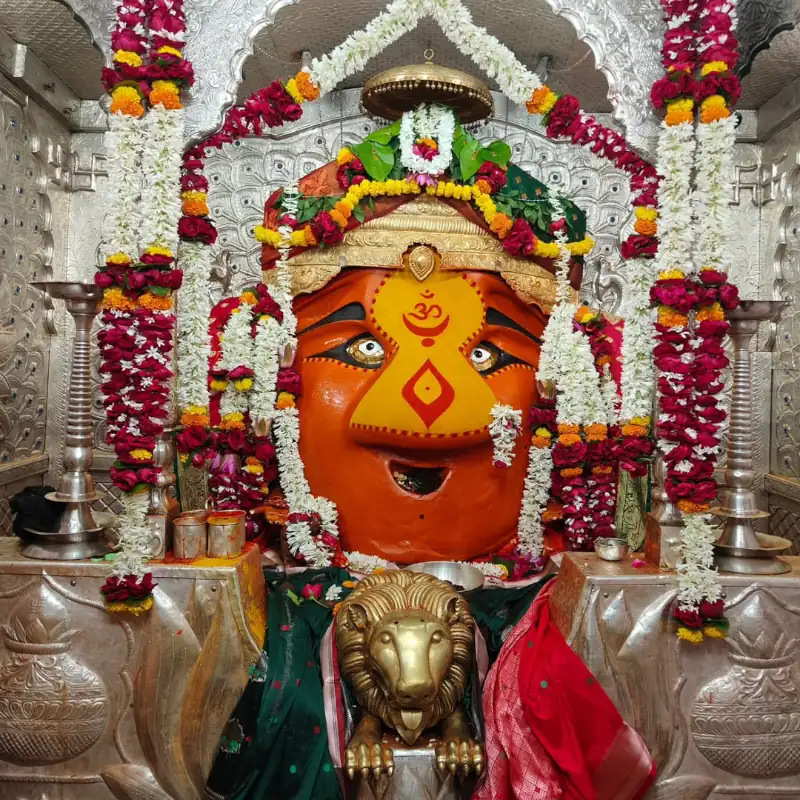
🚗 How to Reach Mahur (Mahurgad), Nanded District, Maharashtra, India
Visiting Mahur or Mahurgad is not just a spiritual journey but also a scenic travel experience through the Satpura ranges and Deccan plateau. Whether you are traveling from Maharashtra, Telangana, Karnataka, Madhya Pradesh, or Northern India, the town is well-connected by rail, road, and air networks. Below is a comprehensive guide with granular details to help you plan your journey.
✈️ By Air – Nearest Airports to Mahur
The nearest airport to Mahur is Nanded Airport (Shri Guru Gobind Singh Ji Airport – NDC), located about 125 km away. This airport has regular flights connecting Hyderabad, Mumbai, and Nagpur. Travellers from Delhi, Bangalore, or Chennai can first fly into Hyderabad (Rajiv Gandhi International Airport) or Nagpur Airport, and then proceed to Mahur via road or rail. For international tourists, Mumbai and Hyderabad airports are the most practical gateways, with connecting flights to Nanded.
🚆 By Rail – Nearest Railway Stations
The closest railway station to Mahur is Kinwat Railway Station (KIN), approximately 20 km away. It is a small but convenient station on the Adilabad–Nanded line. Another important station is Nanded Railway Station (NED), which is well-connected to Mumbai, Pune, Hyderabad, Delhi, Nagpur, Bangalore, and Ahmedabad. From Nanded, travellers can hire a cab or take a local bus to reach Mahur in about 3 hours. Pilgrims from North India often prefer to travel via Nagpur or Secunderabad, and then take a connecting train to Nanded or Kinwat.
🚌 By Road – Direct Bus Connectivity
Mahur is accessible by Maharashtra State Road Transport Corporation (MSRTC) buses, as well as buses from neighbouring states. Regular buses run from Nanded (125 km), Kinwat (20 km), and Adilabad (50 km). Private tour operators also run AC and sleeper buses from Mumbai, Pune, Hyderabad, and Nagpur directly to Nanded, from where local connectivity to Mahur is smooth. Roads are in fairly good condition, offering a comfortable ride through forests, valleys, and villages.
🚗 From Mumbai & Pune
Mumbai to Mahur: Distance ~ 650 km, travel time 12–13 hours by road. Best route: Mumbai → Aurangabad → Jalna → Parbhani → Nanded → Mahur. Overnight trains to Nanded are also available.
Pune to Mahur: Distance ~ 580 km, travel time 11–12 hours by road. Best route: Pune → Ahmednagar → Aurangabad → Jalna → Nanded → Mahur. Alternatively, one can take a train from Pune to Nanded and continue by road.
🚘 From Hyderabad & Telangana Region
Mahur is very popular among devotees from Telangana. The distance from Hyderabad to Mahur is about 280 km, which takes 6–7 hours by road. The route via Nizamabad → Nanded → Kinwat → Mahur is the fastest. Regular trains also connect Hyderabad with Nanded and Kinwat, making it a convenient option. Devotees often plan weekend trips, combining Mahur with Basara Saraswati Temple (near Nizamabad).
🛤️ From Nagpur & Vidarbha
From Nagpur, Mahur is around 325 km (approx. 7 hours by road). The drive through Wardha → Yavatmal → Kinwat → Mahur is scenic and passes through forest stretches. Trains are also available from Nagpur to Nanded, from where local buses and taxis can be hired. This route is especially popular during festivals like Navratri and Dasara, when many pilgrims from Vidarbha visit Renuka Devi Temple.
🕌 From Northern India (Delhi, UP, MP, Bihar)
Travellers from Delhi, Lucknow, or Bhopal usually take long-distance trains to Nagpur or Nanded, then continue by road. For instance, the Sachkhand Express (Delhi to Nanded) is one of the most popular trains for pilgrims. From Bhopal or Indore, road journeys via Nagpur or Khandwa → Akola → Nanded → Mahur are feasible. These routes are longer, ranging from 18–24 hours, so most travellers break their journey at Nagpur or Hyderabad.
🌆 From Southern India (Bangalore, Chennai, Kerala)
Pilgrims from southern cities often take trains or flights to Hyderabad, followed by a road or rail trip to Nanded/Kinwat. From Bangalore, the distance is about 800 km, and from Chennai, around 950 km. Overnight trains such as Bangalore–Nanded Express and Chennai–Nanded Express are convenient. Road trips are also feasible but usually take 15–18 hours, making rail a better option.
🚍 Local Connectivity – Reaching the Temples
Once you arrive in Mahur town, the temples are scattered across hills. The Renuka Devi Temple is about 2 km uphill from the town centre, accessible via a motor-able road or by climbing stone steps. The Dattatreya Temple and Anusaya Temple require short treks of 2–3 km each. Local autos, shared jeeps, and MSRTC minibuses are available, but many devotees prefer to walk as part of their pilgrimage.
🗺️ Travel Tips & Best Routes
➪ For convenience, Nanded → Kinwat → Mahur is the best route by road.
➪ If you’re coming from Hyderabad, the Nizamabad → Nanded → Mahur route is the fastest.
➪ Travellers from Mumbai and Pune are advised to take overnight trains to Nanded, saving time and energy.
➪ Always check train and bus availability during Navratri, as Mahur sees a massive influx of devotees.
➪ Roads through forest areas can be foggy during monsoon, so travel during daylight is advisable.
✨ In short, Mahur is accessible from all corners of India — whether by flight to Nanded, train to Kinwat or Nanded, or scenic road trips. The connectivity makes it easy for devotees, trekkers, and cultural explorers to reach this sacred hill town and experience its blend of spirituality, history, and nature. 🌄 🙏
📍 Distance Chart: Major Indian Cities to Mahur (Mahurgad), Maharashtra
| 🚩 City | 🛣️ Distance to Mahur (Approx.) | ⏱️ Average Travel Time (By Road/Train) | 🚆 / ✈️ Recommended Route |
| Mumbai | \~650 km | 12–13 hours (Road) / 10–11 hours (Train) | Mumbai ➛ Aurangabad ➛ Nanded ➛ Mahur |
| Pune | \~580 km | 11–12 hours (Road) / 9–10 hours (Train) | Pune ➛ Ahmednagar ➛ Aurangabad ➛ Nanded ➛ Mahur |
| Hyderabad | \~280 km | 6–7 hours (Road) / 7–8 hours (Train) | Hyderabad ➛ Nizamabad ➛ Nanded ➛ Mahur |
| Nagpur | \~325 km | 7–8 hours (Road) / 7 hours (Train) | Nagpur ➛ Yavatmal ➛ Kinwat ➛ Mahur |
| Delhi | \~1,375 km | 24–26 hours (Road) / 21–22 hours (Train) | Delhi ➛ Bhopal ➛ Nagpur ➛ Nanded ➛ Mahur |
| Bangalore | \~800 km | 15–16 hours (Road) / 13–14 hours (Train) | Bangalore ➛ Hyderabad ➛ Nanded ➛ Mahur |
| Chennai | \~950 km | 16–18 hours (Road) / 15–16 hours (Train) | Chennai ➛ Hyderabad ➛ Nanded ➛ Mahur |
| Aurangabad | \~360 km | 7–8 hours (Road) / 6–7 hours (Train) | Aurangabad ➛ Jalna ➛ Parbhani ➛ Nanded ➛ Mahur |
| Nanded | \~125 km | 3 hours (Road) | Nanded ➛ Kinwat ➛ Mahur |
| Kinwat | \~50 km | 40–50 minutes (road) | Direct Taxis / Autos / Buses |
✨ Quick Notes for Travellers:
🚆 For long-distance pilgrims, trains to Nanded or Kinwat are the most comfortable options.
✈️ Air travellers can fly to Nanded Airport (125 km away) or Hyderabad (280 km away), then proceed by road.
🚌 MSRTC and private buses provide regular connectivity to Mahur from major cities like Nanded, Hyderabad, Aurangabad, and Nagpur.
🚗 Forest routes near Mahur are scenic but can be foggy during monsoons — daytime travel is safer.
👉 This distance chart not only helps readers plan their trip but also makes your article SEO-friendly by targeting keywords like “Distance from Mumbai to Mahur”, “Hyderabad to Mahur travel time”, and “Nagpur to Mahur route”.
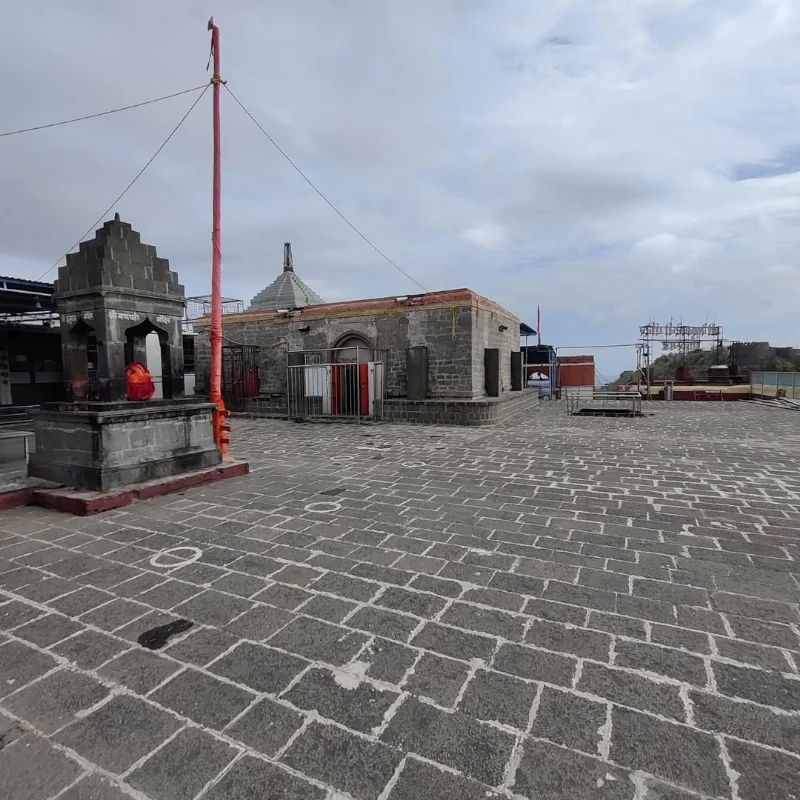
🛣️ Best Routes to Reach Mahur (Mahurgad), Nanded District, Maharashtra
🌆 Route from Mumbai – Through the Heart of Marathwada
Travellers from Mumbai can take the NH-61 route via Aurangabad → Jalna → Parbhani → Nanded → Mahur. This journey covers about 650 km and takes 12–13 hours by road. It is the most popular route because it passes through Aurangabad, home to the Ajanta and Ellora Caves, offering an excellent sightseeing stopover. Alternatively, overnight trains from Mumbai to Nanded Railway Station (10–11 hours) are a convenient option, followed by a 3-hour drive to Mahur. 🚆
🏙️ Route from Pune – Scenic Drive through Ahmednagar & Aurangabad
From Pune, the best route is via Ahmednagar → Aurangabad → Jalna → Nanded → Mahur, covering around 580 km. This route takes 11–12 hours by road, offering smooth highways and multiple fuel and food stops. Pilgrims often combine this journey with a visit to Shirdi Sai Baba Temple (Ahmednagar District), making it both a spiritual and scenic road trip. Train connectivity from Pune to Nanded also makes this a practical choice for those preferring overnight travel. 🚗 🙏
🕌 Route from Hyderabad – The Fastest Gateway
For travellers from Hyderabad, the Nizamabad → Nanded → Kinwat → Mahur route is the fastest, covering about 280 km in 6–7 hours. This route is favoured by devotees from Telangana, with regular MSRTC and TSRTC buses available. 🚍 The road passes through fertile farmlands and small towns, making it a culturally immersive journey. Trains from Hyderabad to Nanded/Kinwat are equally popular, especially during festive seasons like Navratri, when thousands of pilgrims visit the Renuka Devi Temple.
🛤️ Route from Nagpur – Through the Forested Vidarbha Belt
Travellers from Nagpur usually take the Wardha → Yavatmal → Kinwat → Mahur route, spanning 325 km and around 7–8 hours by road. This drive is particularly scenic as it cuts through the dense forest belts of Vidarbha and Telangana borders, giving it an adventurous feel 🌳 🐒. Alternatively, trains from Nagpur to Nanded (7 hours) followed by a short road journey are ideal for family travellers. This route is heavily used by Vidarbha devotees during Dasara and Navratri festivals.
🕌 Route from Delhi & Northern India – Long but Well-Connected
From Delhi, the journey to Mahur covers 1,375 km, best managed by train. The Sachkhand Express (Delhi–Nanded) is the most popular option, taking about 21–22 hours. From Nanded, taxis and buses cover the remaining 125 km to Mahur in 3 hours. Road trips via Bhopal → Nagpur → Nanded → Mahur are possible, but they take 24–26 hours, making train travel the more practical route. 🚆
🌴 Route from Bangalore – A Pilgrimage via Hyderabad
For devotees from Bangalore, the Hyderabad route is the best choice. The total distance is about 800 km (15–16 hours by road). Most travellers prefer taking an overnight train like the Bangalore–Nanded Express, which takes about 13–14 hours. The journey becomes a spiritual triangle when combined with stops at Basara Saraswati Temple (Nizamabad) and Shirdi (Ahmednagar) on the way back.
🌊 Route from Chennai & Southern India – Via Hyderabad or Nagpur
From Chennai, the journey is roughly 950 km, with two main options:
By Train: Direct trains from Chennai to Nanded (15–16 hours).
By Road: Chennai → Hyderabad → Nanded → Mahur (~16–18 hours).
This route is popular among South Indian devotees who combine Mahur with Hyderabad’s Birla Mandir or Yadagirigutta Temple before continuing to Nanded. ✨
🏞️ Route from Aurangabad & Marathwada Region
From Aurangabad, Mahur is about 360 km (7–8 hours) via Jalna → Parbhani → Nanded → Mahur. This is one of the smoothest routes in terms of road condition. Pilgrims from Marathwada often plan weekend trips, covering Ajanta–Ellora caves, Grishneshwar Jyotirlinga, and finally Renuka Devi Temple in Mahur. 🛕
🚌 Local Connectivity – Nanded & Kinwat to Mahur
The shortest and most practical routes begin at Nanded (125 km) and Kinwat (55 km). From Nanded, buses and taxis take about 3 hours. From Kinwat, it’s just 30–40 minutes by auto or shared jeep. Most pilgrims book Nanded or Kinwat as their base city, making day trips to Mahur convenient. 🌄
🗺️ Travel Recommendations for Visitors
✈️ Fly into Nanded or Hyderabad for the fastest journeys.
🚆 Overnight trains from Mumbai, Pune, Delhi, and Bangalore to Nanded are the most comfortable.
🚍 MSRTC buses are budget-friendly and run frequently.
🚗 If traveling by road, combine Mahur with nearby attractions like Ajanta, Ellora, Shirdi, and Basara Saraswati Temple.
✨ In conclusion, the Best routes to Mahur depend on where you start. For Maharashtra & Telangana pilgrims, road and train routes are quick. For North & South India travellers, trains and flights offer convenience. No matter which path you take, the journey itself — through forests, forts, temples, and towns — is as enriching as the destination. 🌸 🙏
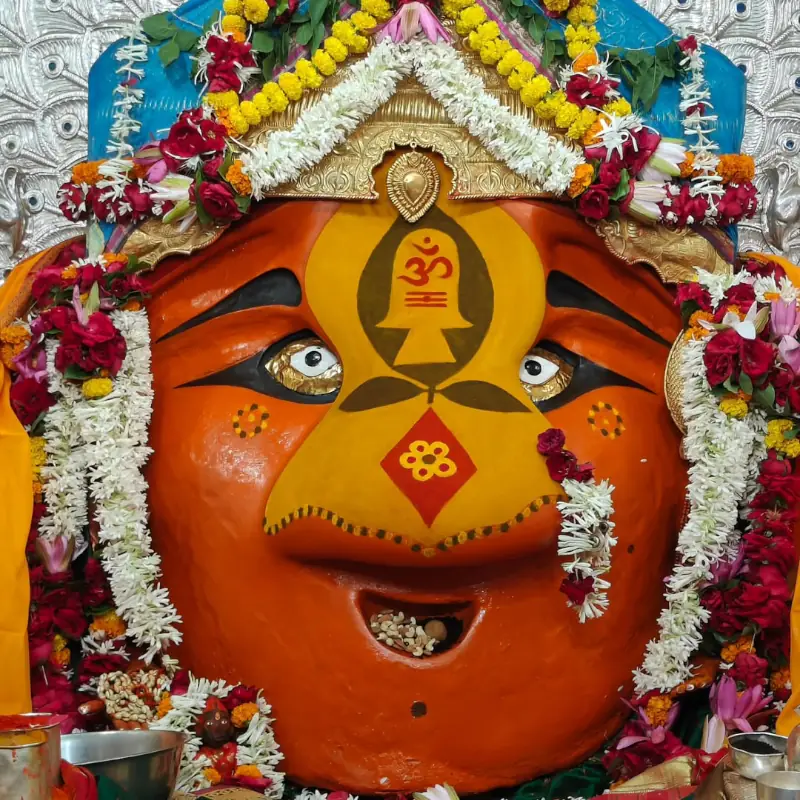
🌞 Best Time to Visit Mahur (Mahurgad) & Its Cultural Festivals 🎉
1️⃣ Seasons in Mahur – A Quick Overview 🌦️
Mahur, nestled in the Satpura ranges of Nanded District, enjoys a tropical climate with hot summers, refreshing monsoons, and pleasant winters. The ideal time to visit is between October and March, when the weather is cool and comfortable for exploring both temples and fort ruins. Summers (March–June) can be scorching, with temperatures rising above 40°C, making travel strenuous. Monsoons (July–September) bring lush greenery and mist-covered hills, adding a mystical charm 🌧️ 🌿, though temple steps and fort paths can be slippery.
2️⃣ Navratri Festival – The Grandest Celebration 🪔
The most significant festival in Mahur is Navratri, celebrated with unmatched devotion at the Renuka Devi Temple. During this nine-day festival (September–October), thousands of devotees from Maharashtra, Telangana, and Madhya Pradesh gather to worship the Goddess. The temple is adorned with flowers, lights, and colourful rangolis 🎨. Daily rituals include Kirtans, Bhajans, and special Aartis, creating an atmosphere of divine energy. The Vijayadashami (Dasara) procession, where the goddess is taken around the temple premises in a grand Palkhi (Palanquin), is a highlight not to be missed.
3️⃣ Chaitra Navratri – The Spring Celebration 🌸
While Ashwin Navratri in September–October is most famous, Mahur also celebrates Chaitra Navratri (March–April) with equal devotion. Pilgrims believe visiting Renuka Devi Temple during both Navratris grants special blessings for family harmony and prosperity. This season also coincides with the onset of summer, so mornings and evenings are the best times for temple visits. Devotees also trek to the Dattatreya Temple and Anusaya Mata Temple, making it a wholesome pilgrimage experience.
4️⃣ Dattatreya Jayanti – A Spiritual Gathering 🕉️
Mahur is one of the most sacred places associated with Lord Dattatreya, and his birth anniversary (Dattatreya Jayanti), usually celebrated in December, attracts thousands of devotees. The Dattatreya Temple, located on a serene forested hill, becomes the focal point for rituals and Satsangs (Spiritual discourses). Pilgrims often fast, chant mantras, and participate in Bhajans, making this festival deeply spiritual. The cool December climate ❄️ also makes this one of the best times to visit Mahur.
5️⃣ Dasara – Victory of Good over Evil 🏹
Dasara (Vijayadashami) has special significance in Mahur, as it is considered the day when Renuka Mata blesses devotees with courage and prosperity. The temple complex witnesses special yagnas, community feasts (Annadaan), and traditional dance performances. Many devotees from Vidarbha and Telangana undertake long-distance pilgrimages on foot 🚶♂️🚶♀️ during this period, showcasing the deep cultural devotion associated with Mahur.
6️⃣ Monsoon Mystique – Nature & Faith 🌧️
Though not a festival season, the monsoon months (July–September) bring a different charm to Mahur. The fort walls glisten with rainwater, forests turn emerald green, and mist covers the temples in a mystical veil 🌫️. For trekkers and nature lovers, this is a dreamlike time to explore Mahur Fort, Anusaya Temple, and surrounding waterfalls. However, pilgrims must be cautious on wet stairways leading to the temples.
7️⃣ Winter Bliss – October to February ❄️
If you want a blend of pleasant weather and spiritual calm, winter is the ideal season to visit Mahur. Temperatures range from 12°C to 28°C, perfect for exploring temples and trekking around the fort. Many cultural programs, folk performances, and village fairs are organised during this time. Local markets also brim with handicrafts, forest honey, and traditional Maharashtrian snacks 🍲, offering visitors a cultural as well as spiritual experience.
8️⃣ Local Village Fairs & Cultural Traditions 🎶
Apart from major Hindu festivals, Mahur hosts weekly bazaars and annual Jatras (village fairs) near the Renuka Devi Temple. These fairs showcase folk dances, devotional music, local crafts, and traditional foods. For instance, during Navratri, villagers perform Gondhal, a traditional devotional performance dedicated to the goddess. Handcrafted items such as bamboo baskets, wooden toys, and bead jewellery are sold in stalls, giving visitors a glimpse of Deccan rural artistry.
9️⃣ A Blend of Pilgrimage & Tourism 🛕 🌄
The best time to visit Mahur is when spiritual celebrations align with nature’s beauty. Navratri and Dasara bring cultural vibrancy, while winters offer comfort for temple treks. Monsoons transform Mahur into a lush green paradise, making it ideal for fort explorations and photography 📸. No matter the season, Mahur’s spiritual aura, temple chants, and cultural rhythms leave visitors with unforgettable memories.
🔟 Travel Tip – When to Plan Your Trip 🧳
➪ For festivals & grand rituals → Visit during Navratri (Sept–Oct) or Dattatreya Jayanti (Dec).
➪ For pleasant weather → Visit between October and February.
➪ For nature & trekking → Plan during monsoon (July–Sept) but travel cautiously.
➪ For quiet pilgrimages → Visit in March–June (summer mornings/evenings), avoiding peak heat hours.
✨ In short, the Best time to visit Mahur (Mahurgad) is more than just about climate — it’s about aligning with the soulful rhythms of its festivals and traditions. Whether you want to witness Navratri’s grandeur, Dattatreya Jayanti’s spirituality, or monsoon’s natural charm, Mahur welcomes every traveler with a unique experience that blends faith, culture, and nature. 🌸 🙏
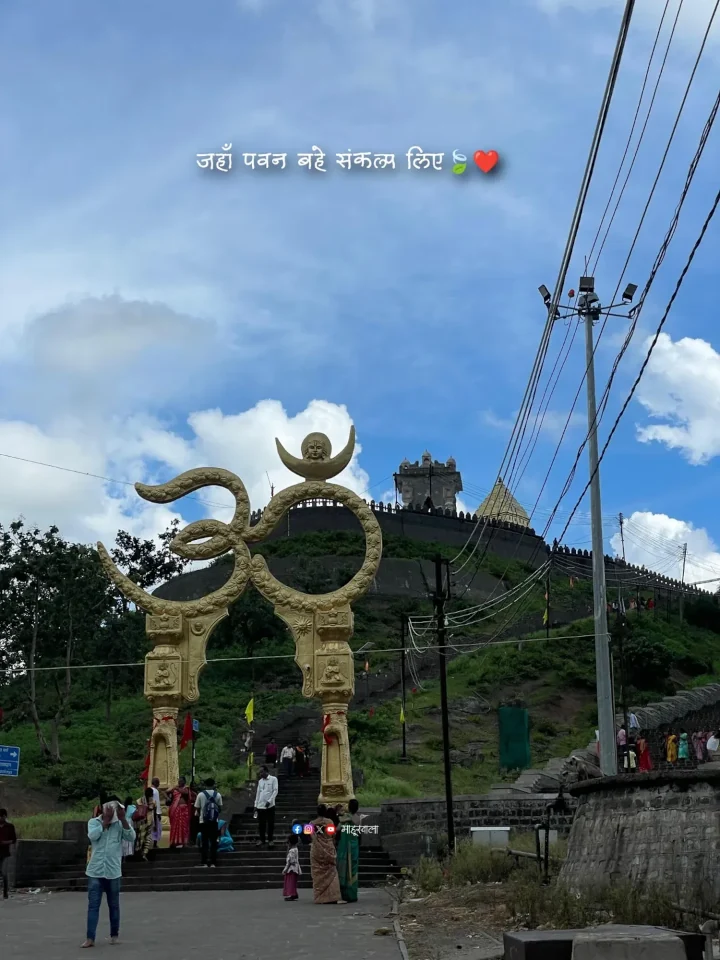
Where to stay in and near Mahur (Mahurgad), Nanded District, with Granular details, Typical Rates, Check-in times, Facilities and Food options
🔘 Quick summary — what to expect 👇
➪ Mahur town itself (closest to Renuka Devi Temple) primarily has budget hotels, guesthouses and dharamshalas — clean, basic rooms that cater to pilgrims. Expect rooms from ₹600–₹2,000 per night in low-to-mid season.
➪ Nanded city (≈125 km / ~3 hours by road) is where you’ll find luxury and full-service hotels (3★ & 4★), with rates from ₹2,000–₹6,000+ per night. If you prefer AC, restaurants and larger facilities, staying in Nanded and driving to Mahur on day trips is common. ✈️
➪ Best option during major festivals (Navratri, Dattatreya Jayanti) — book early. Dharamshalas fill fast; hotels in Nanded also sell out. 🎟️
🔘 Luxury & Comfortable Hotels (Best in Nanded — good for families) 🏨 🌟
If you want comfortable rooms, on-site restaurants, reliable hot water and AC, book in Nanded:
➪ Zip By Spree Hotels Nanded — modern rooms, restaurant, often listed as a good mid-to-upper option. Typical rates: ~₹2,000–₹3,500/night depending on season. Check-in normally 2:00 PM; check-out 12:00 PM.
➪ Visawa Palace / The Mint / Hotel Pooja Garden (Nanded) — 3★ options with in-house restaurant and banquet facilities; rates typically ₹1,800–₹4,000/night. Most provide 24-hour front desk, parking and breakfast (sometimes included).
Tips: These hotels provide easy rail/air transfers (Nanded airport and station) and are a comfortable base to visit Mahur on a day trip. During festivals, rates may spike. Always confirm check-in time (commonly 2:00 – 3:00 PM) and if they serve vegetarian meals or have special Sattvic (Pilgrim) food.
🔘 Mid-range & Budget Hotels in Mahur (closest to the temple) 🛌 💡
Mahur town has small hotels and guesthouses oriented to pilgrims — simple rooms, often family-run:
➪ Hotel Ekvira Dham (Mahurgad) — frequently listed on pilgrimage booking sites. Offers AC & non-AC family rooms, hot water, parking, and food facility (on request). Typical rates: ₹700–₹1,800/night for standard rooms (AC higher). Reported check-in 02:00 PM, check-out 01:00 PM (sites vary).
➪ Krishna Palace Hotel — close to the bus stand (~1 km), AC & non-AC rooms, food facility available. Rates commonly ₹600–₹1,500/night.
➪ Hotel Devi Pride / Hotel Rudra / Hotel Krishna Palace / Hotel Pushkraj Palace / Hotel Ambica Lodging — local mid-range options listed on TripAdvisor / Justdial / Booking; expect ₹600–₹2,000/night depending on room type and festival season. Amenities usually include private bathroom, basic TV, sometimes Wi-Fi.
Practical note: Many of these hotels are family-run and may not show instantly on big OTAs; calling ahead or using local pilgrimage booking portals (e.g., Yatradham / Bhaktaniwas) helps lock rooms and meal plans.
🔘 Dharamshalas, Bhakta Niwas & Pilgrim Lodging (closest & cheapest) 🙏🏽 🍚
If you want the spiritual, economical stay close to the temple complex:
➪ Jagdambe / Jagdamba Bhakt Niwas / Jagdamba Bhakta Niwas — basic two-bed non-AC rooms, meals available nearby, located ~400 m from Mahurgad bus stand. Very inexpensive — ₹100–₹500/share or per person dorm rates, private rooms slightly higher. Check-in times vary (some Dharamshalas operate round-the-clock or from 9:00 AM).
➪ Mahurgad Bhakta Niwas (multiple Bhakt Niwas entries on pilgrimage sites) — often operated by local trusts; facilities: simple beds, shared bathrooms, hot water some times, common kitchen/food option. Typical rules: modest dress code, separate areas for men/women, donation-based fees or fixed nominal tariffs.
Tip: Dharamshalas are ideal during yatras if you’re on a tight budget — but bring basic toiletries, water bottle, and a small padlock for luggage. Confirm meal timings and whether they serve Prasad or Sattvic meals. 🥣
🔘 Guesthouses & Family Lodges (local flavour) 🏡 🌾
➪ Mauli Guest House, Hotel Chandralok, Hotel Shivshankar Lodging, Hotel GN Executive — listed on Justdial/TripAdvisor. Rooms are small but clean; owners often help arrange local guides, temple Puja or vehicle rentals. Rates ₹500–₹1,200/night typically.
These are great if you prefer budget private rooms with a local host who can help with Darshan timings and local food. Many will offer simple home-style meals (Dal, Bhakri, Rice, Sabzi) on request. 🍛
🔘 Facilities — what to expect at each category (granular) 🔎
➪ Luxury hotels (Nanded): AC rooms, attached bathrooms, in-house multi-cuisine / Indian restaurants, room service, 24-hour reception, airport transfer (on request), parking, Wi-Fi, sometimes banquet halls. Check-in: 2:00–3:00 PM; check-out: 11:00–12:00 PM.
➪ Mid-range (Mahur): AC/non-AC rooms, private bathrooms, hot water (sometimes timed), basic in-house or partner restaurant, parking, sometimes TV and fan. Check-in: typically 2:00 PM but smaller lodges may be more flexible.
➪ Dharamshalas: Shared bathrooms (cleanliness varies), simple bedding, community kitchen/meal service or nearby langar/shops, donation or nominal fee, basic security. Many Dharamshalas keep 24-hour check-in for pilgrims but verify locally.
🔘 Food & Special Pilgrim Meals 🍲
➪ On-site hotel restaurants (Nanded / bigger Mahur hotels) serve vegetarian and sometimes limited non-veg meals; breakfast often included in room rates at higher category hotels.
➪ Local eateries & temple Prasad: In Mahur town near the Renuka Devi Temple you’ll find stalls offering Puran Poli, Pedha, Chai, Idli/Dosa (South Indian for visiting Telangana devotees) and simple thalis. Dharamshalas and Bhakt Niwas often organise communal meals (langar/prasad) during festivals.
🔘 Typical Rates & Booking Tips (seasonality explained) 💸
➪ Dharamshala / Bhakta Niwas: ₹0 (donation) to ₹500 per person.
➪ Budget hotels / Guesthouses (Mahur): ₹600–₹1,500 per night for non-AC/AC standard rooms.
➪ Mid to luxury (Nanded): ₹1,800–₹6,000+ per night depending on star rating and festival dates.
Booking tips: During Navratri, Dasara, and Dattatreya Jayanti, rates spike and rooms sell fast — book 3–6 weeks in advance. For Dharamshalas, contact the managing trust or use pilgrimage portals like Yatradham / Bhaktaniwas to reserve. Always confirm cancellation policy and whether the rate includes meals.
🔘 Contact & Practical Advice before you book 📞 ✅
➪ Use OTAs (MakeMyTrip, Goibibo, Booking) for hotels in Nanded and some in Mahur; for Dharamshalas, use Yatradham / local trust pages / temple office to reserve.
➪ Ask hotels about vehicle parking (many pilgrims come by car/bus), early breakfast for Darshan, and space to store offerings. If you require a vegetarian Sattvic meal or Prasad arrangements, tell the Hotel/Dharamshala in advance. 🚗 🥣
🔘 Final recommendations — what I’d personally suggest ✨
➪ Budget Pilgrim: Book a Bhakta Niwas in Mahur (Jagdambe/Jagdamba Bhakta Niwas) for proximity and low cost — arrive early to secure space.
➪ Comfortable family trip: Stay in a mid-range hotel in Mahur like Ekvira Dham or Krishna Palace if you want to be near the temple but still have private rooms and food facilities.
➪ Comfort + sightseeing: Stay in Nanded (Zip By Spree, Visawa Palace) and day-trip to Mahur — this gives more dining and medical options.
✅︎ Sources & where I pulled the rates/details (please verify before booking)
Yatradham / Mahurgad hotel listings (Bhakt Niwas & local hotels).
MakeMyTrip / Goibibo / Booking / Hotels.com listings for Nanded & Mahur hotel inventory and approximate rates.
TripAdvisor / Justdial local listing pages (Guesthouses & Dharamshalas).
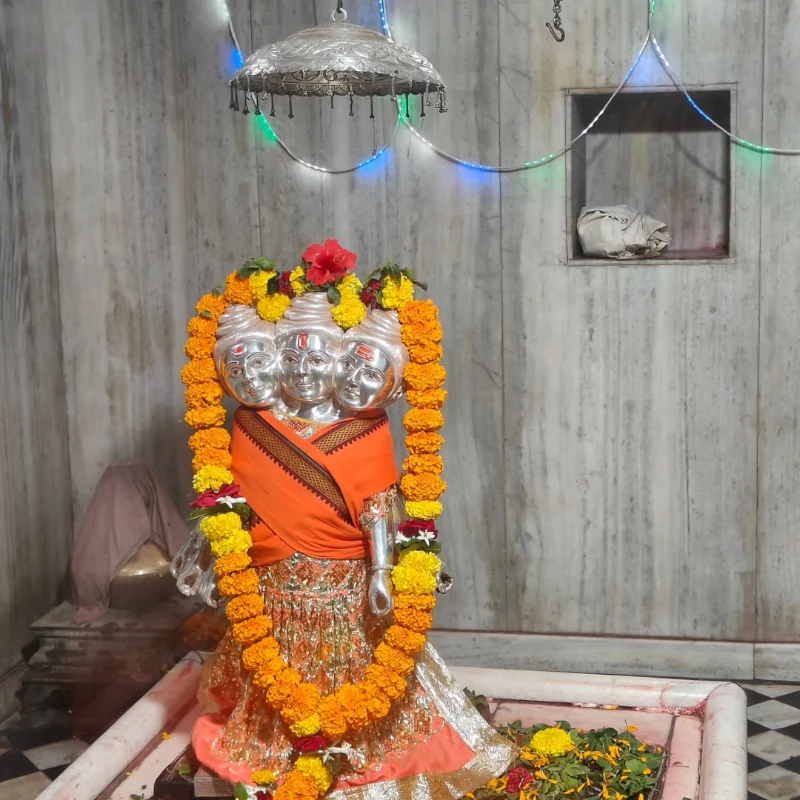
🌟 Best Places to Visit in and near Mahur (Mahurgad), Nanded District, Maharashtra
Mahur (also called Mahurgad) is not only a religious centre but also a treasure trove of history, architecture, natural beauty, and cultural vibrancy. From Ancient Temples and Forts perched on hilltops to bustling marketplaces selling handicrafts, this small town offers a fulfilling blend of spirituality, heritage, and local life. Below is a detailed breakdown of the must-visit attractions.
🛕 Temples & Places of Worship in Mahur
🎯 Shri Renuka Devi Temple
The Renuka Devi Temple is the crown jewel of Mahur, revered as one of the 51 Shakti Peethas in India. Perched atop a hill, the temple is dedicated to Goddess Renuka, mother of Lord Parashurama. Pilgrims climb a flight of stone steps to reach the sanctum, where the ancient idol of the goddess is adorned with flowers and ornaments 🌸. The temple comes alive during Navratri when lakhs of devotees gather for grand festivities. Its hilltop location also offers panoramic views of the surrounding Sahyadri landscape.
🎯 Dattatreya Temple
Dedicated to Lord Dattatreya — considered an incarnation of the divine trinity Brahma, Vishnu, and Shiva — this temple sits atop another hill in Mahur. The trek to the temple passes through lush greenery and rocky paths, adding a meditative charm to the journey 🌿. The Dattatreya Jayanti festival is celebrated with deep devotion, featuring Bhajans, Palkhi processions, and community feasts.
🎯 Anusaya Mata Temple
This temple is believed to be the birthplace of Anusaya Mata, the mother of Dattatreya. A serene site surrounded by forests, the temple is particularly significant for devotees seeking blessings for family harmony and motherhood. Locals say that visiting all three — Renuka Devi, Dattatreya, and Anusaya Mata temples — completes the Mahur Yatra ✨.
🎯 Kalika Temple
Though less popular than Renuka Devi Temple, the Kalika Temple is steeped in ancient legends. It is associated with Goddess Kali, who symbolises power and protection. The temple’s rustic stone structure gives visitors a glimpse into Medieval Deccan Architecture.
🎯 Dev Deveshwar Temple
Another revered shrine, this temple is closely associated with local traditions and rituals. It is surrounded by smaller shrines and offers a peaceful environment for meditation and prayers.
🎯 Local Sacred Spots
Besides the main temples, there are numerous small shrines, caves, and holy Kunds (water tanks) scattered across Mahur. Pilgrims often walk the Temple circuit, offering Prayers at each stop — an experience that blends devotion with exploration 🚶♂️ 🕉️.
🏰 Historical & Scenic Attractions
🎯 Mahurgad Fort
The Mahurgad Fort is a fascinating site for history lovers. Built during the Yadava dynasty (12th–13th century CE), the fort stands atop a 2,650-foot-high hill. It once served as a strategic military outpost during the Bahmani Sultanate and later under the Adil Shahi rulers 🏹. The fort’s ramparts, gateways, and bastions reflect the strategic architecture of medieval Maharashtra. From the top, visitors can see sweeping views of the Satpura ranges. A trek to the fort is a must for adventure enthusiasts.
🎯 Sahyadri Hills & Forest Trails
Mahur is nestled in the lap of the Sahyadri ranges, with dense forests surrounding the temples and fort. Trekkers and nature lovers can enjoy guided forest walks, birdwatching tours 🐦, and seasonal treks during monsoon. Local villagers often narrate folklore about divine beings said to have walked these paths.
🎯 Sacred Caves & Ancient Ruins
The hills around Mahur hide ancient caves and rock-cut structures believed to have been used by saints and sages for meditation. Exploring these caves gives travellers a deeper spiritual connection and a chance to witness centuries-old rock carvings.
🎯 Kinwat Forest Reserve
Just 20 km away lies the Kinwat Forest Reserve, home to diverse flora and fauna. It is a paradise for eco-tourism, offering opportunities for nature photography 📸, jungle treks, and spotting wildlife like deer, langurs, and peacocks.
🎯 Painganga River
The Painganga River, flowing near Mahur, is both a lifeline and a scenic spot. Pilgrims often perform rituals along its banks, while travellers enjoy its tranquil beauty, especially during monsoon when the river swells dramatically 🌊.
🎯 Unkeshwar Hot Springs
Located about 90 km from Mahur, the Unkeshwar Hot Springs are believed to have medicinal properties. The springs are rich in sulphur and attract tourists seeking natural healing therapies. It’s an excellent day trip combined with temple visits.
🛍️ Local Marketplaces & Handicrafts
🎯 Mahur Bazaar
The local bazaar of Mahur is a vibrant place where pilgrims shop for souvenirs after visiting the temples. Popular items include beaded malas, brass idols of Renuka Devi, and handwoven shawls. The market is especially lively during festivals, with stalls selling religious books, photos, and Prasad packets 📿.
🎯 Handicrafts & Folk Art
Nanded district, including Mahur, is known for its Bidri work — an intricate metal handicraft that originated in nearby Bidar. While not made locally, Bidri artefacts are often sold in Mahur markets as pilgrim keepsakes. Local artisans also sell bamboo crafts, pottery, and tribal jewellery, reflecting the lifestyle of forest-dwelling communities.
🎯 Food Stalls & Sweet Shops
No visit to Mahur is complete without tasting local Maharashtrian delicacies. Food stalls near the temple serve Puran Poli, Poha, Bhakri with Thecha (Spicy Chutney), and sweets like Pedha and Jalebi 🍛 🍬. These simple yet authentic flavours give travellers a taste of local hospitality.
🏞️ Nearby Tourist Attractions
🎯 Nanded City & Hazur Sahib Gurudwara
About 125 km from Mahur lies Nanded, home to the famous Takht Hazur Sahib Gurudwara, one of the five Takhts of Sikhism 🛕. It is a major pilgrimage site and adds a multi-faith dimension to a Mahur trip.
🎯 Basar Saraswati Temple (Telangana)
Located around 70 km from Mahur, this temple is dedicated to Goddess Saraswati, the deity of learning. Many families visit both Mahur and Basar in a single yatra to seek blessings for wisdom and strength 🙏 📚.
🎯 Sahastrakund Waterfall
Situated about 100 km from Mahur, the Sahastrakund Waterfall is a breathtaking sight, especially during the monsoon. The roaring cascade over black basalt rock formations is a perfect picnic spot for families and photography enthusiasts 🌊 🌿.
🎯 Kinwat & Adilabad (Telangana border)
The nearby towns of Kinwat and Adilabad offer a peek into the cultural diversity of the Maharashtra-Telangana border. Weekly markets here showcase tribal crafts, fresh produce, and traditional attire.
🎯 Rural Villages & Cultural Tours
For travellers seeking authentic experiences, guided visits to nearby tribal villages provide insights into local farming practices, folk songs, and traditional dances. Interactions with villagers reveal the deep faith they hold in Renuka Mata and Dattatreya traditions.
✨ Final Note on Sightseeing in Mahur
Mahur is not just a temple town — it is a spiritual, cultural, and natural destination. From Shakti Peeth temples that radiate energy to forts and forests that whisper tales of history, and from bustling bazaars filled with handicrafts to neighbouring cities with Sikh and Saraswati shrines — Mahur offers a complete cultural circuit. Whether you’re a pilgrim, a history buff, or a casual traveler, the experiences here are layered, enriching, and memorable 🌺 🌄.
🍴 Best Places for Refreshments with Authentic Local Food in Mahur
🔘 Introduction to Mahur’s Culinary Culture 🍛
Mahur is primarily a spiritual and cultural hub, but it also offers a rich variety of authentic Maharashtrian food that reflects the traditions of the Deccan region. Being a pilgrimage town, the food scene here is closely linked with the needs of devotees — simple, wholesome, and vegetarian meals dominate the landscape. However, nearby towns like Kinwat, Nanded, and Adilabad (Telangana border) also bring influences of spicy Andhra-style curries, Hyderabadi flavours, and traditional Marathwada thalis.
🔘 Local Maharashtrian Thali Experience 🥘
The Maharashtrian Thali is one of the most sought-after meals for visitors in Mahur. A typical thali includes Poli (Chapati), Bhakri (Jowar or Bajra Roti), Varan-Bhaat (Dal-Rice), Sabzi, Koshimbir (Salad), and Thecha (Spicy Chutney). Seasonal vegetables and lentils play a central role. You will find affordable thali houses near the Renuka Devi Temple and the main bus stand, where meals are served fresh and hot, often priced around ₹120–₹200 per person.
🔘 Street Food Delights 🌮
For devotees looking for a quick snack between temple visits, Mahur’s street food stalls are a blessing. Local vendors sell Batata Vada, Misal Pav, Kanda Bhaji (Onion Pakoras), Poha, and Sabudana Khichdi. These light meals are perfect for mornings and evenings, usually costing less than ₹50–₹80 per plate. The tea stalls here are always bustling, serving strong, spiced cutting chai with jaggery biscuits.
🔘 Popular Refreshment Spots near Renuka Devi Temple 🙏
Around the Renuka Devi Temple complex, several small canteens and Bhojanalayas serve Satvik food for devotees. Items like Khichdi, Puri-Bhaji, Upma, and Curd Rice are common. Most eateries avoid onion and garlic to cater to pilgrims observing religious restrictions. The prices are nominal, and the food is served quickly, making them convenient during festival rushes like Navratri.
🔘 Authentic South Indian Influence 🍲
Mahur’s proximity to Telangana and Andhra Pradesh brings a distinct South Indian flavour. Small restaurants on the highways and near the bus stand serve Idli, Dosa, Vada, Sambhar, and Tamarind Rice. The sambhar here is spicier than the coastal Maharashtrian version, giving a true taste of Andhra cuisine. Meals are affordable (₹100–₹150 per plate) and very filling, especially for breakfast and evening tiffin.
🔘 Famous Dhabas along the Roadside 🚗 🍽️
Travellers driving to Mahur often stop at highway-side dhabas on routes connecting Nanded, Kinwat, and Adilabad. These dhabas are rustic but serve hearty meals — from Dal Fry, Paneer Masala, and Jeera Rice to Tandoori Roti and Butter Chicken (for non-vegetarians). Some popular dhabas include Shivraj Dhaba near Kinwat Road and Sai Bhojanalaya near Mahur Bus Stand. Meals usually range from ₹200–₹300 for two people, making them ideal for families and groups.
🔘 Sweet Specialties of Mahur 🍬
No culinary exploration is complete without sweets, and Mahur has its share of local delights. Puran Poli (sweet stuffed flatbread) and Anarsa (crispy rice flour sweet) are often prepared during festivals. Local halwai shops near the market area sell Jalebi, Gulab Jamun, Pedha, and Laddoo fresh every morning. Devotees often buy sweets as Prasad after visiting the temples. Prices usually start at ₹200–₹400 per kg, depending on the sweet.
🔘 Seasonal and Festive Foods 🎉
During festivals like Navratri, Dussehra, and Renuka Devi Yatra, food stalls mushroom all over Mahur. Temporary kitchens serve Bhajani Thalipeeth, Varan-Bhaat, Modaks, Kheer, and festive Farsan (Snacks). These meals are not only affordable but also deeply rooted in local traditions. Many Dharamshalas also provide free Prasad Bhojan (Community meals) during major celebrations, adding to the spirit of devotion and togetherness.
🔘 Tea Stalls & Evening Snacks ☕ 🍪
For casual hangouts, Chai Tapris (Tea stalls) are popular. Here, devotees and travellers gather over steaming cups of Masala Chai paired with Cream Rolls, Khari Biscuits, and Pakoras. These stalls often become community gathering points where pilgrims share stories and bond. A cup of chai costs around ₹10–₹15, making it one of the most loved refreshments in Mahur.
🔘 Local Market Refreshments & Fresh Produce 🥭 🌽
The Mahur marketplace not only sells handicrafts but also fresh produce and seasonal fruits like Custard Apple, Guava, and Mangoes. Small juice stalls serve Sugarcane Juice, Lemon soda, and Buttermilk (Chaas) to quench thirst after long temple walks. For those looking to pack something fresh, local Jaggery and handmade Papads are popular takeaway items.
🔘 Influence of Hyderabadi Cuisine 🍗 🍛
Being not too far from Hyderabad, Mahur also has eateries influenced by Hyderabadi flavours. While the town itself is predominantly vegetarian, nearby towns and roadside restaurants serve Hyderabadi biryani, kebabs, and spicy curries. Pilgrims traveling from Hyderabad often stop at these restaurants en route to Mahur for a hearty meal. Prices vary between ₹250–₹350 per biryani platter.
🔘 Small Guesthouse & Temple Bhojanalayas 🍲 🙏
For those staying in Guesthouses or Dharamshalas, most accommodations include in-house kitchens serving simple Maharashtrian meals. A basic meal usually consists of Dal, Rice, Chapati, and Seasonal Curry. Some guesthouses also provide unlimited thali options for ₹150–₹200 per person. These meals are cooked in homely style and are considered nourishing for pilgrims seeking Sattvic food during their spiritual journey.
🔘 Recommendations for Food Explorers 🌍
➪ Breakfast: Start your day with Poha, Upma, or Idli-Sambar near the temple road.
➪ Lunch: Go for a traditional Maharashtrian Thali at a Bhojanalaya.
➪ Snacks: Try Batata Vada with Chai from a street vendor.
➪ Dinner: Relax at a Kinwat Road Dhaba with a mix of Maharashtrian and Hyderabadi influences.
➪ Sweets: Don’t miss Puran Poli or Jalebi from the local Halwai shop.
✅ In essence, Mahur’s food culture is simple yet soulful, catering both to pilgrims who prefer satvik meals and travellers who seek hearty regional thalis and dhaba delicacies. Whether you’re stopping for a quick snack after temple darshan or indulging in festive sweets during Navratri, Mahur ensures that its food reflects its spirituality, hospitality, and cultural fusion.
🗺️ Local Food Trail Itinerary & Printable Food Map Guide of Mahur
⒜ Introduction to the Food Trail 🍴✨
Mahur is not just a sacred pilgrimage site but also a culinary journey through Maharashtrian, Marathwada, and Telangana flavours. A thoughtfully planned food trail here helps travellers combine temple visits with authentic Satvik meals, street snacks, and regional delicacies. This itinerary-style food map is designed to help devotees, travellers, and food enthusiasts discover Mahur’s hidden food gems in a structured manner, making their journey both spiritual and flavourful.
⒝ Morning Kickstart – Temple Area Breakfast 🌞 🍛
Start your day early with breakfast near the Renuka Devi Temple. Most food stalls open by 6:30 AM to cater to devotees. The best picks include:
➪ Kanda Poha (₹30 per plate)
➪ Sabudana Khichdi with Curd (₹50)
➪ Idli-Sambar or Medu Vada (₹70 per set, South Indian style)
➪ Pair it with a strong cup of cutting chai (₹15) or a glass of fresh buttermilk. This wholesome start ensures you have energy for temple Darshan and sightseeing.
📍 Food Map Point: Temple Road Stalls & Canteens
⒞ Mid-Morning Refreshment – Street Snacks & Fruits 🍌 🥤
After exploring Anusuya Devi Temple or Mahurgad Fort, stop at the local bazaar for mid-morning snacks. Seasonal fruits like Custard Apple (Sitaphal), Guava, and Sugarcane juice are readily available. Vendors also sell Bhajiya (fritters) and Samosas fresh from the Kadhai. This light refreshment costs under ₹50 and is perfect before heading to your next site.
📍 Food Map Point: Mahur Main Bazaar
⒟ Lunch – Authentic Maharashtrian Thali Experience 🥘
For lunch, visit a local bhojanalaya or thali house near the bus stand or temple road. The must-try Maharashtrian Thali typically includes:
⦿ Bhakri (Jowar/Bajra Roti) 🌾
⦿ Varan-Bhaat (Dal-Rice) 🍚
⦿ Seasonal Vegetable Curry 🥦
⦿ Thecha (spicy chutney) 🌶️
⦿ Puran Poli or Shrikhand (sweet) 🍯
Meals are unlimited thalis priced between ₹150–₹220, served with warm hospitality.
📍 Food Map Point: Sai Bhojanalaya / Annapurna Bhojanalaya near Bus Stand
⒠ Evening Trail – Tea, Snacks & Market Walk ☕ 🛍️
By evening, after visiting the Kalika Devi Temple or Datta Mandir, indulge in a round of tea and snacks. Popular options include:
➪ Batata Vada with Pav (₹40)
➪ Kanda Bhaji with Masala Chai (₹50)
➪ Cream Rolls & Khari Biscuits (₹30–₹40)
➪ This is also the perfect time to stroll through local handicraft shops selling Papads, Pickles, and handmade sweets like Anarsa and Laddoo.
📍 Food Map Point: Mahur Market Tea Stalls
⒡ Dinner Stop – Dhabas & Highway Flavours 🚗🍽️
For dinner, travellers often prefer roadside dhabas on the Kinwat or Nanded route. These rustic eateries serve both vegetarian and non-vegetarian options. The highlights include:
➪ Paneer Masala with Tandoori Roti 🧀
➪ Dal Fry & Jeera Rice 🍲
➪ Butter Chicken (for non-veg lovers) 🍗
➪ Average cost: ₹250–₹350 for two people. These dhabas are great for families traveling back from temples, providing hearty meals late into the night.
📍 Food Map Point: Shivraj Dhaba (Kinwat Road) / Sai Dhaba (Nanded Road)
⒢ Festival Food Trail – Navratri & Yatra Special 🎉 🍲
During Navratri, Dussehra, and Renuka Devi Yatra, Mahur transforms into a food carnival. Temporary stalls serve Khichdi, Puri-Bhaji, Thalipeeth, Modaks, and festive sweets. Many Dharamshalas organise free community meals (Prasad Bhojan) for pilgrims. For food lovers, this is the best time to experience the spiritual and culinary blend of Mahur, where thousands share meals together.
📍 Food Map Point: Temple Grounds & Yatra Festival Stalls
⒣ Printable Food Map Guide 🗺️ 🍴
To make the food journey simpler, a printable food map guide can be created highlighting:
⦿ Temple Area: Breakfast stalls & Satvik Bhojanalayas.
⦿ Bazaar Road: Snacks, sweets, and fresh fruits.
⦿ Bus Stand Area: Thali restaurants & budget Bhojanalayas.
⦿ Highway Routes (Kinwat/Nanded): Dhabas & late-night eateries.
⦿ Festival Grounds: Seasonal stalls during Navratri & Yatras.
This Food Map Guide ensures visitors can plan their meals around temple visits and sightseeing, while also savouring Mahur’s authentic flavours.
⒤ Suggested One-Day Food Trail 🕗 🥗
⦿ 6:30 AM – Breakfast: Poha & chai near Renuka Devi Temple.
⦿ 10:00 AM – Snack: Fruit juice & Pakoras at Mahur Bazaar.
⦿ 1:00 PM – Lunch: Unlimited thali at Annapurna Bhojanalaya.
⦿ 5:00 PM – Evening Tea: Batata Vada & Masala Chai at Market Tea Stalls.
⦿ 8:00 PM – Dinner: Paneer masala with roti at Shivraj Dhaba.
➪ Optional Festival Trail: Modaks & Prasad Bhojan during Navratri.
✅ Conclusion: Mahur’s food trail is not just about eating, but about experiencing the spiritual, cultural, and community-driven food traditions of Marathwada. From Satvik temple meals to spicy dhaba curries, every stop on this itinerary gives a taste of Mahur’s soulful hospitality.
🌦️ Climatic Conditions in Mahur (Mahurgad), Nanded District, Maharashtra
🌍 Introduction – Weather as a Travel Companion
Mahur (also called Mahurgad), located in the Satpura ranges of Nanded District, has a climate that plays a huge role in shaping the pilgrimage and travel experience. Nestled at an altitude of around 650 meters above sea level, the region enjoys a blend of tropical and semi-arid weather, with distinct seasonal variations. Each season – summer, monsoon, and winter – paints Mahur in a different light, influencing not only how comfortable your journey will be but also which festivals and cultural activities you can enjoy.
☀️ Summer (March to June) – The Season of Heat
Summers in Mahur can be quite intense, with temperatures ranging from 28°C to 42°C. The afternoons are especially hot, making it slightly difficult for trekking or climbing the temple steps. However, many pilgrims still visit during early mornings or late evenings to avoid the peak heat. Devotees believe offering prayers to Renuka Devi Mata during the summer season grants blessings for strength and resilience. Carrying cotton clothes, hats, sunglasses, and plenty of water is essential for this season.
🌧️ 🌿 Monsoon (July to September) – The Green Paradise
When the monsoons arrive, Mahur transforms into a lush green paradise. With rainfall averaging 900–1000 mm annually, the forests surrounding Mahurgad become alive with streams, waterfalls, and misty views. Temperatures drop to a comfortable 22°C to 30°C, but roads and temple steps can get slippery. Still, this is one of the most scenic times to visit, especially for nature lovers and photographers 📸. Trekkers enjoy exploring the Mahur Fort during this time, though caution is advised.
❄️ Winter (October to February) – The Ideal Season
Winters are considered the best season to visit Mahur, with cool and pleasant weather ranging between 12°C and 28°C. The skies are clear, and the climate is perfect for exploring Renuka Devi Temple, Datta Mandir, Anusuya Devi Temple, and Kalika Devi Temple. This is also the season when major festivals like Navratri (October) and Dattatreya Jayanti (December) are celebrated, drawing thousands of devotees. Pilgrims find winter travel more comfortable, and evenings often carry a spiritual charm with temple bells echoing through the chilly breeze.
🎉 🛕 Festival & Seasonal Influence
Weather in Mahur often dictates how festivals are celebrated. For example, Navratri in October coincides with the pleasant winter onset, making it the most crowded time for pilgrimages. The monsoon season sees smaller but more intimate gatherings, while summer months attract locals who can manage shorter day trips. Many villagers shared in interviews that winter yatras (pilgrimages) are the most joyful since the weather allows for long processions, folk performances, and community meals.
🌅 🌙 Morning & Evening Variations
Interestingly, Mahur’s climate shows a noticeable variation between mornings, afternoons, and evenings. Even during hot summers, mornings (5:30 AM to 9:00 AM) remain pleasant, making them ideal for darshan. Afternoons can be harsh, especially in May and June, while evenings cool down again after sunset. Winters have crisp mornings, perfect for treks, while monsoon evenings are often wrapped in fog and drizzle, creating a mystical atmosphere around the temples.
🎒 Travel Tip – What to Pack According to Season
⦿ Summer: Light cotton clothes, sunscreen, water bottles, and caps.
⦿ Monsoon: Umbrellas, raincoats, quick-dry clothes, trekking shoes.
⦿ Winter: Light woollens for evenings, comfortable footwear, shawls.
These small adjustments can make the journey more enjoyable regardless of the weather. Locals often advise visitors to keep an umbrella handy year-round since sudden showers are common in Mahur’s hilly terrain.
👨🌾 🍲 Climatic Impact on Local Lifestyle
The changing climate not only impacts tourism but also shapes the daily lives of Mahur’s residents. Summers are dedicated to agricultural activities, while monsoons bring fresh crops, wild herbs, and forest honey, which find their way into the local food stalls. Winters are seen as a time for festivals, fairs, and community gatherings, making the town more vibrant. Many handicrafts like bamboo baskets and wooden toys are made in winter months when artisans can work comfortably without heat or humidity.
📅 Best Season Recap – When to Go?
⦿ For Festivals & Pilgrimage: October–December (Winter & Navratri).
⦿ For Trekking & Nature Lovers: July–September (Monsoon greenery).
⦿ For Peaceful, Less Crowded Visits: February–March (Pre-summer).
This balance between climate, culture, and convenience makes Mahur a year-round destination, though winters remain the most traveler-friendly.
🌟 Conclusion
The climate of Mahur (Mahurgad) is more than just a weather report — it is a reflection of its culture, festivals, and lifestyle. Whether you seek the cool breezes of winter, the lush greenery of monsoon, or the spiritual strength of summer pilgrimages, each season offers a unique experience. A well-planned trip, aligned with the climate, ensures that visitors not only enjoy temple darshan but also immerse themselves in the natural and cultural rhythm of Mahur. 🌸
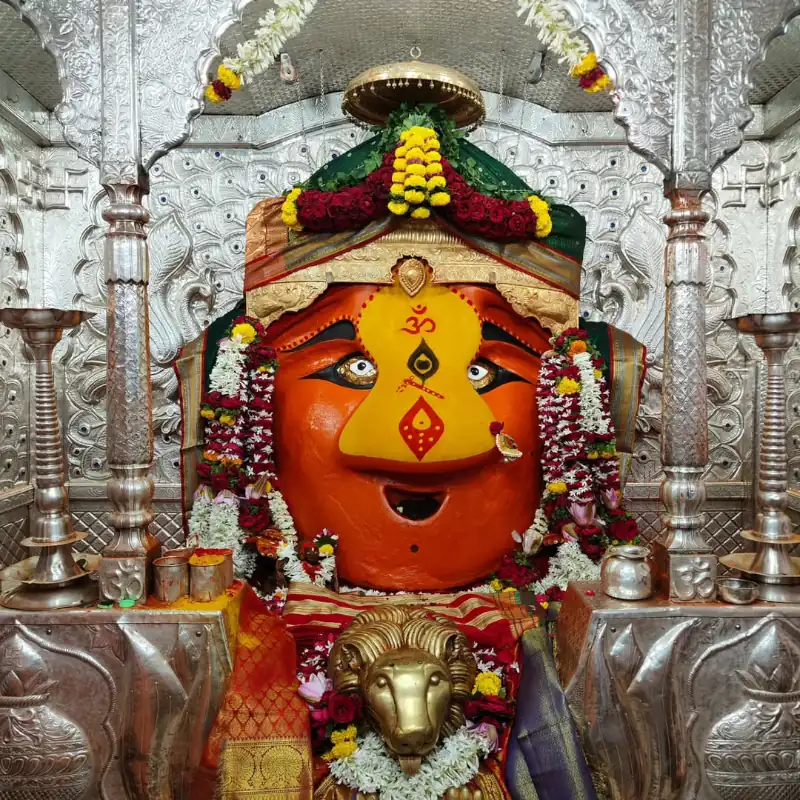
🌦️ Month-Wise Temperature & Rainfall Chart for Mahur (Mahurgad), Nanded District
📅 Introduction – Why Month-Wise Weather Matters
When planning a pilgrimage or leisure trip to Mahur (Mahurgad), weather plays a big role. Pilgrims often ask: “Which month is best for Darshan?” or “Is the fort trek safe in monsoons?” A month-wise breakdown of temperature and rainfall helps travellers choose the ideal time. Mahur’s climate follows a tropical monsoon pattern with three main seasons — hot summers, lush monsoons, and cool winters.
❄️ January – Winter Bliss
➪ Temperature: 12°C – 26°C
➪ Rainfall: Minimal (0–5 mm)
➪ January is one of the most pleasant months to visit Mahur. Cool mornings make Temple Darshan peaceful, and afternoons are comfortably warm. The skies remain clear, perfect for photography 📸 at Mahur Fort and Renuka Devi Temple. Winter fairs and local markets are at their liveliest during this time.
🌸 February – Pleasant & Spiritual
➪ Temperature: 14°C – 28°C
➪ Rainfall: Negligible (0–5 mm)
➪ February offers pleasant climate conditions with mild mornings and slightly warmer afternoons. This is a good month for those who prefer less crowded pilgrimages before the onset of summer. Locals say this month is perfect for trekking up Anusuya Devi Hill without breaking a sweat.
🔆 March & April – Summer Onset
➪ Temperature: 20°C – 36°C (March), rising to 24°C – 40°C (April)
➪ Rainfall: 5–15 mm (occasional showers)
➪ March marks the beginning of summer, though mornings remain manageable. April, however, brings higher daytime temperatures, making midday travel difficult. Pilgrims prefer early-morning darshan during Chaitra Navratri (March–April). Hydration and light cotton clothes are a must.
🔥 May & June – Peak Summer
➪ Temperature: 26°C – 42°C
➪ Rainfall: 20–50 mm (pre-monsoon showers in June)
➪ May is the hottest month in Mahur, with dry, scorching afternoons. Many visitors avoid long temple climbs during this time. June provides slight relief as pre-monsoon showers cool the region. Still, humidity rises, and the terrain becomes slippery near the end of June.
🌧️ 🌿 July & August – Monsoon Magic
➪ Temperature: 22°C – 30°C
➪ Rainfall: 200–300 mm (heavy rains)
➪ Monsoon transforms Mahur into a green wonderland. Forests around Mahur Fort come alive, streams flow, and hills get wrapped in mist. Though trekking is scenic, it’s also risky due to slippery paths. Raincoats, trekking shoes, and waterproof bags are essential. Photographers love this season for dramatic landscapes 🌄.
🌦️ September – The Transition Month
➪ Temperature: 22°C – 32°C
➪ Rainfall: 120–150 mm
➪ September is a shoulder season — rains reduce, and the land remains lush and green. Travel becomes easier, and humidity lowers. This is a great month for quiet temple visits before the grand Navratri festival rush in October.
🎉 October – Navratri & Pleasant Autumn
➪ Temperature: 18°C – 30°C
➪ Rainfall: 30–50 mm (retreating monsoon showers)
➪ October is the festival season in Mahur. Navratri brings thousands of devotees to Renuka Devi Temple, and the weather is just right — not too hot, not too cold. Light showers may still occur early in the month, but overall conditions are ideal for both pilgrimage and sightseeing.
🍂 November – Cool & Comfortable
➪ Temperature: 15°C – 28°C
➪ Rainfall: Minimal (5–10 mm)
➪ November marks the onset of true winter. The air feels crisp, and evenings get chilly. This is one of the most recommended months for both spiritual yatras and fort explorations. Pilgrims often say this is when Mahur’s atmosphere feels the most divine ✨.
🕉️ ❄️ December – Dattatreya Jayanti & Winter Peak
➪ Temperature: 12°C – 26°C
➪ Rainfall: Almost none
➪ December is peak winter in Mahur, coinciding with Dattatreya Jayanti celebrations at the Datta Mandir. The crisp, cool weather makes it the best month for cultural immersion, as pilgrims gather for Bhajans, Kirtans, and festive rituals. Warm clothing is recommended for early mornings and late evenings.
📊 Suggested Climate Infographic / Chart
| Month | Avg. Temp (°C) | Rainfall (mm) | Travel Highlights 🌟 |
| January–February | 12–28°C | 0–5 mm | Cool weather, ideal for sightseeing |
| March–April | 20–40°C | 5–15 mm | Chaitra Navratri, early summer treks |
| May–June | 26–42°C | 20–50 mm | Hot, avoid midday travel |
| July–August | 22–30°C | 200–300 mm | Monsoon greenery, trekking (risky) |
| September | 22–32°C | 120–150 mm | Post-monsoon lushness |
| October | 18–30°C | 30–50 mm | Navratri Festival, pleasant |
| November | 15–28°C | 5–10 mm | Crisp cool climate, best for Darshan |
| December | 12–26°C | 0 mm | Dattatreya Jayanti, festive charm |
✅ Conclusion: Mahur’s weather is as much a part of its character as its temples and history. Winters (Oct–Feb) are best for festivals and darshan, monsoons (Jul–Sept) for scenic greenery, and summers (Mar–Jun) for those who prefer quieter visits. Aligning your trip with the month-wise climate ensures a more comfortable and fulfilling experience. 🌿 🛕
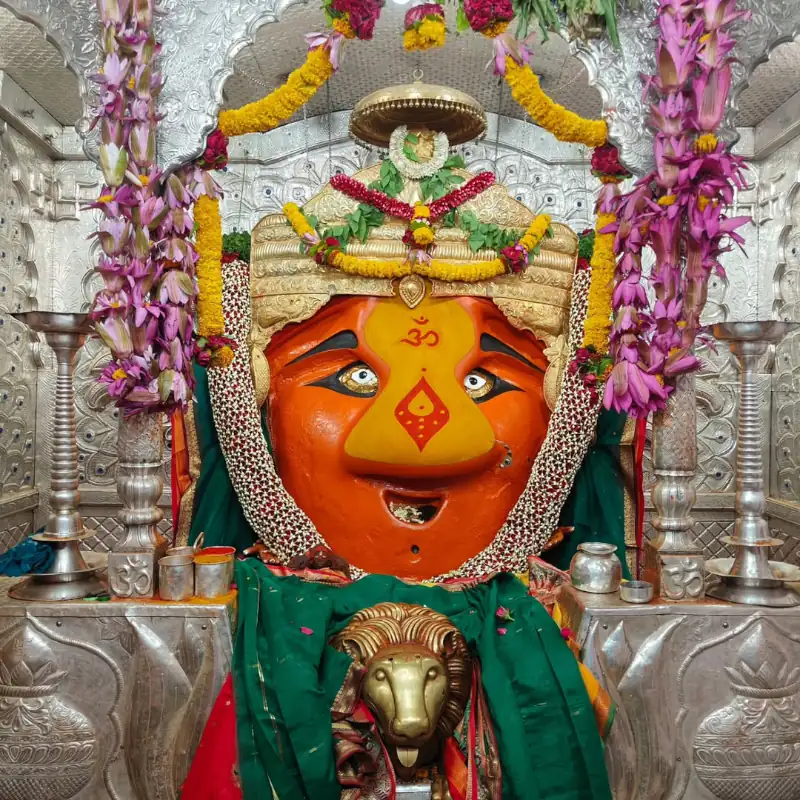
🧑🤝🧑 Sociodemographic Profile of Mahur (Mahurgad), Nanded District
🌸 Introduction – People as the Soul of Mahur
While Mahur is renowned for its Renuka Devi Shakti Peeth and Dattatreya Mandir, what truly defines the town is its vibrant social fabric. The settlement is a blend of different castes, communities, and linguistic groups, each contributing to its religious culture, festivals, and hospitality. Understanding the demographics of Mahur gives a deeper insight into the town’s everyday life, traditions, and values.
👥 Population Profile
Mahur is a small pilgrimage town with a modest population compared to Nanded city. According to estimates (based on Census 2011 and growth trends), the population lies in the 20,000–25,000 range. Pilgrims, however, swell the numbers dramatically during Navratri, Dattatreya Jayanti, and other temple fairs, when lakhs of devotees visit the town. The population density remains moderate, with clusters forming around Renuka Devi Temple, the fort area, and the local bazaar.
🕉️ Caste and Community Composition
Like much of rural Maharashtra, Mahur has a caste-based settlement pattern. The major communities include:
➪ Marathas and Kunbis – Traditionally agriculturists and landholders, many Marathas in Mahur are engaged in farming, local trade, and temple committees.
➪ Scheduled Castes (SC) – Primarily engaged in services, small businesses, and labor work, forming a significant part of the workforce.
➪ Scheduled Tribes (ST) – The Gond and Kolam tribes live in nearby forests and hills, known for their unique traditions, folk art, and devotion to local deities.
➪ Brahmins – Involved historically in temple rituals, priestly duties, and education, especially in the Renuka Devi Temple.
➪ Other Backward Classes (OBCs) – A diverse group including communities like Teli, Lohar, Mali, and Sonar, often running local occupations like oil pressing, smithy, farming, or jewellry-making.
This caste mix shapes Mahur’s festivals, processions, and economic activities.
🌿 Tribal Influence – The Gonds and Kolams
The tribal population around Mahur adds a distinctive cultural layer.
➪ Gonds: Known for their folk songs, rituals, and Gond art, they often integrate animistic traditions with mainstream Hindu practices.
➪ Kolams: Traditionally forest dwellers, the Kolams practice shifting cultivation, and their folklore emphasises nature worship.
➪ During temple fairs, tribal communities sell forest produce, handicrafts, and herbal remedies, enriching the local economy and adding colour to festivals.
🗣️ Languages Spoken
Mahur is a linguistic crossroads of Maharashtra.
➪ Marathi – The official and most widely spoken language, used in schools, administration, and everyday communication.
➪ Hindi – Understood and spoken by many due to proximity to Telangana and the influx of pilgrims from North India.
➪ Telugu – Common in households closer to the Maharashtra–Telangana border, reflecting cross-cultural marriages and trade.
➪ Urdu – Spoken by parts of the Muslim community, especially in the nearby towns of Nanded.
Thus, Mahur is multilingual, where temple chants may be in Marathi, bazaar bargaining in Hindi, and casual conversations in Telugu.
📚 Literacy, Occupation & Education
The literacy rate of Mahur is steadily improving, with younger generations attending schools and colleges in Nanded city. Many families encourage children to pursue Engineering, Teaching, or Government jobs, though farming and local businesses remain central. Occupations range from farmers, shopkeepers, priests, service workers, to tourism-related vendors. Women actively participate in self-help groups (SHGs) and cottage industries like bangle-making, embroidery, and food processing.
🎉 Festivals & Cultural Unity
Despite caste and language diversity, festivals unite Mahur’s people.
➪ Navratri at Renuka Devi Temple witnesses mass participation, with tribals, OBCs, and Brahmins all taking roles in processions.
➪ Dattatreya Jayanti attracts pilgrims who chant Bhajans in multiple languages, symbolising inclusivity.
➪ Diwali, Holi, and Ganeshotsav are celebrated widely, while tribal festivals include Pola (bull-worship) and local harvest rituals.
Such events blur caste lines, bringing the town together in devotion and celebration 🌺.
👩👩👧 Gender & Social Dynamics
Mahur has a close-knit society where families live in joint setups. Women play a central role in festive preparations, religious offerings, and hospitality for visiting pilgrims. While urban migration is slowly influencing nuclear family trends, traditional family values remain strong. Women’s participation in temple rituals, education, and local governance is steadily increasing 💪.
🛕 Pilgrimage & Temporary Demographics
During major fairs, Mahur’s sociodemographic profile transforms. Pilgrims arrive from Maharashtra, Telangana, Madhya Pradesh, and Karnataka. This brings a temporary surge in linguistic diversity and economic activity. Street food stalls, temporary lodges, and hawkers emerge, representing a microcosm of India’s cultural diversity. For those weeks, Mahur becomes a melting pot of castes, languages, and traditions.
🌟 Conclusion – A Socially Vibrant Town
The demographics of Mahur tell the story of unity in diversity. From Marathas and Brahmins managing temples, to tribals preserving age-old traditions, to Telugu-speaking traders, everyone has a role in shaping Mahur’s identity. It is not just a Shakti Peeth — it is a living cultural hub where caste, language, and faith blend harmoniously.
✅ This section will enrich your blog by giving readers human context — not just temples and landscapes, but also the real people and their traditions that make Mahur what it is.
🌿 Local Lifestyle of People in Mahur (Mahurgad), Nanded District
🙏 A Lifestyle Rooted in Faith
In Mahur, daily life is inseparable from religion and spirituality. The presence of the Renuka Devi Temple and Dattatreya Mandir ensures that prayers, rituals, and pilgrim activities are central to the routine. Many families begin their mornings with Aarti and Puja, while locals engaged in temple services, guiding pilgrims, or running lodges shape their schedules around temple timings. Festivals like Navratri, Datta Jayanti, and local jatra (fairs) bring the entire town together, influencing lifestyle choices throughout the year.
🌾 Agrarian Rhythm
Agriculture forms the backbone of Mahur’s economy and lifestyle. Most families are engaged in farming of cotton, soybeans, jowar, and pulses. The day often begins early, with men heading to fields, while women manage both household and farm-related work. The lifestyle is seasonal — sowing, harvesting, and monsoons dictate work hours, meals, and social gatherings. During harvest time, families celebrate with traditional songs, dances, and feasts, creating a strong sense of community.
🪶 Tribal Simplicity & Folk Traditions
The Gond and Kolam tribal communities around Mahur live in close touch with nature. Their lifestyle emphasises forest-based activities, such as collecting honey, bamboo, and medicinal herbs. Their folk dances, Gond paintings, and Kolam rituals enrich Mahur’s cultural texture. Simplicity, sustainability, and respect for the environment are at the core of their way of living 🌳. Tribal huts with mud walls and thatched roofs are still common in nearby villages, offering a glimpse into a self-reliant lifestyle.
🍲 Food Habits & Culinary Lifestyle
Meals in Mahur reflect Maharashtrian rural traditions. A typical plate includes Jowar or Bajra Bhakri, Dal, Seasonal Vegetables, Chutneys, and Spicy Thecha 🌶️. Non-vegetarian dishes like Mutton Curry and Chicken Rassa are enjoyed during special occasions, while Prasad at temples (like Laddoos and kheer) plays an important role in festive food culture. Street stalls selling Misal Pav, Poha, Vada Pav, and tribal snacks are popular among pilgrims. Women often prepare homemade Pickles, papad, and sweets, which are sold in local markets.
👗 Clothing & Attire
Traditional attire dominates Mahur’s lifestyle. Men often wear Dhoti-Kurta or simple shirts and trousers, while women prefer Nav-vari Sarees or Cotton Sarees for daily wear. During festivals, women adorn themselves with traditional jewellery (Nath, Bangles, Mangalsutra) and men wear Dhoti with Pheta (Turban). Among tribal communities, colourful clothing with beadwork is common, representing their vibrant heritage 🎨.
🏘️ Social Bonds & Community Life
Mahur is essentially a closely-knit society. Life revolves around temples, bazaars, and seasonal fairs. Neighbours participate in each other’s rituals, weddings, and farming tasks. Community events such as Bhajans, Kirtans, and village meetings strengthen social ties. Joint families are still common, though younger generations working in Nanded or Hyderabad bring back an urban influence. Elders command respect, and decision-making often happens at the village panchayat level.
🛍️ Markets & Economic Lifestyle
The local bazaar in Mahur is a hub of activity. Weekly markets (haats) showcase fresh produce, handicrafts, tribal art, and everyday essentials. Traders from surrounding villages bring in grains, textiles, and household goods, while pilgrims buy souvenirs, religious items, and sweets. This trading culture ensures that Mahur’s economy is not just rural, but also pilgrimage-driven. Small businesses like lodges, eateries, and tea stalls are family-run, making the economy informal but deeply community-based.
👩🌾 Gender Roles & Empowerment
Women in Mahur lead a dual lifestyle — managing both domestic responsibilities and economic activities. From cooking and childcare to working in fields, selling homemade food products, or supporting self-help groups (SHGs), women are at the centre of family life. Many SHGs produce handicrafts, papad, and snacks, empowering women economically 💪. Festivals see women actively participating in decorating temples, preparing feasts, and singing folk songs.
🎶 Leisure, Folk Arts & Entertainment
Leisure in Mahur is simple yet vibrant. Evenings often feature Bhajan-Kirtans at temples, storytelling of mythological tales, or folk dance performances by tribal communities. During fairs, entertainment includes Tamasha (Folk Theatre), Dhol-Tasha Pathaks, and local wrestling competitions. Younger generations enjoy cricket matches in open fields, while mobile phones have introduced cinema and social media as new leisure activities 📱.
🌟 A Blend of Tradition and Transition
The lifestyle of Mahur beautifully balances tradition with modernity. While ancient customs, temple rituals, and agrarian simplicity dominate, gradual exposure to urban education, migration, and technology is reshaping the town. Yet, the essence of Mahur’s lifestyle — faith, hospitality, simplicity, and community bonding — remains unchanged. It’s this blend that makes Mahur not just a pilgrimage destination, but also a place to experience authentic rural-tribal Maharashtrian culture.
✨ This section highlights the human side of Mahur, giving your readers a feel of how people live, eat, celebrate, and sustain themselves in this sacred town.
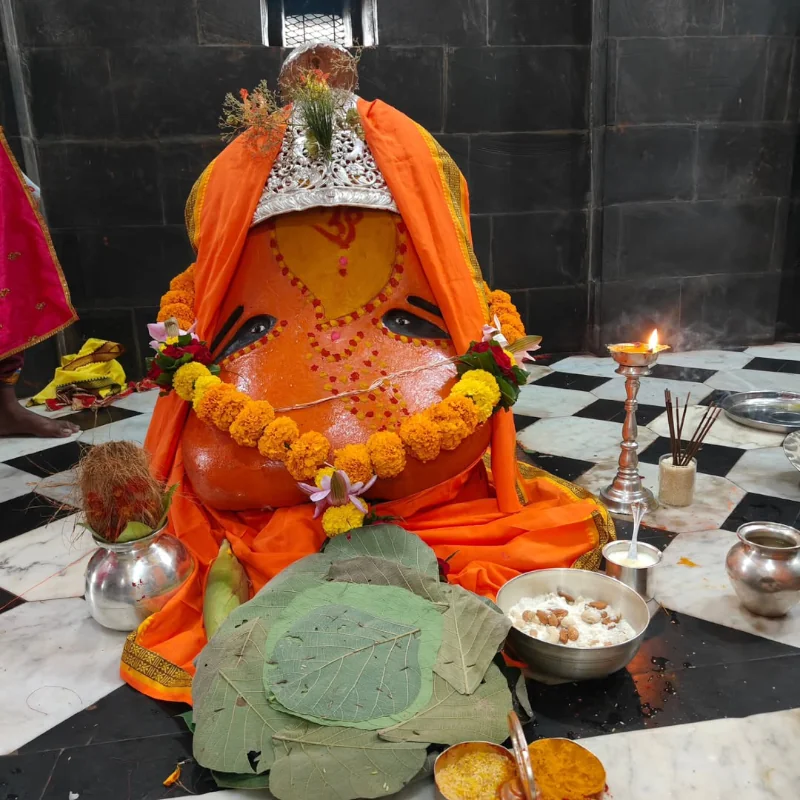
🌟 Notable People of Mahur (Mahurgad), Nanded District, Maharashtra
🙏 Saints and Spiritual Leaders – Guiding Lights of Mahur
The most significant personalities associated with Mahur are its spiritual leaders and saints. The town’s connection to Shree Dattatreya, believed to have spent part of his life in Mahur, continues to inspire millions of devotees. Over centuries, local saints and gurus established Ashrams and Mathas (Monastic centres) that became hubs of spiritual learning. These saints not only spread the philosophy of Bhakti (Devotion) but also encouraged social unity among castes and communities.
🌸 Renuka Devi Mata’s Priestly Lineage
The temple priests and caretakers of the Renuka Devi Temple, who belong to hereditary families serving the goddess for generations, are considered living custodians of faith. Their role is not limited to temple rituals — they are also community leaders, guiding devotees, maintaining traditions, and documenting oral histories of the region. Many pilgrims interviewed describe them as protectors of Mahur’s heritage, whose service ensures the temple’s prominence as one of the Shakti Peethas.
🪶 Gond Tribal Chieftains & Folk Leaders
Mahur has long been home to Gond and Kolam tribal communities, and their chieftains and folk leaders have played vital roles in preserving indigenous identity. Some Gond leaders became local freedom fighters during the British era, resisting exploitation of forest resources. Others worked to promote tribal art forms such as Gond painting, bamboo craft, and folk music. Their contribution is evident in Mahur’s cultural fairs and festivals, where they narrate stories of bravery and tribal resilience.
🇮🇳 Freedom Fighters of Nanded & Mahur
During the struggle for independence, Mahur and its surrounding villages contributed local heroes who joined Gandhian movements, Quit India struggles, and underground resistance networks. Oral accounts mention farmers and school teachers from Mahur who secretly distributed pamphlets and organised village meetings. While they may not be widely documented in national history books, local families continue to honour them in oral folk songs and village gatherings.
📖 ✍️ Scholars and Poets of the Region
Mahur has also nurtured regional Poets, Kirtankars (Devotional Singers), and Scholars, who used literature and oral traditions to spread spirituality. These individuals composed Bhajans, Abhangs, and Kirtans dedicated to Renuka Devi and Dattatreya. Their verses are still sung during festivals, creating a timeless bond between art and devotion. Some teachers from Mahur contributed to the Marathi literary movement, emphasising rural identity, folk wisdom, and cultural pride.
👨🏫 Social Reformers & Educators
In the 20th century, Mahur saw the rise of local educators and reformers, who worked tirelessly to bring primary education to tribal and rural children. Their efforts reduced illiteracy rates in the taluka and created opportunities for young generations to pursue higher studies in Nanded and beyond. Some reformers also encouraged women’s empowerment through self-help groups (SHGs), handicrafts, and agricultural cooperatives. Their grassroots work quietly reshaped the social landscape of Mahur.
🏛️ Political & Administrative Figures
Mahur, being a pilgrimage centre, has produced leaders in local governance, including Sarpanches (Village heads) and district-level representatives. They have been instrumental in developing roads, lodging facilities, and improving connectivity to Nanded and Hyderabad. Some have worked on promoting Mahur in state tourism policies, ensuring better recognition of the Renuka Devi Temple at a national level. While not household names across India, their administrative work directly impacts the livelihood of Mahur’s residents and visiting pilgrims.
🎶 Artists, Folk Performers & Cultural Icons
From Tamasha artists and folk singers to tribal dance troupes, Mahur’s performing artists keep cultural traditions alive. Many have gained recognition in Nanded, Parbhani, and even Mumbai, showcasing Lavani, Dhol-Tasha Pathaks, and tribal performances. These artists are the cultural ambassadors of Mahur, ensuring its voice reaches far beyond its hills. Local artisans producing religious idols, bamboo crafts, and tribal paintings are also notable figures who preserve Mahur’s artistic identity.
🌟 Modern Contributors & Unsung Heroes
In recent decades, notable people from Mahur include Doctors, Teachers, and Entrepreneurs who left the town for higher education but continue to give back through health camps, scholarships, and rural development projects. Many youths are also making their mark in sports, army service, and IT sectors in nearby metros, reflecting Mahur’s growing connection with modern India. Though unsung nationally, their contributions are deeply felt locally.
🌄 Conclusion – Guardians of Mahur’s Legacy
The notable people of Mahur — Saints, Poets, Reformers, Artists, and Freedom Fighters — collectively embody its spiritual depth, cultural pride, and resilience. Each figure, whether celebrated in temples, markets, or oral traditions, plays a role in shaping the identity of Mahur as more than just a pilgrimage town. They are the guardians of heritage, ensuring that Mahur’s name continues to shine in the annals of Maharashtra’s history.
✨ This section highlights how Mahur’s notable personalities are not only historic saints but also modern contributors in Education, Art, Politics, and Culture.
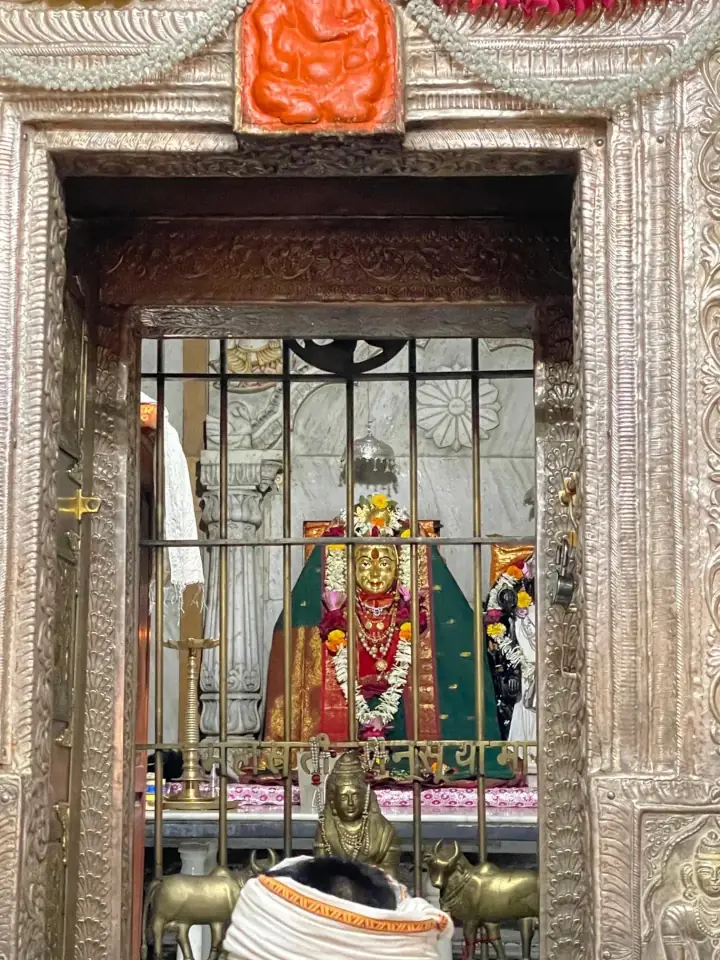
🏭 Industrial Development and Industries in Mahur (Mahurgad), Nanded District
🌟 Introduction – From Pilgrimage to Progress
Mahur is traditionally known as a spiritual and cultural hub, yet its economy is slowly diversifying. While pilgrimage tourism remains the backbone, local initiatives in agro-based industries, handicrafts, and service sectors are contributing to industrial development. Over the past few decades, the district administration of Nanded has encouraged small-scale industries, self-help groups, and cottage industries in Mahur, balancing economic growth with heritage conservation.
🌾 Agriculture-Based Industries
Agriculture remains the primary occupation in Mahur and nearby villages. Consequently, Agro-Processing Industries form a significant part of the local economy. These include:
➪ Oil extraction units for Groundnut, Sunflower, and Sesame seeds.
➪ Grain mills for Jowar, Bajra, and Rice.
➪ Spice and pulse processing units supplying regional markets.
➪ Dairy products — some small-scale milk collection and ghee-making units operate seasonally.
➪ These industries not only support local farmers but also create employment for women and youth, especially in Packaging, Labelling, and Small-scale Distribution.
🎨 Handicraft and Cottage Industries
Mahur’s handicrafts reflect both tribal heritage and religious art. Local artisans specialise in:
➪ Wood carvings and religious idols, particularly of Renuka Devi and Dattatreya.
➪ Bamboo crafts and baskets, crafted by tribal communities.
➪ Textile embroidery and beadwork, mostly done by women in self-help groups.
➪ These cottage industries are often family-run, contributing to both the cultural economy and tourism-based sales. Pilgrims frequently purchase handicrafts as souvenirs, giving artisans a stable source of income.
🛕 Tourism-Driven Service Industries
Given Mahur’s status as a Shakti Peeth and pilgrimage centre, the town’s economy has a rapidly growing service sector. Industries here include:
➪ Hospitality services: Hotels, Guesthouses, Dharamshalas, and Lodges.
➪ Food and catering: Restaurants, Street Food Vendors, and Prasad preparation for festivals.
➪ Transportation services: Local Taxis, Auto-Rickshaws, and Bus services catering to pilgrims.
➪ The tourism industry is seasonal but substantial, particularly during Navratri, Datta Jayanti, and other temple fairs, creating temporary jobs and boosting small enterprises.
🏭 Emerging Small-Scale Industries
The Nanded District administration has promoted small-scale and micro industries around Mahur, including:
➪ Packaging units for grains and pulses.
➪ Herbal and medicinal product units, leveraging local forest resources.
➪ Textile and tailoring units, producing simple garments for pilgrims and nearby towns.
➪ These small-scale industries are often registered under MSME (Micro, Small & Medium Enterprises) schemes, helping entrepreneurs access loans, subsidies, and skill development programs.
👩🌾 Role of Self-Help Groups (SHGs)
Women’s SHGs play a crucial role in Industrial Development at the grassroots level. These groups produce:
➪ Papads, Pickles, and Traditional Snacks.
➪ Handicrafts and Embroidery items.
➪ Herbal Powders and Traditional remedies.
➪ Many SHGs have gained market recognition beyond Mahur, supplying Nanded, Parbhani, and even Hyderabad. The government occasionally conducts trade fairs and training workshops to enhance their production and marketing skills.
🚛 Connectivity & Industrial Growth
Mahur’s proximity to Nanded city (roughly 120 km) and Hyderabad (~300 km) enhances trade potential. Roads and public transport facilitate the movement of goods and pilgrims, indirectly supporting local industries. Though Mahur is not an industrial hub like Aurangabad or Pune, its strategic location on pilgrimage routes provides opportunities for tourism-linked commerce and small-scale manufacturing.
⚖️ Challenges in Industrial Development
While progress is visible, Mahur faces several challenges:
➪ Limited industrial land and infrastructure constraints.
➪ Seasonal employment due to pilgrimage-based economy.
➪ Scarce skilled labor for advanced industries.
➪ Environmental concerns, especially with the fort and temple areas restricting large-scale industrial setups.
➪ Despite these challenges, gradual initiatives in Agro-processing, Handicrafts, and SHG development are creating a sustainable growth model.
🌄 Future Potential & Tourism-Industrial Integration
Looking ahead, Mahur has potential for eco-tourism and heritage tourism industries, combining spiritual visits with rural experiences, local cuisine, and handicrafts workshops. Initiatives such as heritage walks, cultural tours, and tribal art exhibitions can enhance industrial activity without harming the local environment. Tourism-based entrepreneurship remains the most promising avenue for industrial development in Mahur.
🌿 🏭 Conclusion – Balancing Tradition with Growth
Mahur’s industrial landscape reflects a blend of tradition and modernity. From Agriculture-based Processing, Handicrafts, and Small-scale Industries, to Tourism-driven services and SHG initiatives, the town is gradually transforming into a self-sustaining economic ecosystem. The focus remains on sustainable development, preserving Mahur’s spiritual and cultural identity while creating livelihood opportunities for locals.
✨ This section highlights how Mahur’s economy is diverse yet rooted in tradition, combining Agriculture, Handicrafts, Pilgrimage services, and emerging small industries.
🏘️ Important Villages and Towns near Mahur (Mahurgad), Nanded District, Maharashtra
🌿 Introduction – The Heart of Rural Maharashtra
Mahur is not just a town but a hub connecting several vibrant villages and small towns. These settlements collectively shape the Socioeconomic, Cultural, and Religious Fabric of the region. The surrounding villages are known for their Agriculture, Folk Traditions, Handicrafts, and Tribal communities, creating a rich tapestry that complements Mahur’s spiritual significance. Pilgrims visiting the Renuka Devi Temple often pass through these villages, experiencing local lifestyle, markets, and rural hospitality.
🌳 Pipalgaon – A Traditional Village Hub
Located about 8 km from Mahur, Pipalgaon is known for its fertile lands and tribal communities. Agriculture dominates here, with crops like Jowar, Pulses, and Cotton. The village is also home to small temples and shrines, which locals visit daily. Pipalgaon is famous for its folk performances during festivals, where Gond and Kolam tribes perform traditional dances and songs, adding cultural vibrancy to Mahur’s periphery.
🛕 Keshavnagar – Spiritual Outskirts
Keshavnagar, about 12 km from Mahur, is a small town with several ancient temples dedicated to Lord Shiva and local deities. Pilgrims often stop here for prayers and refreshments before proceeding to Mahur. The town has a well-established market for grains, pulses, and religious items. Local artisans produce clay idols and handicrafts, which are often purchased by devotees visiting Renuka Devi Temple.
🏞️ Waghala – Scenic and Agricultural Village
Waghala, approximately 15 km from Mahur, is set amidst lush agricultural lands and small hills, offering a scenic backdrop for visitors. Known for its cotton and soybean farms, the village supports local agro-processing activities. Waghala also hosts tribal communities, preserving their customs, oral histories, and traditional arts. This village is a great place to experience authentic rural life in Nanded District.
🛍️ Rajur – A Market and Cultural Center
Rajur is slightly larger than other nearby villages and serves as a market centre for surrounding settlements. Located 20 km from Mahur, it has weekly haats (markets) where locals sell fresh produce, grains, and handicrafts. Rajur also plays an important role during festivals, as villagers gather here for processions, religious ceremonies, and cultural events. Its connectivity with Mahur makes it a convenient stopover for pilgrims and tourists.
🌾 Dhanora – Agrarian and Tribal Life
Dhanora, about 18 km from Mahur, is notable for its agricultural practices and tribal settlements. The village is dominated by Gond and Kolam communities, who engage in farming, forest produce collection, and handicrafts. Dhanora is famous for its tribal festivals and folk songs, often performed during Mahur’s Navratri celebrations. The village showcases the symbiotic relationship between tribal culture and rural economy.
🏡 Bhivpur – Handicraft and Local Art Village
Bhivpur is known for its handicraft traditions, including clay idols, embroidered textiles, and bamboo crafts. Situated about 22 km from Mahur, it attracts pilgrims and tourists who seek souvenirs and traditional art pieces. Women’s self-help groups in Bhivpur also produce Pickles, Papads, and local Snacks, supporting the regional economy. Bhivpur exemplifies the fusion of religious tourism and cottage industry development.
🪶 Talni – Tribal Heartland and Cultural Village
Talni, a small village 25 km from Mahur, is predominantly inhabited by tribal communities, who maintain ancient rituals and folk art. The village is surrounded by forests and small streams, giving it a picturesque rural charm. Talni is particularly known for its folk dances, bamboo work, and seasonal fairs, which are often attended by people from Mahur and nearby settlements.
🛕 Ganjgaon – Historical and Religious Village
Ganjgaon, located around 28 km from Mahur, has historic temples and local shrines that attract both pilgrims and researchers interested in regional architecture and cultural history. The village economy revolves around agriculture and small-scale trade, with local shops catering to travellers en route to Mahur. Ganjgaon also participates actively in Mahur’s major festivals, contributing volunteers and performers for religious events.
🌄 Conclusion – Interconnected Villages & Towns
The villages and towns surrounding Mahur create a vibrant regional network that supports spiritual tourism, agriculture, handicrafts, and tribal traditions. Each settlement has a unique identity, whether it is Pipalgaon with its tribal folk dances, Rajur as a market hub, or Bhivpur’s handicrafts. Together, they make Mahur not just a pilgrimage destination but a living cultural ecosystem, offering travellers a 360-degree experience of rural Maharashtrian life, spirituality, and community bonds.
✨ This section provides your readers with granular details of Mahur’s surrounding villages and towns, highlighting their cultural, economic, and social significance, perfect for an in-depth travel blog.
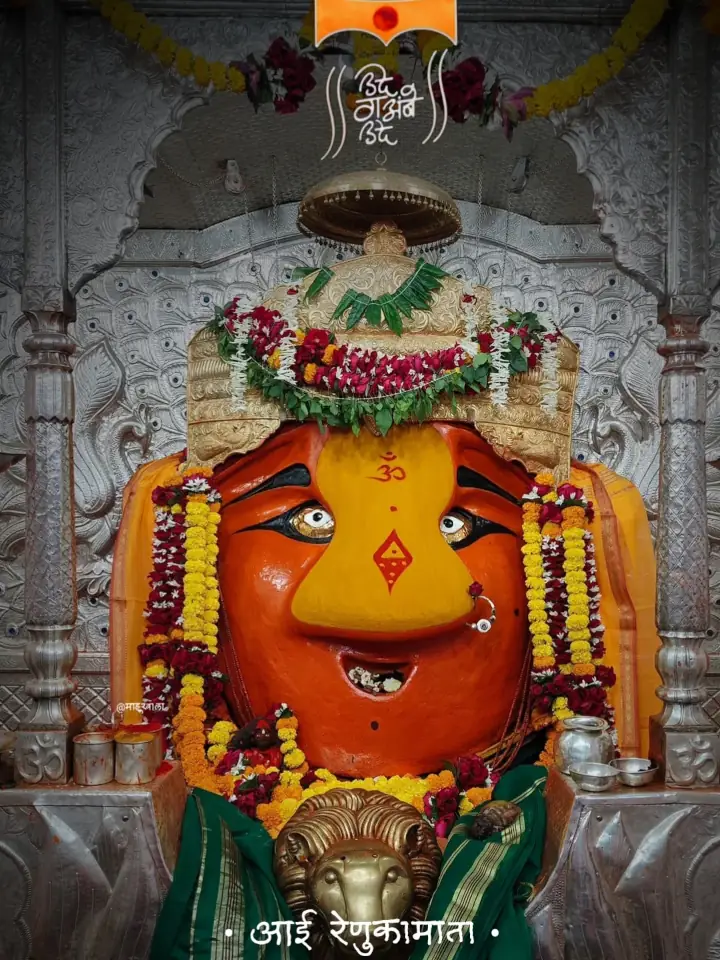
🗺️ Detailed Tourist Itinerary for Mahur (Mahurgad), Nanded District
Introduction – A Journey Through Spirituality & Culture 🌸
Mahur, renowned for the Renuka Devi Shakti Peeth, combines spirituality, history, tribal culture, and scenic beauty. The town is not just a pilgrimage destination but also a hub of rural Maharashtrian culture, offering visitors a blend of temple visits, local cuisine, tribal art, and scenic walks. This itinerary will guide tourists from arrival to exploration, ensuring a holistic experience of Mahur and its surroundings.
🛕 Day 1 – Arrival and Spiritual Immersion 🛕
➨ Morning
➪ Arrival in Mahur – Most tourists arrive via Nanded (120 km) by train or road or from Hyderabad (~300 km).
➪ Check-in at Hotels, Dharamshalas, or Guesthouses. Suggested options:
⦿ Hotel Renuka Residency – Comfortable rooms, ₹1,200–1,500/night, in-house dining.
⦿ Dharamshala near Renuka Devi Temple – Minimal cost, ₹200–₹400/night, basic facilities.
⦿ Breakfast: Traditional Maharashtrian meal – Poha, Misal, Chai 🍵.
➨ Late Morning
➪ Visit Renuka Devi Temple – The town’s spiritual heart.
⦿ Observe Aarti and Rituals, guided tours explain the legend of Renuka Devi and Pandavas.
⦿ Architectural highlights: Ancient stone carvings, intricate temple gates, and the temple pond.
⦿ Explore Temple Complex: Small shrines and holy ponds for rituals.
➨ Afternoon
➪ Lunch at a local eatery – Try Thali with Bhakri, Dal, Seasonal Vegetables 🌿.
➪ Visit Shakti Peeth and Fort Area – Trek up Mahurgad for panoramic views.
⦿ The fort offers Historical Insights, Stone Walls, and Ancient Watchtowers.
⦿ Best photography spots during afternoon sun. 📸
➨ Evening
⦿ Evening Aarti at Renuka Devi Temple – Participate in devotional singing and Bhajans.
⦿ Dinner & Rest: Try traditional sweets like Laddoo, Jalebi, available in local shops.
🏞️ Day 2 – Culture, Villages & Local Experiences
➨ Morning
➪ Visit Nearby Villages – Optional guided tour to Pipalgaon and Waghala.
⦿ Experience tribal life, Folk Dances, and Handicraft Workshops.
⦿ Purchase souvenirs like Clay Idols, Bamboo Crafts, Embroidered Textiles.
⦿ Breakfast at a Village Eatery: Fresh Poha, Thecha, and local Tea.
➨ Late Morning
⦿ Dattatreya Mandir – Spiritual exploration, small crowds, ancient idol worship.
⦿ Walk through local bazaars – Observe trading of grains, spices, handicrafts, and religious items.
➨ Afternoon
➪ Lunch in Mahur Town – Try local cuisine with tribal influences like Jowar Bhakri with Chutney, Dal-Rice combo.
➪ Explore Forested Hills & Scenic Spots
➪ Short hikes around Mahurgad fort foothills.
➪ Bird watching and photography opportunities. 🦜
➨ Evening
⦿ Evening Leisure: Tea stalls near temple, interact with locals, Pilgrims, and Artisans.
⦿ Dinner at Local Dhaba – Sample traditional Maharashtrian Curries with Rotis.
🛤️ Day 3 – Extended Exploration & Pilgrim Circuits
➨ Morning
➪ Early Morning Pilgrim Walk – Participate in ritual bathing at temple pond or explore lesser-known shrines nearby.
➪ Breakfast – Simple Poha, Chutney, Chai.
➨ Late Morning
➪ Visit Rajur or Bhivpur Villages – Experience local handicrafts and weekly haats.
Handicraft Demonstration: Clay Idol making, Beadwork, Bamboo products.
Cultural Interaction – Talk to artisans, learn about tribal customs, oral history, and folk songs.
➨ Afternoon
➪ Lunch in Village or Mahur Town – Try seasonal delicacies, tribal dishes like millet-based snacks, wild greens, and sweet preparations.
➪ Optional Short Hike to Talni or Ganjgaon – Discover forest trails, small streams, and scenic views of Nanded hills.
➨ Evening
➪ Return to Mahur – Relax, pack souvenirs, attend final evening Aarti or Bhajan session.
➪ Dinner & Departure – Farewell meal at Hotel or Dharamshala, enjoying the spiritual aura of Mahur one last time.
💡 Tourist Tips & Highlights
➪ Stay hydrated – Carry water for temple visits and hill treks. 💧
➪ Comfortable clothing & footwear – Especially for trekking Mahurgad Fort. 👟
➪ Local Guides – Hiring a local guide enhances historical and cultural understanding.
➪ Timing – Best to visit early morning or late afternoon for photography and fewer crowds. 🌅
➪ Festival Visits – Navratri and Dattatreya Jayanti bring vibrant crowds but require advance planning.
➪ Souvenirs & Handicrafts – Buy from tribal artisans and small shops to support the local economy. 🎁
➪ Travel Connectivity – Nanded is the nearest major hub; taxis, buses, or private cars are available to Mahur. 🚗
👉 Suggested Duration & Routes
⦿ 2-day itinerary – Focus on temples, Mahurgad Fort, and Mahur town exploration.
⦿ 3-day itinerary – Includes nearby villages, tribal workshops, scenic trails, and markets.
⦿ Pilgrim-focused itinerary – Emphasises religious rituals, Aartis, and temple circuits.
✨ This itinerary ensures a complete experience of Mahur, combining spirituality, heritage, tribal culture, local lifestyle, and scenic beauty.
❓ FAQs for Tourists Visiting Mahur (Mahurgad), Nanded District, Maharashtra
Where is Mahur located, and how can I reach it? 🗺️
Mahur, also known as Mahurgad, is a town in Nanded District, Maharashtra, situated approximately 120 km from Nanded city. It is part of the Marathwada region, nestled amidst hills and forests. Tourists can reach Mahur by:
➪ By Road: Buses and taxis from Nanded, Hyderabad (~300 km), and other major cities. The road is well-connected, but narrow in some hilly stretches.
➪ By Train: The nearest major railway station is Nanded Railway Station. From there, taxis or buses can take 2–3 hours to reach Mahur.
➪ By Air: The nearest airport is Nanded Airport (Shri Guru Gobind Singh Ji Airport). From the airport, taxis or car rentals are available to reach Mahur.
What is the best time to visit Mahur? 🌤️
➪ Ideal Months: October to March – pleasant weather, suitable for trekking and sightseeing.
➪ Avoid: Mid-June to September, during heavy monsoon, as hills and forest paths may become slippery.
➪ Festivals: Navratri and Datta Jayanti are culturally vibrant periods, but expect large crowds and limited accommodation.
How many days are ideal for a Mahur trip? 🛕
➪ 2-Day Visit: Focused on Renuka Devi Temple, Mahurgad Fort, and Mahur town exploration.
➪ 3-Day Visit: Includes surrounding villages like Pipalgaon, Waghala, Bhivpur, handicraft visits, and forest trails.
➪ Pilgrimage-Focused Trip: Can be done in a single day if traveling from Nanded, but overnight stay is recommended to experience temple rituals and evening Aarti.
What are the main attractions in Mahur? 🌸
⦿ Renuka Devi Temple – One of the 51 Shakti Peethas, spiritual and historical significance.
⦿ Mahurgad Fort – Offers panoramic views, historical insights, and trekking opportunities.
⦿ Dattatreya Mandir – Lesser-known shrine with serene surroundings.
⦿ Nearby Villages – Pipalgaon, Waghala, Bhivpur for cultural immersion and handicrafts.
⦿ Local Bazaars – Markets for handicrafts, religious items, and regional delicacies.
Are there trekking opportunities in Mahur? 🥾
Yes, Mahurgad Fort is the primary trekking spot.
⦿ Difficulty: Moderate; suitable for beginners with some fitness.
⦿ Duration: 1–2 hours for a round trip from the base village.
⦿ Best Time: Morning or late afternoon to avoid midday heat and enjoy scenic views.
⦿ Tips: Carry water, wear comfortable shoes, and be cautious on stone steps.
What accommodation options are available in Mahur? 🏨
➪ Luxury & Mid-Range Hotels: Hotel Renuka Residency, Renuka Palace – ₹1,200–₹2,500/night, with in-house dining and room service.
➪ Guesthouses & Dharamshalas: ₹200–₹600/night, simple facilities, mostly close to Renuka Devi Temple.
➪ Check-in/Check-out: Generally 10:00 AM check-in and 9:00–10:00 AM check-out.
➪ Booking in advance is recommended during festivals.
What local foods should I try in Mahur? 🍲
⦿ Vegetarian: Bhakri with Dal, Seasonal Vegetables, Chutneys, Misal Pav, Poha.
⦿ Non-Vegetarian: Mutton Curry, Chicken Rassa in local eateries.
⦿ Temple Prasad: Laddoo, Kheer, and sweet offerings.
⦿ Tribal Snacks: Millet-based dishes, Wild Greens, and traditional Fried snacks.
Are there any handicrafts or souvenirs to buy? 🎁
Yes, Mahur is famous for:
⦿ Clay idols of Renuka Devi and local deities.
⦿ Bamboo crafts and tribal artworks from Gond and Kolam communities.
⦿ Embroidered textiles and beadwork.
⦿ Handmade Pickles and Papads produced by women’s SHGs.
What is the local climate and what clothes should I carry? 🌡️
➪ Daytime Temperature: 20°C–35°C depending on the season.
➪ Nighttime: Can drop to 12°C–18°C in winter.
➪ Monsoon: June–September, moderate to heavy rainfall.
➪ Suggested Clothing: Light cottons in summer, warm layers in winter, waterproof shoes during monsoon.
Are there medical and emergency facilities in Mahur? 🏥
➪ Small Clinics: Available in Mahur town for basic medical needs.
➪ Major Hospitals: Located in Nanded city, 120 km away.
➪ Pharmacies: A few local shops provide medicines. Tourists should carry first-aid kits, personal medication, and insect repellents.
Is Mahur safe for solo travellers and women pilgrims? 👩🦰
Yes, Mahur is considered safe for tourists, including solo travellers.
➪ Precautions: Avoid isolated forest paths after dark and follow temple guidelines during festivals.
➪ Local Guidance: Hiring a local guide or following pilgrimage groups is recommended for new visitors.
What languages are spoken in Mahur? 🗣️
➪ Primary Language: Marathi.
➪ Secondary Languages: Hindi and Telugu (due to proximity to Telangana).
➪ Many locals in tourism and markets understand basic English, especially in hotels and Dharamshalas.
Are there any specific cultural etiquettes to follow? 🙏
⦿ Dress modestly, especially while visiting Renuka Devi Temple and local shrines.
⦿ Photography may be restricted inside temples; always ask for permission.
⦿ Respect tribal customs and local traditions when visiting nearby villages.
⦿ During festivals, follow instructions from temple volunteers and police for safety.
Can I combine Mahur with nearby tourist destinations? 🚗
Yes, Mahur is well-connected to:
➪ Nanded (120 km) – Guru Gobind Singh Gurudwara, Hazur Sahib.
➪ Hyderabad (~300 km) – Charminar, Golconda Fort.
➪ Parbhani & Hingoli Districts – Other temples and rural excursions.
➪ A 2–3 day itinerary can include Mahur, Nanded city, and nearby villages for a holistic cultural experience.
Are there any special festivals worth visiting? 🎉
⦿ Navratri – Celebrated with grandeur at Renuka Devi Temple, folk dances, and fairs.
⦿ Datta Jayanti – Devotees visit Dattatreya Mandir for rituals and celebrations.
⦿ Local Tribal Fairs – Showcasing Gond and Kolam art, crafts, and cultural performances.
Travel Tips for Mahur 🌄
⦿ Carry cash, as digital payments may not be accepted everywhere. 💰
⦿ Wear comfortable shoes for temple steps and fort treks. 👟
⦿ Bring sunscreen, water, and snacks for hill treks. ☀️ 💧
⦿ Book accommodation in advance during festivals. 🏨
⦿ Respect local customs and sacred spaces, especially in tribal villages. 🙏
✨ This FAQ section provides a comprehensive guide for travellers, addressing everything from travel, accommodation, food, culture, climate, and safety to local shopping and festivals.
Brief Conclusion
Mahur or Mahurgad in Nanded District, Maharashtra, is more than just a destination – it is a tapestry of faith, history, and culture. From the divine Renuka Devi Temple and majestic Mahur Fort to the warmth of its people and vibrancy of its markets, Mahur leaves an indelible mark on every traveler. Whether you seek spiritual solace, historical exploration, or cultural immersion, Mahur promises an enriching experience.
🌟 Detailed Conclusion – Mahur (Mahurgad), The Spiritual and Cultural Gem of Maharashtra 🏞️
Mahur, also known as Mahurgad, is much more than just a pilgrimage destination; it is a vibrant confluence of history, spirituality, culture, and natural beauty. From the towering Mahurgad Fort that narrates tales of valour and strategic significance to the Renuka Devi Temple, one of the sacred Shakti Peethas, every corner of Mahur tells a story of devotion, resilience, and community spirit. Pilgrims, tourists, historians, and cultural enthusiasts alike find themselves immersed in the rich tapestry of local legends, architectural marvels, and tribal traditions. 🛕 ✨
The historical and cultural heritage of Mahur reflects centuries of devotion and societal evolution. The ancient temples, forts, and shrines stand as testimony to the region’s spiritual significance, while also showcasing remarkable architectural techniques, from intricately carved temple facades to the strategic design of hill forts. Tourists exploring Mahur not only witness these architectural marvels but also gain insights into the historical timelines, local rulers, and legends that shaped this region. 🏰 📜
Mahur is also deeply connected to its surrounding villages and towns, including Pipalgaon, Waghala, Rajur, Bhivpur, and Talni, each contributing to the cultural, social, and economic ecosystem. Visitors experience tribal art, handicrafts, folk dances, and culinary traditions that enrich the journey beyond the temple walls. The local markets and handicraft centres offer travellers authentic souvenirs, from clay idols and bamboo crafts to embroidered textiles, giving them a tangible connection to the local culture. 🎨 🛍️
The climatic conditions of Mahur add another dimension to the visitor experience. With pleasant winters and post-monsoon periods, tourists can enjoy both trekking adventures at Mahurgad Fort and leisurely walks through the temple complexes and villages. Seasonal variations and monsoon greenery also create an ideal setting for photographers, nature enthusiasts, and spiritual seekers. 🌤️ 🍃
Mahur’s industrial and economic landscape complements its cultural heritage. Agro-based industries, handicrafts, small-scale enterprises, and tourism-driven services provide employment to locals while preserving the region’s ecological balance and cultural identity. Initiatives by women’s self-help groups (SHGs) and small entrepreneurs have empowered the community, creating sustainable economic growth alongside the thriving pilgrimage tourism. 🌾 🏭
For tourists, Mahur offers a complete itinerary that combines spirituality, history, local lifestyle, and adventure. Visitors can trek Mahurgad Fort, explore Renuka Devi Temple, indulge in local cuisine, participate in festivals, and interact with tribal communities. The town’s connectivity with Nanded, Hyderabad, and other major cities ensures accessibility while still maintaining its serene, offbeat charm. 🚗 🗺️
In conclusion, Mahur or Mahurgad is an essential destination for travellers seeking a holistic experience — one that intertwines devotion, culture, history, adventure, and community life. It is a place where spiritual journeys meet cultural exploration, where heritage is preserved amidst natural beauty, and where pilgrims and tourists alike leave with memories, insights, and a deeper appreciation for the vibrant soul of rural Maharashtra. 🕉️ 🌄
Whether you are a spiritual seeker, history enthusiast, cultural explorer, or nature lover, Mahur welcomes you with open arms, promising an enriching journey that touches the heart and soul. A visit to Mahur is not just a trip; it is a journey through time, faith, and living traditions, making it a must-visit gem in the Nanded District of Maharashtra. 💛 ✨
Note: Distance is approximate and travel time may vary. Please check with google maps or local authorities before travelling.
Note: Hotel rates are subject to change and may vary based on factors like seasonality, availability, and promotions. Taxes, service charges, and other applicable fees are not always included in displayed rates.
Sources:
➛ Wikipedia – Mahur, Maharashtra
➛ Nanded District Official Tourism
➛ Maharashtra Tourism
➛ Shrirenukadevi.in
➛ Tripoto
➛ Tripadvisor
Image Source:
➛ Wikimedia Commons – Mahurgad Temple
➛ Wikimedia Commons – Indien2012 1356 Mahur Fort
➛ Wikimedia Commons – MAHURGAD 1
➛ Wikimedia Commons – Shree Datta Mandir at Mahurgad
➟ Instagram – Shri Renuka Devi Mandir Mahur
Latest Posts
- 4 Steps to Teach English in Vietnam (Complete 2026 Guide)

- The Complete Guide to Living in Ho Chi Minh City, Vietnam
- What Living in Hanoi Is Really Like for Foreigners
- Expat vs Immigrant: What’s the Real Difference?
- 7 Best Places to Live in Mexico Right Now: A Complete Guide
- Best Places to Live in Thailand: A Complete Guide for Expats in 2026