The Jewel of the Sahyadris: Discovering Lonavala’s Natural Splendour and Ancient Secrets
Where Waterfalls Whisper and Ancient Stones Speak: Your Gateway to Western Ghats Magic
Introduction: The Twin Hill Stations That Captivate India
Nestled in the Sahyadri Range of the Western Ghats, Lonavala and its twin Khandala form Maharashtra’s most accessible mountain escape. Perched at 624 meters (2,047 feet) above sea level, these hill stations sprawl across 38 square kilometres of mist-kissed valleys, historic forts, and rainforests that transform into emerald wonderlands during monsoon. Just 64 km West of Pune and 96 km East of Mumbai, Lonavala emerged as a colonial-era retreat in 1871 under Governor Lord Elphinstone, yet its roots stretch back to Maratha warrior kings and 2,000-year-old Buddhist caves.
The name “Lonavala” derives from the Sanskrit ‘Leni Avali’ (meaning “series of caves”), a nod to the rock-cut sanctuaries like Karla and Bhaja that honeycomb its hills. For modern travellers, it’s a sensory mosaic: the aroma of rain-drenched earth, the crunch of famed chikki (jaggery-peanut brittle), and vistas of waterfalls cascading over basalt cliffs. This article unveils Lonavala’s layered identity—ancient architecture, monsoon trekking havens, colonial heritage, and culinary traditions—with granular details from climate patterns to taluka demographics.
🔴 Section-by-section Brief Breakdown
➤ Section 1: Granular History & Architecture
➨ Ancient Foundations (2nd Century BCE–5th Century CE)
Lonavala’s earliest legacy lives in the Karla and Bhaja Caves, part of a network of Buddhist monasteries carved into trade routes linking Arabian Sea ports to the Deccan Plateau. The Karla Caves (Karla Cells), protected by the Archaeological Survey of India, feature India’s largest Rock-cut Chaitya (Prayer Hall):
➪ Chronology: Karla’s Great Chaitya (Cave 8) dates to 50–70 CE, evolving from earlier caves at Bhaja (2nd century BCE) and Bedse.
➪ Patrons: Inscriptions reveal donations by Indo-Greek (Yavana) traders, Western Satrap ruler Nahapana, and Satavahana king Pulumavi.
➪ Engineering Marvels: The Chaitya’s 45-meter-long hall has Wooden Ribs supporting a vaulted ceiling—original teak beams intact since 120 CE. Sculptures show couples (Mithunas), elephants, and Greco-Buddhist pillars.
Local Insight:
“Our grandparents worshipped at Karla’s Ekveera Temple, but the Buddhist past felt hidden. Now, guides explain how traders rested here 2,000 years ago”.
— Rajesh Koli, Malavli Village Elder
➨ Medieval Fortresses & Colonial Reinvention
By the 1600s, Maratha forts like Lohagad and Rajmachi dotted the hills. Chhatrapati Shivaji Maharaj used these strategic peaks to control trade. In 1818, the British annexed the region, reshaping Lonavala:
🎯 1840s: The Mumbai-Pune Railway made Lonavala accessible.
🎯 1871: Governor Elphinstone formalised it as a hill station, building Gothic bungalows and Valvan Dam (1886) for Hydropower.
➤ Section 2: Climate & Itineraries
Microclimate Breakdown
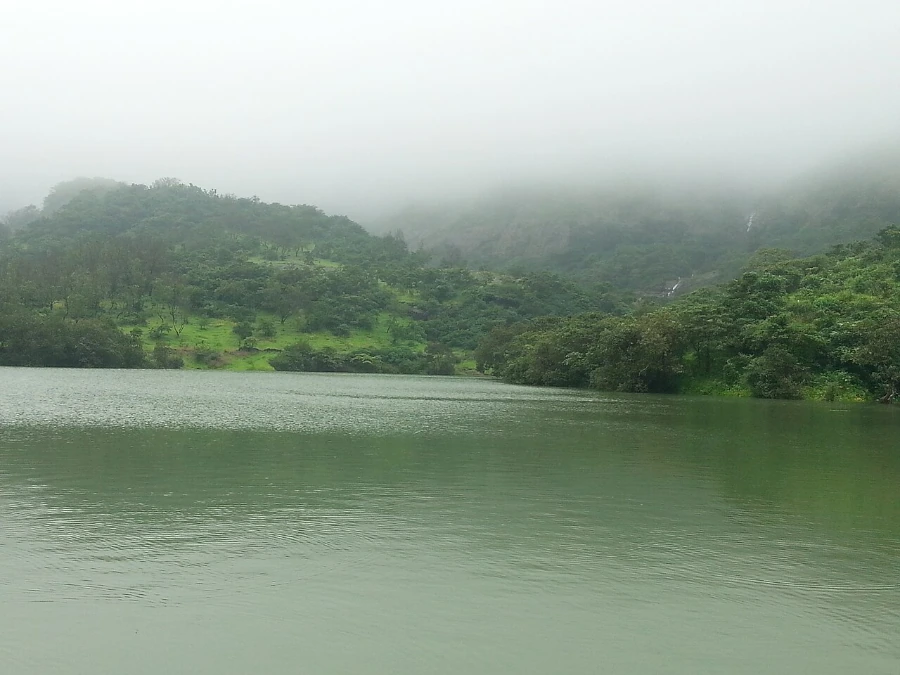
Lonavala has a tropical wet-dry climate with extreme monsoon precipitation:
| Month | Avg. High (°C) | Avg. Rainfall (mm) | Travel Advice |
| June–September | 26–31°C | 1,733 (July) | Waterproof Trekking gear; avoid landslides near ghats |
| October–February | 18–30°C | 16–111 | Ideal for forts, caves, camping at Pawna Lake |
| March–May | 33–37°C | 3–67 | Visit early AM; seek waterfalls like Kune |
Monsoon Magic: A 3-Day Itinerary
👉 Day 1: Karla-Bhaja Circuit
➙ 8 AM: Explore Bhaja Caves’ 22 Hinayana-era caves (don’t miss the Tabla carvings disproving foreign origins).
➙ 1 PM: Lunch at Kinara Village Dhaba.
➙ 3 PM: Karla Caves’ lion pillars and Ekveera Temple rituals.
👉 Day 2: Waterfall Treks
➙ 6 AM: Tiger’s Leap for fog-shrouded valleys.
➙ 10 AM: Bhushi Dam’s cascading overflow (Colonial-era steps).
➙ 4 PM: Rajmachi Fort firefly tours (June–July).
👉 Day 3: Culture & Crafts
➙ 9 AM: Lonavala Market for Chikki and tribal Warli art.
➙ 11 AM: Ryewood Park’s 100-year-old ferns.
➙ 2 PM: Bhajan Sandhya (Devotional singing) at 19th-century Kusumagraj Mandir.
➤ Section 3: Socio-Economic Fabric
➨ Demographics & Languages
➙ Population: 57,698 (2011 Census), with 75% Hindu, 10% Muslim, and 9% Buddhist.
➙ Languages: Marathi (official), Hindi, English, and tribal Aagri dialects near Karla.
➨ Economy & Livelihoods
➙ Chikki Industry: 150+ shops (e.g., Maganlal Chikki) generate ₹200 crore annually.
➙ Tourism: 5 million visitors/year; supports home-stays, guides, and adventure parks like Della Resorts.
➙ Agriculture: Tribal communities grow Ambemohar Ric and monsoon mushrooms.
➤ Section 4: Infrastructure & Travel Tips
➨ Distance Matrix from Major Cities
| City | By Road (km) | By Rail (hrs) | Best Route |
| Pune | 65 km | 1 hr (Local Train) | NH 48 via Kamshet Waterfall |
| Mumbai | 96 km | 2.5 hrs (Central Line) | Mumbai-Pune Expressway |
| Bengaluru | 1,011 km | 24 hrs (Shatabdi) | NH48 via Kolhapur |
➨ Transport Granularity
➙ Road: Route 1 (Expressway) has tolls but 60-min drive; Route 2 (Old Mumbai Highway) passes Patan Buddhist Caves .
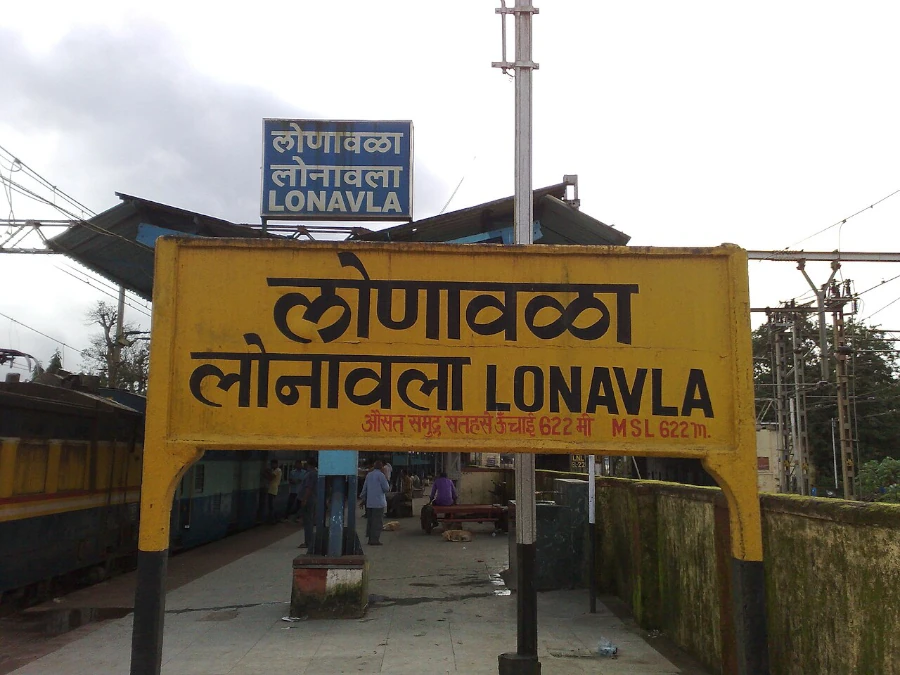
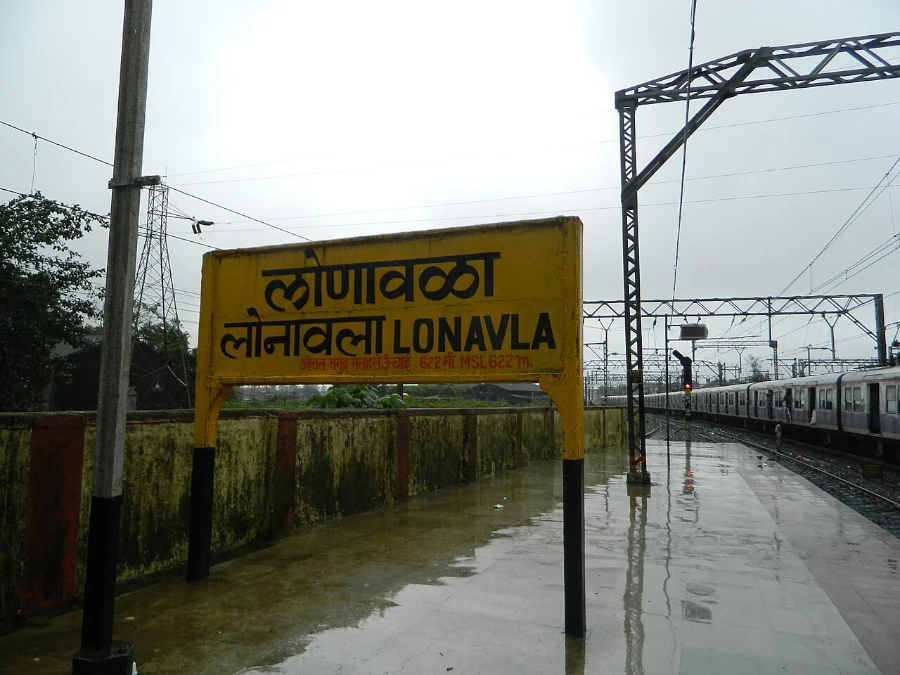
➙ Rail: Lonavala Station (LNL) connects Mumbai-Pune locals; Banker Engines added at Karjat for ghat sections.
➙ Air: Nearest Airport: Pune (64 km). Seaplanes from Mumbai land at Pawana Dam (14 km away).
➤ Section 5: Cultural Mosaic
➨ Sacred Spaces
⦿ Karla’s Ekveera Temple: Koli Fishermen’s Goddess; annual Palkhi procession.
⦿ Shri Narayani Dham: Marathi-Gujarati fusion Architecture.
➨ Handicrafts & Markets
⦿ Lonavala Bazaar: Warli Paintings, Kolhapuri Juttis.
⦿ Tribal Workshops: Bhaja village’s Bamboo Rain Chhatris (Umbrellas).
Food Trail
✡ Chikki: Peanut/jaggery blocks at Chikki Gully.
✡ Parsi Dhaba: Dhansak near Duke’s Retreat.
✡ Veg Kolhapuri: Spicy gravy at Hotel Shree Krishna.
🟢 Section-by-section Detailed Breakdown with Granular Details
🌄 Detailed Introduction of Lonavala, Pune District, Maharashtra, India
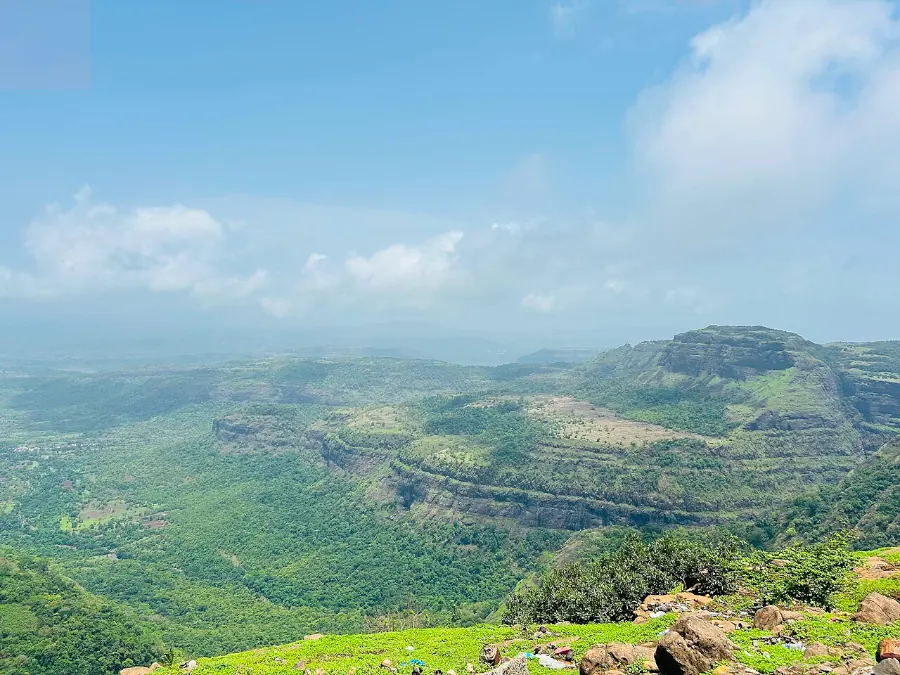
Lonavala, a charming hill station nestled in the Sahyadri ranges of the Western Ghats, is one of Maharashtra’s most beloved getaway destinations. Located in Pune District, around 64 km from Pune and 96 km from Mumbai, this scenic town is perched at an elevation of approximately 624 meters (2,047 ft) above sea level. It is celebrated for its lush green valleys, cascading waterfalls, historical caves, and panoramic viewpoints that seem straight out of a postcard 🌿. Known as the “Jewel of the Sahyadri”, Lonavala attracts Nature Lovers, Trekkers, Photographers, and History Enthusiasts alike.
🏞️ Geographic Setting & Landscape
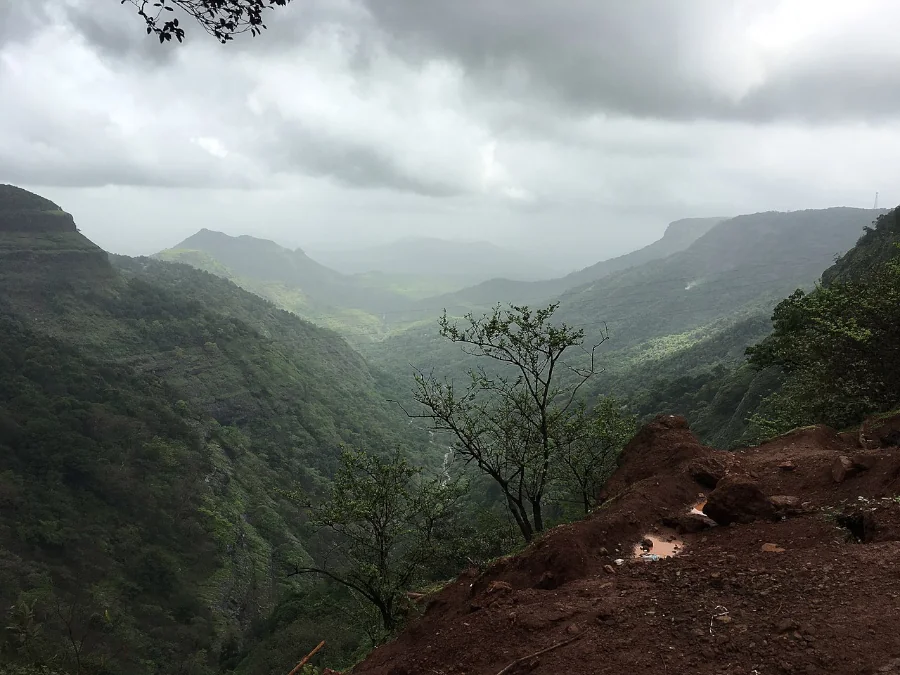
Lonavala is part of the Deccan Plateau but stands out for its unique topography shaped by the Western Ghats’ monsoon-fed ecosystem. The town and its surroundings are dotted with forests, dams, lakes, and rugged hills that offer a refreshing contrast to the nearby urban bustle. The region enjoys a tropical monsoon climate, with heavy rainfall during June–September 🌧️, which transforms the area into a verdant paradise. The green slopes, mist-covered peaks, and fresh mountain air make it a favourite retreat for both weekend travellers and long vacationers.
🚉 Accessibility & Connectivity
Lonavala is strategically located on the Mumbai–Pune Expressway, making it easily accessible by road, rail, and private transport 🚗. The Lonavala Railway Station lies on the Mumbai–Pune suburban rail line, with regular trains connecting it to both cities. Long-distance trains from southern and western India also pass through. Pune International Airport ✈️, about 67 km away, serves as the nearest air hub. This excellent connectivity has played a vital role in Lonavala’s growth as a major tourist destination and a favoured stopover for travellers heading to other parts of Maharashtra.
🏛️ Cultural Identity & Local Life
Though primarily a tourist town, Lonavala also retains a small-town Maharashtrian charm. Marathi is the predominant language 🗣️, but due to the influx of tourists, Hindi and English are widely spoken. The local lifestyle revolves around tourism, agriculture, and small-scale trade. Visitors can witness the warm hospitality of the locals, who often run family-owned restaurants, roadside tea stalls, and shops selling the town’s iconic Lonavala Chikki 🍬 — a crunchy, sweet delicacy made from jaggery and nuts.
🌦️ Climate & Best Time to Visit
Lonavala’s climate is one of its biggest attractions. Summers (March–May) are moderately warm 🌞, but the town becomes a misty wonderland during the monsoon season (June–September). The waterfalls are in full flow, the valleys turn emerald green, and the scent of wet earth fills the air. Winter (October–February) offers cool, pleasant weather, perfect for trekking, sightseeing, and enjoying bonfires at night. Many consider monsoon and winter the best times to explore Lonavala’s natural and cultural treasures.
⛪ Historical & Heritage Significance
Lonavala’s history dates back to the Yadava Dynasty and even earlier, with evidence of ancient Buddhist settlements in the region. The famous Karla and Bhaja Caves 🪨, carved between the 2nd century BCE and 2nd century CE, showcase intricate rock-cut architecture and serve as a testament to the area’s Buddhist heritage. Over the centuries, the region witnessed control shifts between the Mughals and the Marathas, with forts like Lohagad and Visapur playing important roles in regional defense and trade. This blend of natural beauty and historical depth makes Lonavala more than just a hill station — it’s a living museum of Maharashtra’s past.
🌸 Tourism Appeal & Attractions
Tourism in Lonavala revolves around natural spots, trekking trails, historical sites, and leisure activities. Visitors are drawn to Tiger’s Point, Lion’s Point, Rajmachi Fort, Tungarli Lake, and Bhushi Dam, among many others. Monsoon treks to forts and viewpoints offer adrenaline-pumping adventure, while the serene lakes provide moments of calm. The Lonavala Wax Museum, Adventure Parks, and luxury resorts cater to families and leisure travellers 🏕️. Additionally, Lonavala serves as a Gateway to nearby Khandala, often explored together as a twin-destination.
🍲 Culinary Delights & Local Specialties
Apart from sightseeing, Lonavala is famous for its street food and local snacks. The irresistible Lonavala Chikki, Tangy Bhel, Hot Corn-on-the-cob 🌽 during monsoons, and steaming Vada Pav’s 🍔 are a must-try. The town also offers a mix of Maharashtrian Thalis, North Indian curries, and International cuisines in its restaurants. Food stalls near tourist spots serve piping hot tea with a dash of masala — a perfect companion for the chilly evenings.
📈 Economic & Development Aspects
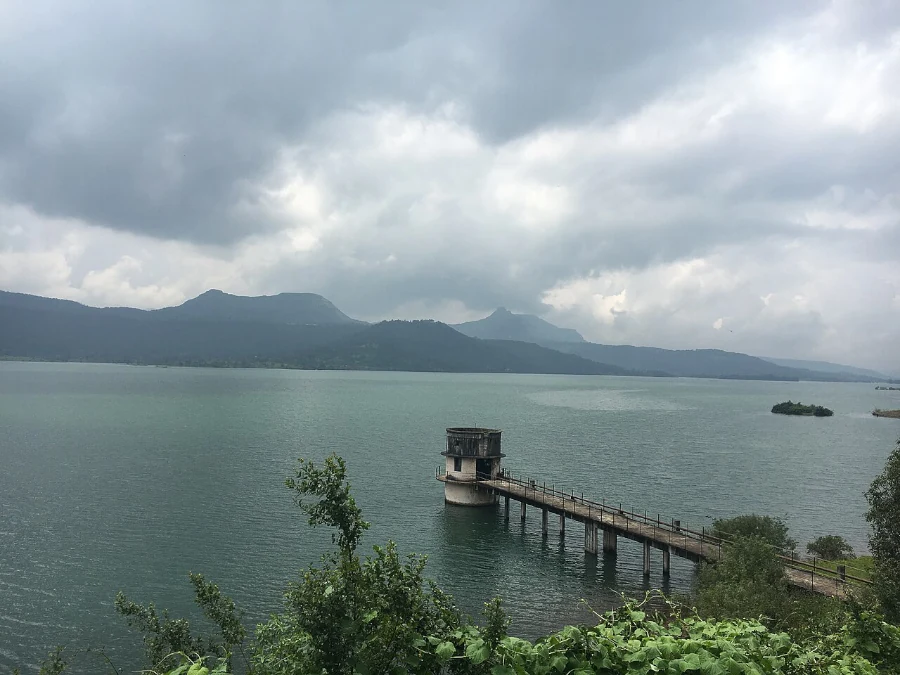
Tourism remains the primary driver of Lonavala’s economy, but the region also benefits from Real Estate Developments, Hospitality Investments, and small-scale Farming 🌱. Many urban professionals from Mumbai and Pune own second homes here, leading to the growth of holiday villas and gated communities. Despite modernisation, large parts of Lonavala still retain their untouched, rustic charm. Efforts are being made to balance tourism growth with environmental conservation to protect its fragile ecosystem.
🕰️ Detailed Historical Facts & Events of Lonavala, Pune District, Maharashtra, India
Lonavala’s history is not just the tale of a hill station that became a tourist favourite — it’s a layered chronicle of ancient civilisations, dynastic power shifts, trade routes, and colonial developments. The region has been a silent witness to the rise and fall of empires, spiritual movements, and economic changes, each leaving behind its own imprint on the land.
🪨 2nd Century BCE – 2nd Century CE: The Buddhist Era
The earliest known history of Lonavala revolves around Buddhist Monks who settled here over 2,000 years ago. Between the 2nd century BCE and the 2nd century CE, the Karla Caves and Bhaja Caves were carved out of basalt rock in the Sahyadri slopes. These rock-cut monuments served as monasteries (Viharas) and prayer halls (Chaityas) for monks traveling along ancient trade routes 🚶♂️. They contain intricate sculptures of stupas, elephants, and mythological motifs, reflecting the flourishing Hinayana sect of Buddhism in the region.
⚔️ 8th – 13th Century CE: Yadava Rule & Trade Importance
By the 8th century, the region became strategically important as a trade passage between the Konkan coast and the Deccan plateau. Under the Seuna (Yadava) dynasty of Devagiri (present-day Daulatabad), Lonavala and nearby passes were guarded to secure goods moving between inland cities and coastal ports. The forts around the region, such as Lohagad and Visapur, were fortified during this period 🏰. Agriculture and local settlements thrived, supported by monsoon-fed streams.
🏹 14th – 17th Century CE: Bahamani & Mughal Control
Following the decline of the Yadavas, the Bahamani Sultanate took control of the area in the 14th century. Later, in the 17th century, the Mughal Empire extended its dominance over the Western Ghats, recognising the military advantage of forts like Lohagad for monitoring trade and troop movement. The region often changed hands during Maratha–Mughal conflicts, with both sides understanding the tactical importance of Lonavala’s mountain passes ⛰️.
⚔️ 1670s – 1700s: The Maratha Era under Chhatrapati Shivaji Maharaj
Lonavala’s true rise in military importance came under Chhatrapati Shivaji Maharaj (1630–1680) 🦁, founder of the Maratha Empire. The forts of Lohagad, Visapur, and Rajmachi became strongholds for the Maratha army. These forts were used to safeguard trade routes, store military supplies, and act as watchpoints over the surrounding valleys. The hilly terrain provided a natural defence system, and the area saw frequent military activity during the Maratha–Mughal wars.
🇬🇧 1818: British Annexation after the Third Anglo-Maratha War
In 1818, following the defeat of the Peshwas in the Third Anglo-Maratha War, the British East India Company annexed Lonavala and surrounding regions into the Bombay Presidency 📜. Recognising its pleasant climate, scenic beauty, and proximity to trade routes, the British began developing the area into a hill station for their officers and families, similar to other British-era retreats like Matheran and Mahabaleshwar.
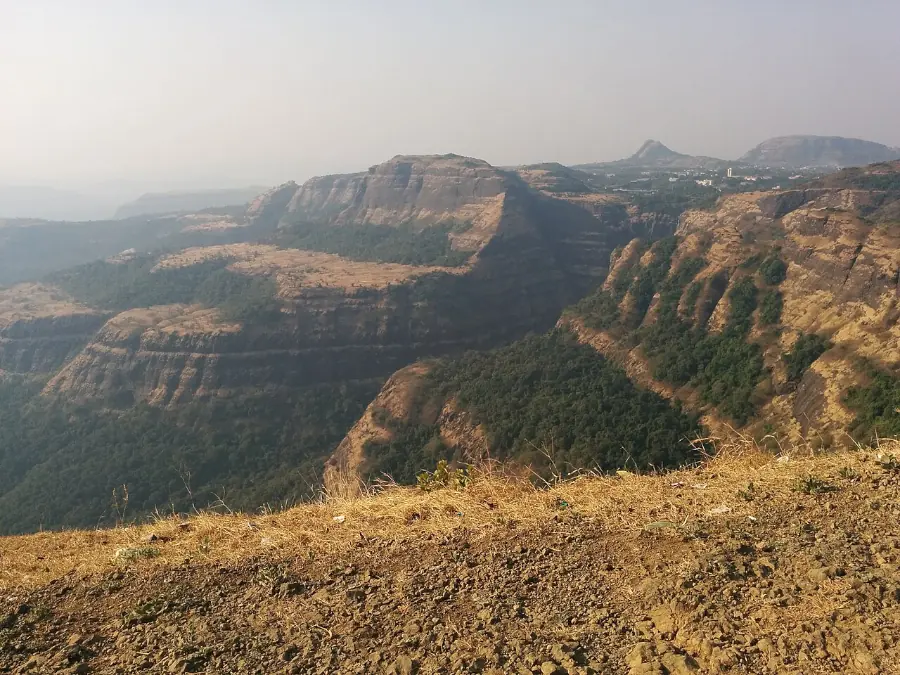
🛤️ 1863: Birth of Modern Lonavala with the Railway
A major turning point came in 1863 when the Great Indian Peninsula Railway (GIPR) opened the railway line connecting Mumbai to Pune, passing through Lonavala 🚂. This not only boosted tourism but also made the town an important halt for travellers. The British introduced landscaped gardens, bungalows, and civic amenities, laying the foundation of modern-day Lonavala. It soon became a popular summer retreat for both colonial officers and wealthy Indian merchants.
🌾 Late 19th – Early 20th Century: Agricultural & Cultural Growth
During the late 1800s and early 1900s, Lonavala’s economy also benefited from farming, forestry, and artisanal crafts. The production of jaggery-based Lonavala Chikki 🍬 became a local specialty, originally sold to railway passengers. British-established boarding schools and sanatoriums contributed to the town’s cultural diversity, attracting students from across India.
🇮🇳 Post-Independence (1947 onwards): Tourism Boom
After India gained independence in 1947, Lonavala transformed into a public tourist destination accessible to all. Improved roads, expanded rail services, and the development of the Mumbai–Pune Expressway in the early 2000s further fuelled tourism 🚗. The town evolved into a year-round getaway for city dwellers, with Resorts, Adventure Parks, Trekking Circuits, and Historical Tours becoming its main attractions.
📅 Present Day: Heritage Meets Modern Leisure
Today, Lonavala is both a living heritage site and a modern holiday hub. Visitors can explore ancient Buddhist caves, Maratha-era forts, British colonial structures, and contemporary resorts — all in one trip. It remains an essential stop for history enthusiasts, nature lovers, and leisure travellers alike 🌿. Despite modernisation, efforts are underway to preserve its historical monuments and natural environment, ensuring that future generations can experience the same charm that has captivated travellers for centuries.
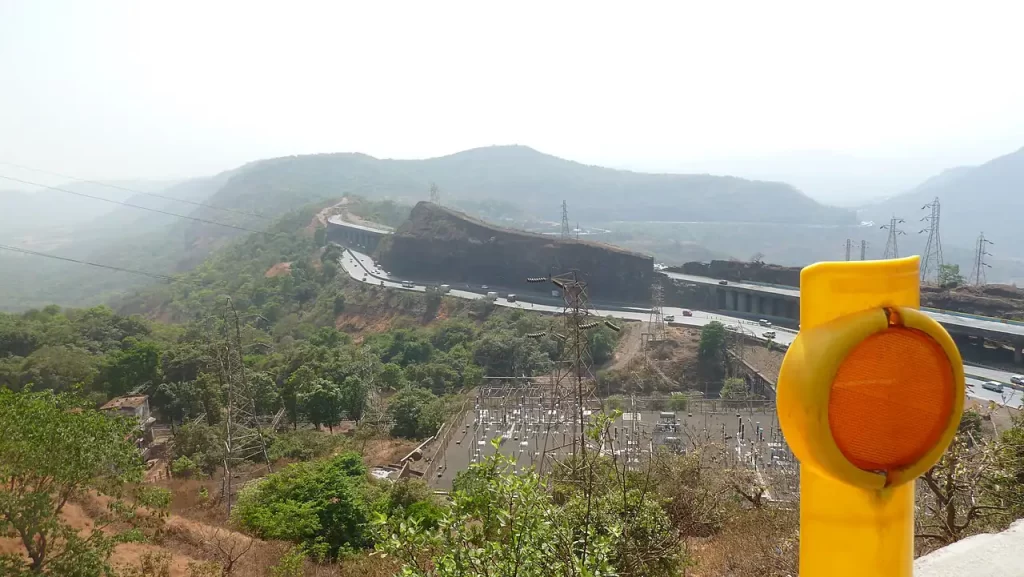
🏛️ Architectural Marvels in Lonavala, Pune District, Maharashtra, India
Lonavala is not only about misty hills and lush valleys 🌿 — it’s also home to a treasure trove of Architectural Marvels that span over 2,000 years of history. From ancient Buddhist rock-cut caves to majestic Maratha forts and British Colonial Bungalows, the town’s Architecture narrates the story of cultural exchanges, military strategies, and artistic evolution. Every structure here is a living artefact, reflecting the genius of its time.
🪨 Karla Caves – The Grand Chaitya of Ancient India
The Karla Caves, dating back to the 2nd century BCE – 2nd century CE, are among the largest and best-preserved Buddhist rock-cut monuments in India. The highlight is the Grand Chaitya Hall, a prayer hall with a ribbed wooden ceiling that still survives after nearly two millennia — a rare feat in Indian architecture. The entrance features a magnificent horseshoe-shaped arch, flanked by sculptures of lions, elephants, and human figures. These caves are remarkable for their Structural Harmony, blending utility (monastic dwellings) with spiritual artistry.
🏯 Bhaja Caves – A Cluster of Monastic Heritage
Just a short distance from Karla lies the Bhaja Caves, another set of rock-cut structures from the same period 🗿. This complex of 22 caves contains Viharas (Monastic Residences) and Chaityas adorned with intricate reliefs depicting dancers, musicians, and mythological scenes. The wooden architecture imitations carved into stone reflect the transitional phase from timber to stone construction. The caves are strategically located along ancient trade routes, serving both as a religious centre and a rest stop for travellers.
🏰 Lohagad Fort – The Iron Fort of the Marathas
The Lohagad Fort, perched at an elevation of 1,033 meters, is a masterpiece of Maratha Military Architecture ⚔️. Built with massive basalt stone walls, the fort’s most iconic feature is the Vinchukata (Scorpion’s Tail) — a long, narrow fortified extension that offers panoramic valley views. The fort’s design maximises natural defences, using steep cliffs and limited access routes to repel invaders. Inside, you’ll find water tanks, granaries, and ancient gateways that tell tales of strategic brilliance.
🏯 Visapur Fort – The Twin Guardian of Lonavala
Adjacent to Lohagad stands Visapur Fort, a sprawling structure built during the early 18th century under the Maratha Empire. Its fortifications are more extensive than Lohagad’s, with stone walls, bastions, and massive gates designed for layered defence. The fort also contains remnants of old palaces, water cisterns, and cannons, some still lying in their original positions. The elevated position provided surveillance over trade routes, making it an essential part of the region’s defence system.
🏯 Rajmachi Fort – The Watchtower of Trade Routes
The Rajmachi Fort complex, comprising Shrivardhan and Manaranjan forts, is another gem of Maratha engineering. Its location offered commanding views of the Bor Ghat, a key passage between the Konkan coast and the Deccan plateau 🏞️. The architecture includes massive stone walls, secret escape routes, and fortified gateways, blending functionality with rugged beauty. During the monsoons, the fort’s surroundings turn lush green, creating a mesmerising backdrop for its centuries-old stonework.
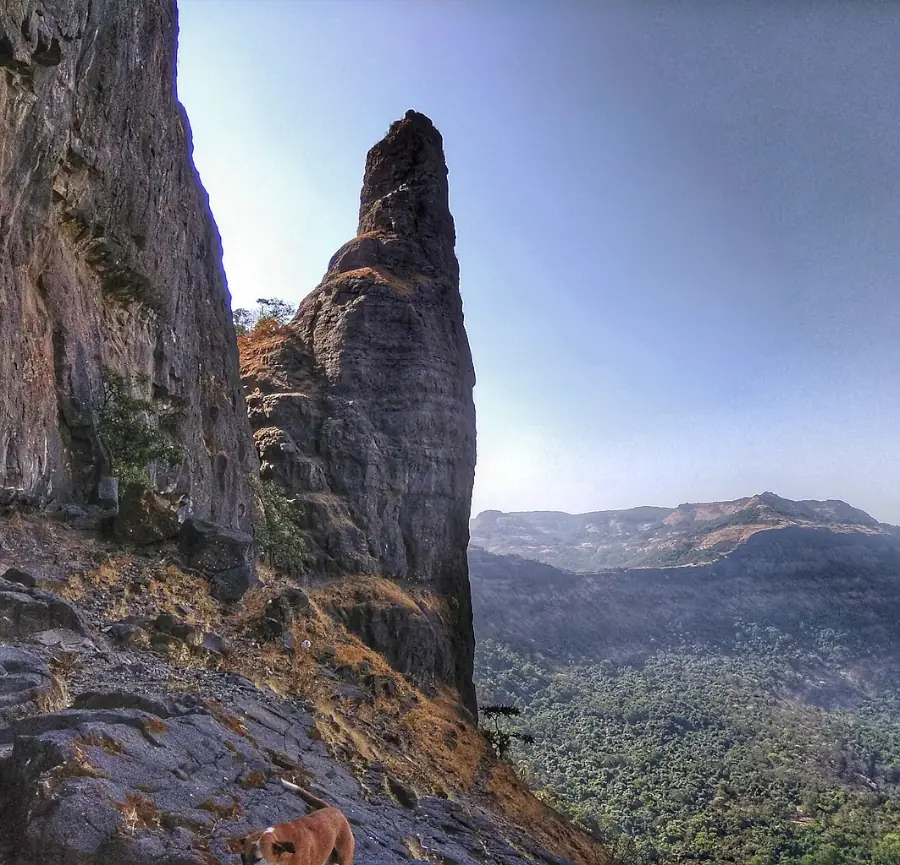
🇬🇧 British Colonial Bungalows & Civic Architecture
The arrival of the British in the 19th century introduced a completely different architectural style 🏡. They built bungalows with sloping tiled roofs, arched verandas, and wooden beams to adapt to the monsoon climate. Many of these colonial-era structures still stand in Lonavala’s quieter lanes, surrounded by gardens and old trees. The British also developed public buildings like Railway Stations, Post Offices, and Schools, combining Victorian design with Indian construction techniques.
🛤️ The Lonavala Railway Station – Victorian Simplicity
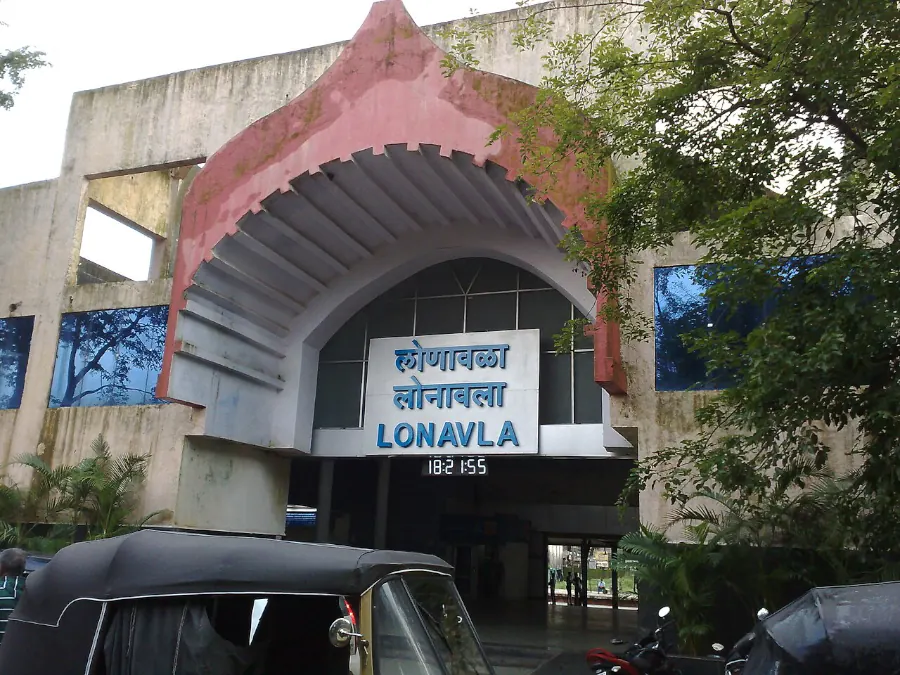
Opened in 1863 as part of the Great Indian Peninsula Railway, the Lonavala Railway Station is a modest yet significant piece of Victorian-era architecture 🚂. Its high-gabled roof, stone masonry, and wooden trusses reflect the practical and aesthetic considerations of the time. The station remains a heritage structure, symbolising the town’s transformation from a secluded mountain region to a thriving tourist hub.
🪵 Wooden & Stone Village Homes – Vernacular Architecture
Beyond the monumental sites, Lonavala’s traditional village homes are also Architectural treasures. Made from locally available Basalt stone, Mud Bricks, and Wood, these houses have sloping roofs covered with Mangalore tiles to handle heavy rains 🌧️. The interiors often feature Wooden Pillars, Carved Doors, and open Courtyards — designs that naturally regulate temperature and suit the hilly terrain. They stand as a testament to sustainable architecture long before the term became popular.
🌸 A Blend of Cultures & Architectural Evolution
Lonavala’s Architecture is a living blend of Buddhist, Maratha, Mughal-influenced, and British colonial styles, each leaving its distinct mark over centuries. While the caves narrate stories of devotion, the forts showcase strategic genius, and the colonial bungalows speak of leisurely retreat. Together, they form a layered cultural landscape, making Lonavala not just a nature lover’s paradise but also a dream destination for history and architecture enthusiasts.
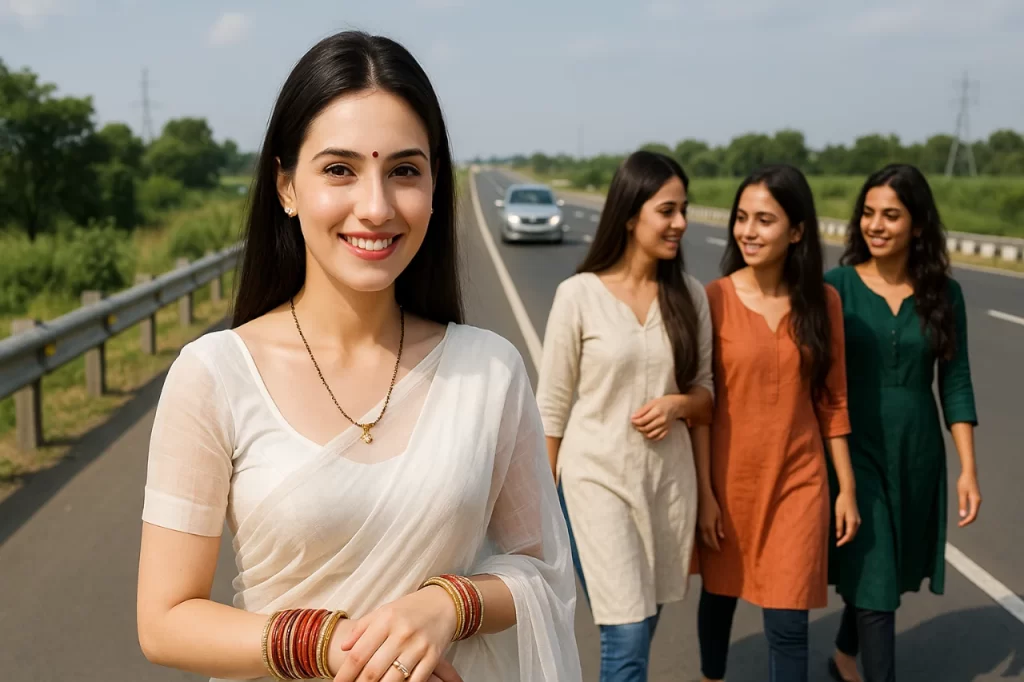
🚗 How to Reach Lonavala, Pune District, Maharashtra, India – Detailed Guide
Lonavala’s strategic location between Mumbai and Pune makes it one of the most accessible hill stations in India 🌿. Whether you’re traveling from nearby cities or distant corners of the country, the town is well-connected by Road, Rail, and Air, ensuring travellers have multiple options to plan their journey. Below is a comprehensive, step-by-step guide to reaching Lonavala from various parts of India.
🚗 Reaching Lonavala by Road – The Scenic Drives
For many travellers, the journey to Lonavala is as enchanting as the destination itself. The Mumbai–Pune Expressway is one of India’s best highways, offering smooth rides, scenic tunnels, and lush green hill views during monsoons 🌧️.
➪ From Mumbai – Around 96 km, taking 1.5 to 2.5 hours by car or bus. The Expressway offers a toll-based, fast route, while the old NH4 is slower but more scenic.
➪ From Pune – About 64 km, taking 1 to 1.5 hours via the Expressway or NH4.
➪ From Nashik – Approx. 230 km via NH60 and NH48, taking 5–6 hours.
State transport buses (MSRTC) and private Volvo coaches operate regularly between Mumbai, Pune, and Lonavala 🚌.
🚂 Reaching Lonavala by Train – Convenient & Budget-Friendly
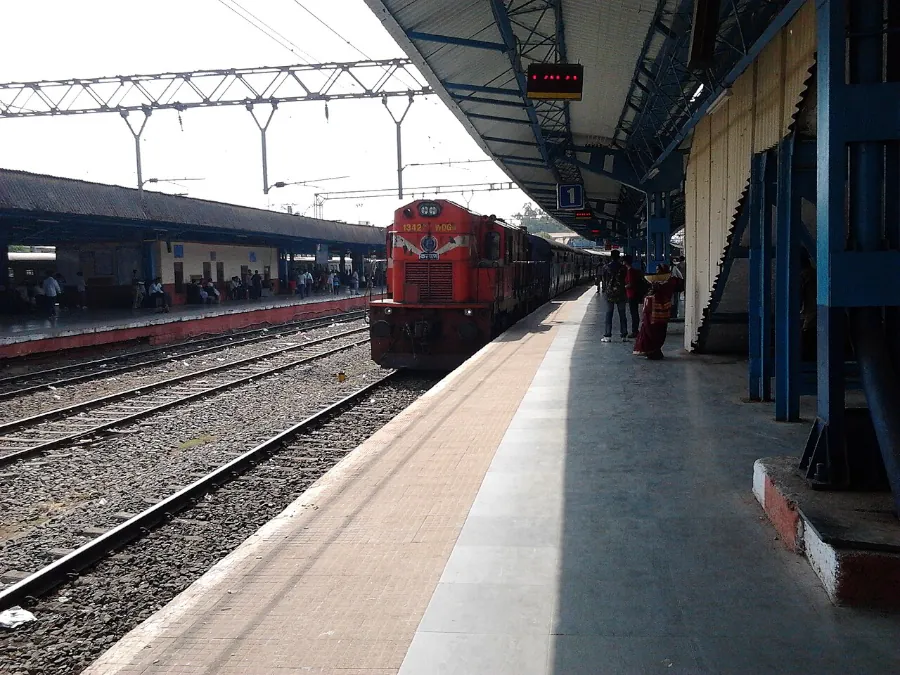
Lonavala has its own Railway Station 🚉, located on the Mumbai–Pune mainline. Trains stop here frequently, making rail travel one of the most economical and comfortable ways to reach the hill station.
➪ From Mumbai – Numerous suburban trains on the Central Line (Karjat–Khopoli route) connect to Lonavala in 2–3 hours. Long-distance trains also halt here.
➪ From Pune – Multiple passenger and express trains reach Lonavala in 1.5–2 hours.
➪ From South & North India – Many long-distance trains like the Chennai Express, Goa Express, and Deccan Queen pass through Lonavala, making it accessible from cities like Chennai, Bengaluru, Hyderabad, Delhi, and Ahmedabad.
✈️ Reaching Lonavala by Air – Closest Airports
Lonavala doesn’t have a dedicated airport ✈️, but two major airports nearby make flying a viable option:
➪ Pune International Airport (PNQ) – Around 67 km away, connected to major Indian cities like Delhi, Bengaluru, Hyderabad, Chennai, and Kolkata, as well as select international destinations. From the airport, taxis and buses are easily available.
➪ Chhatrapati Shivaji Maharaj International Airport, Mumbai (BOM) – About 104 km away, offering extensive domestic and international connectivity. Post arrival, travellers can use the Expressway or trains to reach Lonavala.
🛣️ From North India – Delhi, Jaipur, Lucknow, Chandigarh
Travellers from northern cities can take direct flights to either Pune or Mumbai, followed by road or rail journeys to Lonavala. Those preferring trains can board long-distance services like the Goa Express or Mumbai Rajdhani and alight at Lonavala (if the train halts there) or at Pune/Mumbai, then transfer by local train or taxi 🚖.
🛤️ From South India – Chennai, Bengaluru, Hyderabad, Kochi
Southern cities enjoy strong train connectivity to Lonavala through major routes like the Konkan Railway and Mumbai–Chennai line 🚆. For faster travel, flights to Pune or Mumbai are recommended. From Bengaluru or Hyderabad, road trips via NH48 offer stunning Western Ghats views, especially during monsoon season 🌧️.
🚐 From West India – Ahmedabad, Surat, Vadodara, Goa
From Gujarat, overnight trains and luxury buses are popular for reaching Lonavala. The Mumbai–Pune Expressway makes self-driving a smooth experience from Ahmedabad or Surat. From Goa, travellers can opt for the scenic Konkan Railway journey to Lonavala or take a flight to Pune/Mumbai followed by a short drive.
🚌 From East India – Kolkata, Bhubaneswar, Patna
Eastern cities are best connected by air travel to Pune or Mumbai ✈️, followed by a road or train transfer. There are also long-distance train options, though the journey can take more than 30 hours. Many travellers prefer breaking the trip into two segments — first reaching Mumbai or Pune, then heading to Lonavala.
🗺️ Local Transport within Lonavala
Once in Lonavala, getting around is easy. Auto-rickshaws, rental bikes, and taxis are available for local sightseeing 🚖. For budget-friendly travel, share-autos and local buses connect major tourist points, though many prefer hiring a vehicle for flexibility. Walking is also a great option for exploring markets, gardens, and nearby attractions.
🌟 Best Travel Tips for Reaching Lonavala
➪ Monsoon travellers should be prepared for slippery roads and possible train delays due to heavy rains.
➪ Weekends can get crowded; traveling on weekdays ensures a quieter journey.
➪ Booking train tickets in advance is advisable during peak seasons like monsoon and winter.
➪ If coming from Mumbai, try the Mumbai–Pune Intercity Express or Deccan Queen for a comfortable and scenic train ride 🚆.
🛣️ Best Routes to Reach Lonavala, Pune District, Maharashtra, India
Lonavala’s position between Mumbai and Pune, along the Sahyadri ranges 🌿, makes it easily accessible from all parts of India. However, depending on where you’re traveling from, some routes are faster, while others offer unmatched scenic beauty. Below is a Granular Breakdown of the Best Travel Routes from major regions of India, including Road, Rail, and Air combinations for a smooth journey.
🚗 From Mumbai – The Iconic Mumbai–Pune Expressway Route
The most popular way to reach Lonavala from Mumbai is via the Mumbai–Pune Expressway 🛣️.
➪ Route: Mumbai → Panvel → Khalapur Toll → Lonavala.
➪ Distance: ~96 km.
➪ Travel Time: 1.5–2.5 hours.
➪ The Expressway is famous for its smooth surface, well-maintained tunnels, and lush green hill views during monsoons 🌧️. An alternate scenic option is the Old Mumbai–Pune Highway (NH4), which passes through Khopoli and offers charming roadside stalls.
🚗 From Pune – Quick Getaway via NH48 or Expressway
Pune is just 64 km from Lonavala, making it a perfect weekend destination.
➪ Route: Pune → Dehu Road → Talegaon → Lonavala (via NH48/Expressway).
➪ Travel Time: 1–1.5 hours.
➪ This short journey offers Sahyadri views and is often preferred for spontaneous road trips 🚘. MSRTC buses and private cabs also run frequently on this route.
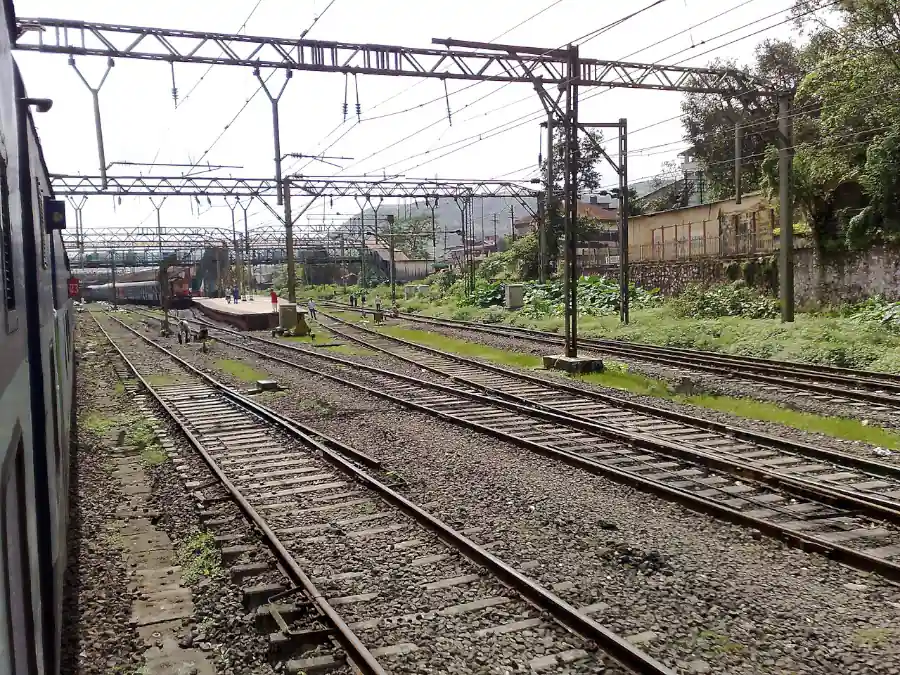
🚆 From South India – Konkan & Deccan Rail Routes
Travellers from Chennai, Bengaluru, Hyderabad, and Kochi have two main choices:
➪ Railway Route:
 ➛ Board long-distance trains like Chennai Express, Udyan Express, or Goa Express that halt at Lonavala.
 ➛ Southern Konkan Railway routes provide spectacular views of the Western Ghats, valleys, and waterfalls 🏞️.
➪ Air + Road Route:
 ➛ Fly to Pune or Mumbai ✈️, then drive or take a train to Lonavala.
 ➛ This option is faster for those on tight schedules.
🚌 From West India – Gujarat & Goa Routes
➪ From Gujarat (Ahmedabad, Surat, Vadodara):
➛ Road Route: NH48 → Mumbai–Pune Expressway → Lonavala. Overnight Volvo buses and private cars are common 🚍.
➪ From Goa:
➛ Railway Route: Take a Konkan Railway train like Mandovi Express to Panvel or Mumbai, then transfer.
➛ Road Route: NH66 → Mumbai → Expressway → Lonavala (longer but scenic along the Konkan coast).
🛤️ From North India – Delhi, Jaipur, Chandigarh
For long-distance travellers from northern India:
➪ Train Route:
➛ Direct trains like Goa Express and Delhi–Mumbai Rajdhani stop at Lonavala or nearby Pune.➪ Air + Road Route:
➛ Fly to Mumbai or Pune ✈️, then take the Expressway for a smooth journey.➪ Road Route (Adventure Drive):
➛ NH48 connects Delhi → Jaipur → Udaipur → Vadodara → Mumbai → Lonavala 🚗, but this is a multi-day drive suitable for road trip enthusiasts.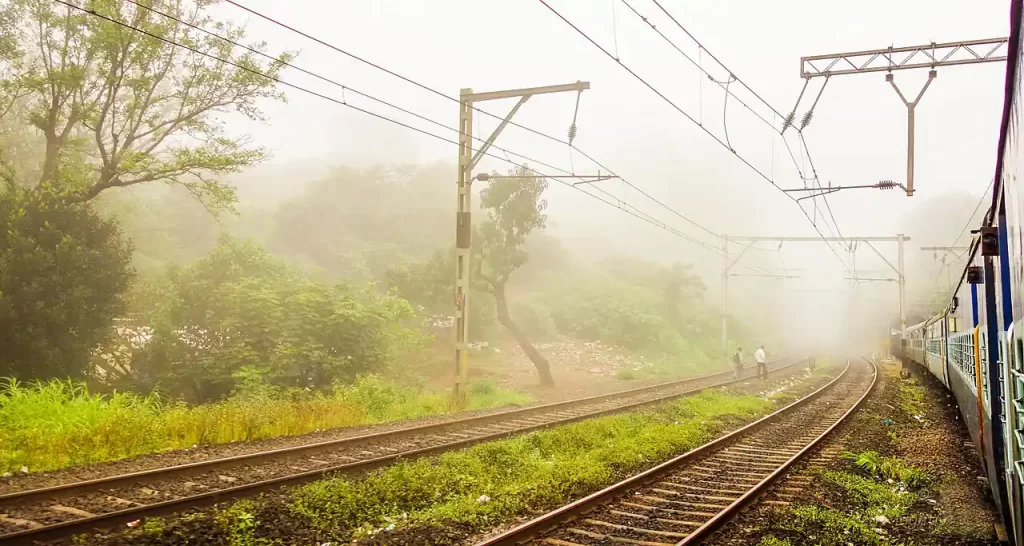
✈️ From East India – Kolkata, Bhubaneswar, Patna
Eastern India travellers often choose a combination of air and road for convenience:
➙ Option 1: Fly to Mumbai (104 km from Lonavala) or Pune (67 km from Lonavala) ✈️.
➙ Option 2: Take long-distance trains like Howrah–Mumbai Mail to Mumbai or Pune, then connect by train or bus to Lonavala.
➛ The Air + Road combo saves time, while trains are budget-friendly for longer journeys 🚆.
🚉 The Scenic Train Routes to Lonavala
If you enjoy train journeys with breathtaking landscapes, certain routes are unforgettable:
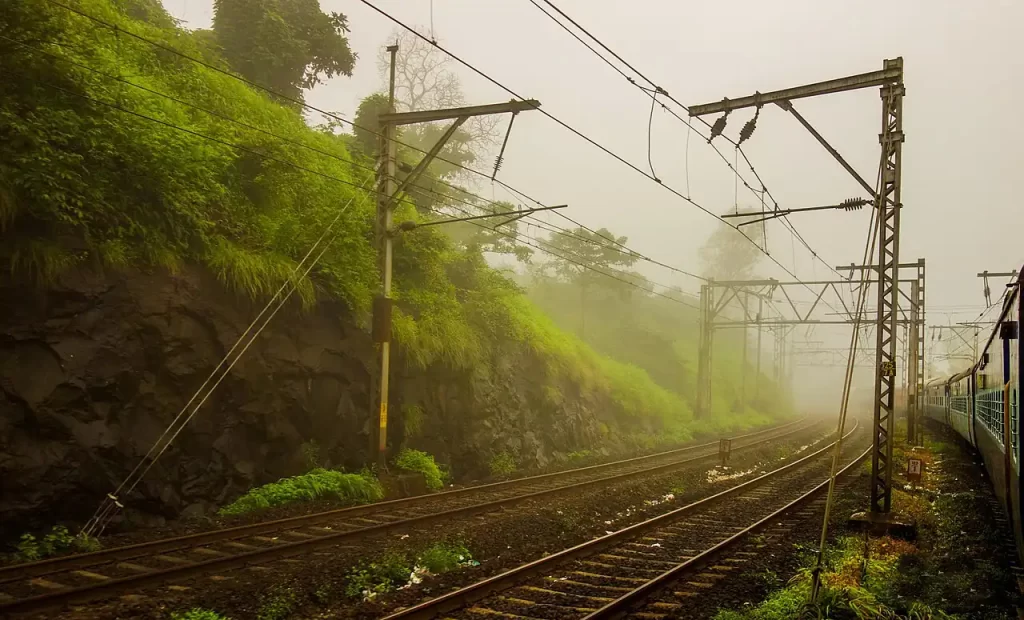
➪ Mumbai → Lonavala: Passes through ghat sections with tunnels, bridges, and lush greenery 🌳.
➪ Pune → Lonavala: Offers mountain views and glimpses of forts.
➪ Konkan Railway Route (from Goa or South India): Passes through rivers, valleys, and coconut-lined villages before merging with the Mumbai–Pune line.
🌟 Route Recommendations Based on Traveler Type
➪ For Quick Trips: Take the Mumbai–Pune Expressway or Pune–Lonavala NH48 route 🚗.
➪ For Scenic Lovers: Opt for the old Mumbai–Pune Highway or Konkan Railway trains 🚆.
➪ For Budget Travellers: Choose state transport buses or passenger trains.
➪ For Adventure Road-Trippers: Try Delhi–Mumbai NH48 with stopovers in Rajasthan and Gujarat 🏕️.
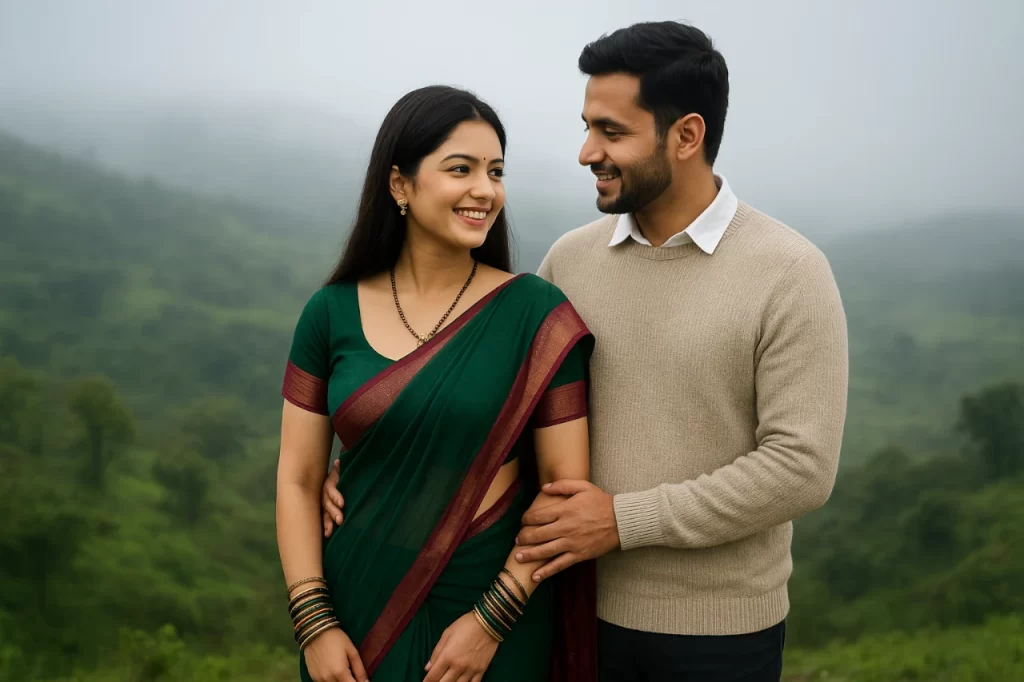
🌦 Best Time to Visit Lonavala & 🎉 Cultural Festivals and Traditions
1️⃣ Understanding Lonavala’s Seasonal Charm 🌿 🌧
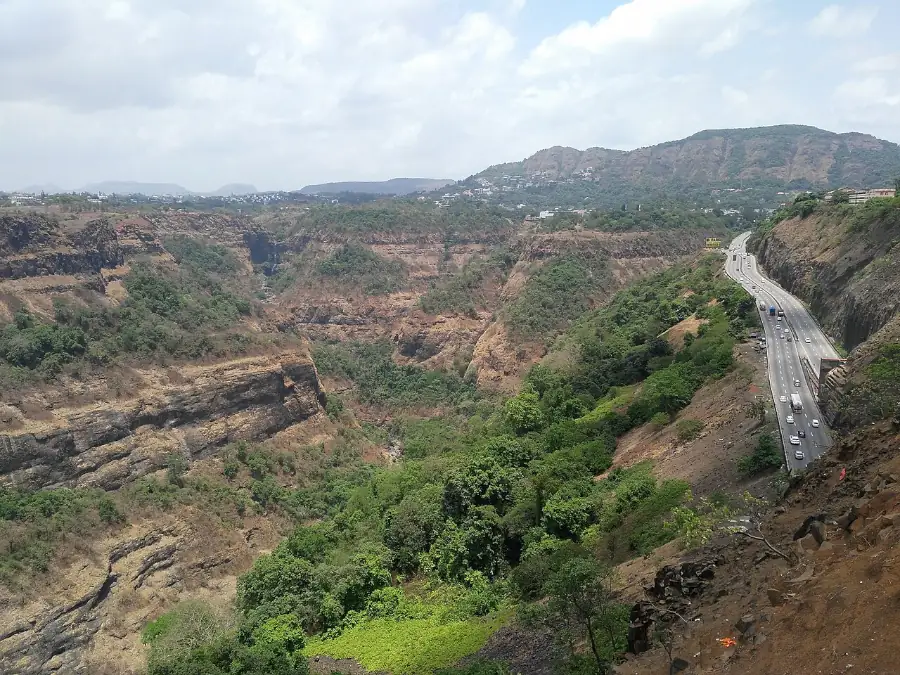
Lonavala, perched in the Sahyadri ranges of the Western Ghats, offers a different beauty in each season. The Monsoon months (June to September) drape the entire landscape in a lush green cover, with countless waterfalls gushing from the hills. Misty clouds descend over the valleys, creating a dreamlike view. The Winter months (November to February) bring cool, pleasant weather — ideal for outdoor exploration, trekking, and sightseeing. Summers (March to May), though warmer, are still milder compared to the plains and are perfect for short escapes from nearby cities like Mumbai and Pune.
2️⃣ Monsoon Magic – June to September 🌧 🌄
The Monsoon is arguably the most celebrated season in Lonavala. With an average rainfall of over 500 mm during peak months, the town transforms into a paradise of waterfalls like Kune Falls, Bhivpuri Falls, and Bhushi Dam’s overflow streams. This is also the time when trekking trails to Rajmachi Fort, Lohagad, and Visapur are at their most scenic, surrounded by fog and greenery. The aroma of freshly roasted corn and steaming hot Vada Pav at roadside stalls adds to the monsoon charm.
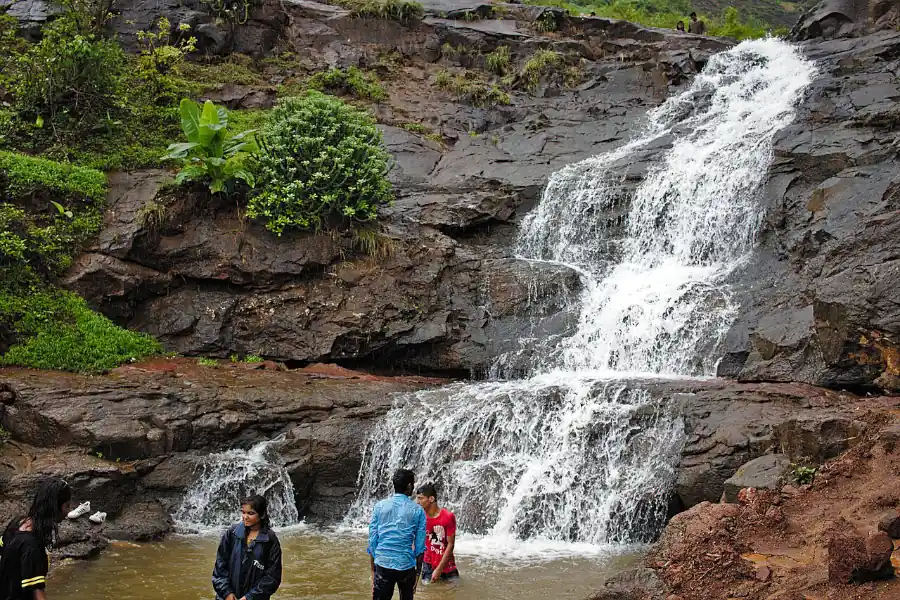
3️⃣ Winter Wonderland – November to February ❄️ 🌤
Winter is the tourist high season in Lonavala. The temperature hovers between 10°C to 25°C, perfect for sightseeing without the discomfort of heat or heavy rain. Families, honeymooners, and adventure seekers flock to the hill station for activities like camping at Pawna Lake, Paragliding in nearby Kamshet, or exploring the ancient Karla and Bhaja caves. The cool evenings are ideal for enjoying local delicacies like chikki with hot tea while gazing at the mist-covered hills.
4️⃣ Summer Escapes – March to May 🌞 🏞
Though summer brings warmer temperatures, Lonavala remains cooler than the lowlands, making it a sought-after weekend retreat for residents of Mumbai and Pune. Mornings and evenings are pleasant, allowing for sightseeing at Tiger’s Leap, Lion’s Point, and Sunset Point. The afternoons can be used for indoor attractions like Wax Museums or exploring local handicraft markets.
5️⃣ Cultural Heartbeat – Ganesh Chaturthi 🎊 🐘
Ganesh Chaturthi, celebrated in August or September, is the grandest festival in Lonavala. Streets come alive with colourful decorations, traditional dhol-tasha music, and community gatherings. Many households and public mandals install beautiful Ganesh idols, which are later immersed in local lakes and rivers with great pomp and devotion. Tourists visiting during this time get to experience authentic Maharashtrian culture, complete with Modak (a sweet dumpling believed to be Lord Ganesha’s favourite).
6️⃣ Diwali & Dussehra – Festival of Lights & Victory 🪔 ⚔️
Diwali, celebrated in October or November, lights up the entire hill station with decorative lamps, candles, and fairy lights. Homes and resorts arrange cultural performances, traditional dances, and feasts. Dussehra, which precedes Diwali, is marked by the burning of Ravana effigies and folk performances that retell stories from the Ramayana. These festivals offer a perfect blend of religious devotion and joyous social gatherings for visitors.
7️⃣ Local Fairs & Harvest Celebrations 🌾 🎶
Apart from mainstream Indian festivals, Lonavala also celebrates local fairs linked to harvest seasons and temple anniversaries. The Maghi Ganesh Jayanti fair at Karla and Ekvira Devi Temple draws thousands of devotees. Folk music, Lavani dance performances, and street food stalls selling Puran Poli and Bhakri with Thecha create a vibrant cultural atmosphere.
8️⃣ Adventure & Music Events 🎵 🚵
In recent years, Lonavala has also hosted adventure and cultural festivals such as Music Concerts, Paragliding Fests, and Marathon events. The Pawna Lake camping festivals often combine live music with outdoor activities like kayaking and night treks. These modern celebrations are drawing younger crowds and adding a contemporary flavour to Lonavala’s cultural calendar.
9️⃣ The Verdict – When Should You Go? 📅 ✨
If you love lush landscapes, foggy trails, and roaring waterfalls, monsoon is the season for you. If you prefer cool weather, cultural activities, and outdoor adventures, winter is ideal. Summer is best for budget travel and quiet getaways. For those wanting to witness authentic Maharashtrian traditions, plan your visit around Ganesh Chaturthi, Diwali, or local fairs.
🔟 Insider Tip 💡🏕
No matter when you visit, always carry a light jacket (it gets chilly in the evenings), a camera for the mesmerising landscapes, and an empty stomach for local delicacies like chikki, corn, and hot pakoras. Lonavala isn’t just about the views — it’s about immersing yourself in its seasonal moods and cultural rhythms.
🏨 Where to Stay in and Near Lonavala, Pune District, Maharashtra
Lonavala is one of Maharashtra’s most loved hill stations, offering breathtaking landscapes, lush valleys, and a cool climate 🌿. Whether you’re planning a romantic getaway, a family holiday, or a backpacking trip, Lonavala has accommodations for every budget — from Ultra-luxurious Resorts with Infinity Pools to simple, affordable Guesthouses and peaceful Dharamshalas. Here’s a complete guide to the Best Hotels, Resorts, and Stays in and around Lonavala with granular details so you can plan your trip with ease.
🌟 Luxury Hotels & Resorts in Lonavala
If you want to experience Lonavala in style and comfort, these luxury stays are perfect:
🔘 Della Resorts
💰 Starting from: ₹14,000/night
⏰ Check-in: 2:00 PM | Check-out: 11:00 AM
🛎 Facilities: Private Plunge Pools, Adventure Park access, Fine Dining, Spa, 24/7 Room Service.
🍽 Food: Multi-cuisine Restaurants with Indian, Continental, and Oriental menus.
📍 Location: Kunegaon, Lonavala.
🔘 Fariyas Resort Lonavala
💰 Starting from: ₹12,000/night
⏰ Check-in: 2:00 PM | Check-out: 12:00 PM
🛎 Facilities: Indoor Water Park, Spa, Swimming Pool, Fitness centre.
🍽 Food: Buffet breakfast, 24-hour coffee shop, Indian & international cuisines.
📍 Location: Frichley Hills, Lonavala.
🔘 Hilton Shillim Estate Retreat & Spa (Near Lonavala)
💰 Starting from: ₹18,000/night
⏰ Check-in: 3:00 PM | Check-out: 12:00 PM
🛎 Facilities: Wellness Spa, Meditation Centre, Infinity Pool, Organic Farming.
🍽 Food: Organic farm-to-table menus, Wine cellar.
📍 Location: Shilimb, near Lonavala.
💸 Budget Hotels & Guesthouses
For those who want comfort without overspending, Lonavala offers many budget-friendly options:
🔘 Hotel Aristro
💰 Starting from: ₹2,000/night
⏰ Check-in: 12:00 PM | Check-out: 10:00 AM
🛎 Facilities: Free Wi-Fi, Parking, Air-conditioned Rooms.
🍽 Food: In-house Restaurant serving Indian and Chinese dishes.
🔘 Hotel Chandralok
💰 Starting from: ₹2,500/night
⏰ Check-in: 12:00 PM | Check-out: 10:00 AM
🛎 Facilities: Comfortable Rooms, Concierge Services, Free Breakfast.
🍽 Food: Vegetarian Thali specialties.
🔘 Retreat Heritage
💰 Starting from: ₹3,000/night
⏰ Check-in: 12:00 PM | Check-out: 11:00 AM
🛎 Facilities: Pool, Wi-Fi, kids’ play area.
🍽 Food: Multi-cuisine Restaurant on-site.
🕉 Dharamshalas & Affordable Stays
For pilgrims, solo travelers, or those who prefer simplicity, Dharamshalas and guesthouses in Lonavala offer budget comfort:
🔘 Jain Dharamshala Lonavala
💰 Starting from: ₹500/night
⏰ Check-in: Flexible | Check-out: Flexible
🛎 Facilities: Clean Rooms, Common Halls, Hot Water.
🍽 Food: Jain Vegetarian meals.
🔘 Shri Sant Eknath Bhavan
💰 Starting from: ₹300/night
⏰ Check-in: 12:00 PM | Check-out: 10:00 AM
🛎 Facilities: Dormitories, Private Rooms, Basic Amenities.
🍽 Food: Simple vegetarian meals.
📌 Pro Tips for Choosing Your Stay in Lonavala
Peak Season Bookings 🗓: Lonavala gets crowded during monsoon (June–September) and weekends. Book in advance.
Location Matters 📍: If you want easy market access, stay near Lonavala Railway Station or Old Mumbai–Pune Road. For peace and privacy, opt for resorts in the outskirts.
Family vs. Couples 👨👩👧: Families may prefer resorts with play areas, while couples can choose boutique villas or romantic resorts.
Food Preferences 🍛: Check if the property serves your preferred cuisine, especially if you follow Jain or pure-veg diets.
💡 Travel Tip: Always check recent reviews before booking. Many resorts in Lonavala offer discounted weekday packages — perfect for a budget-friendly luxury experience.
🏞 Best Places to Visit in and near Lonavala, Pune District, Maharashtra
Lonavala, nestled in the lush Sahyadri ranges, is a treasure trove of Breathtaking Natural Landscapes, Serene Temples, Adventurous Trekking Spots, and Bustling Marketplaces. Whether you’re a History Buff, a Nature Lover, a Devotee, or a Foodie, this charming hill station offers something for everyone.
🌄 1. Tiger’s Leap (Tiger Point)
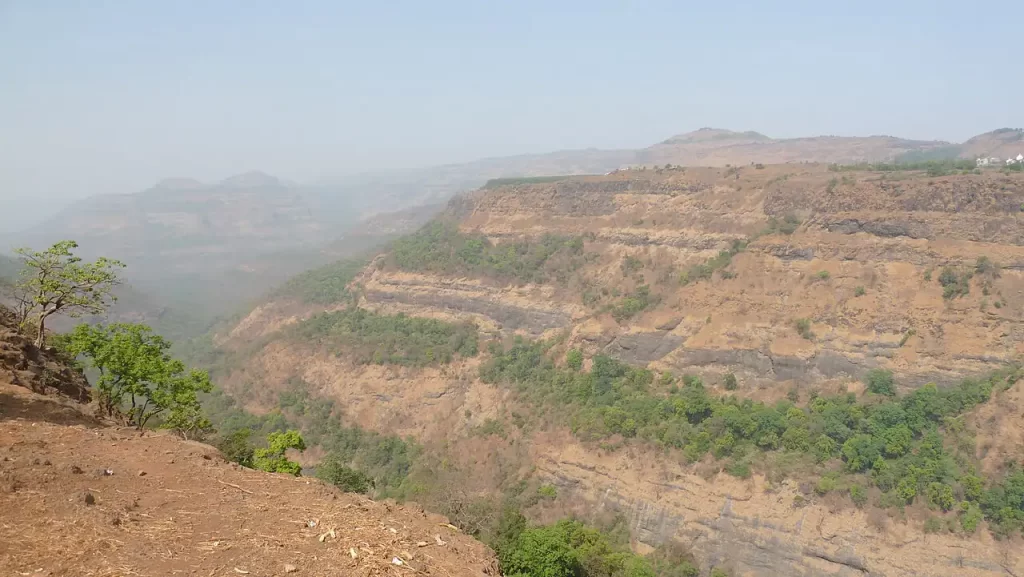
Perched at an altitude of over 650 meters, Tiger’s Leap offers panoramic views of the valleys and the Western Ghats. The cliff gets its name because it resembles a tiger leaping into the valley. This spot is especially magical during the monsoon (June–September) when waterfalls gush down and the mist creates a dreamy setting. Visitors often enjoy hot tea and spicy pakoras from the nearby stalls while soaking in the scenery.
🌊 2. Bhushi Dam
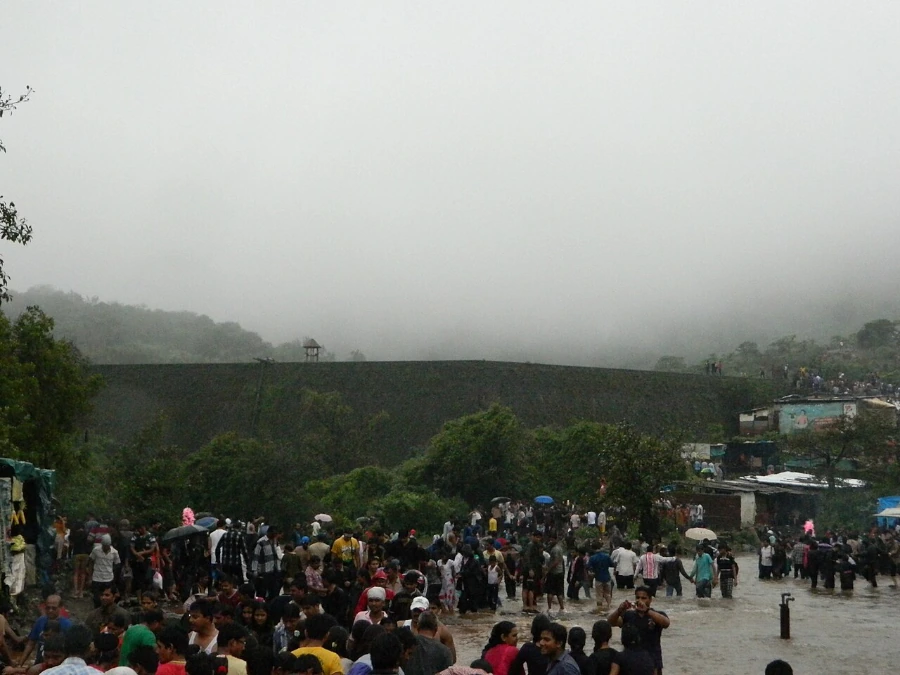
Bhushi Dam is one of Lonavala’s most popular picnic spots, especially in the monsoon when the dam overflows, creating a natural cascade where visitors can sit and enjoy the water. While swimming is prohibited due to strong currents, splashing in the shallow areas is a fun experience. The surrounding hills make it an ideal photography spot.
🏞 3. Rajmachi Fort
Steeped in Maratha History, Rajmachi Fort is a favourite among trekking enthusiasts. The fort complex includes two fortified structures – Shrivardhan Fort and Manaranjan Fort – which provide sweeping views of the Sahyadri ranges. The trek is especially enchanting during the monsoon, with lush greenery, waterfalls, and misty trails enhancing the adventure.
🏛 4. Karla Caves
Dating back to the 2nd century BCE, the Karla Caves are a marvel of ancient Buddhist rock-cut architecture. The main Chaitya (Prayer Hall) is one of the largest in India and showcases intricate carvings of elephants, humans, and mythological scenes. This UNESCO-recognised site offers insights into the region’s Buddhist heritage.
🗿 5. Bhaja Caves
Close to Karla, Bhaja Caves are older and smaller but equally fascinating. These 22 rock-cut caves contain Stupas, Intricate Sculptures, and Chaityas that reflect early Buddhist Architecture. The trek to these caves is short but scenic, passing through green slopes and streams.
🌉 6. Duke’s Nose
Named for its resemblance to the nose of the Duke of Wellington, Duke’s Nose is a rocky cliff famous for adventure sports like Rappelling, Rock Climbing, and Zip-lining. It offers panoramic views of Khandala and the Konkan plains, making it a must-visit for thrill seekers.
🌳 7. Ryewood Park and Shivaji Udyan
In the heart of Lonavala lies Ryewood Park, a landscaped garden with towering old trees, vibrant flower beds, and a children’s play area. Adjacent to it is Shivaji Udyan, a peaceful space ideal for families seeking a relaxing afternoon.
🌅 8. Sunset Point at Lion’s Point
Situated between Bushi Dam and Aamby Valley, Lion’s Point offers spectacular sunrise and sunset views. On clear days, you can see multiple waterfalls dotting the hills during monsoon. Local vendors sell Roasted Corn, Maggi, and Tea – a perfect combo with the cool breeze.
🏰 9. Lohagad Fort
Lohagad Fort, meaning “Iron Fort”, is another historic site tied to Chhatrapati Shivaji Maharaj’s reign. The fort stands at 1,033 meters and is famous for its Vinchu Kata (Scorpion’s Tail) – a long, narrow rampart resembling the tail of a scorpion. The trek here is moderately easy and is beginner-friendly.
💦 10. Pawna Lake
Just outside Lonavala, Pawna Lake is a popular camping spot where visitors enjoy bonfires, stargazing, and lakeside meals. The lake is surrounded by forts like Tikona, Lohagad, and Tung, adding to the scenic charm.
🛕 Temples and Places of Worship in and near Lonavala
🛕 11. Ekvira Aai Temple
Located near Karla Caves, the Ekvira Aai Temple is dedicated to Goddess Ekvira, worshipped by the Koli fishing community. Pilgrims climb over 500 steps to reach the temple, and the views from the top are breathtaking. Navratri is the most celebrated festival here, drawing thousands of devotees.
🛕 12. Narayani Dham Temple
A relatively modern but stunning temple in Lonavala, Narayani Dham is dedicated to Goddess Narayani. Built in white marble, it also has shrines for Lord Ganesha, Hanuman, and Krishna. The temple complex includes a garden and a Gaushala (Cow Shelter), and it offers free Prasad Meals to visitors.
🛕 13. Shree Narasimha Saraswati Swami Maharaj Math
Located in the peaceful outskirts, this spiritual math (ashram) is dedicated to Shree Narasimha Saraswati Swami Maharaj, believed to be an incarnation of Lord Dattatreya. The serene environment makes it perfect for meditation.
🛍 Local Marketplaces and Handicrafts
🛍 14. Lonavala Bazaar
The Lonavala Bazaar is a bustling market famous for its Chikki (a sweet made of jaggery and nuts), fudge, and local snacks. Vendors also sell handcrafted wooden toys, leather goods, and Kolhapuri slippers.
🛍 15. Maganlal Chikki Centre
No trip to Lonavala is complete without visiting Maganlal Chikki, the most famous Chikki brand in India. You can watch the chikki being made and buy it fresh in various flavours – Peanut, Cashew, Sesame, and even Chocolate.
🛍 16. Handmade Souvenir Shops
Scattered across the town are shops selling Hand-painted Ceramics, Bamboo Crafts, and Cane Furniture made by local artisans. These make for perfect souvenirs and help support the local economy.
🌿 Other Noteworthy Attractions
🌊 17. Kune Waterfalls
At 622 meters, Kune Waterfalls is one of the highest in Maharashtra. The three-tiered waterfall is especially stunning in monsoon, with the surrounding forest turning vibrant green.
🏞 18. Amrutanjan Point
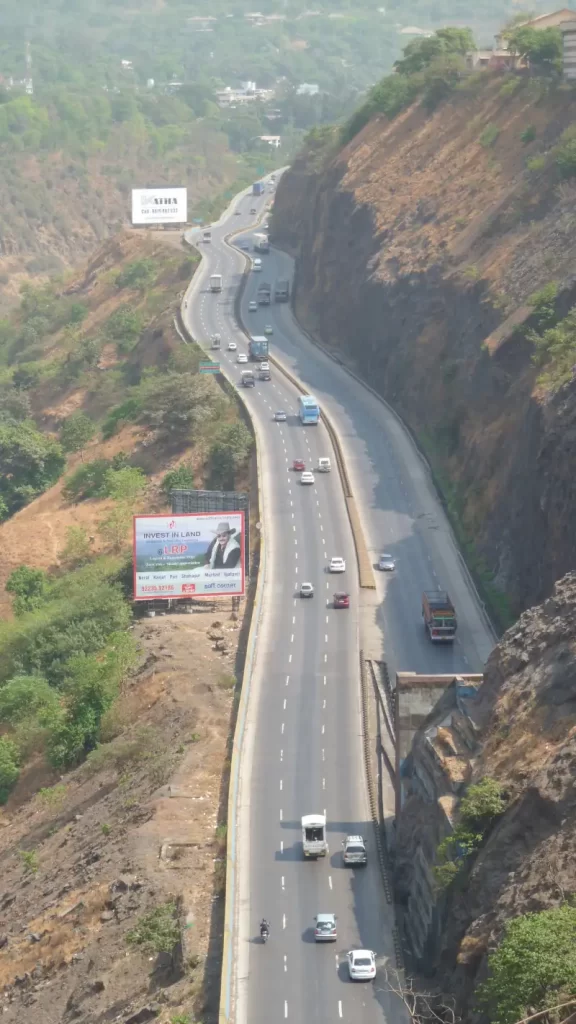
This less-crowded viewpoint at the beginning of Khandala Ghat offers sweeping views of the valley and the expressway below. It’s an ideal stopover for photographers.
🏕 19. Aamby Valley City
A luxury township about 24 km from Lonavala, Aamby Valley offers Golf courses, Artificial lakes, Adventure sports, and Luxury Resorts – perfect for those seeking an upscale getaway.
🌺 20. Valvan Dam
Located near Valvan Lake, Valvan Dam is a quiet spot ideal for evening strolls. The garden here is beautifully maintained, making it perfect for picnics.
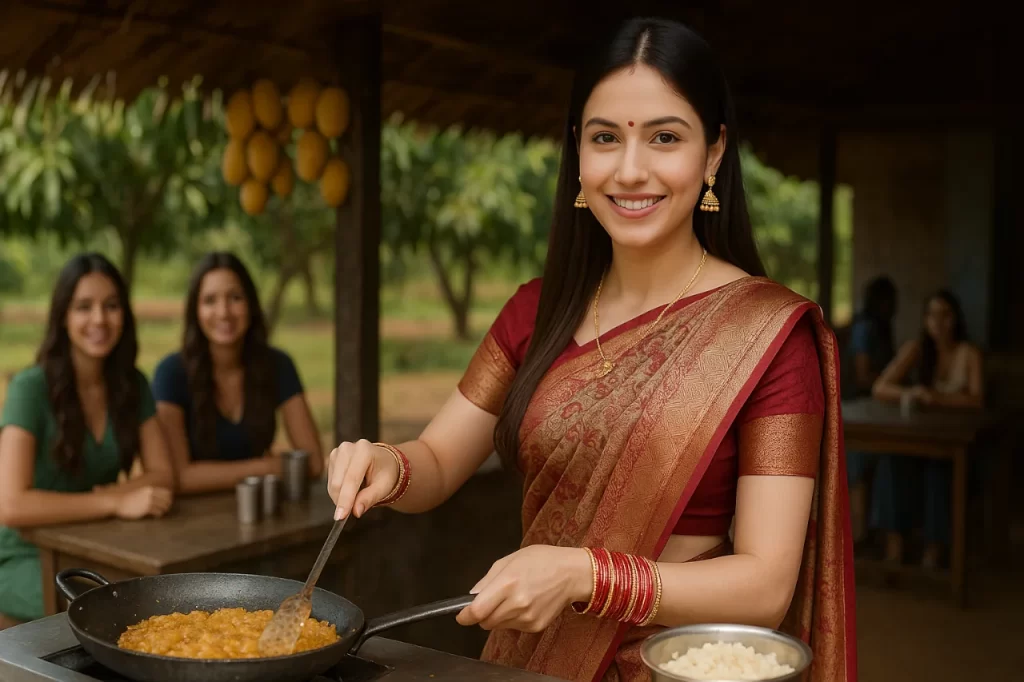
🍴 Best Places for Refreshments with Authentic Local Food in Lonavala, Pune District, Maharashtra, India
Lonavala is not just about misty mountains, cascading waterfalls, and panoramic viewpoints — it’s also a culinary paradise for food lovers. The hill station is home to a wide variety of eateries that serve Authentic Maharashtrian snacks, traditional thalis, refreshing beverages, and world-famous chikkis. Whether you’re craving steaming hot Vada Pav, a plate of Misal Pav bursting with spice, or a hearty Maharashtrian thali, Lonavala offers plenty of local gems where food is not just served but celebrated.
Below is an elaborated list of the best places to relish authentic local flavours in and around Lonavala:
1️⃣ Golden Vadapav – The Spicy Local Legend 🌶️
If you’re visiting Lonavala, skipping Vada Pav is simply not an option. Golden Vada Pav is one of the most famous stalls in the town, serving crispy, spicy, and perfectly fried Batata Vadas tucked between soft Pav, smeared with tangy chutneys. The chutneys here — especially the Dry Garlic Chutney — add a punch that keeps customers coming back.
⦿ Specialty: Vada Pav, Misal Pav, Bhajiya
⦿ Location: Near Lonavala Market
⦿ Price Range: ₹20–₹50
⦿ Pro Tip: Pair your Vada Pav with a hot cup of cutting chai for the complete Mumbai–Lonavala street food experience.
2️⃣ German Bakery – Fusion Meets Tradition 🥐
This rustic yet modern cafe offers a fusion of Maharashtrian and continental delights. From Piping Hot Poha to freshly baked Croissants, it’s a great spot for breakfast or an evening coffee. The atmosphere is cozy, with both indoor and outdoor seating options.
⦿ Specialty: Poha, Masala Chai, Fresh Breads, Herbal Teas
⦿ Location: Near Tungarli Lake Road
⦿ Price Range: ₹150–₹400
⦿ Best Time to Visit: Morning for Breakfast or early evening for snacks.
3️⃣ Maganlal Chikki – The Sweet Heart of Lonavala 🍬
A trip to Lonavala is incomplete without tasting its iconic Chikki. Maganlal Chikki is the oldest and most renowned shop in town, offering varieties like Peanut, Sesame, Cashew, and even Chocolate chikki. They also sell Fudge, Jelly Sweets, and other snacks.
⦿ Specialty: Peanut Chikki, Kesar Chikki, Coconut Chikki
⦿ Location: Main Bazaar Road, Lonavala
⦿ Price Range: ₹100–₹400 per box
⦿ Food Fact: Chikki here is made fresh every day using traditional recipes passed down generations.
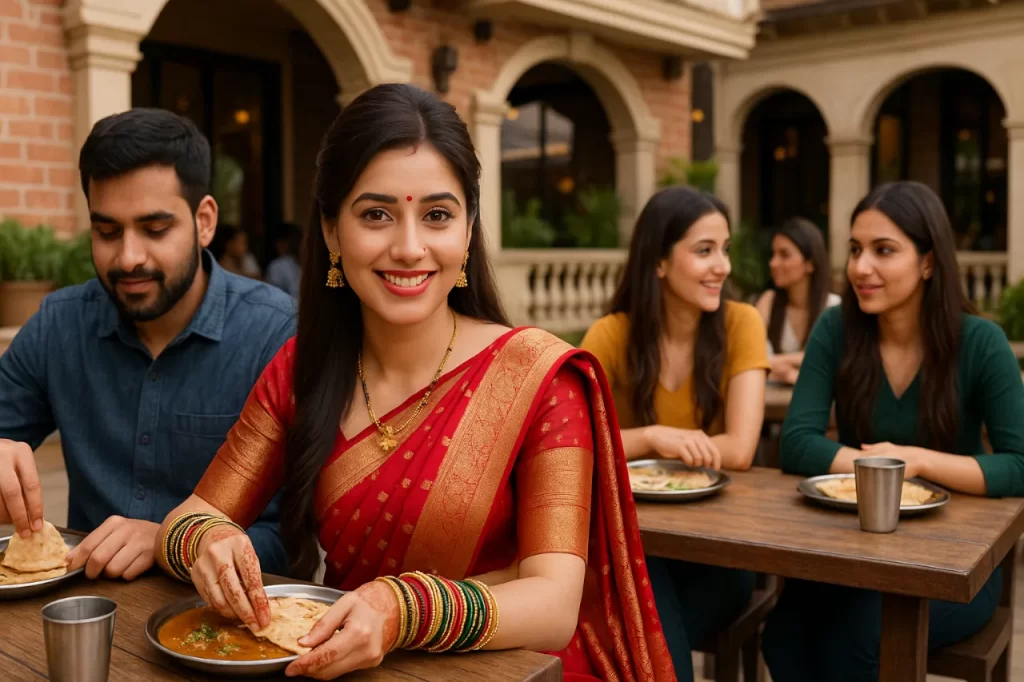
4️⃣ Ramakrishna Restaurant – Maharashtrian Thali Magic 🍛
This restaurant is a must-visit for a wholesome Maharashtrian vegetarian thali. The meals here are balanced, with freshly cooked Chapatis, Bhakris, Dal, Vegetable Curries, Rice, Curd, and Dessert. The flavours are authentic and homely.
⦿ Specialty: Veg Thali, Misal Pav, Sabudana Khichdi
⦿ Location: Opposite Lonavala Bus Stand
⦿ Price Range: ₹200–₹400 per person
⦿ Pro Tip: Visit during lunch hours to enjoy the freshest preparations.
5️⃣ Girivihar Dining Club – Parsi & Maharashtrian Touch 🥘
Girivihar serves Authentic Maharashtrian dishes with a unique Parsi influence, giving food lovers a double treat. The Mutton Curry and Bhakri here are legendary, but even the vegetarian options are delicious.
⦿ Specialty: Parsi Dhansak, Mutton Curry, Pithla-Bhakri
⦿ Location: Near Valvan Lake
⦿ Price Range: ₹300–₹800
⦿ Ambience: Family-friendly, Traditional Decor, and Warm service.
6️⃣ Cooper’s Fudge & Chikki – A Sweet Tooth Heaven 🍫
Apart from Chikki, Lonavala is also famous for its Rich and Creamy Fudge. Cooper’s has been in business since the British era, offering flavours like Chocolate Walnut, Strawberry, and Coffee Fudge.
⦿ Specialty: Chocolate Walnut Fudge, Coffee Fudge
⦿ Location: Main Bazaar, Lonavala
⦿ Price Range: ₹150–₹500 per box
⦿ Best Time to Buy: Morning or afternoon, before the day’s fresh batch sells out.
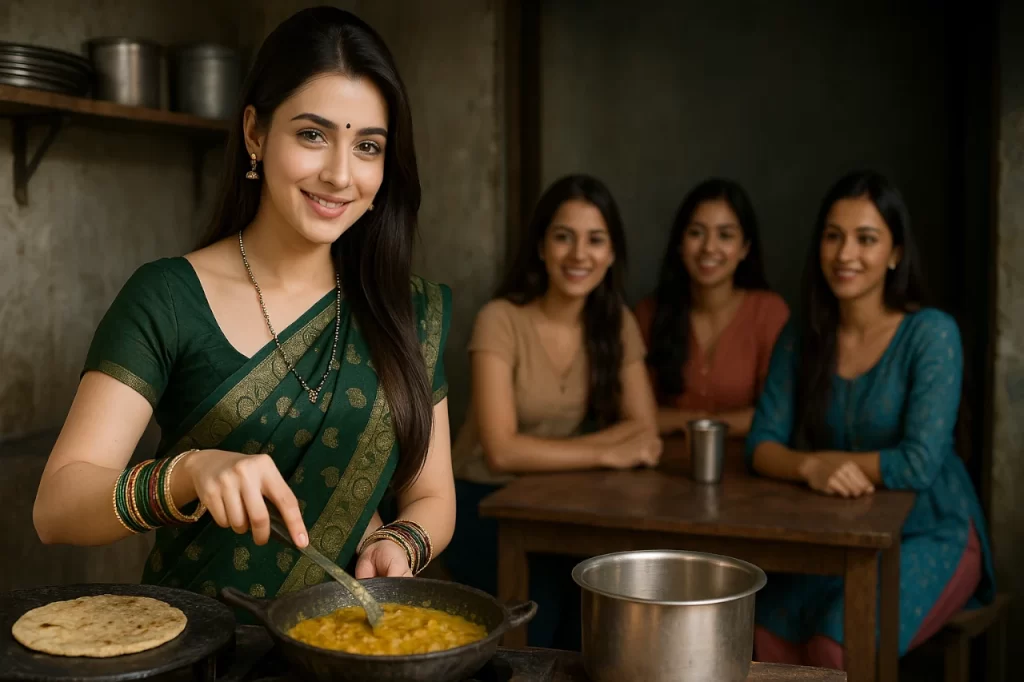
7️⃣ Joshi’s Vadapav & Misal – Street Food Delight 🌮
This small joint is often packed with locals who swear by its Spicy Misal Pav and Crispy Bhajiyas. The portions are generous and the prices are pocket-friendly.
⦿ Specialty: Misal Pav, Onion Bhajiya, Vada Pav
⦿ Location: Near Kumar Resort, Lonavala
⦿ Price Range: ₹20–₹80
⦿ Spice Warning: Their Misal can be quite fiery — perfect for spice lovers!
8️⃣ Hotel Chandralok – Pure Vegetarian Comfort Food 🌿
Known for its Pure Vegetarian Menu, Hotel Chandralok serves unlimited Thalis that include everything from Dal Fry to seasonal Sabzis and Sweet Dishes. The food is light yet flavourful, making it ideal for family meals.
⦿ Specialty: Unlimited Veg Thali
⦿ Location: Near Lonavala Railway Station
⦿ Price Range: ₹300–₹500 per person
⦿ Extra Perk: Quick service even during peak hours.
9️⃣ Sheetal Da Dhaba – Punjabi Flavours on the Highway 🍢
Located slightly outside the main town, Sheetal Da Dhaba is a Highway Favourite for travellers craving North Indian flavours. Their Butter Chicken, Dal Makhani, and Stuffed Parathas are particularly popular.
⦿ Specialty: Butter Chicken, Dal Makhani, Paneer Tikka
⦿ Location: Old Mumbai–Pune Highway
⦿ Price Range: ₹300–₹800
⦿ Ambience: Open-air Dhaba style with rustic charm.
🔟 Lonavala Local Market Snacks – A Street Food Wonderland 🛍️
The Lonavala Market area is dotted with roadside stalls selling everything from Bhuttas (Roasted Corn) to Kanda Bhajiyas and Jalebis. Walking through the market with a snack in hand is an experience in itself.
⦿ Specialty: Corn on the Cob, Jalebi, Onion Bhajiya
⦿ Location: Main Bazaar Road
⦿ Price Range: ₹20–₹100
⦿ Pro Tip: Best enjoyed during monsoon when the weather makes hot snacks irresistible.
✅ Final Word:
When in Lonavala, don’t just sightsee — eat like a local! From the bustling Street Food corners to family-run Thali joints and Historic Sweet shops, every bite here is a part of the Hill Station’s culture. Just remember, some of the best food experiences in Lonavala come from small, no-frills places where flavour is the true luxury.
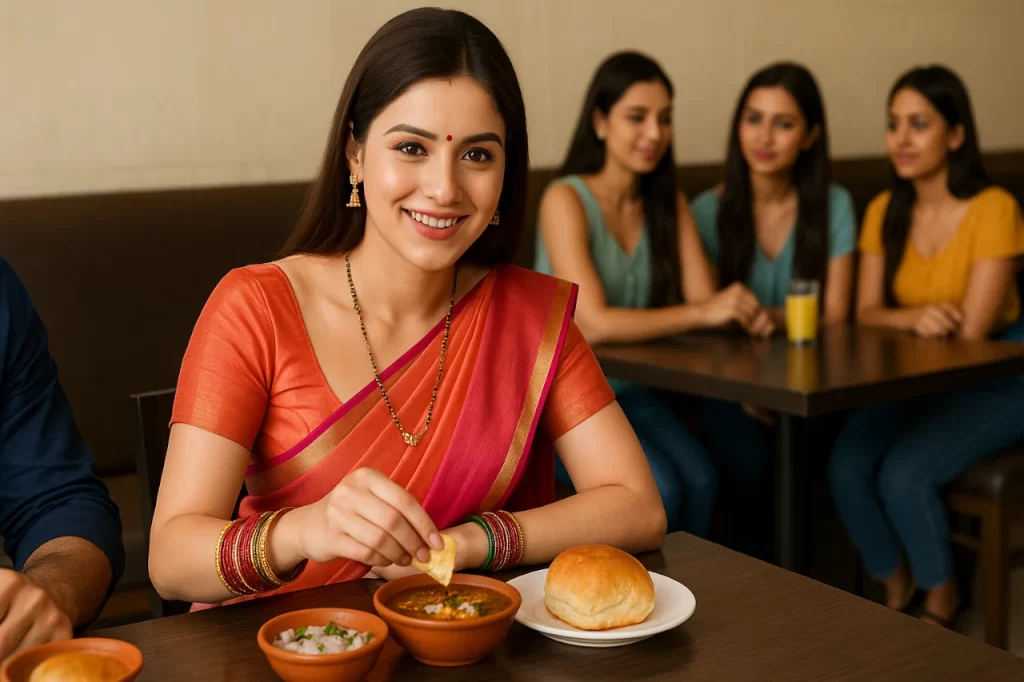
🗺️ Local Food Trail Itinerary & Printable Food Map Guide of Lonavala, Pune District, Maharashtra, India
If you want to truly understand Lonavala beyond its misty valleys and lush green hills, you must walk through its flavourful food trail — a journey through tangy chikkis, spicy misal, creamy hot chocolate, and comforting Maharashtrian Thalis. Here’s a Granular, hour-by-hour local Food Itinerary with a Conceptual Food Map so you can savour every authentic taste this charming hill station offers.
🍳 Morning Start – Traditional Maharashtrian Breakfast
Best Time: 8:00 AM – 9:30 AM
Kick-start your day with a wholesome Maharashtrian Breakfast at Buvachi Misal or Ramnath Misal, known for their fiery yet flavourful Misal Pav 🌶️. This spicy sprout curry served with bread and topped with Farsan (Crunchy Sev Mix) is best enjoyed with a side of sweet lassi or cutting chai ☕.
Pro Tip: Ask for “Medium Tikhat” if you’re not used to high spice levels.
📌 Map Pin: Near Lonavala Railway Station.
🍫 Mid-Morning Treat – Chikki & Fudge Sampling
Best Time: 10:00 AM – 11:30 AM
Lonavala is synonymous with Chikki, the traditional Jaggery and Peanut Brittle. Head to Maganlal Chikki or A1 Chikki for free tastings of various flavours — Peanut, Cashew, Coconut, Sesame, and Chocolate 🍬. While you’re there, pick up Gooey Chocolate Walnut Fudge from Cooper’s Fudge & Chikkis for a melt-in-your-mouth experience.
📌 Map Pin: Main Bazaar Road, Lonavala.
🥗 Late Morning – Fresh Farm Snacks
Best Time: 11:45 AM – 12:30 PM
Visit German Bakery Wunderbar or Mapro Garden Café for Fresh Sandwiches, Fruit Salads, and Strawberry Cream 🍓. It’s the perfect light snack before heading for sightseeing.
📌 Map Pin: Old Mumbai-Pune Highway.
🍲 Lunch – Authentic Maharashtrian Thali
Best Time: 1:00 PM – 2:30 PM
For lunch, go to Girivihar Dining Club or Golden Vada Pav for a Maharashtrian Veg Thali featuring Bhakri (Millet Bread), Varan-Bhaat (Lentil Rice), Bharli Vangi (Stuffed Eggplant), Pitla (Gram Flour Curry), and the famous Thecha 🌶️.
📌 Map Pin: Near Kumar Resort, Lonavala.
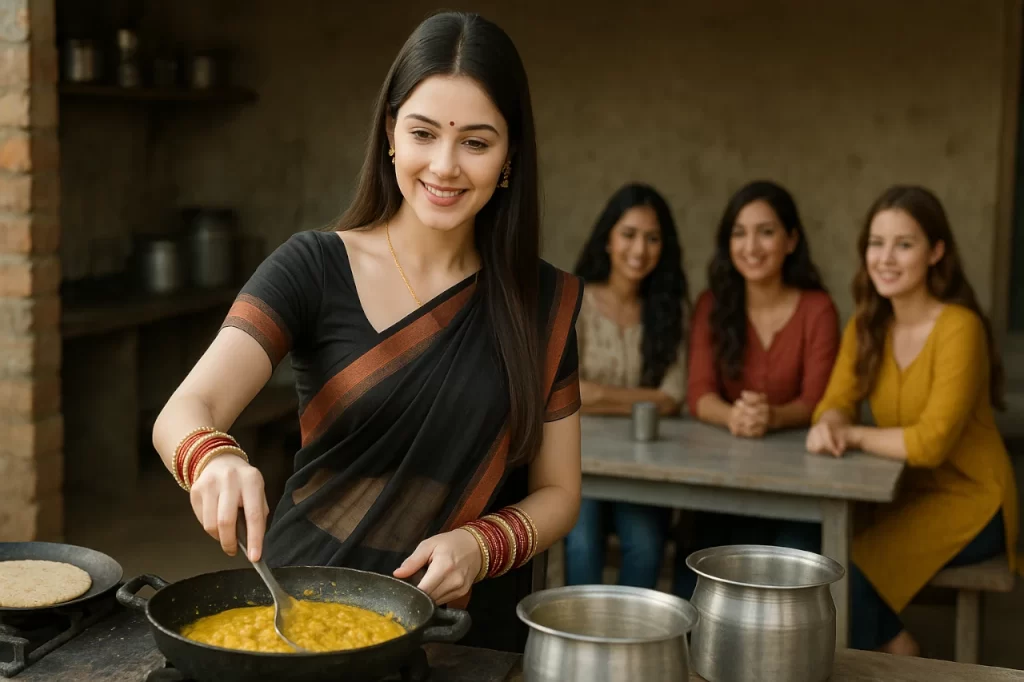
🍵 Afternoon Refreshment – Tea with a View
Best Time: 3:00 PM – 4:00 PM
Make a stop at Tungarli Lake View Café for Masala Chai and Crispy Onion Pakoras while enjoying panoramic hill views 🌄.
📌 Map Pin: Tungarli Lake Road.
🍦 Evening Sweet Indulgence – Local Ice Cream
Best Time: 5:00 PM – 5:30 PM
Visit Sheetal Dairy Ice Cream Parlour to try seasonal flavours like Sitaphal (Custard Apple), Mango, and Tender Coconut 🍨.
📌 Map Pin: Opposite Lonavala Bus Stand.
🌮 Early Dinner – Street Food Walk
Best Time: 6:00 PM – 8:00 PM
Explore Lonavala Street Food Market for steaming Momos, Pav Bhaji, Kebabs, and Corn on the Cob 🌽. The chaat stalls here serve tangy Bhel Puri and Pani Puri — a local favourite.
📌 Map Pin: Near Narayani Dham Temple area.
☕ Late-Night Comfort – Hot Chocolate or Coffee
Best Time: 9:00 PM – 10:00 PM
End your food journey at Kream n Krunch Café or German Bakery with a cup of Rich, Creamy Belgian Hot Chocolate 🍫 or a Cappuccino before retiring for the night.
📌 Map Pin: Old Mumbai-Pune Highway.
📍 Suggested Printable Food Map Layout
Your Printable Lonavala Food Map should include:
➪ Icons for Food Categories: 🍳 Breakfast, 🍫 Sweets, 🍲 Lunch, 🍵 Tea, 🌮 Street Food, ☕ Beverages.
➪ Walking & Driving Routes: Show how to cover maximum spots in one day without backtracking.
➪ Highlight Must-Visit Stops: Mark “Don’t Miss” items like Misal Pav at Buvachi, Chikki from Maganlal, and Hot Chocolate at German Bakery.
➪ QR Code Link: Link to Google Maps for real-time navigation.
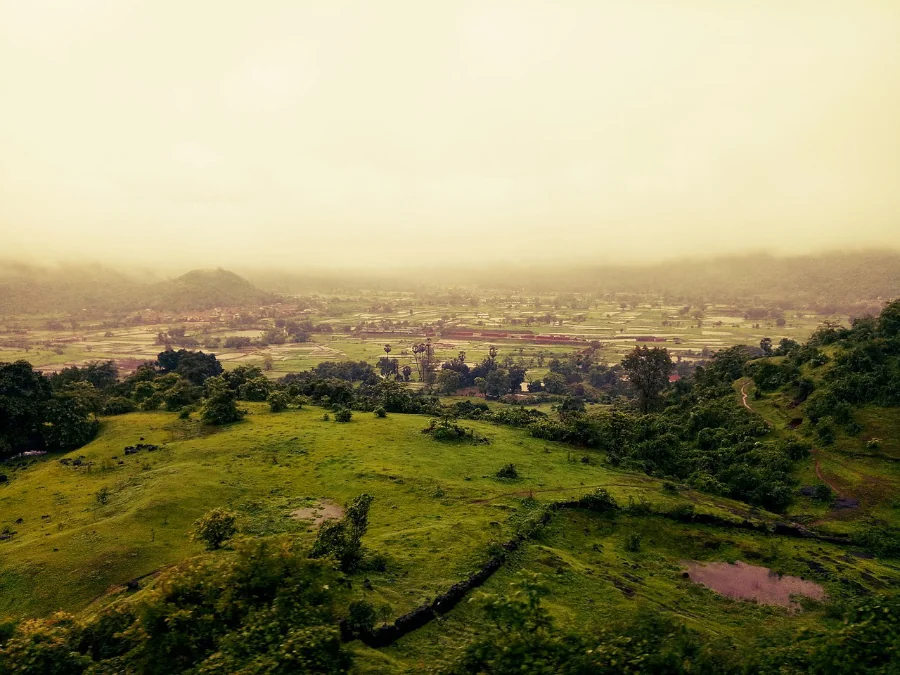
🌦️ Climatic Conditions in Lonavala, Pune District, Maharashtra, India – A Detailed Overview
Lonavala, often called the “Jewel of the Sahyadris” 💎, enjoys a climate that is as inviting as its lush green valleys and scenic hilltops. Being located at an elevation of around 624 meters above sea level, it experiences cooler and fresher weather than the surrounding plains, making it a year-round tourist destination. The hill station’s climate is primarily influenced by the Western Ghats and the Arabian Sea winds, which bring refreshing breezes and heavy monsoon showers.
🌸 Spring (February to March)
The spring season in Lonavala is short but delightful. Temperatures range between 15°C to 25°C, and the air remains crisp with clear skies. This is one of the Best Times for Sightseeing, Trekking, and Visiting nearby Forts like Rajmachi Fort or enjoying picnics at Pavana Lake. 🌄 The dry climate ensures that roads and trails are in good condition, making travel smooth and photography perfect.
☀️ Summer (April to Early June)
Summers in Lonavala are mild compared to the scorching heat of Maharashtra’s plains. Daytime temperatures hover around 23°C to 35°C, and evenings drop to a cooler 20°C. This season sees less tourist rush, making it ideal for those seeking peace and quieter stays. Resorts often offer discounted rates during this period 🏨. However, afternoons can be slightly warm, so most tourists prefer morning and evening outdoor activities, like Lohagad Fort treks or visiting Karla and Bhaja Caves.
🌧️ Monsoon (Mid-June to September) – The Magical Season
Monsoon transforms Lonavala into a Verdant Paradise 🌿. The town receives heavy rainfall ranging between 1,500 mm to 2,000 mm annually, mainly due to its location in the Western Ghats. This is when waterfalls like Bhushi Dam, Kune Falls, and Tiger’s Leap are at their majestic best. The smell of Wet Earth, Misty Valleys, and the sound of Rain Create a dreamlike experience. 🌫️ However, tourists should be cautious as landslides and slippery roads are common in this season. Carrying rain gear and waterproof bags is essential.
🍁 Post-Monsoon (October to November)
After the monsoon retreats, Lonavala’s beauty is unmatched. The valleys remain green, waterfalls still flow gently, and the weather is pleasantly cool at 17°C to 28°C. This is an excellent time for photography 📸, camping, and visiting local attractions without the heavy monsoon fog. The post-monsoon air is fresh and rejuvenating, making it a favourite for couples and honeymooners. 💑
❄️ Winter (December to January) – Chilled Bliss
Winter in Lonavala is cool and charming, with temperatures ranging from 10°C to 24°C. Early mornings and late evenings can be quite chilly 🥶, so light woollens are recommended. This is a peak tourist season due to the clear skies, ideal for stargazing 🌌 and bonfire nights 🔥. Trekking trails and camping sites are very active during this time, especially for events like New Year’s celebrations in hill resorts.
🌬️ Wind and Air Quality
Lonavala enjoys moderate to strong breezes throughout the year, especially in the evenings. These winds help maintain good air quality, making it refreshing for visitors escaping polluted city air. The monsoon winds can be quite forceful, adding to the thrill of visiting cliff points like Lion’s Point or Tiger’s Leap. 🦁
🌤️ Humidity Levels
Humidity varies seasonally — it’s lowest in winters (40–50%) and highest during monsoon (80–90%). While summers are dry and comfortable, monsoons bring a cool but damp feeling. Visitors should keep in mind that clothes may take longer to dry in the rainy season.
📅 Best Time to Visit Based on Weather
➪ For Nature Lovers 🌿 – Monsoon (June–September) for waterfalls and lush greenery.
➪ For Adventure Seekers ⛰️ – Winter (December–February) for trekking and camping.
➪ For Budget Travellers 💰 – Summer (April–June) for off-season discounts.
🛠️ Weather-Ready Travel Tips
🌧️ Monsoon: Waterproof jackets, slip-resistant shoes, and plastic covers for electronics.
❄️ Winter: Light Woollens, Thermals for night, and hot drinks. ☕
☀️ Summer: Sunglasses, sunscreen, and hats to avoid sunburn. 🕶️
📊 Month-Wise Temperature & Rainfall Chart – Lonavala, Pune District, Maharashtra
Lonavala’s charm lies in its lush green valleys, misty mountains, and seasonal waterfalls — all shaped by its unique climate. Understanding the month-by-month weather will help travellers plan the perfect trip, whether they’re looking for Monsoon magic 🌧️, Winter chills ❄️, or Summer escapes ☀️.
🌡️ Month-Wise Weather Overview Table
| Month | Avg. Temp (°C) | Rainfall (mm) | Weather Highlights |
| January | 12°C – 27°C | 2 mm | Cool & dry, perfect for trekking 🥾 |
| February | 14°C – 29°C | 3 mm | Pleasant winter ending, great for sightseeing 🏞️ |
| March | 17°C – 32°C | 5 mm | Warm days, cooler nights 🌤️ |
| April | 20°C – 35°C | 8 mm | Hot afternoons, best for early morning activities ☀️ |
| May | 22°C – 36°C | 15 mm | Peak summer, great for waterparks & evening strolls 🌅 |
| June | 20°C – 30°C | 500 mm | Monsoon begins, waterfalls come alive 🌧️ |
| July | 19°C – 28°C | 900 mm | Peak monsoon, lush greenery & heavy rain 🌿 |
| August | 19°C – 28°C | 800 mm | Cloudy, misty, and magical monsoon views 🌫️ |
| September | 20°C – 29°C | 300 mm | Retreating monsoon, mild showers 🌦️ |
| October | 18°C – 30°C | 60 mm | Pleasant & dry, post-monsoon freshness 🌼 |
| November | 15°C – 29°C | 10 mm | Cool & comfortable, ideal for outdoor events 🎉 |
| December | 13°C – 28°C | 5 mm | Crisp winter, bonfires & foggy mornings 🔥 |
🌸 January – February: Crisp Winter Bliss
The year begins with cool mornings and sunny afternoons, making it perfect for trekking to Rajmachi Fort or enjoying a picnic at Pawna Lake. Humidity is low, and skies are clear — ideal for photography 📸. Nights can be a little chilly, so pack a light jacket.
🌤️ March – May: Warm Summer with Breezy Evenings
Summer in Lonavala is warmer but not as harsh as nearby cities like Pune or Mumbai due to its elevation. Daytime temperatures can reach 35–36°C, but evenings remain cool and pleasant. This is a great time to explore Bhushi Dam (before Monsoon) or indulge in local Chikki shopping 🍬.
🌧️ June – August: Monsoon Wonderland
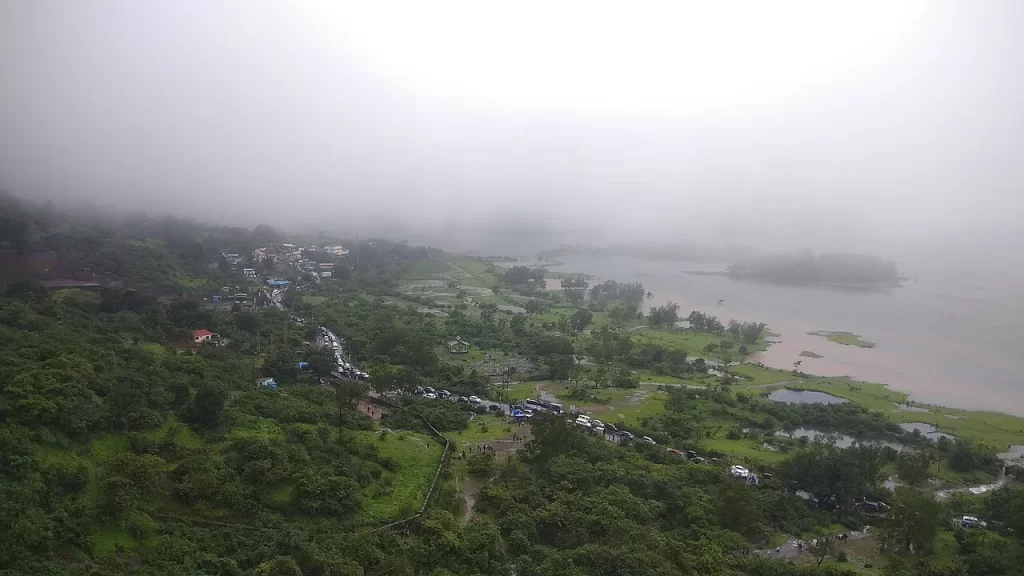
The monsoon transforms Lonavala into a green paradise 🌿. Waterfalls like Kune Falls and Tiger’s Leap gush with life, and the hills wear a velvety green carpet. However, roads can be slippery, and heavy rains may cause foggy conditions — adding a mystical touch but requiring cautious travel 🚗.
🌦️ September – October: Retreating Rains
By September, rainfall starts to decrease, but the landscape remains fresh and lush. October brings crystal-clear skies, perfect for camping and stargazing 🌌. The weather is pleasantly warm during the day and cool at night — a traveler’s dream.
❄️ November – December: Winter Comfort
Winter slowly sets in by November, with temperatures dropping to 12–15°C at night. This is a prime season for honeymooners 💕, adventure seekers, and families who want to escape the city heat. Foggy mornings make Tiger Point sunrise an unforgettable sight 🌄.
💡 Seasonal Travel Tips
🌧️ Monsoon (June–September): Carry waterproof shoes, a raincoat, and zip-lock pouches for electronics.
❄️ Winter (November–February): Light woollens for the evenings.
☀️ Summer (March–May): Sunscreen, sunglasses, and hydration are essential.
🙌 All Seasons: Always check local weather updates before planning outdoor activities.
🎯 Ideal Travel Windows
⦿ Best for Nature & Waterfalls: July – September 🌧️
⦿ Best for Adventure & Trekking: November – February ❄️
⦿ Best for Budget Travel: March – May 💰
Sociodemographic Profile of Lonavala: Castes, Languages, and Cultural Diversity 🏞️ 🌏
Lonavala, a picturesque hill station nestled in the Sahyadri ranges of Pune district, Maharashtra, is not just about misty valleys, lush greenery, and monsoon magic — it’s also a vibrant cultural mosaic shaped by centuries of migration, trade, and local traditions. The town’s demographic and social composition is a fascinating blend of indigenous heritage and cosmopolitan influences, thanks to its position as a major tourist destination and its proximity to Mumbai and Pune.
🔘 Population Structure & Growth 📊
Lonavala has a population of around 60,000–70,000 residents (as per recent estimates), but this figure swells significantly during weekends, holidays, and the monsoon season when tourists flock here. The floating population often doubles or triples the town’s normal size during peak tourist periods. The local population includes long-settled families as well as people who have moved here for tourism-related businesses, hospitality, and the service sector.
🔘 Caste Composition & Communities
The social fabric of Lonavala is woven with multiple castes and communities, each contributing to the cultural and economic life of the town:
➪ Marathas (Kunbis, Deshmukhs, Patils) – Traditionally agrarian, they are now also involved in tourism, hospitality, and real estate.
➪ Mahar & Matang Communities – Belonging to Scheduled Castes, they historically worked as labourers, artisans, and service providers, and now participate in varied professions.
➪ Dhangars – Traditionally shepherds, they contribute to dairy farming and livestock rearing.
➪ Brahmins (Deshastha, Chitpavan, Karhade) – Many are engaged in education, administration, and temple priesthood.
➪ Tribal & Indigenous Groups (Katkari, Thakar) – Known for their connection to forest produce, traditional crafts, and folk traditions.
➪ Other Migrant Groups – Gujaratis, Sindhis, Rajasthanis, and South Indians have also settled here, running eateries, shops, and tourism services.
🔘 Language Diversity 🗣️
The primary language spoken in Lonavala is Marathi, the official state language of Maharashtra. However, given its tourist appeal and mixed population, several other languages are also widely used:
➪ Marathi – Spoken by locals in day-to-day life and official interactions.
➪ Hindi – Commonly used in the hospitality sector and for inter-community communication.
➪ English – Widely understood in hotels, resorts, and among educated locals.
➪ Gujarati, Sindhi, Kannada, and Tamil – Spoken by migrant communities who have made Lonavala their home.
This multilingual environment makes it easier for visitors from across India to feel at home.
🔘 Religious Composition & Practices 🛕 ⛪ 🕌
Lonavala is home to followers of Hinduism, Islam, Christianity, Jainism, and Buddhism, among others:
➪ Hinduism dominates with temples like the Narayani Dham, Shree Narayan Bhagwan Mandir, and ancient shrines dedicated to Lord Shiva and Goddess Durga.
➪ Islam has its presence through mosques serving the local Muslim community.
➪ Christianity is represented by churches catering to Catholic and Protestant communities.
➪ Jainism thrives with beautifully maintained Jain temples, especially popular with Gujarati tourists.
Festivals such as Ganesh Chaturthi, Diwali, Eid, Christmas, Holi, and Makar Sankranti are celebrated with equal enthusiasm, highlighting the town’s inclusive spirit.
🔘 Education & Literacy 🎓 📚
Lonavala boasts a high literacy rate, with schools offering education in Marathi, English, and Hindi mediums. Institutions like RYK Science College, Kendriya Vidyalaya, and local convent schools cater to both locals and migrants. The availability of quality education has helped create a skilled workforce for the tourism and hospitality industries.
🔘 Occupations & Economic Activity 💼 🛍️
The economic profile of Lonavala is strongly linked to its geographical and tourist appeal:
➪ Tourism & Hospitality – The backbone of the local economy, with resorts, hotels, home-stays, and restaurants.
➪ Retail & Handicrafts – Selling local specialties like Chikki, Fudge, and Handicrafts.
➪ Transport Services – Auto-rickshaws, rental bikes, and tourist taxis.
➪ Agriculture & Horticulture – Though declining, still significant in nearby rural belts.
🔘 Cultural Influence of Migration 🚆 🌍
Due to its location on the Mumbai–Pune rail and road corridor, Lonavala has been influenced by urban lifestyles while retaining rural charm. Migrants bring in their own cultural traditions, food habits, and festivals, enriching the town’s social and gastronomic diversity. This is why you’ll find Authentic Maharashtrian snacks alongside Gujarati Farsan, South Indian Dosa joints, and North Indian Thali restaurants.
🔘 Urban-Rural Divide 🏘️ 🌿
Lonavala’s core town area has urban infrastructure—shopping complexes, branded stores, modern schools—while the surrounding villages maintain traditional lifestyles. The contrast is visible in housing styles, festive customs, and even dressing patterns—with urban youth embracing Western wear and rural residents sticking to Sarees, Dhotis, and Kurta-Pajamas.
🔘 Gender Ratio & Women’s Role 👩🍳 🧵
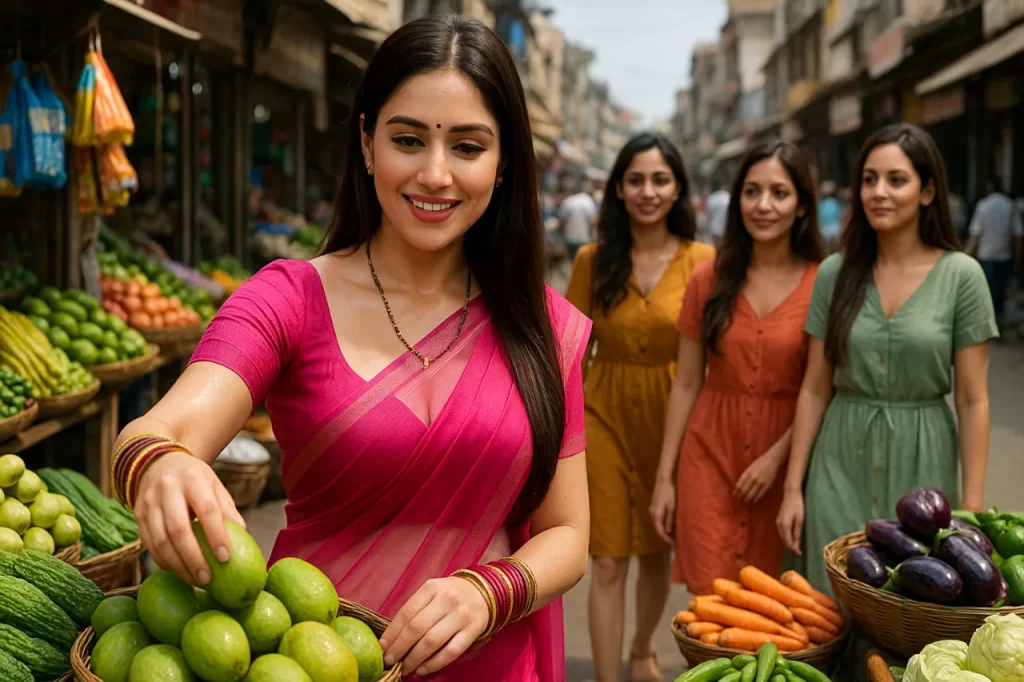
The gender ratio in Lonavala is balanced, with women playing significant roles in small businesses, self-help groups, and tourism services. Many women run home-stays, produce homemade snacks, or work in handicraft cooperatives, directly contributing to the local economy.
🔘 Harmony in Diversity 🌈 🤝
Despite differences in caste, language, and religion, social cohesion is strong in Lonavala. Shared participation in festivals, community programs, and tourism activities has created a sense of unity. This blending of traditions is one of the reasons Lonavala feels warm and welcoming to visitors year-round.
Detailed Local Lifestyle of People of Lonavala, Pune District, Maharashtra, India 🏞️ 🌿
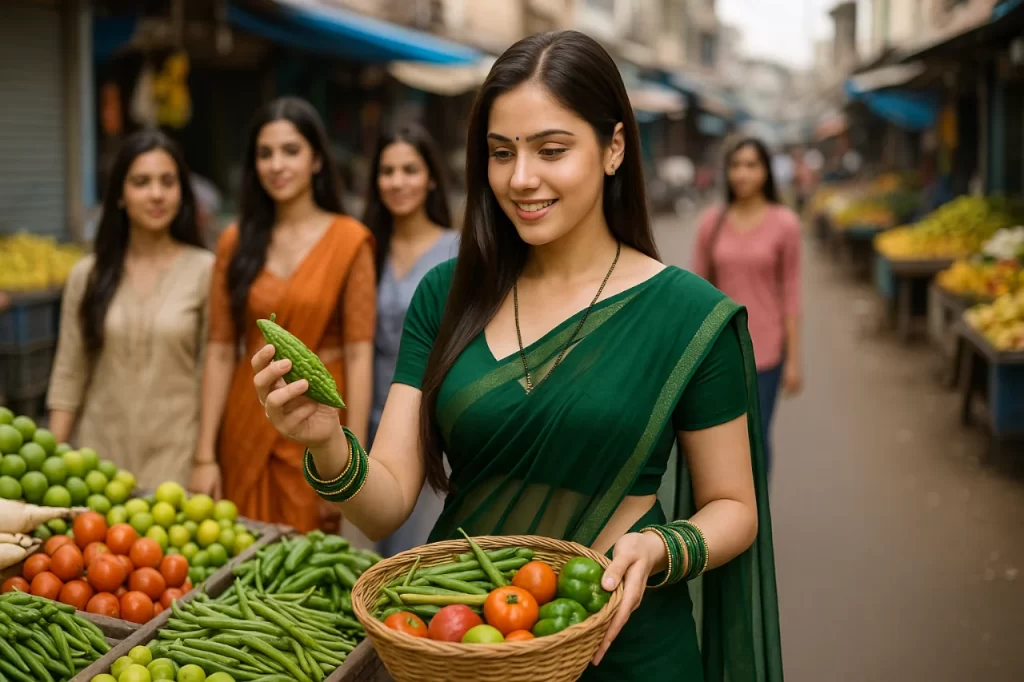
Lonavala, nestled amidst the lush Sahyadri ranges, is not only a traveller’s paradise but also home to a community with a warm, welcoming, and culturally rich lifestyle. The town’s way of life reflects a perfect blend of traditional Maharashtrian heritage and the influence of modern tourism. People here enjoy a peaceful rhythm of life, deeply connected to nature, while embracing the economic opportunities brought by visitors.
⛔ A Blend of Tradition and Modernity 🏠 ✨
The locals of Lonavala live a life that seamlessly combines age-old traditions with contemporary comforts. Many families still follow joint family systems, celebrating festivals with grandeur and community spirit. At the same time, younger generations are adapting to urban living styles due to the town’s proximity to Pune and Mumbai. You’ll find traditional tiled-roof homes alongside modern villas and resorts.
⛔ Strong Connection with Nature 🌳 🍃
Being surrounded by hills, waterfalls, and forests, the people of Lonavala have a deep-rooted respect for nature. Farming, horticulture, and floriculture still play a role in daily life, especially in the outskirts. Locals often spend evenings near scenic viewpoints or relaxing in open courtyards, enjoying cool breezes and misty views during the monsoon.
⛔ Community-Centric Lifestyle 🫂 🏘️
The social fabric of Lonavala is tightly knit. Locals participate in Ganesh Chaturthi celebrations, Dahi Handi events, and village fairs (Jatras) with great enthusiasm. Most people know their neighbours well, and community gatherings are a part of everyday life. Even in the busy tourist seasons, locals maintain a strong sense of unity and hospitality.
⛔ Tourism as a Way of Life 🧳 🍬
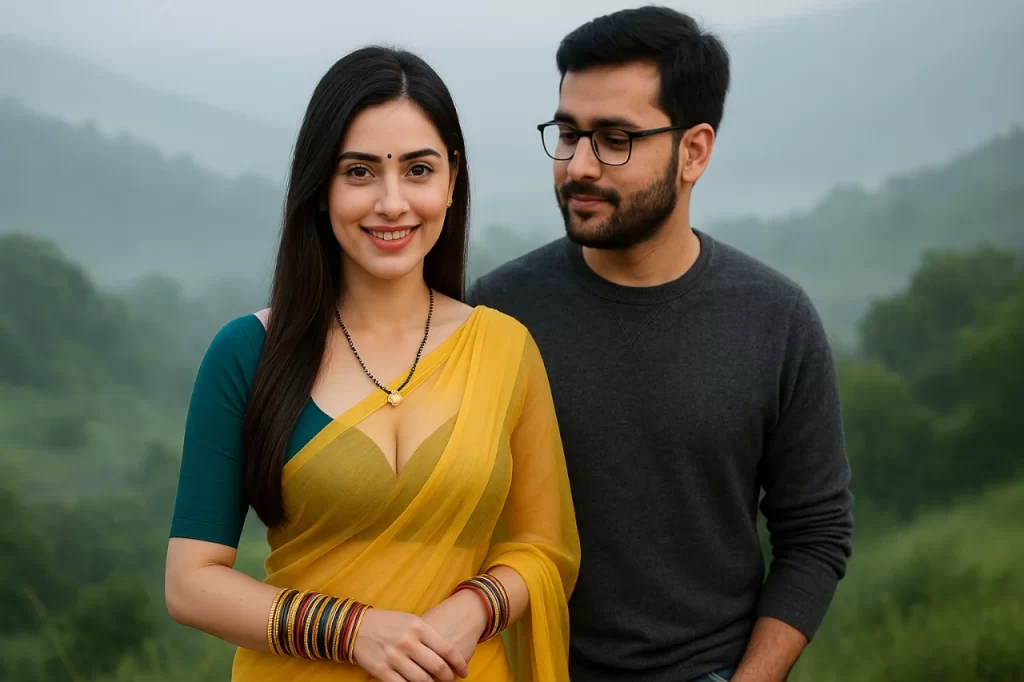
Tourism isn’t just an industry here—it’s woven into the lifestyle. Many families run home-stays, hotels, restaurants, or Chikki shops (Lonavala’s famous sweet treat). Street vendors selling Roasted Corn 🌽, hot Vada Pav’s, and Chikki engage warmly with visitors, often sharing local tips about hidden attractions. For many residents, interacting with travellers is a daily experience.
⛔ Culinary Culture and Home-Cooked Delights 🍛 ☕
Food plays an important role in the lifestyle of Lonavala’s people. Misal Pav, Poha, Batata Vada, Chai, and Chikki are everyday favourites. Many locals take pride in preparing traditional Maharashtrian meals with fresh produce from nearby farms. Evening tea with snacks is a cherished ritual, often enjoyed while watching the sunset over the hills.
⛔ Work and Daily Routine ⏰ 👩🌾
Daily life in Lonavala starts early, especially for shopkeepers and vendors catering to tourists. Farmers head to their fields at dawn, while hoteliers prepare for incoming guests. Weekdays are relatively calm compared to weekends, when the town bustles with travellers from Mumbai and Pune. Locals adapt their schedules to the tourist flow, making weekends busier and weekdays more relaxed.
⛔ Influence of Art and Culture 🎭 🎶
Art, music, and cultural performances are part of the town’s charm. Locals often host folk dance performances, Kirtans, and Bhajan evenings, especially during religious events. Handicrafts, especially bamboo work and decorative items, are also a part of the local economy. Street musicians playing the Dhol or Lezim during festivals add colour and sound to everyday life.
⛔ A Lifestyle Built Around Seasons 🌦️ 🍂
The local lifestyle changes with the seasons. During Monsoon, life slows down as heavy rains transform the landscape into a green paradise—locals often stay indoors enjoying piping hot snacks and tea. Winter is peak tourist season, bringing lively markets and festive energy. Summer is quieter, with locals often visiting waterparks or heading to cooler hilltops nearby.
⛔ Hospitality and Warmth 🥰 🤝
Perhaps the most defining feature of Lonavala’s people is their hospitality. Visitors are greeted with genuine warmth, and many locals go out of their way to make tourists feel at home. This friendliness is one of the reasons why people keep returning to Lonavala year after year.
⛔ A Calm Yet Vibrant Life 🕊️ 🎉
In essence, the local lifestyle of Lonavala is calm, rooted in nature, enriched by culture, and energised by tourism. It’s a life where mornings start with the chirping of birds, afternoons bring the aroma of home-cooked food, evenings are filled with conversations over tea, and nights are cool and peaceful under starry skies.
Notable Personalities associated with Lonavala, Pune District, Maharashtra, India
1️⃣ Sunil Kandalloor – Wax Sculpture Maestro 🕯️
Sunil Kandalloor is a renowned wax sculptor whose Sunil’s Celebrity Wax Museum in Lonavala showcases almost 100 lifelike wax figures, from global icons like Mahatma Gandhi and Michael Jackson to national leaders and Bollywood stars. His pioneering work has earned Lonavala a spot on the cultural map.
2️⃣ Maganlal Agarwal – Creator of Lonavala’s Famous Chikki 🍫
The humble yet iconic Maganlal Agarwal is often credited with the invention of Lonavala chikki, a crunchy confection made from jaggery and nuts. Originally sold at his sweet shop and popularised via railway packaging for train travellers, this treat remains synonymous with the town.
3️⃣ Kamal Vinayakrao Bhandarkar – The First-Class Cricket Legend 🏏
Born in Lonavala in 1911, Kamal Bhandarkar was a distinguished wicketkeeper-batsman in Indian first-class cricket. He set a world-record partnership in the Ranji Trophy and later became a renowned coach, mentoring legends like Sunil Gavaskar and Chandu Borde.
4️⃣ Kavery Nambisan – Surgeon, Novelist, and Humanitarian ✍️
Though not born here, Dr. Kavery Nambisan, a best-selling novelist and surgeon, lived in Lonavala while running a free medical centre for migrant labourers. Her dual legacy in public health and literature—from The Scent of Pepper to A Town Like Ours — resonates deeply with Lonavala’s compassionate ethos.
5️⃣ Manasvi Bhatia & Viraj Kapadia – Champions of Lonavala’s Local Talent 🎨
As residents passionate about community-driven pride, Manasvi Bhatia and Viraj Kapadia co-founded Lonavala Local, a grassroots cultural platform. Through Instagram-led initiatives and experiential tours, they spotlighted local artisans—from ceramicists to sculptors and home-chefs—bringing wider recognition to the hill station’s creative spirit.
6️⃣ Bhavana Palresh – Ceramic Artist with Heart 🖌️
Featured prominently by Lonavala Local, Bhavana Palresh is a ceramicist trained in Germany who returned to call Lonavala home. Her handmade pottery—crafted with care—has garnered attention across the region for its beauty and authenticity. Through local support networks, her artistry has become more visible and valued.
7️⃣ Local Elder Artisans & Folk Traditions 🪶
Beyond individual names, Lonavala’s unsung artisans—such as Warli painters, traditional idol makers, and lace or bamboo craftsmen—hold the cultural narrative of the hills. They are increasingly featured by local initiatives and cultural workshops that celebrate Lonavala’s intangible heritage.
8️⃣ Emerging Talents from Homegrown Initiatives 🎶
Small-scale creators—from women making Modaks and regional snacks, local musicians, to photographers and educators—are stepping into the spotlight due to platforms like Lonavala Local. Their growing visibility shows how Lonavala is evolving into a creative and entrepreneurial hub, not just a getaway.
9️⃣ Behind-the-Scenes Heroes: Civic Leaders & Visionaries
While not front-and-centre in popular discourse, figures like Somnath Jadhav (CEO) and Surekha Jadhav (Council President) played key roles in Lonavala’s outstanding performance in Swachh Survekshan 2021 — a national cleanliness contest where Lonavala ranked second in its population category. Their administration and leadership enabled civic pride to flourish.
🔟 Future Luminaries Rooted in Lonavala
With its rising arts scene, wellness communities, and experiential tourism, Lonavala is nurturing a new generation of artists, craftspeople, social entrepreneurs, and environmental stewards. Keep an eye on names emerging through platforms like Lonavala Local, arts workshops, and heritage tourism campaigns—they may become the next wave of notable regional voices.
🏭 Industrial Development & Key Industries in Lonavala, Pune District, Maharashtra — Granular Overview
🔘 Economic profile — tourism first, industry supportive
Lonavala’s economy is dominated by tourism and hospitality — resorts, home-stays, adventure parks and related services form the largest employment and revenue base. Over the last two decades, tourism-driven demand has spawned secondary businesses (F\&B, retail, transport, real estate, construction and event management) that together create most local jobs. Recent state and local plans also aim to invest heavily in tourism infrastructure to widen the economic base and formalise service-sector growth.
🔘 Industrial land & governance — MIDC and local estates
Industrial development around Lonavala is organised through a mix of Small Industrial Estates and Private Industrial Units rather than one massive manufacturing zone. The Maharashtra Industrial Development Corporation (MIDC) is the nodal body for infrastructural provisioning in Maharashtra and is the institutional backdrop for industrial plots, water and roads in the region — investors and medium-sized manufacturers typically work through MIDC frameworks or local estate arrangements when scaling production.
🔘 Nangargaon & local manufacturing clusters — SME base
Nangargaon Industrial Estate and similar pockets host small and medium enterprises (SMEs) — light engineering, plastic goods, packaging, radiators, food products and specialty manufacturers (for example chikki producers that moved to factory production). Company registries and local directories show dozens to hundreds of small registered firms in Lonavala’s industrial pockets; these firms supply regional markets and larger Pune–Mumbai value chains. This SME layer is crucial because it converts tourism demand (packaged food, souvenirs, construction materials) into steady local industrial activity.
🔘 Traditional & specialty micro-industries — food processing (Chikki, Fudge), jaggery & allied
Lonavala’s best-known industrial product is Chikki — traditionally cottage-industry production that has Industrialised into branded factories and packaged food units supplying all-India retail. Firms producing chikki, fudge and jaggery-based snacks have scaled to serve travel retail and e-commerce, combining traditional recipes with modern packaging and cold-chain logistics for longer shelf-life. These food micro-industries are a major source of local entrepreneurship and formal employment.
🔘 Pharmaceuticals, Plastics & light Engineering presence
Beyond food and tourism, Lonavala hosts Pharmaceutical Packaging, Plastic Fabrication, Small-scale Engineering and Component Manufacturers that serve Pune’s larger industrial ecosystem. Local business directories and company lists indicate presence of capsule and plastic product manufacturers, radiator and radiator-component shops, and small electro-mechanical firms — typically low-to-medium capital intensity units that supply regional supply chains. These firms add diversity and resilience to the local economy.
🔘 Big-ticket projects, real-estate and township impact (Aamby Valley etc.)
Large master-planned developments such as Aamby Valley (a luxury township) have had outsized impact on local land prices, construction activity, hospitality jobs and service-sector demand. These projects stimulate construction materials, landscaping, security, F\&B and maintenance industries — but they also create governance, environmental and land-use controversies that influence how future industrial and tourism projects are planned. Recent legal and regulatory actions around such projects have ripple effects for investor confidence and local planning.
🔘 Infrastructure drivers & planned tourism investment (Spillover to Industry)
Public infrastructure upgrades (expressway access, proposed glass-skywalk, parking, improved roads and water/sewer projects) are being pushed by local authorities and PMRDA to manage tourist inflows and improve quality of life. These investments not only boost tourism but also create demand for locally-sourced construction materials, engineering services, waste-management solutions and small-scale manufacturing — effectively creating a circular stimulus between infrastructure and light industry.
🔘 Constraints & sustainability challenges
Industrial expansion in the Lonavala area faces constraints: water availability, stormwater & sewerage capacity, hill-slope stability, and environmental clearances. The Bombay High Court and local bodies have instructed tighter planning and regulation to avoid haphazard development. For industries, that means higher compliance costs and the need for sustainable practices (rainwater harvesting, effluent treatment, controlled construction) — but it also opens opportunities for environmental services, green construction materials, and sustainable tourism products.
🔘 Outlook — diversified small-industry growth plus tourism-tech linkages
In short, Lonavala’s industrial landscape is diversified and SME-centric, anchored by tourism and supplemented by Food Processing, Plastics, Pharma Packaging and light Engineering. Future growth is likely to come from
(a) formalising cottage industries into branded/patterned manufacturing (chikki, fudge, packaged foods),
(b) supplying construction and hospitality value chains, and
(c) green/sustainable enterprises that resolve local infrastructure bottlenecks.
Continued public investment in tourism infrastructure and better regulatory clarity will determine how quickly industry can scale without harming the fragile Western Ghats ecosystem.
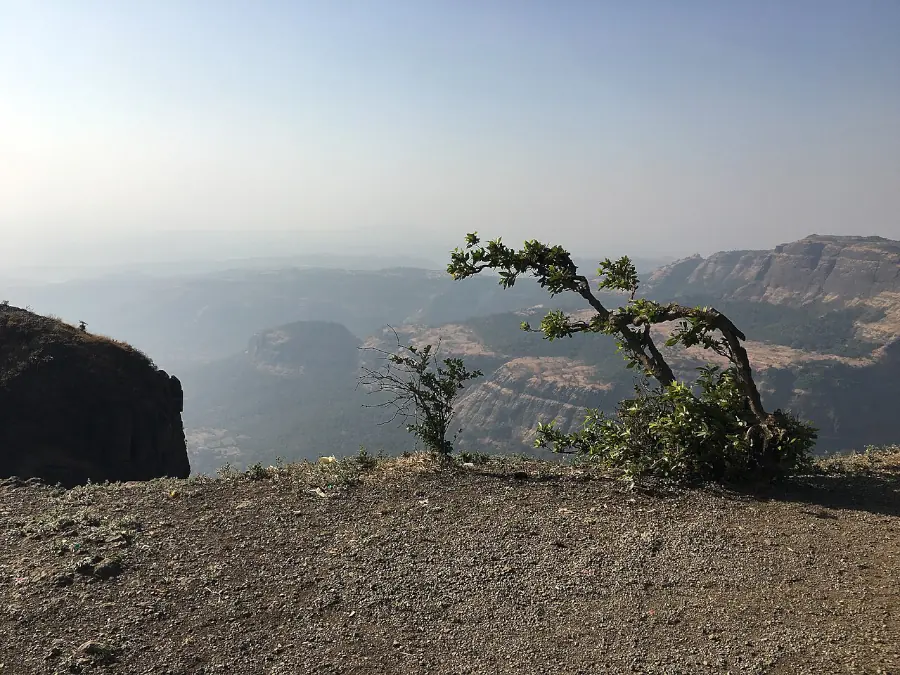
🗺️ Important Towns & Villages of Lonavala — Granular Guide
🚫 Lonavala (Municipal Town) — the beating heart 🏘️
Lonavala town itself is the administrative and commercial hub of the region: a compact municipality with the Railway Station, Main Market, Government Offices, and the highest concentration of hotels, restaurants and tourist services. It’s the logical base for most visitors because it offers accommodation across every price tier, easy access to nearby forts, caves and dam points, and the best cluster of Chikki/Fudge shops and local markets. The town swells dramatically on weekends and during monsoon months, so plan lodging and travel accordingly.
🚫 Khandala — the quieter twin with viewpoints 🌄
Just a few kilometres from Lonavala, Khandala is its scenic twin — slightly quieter, with many classic viewpoints (like Duke’s Nose and Sunrise/Sunset points) and several heritage bungalows. Khandala’s micro-neighbourhoods are popular with day-trippers who want dramatic cliff views without Lonavala’s market crowds. The two towns are often described together in tourism guides because they share the same ridge and attractions.
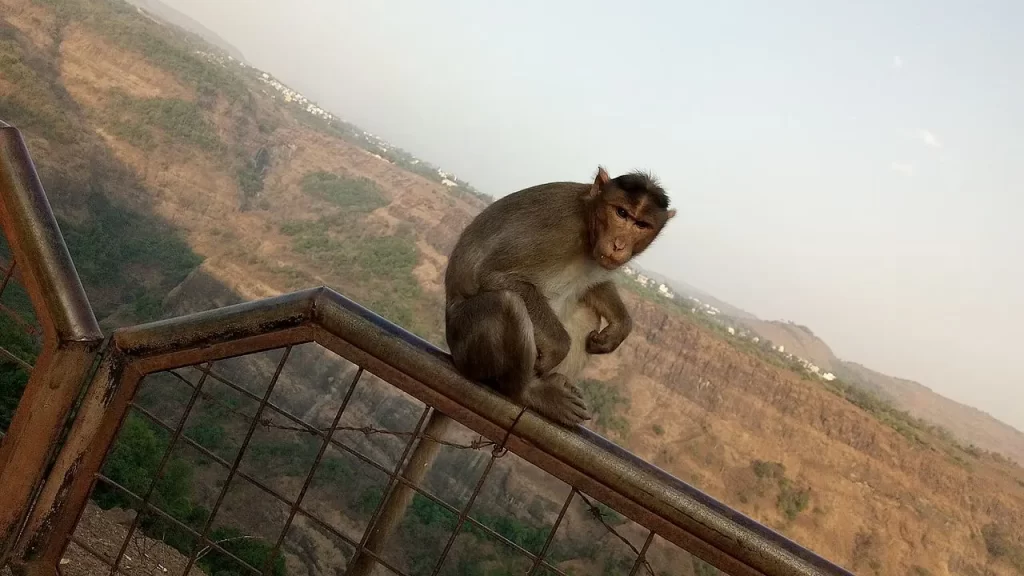
🚫 Kunegaon — Resort belt & adventure hub 🏕️
Kunegaon (sometimes called Kunegaon Village) has grown rapidly in the past decade as a hospitality and leisure cluster. It hosts major resort complexes and adventure parks (notably Della Adventure Park and Della Resorts), which have become major local employers and destination draws. Kunegaon’s landscape mixes farmland, laterite ridges and newly developed villa plots — a good example of how tourism investment reshapes small Sahyadri villages.
🚫 Tungarli & Valvan — lakefront and quiet residential pockets 🌊
Tungarli (home to Tungarli Lake and several mid-range resorts) and Valvan (a quieter lakeside village) are preferred by travellers who want water views and gentle walks. Tungarli’s lake is a popular early morning/late evening spot; Valvan’s dam and garden areas make for relaxed picnics. These villages also host a mix of permanent residents and weekend second-home owners from Pune/Mumbai. Property listings and local guides regularly show Tungarli and Valvan as stable hospitality clusters.
🚫 Kune Village & Kune Falls area — green ghat hamlet 🌿 💦
The Kune Village / Kune Falls area (closer to the Khandala side) is notable for the three-tiered Kune Falls and its lush forested slopes — a photographer’s favourite in monsoon. Accommodation here tends to be boutique or stay-at-nature options rather than large resorts, and visitors come for waterfalls, short treks, and quiet valley views. Guides and travel lists commonly mark Kune Falls as an important natural landmark for the Lonavala–Khandala micro-region.
🚫 Pawna Lake & nearby hamlets — camping & lakeside culture 🏕️🌌
The villages around Pawna Lake (often collectively referred to as Pawna camping zones) have become synonymous with lakeside camping, weekend barbecues, and sunrise treks. Small hamlets and farms bordering the reservoir have adapted — offering tenting, boating, and local food. Pawna’s shores are also a practical staging point for treks to forts like Tikona and Tung. The lakeside economy is now an important seasonal earner for these villages. (Local tourism pages and listings highlight this cluster’s importance.)
🚫 Nangargaon / Industrial pockets — SME & estate zones 🏭
On the fringes of the Lonavala region are Small Industrial Estates and manufacturing pockets (Nangargaon and similar clusters) that host light engineering, food-processing (including packaged chikki), plastics and component shops. These settlements show how the region’s economy has diversified beyond pure tourism into complementary small-scale manufacturing and logistics that service the Pune–Mumbai belt. Government and business directories list numerous SMEs in these pockets.
🚫 Aamby Valley influence zone & planned townships 🏘️ 🌳
Though technically a private township development, the Aamby Valley area (and its neighbouring villages) has had a big impact on local land prices, construction activity, and high-end service demand. Villages near Aamby Valley have seen conversion of agricultural land to construction sites, gated communities and service businesses. This interplay of luxury township development and village economies is a significant trend in the Lonavala hinterland. (Regional coverage and planning pages discuss the township’s ripple effects.)
🚫 Rural hamlets & traditional villages — culture & agriculture 🌾 🏡
Scattered across the slopes and valleys are many small rural hamlets (for example, Arsiwalla, Bhangarwadi, Khondagewadi and others under the Lonavala postal/administrative region) that preserve traditional village life — mixed cropping, dairy, and seasonal labour. These villages supply local markets, maintain folk customs and host small temples and community fairs. Census and local administrative lists provide a full roster of these villages, showing the wider Mawal/Lonavala sub-district’s rural footprint.
🚫 Planning, environment & the pressure of tourism — governance note ⚖️ 🌱
Finally, it’s important to note that rapid tourism and unplanned construction have created infrastructure and environmental stresses across these towns and villages (water supply, waste management, slope stability). Recent court and government directives have urged new development plans and stricter controls to preserve the hill-station character and ecology of the Lonavala–Khandala region; this affects how villages will develop and how local authorities plan services going forward. The ongoing policy attention is critical for anyone researching regional change.
🗓️ 4-Day Detailed Itinerary for Tourists Visiting Lonavala, Pune District, Maharashtra, India 🇮🇳
🗓 Day 1 – Arrival & Introduction to Lonavala’s Charm
➨ Morning:
➪ Arrival in Lonavala 🚆 🚌 🚗 via Mumbai-Pune Expressway or by train.
➪ Check into a scenic resort or heritage bungalow overlooking the Sahyadris.
➪ Enjoy a Maharashtrian Breakfast 🍛 like Poha, Misal Pav, and hot ginger tea.
➨ Mid-Morning:
➪ Visit Rajmachi Garden 🌸 – lush greenery, toy train views, and Sahyadri ranges in the backdrop.
➪ Head to Ryewood Park 🌳 – colonial-era botanical garden with landscaped lawns.
➨ Afternoon:
➪ Explore Karla Caves 🛕 – 2nd-century BC Buddhist rock-cut caves with intricate sculptures.
➪ Stop by Ekvira Devi Temple 🙏 (above Karla Caves) for spiritual vibes and panoramic views.
➨ Evening:
➪ Stroll through Lonavala Market 🛍 – buy Chikki 🍯, Fudge, leather goods, and souvenirs.
➪ Enjoy sunset at Lion’s Point 🌄 with tea and corn on the cob.
🗓 Day 2 – Nature & Waterfalls Extravaganza
➨ Morning:
➪ Start with Bhushi Dam 💧 – enjoy the playful cascade during monsoon.
➪ Visit Tiger’s Leap 🐅 – cliff-edge with a sheer drop and valley views.
➨ Late Morning:
➪ Explore Duke’s Nose (Nagphani) ⛰ – a trekking and rock-climbing paradise.
➪ Capture panoramic Sahyadri photos 📸.
➨ Afternoon:
➪ Visit Lonavala Lake 🏞 – peaceful spot for birdwatching and picnics.
➪ Stop at Valvan Dam – engineering marvel with lush gardens.
➨ Evening:
➪ Enjoy Wax Museum 🎭 showcasing Bollywood celebrities, historical figures, and cultural icons.
➪ Dinner at a local Dhaba for authentic Maharashtrian Thali 🍽.
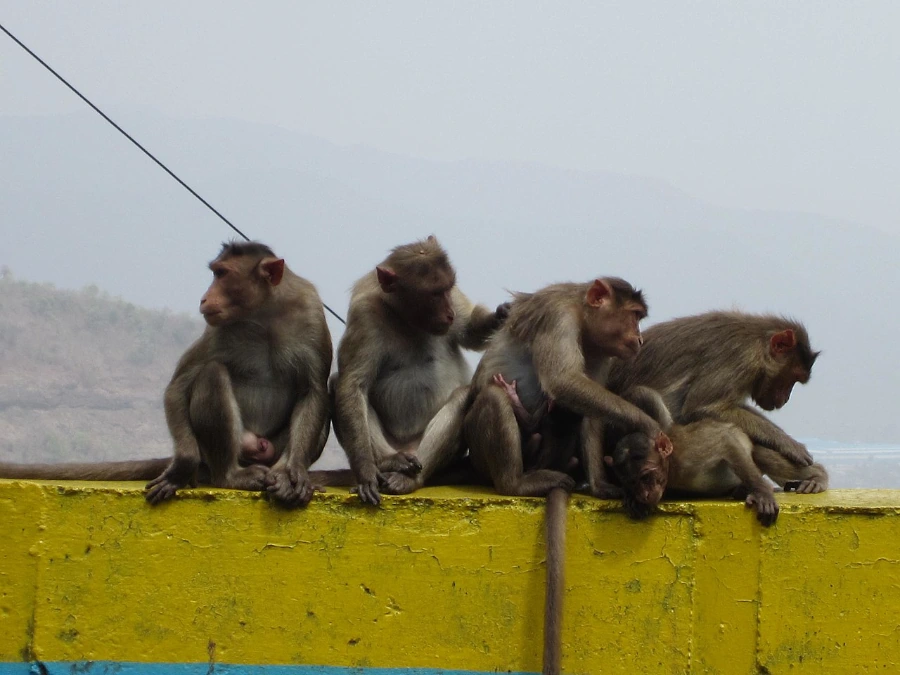
🗓 Day 3 – Adventure & Hill Fort Exploration
➨ Early Morning:
➪ Trek to Rajmachi Fort 🏰 – ancient Maratha stronghold offering mesmerising sunrise views 🌅.
➪ Explore Chhatrapati Shivaji Maharaj-era Architecture and war history.
➨ Late Morning:
➪ Head to Visapur Fort 🏯 – grand fortification with large gateways and water cisterns.
➪ Enjoy monsoon mist for a mystical vibe 🌫.
➨ Afternoon:
➪ Lunch at a village homestay 🍛 with Pithla-Bhakri, Thecha, and buttermilk.
➪ Walk through rural farmlands 🚜 to witness local Agricultural practices.
➨ Evening:
➪ Relax at Pavana Lake 🌊 – ideal for camping, photography, and kayaking.
➪ Overnight lakeside camp with bonfire 🔥 and music 🎶.
🗓 Day 4 – Nearby Attractions & Cultural Touch
➨ Morning:
➪ Excursion to Kune Falls 💦 – a three-tiered 200m high waterfall surrounded by green valleys.
➪ Stop by Bhaja Caves 🛕 – rock-cut Buddhist shrines with Chaitya halls.
➨ Afternoon:
➪ Visit Aamby Valley City 🏙 – luxury township with adventure activities and golf courses.
➪ Explore Wax Museum or Miniature World for cultural insights.
➨ Evening:
➪ Wrap up with sunset at Amrutanjan Point 🌄 for breathtaking views of the ghat roads.
➪ Depart with a bag full of memories and Lonavala Chikki 🍯.
🗓 Optional Add-Ons for Longer Stays
➪ Hot Air Balloon ride 🎈 over Sahyadri hills.
➪ Water Rappelling in the nearby Khandala region.
➪ Paragliding at Pawna or Kamshet.
➪ Visit to Tung Fort & Lohagad Fort for history lovers.
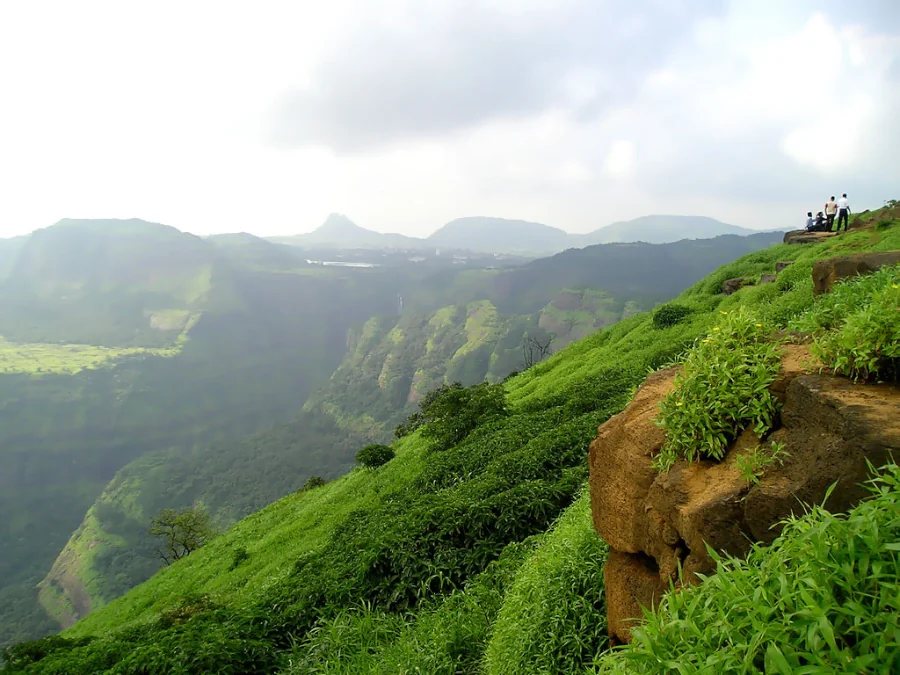
Frequently Asked Questions (FAQs) for Tourists Visiting Lonavala, Pune District, Maharashtra, India 🏞️ 🚞
Where exactly is Lonavala located? 📍
Lonavala is a scenic hill station located in the Pune district of Maharashtra, about 64 km from Pune and 83 km from Mumbai. It is nestled in the Sahyadri mountain ranges of the Western Ghats, known for its misty valleys, waterfalls, and lush greenery.
What is Lonavala famous for? 🌿 🍬
Lonavala is best known for:
⦿ Chikki – A sweet made of jaggery and nuts.
⦿ Beautiful viewpoints like Tiger’s Point, Lion’s Point, and Duke’s Nose.
⦿ Historic caves – Karla, Bhaja, and Bedsa Caves.
⦿ Seasonal waterfalls during monsoon.
⦿ Being a weekend getaway from Mumbai & Pune.
What is the best time to visit Lonavala? ☀️ 🌧️ ❄️
🌧️ Monsoon (June to September) – Ideal for lush greenery and waterfalls.
❄️ Winter (November to February) – Pleasant and cool weather for sightseeing.
☀️ Summer (March to May) – Warmer but still enjoyable for short trips.
How can I reach Lonavala? 🚗 🚆 ✈️
➪ By Road: Lonavala lies on the Mumbai–Pune Expressway, well connected by buses, cabs, and self-drive routes.
➪ By Train: Lonavala has its own railway station with frequent trains from Mumbai and Pune.
➪ By Air: Nearest airports are Pune International Airport (65 km) and Mumbai’s Chhatrapati Shivaji Maharaj International Airport (90 km).
How many days are enough to explore Lonavala? 🗓️
A 2-day trip is enough for key attractions, but 3-4 days allow you to explore nearby towns like Khandala, Rajmachi, and Kamshet in a relaxed manner.
What are the must-visit tourist attractions? 🏞️ 🏛️
Some highlights include:
➪ Bhushi Dam 💦
➪ Tiger’s Point & Lion’s Point 🐯 🦁
➪ Karla & Bhaja Caves 🏛️
➪ Duke’s Nose ⛰️
➪ Lonavala Lake & Pawna Lake 🌊
➪ Rajmachi Fort 🏰
Is Lonavala safe for tourists? 🛡️
Yes, Lonavala is generally safe, even for solo travellers. However, exercise basic caution such as avoiding secluded spots at night, securing valuables, and being careful near cliff edges during monsoon.
What type of accommodation is available? 🏨 🏕️
Lonavala offers a range of options:
➪ Luxury Resorts & Hotels 🏝️
➪ Mid-range Hotels & Home-stays 🏡
➪ Budget Lodges & Dharamshalas 🛏️
➪ Camping sites near Pawna Lake ⛺
What should I pack for a Lonavala trip? 🎒
➪ Monsoon: Raincoat, umbrella, quick-dry clothes, waterproof shoes.
➪ Winter: Light woollens for cool evenings.
➪ All seasons: Comfortable walking shoes, sunscreen, power bank, camera.
What are the best local food options? 🍲 🥘
Don’t miss:
➪ Vada Pav, Misal Pav – Maharashtrian snacks.
➪ Hot Corn Pakoras – Perfect in monsoon.
➪ Maggi at viewpoints – A Lonavala classic.
➪ Chikki – The famous sweet souvenir.
Can I do adventure activities in Lonavala? 🧗♂️ 🚴♀️
Yes! You can enjoy:
➪ Trekking to Rajmachi, Lohagad, Visapur forts.
➪ Paragliding in nearby Kamshet.
➪ Camping at Pawna Lake.
➪ Rappelling & rock climbing during monsoon.
Is Lonavala pet-friendly? 🐶 🐾
Yes, many resorts, home-stays, and camping sites allow pets. Always confirm pet policies before booking.
Is Lonavala crowded? 🧑🤝🧑
➪ Weekends & holidays – Quite crowded due to proximity to Mumbai & Pune.
➪ Weekdays – Relatively peaceful for sightseeing.
What souvenirs should I buy from Lonavala? 🛍️
➪ Varieties of Chikki (Groundnut, Cashew, Sesame).
➪ Fudge in chocolate or walnut flavours.
➪ Handicrafts & wooden artefacts from local markets.
Are there ATMs and medical facilities available? 🏥 💳
Yes, Lonavala has plenty of ATMs, banks, clinics, and hospitals. Most tourist areas have basic medical and emergency services available.
Brief Conclusion: Where Time Travel Feels Natural
Lonavala embodies Maharashtra’s soul—ancient caves echoing with chants, colonial rain shelters reborn as luxury resorts, and trails where every monsoon droplet tells a story. Whether you seek adrenaline at Andharban Forest or silence in Karla’s Chaitya, this hill station proves mountains can hold millennia.
Ready for Misty Mysteries?
Book our “Monsoon Heritage Trail” (with ASI-licensed guides) and get 15% off Karla-Bhaja entry passes!
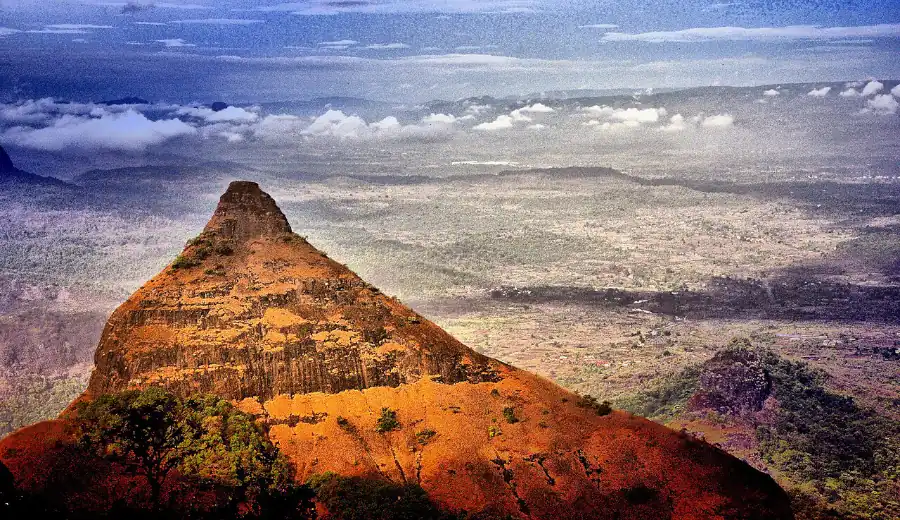
🌄 Detailed Conclusion: The Timeless Charm of Lonavala
Lonavala is not just a hill station; it is an experience that weaves together nature’s beauty, cultural depth, historical richness, and modern leisure into one unforgettable journey 🌿. Nestled in the Sahyadri ranges, this scenic paradise offers a unique blend of verdant valleys, cascading waterfalls, ancient caves, colonial-era charm, and bustling local markets—making it a true gem in the crown of Maharashtra.
Whether you are a Nature lover 🌳, History enthusiast 🏛️, Adventure seeker 🥾, or simply someone looking to escape the city’s chaos, Lonavala welcomes you with open arms. The cool mountain breeze, the fragrance of wet earth during monsoons, and the panoramic views of mist-covered hills create an atmosphere that stays etched in your heart long after you’ve left.
🛕 Where Past Meets Present
Lonavala’s cultural fabric is enriched by its ancient rock-cut caves like Karla and Bhaja, steeped in Buddhist history, alongside modern tourist attractions, luxury resorts, and theme parks. This harmonious coexistence of the old and the new offers visitors a rare chance to time travel—exploring millennia-old structures in the morning and indulging in gourmet dining or spa retreats in the evening.
🍬 Flavours, Shopping & Souvenirs
From the world-famous Lonavala chikki 🥜 to piping-hot vada pavs and corn on the cob during the monsoons, the town is a gastronomic delight. The local markets brim with handmade artefacts, leather goods, spices, and regional snacks, ensuring you take a piece of Lonavala home with you.
🚆 Accessibility & Comfort
Thanks to its strategic location between Mumbai and Pune—and excellent connectivity via road 🚗 and rail 🚆 — Lonavala has become one of the most accessible hill stations in India. This accessibility means you can enjoy both quick weekend getaways and extended holidays without the hassle of complicated travel planning.
🏞️ Seasons of Splendour
Every season paints Lonavala in a different shade—misty monsoons with roaring waterfalls 🌧️, cool winters perfect for trekking ❄️, and blooming summers 🌸 that offer quieter escapes. No matter when you visit, the town has its own special magic waiting to greet you.
💛 Memories That Last
What truly sets Lonavala apart is not just its landscapes or attractions, but the warmth of its people 😊, the authenticity of its traditions, and the comforting familiarity it offers to repeat visitors. It’s a place where families bond, couples find romance, and solo travellers discover peace.
✨ Final Word
In essence, Lonavala is more than a destination—it’s a feeling of calm, joy, and discovery that lingers in your soul 🌟. It’s the place where monsoon clouds kiss the hills, where the air smells of rain and fresh earth, and where every turn on the winding ghats hides a new adventure.
So, whether you’re planning your first trip or your tenth, know this—Lonavala will always have something new to show you, yet something old to make you feel at home 🏡 💖.
Sources:
- Archaeological Survey of India (Karla Caves)
- Maharashtra Tourism Development Corporation
- Census of India 2011
- Pune District Gazetteer
Images Credit:
➛ Wikimedia Commons – Lonavalamh
➛ Wikimedia Commons – Lonavala 2
➛ Wikimedia Commons – Lonavala 3
➛ Wikimedia Commons – Bhushi Dam
➛ Wikimedia Commons – Lonavala 01
➛ Wikimedia Commons – Lonavala beauty
➛ Wikimedia Commons – Lonavala nature
➛ Wikimedia Commons – Lonavala rajmachi
➛ Wikimedia Commons – Lonavala waterfalls
➛ Wikimedia Commons – Tiger Point Lonavala
➛ Wikimedia Commons – Pavana lake lonavala
➛ Wikimedia Commons – Monkey point khandala
➛ Wikimedia Commons – Tiger’s Leap, Lonavala
➛ Wikimedia Commons – Lonavla railway station
➛ Wikimedia Commons – Nagphani Point (Lonavala)
➛ Wikimedia Commons – Happy Family, Khandala – panoramio
➛ Wikimedia Commons – Lonavla railway station – Entrance
➛ Wikimedia Commons – Khandala Ghat – Lonavala – panoramio
➛ Wikimedia Commons – Bhushi Dam an anotherview , Lonovala 2
➛ Wikimedia Commons – Lonavla railway station – Station Board
➛ Wikimedia Commons – Lonavala, Maharashtra, India – panoramio
➛ Wikimedia Commons – Kalakrai Pinnacle – Lonavala, Maharashtra
➛ Wikimedia Commons – Lonavala station (3) in pune by vaibhav rane
➛ Wikimedia Commons – 11301 Udyan Express on approach to Lonavala station
➛ Wikimedia Commons – Lonavala, and its environs, Maharashtra, India. 2012. 09
➛ Wikimedia Commons – Lonavala, and its environs, Maharashtra, India. 2012. 17
➛ Wikimedia Commons – Lonavala, and its environs, Maharashtra, India. 2012. 33
➛ Wikimedia Commons – Nangargaon, Lonavala, Maharashtra 410401, India – panoramio
Latest Posts
- 4 Steps to Teach English in Vietnam (Complete 2026 Guide)

- The Complete Guide to Living in Ho Chi Minh City, Vietnam
- What Living in Hanoi Is Really Like for Foreigners
- Expat vs Immigrant: What’s the Real Difference?
- 7 Best Places to Live in Mexico Right Now: A Complete Guide
- Best Places to Live in Thailand: A Complete Guide for Expats in 2026