Vengurla: Konkan’s Coastal Gem with Heritage
Where Dutch Fortresses Whisper and Cashew Groves Dance with Sea Breezes
🔴 Introduction: The Soul of Southern Konkan
Nestled in Maharashtra’s Sindhudurg district, Vengurla (15°52′N 73°38′E) is a Coastal Jewel where History, Ecology and Culture collide. Just 110 km North of Goa, this town of 62,500 people blends white-sand beaches with lush hills of Cashew, Mango and Coconut plantations. Unlike commercialised beaches, Vengurla offers serenity and a zero-waste ecosystem — transforming 95% of daily waste into compost and electricity through its Swachh Bharat Waste Park.
For centuries, Vengurla served as a strategic port. The Dutch established a fortified factory here in 1655, trading copper for Chhatrapati Shivaji Maharaj’s coins, while Mughal prince Muhammad Akbar sought refuge within its walls. Today, crumbling forts stand alongside temples where waves crash at Shiva’s feet. As Hanny Mensing, a Dutch conservationist working here, shares: “Every laterite stone here whispers 17th-century secrets. Even my rickshaw rides feel like time travel!”.
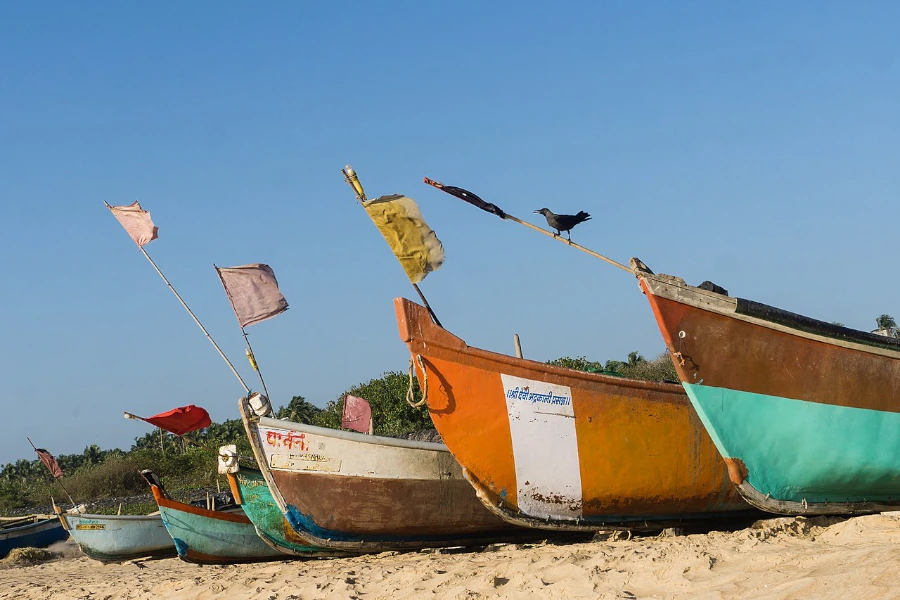
🟢 Detailed Introduction: Vengurla, Sindhudurg
🌊 Vengurla, Sindhudurg: Konkan’s Coastal Tapestry of Time, Tide, and Tradition
🌍 Geographical Canvas: Where Land, Sea, and Sky Converge
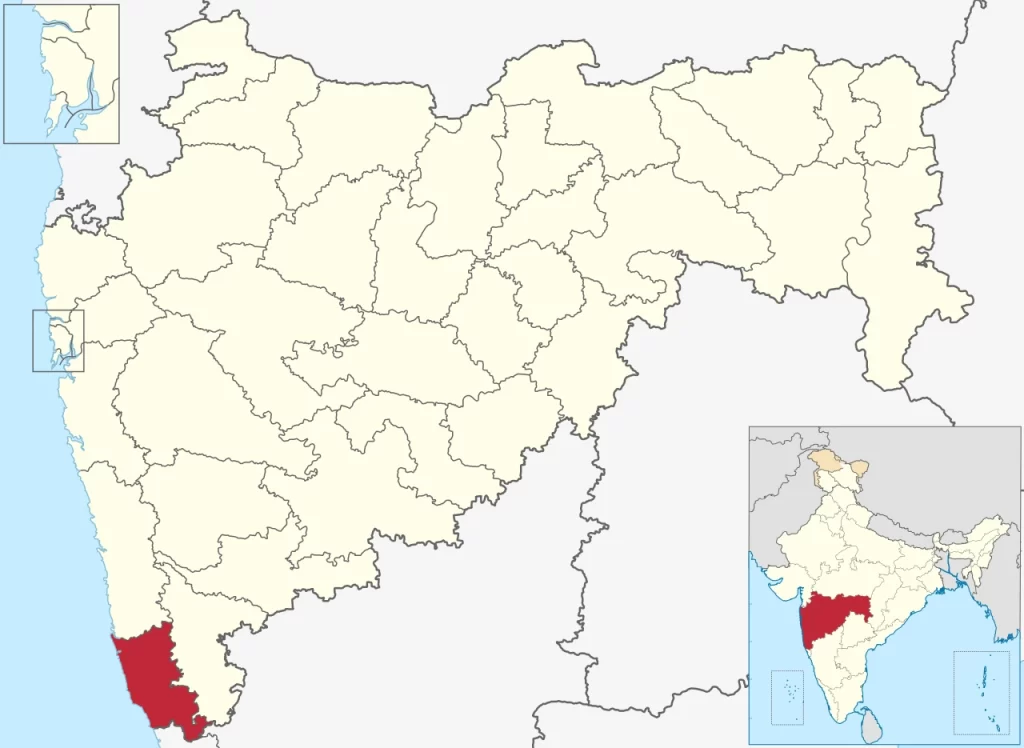
Nestled at 15°51′N 73°37′E in Maharashtra’s Sindhudurg district, Vengurla is a topographical marvel framed by the Arabian Sea to the west and a protective semicircle of hills—Dabholi (North), Tulas (East) and Mochemad (South). This 302 km² tehsil comprises 83 villages, from the coastal enclave of Sagartirtha to the inland agricultural hub of Tulas (population 3,352, the largest village) . The landscape is a mosaic of laterite plateaus, Cashew plantations, Kokum groves and White-sand beaches like Khavane, where bioluminescent plankton illuminates night shores. With an average elevation of 11 meters, Vengurla’s tropical monsoon climate delivers 3,039 mm annual rainfall, peaking in July (1,037 mm), while winter temperatures (November–February) range from 16.6°C to 33°C — a sanctuary of ecological diversity.
Also Read
Wardha – Maharashtra’s Hidden Gem of History, Spirituality & Cultural Riches
🏰 Historical Layers: From Mauryas to Maritime Empires
➨ Vengurla’s legacy spans Millennia:
➙ Ancient Foundations: Governed by Mauryas, Satavahanas and Chalukyas, it served as a Konkan trade corridor. Temples like Rameshwar (Gramdaivat deity) became social nuclei, sustaining the Devasthan governance system.
➙ Colonial Chessboard (1638–1684): The Dutch East India Company’s fortified factory (1655) featured bastions, cannons, and traded 600,000 lbs of copper for Chhatrapati Shivaji’s Shivrai coins. Mughal Prince Akbar sheltered here during his 1683 rebellion against Aurangzeb.
➙ British Transformation: Post-Dutch decline, Arthur Crawford established Crawford Market (1876) and spearheaded Vengurla’s municipality—one of Maharashtra’s earliest. His fluency in Marathi symbolised nuanced colonial engagement.
⛩️ Sacred Architecture: Stones That Breathe Devotion
➨ Vengurla’s spiritual skyline blends Resilience and Artistry:
➙ Sargeshwar Shiva Temple: Built on sands where Arabian Sea waves ritually cleanse the sanctum. Its laterite carvings withstand tidal forces, symbolising nature-deity synergy.
➙ Redi’s Ganesh Temple: Houses a 15-foot monolithic Ganesh idol unearthed from Manganese Mines in 1976, embodying Swayambhu (Self-manifested) Mysticism.
➙ Konkan Vernacular: Village shrines like Vetoba (Aaravali) showcase masculine columns and cascading Shikharas. Homes fuse laterite walls with Coconut-wood Rafters—curved like modern “Post-tension Beams” for monsoon endurance.
👥 Demographic Mosaic: 83 Villages, One Community
As per 2011 Census, Vengurla tehsil shelters 85,801 people (42,235 male ♂, 43,566 female ♀), with rural areas (73,409) dominating urban centres (12,392). Key facets:
➙ Literacy & Language: 81% literacy (86% male, 76% female) vs. National 59.5%. Malvani Konkani is the mother tongue, with Marathi as administrative language.
➙ Village Life: Tulas (pop. 3,352) thrives on kokum farming, while Redi (Pop. 644) revolves around manganese mining. Ubhadanda (Pop. 334) exemplifies micro-communities with shared gram panchayats.
➙ Religious Harmony: Temples (Sateri Devi, Navadurga), churches (St. Luke’s legacy) and mosques coexist, reflecting Konkan’s syncretic ethos.
💼 Economic Pulse: Sea, Soil and Sustainability
➨ Vengurla’s Economy thrives on Triple Engines:
➙ Marine Harvest: 40+ fishing villages like Mochemad supply Pomfret, Prawns and Mackerel to Crawford Market’s pre-dawn auctions.
➙ Agro-Forestry: Cashew (post-monsoon harvest), Alphonso Mangoes (March–June) and Kokum define seasonal cycles. Tulas village processes kokum into Sol Kadhi, a digestive staple.
➙ Mineral Wealth: Redi’s Manganese Mines employ 23% of the taluka, though debates on ecological impact persist.
Innovatively, the Swachh Bharat Waste Park processes 7 tonnes/day, generating ₹3 lakh/month from Compost and Biogas — a global zero-waste model.
🎉 Cultural Rhythms: Festivals, Food and Folklore
➙ Festivals: Patang Mohatsav (kite festival) colours January skies, while Ranbhaji Mohatsav celebrates 60+ wild vegetables like Karvanda (Conkerberry). Ganesh Chaturthi features Dashavtara folk theater—live epics of Lord Vishnu’s Avatars.
➙ Cuisine: Chaukoni Pav (yeast-free square bread) dips into fiery Prawn Sukka at Hotel Krushnai. Sol Kadhi — a blend of kokum and coconut milk—balances spicy Malvani curries.
➙ Crafts: Shiroda Market’s terracotta pottery and manganese-art jewellery echo indigenous creativity.
♻️ Sustainability Paradigm: Where Waste Becomes Wealth
In 2015, Vengurla transformed a 2.6-hectare landfill into the Swachh Bharat Waste Park — a replicable ecosystem:
⦿ Biogas Plant: Powers streetlights from organic waste.
⦿ Plastic Crusher: Recycles packaging into construction bricks.
⦿ Lotus Ponds: Treat grey-water, symbolising renewal.
As activist Rajesh Patil notes, “We turned a wasteland into a classroom—tourists now study our model!”.
🌿 Living Heritage: Voices of Vengurla
➙ Hanny Mensing (Dutch Conservationist): Decoding 17th-century Dutch manuscripts at the factory ruins. “Every laterite stone whispers secrets. Even rickshaws feel like time travel!”.
➙ Tulas Farmer: “Monsoons aren’t rain—they’re music. Our kokum trees drink 868 mm, and we dance with Fugdi (Circle Dance) till the soil glistens”.
⚓ Strategic Evolution: Ports, Plans and Progress
➨ From Dutch anchorage to eco-tourism hub, Vengurla balances Heritage and Modernity:
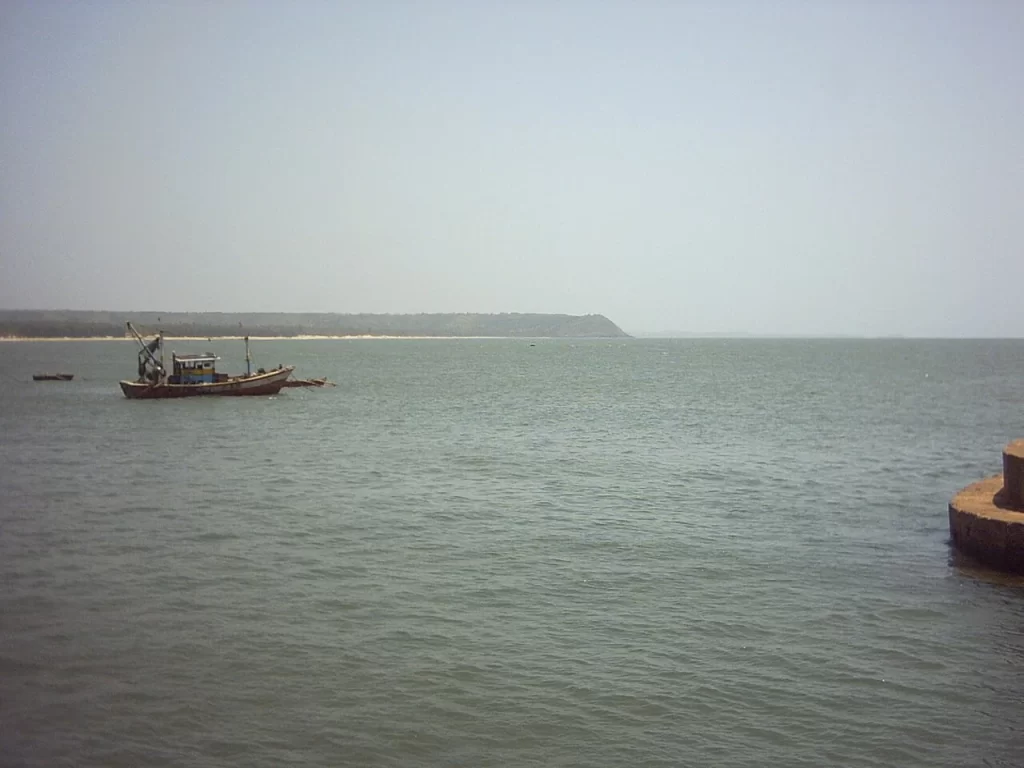
➙ Vengurla Port: Once traded spices and copper; now hosts fishing trawlers and mangrove kayaks.
➙ Connectivity: Dabolim Airport (Goa, 89 km) and Kudal Railway (22 km) bridge solitude and accessibility. NH-17 weaves Mumbai (463 km) into a 7-hour scenic drive.
➙ Architectural Crossroads: Traditional Wada homes with oyster-shell windows now dialogue with sustainable resorts like Golven, using solar-passive design.
🌅 Conclusion: Konkan’s Unhurried Heartbeat
Vengurla is not merely a dot on Sindhudurg’s map — it’s where Dutch cannons rust beside whispering cashew groves, where waste becomes wattage and every monsoon rekindles ancient bonds between land and sea. As the lighthouse beam sweeps over Khavane’s glowing waters, it illuminates a truth: Here, time flows not in hours, but in tides, traditions, and community resilience. 🕊️

🟣 Section-by-Section – Brief Breakdown
➤ Granular History & Architecture:
➙ Dutch Era (1638–1684): The Dutch East India Company’s factory had Bastions, Cannons and Traded 600,000 lbs of Copper for Maratha coins. Aurangzeb’s forces destroyed it in 1684 after Akbar’s escape.
➙ British Influence: Arthur Crawford (fluent Marathi speaker) built Crawford Market in 1876. Vengurla became one of Maharashtra’s earliest municipalities.
➙ Temple Architecture: Sargeshwar Shiva Temple’s stone carvings withstand tidal surges, while Redi’s Ganesh Temple houses a 15-foot idol unearthed from manganese mines.
➙ Residential Typology: Traditional homes use laterite walls and coconut wood rafters curved like “post-tension beams” for monsoons.
➤ Nature & Climate:
➙ Tropical Microclimate: Winter (November–February: 16°C – 33°C) is ideal for beaches. Monsoons (Jun–Aug) drown hills in 868mm avg rainfall, sparking waterfalls.
➙ Unique Ecosystems: Khavane Beach’s Bioluminescent Plankton glow at night, while inland villages like Tulas (Pop. 3,352) harvest Kokum and Cashews.
➤ Cultural Tapestry:
➙ Festivals: Patang Mohatsav (kite festival) colours the sky; Ranbhaji Mohatsav celebrates 60+ wild vegetables like Karvanda (Conkerberry).
➙ Cuisine: Chaukoni Pav (yeast-free bread) dips into Sol Kadhi (Kokum-coconut drink). Try Hotel Krushnai’s Pomfret curry.
➙ Crafts: Shiroda Market sells terracotta pottery and manganese – art jewellery.
➤ Sustainable Model:
➙ The waste park processes 7 tonnes/day, earning ₹3 lakh/month. As local activist Rajesh Patil notes: “We turned a landfill into a lotus pond. Tourists now study us!”.
⭕ How to Reach
⦿ Air: Dabolim Airport, Goa (89 km): Ola cabs to Vengurla (₹2,500).
⦿ Rail: Kudal Station (22 km): Direct trains from Mumbai (Dadar–Kudal: 8h40m; ₹550 AC).
➙ Road:
⦿ Mumbai ➸ Vengurla (463 km via NH66): 7h drive.
⦿ Pune ➸ Vengurla (345 km): MSRTC buses (₹450).
⭕ Best Places to Visit
➙ Dutch Factory Ruins: Explore 1655 fort walls where Mughal princes hid. Tip: Hire a guide to decode Dutch manuscripts.
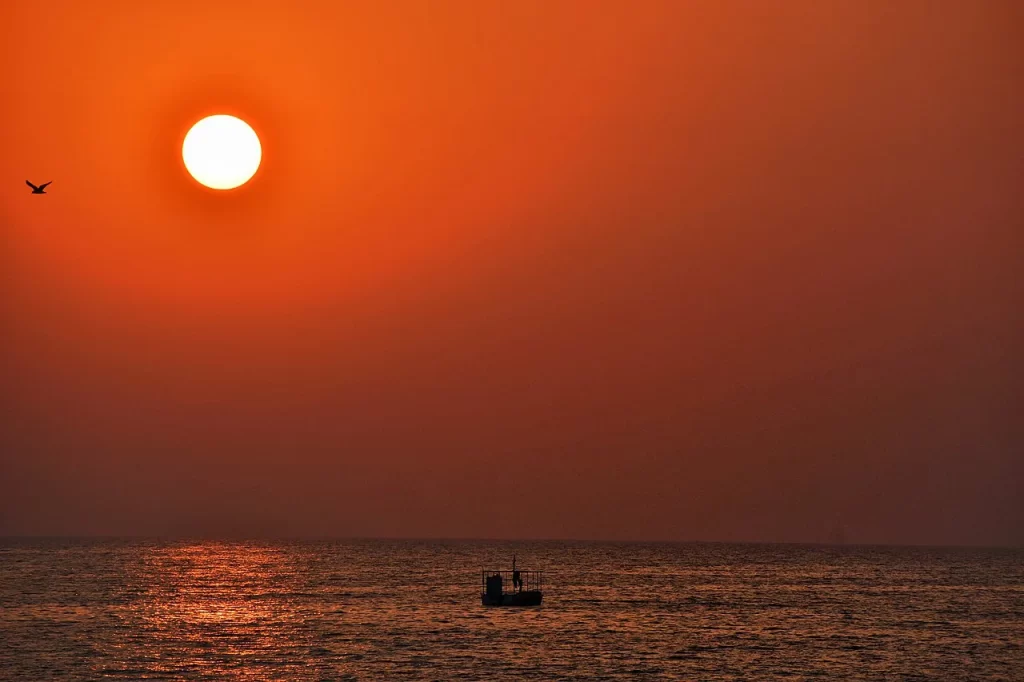
➙ Sargeshwar Temple: Shiva shrine where Arabian Sea waves lap the sanctum. Sunrise photography hotspot.
➙ Vengurla Lighthouse: 19th-century tower offering 360° views of hills meeting the sea.
➙ Redi Village: Mine-to-temple trail: See the colossal Ganesh idol and Yeshwantgad Fort’s crumbling ramparts.
➙ Khavane Beach: Secluded cove with bioluminescent plankton. Night kayaking permitted October–March.
➙ Shiroda Salt Pans: Witness traditional salt harvesting (November–April).
⭕ Best Time to Visit
⦿ Peak (September–February): 25°C – 32°C; Beach hopping, Temple tours.
⦿ Moderate (June–August): Lush greenery; fewer tourists but heavy rains.
➨ Local Markets & Food
⦿ Crawford Market: Buy Alphonso Mango Squash, Cashew Fenny (Liquor) and Malvani Masalas.
➙ Eateries:
⦿ Hotel Nimbus: Prawn Sukka (₹320) with Chaukoni Pav.
⦿ Golven Resort: Modern Konkan Thali with Cashew Curry (₹450).
⭕ Things to Do
⦿ Monsoon Itinerary: Trek to Dabholi Hill’s Waterfalls; join a Dashavtara folk play in Aravali village.
⦿ Winter Adventure: Scuba diving at Mochemad Beach; kite festival (January).
⭕ Demographics & Economy
⦿ Population: 62,584 (49% male, 51% female). Literacy: 81%.
⦿ Talukas: 83 villages, including Tulas (largest; Pop. 3,352) and mining hub Redi.
⦿ Economy: Fishing, Manganese Mining, Cashew/Kokum farming. Sustainability tourism is rising.
⦿ Language: Malvani Konkani (local), Marathi (official).
⭕ Notable Personalities
⦿ Hanny Mensing: Dutch historian reviving the factory’s legacy.
⦿ Rajesh Patil: Architect of Vengurla’s waste management model.
Note: For Detailed section with Granular Details, please scroll down (↓)
🔵 Detailed Travel Guide with Section-by-Section Elaboration
🕰️ Chronicles of Vengurla: A Millennia-Spanning Tapestry of Trade, Conflict & Cultural Synthesis
🪔 Ancient Foundations (3rd Century BCE–14th Century CE): Kingdoms & Coastal Corridors
Vengurla’s strategic Konkan coast location placed it at the crossroads of maritime trade and imperial ambitions. Under the Mauryan Empire (322–185 BCE), it served as a vital link in coastal networks connecting Gujarat to Kerala. The Satavahanas (230 BCE–220 CE) fortified inland routes, while the Chalukyas of Badami (543–753 CE) left enduring spiritual marks—like the Rameshwar Temple at Gramdaivat, which institutionalised the Devasthan governance system where temples acted as socio-administrative nuclei. Archaeological evidence suggests Vengurla was part of the “Sapta Konkan” region referenced in Kashmiri chronicles, with local lore claiming the Pandavas sheltered here during exile. The Kepadevi Temple at Ubhadanda, with its 10th-century laterite carvings, exemplifies early Nagara architecture adapted to monsoon conditions via curved Shikharas (Spires).
⚓ Dutch Ascendancy (1637–1684): Copper, Cannons & Covert Alliances
In 1637, the Dutch East India Company (VOC) identified Vengurla’s natural harbour as a strategic counter to Portuguese Goa. By 1655, they completed a fortified factory—a 2-acre complex with Bastions, 12 Cannons and Vaulted Warehouses Trading Spices, Timber and 600,000 lbs of Copper used by Chhatrapati Shivaji to mint Shivrai coins. A 1660 ledger notes: “Vengurla yields more Pepper per monsoon than Cochin”. The factory became a geopolitical pawn when Mughal Prince Muhammad Akbar rebelled against Aurangzeb in 1683 and took refuge here, smuggled via Dutch sloops to Persia. In retaliation, Aurangzeb’s son Shah Alam razed the factory in 1684, ending Dutch hegemony.

⚔️ Maratha Intermezzo (1685–1818): Sea Forts & Spiritual Renaissance
Post-Dutch decline, the Marathas under Chhatrapati Sambhaji integrated Vengurla into their coastal defence system. While Sindhudurg Fort (Malvan) dominated regional security, local chieftains commissioned sea-facing temples like Sagareshwar Shiva Temple (c. 1700), where sanctum steps descend into tidal zones—symbolising Shiva’s mastery over erosive forces. The Navadurga Temple at Kanyale Redi (1745) introduced Bhumi-Konkan Architecture: laterite plinths resisting salt corrosion, with palm wood ceilings carved with Dashavatara (10 incarnations of Vishnu) motifs for monsoon ventilation.
🏛️ British Transformation (1818–1947): Municipal Pioneers & Market Economics
After absorbing Sindhudurg into the Bombay Presidency (1818), the British appointed Arthur Crawford as Assistant Collector. Fluent in Marathi, Crawford designed Crawford Market (1876)—a neo-Gothic arcade housing 52 shops selling Alphonso Mangoes, Cashew and Salt-cured Mackerel. His masterstroke: establishing the Vengurla Municipal Council in 1876, among Maharashtra’s earliest, with graded roads, underground drainage, and St. Luke’s Hospital (1889). The 1901 census recorded Vengurla’s population at 9,872, with literacy at 38% — double the Bombay Presidency average.
🛕 Cultural Resilience (1900–1947): Folk Arts & Ecological Wisdom
Despite colonial modernism, Vengurla retained Agro-ecological traditions. Villages like Tulas (Population 3,352 in 1911) practiced Ranbhaji (wild vegetable foraging), cataloging 60+ species like Karvanda (Carissa carandas) and Shevla (Drumsticks). The Dashavatara folk theatre — live performances of Puranic epics—flourished in Aravali, with troupes using Coconut Husk Masks and Candle-nut oil lamps. During the 1942 Quit India Movement, freedom fighters used the Dutch ruins for secret meetings, dubbing them “Mughal-Maratha Dalan” (Hall of Resistance).
🏗️ Post-Independence Renaissance (1947–2000): Monument Conservation & Democratic Milestones
After merging with Bombay State (1950), Vengurla prioritised heritage conservation. The Maharashtra Ancient Monuments Act (1960) protected the Dutch factory ruins, though neglect persisted — a 1974 survey noted “Creepers strangling Bastions, Liquor Bottles in Vaults”. In 1976, Manganese Miners in Redi village unearthed a 15-foot monolithic Ganesh idol — now enshrined in a hilltop temple attracting 50,000 pilgrims annually. Democratic milestones included electing India’s first woman Sarpanch from Shiroda (1982) and establishing Asia’s first Cashew Research Station (1985).
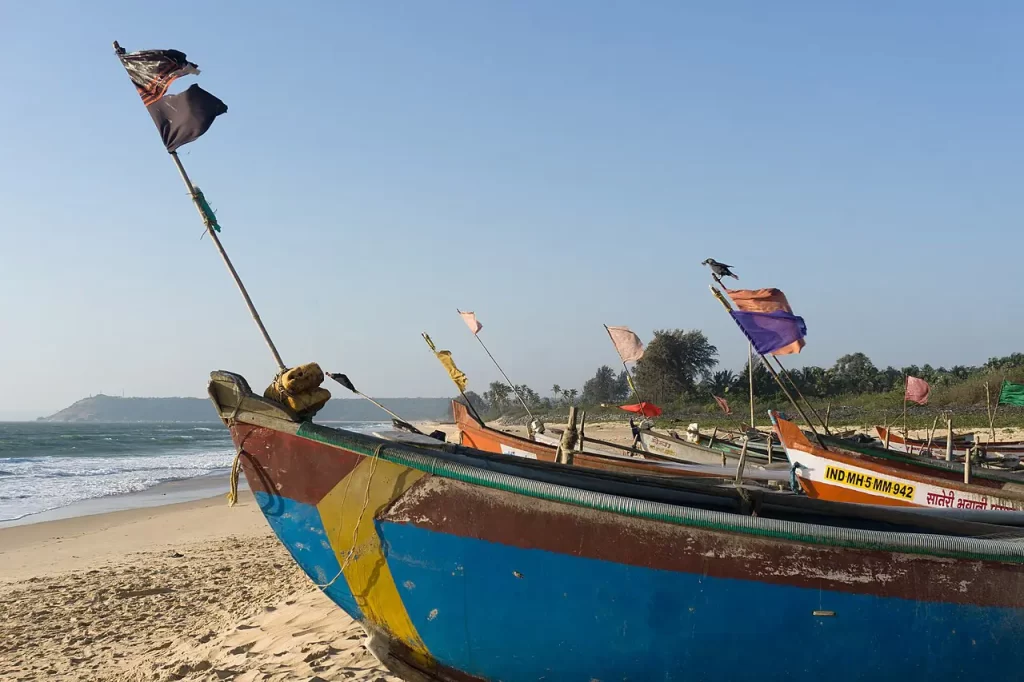
♻️ Sustainability Revolution (2001–Present): Zero-Waste Triumphs & Heritage Revival
The 21st century ushered in ecological leadership. In 2015, activist Rajesh Patil transformed a 2.6-hectare landfill into the Swachh Bharat Waste Park, processing 7 tonnes/day into biogas and compost—earning ₹3 lakh/month. Dutch historian Hanny Mensing arrived (2008), partnering with local doctor Sanjeev Lingwat to decode VOC manuscripts. Their campaign secured ₹4.7 crore for factory restoration (2023). Cultural revival birthed the Ranbhaji Mohatsav (2016), celebrating wild edible plants, and Patang Mohatsav (kite festival, 2018).
🚤 Future Horizons (2025+): Connectivity & Cinematic Dreams
➨ Current projects promise transformative growth:
⦿ Coastal Highway: Mumbai-Goa Greenfield Expressway (2026), cutting travel to 5 hours.
⦿ Sai Bollywood Film City: 200-acre studio complex at Dabholi.
⦿ Taj Shiroda Resort: Asia’s largest coastal luxury retreat (2027).
⦿ Dutch Heritage Museum: Planned within factory ruins, displaying 1683 VOC navigation charts.
🌊 From Mauryan outpost to zero-waste pioneer, Vengurla’s 2,300-year timeline is Konkan’s resilience in microcosm — where every laterite stone whispers of Dutch merchants, Maratha spies and feminist sarpanches.
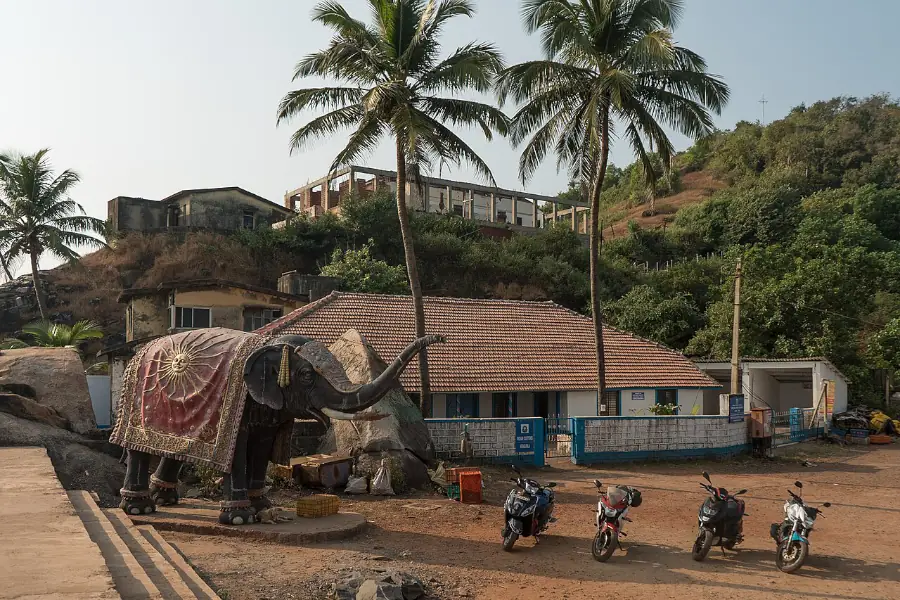
🏰 Architectural Marvels of Vengurla: Where Stone Whispers Centuries of Konkani Genius
🛖 Konkan Vernacular Architecture: Nature-Integrated Living
Vengurla’s residential architecture embodies a profound dialogue between human needs and monsoon ecology. Traditional homes feature Laterite Stone Walls (locally called Chira) – a Porous, Iron-rich laterite quarried from plateaus that naturally regulates indoor humidity. The true Engineering Marvel lies in roof construction: Coconut Wood Rafters are vertically split into half-circles and installed with the curved face upward, creating natural arches that function like modern “Post-tension Beams” to withstand 3,000mm annual rainfall. Floors combine tamped laterite gravel with Coconut oil-resin Finishes, creating breathable surfaces that stay cool in Summer (35°C+) and warm during humid Monsoons. Windows incorporate Oyster-shell Shutters – translucent panels strung on wooden frames that diffuse light while blocking rains – a technique disappearing under modern construction pressures.
⛩️ Sacred Geometry: Temples as Ecological Fortresses
➨ Vengurla’s Temples showcase Konkan’s sacred Structural Science:
➙ Sargeshwar Shiva Temple: Constructed directly on tidal sands, its foundation uses Granite-sandstone sandwich technique – alternating layers dissipate wave energy. The sanctum’s Shikhara (Spire) angles at 72° to minimise storm damage, while laterite carvings depict marine life (lobsters, sea turtles) symbolising Shiva’s dominion over erosion.
➙ Redi’s Ganesh Temple: Houses a 15-foot monolithic basalt Ganesh idol unearthed from manganese mines in 1976. The temple’s Double-Mandapa design features an outer hall with 16 muscular columns (symbolising Ganesh’s Shaktis) and an Inner Sanctum ventilated by hidden sea-facing ducts that maintain 22°C year-round.
➙ Vetoba Temple (Aaravali): Exemplifies Bhumi-Konkan style with its Cascading Dome System – three progressively smaller domes channel rainwater into underground cisterns via stone gargoyles. The Nandi Bull Idol faces west, not east, to “watch” Arabian Sea storms.
🏭 Dutch Factory (1655): Europe’s First Coastal Fortification in India
➨ The Dutch East India Company’s fortified warehouse pioneered hybrid military-commercial Architecture:
➙ Walls: 2.4m-thick laterite blocks mortared with Seaweed-lime-jaggery paste, proven to resist cannonballs. Bastions angled at 115° provided overlapping firing lines.
➙ Underground Tunnels: A 340m escape tunnel (still partially intact) ran from the copper vault to Dabholi Hills, featuring Anti-flood steps – each step rises 5cm higher than the last to slow water ingress during storms.
➙ Ventilation: Ceiling Convection Towers drew sea breezes through zinc ducts to cool spice storage rooms below 20°C – a revolutionary system in 17th-century India.
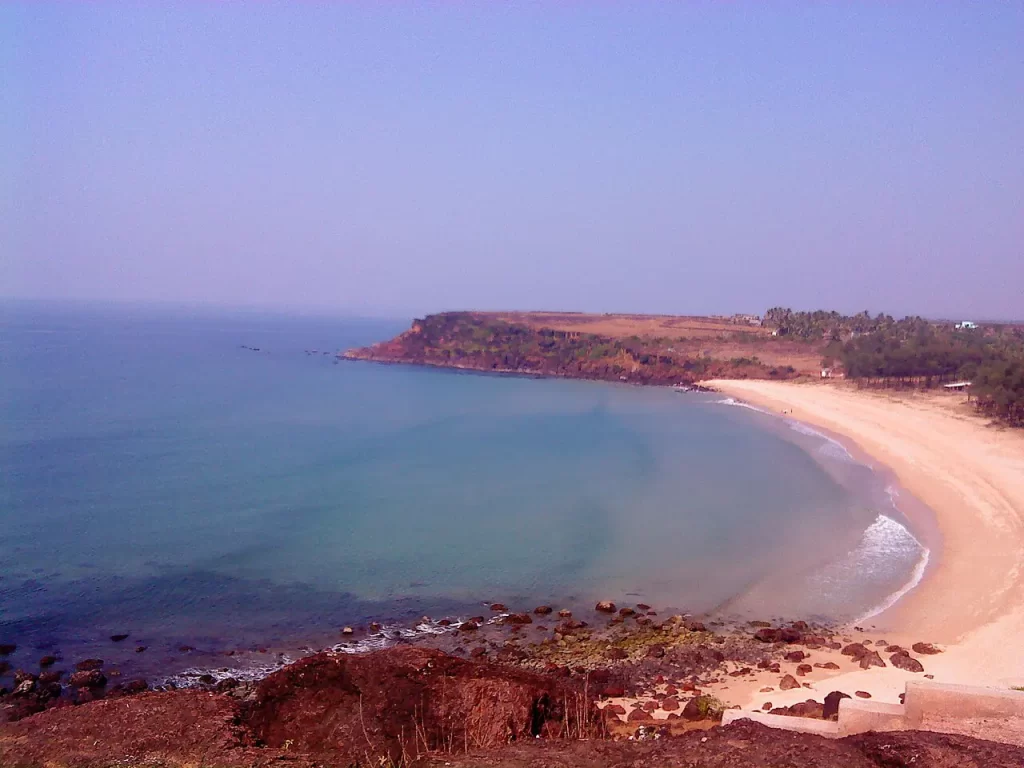
⛲ British Civic Innovations: Crawford Market & Water Wisdom
➨ Under Arthur Crawford (1870s), Vengurla became a laboratory of Colonial Adaptation:
➙ Crawford Market (1876): Blends Neo-Gothic Arches with Konkan practicality. Its 52 shops sit under a Double-roof System – Mangalore tiles atop teak beams create a 1.2m air buffer reducing indoor heat by 8°C. The central clock tower’s bell was cast from melted Dutch cannons.
➙ Nishan Talav Step-well: An ancient water reservoir upgraded with filter galleries – layers of charcoal, sand and coconut husk purified runoff for drinking. Its unique octagonal design minimised evaporation during summer (33°C+).
🌿 Contemporary Marvel: Swachh Bharat Waste Park (2015)
➨ Transforming a 2.6-hectare landfill into a zero-waste ecosystem required Architectural Ingenuity:
➙ Biogas Dome: A Ferrocement Digester processes 1.2 tonnes of organic waste daily, generating 180m³ biogas that powers streetlights via methane capture.
➙ Plastic Recycling Unit: Shredded plastic is mixed with laterite dust (30:70 ratio) to create construction bricks stronger than concrete (tested at 18MPa compressive strength).
➙ Lotus Sewage Gardens: Greywater flows through terraced phytoremediation ponds where lotus roots absorb heavy metals – a design inspired by temple Kunds.
🌊 Coastal Defences: The Lost Sea Gates of Vengurla Port
➨ Pre-colonial dockyards featured Tidal-modulation Technology:
➙ Flood-Control Gates: At high tide, seawater entered through submerged laterite funnels, pushing fresh water into irrigation channels. At low tide, reverse currents flushed silt back to sea.
➙ Ship Repair Docks: Sloping ramps used coconut-pulley systems to haul boats ashore. The alignment matched wave patterns during June monsoons when winds hit 55km/h.
🏘️ Community Architecture: Devathan System as Social Glue
➨ Each neighbourhood revolves around a shrine complex functioning as Socio-ecological Regulator:
➙ Rameshwar Temple (Gramdaivat): Maintains the Devasthan Governance Model since Satavahana era (200 BCE). Its central courtyard hosts the Panchayat, while the Sacred Grove behind it conserves 47 native plant species used in medicine.
➙ Shared Infrastructure: Monsoon drains (Nalas) radiate from Temple Tanks, maintained through community Shramdaan (labor donation). Houses align so roof runoff feeds neighbours’ coconut gardens.
🔨 Craft Revival: Sawantwadi Palace’s Living Heritage
➨ Though 32km inland, this royal hub (1775–1803) influences Vengurla’s decorative arts:
➙ Ganjifa Artisans: Master lacquer workers create Manganese-pigmented Tiles for Vengurla homes. The “Vengurla Blue” hue comes from local manganese ore mixed with cashew resin.
➙ Wooden Architecture: Palace workshops teach mortise-tenon joints using jackfruit wood – a technique adapted for Vengurla’s fishing Khalashi (Boat Sheds) to withstand cyclonic winds.
👷 Modern Innovations: Rajesh Patil’s Climate-Responsive Designs
➨ Local architect Rajesh Patil leads a vernacular renaissance:
➙ Cashew-Waste Composite: Developed Wall Panels from Cashew Shell Resin + Coconut Fibre, providing 3x better insulation than concrete.
➙ Dutch Fort Restoration: Using original lime-surkhi mortar (tested for mineral match) to repair bastions. Installed “Breathing Joints” – 2cm gaps filled with cork allowing thermal expansion during summer (38°C+).
✨ From Dutch cannons to biogas digesters, Vengurla’s Architecture is a living palimpsest – where each era’s genius responds to Konkan’s torrential rhythms while honouring community and coastline.
🚌 Reaching Vengurla: Your Ultimate Multi-Modal Travel Guide to Konkan’s Hidden Gem
✈️ Air Connectivity: Goa’s Dual Airports as Gateways
➨ The nearest Airports are in Goa, making air travel surprisingly efficient despite Vengurla’s remote feel:.
➙ Goa Mopa Airport (GOX): 28.6 km from Vengurla (42-min taxi ride). Connected to Mumbai, Pune and Hyderabad via IndiGo, Air India, and Vistara. Flights cost $290–$750, with 28+ weekly options from Pune (1h 10m) and Mumbai (1h 13m).
➙ Dabolim Airport (GOI): 89–100 km away (2-hour drive). Offers broader international connectivity. Taxis charge ₹2,500–₹3,000, while shared shuttles cost ₹400/person.
Pro Tip: Mopa is closer, but Dabolim often has cheaper flights from Southeast Asia and Middle Eastern hubs.
🚂 Rail Routes: Konkan Railway’s Scenic Lifeline
➨ Kudal Railway Station (22 km) is the primary railhead, with direct trains from major cities:
➙ Mumbai ➸ Kudal: Dadar-Kudal Express (8h 40m; 4x daily). AC Chair ₹550, Sleeper ₹220.
➙ Pune ➸ Kudal: Connect via Pune-Kolhapur Intercity, then taxi (Total 10h).
➙ Delhi/Hyderabad: Board the Thiruvananthapuram Central-Hazrat Nizamuddin Rajdhani, alighting at Sawantwadi Road (15 km from Vengurla).
From Kudal/Sawantwadi, auto-rickshaws (₹300–₹400) or taxis (₹700–₹1,000) reach Vengurla in 30–45 mins.
🚗 Road Trips: Coastal Highways & Mountain Passes
➨ From Mumbai (463 km; 7–8 hours)
➙ Route: NH66 via Panvel, Pen, Mahad, and Sawantwadi.
➙ Buses: MSRTC Shivneri AC buses (₹450; 10h) depart from Dadar East. Private operators like ZingBus offer overnight sleepers (₹1,200; 11h 46m).
➙ Drive: Toll costs ₹620. Stop at Dapoli for lunch and Hedvi Temple for sunset views.
➨ From Pune (345 km; 6 hours)
⦿ Route: NH48 to Satara, then SH120 to Kolhapur, merging with NH166A to Vengurla.
⦿ Buses: MSRTC non-AC buses (₹350; 9h) or FlixBus (₹400; 6h 45m) from Satara Bypass.
➨ From Goa (110 km; 2.5 hours)
⦿ Route: NH66 northbound via Arambol and Redi.
⦿ Taxis: ₹2,500 from Panaji. Local buses (₹120; 3h) depart Mapusa every 2 hours.
🚌 Intercity Bus Services: Budget-Friendly Journeys
➙ Mumbai ➸ Vengurla: IntrCity SmartBus (₹1,300/sleeper; 16h 15m).
➙ Bangalore ➸ Vengurla: KSRTC sleeper (₹1,800; 16h) via Kolhapur.
➙ Ticket Platforms: Use redBus for bookings across 10+ operators, including Prasanna Purple (₹1,100–₹1,500 AC).
🚕 Last-Mile Connectivity: Autos, Taxis & Boats
⦿ Taxis: Ola Cabs and local operators like Armaani Travels (₹15/km).
⦿ Autos: ₹50/km for short hops (e.g., Kudal Station → Vengurla Beach).
⦿ Boats: From Redi Port to Terekhol Fort (Goa border; ₹300/person).
🌦️ Seasonal Travel Tips: Monsoons vs. Winters
🌧️ Monsoon (June–August): Roads near Dabholi Hills get waterlogged. Trains are safer. Carry umbrellas and waterproof gear for lighthouse visits.
☁️ Winter (October–February): Ideal for road trips. Book buses/trains 30 days ahead during Ganesh Chaturthi or Diwali.
🧳 Practical Toolkit: Costs, Booking Hacks & Local Apps
➨ Cost Matrix:
| Mode | From Mumbai | From Goa |
| Flight + Taxi | ₹8,000 (3h) | ₹3,500 (1.5h) |
| Train | ₹550 (9h) | N/A |
| Bus | ₹1,300 (12h) | ₹120 (3h) |
| Self-Drive | ₹2,200 (Fuel+Tolls) | ₹ 1,100 |
➙ Apps: Use redBus for bus tickets, IRCTC for trains, and Ola/Uber for taxis.
➙ Local Insight: Hire a day taxi (₹1,500/8hr) for village-hopping. Drivers know shortcuts to avoid NH66 truck traffic.
💎 Conclusion: Your Pathway to Paradise
Whether you’re gliding over the Konkan Railway’s emerald valleys, navigating NH66’s coastal curves, or landing in Goa for a quick hop north, Vengurla rewards the journey as much as the destination.
Pro Tip: For stress-free travel, fly into Mopa, take a taxi to Kudal, then ride a local bus through cashew groves—immersing in the landscape while saving ₹₹₹! 🌴🚤
🏨 Where to Stay in Vengurla: From Luxury Resorts to Temple Dharamshalas
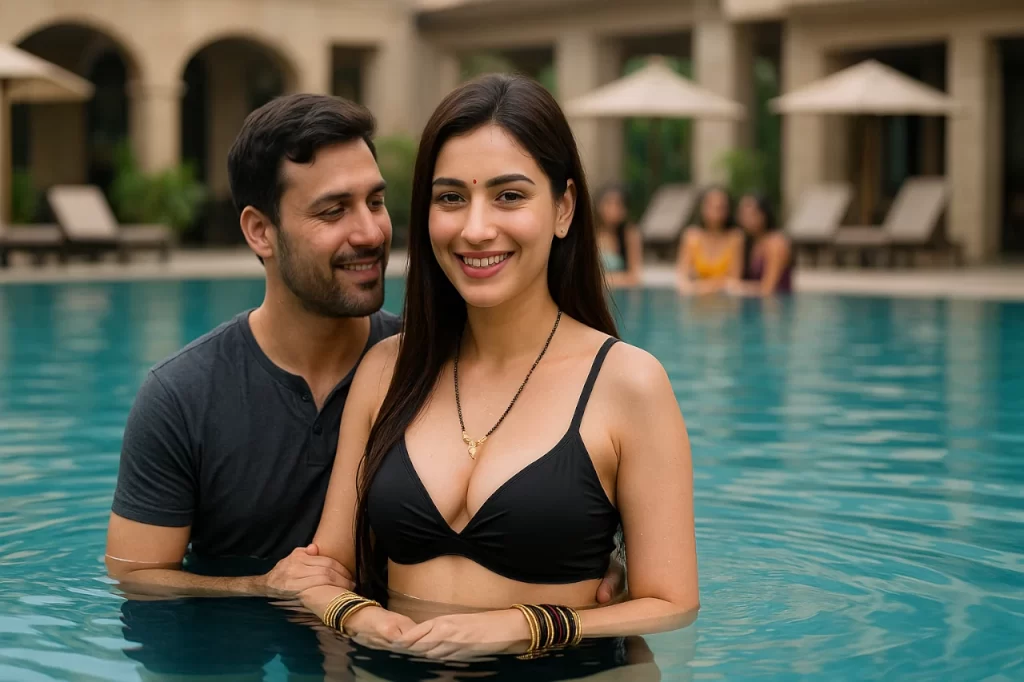
Vengurla’s accommodations blend Coastal charm, Cultural immersion and Sustainability, catering to backpackers, luxury seekers, and spiritual travellers alike.
➨ Here’s a granular breakdown:
💎 Luxury Stays (₹7,000–₹11,000/night)
🔘 Highland Sarovar Portico Sindhudurg
⦿ Location: 14-min walk to Nivati Beach.
⦿ Rates: ₹9,800/night (incl. taxes; 30% off peak season).
⦿ Facilities: Infinity Pool, Ayurvedic Spa, Gym, Private Beach Cabanas.
⦿ Food: Malvani Seafood Thalis (₹850) + European fusion. Breakfast included.
⦿ Check-in: 2 PM.
🔘 Venga Seacliff Resort
⦿ Location: 8-min walk to Khavane Beach.
⦿ Rates: ₹7,900/night (incl. taxes).
⦿ Facilities: Cliff-top Infinity Pool, Bonfire Pits, Kayaking Tours.
⦿ Food: Kokum-infused Cocktails + “Catch-your-own-fish” Grills.
🔘 Parisa Beach Resort Tarkarli Bhogawe
⦿ Location: Private Bhogave Beach access.
⦿ Rates: ₹11,000/night (incl. Breakfast + Scuba Diving session).
⦿ Unique: Coral reef-view Villas with Butler Service.
🛌 Budget Hotels & Guesthouses (₹1,500–₹3,500/night)
🌿 Beachside Cottages
🔘 Verandah By The Sea:
⦿ Rates: ₹1,500/night (Shared Kitchen; ₹200 for Breakfast).
⦿ Facilities: Hammocks, Cycle Rentals, 2-min walk to Tidal Pools.
⦿ Check-in: Flexible (Hosts live on-site).
🔘 SEA PEARL KHAVANE:
⦿ Rates: ₹1,800/night (AC cottage; 1-min walk to Khavane Beach).
⦿ Perks: Free Bioluminescent Plankton tours October–March.
🏡 Home-stays with Local Experiences
🔘 Maachli Home-stay:
⦿ Rates: ₹2,200/night (incl. Guided Treks + Kokum Pickle-making).
⦿ Food: Farm-to-table Meals (₹300/meal) using Ranbhaji (Wild Greens).
🔘 Sneh Beach Home-stay:
⦿ Rates: ₹2,900/night (Beachfront Balcony; Wayangani Beach access).
⦿ Hosts: Retired Marine Biologists offering Coral Conservation talks.

🏨 Value Resorts
🔘 Golven Resort:
⦿ Rates: ₹3,500/night (Pool + Breakfast).
⦿ Eco-feature: Solar-powered AC + Cashew Waste Compost System.
🔘 Sam & San Beach Resort:
⦿ Rates: ₹1,800/night (Beach Bonfires + Fireplace).
⦿ Check-in: 12 PM (Early Arrival ₹300/hr).
🕉️ Dharamshalas & Spiritual Stays (Under ₹500/night)
🔘 Shri Sateri Devi Temple Dharamshala:
⦿ Location: 4 km from Vengurla Market.
⦿ Rates: Donation-based (Avg. ₹200/night).
⦿ Facilities: Gender-segregated Dormitories, shared Bathrooms, Community Kitchen.
⦿ Food: Prasad Meals (lunch/dinner ₹50).
🔘 Vetoba Temple Guesthouse (Aaravali):
⦿ Rates: ₹300/night (Private Cells with Sea-view Jharokhas).
⦿ Rules: No non-veg; attend 6 AM Aarti.
⏰ Check-in Policies & Seasonal Tips
⦿ Standard Check-in: 12–2 PM (most resorts); Dharamshalas: 10 AM–5 PM.
⦿ Peak Season (October–March): Book 60+ days ahead; prices surge 40% during Ganesh Chaturthi.
⦿ Monsoon (June–August): 20–30% discounts; verify road access to hill properties like Anandi Nivas.
🍽️ Food Facilities Comparison
| Property Type | In-house Dining | Local Eateries Nearby |
| Luxury Resorts | Multi-cuisine + wine cellars (₹1,200–2,500/meal) | Crawford Market Seafood shacks (5–10 km) |
| Budget Guesthouses | Homestyle Malvani Thalis (₹150–300) | Hotel Nimbus Prawn Sukka (2 km) |
| Dharamshalas | Langar – style Veg meals (free/donation) | Temple Annakshetras (free post – Puja) |
♻️ Sustainability Leaders
⦿ Kay’s By The Sea: Plastic-free zone; converts seaweed into fertiliser.
⦿ Samant Beach Resort: Runs “1 Tree = 1 Stay” mangrove planting initiative.
🌅 From ₹200 temple stays to ₹11,000 reef villas, Vengurla proves Konkan hospitality isn’t about price tags—it’s about palms whispering to the sea at dawn, Sol Kadhi shared over sunset, and lighthouses guiding you home.
🌊 Coastal Marvels: Beaches Where Nature Performs
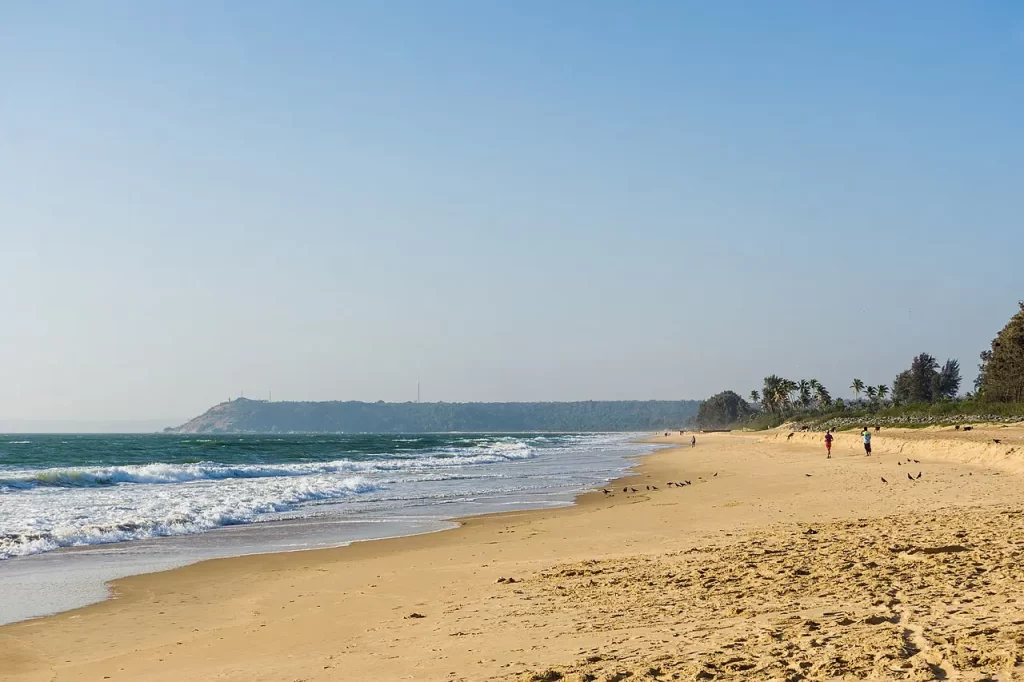
🎯 Sagareshwar Beach: Nestled 3 km from Vengurla’s bus stand, this hidden gem features Powdery White Dunes rich in shell deposits. By night, the lighthouse beam paints the waves gold, while constellations mirror bioluminescent plankton. Dolphins frequent the southern end at dawn.
✡ Tip: Visit during Ganesh Chaturthi (August-September) to see the shoreline adorned with floral offerings.
🎯 Khavane Beach: A secluded cove 9 km South, famed for its Bioluminescent Plankton (October-March). Night kayaking reveals water glowing like liquid stars. The beach is framed by Dabholi Hills, with trails leading to hidden waterfalls during monsoons.
Local Insight: Fishermen offer pre-dawn boat rides (₹300/person) to witness the “Sea Fire” phenomenon.
🎯 Nivati Beach: Known for dolphin sightings, this tranquil stretch hosts traditional Koli fishing expeditions (Join for ₹800; includes net-throwing lessons). The northern end has tidal pools ideal for children, while casuarina groves provide shaded picnicking spots.

🏰 Historical Icons: Ruins, Lighthouses & Sacred Stones
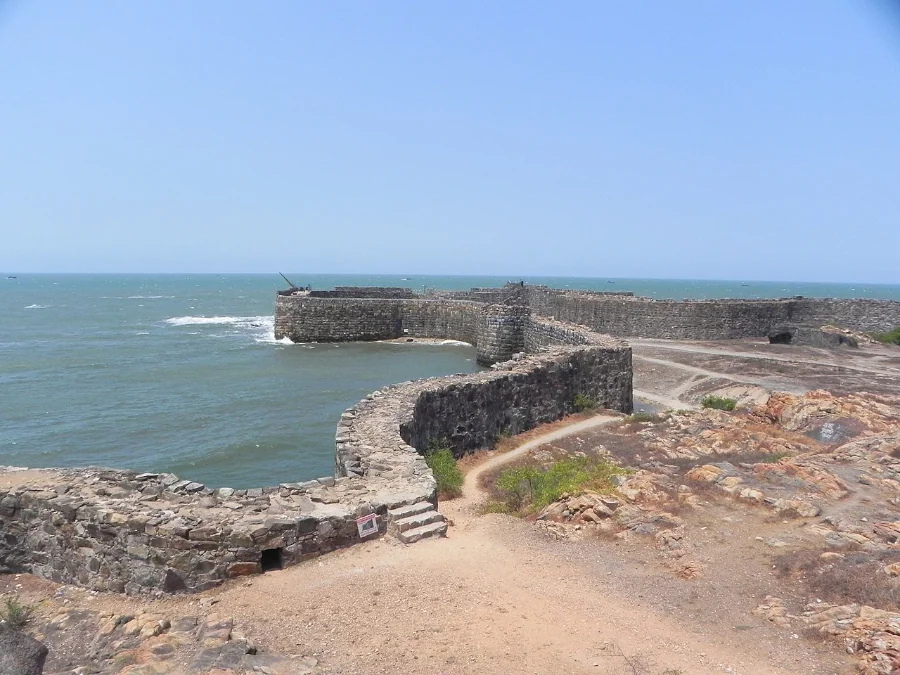
🎯 Dutch Factory (1637): Explore the Laterite Skeleton of the Dutch East India Company’s Warehouse, where Mughal Prince Akbar once hid. Crumbling bastions reveal Copper-smelting Furnaces and escape tunnels snaking toward Dabholi Hills. Hire guide Rajesh P. (₹200) to decode 17th-century VOC inscriptions.
🎯 Vengurla Lighthouse (1931): Climb 147 spiral steps for 360° views of the Burnt Islands and Konkan coastline. The red-striped tower’s Fresnel lens projects light 30 nautical miles.
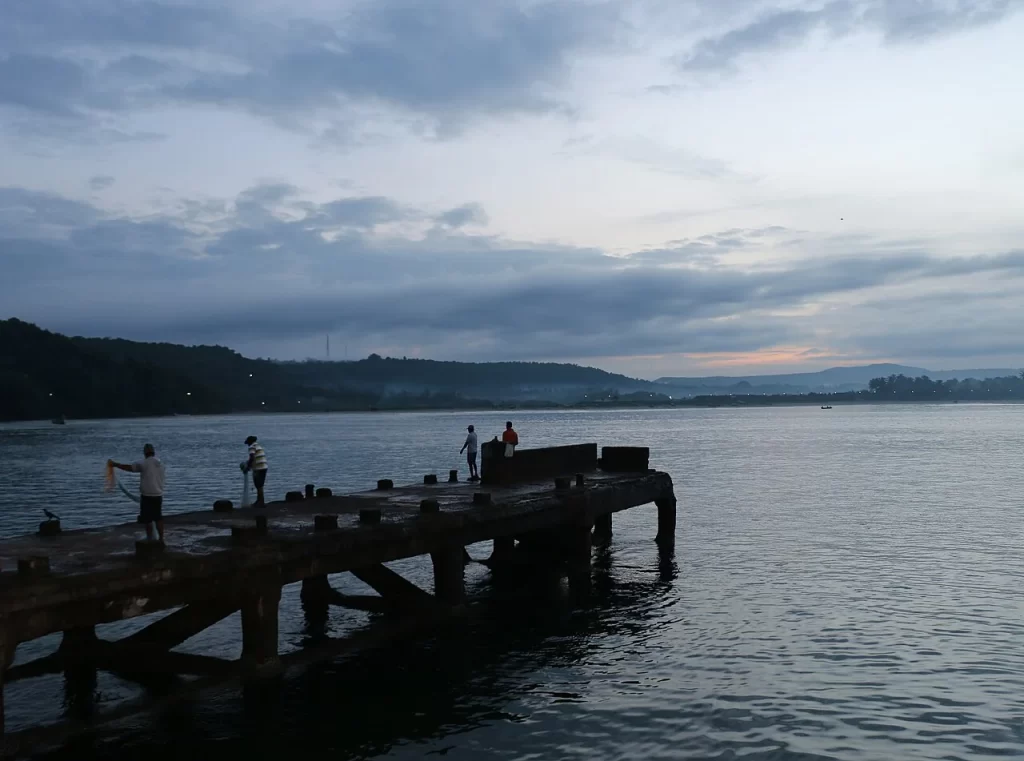
✡ Golden Hour: Arrive at 5 PM to watch Fishing Boats unload Pomfret at the adjacent Jetty.
🎯 Sargeshwar Shiva Temple: Waves ritually cleanse this 300-year-old sanctum’s steps — a fusion of devotion and Hydro-engineering. The Sandstone Shikhara withstands monsoons through interlocking joints.
✡ Ritual Alert: Offer Bilva leaves during Mahashivratri for tidal Aarti.
🎯 Redi Ganesh Temple: Housing a 15-foot monolithic idol unearthed from manganese mines (1976), this hilltop shrine features “Floating Architecture”: the inner chamber rests on seismic isolators.
✡ Don’t Miss: The adjacent Yeshwantgad Fort, where Chhatrapati Shivaji’s naval commanders plotted against the Portuguese.
🌿 Cultural Enclaves: Villages of Salt, Faith & Folk Art
🎯 Shiroda-Aravali Twin Villages:
➙ Shiroda: Site of Gandhi’s 1930 Salt Satyagraha. Tour traditional salt pans (November-April), where workers rake crystalline mounds using Kharpat-wood tools. The Sunday market sells terracotta Mauli Devi figurines (₹50–₹200).
➙ Aravali: Home to the Vetoba Temple, whose 10-foot deity is draped in Manganese-ore jewellery. The Sateri Devi Mandir hosts Dashavatar folk plays using coconut-husk masks.
🎯 Terekhol Fort (Goa Border): A 17th-century fortress turned luxury hotel, 21 km south. Its St. Anthony’s Church opens only during May feasts. Cross the creek by Toni Boat (₹50) from Redi Port.
✡ History Note: Portuguese cannons still guard the ramparts.
🛍️ Markets & Sustainability Hubs
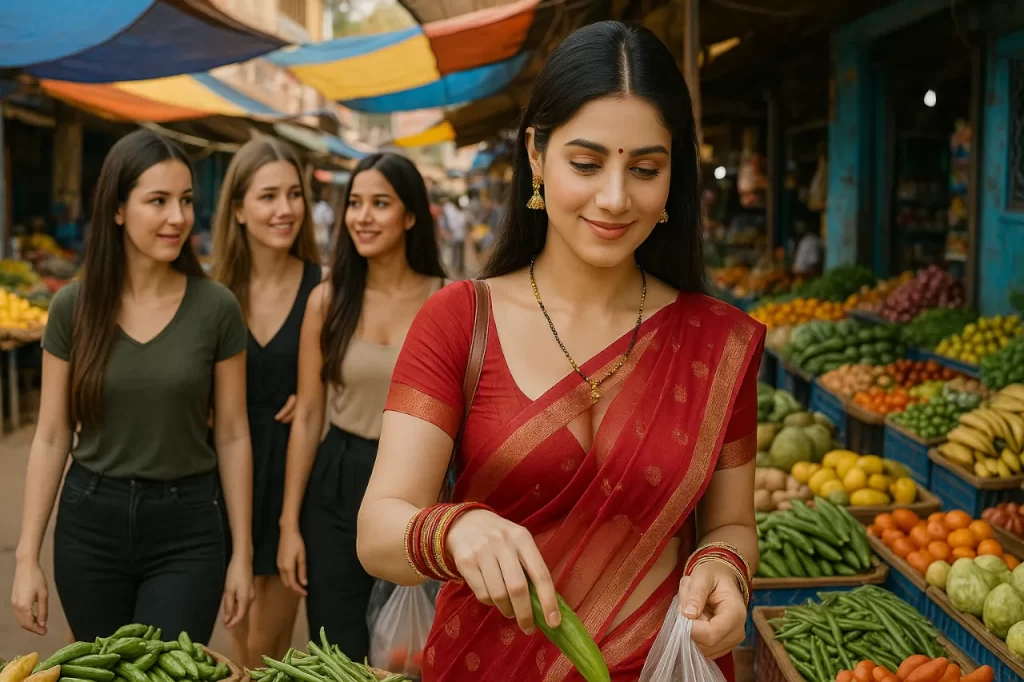
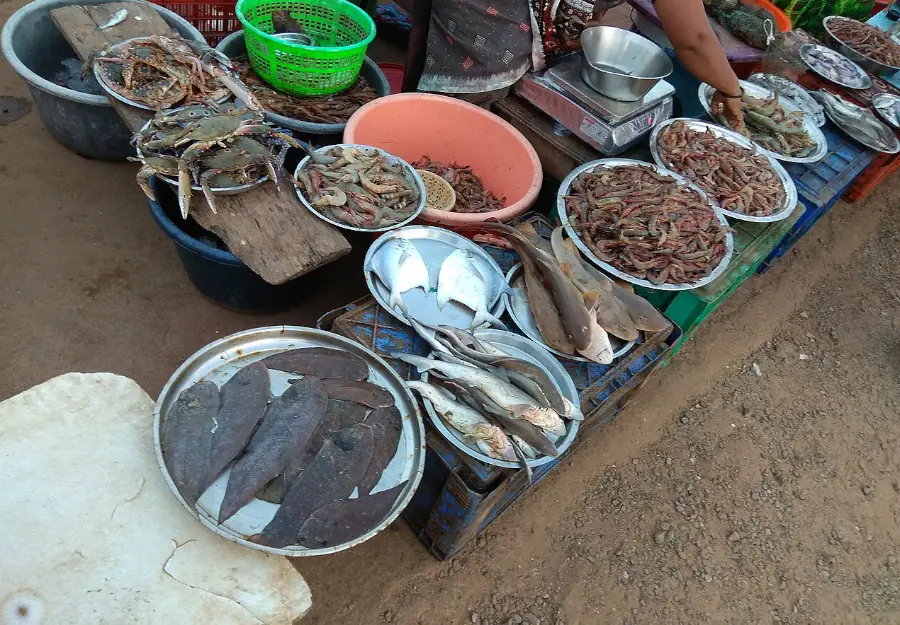
🎯 Crawford Market (1876): Arthur Crawford’s neo-Gothic masterpiece buzzs with pre-dawn fish auctions (4–6 AM). Buy Cashew Fenny (₹600/liter), Alphonso Mango Squash (₹250/bottle) and Malvani Masalas.
✡ Eco-feature: Rainwater channels feed Shiroda’s salt pans.
🎯 Swachh Bharat Waste Park: A landfill transformed into an education hub. Watch 7 tonnes of daily waste become Biogas (Powers Streetlights) and plastic-laterite bricks. Join workshops on Seaweed Composting (Free; Monday/Wednesday).
🗺️ Nearby Gems (<30 km)
| Site | Distance | Highlight | Best Time |
| Sawantwadi Palace | 32 km | 18th-century wooden Ganjifa Card Workshops | Year-round |
| Amboli Ghat | 75 km | Maharashtra’s Rainiest Hill Station; see the Sea of Clouds from Hiranyakeshi Point | July-September |
| Sindhudurg Fort | 85 km | Chhatrapati Shivaji’s Island Fortress with Handprint-Embedded walls | October-February |
🌅 Vengurla’s magic lies in its layers — Dutch cannons beneath lighthouse beams, salt pans remembering Gandhi, plankton setting seas ablaze. As local fisherman Devendra Koli says: “Here, every grain of sand has three stories: one of kings, one of tides, and one it whispers only to you”.

🍛 Savouring Vengurla: A Culinary Odyssey Through Konkan’s Coastal Pantry
🏖️ Beach Shacks & Coastal Eateries: Where Waves Season the Curry
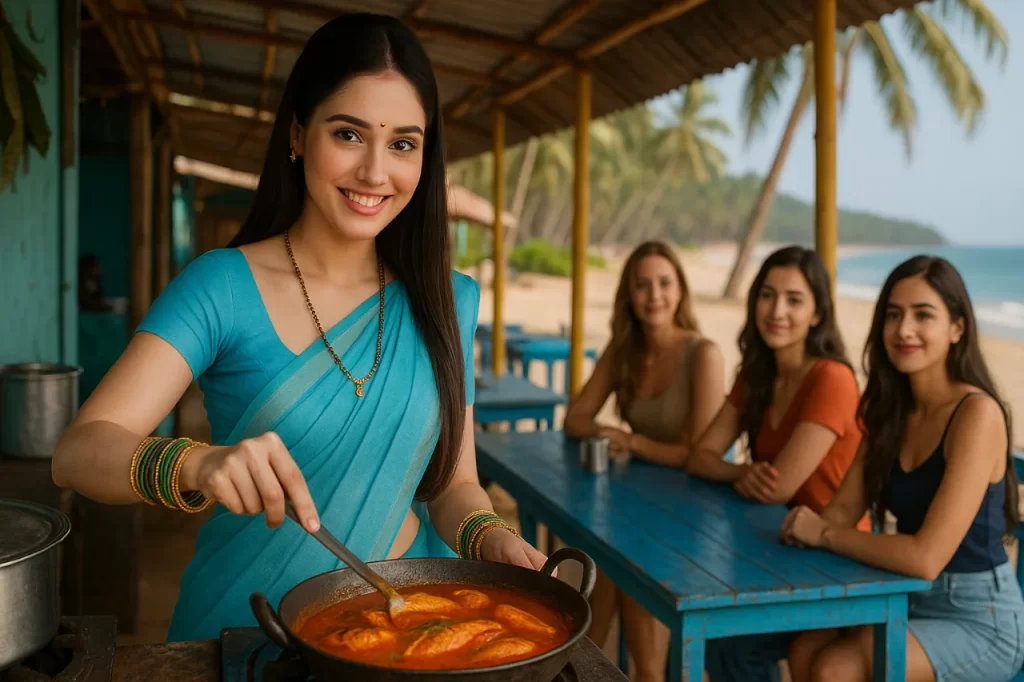
🍵 Sagar Kinara: Perched on Vengurla Beach, this bamboo-and-thatch shack serves seafood hauled ashore at dawn. Their “Catch of the Day Thali” (₹350) features 2 fried fish (Pomfret/Surmai), Tisrya Masala (clams in Coconut Gravy), and Sol Kadhi in tender coconut shells.
✡ Monsoon special: Kombdi Vade (Chicken Stew with Lentil Crisps).
🍵 Kinara Beach Cafe: Night dining under fairy lights with waves lapping 10m away. Must-try: Prawn Balchão (₹420) – Prawns Pickled in Palm Vinegar and Kashmiri chilies. Their Kokum Sherbet (₹60) uses ice made from boiled well water to avoid contamination.
🏨 Heritage Hotels & Family Kitchens: Grandma’s Recipes, Served with Legacy
🍵 Hotel Krushnai: Run by the Sawant family since 1987, their Malvani Fish Thali (₹280) includes 6 components: Modkachi Ambat (Sweet-sour Fish Curry), Bangda fry and Ukdiche Modak (Steamed Rice Dumplings).
✡ Secret: Mango wood-fired clay ovens for smokiness.
🍵 Hotel Laukik: Vengurla’s oldest lodge (est. 1965) serves Breakfast Relics like Ras Ghavne (Rice crepes in Jaggery-coconut milk; ₹90) and Kalayile Vade (Black Gram Fritters).
🍤 Modern Malvani: Tradition Reimagined
🍵 Hotel Nimbus: Chef Rohan Naik’s “Deconstructed Sol Kadhi” (₹180) – Kokum foam, Cumin dust and candied Garlic chips. Their Prawn Gassi Pizza (₹550) on Jowar base uses aged Malvani Masala.
🍵 Golven Resort Restaurant: Sunset dining with Tasting Menus (Veg/non-veg; ₹850).
✡ Highlights: Cashew Nut Brittle with Karvanda (Conkerberry) Chutney and Surmai Ceviche in Kokum Broth.
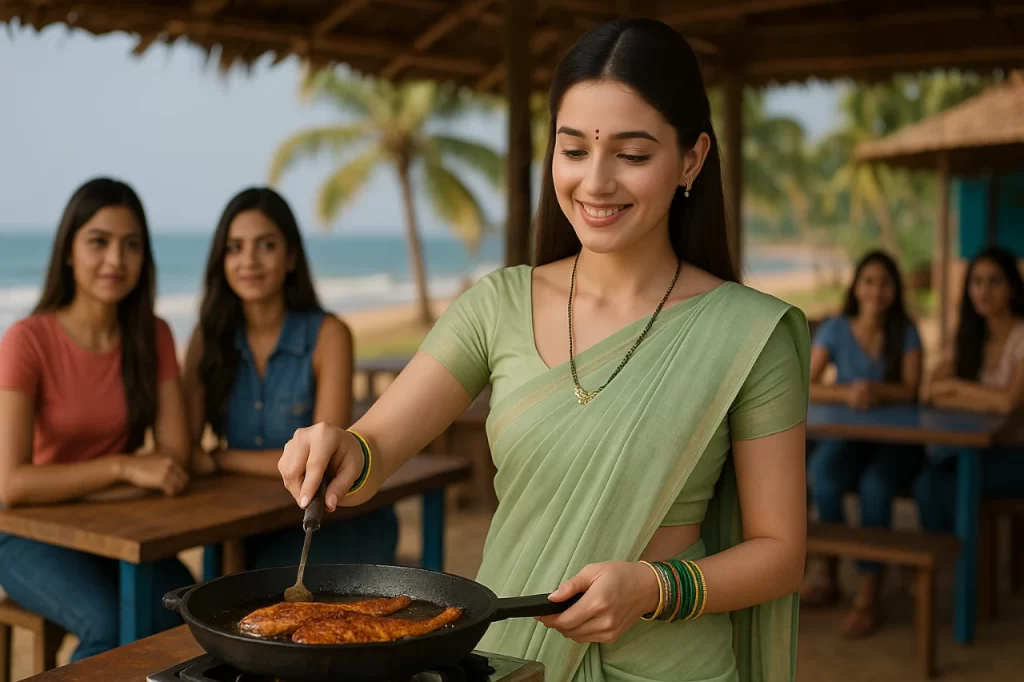
🛍️ Markets & Street Bites: Crawford’s Colonial Culinary Theatre
🍵 Crawford Market (1876): Pre-dawn fish auctions (4 AM–6 AM) where you can buy Rawas (Salmon) and request nearby stalls like Hotel Gazali to grill it (₹100/kg cooking charge).
✡ Must-eat: Chaukoni Pav (Square Yeast-less Bread; ₹10) dipped in Tambda Rassa (Red Chili Mutton Gravy).
🍵 Shiroda Market: Sunday Haat selling Wild Ingredients: Phodshi (Fiddlehead Ferns), Shevla (Drumstick Flowers) and Ghavti Mushrooms. Maza Bangla Bhojanalaya cooks purchases on-spot for ₹50/plate.
🥥 Temple Bhojanalayas & Sacred Meals
🍵 Annapurna Hotel: Pure veg thali (₹120) with temple-style restrictions (no onion/garlic). Jackfruit Biryani and Amti made with Gavran Peanuts replace seafood.
🍵 Sateri Devi Temple Dharamshala: Prasad Thalis (Donation-based) feature Varan Bhaat (Lentil Rice) with Amba Halad (Mango Turmeric) Pickle. Served on Banana leaves post – Aarti.
🛶 Island Dining & Boat-to-Table Experiences
🍵 Terekhol River Cruise Meals: Fishermen ferry you to mid-river Pangats (Floating Platforms) for Crab Xec Xec Feast (₹700). Chilli-garlic Crabs cooked in Coconut Milk, served with Red Rice from Sindhudurg farms.
🥭 Seasonal Specialties: Monsoon Magic & Summer Sorbets
🌧️ Monsoon (June–September): New Mango Hotel’s Ussal – sprouted legumes stewed with Kala Masala and Raw Mango. Served with Dinkache Laddoo (Edible Gum Sweets).
☀️ Summer (March–May): Malwani Katta’s Haapus Aamras (Mango Pulp; ₹150) with Sabudana Crisps. Klub Khavana’s Jackfruit Ice Cream made with Moramba (Wild Berries).
♻️ Sustainable Bites: Zero-Waste Kitchens
🍵 Darshani Beach Home-stay: “Sea-to-Plate” meals using driftwood-fired stoves. Their Kalvan Fry (local squid) is served on palm-leaf plates with Sea Salt Harvested at Shiroda Pans.
🌶️ “In Vengurla, food isn’t cooked—it’s conjured”, says fisherwoman Lata Patil, stirring a Sol Kadhi Pot at Crawford Market. “Our recipes have sailed through Dutch sieges and monsoons. Even today, we grind masalas on stone Silbattas while the lighthouse blinks approval”.
✡ Pro Tip: For hyperlocal immersion, join KTC’s Spice Trail Tour (₹1,500) – forage Ranbhaji (Wild Greens) with Tulas villagers, then cook at a Wada Kitchen using 200-year-old copper Degchis.

🌦️ Climatic Conditions in Vengurla, Sindhudurg: The Monsoon Symphony of Konkan
🌍 Geographical Setting & Microclimate
Nestled between the Arabian Sea and the semicircular hills of Dabholi, Tulas and Mochemad, Vengurla (15°51′N 73°38′E) enjoys a unique Tropical Monsoon Climate (Köppen classification: Am). This coastal-mountain interface creates a microclimate where sea breezes moderate temperatures, while hills trap moisture, triggering intense orographic rainfall during monsoons. Elevation ranges from sea level to 51m inland, allowing cool air drainage into valleys at night.
☀️ Summer (March–May): The Fiery Prelude
➙ Temperatures: March–May sees peak heat, with average highs of 33.4°C (92°F) in May and record highs hitting 40°C (104°F). Nights remain warm at 25.3°C (77°F) minimum.
➙ Humidity & Winds: Relative humidity averages 66%, rising to oppressive levels by late May. Sea breezes (Avg. 14 km/h) offer slight relief.
➙ Ecological Impact: Cashew trees fruit explosively, while Kokum (Garcinia indica) sheds leaves to conserve water. Locals harvest salt at Shiroda pans before monsoon floods them.
🌧️ Monsoon (June–September): The Sky’s Grand Opera
➙ Rainfall Extremes: July is the wettest month with 1,037 mm (40.83 inches) of rain across 27 days. Annual precipitation averages 3,039 mm (119.65 inches) – 85% falling in these 4 months.
➙ Storm Dynamics: Southwest monsoon winds hit 55 km/h, driving waves up to 4m high. Cloud cover reaches 86% in July, turning skies perpetually lead-gray.
➙ Living with Rain: Villagers deploy “Chira” (Laterite) embankments to divert floodwaters. Fishermen halt sea voyages for 45 days (Haryali Amavasya ritual).
🌫️ Post-Monsoon (October–November): The Misty Interlude
➙ Withdrawal Phase: Rainfall drops sharply from 320.8 mm (12.63 in) in September to 16.8 mm (0.66 in) by November. Humidity remains high (74–79%), creating morning sea mists.
➙ Temperature Swing: Daytime highs rebound to 33.6°C (92°F) in November, while nights cool to 20.3°C (68°F) – the year’s largest diurnal range.
❄️ Winter (December–February): The Gentle Crescendo
➙ Cool Comfort: January is the “Coldest” month with average lows of 16.6°C (62°F) and rare dips to 10°C (50°F). Daytime highs hover around 32°C (90°F).
➙ Sky Clarity: February has 74% clear skies – optimal for stargazing. Coastal visibility exceeds 20km, revealing dolphins near Burnt Islands.
💧 Humidity: The Invisible Tide
Vengurla experiences 9.2 months of mugginess (February–November), peaking in July with 31 days of oppressive humidity. Dew points rarely drop below 23°C (73°F), making evaporative cooling ineffective. The only respite comes in December–January (15–16 muggy days/month).
🌬️ Winds & Coastal Currents
➙ Seasonal Shifts: Southwest monsoons (June–September) blow at 5–7 m/s, while winter sees calmer northeast breezes (3 m/s). Afternoon sea breezes commence daily at 11:30 AM from October–March.
➙ Marine Influence: Sea surface temperatures range from 28°C (February) to 31°C (May), fuelling pre-monsoon cyclonic systems. Rip currents strengthen near Khavane Beach during ebb tides.
🌡️ Temperature Extremes & Records
| Parameter | Value | Date/Month |
| Highest Temp | 40.0°C (104°F) | April (Historical) |
| Lowest Temp | 10.6°C (51°F) | December (Historical) |
| Hottest Month | Avg. 33.4°C (May) | May |
| Coolest Nights | Avg. 16.6°C (January) | January |
🌊 Microseasons & Ecological Calendars
⦿ Shiuli Blossoming (February): Night-flowering coral jasmine signals winter’s end.
⦿ Dol Netra (April): Fishermen read sea-colour shifts to predict monsoon onset.
⦿ Kajri Agitation (June): Cicadas’ shrill calls precede first rains by 48 hours.
⦿ Divo Ambemohor (December): Full moonlit cashew harvests under winter skies.
🌤️ Travel Climate Strategy
➙ Beach Season (November–March): Optimal conditions with 25–33°C temps, <5% rain chance, and sea visibility >15m for snorkelling.
➙ Monsoon Magic (July–August): Experience Dabholi Falls at peak flow but expect road disruptions. Pack quick-dry clothing and anti-fungal foot powder.
➙ Shoulder Months (October/ April): Ideal for cultural festivals like Patang Mohatsav (Kite Festival) with lower crowds.
☔ “Monsoons here aren’t weather – they’re alchemy”, says farmer Ramesh T. of Tulas village. “Our cashew roots drink 3 meters of rain, then gift us nectar-sweet fruit. The sea and sky wage ancient wars, while we dance in Fugdi circles till the soil glistens”.

🌍 Sociodemographic Mosaic of Vengurla: Caste, Language, and Community Dynamics
👥 Population Structure & Settlement Patterns
Vengurla town (Municipal Council) had a Population of 12,392 as per the 2011 Census, with a rare 1:1 gender ratio (6,196 males ♂️ and 6,196 females ♀️). The town is divided into 17 Administrative Wards, with Ward 16 being the most populous (1,113 residents) and Ward 6 the least (523 residents). Projections estimate growth to ~17,900 by 2025, driven by tourism and return migration. Rural hinterlands like Tulas (pop. 3,352) and Redi (Pop. 644) anchor agrarian economies, while coastal hamlets like Mochemad and Khavane focus on fishing. The district’s Overall Population Density is 163 persons/km², with 12.59% urbanisation.
✝️ Religious Composition & Sacred Geography
➙ Hindus (86.45%): Dominant community, centered around temples like Sateri Devi, Vetoba (Aaravali) and Redi’s 15-ft Ganesh.
➙ Christians (6.05%): Legacy of Portuguese influence; clusters near St. Luke’s Hospital (British-era).
➙ Muslims (5.15%): Engaged in trade at Crawford Market and fishing.
➙ Buddhists (1.91%) and Jains (0.20%): Largely urban, involved in commerce.
🏷️ Caste Hierarchies & Occupational Networks
➙ Maratha-Kunbi (Agrarian): 42% of Rural Population; control Cashew/Kokum farms in Tulas and Dabholi.
➙ Gabits (Maritime Community): Traditional fishers in 9 Coastal Villages like Dabhoswada, Wayangani and Shelapi-Nivati. Historically served in Shivaji’s navy; now 60% work in Mumbai’s hospitality/tourism sectors.
➙ Scheduled Castes (SC) (7.21%): Include Chambhar (Leatherworkers) and Mahar (Village Guards); concentrated in Ward 5 and 14.
➙ Scheduled Tribes (ST) (1.36%): Primarily Katkari forest dwellers near Dabholi Hills; forage Ranbhaji (Wild Greens).
➙ Vaishyas (Traders): Run 52 shops at Crawford Market; specialise in Dried Fish, Kokum and Cashew.

🗣️ Linguistic Landscape: Mother Tongues & Power Dynamics
➙ Malvani Konkani: Spoken by 78% as home language; blends Portuguese loanwords (e.g., Pao for Bread) with Sanskrit roots.
➙ Marathi: Official administrative language; used in Schools, Hospitals and Civic Offices. Literacy rates are 91.54% (93.18% male, 89.90% female).
➙ Code-Switching: Coastal Muslims use Konkani-Arabic Hybrids (Salaam Alaikum + Kasa Kay?), while Christians retain Lusitanised Konkani hymns.
💼 Economic Stratification & Livelihoods
| Sector | Communities Involved | Key Activities |
| Mining (11%) | Dhodias, Warlis | Manganese Extraction at Redi |
| Services (13%) | Christians, Upper Castes | Healthcare, Municipal Jobs |
| Tourism (18%) | Gaud Saraswats, Vaishyas | Home-stays, Seafood Restaurants |
| Fishing (26%) | Gabits, Kharvis | Deep-sea Trawling, Shrimp Farming |
| Agriculture (32%) | Maratha-Kunbis, Dhangars | Cashew, Kokum, Alphonso Mangoes |
Source: Census 2011 Work Profiles
🏙️ Urban-Rural Divide: Wards vs. Villages
➙ Urban (Wards 1–17): 71% work in Non-farm Sectors; Christians dominate hospital jobs at St. Luke’s.
➙ Rural (83 Villages): Tulas specialises in Kokum processing; Shiroda produces salt; Redi mines manganese. Female participation dips to 22.4% here due to agrarian labor constraints.
📜 Colonial Legacies & Social Mobility
➨ The Dutch (1655–1684) and British (Post-1818) eras created enduring hierarchies:
➙ Elite Anglicisation: Brahmin clerks adopted English; built bungalows near Crawford Market.
➙ Gabits’ Identity Negotiation: Launched Konkan Maratha Sangh (1939) to claim Kshatriya status; petitioned for OBC quotas.
➙ Christian Advancement: Access to mission schools boosted literacy; 79% now in healthcare/education.
🌱 Contemporary Shifts: Migration & Cultural Hybridity
➙ Mumbai Exodus: 34% of Gabits work in Dadar Fish Markets and Kanjur Marg logistics hubs.
➙ Hybrid Cuisine: Mumbai-returned migrants popularised Bombil Fry (Bombay duck) in Vengurla’s hotels.
➙ Waste Pioneers: SC Safai Karamcharis run Swachh Bharat Waste Park, recycling 7 tonnes/day into Biogas.
🌟 Notable Personalities & Identity Markers
➙ Mangesh Padgaonkar (1929–2015): Padma Bhushan-winning poet from Vengurla; wrote Lalita Gaura on Konkani life.
➙ Hanny Mensing: Dutch historian restoring VOC Manuscripts; Bridges Colonial past with local heritage.
🌊 “In Vengurla, your surname reveals your beach”, notes Gabit elder Vasudev Mondkar. “Gabits fish at dawn, Kunbis harvest Kokum by Noon and Brahmins chant at Sateri Devi as tides erase all footprints”. This intricate social tapestry – woven through Language, Labor and Liturgy – remains Konkan’s most resilient Architecture.

🌟 Notable Figures of Vengurla: Architects of Konkan’s Cultural, Ecological & Artistic Legacy
📜 Literary Luminaries & Linguistic Stewards
✪ Mangesh Padgaonkar (1929–2015): Vengurla’s Poetic Soul, awarded the Padma Bhushan for works like Lalita Gaura, which captured Konkan’s monsoon rhythms and fisherfolk dialects. His poem “Haapus Aamras” immortalised Alphonso mango orchards of Tulas Village, blending Sanskrit meters with Malvani folklore.
✪ Vinda Karandikar (1918–2010): Jnanpith-winning Poet who translated Bhagavad Gita into Marathi. His summer retreat in Shiroda inspired “Sagar Songati” (Ocean’s Embrace), describing Khavane’s bioluminescent tides.
✪ Dr. Chintamani Tryambak Khanolkar: Linguist who documented Malvani Konkani’s Portuguese loanwords (e.g., Pao/Bread) in his 1982 treatise Konkan Bhashecha Itihas, preserving dialects near extinction.
🏰 Heritage Guardians & Historical Revivalists
✪ Hanny Mensing: Dutch historian who relocated to Vengurla in 2008. Deciphered 1655 VOC manuscripts at the Dutch factory ruins, uncovering copper trade logs with Chhatrapati Shivaji. Led 2023 restoration securing ₹4.7 crore in state funds.
✪ Rajesh Patil: Architect of Swachh Bharat Waste Park (2015). Transformed 2.6-hectare landfill into biogas plant processing 7 tonnes/day, earning ₹3 lakh/month. Trained 120+ women in plastic-laterite brick production.
✪ Devendra Koli: Gabit community elder who revived Pre-monsoon Navigation Techniques using stellar patterns (Dhruv Nakshatra). His memoir “Taran Mitra” (Boat Friend) details Dutch-era shipbuilding.
🎥 Cinematic & Artistic Trailblazers
✪ Nishikant Kamat (1970–2020): Acclaimed Director (Drishyam) born in Malvan, 25km from Vengurla. Scouted Nivati Fort ruins for Lai Bhaari (2014), employing 200 locals as extras and revitalising interest in Maratha Naval History.
✪ Shilpa Tulaskar: National Award-winning Actress raised in Sawantwadi. Founded Kalasutri Bahuliya Natya Kala (2018), training tribal youth in String Puppetry depicting Chhatrapati Shivaji’s battles. Her troupe uses Coconut-husk Figurines.
✪ Sawlaram Haldankar (1882–1968): Watercolour maestro whose “Glow of Hope” painting hangs in Mumbai’s CSMVS. Trained Vengurla artists in mangrove ink techniques at St. Luke’s Hospital Art Workshops (1950s).

🪘 Custodians of Traditional Arts
✪ Thakkar Family (Pinguli): Last practitioners of Chitrakathi, a 300-year-old scroll-painting tradition. Their Pinguli Tamasha performances narrate Mahabharata episodes using Manganese-Pigmented Dyes on Palm leaves.
✪ Bandekar Pottery Clan (Shiroda): 7th-generation terracotta artists crafting Mauli Devi figurines for Sateri Temple. Pioneered Sea-salt Glazing Techniques, creating crackle-finish pottery sold at Crawford Market.
✪ Vitthal Satavalekar: Master Wooden Toy-maker from Sawantwadi Royal Workshops. His Moving Ganjifa Card Figurines (e.g., Dancing Ganesha) use jackfruit wood and cashew resin joints, exported to 23 countries.
⚖️ Social Reformers & Governance Pioneers
✪ Bhaiyya Ganpatrao (1891–1972): Freedom fighter who organised Salt Satyagraha at Shiroda salt pans (1930). Imprisoned at Yerawada Jail; later served as Vengurla’s first Post-Independence Mayor.
✪ Leela Naik: India’s first woman Sarpanch from Shiroda (1982). Launched “Phoolrani” initiative training women in Kokum processing, lifting 120 families out of poverty.
✪ Dr. Sanjeev Lingwat: Physician who established Mobile Clinic Boats for fishing communities. His Telemedicine Network connects 12 coastal villages to Mumbai specialists via satellite.
🌊 Ecological Innovators & Sustainable Champions
✪ Lata Patil: Fisherwoman who pioneered seaweed composting. Her “Sagar Mitra” collective trains women to harvest Ulva Lactuca algae, converting it into fertiliser for cashew farms.
✪ Arvind Salelkar: Marine biologist documenting Coral Regeneration at Mochemad Reef. Discovered 3 new species of bio-luminescent plankton named Noctiluca Vengurlaensis.
🏛️ Royal Legacy & Administrative Architects
Table: Sawantwadi Rulers Shaping Vengurla:
| Ruler | Reign | Contribution to Vengurla |
| Khem Sawant Bhosale | 1755–1803 | Built Yeshwantgad Fort’s Naval Observatory |
| Shivaji Raje Bhonsle | 1947–1956 | Merged kingdom with India; Established Cashew Research Stations |
| Harish Narayan Zantye | ——— | Modernised Crawford Market’s Drainage (1890) |
🛠️ Industrial & Educational Visionaries
✪ Deepak Kesarkar: Current MLA who founded Vengurla ITI (1997). Introduced Marine Engineering Courses training youth in Solar-powered Boat Design.
✪ R. G. Bhandarkar (1837–1925): Sanskrit scholar born in Malvan. Authored Vengurla Port trade Policies (1882), advocating tax exemptions for fisher cooperatives.
🪶 Conclusion: Living Legacies in Laterite Soil
From Padgaonkar’s monsoon poetry to Lata Patil’s seaweed compost, Vengurla’s notables embody Konkan’s ethos – where heritage and innovation dance like bioluminescent waves. As Hanny Mensing notes: “Here, history isn’t studied; it’s lived in every Laterite Stone and Kokum Tree”. Their work proves identity isn’t inherited; it’s built through Sol Kadhi shared with strangers and tides defied for generations. 🌊
🏭 Industrial Development in Vengurla, Sindhudurg: Cashew Crown, Infrastructure & Innovation
🌰 Cashew Industry: The Golden Kernel of Vengurla
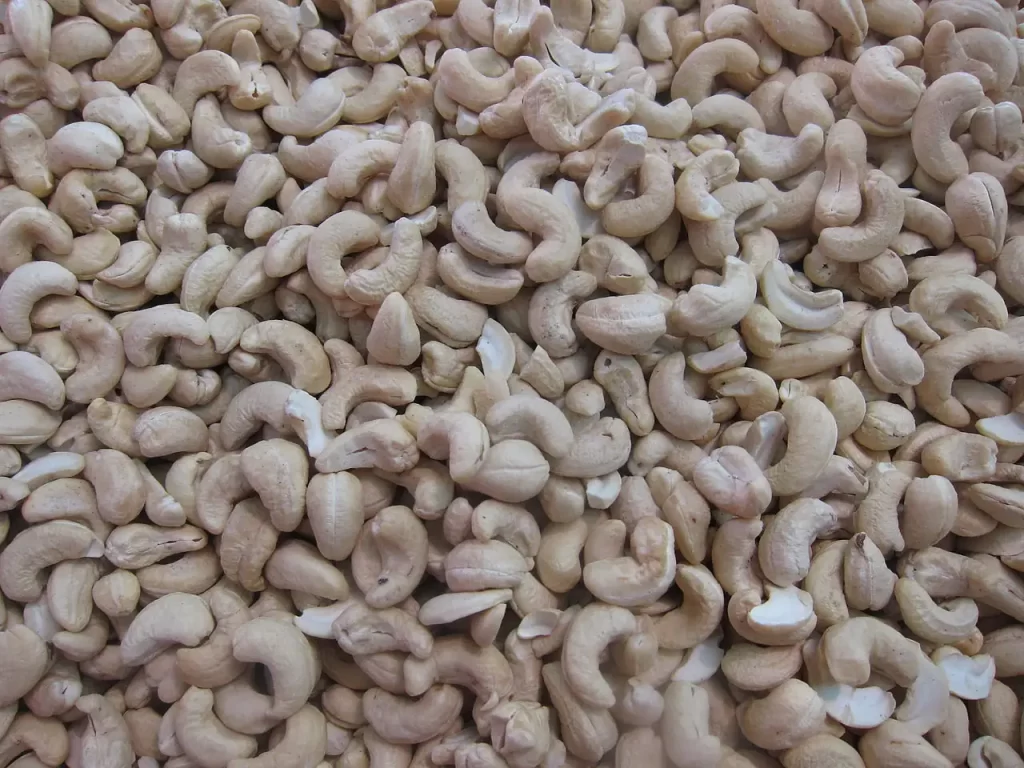
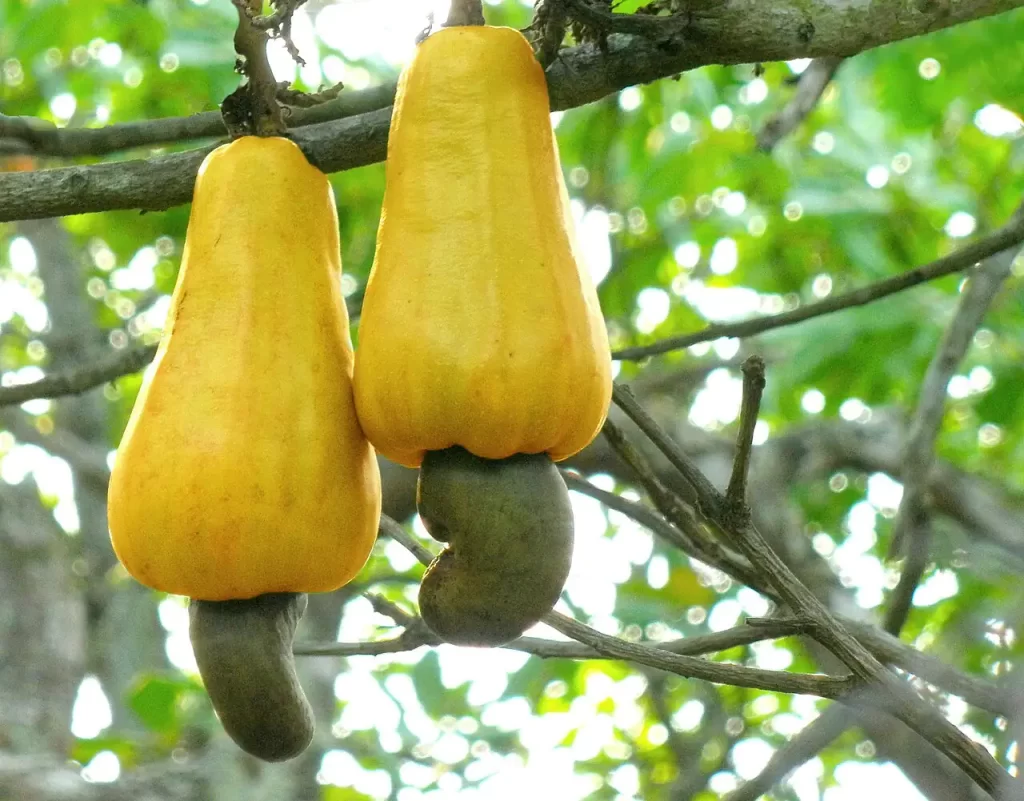
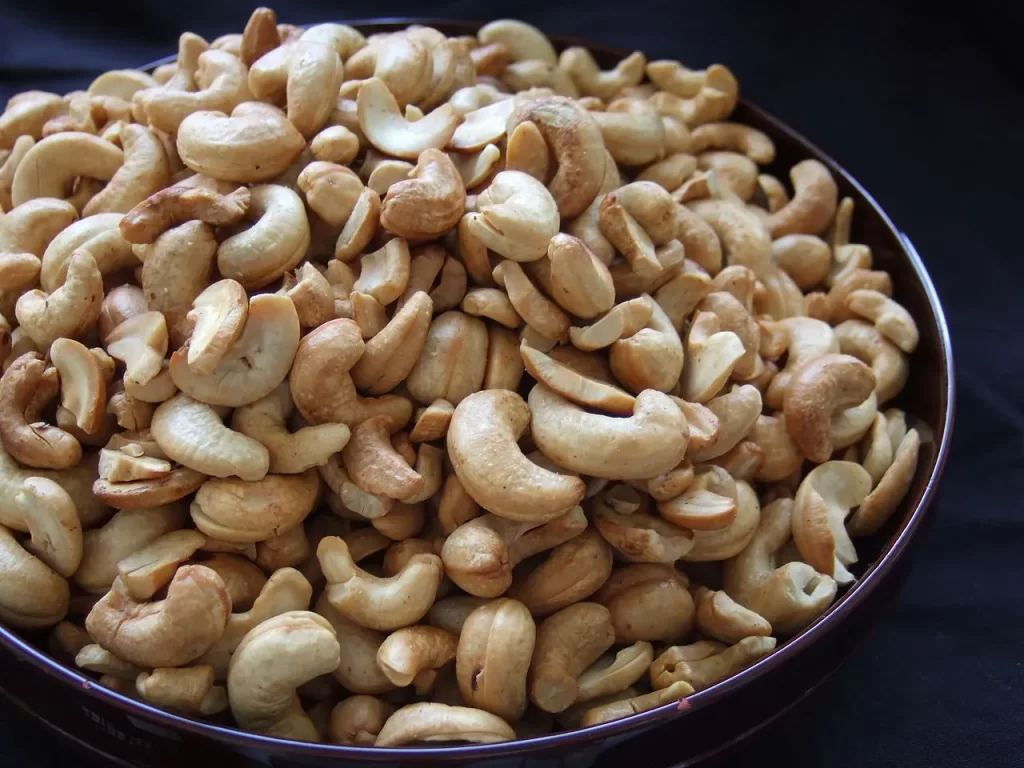
Vengurla’s Industrial identity revolves around its GI-tagged Vengurla Cashew (Awarded 31 March 2016), with over 150+ Processing Units across Sindhudurg district. The first cashew plant was established here in 1920, leveraging the region’s ideal tropical climate and laterite soils.
➨ Key Players Include:
➙ Vengurla Cashew Industries Pvt Ltd: Processes 15MT/month of Raw Nuts; specialises in Cashew Apple Syrup and Kaju Barfi.
➙ Paras Cashew Industries: Exports GI-certified kernels to EU/ASEAN; uses solar drying to reduce energy costs by 40%.
The Regional Fruit Station (est. 1957) developed high-yield varieties like V2 (32% shelling yield) and V7 (86% juice content), driving ₹500 crore/year revenue for 12,000 farmers.
✈️ Aviation & Logistics: Sindhudurg Airport Revolution
➨ The Chipi-Parule Greenfield Airport (operational Oct 2021) is transforming Vengurla’s Industrial landscape:
➙ Infrastructure: 2,500m runway (expandable to 3,400m); capacity for 2M Passengers/year; dedicated 10,000 Sqm cargo hub.
➙ Economic Impact: Enables direct export of Perishable Cashew/Mango (reducing 30% spoilage). Supports MRO facilities, Flight Training Academies and drone-based Cashew Farm Monitoring.
➙ Connectivity: Just 23km from Kudal Railway Station; cuts Mumbai travel time to 45mins via daily IndiGo flights.
🏫 Skill Development: ITI Vengurla’s Vocational Backbone
The Government Industrial Training Institute (est. 1997) addresses local Industry’s skilled labor gap:
| Trade | Duration | Seats | Fees (₹) | Industry Linkage |
| Welder | 1 year | 40 | 2,170 | Shipyard Repairs |
| Dress Making | 1 year | 20 | 1,770 | Cashew Sack Stitching |
| Electrician | 2 years | 20 | 2,990 | Airport Maintenance |
Despite 9 staff vacancies, its “Marine Fitter” Course (Proposed) will support Coastal Infrastructure Projects.
🏢 ODOP Initiative & Government Catalysts
Under the One District One Product (ODOP) scheme, Sindhudurg prioritises “Processed Cashew”:
➙ District Industries Centre (DIC): Provides subsidies for Cashew Processing Tech upgrades (e.g., Steam Roasters replacing Wood-fired units).
➨ Key Interventions:
➙ Warehouses: Warehouse clusters in Kudal/Vengurla under Rashtriya Krishi Vikas Yojana.
➙ Export promotion: GI Branding, participation in Gulf Food Dubai (2024: 12 Vengurla units showcased).
➙ Women Empowerment: 56 SHGs producing Cashew-Apple Chutney and Fenny (local Liquor).
⚡ Challenges & Sustainable Shifts
➙ Infrastructure Gaps: 60% Raw Cashews still transported to Goa/Kerala for processing due to erratic power and water shortages.
➙ Waste Innovation: Swachh Bharat Waste Park pilots Cashew-shell Oil extraction for Industrial Adhesives, creating ₹3 lakh/month revenue.
➙ Eco-Tourism Synergy: Resorts like Golven use cashew waste in Construction Panels, while Fisherwomen make jewellery from Cashew Apple Beads.
🚀 Future Horizons (2025-2030)
➙ Cashew Bio-Refinery Project: Tenders floated for Cascading Use of byproducts: Shell Oil ➸ Nut Liquid ➸ Apple Pectin.
➙ Maritime Industrial Zone: ₹62 crore tender for Redi Port Modernisation (June 2025) to enable Mauxite/Manganese Shipments.
➙ Drone Corridor: IRB Airport’s partnership with Honeywell for pesticide spraying across 20,000 HA Cashew Orchards.
🌊 “Vengurla’s factories smell of roasting cashews, not smoke”, says Prakash Shetkar of Paras Cashew Industries. “We’re proving industry can thrive when it kisses the Konkan Coast instead of choking it”. From Dutch warehouses to drone corridors, this is industrialisation in harmony with palms and tides. 🏭🌴

🌿 Villages & Towns of Vengurla Taluka: Socio-Ecological Microcosms of Sindhudurg
Vengurla Taluka in Sindhudurg District comprises 1 Municipal Town (Vengurla) and 83 villages, each with distinct Cultural, Economic and Ecological Identities. Here’s a Granular Exploration of its key Settlements:
🏙️ 1. Vengurla Town (Municipal Council)
➙ Population: 12,392 (2025 Projection: ~17,900) with a rare 1:1 Gender Ratio (6,196 ♂/6,196 ♀).
➙ Administration: Divided into 17 Wards, with Ward 16 being the most populous (1,113 people) and Ward 6 the smallest (523 people).
➙ Economy: Hub for Cashew Processing, Fishing Trade at Crawford Market (1876) and Tourism Infrastructure.
➨ Landmarks:
⦿ Dutch Factory Ruins: 17th-century VOC trading post with escape tunnels to Dabholi Hills.
⦿ Vengurla Lighthouse (1931): Offers 360° views of Burnt Islands and Fishing Fleets.
🌊 Coastal & Fishing Villages
🎯 Mochemad
⦿ Population: 972 | Sex Ratio: 1025 ♀ per 1000 ♂.
⦿ Specialty: Scenic Beach with Dolphin Sightings; traditional Koli Fishing Expeditions (₹800/join).
⦿ Ecology: Coral Reef Regeneration Site under Marine Biologist Arvind Salelkar.
🎯 Khavane
⦿ Population: 1,025 | Literacy: 76.49%.
⦿ Attraction: Bioluminescent Plankton (October-March); Night Kayaking Tours. Managed by Kelus Gram Panchayat.
🎯 Wayangani
⦿ Population: 1,199 | Nearest Town: 15 km from Vengurla.
⦿ Culture: Dashavatar Folk Theatre troupes using Coconut-husk Masks; Beach with Gentle Slopes.
🌳 Agrarian & Forest Villages
🎯 Tulas
⦿ Largest Village: Population 3,352 | Sex Ratio: 1082 ♀ per 1000 ♂.
⦿ Economy: Kokum Capital – Processes Sol Kadhi and Pickles; supplies 40% of Maharashtra’s Alphonso Mangoes.
⦿ Festival: Ranbhaji Mohatsav celebrating 60+ Wild Edible Plants.
🎯 Dabholi
⦿ Population: 2,118 | Literacy: 84.18%.
⦿ Geography: Base of Dabholi Hills; monsoon trekking trails to waterfalls.
⦿ Cuisine: Chaukoni Pav (Yeastless Bread) baked in wood-fired ovens.
🎯 Ubhadanda
⦿ Population: 334 | Governance: Hosts Gram Panchayat for 7 Villages.
⦿ Heritage: Kepadevi Temple (10th-century laterite carvings); katkari Tribal Wild Honey Foragers.
⛏️ Mineral-Rich & Industrial Villages
🎯 Redi
⦿ Population: 644 | Literacy: 85.4%.
⦿ Resources: Manganese Mines employing 23% Taluka workforce; 6-ft monolithic Ganesh Idol unearthed in 1976.
⦿ Border Access: Boat to Goa’s Terekhol Fort (₹50/Person).
🎯 Shiroda
⦿ Population: 1,945 | Historical Significance: Salt Satyagraha site visited by Gandhi (1930).
⦿ Crafts: Terracotta Mauli Devi figurines with sea-salt glazing; Sunday market.
🛕 Cultural & Pilgrimage Hubs
🎯 Aravali
⦿ Population: 1,290 | Temples: Vetoba Temple (Cascading Dome Architecture) and Sateri Devi Mandir.
⦿ Unique Practice: Devotees offer Bananas to deities; Jatra festivals during Shivratri.
🎯 Parule
⦿ Population: 719 | Access: 30 km from Vengurla via Parulebajar Gram Panchayat.
⦿ Connectivity: Gateway to Chipi-Parule Airport (23 km; handles Cashew Exports).
📊 Demographic & Governance Snapshot
| Village | Population | Sex Ratio (♀/1000♂) | Literacy (%) | Specialisation |
| Matond | 2,852 | 1031 | 78.93 | Cashew V2 Cultivar Farms |
| Adeli | 2,385 | 1021 | 75.35 | Betel Nut (Supari) |
| Kochare | 1,878 | 1057 | 82.96 | Wooden Toy Craftsmanship |
| Bhogave | 955 | 1099 | 81.36 | Fenny (Cashew Liquor) Production |
| Siddhawadi | 592 | 1161 | 82.94 | Organic Jackfruit Biryani |
Source: Census 2011 Data
🌟 Key Observations
➙ Spatial Organisation: Coastal Villages (Mochemad, Khavane) focus on Marine Economies, while Hinterlands (Tulas, Dabholi) drive Agro-forestry.
➙ Gender Dynamics: Hodawade has Maharashtra’s highest Rural Sex Ratio (1240 ♀/1000 ♂).
➙ Sustainability Models: Shiroda’s salt pans use tidal energy; Ubhadanda’s sacred groves conserve 47 native plants.
➙ Challenges: Redi faces Ecological Stress from Mining; Kanyale (Pop. 642) records low sex ratio (819).
🌏 As Hanny Mensing, Dutch historian in Vengurla, notes: “Each village here is a planet – Tulas orbits Kokum, Redi spins on Manganese and Mochemad dances with tides. Their gravitational pull keeps Konkan’s soul intact”. This intricate mosaic – where Dabholi’s waterfalls bless Tulas’ farms and Shiroda’s salt heals Redi’s mines – defines Vengurla’s resilient ecosystem.
🌊 5-Day Ultimate Vengurla Itinerary: Beaches, History & Malvani Feasts
📅 Day 1: Colonial Heritage & Coastal Welcomes
⏰ Morning (9 AM–12 PM):
➙ Arrive via Chipi-Parule Airport (23 km) or Kudal Railway Station (22 km). Transfer to Highland Sarovar Portico (Check-in: 2 PM; early Baggage Storage Available).
➙ Breakfast at Hotel Laukik: Ras Ghavne (Rice Crepes in Jaggery-Coconut Milk; ₹90).
⏰ Afternoon (1–5 PM):
➙ Explore Dutch Factory Ruins (1655): Hire guide Rajesh P. (₹200) to decode VOC manuscripts and escape tunnels.
➙ Lunch at Sagar Kinara: “Catch of the Day Thali” (₹350) with Tidal-view seating.
⏰ Evening (6–9 PM):
➙ Sunset at Vengurla Lighthouse (climb 147 steps for 360° views).
➙ Dinner at Golven Resort: Surmai Ceviche in Kokum Broth (₹450).
🏖️ Day 2: Beach Hopping & Sacred Shores
⏰ Morning (7 AM–12 PM):
➙ Sagareshwar Beach Swim + Sargeshwar Temple tidal Aarti (offer Bilva leaves).
➙ Mochemad Beach Dolphin-spotting tour (₹800; includes net-throwing lessons).
⏰ Afternoon (1–4 PM):
➙ Lunch: Hotel Krushnai’s Malvani Fish Thali (₹280) with Sol Kadhi in Coconut Shells.
➙ Shiroda Salt Pans: Witness traditional salt harvesting (November–April) and buy terracotta Mauli Devi figurines (₹50–₹200).
⏰ Evening (5–9 PM):
➙ Aravali Village: Dashavatar folk play at Vetoba Temple (Coconut-Husk Masks).
➙ Dinner: Banana-leaf Prasad Meal at Sateri Devi Temple (Donation-based).
🌿 Day 3: Village Immersion & Eco-Wonders
⏰ Morning (8 AM–1 PM):
➙ Tulas Village Kokum Farm Tour: Pick Fruit, learn Sol Kadhi making (₹300/Workshop).
➙ Trek Dabholi Hills to hidden waterfalls (Monsoon-only; July–August).
⏰ Afternoon (2–5 PM):
➙ Swachh Bharat Waste Park: Plastic-laterite brick demo (Monday/Wednesday; free).
➙ Lunch: Maachli Homestay’s Ranbhaji (Wild Greens) Thali (₹300).
⏰ Evening (6–10 PM):
➙ Crawford Market Fish Auction (4–6 AM next day; optional).
➙ Dinner: Kinara Beach Cafe’s Prawn Balchão (₹420) under fairy lights.
🛶 Day 4: Marine Adventures & Bioluminescent Magic
⏰ Morning (9 AM–1 PM):
➙ Nivati Beach snorkelling (Gear ₹300/hr; Spot Parrotfish + Clownfish).
➙ Redi Village: 15-ft Ganesh Idol + Yeshwantgad Fort ruins.
⏰ Afternoon (2–4 PM):
➙ Cross to Terekhol Fort (Goa) via Toni Boat (₹50) for Portuguese cannon views.
⏰ Evening (5–10 PM):
➙ Khavane Beach Night Kayaking (October–March; ₹600/person) amid Bioluminescent Plankton.
➙ Dinner: Terekhol River Cruise Crab Feast (₹700) on floating platforms.
🛍️ Day 5: Crafts, Cuisine & Coastal Goodbyes
⏰ Morning (8 AM–12 PM):
➙ Sawantwadi Palace (32 km): Ganjifa Card Painting Workshop (₹250).
➙ Buy Vengurla cashews (GI-tagged) at Paras Industries.
⏰ Afternoon (1–4 PM):
➙ Lunch: Hotel Nimbus’s Prawn Gassi Pizza (₹550) on Jowar base.
➙ Shiroda Market: Kokum syrup, Cashew Fenny (₹600/liter), Malvani Masalas.
⏰ Evening (5 PM):
➙ Departure via Kudal Railway (Mumbai-bound trains: 2:20 PM, 5:40 PM).
🌦️ Seasonal Adjustments
🌧️ Monsoon (June–August): Swap beaches for Amboli Ghat waterfalls (75 km; see “Sea of Clouds”).
☀️ Summer (March–May): Malwani Katta’s Haapus Aamras (Mango Pulp; ₹150) Post-beach visits.
🚙 Transport & Logistics
| Route | Distance | Mode | Cost |
| Vengurla ➸ Redi | 12 km | Auto-rickshaw | ₹ 300 |
| Vengurla ➸ Sawantwadi | 32 km | Taxi (Armaani Travels) | ₹15/km |
| Beach Hopping | ——— | Cycle Rentals (Resorts) | ₹200/day |
💎 Pro Tips
⦿ Photography: Golden hour at Sargeshwar Temple (waves crashing at Lord Shiva’s Feet).
⦿ Avoid Crowds: Visit Khavane Beach on weekdays; Dutch Factory at opening (9 AM).
⦿ Health: Apply Kala Namak (Black Salt) from Shiroda pans for joint pain relief.
🌅 “In Vengurla, tides dictate time”, says fisherwoman Lata Patil. “Dawn is for nets, Noon for Sol Kadhi and Dusk for stories under lighthouses”. This itinerary weaves Dutch cannons with Kokum groves—proof that Konkan’s soul lies in slowing down.
🌅 Conclusion: Vengurla—Where Time Flows in Tides, Not Hours
🌊 The Coastal Alchemy of Resilience & Renewal
Vengurla is no ordinary beach destination—it’s a living archive of Konkan’s soul, where Dutch cannons rust beside Zero-waste Parks 🏭♻️, Bioluminescent Plankton ignites midnight shores 🔥🌌 and Tidal Aartis at Sargeshwar Temple merge devotion with hydro-engineering. Unlike commercialised coasts, its magic lies in Granular Harmonies:
➙ Ecological Wisdom: The Swachh Bharat Waste Park processes 7 tonnes of daily waste into biogas and lotus ponds, earning ₹3 lakh/month while training fisherwomen in plastic-laterite brick production—a model replicated across 12 Indian states ♻️🧱.
➙ Cultural Synthesis: Malvani Konkani—spoken by 78%—weaves Portuguese “Pao” (Bread) with Sanskrit “Sol” (Kokum), mirroring the Dutch factory walls now draped in Maratha-era moss 🏰🌿.
⚖️ The Dualities That Define Vengurla
🔘 Ancient & Cutting-Edge:
➙ 15th-century Vetoba Temple’s cascading domes channel monsoon rains, while Chipi-Parule Airport (2021) exports GI-tagged Cashews via Drone Corridors ✈️🥭.
➙ Katkari Tribes forage Ranbhaji (Wild Greens) using pre-colonial knowledge, even as mobile clinics deliver telemedicine to coastal villages 📱🌿.
🔘 Sacred & Sustainable:
➙ At Redi’s Ganesh Temple, Pilgrims touch a 15-ft idol carved from mined manganese—a symbol of Earth’s buried blessings ⛏️🛕.
➙ Shiroda’s Salt Pans, site of Gandhi’s 1930 Salt Satyagraha, now power Seaweed Composting initiatives led by women’s SHGs 🧂👩🌾.
📜 Lessons From a Land That Whispers
➙ From Historian Hanny Mensing: “Every laterite stone in the Dutch ruins holds three stories: one of copper traded for Chhatrapati Shivaji’s coins, one of Prince Akbar’s escape, and one only the Arabian Sea knows”. 🌊🗝️
➙ From Fisherwoman Lata Patil: “We read tides like calendars. Dawn for Pomfret nets, noon for Sol Kadhi brewed in Coconut Shells, dusk for mending boats under lighthouse beams”. 🛶🌅
🌟 Vengurla By the Numbers
| Aspect | Metric | Significance |
| Gender Equity | 1:1 Ratio in Urban Wards | Rare Balance in Coastal India |
| Literacy | 91.54% (vs. National Avg. 77.7%) | Legacy of St. Luke’s Mission Schools |
| Monsoon Intensity | 3,039 mm Annual Rainfall | Fuels 60+ Waterfalls in Dabholi Hills |
| Economic Innovation | ₹500 crore/year Cashew Industry | GI-tagged “Vengurla Cashew” 🥇 |
✨ The Unspoken Truth: Why Vengurla Endures
While Sindhudurg Fort garners crowds, Vengurla thrives in Quiet Revolutions:
➙ Where Terekhol Fort’s Portuguese cannons face Goa, a ₹50 Toni Boat Ride becomes a metaphor for bridging past and present ⛴️⚔️.
➙ Where Crawfish Auctions at Crawford Market (4 AM) echo Arthur Crawford’s 1876 design, yet Hotel Nimbus serves Prawn Gassi Pizza on Jowar crusts 🍕🦐.
➙ Where Khavane’s Bioluminescent Plankton (October-March) out-shows any festival—reminding us that nature’s oldest light show needs no ticket 🔮💫.
🕊️ Final Reflection: The Konkan Promise
➨ To visit Vengurla is not to “see” but to listen:
⦿ To the Cashew Flowers that Bloom only on full moon nights (Divo Ambemohor),
⦿ To the Stone Shikharas of Sargeshwar Temple laughing at Tidal Fury,
⦿ To the Waste-park Lotuses rising from a former landfill—petals open like hands releasing the past.
Here, sustainability isn’t a slogan—it’s the Kokum – Sour Tang of Sol Kadhi, the salt on Shiroda’s wounds-turned-wisdom, and the Lighthouse Beam Cutting through Monsoons to say: “Resilience is the only Heritage worth Inheriting”.
🌏 Ready to walk shores where Dutch Merchants, Feminist Sarpanches and Bioluminescent tides converge? Book your Konkan awakening with KTC’s “Echoes of Vengurla” tour — where every itinerary includes a cashew sapling to plant in Dabholi’s sacred soil. 🌱🌊
Frequently Asked Questions (FAQs)
Is Vengurla safe for solo travellers?
Yes! Well-lit beaches and low crime. Women avoid isolated areas post-dusk.
Mobile networks available?
Jio/Vi work on beaches; BSNL in hills.
Nearest Hill Station?
Amboli (75 km) for Waterfalls and Foggy Viewpoints.
Final Thoughts: Vengurla – The Konkan Time Forgot
Vengurla is where history breathes through Dutch ruins, sustainability thrives in lotus-filled waste parks, and beaches remain untouched by crowds. As you watch fishermen mend nets at sunset, you’ll grasp why this town isn’t just a destination — it’s a dialogue between land and sea.
Note: Distance is approximate and travel time may vary. Please check with google maps or local authorities before travelling.
Note: Hotel rates are subject to change and may vary based on factors like seasonality, availability, and promotions. Taxes, service charges, and other applicable fees are not always included in displayed rates.
Ready to walk where Dutch traders and Maratha kings once stood? Book your Konkan adventure with KTC’s heritage walks and beach stays!
Sources:
➙ Wikipedia – Vengurla
➙ Rome2Rio
➙ Makemytrip
➙ Census India
➙ Konkan Travel Club
➙ Census of India 2011, Sindhudurg District
➙ Vengurla Municipal Council Waste Mgmt. Reports
➙ Konkan Tourism Development Board
➙ Regional Fruit Research Station, Vengurla
Image Credit
➙ Wikimedia Commons – Cashew Nuts
➙ Wikimedia Commons – Cashew Apples
➙ Wikimedia Commons – Vengurla Jetty
➙ Wikimedia Commons – Vengurla Beach
➙ Wikimedia Commons – Dutch Vengurla
➙ Wikimedia Commons – Vengurla Taluka
➙ Wikimedia Commons – Tarkarli Sunset 2
➙ Wikimedia Commons – Sindhudurg Fortress
➙ Wikimedia Commons – Vengurla Fish Market
➙ Wikimedia Commons – View from Vengurla Bndar
➙ Wikimedia Commons – Sagreshvar Beach, Vengurla
➙ Wikimedia Commons – Garden Lizard in Konkan 03
➙ Wikimedia Commons – Cashew Nut Tree – കശുമാവ് 01
➙ Wikimedia Commons – Vengurla Bandar 2022-12-17-2
➙ Wikimedia Commons – Bunch of unripe Vengurla cashews
➙ Wikimedia Commons – Sindhudurg in Maharashtra (India)
➙ Wikimedia Commons – Vengurla Beach, Maharashtra, India, 16 Feb 2019-1
➙ Wikimedia Commons – Vengurla Beach, Maharashtra, India, 16 Feb 2019-4
➙ Wikimedia Commons – Vengurla Beach, Maharashtra, India, 16 Feb 2019-5
➙ Wikimedia Commons – Vengurla Beach, Maharashtra, India, 16 Feb 2019-6
➙ Wikimedia Commons – Underwater rocks make the way to Sindhudurg Fort Difficult
➙ Wikimedia Commons – “Beaches in India” Cricket on Vergurla, Maharashtra India 2012
➙ Wikimedia Commons – Deogad Beach in Sindhudurg District,Konkan region Maharashtra, India
For more information, you can visit our website: ExploreXP
Latest Posts
- 4 Steps to Teach English in Vietnam (Complete 2026 Guide)

- The Complete Guide to Living in Ho Chi Minh City, Vietnam
- What Living in Hanoi Is Really Like for Foreigners
- Expat vs Immigrant: What’s the Real Difference?
- 7 Best Places to Live in Mexico Right Now: A Complete Guide
- Best Places to Live in Thailand: A Complete Guide for Expats in 2026