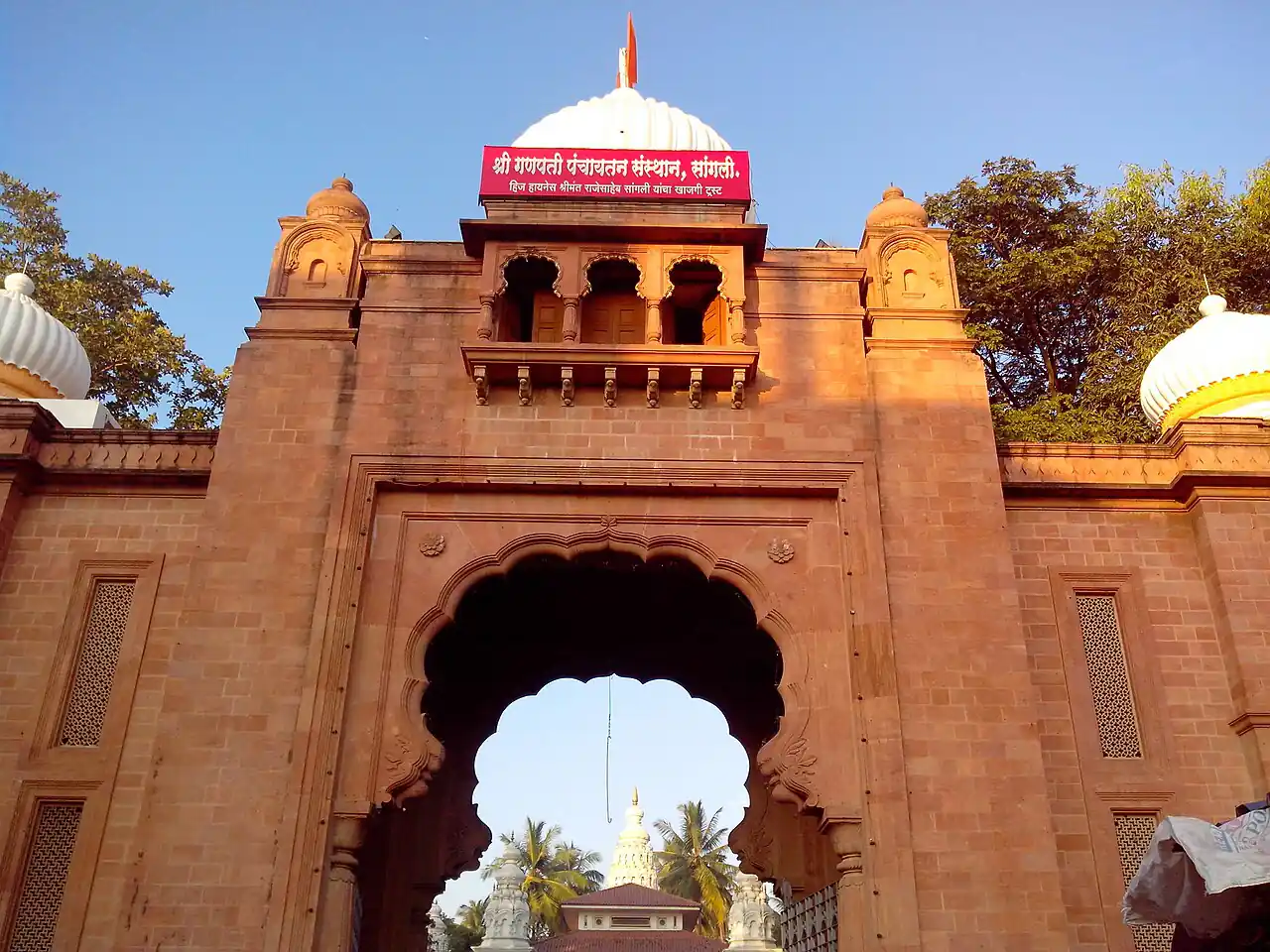
The Golden Heart of Maharashtra: Sangli – Where Rivers, Spices, and Culture Flow Together
Discover India’s Turmeric Capital – A Land Where History, Agriculture, and Innovation Converge Along the Krishna River
🔴 Introduction: The Soul of Southern Maharashtra
Nestled along the shimmering banks of the Krishna River, Sangli isn’t just a city—it’s a sensory explosion. Imagine fields of golden turmeric drying under the sun, colonial-era bridges arching over bustling waterways, and the aroma of sugarcane factories perfuming the air. As Maharashtra’s “Yellow City” and Asia’s Turmeric epicentre, Sangli pulses with agricultural wealth, ancient heritage, and modern ambition. With twin city Miraj forming a powerhouse medical hub hosting over 1,000+ hospitals and clinics, this region attracts patients globally while nurturing Marathi culture in its purest form.
The city’s very name whispers its past—derived from Sahagalli (Marathi for “Six Lanes”), reflecting its humble origins as a crossroads settlement. Today, those lanes have exploded into a metropolitan giant ranked India’s 93rd largest urban cluster. Yet Sangli retains the soul of a community where 95% speak Marathi, where chess is a passion, and where every monsoon transforms the landscape into a fertile Eden. From the Chalukya-era temples at Kundal to Asia’s largest raisin market, this is a land where history isn’t preserved—it’s lived.
🌾 The Golden Heart of Maharashtra: Sangli – Where Rivers, Spices, and Culture Flow Together
🟢 Detailed Introduction: Sangli – The Soul of Southern Maharashtra
Nestled along the shimmering banks of the Krishna River, Sangli isn’t just a city—it’s a sensory explosion of golden turmeric fields, colonial-era bridges, and sugarcane-scented air. As Maharashtra’s “Turmeric Capital” and Asia’s largest spice trading hub, this metropolis pulses with agricultural wealth, ancient heritage, and modern ambition. With its twin city Miraj forming a powerhouse Medical Hub (1,000+ hospitals/clinics), this region attracts patients globally while nurturing Marathi culture in its purest form—95% of residents speak Marathi as their first language.

The city’s name whispers its past—derived from Sahagalli (Marathi for “Six Lanes”), reflecting its 18th-century origins as a crossroads settlement. Today, those lanes have expanded into India’s 93rd-largest urban cluster, yet Sangli retains the soul of a community where chess tournaments dominate public parks and monsoon rains transform landscapes into fertile Edens. From 12th-century Chalukyan temples at Kundal to Asia’s largest raisin market, history here isn’t preserved—it’s lived.
Also Read
Explore Gadchiroli, Maharashtra: History, Architecture, Culture, Itineraries and Nature
Geographically, Sangli District spans 8,572 km² of contrasting terrains: flood-prone Krishna lowlands in Walwa, drought-resistant plateaus in Jat, and the Sahyadri foothills in Shirala. This diversity fuels an agrarian powerhouse—30+ sugar factories, vineyards supplying Krishna Valley Wine Park, and turmeric fields generating ₹5,000+ crore annually.
Architecturally, the city dances between eras: the British-built Irwin Bridge (1880) still spans the Krishna River, while the Ganapati Temple (1843) draws pilgrims to its riverside sanctum. Meanwhile, projects like the Software Technology Park signal Sangli’s thrust toward a tech-savvy future.

🟣 Detailed Sectional Breakdown
➤ History: From Chalukyas to Sugar Barons
Sangli’s story begins in Kundal, 40 km away, where 1,600-year-old Jain temples stand as silent sentinels of the Chalukya Empire (12th century CE). This ancient capital thrived as a spiritual and political nucleus before Chhatrapati Shivaji seized the region from Mughal control. The modern city took shape in 1801, born from a royal feud: a quarrel between Chintamanrao Patwardhan and his uncle split Miraj’s territory, birthing Sangli State. The Patwardhan Dynasty ruled until 1947, leaving legacies like the Rajwada Palace and the Brindavana of Satyavrata Tirtha (1638), a Dvaita saint’s tomb. Post-independence, Sangli merged into Bombay State, later becoming Maharashtra’s agricultural crown jewel.
👉 Local Insight: “Our grandfathers fought droughts with sugarcane”, says farmer Rajesh Kulkarni. “Now, 30+ factories make Sangli India’s sugar bowl—but we still honour Kundal’s Jain roots at Zari Parshwanath Hill Temple”.
➤ Architectural Marvels: Stones That Speak
🏛️ Architectural Marvels of Sangli: Where History, Spirituality, and Innovation Converge
Sangli’s built environment narrates a saga of Dynastic Ambition, Colonial Engineering and Contemporary Ingenuity. From 12th-century rock-cut temples to AI-powered smart city projects, the city’s skyline is a living textbook of Indian architectural evolution. Here’s an immersive exploration of its iconic structures:
🔘 Ganapati Temple (1843): Maratha Grandeur by the Krishna
➸ Architectural DNA: Designed in the Maratha Nagara style by Thorle Chintamanrao Patwardhan, featuring Black Basalt Carvings, a 7-tiered Shikhara (Spire), and a Sabha Mandap (Hall) with teakwood pillars depicting scenes from the Ramayana.
➸ Engineering Marvel: The foundation uses Riverine Stone Masonry to withstand Krishna’s monsoon floods. A Nagarkhana (Drum Tower) added in 1952 showcases acoustic engineering for devotional music amplification.
➸ Cultural Epicentre: Hosts Maharashtra’s second-largest Ganesh Chaturthi procession (after Mumbai), where 50,000+ devotees witness the immersion of a 12-foot murti in the Krishna River.
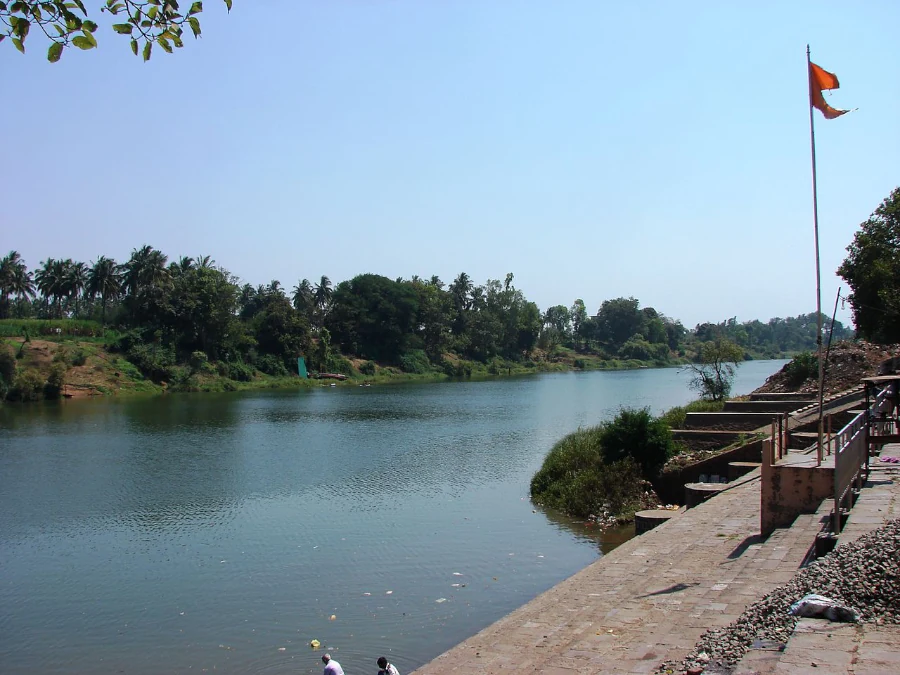
➸ Visitor Tip: The 6:30 PM Aarti transforms the riverside ghats into a spectacle of oil lamps – arrive early for west-facing steps seating.

🔘 Irwin Bridge (1880): British Industrial Pragmatism
➸ Structural Innovation: A 300-foot cantilever bridge built with Wrought Iron Pratt Trusses – the first in Deccan to use no intermediate piers, minimising flood damage risk. Gothic lampposts with gas-lit fixtures (now electrified) line the walkway.
➸ Material Sourcing: Teakwood railings from Dandoba forests; iron castings shipped from Birmingham via Bombay.
➸ Modern Role: Handles 15,000+ vehicles daily; sunset views from its mid-point reveal Krishna’s golden-reflected waters, earning it the nickname “Sangli’s Golden Gate”.
🔘 Sangli Fort (Khanbhag, 17th Century): Fusion Fortress
➸ Military Architecture: Built by Peshwas with 3-layered defences: 30-foot-high Talim (Outer Wall), Machi (Spiked Ramparts), and a Kothi (Inner Citadel) with secret tunnels to Dandoba Hills.
➨ Royal Aesthetics: The Rajwada Palace inside features:
⦿ Jharokhas (Balconies) with lattice screens for royal women to observe courtyards unseen.
⦿ Aina Mahal (Mirror Hall) with Belgian glass mosaics.
⦿ A Durbar Hall ceiling painted with turmeric-based gold leaf.
➸ Current Use: Houses the Revenue Office; the Shivai Armory displays 18th-century cannons salvaged from Anglo-Maratha wars.
🔘 Sagareshwar Temple Complex (Satavahana Era, 1st Century BCE): Rock-Cut Mysticism
➸ Geological Artistry: 51 Basalt-hewn Shiva Shrines carved into the Sahyadri cliffs using Shilpa-shastra techniques. The main Lingam chamber aligns with solstice sun-rays through a precision-cut aperture.
➸ Eco-Integration: Temple tanks feed a Natural Aquifer System that sustains Chandoli National Park’s wildlife. The Kamal Bhairao shrine’s lotus-stem pillars mimic nearby forest flora.
➸ Pilgrimage Path: A 3-km Parikrama (Circumambulation) trail connects 12 Jyotirlinga replicas – complete by monsoon to see waterfalls cascade over carved Nandi statues.
🔘 Bahubali Hill Temple (Kumbhoj, 17th Century): Jain Asceticism
➸ Sculptural Genius: A 28-foot Monolithic Bahubali statue carved in Situ from a single granite outcrop. Details include Chaitya-vriksha (Tree Motif) reliefs symbolising enlightenment and Dhyana-Mudra (meditation pose) precision.
➸ Terrain Adaptation: 400 steps ascend via Mandapas (Rest Pavilions) with Jaali (Perforated Screens) for cross-ventilation. The summit Samavasarana (Preaching Hall) offers 360° views of turmeric fields.
➸ Meditation Caves: 12 rock-cut cells behind the temple still host Munis (Ascetics) during Paryushan.
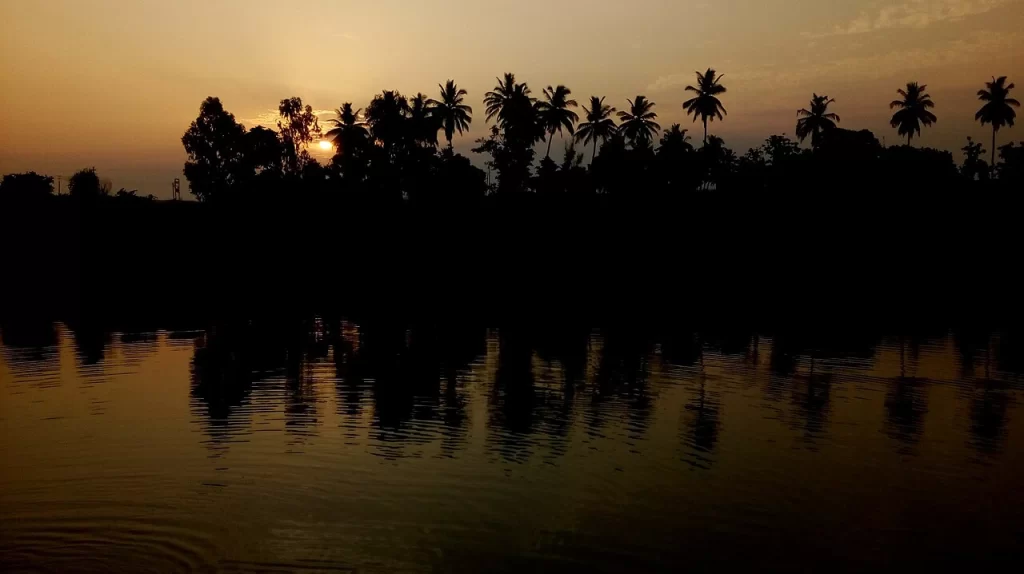
🔘 Audumbar Datta Temple: Hemadpanthi Harmony
➸ Architectural Style: Hemadpanthi Design (Post-Chalukya) with:
⦿ Gajaprishta (Elephant-back) shaped sanctum
⦿ Unplastered laterite walls
⦿ A Deepastambha (Lamp Pillar) using reflective copper plates
➸ Sacred Ecology: Built around a 500-year-old Audumbar (Cluster Fig) tree believed to embody Dattatreya. Roots intertwine with the shrine, creating a living architecture effect.
➸ Festival Impact: During Datta Jayanti, 200,000+ pilgrims sleep in the courtyard – temporary bamboo Pandals showcase Sangli’s vernacular craft traditions.
🔘 Zari Parshwanath Hill Temple (1129 CE): Jain Opulence
➸ Ornate Detailing: Houses a Gold-leafed Parshwanath Idol under a Manastambha (Column of Honour) with 24 Tirthankara carvings. The Chaumukha (Four-faced) design aligns doorways to cardinal directions.
➸ Conservation Challenge: 2019 restoration used Traditional lime mortar mixed with jaggery and urad dal to preserve 12th-century frescoes depicting Samavasarana.
➸ Astronomical Alignment: The winter solstice sun illuminates the main idol’s forehead at 7:12 AM – a phenomenon drawing scholars from IIT Mumbai.
🔘 Colonial & Modern Blend: From Rajwadas to STPI
➸ New Collector’s Office (Vishrambaug):
⦿ Indo-Gothic facade with Chhatrapati arches and Belgian glass windows
⦿ Solar-passive design: 10-foot verandahs reduce heat gain by 40%
➸ Software Technology Park (Kupwad):
⦿ AI-driven climate control using Krishna’s aquifers
⦿ Turmeric-polished terrazzo floors – a nod to Sangli’s agricultural identity
🔘 Conservation & Controversies
➸ Ganapati Temple Ghat Expansion (2023): Critics protest modern concrete additions to historic steps; artisans insist on Badger lime plaster for authenticity.
➸ Sangli Fort’s Adaptive Reuse: Engineers from E&A Association Sangli retrofit palace spaces for government offices while preserving structural Chadars (Water Channels).
👉 Local Architect’s Insight (Vikas Deshpande, E&A Association): “Sangli’s genius lies in juxtaposition – we install fiber-optic networks in 200-year-old wadas without stripping their teak Jaalis. Our upcoming Riverfront Development Project will extend Irwin Bridge’s legacy with pedestrian skywalks”.
Sangli’s Architecture isn’t frozen in history; it’s a dialogue between ascetics and AI Engineers, Turmeric Farmers and Terrace Designers. Each structure stands as a testament to Maharashtra’s unbroken spirit of innovation – where every stone tells a story, and every spire points toward tomorrow.
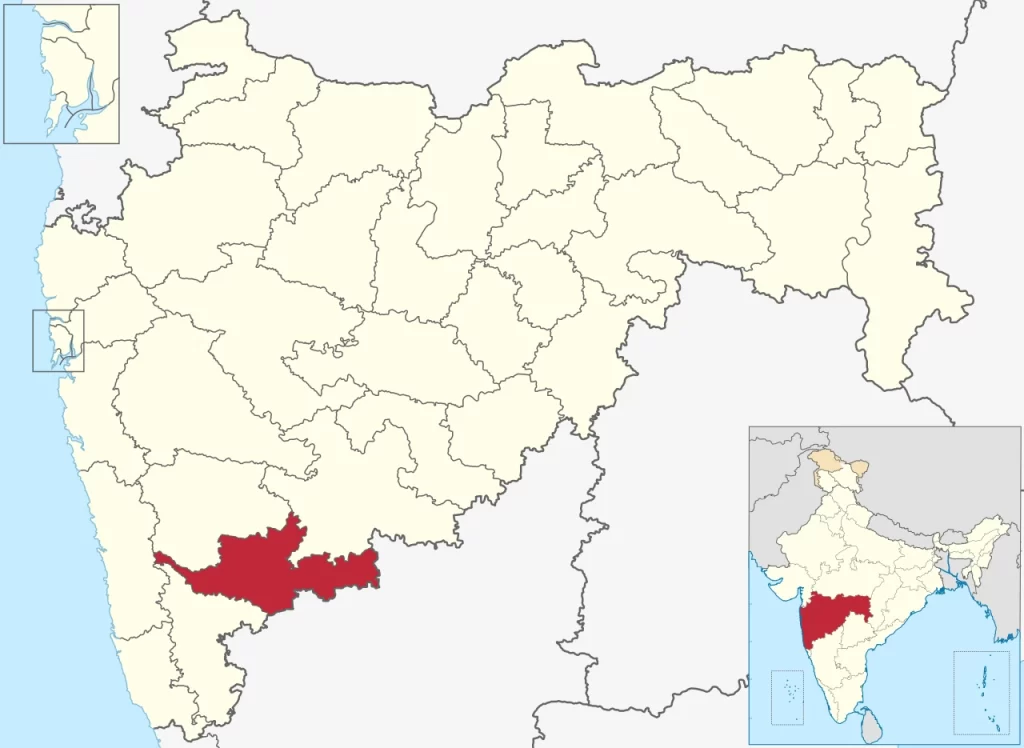
➤ Navigating Sangli: Distances & Transport
🚉 Comprehensive Guide: Reaching Sangli from Major Indian Cities & International Gateways
⭕ Air Connectivity: Nearest Operational Airports
➨ Sangli lacks its own Airport; the nearest functional airports are:
➸ Pune International Airport (240 km): Direct flights from 15+ Indian cities (Delhi, Mumbai, Bangalore, Hyderabad) and international hubs (Dubai, Frankfurt). Airlines: IndiGo, Air India, Vistara. Taxi to Sangli: 4.5 hours via NH48 (₹3,500 – ₹5,000).
➸ Goa Mopa/Goa International (150–200 km): Serves European/Asian routes (Doha, Abu Dhabi). Taxi to Sangli: 4–5 hours (₹4,000 – ₹6,000).
➸ Kolhapur Airport (55 km): Currently non-operational; restoration plans underway.
👉 Pro Tip: Use Pune Airport for daytime arrivals – MSRTC sleeper buses (₹400 – ₹800) run hourly until 11 PM.
⭕ Railway Network: Key Stations & Routes
➨ Two major stations serve Sangli:
➸ Sangli Railway Station: Central location; handles daily trains like:
⦿ Sahyadri Express (Mumbai–Kolhapur): 8 hours from Mumbai; AC Chair Car ₹550.
⦿ Rani Chennamma Express (Bangalore–Sangli): 10–11 hours; 3AC ₹750.
➸ Miraj Junction (7 km from Sangli): Major hub with trains from Delhi (Goa Link Express: 28 hours), Hyderabad (Kurduvadi–Sangli route: 12 hours).
👉 Booking Tip: Use IRCTC for 3AC tickets 120 days in Advance – Delhi–Sangli fares drop to ₹1,900 in offseason.
⭕ Road Transport: Buses & Highways
➸ State-Run Buses (MSRTC)
⦿ From Pune: AC Shivneri buses (₹700; 4.5 hours via NH48) every 30 minutes.
⦿ From Mumbai: AC & Non-AC sleeper (₹800; 8 hours) departing Dadar/Thane nightly.
⦿ From Hyderabad: Semi-luxury buses (₹550; 10 hours via NH65).
➸ Private Operators
⦿ VRL Travels: Pune–Sangli AC sleeper (₹800; Wi-Fi onboard).
⦿ Konduskar Tours: Kolhapur–Sangli minibuses (₹120; 1 hour).
👉 Road Conditions: Mumbai–Bangalore Highway (NH48) is well-maintained; avoid Kolhapur–Wardha Highway (NH204) during monsoons due to flooding.

⭕ From Northern India (Delhi, Jaipur, Lucknow)
➸ Air-Rail Combo: Fly to Pune (Indigo 6E-7595: ₹5,949), then take Sahyadri Express to Sangli (6 hours; ₹210).
➸ Direct Train: Hazrat Nizamuddin–Hubli Goa Link Express (31 hours; sleeper ₹800, 2AC ₹2,100).
➸ Bus: FlixBus Delhi–Pune (15h 45m; ₹1,500), transfer to Sangli bus (₹400).
⭕ From Southern India (Bangalore, Chennai, Hyderabad)
➸ Bengaluru to Sangli:
⦿ Train: Rani Chennamma Express (10 hours; 3AC ₹750).
⦿ Bus: VRL AC sleeper (₹1,200; 11 hours via NH48).
➸ Hyderabad to Sangli:
⦿ Direct Bus: Vijayanand Travels (₹240; 10 hours).
⦿ Flight: IndiGo to Kolhapur (1h 20m; ₹1,700) + taxi (1 hour; ₹1,500).
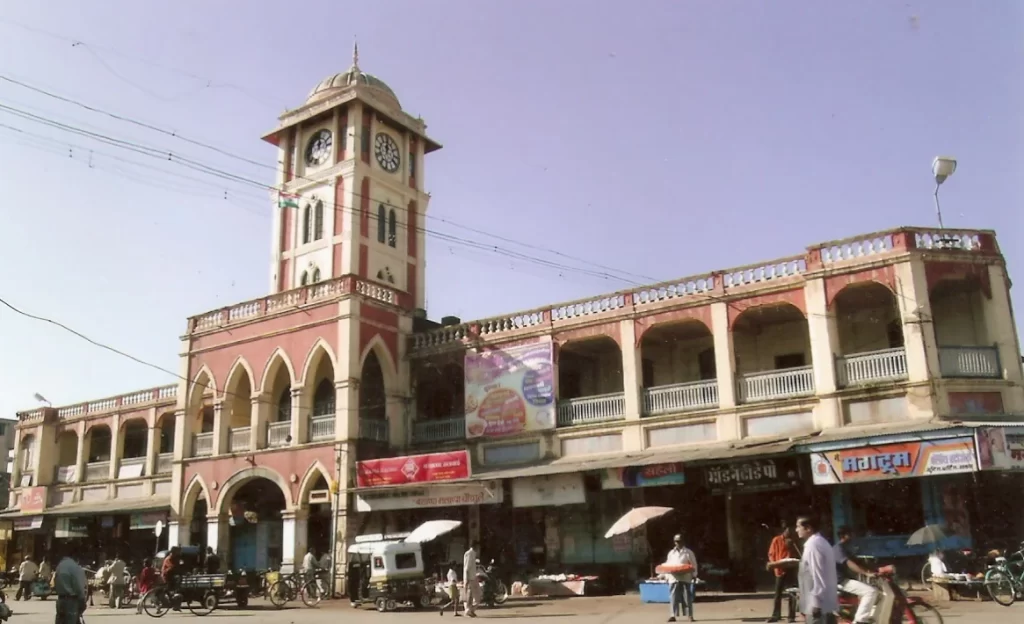
⭕ From Western India (Mumbai, Goa, Gujarat)
➸ Mumbai to Sangli:
⦿ Train: Koyna Express (6 hours; 2AC ₹1,100).
⦿ Road: Private taxi (₹7,000; 6 hours via Pune Expressway).
➸ Goa to Sangli:
⦿ Train: Vasco Da Gama–Sangli route (8 hours; sleeper ₹230).
⦿ Bus: MSRTC non-AC (₹350; 9 hours).
⭕ From Eastern & Central India (Kolkata, Raipur, Bhopal)
➸ Kolkata to Sangli:
⦿ Flight: IndiGo to Pune (₹4,500; 2h 40m) + bus (₹400).
➸ Raipur to Sangli:
⦿ Train-Flight Combo: Fly to Goa (₹4,286), then train to Sangli (6h 7m; ₹182).
⭕ International Connectivity
➸ Europe/UK:
⦿ Fly to Mumbai (Air India: ₹46,000; 9h 15m), then take a train to Sangli (7 hours).
➸ Middle East:
⦿ Fly to Pune via Dubai (Emirates: ₹32,000; 3h 35m), then taxi.
⭕ Local Transport in Sangli
➸ Auto-Rickshaws: Metered (₹30 base + ₹15/km); ideal for intra-city travel.
➸ Taxi Services: Ola/Uber unavailable; Book via Travel India (₹15/km) or Pearl Tours (full-day: ₹1,500).
➸ City Buses: Limited routes; avoid peak hours (8–10 AM) due to overcrowding.
⭕ Seasonal Travel Tips
➸ Monsoon (June–September): Trains > Buses (NH48 landslides); pack rain gear.
➸ Turmeric Season (December–January): Book trains/buses 3 months early; fares surge 40%.
➸ Summer (March–May): Opt for AC transport; daytime temps hit 38°C.
👉 Expert Insight: “For last-minute Pune–Sangli trips, board unreserved train coaches (General Class) – tickets sold on-platform for ₹60”.
💎 Key Recommendations
⦿ Speed: Fly to Pune + taxi (4.5 hours total from Mumbai).
⦿ Budget: Overnight buses (₹600 from Pune).
⦿ Comfort: 2AC trains with pantry car meals.
⦿ International: Fly to Pune > pre-book taxi via Makemytrip (20% discount code: MMTSANG).
➤ Taluka Demographics & Economy
➨ Sangli District’s 10 talukas blend agricultural prowess with ecological diversity :
| Taluka | Specialty | Population Traits |
| Miraj | Medical Hub, Musical Instruments | 31.11% Urban, High Literacy |
| Walwa | Sugarcane, Grape Farms | Flood-prone, Krishna River Irrigation |
| Shirala | Turmeric Capital | High Rainfall, Dense Forests |
| Kadegaon | Drought Resilience Projects | Tribal communities, Sagareshwar Sanctuary |
➸ Economy: Generates ₹5,000+ crore annually from turmeric exports. Houses Asia’s largest sugar factory and raisin market. Emerging wine production at Krishna Valley Wine Park.

🗺️ Complete List of Talukas (Tehsils)
➨ Sangli District comprises 10 talukas, each with unique economies:
➸ Shirala: Turmeric capital; dense forests; 400-year-old Veerbhadra Temple.
➸ Walwa: Sugar belt; flood-prone Krishna basin.
➸ Tasgaon: Grape/raisin hub; Asia’s largest raisin market.
➸ Khanapur (Vita): Drought-resistant; Takari water project.
➸ Jat: Semi-arid; sorghum farming.
➸ Miraj: Medical instruments; sitars; 300+ hospitals.
➸ Palus: Sugar factories; Dandoba Hills treks.
➸ Kadegaon: Sagareshwar Sanctuary base.
➸ Kavathe Mahankal: Cotton mills.
➸ Atpadi: Tribal crafts; tanker-dependent water supply.
📊 Detailed Demographics
⦿ Population: 3.14 million (2023); 31.11% urban.
⦿ Languages: Marathi (85.97%), Kannada (5.09%), Hindi (4.73%).
⦿ Religion: Hindus (86.47%), Muslims (8.49%), Jains (3.1%).
⦿ Literacy: 82.62%—higher among women (75.3%) than men.
➤ Weather & Travel Calendars
☀️ Summer (February–June): 21°C – 38°C; Hazy Sun, ideal for Temple visits.
🌧️ Monsoon (July–October): Heavy Rainfall (580 mm Avg.); Rivers Swell, turning Sagareshwar lush green.
☁️ Winter (November–January): 12°C – 28°C; perfect for Vineyard tours.
👉 Tip: Avoid August floods in Walwa/Palus. Sangli ranks among India’s “Clean Air Cities” (2024).
➤ Cultural Tapestry: Food, Crafts & Festivals
➸ Cuisine: Snack on Bhadang (Spiced Puffed Rice) or Bharala Wangi (Stuffed Brinjal with Bhakri).
➸ Handicrafts: Miraj’s famed Sitars and Tanpuras grace global stages.
➸ Festivals: Turmeric harvest festivals (December–January); Natya Pandhari drama festivals.
👉 Local Vibe: “Sangli moves at the pace of chess games in Ganapati Temple’s courtyard—strategic, unhurried, profound”.
➤ Notable Personalities
➸ Asha Bhosle (Playback Legend)
➸ Bhagyashree Patwardhan (Actress, Maine Pyar Kiya)
➸ Smriti Mandhana (Cricket Star)
➸ Vijay Hazare (Cricket Icon)
➸ Sai Tamhankar (Marathi Cinema Star)
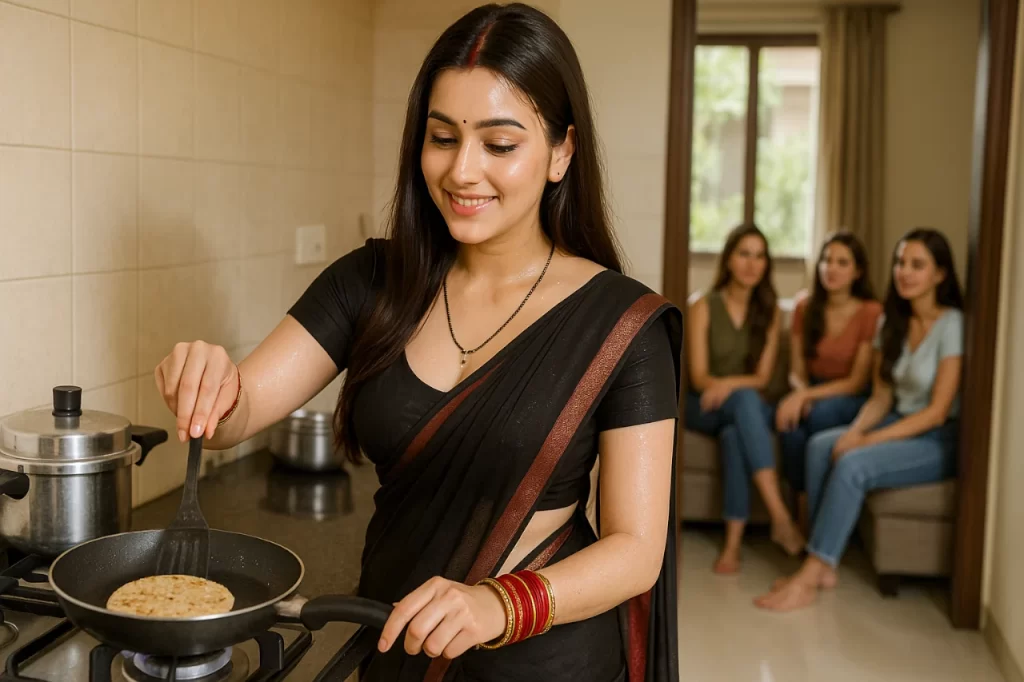
🍛 Best Places for Refreshments with Authentic Local Food in Sangli: A Culinary Deep Dive
🔘 Heritage Restaurants: Timeless Maharashtrian Flavours
🍽 Hotel Potoba (Sangli Fort Area):
➸ A 70-year-old institution revered for its Bharala Wangi (Brinjals stuffed with peanut-coconut chutney) served with Jowar Bhakri (₹120). The Patwardhan-era mansion features teakwood balconies where diners relish thalis under vintage ceiling fans.
➸ Must-try: Kolhapuri Mutton (₹240) with Sol Kadhi (Kokum-coconut Drink) to balance the heat.
➸ Open 11 AM – 11 PM; family rooms available for gatherings.
🍽 Hotel Madhuban (Vishrambag):
➸ Famous for its Pithla Bhakri (Gram Flour Curry with Millet Flatbread) in unlimited veg thalis (₹180). The open-air courtyard, lit by lanterns, enhances the rustic experience.
➸ Winter special: Gajar Halwa with homemade Malai.
🔘 Street Food Hotspots: Soul of Sangli’s Six Lanes
🍽 Ganapati Temple Street Stalls:
➨ Post-Darshan bites include:
➸ Misal Pav: Spicy Sprouted Curry with Pav (₹60), topped with Farsan (Crispy Noodles) at Shree Krishna Misal.
➸ Bhadang: Turmeric-infused puffed rice (₹20/Bag) at Laxmi Stall – exported globally.
➸ Operational: 6–10 PM; busiest during Ganesh Chaturthi.
🍽 Miraj Market:
➸ Vada Pav (₹25) with fried green chillies at Ashok Stall, and Sabudana Vada (Tapioca Fritters, ₹30) during fasting seasons.
🔘 Medical Tourism Eateries: Quick & Nutritious
🍽 Rahamtullah Restaurant (Miraj Junction):
➸ 5-minute walk from hospitals; serves Mutton Rogan Josh (₹180) with Tandoori Roti. Open 24/7 for doctors/night-shift workers.
🍽 Natraj Annaxe (SMKMC Area):
➸ Known for Puran Poli (Sweet Lentil-stuffed Bread, ₹40/piece) and diabetic-friendly Jowar Thalis (₹100).
🔘 Turmeric & Sugar Factory Cafés: Agri-Industrial Bites
🍽 Turmeric Warehouse Canteens (Shirala):
➸ Workers’ canteens offer Turmeric Lassi (₹50) and Haldi Doodh (Turmeric Milk, ₹40). Best paired with: Kanda Poha (Onion-flaked Rice, ₹30) at sunrise.
🍽 Vasantdada Sugar Factory Canteen (Tasgaon):
➸ Jaggery-infused desserts like Gulachi Poli (Jaggery Roti, ₹35) and Sugarcane Juice (₹20).
🔘 Riverside Refreshments: Scenic Dining
🍽 Mai Ghat Food Boats:
➸ Floating kiosks serving Tandoori Fish (River-caught, ₹150) and Kothimbir Vadi (Coriander Fritters, ₹70). Sunset slots require bookings.
🍽 Irwin Bridge Chai Wallahs:
➸ Cutting Chai (₹10) with Pudhecha Sancha (Local Ginger Biscuits) – ideal Post-monsoon.

🔘 Sweet Specialties: Sangli’s Sugar Legacy
🍽 Naivedya Sweets (Miraj):
➸ Miraj Pedha (Milk Fudge, ₹300/kg) in Saffron (Kesar) and Pistachio variants. Their Modak (Steamed Rice Dumplings, ₹120/dozen) uses Turmeric-field jaggery.
🍽 Cake & Cream Bakery (Vishrambag):
➸ Turmeric Cake (₹250/kg) and Raisin Halwa (₹180/box) – uses Sangli-grown grapes.
🔘 Budget Thali Hubs: Farmer’s Comfort Food
🍽 Adihah Dhaba (Highway to Kolhapur):
➸ Unlimited Thalis (₹90) with Bharli Vangi, Pithla, and Chaas (Buttermilk). Served on leaf plates; tractor parking available.
🍽 Shree Anna Poorna (Near ST Stand):
➸ Warana River Fish Thali (₹110) – Catch-of-the-day with Sol Kadhi.
🔘 Modern Twists: Fusion & Health Cafés
🍽 Cafe Choco Craze (Kupwad):
➸ Turmeric Latte (₹90) and Jaggery Pancakes (₹120) – Targets Vineyard Tourists.
🍽 Silver Spoon (SMKMC):
➸ Multi-cuisine Buffet (₹299) featuring Bhadang Salad and Sugar Factory Ice Cream.
🔘 Festival-Only Delicacies: Seasonal Surprises
🍽 Ganesh Chaturthi at Ganapati Temple:
➸ 56 varieties of Modak (₹20–100), including Chocolate and Paneer stuffings.
🍽 Turmeric Harvest Fest (December – January, Shirala):
➸ Haldi Paratha (₹50) cooked in open fields.
🔘 Local Insights & Pro Tips
➸ Medical Tourists: Hotel Kiran’s Post-surgery Thali (₹150) with anti-inflammatory Kokum Curry.
➸ Budget Eats: Sai Deluxe’s ₹99 Lunch Box with 3 vegetables and chapati.
➸ Culinary Souvenirs: Buy Bhadang (₹50/bag) at Laxmi Market or Turmeric Powder (₹200/kg) from Shriram Packaging.
👉 Foodie Secret: “For the crispiest Kothimbir Vadi, visit Natraj Annaxe at 4 PM – fresh off the tawa!” – Chef Rajesh Kulkarni, Miraj.
Sangli’s culinary map weaves tradition with innovation – from turmeric-infused desserts in heritage havelis to riverside fish feasts. Each bite tells a story of Krishna Valley’s soil, sugar factories’ sweat, and Marathi grandmothers’ recipes preserved for generations 🍃.
🏞️ Best Places to Visit in Sangli with Granular Details
⭕ Ganapati Temple: Spiritual & Architectural Epicenter
➸ Historical Significance: Built in 1843 by Thorle Chintamanrao Patwardhan, this riverside temple honours Sangli’s guardian deity, Lord Ganesha. The king personally installed the Idol, and freedom fighters once held clandestine meetings here during India’s independence movement.
➸ Architectural Marvel: Features Black-stone Carvings, a 2-acre complex with a Nagarkhana (Drum House), and a Red-stone Arch added in 1952. The temple’s hall showcases intricate Maratha-style woodwork.
➸ Visitor Experience: Attend the Evening Aarti (6:30 PM) with Krishna River views. Avoid Mondays (peak crowds). Nearby, Mai Ghat offers sunrise boat rides (₹50/person).
➸ Practical Info: Open 5:00 AM – 10:00 PM; No Entry Fee. Nearby: Sangli Fort (500m).
⭕ Sagareshwar Wildlife Sanctuary: Biodiversity Haven
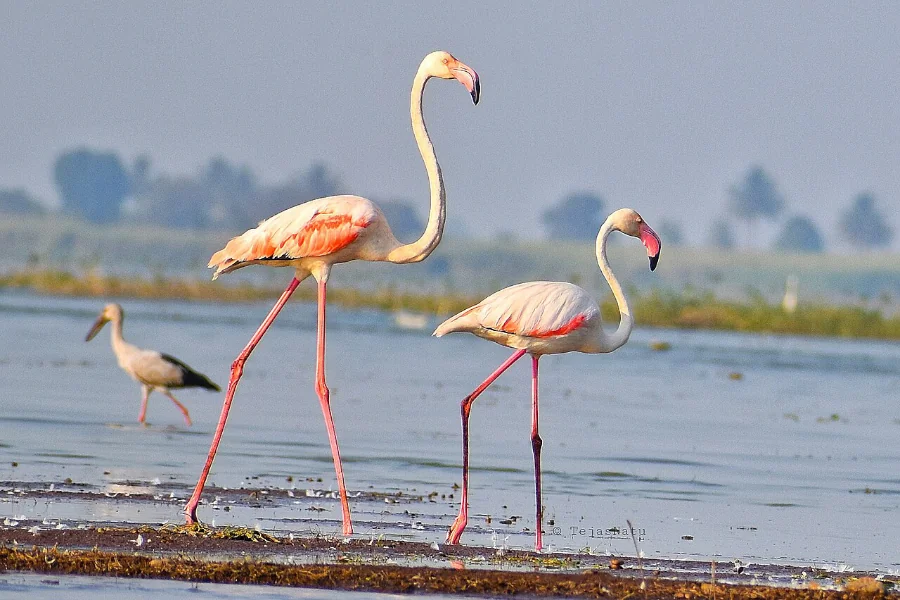
➸ Unique Ecology: A Man-made Forest spanning 10.87 km² on grassy slopes. Home to wild boars, blackbucks, peacocks, and 122 bird species. The sanctuary integrates Shiva temples from the Satavahana era (1st century BCE).
➸ Activities: Trek to Kamal Bhairao Temple (3-hour trail), join guided birdwatching tours, or explore archaeological ruins. Monsoon (July–September) transforms it into a lush paradise with waterfalls.
➸ Visitor Tips: Entry fee: ₹30; open 6:00 AM – 6:00 PM. Combine with a picnic at Krishna River viewpoints.
⭕ Sangli Fort (Khanbhag): Historical Citadel
➸ Legacy: Constructed by the Peshwas in the 17th century, it housed the Rajwada Palace and a Royal Museum. Today, it hosts the Revenue Office and a Marathi school.
➸ Key Features: Admire Teakwood Carvings in the palace, the British-era cannon display, and panoramic city views from the ramparts. The onsite museum exhibits Maratha weaponry and Patwardhan dynasty artefacts.
➸ Practical Info: Entry: ₹20; open 10:00 AM – 6:00 PM. Photography Tip: Golden hour (5–6 PM) enhances its colonial arches.
⭕ Chandoli National Park: UNESCO Wilderness
➸ Ecological Diversity: A UNESCO World Heritage Site (2004) spanning 317 km². Combines Malabar Coast rainforests with Sahyadri deciduous woods. Home to tigers, leopards, and 300+ plant species like Indian Gooseberry.
➸ Experiences: Trek to Prachitgad Fort (Shivaji-era ruins), raft in the Warana River, or camp near Tanali Falls. Winter (Nov–Feb) is ideal for spotting migratory birds.
➸ Logistics: Entry: ₹100; safaris ₹300/person. Open 7:00 AM – 6:00 PM. Nearby: Koyna Wildlife Sanctuary (20 km).
⭕ Bahubali Hill Temple (Kumbhojgiri): Jain Pilgrimage
➸ Sacred Site: Features a 28-ft monolithic statue of Jain saint Bahubali, carved 400 years ago. Named “Kumbhojgiri” after the hill’s ancient meditation caves.
➸ Visitor Journey: Climb 400 steps for panoramic views of sugarcane fields. The complex includes 12 subsidiary temples dedicated to Tirthankaras.
➸ Best Time: Visit at dawn for Abhishek rituals. Free entry; open 6:00 AM – 6:00 PM. Combine with: Sangmeshwar Temple (15 km).
⭕ Dandoba Hills Forest Reserve: Adventure Hub
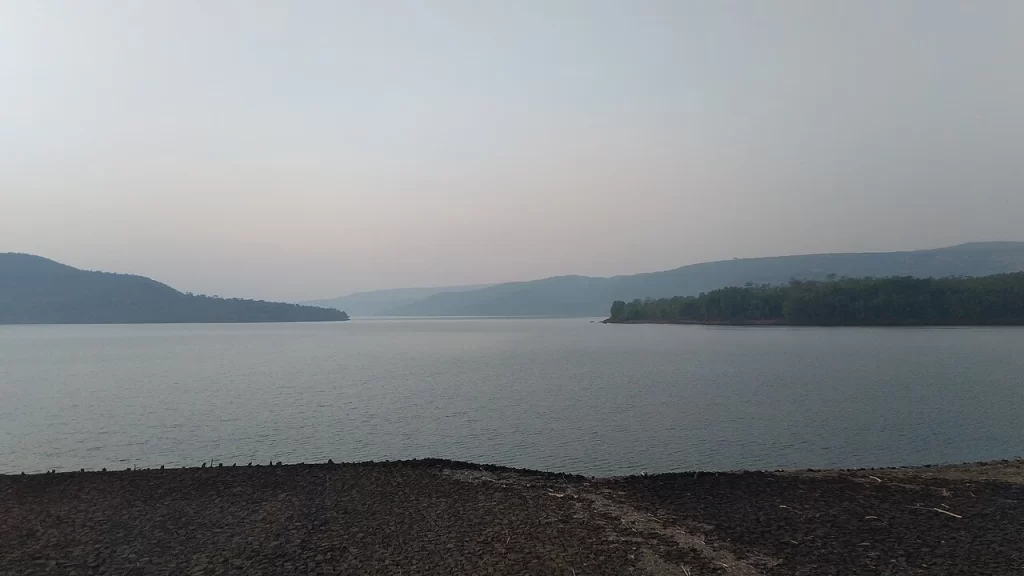
➸ Natural & Mythical: Linked to the Ramayana’s Dandakaranya forest. Features Ancient Rock Paintings, a Shiva cave temple, and the Bhose Lake for kayaking.
➸ Activities: Trekking trails (4–5 hours), night camping (permits: ₹200), and wildlife spotting (leopards, porcupines). Winter treks reveal migratory eagles.
➸ Access: 25 km from Sangli; entry: ₹50. Guides available for historical tours (₹500/group).
⭕ Gokak Waterfall: “Niagara of Karnataka”
➸ Geological Wonder: Plunges 177 ft over sandstone cliffs. Named after local Goki trees, its roar is audible 2 km away during monsoons.
➸ Beyond the Falls: Hike to Chalukya-era Monuments (1 km trek) or cross the 200-ft hanging bridge. Avoid July–September when water turns murky.
➸ Visitor Info: Entry: ₹50; open 8:00 AM – 6:00 PM. Nearby: Godachinamalki Park (Picnic Spot).
⭕ Sangmeshwar Temple & Zari Parshwanath: Spiritual Circuit
➸ Sangmeshwar Temple: 12th-century Chalukyan shrine at Krishna-Warna confluence. Notable for Nandi Bull Sculptures and Mahashivratri festivals.
➸ Zari Parshwanath: Jain hill temple with Gold-leafed Parshwanath Idol and panoramic views. Built in 1129 CE, its Chaumukha design faces four cardinal directions.
➸ Logistics: Sangmeshwar: Free entry, 6:00 AM – 9:00 PM. Zari: Open 6:00 AM – 7:00 PM. Pro tip: Hire a shared auto (₹100) to cover both in half a day.
⭕ Turmeric Market & Sugar Factories: Agricultural Immersion
➸ Turmeric Market: Asia’s largest trading hub (₹5,000+ crore/year). Join Warehouse Tours in Shirala taluka to see polishing and grading. Bargain for “Sangli Haldi” (₹200–400/kg).
➸ Sugar Factories: Vasantdada Patil Sugar Cooperative (Asia’s largest) offers process tours (crushing to crystallisation). Book via Sangli District Office; free tours October–March.
⭕ Irwin Bridge & Krishna Riverfront: Colonial Heritage
➸ Engineering Marvel: Built by the British in 1880, this 300-ft Cantilever Bridge spans the Krishna River. Features Gothic lampposts and teak railings.
➸ Riverfront Activities: Sunset walks, fishing, and street food stalls (Misal Pav: ₹60). Nearby: Ankali Caves (5 km) with Buddhist stupas.
🌟 Pro Tips for Travellers
➸ Itinerary Planning: Pair spiritual sites (Ganapati/Bahubali) with nature reserves (Sagareshwar/Chandoli) for balanced days.
➸ Local Guides: Hire certified guides (₹800/day) at Sagareshwar for wildlife insights or at Sangli Fort for Maratha history.
➸ Avoid Crowds: Visit Ganapati Temple at 5:00 AM or Chandoli on weekdays. Monsoon (July–September) enhances waterfalls but limits trekking.
👉 Local Insight: “Climb Dandoba Hills at dawn – the fog lifting over Krishna Valley is magical!” – Rajesh Kolekar, Trekking Guide.
Sangli’s tapestry of spirituality, history, and ecology offers profound discoveries for every traveler. From turmeric-scented markets to tiger trails, each site whispers tales of Maharashtra’s resilient heart. 🕉️

🛌 Where to Stay
🏨 Where to Stay in and near Sangli: Granular Accommodation Guide
⛔ Vishrambag: The Commercial Hub (Luxury to Mid-Range)
Vishrambag serves as Sangli’s nerve centre, offering premium hotels with seamless access to business districts, Krishna River attractions, and turmeric markets.
➸ Luxury Pick: Hotel O2 Sangli
⦿ Rates: ₹3,500–₹5,000/night (breakfast included).
⦿ Facilities: Rooftop pool, multi-cuisine restaurant (Maharashtrian thalis ₹299), 24/7 concierge.
⦿ Check-in: 12 PM; late checkout until 2 PM (₹500/hour post-checkout).
⦿ Ideal For: Business travellers; 6.4 km from Miraj Railway Station.
➸ Budget Gem: Hotel Surya Executive
⦿ Rates: ₹924/night (incl. taxes); complimentary tea.
⦿ Facilities: AC rooms, free Wi-Fi; veg meals at ₹80 in in-house kitchen.
⛔ Miraj: Medical & Transport Nexus
Adjacent to Sangli, Miraj is favoured for its railway connectivity (Miraj Junction) and 300+ hospitals.
➸ Top Choice: Hotel Kiran
⦿ Rates: ₹1,300/night; 8-minute walk to Miraj Junction.
⦿ Facilities: Vegetarian restaurant, family rooms; auto-rickshaw stand onsite.
⦿ Check-in: 1 PM; early check-in at ₹500 (subject to availability).
➸ Premium Option: Hotel Krystal
⦿ Rates: ₹3,000/night; highest-rated for staff service.
⦿ Perks: Airport transfers (Kolhapur/Pune), Gujarati/Marathi meal plans (₹200/meal).
⛔ Khanbhag: Heritage & Tranquility
Near Sangli Fort and Irwin Bridge, this area blends history with affordability.
➸ Architecture Lover’s Pick: Cocoon Hotel
⦿ Rates: ₹3,869/night; colonial-style building.
⦿ Facilities: Rooftop lounge, Ayurvedic spa; 500m from Ganapati Temple.
➸ Budget Stay: O’NEST PRIME
⦿ Rates: ₹1,621/night; balcony views of Krishna River.
⦿ Check-in: 24-hour front desk; luggage storage free for early arrivals.
⛔ Patrakar Nagar & Vijaynagar: Budget Corridor
Near Sangli ST Bus Stand, these localities offer wallet-friendly stays with local flavour.
➸ Family Favourite: Hotel Sai Deluxe
⦿ Rates: ₹1,252/night; 1500+ positive reviews.
⦿ Facilities: “Kolhapuri Mutton” in restaurant (₹240), free board games.
➸ Backpacker Hub: Hotel Central Avenue
⦿ Rates: ₹1,536/night; 3-star comfort with free breakfast.

⛔ Dharamshalas: Spiritual & Ultra-Economical
For pilgrims or long-stay travellers:
➸ Audumbar Datta Temple Dharamshala
⦿ Rates: Free/donation-based; 20 km from Sangli.
⦿ Rules: 8 PM curfew; simple veg meals (lunch: 12 PM – 2 PM).
⦿ Capacity: 50+ beds; advance booking via temple trust.
⛔ Boutique & Specialty Stays
➸ StayVista at Golden Ridge (Villas):
⦿ Rates: ₹8,211/night; private pool, 2 bedrooms.
⦿ Location: Secluded vineyards near Tasgaon; 30 km from Sangli.
➸ The Nest – Harmony Inn:
⦿ Rates: ₹1,500/night; eco-friendly cottages with river views.
➸ Seasonal Booking Tips
⦿ Monsoon (June–September): 20% discounts at riverside properties like O’NEST Elite.
⦿ Turmeric Festival (December–January): Book 3 months ahead; rates surge 40%.
➨ Comparison of Top Luxury Hotels
| Hotel | Price/Night | Unique Perk | Proximity to Transport |
| Cocoon Hotel | ₹ 3,869 | Rooftop Pool with Fort Views | 4 km to Sangli Railway Station |
| StayVista Villa | ₹ 8,211 | Private Chef & Vineyard Tours | 55 km to Kolhapur Airport |
| Hotel O2 Sangli | ₹ 3,500 | Free Factory Tours for Guests | 6.4 km to Miraj Railway Station |
➸ Key Considerations
⦿ Medical Tourism: Miraj hotels offer hospital shuttles (e.g., Hotel Royal Residency).
⦿ Long Stays: Monthly rentals at Hotel Devgiri Inn (₹35,000 incl. meals).
⦿ Pet Policy: Only Hotel Mangalam allows pets (₹500/night fee).
➸ Final Recommendations
⦿ Business Trips: Vishrambag (Hotel O2) for connectivity.
⦿ Pilgrims: Dharamshalas near Audumbar/Narsobawadi.
⦿ Families: Patrakar Nagar (Hotel Sai Deluxe) for spacious rooms.
⦿ Luxury Seekers: Cocoon Hotel’s heritage charm.
👉 Local Insight: “Miraj’s hotels fill fast during Ganesh Chaturthi. Book via Makemytrip using code MMTSANG for 20% off!”.
🌟 Notable People and Their Contributions (Brief Tabular Formation)
| Name | Field | Notable Work |
| Asha Bhosle | Music | Legendary Playback Singer; Miraj Sitar Crafts Patronage |
| Smriti Mandhana | Sports | Indian Women’s Cricket team Vice-captain (Madhavnagar) |
| Vasantdada Patil | Politics | Ex-Maharashtra CM; founded Asia’s largest Sugar Coop |
| Bal Gandharva | Theatre | Revolutionised Marathi Drama with Female Portrayals |
☀️ Climatic Conditions
| Season | Months | Avg. Temp | Key Features | Travel Tips |
| Summer | March-June | 21°C – 38°C | Dry heat; Turmeric Harvest | Visit Sugar Factories Pre-noon |
| Monsoon | July-October | 25°C – 32°C | 580 mm Rainfall; Krishna Floods | Avoid Walwa/Palus; Sagareshwar turns lush green |
| Winter | November-February | 12°C – 28°C | Foggy Mornings; Grape Pruning | Ideal for Vineyard Tours |
🏭 Industrial Development & Key Industries
🔘 Miraj MIDC Industrial Area
➸ Est.: 1971; 376 plots across 1.66 km².
➸ Turnover: ₹1,000+ crores/year; employs 15,000+.
➸ Sectors: Pharmaceuticals (A.R. Wilfley), Surgical Instruments, Turmeric Processing (Shriram Packaging).
🔘 Agricultural Powerhouses
➸ Sugar: 30+ factories; Vasantdada Patil Sugar Factory (Asia’s largest coop).
➸ Turmeric: 70% of India’s trade; Aditya Corporation exports raisins globally.
⏳ Historical Timeline with Local Interviews
| Era | Key Event | Legacy |
| 12th C. | Chalukya Capital at Kundal | Jain temples at Zari Parshwanath Hill |
| 1638 | Samadhi of Saint Satyavrata Tirtha | Brindavana Tomb Pilgrimage Site |
| 1801 | Sangli State founded by Patwardhans | Rajwada Palace Built |
| 1949 | Merged into Bombay State | Renamed Sangli District (1960) |
👉 Farmer Rajesh Kulkarni (Tasgaon): “Our grandfathers turned drought into gold with sugarcane. Now, my son uses drones to monitor turmeric pH levels!”.
🚂 Travel Itineraries
➸ Monsoon Magic (3 Days)
⦿ Day 1: Sagareshwar treks → Shivaji-era Prachitgad Fort.
⦿ Day 2: Audumbar Datta Temple (rain-lashed riverside darshan).
⦿ Day 3: Turmeric warehouse tours in Shirala; Bhadang tasting.
➤ FAQs: Sangli Uncovered
What’s Sangli’s best-kept secret?
Kundal’s 1,600-year-old Jain temples—a Chalukyan marvel 40 km from the city.
How far is Sangli from Mumbai?
376 km via NH48 (6–7 hrs by road).
Why is Sangli called “Chess City”?
Local clubs produce state champions; public parks often host tournaments.
Is Sangli safe during monsoons?
Avoid flood-prone eastern talukas (Walwa/Palus); western zones stay drier.
➤ Conclusion: The Golden Tomorrow
Sangli epitomizes Maharashtra’s agrarian spirit and cultural resilience. From its Chalukyan roots to its turmeric-scented present, this riverine giant thrives as a testament to innovation—be it through Miraj’s medical miracles or Krishna Valley’s vineyards. As Software Technology Parks rise beside colonial bridges, Sangli invites you to walk its six lanes and beyond.
👉 Final Thought: “Sangli isn’t visited; it’s absorbed. You leave with yellow-stained fingers, river songs in your ears, and the certainty that you’ve touched India’s beating heart”.
➤ Sources:
- District Sangli Official Portal
- Maharashtra Tourism
- Sangli – Wikipedia
- Census Data 2011
- KVCC Industries Directory
- IRCTC
- Yatra
Image Credit
➙ Wikimedia Commons – Ganpati Mandir, Sangli 01
➙ Wikimedia Commons – Sangli in Maharashtra (India)
➙ Wikimedia Commons – Ganpati Mandir, Sangli 02
➙ Wikimedia Commons – Greater Flamingo, Sangli, Maharashtra, India
➙ Wikimedia Commons – Mirajmarketnorth
➙ Wikimedia Commons – 282-Sangli
➙ Wikimedia Commons – 44 Sangli – सांगली
➙ Wikimedia Commons – Common Iora, Sangli, Maharashtra, India DSC 0003-01
➙ Wikimedia Commons – Audumbar at dawn
➙ Wikimedia Commons – Shreekshetra Audumbar River Bank
➙ Wikimedia Commons – Panoramic view of Agrani Lakhabai Bandhara, Khalati, Maharashtra
➙ Wikimedia Commons – View of Chandoli dam, Sangli, Maharashtra
➙ Wikimedia Commons – Sunset at Chandoli dam in Sangli district, Maharashtra
For more information, you can visit our website: ExploreXP
Craving a slice of Sangli’s golden life? Grab our free “Turmeric Trail” itinerary—covering temple hikes, spice farm tours, and secret recipes!
“Ready to experience Sangli’s golden allure? Download our free travel itinerary or contact local experts for a personalised tour!”