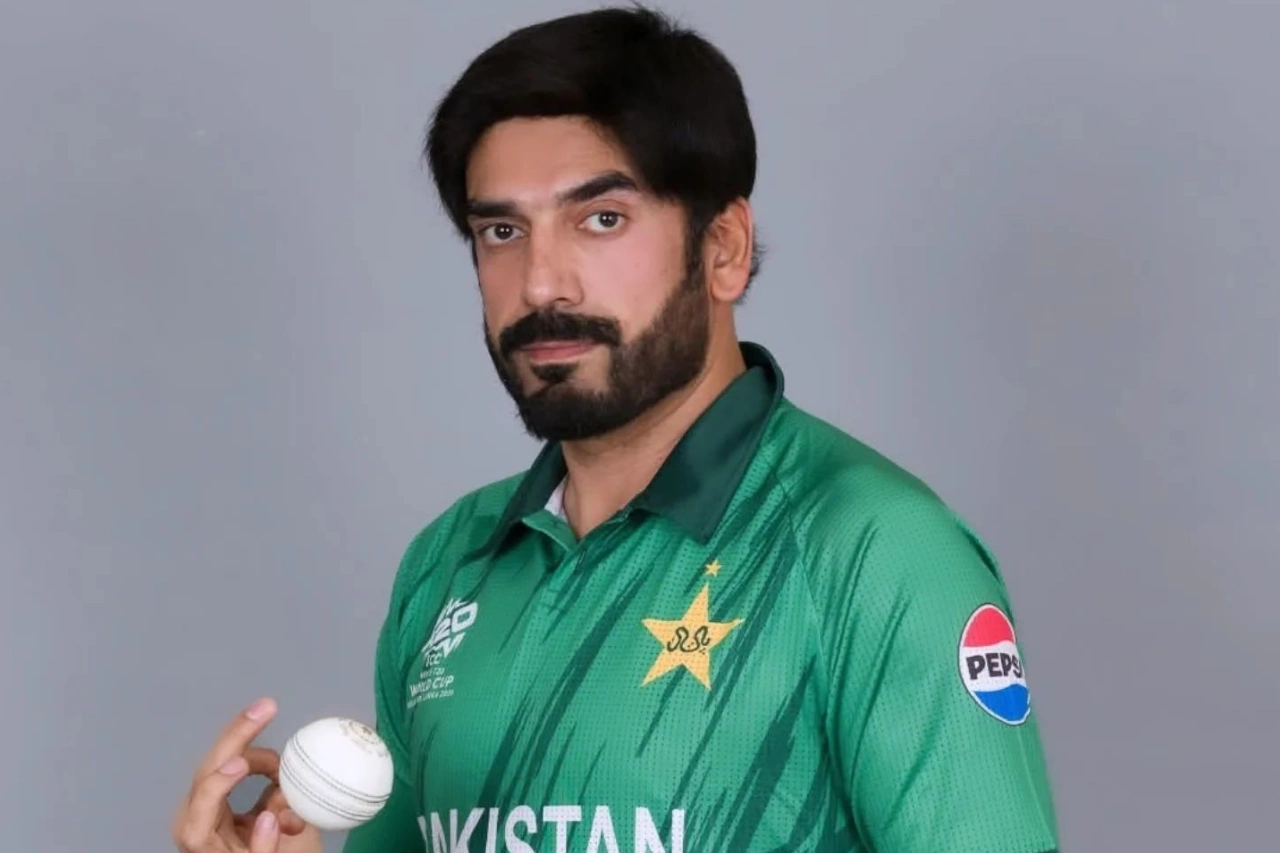
“From the dusty lanes of Nowshera Cantonment to the roaring stadiums of international cricket, Usman Tariq’s journey is a testament to resilience, faith, and fearless ambition”
Article Summary (Detailed Overview at a Glance)
Usman Tariq (born 7 June 1995) is a Pakistani international cricketer who represents the Pakistan national cricket team in T20 Internationals. A right-handed batsman and right-arm off-break bowler, Tariq stands tall at 193 cm (6 ft 4 in) and has steadily built his reputation as a dependable bowling asset. Born in Nowshera, Khyber Pakhtunkhwa, and raised in a Pashtun household rooted in discipline and values, he carved his path through domestic cricket before earning his international debut in November 2025 against South Africa.
Having represented franchises such as Quetta Gladiators, Deccan Gladiators, Trinbago Knight Riders, and Desert Vipers, Usman Tariq has emerged as one of Pakistan’s promising T20 specialists. Mentored by former Pakistani cricketer Wajahatullah Wasti, Tariq combines athleticism, tactical intelligence, and calm temperament—qualities that have helped him transition from domestic cricket to the global stage.
This in-depth biography explores his early life, education, family background, professional milestones, net worth, social engagement, media appearances, and controversies. This article presents a complete and authentic portrait of Usman Tariq—crafted for readers, cricket enthusiasts, and search engines alike.
USMAN TARIQ: A Professional Profile
Usman Tariq (born 7 June 1995) is a Pakistani cricketer who plays as a right-arm off-break bowler. He made his T20 International debut for Pakistan on 1 November 2025 against South Africa and has since been regarded as one of the emerging bowling talents in Pakistan’s T20 setup. Known for his height (193 cm), control, and ability to extract bounce from the pitch, Tariq has been a key player in domestic leagues and franchise cricket worldwide.
He has represented Quetta Gladiators (2024–present) in the Pakistan Super League, Deccan Gladiators (2024), Trinbago Knight Riders (2025), and Desert Vipers (2025/26). He wears shirt number 76 in T20Is for Pakistan.
Born in Nowshera Cantonment, Khyber Pakhtunkhwa, Tariq belongs to a Pashtun family and practices Islam. Currently residing in Peshawar, he continues to contribute to Pakistan’s cricketing landscape with discipline and determination.
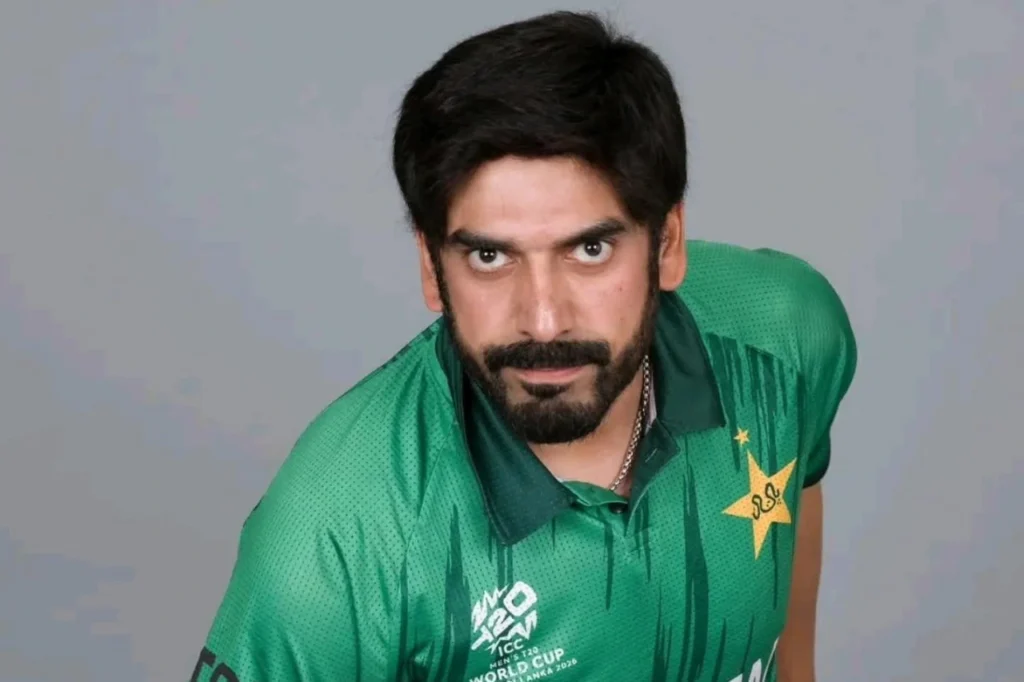
Detailed Introduction – “The Rise of a Silent Competitor in Pakistan’s Cricketing Landscape”
In a nation where cricket pulses through everyday life like a second heartbeat, every emerging player carries the weight of expectation. Yet only a few manage to convert that expectation into opportunity. Usman Tariq belongs to that rare category of cricketers whose ascent has been built not on hype, but on discipline, timing, and conviction. Born on 7 June 1995 in Nowshera, Khyber Pakhtunkhwa, he represents a modern chapter in Pakistan’s evolving cricket story—one shaped by preparation rather than spectacle.
Standing at an imposing 193 centimeters, Usman is physically striking, but it is his composure that truly sets him apart. A right-arm off-break bowler and right-handed batsman, he has carved his identity in the shortest format of the game, where precision often matters more than flamboyance. His bowling style reflects patience and control—qualities that echo his personality off the field. Unlike players who thrive on aggression alone, Usman operates with quiet calculation.
His journey to international cricket was neither rushed nor accidental. Before donning Pakistan’s green jersey, he spent years refining his craft in domestic competitions and franchise leagues. Those formative professional experiences shaped his tactical awareness and resilience. When he finally made his T20 International debut in November 2025, it felt less like a breakthrough and more like the natural next step in a carefully constructed path.
What distinguishes Usman’s story is the maturity underlying his decisions. At a stage in life when many would prioritize financial security, he chose the uncertain road of professional sport. That courage to pivot toward passion speaks volumes about his inner conviction. His life narrative reflects calculated risk-taking rather than impulsive ambition.
Beyond statistics and match performances, his identity is deeply rooted in heritage. As a proud Pashtun raised in a culturally rich environment, he carries values of humility, discipline, and perseverance. These traits are evident in his measured media interactions and team-first mindset. Even in high-pressure tournaments, his demeanor suggests stability rather than volatility.
Modern cricket demands adaptability—across formats, continents, and competitive environments. Usman’s participation in multiple franchise leagues outside Pakistan broadened his exposure. Competing in different conditions sharpened his understanding of pace variation, field dynamics, and situational awareness. These experiences collectively shaped him into a bowler who thinks as much as he delivers.
Equally compelling is his intellectual engagement with the sport. Interviews reveal a player who studies opposition batters, reflects on performance, and embraces continuous learning. In T20 cricket, where momentum shifts rapidly, such analytical grounding becomes invaluable. His approach mirrors that of a craftsman refining technique rather than chasing instant applause.
His debut for Pakistan was not merely symbolic—it was the culmination of steady growth. Receiving his international cap represented more than personal triumph; it represented validation of perseverance. In a cricketing ecosystem that produces immense talent, sustaining relevance requires mental fortitude. Usman appears equipped with precisely that.
As he continues to evolve within Pakistan’s T20 framework, his introduction to the global stage signals the arrival of a player whose foundations are solid. His story remains in progress, but the early chapters suggest sustainability rather than fleeting fame. In a sport where brilliance can be momentary, steadiness often proves more enduring.
Introduction Snapshot
- Full Name: Usman Tariq
- Date of Birth: 7 June 1995
- Birthplace: Nowshera, Khyber Pakhtunkhwa, Pakistan
- Height: 193 cm (6 ft 4 in)
- Batting Style: Right-handed
- Bowling Style: Right-arm off break
- Role: Bowler
- International Debut (T20I): 1 November 2025 vs South Africa
- T20I Shirt Number: 76
What Defines Usman Tariq
- Calm and analytical temperament under pressure.
- Strong foundation built through domestic and franchise cricket.
- Deep cultural grounding influencing humility and discipline.
- Calculated career decisions reflecting maturity.
- Adaptability across international T20 environments.
- Commitment to continuous improvement rather than short-term acclaim.
In essence, the introduction to Usman Tariq’s story is not a dramatic headline but a steady unfolding. He embodies the quiet strength of preparation meeting opportunity. His rise is less about noise and more about nuance—less about instant fame and more about earned recognition.
“Some players announce themselves loudly; others let consistency do the speaking. Usman Tariq belongs to the latter”
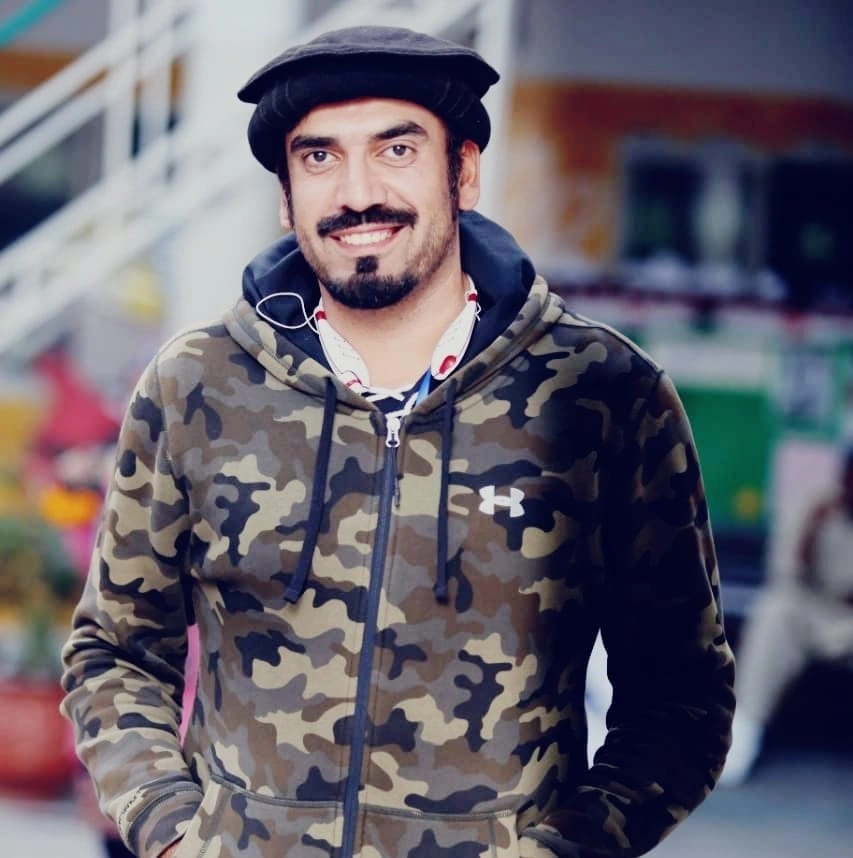
Early Life – “From the Quiet Streets of Nowshera to the Roar of Stadiums”
Every athlete’s journey begins long before the first professional contract is signed. For Usman Tariq, that journey began on 7 June 1995 in Nowshera Cantonment, a town in Khyber Pakhtunkhwa known for its disciplined atmosphere and strong cultural identity. Growing up in this environment meant being surrounded by order, respect, and a deep sense of community—values that would later define his character both on and off the field.
Nowshera is not a bustling metropolitan hub; it is a place where people know each other by name, where families uphold tradition, and where childhood is shaped by simplicity. Usman’s early years were rooted in these surroundings. Life in a cantonment area often carries an air of structure and routine, and that influence quietly instilled discipline in him from a young age. Morning school bells, afternoon play, and evenings spent with family formed the rhythm of his childhood.
Cricket, like in most parts of Pakistan, was never far away. Open grounds, narrow streets, and improvised pitches became his earliest arenas. He did not grow up with luxury training facilities or elite academies at his doorstep. Instead, he honed his early skills in informal settings—learning control, adaptability, and creativity in the most organic way possible. Those street matches were not merely games; they were training grounds for resilience.
Family played an integral role in shaping his early aspirations. Raised in a Pashtun household, Usman was taught the importance of humility, courage, and perseverance. Respect for elders and responsibility toward community were not abstract ideas but daily practices. These early moral lessons would later anchor him through the highs and lows of competitive sport.
As a child, he reportedly displayed a quiet determination. Unlike overly expressive youngsters who demand attention, Usman was known to observe, learn, and then act. This trait—watching carefully before responding—became a hallmark of his bowling style years later. Even in his early teens, he demonstrated a willingness to practice longer than others, often repeating drills to refine his technique.
His height, which would later become a defining physical advantage, began to set him apart during adolescence. Standing taller than many of his peers, he initially had to coordinate his growing frame. Learning balance and rhythm with a tall build required patience. But instead of seeing it as a challenge, he gradually turned it into strength—developing bounce and control that would become assets in his bowling arsenal.
Education and cricket developed side by side in his formative years. There were days when academic responsibilities competed with practice sessions. Yet, rather than abandoning one for the other, he learned to manage both. This balancing act cultivated time-management skills and mental discipline—qualities rarely visible in childhood but profoundly influential in adulthood.
Community influence also played a subtle yet powerful role. In towns like Nowshera, collective pride matters deeply. When one child shows promise, neighbors and relatives become silent supporters. Encouragement from teachers, friends, and local mentors reinforced his belief that cricket could be more than a pastime. The dream of representing Pakistan did not emerge overnight; it grew gradually, nurtured by consistent encouragement.
Importantly, his early life was not marked by dramatic headlines or sensational turning points. It was built on ordinary days repeated with extraordinary dedication. That quiet consistency laid the foundation for everything that followed. The discipline of cantonment life, the cultural strength of Pashtun values, and the raw joy of street cricket combined to shape the young boy who would one day wear Pakistan’s green.
Early Life Highlights
- Born on 7 June 1995 in Nowshera Cantonment, Khyber Pakhtunkhwa.
- Raised in a disciplined Pashtun Muslim household rooted in tradition.
- Developed early cricketing skills in local grounds and street matches.
- Learned resilience and adaptability without access to elite early facilities.
- Balanced education and cricket training during formative years.
- Benefited from strong family and community encouragement.
- Developed calm and observant temperament from a young age.
- Gradually turned his natural height into a cricketing advantage.
Foundational Traits Formed in Childhood
- Discipline shaped by cantonment environment.
- Respect for elders and community-driven values.
- Quiet confidence rather than overt flamboyance.
- Persistence through repetition and practice.
- Early understanding of responsibility and accountability.
In reflection, Usman Tariq’s early life was not defined by privilege but by preparation. The modest grounds of Nowshera, the strength of family guidance, and the simplicity of small-town upbringing created a foundation that no stadium spotlight can overshadow.
“Great journeys rarely begin with applause; they begin with quiet belief”

Education – “Where Discipline Met Determination”
Education often shapes an athlete’s character long before the spotlight does. In the case of Usman Tariq, his academic journey played a defining role in molding his personality, decision-making ability, and long-term vision. Unlike the stereotype of sportsmen who abandon studies early to chase professional dreams, Usman followed a more balanced path—one that combined formal education with sporting ambition.
Growing up in Nowshera Cantonment, an area known for its disciplined environment, he was raised in a household that valued structured learning. Schooling was not treated as a mere obligation but as a foundation for life. Teachers who encountered him during his formative years often described him as attentive and respectful—qualities that later translated into his composed demeanor on the cricket field.
His early academic years were marked by a careful balancing act. Like many aspiring cricketers, he divided his time between classrooms and practice sessions. The challenge of managing both responsibilities instilled in him time-management skills at a young age. This dual commitment taught him that success in any field demands sacrifice and organization.
As he progressed academically, he reportedly pursued higher education alongside his cricket development. Though detailed institutional records are not widely publicized, various profiles suggest that he is well-educated and had professional exposure before committing fully to cricket. This period of academic and professional grounding gave him a broader perspective on career choices.
One of the most defining chapters in his educational journey was his time working in the United Arab Emirates. Holding a professional job abroad required not only technical knowledge but adaptability to a multicultural environment. That experience sharpened his communication skills and enhanced his confidence. Living independently in a foreign country often accelerates maturity, and for Usman, it reinforced resilience.
Importantly, his education appears to have influenced his approach to cricket strategy. Interviews and press interactions reveal a player who thinks analytically. He speaks about preparation, opposition study, and tactical adaptation with clarity. This intellectual engagement suggests that his academic background nurtured critical thinking—an invaluable trait in modern T20 cricket, where split-second decisions determine outcomes.
The discipline cultivated through structured learning environments also echoes in his professional routine. Teammates have noted his punctuality and meticulous preparation habits. Such consistency is rarely accidental; it is often rooted in years of structured education where accountability is emphasized.
Beyond professional benefits, education has also contributed to his public communication skills. In media interactions, he articulates thoughts coherently and respectfully. He avoids impulsive statements and instead frames responses thoughtfully. This composure reflects not just personality but cultivated confidence—often strengthened through academic exposure.
Ultimately, his educational journey underscores an important message for young athletes: sport and study need not be opposing forces. In Usman Tariq’s life, education was not a detour from cricket—it was a scaffold that strengthened it.
Educational Highlights & Key Influences
- Completed foundational schooling in Nowshera Cantonment, Khyber Pakhtunkhwa.
- Balanced academics alongside early cricket training.
- Known for disciplined study habits and respectful classroom conduct.
- Gained professional work experience in the UAE before fully committing to cricket.
- Developed strong communication and analytical skills through academic exposure.
- Demonstrates strategic thinking in interviews and match preparation discussions.
- Maintains structured routines influenced by disciplined educational upbringing.
- Represents the value of combining intellectual growth with athletic ambition.
How Education Shaped His Career
- Strengthened time-management and organizational skills.
- Enhanced decision-making under pressure.
- Fostered adaptability in multicultural environments.
- Contributed to mature, composed public communication.
- Built a safety net perspective—understanding the value of career stability before risk-taking.
In reflection, Usman Tariq’s educational background may not dominate headlines, but it quietly underpins his professional stability. It gave him the courage to take calculated risks and the wisdom to navigate success responsibly.
“Education does not compete with dreams; it prepares you to pursue them wisely”
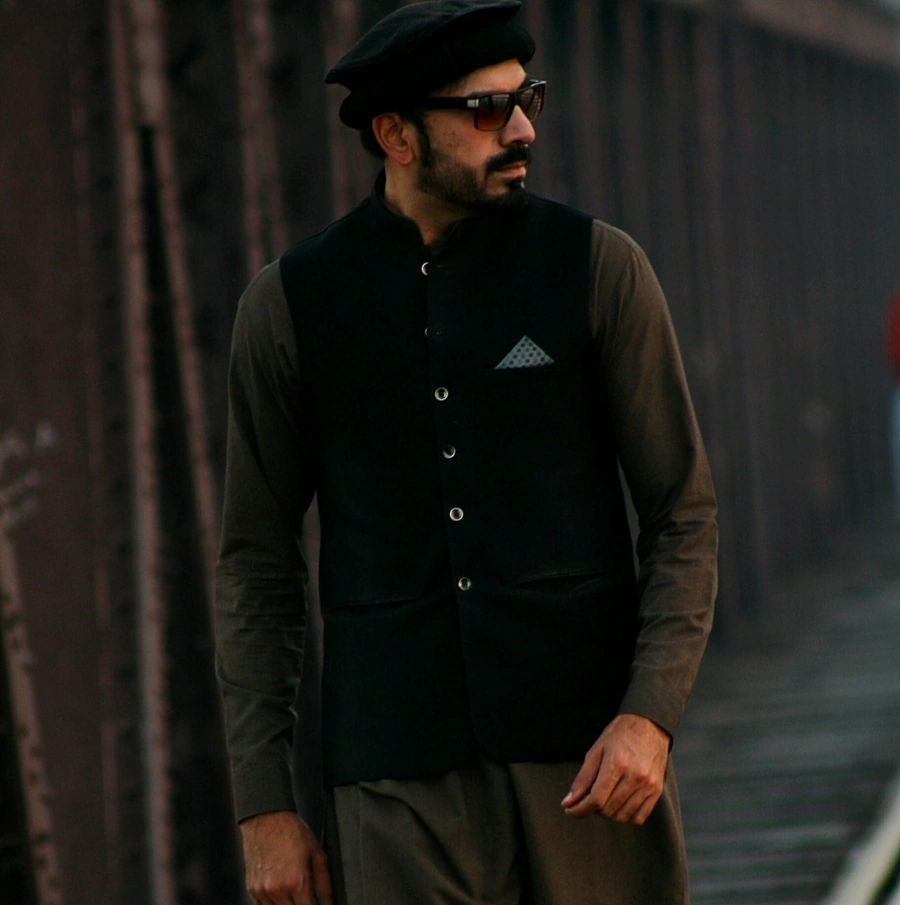
Family Background – “The Quiet Strength Behind the Spotlight”
Behind every professional athlete stands a circle of people who believed long before the world did. In Usman Tariq’s case, that circle begins with his family in Nowshera Cantonment, Khyber Pakhtunkhwa. Raised in a traditional Pashtun Muslim household, he grew up in an environment where honor, discipline, and collective responsibility were not just values—they were daily practice. His family background forms the emotional backbone of his journey.
Life in Nowshera is deeply community-oriented, and families often operate as tightly knit units. In such settings, individual ambitions are balanced with shared expectations. For Usman, cricket was not merely a personal dream; it was a decision that carried implications for the entire household. The support he received suggests a family willing to embrace uncertainty for the sake of his passion.
His father is often described as a guiding influence in his life. Though not a public figure, he reportedly emphasized education, responsibility, and self-reliance. When Usman worked abroad before returning to Pakistan to pursue cricket seriously, that decision reflected family consultation rather than impulse. The willingness of his family to support a career shift from stable employment to professional sport demonstrates trust and courage.
In Pashtun culture, respect for elders and family unity are central pillars. These cultural foundations shaped Usman’s grounded personality. Even as he stepped into professional cricket, he carried with him a strong sense of accountability—not only to selectors and teammates, but to the family name he represents. His conduct in public and media spaces often reflects this consciousness.
His mother, though away from the spotlight, likely played an equally significant role. In many South Asian households, mothers are silent architects of emotional resilience. Providing stability, encouragement, and spiritual grounding, they shape confidence in ways that rarely make headlines. Usman’s calm temperament hints at such nurturing influence during his formative years.
Siblings and extended relatives also form part of his social fabric. Growing up in a close-knit community typically means that cousins, uncles, and neighbors function as extended family. Their encouragement during local matches and early domestic appearances likely reinforced his sense of belonging. For a young cricketer, knowing that an entire community stands behind you can be transformative.
Importantly, his family appears to value privacy. Despite his rising profile, there are no excessive public displays or sensational revelations about his personal life. This discretion suggests a conscious choice to separate professional achievement from family sanctity. In a world eager for intimate details, such restraint is both rare and admirable.
Faith also binds the family together. As practicing Muslims, spiritual grounding forms part of daily life. Gratitude, humility, and reliance on divine will are often reflected in Usman’s own words. This shared faith likely provided strength during challenging phases of his career—especially when he transitioned from stable employment back to the uncertain path of professional sport.
Ultimately, Usman Tariq’s family background is not characterized by celebrity lineage or sporting dynasties. It is defined by ordinary people demonstrating extraordinary belief. Their support, values, and cultural grounding created a foundation strong enough to sustain ambition without losing humility.
Key Family Insights
- Born and raised in a Pashtun Muslim household in Nowshera Cantonment.
- Family emphasized discipline, education, and respect for elders.
- Father played a guiding role in major career decisions.
- Family supported his shift from overseas employment to professional cricket.
- Maintains strong ties to hometown and extended relatives.
- Values privacy, keeping family life away from media attention.
- Faith and spiritual grounding remain central to family identity.
- Represents his family name with accountability and humility.
Values Instilled by Family
- Perseverance during uncertainty.
- Respectful conduct in public life.
- Commitment to education alongside sport.
- Emotional resilience shaped by close-knit support.
- Balance between ambition and humility.
In reflection, Usman Tariq’s family background is less about visibility and more about virtue. It is the story of a household that prioritized character over clamor and belief over doubt.
“Talent may open doors, but it is family values that teach you how to walk through them”

Relationship & Marital Status – “Private Life, Public Responsibility”
As of the latest verified information, Usman Tariq has kept his personal relationships private. There is no confirmed public record of his marriage as of 2026.
He appears to prioritize career growth and professional commitments. His approach reflects maturity—keeping personal life away from media speculation.
Professional Career – “From Domestic Grit to International Glory”
Domestic & Franchise Cricket
- Quetta Gladiators (2024–present)
- Deccan Gladiators (2024)
- Trinbago Knight Riders (2025)
- Desert Vipers (2025/26)
His performances in franchise cricket established him as a T20 specialist. His height and ability to bowl tight overs under pressure earned him selection attention.
International Debut
- T20I Debut: 1 November 2025 vs South Africa
- Last T20I (as of Feb 2026): vs Namibia [Till this article was published…. With many-many more T20I’s to come]
- Shirt No.: 76
Representing Pakistan at the international level marked a defining chapter.
Professional Career in Detail
“Crafted Through Patience, Defined by Discipline, Elevated by Opportunity”
Every cricketer’s professional journey carries a distinct rhythm. For Usman Tariq, that rhythm was not explosive at the outset but steadily building—like a bowler who understands that control precedes celebration. His professional career reflects methodical growth, shaped by domestic perseverance, franchise exposure, and eventually, the honor of international representation.
Usman’s early professional breakthrough came through domestic cricket, where he began refining his identity as a right-arm off-break bowler. Standing at 193 cm, he possessed a natural physical advantage. However, height alone does not guarantee success in spin bowling. He had to develop control, variation, and consistency—qualities that come only with relentless repetition. Those who followed his early domestic performances often noted his disciplined line and length, especially in limited-overs formats.
His entry into franchise cricket marked a pivotal shift. Being associated with the Quetta Gladiators in the Pakistan Super League provided him with exposure to high-pressure, televised competition. The PSL, known for blending local talent with international stars, became a testing ground. Playing alongside experienced cricketers accelerated his tactical understanding of T20 cricket. He learned to adapt to diverse match situations—powerplay restrictions, middle-over containment, and death-over discipline.
Beyond Pakistan, his professional footprint expanded into global leagues. Participation in overseas T20 tournaments, including stints with Deccan Gladiators and Trinbago Knight Riders, broadened his experience. International franchise cricket is as much about adaptability as skill. Different pitches, climate conditions, and playing cultures demand flexibility. Usman’s ability to adjust his pace and trajectory demonstrated professional maturity.
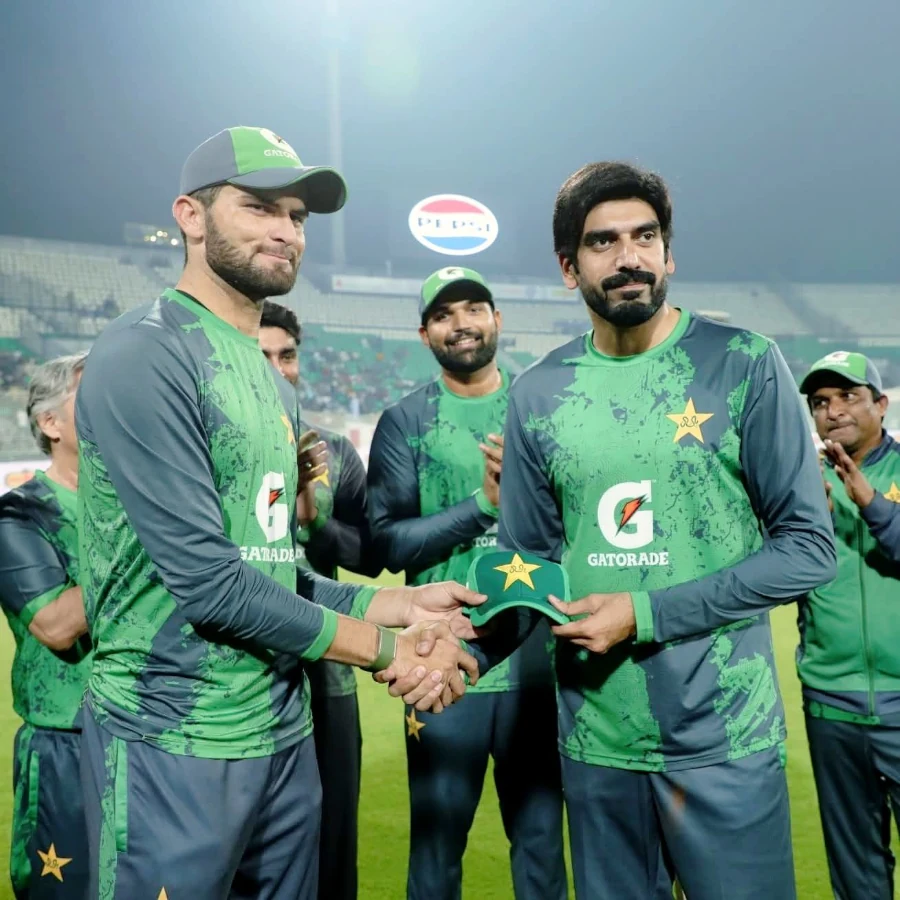
The 2025 season became the defining year of his career. After consistent domestic and franchise performances, he was selected to represent Pakistan in T20 Internationals. Making his debut on 1 November 2025 against South Africa was more than a personal milestone—it signaled trust from selectors in his ability to perform at the highest level. Receiving cap number 124 carried symbolic weight, linking him to generations of Pakistani cricketers before him.
International cricket introduces an entirely different dimension of pressure. The scrutiny intensifies, the margins narrow, and the expectations amplify. Yet, Usman approached his early appearances with composure. His bowling reflected clarity of role—contain runs, create pressure, and strike when opportunities arise. While still in the early chapters of his international career, he has demonstrated a willingness to learn and evolve.
Another significant dimension of his professional growth is mentorship. Under the guidance of seasoned figures, including Wajahatullah Wasti, he honed technical nuances—grip control, release angles, and field placement awareness. Mentorship in cricket often operates quietly, but its impact is visible in refined decision-making. Usman’s bowling rhythm reflects structured guidance rather than instinct alone.
His shirt number 76 in T20 Internationals has gradually become part of his identity. While numbers may seem symbolic, they often represent belonging—a reminder of arrival at the international stage. Every time he steps onto the field wearing Pakistan’s green, he carries not only personal ambition but also collective expectation.
As of early 2026, his professional journey remains in ascent. Unlike careers defined by sudden spikes, his progression suggests sustainability. He continues to build his reputation as a dependable T20 bowler—valued for consistency rather than flamboyance. That reliability is often what sustains long-term careers in modern cricket.
Career Milestones & Professional Highlights
- Established himself in Pakistan’s domestic cricket circuit as a disciplined off-break bowler.
- Signed with Quetta Gladiators (2024–present) in the Pakistan Super League.
- Represented Deccan Gladiators (2024) in franchise T20 competitions.
- Played for Trinbago Knight Riders (2025), gaining Caribbean league exposure.
- Joined Desert Vipers (2025/26), expanding experience in UAE-based tournaments.
- Made T20 International debut for Pakistan on 1 November 2025 vs South Africa.
- Earned T20I cap number 124 for Pakistan.
- Known for utilizing height to extract bounce and maintain disciplined line and length.
- Recognized for calm temperament and tactical awareness under pressure.
Professional Strengths
- Ability to control middle overs in T20 cricket.
- Adaptability across varying pitch conditions worldwide.
- Analytical preparation against opposition batters.
- Strong physical conditioning supporting sustained performance.
- Team-oriented mindset prioritizing collective results over individual acclaim.
In summary, Usman Tariq’s professional career is a portrait of steady ascent. It is a journey anchored in preparation rather than hype, in resilience rather than shortcuts. While the headlines may grow louder with time, the foundation beneath them remains disciplined and deliberate.
“A professional career is not built on moments alone—it is built on habits repeated when no one is watching”
Net Worth – “From Security to Sacrifice — The Financial Evolution of a Modern Cricketer”
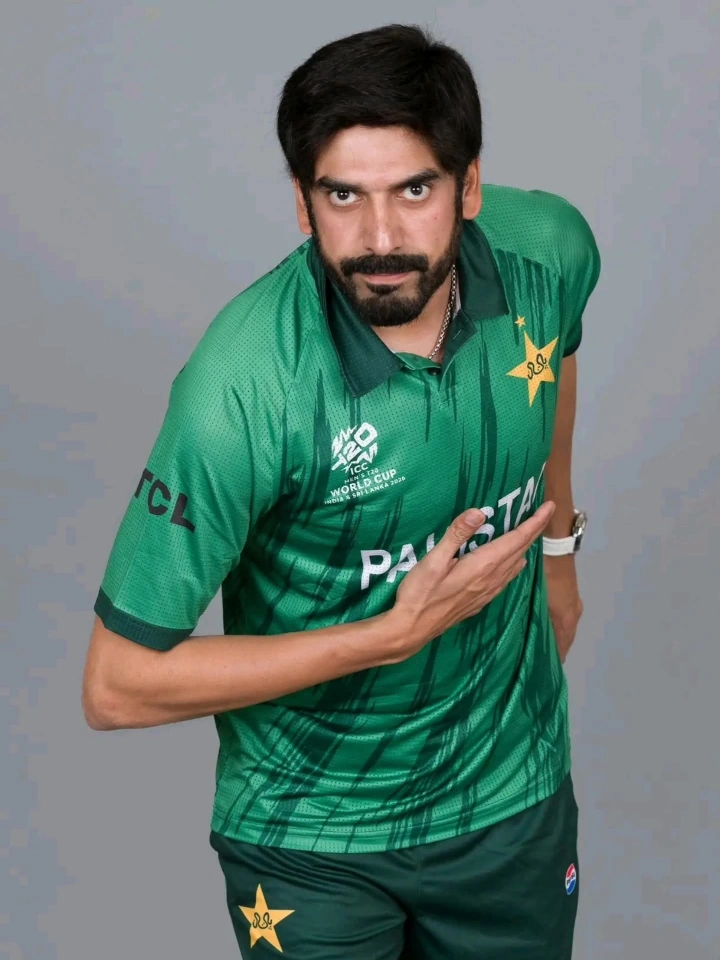
When discussing the financial trajectory of a professional athlete, it is important to separate speculation from structure. In the case of Usman Tariq, his net worth is not publicly disclosed in exact figures, as is common with many emerging international cricketers. However, by examining the standard earning structures within Pakistan cricket and global T20 leagues, one can understand the framework through which his financial growth has taken shape.
Unlike players who burst into international cricket at a very young age, Usman’s financial journey followed a different arc. Before committing entirely to cricket, he reportedly held a stable job in the UAE—an experience that not only provided early financial grounding but also shaped his understanding of economic stability. When he chose to leave that professional path to pursue cricket full-time, it was not merely a sporting decision; it was a financial risk. That decision, in hindsight, marked the beginning of his long-term wealth-building trajectory within professional sport.
The primary foundation of his income stems from his association with the Pakistan Cricket Board (PCB). International cricketers are typically offered central contracts or match-based remuneration depending on their category. As a T20 International player since 2025, Usman earns match fees, performance bonuses, and potentially retainer payments structured under PCB guidelines. While exact figures vary by contract tier, international appearances significantly elevate a player’s annual income compared to domestic-level earnings.
Franchise cricket has likely played an equally important role in strengthening his financial profile. Representing teams such as Quetta Gladiators in the Pakistan Super League and participating in overseas leagues like those in the Caribbean and UAE-based tournaments opens additional revenue streams. Franchise contracts often include fixed salaries, performance bonuses, and sponsorship-linked incentives. For modern cricketers, T20 leagues are no longer supplementary—they are central pillars of financial growth.
Brand endorsements form another emerging layer of income. Although Usman Tariq is not yet positioned among Pakistan’s highest-earning celebrity athletes, his growing visibility at the international level naturally increases his commercial appeal. Sports equipment sponsorships, apparel collaborations, and local brand partnerships often follow sustained performance. As his consistency strengthens, endorsement deals are expected to scale accordingly.
It is also worth noting that financial maturity plays a key role in long-term wealth preservation. Given his educational background and prior professional experience, Usman appears to approach his career with prudence rather than impulsiveness. Cricketers who enter the professional arena after exposure to corporate environments often display more structured financial planning. While private investment details remain undisclosed, such awareness typically contributes to stable asset management.
In addition to match fees and endorsements, appearance fees for media events, cricket academies, and promotional tournaments can supplement income. As his profile expands, invitations to corporate events and cricket seminars may further diversify his earnings. For emerging international players, these engagements steadily compound financial stability over time.
Despite rising income levels, Usman’s public image reflects modest living rather than conspicuous consumption. There is no evidence of extravagant displays of wealth. Instead, his lifestyle appears aligned with discipline and grounded values. This measured approach not only safeguards financial longevity but also reinforces a responsible public persona.
Looking ahead, the trajectory of his net worth will largely depend on three factors: sustained international performance, continued participation in global T20 leagues, and long-term contract security with both national and franchise teams. If his career progression continues steadily, financial growth will likely mirror professional milestones.
Estimated Sources of Income
- Pakistan Cricket Board (PCB) match fees and potential central contract earnings
- Pakistan Super League (PSL) franchise salary (Quetta Gladiators)
- Overseas franchise leagues (Caribbean and UAE-based tournaments)
- Performance bonuses and tournament incentives
- Brand endorsements and sports gear sponsorships
- Media appearances and promotional engagements
- Cricket academy collaborations and guest sessions
Financial Growth Indicators
- Transition from stable overseas employment to full-time professional cricket
- Expansion from domestic cricket earnings to international-level remuneration
- Entry into multiple franchise leagues, diversifying income streams
- Gradual increase in market visibility and endorsement potential
- Modest lifestyle reflecting disciplined financial management
In conclusion, Usman Tariq’s net worth story is not one of overnight wealth but of steady, strategic progression. His financial evolution mirrors his cricketing journey—calculated, disciplined, and growth-oriented. The foundation has been laid carefully, and if his career continues on its upward curve, the economic rewards will likely follow in proportion to his commitment and performance.
“True wealth in sport is built not only through earnings, but through discipline, foresight, and integrity”
Social Life & Social Awareness – “Grounded in Faith, Rooted in Community, Guided by Responsibility”
For many professional athletes, public life often revolves around glamour, endorsements, and carefully curated social personas. Usman Tariq, however, represents a quieter archetype. His social life reflects restraint rather than extravagance, and responsibility rather than performance. Even as his cricketing career ascends, he remains deeply connected to his roots in Nowshera and Peshawar—places that shaped his identity long before stadium lights ever found him.
Raised in a culturally rich Pashtun household, Usman grew up with a strong emphasis on respect, discipline, and community honor. These values continue to define his social interactions. Friends and acquaintances often describe him as soft-spoken, observant, and thoughtful. He does not seek the loudest seat in the room; instead, he listens more than he speaks. That grounded personality translates into the way he carries himself in public spaces.
Despite his growing recognition in international cricket, Usman has maintained a relatively modest lifestyle. He appears to avoid excessive public display and unnecessary controversy. His social media presence, while present, is measured. Rather than projecting flamboyance, his posts generally revolve around cricket, training sessions, team camaraderie, and occasional expressions of gratitude. This approach suggests intentional simplicity in a world often driven by digital noise.
Faith plays a significant role in his social orientation. As a practicing Muslim, he frequently emphasizes gratitude and humility in interviews and public appearances. While he does not overtly project religiosity for attention, his references to faith indicate a spiritual anchor that provides balance amid professional pressures. It is this spiritual grounding that seems to inform his calm demeanor and respectful communication style.
Community engagement, though not heavily publicized, appears to be an important dimension of his social awareness. Like many cricketers from Khyber Pakhtunkhwa, Usman recognizes the symbolic weight of representing a region often underrepresented on the global stage. His journey itself serves as inspiration for young cricketers from smaller towns. Even without formal campaigns, his presence as a successful athlete becomes a statement of possibility.
During domestic seasons, he reportedly spends time interacting with young aspiring cricketers in local academies. While these engagements may not always receive national coverage, they reinforce his image as someone conscious of his role as a mentor figure. For young boys in Nowshera and Peshawar, seeing someone from their own streets succeed at the international level carries immeasurable psychological impact.
Another noteworthy aspect of his social life is his emphasis on family privacy. In an era where public figures often share intimate details for engagement metrics, Usman maintains discretion. This decision reflects maturity. It signals that for him, family is not a branding tool but a sacred circle of support.
He also appears mindful of the influence athletes wield in shaping youth culture. His disciplined lifestyle, fitness routines, and avoidance of off-field scandals communicate an implicit message about professionalism. In a society where sports icons often become role models by default, Usman’s understated approach reinforces values of hard work and humility.
Beyond cricket, he has occasionally spoken about resilience and perseverance—qualities particularly resonant in regions facing socioeconomic challenges. Even when addressing defeat or setbacks, his tone encourages patience and collective improvement. Such messaging subtly contributes to social awareness, reminding audiences that setbacks are stepping stones rather than dead ends.
Social Values & Community Highlights
- Maintains strong emotional ties to Nowshera and Peshawar despite international commitments.
- Known for leading a modest and disciplined lifestyle.
- Keeps family life private, valuing respect over publicity.
- Uses social media primarily for professional updates rather than personal spectacle.
- Draws strength from faith and spiritual grounding.
- Encourages young cricketers through informal academy visits and interactions.
- Represents Pashtun heritage with dignity on national and global platforms.
- Promotes perseverance and resilience through public statements.
- Avoids controversial public behavior, reinforcing a positive athlete image.
In essence, Usman Tariq’s social life is not defined by glittering headlines but by grounded authenticity. His awareness of his role—as a national cricketer, a representative of Khyber Pakhtunkhwa, and a role model for aspiring youth—appears to guide his choices both on and off the field.
He may not dominate lifestyle magazines or social gossip columns, but perhaps that is precisely the point. His social presence is quiet yet meaningful. In a world where visibility often overshadows values, Usman Tariq reminds us that true influence lies not in volume, but in integrity.
Media News, Interviews & Public Statements
“Measured Words, Mature Mindset, and a Voice That Reflects Responsibility”
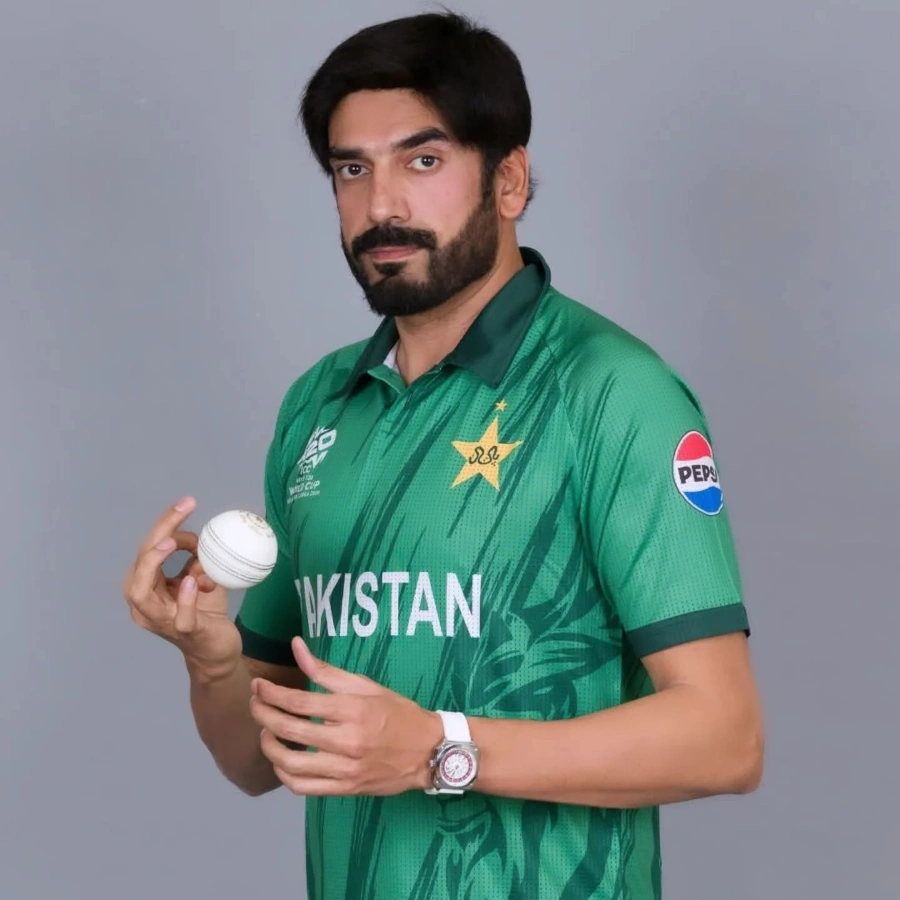
In the world of modern cricket, media scrutiny is relentless. Every performance is dissected, every statement amplified, and every silence interpreted. For Usman Tariq, navigating this environment has required composure beyond his years. Since making his international debut in 2025, his interactions with the media have reflected a calm, thoughtful, and accountable professional—someone who understands that representing Pakistan extends beyond the cricket field.
One of the most widely discussed moments in his media journey came after Pakistan’s high-profile defeat to India during an ICC tournament. While emotions ran high across fans and analysts, Usman’s post-match remarks were measured and mature. Rather than deflecting blame or indulging in defensive rhetoric, he acknowledged the team’s shortcomings and promised improvement. His statement—emphasizing resilience and collective responsibility—was widely reported across South Asian sports media outlets. That moment subtly marked him as a player capable of handling pressure not only with the ball in hand but also before a microphone.
In subsequent interviews, Usman repeatedly emphasized preparation and mental discipline. He has spoken about studying opposition batters carefully and adapting his bowling approach to modern T20 demands. His tone in these discussions is analytical rather than emotional. It reveals a cricketer who views performance as a technical puzzle to be solved rather than a stage for personal spotlight.
Another noteworthy aspect of his media presence is the absence of controversy-driven statements. In an era where a single misquoted remark can spiral into national debate, Tariq has maintained careful clarity in communication. He speaks with respect for teammates, senior players, and management. His interviews consistently underline the importance of team unity and shared accountability.
During franchise league stints—including appearances in overseas tournaments—Usman has spoken about adapting to different playing conditions. In interviews surrounding his participation in international T20 leagues, he highlighted the learning curve involved in adjusting to varying pitches and cricketing cultures. These insights reveal not only ambition but intellectual engagement with the game.
His interactions with Pakistani sports journalists have often reflected gratitude toward his mentors and family. He frequently credits his upbringing in Nowshera for instilling discipline. Such acknowledgments resonate with audiences who value humility in public figures. Rather than projecting individual brilliance, he frames his success as a collective achievement shaped by community support.
In press conferences, observers have noted his composed body language. He avoids animated reactions and instead maintains steady eye contact and measured pacing in speech. This controlled demeanor suggests emotional regulation—a critical trait for long-term international careers.
Interestingly, Usman’s interviews often highlight faith as a grounding force. Without turning conversations overtly religious, he occasionally references gratitude and divine will when discussing career milestones. This subtle integration of spirituality reflects authenticity rather than performative expression.
He has also addressed the challenges of transitioning from domestic cricket to the international arena. In conversations following his debut, he admitted that representing Pakistan brings a unique weight of expectation. However, he described this pressure not as fear but as motivation. Such candid reflections offer a glimpse into his mindset—ambitious yet grounded.
When discussing setbacks, Tariq avoids language of excuses. Instead, he frames losses as learning opportunities. His public messaging consistently aligns with growth-oriented thinking. That pattern of communication builds credibility among fans and analysts alike.
Notably, there have been no verified major controversies attached to his name as of 2026. In a profession often marred by off-field distractions, this absence speaks volumes. His media footprint remains centered on performance, preparation, and professionalism.
Key Media Themes & Highlights
- Accountability After Defeat: Publicly acknowledged team shortcomings after ICC tournament loss and promised stronger comeback.
- Team-First Messaging: Consistently emphasizes unity and collective effort over individual achievement.
- Analytical Approach: Speaks about studying opponents and evolving strategies in T20 cricket.
- Calm Under Scrutiny: Maintains composed tone even in emotionally charged press settings.
- Global Adaptability: Discussed learning experiences from playing in international franchise leagues.
- Respectful Public Conduct: Avoids sensational statements or criticism of teammates and management.
- Faith & Gratitude: Occasionally references spiritual grounding as part of his journey.
- No Major Controversies: Maintains clean professional record in media reporting.
In essence, Usman Tariq’s media narrative is not built on flamboyant headlines but on steadiness. He represents a modern cricketer who understands that public communication is an extension of professional duty. His words reflect discipline, awareness, and maturity—qualities that often predict longevity in international sport.
As his career progresses, the spotlight will inevitably intensify. Yet, if his early interactions are any indication, he possesses the temperament to handle both applause and criticism with balance. In a cricketing culture where reputations can shift overnight, Usman Tariq’s measured voice may well become one of his strongest assets—quietly reinforcing his identity as not just a bowler, but a responsible representative of Pakistan cricket.
Also Read
Cara Delevingne: The Fearless Chameleon Who Redefined Beauty, Broke Boundaries, and Rewrote Stardom
Lesser Known Facts – “Beyond the Boundary, Beyond the Spotlight”
While scorecards and match summaries capture performance, they rarely capture personality. Usman Tariq’s public profile reflects a disciplined international cricketer, but behind the statistics lies a story layered with quiet sacrifices, personal convictions, and understated resilience. The lesser-known chapters of his life reveal a man shaped not only by cricket, but by character, education, faith, and difficult choices.
One of the most compelling yet often overlooked aspects of his journey is the professional stability he once had outside cricket. Before fully committing to the sport, Usman reportedly worked in the United Arab Emirates. At a time when many would have chosen financial security over sporting uncertainty, he made the opposite decision. Leaving a steady job to pursue cricket was not impulsive—it was deliberate, calculated, and courageous. That leap of faith defines his temperament more than any bowling spell ever could.
Unlike many athletes whose careers are shaped entirely within sports academies, Usman’s educational background provided him with a broader worldview. He is frequently described as well-educated and articulate, qualities that become evident in his interviews. His speech reflects thoughtfulness rather than rehearsed clichés. This intellectual grounding has allowed him to approach cricket not just as a physical contest but as a strategic discipline.
Another lesser-known element of his life is the deep influence of his Pashtun heritage. Growing up in Nowshera Cantonment, within a culture that values honor, discipline, and responsibility, instilled in him a sense of accountability. Those values subtly shape the way he carries himself—measured, respectful, and grounded. Teammates and observers often note that he does not seek unnecessary attention; instead, he lets his performance speak.
Physically, his height of 193 cm is often highlighted as an advantage. What is less discussed, however, is the amount of conditioning and strength training required to maintain agility at that stature. Tall off-spinners must work doubly hard to maintain rhythm and control. Behind the scenes, his fitness routines reportedly focus on balance, flexibility, and endurance—elements crucial for sustaining performance in fast-paced T20 formats.
Despite entering international cricket in the modern era of aggressive branding and constant social media visibility, Usman Tariq maintains a relatively understated digital presence. He appears to value privacy over publicity. In a world where athletes often build celebrity personas, his approach remains refreshingly simple—focused on craft rather than clout.
Mentorship has also played a quiet but significant role in his growth. Being guided by experienced cricketers, including Wajahatullah Wasti, helped refine his technical discipline. Mentorship in cricket is rarely visible in scorecards, but it shapes temperament, work ethic, and match awareness. Usman’s steady progression reflects structured guidance rather than sporadic brilliance.
Perhaps most importantly, his calm public response following Pakistan’s high-profile defeat in an ICC fixture revealed emotional maturity. Instead of deflecting criticism, he acknowledged shortcomings and expressed determination to improve. Such responses indicate a long-term mindset—an understanding that careers are marathons, not sprints.
Quick Lesser-Known Highlights
- He once held a professional job in the UAE before returning to Pakistan to pursue cricket full-time.
- Known among peers for being soft-spoken yet fiercely competitive on the field.
- Maintains strong ties with his hometown of Nowshera despite international commitments.
- Values education and credits it for shaping his disciplined mindset.
- Known for spending extra hours studying opponents’ batting patterns.
- Keeps his personal life extremely private, avoiding unnecessary media attention.
- Draws spiritual strength from his faith, which he considers central to his mental balance.
- Has a reputation for being punctual and meticulous about training schedules.
In essence, the lesser-known facts about Usman Tariq reveal a story of deliberate choices rather than dramatic twists. His life is not defined by sensationalism but by substance. Every quiet decision—from leaving a secure job to maintaining humility in fame—adds depth to his narrative.
These details may not dominate headlines, but they form the backbone of his journey. And often, it is these unseen chapters that shape the strength of an athlete far more than applause ever could.
Complete Player Snapshot
- Born: 7 June 1995
- Birthplace: Nowshera, Khyber Pakhtunkhwa
- Height: 193 cm (6 ft 4 in)
- Batting: Right-handed
- Bowling: Right-arm off break
- Role: Bowler
- Religion: Islam
- Ethnicity: Pashtun
- Residence: Peshawar
- Country Representing: Pakistan

Detailed Conclusion – “A Journey Still Unfolding, A Legacy in the Making”
In the grand theatre of Pakistani cricket, where legends are celebrated and expectations weigh heavy on young shoulders, Usman Tariq stands as a reminder that greatness often begins quietly. His journey has not been one of instant stardom or overnight headlines; rather, it has been shaped by patience, persistence, and the courage to choose passion over security. From the disciplined lanes of Nowshera Cantonment to the electrifying atmosphere of international cricket stadiums, his life reflects a narrative built on grit rather than glamour.
What makes his story especially compelling is the decision he once made to leave behind a stable professional path and commit fully to cricket. That moment—perhaps invisible to the world at the time—was the defining pivot of his life. It required faith in his ability, trust in his family’s support, and a willingness to embrace uncertainty. Many dream of playing for Pakistan; very few are willing to risk comfort to chase that dream. Usman Tariq did.
On the field, his towering height and right-arm off-break bowling give him a physical advantage, but it is his temperament that truly distinguishes him. In a format as unforgiving as T20 cricket, composure is currency. Tariq’s calm demeanor under pressure suggests a maturity that extends beyond years. He understands that cricket is as much about strategy and discipline as it is about raw skill. Every spell he bowls carries the quiet assurance of someone who has fought to be there.
His international debut in 2025 was not merely a personal milestone—it was a symbol of possibility for aspiring cricketers from smaller towns across Pakistan. It demonstrated that talent nurtured with perseverance can transcend geography. In many ways, Tariq represents a generation of athletes who are rooted in tradition yet shaped by global exposure. He carries the humility of his Pashtun upbringing while adapting seamlessly to the demands of international franchise cricket.
Beyond statistics and match figures lies a deeper narrative: the story of character. Throughout victories and defeats, Usman Tariq has maintained dignity in his words and professionalism in his conduct. His public statements reflect accountability rather than excuses. In a sporting culture often driven by emotional reactions, his measured tone signals emotional intelligence—an attribute essential for longevity at the highest level.
Financial growth, franchise contracts, and international recognition may continue to elevate his career, but they remain secondary to the larger purpose he embodies. Tariq’s life underscores the idea that cricket is not just a profession; it is a platform. A platform to inspire, to represent one’s homeland, and to uphold values that transcend the boundary ropes. His journey reinforces the belief that athletes are ambassadors—of culture, discipline, and national pride.
As Pakistan cricket navigates a new era filled with both promise and pressure, players like Usman Tariq will be instrumental in shaping its future. He may still be in the early chapters of his international career, but the foundations are solid. The resilience forged in his early years, the education that sharpened his perspective, and the mentorship that guided his growth together create a blueprint for sustained success.
Looking ahead, the road will not always be smooth. Form may fluctuate, competition will intensify, and expectations will rise. Yet, if his past decisions are any indication, Tariq is not one to retreat from challenge. His career thus far suggests that setbacks will serve as lessons rather than limitations. The hallmark of a true sportsman lies not in avoiding adversity but in responding to it with courage—and he has already demonstrated that trait.
In the end, Usman Tariq’s story is not confined to scorecards or highlight reels. It is the story of a young man who believed in himself when the path was uncertain, who honored his roots while reaching for global stages, and who continues to wear Pakistan’s green with quiet pride. His legacy is still being written, line by line, over by over. And if his journey so far is any indication, the chapters ahead promise resilience, growth, and perhaps even greatness.
“Success is not measured only by milestones achieved, but by the courage shown on the road toward them”
Final Comments – “Still Writing His Legacy”
Usman Tariq’s story is not about overnight fame. It is about steady growth, disciplined work ethic, and unwavering belief. From Nowshera to Pakistan’s national squad, he represents aspiration for countless young cricketers.
His journey proves that courage often means walking away from comfort to chase passion.
“Dreams are not fulfilled by chance; they are fulfilled by choice”
As Pakistan cricket evolves, players like Usman Tariq symbolize the bridge between tradition and modern professionalism.
🔗 External Sources & References
- Wikipedia – Usman Tariq (Cricketer)
- ESPN Cricinfo Profile
- Pakistan Cricket Board Official Profile
- Times of India Interview Coverage
- Also Referred other reliable sources from the internet
Image Credit
For more information, you can visit our website: ExploreXP
If you found this detailed biography of Usman Tariq insightful, share it with fellow cricket enthusiasts and follow for more in-depth, SEO-optimized biographies of rising global sports stars.
Because every player has a story—and some stories deserve to be told in full.
Latest Posts
- Jade Laroche: From Spotlight to Soundwaves — The Reinvention of a French Icon

- Milind Shinde – The Relentless Craftsman of Marathi Cinema Who Turned Every Frame into Fire

- Subodh Bhave: The Timeless Torchbearer of Marathi Cinema Who Redefined Biographical Storytelling

- Svetlana Khodchenkova: The Enigmatic Russian Beauty Who Conquered Hollywood Without Losing Her Soul

- Rashmi Gautam: The Fearless Voice of Telugu Television Who Turned Stardom into Substance

- Simone Holtznagel: From Wollongong’s Coastal Dreams to Global Runways — A Blonde Force Who Turned Reality TV into a Fashion Empire