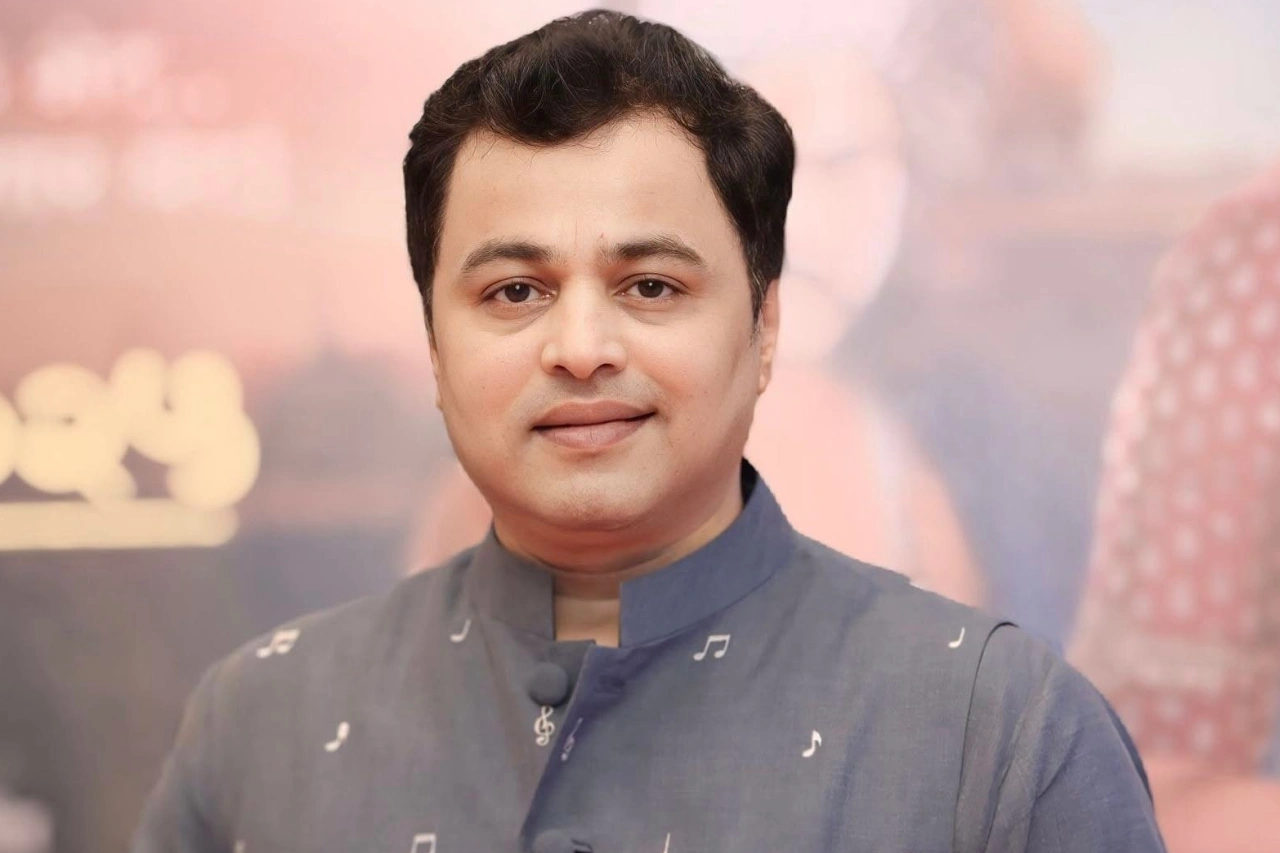
“From Pune’s cultural corridors to Maharashtra’s cinematic throne — the journey of an artist who turned history into heartbeat”
Article Summary (The Beginning for Quick Insight)
Subodh Bhave (born 9 November 1975) is one of the most accomplished and respected actors in Marathi cinema, television, and theatre. Known for his powerful portrayals of historical and cultural icons such as Bal Gandharva and Lokmanya Tilak, Bhave has built a career spanning nearly three decades. An actor, director, producer, and theatre enthusiast, he has received numerous prestigious awards including four Maharashtra State Film Awards and multiple Zee Chitra Gaurav Puraskars.
Born and raised in Pune, Maharashtra, Subodh’s journey from middle-class roots to becoming a cultural ambassador of Marathi storytelling is inspiring and deeply rooted in discipline, theatre training, and relentless hard work. Married to his childhood friend Manjiri Bhave since 2001, he balances stardom with grounded family values and social awareness.
This comprehensive biography explores his early life, education, theatre foundation, breakthrough roles, marriage, family life, awards, net worth, media interviews, controversies (if any), social work, and lasting legacy — for readers who want depth, authenticity, and inspiration.
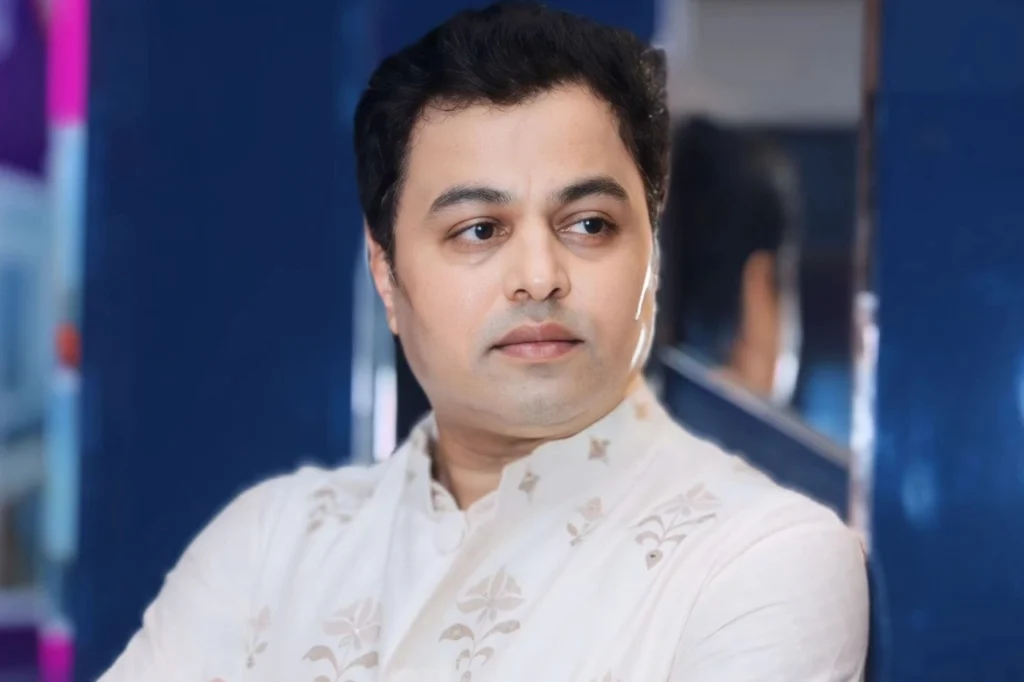
Detailed Article Summary
“An Artist Who Carried Maharashtra’s Cultural Memory on His Shoulders”
Subodh Bhave’s life story is not merely a chronicle of roles performed and awards won — it is a narrative of artistic responsibility, cultural commitment, and deeply rooted values. From his birth in Pune on 9 November 1975 to becoming one of Marathi cinema’s most respected figures, his journey reflects consistency rather than chaos, discipline rather than distraction. Over the decades, he has transformed himself from a theatre enthusiast into a commanding presence across film, television, and stage — and in doing so, has become a cultural torchbearer for Maharashtra.
Raised in an environment where education and art coexisted harmoniously, Bhave’s early years shaped his grounded personality. His academic path in commerce ran parallel to his immersion in theatre, proving that passion often finds its way even when life appears structured in a different direction. The setbacks he faced — including academic challenges in his youth — did not weaken him; instead, they redirected him toward his true calling. That resilience would later define his professional identity.
Theatre was his training ground. It polished his voice, refined his expressions, and instilled in him a respect for live audiences that remains evident in his cinematic performances. Unlike many actors who step directly into films, Bhave built his craft through stage rehearsals and real-time audience engagement. That grounding is visible in the emotional authenticity he brings to every role. His performances do not appear manufactured; they feel lived.
His cinematic breakthrough — particularly in historical biopics such as “Bal Gandharva” and “Lokmanya: Ek Yugpurush” — established him as Marathi cinema’s definitive interpreter of historical icons. He did not simply portray these figures; he studied them, absorbed their philosophies, and translated their spirit onto the screen. This meticulous approach earned him not only awards but also public trust. When Subodh Bhave plays a historical personality, audiences believe him.
Beyond acting, his evolution into a director and producer demonstrated artistic courage. With projects like “Katyar Kaljat Ghusali”, he proved that he understands storytelling not only from the lens of performance but also from the perspective of creative leadership. This multi-dimensional growth expanded his influence within the industry and positioned him as a thinker as much as a performer.
Equally significant is his personal life. Married to his childhood friend Manjiri Bhave since 12 July 2001, he has maintained a stable and dignified private life — something increasingly rare in the world of entertainment. Their long relationship, beginning in adolescence and maturing into a lifelong partnership, reflects loyalty and emotional steadiness. Together, they are raising their two sons, Kanha and Malhar, away from unnecessary public glare. Family, for Bhave, is not a side note — it is the foundation.
His professional achievements are matched by public respect. Multiple Maharashtra State Film Awards, numerous Zee Chitra Gaurav recognitions, and widespread critical acclaim are not merely decorations; they are acknowledgments of sustained excellence. What distinguishes Bhave is not one blockbuster, but a career built on meaningful choices. He consistently gravitates toward scripts that add cultural value rather than temporary visibility.
In media interviews, he often speaks about responsibility — especially when portraying historical figures. He emphasizes research, authenticity, and reverence for legacy. Unlike actors who chase controversy for attention, Bhave’s career remains largely free of scandal. His public image reflects composure, thoughtfulness, and professionalism. This steadiness has strengthened his credibility over time.
Financially successful yet personally grounded, artistically accomplished yet continuously evolving, Subodh Bhave stands today not only as a celebrated actor but as an institution within Marathi entertainment. His story reminds aspiring artists that discipline, patience, and integrity can coexist with fame.
Key Takeaways from Subodh Bhave’s Journey
- Born: 9 November 1975, Pune, Maharashtra
- Profession: Actor, Director, Producer, Theatre Artist
- Active Since: 1997
- Breakthrough Recognition: Historical biographical films
- Awards: Four Maharashtra State Film Awards and multiple Zee Chitra Gaurav Puraskars
- Marital Status: Married to Manjiri Bhave since 2001
- Children: Two sons — Kanha and Malhar
- Public Image: Intellectual, disciplined, culturally rooted
- Industry Identity: Widely regarded as Marathi cinema’s leading biographical actor
Final Reflection
Subodh Bhave’s life encapsulates the rare blend of artistry and integrity. He did not rush to stardom — he earned it. He did not merely perform characters — he preserved legacies. In an era of fleeting fame, he remains steady, thoughtful, and culturally committed.
His biography is ultimately a reminder that greatness is not defined by noise, but by substance — and that the most enduring artists are those who respect both their craft and their conscience.
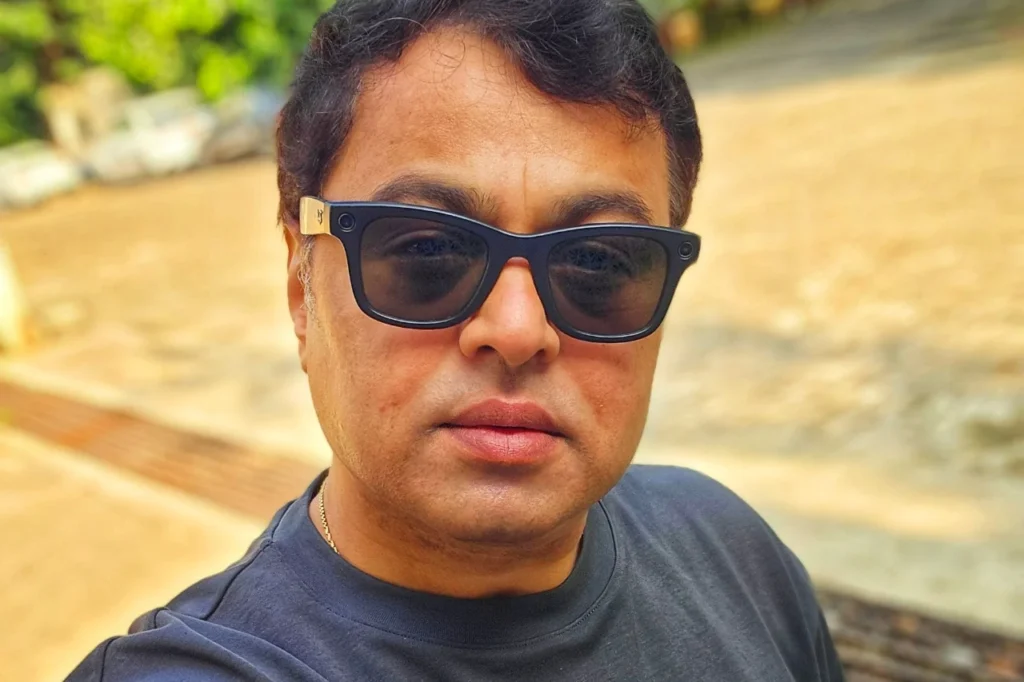
Lead Introduction
Subodh Bhave (born 9 November 1975) is an Indian actor, writer, director, and theatre producer who predominantly works in Marathi cinema, television, and theatre. Over a career spanning from 1997 to the present, Bhave has emerged as one of the most influential performers in contemporary Marathi entertainment. He is widely recognized for portraying iconic historical figures and has received numerous accolades including four Maharashtra State Film Awards, eight Zee Chitra Gaurav Puraskars, and a Maharashtracha Favourite Kon Award.
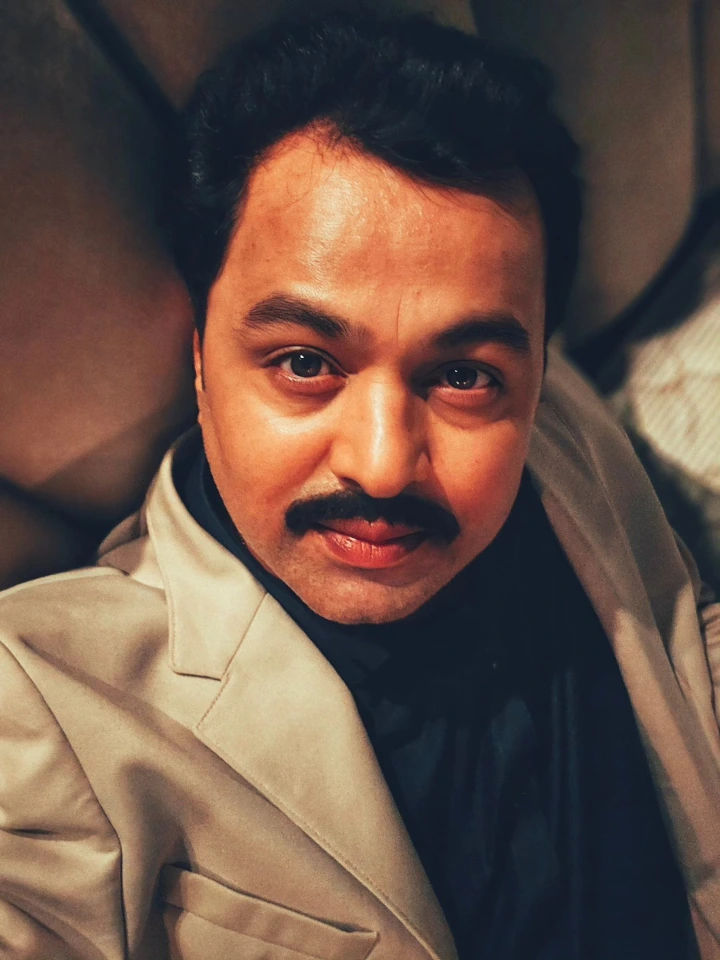
Detailed Introduction – “The Man Who Turned Performance into Preservation”
There are actors who entertain, there are actors who impress, and then there are actors who quietly shape the cultural memory of an entire generation. Subodh Bhave belongs to the third category. His career is not simply a professional timeline of films and awards; it is a carefully woven narrative of discipline, devotion, and deep respect for Maharashtra’s artistic and historical legacy.
Born on 9 November 1975 in Pune, Maharashtra, Subodh Suresh Bhave grew up in a city that breathes literature, theatre, and intellectual tradition. Pune is not merely a geographic location in his biography — it is an influence. The city’s vibrant cultural scene, classical music concerts, experimental theatre productions, and literary gatherings formed the silent backdrop of his formative years. It would not be an exaggeration to say that his artistic roots were nourished by the soil of Pune itself.
From a young age, Bhave exhibited a quiet observational quality. He was not flamboyant, nor did he chase attention. Instead, he absorbed the world around him. Teachers, stage performers, classical musicians, and community leaders — each left a subtle imprint. That ability to observe deeply later became one of his strongest tools as an actor. He does not imitate characters; he studies their inner rhythm.
Unlike many cinematic personalities whose journeys begin with glamour, Bhave’s path began with discipline. He pursued commerce academically while simultaneously nurturing a deep interest in theatre. This duality — practicality on one side and artistic passion on the other — defined his early adulthood. It reflects a grounded personality, one that values stability even while chasing dreams.
Also Read
Svetlana Khodchenkova: The Enigmatic Russian Beauty Who Conquered Hollywood Without Losing Her Soul
The theatre stage was his first true classroom. Under stage lights and before live audiences, he learned the fundamentals of timing, voice control, emotional modulation, and stage presence. Theatre is unforgiving; it does not allow retakes. That environment sharpened his craft and instilled in him a reverence for performance that remains evident even in his cinematic work decades later.
When he transitioned into television and later cinema, he carried the discipline of theatre with him. Early roles did not bring immediate superstardom. Instead, they offered experience. Slowly, steadily, he built credibility. Producers and directors began recognizing not just his talent, but his reliability. He came prepared, did his homework, respected timelines — qualities that are often undervalued but deeply appreciated within the industry.
What distinguishes Subodh Bhave from many contemporaries is his conscious selection of roles. He has never appeared interested in chasing trends. Rather than opting for roles that promise instant visibility, he gravitates toward characters that carry emotional weight or historical significance. This careful curation of his filmography has contributed to a career marked by substance rather than superficial success.
His portrayal of historical icons such as Bal Gandharva and Lokmanya Bal Gangadhar Tilak did not merely win awards; they reintroduced these towering personalities to younger generations. For Bhave, these roles were not performances alone — they were responsibilities. He immersed himself in research, studied archival photographs, read letters, and understood the socio-political context of the era before stepping in front of the camera. That dedication elevated him beyond the label of “actor” into the realm of “cultural interpreter”.
Parallel to his professional ascent, his personal life remained remarkably stable. Married to his childhood friend Manjiri Bhave since 2001, he embodies a rare consistency in both public and private spheres. In an industry often associated with turbulence, Bhave’s life reflects balance. His grounded family life has provided emotional security, allowing him to take creative risks without losing personal equilibrium.
Over time, his artistic evolution expanded beyond acting. Venturing into direction and production, he demonstrated a broader understanding of storytelling mechanics. Projects like “Katyar Kaljat Ghusali” revealed not only his creative vision but also his courage to take on culturally significant material in a contemporary cinematic format. He proved that he is not confined to the frame; he understands the architecture of cinema itself.
Awards and accolades followed naturally. Four Maharashtra State Film Awards and multiple Zee Chitra Gaurav recognitions stand as formal acknowledgments of his excellence. Yet, what defines him more profoundly is public trust. Audiences believe him. When his name appears in a historical film, viewers anticipate authenticity. That level of credibility is earned slowly and sustained carefully.
Media interactions further reveal his thoughtful nature. In interviews, he speaks about research, responsibility, and respect for legacy rather than box-office numbers. He approaches fame with composure. There is no excessive flamboyance, no unnecessary controversy — only measured words and intellectual clarity. This consistency has strengthened his image as a dignified and mature public figure.
His journey also mirrors the evolution of Marathi cinema itself. From modest productions to technically sophisticated films with national visibility, Bhave has grown alongside the industry. In many ways, he represents its renaissance — bridging traditional theatre roots with contemporary cinematic storytelling.
At fifty, Subodh Bhave stands not merely as a successful actor but as a symbol of artistic integrity. He reminds aspiring performers that longevity is built on patience, preparation, and purposeful choices. His biography is a lesson in measured ambition — ambition that seeks meaning rather than noise.
“Art must honor the past while speaking to the present”
This philosophy, though rarely spoken verbatim, seems embedded in every role he undertakes
In a world increasingly driven by fleeting digital fame, Bhave’s career offers a counter-narrative. It speaks of depth over display, responsibility over recklessness, and cultural preservation over commercial opportunism. That is precisely why his introduction cannot be brief — because his journey is layered, deliberate, and enduring.
Highlights That Define His Introduction
- Born and raised in Pune, a city synonymous with cultural richness
- Academically trained in commerce, artistically trained in theatre
- Began career in 1997, building credibility gradually
- Known for immersive preparation for historical roles
- Expanded into direction and production, proving multi-dimensional talent
- Recipient of multiple state and industry awards
- Maintains a stable family life rooted in long-term commitment
- Widely regarded as Marathi cinema’s most dependable biographical actor
- Recognized for intellectual interviews and controversy-free public image
- Represents discipline, cultural pride, and artistic responsibility
This introduction sets the tone for understanding Subodh Bhave not merely as an entertainer, but as a custodian of Maharashtra’s cinematic and historical narrative — a man whose career is as thoughtful as it is remarkable.
“Cinema is not about fame. It is about responsibility — especially when you portray those who shaped society”
His presence commands respect, yet he remains deeply grounded. Unlike many stars who chase glamour, Bhave has consistently chosen meaningful cinema.
Today, at the age of 50, he stands not just as an actor but as a symbol of Marathi pride — a bridge between tradition and modern storytelling.
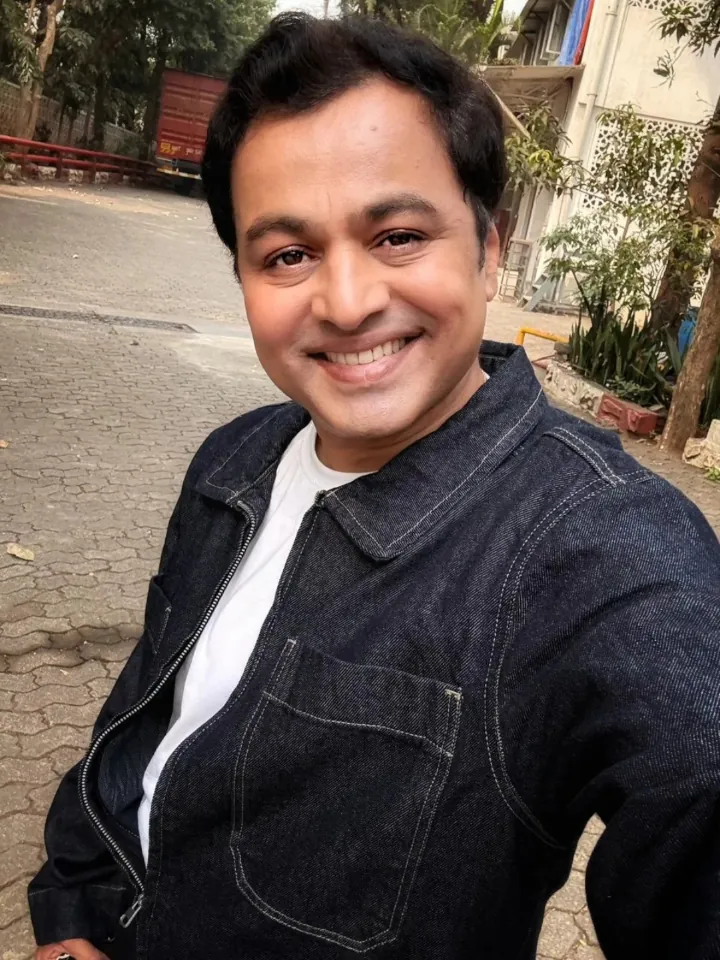
Early Life – “Roots in Pune, Wings in Theatre”
Subodh Suresh Bhave was born on 9 November 1975 in Pune, Maharashtra — a city often described as the cultural capital of the state. To understand his early life is to understand the atmosphere of Pune in the late 1970s and 1980s: a city alive with theatre festivals, classical music concerts, literary discussions, and intellectual debates. It was not merely a place of residence; it was an ecosystem that quietly shaped his sensibilities.
Growing up in a middle-class Maharashtrian household, Bhave was raised with an emphasis on discipline, education, and cultural values. His upbringing was neither extravagant nor deprived; it was balanced. The rhythm of everyday life revolved around school, family gatherings, community events, and exposure to Marathi literature and performing arts. These early influences planted seeds that would later blossom into a lifelong artistic pursuit.
As a child, Subodh was observant rather than outspoken. Teachers recall him as attentive, thoughtful, and quietly confident. He was not the student who sought attention, but the one who prepared carefully before stepping forward. This trait — preparation before performance — would become one of his defining professional characteristics years later.
The cultural vibrancy of Pune ensured that theatre and music were never distant from his childhood. School annual functions, inter-school competitions, and local stage performances offered him his first taste of performance. Even then, there was something distinctive about his presence — a seriousness that went beyond casual participation. He did not merely memorize lines; he tried to understand them.
Family support played a crucial role during these formative years. While academics remained important, his artistic inclinations were not dismissed as distractions. Instead, they were gently encouraged within limits. That balance between responsibility and creativity shaped his grounded personality. He learned early on that passion must coexist with discipline.
During adolescence, he began developing a deeper interest in theatre. Pune’s amateur theatre scene was thriving at the time, offering young aspirants exposure to serious drama rather than superficial entertainment. Watching seasoned performers rehearse and perform left a profound impact on him. He observed body language, diction, emotional pauses — unconsciously training himself long before formal recognition arrived.
Interestingly, his early academic journey was not without setbacks. He has openly acknowledged facing challenges during his higher secondary education, including struggling in certain subjects. However, instead of allowing these moments to define him negatively, he treated them as learning experiences. These academic hurdles, in many ways, redirected him toward what truly inspired him — storytelling and performance.
Beyond academics and theatre, Bhave’s teenage years were marked by strong friendships and emotional grounding. It was during his school days that he met Manjiri Deshpande, who would later become his life partner. Their early friendship added another layer of stability to his adolescence, reinforcing values of loyalty and long-term commitment even before adulthood.
Pune’s intellectual climate also influenced his worldview. The city’s respect for history, social reformers, and cultural icons subtly nurtured his appreciation for historical narratives. This early exposure later became invaluable when he portrayed legendary figures on screen. His ability to internalize historical personalities can be traced back to a childhood spent hearing their stories in classrooms and community gatherings.
Financial stability was modest but steady during his upbringing. Like many middle-class families, there was an understanding that hard work was non-negotiable. Before fully entering the entertainment industry, Bhave even worked briefly in the corporate sector. These early experiences instilled in him humility and respect for effort — qualities that remain evident despite his later fame.
Importantly, his early life was free from dramatic upheaval. There were no overnight breakthroughs, no sudden relocations, no sensational struggles. Instead, there was gradual growth. That gradualism is perhaps the most defining feature of his early years — steady, patient, and purposeful.
Looking back, it becomes clear that Subodh Bhave’s early life was not merely a prelude to his career; it was the foundation upon which his entire artistic identity was built. The discipline of a middle-class upbringing, the cultural richness of Pune, the encouragement of family, and the self-reflection of adolescence all converged to shape the performer he would eventually become.
“Great artists are not made overnight; they are shaped quietly over years of observation, patience, and preparation”
His early life reflects precisely that truth.
Key Highlights from Subodh Bhave’s Early Life
- Born on 9 November 1975 in Pune, Maharashtra
- Raised in a disciplined, middle-class Maharashtrian family
- Grew up amidst Pune’s vibrant theatre and literary culture
- Actively participated in school plays and cultural events
- Developed early observational skills that later enriched his acting craft
- Faced academic challenges but used them as motivation rather than discouragement
- Met his future wife during his school years
- Influenced by Pune’s historical and cultural legacy
- Briefly worked in the corporate sector before fully pursuing the arts
- Built a foundation of humility, patience, and preparation
Subodh Bhave’s early life is a testament to the quiet power of environment and upbringing. It reminds us that behind every accomplished artist lies a childhood shaped by values, culture, and steady determination — the kind that does not seek applause, but eventually earns it.
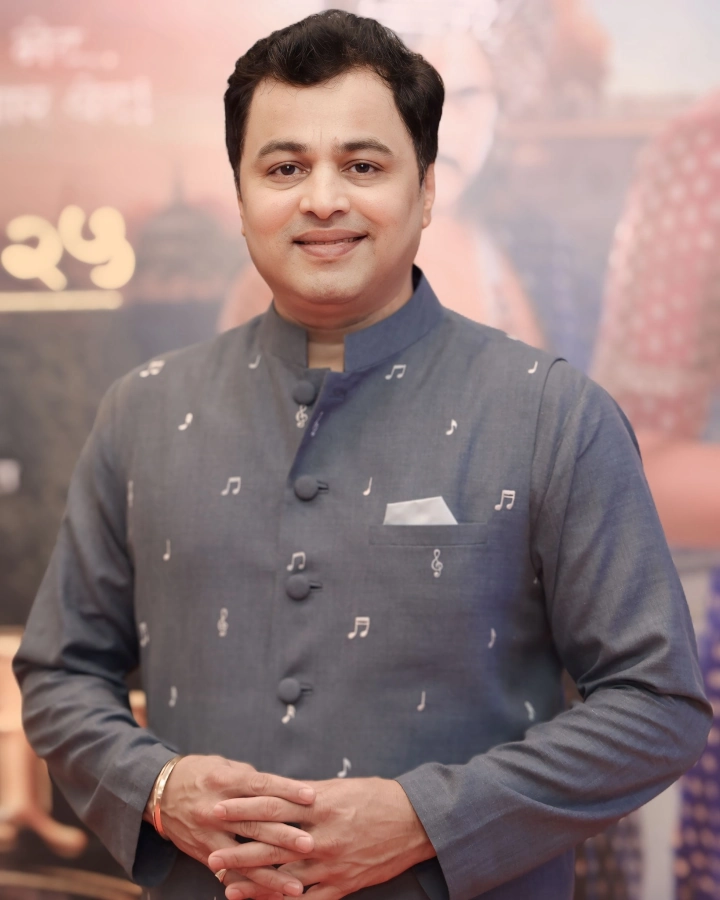
Education – “Where Discipline Met Destiny”
Education, for Subodh Bhave, was never a mere formality. It was an essential phase that shaped his temperament, sharpened his discipline, and quietly prepared him for a career that demanded both intellect and emotional depth. Born and raised in Pune — a city known for its academic excellence — Bhave grew up in an environment where education was considered sacred. Schools were not simply institutions; they were training grounds for character.
During his formative years, he attended school in Pune, where he developed a reputation as a sincere and observant student. He was not flamboyant in the classroom, nor was he overly withdrawn. Instead, he was measured — someone who preferred understanding concepts deeply rather than rushing through them. Teachers often describe such students as “quietly capable”, and that description aligns well with Bhave’s academic persona.
Like many young students navigating adolescence, his academic journey was not entirely without challenges. He has candidly spoken about facing difficulties during his higher secondary education, including struggling in certain subjects during his 12th standard examinations. Rather than allowing this setback to diminish his confidence, he treated it as a turning point. That moment, instead of discouraging him, prompted reflection and recalibration.
One of the most defining decisions of his academic life was choosing commerce as his field of study. He pursued a Bachelor’s degree in Commerce (B.Com), balancing his formal education with a growing passion for theatre. Commerce may appear far removed from the performing arts, yet it played an important role in shaping his analytical abilities and financial awareness — skills that later proved valuable when he ventured into production and direction.
College life in Pune exposed Bhave to a vibrant mix of academics and extracurricular activities. It was here that theatre transformed from a hobby into a serious pursuit. College festivals, dramatic competitions, and cultural gatherings became platforms where he began to understand the mechanics of performance. While his degree gave him structure, theatre gave him purpose.
Interestingly, his commerce background equipped him with a practical outlook toward life. Unlike many artists who leap into creative fields without financial understanding, Bhave entered the entertainment industry with a sense of planning. Budgeting, resource management, and organizational thinking — lessons from commerce — later helped him navigate film production with confidence.
Balancing academics and theatre was not easy. Rehearsals often extended late into the evening, while examinations demanded focus and discipline. This phase taught him time management — an essential skill in an industry driven by tight schedules and deadlines. He learned to prioritize without compromising commitment.
His academic years also reinforced humility. Being surrounded by bright peers in Pune’s competitive educational atmosphere instilled respect for hard work. There were no shortcuts. Success, whether academic or artistic, required preparation. This understanding became a cornerstone of his acting methodology. He approaches roles much like examinations — with research, rehearsal, and revision.
Another often overlooked aspect of his education is the influence of Pune’s intellectual climate. The city’s strong literary and historical consciousness deepened his curiosity about Maharashtra’s cultural icons. This academic exposure later enhanced his portrayal of historical figures, as he approached them with scholarly seriousness rather than superficial dramatization.
While he eventually chose the arts as his primary profession, Bhave has never dismissed the importance of formal education. In interviews, he has emphasized that education provides stability — not merely as a fallback option, but as a framework for thinking clearly and making informed decisions. For him, education was not abandoned for art; it strengthened art.
After completing his commerce degree, he briefly entered the corporate workforce before fully dedicating himself to acting. That transition marked the bridge between academic life and professional pursuit. However, the discipline of education never left him. Even today, colleagues often note how meticulously he prepares for roles — researching context, reading extensively, and studying nuances with scholarly attention.
“Education does not confine creativity; it refines it”
This philosophy seems embedded in Bhave’s journey. His educational background did not define his career path, but it shaped the manner in which he pursued it — thoughtfully, responsibly, and strategically.
Key Highlights of Subodh Bhave’s Educational Journey
- Completed schooling in Pune, Maharashtra, in a culturally rich academic environment
- Known as a sincere, observant, and disciplined student
- Faced academic challenges during higher secondary education but overcame them
- Pursued a Bachelor’s degree in Commerce (B.Com)
- Actively participated in theatre during college years
- Balanced academics and artistic pursuits effectively
- Developed analytical and financial skills through commerce studies
- Learned time management through simultaneous rehearsals and examinations
- Influenced by Pune’s intellectual and historical atmosphere
- Briefly entered the corporate sector before committing fully to acting
- Continues to apply research-oriented discipline in his artistic preparation
Subodh Bhave’s educational journey is a reminder that success in the arts does not require abandoning academics. On the contrary, his story illustrates how structured learning can enhance creative depth. Education gave him clarity; theatre gave him expression. Together, they shaped the thoughtful, disciplined artist admired today.
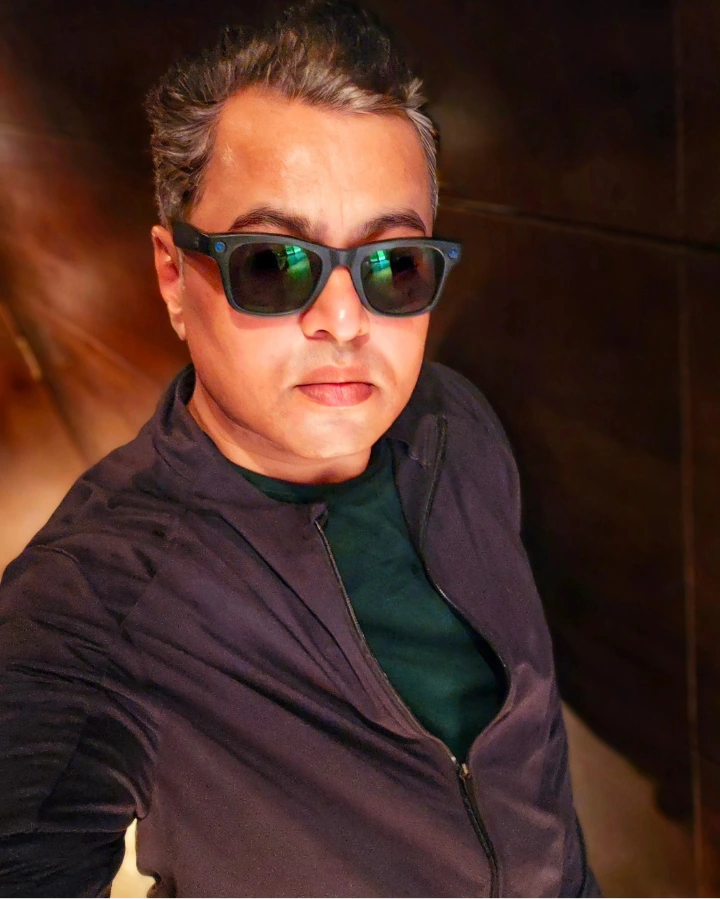
Theatre & Career Beginnings – “The Stage Was His First Kingdom”
Long before cinema discovered him, Subodh Bhave belonged to the stage. Theatre was not a stepping stone for him — it was a calling. In the late 1990s, when many aspiring actors were gravitating toward television for quicker visibility, Bhave chose the more demanding path of Marathi theatre. It was a decision that required patience, humility, and unwavering belief in craft.
Theatre in Maharashtra carries a formidable legacy. It is intellectually rigorous, emotionally demanding, and unforgiving in its expectations. Audiences are sharp, scripts are layered, and performances are dissected with seriousness. Entering such a space as a young performer was both intimidating and transformative. For Bhave, it became the laboratory where he refined his voice, posture, timing, and emotional precision.
In the early years, he worked with local theatre groups in Pune and gradually began performing in more recognized productions. Rehearsals were intense and often extended late into the night. Unlike films, there were no retakes — one performance had to carry the full weight of the narrative. This pressure cultivated resilience. It also instilled a deep respect for rehearsal as a sacred process rather than a procedural obligation.
The stage taught him the art of projection — not only of voice but of emotion. On stage, subtle expressions must travel across an auditorium. Bhave learned to balance subtlety with visibility, ensuring that even the last row could feel the emotional pulse of a scene. This ability later translated seamlessly into his cinematic performances, where emotional control became one of his greatest strengths.
Financially, theatre was not a lucrative beginning. It demanded commitment without immediate reward. Yet Bhave remained steadfast. He understood that theatre was building something more valuable than money — credibility. It was shaping his artistic backbone. Years later, even as a successful film actor, he would continue to speak about theatre with reverence, acknowledging it as the foundation of his craft.
By 1997, he officially began his professional journey. His early roles in theatre gradually opened doors to television. Marathi television in the late 1990s was evolving, and Bhave’s strong stage presence caught the attention of casting directors. His television debut marked his first entry into living rooms across Maharashtra. The transition from stage to screen required adjustment — the camera demanded restraint rather than projection. Bhave adapted with remarkable agility.
Unlike some actors who struggle with the shift from theatre to television, Bhave embraced the difference. He understood that the camera captures micro-expressions. What needed to be amplified on stage had to be softened for television. This adaptability became a defining feature of his early career — the ability to recalibrate performance without losing authenticity.
Television gave him visibility, but theatre gave him identity. Even while working in serials, he continued to remain connected to stage productions. He refused to abandon the medium that had nurtured him. This dual engagement allowed him to maintain artistic integrity while gaining public recognition.
His initial film appearances followed naturally. Though not immediate blockbusters, these roles introduced him to the cinematic ecosystem. Film sets presented a different rhythm — multiple takes, technical coordination, lighting precision. Bhave approached each new medium as a student rather than a star. He observed directors, cinematographers, and co-actors carefully, absorbing lessons with quiet intensity.
What distinguished his early career was not dramatic breakthroughs but consistent improvement. Each project added a layer of maturity. Each performance reflected growth. Slowly, industry insiders began recognizing him as dependable, disciplined, and deeply committed. These qualities are often less visible to audiences but highly valued within professional circles.
Perhaps the most significant aspect of his career beginnings was his refusal to rush success. He did not chase visibility through shortcuts. Instead, he allowed his journey to unfold organically. That patience would later pay dividends when major biographical roles came his way — roles that required exactly the kind of depth theatre had instilled in him.
In retrospect, the late 1990s and early 2000s were not glamorous years for Subodh Bhave. They were formative years. They were the years of learning, rehearsing, experimenting, and enduring. They were the years that built endurance — the kind required for a career spanning decades.
“The stage does not make you famous overnight; it makes you prepared forever”
This philosophy encapsulates his beginnings perfectly.
Key Highlights of Theatre & Career Beginnings
- Began professional career around 1997
- Started with Marathi theatre before transitioning to television and films
- Worked with Pune-based theatre groups in early years
- Learned voice projection, emotional control, and stage discipline
- Developed resilience through live performances without retakes
- Transitioned successfully from theatre to Marathi television
- Adapted performance style from stage intensity to camera subtlety
- Continued theatre work even after entering television
- Gradually moved into Marathi cinema with supporting roles
- Built reputation as a disciplined and dependable performer
- Gained industry credibility before mainstream fame
- Focused on craft over quick stardom
Subodh Bhave’s theatre and career beginnings reveal a story of patience and preparation rather than sudden fame. The stage did not merely introduce him to audiences; it sculpted him into the thoughtful, versatile actor admired today. Every later triumph in cinema can be traced back to those early rehearsals under warm stage lights — where applause was earned, not assumed.
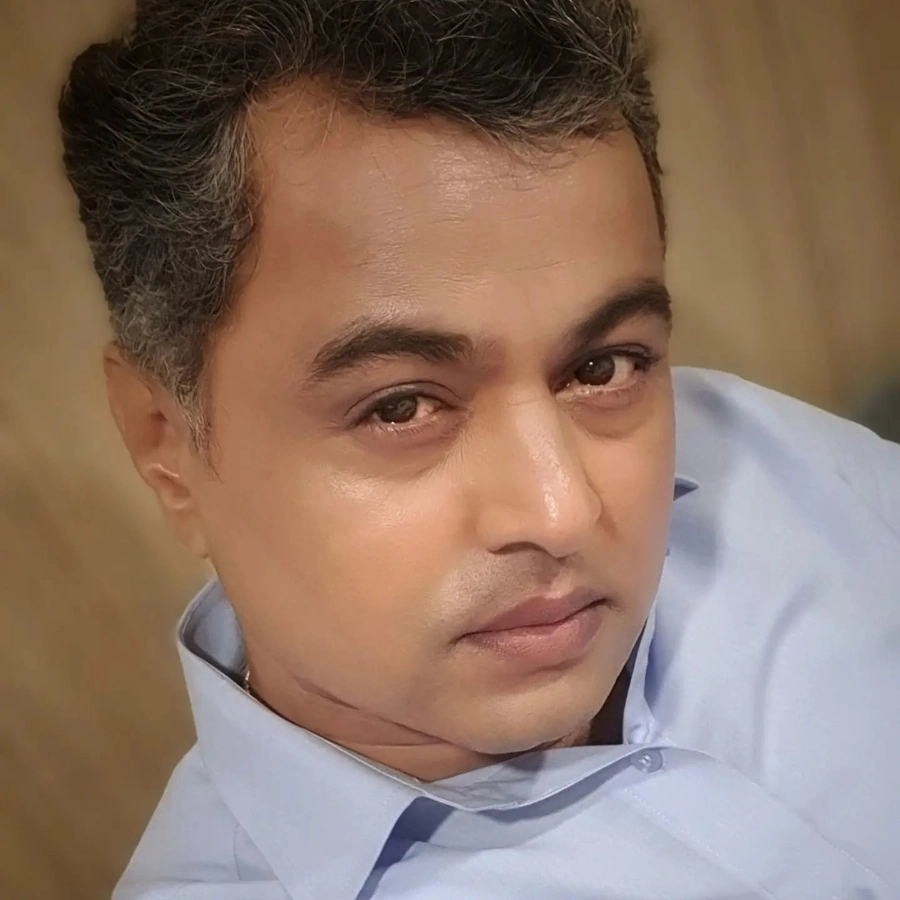
Career Milestones & Iconic Roles – “When Performance Became Cultural Preservation”
Every accomplished actor has defining moments — roles that not only elevate their career but also reshape their identity in the eyes of audiences. For Subodh Bhave, these milestones were not accidental strokes of luck. They were the natural culmination of years of theatre discipline, television exposure, and a relentless commitment to authenticity.
His early film appearances allowed him to understand cinematic language, but it was the historical biopic that transformed him from a recognized actor into a cultural phenomenon. The turning point arrived with the film Bal Gandharva (2011), where he portrayed the legendary Marathi theatre icon Narayan Shripad Rajhans, popularly known as Bal Gandharva. This was not merely a performance; it was a resurrection of an era.
Bal Gandharva
Preparing for the role demanded extraordinary dedication. Bhave immersed himself in archival research, studied photographs, read biographical accounts, and observed performance styles of early 20th-century theatre. He even trained to capture the delicate grace associated with Gandharva’s stage presence. The result was a portrayal so nuanced that audiences felt transported to another time. Critics praised his emotional depth, and the film became a landmark in Marathi cinema.
If Bal Gandharva established him as a serious actor, Lokmanya: Ek Yugpurush (2015) cemented his status as Marathi cinema’s definitive interpreter of historical icons. Playing Lokmanya Bal Gangadhar Tilak — one of India’s foremost freedom fighters — required intellectual rigor and emotional restraint.
Lokmanya: Ek Yugpurush
The portrayal demanded gravitas. Tilak was not merely a political figure; he was a philosopher, reformer, and fiery orator. Bhave approached the role with scholarly intensity. He studied speeches, body language, and the socio-political climate of colonial India. His performance struck a balance between intensity and introspection, earning widespread acclaim and multiple awards. More importantly, it reintroduced Tilak’s legacy to younger audiences in a cinematic format.
Between these two monumental roles, Bhave demonstrated versatility by engaging in diverse genres. Films such as Katyar Kaljat Ghusali (2015), which he directed, showcased his creative expansion beyond acting. The film — a musical drama adapted from a beloved Marathi stage play — blended classical music with contemporary cinematic storytelling. It became both a critical and commercial success, proving that Bhave possessed a keen understanding of narrative structure as well as performance.
Katyar Kaljat Ghusali
Another significant milestone was his continued success in television, where he remained a household name. Unlike many film actors who distance themselves from television after cinematic recognition, Bhave maintained his presence across mediums. This cross-platform engagement kept him accessible to diverse audience segments.
His portrayal of complex emotional characters in contemporary dramas further highlighted his range. Whether playing a conflicted father, a morally torn protagonist, or a historically rooted reformer, Bhave brought intellectual subtlety to each role. He does not rely on exaggerated theatrics; his strength lies in controlled expression and internalized emotion.
Awards naturally followed these milestones. Multiple Maharashtra State Film Awards and Zee Chitra Gaurav Puraskars validated his excellence. However, beyond trophies, what truly distinguished his career was public trust. Audiences began associating his name with quality storytelling, particularly in biographical narratives.
An often-overlooked milestone in his career is his ability to evolve with changing cinematic technology. Marathi cinema underwent a transformation in the 2010s, embracing improved production values and broader distribution. Bhave adapted seamlessly to this new era, maintaining relevance without compromising his artistic principles.
Importantly, his iconic roles did not typecast him. While many actors become confined to a single genre after a breakthrough, Bhave consciously diversified. He ventured into romantic dramas, social commentaries, and experimental films, ensuring that his filmography reflected breadth rather than repetition.
One of his subtle yet powerful milestones has been mentoring and collaborating with younger artists. His experience in theatre and film allows him to guide emerging performers, strengthening the industry collectively. Such influence extends his legacy beyond individual performances.
Today, when audiences discuss historical cinema in Marathi entertainment, Subodh Bhave’s name surfaces almost instinctively. That association itself is a milestone — an identity shaped by years of careful selection and unwavering preparation.
“When you portray history, you are not acting — you are accountable”
This unspoken philosophy defines his iconic roles.
Major Career Milestones & Defining Roles
- Breakthrough performance in Bal Gandharva (2011)
- Acclaimed portrayal of Lokmanya Bal Gangadhar Tilak in Lokmanya: Ek Yugpurush (2015)
- Directorial success with Katyar Kaljat Ghusali (2015)
- Multiple Maharashtra State Film Awards
- Eight Zee Chitra Gaurav Puraskars
- Established as Marathi cinema’s leading biographical actor
- Balanced theatre, television, and cinema simultaneously
- Known for research-driven preparation for historical roles
- Successfully transitioned into direction and production
- Maintained versatility across genres beyond biopics
- Contributed to Marathi cinema’s modern resurgence
- Earned long-term public credibility and cultural respect
Subodh Bhave’s career milestones are not marked by sudden spikes of fame but by carefully crafted achievements. Each iconic role reflects research, responsibility, and reverence for storytelling. Through these performances, he has not only entertained audiences but also preserved cultural memory — ensuring that history continues to breathe on screen.
Awards & Recognition – “Applause That Echoed Beyond the Screen”
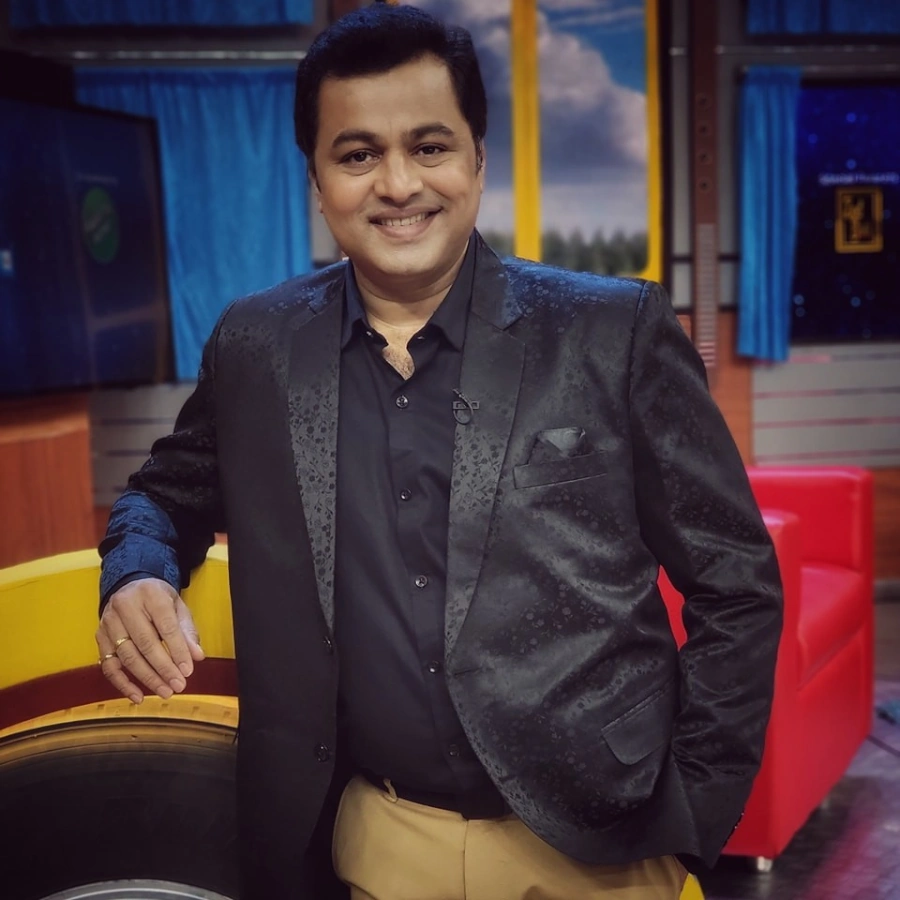
Awards, in the life of an artist, are not merely decorative milestones — they are markers of trust. In Subodh Bhave’s journey, recognition did not arrive overnight, nor was it built on fleeting popularity. It emerged gradually, as a result of disciplined preparation, powerful performances, and a consistent commitment to meaningful cinema. His awards reflect not just critical appreciation, but cultural validation.
One of the most significant acknowledgments in his career has been the Maharashtra State Film Awards, where he has been honored multiple times. These awards hold particular prestige within the Marathi film industry because they represent recognition by a jury that deeply understands the cultural and historical nuances of regional cinema. Winning not once but several times underscores his sustained excellence rather than isolated brilliance.
His portrayal of historical figures such as Bal Gandharva and Lokmanya Tilak brought him widespread critical acclaim. These performances were not easy roles; they demanded emotional subtlety, intellectual depth, and meticulous research. The awards that followed were not just for acting — they were for authenticity. Audiences and critics alike acknowledged that he had breathed life into personalities who had shaped Maharashtra’s cultural and political consciousness.
Another major highlight in his recognition journey has been the Zee Chitra Gaurav Puraskar, which he has won multiple times. Unlike purely jury-based awards, these honors often reflect a blend of critical and public appreciation. Winning repeatedly indicates that his performances resonated not only within film circles but also among everyday viewers.
Public popularity also manifested in accolades such as the Maharashtracha Favourite Kon Award, where fan voting plays a crucial role. Such recognition is particularly meaningful because it reflects emotional connection. It demonstrates that beyond intellectual admiration, audiences feel personally invested in his performances.
The success of “Bal Gandharva” stands out as a landmark in his award journey. The film itself received widespread praise, but Bhave’s portrayal became the emotional core of its success. Many critics described his performance as transformative — not simply portraying a character, but embodying an era. Awards for this role cemented his identity as Marathi cinema’s definitive biographical actor.
Similarly, his performance in “Lokmanya: Ek Yugpurush” earned industry-wide recognition. Playing a towering freedom fighter required gravitas and restraint. His awards during this phase validated his ability to handle politically and historically charged material with dignity and balance.
Recognition for Subodh Bhave has not been limited to acting alone. His directorial venture “Katyar Kaljat Ghusali” also garnered appreciation and nominations across various award platforms. This expanded acknowledgment highlighted his versatility — proving that his artistic insight extends beyond performance into storytelling and cinematic vision.
It is important to note that awards in regional cinema often carry a deeper emotional resonance than commercial box-office numbers. Marathi cinema values substance, and Bhave’s consistent recognition within such a discerning ecosystem reflects his credibility. He is not celebrated for glamour but for gravitas.
Beyond formal trophies, he has received countless honorary recognitions from cultural organizations, theatre associations, and literary bodies across Maharashtra. These gestures often go undocumented in mainstream media, yet they reveal something profound — he is seen as a custodian of cultural legacy.
Perhaps the most enduring recognition, however, lies in public trust. When audiences see his name attached to a project, especially a historical narrative, expectations are high — and he consistently meets them. That sustained expectation itself is an honor few actors achieve.
“True recognition is when people believe you before you even speak a line”
In many ways, Subodh Bhave has reached that rare space where credibility precedes performance.
Subodh Bhave’s shelf of awards reflects consistent excellence.
- Four Maharashtra State Film Awards
- Eight Zee Chitra Gaurav Puraskars
- Maharashtracha Favourite Kon Award
These are not just trophies — they symbolize public trust.
Major Awards & Recognitions
- Four Maharashtra State Film Awards for outstanding acting
- Eight Zee Chitra Gaurav Puraskars across various categories
- Maharashtracha Favourite Kon Award reflecting strong public support
- Critical acclaim for Bal Gandharva
- Widespread recognition for Lokmanya: Ek Yugpurush
- Appreciation and nominations for directorial venture Katyar Kaljat Ghusali
- Honors from theatre and cultural organizations across Maharashtra
- Recognized as Marathi cinema’s leading biographical actor
- Frequently invited as chief guest and speaker at cultural events
- Sustained respect from critics, peers, and audiences alike
Subodh Bhave’s awards are not isolated achievements; they form a continuum of recognition earned over decades. They represent a career defined by preparation, cultural responsibility, and artistic sincerity. More than trophies, they symbolize a collective acknowledgment — that he has not merely acted in history, but has helped preserve it.
Subodh Bhave’s Television Journey – “From Stage Lights to Small Screen Stardom”
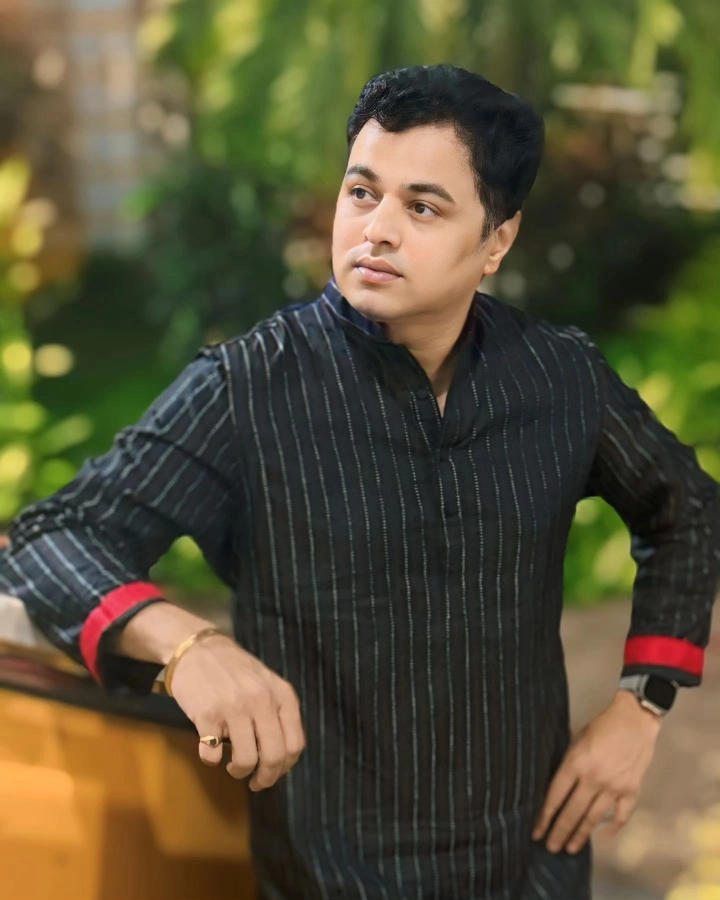
Subodh Bhave’s journey on television is a remarkable testament to his versatility as a performer and his willingness to explore diverse formats — from serial dramas to talk shows and special television appearances. Long before his name became synonymous with historical cinema, Marathi television audiences were first introduced to his talent through powerful roles that brought stories to life in living rooms across Maharashtra. His small-screen journey has been as rich and layered as his film career, showcasing range, depth, and a warm connection with audiences.
Subodh’s first significant entry into television came at a time when Marathi serials were a powerful cultural force in India. Early in his career, he acted in several acclaimed TV shows that helped him establish a strong presence among viewers who were becoming increasingly passionate about regional content. His performances were marked by emotional sincerity and attention to character nuance — attributes that made him quickly recognizable on the medium.
One of his notable early TV roles was in “Geet Ramayan”, a celebrated series that blended musical storytelling with cultural reverence. In it, Bhave’s presence added depth and charm, contributing to lasting emotional impact. The show resonated with audiences for its lyrical quality and Bhave’s performance was appreciated for its sensitivity.
Subodh also featured in “Damini”, a serialized drama that explored human emotions and societal challenges. In this show, Bhave demonstrated his ability to portray grounded and realistic characters — a trait that would become a hallmark of his acting style. His performance in “Damini” showcased his adaptability, proving that he could shift seamlessly from stage and film to the unique demands of television scenes.
Another key serial in his early TV years was “Kavadase”. Bhave’s work in this series earned him widespread recognition, including his first Zee Chitra Gaurav Puraskar nomination for Best Actor in television. This was historic, as it demonstrated that his talent was equally compelling across formats — not just on the theatrical stage or in cinema, but also in serialized storytelling that required sustained emotional engagement over multiple episodes.
Subodh’s television journey was not limited to dramatic roles alone. He explored varied formats, including interactive and talk-based shows. In 2022, he hosted “Bus Bai Bas”, a Marathi talk show that aired on Zee Marathi. In this series, Bhave invited women celebrities to candid conversations about life, relationships, experiences, and personal stories. The show offered a refreshing, intimate dimension to his television presence, showing his comfort as a host and conversationalist — engaging with guests thoughtfully and with genuine interest.
What set Subodh apart on television was his ability to elevate every show he joined. Whether it was through emotionally charged serials or engaging talk formats, his presence added an inherent depth that viewers began to associate with trust and credibility. Audiences connected with him not just for his performances, but also for the sincerity he brought to every role — a blend of authenticity and relatability that television uniquely demanded and that he generously delivered.
As his career progressed, Bhave began to embrace projects that brought him back into television prime time with renewed vigor, combining his refined cinematic experience with the demands of episodic storytelling. A clear example of this evolution is his work in the television series “Veen Doghantali Hi Tutena” — one of his latest and most talked-about TV projects.
Veen Doghantali Hi Tutena
Premiered on 11 August 2025, “Veen Doghantali Hi Tutena” quickly became a favorite among Marathi audiences owing to its emotionally driven narrative and strong performances. The show, produced under the banner of Pushpgandha Film Company and directed by Chandrakant Gaikwad, is a romantic family drama that explores love, relationships, and emotional convergence between two contrasting personalities — Samar and Swanandi.
In the series, Subodh portrays ‘Samar Rajwade’, a successful yet emotionally reserved businessman who enters into an unconventional marital arrangement with ‘Swanandi Sarpotdar’, played by Tejashree Pradhan. What begins as a union formed out of family obligations gradually blossoms into a deep and meaningful connection. Samar’s character arc — moving from guarded restraint to emotional openness — has showcased Bhave’s ability to navigate nuanced emotional landscapes, earning him considerable praise from both critics and viewers.
The show’s popularity reflects Bhave’s continued resonance with television audiences even decades into his career. Its blend of romance, family drama, and social themes has made it one of the most engaging serials of the time, with viewers eagerly following the gradual evolution of Samar and Swanandi’s relationship. Subodh’s empathetic portrayal of a man struggling with love and vulnerability brings out the emotional core of the story.
Behind the scenes, Bhave’s television work on “Veen Doghantali Hi Tutena” has also been noted for the chemistry he shares with his co-star and the way he balances seasoned acting with the spontaneity required for daily serials. This show has expanded his television repertoire, proving that even after significant cinematic success, he continues to find fresh and compelling ways to connect with audiences through the small screen.
Throughout his television journey, from early serial roles like Geet Ramayan, Damini, and Kavadase, to talk shows like “Bus Bai Bas”, and now to contemporary dramas such as “Veen Doghantali Hi Tutena”, Subodh Bhave has consistently upheld a rare quality — the ability to make the audience feel seen and understood through his performances. His adaptability across formats and genres is a testament to his commitment to storytelling — always grounded in emotional truth.
In addition to his central roles, Subodh’s television appearances include special guest spots and memorable interviews — such as his candid sharing on shows like “Home Minister”, where he opened up about personal experiences and connected with audiences on a more intimate level.
“Television gave me an opportunity to reach into the hearts of viewers every day — not just through characters, but through stories that feel like home”. — This sentiment reflects the spirit of his television journey, one that continues to evolve yet remains deeply rooted in authentic storytelling.
Key Highlights of Subodh Bhave’s Television Journey
- Early prominent roles in acclaimed Marathi serials including Geet Ramayan, Damini, and Kavadase.
- Transitioned to television with depth and emotional resonance, building a connection with Marathi audiences.
- Earned recognition and nominations for performances in serial dramas.
- Hosted the Marathi talk show Bus Bai Bas in 2022, showcasing his versatility as a conversational host.
- Expanded his television presence through engaging storytelling and character portrayals.
- Played ‘Samar Rajwade’ in “Veen Doghantali Hi Tutena”, a contemporary romantic family drama that became a standout favorite.
- Demonstrated a seamless blend of cinematic experience with the narrative pace of daily television.
- Appeared on entertainment and interview formats such as “Home Minister”, endearing him to viewers beyond drama roles.
Relationship & Marriage – “A Love Story That Grew Up Before the Spotlight Found It”
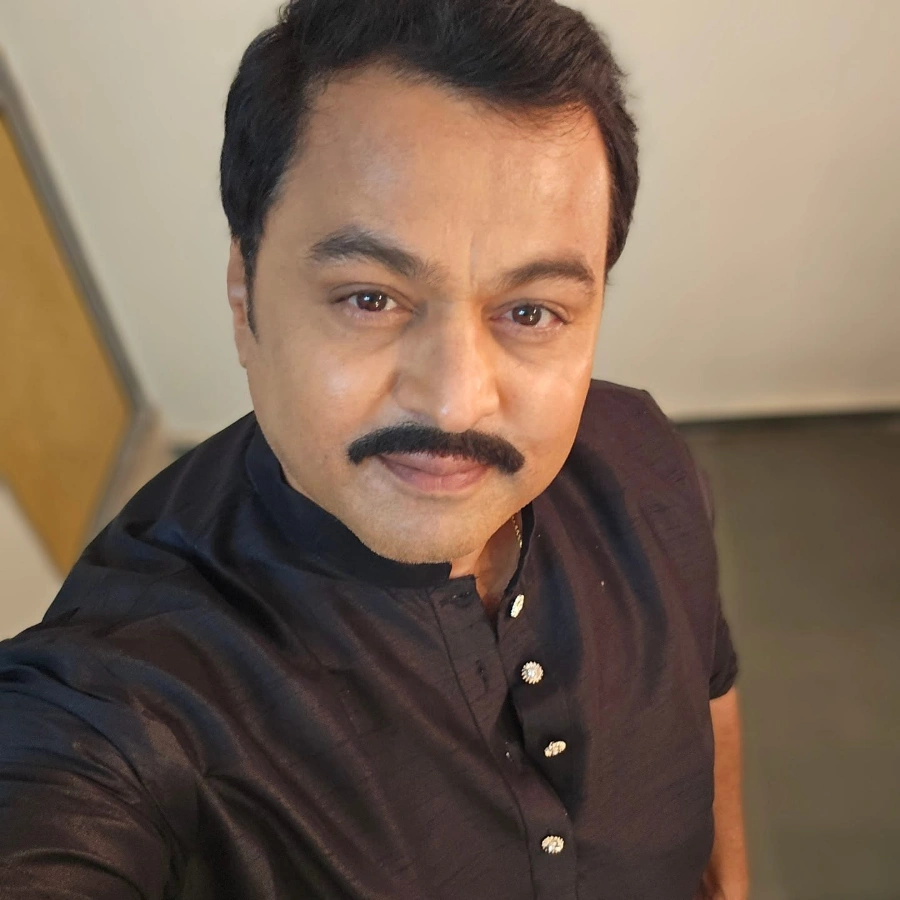
Behind Subodh Bhave’s composed public persona lies a deeply personal story of loyalty, patience, and enduring companionship. While his professional journey has been widely discussed, his relationship and marriage reflect another equally inspiring chapter — one that began long before fame entered the picture.
Subodh Bhave married his childhood friend, Manjiri Deshpande (now Manjiri Bhave), on 12 July 2001. Their story is refreshingly simple yet profoundly meaningful. They first met during their school years — in the eighth grade — when life was still innocent, uncomplicated, and far removed from the glare of the entertainment industry. What began as a friendship gradually evolved into a deep emotional bond.
Unlike many celebrity romances that blossom under media attention, theirs matured quietly over time. They remained friends for years before rekindling their connection later in adolescence. Eventually, that friendship transformed into a committed relationship. In several interviews, Bhave has fondly recalled how he proposed to her at a young age — an anecdote that reflects both youthful sincerity and long-standing devotion.
Their courtship reportedly lasted nearly a decade before they decided to formalize their relationship through marriage. This long period of understanding each other’s aspirations, strengths, and vulnerabilities created a foundation of stability. By the time they married, their relationship was built not on glamour but on familiarity, trust, and shared values.
The wedding itself was a traditional Maharashtrian ceremony, rooted in simplicity rather than extravagance. Held on 12 July 2001, the occasion marked not just a personal milestone but the beginning of a partnership that would accompany Bhave through his rise in theatre, television, and cinema. At the time of their marriage, he was still shaping his career — not yet the celebrated figure he would later become. This timing underscores the authenticity of their bond; it was never influenced by fame.
Manjiri Bhave has largely remained away from the limelight, choosing privacy over publicity. Yet her presence has been a steady pillar in Subodh’s life. In interviews, he has often credited her support for allowing him to pursue demanding projects, especially those that required extensive research, long shooting schedules, and emotional intensity. Their relationship reflects mutual respect rather than performative display.
Together, they are parents to two sons — Kanha and Malhar. The couple resides in Mumbai, balancing professional commitments with family life. Despite his public stature, Bhave is known to maintain clear boundaries between personal and professional spheres. He rarely exposes his children to unnecessary media attention, prioritizing a grounded upbringing.
What stands out about Subodh Bhave’s marriage is its longevity and steadiness. In an industry often characterized by volatility, their partnership has endured over two decades. They have publicly celebrated milestones of togetherness, acknowledging the years spent growing both individually and collectively. Such longevity speaks of patience, communication, and shared growth.
Beyond romance, their relationship represents companionship. As Bhave navigated challenging roles — portraying historical figures with immense responsibility — he often relied on emotional grounding at home. That stability likely contributed to his ability to take creative risks without losing balance.
“She knew me before the applause”, he has hinted in conversations — a statement that beautifully encapsulates the depth of their bond.
Their marriage is not a spectacle; it is a quiet strength. It reflects maturity, shared dreams, and a life built thoughtfully rather than impulsively.
Key Highlights of Subodh Bhave’s Relationship & Marriage
- Married Manjiri Deshpande (Manjiri Bhave) on 12 July 2001
- First met during school (eighth grade)
- Dated for nearly a decade before marriage
- Traditional Maharashtrian wedding ceremony
- Parents to two sons — Kanha and Malhar
- Reside in Mumbai while maintaining strong Pune roots
- Known for keeping family life private and dignified
- Relationship built on long-standing friendship and mutual respect
- Marriage has remained stable for over two decades
- Frequently acknowledges his wife’s support in interviews
Subodh Bhave’s relationship and marriage story reminds us that enduring partnerships are built quietly, long before success amplifies life’s noise. In many ways, his personal life mirrors his professional ethos — steady, sincere, and rooted in values that stand the test of time.
Family Life – “Fame Outside, Foundation at Home”
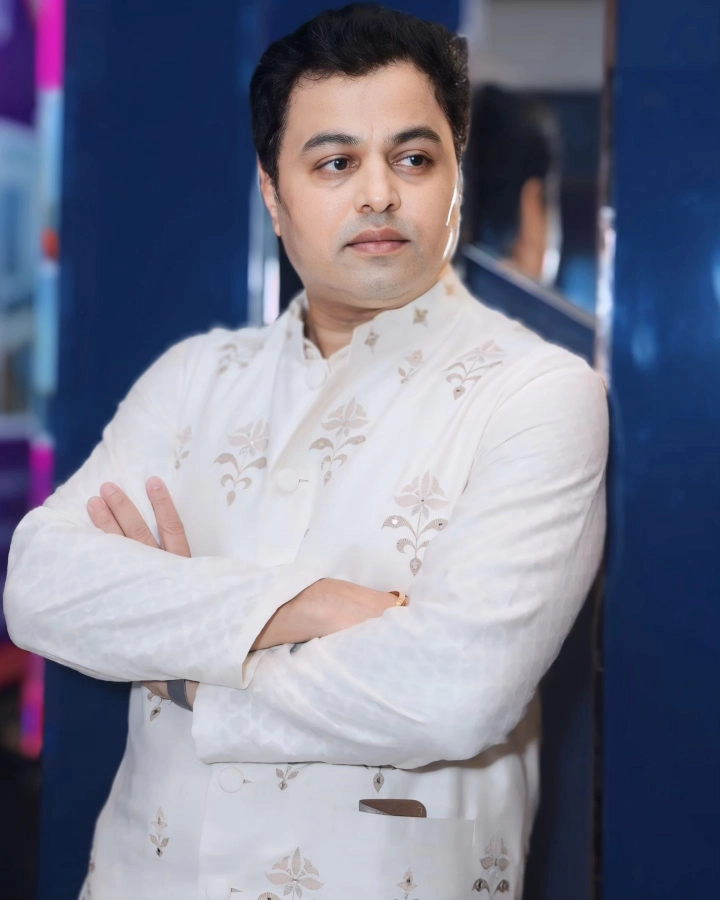
For Subodh Bhave, family is not a peripheral chapter in his life story — it is the emotional anchor that steadies everything else. While audiences recognize him as a powerful performer and cultural figure, those closest to him know him simply as a husband and father. Away from the arc lights and applause, his life revolves around quiet domestic routines, shared conversations, and the responsibilities of parenthood.
Subodh and his wife, Manjiri Bhave, have built a home grounded in simplicity and mutual respect. Despite his professional stature, he has consciously maintained a private family life. He rarely exposes personal matters to public scrutiny, choosing instead to shield his loved ones from unnecessary media attention. This discretion reflects his belief that fame should never overshadow family.
The couple is blessed with two sons — Kanha and Malhar. Parenthood, by his own admission in various interviews, has deepened his perspective on life. Raising children while balancing a demanding acting career requires careful time management, but Bhave prioritizes being present. Whether attending school events or spending quality time at home, he has often emphasized that fatherhood is one of his most meaningful roles.
Living in Mumbai for professional commitments while retaining strong emotional ties to Pune, the family navigates both worlds with balance. Their lifestyle is not marked by ostentation but by warmth. Friends and colleagues often describe Subodh as someone who returns home not as a celebrity but as a grounded family man — engaged, attentive, and affectionate.
What distinguishes Bhave’s family life is its stability. In an industry where personal lives frequently become headlines, his remains steady and dignified. The strength of his marriage, the upbringing of his children, and the values he upholds reflect continuity rather than chaos. That stability likely contributes to his calm and composed demeanor in public life.
Ultimately, Subodh Bhave’s family life mirrors his artistic ethos — rooted, respectful, and purposeful. It provides him with emotional equilibrium, allowing him to portray complex characters without losing his own center.
“Success feels meaningful only when you have someone to return to”, he has suggested — a sentiment that perfectly encapsulates his approach to family.
Key Highlights of Subodh Bhave’s Family Life
- Married to ‘Manjiri Deshpande’ since 12 July 2001
- Father to two sons — Kanha and Malhar
- Maintains strong privacy regarding his children
- Balances professional life in Mumbai with personal grounding
- Known for prioritizing family time despite a busy schedule
- Upholds traditional values while embracing modern responsibilities
Subodh Bhave’s family life is not a spectacle; it is a sanctuary. It reminds us that behind every accomplished artist stands a personal world that nurtures strength, resilience, and quiet happiness.
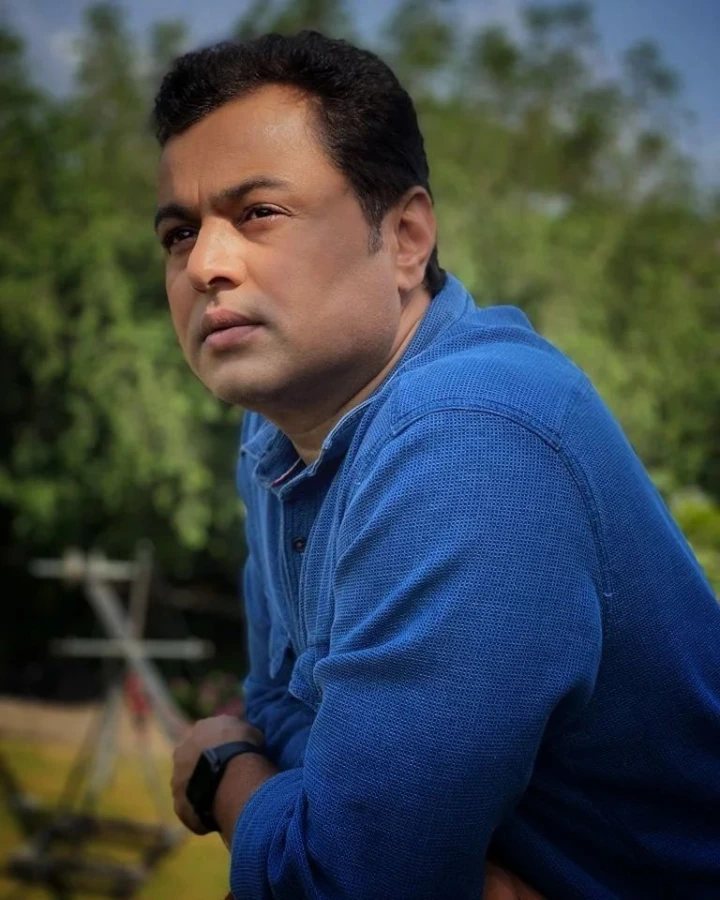
Net Worth – “Success Built on Substance, Not Spectacle”
When discussing Subodh Bhave’s net worth, it is important to approach the subject with realism and perspective. Unlike mainstream Bollywood celebrities whose earnings are frequently publicized, Marathi cinema operates within a different financial ecosystem. However, within that space, Bhave stands among the most respected and financially successful figures — not merely because of commercial projects, but due to sustained credibility across theatre, television, film, and direction.
While exact figures are not officially disclosed, industry estimates suggest that Subodh Bhave’s net worth reflects a combination of long-term acting assignments, successful film projects, television ventures, brand collaborations, and his work as a director and producer. His earnings have grown steadily over nearly three decades, mirroring his career’s upward trajectory. Importantly, his financial growth has been gradual and consistent rather than sudden or speculative.
A significant portion of his financial success stems from his acclaimed biographical films such as “Bal Gandharva” and “Lokmanya: Ek Yugpurush”, which performed strongly at the box office and earned critical acclaim. His directorial success with “Katyar Kaljat Ghusali” further added to his professional portfolio, proving that his creative expansion also had commercial viability. Such projects not only enhanced his artistic reputation but also strengthened his financial standing.
Television has also contributed meaningfully to his earnings. Long-running serials, hosting assignments, and high-visibility projects have ensured a steady income stream. Unlike film projects, which may fluctuate based on release cycles, television provides continuity — something Bhave has leveraged effectively throughout his career.
Additionally, as a well-recognized cultural figure in Maharashtra, Bhave occasionally participates in brand endorsements, stage appearances, and event engagements. While he is selective about commercial associations, these ventures add supplementary income while maintaining alignment with his dignified public image.
Despite his financial success, Subodh Bhave is not known for extravagant displays of wealth. His lifestyle reflects stability rather than flamboyance. He prioritizes quality living, family comfort, and long-term security over ostentatious indulgence. In many ways, his financial narrative mirrors his career philosophy — measured, thoughtful, and rooted in sustainability.
“True wealth lies in credibility and continuity”, his journey seems to suggest — a principle evident in both his art and earnings.
While exact figures fluctuate, Subodh Bhave’s estimated net worth reflects earnings from:
- Films
- Theatre Productions
- Direction Projects
- Brand Endorsements
His financial success mirrors sustained credibility rather than fleeting fame.
Key Financial Highlights
- Estimated to be among the higher-earning actors in Marathi cinema
- Income sources include films, television serials, direction, and production
- Financial growth strengthened by successful biographical films
- Directorial project “Katyar Kaljat Ghusali” added to commercial success
- Earns through hosting assignments and selective brand endorsements
- Known for a grounded lifestyle rather than lavish extravagance
- Maintains long-term financial stability through diversified projects
Subodh Bhave’s net worth is not just a numerical estimation; it is a reflection of decades of disciplined work and consistent excellence. His financial journey underscores a powerful truth — that sustainable success, built patiently over time, carries far greater value than fleeting fame.
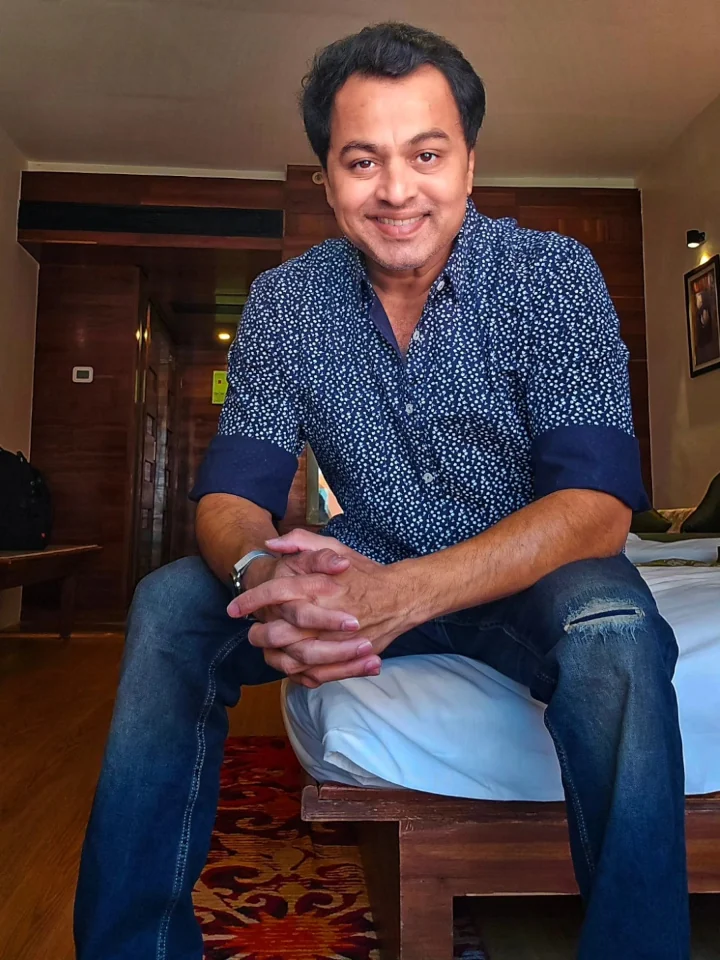
Subodh Bhave Trivia: Little-Known Facts & Fascinating Stories Behind the Star
Subodh Bhave’s journey from a young boy in Pune to one of the most respected faces in Marathi cinema is not just a story of talent — it’s full of interesting twists, personal anecdotes, and inspiring turns that many fans might not know. Here’s an in-depth, behind-the-scenes look into the trivia that humanizes the legend.
The Salesman Who Chose Art Over Stability
Before cinema called his name, Subodh Bhave worked as a salesman at a small IT firm in Pune called Inika Technologies in Koregaon Park. Many years later, he would credit that early stint with teaching him discipline, people skills and confidence — all of which later helped him navigate the entertainment industry with ease.
A Stage Career That Built the Foundation
Bhave’s first love was theatre. Even while studying commerce, he was deeply involved in stage productions — learning timing, presence, and audience engagement long before he stepped in front of the camera. This grounding is often cited as the core reason behind his effortless performances in both films and television.
Made His TV Debut on Doordarshan
Long before movies, Subodh entered the public eye through television. In the early days, he made his serial debut on Doordarshan with “Manachiye Gunti” — a period when Doordarshan was still a dominant cultural medium, especially in Maharashtra.
Academic Setback That Became A Turning Point
In a candid interview years later, Bhave shared that he failed three subjects in his 12th-grade board exams, a moment that initially felt like a setback but eventually redirected him toward his true calling — the arts. Rather than letting this define him negatively, he used it as motivation to pursue his passion.
Never One to Be Pigeonholed
Subodh Bhave is known widely for biographical roles — yet many fans are surprised to learn that he has also been part of romantic dramas, comedies, thrillers and experimental cinema. Films like Fugay (a buddy comedy), Aatpadi Nights (romantic comedy), and Karaar (social drama) demonstrate his versatility beyond history-driven storytelling.
A Record of Historical Portrayals
Perhaps no other Marathi actor has brought so many real figures to life with such depth. Bhave’s portrayals of cultural icons — from Bal Gandharva to Lokmanya Bal Gangadhar Tilak and even Chhatrapati Shivaji Maharaj — have not only won awards but also renewed public interest in these personalities among younger audiences.
A Love Story Longer Than His Career
One of the most delightful trivia nuggets about Bhave is his romance with wife ‘Manjiri Bhave’. They first met in eighth grade, and — astonishingly — he proposed to her back then! Manjiri took four whole days to say “yes”, a story the couple still laugh about fondly. They dated for more than a decade before marrying in 2001.
Celebration of 30 Years Together
In 2021, Subodh and Manjiri publicly celebrated 30 years of togetherness, including 10 years of dating and 20 years of marriage, by sharing heartfelt posts and nostalgic photos — a testimony to their deep bond and enduring partnership in life and art.
Known as Marathi Cinema’s “Biopic King”
While not a formal title, many critics and journalists refer to Bhave as the “Biopic King” of Marathi cinema — not just for the number of historical films he has done, but for the care and authenticity he brings to each role. Especially on films like “Balgandharva” and “Lokmanya: Ek Yugpurush”, his performances have been widely praised for emotional nuance and cultural accuracy.
Beyond Acting: Creative Visionary
Fans might be surprised to know that Bhave isn’t content just acting; he directs and produces too. His directorial debut with “Katyar Kaljat Ghusali” — a musical drama adapted from a beloved Marathi play — became one of the highest-grossing films in Marathi cinema history and reaffirmed his multifaceted creative vision.
In Summary
The trivia around Subodh Bhave doesn’t just reveal quirky facts — it tells a deeper story of perseverance, versatility, love, and cultural commitment. These lesser-known insights enrich our understanding of the man behind the characters, showing how his personal experiences — from academic setbacks to long-standing relationships — shaped the nuanced artist audiences admire today.

Social Life & Awareness – “Beyond the Spotlight: A Voice Rooted in Culture and Responsibility”
Subodh Bhave’s public life extends far beyond film sets and television studios. While he is celebrated for his artistic achievements, his social presence reflects a thoughtful and culturally conscious individual. He does not seek attention through loud declarations or performative activism; instead, his awareness manifests through meaningful participation, responsible commentary, and consistent support for initiatives that align with his values.
One of the most significant aspects of Bhave’s social life is his unwavering commitment to Marathi language and culture. Through interviews, public appearances, and creative choices, he consistently advocates for the preservation and evolution of regional art forms. By portraying historical icons and producing culturally rich content, he indirectly contributes to keeping Maharashtra’s heritage relevant for younger generations.
Bhave is also known to participate in literary gatherings, theatre festivals, and cultural seminars. His presence at such events is not merely ceremonial. He often engages in conversations about storytelling, artistic discipline, and the responsibilities of modern performers. These platforms allow him to connect with students, aspiring actors, and cultural enthusiasts in a more personal and reflective manner.
Education and youth mentorship remain areas close to his heart. Having experienced academic challenges himself in his formative years, he speaks empathetically about resilience and self-belief. In various interactions, he has encouraged students to balance academics with passion, emphasizing that discipline and creativity can coexist harmoniously. His words carry credibility because they stem from lived experience.
Social awareness for Bhave is also evident in the kind of scripts he chooses. Many of his projects address historical consciousness, societal transformation, and moral dilemmas. By bringing such narratives to mainstream audiences, he subtly sparks dialogue about leadership, integrity, and civic responsibility. His films often serve as cultural conversations rather than mere entertainment.
During times of social uncertainty or cultural debate, Bhave maintains a measured tone. He avoids sensational statements, preferring thoughtful reflection over impulsive commentary. This restraint has strengthened his public image as someone who values clarity and dignity in discourse. In an era where celebrity opinions often polarize audiences, his balanced approach stands out.
He has also supported charitable and community initiatives, particularly those connected to arts and cultural development. While he does not publicize every philanthropic gesture, colleagues and industry insiders acknowledge his willingness to contribute to theatre preservation efforts and social causes aligned with education and cultural awareness.
Importantly, his social life reflects accessibility. Whether interacting with fans at public events or engaging in interviews, he maintains warmth and respect. Admirers often describe him as approachable and grounded — qualities that deepen his connection with audiences beyond the screen.
Subodh Bhave’s awareness is not loud, but it is consistent. It is embedded in his choices, conversations, and conduct. His influence operates subtly, reminding society that art can be both expressive and responsible.
“An artist’s voice carries weight — it must be used wisely”
This principle seems to guide his social engagement.
Key Highlights of Social Life & Awareness
- Advocates for the preservation and promotion of Marathi language and culture
- Regular participant in theatre festivals, literary events, and cultural seminars
- Encourages youth to balance education with creative passion
- Selects scripts that stimulate social and historical awareness
- Maintains dignified and measured public commentary
- Supports arts-based and educational community initiatives
- Known for approachable and respectful interaction with fans
- Uses cinema as a platform to promote cultural dialogue
- Represents intellectual responsibility within the entertainment industry
Subodh Bhave’s social life is defined not by spectacle, but by sincerity. Through thoughtful participation and culturally conscious choices, he demonstrates that influence need not be loud to be impactful. In every public gesture, there is a quiet commitment to responsibility — a reminder that true stature lies in substance.
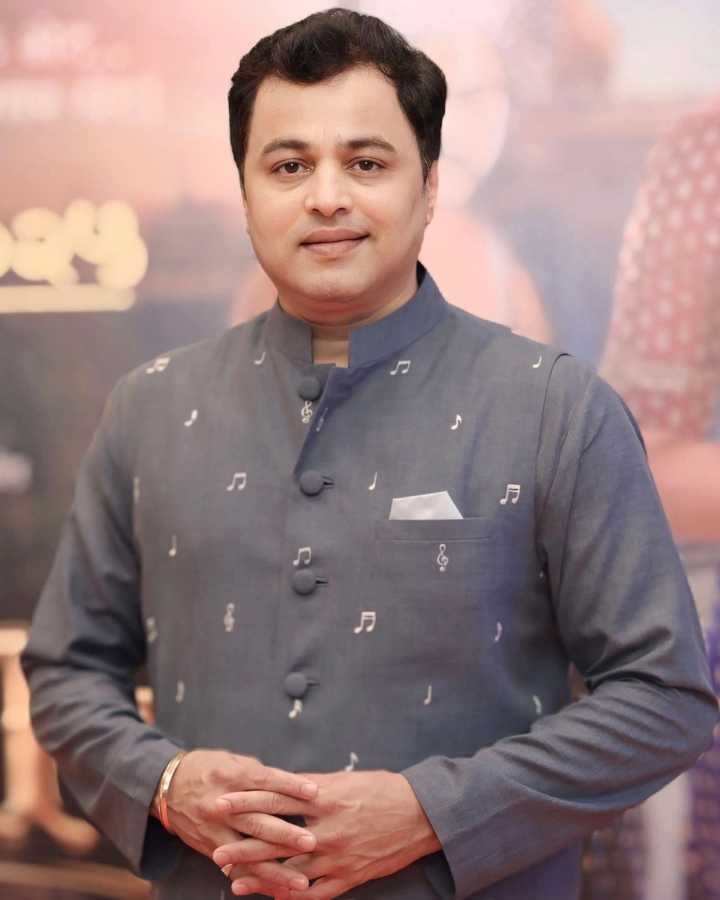
Media News, Interviews, Controversies (If Any) & Public Image
“Composed, Credible, and Consistently Grounded”
In an industry where headlines are often driven by controversy and spectacle, Subodh Bhave’s media presence stands out for its composure and clarity. Over the years, he has cultivated a public image rooted in dignity, intellectual engagement, and professional discipline. His interactions with the media are thoughtful rather than impulsive, reflective rather than reactive.
From the early stages of his career, Bhave’s interviews have been marked by sincerity. He rarely indulges in exaggerated self-promotion. Instead, he speaks about process — research, rehearsal, and responsibility. Particularly when discussing his historical roles, he often emphasizes the ethical weight of portraying real-life icons. For him, such performances are not opportunities for stardom, but moments of accountability.
During the promotional campaigns for films like “Bal Gandharva” and “Lokmanya: Ek Yugpurush”, Bhave participated in numerous print and television interviews. What impressed journalists and viewers alike was his depth of preparation. He would reference historical context, social movements, and cultural nuances with scholarly confidence. This intellectual engagement elevated the quality of public conversations around his films.
Television appearances have further strengthened his approachable image. Whether appearing on talk shows, participating in cultural discussions, or hosting programs like “Bus Bai Bas”, Bhave demonstrates ease and authenticity. He listens attentively, responds thoughtfully, and avoids sensational commentary. Such conduct has reinforced his reputation as a mature and responsible public figure.
When discussing the Marathi film industry, Bhave often highlights its evolution — from modest budgets to technically sophisticated productions. He acknowledges challenges candidly but refrains from unnecessary criticism. His balanced perspective has earned him respect among peers and journalists alike.
As for controversies, Subodh Bhave’s career has remained largely free from personal scandals. Unlike many celebrities who become embroiled in public disputes, his professional journey has been remarkably steady. There have occasionally been debates surrounding historical interpretations in films he has acted in — as is common with biographical cinema — but these discussions centered on cinematic representation rather than personal conduct.
In such instances, Bhave has responded calmly, reiterating the importance of research and respectful portrayal. He neither dismisses criticism nor inflames it. This measured approach has prevented minor disagreements from escalating into damaging controversies. His ability to navigate public discourse without provocation speaks volumes about his emotional intelligence.
Media coverage of his personal life has also been relatively respectful. His long-standing marriage and family stability contribute to his positive public image. He avoids oversharing, maintaining a clear boundary between public persona and private life. This restraint fosters admiration rather than intrusion.
Another noteworthy aspect of his public image is consistency. Over decades, his demeanor has remained steady. Whether receiving awards or addressing industry issues, he maintains humility. Colleagues often describe him as dependable — a quality that extends beyond film sets into public engagements.
Importantly, his reputation within the Marathi entertainment ecosystem is one of trust. Directors value his preparation. Co-actors appreciate his professionalism. Journalists acknowledge his articulate communication. Audiences recognize his sincerity. Such multi-dimensional respect is rare and deeply earned.
“Reputation is built quietly, over time — through choices, not noise”
This statement could easily summarize Bhave’s relationship with media and public life.
Today, Subodh Bhave is viewed not merely as an actor but as a cultural representative. His public image reflects seriousness without arrogance, visibility without vanity, and influence without controversy. In a world of fleeting digital fame, his credibility remains refreshingly enduring.
Key Highlights: Media Presence & Public Image
- Known for thoughtful, research-driven interviews
- Emphasizes responsibility while portraying historical figures
- Maintains calm and measured responses to criticism
- Largely free from personal controversies or scandals
- Participates in talk shows and cultural discussions with composure
- Advocates for Marathi cinema’s growth and evolution
- Keeps personal life private and dignified
- Respected by peers for professionalism and discipline
- Appreciated by journalists for articulate communication
- Public image rooted in integrity and intellectual maturity
Subodh Bhave’s media journey is a study in balance. He neither avoids the spotlight nor exploits it. Instead, he uses it responsibly — reinforcing a public identity built not on controversy, but on credibility.
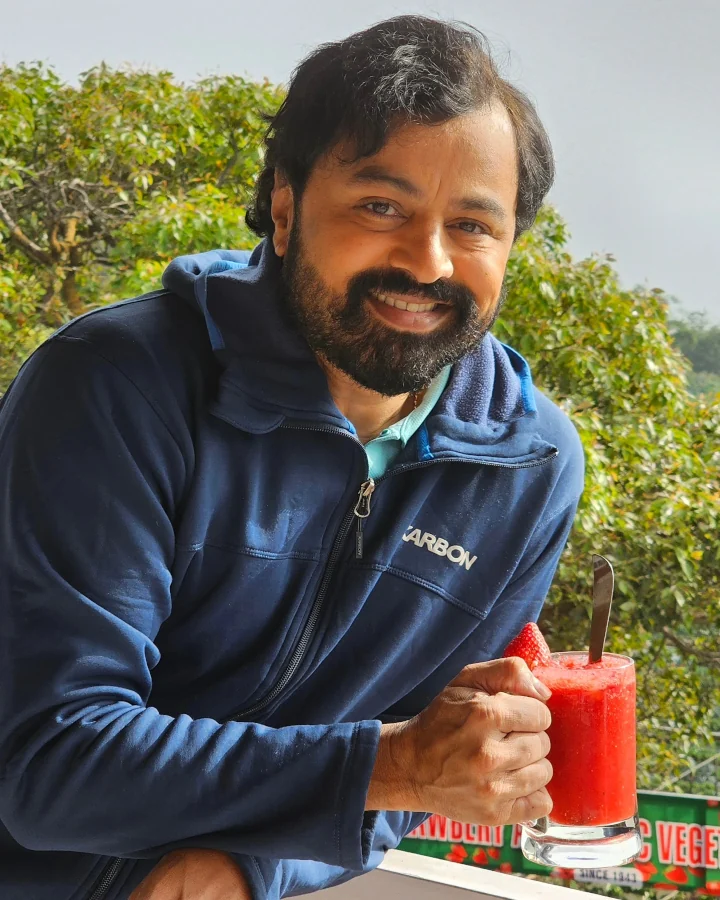
Detailed Conclusion – “An Artist Who Became an Institution”
As one reflects upon Subodh Bhave’s journey, it becomes evident that his life cannot be measured merely by filmography or awards. His story is one of evolution — steady, deliberate, and deeply rooted in purpose. From a culturally rich upbringing in Pune to becoming one of Marathi cinema’s most respected figures, his path has been defined by intention rather than impulse.
What distinguishes Bhave from many of his contemporaries is not just talent, but temperament. He embodies discipline in an industry often characterized by unpredictability. Whether on stage, on television, or in cinema, he approaches each project with research, humility, and emotional intelligence. His career serves as proof that longevity is not accidental; it is built on preparation and consistency.
Theatre gave him grounding. Television gave him familiarity. Cinema gave him scale. Direction gave him vision. Together, these dimensions have shaped an artist who understands storytelling from every angle. He does not merely perform roles — he inhabits them. He does not merely direct projects — he curates experiences. This multi-layered growth has elevated him beyond the label of “actor” into the realm of “creative custodian”.
His portrayals of historical icons will likely remain his most enduring contributions. Through characters such as Bal Gandharva and Lokmanya Tilak, he revived cultural memory for a contemporary audience. These performances were not spectacles; they were acts of preservation. In doing so, he bridged generations — connecting young viewers with the intellectual and artistic heritage of Maharashtra.
Equally inspiring is the stability of his personal life. His long-standing marriage, devotion to family, and conscious privacy reflect balance. In an era of relentless visibility, Bhave demonstrates that one can achieve prominence without sacrificing personal grounding. His ability to maintain harmony between public acclaim and private contentment adds a layer of depth to his success.
Financial prosperity and awards have followed naturally, yet they have not altered his demeanor. He remains measured in interviews, respectful in public forums, and collaborative within the industry. This consistency reinforces his reputation as a reliable and thoughtful professional — someone whose presence commands respect rather than noise.
Importantly, Bhave’s career also mirrors the evolution of Marathi cinema itself. Over the past two decades, regional cinema has gained national recognition, improved technical standards, and expanded its audience reach. Bhave has been both a witness to and a contributor to this transformation. His work represents a bridge between tradition and modernity.
Another enduring element of his journey is mentorship — not in the formal sense of classroom teaching, but through example. Young actors observing his preparation, discipline, and ethical conduct find a blueprint for sustainable careers. In this way, his influence extends beyond his own performances into the future of the industry.
At fifty, Subodh Bhave stands at a point of mature artistry. He has achieved acclaim, yet he continues to evolve. There is a sense that his journey is not concluding but deepening. With every new role and every new venture, he reinforces the values that defined his beginnings: sincerity, research, patience, and cultural respect.
“Greatness lies not in the height of applause, but in the depth of impact”
Subodh Bhave’s life exemplifies this philosophy. His impact lies in the quiet confidence he instills in audiences — the assurance that meaningful storytelling still thrives.
Ultimately, his biography is not simply the record of an actor’s career; it is the narrative of a man who chose substance over spectacle. In doing so, he transformed performance into preservation and fame into responsibility.
Final Reflections & Key Takeaways
- A career spanning nearly three decades marked by consistency
- Theatre-rooted discipline shaping cinematic excellence
- Landmark historical portrayals that revived cultural memory
- Successful transition into direction and production
- Stable family life reflecting grounded values
- Multiple prestigious awards earned through merit
- Maintained controversy-free and dignified public image
- Contributed significantly to the evolution of Marathi cinema
- Recognized as Marathi cinema’s leading biographical actor
- Inspires young performers through professionalism and integrity
- Balances artistic ambition with cultural responsibility
- Continues to evolve while honouring tradition
Subodh Bhave’s journey reminds us that artistry, when paired with integrity, creates legacy. He did not merely chase success — he cultivated significance. And in that distinction lies the true measure of his enduring contribution.
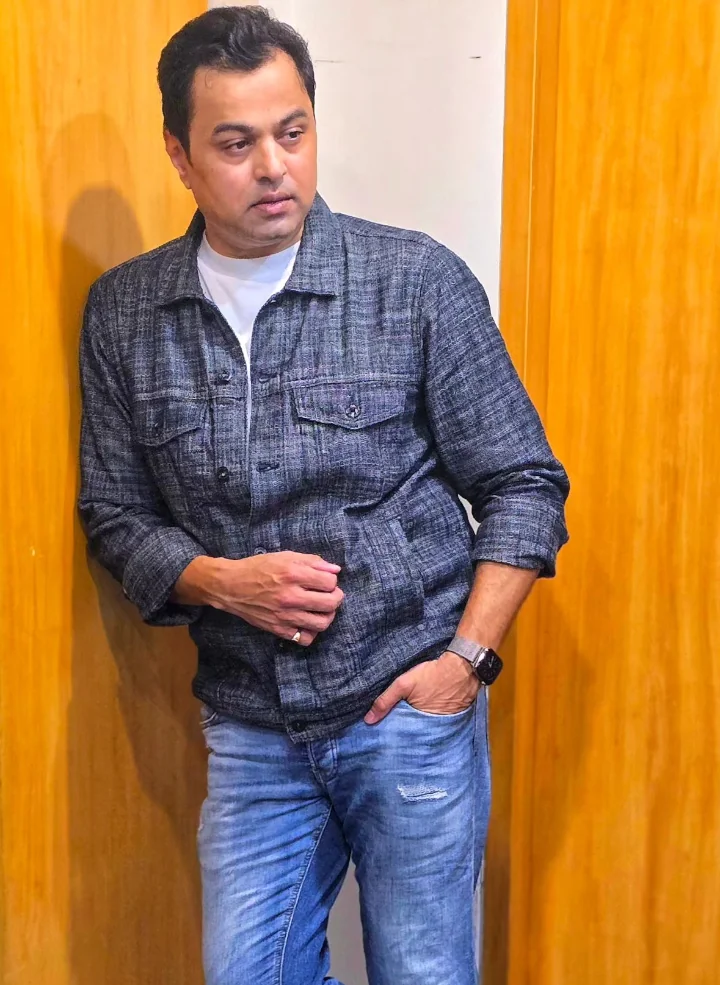
Closing Notes For – “An Actor Who Became an Institution”
Subodh Bhave’s journey is not merely about roles — it is about responsibility.
He represents:
- Cultural Continuity
- Artistic Integrity
- Professional Discipline
From Pune’s theatre circuits to Maharashtra’s cinematic throne, his rise has been earned.
At 50, he stands as an institution — not chasing trends but shaping them.
“Art survives when artists respect it”
A Poetic Closing Tribute
In the quiet glow of the stage lights,
where history whispers and memory breathes,
there stands a man who does not merely perform —
he remembers for us.
Subodh Bhave is not just an actor shaped by applause;
he is an artist shaped by reverence.
Reverence for language.
Reverence for legacy.
Reverence for the stories that built a people.
When he speaks as Tilak, conviction fills the air.
When he moves as Bal Gandharva, grace returns to the present.
When he stands before the camera,
it feels less like acting and more like time unfolding gently in our hands.
He has walked through theatre’s discipline,
television’s intimacy,
and cinema’s grandeur —
yet he has remained astonishingly grounded,
as though fame were merely a passing breeze
and purpose the true destination.
There is something rare about an artist
who chooses responsibility over noise,
depth over display,
and culture over convenience.
That rarity is his signature.
In an age that celebrates speed,
he chose patience.
In an era that rewards spectacle,
he chose sincerity.
And in doing so,
he became more than a star —
he became a standard.
Subodh Bhave’s journey reminds us
that art can still be dignified,
that success can still be thoughtful,
and that legacy is not built in moments,
but in mindful choices made over years.
As the curtains rise and fall,
as scripts are written and retold,
his presence will remain —
not only in frames and dialogues,
but in the cultural heartbeat of Maharashtra.
For some actors chase characters.
He honours them.
And that is why his story
will not fade with applause —
it will endure like a timeless refrain,
soft, steady, and unforgettable.
Sources & References
- Wikipedia – Subodh Bhave
- Wikipedia – List of roles and awards of Subodh Bhave
- IMDb Profile – Subodh Bhave
- IMDb Trivia – Subodh Bhave
- IMDb Biography – Subodh Bhave
- BookMyShow Profile – Subodh Bhave
- Verified Media Interviews
If you admire artists who honor culture through cinema, read this biography till the end — and rediscover the magic of Marathi storytelling through Subodh Bhave’s extraordinary journey.
🔗 External Links
- Wikipedia – Subodh Bhave
- Wikipedia – List of roles and awards of Subodh Bhave
- IMDb Profile – Subodh Bhave
- IMDb Trivia – Subodh Bhave
- IMDb Biography – Subodh Bhave
- BookMyShow Profile – Subodh Bhave
- Verified Media Interviews
Image Credit
For more information, you can visit our website: ExploreXP
If you found this biography insightful, share it with fellow lovers of Marathi cinema — and celebrate artists who carry culture forward with dignity and brilliance.