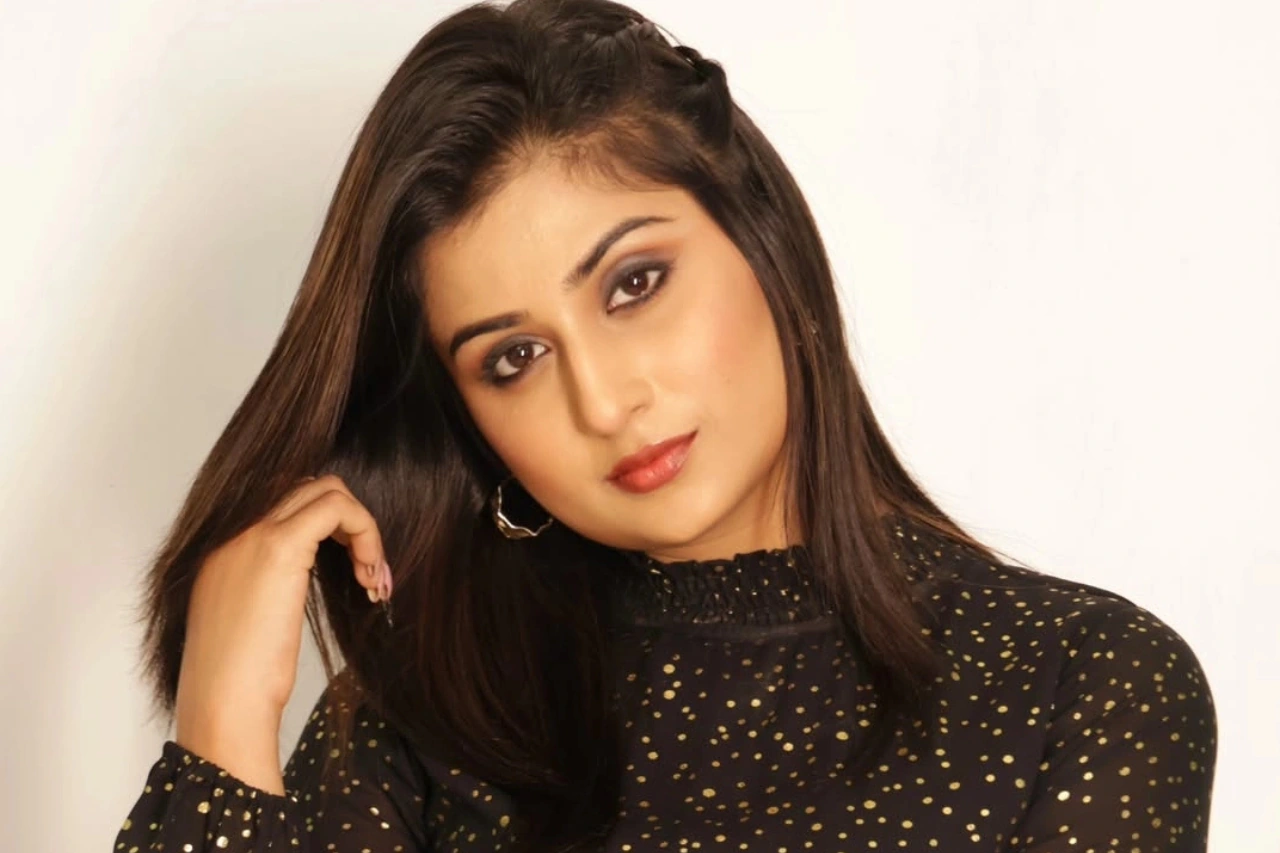
“She does not chase the spotlight — she prepares for it. And when it arrives, she owns it”
Article Summary
Rasika Wakharkar (born 25 June 1995, Pune, Maharashtra, India) is an Indian actress, performer, and model known for her compelling work across Marathi cinema, Hindi and Marathi television, web-series, short films, and music videos. Widely recognised for her portrayal of Bhairavi Mujumdar in “Ashok Ma.Ma”, she represents a new generation of Marathi performers rooted in classical discipline and contemporary storytelling.
Trained in classical dance and influenced by theatre traditions, Rasika has built her craft on emotional authenticity, technical awareness, and character adaptability. Her screen appearances in Pirticha Vanva Uri Petla, Athang, Makeup, and Django JD demonstrate her versatility across genres and formats.
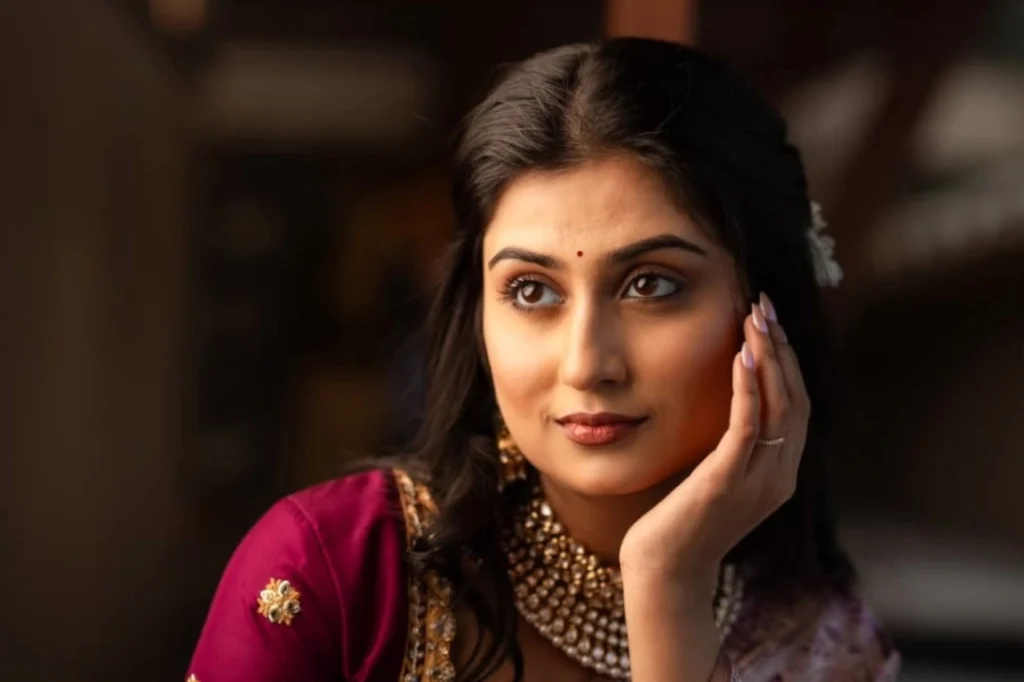
Married to Shubhaankar Umbrani on 20 January 2026, Rasika balances artistic ambition with personal grace. Though she has yet to accumulate major award trophies as of 2025, industry veterans — including ‘Ashok Saraf’ — have publicly acknowledged her sincerity and promise.
Also Read
This expanded, definitive biography explores Rasika Wakharkar’s early life, education, classical training, professional journey, marriage, media presence, public image, industry positioning, social awareness, artistic philosophy, financial trajectory, and future potential — offering readers a comprehensive portrait of a performer who is shaping her legacy with quiet intensity.
Introduction: A Performer Forged in Patience, Poise, and Precision
In the ever-evolving landscape of Indian entertainment — where virality often outruns substance — Rasika Wakharkar stands as a compelling reminder that longevity belongs to those who prepare. She is not an actress sculpted overnight by publicity machinery; she is a performer shaped gradually by rehearsal halls, dance studios, script readings, and disciplined introspection. Her presence on screen does not feel imposed — it feels earned.
Born on 25 June 1995 in Pune, Rasika grew up in a city long celebrated as Maharashtra’s cultural heartland. Pune’s artistic ecosystem — steeped in theatre, classical music, literature, and intellectual discourse — provided fertile soil for her sensibilities. In many ways, Rasika’s journey reflects the ethos of her city: cultured yet contemporary, disciplined yet daring, traditional yet forward-looking.
When audiences first encountered her portrayal of Bhairavi Mujumdar in “Ashok Ma.Ma”, they did not merely see a new face; they encountered a performer comfortable with silence, subtlety, and emotional layering. Acting opposite stalwarts such as Ashok Saraf demands composure. Rasika did not attempt to overpower scenes; instead, she anchored them with internalised expression — a skill refined through classical training and theatre immersion.
What distinguishes Rasika from many of her contemporaries is not just versatility, but intentionality. She approaches each medium — television, film, web-series, short films — as a distinct grammar rather than a uniform stage. Television requires continuity and stamina; cinema demands precision and economy; digital content often invites realism and intimacy. Rasika adapts to each format without diluting authenticity.
Her career arc so far is not defined by sensational controversies or headline-grabbing theatrics. Instead, it is characterised by steady growth, audience goodwill, and professional respect. That quiet ascent may, in fact, be her greatest strength.

Early Life: The Cultural Cradle of Pune
To understand Rasika Wakharkar’s artistic identity, one must first understand Pune — the city that shaped her formative years. Known as Maharashtra’s cultural capital, Pune has long nurtured playwrights, classical musicians, scholars, and progressive thinkers. In such an environment, art is not extracurricular — it is embedded in daily life.
Rasika’s upbringing appears grounded in middle-class Maharashtrian values, where education, humility, and discipline coexist with artistic encouragement. While she maintains privacy regarding specific family details, her interviews and public interactions reflect deep familial gratitude. One senses that her parents did not merely permit her artistic aspirations — they supported them with trust.
As a child, Rasika reportedly displayed an innate attraction toward performance. School functions became miniature stages. Dance competitions were not merely events but experiences of self-discovery. Teachers noted her expressive eyes and ability to convey emotion beyond rehearsed choreography.

Classical dance entered her life early. This training proved transformative. Classical dance is not only about movement; it is about narrative. It trains the performer in rhythm, posture, facial expression (abhinaya), emotional transitions, and cultural storytelling. Rasika’s later screen performances reveal this foundation — her body language controlled, her expressions measured, her gestures meaningful rather than ornamental.
Theatre followed naturally. Pune’s vibrant amateur theatre circuit offered opportunities to engage with scripts, characters, and ensemble work. Theatre demands discipline of a different kind — projection, timing, and responsiveness to live audience energy. It builds resilience. Mistakes cannot be edited out. Rasika’s theatre exposure sharpened her instinct for presence — the ability to hold attention without demanding it.
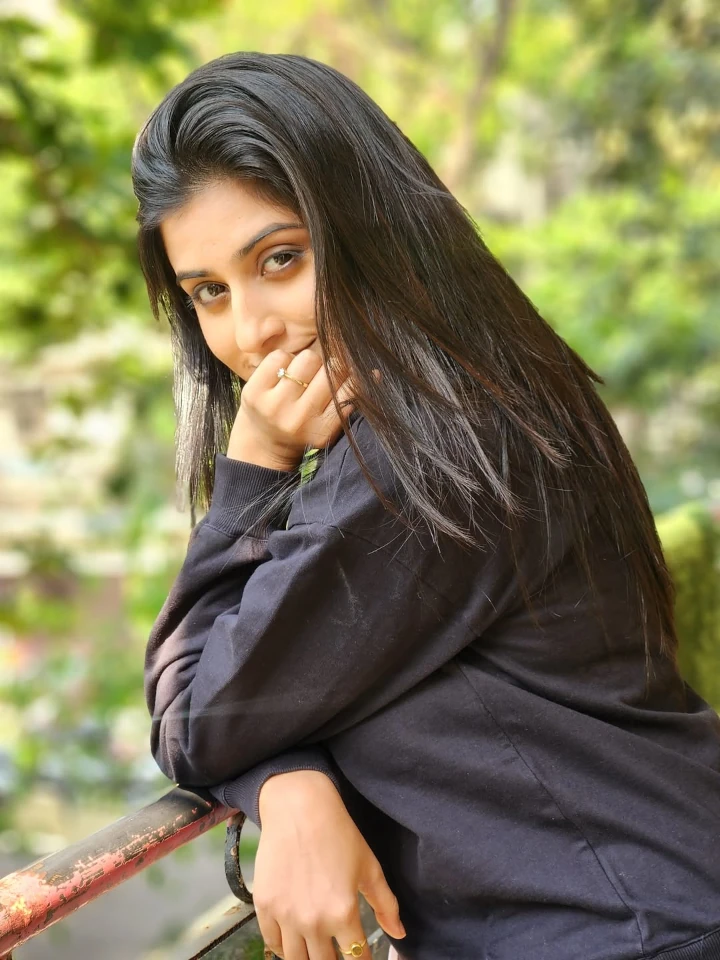
Education: Balancing Academics and Art
Rasika completed her schooling in Pune, navigating academic responsibilities alongside artistic pursuits. Unlike many performers who abandon formal education early, Rasika’s trajectory reflects balance. She treated academics not as an obstacle but as a stabilising force.
During her college years, cultural festivals became platforms for creative experimentation. Inter-collegiate competitions introduced her to diverse performance styles — comedic sketches, dramatic monologues, dance fusions. These experiences broadened her artistic vocabulary.
Education, in Rasika’s case, seems to have served a deeper purpose than certification. It cultivated perspective. It grounded ambition in realism. It taught her to navigate criticism constructively — a vital skill in an industry where feedback is constant and often public.

The Theatre Influence: Learning the Language of Silence
Before cameras captured her, stage lights trained her. Theatre is often called the actor’s laboratory. For Rasika, it was both laboratory and sanctuary.
Theatre rehearsals teach patience. Lines must be memorised not mechanically but organically. Blocking must align with emotion. Co-actors must be trusted. Rasika’s later screen restraint — her refusal to overact — reflects theatrical discipline.
In interviews, she has emphasised preparation. That emphasis likely originates from theatre culture, where rehearsal is sacred. The spontaneity audiences admire is often the product of rigorous repetition.
Theatre also teaches humility. There are no vanity vans backstage — only collective effort. Rasika’s collaborative spirit on television sets suggests she internalised this ethos early.
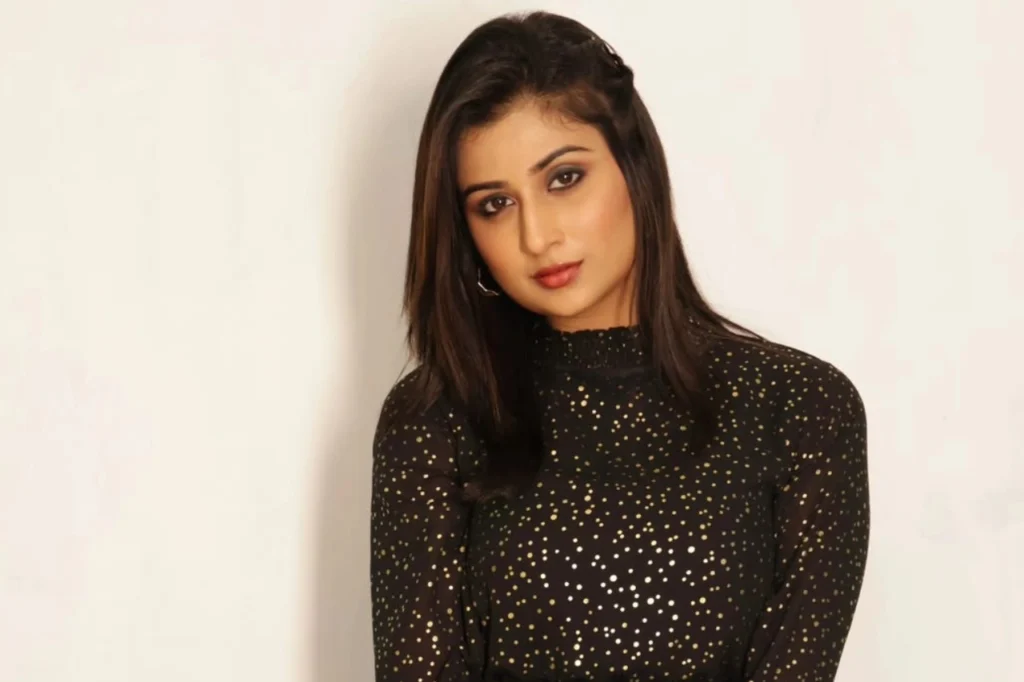
Career Emergence: When Craft Meets Camera
Rasika’s transition from stage to screen was gradual rather than dramatic. Initial roles may not have been headline-grabbing, but they were instructive. Each appearance taught her technical nuances: camera angles, continuity, retakes, close-up sensitivity.
Her breakthrough came with her portrayal of Bhairavi Mujumdar in “Ashok Ma.Ma”. Acting opposite ‘Ashok Saraf’, a veteran known for impeccable timing and expressive precision, is both an opportunity and a challenge. Rasika rose to it.
Bhairavi was not written as a flamboyant character. She required quiet strength and emotional layering. Rasika delivered with subtle control — avoiding melodrama while ensuring depth. Audiences responded positively, and media outlets such as Maharashtra Times reported on her experience working with senior artists.

Beyond television, Rasika explored film projects including Pirticha Vanva Uri Petla, Athang, Makeup, and Django JD. Each project expanded her range. In “Makeup”, she navigated nuanced emotional terrain. In “Athang”, she engaged with layered storytelling. These roles signaled her refusal to remain confined to one genre.
Her adaptability across formats demonstrates strategic awareness. Today’s entertainment landscape is fragmented. Artists who restrict themselves to one medium risk stagnation. Rasika embraces multiplicity.

Marriage & Personal Life: The Grace of Balance
On 20 January 2026, Rasika Wakharkar married Shubhaankar Umbrani in a ceremony reflecting Maharashtrian tradition and understated elegance. Media outlets including Lokmat and Loksatta covered the event, noting the warmth of industry wishes.
Her co-star Ashok Saraf reportedly extended heartfelt blessings — a gesture symbolising professional respect transcending sets.
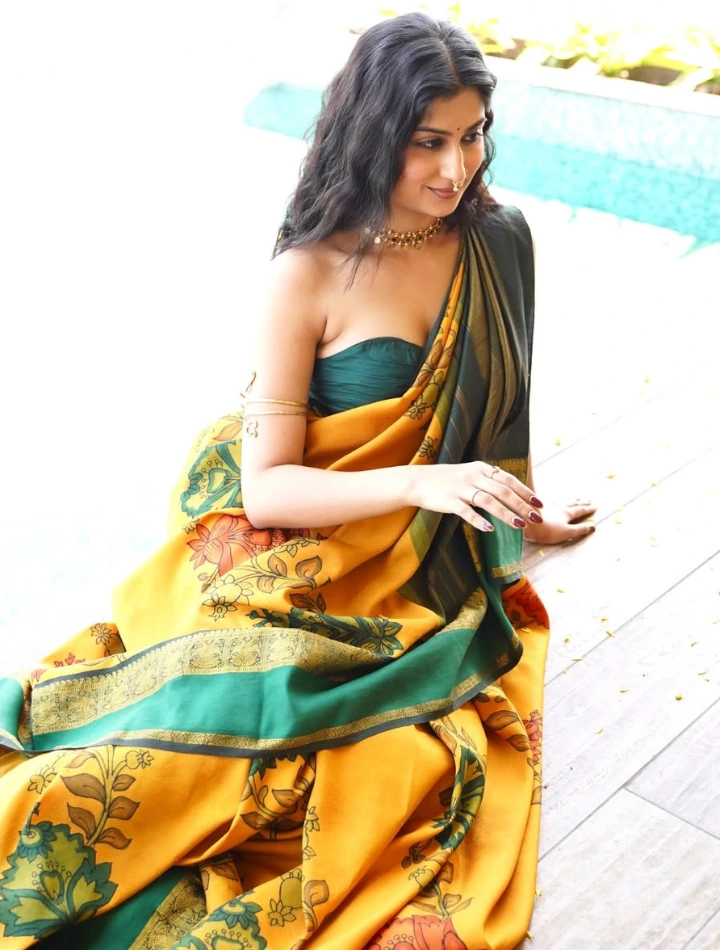
The wedding did not project extravagance; it projected authenticity. Traditional attire, family presence, and intimate celebration mirrored Rasika’s personality — dignified, rooted, sincere.
Marriage, for Rasika, appears not as a departure from career but as an expansion of identity. In contemporary Indian entertainment, female artists increasingly assert that personal happiness need not interrupt professional momentum. Rasika embodies that balance.

Family: The Foundation Beneath Fame
Though protective of her family’s privacy, Rasika often expresses gratitude toward her parents. Their support likely played a pivotal role in allowing her to pursue a career often considered uncertain.
Family, in her narrative, functions as emotional anchor. Success can be destabilising; grounded upbringing mitigates that risk.

Net Worth & Financial Trajectory
While specific figures remain unverified publicly, Rasika’s income streams likely include television contracts, film roles, brand endorsements, music videos, and social media collaborations.
Her financial growth mirrors her career expansion. Yet her public persona suggests measured ambition rather than ostentatious display.
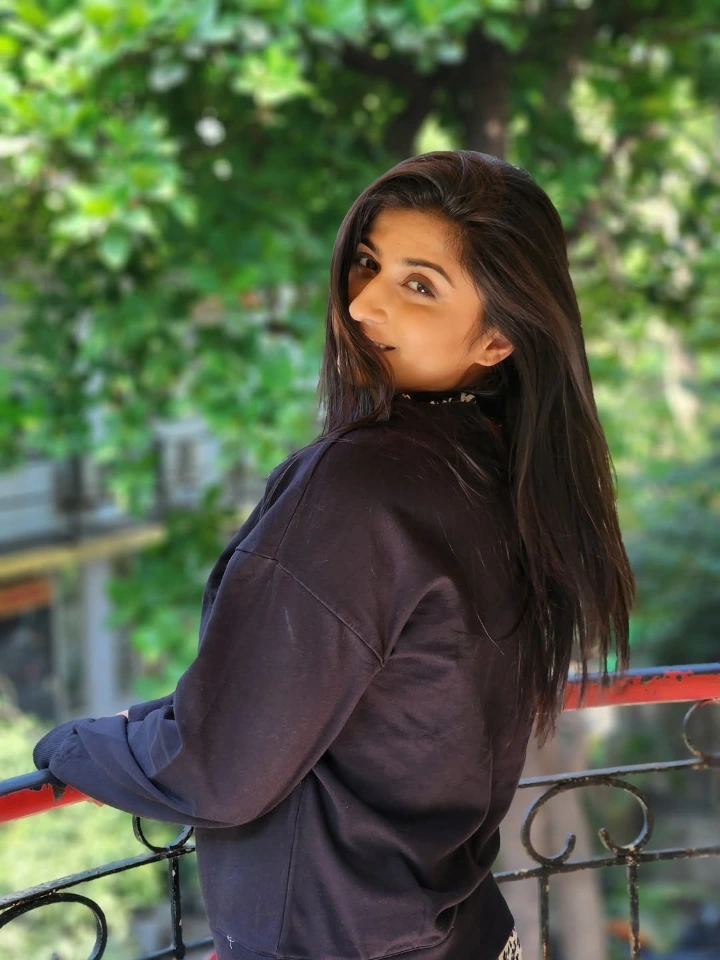
Public Image & Social Awareness
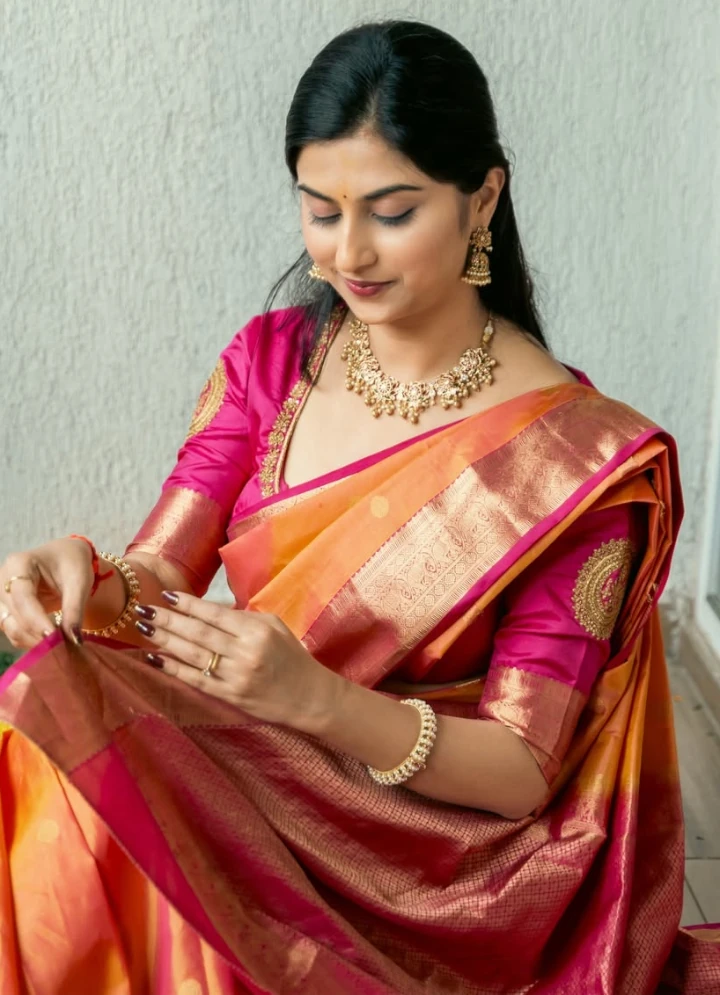
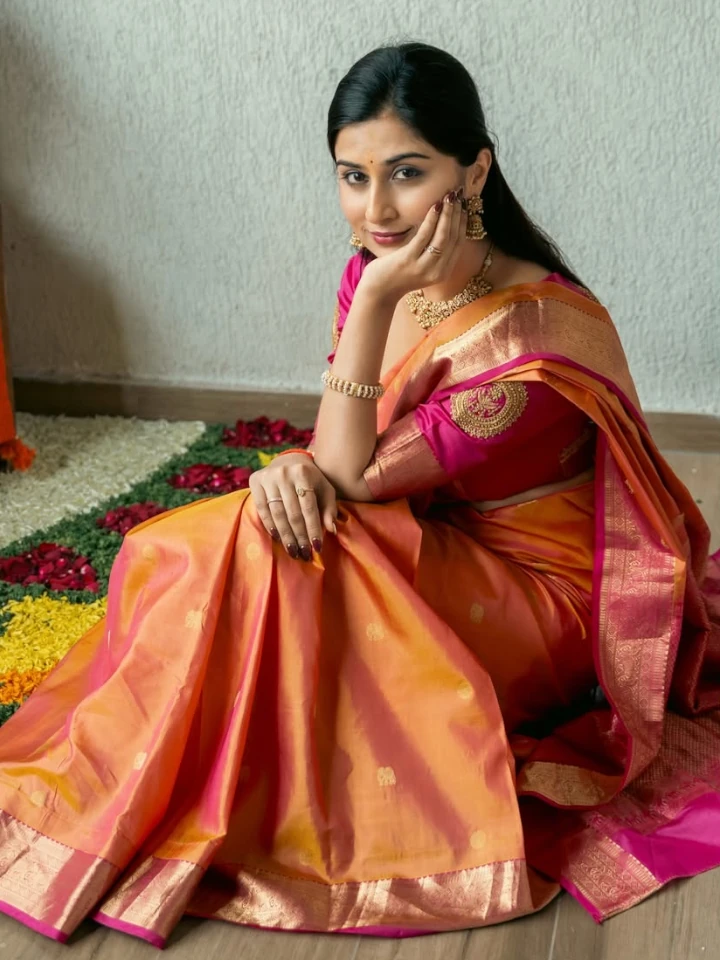
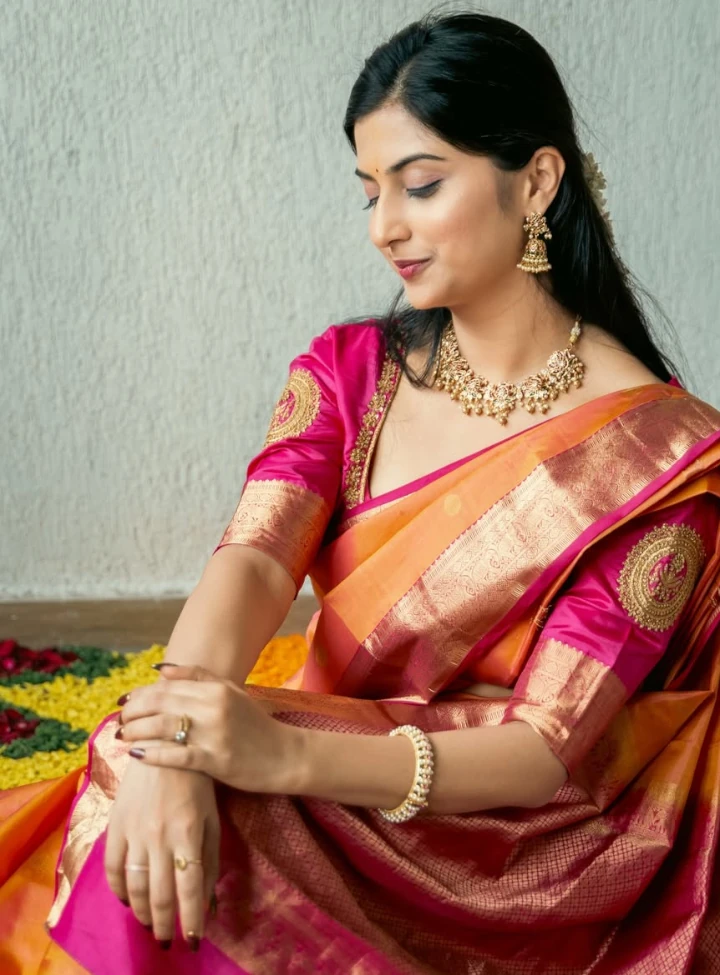
Rasika maintains an active but curated Instagram presence. Her posts often include behind-the-scenes glimpses, traditional attire photographs, and reflective captions expressing gratitude.
Unlike celebrities who leverage controversy for visibility, Rasika’s digital identity aligns with professionalism. As of 2026, no verified controversies are associated with her name — a testament to disciplined public conduct.
Media Coverage & Interviews
Media portals such as Maharashtra Times have featured her reflections on working with senior artists. Wedding coverage by Lokmat and Loksatta amplified public interest.
In interviews, Rasika often discusses preparation, respect for co-actors, and the importance of grounding. Her tone is measured — neither overly rehearsed nor impulsively candid.

Awards & Recognition
Although major award trophies have yet to define her shelf, Rasika’s recognition manifests in audience loyalty and industry trust. Sometimes, consistent credibility precedes formal accolades.
Analytical Breakdown: What Makes Rasika Distinct?
Rasika’s uniqueness lies in five core strengths:
- Her classical foundation ensures expressive authenticity.
- Her theatre training fosters emotional control.
- Her medium adaptability prevents stagnation.
- Her grounded personality sustains credibility.
- Her strategic patience prioritises longevity over fleeting fame.
These attributes position her for sustained growth in Marathi entertainment and beyond.

Conclusion: Craft Over Noise
Rasika Wakharkar’s journey is still unfolding. She is neither a fleeting headline nor an overnight sensation. She is a disciplined performer shaping her narrative deliberately.
In an era addicted to immediacy, she practices patience. In a culture of exaggeration, she values subtlety. In a profession of spectacle, she cultivates sincerity.
If legacy is measured not by volume but by impact, Rasika Wakharkar is quietly constructing one — scene by scene, role by role, year by year.
“Fame may shimmer, but discipline endures. And Rasika Wakharkar has chosen endurance”

Call To Action
If you admire emerging Marathi talent and inspiring artistic journeys, share this biography and celebrate performers who build legacy through dedication. Stay tuned for more in-depth, human-written biographies of India’s most promising stars.
Sources & External References
Rasika Wakharkar – Instagram Profile
Rasika Wakharkar – IMDb Profile
Rasika Wakharkar – Maharashtra Times Interview Coverage
Rasika Wakharkar – Lokmat & Loksatta Wedding Reports
Rasika Wakharkar – Public YouTube Interviews
(All information compiled from publicly available and media-reported sources as of 2026.)
Image Credit
For more information, you can visit our website: ExploreXP
Latest Posts
- Jade Laroche: From Spotlight to Soundwaves — The Reinvention of a French Icon

- Milind Shinde – The Relentless Craftsman of Marathi Cinema Who Turned Every Frame into Fire

- Subodh Bhave: The Timeless Torchbearer of Marathi Cinema Who Redefined Biographical Storytelling

- Svetlana Khodchenkova: The Enigmatic Russian Beauty Who Conquered Hollywood Without Losing Her Soul

- Rashmi Gautam: The Fearless Voice of Telugu Television Who Turned Stardom into Substance

- Simone Holtznagel: From Wollongong’s Coastal Dreams to Global Runways — A Blonde Force Who Turned Reality TV into a Fashion Empire