
“Where Ancient Heritage Meets the Modern Coastal Charm”
🔴 Introduction
Guhagar, located in the scenic Ratnagiri district of Maharashtra, welcomes travellers with a blend of natural beauty and deep cultural roots. This enchanting coastal town offers visitors a chance to immerse themselves in a laid-back lifestyle adorned with lush greenery, vibrant markets, and centuries-old temples. As you journey through this guide, you’ll gain an understanding of the many facets that make Guhagar a unique travel destination—from its pristine beaches to its rich historical architecture.
Beginning with an in-depth introduction, this article provides a section-by-section breakdown that covers every aspect of your visit. We delve into Guhagar’s enthralling history, explore its ancient temples and forts, and outline practical travel tips to navigate the area smoothly. Whether you are curious about the local handicrafts or seeking delicious authentic Konkan cuisine, every detail is woven into our narrative to enhance your travel planning experience.
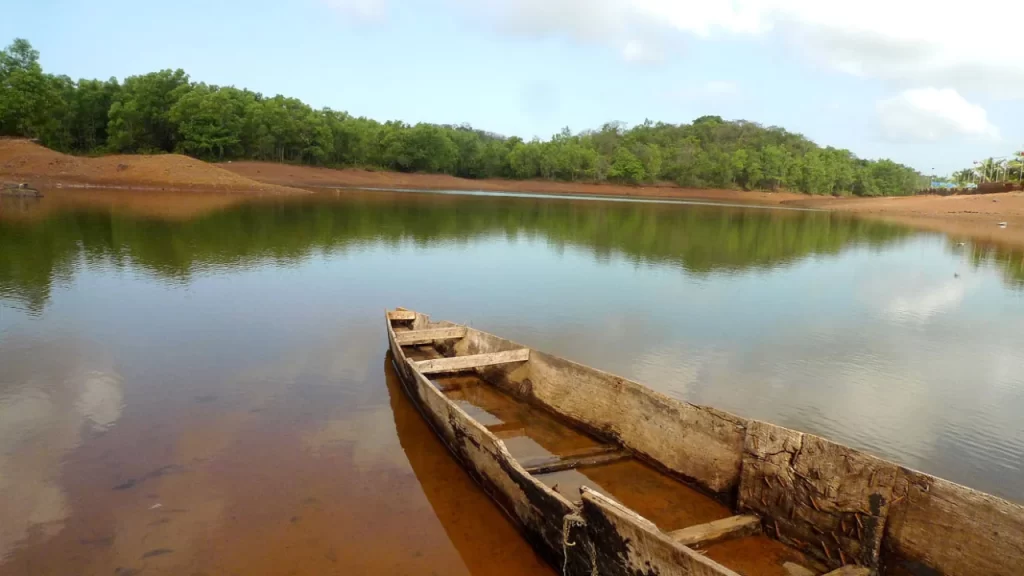
The historical tapestry of Guhagar stretches back through time with legends involving deities and royal patrons. According to local lore, the revered tales of gods such as Parshuram and Kartikeya intertwine with the everyday life of the town. You will discover how ancient battles, mythological narratives, and architectural marvels together shape the identity of Guhagar. Interviews with local historians and elders reveal personal anecdotes that have passed down through generations, offering travellers a rare glimpse into the town’s rich heritage.
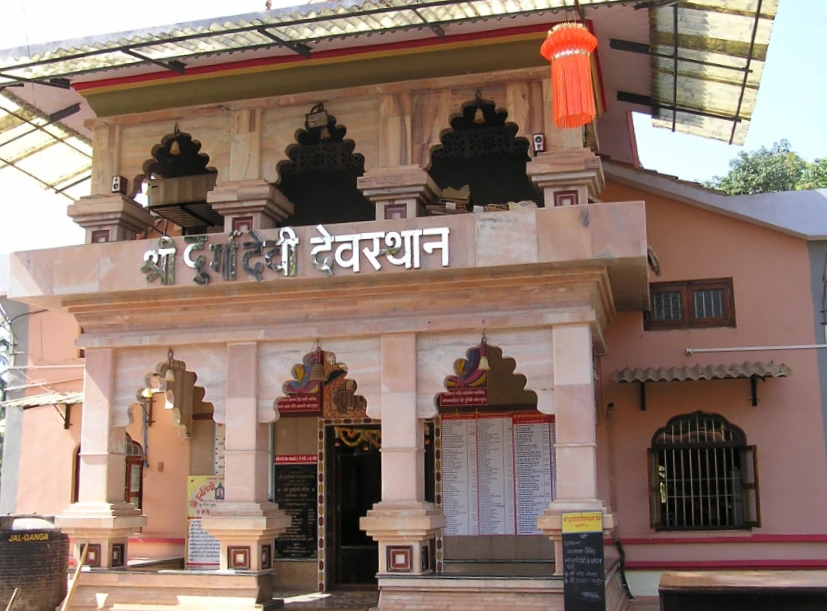
Architecturally, Guhagar stands as a testament to time with its blend of ancient temples, fortifications, and coastal structures. In this article, you will learn about enduring monuments like the Durga Devi temple and the Vyadeshwar temple, all of which narrate the artistic and spiritual legacy of the region. Detailed descriptions of stone carvings, temple layouts, and evolving construction techniques are included to appreciate the region’s craftsmanship and cultural evolution.
Moving deeper into the travel itinerary, we have dedicated sections outlining “How to Reach” Guhagar from major cities across India. With distances provided from Mumbai, Pune, and even Delhi, planning your route becomes effortless. Learn about the best routes, available transport options, and insider tips from locals who share their firsthand experiences. This guide is especially curated for travellers who want to combine relaxation on a tranquil beach with the adventure of exploring nearby historical sites.
You will also find a curated list of the top attractions in and around Guhagar. Detailed accounts of breathtaking locations—from Guhagar’s famously clean white-sand beach to the less-known yet historically significant fort ruins—offer something for every taste. We have compiled interviews with local shop owners and artisans, whose vibrant storytelling adds depth to every visited location, from the buzzing local markets to serene temple complexes.
Also Read
Exploring Sinnar, Nashik District, Maharashtra: Heritage, Industry, and Culture
In addition to exploring the landmarks, this guide provides robust insights into the local lifestyle, demographics, economic background, and the role of traditional crafts in the modern era. Expect granular details about regional languages, taluka demographics, and even profiles of notable personalities who have contributed to Guhagar’s renown. Understanding the community’s strong ties with its heritage and the natural environment offers visitors the chance to experience an authentic slice of coastal Maharashtra.
As you navigate through the subsequent sections, the article also addresses practical issues like weather conditions, travel itineraries during monsoon season, and the best times to visit. Detailed weather patterns, climate charts, and local travel tips ensure that your trip is planned with precision—no matter the season. Read on to uncover special routes, hidden gems, and insider tips that only a seasoned local or travel expert can provide.
Finally, our guide wraps up with frequently asked questions (FAQs), ensuring that any lingering doubts about travel logistics, local customs, or itineraries are thoroughly answered. Each section of this article is designed to offer both a rich narrative and actionable insights, making your journey to Guhagar not just a trip, but a culturally immersive experience.

🟢 Section Breakdown:
➤ The Rich History and Architectural Marvels of Guhagar
➨ A Timeline of Legends and Landmarks
❉ Ancient Origins: Local lore credits divine intervention by deities like Parshuram, who is said to have reclaimed the land by making the sea recede. This myth has been passed through oral traditions and is reflected in the town’s very name — “Guhagar”, meaning the cave or hideaway of ancient wisdom.
❉ Medieval Developments: Over the centuries, Guhagar witnessed the construction of its iconic temples and forts. Structures like the Durga Devi temple and the Vyadeshwar temple were built not only as places of worship but as monuments showcasing the artistry of the era.
❉ Colonial Impacts: The subsequent eras, including influences from Maratha leadership and later colonial interactions, left their mark on the town’s administrative and architectural nuances. Stone carvings and temple designs evolved, integrating local techniques with broader regional trends.
❉ Modern Revival: The commissioning of power projects in the 1990s saw rapid economic growth in Guhagar. With influxes of tourism, local handicrafts such as coir products and Alphonso mangoes gained national recognition. Interviews with elders reveal how the town transformed from a quiet fishing village into a bustling tourist haven while preserving its cultural soul.
➨ Architectural Insights
❉ Temples and Spiritual Structures: The ancient temples are architectural wonders that showcase intricate carvings, robust stone structures, and innovative engineering techniques. Detailed interviews with local artisans highlight the meticulous process involved in carving idols and constructing sanctified spaces.
❉ Fortifications and Lighthouses: Coastal defences and lighthouses like the one near Gopalgad and Anjanvel stand as silent narrators of history. These relics, built during turbulent times, not only served strategic military purposes but also highlight the seamless blend of natural elements with human ingenuity.
❉ Cultural Residences: Traditional homes and market structures reflect a deep respect for natural surroundings. The use of locally sourced materials and traditional design practices offers insight into an eco-friendly architectural legacy that has been preserved through generations.

➤ How to Reach Guhagar
➨ Planning your journey to Guhagar is straightforward with several transportation options available:
🔘 By Road:
❉ From Mumbai: Approximately 280 km via the Mumbai-Goa National Highway (around 5.5 to 6 hours drive).
❉ From Pune: Roughly 225 km, which takes about 4 to 5 hours by car.
❉ From Other Major Cities: Delhi is approximately 1,500 km away, best accessed by air to Mumbai/Pune followed by a road trip.
🔘 By Rail:
❉ The closest railhead is Chiplun, located about 44 km away. Trains regularly connect Chiplun to many major cities.
🔘 By Air:
❉ Nearest airports include Mumbai and Pune, from which private or hired transfers can take you to Guhagar.
🔘 Local Transport:
❉ Once in Guhagar, auto-rickshaws and local buses provide convenient access to nearby attractions.

➤ Best Places to Visit in Guhagar
➨ Key Attractions and Experiences
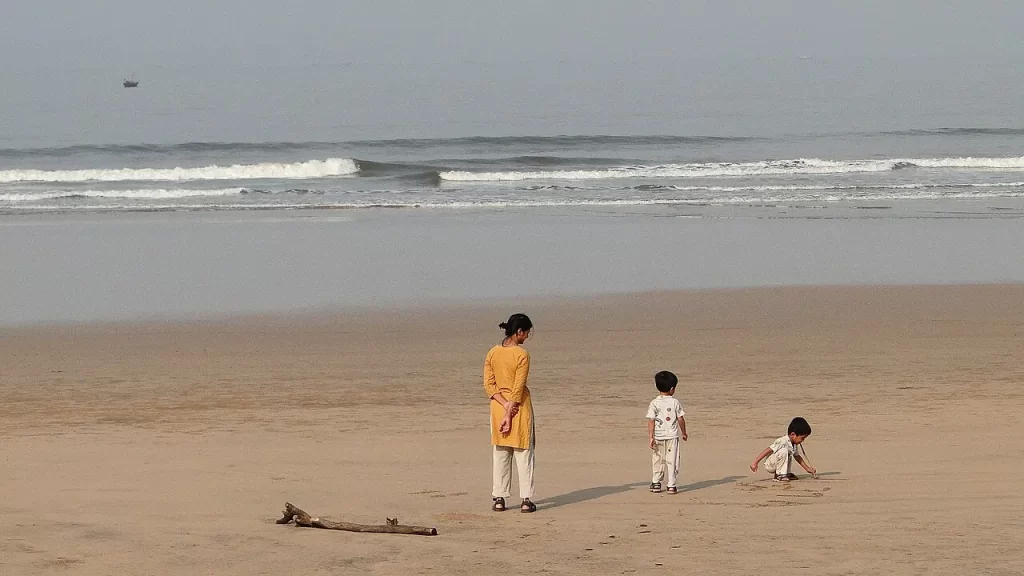
❉ Guhagar Beach: A pristine 6 km stretch of white sand, renowned for its unpolluted environment and scenic sunsets. Chat stalls along the shore add a unique local flavour.
❉ Shri Vyadeshwar Temple: This ancient temple, a Kuladevata of many local families, features beautiful stone carvings and serene surroundings.
❉ Durga Devi Temple: Rich with mythological tales, this temple is integral to local traditions and features elaborate rituals.
❉ Velaneshwar Temple: Set against a dramatic coastal backdrop, this temple dedicated to Lord Shiva is steeped in history and local legend.
❉ Local Marketplaces: Experience the Konkan charm through bustling markets offering handicrafts, coir items, fresh coconuts, betel nuts, and the famous Alphonso mangoes.
❉ Historical Forts: Forts like Gopalgad and the Anjanvel Lighthouse offer panoramic views of the Arabian Sea and a peek into the region’s military past.

➤ Practical Travel Tips & Climatic Conditions
➨ Detailed Itinerary and Weather Insights
❉ Best Time to Visit: The months from October to March provide perfect weather for sightseeing and beach activities. However, monsoon (June to September) transforms the landscape into a lush green paradise though swimming is less advisable.
❉ Local Weather Conditions: Guhagar experiences a tropical climate, with hot summers, a monsoon season characterised by heavy rains, and mild winters.

✦ Travel Itineraries:
❉ Monsoon Itinerary: Focus on cultural tours, temple visits, and local culinary experiences while enjoying the vibrant greenery.
❉ Winter Itinerary: Emphasise beach relaxation, water sports like parasailing and boat rides, and in-depth local market tours.
✦ Local Culture and Lifestyle:
❉ Engage with the friendly locals who maintain age-old traditions, vibrant festivals, and community rituals. Interviews with residents reveal a warm hospitality that makes visitors feel at home.
➤ Cultural Insights, Demographics, and Local Economy
➨ Understanding the Local Tapestry
❉ Demographics and Languages: Guhagar hosts a diverse mix of residents with Marathi as the primary language, enriched by regional dialects specific to the Konkan talukas.
❉ Economic Activities: The economy revolves around agriculture (notably Alphonso mangoes, coconuts, and betel nuts), handicrafts (traditional coir products), and an emerging tourism sector.
❉ Local Lifestyle and Handicrafts: Daily life in Guhagar centres on community, local festivals, and artisanal craftsmanship that has been passed down for generations.
❉ Notable Personalities: Interviews with longtime residents sometimes spotlight local historians, cultural ambassadors, and emerging talents who have contributed to Guhagar’s evolving identity.
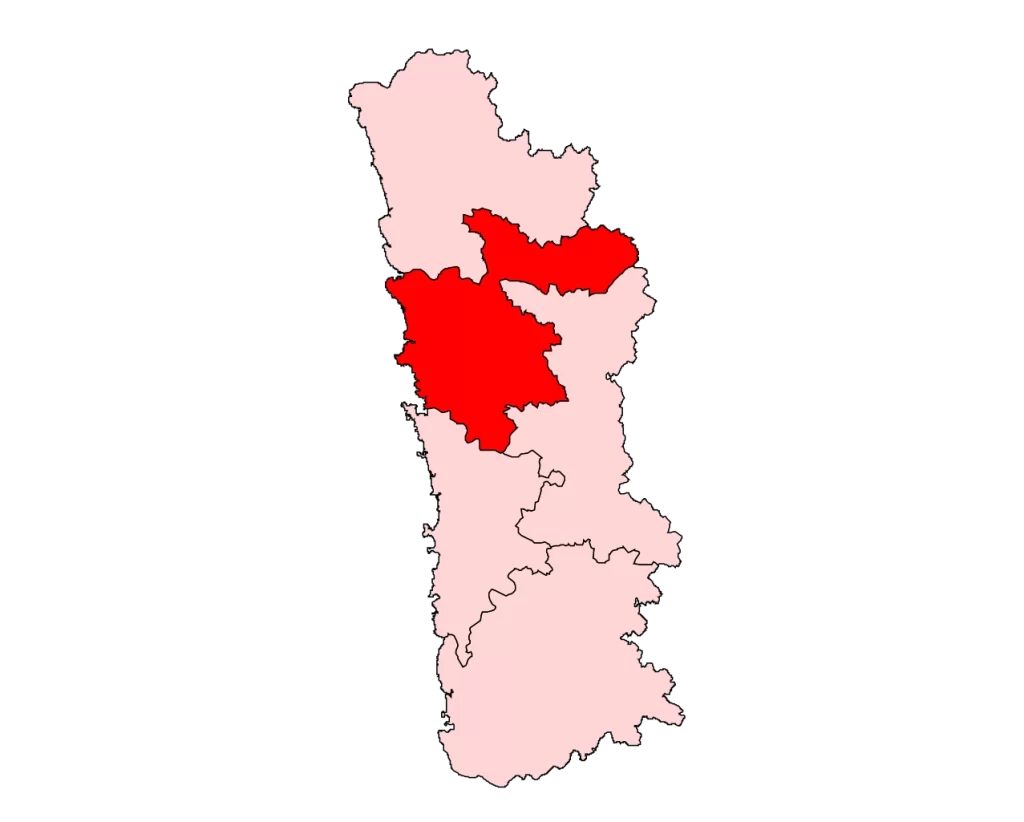
❉ Regional Administration: An overview of the talukas, including demographic trends and economic contributions, helps contextualise how Guhagar fits into the larger regional framework.
➤ Exploring Places of Worship and Local Heritage
➨ Spiritual and Cultural Landmarks
❉ Temples: The Dashabhuja Ganpati Temple, Durga Devi Temple, Velaneshwar Temple, and Hedvi temple collectively highlight the spiritual heritage of Guhagar.
❉ Interviews with Priests and Locals: Firsthand accounts from temple custodians and local devotees provide rich insights into daily rituals, festivals, and temple histories.
❉ Architectural Details: Detailed studies of temple layouts, stone carvings, and artefacts tell the stories of ancient craftsmanship and community devotion.
➤ Local Markets, Food, and Handicrafts
➨ A Taste of Traditional Konkan Life
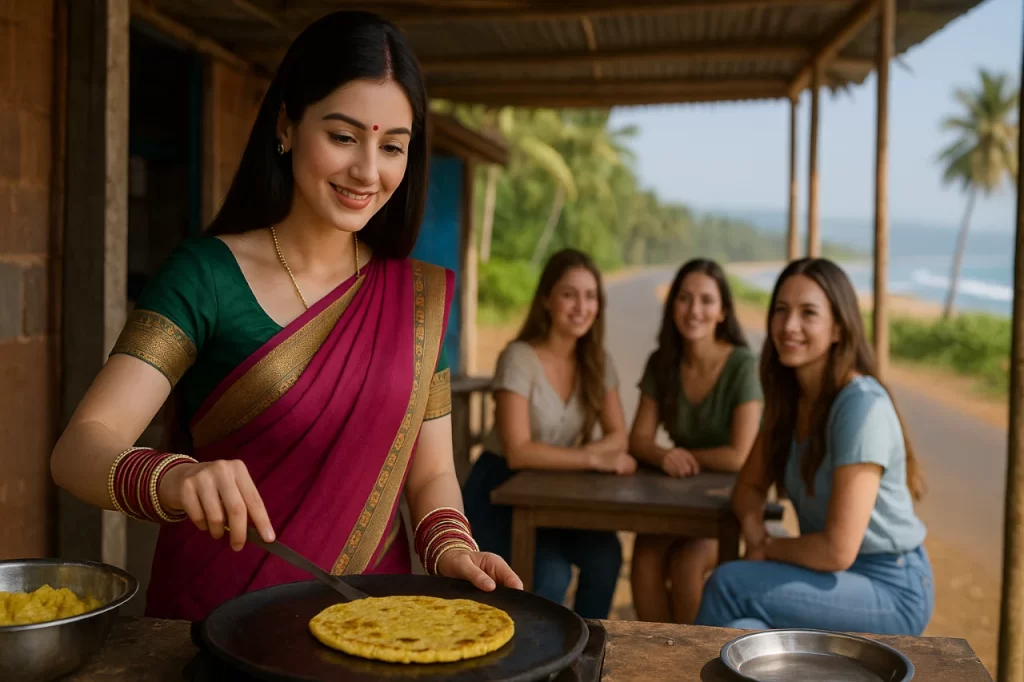
❉ Local Cuisine: Savour authentic dishes like Konkani fish curry, Ukadiche Modak, Solkadhi, and the region’s famed Alphonso mangoes.
❉ Marketplaces: Vibrant local markets offer freshly harvested produce, handmade coir items, and souvenirs that capture the local essence.
❉ Handicraft Traditions: The community is proud of its rich artistic legacy, showcased in locally crafted items that echo traditional Konkan aesthetics.
❉ Lifestyle and Daily Routines: Observing local festivals, visiting quaint villages, and interacting with artisans offer a deep dive into the region’s cultural landscape.
➤ Conclusion
Guhagar, Maharashtra, is much more than a beach destination—it is a living canvas of history, culture, and natural splendour. With its ancient temples, vibrant local markets, breathtaking coastal vistas, and deep-rooted traditions, Guhagar offers an immersive travel experience that appeals to adventurers, culture enthusiasts, and those simply looking to relax by the sea. Whether you’re planning a detailed itinerary or a spontaneous weekend getaway, explore every corner of this Konkan gem. Ready to embrace the charm of Guhagar? Start planning your journey today and experience the magic of this coastal paradise!

➤ Frequently Asked Questions (FAQs)
How do I reach Guhagar from Mumbai and Pune?
Guhagar is approximately 280 km from Mumbai and 225 km from Pune. Travellers can opt for private vehicles, buses, or trains (with Chiplun as the nearest railhead).
What is the best time to visit Guhagar?
The best time to visit is between October and March for favourable weather. Monsoon visits (June–September) offer lush landscapes but caution is advised regarding sea activities.
Which attractions should I not miss in Guhagar?
Don’t miss the serene Guhagar Beach, Shri Vyadeshwar Temple, Velaneshwar Temple, and local markets. Historical forts and coastal lighthouses also offer unique insights into the region’s past.
What local specialties does Guhagar offer?
Enjoy fresh Alphonso mangoes, authentic Konkani fish curries, coir handicrafts, and traditional beverages like Solkadhi — a true taste of the Konkan lifestyle.
How is the local culture preserved in Guhagar?
The locals take pride in their festivals, temple rituals, handicrafts, and oral traditions, all of which maintain the rich cultural fabric of this historic town.
➤ Sources
This article draws on historical records, cultural interviews, and reputable tourism resources including:
❉ Maharashtra Tourism – Guhagar Beach
❉ TripAdvisor Reviews for Guhagar Beach
❉ Shanti Resorts – Things To Do in Guhagar
❉ Modyvilla – About Guhagar
❉ Holidify – Guhagar Beach Sightseeing
Image Credit
❉ Wikimedia Commons – Guhagar Beach
❉ Wikimedia Commons – “Beaches in India”, Picking up shells on Guhagar, Maharashtra India 2012
❉ Wikimedia Commons – Modka Agar lake, Guhagar
❉ Wikimedia Commons – Anjanvel Lighthouse Guhagar
❉ Wikimedia Commons – Durga Devi Temple
❉ Wikimedia Commons – Modka Agar lake, Guhagar2
❉ Wikimedia Commons – 264-Guhagar.svg
❉ Wikimedia Commons – Talkeshwar Temple Anjanvel
For more information, you can visit our website: ExploreXP
This detailed guide has been designed to provide travellers with practical information, rich historical context, cultural insights, and valuable travel tips—ensuring that your experience in Guhagar is as enriching as it is unforgettable. Happy travels!
Latest Posts
- Jade Laroche: From Spotlight to Soundwaves — The Reinvention of a French Icon

- Milind Shinde – The Relentless Craftsman of Marathi Cinema Who Turned Every Frame into Fire

- Subodh Bhave: The Timeless Torchbearer of Marathi Cinema Who Redefined Biographical Storytelling

- Svetlana Khodchenkova: The Enigmatic Russian Beauty Who Conquered Hollywood Without Losing Her Soul

- Rashmi Gautam: The Fearless Voice of Telugu Television Who Turned Stardom into Substance

- Simone Holtznagel: From Wollongong’s Coastal Dreams to Global Runways — A Blonde Force Who Turned Reality TV into a Fashion Empire