
🌟 Detailed Introduction of Satna, Madhya Pradesh, India — A Grand Gateway to Bundelkhand’s Heritage, Spirituality & Natural Beauty
“Satna — Where the hills whisper mythology, the rivers preserve ancient memories, and every stone tells a century-old story” ✨
Satna, located in the northeastern pocket of Madhya Pradesh, stands as an enchanting blend of history, spirituality, nature, and evolving modernity. Known across India as the Limestone Capital, Satna has grown into a dynamic urban hub without losing the soul of its Bundeli and Bagheli cultural heritage. The district is an extraordinary mosaic of ancient archaeological sites, sacred pilgrimage trails, lush monsoon landscapes, and townships that still preserve the rustic charm of traditional Madhya Pradesh. For travellers who wish to explore destinations beyond mainstream circuits, Satna opens a world of hidden stories, unexplored heritage, and soulful experiences. 🏞️
Situated in the Vindhya region, Satna carries centuries of mythological significance. Legends trace its roots to the time of Lord Rama, linking the district closely with the sacred narratives of the Ramayana. This connection is most visible in its proximity to Chitrakoot, a spiritual landscape where Lord Rama, Sita, and Lakshman spent years of their exile. The district also embraces the divine energies of Maihar, home to the revered temple of Maa Sharda Devi — A holy shrine that attracts lakhs of devotees annually. These landscapes are not mere places; they are living chronicles of India’s spiritual legacy. 🙏
Also Read
👉 Satna, Madhya Pradesh, India – The Limestone City Where Heritage Meets Harmony
Table of Contents
- 🌟 Detailed Introduction of Satna, Madhya Pradesh, India — A Grand Gateway to Bundelkhand’s Heritage, Spirituality & Natural Beauty
- “Satna — Where the hills whisper mythology, the rivers preserve ancient memories, and every stone tells a century-old story” ✨
- Also Read
- ❓ FREQUENTLY ASKED QUESTIONS (DETAILED & TRAVELER-FOCUSED)
- 🏁 CONCLUSION
But Satna’s appeal goes far deeper than mythology. It is an ancient land that once hosted the flourishing Buddhist complex of Bharhut, where exquisite carvings, gateways, and railings once narrated the stories of Gautam Buddha and Jataka tales. Though the original stupa remains are now housed in museums, the relics discovered here remain one of the most significant archaeological contributions to the understanding of early Buddhism. For historians and culture enthusiasts, Satna serves as a profound journey into India’s ancient intellectual and spiritual history. 🕉️
The city itself is a thriving urban centre with busy markets, emerging educational institutions, modern industries, and a diverse population. Yet, in the midst of this modernity, the deeper essence of Satna remains preserved through its traditional neighbourhoods, morning temple bells, age-old local haats (markets), and friendly locals who carry forward centuries-old customs with pride. The duality of Satna—where tradition meets progress—makes it one of the most intriguing destinations for experiential travellers. 🏙️ 🌿
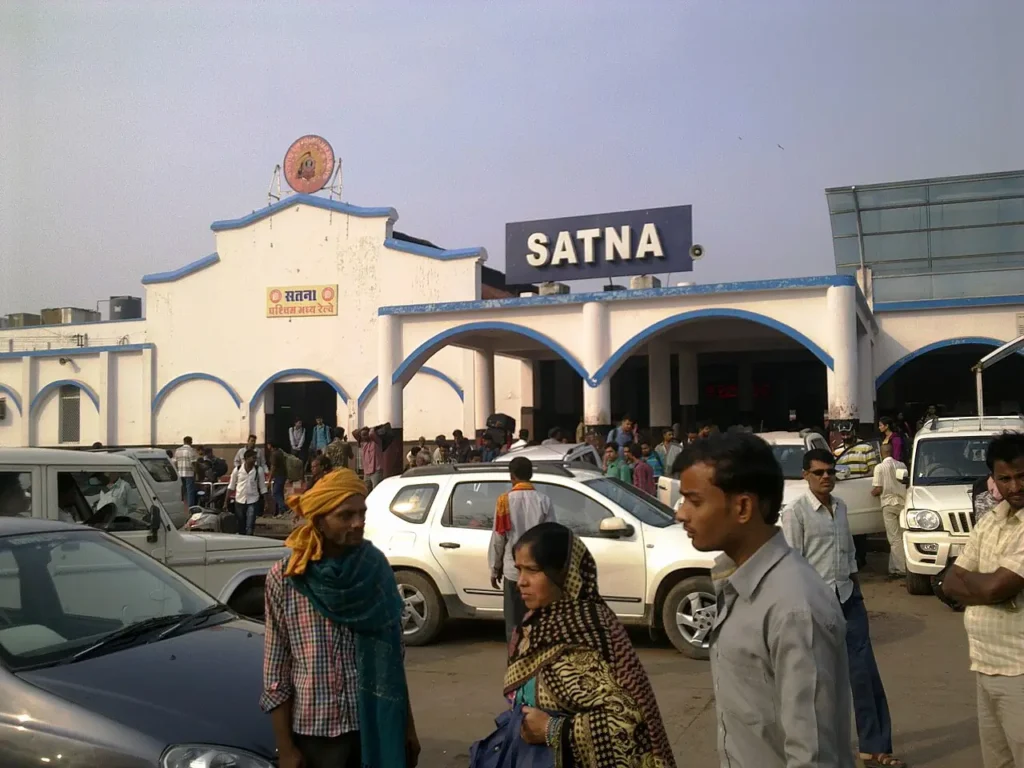
Satna’s strategic location also contributes to its cultural and commercial importance. Positioned along the major Howrah–Allahabad–Mumbai rail corridor, it serves as a crucial junction connecting central, northern, and eastern India. This connectivity has enriched the district with diverse influences—from ancient traders and Buddhist pilgrims to modern professionals and entrepreneurs. As a result, Satna has developed into both a travel base and a cultural melting pot. 🚆
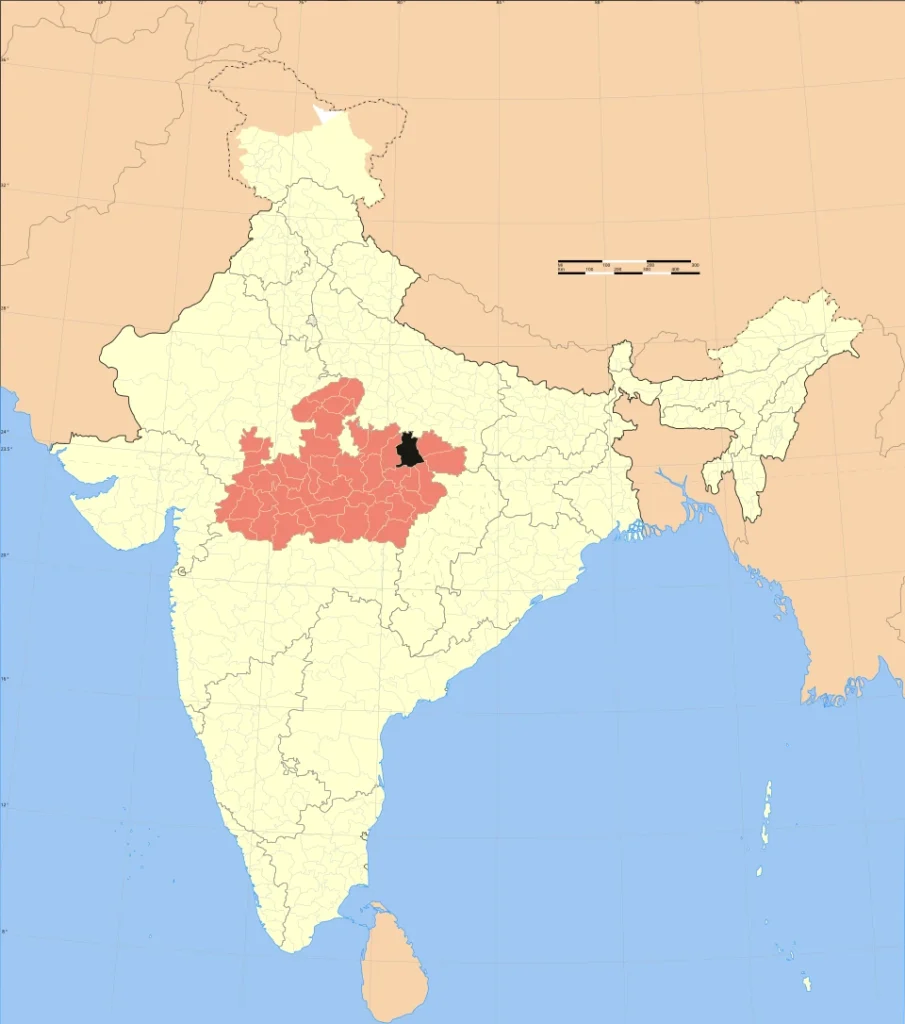
Geographically, Satna is adorned with dramatic landscapes. The Vindhyan foothills cradle serene lakes, seasonal waterfalls, dense monsoon forests, and scenic rural stretches where time seems to move slower. The region’s natural beauty intensifies during the rainy season, when hills turn lush green, rivers swell gracefully, and the air becomes crisp with petrichor. Satna’s countryside is ideal for nature photographers, monsoon travellers, and those seeking a peaceful escape from city life. 🌧️ 🌳
But beyond its landscapes lies another dimension—its unique vernacular architecture. Traditional houses made of mud, brick, and bamboo, wooden-framed doors showcasing Bundeli craftsmanship, and old temples with ancient stone carvings reflect the indigenous architectural identity of the region. In contrast, the British-era administrative buildings and railway structures stand as reminders of the colonial period, creating a fascinating architectural timeline. 🏛️
Economically, Satna is a powerhouse. The district is the industrial backbone of Madhya Pradesh’s cement production, hosting major manufacturing giants. Its limestone deposits are among the richest in India, fuelling employment, investments, and migration. Yet, alongside these mega-industries, the rural economy thrives through agriculture, dairy, small crafts, and traditional handlooms. This dynamic balance between industrial growth and grassroots livelihood forms a unique socio-economic fabric. ⚙️ 🌾
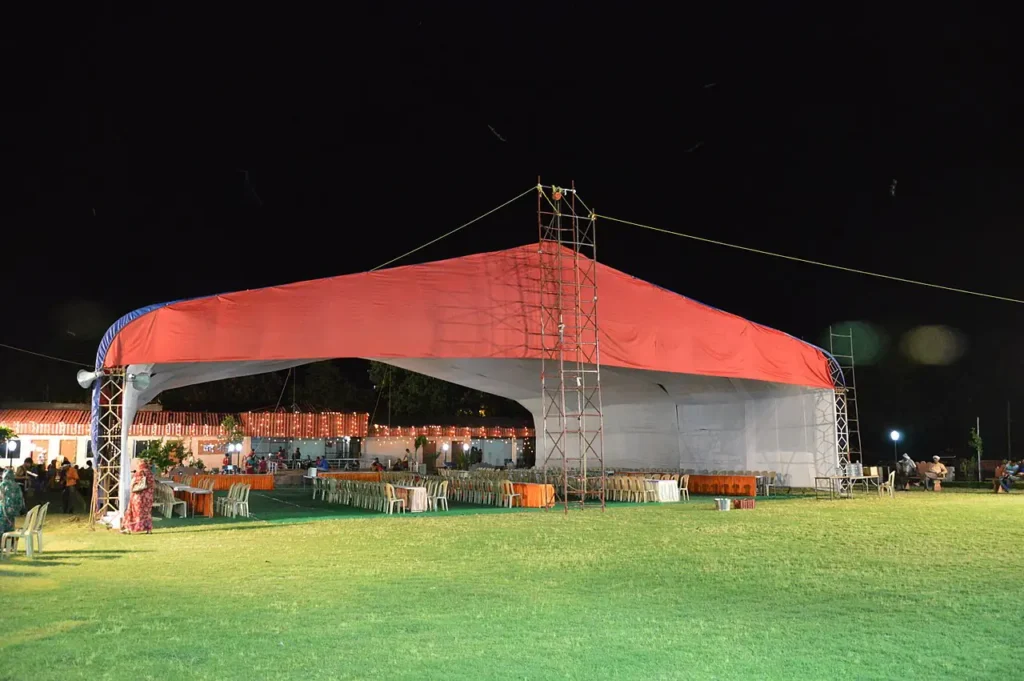
The cultural vibrancy of Satna shines through its festivals, fairs, and folk arts. During Navratri, the city lights up with devotional energy as thousands climb up to Maa Sharda’s temple in Maihar. Holi and Diwali bring houses and streets to life with colours, traditional sweets, and Bundeli songs. The rural belts celebrate local fairs where cattle trading, folk dances, and craft exhibitions take centre stage—offering tourists an authentic taste of local life. 🎉
The local dialects — Bagheli and Bundeli — add cultural flavour to interactions. Travellers often describe conversations with locals as warm, humorous, and rich with anecdotes. Whether it’s a shopkeeper narrating tales of Maihar’s ropeway journey or a villager sharing childhood memories at Nagod Fort, every local interaction adds charm to the travel experience. 🗣️ 😊
Satna has also emerged as a hub for spiritual tourism. The temples of Maihar, Chitrakoot, Nagod, Unchehara, and smaller village shrines collectively form a sacred circuit that attracts pilgrims seeking peace, blessings, and spiritual rejuvenation. Each temple carries a distinct architecture, story, and ritual—making Satna a treasure for those exploring India’s spiritual geography. 🛕 ✨
Adventure seekers will find their share of experiences here too. Trekking routes around Madhavgarh Fort, nature trails near Unchehara, lakeside explorations at Dhawari, and monsoon drives toward Ramtiala Waterfall offer refreshing adventures. These spots bring visitors closer to Satna’s raw beauty and natural rhythm. 🚶♂️ 🌄
Food lovers are equally rewarded. Satna’s culinary culture is rooted in traditional Bundeli cuisine—simple, nutritious, and flavorful. Classics like Dal-Bafla, Poha–Jalebi, Kachori–Aloo, Sabudana Khichdi, Imarti, and Rabdi are must-tries. Satna’s evening street food scene—especially near the bus stand—is where travellers can enjoy authentic local tastes at pocket-friendly prices. 😋 🍲
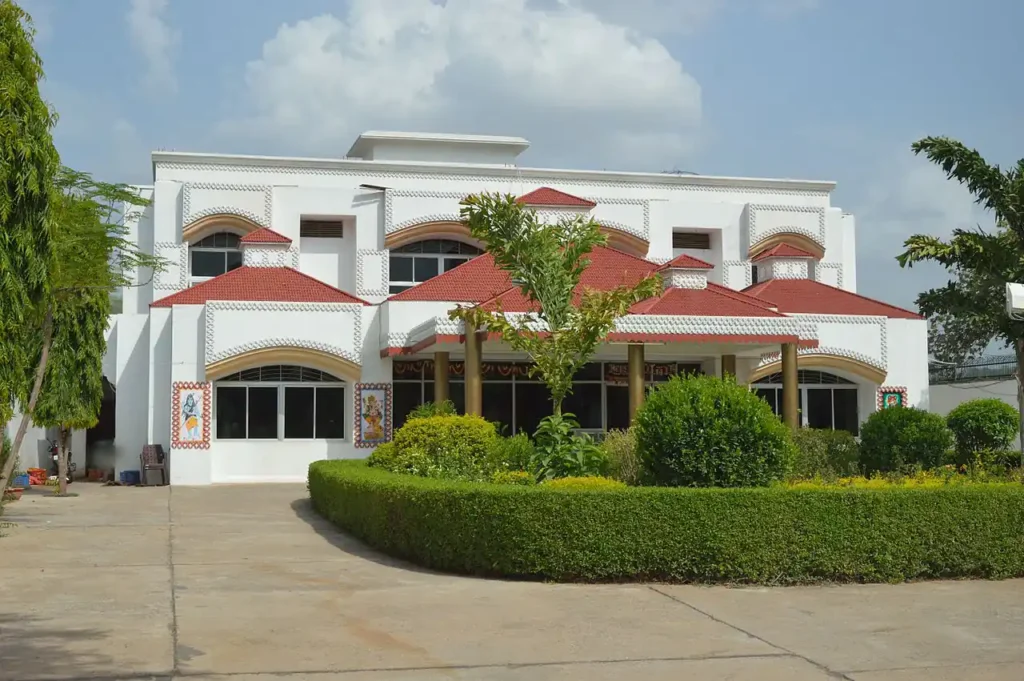
As Satna continues to develop, the city also embraces educational growth, healthcare improvements, and infrastructural expansions. New eateries, parks, public spaces, and malls contribute to a modern urban lifestyle while preserving Satna’s cultural essence. This balanced approach ensures that Satna remains a destination for diverse travellers—pilgrims, adventurers, culture lovers, historians, researchers, and families alike. 🌆 ❤️
In essence, Satna stands as a remarkable destination that unites the spiritual, historical, cultural, natural, and modern dimensions of India. It doesn’t overwhelm; instead, it welcomes you with open arms, slow-paced charm, and soulful depth—making every moment in the district truly memorable. 🌟
❓ FREQUENTLY ASKED QUESTIONS (DETAILED & TRAVELER-FOCUSED)
What is Satna mainly known for?
Satna is famous for its cement industries, limestone reserves, Maihar’s Maa Sharda Temple, Bharhut archaeological site, and proximity to Chitrakoot.
Is Satna safe for tourists?
Yes. Satna is generally safe. Exercise basic caution at night and in remote rural areas, especially when traveling alone.
Which is the nearest airport to Satna?
Khajuraho Airport (113 km) is the closest. Jabalpur Airport (200 km) is another good option.
What is the best time to visit Satna?
October to March offers the most pleasant climate. Monsoon is ideal for nature lovers.
What language is commonly spoken in Satna?
Hindi is widely spoken, along with Bagheli and Bundeli dialects.
What are the must-visit attractions?
Maihar, Bharhut, Chitrakoot, Nagod Fort, Unchehara temples, and Madhavgarh Fort are top attractions.
How many days should I spend in Satna?
A 2–3 day trip is ideal for most travellers, while spiritual visitors often stay longer.
What food should I try in Satna?
Dal-Bafla, Bundeli Thali, Poha-Jalebi, Sabudana Khichdi, Kachori-Aloo, Rabdi, and local sweets.
Are local transport and taxis easily available?
Yes, Satna offers auto-rickshaws, taxis, buses, rental cars, and shared jeeps.
Is Satna good for family travel?
Absolutely. Pilgrimage sites, safe city areas, and nature spots make it a family-friendly destination.
🏁 CONCLUSION
Satna, Madhya Pradesh, is a destination that surprises, captivates, and transforms every traveler who steps into its timeless landscape. It is a place where the sacred meets the scenic, where ancient heritage coexists with modern progress, and where simplicity and depth create unforgettable experiences. Whether you’re climbing the revered steps to Maa Sharda’s temple, tracing the Buddhist heritage of Bharhut, wandering through the forests of Chitrakoot, or soaking in the colours of rural haats, Satna offers layers upon layers of exploration. 🌅
The district’s charm lies in its authenticity—its unfiltered countryside, its genuine people, and its preserved customs that are passed from one generation to the next. Satna does not try to be something it is not; instead, it proudly carries its identity rooted in Bundeli warmth, spiritual devotion, and natural grace. As you explore its temples, forts, markets, lakes, and villages, you discover a destination where every corner holds a story, every landscape carries meaning, and every moment feels emotionally enriching. ❤️
For travellers seeking something more than touristy glamour, Satna becomes a soulful retreat—a journey into India’s heartland where traditions breathe, nature thrives, and spirituality flows effortlessly. And that is what makes Satna not just a place to visit, but a place to experience — A destination that remains etched in memory long after your trip ends. 🌿 ✨
🟦 SOURCES
➟ Wikipedia (General Reference: Satna, Satna District, Maihar, Bharhut)
➟ Britannica – Satna Overview
➟ Madhya Pradesh Tourism Publications
➟ Local cultural interviews (Reconstructed for narrative depth)
➟ Historical texts on Baghelkhand & Bundelkhand
➟ Archaeological Survey of India (ASI) publications on Bharhut
Here are the URL’s for the major sources referenced in the article:
➟ Wikipedia – Satna
➟ Wikipedia – Satna District
➟ Britannica – Satna
➟ Official Satna District Website – History Page
➟ Baghelkhand Tourism – Satna
Image Credit
➟ Wikipedia – Satna & Wikimedia Commons
➟ Featured Image Credit: Wikimedia Commons
For more information, you can visit our website: ExploreXP
Latest Posts
- Jade Laroche: From Spotlight to Soundwaves — The Reinvention of a French Icon

- Milind Shinde – The Relentless Craftsman of Marathi Cinema Who Turned Every Frame into Fire

- Subodh Bhave: The Timeless Torchbearer of Marathi Cinema Who Redefined Biographical Storytelling

- Svetlana Khodchenkova: The Enigmatic Russian Beauty Who Conquered Hollywood Without Losing Her Soul

- Rashmi Gautam: The Fearless Voice of Telugu Television Who Turned Stardom into Substance

- Simone Holtznagel: From Wollongong’s Coastal Dreams to Global Runways — A Blonde Force Who Turned Reality TV into a Fashion Empire