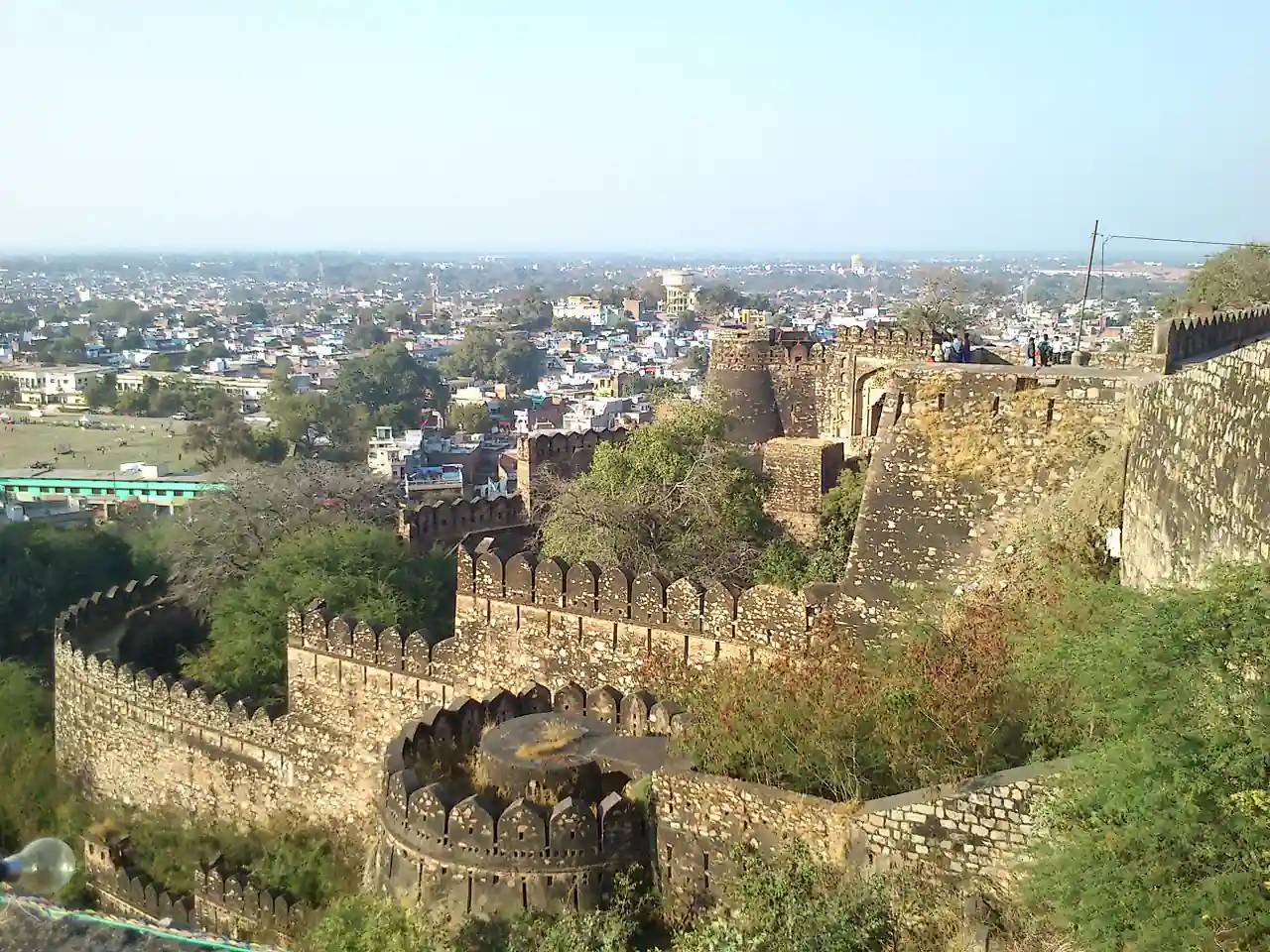
“Climatic Conditions in Jhansi, Uttar Pradesh, India” with deeply elaborated, granular details, FAQs, and a thoughtful conclusion 🌦️ 🌸 ☀️
🌤️ Climatic Conditions in Jhansi, Uttar Pradesh, India 🇮🇳
A Comprehensive Guide to Weather, Seasons, and the Best Time to Visit Jhansi
Nestled in the heart of Bundelkhand, Jhansi’s climate is as bold and diverse as its history. Known for its heroic legacy and rugged landscapes, the city also boasts a climate that swings from fiery summers to refreshing monsoons and calm, crisp winters. As a traveler, understanding Jhansi’s climatic rhythm helps you plan your trip better — whether it’s for sightseeing, photography, local festivals, or culinary exploration.
Let’s take a deep, detailed look into the climate patterns, temperature ranges, and seasonal characteristics of Jhansi — month-by-month, season-by-season 🌞 🌦️ ❄️
“Relive the Legend, Feel the Spirit – Only in Jhansi ✨ 🇮🇳”
☀️ 1. Overview – The Semi-Arid Climate of Jhansi
Jhansi experiences a tropical semi-arid climate, characterised by hot summers, moderate monsoons, and cool, dry winters. The region falls within the Bundelkhand Plateau zone, bordered by rocky terrain and low vegetation, which significantly influences its temperature patterns.
The average annual temperature ranges from 10°C in winters to 45°C in summers, while the average annual rainfall is around 900 mm, primarily received during the southwest monsoon (June–September). The air here is generally dry except in the monsoon months, with humidity levels between 25% and 85% depending on the season.
Also Read
Jhansi, Uttar Pradesh, India – Where Courage Echoes Through Every Fort Wall
Detailed Historical Facts and Events with Timeline of Jhansi, Uttar Pradesh, India
Architectural Marvels in Jhansi, Uttar Pradesh, India
How to Reach Jhansi, Uttar Pradesh, India
Local Transportation and Travel Facilities in Jhansi, Uttar Pradesh, India – A Complete Guide for Seamless Exploration
Best Routes to Reach Jhansi, Uttar Pradesh, India – A Granular Travel Guide
Best Time to Visit Jhansi & Its Cultural Festivals and Traditions
Where to stay in and near Jhansi, Uttar Pradesh, India
Best Places to Visit In and Near Jhansi, Uttar Pradesh, India, with granular details
Best Places for Refreshments with Authentic Local Food in and around Jhansi, Uttar Pradesh, India
🔥 2. Summer Season (March to June) – The Reign of the Sun
Summers in Jhansi are long, intense, and extremely dry 🌞.
➪ Temperature Range: 28°C to 45°C (occasionally touching 47°C).
➪ Peak Heat: April and May are the hottest months.
➪ Weather Character: Hot winds locally called loo blow through the day, especially during afternoons.
Travellers visiting during summer should plan early morning or late evening sightseeing — ideal for exploring places like Jhansi Fort, Rani Mahal, and Mahalaxmi Temple before the noon heat intensifies. Light cotton clothing, hydration, sunscreen, and head covers are essential.
💡 Pro Tip: Visit heritage sites at sunrise or sunset for both comfort and golden-light photography.
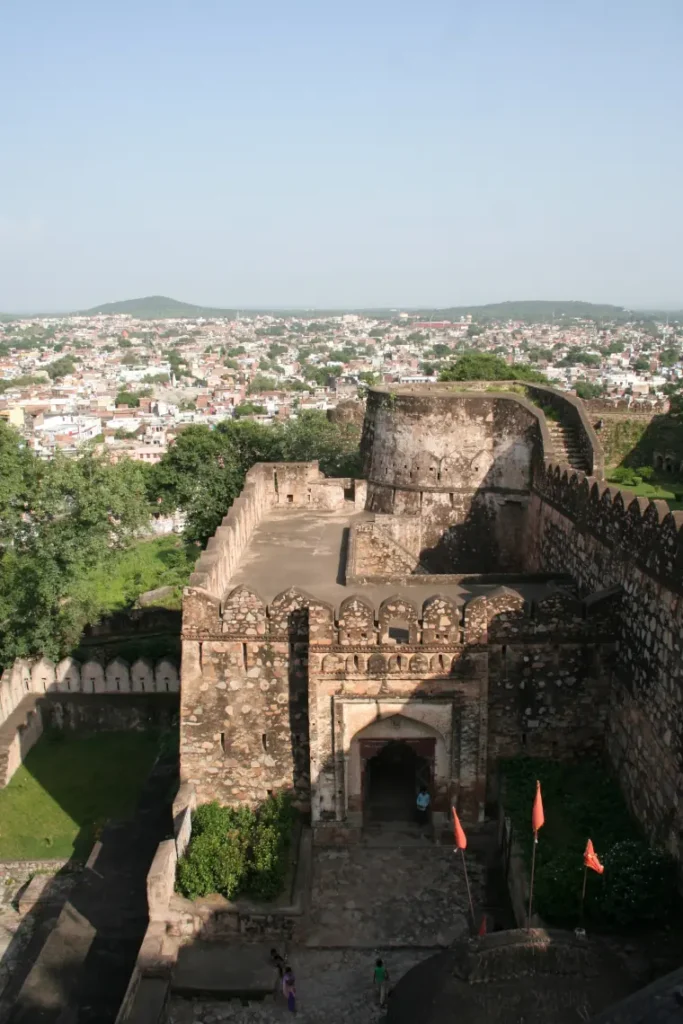
Table of Contents
- “Climatic Conditions in Jhansi, Uttar Pradesh, India” with deeply elaborated, granular details, FAQs, and a thoughtful conclusion 🌦️ 🌸 ☀️
- 🌤️ Climatic Conditions in Jhansi, Uttar Pradesh, India 🇮🇳
- “Relive the Legend, Feel the Spirit – Only in Jhansi ✨ 🇮🇳”
- ☀️ 1. Overview – The Semi-Arid Climate of Jhansi
- Also Read
- 🔥 2. Summer Season (March to June) – The Reign of the Sun
- 🌦️ 3. Monsoon Season (July to September) – The Rejuvenating Rains
- 🍁 4. Post-Monsoon (October to November) – The Season of Transition
- ❄️ 5. Winter Season (December to February) – Cool and Comfortable Charm
- 🌤️ 6. Monthly Climate Snapshot of Jhansi
- 🌸 7. Best Time to Visit Jhansi
- 🌬️ 8. Seasonal Festivals in Jhansi & Climate Connection
- 🌾 9. Impact of Geography on Jhansi’s Climate
- ☂️ 10. Traveler Tips for Each Season
- 🌈 Conclusion – Jhansi’s Climate: A Journey Through Seasons
- 🌤️ Month-wise Temperature and Rainfall Chart & Seasonal Climate Infographic of Jhansi, Uttar Pradesh, India 🌾
- 🌦️ Average Month-wise Climate Data (Approximate)
- ❓ FAQs – Climate of Jhansi 🌞 🌧️ ❄️
- 🌅 Conclusion
🌦️ 3. Monsoon Season (July to September) – The Rejuvenating Rains
The arrival of the monsoon in early July transforms Jhansi’s dusty plains into fresh, green landscapes 🌧️ 🌿.
⦿ Average Rainfall: Around 850–950 mm annually.
⦿ Temperature Range: 25°C to 33°C.
⦿ Humidity: 70%–85%.
During this period, the city looks refreshing — raindrops glistening on the walls of Jhansi Fort, the Betwa River in full flow, and nearby spots like Baruasagar Lake and Orchha wearing a lush green attire.
However, due to occasional heavy rains and slippery roads, rural or offbeat areas may be harder to access. Monsoon travel is best for photographers, nature enthusiasts, and those who love the romantic charm of rains 🌧️📸
🍁 4. Post-Monsoon (October to November) – The Season of Transition
As monsoon clouds retreat, Jhansi enjoys a mild, pleasant climate.
⦿ Temperature Range: 20°C to 32°C.
⦿ Weather Character: Clear skies, light breeze, and comfortable humidity (~45%).
This is considered one of the best times to visit Jhansi, with most attractions easily accessible. It’s also the season when local festivals like Dussehra and Diwali light up the city, blending cultural vibrancy with soothing weather.
For travellers, this season allows flexible itineraries — you can explore both urban landmarks and nearby rural charms like Datia Fort and Baruasagar Lake without weather constraints.
❄️ 5. Winter Season (December to February) – Cool and Comfortable Charm
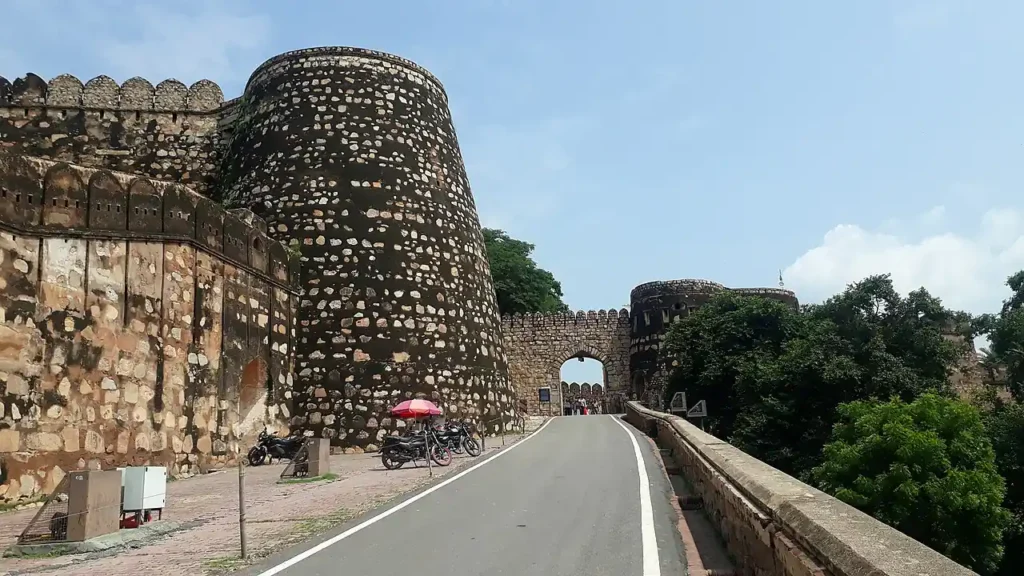
Winters are undoubtedly the most delightful time to be in Jhansi ❄️ 🌸
⦿ Temperature Range: 8°C to 25°C.
⦿ Coldest Month: January.
⦿ Climate Character: Crisp mornings, sunny afternoons, and pleasantly cool nights.
This is the peak tourist season, ideal for exploring forts, temples, museums, and gardens without discomfort. It’s also a great time to attend local fairs, cultural festivals, and Bundeli food markets.
Carry light woollens, especially for early morning outings or late-night strolls along Sadar Bazaar or Civil Lines. The winter breeze here carries the aroma of roasted peanuts, masala chai, and street snacks — making the city feel alive and cozy. ☕ 🌰
🌤️ 6. Monthly Climate Snapshot of Jhansi
| Month | Average High (°C) | Average Low (°C) | Rainfall (mm) | Weather Highlights |
| January | 23 | 8 | 8 | Cool, dry, ideal sightseeing |
| February | 27 | 10 | 12 | Mild, pleasant afternoons |
| March | 32 | 17 | 20 | Warm, summer onset |
| April | 38 | 23 | 10 | Very hot, dry winds begin |
| May | 42 | 27 | 15 | Peak heat, loo winds |
| June | 38 | 26 | 110 | Pre-monsoon showers |
| July | 33 | 25 | 230 | Monsoon sets in |
| August | 31 | 24 | 270 | Lush greenery, heavy rain |
| September | 32 | 23 | 140 | Retreating monsoon |
| October | 33 | 20 | 35 | Post-monsoon clarity |
| November | 29 | 14 | 12 | Cool and festive |
| December | 25 | 9 | 5 | Winter peak, clear skies |
🌸 7. Best Time to Visit Jhansi
The ideal travel window for Jhansi is between October and February, when the weather is cool, skies are clear, and festivals abound.
⦿ Perfect for: Sightseeing, photography, temple visits, and outdoor exploration.
⦿ Avoid if possible: Late May and June, due to extreme heat.
⦿ Great Monsoon Experience: Visit in August or early September if you enjoy rains and greenery.
🌬️ 8. Seasonal Festivals in Jhansi & Climate Connection
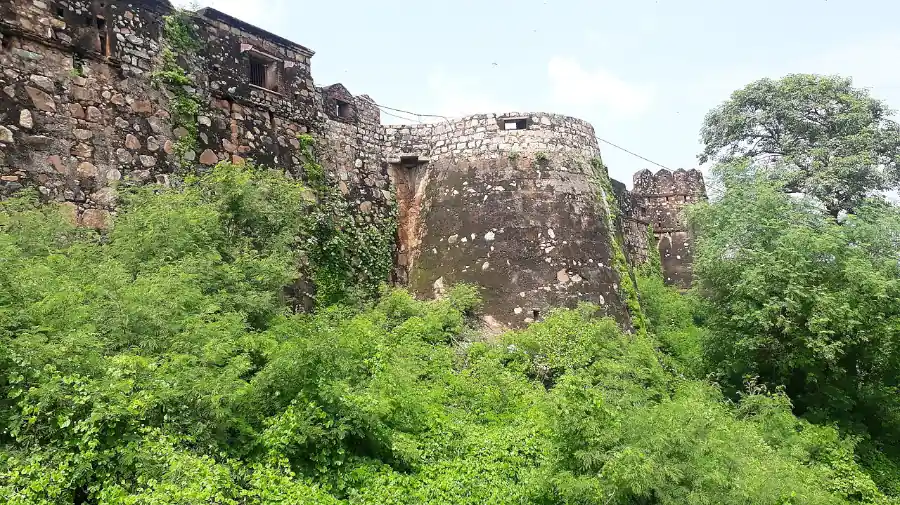
Jhansi’s climate beautifully complements its festivals 🌺
➪ April–May: Mahalaxmi Fair and Rani Jhansi Mahotsav (vibrant but warm — carry hydration).
➪ October–November: Dussehra and Diwali, marked by cool, festive evenings with illuminated streets.
➪ December–January: Jhansi Mahotsav celebrates Bundeli culture in the crisp winter air — perfect for heritage walks and food stalls.
🌾 9. Impact of Geography on Jhansi’s Climate
Jhansi lies on the Deccan lava plateau, about 285 meters above sea level. Its semi-arid geography means low vegetation and rocky soil, which increases surface heat absorption in summer but allows rapid cooling at night. The Betwa and Pahuj Rivers bring some moderation to local microclimates near their banks.
This geography explains why Jhansi can experience sharp day-night temperature differences — a signature Bundelkhand characteristic.
☂️ 10. Traveler Tips for Each Season
| Season | Travel Tips | Clothing |
| Summer (Mar–Jun) | Sightsee early morning; stay hydrated; use sunscreen | Light cottons, cap, sunglasses |
| Monsoon (Jul–Sep) | Carry umbrella; avoid slippery fort areas | Quick-dry clothes, waterproof footwear |
| Winter (Dec–Feb) | Ideal for day tours; enjoy street food and fairs | Light woollens, shawls, jackets |
🌈 Conclusion – Jhansi’s Climate: A Journey Through Seasons
Jhansi’s climate reflects its character — strong, diverse, and full of life. 🌞 From the fierce heat of May that paints its forts golden, to the soothing monsoon that revives its rivers, and the crisp winter air that wraps the city in serenity — every season offers a distinct mood and experience.
For travellers, knowing Jhansi’s weather is key to unlocking its best. Visit in winter for comfort and festivals, in monsoon for scenic charm, or even in summer if you prefer quiet fort walks at dawn. No matter the season, Jhansi welcomes you with open skies, timeless tales, and warm-hearted people.
So pack accordingly, plan wisely, and let Jhansi’s climate be your silent guide through the living history of Bundelkhand. 🌤️ 🏰 🌿
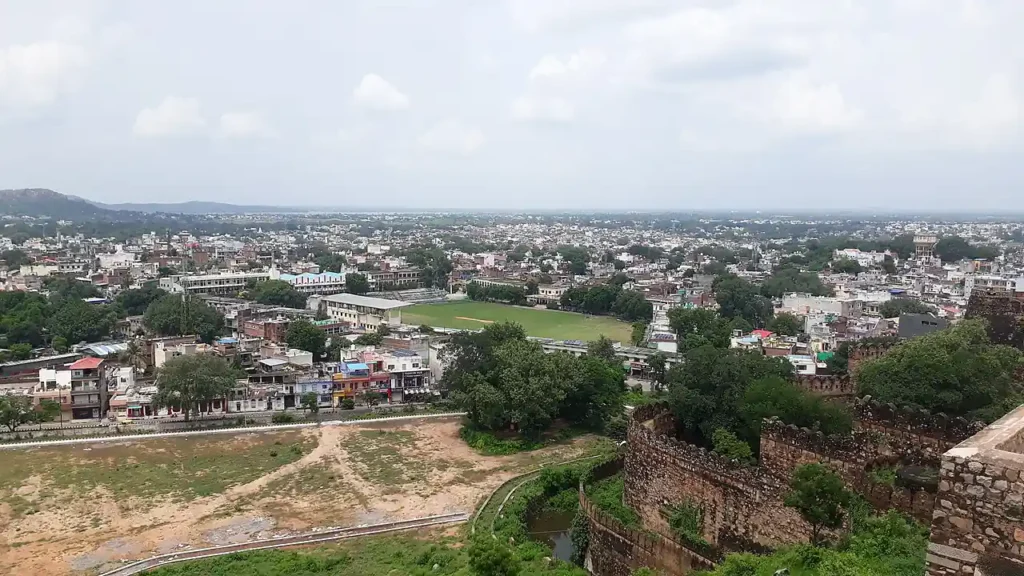
🌤️ Month-wise Temperature and Rainfall Chart & Seasonal Climate Infographic of Jhansi, Uttar Pradesh, India 🌾
Jhansi, located in the heart of Bundelkhand in southern Uttar Pradesh, is known for its rich history, majestic forts, and vibrant cultural heritage — but understanding its climatic conditions throughout the year is crucial for planning a perfect trip. The city experiences a tropical climate with distinct summer, monsoon, and winter seasons, each shaping the travel experience differently. Below is a detailed, expert travel blogger’s account of Jhansi’s month-wise temperature and rainfall trends, crafted to help you plan your trip with precision and comfort. 🌍 ✨
🌞 January – February: The Pleasant Winter Spell
Jhansi experiences pleasant winter days and chilly nights during these months. The average daytime temperature ranges from 10°C to 24°C, while nights can dip to 6°C, especially in January. Foggy mornings are quite common, adding a mystical aura to the Jhansi Fort and Rani Mahal. Rainfall is minimal — around 5–10 mm — making it a perfect time to explore the city’s outdoor attractions without breaking a sweat.
👉 Travel Tip: Carry light woollens during the day and warm jackets for the evening. It’s also an ideal time for sightseeing and attending local fairs like the Jhansi Mahotsav, held in February.
🌼 March – April: The Blooming Transition
As winter fades, Jhansi enters a transitional phase where the air warms up gradually. Temperatures range between 18°C and 34°C, and the humidity remains low. The cityscape, surrounded by patches of greenery and rocky terrain, glows beautifully under golden sunlight — great for photography enthusiasts.
Rainfall is scarce, around 10–15 mm, and the hot winds (loo) haven’t arrived yet, so outdoor visits to Orchha, Barua Sagar Fort, and Parichha Dam remain comfortable.
👉 Travel Tip: Light cotton clothes and sunscreen are recommended. Early mornings and evenings are ideal for temple visits.
🔥 May – June: The Fiery Summer Months
Jhansi’s summers are intensely hot and dry, typical of the Bundelkhand region. Daytime temperatures soar up to 42°C, occasionally touching 45°C, while nights hover around 28°C. The parched earth and shimmering heat waves can be challenging, but the city’s heritage sites look majestic under the blazing sun.
Rainfall is nearly absent, averaging 10 mm, and the region experiences strong hot winds (loo) during afternoons.
👉 Travel Tip: If visiting in summer, plan activities early in the morning or late evening, stay hydrated, and wear light, breathable cotton clothing.
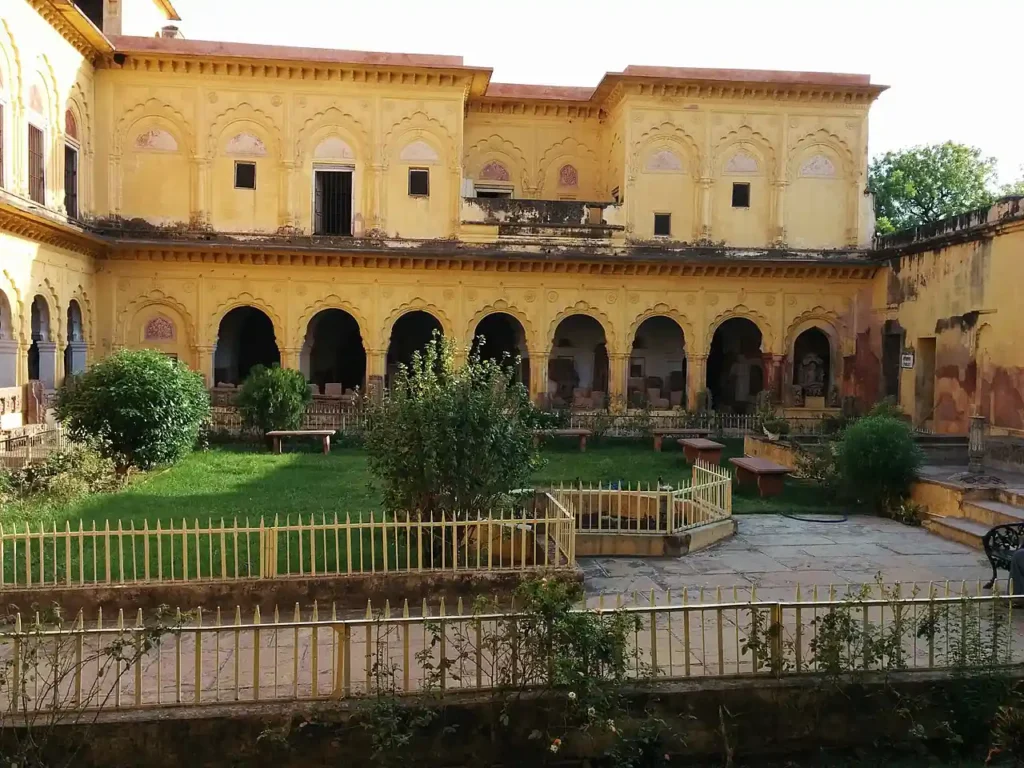
🌧️ July – September: Monsoon Magic in Bundelkhand
When the southwest monsoon arrives in July, Jhansi undergoes a refreshing transformation. The average rainfall ranges from 180 mm in July to 150 mm in August and around 120 mm in September. The average temperature drops to a pleasant 24°C–32°C, and the region’s lakes and dams brim with water.
Places like Barua Sagar Lake, Parichha Dam, and nearby Orchha forests turn lush green, making this an offbeat time for nature lovers and photographers.
👉 Travel Tip: Carry waterproof shoes, umbrellas, and insect repellents. The rains can cause short power outages, so keep backup power banks handy.
🍃 October – November: The Post-Monsoon Charm
Post-monsoon, Jhansi enjoys clear skies, moderate temperatures (20°C–30°C), and rejuvenated landscapes. This is one of the best seasons to visit Jhansi, as the weather strikes the perfect balance between warmth and comfort.
The rainfall decreases drastically to 30–40 mm, and the cool breeze makes exploration of historical landmarks extremely enjoyable. It’s also harvest season in Bundelkhand, so rural Jhansi comes alive with vibrant local markets.
👉 Travel Tip: Perfect time for heritage walks, cultural photography, and enjoying local food festivals.
❄️ December: The Chilly Yet Inviting Winter
December marks the peak of winter, with temperatures ranging between 8°C at night and 22°C during the day. It’s a festive month, with clear skies and mild sunshine — ideal for tourists who prefer comfortable sightseeing weather.
Rainfall is minimal at around 5 mm, ensuring crisp, dry air.
👉 Travel Tip: Perfect time for exploring Jhansi Fort, Government Museum, and temples, as well as taking day trips to Orchha (15 km) or Datia (30 km).
🌦️ Average Month-wise Climate Data (Approximate)
| Month | Avg. High (°C) | Avg. Low (°C) | Avg. Rainfall (mm) |
| January | 23°C | 7°C | 7 mm |
| February | 26°C | 10°C | 8 mm |
| March | 32°C | 16°C | 10 mm |
| April | 38°C | 22°C | 12 mm |
| May | 42°C | 27°C | 8 mm |
| June | 40°C | 29°C | 60 mm |
| July | 34°C | 26°C | 180 mm |
| August | 32°C | 25°C | 150 mm |
| September | 33°C | 24°C | 120 mm |
| October | 32°C | 20°C | 40 mm |
| November | 28°C | 14°C | 10 mm |
| December | 24°C | 8°C | 5 mm |
🌻 Seasonal Breakdown
❄️ Winter (November – February): Best season to visit; ideal for sightseeing and outdoor activities.
☀️ Summer (March – June): Hot and dry; recommended for budget travellers or those seeking solitude.
🌧️ Monsoon (July – September): Scenic but humid; great for nature photography.
🌥️ Post-Monsoon (October): Balanced weather, cultural vibrancy, and rural charm.
🧭 Infographic Suggestion
A climate infographic can include:
⦿ A bar chart for monthly rainfall
⦿ A line graph for temperature highs and lows
⦿ Seasonal icons like 🌞 (Summer), 🌧️ (Monsoon), 🍂 (Autumn), ❄️ (Winter)
⦿ Travel suggestion overlays — “Best Month to Visit: November–February”
❓ FAQs – Climate of Jhansi 🌞 🌧️ ❄️
What is the best time to visit Jhansi for sightseeing?
The best time is October to February, when the weather is pleasant and dry.
How hot does Jhansi get in summer?
It can reach up to 46–47°C in May, one of the hottest months in north-central India.
Is Jhansi suitable for monsoon travel?
Yes, if you love lush green landscapes and light rain, July–September is beautiful — but rural roads can be slippery.
Does Jhansi experience fog in winter?
Occasionally, yes — mostly early mornings in December–January, but it clears by mid-morning.
What clothes should I pack for a winter trip to Jhansi?
Light woollens, sweaters, and a jacket for evenings — days remain comfortably sunny.
What is the best time to visit Jhansi?
The best time is between November and February, when the weather is pleasant and sightseeing is most comfortable.
Does Jhansi experience extreme weather?
Yes. Summers can be scorching (up to 45°C), and winters can be chilly (down to 6°C).
How is Jhansi during the monsoon?
Monsoons bring greenery and scenic beauty but also occasional humidity and water-logging in low-lying areas.
What clothes should I pack for Jhansi?
Light cottons for summer, waterproofs for monsoon, and woollens for winter months.
Are there any weather-related travel restrictions?
Rarely. However, during heavy monsoon spells (July–August), outdoor exploration may be temporarily limited.
🌅 Conclusion
Jhansi’s climate, much like its history, is diverse and dynamic. From the chilly winds of December to the lush greenery of August, every season paints a different face of this historic city. Travellers seeking comfort and exploration should ideally plan their visits between October and February, while those seeking offbeat, raw experiences might enjoy the rain-washed landscapes of the monsoon.
Whether you’re tracing the footsteps of Rani Laxmibai across the fort ramparts or sipping tea in a cozy winter market, Jhansi’s seasonal moods promise an experience that’s both authentic and unforgettable. 🌄 💫
📚 Sources:
➟ Incredible India – Jhansi
➟ Jhansi District Website
➟ Wikipedia – Jhansi
➟ Smart City Jhansi
➟ Britannica – Jhansi
Image Credit
➟ Wikipedia – Jhansi & Wikimedia Commons
➟ Featured Image Credit: Wikimedia Commons
Latest Posts
- Jade Laroche: From Spotlight to Soundwaves — The Reinvention of a French Icon

- Milind Shinde – The Relentless Craftsman of Marathi Cinema Who Turned Every Frame into Fire

- Subodh Bhave: The Timeless Torchbearer of Marathi Cinema Who Redefined Biographical Storytelling

- Svetlana Khodchenkova: The Enigmatic Russian Beauty Who Conquered Hollywood Without Losing Her Soul

- Rashmi Gautam: The Fearless Voice of Telugu Television Who Turned Stardom into Substance

- Simone Holtznagel: From Wollongong’s Coastal Dreams to Global Runways — A Blonde Force Who Turned Reality TV into a Fashion Empire