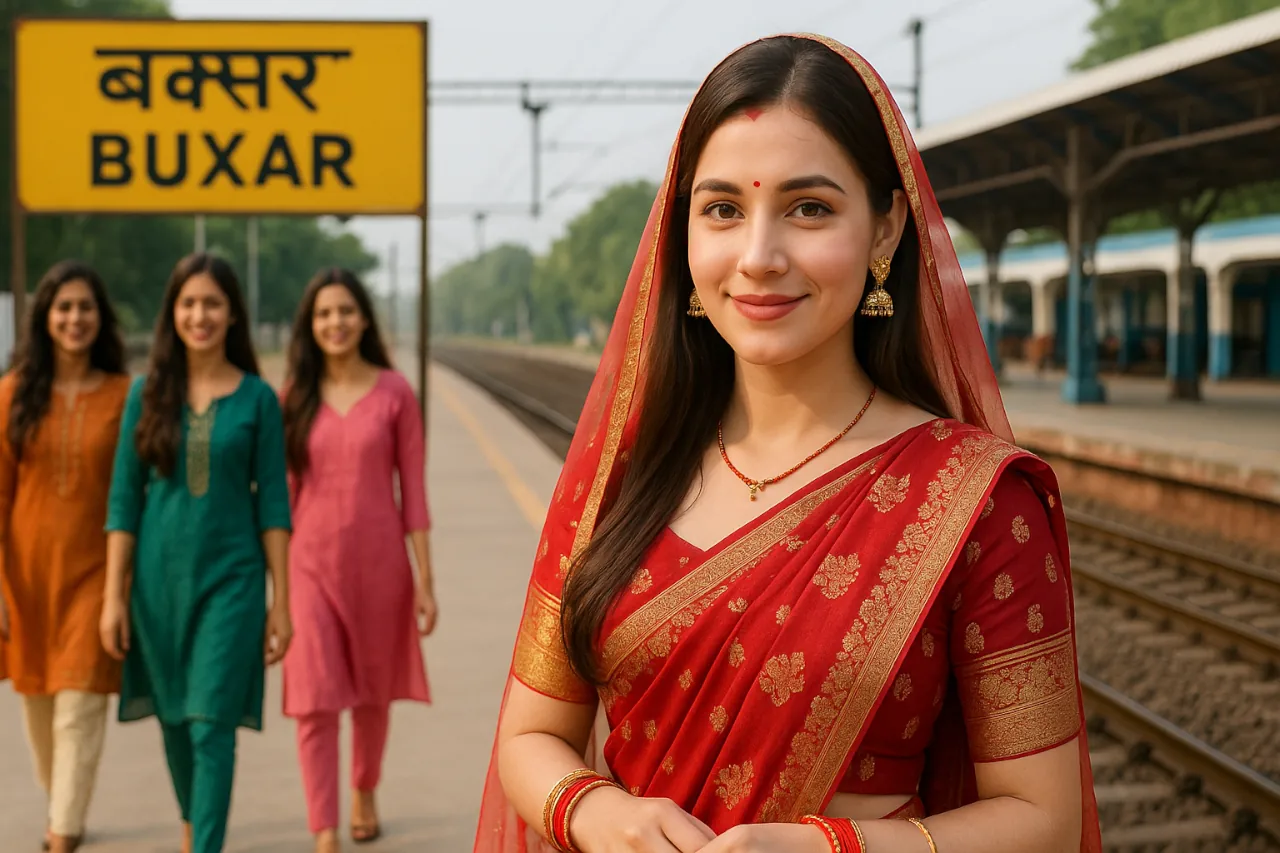
“Step into Buxar: Unravel the Tales of Battles, Temples, and Timeless Traditions!”
🔴 Introduction to Buxar: The Land of Legends
Nestled along the banks of the Ganges in southwestern Bihar, Buxar is a city where history whispers through ancient forts, sacred ponds, and vibrant bazaars. Known for the pivotal Battle of Buxar (1764) that reshaped India’s colonial fate, this district is more than a historical footnote—it’s a living museum of architecture, spirituality, and agrarian traditions. With a population of over 1.7 million, Buxar thrives as a cultural melting pot where Bhojpuri folk songs echo in the air and monsoon rains breathe life into its fertile plains.
➤ Key Highlights:
⦿ Historical Battleground: The site of the Battle of Chausa (1539) and Battle of Buxar (1764).
⦿ Spiritual Hub: Home to the VyaghraSar Pond and Ahirauli Temple, linked to Ramayana legends.
⦿ Agricultural Powerhouse: Produces rice, sugarcane, and mangoes, fuelling Bihar’s economy.
➤ Interview Insight: Local historian Rajesh Pandey shares, “Buxar’s soil has witnessed empires rise and fall. Every brick here tells a story”.
🟢 Detailed Introduction
⭕ Introduction: Buxar, Bihar – Where History Breathes and Culture Thrives
Nestled along the banks of the sacred Ganges River in southwestern Bihar, Buxar is a city where the echoes of ancient battles blend seamlessly with the rhythms of rural life. Known as the “Gateway to Bihar”, this historic district has witnessed the rise and fall of empires, the fervour of spiritual legends, and the resilience of agrarian communities. With a legacy spanning millennia, Buxar is not just a destination—it’s a living chronicle of India’s past and present. Let’s embark on a journey through its storied lanes, sacred ponds, and vibrant bazaars.
⭕ The Legend Behind the Name: VyaghraSar and the Tiger Sage
The name Buxar is steeped in mythology. Local lore traces it to the Sanskrit term VyaghraSar (Tiger’s Pond), linked to the tale of sage Besira. Cursed by Durvasa Rishi to live as a tiger, Besira regained his human form after bathing in the holy Aghsar Lake and worshipping Lord Shiva. Over centuries, VyaghraSar evolved into Baghsar and finally Buxar.
This legend isn’t just folklore—it’s etched into the identity of the city, with the ancient pond still existing as a tranquil spot for reflection. As historian Dr. Ramesh Singh explains, “Buxar’s name is a bridge between myth and reality, reminding us how deeply spirituality is woven into its soil”.
⭕ A Battleground That Shaped India’s Destiny
Buxar’s strategic location made it a focal point for historical conflicts. The Battle of Buxar (1764), fought near the banks of the Ganges, marked a turning point in Indian history. The combined forces of Mughal Emperor Shah Alam II, Nawab Mir Qasim of Bengal, and Nawab Shuja-ud-Daula of Awadh were defeated by the British East India Company, cementing colonial dominance in Eastern India.
But Buxar’s martial legacy runs deeper: the Battle of Chausa (1539) between Sher Shah Suri and Humayun also unfolded here, reshaping the Mughal Empire’s trajectory. Today, remnants of old fortifications and British-era cannons near the riverbanks whisper tales of these clashes.
⭕ Ancient Roots: From the Ramayana to Ashokan Edicts
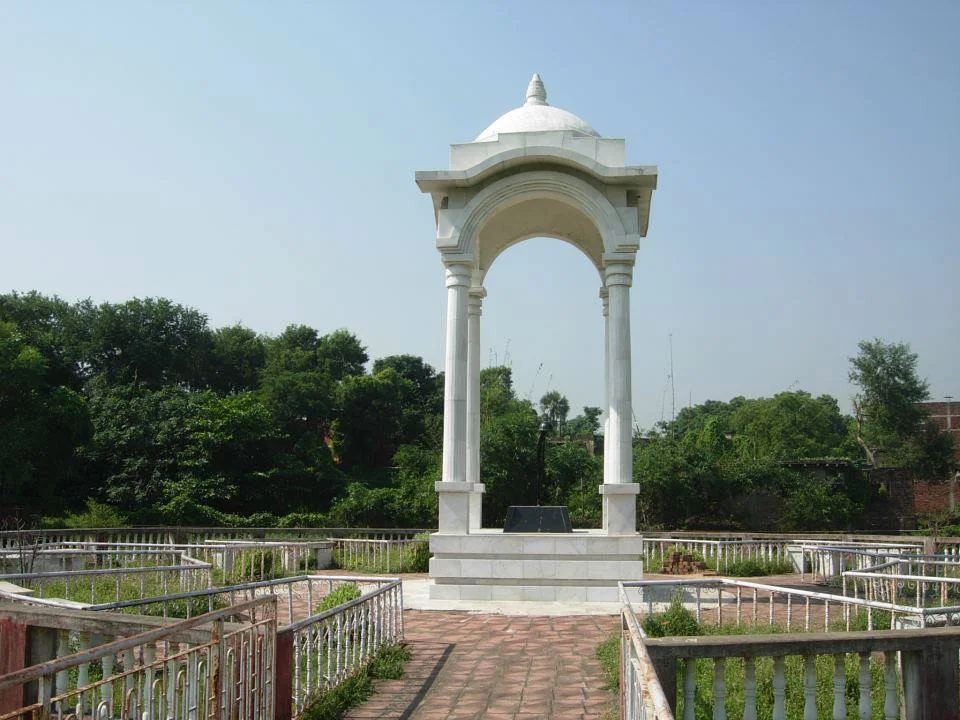
Long before these battles, Buxar was a spiritual epicenter. The Ahirauli Temple, 6 km from the city, is believed to be where Lord Rama liberated Ahilya, wife of sage Gautama, from a curse—a story immortalised in the Ramayana. Nearby, the Kanwaldah Pokhara (VyaghraSar Pond) draws pilgrims seeking purification.
Archaeologists have also discovered Ashokan-era edicts in the region, suggesting Buxar’s role as a hub during the Mauryan Empire. “Every monsoon, farmers still unearth pottery shards and coins from ancient kingdoms”, says local guide Mohan Kumar, underscoring the district’s layered history.
⭕ Architectural Heritage: Temples, Forts, and Colonial Relics
Buxar’s architecture is a mosaic of Hindu, Islamic, and colonial influences. The Buxar Fort, built in 1054 AD by King Rudra Deo of the Kannauj dynasty, stands as a testament to medieval engineering. Its walls, adorned with carvings of deities and warriors, merge Nagara and Dravidian styles.
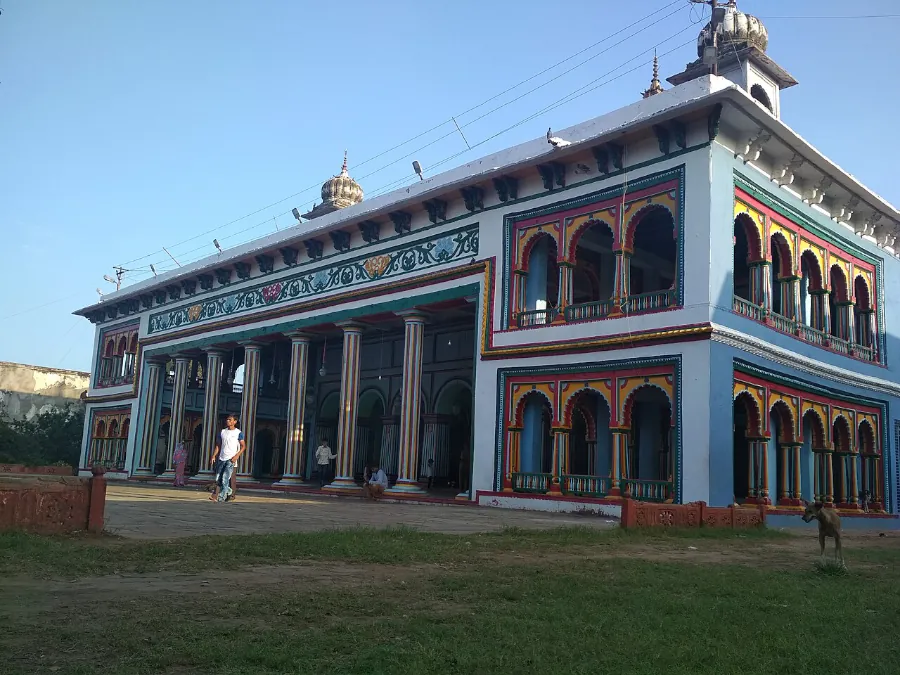
The Bihariji Temple, dating to the 18th century, showcases intricate murals depicting scenes from the Mahabharata. Colonial enthusiasts can explore abandoned British barracks near the Ganges, their brick facades weathered but still echoing the era of the Raj.
⭕ Demographics: A Melting Pot of Cultures
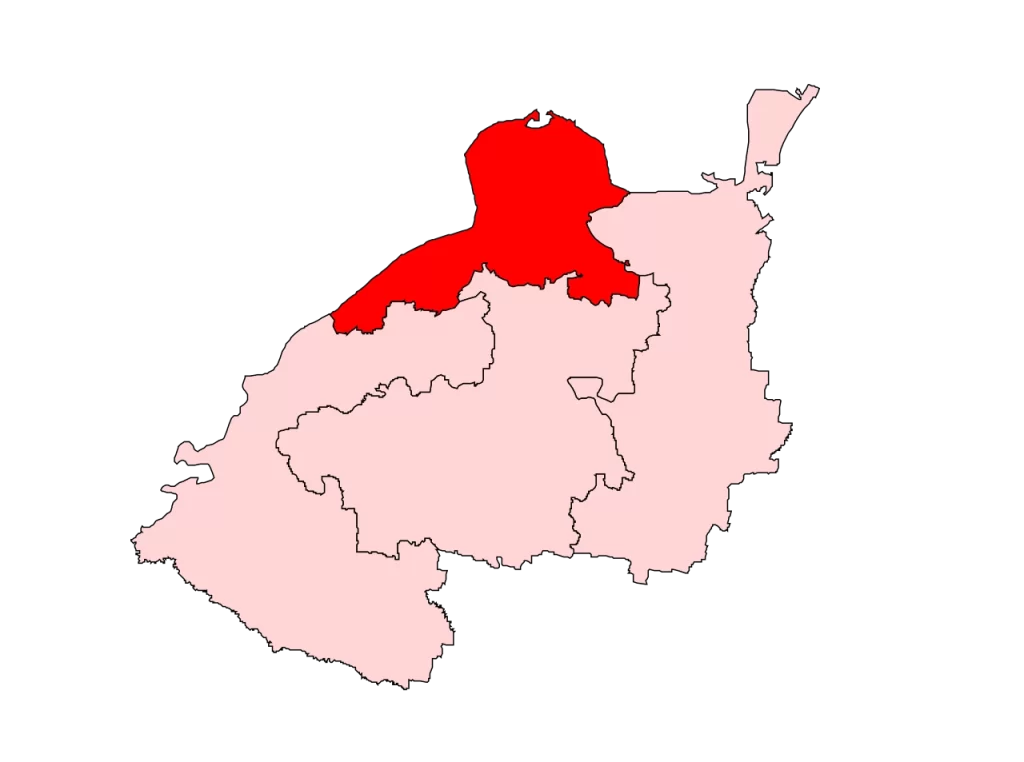
Home to over 1.7 million people (2011 Census), Buxar district is a vibrant mix of communities. Hindus (92%) and Muslims (7%) coexist harmoniously, celebrating festivals like Chhath Puja and Eid with equal fervour. Bhojpuri, the lingua franca, fills the air with its earthy cadence, while Hindi and Urdu are widely understood.
The district’s sex ratio (922 females per 1,000 males) and literacy rate (70.14%) reflect gradual social progress, though challenges like rural-urban disparities persist. “Our strength lies in our unity—Buxar’s festivals are a riot of colors where everyone participates”, says Sarita Devi, a schoolteacher from the Dumraon subdivision.
⭕ Agrarian Heartland: Rice, Sugarcane, and the ‘Mango Belt’
Buxar’s economy thrives on agriculture, with 80% of its population engaged in farming. The fertile plains of the Ganges yield winter rice, sugarcane, and pulses like gram and masur. The district is also part of Bihar’s “Mango Belt”, producing the juicy Zardalu and Langra varieties. During harvest season, the Buxar Haat (market) buzzes with traders from Uttar Pradesh and West Bengal. Yet, industrialisation is budding—small-scale soap and furniture units in Buxar and Dumraon townships employ thousands, signalling a shift toward diversified livelihoods.
Also Read
Bhusawal – Maharashtra’s Hidden Gem of Culture and Commerce
⭕ Cultural Tapestry: Folklore, Festivals, and Bhojpuri Beats
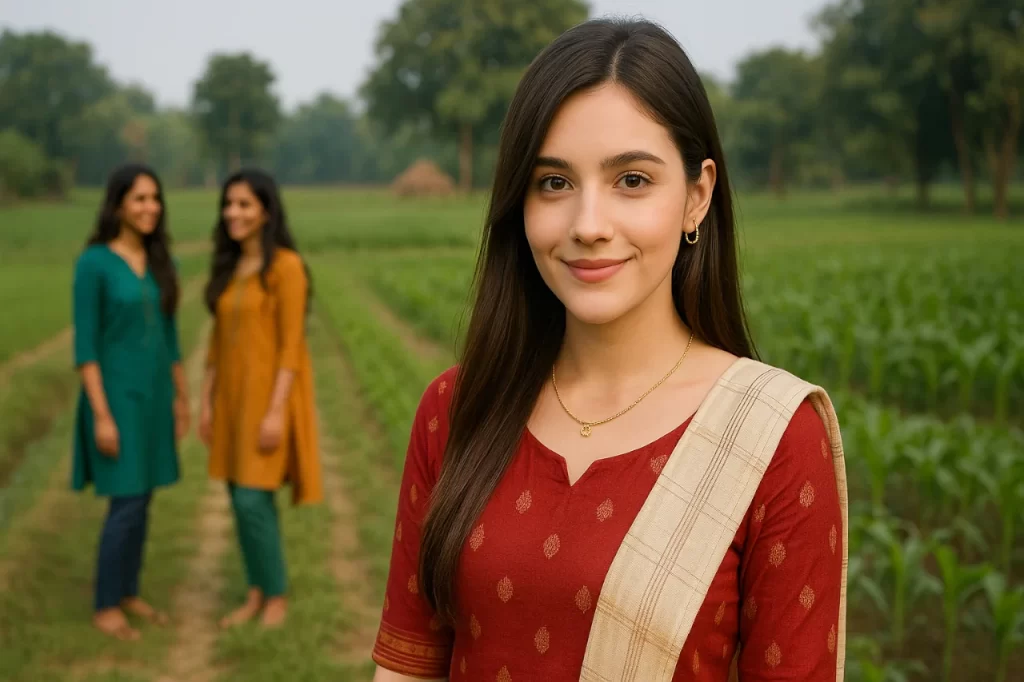
Culture in Buxar is a vibrant blend of devotion and artistry. The Panchkoshi Mela, a week-long fair, reenacts Lord Rama’s exile journey through five villages, drawing thousands of devotees. Folk artists perform Bidesia—a Bhojpuri theatre form highlighting social issues—while women craft Sujani quilts, stitching stories of migration and resilience. Music lovers revere Buxar as the birthplace of Bismillah Khan’s ancestor, who imbued the shehnai with classical rigor. “Our festivals aren’t just rituals—they’re living traditions”, remarks folk singer Radheshyam Yadav.
⭕ Navigating Buxar: Connectivity and Distance
➤ Buxar’s strategic location makes it accessible from major cities:
⦿ Patna: 125 km (2.5 hours via NH 922)
⦿ Varanasi: 150 km (3.5 hours)
⦿ Kolkata: 600 km (12-hour train ride)
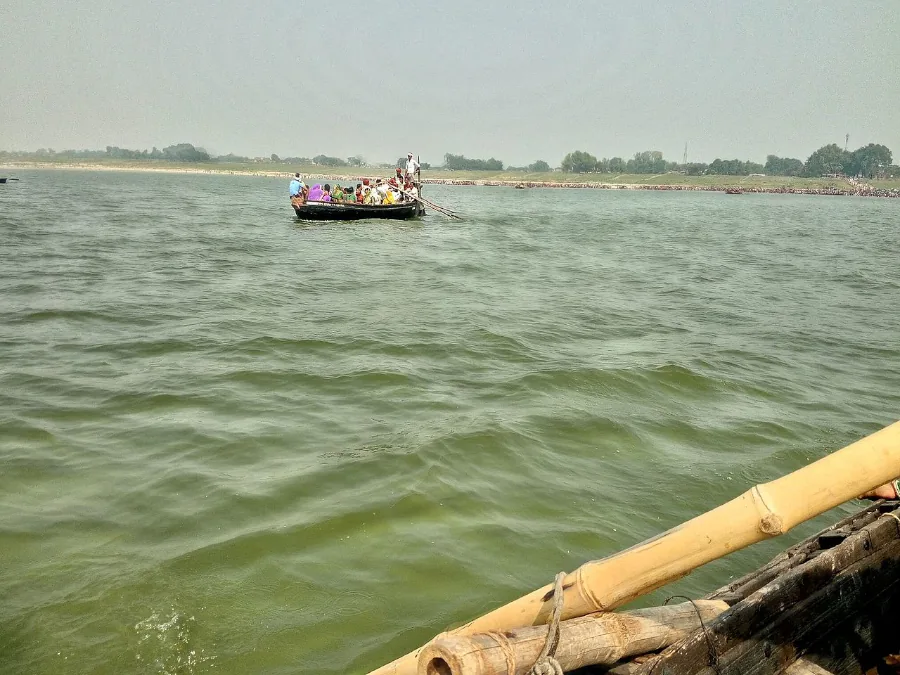
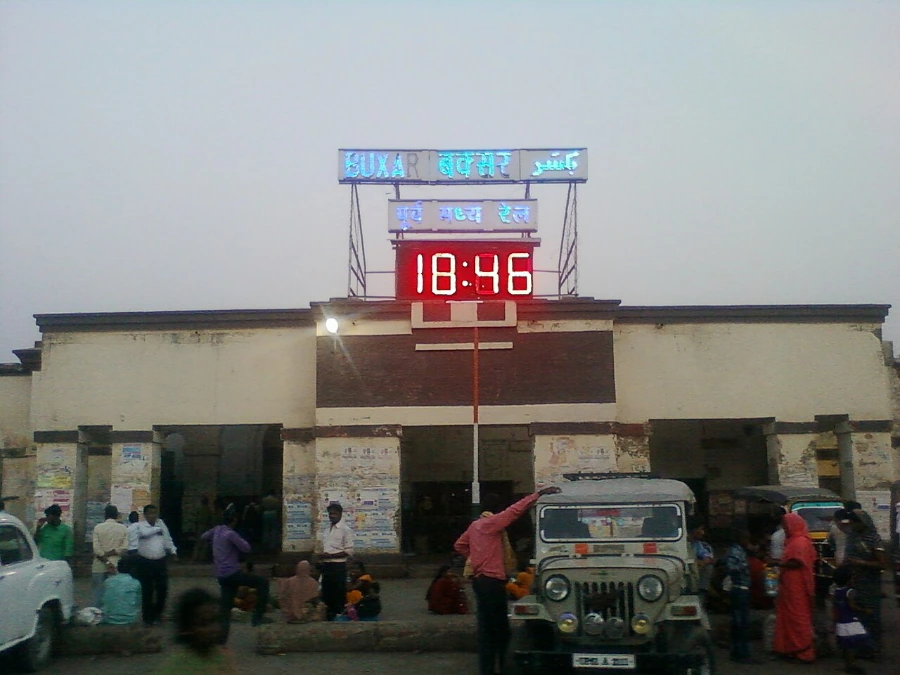
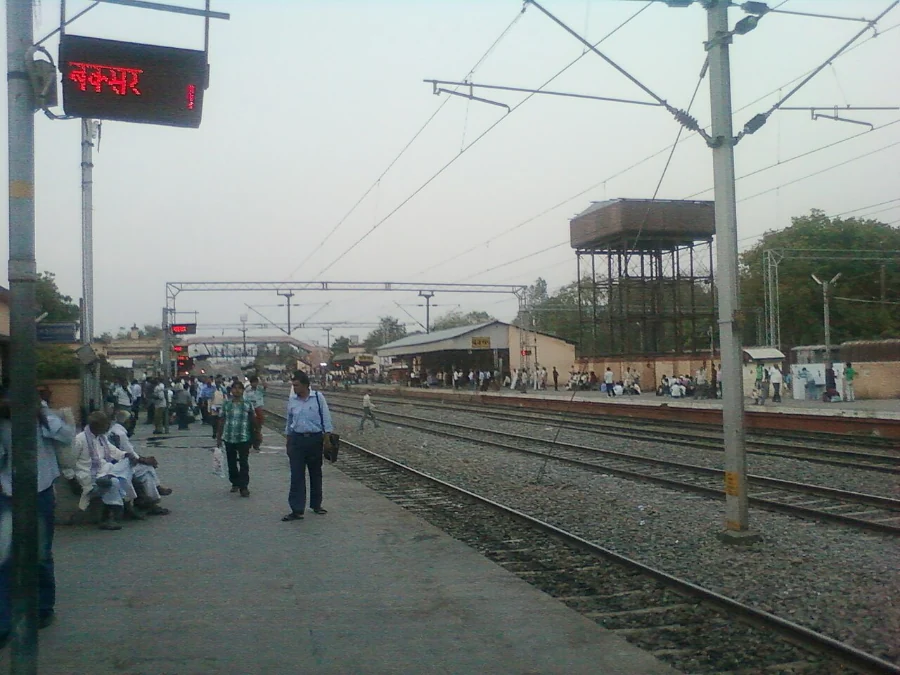
The Buxar Railway Station, on the Delhi-Howrah route, connects it to metros like Delhi and Kolkata. The nearest airport is Varanasi’s Lal Bahadur Shastri International Airport (140 km). For a scenic route, take a boat ride on the Ganges from neighbouring Ballia (UP), soaking in views of riverine hamlets.
⭕ Climate: From Scorching Summers to Lush Monsoons
➤ Buxar experiences a subtropical climate:
⦿ Summers (March–June): Temperatures soar to 45°C, with dry winds making afternoons harsh.
⦿ Monsoons (July–September): The Ganges swells, turning fields emerald green. The Kajari Festival celebrates the rains with folk songs.
⦿ Winters (October–February): Mild (10°C – 25°C) and ideal for exploring historical sites. Pack light cotton for summers and woollens for chilly December mornings.
⭕ A Glimpse Ahead: What’s Next in This Guide?
In the sections to follow, we’ll dive deeper into Buxar’s top attractions, from the mystical Ahirauli Temple to the forgotten ruins of Chausa. You’ll discover hidden gems like the Simri Mai Temple, savour local delicacies like Litti-chokha and Thekua, and learn how to navigate its bustling markets. We’ll also unpack Travel itineraries — whether you’re a history buff, a pilgrim, or a cultural enthusiast. Ready to unravel Buxar’s secrets? Let’s begin!
Explore Buxar: History, Spirituality, and Culture
🟣 Detailed Section Breakdown:
🔘 Etymology: Why Is It Called ‘Buxar’?
The name ‘Buxar’ stems from the Sanskrit VyaghraSar (Tiger’s Pond), linked to a myth about sage Besira transforming into a tiger. Over time, VyaghraSar morphed into ‘Baghsar’ and finally ‘Buxar’. Another theory ties it to the Aghsar Lake, believed to cleanse sins.
🔘 Historical Significance
⦿ Battle of Buxar (1764): Marked British dominance in East India. The combined forces of Mir Qasim, Shah Alam II, and Shuja-ud-Daula were defeated by Hector Munro.
⦿ Mughal Era: Emperor Sher Shah Suri’s Battle of Chausa (1539) against Humayun.
⦿ Ancient Roots: Mentioned in the Ramayana as the place where Lord Rama liberated Ahilya.
➤ Granular Detail: A 1781 British map in the Buxar Museum shows strategic troop movements during the battle.
🔘 Architectural Marvels
⦿ Buxar Fort: Built in 1054 AD, blends Hindu and Islamic styles.
⦿ Ahirauli Temple: 6 km from Buxar, dedicated to Ahilya’s resurrection.
⦿ Colonial Buildings: remnants of British barracks near the Ganges.
➤ Local Architect’s Take: “The fort’s carvings depict scenes from the Mahabharata—a fusion of art and faith”.
🔘 How to Reach Buxar
| City | Distance (km) | Travel Time |
| Patna | 125 km | 2.5 hrs |
| Varanasi | 150 km | 3.5 hrs |
| Kolkata | 600 km | 12 hrs |
Note: Distance and travel time may vary. Please check with google maps or local authorities before travelling.
➤ Nearest Airport: Lal Bahadur Shastri Airport, Varanasi (140 km).
🔘 Best Places to Visit
⦿ VyaghraSar Pond: Mythological site with serene vibes.
⦿ Panchkoshi Mela: Annual fair tracing Lord Rama’s footsteps.
⦿ Bihariji Temple: 18th-century shrine with intricate murals.
➤ Pro Tip: Hire a local guide to decode hidden symbols in temple art.
🔘 Travel Tips & Climate
⦿ Best Time: October–March (15C – 25°C).
⦿ Monsoon Itinerary: Explore lush fields and attend the Kajari Festival.
⦿ Pack Light Cotton: Summers soar to 45°C!
🔘 FAQs
What’s Buxar famous for?
Historic battles, Ahirauli Temple, and Bhojpuri culture.
Is Buxar safe for solo travellers?
Yes, but avoid remote areas post-sunset.
🔘 Conclusion
Buxar isn’t just a destination—it’s an experience. Whether you’re a history buff, spiritual seeker, or cultural explorer, this hidden gem in Bihar promises unforgettable memories.
“Ready to walk through history? Share your Buxar journey with #DiscoverBuxar!”
🔘 Sources
⦿ Buxar District Official Portal
⦿ Census of India 2011
⦿ Interviews with local experts and historians
🔘 Image Credit
⦿ Wikimedia Commons – Ganges river at Buxar famous for battle of Buxar and Lord Rama
⦿ Wikimedia Commons – Bihari ji Ka Mandir
⦿ Wikimedia Commons – Buxar Railway Station Main
⦿ Wikimedia Commons – 200-Buxar constituency
⦿ Wikimedia Commons – Buxar Railway Station
For more information, you can visit our website: ExploreXP
Latest Posts
- Jade Laroche: From Spotlight to Soundwaves — The Reinvention of a French Icon

- Milind Shinde – The Relentless Craftsman of Marathi Cinema Who Turned Every Frame into Fire

- Subodh Bhave: The Timeless Torchbearer of Marathi Cinema Who Redefined Biographical Storytelling

- Svetlana Khodchenkova: The Enigmatic Russian Beauty Who Conquered Hollywood Without Losing Her Soul

- Rashmi Gautam: The Fearless Voice of Telugu Television Who Turned Stardom into Substance

- Simone Holtznagel: From Wollongong’s Coastal Dreams to Global Runways — A Blonde Force Who Turned Reality TV into a Fashion Empire