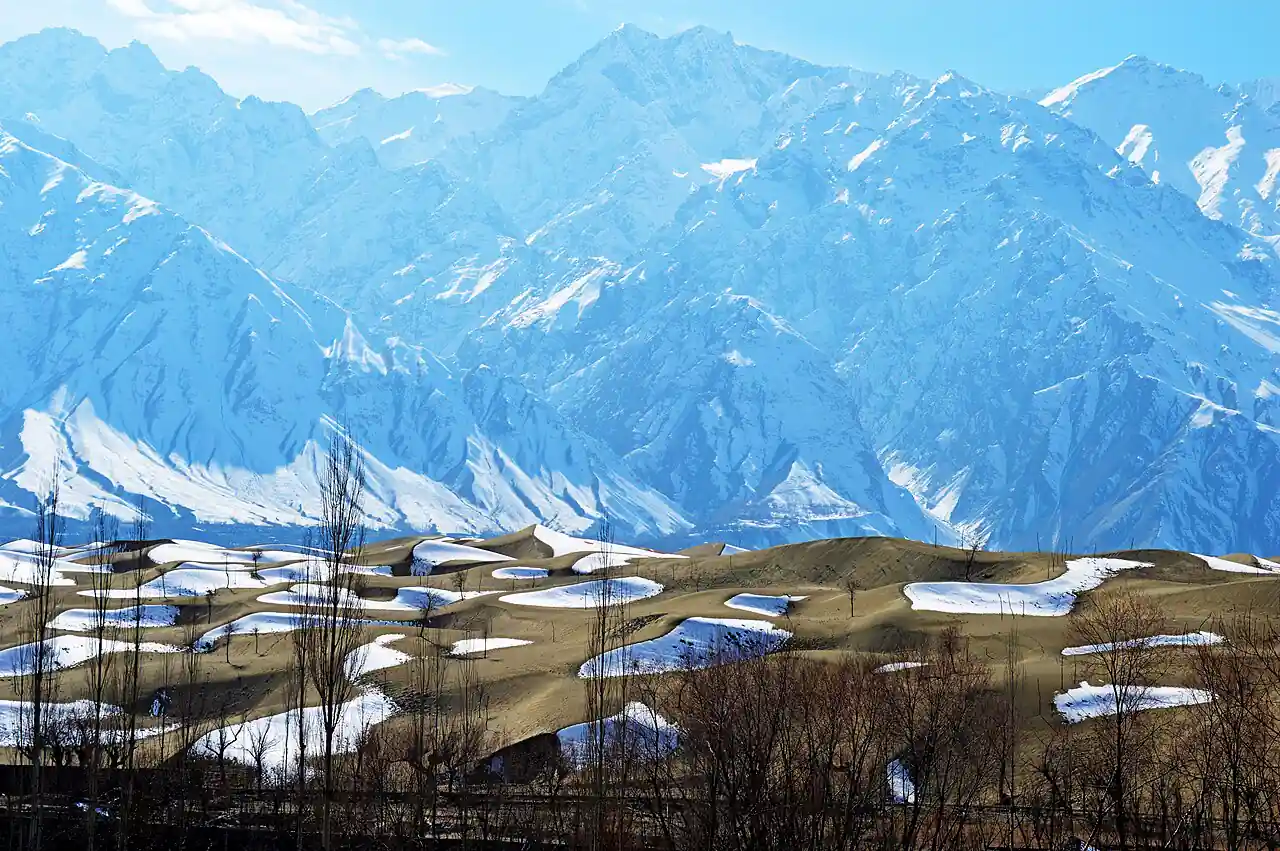
Skardu, the mystical capital of Baltistan, is not just a destination—it’s an emotion woven into the fabric of high-altitude lakes, rugged mountains, ancient fortresses, and the warm hospitality of the Balti people. Whether you’re a mountaineer, a history lover, or a traveler seeking spiritual peace, Skardu offers a sensory overload of sights, stories, and serenity. 🌿 ✨
🏰 Skardu Fort (Kharpocho Fort) — The Sentinel of Baltistan
Perched dramatically on a hill overlooking the Skardu town and the Shigar River, Kharpocho Fort, or “King of Forts”, dates back to the 8th century CE. Built by King Ali Sher Khan Anchan in the late 1500s, this fortress once guarded the valley from Tibetan and Dogra invasions. Its ancient stone walls, narrow watchtowers, and panoramic view of the Skardu plains make it a must-visit.
Walking up the steep trail to the fort feels like stepping into Baltistan’s living history. From the top, you can see the entire Skardu city, the Indus River winding like a silver thread, and the snow-capped Karakoram peaks. Locals often narrate how, during the 1948 Gilgit-Baltistan liberation war, the fort again became a strategic watchpoint.
👉 Travel Tip: Wear sturdy shoes, carry water, and visit during sunrise or sunset for the best views and photography.
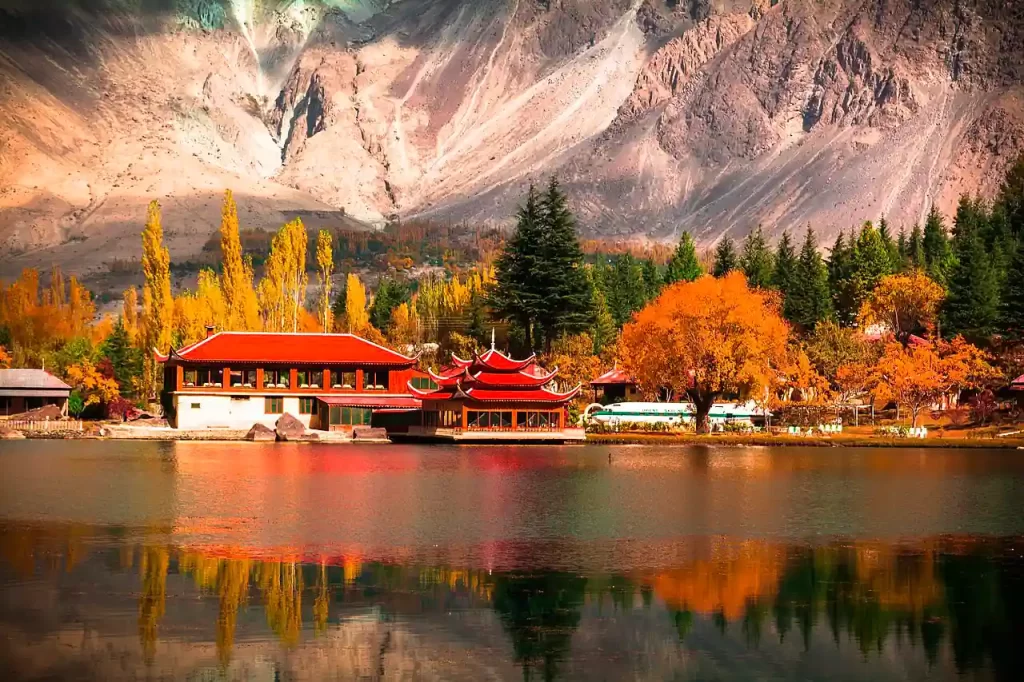
Table of Contents
- 🏰 Skardu Fort (Kharpocho Fort) — The Sentinel of Baltistan
- 💧 🌸 Shangrila Resort & Lower Kachura Lake — Heaven on Earth
- Also Read
- 🌌 Upper Kachura Lake — Mirror of the Sky
- 🏯 Shigar Fort and Shigar Valley — The Gateway to K2
- 🏡 🌿 Khaplu Palace and Valley — The Last Tibetan-Style Kingdom
- 💙 Satpara Lake — The Jewel of Skardu
- 🐻 🌼 Deosai National Park — The Land of Giants
- 🏜️ ❄️ Cold Desert of Skardu — Golden Sands beneath Snow Peaks
- 💦 Manthokha Waterfall — Nature’s Symphony
- 🎯 Sheosar Lake — The Heart of Deosai
- 🕌 MOSQUES, TEMPLES & PLACES OF WORSHIP IN SKARDU
- 1️⃣ Chaqchan Mosque, Khaplu (Built 1370 CE)
- 2️⃣ Skardu Jame Masjid
- 3️⃣ Imambargah Baltistan & Other Shrines
- 4️⃣ Ancient Buddhist Stupas & Rock Carvings 🪶
- 🛍️ LOCAL MARKETPLACES & HANDICRAFTS OF SKARDU
- 🧵 Handicrafts & Souvenirs
- 🎯 Other Notable Attractions Nearby
- 🌅 Travel Tip Summary
- Sources:
- Image Credit
- Latest Posts
💧 🌸 Shangrila Resort & Lower Kachura Lake — Heaven on Earth
Popularly called Heaven on Earth, Shangrila Resort sits beside Lower Kachura Lake, about 20 minutes from Skardu city. The lake is surrounded by lush gardens, wooden cottages, and crimson-coloured chalets that reflect perfectly in the turquoise waters.
The resort was established in 1983 by Brigadier Muhammad Aslam Khan, and its name “Shangrila” comes from the fictional paradise described in James Hilton’s Lost Horizon. You’ll see the famous plane-restaurant (an aircraft turned into a café) and gardens bursting with cherry blossoms and apricot trees in spring. 🌸
Boating, photography, and peaceful walks along the lakeshore are favourite activities here. Many local honeymooners and families make this their top relaxation stop.
Also Read
Skardu, Gilgit-Baltistan, Pakistan – “Gateway to the Roof of the World”
Detailed Historical Facts, and Timeline of Skardu, Gilgit–Baltistan, Pakistan
Explore the Architectural Marvels in Skardu, Gilgit–Baltistan, Pakistan
How to Reach Skardu, Gilgit–Baltistan, Pakistan – A Complete Travel Guide with Granular Details
Best Time to Visit & Where to Stay in Skardu along with Its Cultural Festivals and Traditions – A Complete Guide with Local Insights
🌌 Upper Kachura Lake — Mirror of the Sky
Just 2 km above Lower Kachura lies Upper Kachura Lake, a natural alpine lake hidden amidst rocky hills and apricot orchards. Unlike the manicured charm of Lower Kachura, Upper Kachura is wilder and more tranquil, with deep blue water at an altitude of 2,500 meters.
During summer, visitors swim or take small wooden boats, while in winter, the lake partially freezes — a photographer’s dream! Locals say that in old times, shepherds used the nearby meadows for grazing yaks and goats.
👉 Tip: The 30-minute uphill trek from the main road rewards you with surreal views. Carry light snacks and water.
🏯 Shigar Fort and Shigar Valley — The Gateway to K2
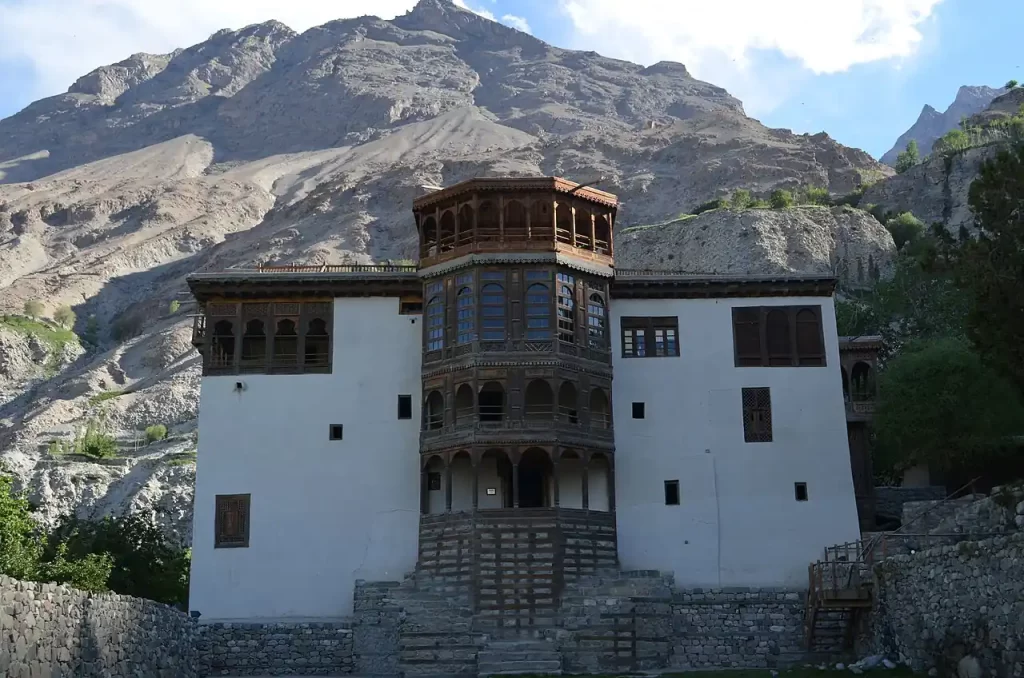
About 32 km from Skardu lies Shigar Valley, a fertile oasis cradled by the Karakoram mountains. At its heart stands the magnificent Shigar Fort, also known as Fong-Khar (Palace on the Rock). Built in the 17th century by Raja Hassan Khan, it was beautifully restored by the Aga Khan Cultural Service Pakistan and is now managed by Serena Hotels.
Visitors can explore royal chambers, wooden balconies carved in Tibetan style, and the museum showcasing ancient Balti artefacts. Interviews with local guides reveal how the fort’s restoration employed traditional craftsmen from Baltistan itself, reviving dying architectural techniques.
🌾 Nearby: The valley is known for its organic apricots, trout-filled rivers, and views of the great K2 range — hence its nickname, “Gateway to K2”.
🏡 🌿 Khaplu Palace and Valley — The Last Tibetan-Style Kingdom
A 2-hour drive from Skardu, Khaplu Palace (Yabgo Khar) is an architectural masterpiece of the 19th century, blending Tibetan, Balti, and Kashmiri design. Once the royal residence of the Yabgo rulers, the palace now functions as a museum and heritage hotel under Serena management.
Its slanted wooden balconies, intricate lattice windows, and handcrafted walls of mud and timber reflect eco-sustainable building principles practiced centuries ago. The nearby Chaqchan Mosque (built in 1370 CE) — one of the oldest mosques in the region — adds to the area’s spiritual aura.
Locals still narrate tales of Yabgo rulers’ bravery and the palace’s secret escape tunnels. 🕰️
💙 Satpara Lake — The Jewel of Skardu
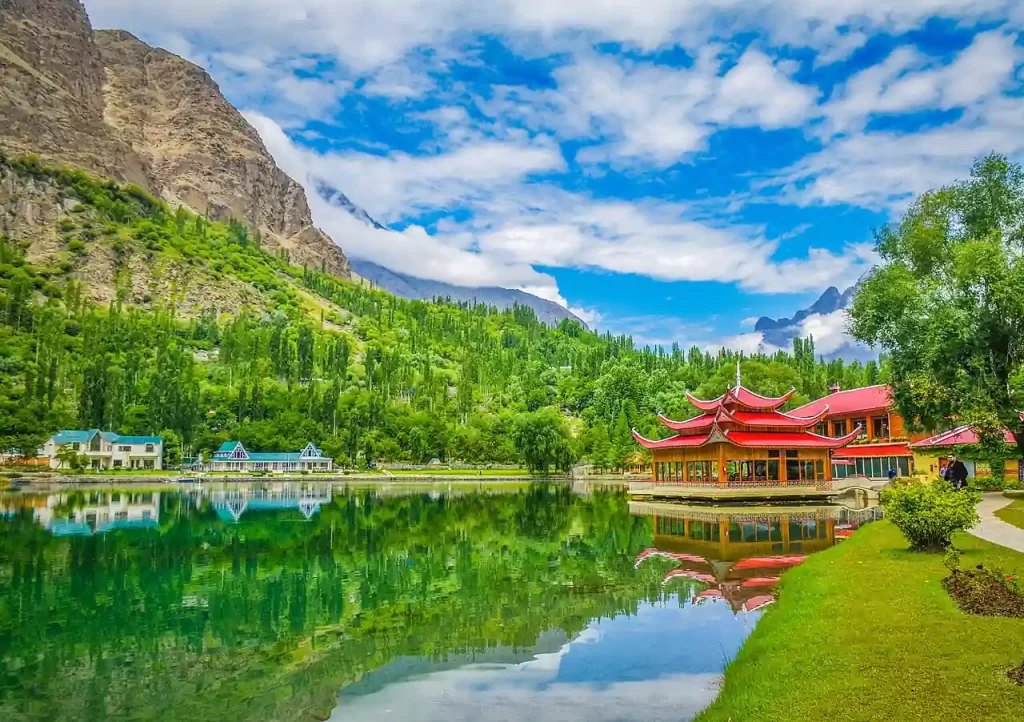
Located about 9 km south of Skardu, Satpara Lake is fed by melting glaciers of Deosai Plateau. It supplies water to the entire city and offers stunning views of snow-draped mountains. The lake’s colour shifts from deep turquoise to crystal blue depending on sunlight, making it a photographer’s delight.
Visitors can enjoy boating or picnicking on the banks. During monsoon months, the misty lake surface reflects the clouds above — hence locals call it “mirror of the sky”.
A small island in the middle can be reached by boat, often used by locals for quiet family picnics.
🐻 🌼 Deosai National Park — The Land of Giants
At 4,114 meters above sea level, Deosai Plains are among the highest plateaus in the world. Known as “Land of Giants”, this national park stretches across 3,000 square kilometres of rolling meadows, wildflowers, and crystal lakes.
Home to the rare Himalayan Brown Bear, golden marmots, snow leopards, and migratory birds, Deosai transforms into a carpet of flowers between June and August. Locals from nearby villages often visit to gather herbs and graze their yaks.
👉 Travel Tip: Accessible from Skardu via Sadpara in summer (June–September). A jeep or 4×4 is essential.
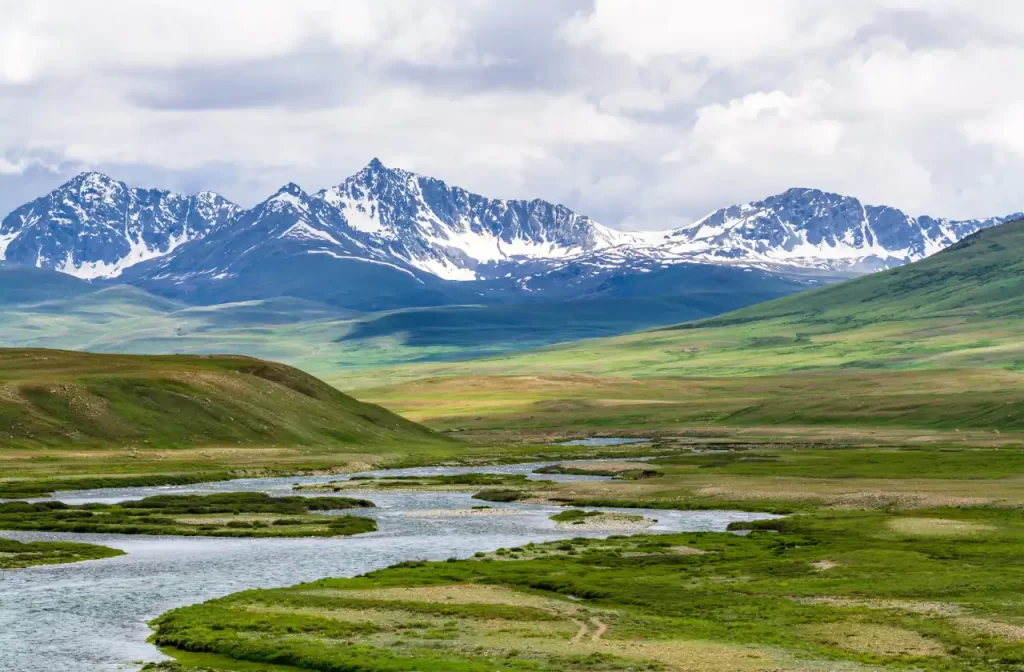
🏜️ ❄️ Cold Desert of Skardu — Golden Sands beneath Snow Peaks
Located near the Shigar Valley, the Cold Desert of Skardu, also called Katpana Desert, is one of the highest cold deserts on Earth. Imagine rolling golden sand dunes surrounded by snow-capped mountains — a sight you’ll rarely find anywhere else!
At night, stargazing here is a breathtaking experience. Locals often host bonfires and tea stalls, offering sweet Kashmiri chai under the Milky Way. ✨
👉 Photography Tip: Visit during sunset or sunrise for magical lighting and surreal shadows.
💦 Manthokha Waterfall — Nature’s Symphony
About 80 km from Skardu in the Kharmang Valley, Manthokha Waterfall cascades from a height of nearly 180 feet, surrounded by lush greenery and small villages.
It’s one of the most visited natural attractions, with a trout farm and picnic area nearby. Locals recall how this site was once used by shepherds and now draws families, trekkers, and vloggers from all over Pakistan.
👉 Best Time to Visit: Summer (May to September).
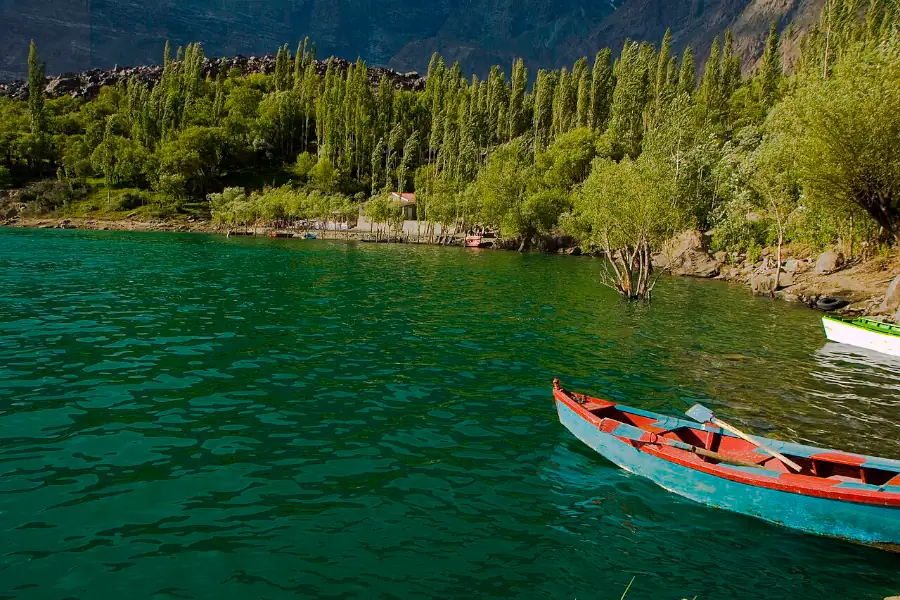
🎯 Sheosar Lake — The Heart of Deosai
Located within Deosai National Park, Sheosar Lake sits at an altitude of 4,142 meters. The name literally means “Blind Lake”, and it is known for its mirror-like surface reflecting Nanga Parbat on clear days.
Local Balti folklore tells of mystical spirits that guard the lake. During June–August, the area around blooms with colourful flowers — creating an unreal landscape straight out of a painting.
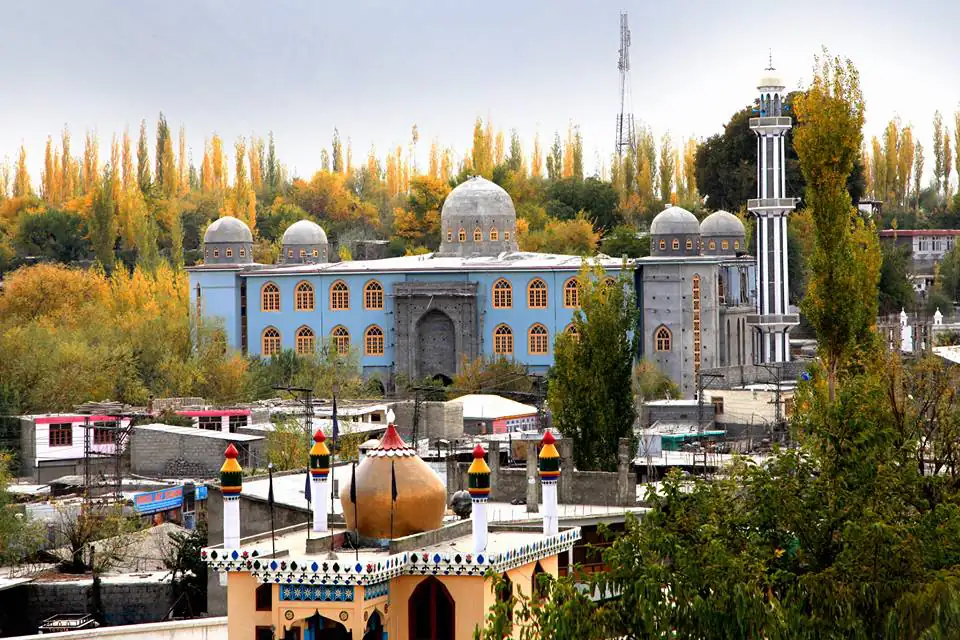
🕌 MOSQUES, TEMPLES & PLACES OF WORSHIP IN SKARDU
1️⃣ Chaqchan Mosque, Khaplu (Built 1370 CE)
One of the oldest mosques in Gilgit–Baltistan, it represents an extraordinary blend of Tibetan and Islamic architecture. Built from timber and stone, its façade features intricate wood carvings, Quranic inscriptions, and geometric designs. Locals say it was founded by Mir Sayyid Ali Hamadani, the Sufi saint who brought Islam to Baltistan. 🌙
2️⃣ Skardu Jame Masjid
Located in the main bazaar, this mosque is a centre for community prayers and cultural gatherings. The architecture mixes Baltistani and Mughal styles, with bright green domes and arched corridors.
3️⃣ Imambargah Baltistan & Other Shrines
The Shia Muslim population of Skardu often gathers at Imambargahs, especially during Muharram. The reverence and discipline seen in local processions offer cultural insights into the region’s deep spirituality.
4️⃣ Ancient Buddhist Stupas & Rock Carvings 🪶
Before Islam, Baltistan had strong Buddhist roots. Travellers can still see Buddhist rock carvings near Skardu Road, showcasing ancient carvings of Buddha figures and Tibetan script—silent reminders of Baltistan’s pre-Islamic history.
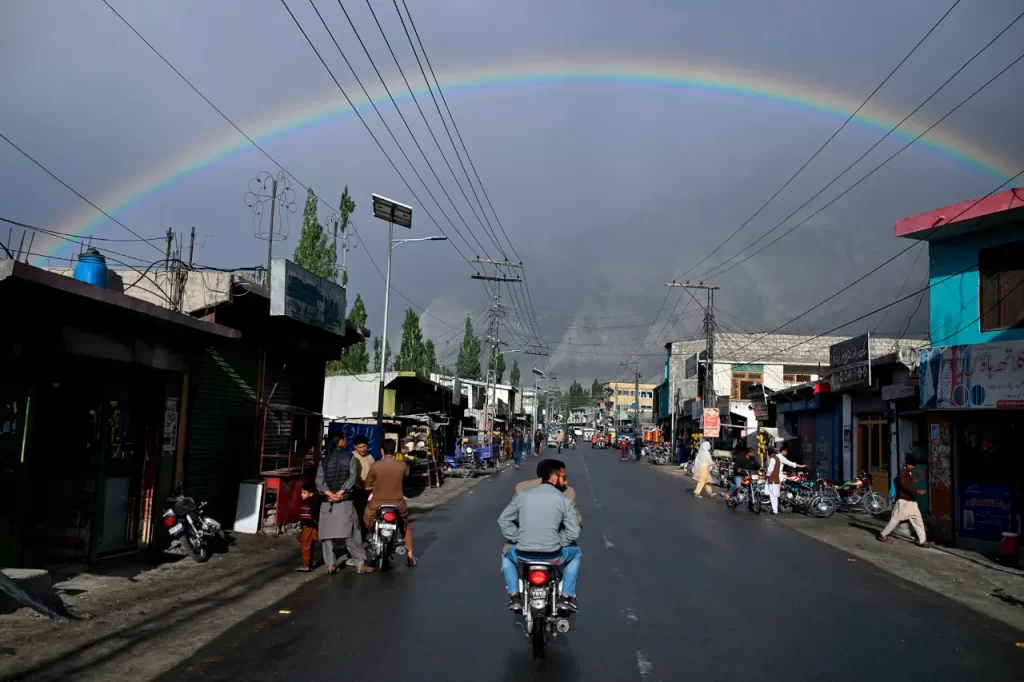
🛍️ LOCAL MARKETPLACES & HANDICRAFTS OF SKARDU
The bazaars of Skardu offer an authentic glimpse into daily life and craftsmanship. The Skardu Bazaar is filled with traditional Balti caps, woollen shawls, gemstones, carved wooden items, and yak-wool jackets.
🧵 Handicrafts & Souvenirs
➪ Balti Shawls & Rugs: Made of yak and sheep wool; soft, warm, and beautifully patterned.
➪ Apricot Oil & Dried Fruits: Local families produce pure apricot oil used for cooking and skincare.
➪ Gemstones: Skardu’s mountains are rich in aquamarine, tourmaline, and topaz — available in small jewellery shops.
➪ Copper-ware & Carvings: Handmade teapots, cups, and trays with intricate designs.
Local shopkeepers, when interviewed, proudly mention that their families have been weaving or carving for generations. Buying directly from them supports the local economy and helps preserve traditional skills.
👉 Top Markets: Skardu Bazaar, Hussainabad Market, and Yadgar Chowk Market.
🎯 Other Notable Attractions Nearby
➪ Kharfaq Lake (Khaplu Valley): A serene high-altitude lake, reachable after a 3-hour trek, ideal for trout fishing and camping.
➪ Sarfaranga Desert: Another cold desert with adventure sports like jeep safaris and paragliding.
➪ Nansoq Organic Village: The first organic village in Pakistan, located near Skardu, showcasing sustainable living.
➪ K2 Base Camp Trek (via Shigar): For seasoned trekkers — a bucket-list expedition with views of the world’s second-highest mountain.
🌅 Travel Tip Summary
➪ Best Visiting Season: May–October for most places; Deosai and Sheosar accessible mainly June–September.
➪ Transportation: 4×4 vehicles recommended for remote valleys and Deosai.
➪ Local Guides: Hiring Balti guides enhances experience — they share ancient stories & hidden routes.
➪ Clothing: Layered warm clothes, sunglasses, and sunscreen are must-haves, even in summer.
Sources:
➟ Wikipedia – Skardu
➟ And deep Google Research
Image Credit
➟ Wikipedia – Skardu & Wikimedia Commons
➟ Featured Image Credit: Wikimedia Commons
Latest Posts
- Jade Laroche: From Spotlight to Soundwaves — The Reinvention of a French Icon

- Milind Shinde – The Relentless Craftsman of Marathi Cinema Who Turned Every Frame into Fire
- Subodh Bhave: The Timeless Torchbearer of Marathi Cinema Who Redefined Biographical Storytelling
- Svetlana Khodchenkova: The Enigmatic Russian Beauty Who Conquered Hollywood Without Losing Her Soul

- Rashmi Gautam: The Fearless Voice of Telugu Television Who Turned Stardom into Substance

- Simone Holtznagel: From Wollongong’s Coastal Dreams to Global Runways — A Blonde Force Who Turned Reality TV into a Fashion Empire