Unlocking the Secrets of Asirgarh Fort: A Journey Through Time
🔴 Introduction
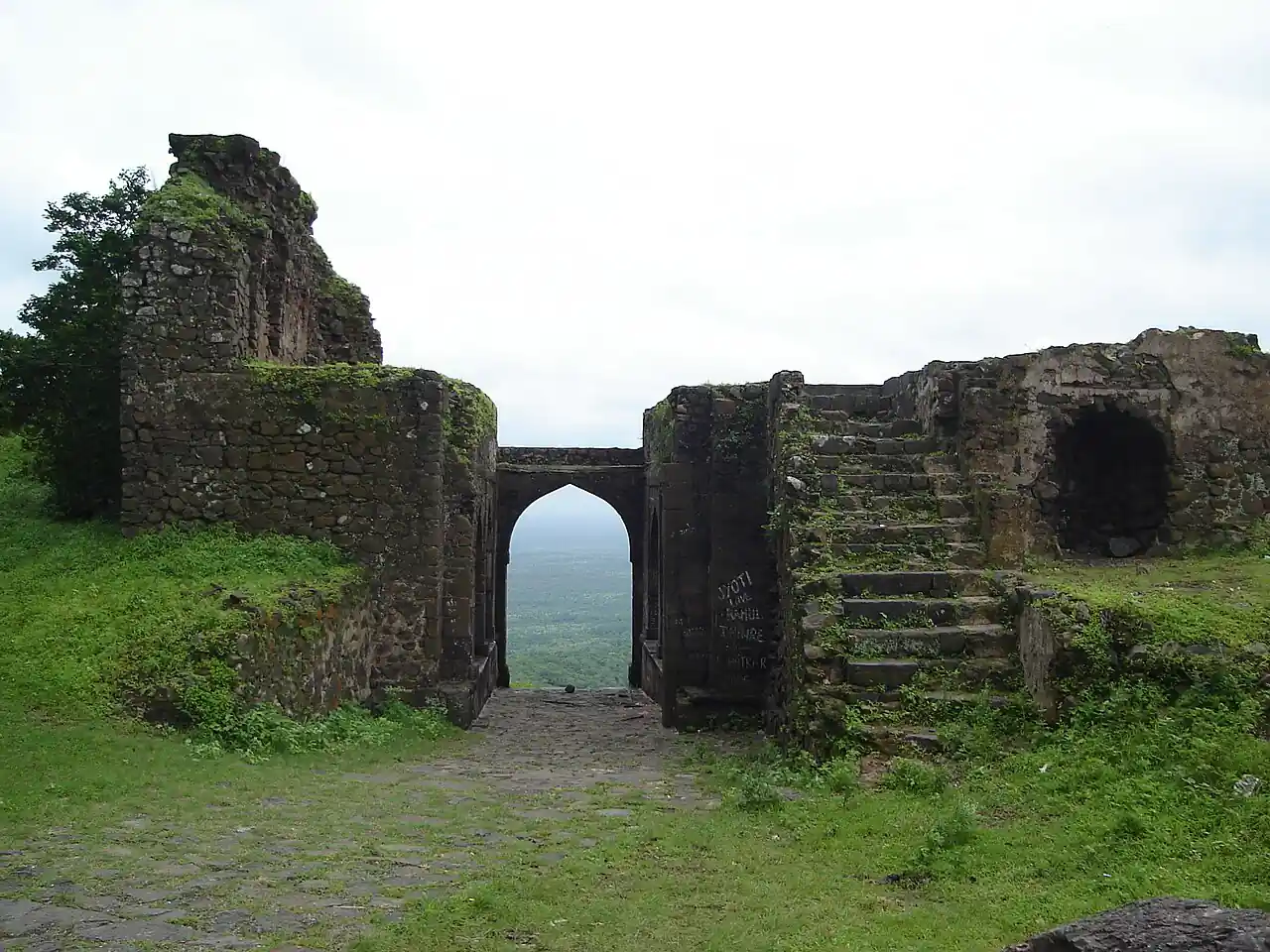
Perched atop the Satpura Range, Asirgarh Fort is more than just a relic—it’s a storyteller. Known as the “Key to the Deccan”, this 15th-century fortress guarded the critical trade route between North India and the Deccan Plateau, making it a prized possession for empires from the Mughals to the British. Today, its crumbling walls and moss-covered temples invite travellers to unravel tales of betrayal, sieges, and architectural brilliance.
🟢 Detailed Introduction
🔘 The Majestic Asirgarh Fort: A Citadel of Power, Myth, and Timeless Grandeur
Perched dramatically atop the rugged Satpura Range in Madhya Pradesh, Asirgarh Fort stands as a sentinel of India’s tumultuous history. Known as the “Key to the Deccan”, this 15th-century fortress commands a strategic pass linking the Narmada and Tapti river valleys, a geographical chokehold that made it the ultimate prize for empires vying to control the Indian subcontinent. Rising 701 meters above sea level, its sheer cliffs and labyrinthine defences tell tales of betrayal, sieges, and architectural ingenuity. For history enthusiasts, archaeologists, and adventurers, Asirgarh is not just a fort—it’s a chronicle carved in stone.
🔘 Origins and the Ahir Dynasty
The fort’s story begins in the early 1400s under Asa Ahir, a tribal king of the Ahir dynasty. Legend claims he built the fortress to safeguard his cattle and subjects from invaders. Its name, “Asirgarh”, derives from “Asa” (The founder) and “Garh” (Fort). The Ahirs, skilled in guerrilla warfare, used the Satpura terrain to their advantage, crafting a near-impregnable stronghold. However, their reign ended in bloodshed when Sultan Nasir Khan of the Faruqi dynasty, disguised in a marriage procession, infiltrated the fort and massacred Ahir’s family. This treachery marked the start of Faruqi rule, which lasted over 200 years.
🔘 The Faruqi Era: Guardians of the Deccan Gateway
Under the Faruqis, Asirgarh became the capital of Khandesh, a kingdom straddling North and South India. The fort’s location allowed the Faruqis to levy taxes on trade caravans traversing the Narmada-Tapti corridor. Its defences were bolstered with triple – layered walls, secret tunnels, and reservoirs. The Faruqis also introduced Islamic architectural elements, such as the Asir Masjid, a mosque adorned with Persian calligraphy and octagonal minarets. Yet their defiance of Mughal authority would seal their fate.
🔘 Akbar’s Siege: A Clash of Wits and Will
In 1599, Emperor Akbar set his sights on Asirgarh after its ruler, Bahadur Shah, refused Mughal suzerainty. The fort’s natural defences—sheer cliffs, dense forests, and a 120-foot-high outer wall—forced Akbar into a gruelling 10-month siege. Mughal chronicler Abul Fazl wrote, “The fort’s strength is such that even a bird could not pierce it”. Akbar finally triumphed through psychological warfare: he bribed Bahadur Shah’s minister, Miran Bahadur, to open the gates. The fall of Asirgarh in 1601 marked the Mughals’ gateway to the Deccan, reshaping India’s political map.
🔘 Mughal Modifications and Maratha Intrigues
The Mughals transformed Asirgarh into a military garrison, adding barracks, armoires, and a sprawling palace complex. However, their grip weakened by the 18th century, allowing the Marathas to seize it. Under Peshwa rule, the fort became a hub for guerrilla tactics against the British. Its dungeons, etched with Marathi inscriptions, still echo tales of resistance. In 1803, the British East India Company captured the fort’s outer precincts during the Second Anglo-Maratha War, but its inner citadel held firm until 1819, when a brutal artillery assault forced surrender.
🔘 Architecture: A Fusion of Faiths and Fortifications
➨ Asirgarh’s architecture mirrors its multicultural legacy:
⛔ Tripartite Design: The fort is divided into three tiers — Asirgarh (the pinnacle citadel), Kamargarh (Middle defences), and Malaygarh (Outer Bastions). Each layer had independent water reservoirs, granaries, and escape routes.
⛔ Gupteshwar Mahadev Temple: Carved into a subterranean cave, this Shiva temple is shrouded in myth. Locals believe Ashwatthama, the immortal Mahabharata warrior, still offers prayers here. The sanctum’s naturally formed Shivling is bathed in water dripping from the cave roof.
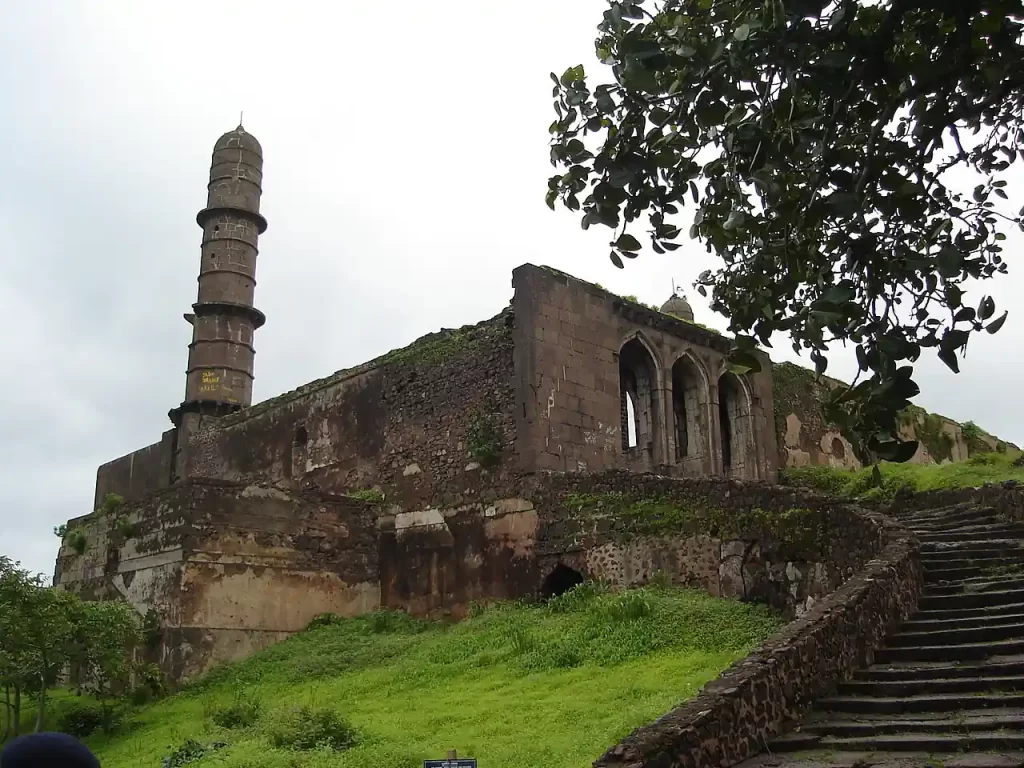
⛔ Asir Masjid: Built with red sandstone and lime mortar, the mosque features a collapsed central dome but retains its ornate mihrab (prayer niche) and Quranic inscriptions.
⛔ British Additions: Colonial-era barracks, a church ruin, and graves with weathered epitaphs dot the landscape.
🔘 Engineering Marvels: Defying Time and Sieges
➨ The fort’s builders mastered hydrology and defence:
👉 Mama-Bhanja Talabs: Twin reservoirs, fed by monsoon streams, provided year-round water.
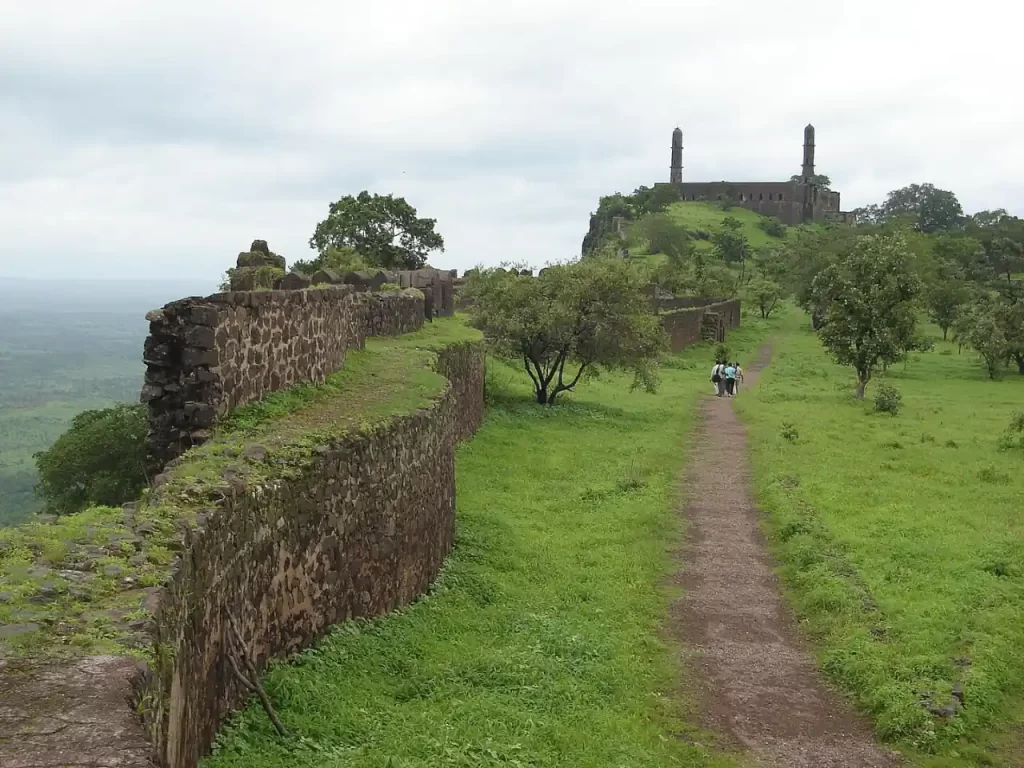
👉 Walls and Bastions: Constructed with limestone, lead, and iron slag, the walls absorbed cannonball impacts. Strategic bastions like Burj-e-Sher (Lion Tower) offered 360-degree views.
👉 Underground Passages: Secret tunnels, now collapsed, once connected the fort to Burhanpur.
🔘 The British Conquest and Abandonment
The fort’s final battle in 1819 saw Killedar Jeswant Rao Lar leading 1,200 Maratha soldiers against 5,000 British troops. After a month-long bombardment, the British breached the walls with ladders, culminating in hand-to-hand combat. Victory came at a cost: 200 British casualties versus 500 Maratha deaths. Post-conquest, the British abandoned Asirgarh, leaving it to decay. Today, its crumbling structures are overrun with peepal trees and langurs, adding to its haunting allure.
🔘 Myths and Legends: Ashwatthama’s Eternal Vigil
Folklore permeates Asirgarh’s stones. Villagers claim Ashwatthama, cursed with immortality for his role in the Mahabharata, still roams the fort. Fresh flowers at Gupteshwar Temple and shadowy sightings at dawn fuel these tales. Historians dismiss them, but for locals, the fort remains a living entity—a blend of history and mystery.
🔘 Bollywood’s Gold Rush: Fiction Meets Reality
In 2025, the film Chhava depicted Mughal general Aurangzeb burying Chhatrapati Shambhaji’s treasure here. This sparked a real-life gold rush, with locals digging trenches until archaeologists intervened. While no gold was found, the frenzy highlighted the fort’s enduring grip on the imagination.
🔘 Strategic Significance: Why Empires Fought for Asirgarh
➨ Geopolitics defined Asirgarh’s fate:
👉 Trade Control: It dominated the Dakshinapatha, an ancient trade route connecting Gujarat’s ports to the Deccan.
👉 Military Advantage: The Satpura pass allowed armies to bypass the Vindhya ranges.
👉 Symbolic Power: Owning the “Key to the Deccan” singled imperial dominance. Mughal historian Abdul Hamid Lahori called it “the strongest fort in Hindustan”.
🔘 Modern-Day Asirgarh: A Forgotten Giant
Today, Asirgarh is a ghost of its former self. The Archaeological Survey of India (ASI) lists it as a protected site, but conservation is minimal. Vegetation cracks through its walls, and vultures nest in its minarets. Yet, its grandeur persists. Sunrise from the fort offers panoramic views of the Tapti plains, while monsoon clouds shroud its ruins in ethereal mist. For historians, it’s a call to preserve; for travellers, a portal to the past.
Also Read
Ashtavinayak Yatra: A Sacred Journey Through Maharashtra’s Eight Divine Ganapati Temples
🟣 In this guide, we’ll dive into:
✔ The fort’s dramatic history, from its Ahir origins to British conquests.
✔ Architectural marvels blending Hindu, Islamic, and colonial styles.
✔ Practical travel tips, including distances from major cities and monsoon itineraries.
✔ Cultural gems in Burhanpur, from Sufi shrines to monsoon treks.
✅︎ Exploring Asirgarh Fort: History, Architecture, and More
Where Legends Climb Walls and History Whispers Through Ruins
🟠 Detailed Section Breakdown:
⭕ History: The Fort That Defied Empires
➤ The Ahir Legacy & Faruqi Deception
Built in the early 1400s by King Asa Ahir, the fort was seized through treachery by Nasir Khan of the Faruqi dynasty. Disguised soldiers hidden in palanquins slaughtered Ahir’s family, marking the start of Faruqi rule.
➤ Akbar’s Siege: A 10-Month Game of Wits
When Bahadur Khan defied Akbar in 1599, the Mughal emperor besieged the fort for 10 months. Outmanoeuvring its defences, Akbar used bribes and deceit to capture it in 1601, securing his path to the Deccan .
➤ British Conquest & Desertion
The fort witnessed two British sieges (1803 and 1819) during the Anglo-Maratha Wars. Its final capture in 1819 marked the end of Maratha resistance, leaving the fort abandoned post-independence.
➤ 2025 Gold Rush: Bollywood’s Fiction Sparks Reality
Recently, locals dug trenches after the film Chhava fictionalised buried Mughal gold here, prompting archaeological scrutiny.
⭕ Architecture: A Fusion of Faiths and Fortifications
➤ Three Forts in One
The fort is a triad: Asirgarh (central citadel), Kamargarh (Middle tier), and Malaygarh (outer defences), spanning 60 acres.
➤ Sacred Spaces
⦿ Gupteshwar Mahadev Temple: Nestled in a step-well, locals believe Ashwatthama, the immortal Mahabharata warrior, still worships here.
⦿ Asir Masjid: A Faruqi-era mosque with twin minarets visible for miles, showcasing intricate Jaali work.
⦿ British Graves: Colonial-era tombs dot the ruins, a silent nod to its final conquerors.
➤ Engineering Marvels
⦿ Mama-Bhanja Talabs: Twin reservoirs ensured water supply during sieges.
⦿ 120-Ft Walls: Built with limestone and lead, they withstood cannon fire for centuries.
⭕ How to Reach Asirgarh Fort
➤ From Major Cities (By Road):
⦿ Indore: 163 km (4 hrs)
⦿ Mumbai: 385 km (8 hrs)
⦿ Bhopal: 325 km (7 hrs)
⦿ Aurangabad: 240 km (5.5 hrs)
🎯 By Air: Devi Ahilya Bai Holkar Airport (Indore) – 169 km.
🎯 By Train: Burhanpur Railway Station (20 km) or Asirgarh Road Station (15 km).
⭕ Best Time to Visit & Climate
⦿ October–March: Pleasant weather (15–25°C), ideal for exploration.
⦿ Monsoon (July–September): Lush greenery but slippery trails.
⦿ Summer (April–June): Harsh heat (up to 45°C); visit early mornings.
⭕ Nearby Attractions in Burhanpur
👉 Dargah-E-Hakimi: A Bohra Muslim shrine with marble architecture.
👉 Shahi Qila: Mughal palace where Mumtaz Mahal breathed her last.
👉 Black Taj: A charcoal-hued replica of the Taj Mahal.
⭕ Local Cuisine & Stays
➤ Eat Here:
⦿ Heena Restaurant: Mughlai kebabs near Burhanpur Bus Stand.
⦿ Panchvati Restaurant: North Indian Thalis on Sheerpur Road.
⦿ Kundan Sweets: Renowned Bakery offering a delectable range of freshly baked goods and Pastries.
⦿ Milan Mithai: This 75 year old sweet mart attracts food lovers from all over the area.
➤ Stay Here:
⦿ MPT Tapti Retreat: Riverside views and colonial charm.
⦿ Hotel Ambar: Budget-friendly with modern amenities.
🟤 FAQs
Why is Asirgarh Fort called the ‘Key to the Deccan’?
It controlled the vital pass between the Narmada and Tapti rivers, gateway to South India.
Is photography allowed?
Yes! Capture the minarets, temples, and panoramic views.
🔵 Conclusion:
Asirgarh Fort is more than stones and mortar—it’s a testament to human ambition, ingenuity, and folly. From Ahir shepherds to British redcoats, each conqueror left their mark, yet none could truly tame its spirit. As you walk its silent corridors, you tread the same paths as Akbar’s generals, Maratha spies, and forgotten soldiers. In its decay, Asirgarh whispers a timeless truth: empires rise and fall, but legends endure.
This majestic Fort is a mosaic of history, faith, and resilience. Whether you’re tracing Akbar’s footsteps or marvelling at its hybrid architecture, this fort promises a journey through India’s layered past.
🟡 Sources:
1. Trawell.in | 2. Wikipedia | 3. Madhya Pradesh Tourism | 4. Pushp Jain Blog | 5. Just Tripping! | 6. Holidify | 7. Adotrip
Image Credit
Wikimedia Commons – Asirgarh fort -Asirgarh-Burhanpur (Madhya Pradesh, India)
Wikimedia Commons – Asirgarh fort -Burhanpur-(Madhya Pradesh, India)
For more information, you can visit our website: ExploreXP
Ready to explore? Book your trip to Burhanpur today and unlock the stories of Asirgarh Fort! Share your adventures with #KeyToTheDeccan.
- Jade Laroche: From Spotlight to Soundwaves — The Reinvention of a French Icon

- Milind Shinde – The Relentless Craftsman of Marathi Cinema Who Turned Every Frame into Fire

- Subodh Bhave: The Timeless Torchbearer of Marathi Cinema Who Redefined Biographical Storytelling

- Svetlana Khodchenkova: The Enigmatic Russian Beauty Who Conquered Hollywood Without Losing Her Soul

- Rashmi Gautam: The Fearless Voice of Telugu Television Who Turned Stardom into Substance

- Simone Holtznagel: From Wollongong’s Coastal Dreams to Global Runways — A Blonde Force Who Turned Reality TV into a Fashion Empire