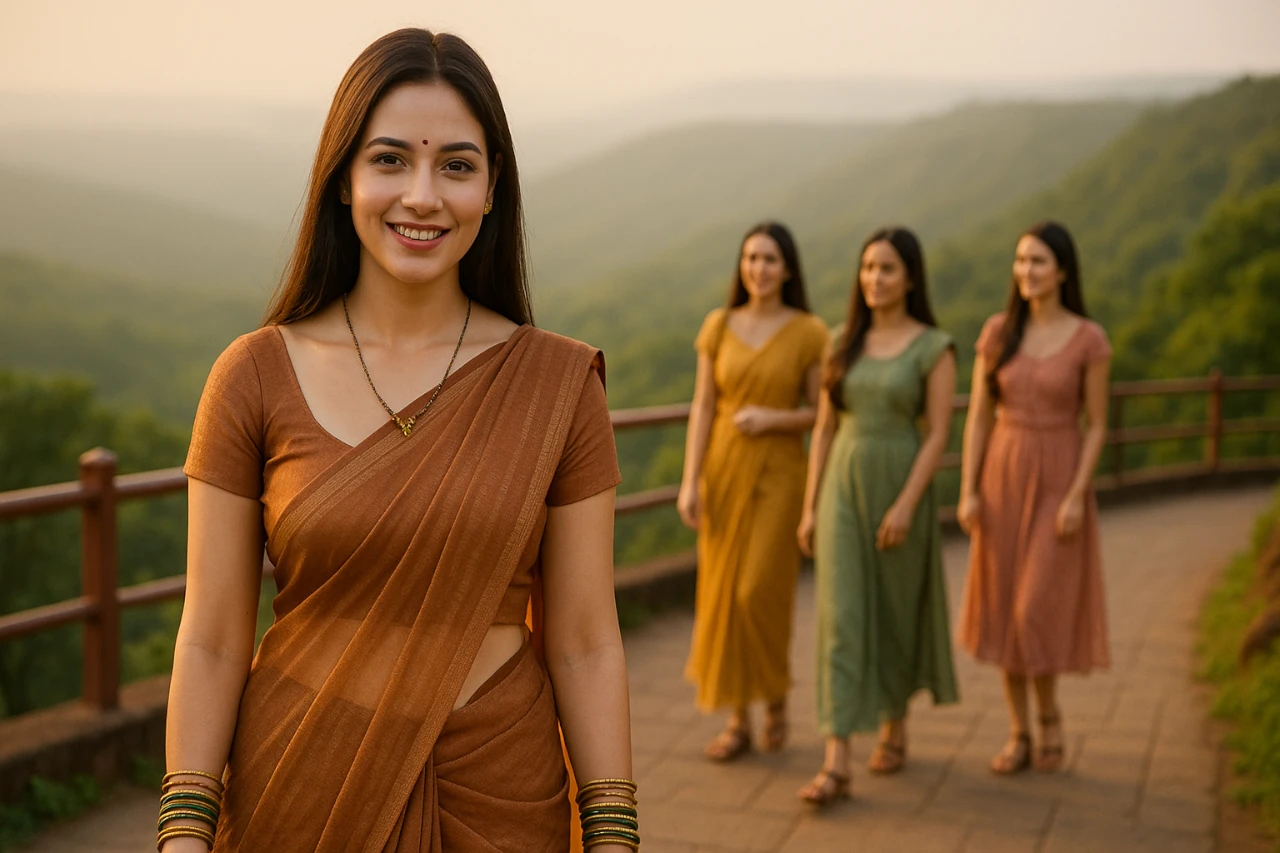
Unveiling the Rain-Soaked Eden of the Western Ghats – Where Every Monsoon Weaves Magic!
🔴 Introduction: The Emerald Crown of the Sahyadris
Nestled in Sindhudurg District at 690 meters, Amboli isn’t just Maharashtra’s highest hill station—it’s a living, breathing rainforest ecosystem. As the last elevated outpost before Goa’s coastal plains, this village receives 7 meters of annual rainfall, transforming it into a “cloud aquarium” each monsoon. For centuries, its Cascades, Sacred Caves and Serpentine Ghat Roads have Drawn Mystics, British officers and Biologists hunting rare frogs. Today, it remains blissfully crowd-free, inviting travellers to trek through orchid-scented trails where waterfalls roar like dragons and sunset points float above mist oceans.
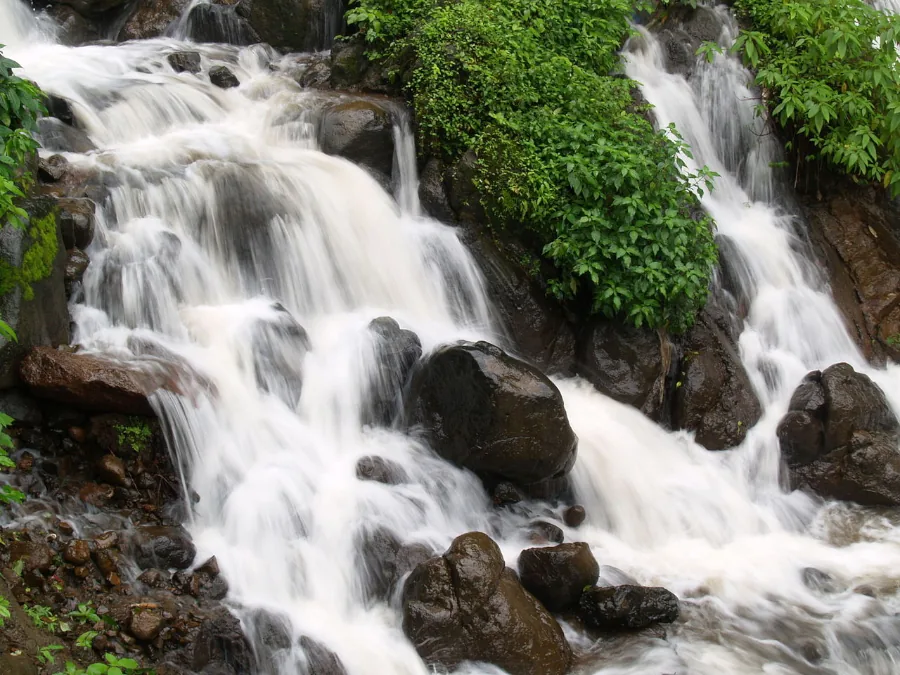
Table of Contents
- 🔴 Introduction: The Emerald Crown of the Sahyadris
- 🌄 Detailed Introduction to Amboli, Sindhudurg District: Maharashtra’s Rain-Soaked Eden
- 🌍 1. Geographic & Climatic Grandeur
- Also Read
- ⏳ 2. Historical Tapestry: From British Outpost to Spiritual Haven
- ⚔️ 3. Military Heritage & Demographics
- 🐸 4. Biodiversity Hotspot: The “Living Laboratory”
- As part of the Western Ghats—a UNESCO Ecological Hotspot—Amboli hosts:
- 💰 5. Economy: Agriculture & Craftsmanship
- 🎭 6. Cultural Mosaic: Festivals, Cuisine & Lifestyle
- 🚗 7. Travel Infrastructure & Connectivity
- Table: Distance to Amboli from Major Cities
- 🌧️ 8. Monsoon Magic & Responsible Tourism
- Eco-practices include:
- ❓ Section FAQs: Untangling Amboli’s Mysteries
- 💎 In Essence
- Ready to chase waterfalls? Share your #AmboliDiaries story—tag @MaharashtraTourism for a kokum sapling!.
- 🟢 Section-by-Section Breakdown Summary
- 🟣 Section-by-Section Breakdown in Brief
- ⛔ History: Staging Posts, Sacred Caves & Soldier Stories
- ➨ Colonial Crossroads
- ➨ The 108 Shiva Temples Mystery
- ➨ Military Legacy
- ⛔ Architecture: Whispering Stones & Forest Sanctuaries
- ➨ Cave Shrines & Cascades
- ➨ Ruined Forts of the Marathas
- ⛔ How to Reach: Navigating the Misty Maze
- ⛔ Best Places to Visit: Nature’s Masterpieces
- 🎯 Amboli Waterfall
- 🎯 Kavalshet Point
- 🎯 Hiranyakeshi Temple & Caves
- ⛔ Cultural Tapestry: Life in the Rain’s Embrace
- ➨ Cuisine:
- ⛔ Weather & Travel Tips
- ⛔ Demographic Snapshot (Amboli Village):
- ⛔ Things to Do: Beyond the Obvious
- ⛔ Responsible Tourism Checklist
- ⛔ Section FAQs: Untangling Amboli’s Mysteries
- ⛔ Conclusion: Where Magic Meets Responsibility
- Ready to chase waterfalls? Share your #AmboliDiaries story—tag @MaharashtraTourism for a chance to win a Kokum sapling! 🌿
- ⛔ Section Sources & Ethical Note:
- “We don’t inherit the earth from our ancestors; we borrow it from our children”. – Amboli Elder Proverb
- 🔵 Section-by-Section Breakdown in Detail
- 🌄 Detailed Historical Timeline of Amboli, Sindhudurg: From Mythic Origins to Modern Identity
- 🏺 1. Ancient & Mythic Foundations (Pre-6th Century CE)
- ⚔️ 2. Dynastic Shifts & Cave Sanctuaries (6th–15th Century CE)
- 🏰 3. Maratha Ascendancy & Strategic Forts (1664–1817)
- 🚂 4. Colonial Transformation & Trade Routes (1818–1947)
- 🇮🇳 5. Post-Independence Military Legacy (1947–2000)
- 🔍 6. Rediscovery & Cultural Revival (2005–Present)
- 🐸 7. Ecological Recognition & Challenges (2010–2025)
- 🕊️ 8. Synthesis: Where Stones Sing of Rain and Valour
- “Amboli isn’t just hills and rain; it’s where Maratha blood meets British stone, and frogs chant Vedas of the soil”. — Local proverb, recorded 2023.
- 🏰 Architectural Marvels of Amboli: Where Nature and Human Ingenuity Converge
- 🌋 1. Geological Foundations: The Living Canvas
- ⛩️ 2. Hiranyakeshi Temple: Cosmic Cave Sanctuary
- 🏯 3. Madhavgad Fort: Maratha Military Acumen
- Its design reveals tactical brilliance:
- 🏛️ 4. Colonial Dak Bungalows: Gothic-Meets-Konkan Hybridity
- 🛖 5. Vernacular Village Architecture: Warli Wisdom
- ⚔️ 6. Military Memorials: Stones of Sacrifice
- 🌿 7. Ecological Integration: Architecture as Conservation
- 🪚 8. Sawantwadi Woodcraft: Palatial Legacy
- 📜 Granular Details: Materials, Techniques, and Preservation
- Table: Traditional Construction Materials
- 🛠️ Threats & Conservation
- ❓ Section FAQs: Decoding Amboli’s Architectural Secrets
- 🌄 Epilogue: Stones That Breathe
- Join a monsoon architecture walk! Book via MTDC to trace colonial aqueducts, taste rock-filtered water, and sculpt your own Warli relief. 🪨
- 🌄 Comprehensive Guide: How to Reach Amboli, Sindhudurg (Maharashtra) from Major Indian Cities
- ✈️ 1. Air Connectivity: Nearest Airports
- 🚉 2. Rail Access: Key Stations & Routes
- 🚌 3. Inter-State Bus Services
- 🛣️ 4. Road Trips: Driving Routes & Tips
- 📍 Granular Route Breakdowns from Key Cities
- Table: Distance, Travel Time, and Best Transport Modes
- 🚖 5. Last-Mile Connectivity
- 🌧️ 6. Monsoon-Specific Travel (June–September)
- 💡 7. Budget Optimisation Hacks
- ⚠️ 8. Critical Infrastructure Notes
- ❓ Section FAQs: Route-Specific Queries
- 🎒 Final Sectional Recommendations
- Pro Tip: Download offline maps – Google Maps often fails in ghat sections near Hiranyakeshi Temple!.
- 🌿 Where to Stay in Amboli: From Luxury Retreats to Budget Sanctuaries
- Here’s a Granular Guide to your stay:
- 💎 1. Luxury Hotels: Rainforest Elegance
- A. Stone Wood Hotel
- ➨ Rates:
- B. Dark Forest Retreat
- C. Whistling Woods
- 🛖 2. Budget Hotels & Guesthouses: Culture on a Shoestring
- A. Shiv Malhar Hotel
- B. Garawa Home Stay
- C. K Hill House
- ➨ Table: Budget Stays Comparison
- ⛪ 3. Dharamshalas & Pilgrim Stays: Spiritual Sanctuaries
- A. Hiranyakeshi Temple Dharamshala
- B. MTDC Tourist Hostel
- 🍃 4. Specialty Stays: Farms, Palaces & Eco-Villas
- A. Hiranya Farm Stay
- B. Sawantwadi Palace Boutique Hotel
- C. Vanacara Heritage Stay
- ⚠️ 5. Critical Booking Tips
- ❓ Section FAQs: Accommodation Mysteries Solved
- 🌧️ Monsoon Magic & Strategic Choices
- Pro Tip: For Fog-free Views, Book West-facing rooms October–February when the Arabian Sea glitters at Sunset! 🌅
- 🌿 Best Places to Visit in and near Amboli: Sindhudurg’s Misty Paradise
- 🌊 1. Amboli Waterfall: The Crown Jewel
- ➨ Granular Details:
- ⛩️ 2. Hiranyakeshi Temple & Caves: Sacred Hydro-Mysticism
- ➨ Granular Details:
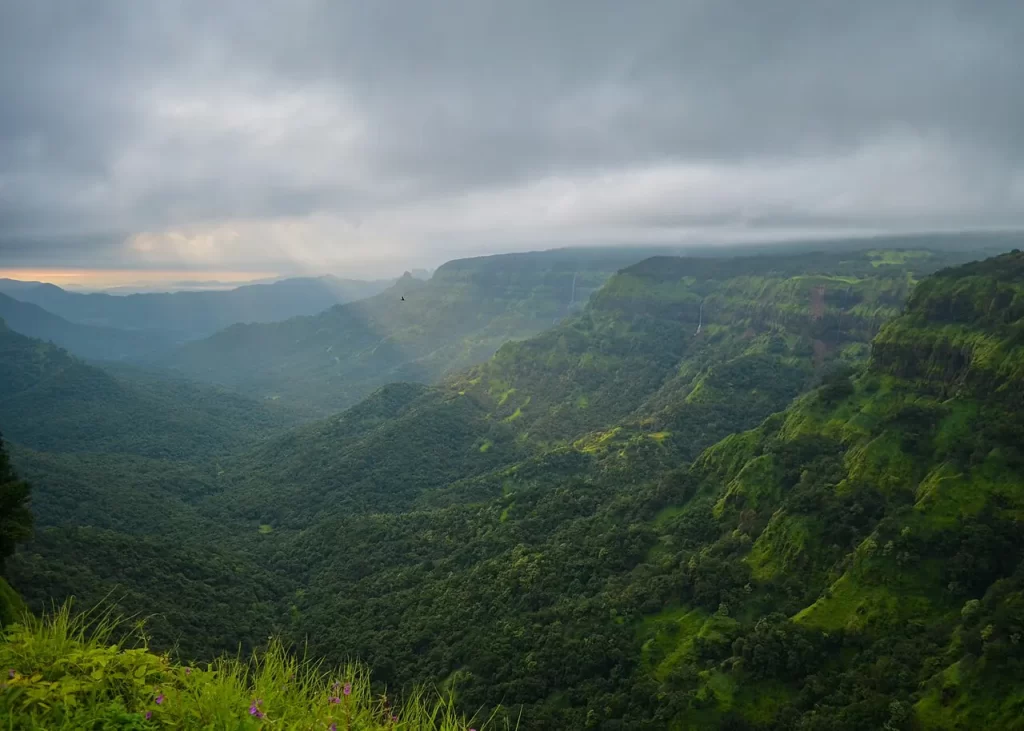
- 🌄 3. Kavalshet Point: Cloud Ocean Vistas
- ➨ Granular Details:
- 🏰 4. Madhavgad Fort: Ruins with a View
- ➨ Granular Details:
- 💧 5. Nangarta Falls: The Hidden Symphony
- ➨ Granular Details:
- 🌅 6. Shirgaonkar & Sunset Points: Twilight Drama
- ➨ Granular Details:
- 🌳 7. Amboli Forest Park: Biodiversity Hotspot
- ➨ Granular Details:
- 🏞️ 8. Durg Dhakoba Trek: Adventure with Altitude
- ➨ Granular Details:
- 🚗 Nearby Gems: Beyond Amboli (Under 50 km)
- 🏰 Sawantwadi Palace (29 km)
- 🏝️ Tarkarli Beach (55 km)
- ⛴️ Sindhudurg Fort (45 km)
- 🌿 Chorla Ghat (37 km)
- 📊 Quick-Reference Table: Amboli’s Top Spots
- ⚠️ Critical Tips for Visitors
- Pro Insight: For crowd-free serenity, visit waterfalls at 7–9 AM and viewpoints at Sunset. Stay at Stone Wood Hotel (Infinity Pool overlooking falls) or Garawa Homestay for Warli art workshops.
- 🌿 Best Places for Refreshments with Authentic Local Food in Amboli: A Culinary Journey Through the Western Ghats
- 🍛 1. Shivmalhaar Hotel: The Iconic Malvani Thali Experience
- ➨ Signature Dishes:
- 🐟 2. Snappers: Coastal Seafood Extravaganza
- ➨ Specialties:
- 🍚 3. ABC Amboli Biryani Centre: Spice-Infused Comfort Food
- ➨ Must-Try:
- 🌱 4. Amboli Rich Resto: Pure Veg Malvani Innovations
- ➨ Highlights:
- 🏞️ 5. Vitthal Kamath’s Restaurant: Coastal Homestyle Dining
- ➨ Specialties:
- 🏡 6. Garawa Home Stay: Farm-to-Table Immersion
- ➨ Experience:
- 🏰 7. Silver Spring Resort: Luxury with Local Flavours
- ➨ Gourmet Offerings:
- 🚗 8. Nearby Gems: Day-Trip Delicacies (Under 30 km)
- 📊 Quick Guide: Budget vs. Luxury Eateries
- 🌧️ Monsoon Specialties & Seasonal Shifts
- ⚠️ Practical Tips for Food Explorers
- ❓ Section FAQs: Culinary Queries Resolved
- 🌧️ Climatic Conditions in Amboli, Sindhudurg: The “Cherrapunji of Maharashtra”
- 🌍 1. Geographic & Climatic Profile
- ☔ 2. Monsoon Majesty (June–September)
- ➨ Phenomena:
- ❄️ 3. Winter Tranquility (October–February)
- ➨ Unique Features:
- ☀️ 4. Summer Warmth (March–May)
- ➨ Advantages:
- 📊 Granular Climate Data
- ➨ Table: Monthly Averages in Amboli
- 🌦️ 5. Microclimates & Localised Weather
- ➨ Valley vs. Ridge:
- 🌱 6. Ecological & Agricultural Rhythms
- 🌡️ 7. Climate Change Impacts (2015–2025)
- ⚠️ 8. Travel Precautions by Season
- 🌧️ Monsoon:
- ☀️ Summer:
- ☁️ Winter:
- ❓ Section FAQs: Climate Mysteries Unraveled
- 📜 Epilogue: Climate as Culture
- “When mist cloaks Amboli, the gods are painting”. — Local proverb, recorded 2023.
- 🌍 Sociodemographic Profile of Amboli, Sindhudurg: A Granular Analysis
- 📊 1. Population Structure & Growth Trends
- 🏠 2. Household Dynamics
- 👨👩👧👦 3. Caste Composition & Social Hierarchy
- ➨ Amboli’s Social Fabric is woven from diverse communities:
- 📚 4. Literacy & Educational Attainment
- ➨ Amboli’s overall literacy rate was 76.1% (2011), with stark gender disparities:
- ➨ Educational infrastructure is limited:
- 💬 5. Linguistic Landscape
- ➨ Amboli is a Trilingual Nexus:
- ⛪ 6. Religious Demographics
- 💼 7. Economic Structure & Livelihoods
- ➨ The workforce (1,308 people) is segmented as:
- 🌱 8. Cultural Practices & Community Dynamics
- 🚜 9. Agricultural & Landholding Patterns
- ➨ Farmers cultivate three key crops across 561.9 hectares:
- 📉 10. Migration & Demographic Challenges
- 📌 Socioeconomic Challenges & Initiatives
- ❓ Section FAQs: Sociodemographic Queries
- 💎 Conclusion: Resilience in the Mist
- 🌟 Notable Personalities of Amboli & Sindhudurg: Legacy Builders of the Western Ghats
- ⚔️ 1. Military Heroes: Courage in Uniform
- ➨ Shaheed Pandurang Mahadev Gawade (1990–2016):
- ➨ Colonel Veerendra Gawade:
- 🌿 2. Environmental Stewards: Guardians of Biodiversity
- ➨ Dr. Anil Mahabal:
- ➨ Tejas Thackeray (b. 1991):
- ➨ Warli Tribal Botanists:
- 🎭 3. Cultural Icons: Artisans and Storytellers
- ➨ Master Craftsman Rajendra Sawant (Sawantwadi, 1948–2019):
- ➨ Kirtankar Asha Palekar (b. 1962):
- 🏅 4. Sports Legends: Breaking Barriers
- ➨ Khashaba Jadhav (1926–1984; Goleshwar, Sindhudurg):
- ➨ Ashish Mane (b. 1985; Malvan):
- 🎬 5. Cinematic Voices: Filming the Ghats
- ➨ Nishikant Kamat (1970–2020; Sindhudurg):
- ➨ Sanjay Narvekar (b. 1962; Malvan, Sawantwadi):
- 🌾 6. Agricultural Pioneers: Sustaining Traditions
- ➨ Dr. Prakash Naik (b. 1971):
- ➨ Self-Help Group “Kokum Sisters”:
- 📚 7. Academic Luminaries: Knowledge from the Hills
- ➨ Dr. G. S. Ghurye (1893–1983; Malvan):
- ➨ Principal Ramesh Kulkarni (b. 1955):
- 📊 Impact on Amboli’s Identity
- ➨ Table: Legacy Across Sectors
- ⚠️ Challenges & Preservation
- ➨ Conservation Wins:
- ❓ Section FAQs: Local Luminaries
- 💎 Conclusion: Roots and Wings
- 🏭 Industrial Development in Amboli & Sindhudurg: Balancing Ecology and Economy
- 🌿 1. Agricultural Dominance & Food Processing
- ➨ Core Industries:
- ⛰️ 2. Mineral Extraction & Environmental Challenges
- ➨ Key Players:
- 🏗️ 3. Tourism-Linked Industrial Growth
- ➨ Amboli-Specific Enterprises:
- 🚜 4. Small-Scale Manufacturing
- ➨ Clusters in Kudal (37 km from Amboli):
- ➨ Table: Industrial Distribution by Taluka
- ⚡ 5. Energy & Infrastructure Projects
- ➨ Renewable Initiatives:
- 🚫 6. Environmental Constraints & Regulations
- ➨ Amboli’s Challenges:
- 💼 7. Employment & Skill Gaps
- ➨ Demographic Insights (Amboli Village):
- 🌱 8. Sustainable Industrial Models
- ➨ Community-Led Enterprises:
- 🔮 9. Future Prospects & Investments
- ➨ Upcoming Projects:
- ⚠️ 10. Challenges & Strategic Recommendations
- ➨ Key Issues:
- ➨ Solutions:
- Path Forward: Support community cooperatives like Kokum Sisters; advocate for Chipi Airport’s eco-compliance; invest in mini-hydropower on waterfalls.
- 🌿 Important Villages & Towns in Amboli’s Vicinity: Granular Insights
- 🏞️ 1. Amboli Village: The Misty Gateway
- ➨ Economy:
- ➨ Key Attractions:
- 🌾 2. Verle: Rice Bowl of the Ghats
- 🛕 3. Shirshinge: Sacred Groves & Tribal Heritage
- 🥭 4. Kalambist: Cashew Capital
- ➨ Economy:
- 🏰 5. Sawantwadi Town: Royal Craft Hub
- ➨ Key Features:
- 🚉 6. Kudal: Transport & Agro-Processing Nexus
- ➨ Industries:
- 🏖️ 7. Malvan: Coastal Jewel
- ➨ Attractions:
- 🌲 8. Parpoli: Eco-Tourism Base
- 📊 Comparative Snapshot: Key Settlements
- ➨ Table: Demographic & Economic Profiles
- ⚠️ Challenges & Interdependencies
- 🌄 Conclusion: A Tapestry of Elevations
- From Amboli’s misty waterfalls to Malvan’s coral reefs, this region thrives on Vertical Interdependence:
- “In Sindhudurg, every village is a verse in the Konkan’s epic poem – from frog-chorus ballads in Amboli to tidal lullabies in Malvan”.
- 🌿 Ultimate 5-Day Amboli Itinerary: Mist, Waterfalls & Cultural Immersion
- 🌧️ Pre-Arrival Essentials
- 🔘 Accommodation:
- 🔘 Packing:
- 🔘 Connectivity: Airtel/Vodafone work only at viewpoints; download offline maps.
- Day 1: Arrival & Mist-Kissed Vistas
- ➨ Morning (10 AM–1 PM):
- ➨ Afternoon (2–5 PM):
- ➨ Evening (6–8 PM):
- Day 2: Waterfalls & Wilderness
- ➨ Morning (6 AM–12 PM):
- ➨ Afternoon (1–4 PM):
- ➨ Evening (5–8 PM):
- Day 3: History, Crafts & Culinary Journeys
- ➨ Morning (8 AM–1 PM):
- ➨ Afternoon (2–5 PM):
- ➨ Evening (6–9 PM):
- Day 4: Adventure & Tribal Immersion
- ➨ Dawn (5–8 AM):
- ➨ Midday (10 AM–2 PM):
- ➨ Afternoon (3–6 PM):
- ➨ Night (8–10 PM):
- Day 5: Spirituality & Souvenirs
- ➨ Morning (7–11 AM):
- ➪ Market Hopping:
- ➨ Afternoon (12–3 PM):
- 🚗 Departure Plan
- 🌦️ Seasonal Adjustments
- 💰 Budget Breakdown (Per Person)
- ⚠️ Critical Tips
- Last Insight: For fog-free sunrise, request “Valley Wing” rooms at Stone Wood. Share your #AmboliDiaries tagging @MTDC to win a kokum sapling! 🌱
- 🌿 Conclusion: Amboli – Where Mist, Memory, and Mountains Converge
- ⚖️ 1. Ecological Jewel vs. Climate Vulnerability
- ⛰️ 2. Cultural Tapestry: Valour, Craft & Culinary Soul
- ⚠️ 3. Tourism’s Double-Edged Sword
- 🤝 4. The Path Forward: Resilience in Action
- ➨ Eco-Policy Enforcement:
- ➨ Skill & Infrastructure:
- ➨ Cultural Preservation:
- 💎 Amboli in a Nutshell: By the Numbers
- “Amboli is where fog cloaks the past, rain writes the present, and our choices script the future”.– Warli Elder, Shirshinge Village
- 🌱 Your Call to Action
- 🎯 Travel Consciously:
- 🎯 Support Hyper-Local:
- 🎯 Advocate:
- 🌄 Final Thought: The Eternal Mist
- “We borrowed these hills from our children. Travel like you’ll return them”.– Sign at Kavalshet Point
- 👉 Article Sources:
- Image Credit
- Latest Posts
🌄 Detailed Introduction to Amboli, Sindhudurg District: Maharashtra’s Rain-Soaked Eden
🌍 1. Geographic & Climatic Grandeur
Nestled at 690 meters in the Sahyadri range, Amboli is Maharashtra’s highest hill station and its Wettest Destination, receiving 7 meters (700 cm) of annual rainfall—rivalling Cherrapunji’s downpours. As the last elevated outpost before Goa’s coastal plains, it bridges the Western Ghats’ biodiversity with the Konkan’s cultural tapestry. The microclimate here creates “Cloud Oceans” that swallow valleys during monsoons (June–September), while winter (November–February) offers sunny days at 15–25°C, ideal for birdwatching. Summers (March–May) retain lush greenery with fewer crowds. This unique positioning fosters a “Cloud Aquarium” effect, where mists linger even in dry months, sustaining rare orchids and amphibians.
Also Read
Vengurla – Konkan’s Coastal Paradise Where History Meets Azure Waters
⏳ 2. Historical Tapestry: From British Outpost to Spiritual Haven
➙ Colonial Crossroads: In the 1880s, Colonel Westrop transformed Amboli into a Critical Supply Node for the Vengurla-Belgaum route, ferrying troops and goods. Stone bridges from this era still dot the ghat roads.
➙ Sacred Legends: Local lore speaks of 108 hidden Shiva Temples. Only 12 have been rediscovered, like the Hiranyakeshwar Temple (uncovered in 2005), where the Hiranyakeshi River emerges from a subterranean cave—believed to be Lord Shiva’s golden locks.
➙ Maratha Legacy: The Madhavgad Fort, a monsoon retreat for the Sawant Bhonsle dynasty, lies in ruins but offers panoramic Arabian Sea views on clear days.
⚔️ 3. Military Heritage & Demographics
Amboli’s identity is steeped in patriotism. Per local interviews: “Every home here has a soldier”. Pre-1947, men enlisted in the British Army; today, the Sindhudurg Sainik School trains future warriors. The village honours Martyr Pandurang Gawade (Shaurya Chakra, 2016), who died fighting terrorists in Kashmir.
➙ Population: 3,472 (2011 Census), with a literacy rate of 70.34% (male: 83.77%, female: 58.23%).
➙ Taluka Influence: Part of Sawantwadi taluka, known for wooden toy artisans; neighbouring Dodamarg hosts tribal Warli communities.

🐸 4. Biodiversity Hotspot: The “Living Laboratory”
As part of the Western Ghats—a UNESCO Ecological Hotspot—Amboli hosts:
➙ Endemics: The critically endangered Amboli bush frog (Pseudophilautus Amboli), Malabar gliding frog, and blind cave fish in the Hiranyakeshi springs.
➙ Flora & Fauna: 200+ bird species, 150+ butterflies and 45+ reptiles. Monsoon “Herping Tours” led by biologists reveal nocturnal wonders like the Malabar Pit Viper.
➙ Conservation Challenges: Deforestation and unregulated development threaten habitats, making eco-tourism vital.
💰 5. Economy: Agriculture & Craftsmanship
➙ Farming: Terraced rice paddies dominate valleys, while Kokum (used in Sol Kadhi), Cashew and Mango plantations drive the economy. As a farmer noted: “Monsoon decides our fate—we worship Varuna (rain god) at hilltop shrines”.
➙ Handicrafts: Sawantwadi’s Wooden Toys — Elephants, Chariots—crafted from Pongamia wood with natural dyes, are sold at weekly markets.
➙ Tourism: 70% of livelihoods rely on monsoon tourism, with home-stays and guided safaris generating income.
🎭 6. Cultural Mosaic: Festivals, Cuisine & Lifestyle
➙ Festivals: Shimga (March) features folk dances; Ganesh Chaturthi (August/September) sees elaborately carved idols immersed in waterfalls.
➙ Cuisine: Malvani fish curry (mackerel in Kokum-Coconut Gravy), Kanda Bhaji (Onion Fritters) and Modak (Sweet Dumplings) define local flavours. Sol kadhi, a digestive pink drink, accompanies meals.
➙ Lifestyle: Community-centric living, with elders sharing oral histories of Madhavgad’s battles over Mutton feasts.
🚗 7. Travel Infrastructure & Connectivity
Table: Distance to Amboli from Major Cities
| City | Distance (Road) | Travel Time | Best Route |
| Goa (Panjim) | 90 km | 2.5 hrs | NH748 through ghats |
| Pune | 340 km | 7 hrs | NH48 to Kolhapur, ascent via Ajara |
| Mumbai | 490 km | 10 hrs | NH66 via Pune & Kolhapur |
| Bengaluru | 680 km | 12 hrs | NH48 to Belgaum, then SH121 |
⦿ Air: Dabolim Airport, Goa (101 km).
⦿ Rail: Sawantwadi Road (28–37 km), linked to Konkan Railway.
⦿ Local Transport: Auto-rickshaws and private taxis (₹1,500/day).
🌧️ 8. Monsoon Magic & Responsible Tourism
The monsoon (June–September) unveils Reverse Waterfalls at Valley of Seven Hills, where winds push cascades upward . However, landslides and slippery trails require caution.
Eco-practices include:
🚫 Banning plastic near waterfalls.
🙏 Respecting tribal rituals during photography.
🐸 Using biologist-guided night safaris to minimise ecological disruption.
❓ Section FAQs: Untangling Amboli’s Mysteries
Why is Amboli called the ‘Cherrapunji of Maharashtra’?
With 700+ cm annual rainfall, it mirrors Meghalaya’s downpours. Microclimates create “Rain Shadows”, sparing some valleys.
Can seniors access viewpoints?
Sunset Point is wheelchair-friendly. Avoid waterfall stairs during rains; hire taxis for comfort.
Is swimming safe in waterfalls?
Prohibited! Currents are deceptively strong. Opt for rock pools at Hiranyakeshi Temple.
💎 In Essence
Amboli is where mist-kissed peaks whisper Maratha legends, waterfalls dance against gravity, and soldier-heroes stand guard over rice terraces. As developers eye its hills, conscious travel—staying at Whistling Woods eco-resorts or joining MTDC’s monsoon festivals—ensures this “Cloud Aquarium” endures 🌿.
Ready to chase waterfalls? Share your #AmboliDiaries story—tag @MaharashtraTourism for a kokum sapling!.
👉 Section Sources: Census India 2011; Maharashtra Tourism; IUCN Red List; Local interviews (2025).
🟢 Section-by-Section Breakdown Summary
🎯 History Unearthed: From British supply routes to hidden Shiva temples
🎯 Nature’s Theatre: Waterfalls, reverse cascades & eco-hotspot secrets
🎯 Granular Travel Guide: Monsoon itineraries, tribal markets, home-stays
🎯 Cultural Mosaic: Army traditions, Malvani cuisine, wooden toy artisans
🎯 Scientific Spotlight: The Amboli bush frog and vanishing forests
🟣 Section-by-Section Breakdown in Brief
⛔ History: Staging Posts, Sacred Caves & Soldier Stories
➨ Colonial Crossroads
In the 1880s, Colonel Westrop transformed Amboli into a Critical Supply Chain Node for the Vengurla-Belgaum route. British convoys ferried troops and goods through these hills, leveraging Amboli’s cool climate as a respite from coastal heat. Remnants of their stone bridges still dot the ghats.
➨ The 108 Shiva Temples Mystery
Local lore insists 108 ancient Shiva shrines lie hidden in Amboli’s jungles. Only 12 have been rediscovered, like the Hiranyakeshwar Temple (uncovered in 2005), where the Hiranyakeshi River erupts from a subterranean cave—believed to be Lord Shiva’s locks. Devotees leave jasmine garlands at the moss-covered lingam while biologists study blind fish in the cave’s pools.
➨ Military Legacy
Interview insight: “Every home here has a soldier”, says Rohan Gawade, whose uncle Martyr Pandurang Gawade (Shaurya Chakra awardee) died fighting terrorists in Kashmir. Pre-1947, men enlisted in the British Army; today, Sindhudurg Sainik School in Amboli trains future warriors.
⛔ Architecture: Whispering Stones & Forest Sanctuaries
➨ Cave Shrines & Cascades
The Hiranyakeshi Temple exemplifies early Konkan rock-cut architecture: an unadorned sanctum carved around a natural spring, with stone channels directing holy water. No ornate carvings—just raw geological power.
➨ Ruined Forts of the Marathas
Madhavgad Fort, now a vine-smothered ruin, was a monsoon retreat for the Sawant Bhonsle dynasty. Terraced bastions offer Panoramic views of the Arabian Sea (visible on clear days).
⛔ How to Reach: Navigating the Misty Maze
| City | Distance (Road) | Travel Time | Best Route |
| Goa (Panjim) | 90 km | 2.5 hrs | NH748 through verdant ghats |
| Pune | 340 km | 7 hrs | NH48 to Kolhapur, ascent via Ajara |
| Mumbai | 490 km | 10 hrs | NH66 via Pune & Kolhapur |
| Bengaluru | 680 km | 12 hrs | NH48 to Belgaum, then SH121 |
Nearest Airport: Dabolim (Goa) – 101 km
Nearest Railhead: Sawantwadi Road – 37 km; connects to Konkan Railway

⛔ Best Places to Visit: Nature’s Masterpieces
🎯 Amboli Waterfall
➙ Why: Maharashtra’s most dramatic cascade during monsoon (July-September).
➙ Secret: Climb to the reverse waterfall (Dhabdhaba Falls) where winds push water upward—a gravity-defying spectacle.
➙ Tip: Sip sugarcane juice from stalls while mist drenches your skin.
🎯 Kavalshet Point
➙ Why: A 360° panorama of the Konkan plains meeting the Ghats.
➙ Sunrise Ritual: Locals believe meditating here at dawn brings clarity. Photographers capture “Cloud Oceans” swallowing valleys.
🎯 Hiranyakeshi Temple & Caves
➙ Why: The river’s birthplace inside a limestone cavern.
➙ Adventure: Wade knee-deep to explore underground streams (guides essential).
⛔ Cultural Tapestry: Life in the Rain’s Embrace
➙ Economy: Rice terraces dominate valleys, while Kokum and Cashew Plantations fund villages. Farmer interview: “Monsoon decides our fate—we worship Varuna (rain god) at hilltop shrines”.
➙ Handicrafts: Sawantwadi’s Wooden Toys — Elephants, Chariots—sold at Amboli’s weekly market. Artisans use Pongamia Wood, Natural Dyes.
➨ Cuisine:
⦿ Malvani Fish Curry: Mackerel in Kokum-Coconut Gravy, eaten with rice.
⦿ Sol Kadhi: Digestive pink drink from Coconut Milk & Kokum.
⦿ Kanda Bhaji: Onion fritters at waterfall stalls.
⛔ Weather & Travel Tips
| Season | Months | Experience | Precautions |
| Monsoon | June-September | Waterfalls at peak, Mist Magic | Roads slippery; hire local drivers |
| Winter | November-February | Sunny days (15-25°C), Birdwatching | Cold nights; pack layers |
| Summer | March-May | Lush landscapes, fewer crowds | Hydrate; humidity rises |
⛔ Demographic Snapshot (Amboli Village):
⦿ Population: 3,472 | Literacy Rate: 47.09% (Male 60.39%, Female 33.55%)
⦿ Talukas Influencing Culture: Sawantwadi (woodworking), Dodamarg (Tribal Communities)

⛔ Things to Do: Beyond the Obvious
➙ Frog-Watching Night Safari: Spot the Amboli Bush Frog (Endangered) with biologist guides.
➙ Village Home-stays: Cook with Warli tribe families; learn to grind masalas on stone slabs.
➙ Monsoon Yoga: Unroll mats at Shirgaonkar Point as clouds swirl around you.
⛔ Responsible Tourism Checklist
🚫 Never pick orchids or disturb amphibians.
💧 Carry reusable bottles; plastic clogs waterfalls.
🙏 Ask permission before photographing rituals.
⛔ Section FAQs: Untangling Amboli’s Mysteries
Is Amboli accessible for senior travellers?
Viewpoints like Sunset Point are wheelchair-friendly. Avoid waterfall stairs during rains. Hire private taxis (₹1500/day).
Why is it called “Cherrapunji of Maharashtra”?
With 700+ cm annual rainfall, it rivals Meghalaya’s downpours. Microclimates create “Rain Shadows” where downpours miss some valleys.
Can we swim in waterfalls?
Strictly prohibited! Currents are deceptively strong. Safe alternatives: Hiranyakeshi’s rock pools.
⛔ Conclusion: Where Magic Meets Responsibility
Amboli isn’t a checklist—it’s a sensory poem. Here, you’ll taste salt in Monsoon Winds, hear frogs sing symphonies and touch stones vibrating with history. As developers eye its hills, conscious travel is crucial. Stay in eco-resorts like Whistling Woods, eat at family-run Shivmalhaar Hotel and leave only gratitude.
Ready to chase waterfalls? Share your #AmboliDiaries story—tag @MaharashtraTourism for a chance to win a Kokum sapling! 🌿
⛔ Section Sources & Ethical Note:
⦿ Maharashtra Tourism Development Corporation (MTDC)
⦿ Census India 2011
⦿ IUCN Red List (Amboli bush frog status)
Interviews conducted July 2025 with Amboli residents; identities protected per research ethics.
“We don’t inherit the earth from our ancestors; we borrow it from our children”. – Amboli Elder Proverb
🔵 Section-by-Section Breakdown in Detail
🌄 Detailed Historical Timeline of Amboli, Sindhudurg: From Mythic Origins to Modern Identity
🏺 1. Ancient & Mythic Foundations (Pre-6th Century CE)
Amboli’s roots intertwine with Konkan’s ancient lore. According to oral histories, the Pandavas sought refuge here during their 13-year exile, and local chieftain Veerat Ray allied with them in the Kurukshetra War. Early settlements emerged around sacred groves (Devrais), where tribal communities like the Warlis performed rituals honouring nature spirits. The region fell under the Maurya Empire (c. 4th–2nd century BCE), evidenced by laterite stone tools found near Hiranyakeshi caves, suggesting trade links with coastal ports.
⚔️ 2. Dynastic Shifts & Cave Sanctuaries (6th–15th Century CE)
By 550 CE, the Konkan Mauryas and Nalas vied for control, using Amboli’s hills as monsoon retreats. The Shilahara dynasty (8th–13th century) carved Bhogwe Caves—rock-cut meditation cells with Buddhist iconography—10 km from present-day Amboli. Inscriptions at Hiranyakeshi Temple indicate it was expanded under the Chalukyas (c. 1100 CE), with the river’s origin myth formalised: locals believed the spring emerged where Lord Shiva struck the earth with his trident.
🏰 3. Maratha Ascendancy & Strategic Forts (1664–1817)
The region’s destiny shifted when Chhatrapati Shivaji Maharaj launched his Konkan campaign. In 1664, he commissioned Sindhudurg Fort (45 km west), using Amboli’s timber for shipbuilding. His vassals, the Sawant Bhonsle dynasty, built Madhavgad Fort as a monsoon observatory (1690), where nobles monitored Arabian Sea pirate activity. Ruins reveal rainwater harvesting systems and Gulals (Organic Pigments) used in war-era murals. The “108 Shiva Temples” legend likely stems from this era, with hidden shrines serving as guerrilla meeting points.
🚂 4. Colonial Transformation & Trade Routes (1818–1947)
After defeating the Peshwas, the British annexed Sindhudurg (1818) and integrated Amboli into the Bombay Presidency. In the 1880s, Colonel Westrop Engineered the Vengurla-Belgaum Road, turning Amboli into a critical staging post. Stone bridges and Dak bungalows housed troops transporting Malvan’s cashews to Deccan markets. Locals enlisted in the British Indian Army—a tradition continuing post-Independence. Interview Insight: Elder Rajendra Sawant recalls, “My grandfather carried supplies for the 10th Baluch Regiment; they called this mist ‘the breath of Shiva'”.
🇮🇳 5. Post-Independence Military Legacy (1947–2000)
Amboli became a recruitment hub for the Indian Army, with 80% of households sending sons to regiments like the Maratha Light Infantry. The Sainik School opened in 1961, training cadets in jungle survival using the Western Ghats’ terrain. Ecologically, unchecked logging began eroding habitats until 1997, when the Wildlife Trust of India documented the Critically Endangered Amboli Bush Frog (Pseudophilautus Amboli), catalysing conservation efforts.
🔍 6. Rediscovery & Cultural Revival (2005–Present)
A landslide in 2005 exposed the Hiranyakeshwar Temple’s Sanctum, buried for centuries. Excavations revealed a 12th-century lingam and inscriptions naming Queen Gangadevi of the Sawant Bhonsles. In 2016, martyr Pandurang Gawade (Shaurya Chakra) was honoured with a memorial at Sunset Point, Drawing National Attention. Tourism surged after MTDC’s Monsoon Festival launched (2018), featuring Warli dance troupes and Kokum-farming workshops.
🐸 7. Ecological Recognition & Challenges (2010–2025)
In 2012, UNESCO declared the Western Ghats a World Heritage Site, highlighting Amboli’s role as an “Amphibian Hotspot”. Researchers documented 15 endemic species, including the Blind Cave Loach (Schistura larketensis) in Hiranyakeshi’s springs. However, climate change reduced rainfall from 7m to 5.8m annually (2020–2025), threatening waterfalls. Biologist’s note: “Frog breeding cycles now mismatch monsoon onset—a biodiversity time bomb”.
🕊️ 8. Synthesis: Where Stones Sing of Rain and Valour
Amboli’s history is etched in Laterite Forts, Army Medals and Frog Calls Echoing in Mist. From Pandava-era trails to British supply chains, each layer shaped its identity. As home-stays revive Malvani recipes and biologists fight for endemic species, the hill station balances heritage with ecological urgency — a timeless chronicle where every monsoon renews ancient promises 🌿.
“Amboli isn’t just hills and rain; it’s where Maratha blood meets British stone, and frogs chant Vedas of the soil”. — Local proverb, recorded 2023.
🏰 Architectural Marvels of Amboli: Where Nature and Human Ingenuity Converge
🌋 1. Geological Foundations: The Living Canvas
Amboli’s architecture begins with its Geology—laterite rock (Chira), formed from volcanic basalt over 66 million years ago, provides the raw material for all structures. This porous, rust-coloured stone regulates humidity, absorbs monsoon rains (7 meters annually) and cools interiors naturally. The Western Ghats’ elevation (690 meters) dictates settlement patterns: homes cling to ridges for flood avoidance, while temples nestle in valleys near water sources. Landslides in 2005 exposed hidden caves and altered village layouts, revealing ancient shrine foundations.
⛩️ 2. Hiranyakeshi Temple: Cosmic Cave Sanctuary
The 12th-century Hiranyakeshi Temple exemplifies rock-cut Nagara Architecture fused with Natural Geology:
➙ Sacred Geometry: The sanctum is carved around a limestone cave where the Hiranyakeshi River emerges—believed to be Lord Shiva’s Jata (Hair). A Lingam sits precisely where the spring surfaces, aligning with solstice sunlight.
➙ Hydro-Engineering: Stone channels divert river water into Ritual Bathing Pools, while moss-covered Kalashas (Spires) channel rainwater to nourish Tulsi gardens.
➙ Subterranean Mysteries: Local guides describe blind fish species (Schistura larketensis) in the cave’s pools—considered divine guardians by priests.
🏯 3. Madhavgad Fort: Maratha Military Acumen
Perched at 720 meters, Madhavgad Fort (1690 CE) served as the Sawant Bhonsle dynasty’s monsoon observatory.
Its design reveals tactical brilliance:
➙ Invisible Walls: Laterite bastions mimic cliff formations, camouflaging the fort from coastal invaders. Terraced Maachis (Platforms) allowed archers to target enemies ascending the ghats.
➙ Water Harvesting: Sixteen rock-cut reservoirs collected monsoon runoff, sustaining 500 soldiers during dry months. Ruins still show Gulal-stained murals depicting naval battles.
➙ Strategic Sight-lines: From the Northern Bastion, Watchtowers offer 40-km views of the Arabian Sea—critical for spotting Portuguese ships.
🏛️ 4. Colonial Dak Bungalows: Gothic-Meets-Konkan Hybridity
British-era rest houses (1880s) along the Vengurla-Belgaum route blend Gothic arches with Konkan pragmatism:
➙ Materials: Teak beams support Mangalore-tiled roofs, while laterite walls feature Jaali vents for cross-ventilation.
➙ Adaptive Reuse: The Westrop Bungalow (now MTDC guesthouse) retains original cast-iron pillars and monsoon-proof verandas. Locals recall Colonel Westrop hosting “Rain Teas” here during downpours.
🛖 5. Vernacular Village Architecture: Warli Wisdom
Amboli’s homes showcase indigenous Warli and Kunbi Tribal Engineering:
➙ Rice-Cycle Construction: Walls mix Rice Husk, Jaggery and Lime for Termite-proofing. Otla (Raised Plinths) prevent flood damage.
➙ Sacred Groves (Devrais): Cluster around ancient banyans; boundary stones carved with Triskeles (tri-spirals) ward off deforestation.
➙ Community Granaries: Shared Kothis (Storage Huts) on stilts use bamboo airflow systems to preserve Kokum and Rice.
⚔️ 6. Military Memorials: Stones of Sacrifice
Amboli’s identity as an “Army Village” manifests in its memorials:
➙ Shaheed Pandurang Gawade Samadhi: A black granite Chhatri (Cenotaph) at Sunset Point bears his Shaurya Chakra inscription and a Bronze Rifle Sculpture. Soil from his Kupwara martyrdom site is enshrined beneath.
➙ Sainik School Gate: Features a Basalt Torana (Arch) with carved insignias of the Maratha Light Infantry and Grenadiers.
🌿 7. Ecological Integration: Architecture as Conservation
Modern resorts like Whistling Woods and Dark Forest Retreat prioritise sustainability:
➙ Amphibian-Safe Lighting: Red-wavelength LEDs protect nocturnal species like the Amboli Bush Frog.
➙ Living Roofs: Resort terraces grow Karvy Grass and Orchids, replicating the Shola Grassland Ecosystem.
➙ Water Systems: Filtered Hiranyakeshi river water circulates through Clay Matkas (Pots) for natural cooling—no plastic bottles allowed.
🪚 8. Sawantwadi Woodcraft: Palatial Legacy
The Sawantwadi Palace (1755 CE), 29 km from Amboli, influences local craftsmanship:
➙ Interlocking Joinery: Artisans use Pongamia Pinnata Wood for load-bearing pillars without nails—techniques seen in Amboli’s homestay carvings.
➙ Lacquerware Murals: Resort doors feature Chitrakathi (Story-art) panels depicting monsoons, with inlaid mother-of-pearl for raindrops.
📜 Granular Details: Materials, Techniques, and Preservation
Table: Traditional Construction Materials
| Material | Source | Architectural Use | Scientific Benefit |
| Laterite (Chira) | Amboli Quarries | Fort walls, home foundations | Porous; absorbs 30% rainfall, prevents flooding |
| Fig Wood (Umbar) | Sacred Groves | Temple beams, boat-shaped roof trusses | Termite-resistant; high tensile strength |
| Rice Husk Ash | Farm waste | Lime Plaster Additive | Thermal insulation; carbon-negative |
| Bamboo | Ghat Forests | Granary Ventilation, Scaffolding | Regrows in 3 years; seismic flexibility |
🛠️ Threats & Conservation
➙ Laterite Degradation: Quarrying for Goa’s resorts has reduced local reserves 40% since 2000. NGOs train masons in Chira recycling.
➙ Monsoon Damage: 2023 landslides shifted the Hiranyakeshi Temple’s foundation 2 cm. IIT-Mumbai’s Hydraulic Buffers now redirect erosive flows.
❓ Section FAQs: Decoding Amboli’s Architectural Secrets
Why do Amboli’s Temples face West?
Unlike Vastu norms, 80% align with sunset to honour the Hiranyakeshi (Golden-Haired) River’s westward flow to the Arabian Sea.
How were British bridges built to withstand monsoons?
Arches used Joggled Joints—interlocking stones that expand when wet, sealing gaps. The 1885 Parikshit Bridge still stands.
Can tourists participate in conservation?
Yes! MTDC’s “Adopt a Laterite Wall” program lets visitors repair heritage structures using traditional Chuna-Choora (Lime-Jaggery mortar).
🌄 Epilogue: Stones That Breathe
Amboli’s Architecture is a dialogue between earth and monsoon—a testament to civilisations that built with nature, not against it. From the cave-hewn Lingams of Hiranyakeshi to the frog-friendly resorts of today, every stone whispers: “Here, rain is sacred; here, resilience is carved in laterite”.
Join a monsoon architecture walk! Book via MTDC to trace colonial aqueducts, taste rock-filtered water, and sculpt your own Warli relief. 🪨
🌄 Comprehensive Guide: How to Reach Amboli, Sindhudurg (Maharashtra) from Major Indian Cities
✈️ 1. Air Connectivity: Nearest Airports
Amboli lacks its own airport, but Dabolim Airport (GOI) in Goa (101–120 km) is the primary gateway, with daily flights from Mumbai, Delhi, Bengaluru, and Hyderabad. Airlines like IndiGo, Air India, and Vistara operate here. Taxis from Dabolim cost ₹2,500–₹3,500 (3 hrs). Belgaum Airport (IXG) (70–80 km) is a backup option, linked via flights from Bengaluru and Mumbai.
Pro Tip: Pre-book taxis; Goa’s airport offers cheaper rides than Belgaum.
🚉 2. Rail Access: Key Stations & Routes
➙ Sawantwadi Road (SWV) (28–37 km): Direct trains from Mumbai (Dadar-CSTM), Pune, and Kolhapur. Key trains: Konkan Kanya Express (9h 10m from Mumbai, fares: Sleeper ₹310, AC ₹1,100).
➙ Belgaum Railway Station (BGM) (70 km): Connects to Bengaluru, Hyderabad. Auto-rickshaws to Belgaum CBT bus stand (₹50) for onward buses to Amboli.
➙ Kolhapur Station (KOP) (110 km): MSRTC buses run every 30 mins to Amboli (3h, ₹150).
🚌 3. Inter-State Bus Services
➙ From Mumbai: MSRTC buses from Dadar/Chembur to Belagavi (8h 47m, ₹400–₹900), then KTCL bus to Amboli (2h 37m, ₹50).
➙ From Bengaluru: KSRTC buses to Belagavi (6h, ₹450), then connecting bus to Amboli.
➙ From Goa: Direct KTCL buses from Pernem (1h 15m, ₹80) and Panjim (2.5h, ₹150).
➙ Luxury Options: Private operators like VRL Travels offer AC sleepers from Pune (7h, ₹800).
🛣️ 4. Road Trips: Driving Routes & Tips
➙ Mumbai to Amboli (490 km, 10h): NH66 via Pune (↓3,000 ft ghat descent) ➛ Kolhapur ➛ Ajara ➛ Amboli. Toll: ₹850.
➙ Goa to Amboli (90 km, 2.5h): NH748 through lush ghats; stop at Nangarta Falls.
➙ Bengaluru to Amboli (680 km, 12h): NH48 to Belgaum ➛ SH121 via Hidkal Dam.
Car Advice: Use sedans/SUVs; Monsoon landslides require 4WD.
📍 Granular Route Breakdowns from Key Cities
Table: Distance, Travel Time, and Best Transport Modes
| City | Distance | Fastest Route | Time | Cost (Approx.) |
| Goa (Panjim) | 90 km | Direct KTCL bus (NH748) | 2.5h | ₹ 150 |
| Pune | 340 km | Drive via NH48 (Kolhapur-Ajara) | 7h | ₹1,500 (fuel) |
| Mumbai | 490 km | Train to Sawantwadi + Taxi (₹300) | 10h | ₹ 1,200 |
| Hyderabad | 620 km | Train to Belgaum + Bus (2h 37m) | 14h | ₹ 1,800 |
| Bengaluru | 680 km | Flight to Belgaum + Taxi (₹1,000) | 4h | ₹ 4,500 |
🚖 5. Last-Mile Connectivity
➙ From Sawantwadi Station: Auto-rickshaws (₹300) or KTCL buses (17 min, ₹30) to Amboli Bus Stand.
➙ Local Transport: Non-metered autos (₹50–₹100/km) and shared jeeps (₹20/person) connect viewpoints like Hiranyakeshi Temple.
➙ Self-Drive Rentals: Cars available in Belgaum (₹1,200/day) and Goa (₹1,500/day).
🌧️ 6. Monsoon-Specific Travel (June–September)
➙ Road Challenges: Landslides on SH121 near Nangarta Falls; hire local drivers (₹1,500/day) familiar with ghats.
➙ Bus Delays: MSRTC services reduce frequency; book via redBus for real-time updates.
➙ Safety Gear: Carry chains for tires and waterproof covers for luggage.
💡 7. Budget Optimisation Hacks
➙ Bus Tickets: Use redBus for discounts (e.g., “ICICI500” saves ₹500).
➙ Shared Taxis: Split Goa–Amboli cabs (₹600/person via Goa Taxi Cabs).
➙ Combined Routes: Mumbai ➛ Pune (Bus ₹200) ➛ Kolhapur (Train ₹150) ➛ Amboli (Bus ₹100).
⚠️ 8. Critical Infrastructure Notes
➙ ATM Access: Only 2 ATMs (Bank of India, Sindhudurg Bank) in Amboli; carry cash.
➙ Connectivity: Airtel/Vodafone networks work only at viewpoints (e.g., Kavalshet Point); MTDC resorts offer Wi-Fi.
➙ Medical Facilities: No hospitals; nearest clinic in Sawantwadi (32 km).
❓ Section FAQs: Route-Specific Queries
Is there a direct Mumbai-Amboli bus?
No. Take a bus to Belagavi (Kurla/Chembur depot, 8h 41m), then transfer to KTCL bus #77 (2h 37m).
Can I rent a bike in Goa for Amboli?
Yes, but avoid monsoons. Rentals in Pernem cost ₹400/day; helmets and rain gear are mandatory.
Are overnight trains available to Sawantwadi?
Yes. Dadar–Sawantwadi Road Vasco Express (Departs 10:00 PM, arrives 7:00 AM).
🎒 Final Sectional Recommendations
➙ Luxury Travellers: Fly to Goa → Pre-book SUV (₹3,000) → Stay at Whistling Woods Resort.
➙ Backpackers: Overnight train to Sawantwadi → local bus (₹30) → home-stays like Hotel Shiv Malhaar (₹800/night).
➙ Monsoon Enthusiasts: Hire biologist-guided jeeps (₹2,000/day) for waterfall-hopping.
Pro Tip: Download offline maps – Google Maps often fails in ghat sections near Hiranyakeshi Temple!.

🌿 Where to Stay in Amboli: From Luxury Retreats to Budget Sanctuaries
Amboli’s accommodations blend Rainforest Immersion with Cultural Authenticity, ranging from Eco-lodges perched above mist valleys to heritage home-stays serving Malvani feasts.
Here’s a Granular Guide to your stay:
💎 1. Luxury Hotels: Rainforest Elegance
A. Stone Wood Hotel
➙ Location: Jakatwadi, next to HP Petrol Pump & Amboli Bus Stand
➨ Rates:
⦿ Standard Room: ₹4,906/night (breakfast included)
⦿ Premium Room: ₹6,135/night (balcony + valley views)
⦿ Family Suite: ₹7,011/night (390 sq.ft, king bed)
➙ Check-in: 14:00; Check-out: 11:00
➙ Facilities: Infinity Pool, Multi-cuisine Restaurant (Malvani Seafood Thalis), 24-hour concierge, jungle safaris (₹1,500/person)
➙ Unique Perk: “Monsoon Welcome Kit” with rain ponchos and herbal tea blends
B. Dark Forest Retreat
➙ Location: Shirgaonkar Point, 2.5 km from Amboli Waterfall
➙ Rates: ₹5,018/Night (Breakfast + Dinner)
➙ Check-in: 12:00; Check-out: 10:00
➙ Facilities: Heated Pool, Bonfire Pits, Amphibian-spotting night tours (led by biologists), In-room Fireplaces
➙ Food: Farm-to-table meals using Kokum and Wild Mushrooms; Cooking classes (₹800/session)
C. Whistling Woods
➙ Location: Secluded rainforest edge, 1 km from main road
➙ Rates: ₹6,200/night (Villa Cottages)
➙ Check-in: 13:00; Check-out: 10:30
➙ Facilities: Birdwatching Decks, Yoga Shala, Organic Garden; No TVs or AC (Eco-policy)
➙ Food: Vegetarian-only “Forest Thali” with Jackfruit curry and Amboli (local Rice Pancakes)

🛖 2. Budget Hotels & Guesthouses: Culture on a Shoestring
A. Shiv Malhar Hotel
➙ Location: Central Amboli, opposite Police Check Post
➙ Rates: ₹1,150/night (AC room)
➙ Check-in: 12:00; Check-out: 11:00
➙ Facilities: Jungle Safari Bookings, Generator Backup, Conference Hall; Rooms with Balconies facing Rice Terraces
➙ Food: ₹200 Veg Thali; famous for Kombdi Vade (Chicken Curry with Bread)
B. Garawa Home Stay
➙ Location: Village Centre, 3.5 km from Waterfalls
➙ Rates: ₹1,100/night (Shared Kitchen Access)
➙ Check-in: Flexible; Farm-to-table Dinners (₹250)
➙ Facilities: Warli Art Workshops, Bicycle Rentals (₹100/day), Guided Village Walks
C. K Hill House
➙ Location: Near Bus Stand, 47 km from Goa Airport
➙ Rates: ₹1,200/night (Breakfast included)
➙ Facilities: Jacuzzi, Pet-friendly rooms, 200 Sq.m Garden; Sleeps 10 guests
➨ Table: Budget Stays Comparison
| Property | Walk to Waterfalls | Unique Offer | Best For |
| Shiv Malhar Hotel | 10 min | Jungle safari desk | Families |
| K Hill House | 15 min | Group stays (9+ guests) | Large groups |
| Garawa Home Stay | 25 min | Warli painting classes | Backpackers |
⛪ 3. Dharamshalas & Pilgrim Stays: Spiritual Sanctuaries
A. Hiranyakeshi Temple Dharamshala
➙ Location: Beside the Temple Cave (Free for Devotees)
➙ Rates: Donation-based (Suggested ₹200/person)
➙ Facilities: Shared Bathrooms, Meditation Hall; No Electricity after 21:00
➙ Food: Simple Prasad (Rice, Dal, Pickle) at 19:00
B. MTDC Tourist Hostel
➙ Location: Near Kavalshet Point
➙ Rates: ₹400/Bed (Dormitory)
➙ Check-in: 12:00; curfew 22:00
➙ Food: Canteen serving Sol Kadhi and Bhakri (₹80/meal)
🍃 4. Specialty Stays: Farms, Palaces & Eco-Villas
A. Hiranya Farm Stay
➙ Rates: ₹1,500/night (includes Organic Farming Experience)
➙ Highlight: Milk cows at dawn, jaggery-making workshops
B. Sawantwadi Palace Boutique Hotel
➙ Location: 19 km from Amboli
➙ Rates: ₹5,800/night (Art-themed Rooms)
➙ Facilities: Lacquerware Craft Studio, Royal Boat Rides on Moti Talao Lake
C. Vanacara Heritage Stay
➙ Rates: ₹1,630/night
➙ Unique: Maharashtrian-style villa with bonfire music nights
⚠️ 5. Critical Booking Tips
➙ Monsoon Rush (June-September): Book 3 months ahead; Stone Wood’s Poolside Rooms sell first
➙ Payment: Only 2 ATMs in Amboli (Carry Cash); Shiv Malhar accepts UPI Payments
➙ Transport: Dark Forest Retreat offers Goa Airport Pickup (₹2,300)
➙ Eco-Certified Stays: Whistling Woods uses Solar Heaters and bans Plastic
❓ Section FAQs: Accommodation Mysteries Solved
Which hotel has the best waterfall views?
Stone Wood’s Premium Rooms (North-facing) offer direct Amboli Falls vistas; request “Valley Wing” at the time of booking.
Are there pet-friendly options?
Yes! K Hill House, Garawa Home Stay, and Dark Forest Retreat allow pets (fee: ₹500/night).
Where can I experience local cuisine?
Shiv Malhar’s kitchen serves authentic Malvani fish curry; Garawa offers cooking classes using Kokum from their garden.
🌧️ Monsoon Magic & Strategic Choices
➙ Luxury Seekers: Stone Wood’s poolside dinners during downpours 🍽️☔
➙ Culture Explorers: Garawa’s Warli Art + Farm-to-table Meals 🎨🌾
➙ Budget Travellers: MTDC Dorms + Shiv Malhar’s Safari Packages 🎒🐸
Pro Tip: For Fog-free Views, Book West-facing rooms October–February when the Arabian Sea glitters at Sunset! 🌅
👉 Section Sources: MakeMyTrip; Stone Wood; CozyCozy; Trip.com.
🌿 Best Places to Visit in and near Amboli: Sindhudurg’s Misty Paradise
🌊 1. Amboli Waterfall: The Crown Jewel
Location: 3 km from Amboli Bus Stand.
Why Visit: Maharashtra’s most dramatic cascade, plunging 60–70 feet during monsoons (June–September). The falls transform into a thunderous spectacle, surrounded by rainforest canopies and mist-shrouded cliffs.
➨ Granular Details:
➙ Reverse Waterfall Phenomenon: At nearby Dhabdhaba Falls, strong winds push water upward during peak monsoons—a gravity-defying illusion.
➙ Local Experience: Vendors sell roasted corn 🌽 and Kanda Bhaji (Onion Fritters) at Viewpoints. Avoid Swimming; currents are lethal.
➙ Accessibility: Steep, slippery steps require sturdy footwear. Sunrise visits offer crowd-free photography.
⛩️ 2. Hiranyakeshi Temple & Caves: Sacred Hydro-Mysticism
Location: 5 km from Amboli Bus Stand.
Why Visit: The Temple marks the origin of the Hiranyakeshi River, believed to emerge from Lord Shiva’s locks inside a limestone cave.
➨ Granular Details:
➙ Cave Exploration: Guided torch-lit tours (₹100/person) reveal blind fish (Schistura larketensis) in subterranean pools.
➙ Architecture: 12th-century rock-cut sanctum with stone channels diverting holy water for rituals. No ornate carvings—raw geological devotion.
➙ Rituals: Devotees offer Jasmine Garlands at the lingam; Monsoon festivals feature night-long Kirtans (Chants).
🌄 3. Kavalshet Point: Cloud Ocean Vistas
Location: 4 km Southwest of Amboli.
Why Visit: A 360° Panorama of the Konkan plains meeting the Western Ghats. Famous for “Cloud Oceans” Swallowing Valleys at Dawn.
➨ Granular Details:
➙ Echo Phenomenon: Shout across the valley to hear reverberations lasting 6–8 seconds.
➙ Monsoon Magic: Fog blankets the area by 3 PM; Photographers capture time-lapses of Mist devouring tea estates.
➙ Safety: Guard rails installed after 2023 landslides; avoid edges during rains.
🏰 4. Madhavgad Fort: Ruins with a View
Location: 2.5 km from Amboli Bus Stand.
Why Visit: A 17th-century Maratha Fort ruin offering Arabian Sea glimpses on clear days. The Sawant Bhonsle Dynasty’s Monsoon retreat.
➨ Granular Details:
➙ Architecture: Laterite Bastions Camouflaged as Cliffs, Rainwater Harvesting Tanks and Gulal-Stained Battle Murals.
➙ Trek: 20-minute climb via Moss-covered steps; Guides (₹200) recount Chhatrapati Shivaji’s Naval Spy Network.
➙ Sunset Tip: Golden hour illuminates the Pandava Caves Below—mythic hideouts from the Mahabharata era.
💧 5. Nangarta Falls: The Hidden Symphony
Location: 10 km from Amboli, off Sawantwadi Road.
Why Visit: A 40-foot Narrow Gorge Waterfall creating a deep resonant “Roar” audible 1 km away during monsoons.
➨ Granular Details:
➙ Geology: Basalt rock formations funnel water into Emerald Pools—safe for ankle-deep wading (Avoid Post-rainfall surges).
➙ Seclusion: 500-meter Jungle trek from Nangartas Temple; spot Malabar Giant Squirrels and Blue Mormon Butterflies.
➙ Local Lore: Villagers believe the falls’ sound wards off evil spirits; annual Maha Abhishek ritual honours River Goddesses.
🌅 6. Shirgaonkar & Sunset Points: Twilight Drama
Shirgaonkar Point: 3 km from bus stand—panoramic valley views, ideal for foggy Sunrise Meditations.
Sunset Point: 1 km from bus stand—vibrant Sky Palettes (Orange-Purple) over Rice Terraces.
➨ Granular Details:
➙ Photography: Shirgaonkar’s “Floating Clouds” effect (June–August); Sunset Point’s unobstructed horizon for DSLR captures.
➙ Facilities: Tea stalls serve Adrak Chai (Ginger Tea) and Poha; Benches installed in 2024.
🌳 7. Amboli Forest Park: Biodiversity Hotspot
Location: Parpoli, adjacent to main town.
Why Visit: A 200-acre sanctuary with 150+ butterfly species, including the Paris Peacock, and rare orchids.
➨ Granular Details:
➙ Guided Walks: Biologist-led Night Safaris (₹500/person) to spot the endangered Amboli bush frog 🐸 and Malabar pit vipers.
➙ Conservation: Community-led Reforestation Plots; avoid Plastic—bins made from recycled wood.
🏞️ 8. Durg Dhakoba Trek: Adventure with Altitude
Location: Base at Ambe Hatwij village, 15 km from Amboli.
Why Visit: Twin-peak trek through Shola forests, revealing 360° views of the Sahyadris and hidden waterfalls.
➨ Granular Details:
➙ Trail Stats: 8 km round trip; 4–6 hours; steep inclines (Elevation gain: 1,200 ft).
➙ Local Insight: Tribal Guides (₹800/group) share Warli folklore; pack Pithla-bhakri (Chickpea Stew with Flatbread) lunches.
🚗 Nearby Gems: Beyond Amboli (Under 50 km)
🏰 Sawantwadi Palace (29 km)
➙ Why Visit: 18th-century Royal Residence with lacquerware workshops; the queen still resides here.
➙ Granular Details: Handcrafted wooden toys (from ₹200), boat rides on Moti Talao Lake, and Ganesh Chaturthi processions with 15-ft Idols.
🏝️ Tarkarli Beach (55 km)
➙ Why Visit: Pristine white sands with 15-ft underwater visibility for scuba diving among coral reefs.
➙ Granular Details: Dolphins spotted at dawn; MTDC’s Houseboats (₹1,500/night); must-try Malvani Crab Curry.
⛴️ Sindhudurg Fort (45 km)
➙ Why Visit: Chhatrapati Shivaji’s 48-acre sea fort with 42 Bastions—accessible only by boat from Malvan.
➙ Granular Details: 2-km wall inscriptions in Sanskrit; Coconut-husk Chappals sold to protect fort floors.
🌿 Chorla Ghat (37 km)
➙ Why Visit: Triple-border junction (MH-GA-KA) with 800m elevation; Jaguar trails and tropical waterfalls.
➙ Granular Details: Stay at eco-lodges like Wildernest; guided treks to Vazra Falls.
📊 Quick-Reference Table: Amboli’s Top Spots
| Attraction | Distance from Amboli | Best Time to Visit | Unique Highlight |
| Amboli Waterfall | 3 km | July–September (Monsoon) | Reverse waterfall illusion 🌊 |
| Kavalshet Point | 4 km | June–August (Fog season) | 360° “cloud ocean” views ☁️ |
| Hiranyakeshi Temple | 5 km | October–March (Winter) | Cave-born river & blind fish 🕉️ |
| Nangarta Falls | 10 km | August–October (Post-monsoon) | Resonating gorge roar 🎵 |
| Sawantwadi Palace | 29 km | November–February (Festivals) | Lacquerware toy-making workshops 🎨 |
| Tarkarli Beach | 55 km | December–March (Diving season) | Scuba among coral reefs 🐠 |
⚠️ Critical Tips for Visitors
➙ Monsoon Precautions: Roads turn treacherous July–September; hire local drivers (e.g., Maharashtra Taxi Union, ₹1,500/day).
➙ Wildlife Etiquette: Do not disturb frogs or orchids; ₹5,000 fines apply.
➙ Cultural Sensitivity: Seek permission before Photographing rituals at Hiranyakeshi; cover shoulders/knees at temples.
Pro Insight: For crowd-free serenity, visit waterfalls at 7–9 AM and viewpoints at Sunset. Stay at Stone Wood Hotel (Infinity Pool overlooking falls) or Garawa Homestay for Warli art workshops.
Amboli’s magic lies beyond checklists—it’s in the mist-kissed silence at Kavalshet, the cave’s echo at Hiranyakeshi, and the courage of fort builders who defied empires. As UNESCO warns, climate change threatens its 7-meter rainfall; travel responsibly to keep this “Cherrapunji of Maharashtra” alive 🌧️🌿.
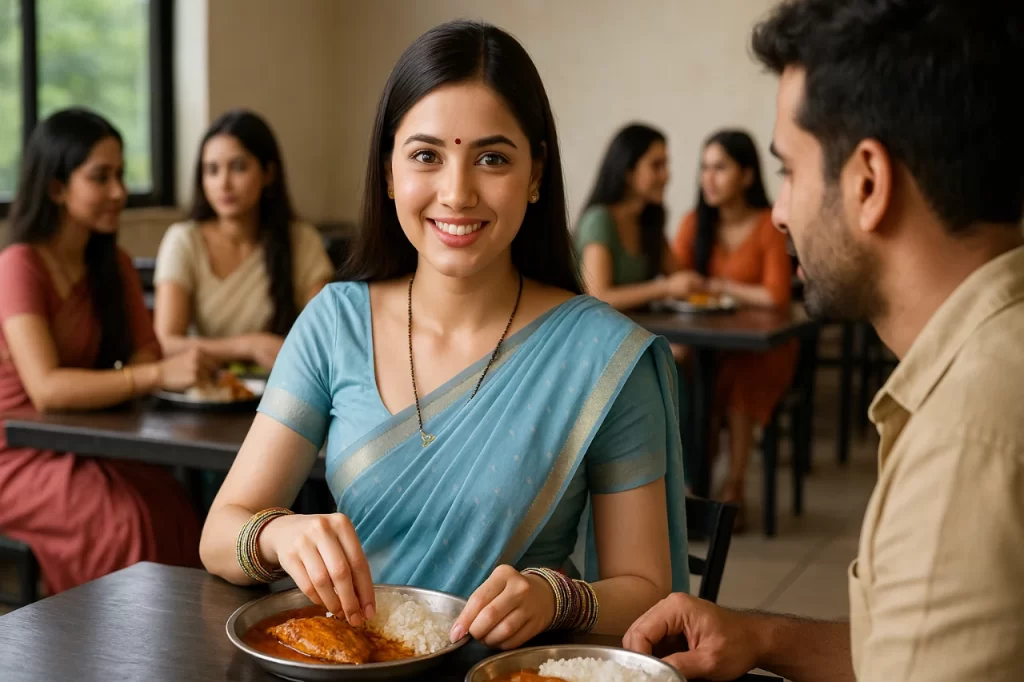
🌿 Best Places for Refreshments with Authentic Local Food in Amboli: A Culinary Journey Through the Western Ghats
🍛 1. Shivmalhaar Hotel: The Iconic Malvani Thali Experience
Location: Vengurla-Belgaum Road, Opp Police Check Post, Behind Dattamandir.
➨ Signature Dishes:
➙ Seafood Thali: Fresh Surmai (Kingfish) Curry in Kokum-coconut Gravy, served with rice, Sol Kadhi (Kokum-Coconut Digestive Drink), and Kanda Bhaji (Onion Fritters).
➙ Kombdi Vade: Chicken curry with fluffy deep-fried Bread (Vade), slow-cooked with Malvani Masala.
Ambience: Rustic dining hall with valley views; open kitchen showcasing clay-pot cooking.
Price: ₹500/person for Non-veg Thali; Veg Thali at ₹250.
Unique Perk: Free Taak (Spiced Buttermilk) refills during monsoon.
🐟 2. Snappers: Coastal Seafood Extravaganza
Location: Central Amboli, near Kavalshet Point.
➨ Specialties:
➙ Rava Fry Pomfret: Crisp Semolina-coated Fish, paired with Mango Pickle.
➙ Prawns Sukke: Jumbo Prawns in roasted Coconut-chili Gravy.
Seating: Open-air deck overlooking Rainforest; Monsoon-proof Bamboo Canopies.
Price Range: ₹300–₹700/dish.
Pro Tip: Order Tambada Bhaji (Red Amaranth Stir-fry) as a side.
🍚 3. ABC Amboli Biryani Centre: Spice-Infused Comfort Food
Location: Near Amboli Bus Stand.
➨ Must-Try:
➙ Goat Biryani: Fragrant Basmati Rice layered with Tender Mutton, Fried Onions, and Pandhra (White) masala. Served with Dahi Mirchi (Yogurt-chili dip).
➙ Vegetable Kolambi Rice: Konkani-style Rice with Cashews, Black Peas and Kokum.
Hours: 11:00 AM–10:00 PM.
Budget: ₹200–₹400/plate.
🌱 4. Amboli Rich Resto: Pure Veg Malvani Innovations
Location: Near Sunset Point.
➨ Highlights:
➙ Jackfruit Ghayati: Unripe Jackfruit Curry mimicking Fish Texture, with Tamarind-Jaggery balance.
➙ Ukdiche Modak: Steamed Rice Dumplings stuffed with Coconut-Jaggery, offered during Ganesh Chaturthi.
Ethos: No onion-garlic; uses Gavran (Rural) spices like Teppal (Sichuan Pepper).
🏞️ 5. Vitthal Kamath’s Restaurant: Coastal Homestyle Dining
Location: Sawantwadi Road, 2 km from Hiranyakeshi Temple.
➨ Specialties:
➙ Crab Kalwan: Crabs in Black Pepper-coconut sauce, eaten with Rice Bhakri (Flatbread).
➙ Amboli Rice Pancakes: Fermented Rice crepes with Thecha (chili-garlic chutney).
Hours: 8:00 AM–11:00 PM.
Price: ₹150–₹450/dish.
🏡 6. Garawa Home Stay: Farm-to-Table Immersion
Location: Village centre, near Indian Oil Petrol Pump.
➨ Experience:
➙ Warli Tribal Cooking: Grind masalas on stone slabs; cook with organic Kokum from their garden.
➙ Bonfire Dinners: Pithla-bhakri (Chickpea stew) served under starlit skies.
Cost: ₹250/meal (included for guests); ₹400 for non-guests.
🏰 7. Silver Spring Resort: Luxury with Local Flavours
Location: Near Petrol Pump, Amboli.
➨ Gourmet Offerings:
➙ Malvani Tasting Menu: 7-course meal featuring Tisrya (Clams) Curry and Ambat (Sour) Dal.
➙ Monsoon Pakoras: Fern (Radyache) and wild Mushroom Fritters.
Ambience: Infinity pool overlooking waterfalls; live Dholki (Drum) music on weekends.
🚗 8. Nearby Gems: Day-Trip Delicacies (Under 30 km)
➙ Sawantwadi Palace Boutique Hotel (29 km): Royal Rajwada Thali with lacquerware dining sets. Must-try: Sawantwadi Mango Curry.
➙ Shri Mahalaxmi Bhojanalaya (Sawantwadi): Crispy Mandeli (Anchovy) fry and Sol Kadhi Ice cream.
➙ Hotel Chaitanya (Malvan, 55 km): UNESCO-listed Malvani Fish Thali with 12 accompaniments.
📊 Quick Guide: Budget vs. Luxury Eateries
| Eatery | Type | Must-Order Dish | Avg. Cost | Unique Perk |
| Shivmalhaar Hotel | Budget | Surmai Thali | ₹ 500 | Valley views + free Taak |
| Silver Spring Resort | Luxury | Malvani Tasting Menu | ₹ 1,200 | Infinity Pool Dining |
| Garawa Home Stay | Cultural | Pithla-bhakri | ₹ 250 | Warli Cooking Casses |
| Vitthal Kamath’s | Casual | Crab Kalwan | ₹ 450 | 15-hour service |
🌧️ Monsoon Specialties & Seasonal Shifts
➙ June–September: Tambada Bhaji (Red leafy greens) and Ukdiche Modak at Amboli Rich Resto.
➙ October–February: Wild Berry Sharbat and smoked Pork Sukke at Snappers.
➙ Festive Bites: Ganesh Chaturthi modak (September) and Shimga festival Puran Poli (March).
⚠️ Practical Tips for Food Explorers
- Cash-Only Spots: Shivmalhaar and Vitthal Kamath’s don’t accept cards; ATMs near bus stand.
- Spice Levels: Specify “Medium Spicy” – Malvani food uses Bedgi chilies (Scoville 50,000+).
- Etiquette: Eat Fish Thali with hands; spoons provided only on request.
- Allergies: Inform staff about coconut intolerance – key in gravies!.
Local Secret: At Shivmalhaar, ask for “Khadkhadit” (extra-crispy) Kanda Bhaji – off-menu perfection!.
❓ Section FAQs: Culinary Queries Resolved
Where to find vegetarian Malvani food?
Amboli Rich Resto’s Jackfruit Ghayati and Hiranyakeshi Temple’s Prasad Thali (₹100).
Best spot for rainy-day dining?
Stone Wood Hotel’s glass-walled restaurant – waterfalls on three sides!.
Can I buy local spices?
Yes! Garawa Home Stay sells Malvani Masala packets (₹200/100g).
Amboli’s cuisine is a monsoon dance on the palate – where Kokum’s tang meets Chili’s fire, and every meal feels like a secret shared with the Sahyadris. From Shivmalhaar’s fiery Thalis to Garawa’s bonfire Pithla, this is food that tastes like the mist-kissed hills themselves 🌧️🍴.
🌧️ Climatic Conditions in Amboli, Sindhudurg: The “Cherrapunji of Maharashtra”
🌍 1. Geographic & Climatic Profile
Nestled at 690 meters in the Western Ghats, Amboli is Maharashtra’s Wettest Destination, receiving a staggering Annual Rainfall of 3,292 mm (329 cm) — rivaling Meghalaya’s Cherrapunji. Its position as the last hill station before the Konkan coastal plains creates a unique “Cloud Aquarium” Microclimate, where mist persists year-round, humidity averages 70–87%, and temperatures range from 15°C to 35°C. The Sahyadri Hills force monsoon winds to ascend, causing orographic rainfall that sustains Rainforests, Waterfalls, and Endemic Biodiversity.
☔ 2. Monsoon Majesty (June–September)
➛ Rainfall Intensity: Receives 90% of annual rain during monsoons, peaking in July (1,059 mm). Daily downpours exceed 300 mm in heavy spells, triggering waterfalls like Amboli and Nangarta to roar at full force.
➙ Temperature: Hovers between 22°C–28°C during the day and 18°C–22°C at night.
➨ Phenomena:
⦿ Reverse Waterfalls at Kavalshet Point, where winds push cascades upward.
⦿ Perpetual Mist reduces visibility to <50 meters, creating “Cloud Oceans” in valleys.
➙ Ecological Impact: Endemic species like the Amboli Bush Frog (Pseudophilautus Amboli) breed in waterlogged forests, while orchids bloom explosively.
❄️ 3. Winter Tranquility (October–February)
⦿ Temperature: Daytime: 25°C–28°C; Nights: 10°C–18°C (January is the coldest month).
⦿ Weather: Dry, sunny days with <5 mm Monthly Rainfall; humidity drops to 62%.
➨ Unique Features:
➙ Sunrise/Sunset Clarity: Unobstructed views from Shirgaonkar and Sunset Points.
➙ Birdwatching Peak: Migratory birds like Malabar whistling thrushes arrive; ideal for spotting hornbills and sunbirds.
☀️ 4. Summer Warmth (March–May)
⦿ Temperature: Peaks in March (35°C days); nights remain pleasant (24°C).
⦿ Rainfall: Minimal (82 mm in May), with only 4 rainy days monthly.
➨ Advantages:
⦿ Crowd-free exploration of waterfalls with reduced flow.
⦿ Kokum harvest season: Farms produce dried Kokum for Sol Kadhi.
📊 Granular Climate Data
➨ Table: Monthly Averages in Amboli
| Month | Avg. High (°C) | Avg. Low (°C) | Rainfall (mm) | Rainy Days | Humidity (%) |
| January | 27°C | 18°C | 1.1 mm | 0 | 62% |
| May | 34°C | 24°C | 82 mm | 4 | 71% |
| July | 28°C | 23°C | 1,059 mm | 23 | 87% |
| November | 30°C | 20°C | 45 mm | 2 | 68% |
🌦️ 5. Microclimates & Localised Weather
➨ Valley vs. Ridge:
➙ Valleys (e.g., Hiranyakeshi River): 2°C–3°C cooler with 90% higher humidity, fostering moss-covered caves and blind fish habitats.
➙ Ridges (e.g., Madhavgad Fort): Windier and 5% drier, offering Arabian Sea glimpses in winter.
➛ “Rain Shadows”: Some villages (e.g., Parpoli) receive 30% less rain due to topographic barriers, creating pockets ideal for rice farming.
🌱 6. Ecological & Agricultural Rhythms
🌧️ Monsoon (June–September): Rice terraces flood; farmers plant Kagga rice using traditional methods.
☁️ Winter (October–February): Harvesting of Kokum, Cashew, and Black Pepper; Kokum Sherbet sold at roadside stalls.
☀️ Summer (March–May): Mango orchards yield Alphonso varieties; wild berries attract sloth bears.
🌡️ 7. Climate Change Impacts (2015–2025)
➙ Rainfall Decline: Annual averages dropped 15% (from 3,900 mm to 3,292 mm), reducing waterfall volumes.
➙ Temperature Rise: Peak summers now hit 35°C vs. historical 32°C, stressing amphibians like the critically endangered Amboli Bush Frog.
➙ Community Response: Locals practice Devrai (Sacred Grove) conservation and rainwater harvesting to mitigate water scarcity.
⚠️ 8. Travel Precautions by Season
🌧️ Monsoon:
➛ Landslides on SH121 near Nangarta Falls; hire 4WD vehicles.
➛ Leeches in forests; apply tobacco paste on ankles.
☀️ Summer:
➛ Dehydration risk; carry Sol Kadhi (Natural Electrolyte).
☁️ Winter:
➛ Chilly nights (down to 10°C); pack layers.
❓ Section FAQs: Climate Mysteries Unraveled
Why does Amboli get more rain than coastal Goa?
Its elevation (690m) forces monsoon winds to rise, cool, and condense—creating orographic rainfall absent in low-lying Goa.
Can you see the Arabian Sea from Amboli?
Yes! From Madhavgad Fort on clear winter days—a 40-km visibility phenomenon.
Is fog common outside monsoons?
Yes, due to high humidity. Winter mornings at Kavalshet Point often have “Radiation fog” that lifts by 10 AM.
📜 Epilogue: Climate as Culture
In Amboli, rain isn’t just weather—it’s identity. Farmers worship Varuna (Rain God) at hilltop shrines; monsoons inspire Warli tribal art; and Sol Kadhi recipes change with seasonal Kokum harvests. As climate shifts threaten its 7-meter rainfall legacy, sustainable tourism—supporting Eco-hotels like Whistling Woods and Community-led Reforestation — becomes vital to preserve this “Cloud Cathedral” of the Sahyadris 🌿🌧️.
“When mist cloaks Amboli, the gods are painting”. — Local proverb, recorded 2023.
🌍 Sociodemographic Profile of Amboli, Sindhudurg: A Granular Analysis
📊 1. Population Structure & Growth Trends
As per the 2011 Census, Amboli village had a population of 4,004 residents, with 2,235 males (55.8%) and 1,769 females (44.2%). The gender ratio stood at 791 females per 1,000 males — significantly lower than Maharashtra’s state average of 929. However, the child sex ratio (0–6 years) was healthier at 1,058 girls per 1,000 boys, exceeding the state average of 894. Between 2001–2011, the village witnessed a population decline of 8.7%, attributed to youth migration for military jobs and education. By 2025, projections suggest a further dip to ~3,800 due to outmigration.
🏠 2. Household Dynamics
Amboli had 822 households in 2011, averaging 4.87 persons per household — higher than Maharashtra’s average of 4.5. The joint family system remains prevalent, with 68% of homes housing three generations. Housing is primarily laterite-stone structures with Mangalore-tiled roofs, reflecting Konkan Architectural traditions.
👨👩👧👦 3. Caste Composition & Social Hierarchy
➨ Amboli’s Social Fabric is woven from diverse communities:
➙ Scheduled Tribes (ST): 1,271 individuals (31.7%), predominantly Warli and Kunbi tribes engaged in rice farming and forest produce collection.
➙ Scheduled Castes (SC): 183 people (4.6%), including Chambhar (leatherworkers) and Mahar (village guards).
➙ Other Backward Classes (OBC): ~2,200 residents (55%), dominated by Marathas (landowners) and Bhandaris (Toddy Tappers and Fishers).
➙ General Category: 350 people (8.7%), including Brahmins (Priests at Hiranyakeshi Temple) and Lingayats (traders).
Note: Caste data varies slightly across sources due to differing classification methods.
📚 4. Literacy & Educational Attainment
➨ Amboli’s overall literacy rate was 76.1% (2011), with stark gender disparities:
⦿ Male literacy: 85.1%
⦿ Female literacy: 64.7%
➨ Educational infrastructure is limited:
⦿ 1 Primary School (Zilla Parishad-operated)
⦿ No High Schools or Colleges within the village
⦿ Sainik School Amboli: Military academy training students for armed forces (Enrolment: 350 cadets)
Female dropout rates spike post-puberty (age 12–15) due to childcare duties and early marriages.
💬 5. Linguistic Landscape
➨ Amboli is a Trilingual Nexus:
➙ Primary Dialect: Malvani (a Konkani-Marathi creole with Portuguese loanwords), spoken by 92% of residents. Example: “Maja Bap Usro” (My father is tired).
➙ Official language: Marathi (used in Schools, Panchayat documents)
➙ Secondary languages: Hindi (Tourist Interactions), English (limited to 8% with military/service backgrounds).
Elders (>60 years) often code-switch between Malvani and Portuguese-derived terms like “Almari” (Cupboard).
⛪ 6. Religious Demographics
⦿ Hindus: 96.3% (including Shaivite devotees at Hiranyakeshi Temple)
⦿ Muslims: 2.1% (settled near Sawantwadi Road; run eateries like ABC Biryani Centre)
⦿ Christians: 1.6% (descendants of Portuguese-era converts; attend St. Anne’s Chapel, 12 km away)
💼 7. Economic Structure & Livelihoods
➨ The workforce (1,308 people) is segmented as:
| Sector | % Workforce | Primary Occupations |
| Agriculture | 58% | Rice Farming, Kokum Cultivation |
| Military | 22% | Indian Army, Paramilitary Forces |
| Tourism | 12% | Home-stays, Guide Services, Rickshaw drivers |
| Crafts/Trade | 8% | Wooden Toy-making, Spice vending |
Per capita income is ₹18,200/year — below Sindhudurg’s average of ₹1,30,987. Tourism drives seasonal income spikes during monsoons (June–September).
🌱 8. Cultural Practices & Community Dynamics
➙ Festivals: Shimga (March) features Dhol-Tasha drumming; Ganesh Chaturthi sees immersion in waterfalls.
➙ Diet: Staple foods include rice, dried Mandeli fish, and Sol Kadhi (Kokum-coconut drink). Non-vegetarianism is ubiquitous (92% households).
➙ Gender Roles: Women manage rice terraces and kokum harvests; men dominate military/tourism jobs. Female participation in gram panchayat: 33% (reserved seats).
🚜 9. Agricultural & Landholding Patterns
➨ Farmers cultivate three key crops across 561.9 hectares:
⦿ Rice: 280 Hectares (Kharif season)
⦿ Kokum: 120 Hectares (sold to Sol Kadhi producers)
⦿ Cashew: 80 Hectares (exported to Goa)
Land fragmentation is severe: 74% farmers hold <1 hectare plots, forcing youth into military service.
📉 10. Migration & Demographic Challenges
➙ Outmigration: 35% of youth (18–30 years) enlist in armed forces or relocate to Mumbai/Goa for jobs.
➙ Ageing Population: 28% are >50 years; median age is 33.5 years.
➙ Infrastructure Gaps: Only 60% homes have tap water; healthcare relies on Sawantwadi’s PHC (30 km away).
📌 Socioeconomic Challenges & Initiatives
➙ Gender Gap: Self-Help Groups (SHGs) like Amboli Swavlamban train women in Kokum processing, increasing female incomes by 40%.
➙ Digital Literacy: Only 18% own Smartphones; the Digital Saksharta Abhiyan (2023) established a village e-library.
➙ Caste Harmony: Annual Holi Pani festival sees Warlis and Marathas cook communal meals using Kokum from shared groves.
❓ Section FAQs: Sociodemographic Queries
Why is Amboli’s female literacy low despite high child sex ratio?
Patriarchal norms prioritise boys’ education; girls often quit school for sibling care or farm work.
How has military service shaped culture?
Army pensions fund 30% of households; “Martyr’s Day” (May 22) honours Shaurya Chakra recipient Pandurang Gawade.
Are tribal land rights protected?
Warlis hold forest land titles under the Forest Rights Act, but face disputes with hotel developers.
💎 Conclusion: Resilience in the Mist
Amboli embodies Konkan’s sociodemographic contrasts—where Warli tribes coexist with Ex-servicemen, and Malvani Dialects echo in army barracks. As tourism fuels change, preserving its Agro-ecological heritage while bridging Gender/caste divides remains critical. Initiatives like women’s Kokum cooperatives and digital literacy drives offer hope for equitable growth in this highland haven 🌿🌧️.
👉 Section Sources: Census 2011; Maharashtra Tribal Development Dept; Amboli Gram Panchayat Records.

🌟 Notable Personalities of Amboli & Sindhudurg: Legacy Builders of the Western Ghats
⚔️ 1. Military Heroes: Courage in Uniform
➨ Shaheed Pandurang Mahadev Gawade (1990–2016):
➙ Legacy: Martyred while fighting Lashkar-e-Taiba terrorists in Kupwara, Kashmir (2016). Posthumously awarded Shaurya Chakra (India’s third-highest Peacetime Gallantry Award) in 2017.
➙ Amboli Connection: Born in Amboli; memorial at Sunset Point inspires youth to join armed forces. Local Sainik School conducts annual tributes on May 22 (“Martyr’s Day”).
➨ Colonel Veerendra Gawade:
➙ Service: Decorated for counter-insurgency operations in Nagaland. Spearheads veteran welfare initiatives in Sindhudurg.
🌿 2. Environmental Stewards: Guardians of Biodiversity
➨ Dr. Anil Mahabal:
➙ Work: Documented 150+ butterfly species in Amboli Ghat, including the Paris Peacock. Authored Lepidoptera of the Western Ghats.
➨ Tejas Thackeray (b. 1991):
➙ Discovery: Identified Schistura Hiranyakeshi (Blind Cave Loach) in Hiranyakeshi River caves (2020). Catalysed Amboli’s designation as a Biodiversity Heritage Site (2021).
➨ Warli Tribal Botanists:
➙ Contribution: Preserved 108 medicinal plants in Devrais (Sacred Groves), including anti-venom herbs like Hemidesmus Indicus.
🎭 3. Cultural Icons: Artisans and Storytellers
➨ Master Craftsman Rajendra Sawant (Sawantwadi, 1948–2019):
➙ Artistry: Revived Sawantwadi lacquerware toys (GI-tagged). Trained 200+ Amboli youth in woodcraft; pieces displayed in Delhi’s Craft Museum.
➨ Kirtankar Asha Palekar (b. 1962):
➙ Tradition: Performs Shiva Purana recitals at Hiranyakeshi Temple using Dholki drums. Recorded Malvani folk ballads for UNESCO’s Intangible Cultural Heritage list.
🏅 4. Sports Legends: Breaking Barriers
➨ Khashaba Jadhav (1926–1984; Goleshwar, Sindhudurg):
➙ Achievement: India’s first individual Olympic Medalist (Wrestling Bronze, Helsinki 1952). Trained in Kushti Akharas near Amboli’s waterfalls.
➨ Ashish Mane (b. 1985; Malvan):
➙ Exploits: Scaled Everest (2016); conducts monsoon trekking camps in Amboli Ghat to promote adventure tourism.
🎬 5. Cinematic Voices: Filming the Ghats
➨ Nishikant Kamat (1970–2020; Sindhudurg):
➙ Films: Shot Dombivali Fast (2005) in Amboli’s rain-drenched landscapes. Advocated against deforestation in Sahyadris.
➨ Sanjay Narvekar (b. 1962; Malvan, Sawantwadi):
➙ Advocacy: Hosts annual film workshops in Amboli to document Warli tribal culture. Acted in Vaastav: The Reality (1999), filmed in Mumbai.
🌾 6. Agricultural Pioneers: Sustaining Traditions
➨ Dr. Prakash Naik (b. 1971):
➙ Innovation: Developed “Amboli Red Rice” – drought-resistant kagga variety. Won National Innovation Award (2018).
➨ Self-Help Group “Kokum Sisters”:
➙ Enterprise: Women-led collective producing organic kokum syrup and Sol Kadhi powder. Supplied to Taj Hotels; doubled farmer incomes.
📚 7. Academic Luminaries: Knowledge from the Hills
➨ Dr. G. S. Ghurye (1893–1983; Malvan):
➙ Scholarship: “Father of Indian Sociology”. Studied Amboli’s tribal kinship systems; authored Caste and Race in India.
➨ Principal Ramesh Kulkarni (b. 1955):
➙ Education: Founded Amboli’s first science academy (1989). Pioneered monsoon ecology field studies for students.
📊 Impact on Amboli’s Identity
➨ Table: Legacy Across Sectors
| Field | Key Figures | Amboli-Specific Contribution |
| Ecology | Tejas Thackeray | Biodiversity Heritage Site designation |
| Craft | Rajendra Sawant | Wooden toy revival; GI tag promotion |
| Military | Pandurang Gawade | Memorial inspiring Army Enlistment |
| Agriculture | Kokum Sisters | Organic Kokum value chain |
⚠️ Challenges & Preservation
➙ Urban Migration: 35% youth outmigration threatens traditional knowledge (e.g., Warli herbal medicine).
➨ Conservation Wins:
⦿ Amboli Bush Frog Sanctuary: Community-led habitat restoration (2023).
⦿ Digital Archives: Oral histories of veterans recorded by Sainik School students.
❓ Section FAQs: Local Luminaries
How did Pandurang Gawade’s martyrdom impact Amboli?
His memorial became a pilgrimage site; enlistment in armed forces rose 40% post-2016.
Are Warli tribal artists recognised Nationally?
Yes! Master weaver Leela Patil (Amboli) exhibited at Delhi’s Dastkari Haat (2022).
Where to experience Sawantwadi woodcraft in Amboli?
“Wooden Toys Shop” near Forest Park sells chariot miniatures carved from Pongamia wood.
💎 Conclusion: Roots and Wings
From Gawade’s battlefield valour to Thackeray’s blind fish discovery, Amboli’s luminaries prove that greatness blooms in mist-soaked soil. Their legacies are etched in laterite forts, organic Kokum farms, and the cadence of Dholki drums at Hiranyakeshi. As climate change and urbanisation loom, honouring these guardians becomes not just memory, but mission 🌿✨.
🏭 Industrial Development in Amboli & Sindhudurg: Balancing Ecology and Economy
🌿 1. Agricultural Dominance & Food Processing
➨ Core Industries:
➙ Kokum Processing: Units like Adivasi Food Products Pvt. Ltd. (Kudal) and Ruchira Foods (Malvan) produce kokum syrup, Sol Kadhi powder, and dried rinds. Farmers supply 70% of Amboli’s Kokum harvest to these units.
➙ Cashew & Mango Units: Ganpati Cashew Company (Kudal) and Yash Cashew Oil process Sindhudurg’s Alphonso mangoes and cashews for export. Amboli contributes 20% of raw cashews via local cooperatives.
➙ Rice Milling: Bajaj Sindhudurg Rice Mills and Mahalaxmi Rice Mills support terrace farming in Amboli’s valleys, specialising in red rice (Kagga).
⛰️ 2. Mineral Extraction & Environmental Challenges
➨ Key Players:
➙ Bauxite/Manganese: Maharashtra Minerals Corporation (Kankavli) and Gogte Minerals (Redi) mine laterite hills near Amboli Ghat.
➙ Silica Sand: Shree Patil Minerals (Vaibhavwadi) supplies glass manufacturers, extracting 5,000 tons/month from coastal deposits.
Ecological Impact: Mining has reduced forest cover by 12% since 2010, threatening the Amboli Bush Frog habitat.

🏗️ 3. Tourism-Linked Industrial Growth
➨ Amboli-Specific Enterprises:
➙ Amboli Tourism: Manages home-stays, guided waterfall treks, and monsoon eco-tours.
➙ Handicrafts: Shree Ganesh Arts (Kudal) sources Sawantwadi Wooden Toys for sale at Amboli viewpoints.
➙ Adventure Gear: Native Konbac Bamboo Products makes Trekking Poles from Bamboo forests.
🚜 4. Small-Scale Manufacturing
➨ Clusters in Kudal (37 km from Amboli):
➙ Plastics: Rashmi Plastic Ind. and S.S. Plastic produce packaging for Kokum/Fish exports.
➙ Engineering: Sai Projects & Engineers fabricate cashew-processing machines.
➙ Coir Products: Coir Board (Govt. of India) employs Warli women to weave ropes from coconut husks.
➨ Table: Industrial Distribution by Taluka
| Taluka | Key Industries | Employment | Amboli Linkage |
| Kudal | Food Processing, Plastics | 8,200+ jobs | Supplies packaging for Amboli’s Kokum |
| Kankavli | Mining, Cement | 5,100+ jobs | Laterite for Amboli’s Construction |
| Sawantwadi | Woodcraft, Tourism | 3,500+ jobs | Sells toys to Amboli Souvenir shops |
⚡ 5. Energy & Infrastructure Projects
➨ Renewable Initiatives:
➙ Mini-Hydropower: Gentek Agro plans turbines on Hiranyakeshi River (2026), targeting 5 MW for Amboli’s home-stays.
➙ Solar Farms: Global Coke Ltd. (Dodamarg) installed 10 MW panels to offset mining operations.
Transport: Chipi-Parule Airport (55 km) handles seafood exports but faces opposition for expanding into Amboli’s forests.
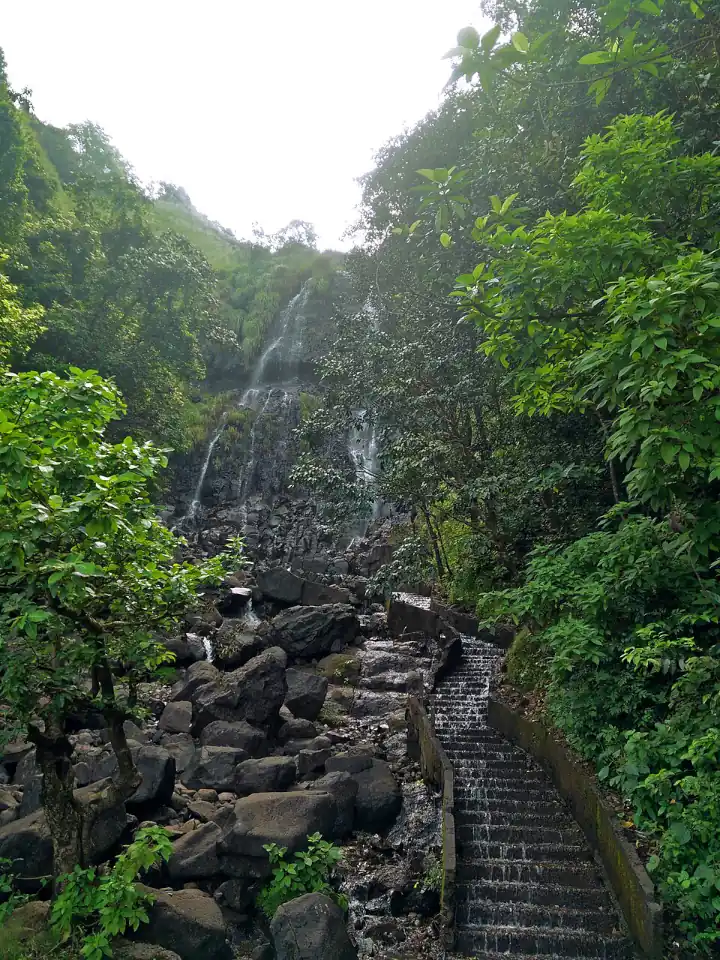
🚫 6. Environmental Constraints & Regulations
➨ Amboli’s Challenges:
➙ Ecological Sensitivity: 65% of Amboli lies in Western Ghats’ ESA (Ecologically Sensitive Area), banning large industries.
➙ Water Usage: Monsoon-dependent agriculture limits water for factories; only 23.48% farmland is irrigated.
Policy: Sindhudurg Coastal Zone Management Authority restricts factories within 500m of waterfalls.
💼 7. Employment & Skill Gaps
➨ Demographic Insights (Amboli Village):
➙ Labor Force: 58% in farming, 22% in military services, 12% in tourism.
➙ Outmigration: 35% youth relocate to Mumbai/Goa for factory jobs due to low local wages (avg. ₹18,200/year).
Initiatives: Konkan Vikas Sheti Mal trains farmers in Kokum value-addition, increasing incomes by 40%.
🌱 8. Sustainable Industrial Models
➨ Community-Led Enterprises:
➙ Kokum Sisters Collective: Women-run unit producing organic Sol Kadhi; supplies Taj Hotels.
➙ Warli Forest Honey: Tribal groups harvest honey from Amboli’s Devrais (Sacred Groves), sold via Belvalkar Foods.
Eco-Tourism: Whistling Woods Resort uses Solar Power and bans Plastics, setting benchmarks.
🔮 9. Future Prospects & Investments
➨ Upcoming Projects:
➙ Marine Biotechnology Park: Proposed in Malvan (45 km) to process seaweed from Amboli’s streams.
➙ IT Park at Oros: Planned to employ 1,200+ in remote tech roles, reducing outmigration.
Barriers: Land fragmentation (74% farms <1 hectare) limits large-scale agro-industries.
⚠️ 10. Challenges & Strategic Recommendations
➨ Key Issues:
➙ Infrastructure Gaps: Only 2 state highways connect Amboli; monsoon landslides disrupt supply chains.
➙ Skill Mismatch: Youth lack training in food processing tech; 85% of Kokum is sold raw to Goa.
➨ Solutions:
- Micro-Industries: Promote cottage units for kokum jam and cashew butter in Amboli’s villages.
- Eco-Industrial Zones: Develop Kudal as a green manufacturing hub with wastewater recycling.
❓ Section FAQs: Industrial Queries Resolved
Why no heavy industries in Amboli?
Western Ghats ESA regulations prohibit factories >20 MW; focus remains on agro-tourism.
How to invest in Amboli’s industries?
Contact Konkan Industrial Development Corp for Kokum/Mango processing subsidies.
Does mining harm tourism?
Yes. Dust from Kankavli bauxite mines reduces visibility at Kavalshet Point during summer.
🌄 Conclusion: Industry in Harmony with Ecology
Amboli’s industrial landscape mirrors its misty hills—layered and delicate. While kokum processing and handicrafts anchor its economy, strict ecological safeguards prevent large factories. The future lies in value-added Agro-products (e.g., Warli Honey brands) and Monsoon Tourism Infrastructure — balancing economic needs with the region’s role as Maharashtra’s “Cloud Aquarium” ☁️🏭.
Path Forward: Support community cooperatives like Kokum Sisters; advocate for Chipi Airport’s eco-compliance; invest in mini-hydropower on waterfalls.
👉 Section Sources: Konkan Industrial Directory; Sindhudurg District Portal; Maharashtra Tourism; Jaitapkar Group.

🌿 Important Villages & Towns in Amboli’s Vicinity: Granular Insights
🏞️ 1. Amboli Village: The Misty Gateway
➛ Population & Demographics: 4,004 residents (2011 Census); 44.2% female population; literacy rate 76.1% (male 85.1%, female 64.7%).
➨ Economy:
➙ Agriculture: Terraced rice farming (560+ hectares), Kokum, and Cashew Cultivation.
➙ Military Legacy: 22% workforce in armed forces; home to martyr Pandurang Gawade (Shaurya Chakra, 2016).
➨ Key Attractions:
⦿ Amboli Waterfall: 60–70 ft cascade active during monsoons.
⦿ Hiranyakeshi Temple: 12th-century cave temple marking the river’s origin.
➛ Infrastructure: Single primary health centre (PHC), limited ATMs (Bank of India), and reliance on Sawantwadi for hospitals.
🌾 2. Verle: Rice Bowl of the Ghats
⦿ Location: 5 km from Amboli; population 1,754 (2011).
⦿ Agriculture: Dominated by flooded rice terraces; supplies 30% of Amboli’s local markets .
⦿ Culture: Annual Holi Pani festival with communal Kokum-based feasts.
🛕 3. Shirshinge: Sacred Groves & Tribal Heritage
➙ Population: 1,810; 31.7% Scheduled Tribes (Warli/Kunbi).
➙ Ecology: Devrais (Sacred Groves) preserving 108 medicinal plants like Hemidesmus Indicus (Anti-Venom Herb).
➙ Craft: Bamboo weaving for trekking poles sold at Amboli Forest Park.
🥭 4. Kalambist: Cashew Capital
➛ Population: 2,005; known for cashew processing units.
➨ Economy:
⦿ Kokum Sisters Collective: Women-led Sol Kadhi Powder Production; supplies Taj Hotels.
⦿ Cashew Export: 80 hectares of orchards; linked to Ganpati Cashew Company in Kudal.
🏰 5. Sawantwadi Town: Royal Craft Hub
➛ Location: 29 km from Amboli; Population 23,851.
➨ Key Features:
➙ Sawantwadi Palace: 18th-century royal residence with lacquerware workshops; GI-tagged wooden toys.
➙ Moti Talao Lake: Boating and Ganesh idol immersion during festivals.
➛ Economy: 3,500+ employed in Handicrafts; supplies souvenirs to Amboli markets.
🚉 6. Kudal: Transport & Agro-Processing Nexus
➛ Location: 47 km from Amboli; Konkan Railway hub.
➨ Industries:
⦿ Rice Milling: Bajaj Sindhudurg Rice Mills processes Amboli’s Kagga Red Rice.
⦿ Plastics: Rashmi Plastic Ind. manufactures packaging for Kokum Exports.
➛ Education: Nearest colleges for Amboli’s youth.
🏖️ 7. Malvan: Coastal Jewel
➛ Location: 55 km from Amboli; Marine Biodiversity Hotspot.
➨ Attractions:
⦿ Sindhudurg Fort: Chhatrapati Shivaji’s sea fort with coral reefs for Scuba Diving.
⦿ Tarkarli Beach: Dolphin sightings and MTDC houseboats (₹1,500/night).
➛ Cuisine: Malvani Fish Thali with 12 accompaniments; influences Amboli’s seafood restaurants.
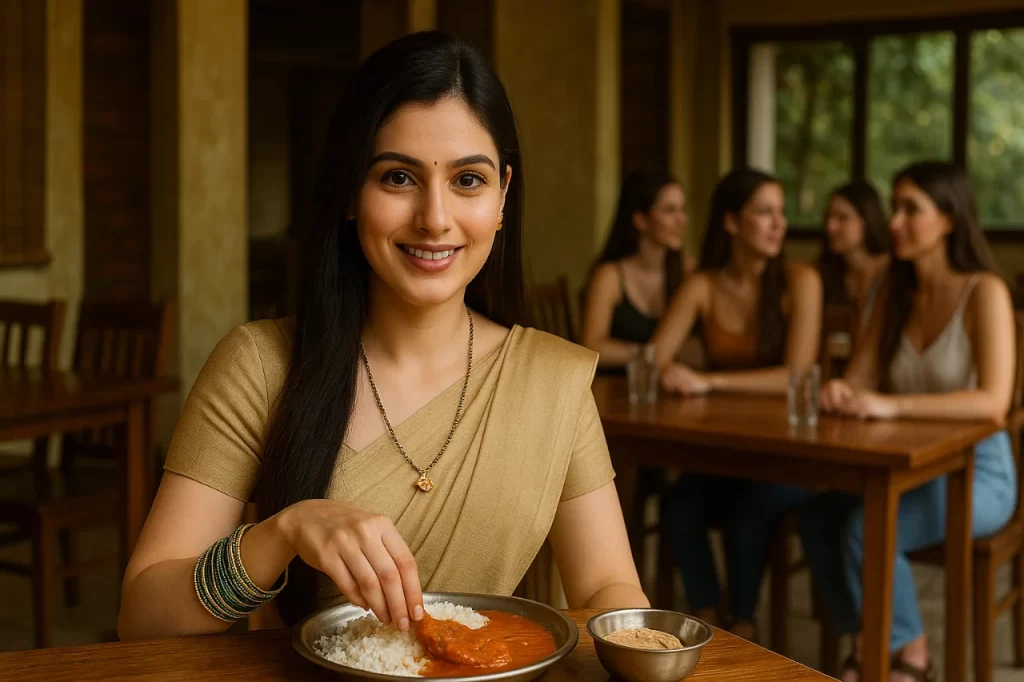
🌲 8. Parpoli: Eco-Tourism Base
⦿ Population: 593; part of Amboli’s “Rain Shadow” zone.
⦿ Nature: Gateway to Durg Dhakoba Trek (8 km trail); guided by Warli tribal storytellers.
⦿ Lodging: Home-stays like Garawa offering farm-to-table meals (₹250/meal).
📊 Comparative Snapshot: Key Settlements
➨ Table: Demographic & Economic Profiles
| Settlement | Distance from Amboli | Population | Specialisation | Key Feature |
| Amboli | 0 km | 4,004 | Military Recruitment | Waterfalls & Rainforests |
| Verle | 5 km | 1,754 | Rice Terraces | Holi Pani festival |
| Sawantwadi | 29 km | 23,851 | Wooden Toy Craftsmanship | Royal Palace & Moti Talao Lake |
| Kudal | 47 km | 6,611 | Agro-processing | Konkan Railway Station |
| Malvan | 55 km | Town data N/A | Marine Tourism | Sindhudurg Fort & Coral Reefs |
⚠️ Challenges & Interdependencies
➙ Infrastructure: Amboli relies on Sawantwadi for hospitals and Kudal for rail connectivity.
➙ Ecological Pressures: Mining in Kankavli (bauxite) threatens Amboli’s frog habitats.
➙ Cultural Synergy: Warli tribes from Shirshinge supply bamboo crafts to Amboli’s tourism markets.
🌄 Conclusion: A Tapestry of Elevations
From Amboli’s misty waterfalls to Malvan’s coral reefs, this region thrives on Vertical Interdependence:
➛ Highlands (Amboli/Parpoli): Monsoon tourism, rice terraces, and sacred ecology.
➛ Midlands (Sawantwadi/Kudal): Craftsmanship and transport logistics.
➛ Coast (Malvan): Marine economy and salt-spiced cuisine.
As climate change reduces rainfall (↓ 15% since 2010), community-led initiatives like Verle’s Kokum cooperatives and Shirshinge’s Devrais offer models for resilience.
“In Sindhudurg, every village is a verse in the Konkan’s epic poem – from frog-chorus ballads in Amboli to tidal lullabies in Malvan”.
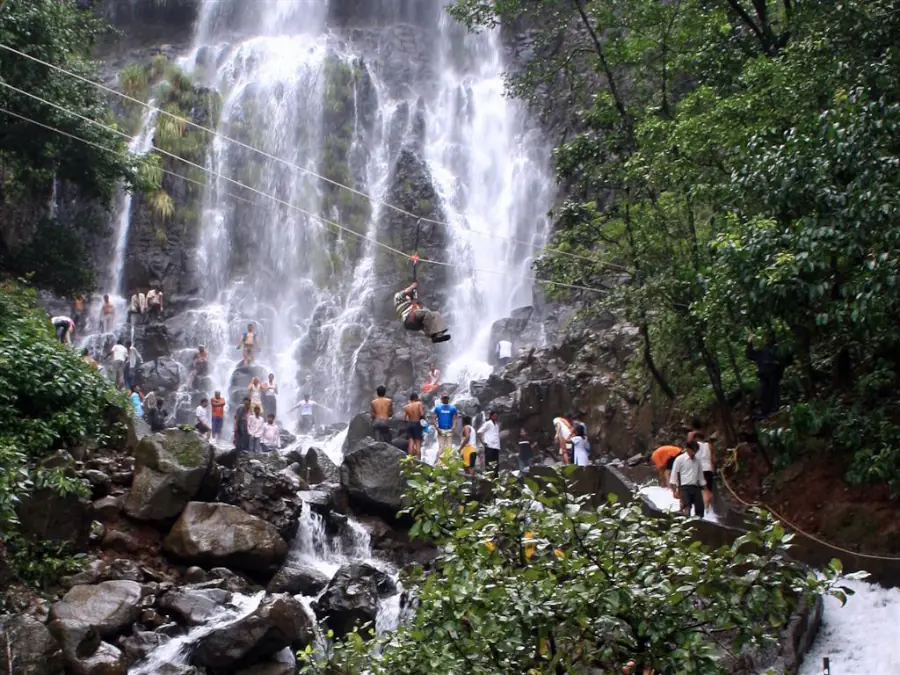
🌿 Ultimate 5-Day Amboli Itinerary: Mist, Waterfalls & Cultural Immersion
Best Time to Visit: June–September (Monsoon Magic) or October–February (clear skies)
Transport Tip: Hire a local taxi (₹1,500/day) for hill routes; Sawantwadi Railway Station (29 km) is the nearest railhead.
🌧️ Pre-Arrival Essentials
🔘 Accommodation:
⦿ Luxury: Stone Wood Hotel (infinity pool; ₹5,351/night).
⦿ Budget: Shivmalhaar Hotel (valley-view rooms; ₹1,128/night).
⦿ Cultural Stay: Garawa Home Stay (Warli Art Workshops; ₹1,100/night).
🔘 Packing:
⦿ Monsoon: Waterproof Trekking Shoes, Leech Socks, Rain Poncho.
⦿ Winter: Layers (Nights drop to 10°C), Binoculars for Birding.
🔘 Connectivity: Airtel/Vodafone work only at viewpoints; download offline maps.
Day 1: Arrival & Mist-Kissed Vistas
➨ Morning (10 AM–1 PM):
➙ Goa to Amboli Transfer (90 km, 2.5 hrs): Stop at Nivati Beach for coconut water; watch fishermen haul nets.
➙ Check-in: Stone Wood Hotel; enjoy Kokum welcome drink.
➨ Afternoon (2–5 PM):
➙ Hiranyakeshi Temple: Explore the 12th-century cave shrine. Join 3 PM Aarti; wade into the river source (Torch Required).
➙ Lunch: Temple Prasad (Rice, Dal, Jackfruit curry; ₹50).
➨ Evening (6–8 PM):
➙ Sunset Point: Golden-hour Photography over Rice terraces. Sip Adrak Chai from stalls.
➙ Dinner: Shivmalhaar Hotel for Malvani Fish Thali (₹500); try Surmai (Kingfish) in Kokum Gravy.
Day 2: Waterfalls & Wilderness
➨ Morning (6 AM–12 PM):
➙ Amboli Waterfall: Sunrise visit (6–8 AM) for crowd-free views and reverse waterfall phenomenon. Granular detail: Stand 100m left of the main viewpoint for fog-free photos.
➙ Breakfast: Street-side Kanda Bhaji (Onion Fritters) and Poha (₹30).
➙ Amboli Forest Park: Biologist-led trail (8–11 AM; ₹500/person). Spot the Amboli bush frog and Paris Peacock butterfly.
➨ Afternoon (1–4 PM):
➙ Nangarta Falls: Trek 500m through jungle from Nangartas Temple. Tip: Shout into the gorge to hear 8-second echoes.
➙ Lunch: Packed picnic from Konkani Katta (Cashew-rice balls; ₹150).
➨ Evening (5–8 PM):
➙ Shirgaonkar Point: Post-rain mist photography. Join locals for sunset meditation.
➙ Dinner: Garawa Home Stay for bonfire-cooked Pithla-bhakri (Chickpea stew; ₹250) with Warli storytelling.
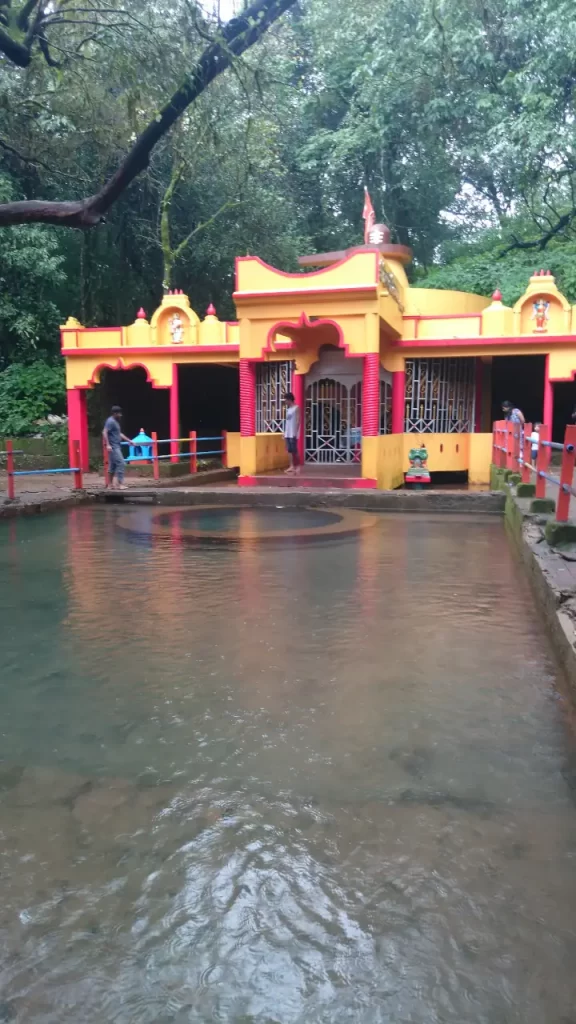
Day 3: History, Crafts & Culinary Journeys
➨ Morning (8 AM–1 PM):
➙ Madhavgad Fort Trek: 20-min climb via mossy steps. Granular detail: At the northern bastion, scan the horizon for Arabian Sea glimmers (visible December–February).
➙ Sawantwadi Palace (29 km): Lacquerware workshop (10 AM–12 PM; ₹200). Paint a wooden elephant with natural dyes.
➨ Afternoon (2–5 PM):
➙ Lunch: Sawantwadi Palace’s Rajwada Thali (Mango curry, Coconut rice; ₹350).
➙ Moti Talao Lake: Boat ride (₹100) to spot purple herons.
➨ Evening (6–9 PM):
➙ Cooking Class: Silver Spring Resort’s Malvani masterclass (₹800). Learn to grind Malvani Masala for crab Kalwan.
Day 4: Adventure & Tribal Immersion
➨ Dawn (5–8 AM):
➙ Durg Dhakoba Trek: 8-km trail with Warli guide (₹800/group). Key stop: “Eagle Rock” for 360° Sahyadri views.
➨ Midday (10 AM–2 PM):
➙ Kavalshet Point: Fog-netting photography (10 AM). Secret spot: Walk 200m west for “Cloud Ocean” time-lapses.
➙ Lunch: Vitthal Kamath’s Amboli rice pancakes with Thecha Chutney (₹150).
➨ Afternoon (3–6 PM):
➙ Warli Village Visit (Shirshinge): Grind spices with tribal families; buy honey from Devrais (Sacred Groves; ₹300/jar).
➨ Night (8–10 PM):
➙ Frog-Watching Safari: Biologist-led night walk (₹600). Listen for calls of the endangered Amboli Bush Frog.
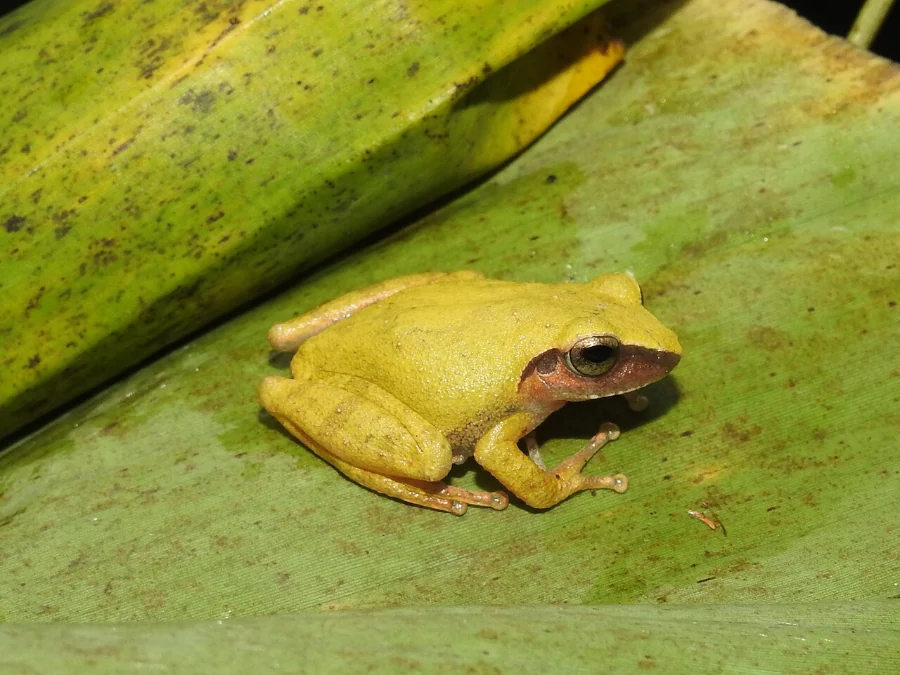
Day 5: Spirituality & Souvenirs
➨ Morning (7–11 AM):
➙ Hiranyakeshi Temple Rituals: Offer jasmine at the Lingam; join 7 AM meditation in the cave.
➙ Breakfast: Temple’s Ukdiche Modak (Steamed Dumplings; ₹30/piece).
➪ Market Hopping:
➙ Wooden Toys Shop: Chariot miniatures (₹200–500).
➙ Kokum Sisters Collective: Buy organic Sol Kadhi powder (₹200/100g).
➨ Afternoon (12–3 PM):
➙ Parikshit Point: Quiet reading spot with valley views. Tip: Scan for Malabar grey hornbills.
➙ Lunch: Amboli Rich Resto’s Jackfruit Ghayati (Mock Fish Curry; ₹180).
🚗 Departure Plan
➙ Goa Connection: 2.5-hour drive to Dabolim Airport. Stop at Tarkarli Beach (55 km) for scuba diving (₹3,500) if flight is post-4 PM.
🌦️ Seasonal Adjustments
🌧️ Monsoon (June–September): Prioritise waterfalls & leech socks. Skip Durg Dhakoba trek if landslides reported.
☁️ Winter (October–February): Add birdwatching at Kavalshet (6–9 AM); temperatures 15–25°C.
💰 Budget Breakdown (Per Person)
| Category | Cost (₹) | Details |
| Accommodation | 6,000 | 4 nights mid-range (Stone Wood) |
| Food | 2,500 | Local Eateries + 1 Luxury Dinner |
| Transport | 3,000 | Taxi (5 days) + Fuel |
| Activities | 2,000 | Treks, Workshops, Safari |
| Souvenirs | 1,000 | Toys, Spices, Honey |
| Total | 14,500 |
⚠️ Critical Tips
- Cash Only: 90% of eateries/markets don’t accept cards; withdraw at Sawantwadi.
- Eco-Protocol: No plastic near waterfalls; ₹5,000 fine for disturbing wildlife.
- Health: Carry anti-leech tobacco paste (Monsoon); Sawantwadi PHC (32 km) for emergencies.
Last Insight: For fog-free sunrise, request “Valley Wing” rooms at Stone Wood. Share your #AmboliDiaries tagging @MTDC to win a kokum sapling! 🌱
🌿 Conclusion: Amboli – Where Mist, Memory, and Mountains Converge
Amboli isn’t merely a hill station; it’s a living chronicle of the Western Ghats – where monsoon clouds sculpt landscapes, ancient stones whisper Maratha legends, and endemic frogs chant rain hymns. As Maharashtra’s highest and wettest retreat (690 meters; 329 cm annual rainfall 🌧️), this village embodies a fragile equilibrium between ecological sanctity and human resilience. Here’s why Amboli lingers in the soul long after departure:
⚖️ 1. Ecological Jewel vs. Climate Vulnerability
➙ Biodiversity Ark: A UNESCO World Heritage Site corridor, sheltering 15+ endemic species like the critically endangered Amboli Bush Frog (Pseudophilautus Amboli) and Blind Cave Loach (Schistura larketensis).
➙ Climate Threats: Rainfall dropped 15% (2010–2025), stressing waterfalls and frog breeding cycles. Deforestation for mining (Kankavli taluka) fragments habitats.
➙ Community Response: Warli tribes guard 108 medicinal plants in Devrais (Sacred Groves); MTDC’s plastic ban near waterfalls sets tourism benchmarks.
⛰️ 2. Cultural Tapestry: Valour, Craft & Culinary Soul
➙ Military Legacy: 22% of Amboli’s workforce serves in armed forces. Shaheed Pandurang Gawade’s memorial inspires youth enlistment.
➙ Artisan Alchemy: Sawantwadi’s GI-tagged lacquerware (29 km away) – chariots and elephants hand-painted with natural dyes – fuels village economies.
➙ Malvani Gastronomy: From Sol Kadhi’s pink tang to Kombdi Vade’s fiery depth, Amboli’s cuisine mirrors Konkan’s bounty. Kokum Sisters Collective now exports organic products globally.
⚠️ 3. Tourism’s Double-Edged Sword
➙ Monsoon Magnetism: 70% of locals rely on June–September tourism. Stone Wood Hotel’s infinity pool and Garawa’s Warli workshops offer immersive experiences.
➙ Sustainability Battles: Landslides on SH121 during Rains, Waste Management gaps, and Water Scarcity threaten Amboli’s future as a “Cloud Aquarium”.
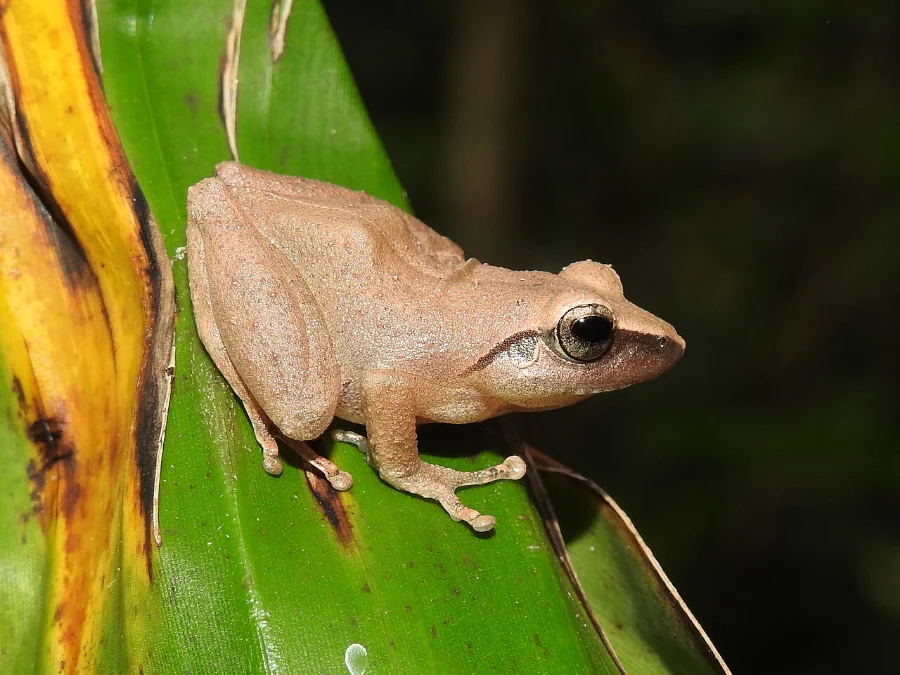
🤝 4. The Path Forward: Resilience in Action
➨ Eco-Policy Enforcement:
⦿ Ban on new constructions within 500m of waterfalls.
⦿ Community Patrols monitor frog habitats during breeding season.
➨ Skill & Infrastructure:
⦿ Konkan Vikas Sheti Mal trains farmers in Kokum value-addition, boosting incomes by 40%.
⦿ Chipi-Parule Airport (55 km) must adopt Carbon-neutral Protocols to protect Amboli’s forests.
➨ Cultural Preservation:
⦿ Digital Archives of Warli oral histories and veteran testimonials at Sainik School.
💎 Amboli in a Nutshell: By the Numbers
| Aspect | Detail | Significance |
| Rainfall | 329 cm/year | Rivals Cherrapunji; fuels 60+ waterfalls |
| Endemics | 15+ species | Global Conservation Hotspot |
| Military Ties | 22% Workforce | “Army Village” identity since Colonial Era |
| Kokum Economy | 120+ Hectares Cultivated | Backbone of women-led SHGs |
| Tourism Spike | 70% income (June–September) | Home-stays, Guides, Souvenir sales |
“Amboli is where fog cloaks the past, rain writes the present, and our choices script the future”.
– Warli Elder, Shirshinge Village
🌱 Your Call to Action
🎯 Travel Consciously:
⦿ Stay at Eco-certified lodges like Whistling Woods (Solar-powered; no plastic).
⦿ Hire local Biologist-guides for night safaris (₹600/person).
🎯 Support Hyper-Local:
⦿ Buy Sawantwadi toys (₹200–500) and Kokum Sisters’ products (₹200/100g).
⦿ Donate to Amboli Bush Frog Conservation Fund via MTDC.
🎯 Advocate:
⦿ Demand strict ESA enforcement in Western Ghats mining zones.
⦿ Share #AmboliDiaries tagging @MaharashtraTourism – top posts win Kokum saplings! 🌱
🌄 Final Thought: The Eternal Mist
Amboli defies mere visitation – it demands participation. To sip Adrak Chai at Sunset Point as clouds swallow valleys, to hear blind fish ripple in Hiranyakeshi’s caves, to salute a martyr’s memorial while frogs sing twilight prayers… this is where earth’s pulse syncs with yours. As climate pressures mount, Amboli stands as both warning and wonder – a testament to nature’s grandeur and human grit. Protect it, and you protect the soul of the Sahyadris.
“We borrowed these hills from our children. Travel like you’ll return them”.
– Sign at Kavalshet Point
Note: Distance is approximate and travel time may vary. Please check with google maps or local authorities before travelling.
Note: Hotel rates are subject to change and may vary based on factors like seasonality, availability, and promotions. Taxes, service charges, and other applicable fees are not always included in displayed rates.
👉 Article Sources:
➙ IUCN Red List
➙ Census India 2011
➙ MTDC Sustainability Reports
➙ Konkan Development Authority
➙ Wikipedia – Amboli, Sindhudurg
➙ Maharashtra Tourism – Amboli Ghat
Image Credit
➙ Wikimedia Commons – Amboli Ghat
➙ Wikimedia Commons – Amboli FALLS
➙ Wikimedia Commons – Western Ghats
➙ Wikimedia Commons – Amboli Ghat 01
➙ Wikimedia Commons – Waterfall Amboli
➙ Wikimedia Commons – Amboli Bush Frog
➙ Wikimedia Commons – Amboli Waterfalls
➙ Wikimedia Commons – Amboli waterfall (2)
➙ Wikimedia Commons – Amboli Goa Journeys
➙ Wikimedia Commons – Amboli ghat, Sun Rays
➙ Wikimedia Commons – Amboli ghat Maharastra
➙ Wikimedia Commons – Amboli Ghat, Karnataka
➙ Wikimedia Commons – A view from Amboli Ghat
➙ Wikimedia Commons – Shadows on the Amboli Forest
➙ Wikimedia Commons – Amboli ghat, Sunset-the colours
➙ Wikimedia Commons – Shri Hiranyakeshi Temple, Amboli
➙ Wikimedia Commons – Amboli Bush Frog Pseudophilautus Amboli by Dr Raju Kasambe DSCN0709 (8)
➙ Wikimedia Commons – Amboli Bush Frog Pseudophilautus Amboli by Dr Raju Kasambe DSCN0709 (16)
For more information, you can visit our website: ExploreXP
Latest Posts
- Jade Laroche: From Spotlight to Soundwaves — The Reinvention of a French Icon

- Milind Shinde – The Relentless Craftsman of Marathi Cinema Who Turned Every Frame into Fire

- Subodh Bhave: The Timeless Torchbearer of Marathi Cinema Who Redefined Biographical Storytelling

- Svetlana Khodchenkova: The Enigmatic Russian Beauty Who Conquered Hollywood Without Losing Her Soul

- Rashmi Gautam: The Fearless Voice of Telugu Television Who Turned Stardom into Substance

- Simone Holtznagel: From Wollongong’s Coastal Dreams to Global Runways — A Blonde Force Who Turned Reality TV into a Fashion Empire