Bhusawal, Jalgaon District, Maharashtra: A Cultural and Economic Gem
Ready to explore Bhusawal? Share your travel plans in the comments!
🔴 Introduction: Bhusawal – Where Heritage Meets Modernity
“Step into Bhusawal: A Symphony of Steam, Soil, and Stories”
Nestled along the Tapti River, between the Satpura Range and Ajanta Hills, Bhusawal is a city that thrives on contrasts. Known as Maharashtra’s “Railway Junction Giant” and “Banana Capital”, this Jalgaon District gem blends industrial grit with agricultural abundance. With a population of 187,421 (2011 Census), Bhusawal is a melting pot of cultures, fuelled by its strategic location on historic trade routes.
👉 Why Bhusawal?
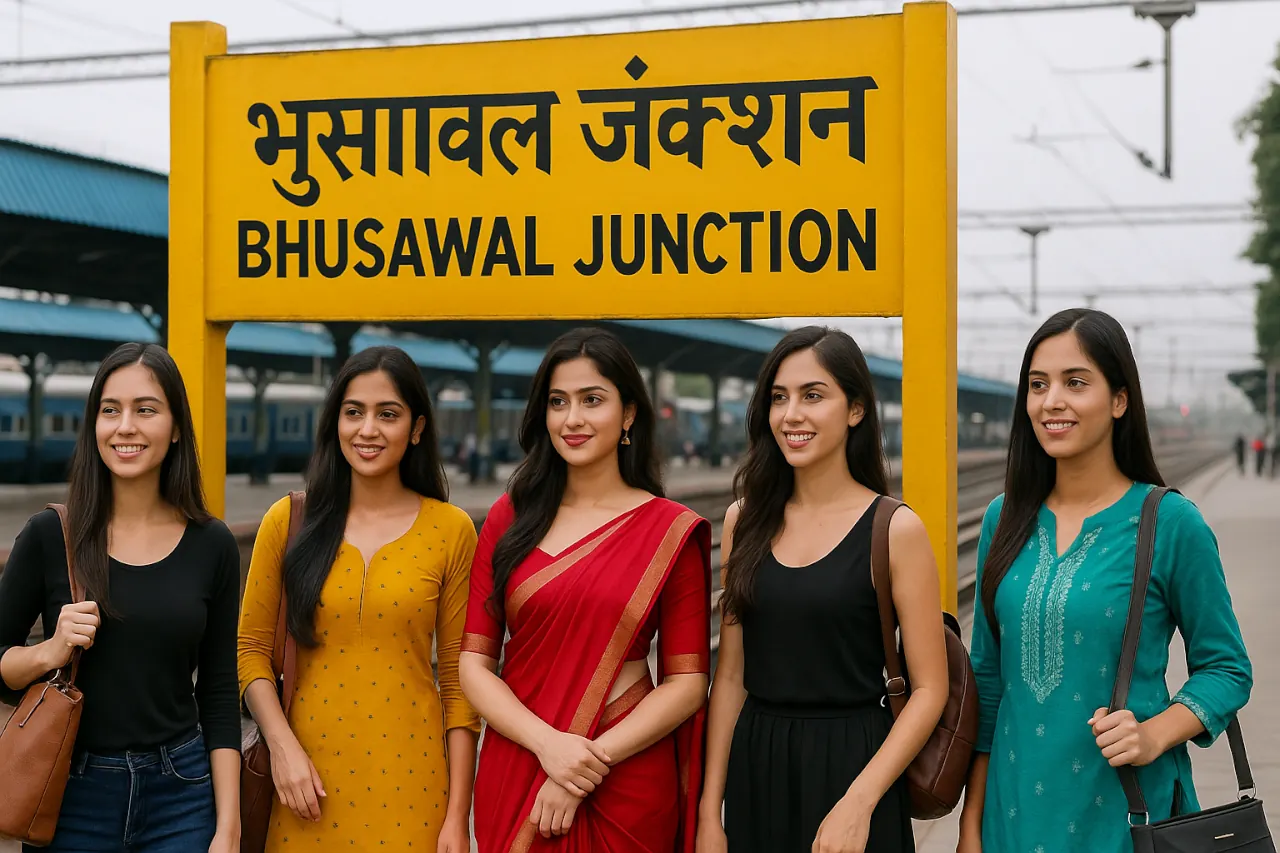
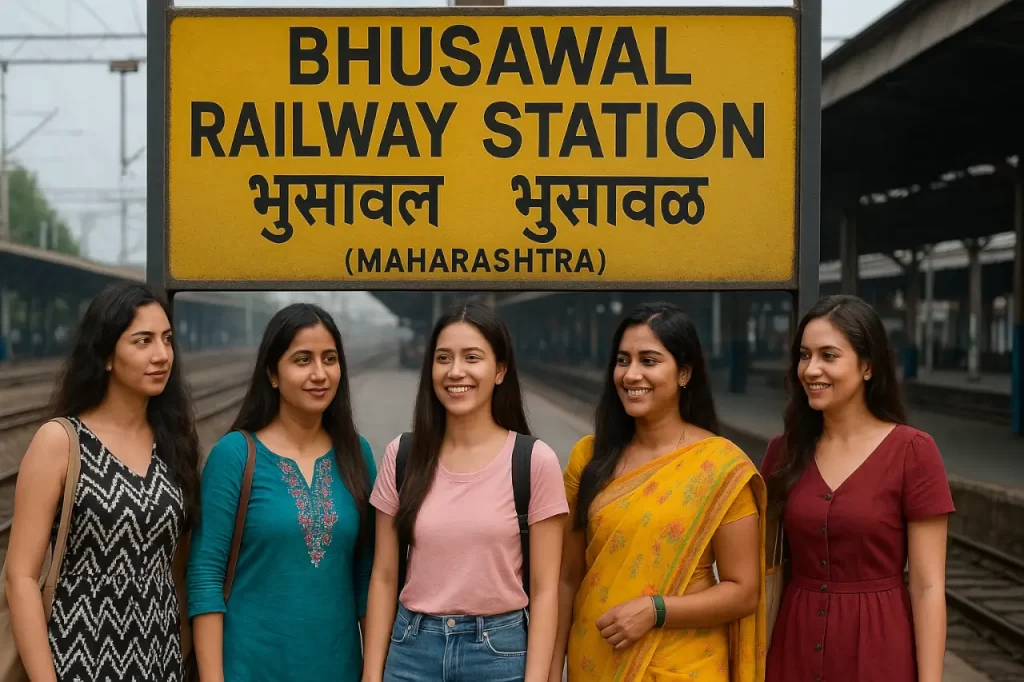
✦ Railway Legacy: Home to Asia’s second-largest Railway yard, Bhusawal Junction is a marvel of British-era engineering.
✦ Agricultural Powerhouse: Produces 40% of Maharashtra’s Bananas and unique White Brinjals.
✦ Cultural Tapestry: A harmonious mix of Hindu (64%), Muslim (24%), and Buddhist (8.7%) communities.
In this guide, we’ll unravel Bhusawal’s layered history, architectural wonders, and travel essentials. Buckle up for a journey through time and terrain!
Bhusawal, Jalgaon District, Maharashtra: A Mosaic of Heritage, Industry, and Agrarian Bounty
🟢 Detailed Introduction
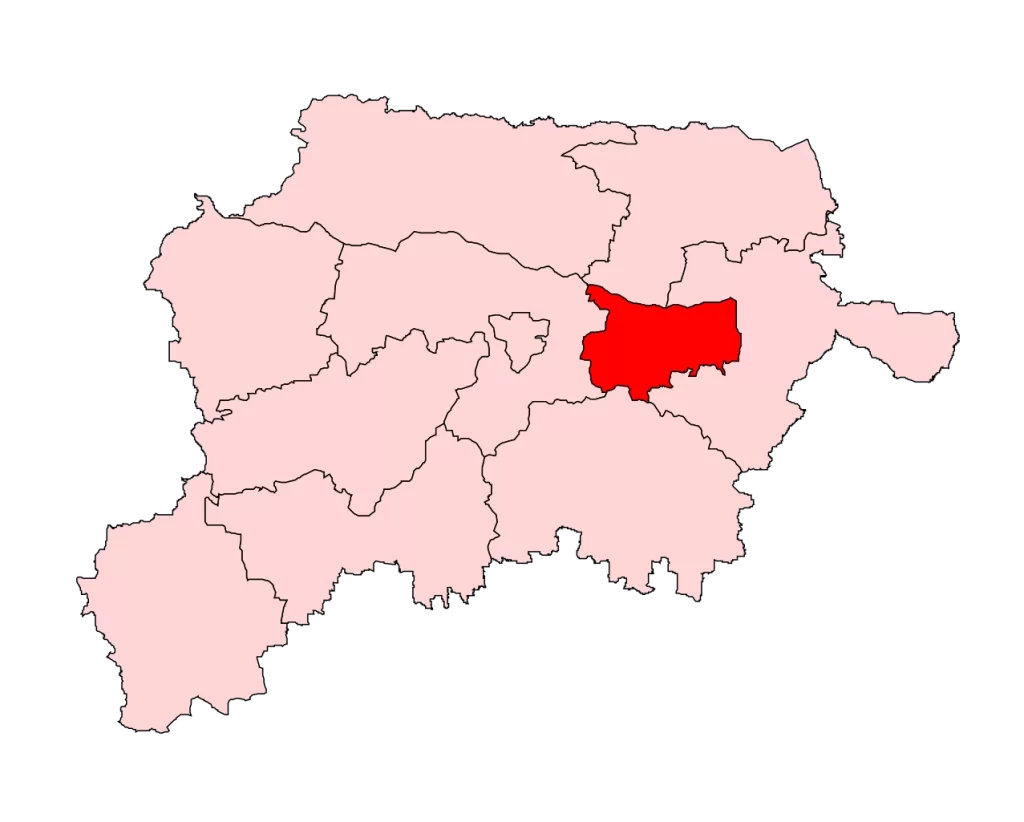
🔘 Geographical Jewel of North Maharashtra
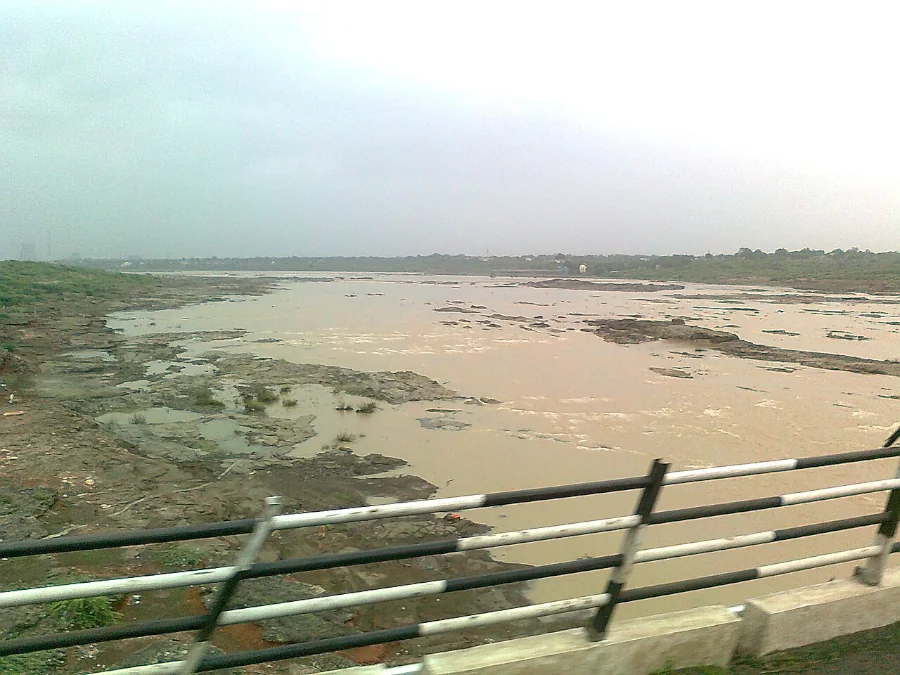
Nestled on the banks of the Tapti River, Bhusawal lies cradled between the Satpura Range and the Ajanta Hills, forming a scenic gateway to the Deccan plateau. Its coordinates (21.05°N, 75.77°E) place it in the heart of Maharashtra’s Khandesh region, a historical corridor for trade and cultural exchange. With an average elevation of 209 meters, the city’s terrain is a mix of fertile alluvial plains and rugged hills, making it a strategic junction for both agriculture and transportation. The Tapti River not only sustains its farmlands but also shapes its identity as a lifeline for communities.
🔘 Historical Tapestry: From British Rails to Modernity
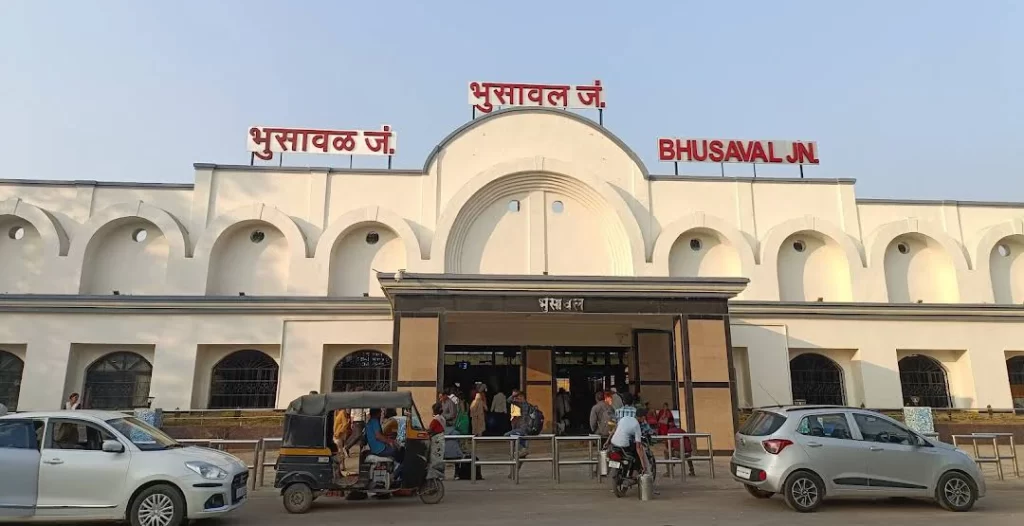
Bhusawal’s rise to prominence began in the 1860s when the British East India Company laid railway tracks here, transforming it into a critical node on the Mumbai-Kolkata route. The iconic Bhusawal Junction, built with red-brick colonial architecture, became the cornerstone of its growth. By 1900, it housed Asia’s second-largest railway yard, a title it still holds.
Post-Independence, the city evolved into a defence and energy hub, with ordnance factories and thermal power plants cementing its industrial clout. A lesser-known historical gem is the Central Railway Ground, where Maharashtra defeated Tamil Nadu in a 1993 Ranji Trophy match, witnessed by cricket legend Krishnamachari Srikkanth.
🔘 Economic Powerhouse: Bananas, Bullets, and Electricity
Bhusawal’s economy thrives on three pillars:
✦ Agriculture: The Jalgaon district produces 40% of Maharashtra’s bananas, with Bhusawal as its epicentre. The city’s White Brinjals (Eggplants) are a culinary novelty, sought after across India.
✦ Industry: The Bhusawal Thermal Power Station generates 1,420 MW, contributing 12% of Maharashtra’s electricity. The Ordnance Factory Bhusawal, established in 1942, supplies critical defence equipment.
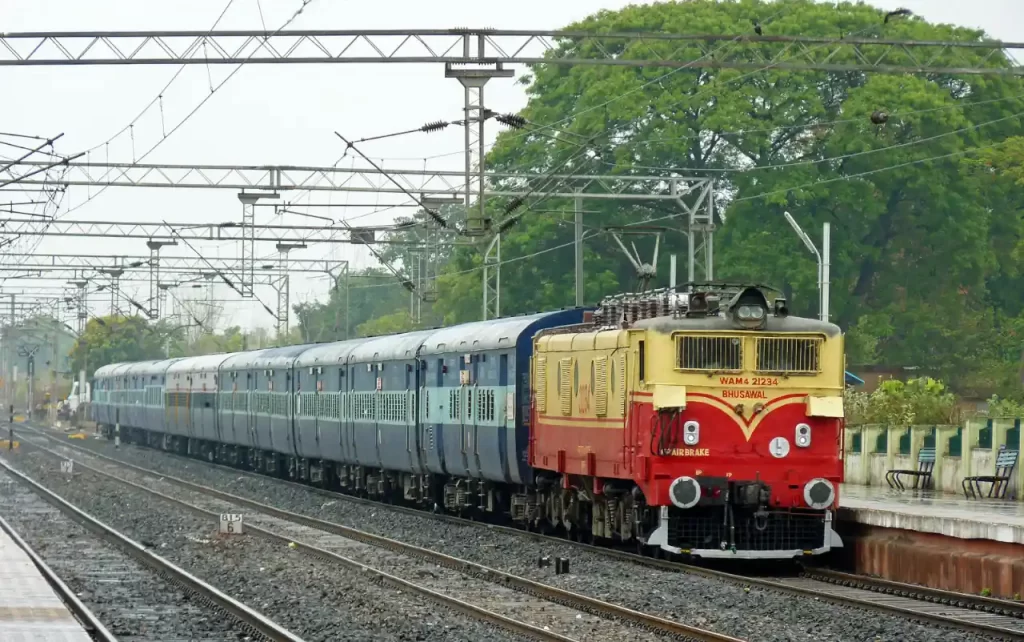
✦ Railways: The railway division employs over 5,000 locals and services 200+ trains daily.
🔘 Cultural Melting Pot: Faiths and Festivals
With 64% Hindus, 24% Muslims, and 8.7% Buddhists, Bhusawal is a model of communal harmony. The Shri Rama Rathotsava sees a grand chariot procession during Kartik month (October–November), while Eid celebrations at Jama Masjid draw devotees from neighbouring towns. The Buddhist community, rooted in the nearby Ajanta Caves’ legacy, celebrates Ambedkar Jayanti with fervour.
🔘 Climate Extremes: Surviving the Scorch
Bhusawal’s climate is marked by extremes:
✦ Summer (March–June): Temperatures soar to 49.8°C (recorded in 2010), making it one of India’s hottest cities. Locals rely on Matkas (Earthen Pots) for cool water.
✦ Monsoon (July–September): The Tapti swells, irrigating cotton and banana plantations. Average rainfall: 700 mm.
✦ Winter (October–February): Mild temperatures (15–28°C) ideal for exploring historical sites.
🔘 Urban Fabric: Narrow Lanes and Bustling Markets
The old city’s labyrinthine lanes, laid during the British era, contrast with newer suburbs like Deepnagar. Ambedkar Nagar Market is a sensory overload, with vendors selling Banana chips, Pithla-Bhakri (Gram Flour Curry with Millet Bread), and handwoven cotton sarees. Traffic congestion is common, but the city’s charm lies in its unhurried pace.
Also Read
Bharat Mata Temple, Daulatabad Fort – A Journey Through History & Spirituality
🔘 Education and Legacy: Nahata College
Established in the 1960s, Nahata College remains the taluka’s premier educational institution. Its sprawling campus, adorned with neem trees, offers arts, science, and commerce programs. Alumni include bureaucrats and entrepreneurs who’ve shaped Maharashtra’s development.
🔘 Gateway to Ajanta and Beyond
Bhusawal’s proximity to UNESCO World Heritage Sites like the Ajanta Caves (63 km) positions it as a tourist base. The Hatnur Dam, 25 km east, offers boating and picnics against a backdrop of the Satpura hills.
🟣 Detailed Section Breakdown
⭕ History & Architecture: From British Rails to Modern Marvels
👉 Timeline:
✦ 1860s: British-built railways transform Bhusawal into a transport hub.
✦ 1993: Historic Ranji Trophy match hosted here, featuring World Cup winner Krishnamachari Srikkanth.
✦ 2025: Thermal power plants contribute 12% of Maharashtra’s electricity.
👉 Architectural Highlights:
✦ Bhusawal Junction: A red-brick colonial relic with sprawling yards.
✦ Nahata College: A 1960s educational landmark.
⭕ Geography & Climate: Surviving the Scorching Summers
✦ Summer (March–May): Temperatures soar to 49.8°C (2010 record).
✦ Monsoon (June–September): 700mm rainfall revitalises cotton fields.
✦ Winter (October–February): Mild (15°C – 16°C), ideal for temple-hopping.
⭕ Economy: Bananas, Bullets, and Power Grids
👉 Key Industries:
✦ Agriculture: Banana exports, cotton, and oil processing.
✦ Defence: Ordnance factories supplying national security.
➤ Local Quote: “Traders from across India come for our Bananas—sweet as Bhusawal’s spirit!” – Rajesh Patil, Farmer.
⭕ Travel Essentials
👉 How to Reach
✦ By Air: Jalgaon Airport (25 km) connects to Mumbai/Delhi.
✦ By Rail: Bhusawal Junction links Mumbai-Kolkata routes.
✦ By Road: NH53 highway; 8-hour drive from Mumbai (435 km).
Note: Distance and travel time may vary. Please check with google maps or local authorities before travelling.
👉 Best Time to Visit
➤ November–February: Pleasant weather (15°C – 28°C) for outdoor activities.
👉 Nearby Attractions
✦ Ajanta Caves (63 km): UNESCO World Heritage Site.
✦ Hatnur Dam: Picnic spot with boating.
⭕ Deep Dive: Culture & Lifestyle
👉 Festivals:
✦ Shri Rama Rathotsava: A Kartik-month chariot festival.
✦ Banana Harvest Fair: Celebrate with local delicacies like Kelyacha Bharit (Mashed Banana Curry).
👉 Handicrafts: Cotton textiles from Jalgaon’s mills.
🟠 Best Places for Refreshments: Authentic Local Food (Granular Details)
🍽 Shree Krishna Bhog (Ambedkar Nagar)
👉 Specialties:
✦ Kelyacha Bharit: Smoked mashed bananas with Garlic and Chili, served with Jowar Roti.
✦ Puran Poli: Sweet flatbread stuffed with lentils and jaggery.
👉 Ambiance: A no-frills eatery with wooden benches. Open 7 AM – 10 PM.
👉 Price: ₹50–150 per plate.
🍽 Shabnam Hotel (Railway Road)
👉 Specialties:
✦ Bhusawali Biryani: Fragrant rice with locally sourced mutton and saffron.
✦ Sheermal: Saffron-infused bread, a Mughal legacy.
✦ Vangya che Bharit: A typical Khandeshi Maharashtrian delicacy made from the famous White Brinjals – a winter speciality of the region.
👉 Ambiance: A 50-year-old establishment with vintage fans and sepia-toned photos.
👉 Must-Try: Rabdi Falooda (₹90) for dessert.
🍽 Ganesh Mithaiwale (Near Bus Stand)
👉 Specialties:
✦ Banana Halwa: Gooey sweet made from ripe bananas and ghee.
✦ Chana Chor Garam: Spicy roasted chickpeas, a street snack.
👉 Tip: Pack their White Brinjal Pickle (₹200/jar) as a souvenir.
🍽 Tapti Riverbank Stalls
👉 Street Food:
✦ Bhutte ka Kees: Grated corn cooked with milk and spices.
✦ Tapti Macchi: Fried river fish marinated in turmeric.
👉 Best Time: Evenings during monsoon (July–September).
🟤 Must Try when in Bhusawal
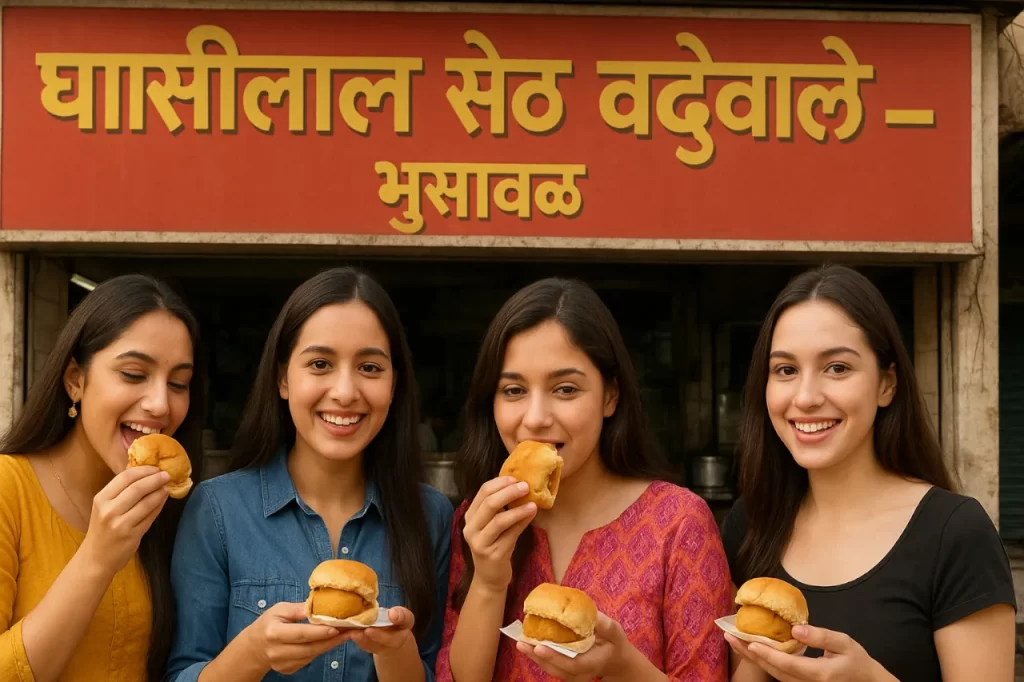
✅︎ Ghasilal Seth Vadewale, Bhusawal: A Culinary Landmark
➤ Overview:
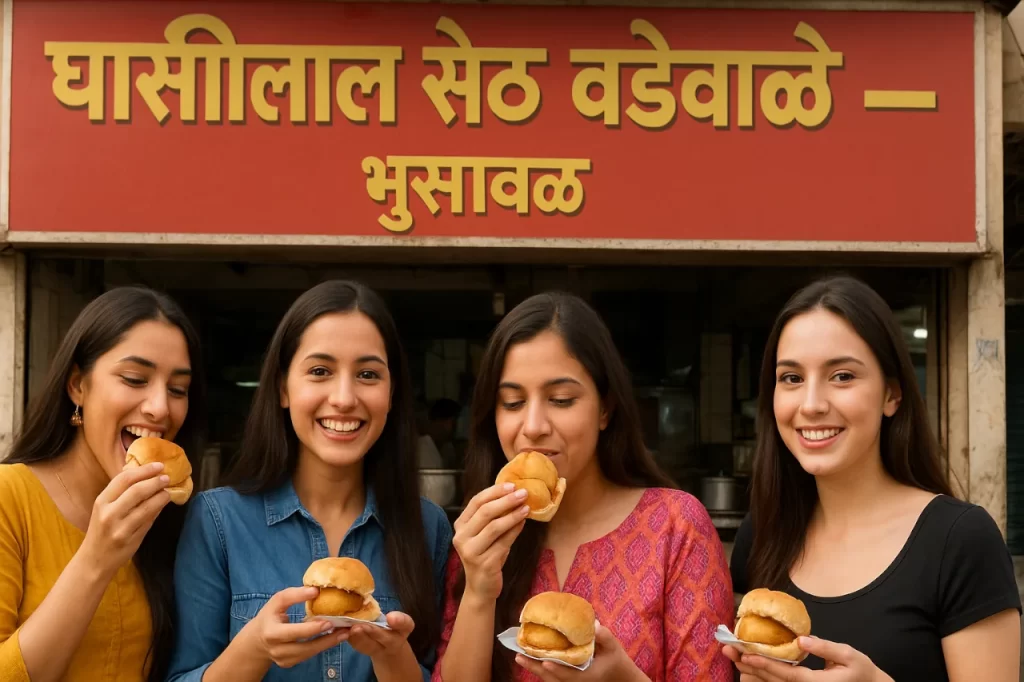
Ghasilal Seth Vadewale is a historic fast-food establishment in Bhusawal, Maharashtra, renowned for its iconic Vada Pav and traditional Maharashtrian snacks. Operating for over 98 years, it has become a cultural staple, with multiple outlets across the city. The eatery is celebrated for its rustic ambiance, affordability, and authentic flavours, drawing locals, travellers, and railway commuters alike. Ghasilal’s Vada is considered as one of the spiciest Vada’s in India.
➤ Key Highlights
➨ Signature Dishes
✦ Vada Pav: A spicy potato dumpling served in a soft Pav (Bread Roll), seasoned with Khandeshi Garam Masala for a distinctive kick. Priced at ₹23–26 per plate.
✦ Masala Bhaji Sev: A crunchy snack mix of fried lentils, peanuts, and chickpea flour, ideal as a topping or standalone snack (₹60 for 250 grams).
✦ Jalebi: Crispy, syrup-soaked spirals made from Maida flour (₹20 for 100 grams).
➨ Locations
✦ Main Outlet: Near Jalgaon Naka, Old Satara Road, Bhusawal.
✦ Branch: Jamner Road, close to Nahata College (1.93 km from Bhusawal Junction railway station).
✦ Opposite Landmark: Agrawal Building Material Suppliers on Old Satara Road.
➨ Operational Details
✦ Timings: 7:00 AM to 7:00 PM daily.
✦ Price Range: Budget-friendly, with most items under ₹100.
👉 Cultural Significance and Reviews
✦ Legacy: Known as one of Bhusawal’s oldest Vada Pav joints, it competes with local favourites like Bandu Vadapaav near Saint Aloysius School.
👉 Customer Feedback:
✦ Praise: Many laud its “spicy and crunchy” Vada Pav and “unique taste,” with some calling it the “world’s best”.
✦ Criticism: A few reviewers note concerns about hygiene and crowded seating during peak hours.
👉 Ambiance: Open-air setup with wooden benches, reflecting a no-frills, traditional vibe.
👉 Why Visit?
Ghasilal Seth Vadewale offers a taste of Bhusawal’s culinary heritage, blending affordability with bold flavours. Whether you’re a railway traveler or a food enthusiast, its Vada Pav is a must-try, embodying the region’s agrarian and cultural roots.
For more details, explore their menu on Zomato or visit their outlets in Bhusawal.
🔵 Best Places to Visit (Granular Details)
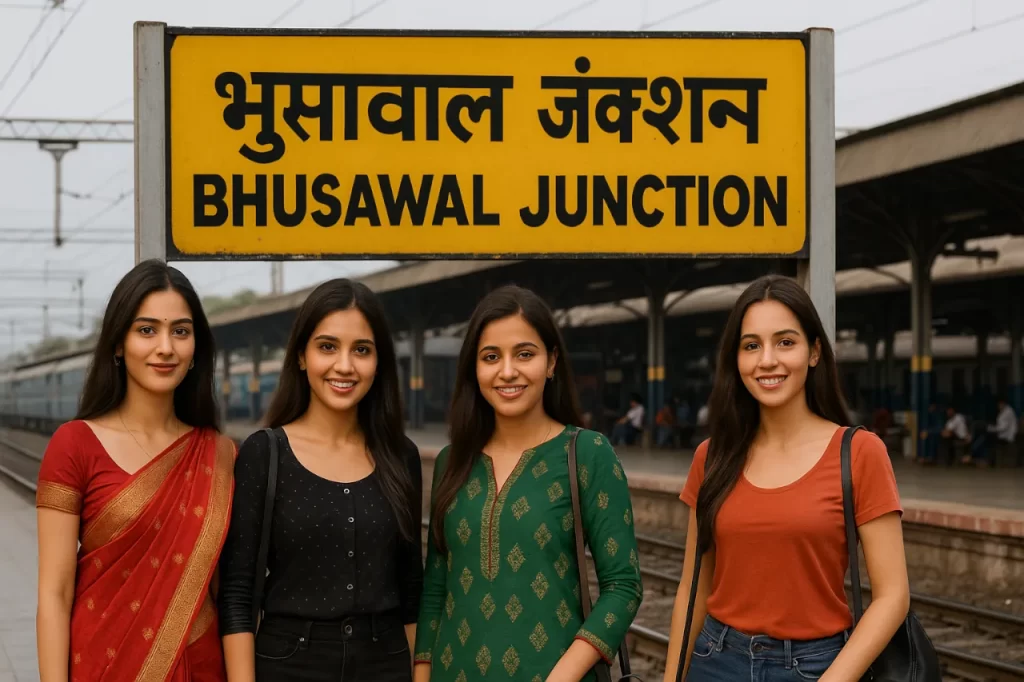
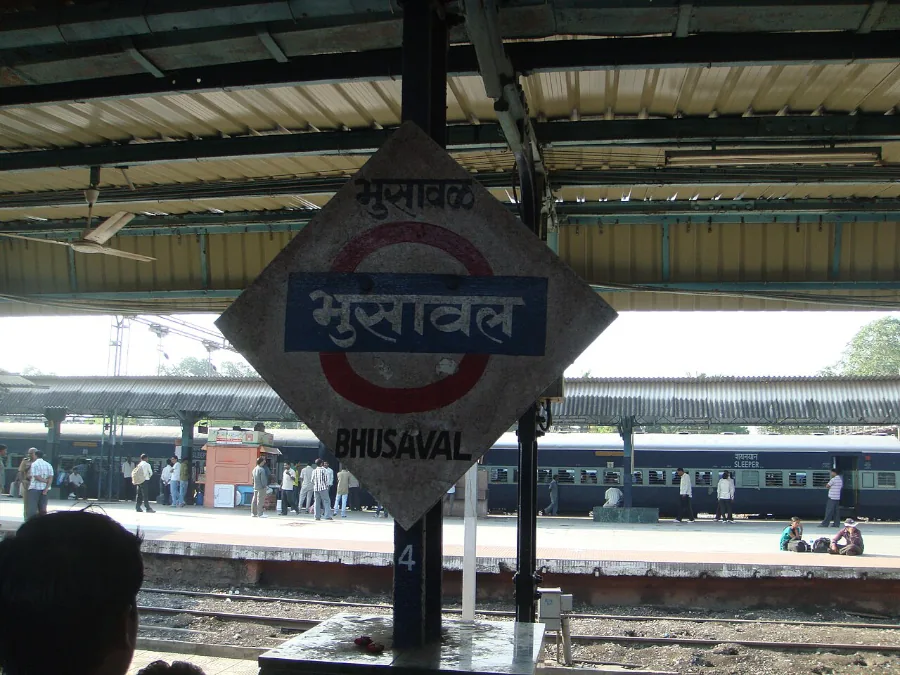
🎯 Bhusawal Junction Railway Station
✦ History: Built in 1860, this red-brick structure features Gothic arches and a clock tower.
✦ Key Fact: The yard spans 72 acres, with 42 tracks handling freight and passenger trains.
✦ Activity: Photograph the vintage WAG-5 & WAG-7 electric locomotives.
🎯 Tapti River Ghats
✦ Experience: Attend the Chhath Puja (Celebrated by a small group of people) at sunrise, where devotees offer prayers to the sun.
✦ Nearby: Rameshwar Temple, a 19th-century shrine with intricate stone carvings.
🎯 Ordnance Factory Museum
✦ Exhibits: Rare World War II – era artillery shells, rifles, and uniforms.
✦ Timing: 10 AM – 5 PM (Closed Sundays). Entry: Free.
🎯 Nahata College Campus
✦ Architecture: Brutalist 1960s buildings shaded by banyan trees.
✦ Hidden Gem: The college library houses 15th-century Marathi manuscripts.
🎯 Central Railway Ground
✦ Cricket Legacy: Visit the pitch where Maharashtra’s SV Jedhe scored a Ranji Trophy century in 1993.
🎯 Hatnur Dam
✦ Activities: Boating, birdwatching (spot migratory pelicans), and trekking trails.
✦ Distance: 25 km from Bhusawal. Best visited October–February.
🎯 Ajanta Caves (63 km)
✦ UNESCO Site: 30 rock-cut Buddhist caves with 2,000-year-old frescoes.
✦ Guided Tours: Available in Marathi, Hindi, and English (₹600 – ₹1000).
⛔ FAQs
What’s unique about Bhusawal’s cuisine?
Try White Brinjal Curry and Banana Halwa at Ambedkar Nagar markets.
Is Bhusawal safe for solo travellers?
Yes! Locals are welcoming, but avoid summer midday heat.
⛔ Conclusion:
Bhusawal is more than a transit point—it’s a narrative of resilience and growth. Whether you’re a history buff, nature lover, or foodie, this city promises unforgettable stories.
⛔ Sources:
✔ Wikipedia – Bhusawal, Jalgaon District Portal, Census India 2011, Britannica.
“Loved this guide? Pin it for your next adventure or share it with fellow travellers!”
⛔ Image Credit
Wikimedia Commons – Bhusaval Jn Entrance
Wikimedia Commons – Bhusawal Junction (2)
Wikimedia Commons – Nagpur – Bhusawal SF Express
Wikimedia Commons – 12-Bhusawal
Wikimedia Commons – Tapi River
For more information, you can visit our website: ExploreXP
Latest Posts
- 4 Steps to Teach English in Vietnam (Complete 2026 Guide)

- The Complete Guide to Living in Ho Chi Minh City, Vietnam
- What Living in Hanoi Is Really Like for Foreigners
- Expat vs Immigrant: What’s the Real Difference?
- 7 Best Places to Live in Mexico Right Now: A Complete Guide
- Best Places to Live in Thailand: A Complete Guide for Expats in 2026