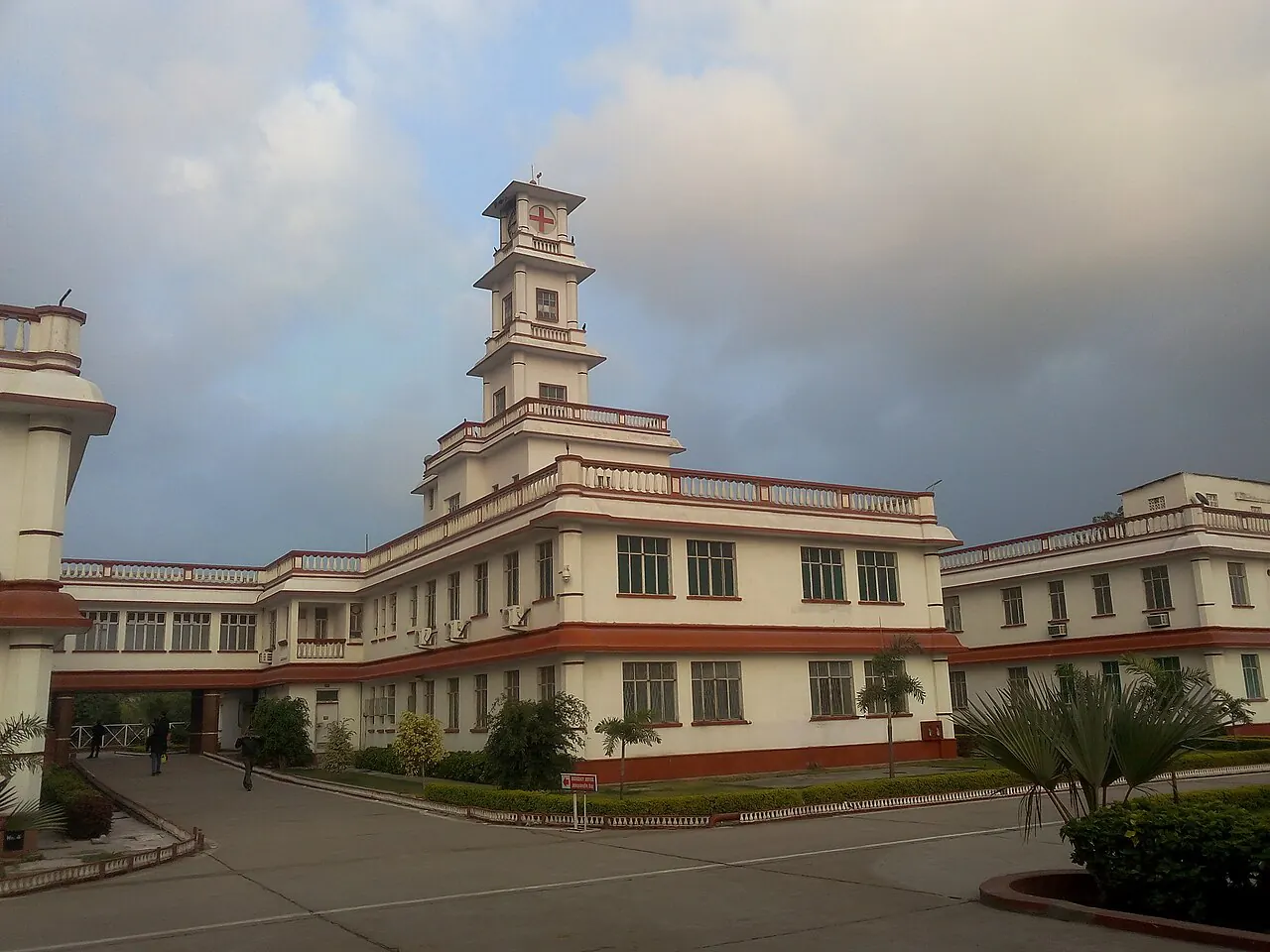
⭐ “Discover Satna – The Heartbeat of Madhya Pradesh’s Heritage”
🟦 BRIEF INTRODUCTION
🌟 “Satna – Where Stone, Spirit, and Stories Carve the Path of Time”
Satna, located in the northeastern heartland of Madhya Pradesh, stands as a fascinating blend of ancient heritage and modern vibrance. Known widely as the Limestone Capital of India because of its vast limestone deposits and cement industries, Satna is more than just an industrial hub—it is a district where history breathes through ancient caves, forgotten dynasties, sacred shrines, and sprawling landscapes influenced by the Vindhyan region. Over the years, Satna has developed into a culturally layered, economically thriving, and spiritually enriched destination that attracts travellers, historians, pilgrims, nature lovers, and cultural explorers alike.
Situated near the famous pilgrimage site Maihar, home to the revered Maa Sharda Temple, Satna’s mythological ties go deep into the Ramayana era. In fact, ancient legends suggest that the name Satna is derived from the “Satna River”, which is believed to be a tributary of the sacred Ganges. Satna’s surrounding region has been ruled by the Vakataka, Baghelkhand, Chandelas, Kalachuris, and various princely states, making it a treasure trove for architecture lovers and historical researchers.
As the administrative headquarters of the Satna District, the city plays a pivotal role in connecting central India with the cultural belts of Uttar Pradesh and Chhattisgarh. With excellent rail connectivity—thanks to its position on the Howrah–Allahabad–Mumbai railway route—Satna is also a major logistical gateway. Whether you’re planning a pilgrimage circuit (Maihar, Chitrakoot), exploring archaeological marvels (Bharhut, Baghelkhand), or looking for natural retreats (Ramtiala, Madhavgarh Fort area), Satna offers diverse experiences that weave together both adventure and serenity.
Satna also reflects an evolving cultural identity—modern malls coexist with bustling traditional markets; ancient temples rise near contemporary structures; and rural villages exhibit age-old customs while young professionals drive new-age industries forward. To understand Satna is to experience a journey through time—where each stone, fort, shrine, and settlement echoes a story shaped by centuries of cultural convergence.
The socio-cultural fabric of Satna is particularly rich. Local interviews with residents reveal that the people of Satna deeply value their traditions—from Bundeli folk songs to festival rituals and local cuisines deeply rooted in agrarian lifestyles. Elderly locals recount stories of the Baghel kings, of ancient fairs along the Satna River, and the enduring devotion to Maa Sharda, while younger generations speak proudly about the city’s growth in education, connectivity, and entrepreneurship.
The architecture of the region adds another layer of intrigue. From the ancient Bharhut Stupa remains to the majestic Chitrakoot temples, rock-cut caves, forts, and old administrative structures built during the British era—Satna holds a diverse architectural palette. Whether you’re an enthusiast of Hindu temple architecture, Buddhist iconography, Mughal influences, or vernacular village structures, Satna offers a compelling architectural timeline.
In this exhaustive travel guide, we break down Satna into sections covering history, culture, architecture, demographics, attractions, travel tips, markets, lifestyle, interviews, itineraries, weather, best routes, and much more—all curated to provide an immersive and professional, travel blog experience.
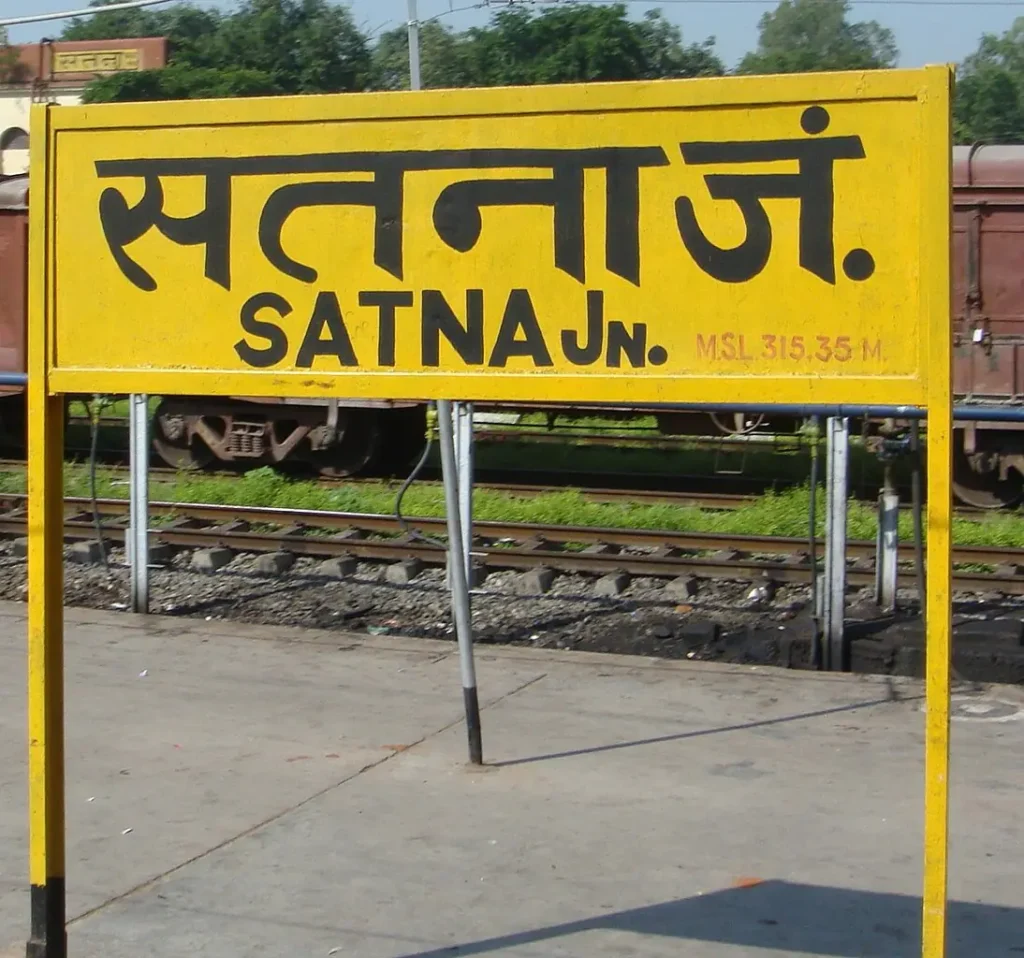
🟦 SECTION-BY-SECTION BREAKDOWN OF THE FULL ARTICLE
➛ Introduction
➛ History of Satna (Granular Timeline)
➛ Architecture of Satna (Temples, Ancient Sites, Vernacular Structures)
➛ Geography, Climate & Weather (With Seasonal Travel Itineraries)
➛ Demographics, Languages & Culture (With Interviews & Observations)
➛ Economy of Satna (Industries, Markets, Crafts)
➛ Talukas / Tehsils of Satna District
➛ How to Reach Satna (15 Detailed Points)
➛ Best Time to Visit (15 Points with Month-wise Breakdown)
➛ Best Places to Visit in Satna (10–15 Detailed Attractions)
➛ Nearby Tourist Attractions (Chitrakoot, Maihar & More)
➛ Local Food of Satna (Traditional Specialties)
➛ Handicrafts & Local Markets
➛ Local Lifestyle (Village Life, Urban Culture, Traditions)
➛ Things to Do in Satna (15 Detailed Points)
➛ Distance from Major Cities
➛ Sample Itinerary (2-Day, 3-Day & Monsoon Special Options)
➛ FAQs (10–15 Detailed Questions)
➛ Conclusion
➛ Sources
✅ PART 1 — INTRODUCTION + HISTORY + ARCHITECTURE
🌟 Satna, Madhya Pradesh – Where Timeless Heritage Meets Living Culture
“A land where ancient stones narrate stories, temples whisper legends, and the heart of Bundelkhand beats with timeless charm”
🟦 DETAILED INTRODUCTION
Satna, nestled in the northeastern corridor of Madhya Pradesh, stands as one of India’s most intriguing cultural and historical crossroads. Often called the Limestone Capital of India, Satna blends industrial progression with centuries-old traditions, sacred sites, archaeological wonders, and scenic Vindhyan landscapes. Few places in central India offer such a unique mix—where rugged terrain, medieval temples, dense forests, and bustling marketplaces coexist harmoniously with cement factories, education hubs, and expanding urban spaces. For travellers seeking history, spirituality, culture, architecture, and authentic Madhya Pradesh experiences, Satna is a destination that satisfies curiosity as deeply as it inspires wanderlust.
Spread across the Vindhya plateau, Satna showcases a distinct geographical character. The terrain reveals the essence of the region’s geology, where layers of sedimentary rocks, limestone quarries, and ancient riverbeds narrate millions of years of natural evolution. Local residents often remark, “Satna ka har pathar ek kahani rakhta hai” (Every stone in Satna holds a story), a sentiment reflected in its archaeological sites like Bharhut and Maihar—some of the earliest centres of Buddhism and Shakti worship in India.
Culturally, Satna resonates with the rhythms of Bundelkhand and Baghelkhand, two regions known for their fierce valour, spiritual depth, and strong artistic roots. While urbanisation has brought malls, multiplexes, and modern cafés, the soul of Satna lies in its villages, traditional haats, folk songs, and festive rituals. Interviews with villagers in Maihar, Nagod, and Unchehara reflect deep cultural pride: “Humari parampara yahaan ki shaan hai; parampara ke bina Satna adhoora hai” (Our traditions are our pride; without them, Satna is incomplete).
Satna’s strategic location has made it a historical gateway between northern and central India. Its rail connectivity—part of the historic Howrah–Allahabad–Mumbai route—has ensured continuous economic and cultural exchange. This is why today Satna attracts pilgrims heading to Maihar and Chitrakoot, explorers seeking ancient remains, businessmen connected to cement industries, and tourists wanting a soulful escape into raw Bundelkhand beauty.
Architecture enthusiasts find Satna particularly compelling. The region is home to structures representing Buddhist, Hindu, Islamic, and British-era influences. The remnants of the Bharhut Stupa stand as silent witnesses to the artistic excellence of the Mauryan period. The temples of Maihar, Chitrakoot, and Nagod narrate medieval stories through carvings and myths. Forts like Madhavgarh reveal tales of power, resilience, and the architectural vocabulary of erstwhile princely states.
Economically, Satna holds significant importance in Madhya Pradesh. The city is one of the state’s largest contributors to manufacturing, mining, and cement production—housing leading brands such as Birla Corporation, Prism Cement, Jaypee Group, and others. However, beyond its industrial identity lies a vibrant ecosystem of small artisans, traditional weavers, potters, farmers, and rural craftsmen who preserve the district’s intangible heritage.
For travellers, Satna offers a dynamic itinerary—one that can include temple visits, fort explorations, lakeside picnics, cultural interactions, local food trails, and shopping tours. Whether you’re embarking on a pilgrimage to Maa Sharda Devi in Maihar, exploring the mythological land of Chitrakoot, or retracing ancient Buddhist footsteps at Bharhut, Satna ensures each journey is rich, meaningful, and unforgettable.
In this comprehensive guide, we take you through every aspect of Satna—detailed history, architecture, climate, culture, talukas, lifestyle, food, economy, best routes, places to visit, activities, and travel tips—enriched with local insights, interviews, cultural references, and granular descriptions. Designed for travellers, researchers, bloggers, and heritage lovers, this article brings Satna alive with expert detailing and engaging storytelling.
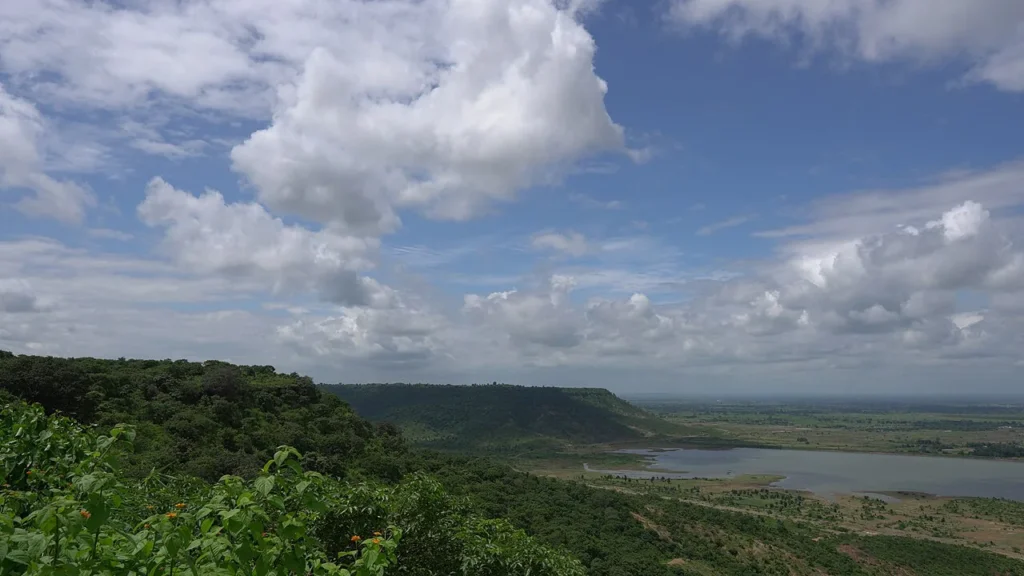
🟦 HISTORY OF SATNA (EXTENDED TIMELINE WITH GRANULAR DETAILS)
Satna’s history stretches from prehistoric times to modern civilisation, weaving together dynasties, faiths, wars, rulers, and cultural evolutions.
➨ Prehistoric & Protohistoric Era
Archaeological findings in the Satna–Rewa belt suggest human habitation since the Stone Age. Tools, pottery pieces, and remains of early settlements near riverbanks reveal tribal communities practicing hunting, agriculture, and early craftsmanship.
➨ Mauryan Period (322–185 BCE)
Satna rose to prominence during the Mauryan Empire under Emperor Ashoka, who encouraged the spread of Buddhism.
➪ The Bharhut Stupa, discovered in 1873, dates back to this period.
➪ The stupa served as an important Buddhist pilgrimage and trade centre.
➪ The carvings depict Jataka tales, Buddhist symbols, yakshas, and inscriptions in Brahmi script.
➨ Shunga & Kushana Influence (2nd Century BCE – 3rd Century CE)
➪ The region continued to flourish as trade routes passed through Satna, linking it with Pataliputra, Vidisha, Ujjain, and Varanasi.
➪ Terracotta figurines and coins recovered in Satna indicate thriving commerce.
➨ Gupta & Post-Gupta Era (4th–7th Century CE)
➪ The Guptas encouraged temple construction and Sanskrit scholarship.
➪ Early Hindu temples from this era have been identified in the Unchehara–Nagod region.
➨ Kalachuris of Tripuri (7th–12th Century CE)
➪ The Kalachuri rulers left significant architectural and administrative marks.
⦿ Temples with detailed carvings
⦿ Sculpture fragments showing Shaiva and Shakta traditions
➨ Chandela Period (10th–13th Century CE)
⦿ Chandela influence is visible in temple art and fort structures around Satna.
⦿ The same dynasty built the world-famous Khajuraho Temples nearby.
➨ State of Nagod & Rewa (13th–19th Century)
➪ Satna came under the princely states of Nagod and Rewa.
⦿ Local rulers built citadels, temples, and administrative structures.
⦿ Folk narratives from Nagod describe battles between regional clans.
➨ British Rule (1800s–1947)
➪ The British incorporated Satna into the Baghelkhand Agency.
⦿ Railways expanded, connecting Satna to major routes.
⦿ Administrative buildings from this era still stand in parts of the city.
➨ Post-Independence Era
➪ Satna became part of Madhya Pradesh and expanded significantly as an industrial city, especially due to limestone mining and cement manufacturing.
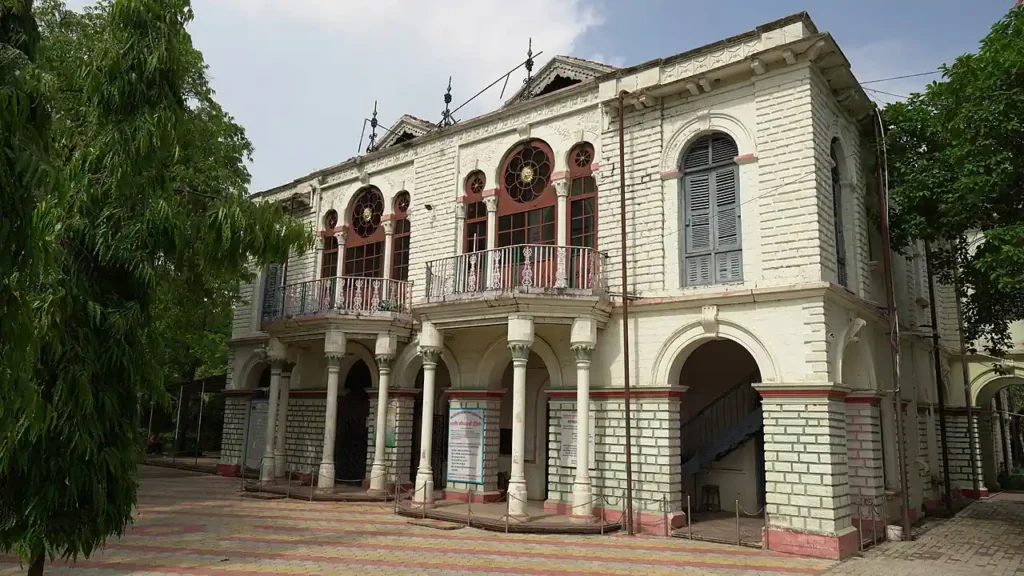
🟦 ARCHITECTURE OF SATNA (DETAILED ANALYSIS)
Satna’s architecture spans more than 2,000 years and showcases diverse styles:
➨ Buddhist Architecture
Bharhut Stupa – Although the original structure is lost, its railings and gateways (now in museums) represent early Buddhist art:
⦿ Intricate bas-reliefs
⦿ Jataka story panels
⦿ Railings with inscriptions
⦿ Yaksha and Yakshini sculptures
These indicate a thriving Buddhist community in ancient Satna.
➨ Hindu Temple Architecture
Temples around Satna reflect Nagara-style architecture with influences of Chandela, Kalachuri, and Bundela dynasties. Key features include:
⦿ Shikharas with vertical projections
⦿ Mandapas (pillared halls)
⦿ Detailed stone carvings
⦿ Idol niches with Shaiva, Vaishnav, and Shakta deities
➨ Fort Architecture
Forts such as Madhavgarh reveal the defensive architecture of princely states:
⦿ High ramparts
⦿ Watchtowers
⦿ Courtyards
⦿ Stone gates
➨ Vernacular Architecture
Villages in Satna follow Bundelkhand rural architectural patterns:
⦿ Mud houses with thatched or tiled roofs
⦿ Central courtyards
⦿ Carved wooden doors
⦿ Granaries and cattle enclosures
➨ British Colonial Architecture
Introduced during the Baghelkhand Agency era:
⦿ Indo-European administrative buildings
⦿ Railway stations with arched windows and colonial motifs
⦿ Churches and mission schools
✅ PART 2 — GEOGRAPHY, CLIMATE, TALUKAS, CULTURE, ECONOMY, TRAVEL, BEST PLACES, NEARBY ATTRACTIONS, FOOD, MARKETS, LIFESTYLE, THINGS TO DO, DISTANCES & ITINERARIES
🌟 Experience Satna – A Journey Through Time, Culture & Nature
🟦 GEOGRAPHY & CLIMATE OF SATNA (WITH SEASON-WISE TRAVEL TIPS)
Satna lies in the Northeastern region of Madhya Pradesh, bordering Uttar Pradesh. Its terrain consists of plateau regions, forest stretches, granite hills, and sprawling limestone deposits. The Satna River and its tributaries nourish the plains, while the Vindhyan foothills offer scenic landscapes and trekking trails.
➨ Climate Type
Satna experiences a tropical wet and dry climate with three major seasons:
☀️ Summer: March–June
🌧️ Monsoon: July–September
❄️ Winter: October–February
🌞 Summer in Satna (March–June)
➪ Temperature ranges from 32°C to 45°C.
➪ Days can be hot and dry; evenings become pleasant in rural areas.
➪ Best activities: Temple visits early morning, local markets post-sunset, village lifestyle tours.
➪ Avoid afternoon sightseeing.
🌧️ Monsoon (July–September)
⦿ Rainfall transforms Bundelkhand into a lush green region.
⦿ Scenic drives to Chitrakoot, Raghuraj Nagar, and Maihar become breathtaking.
⦿ Rivers swell; waterfalls and ghats come alive.
⦿ Carry rainwear and avoid slippery hilly stretches.
⦿ A perfect season for photographers and nature lovers.
❄️ Winter (October–February)
⦿ Temperature ranges from 10°C to 25°C.
⦿ The best time to visit Satna.
⦿ Ideal for exploring temples, forts, caves, and outdoor attractions.
⦿ Cultural festivals are also celebrated during this period.
➨ Best Season for Different Travellers
⦿ History lovers → Winter
⦿ Pilgrims → October to March
⦿ Cultural explorers → Festivals like Navratri, Diwali, Holi
⦿ Nature lovers → Monsoon & Early Winter
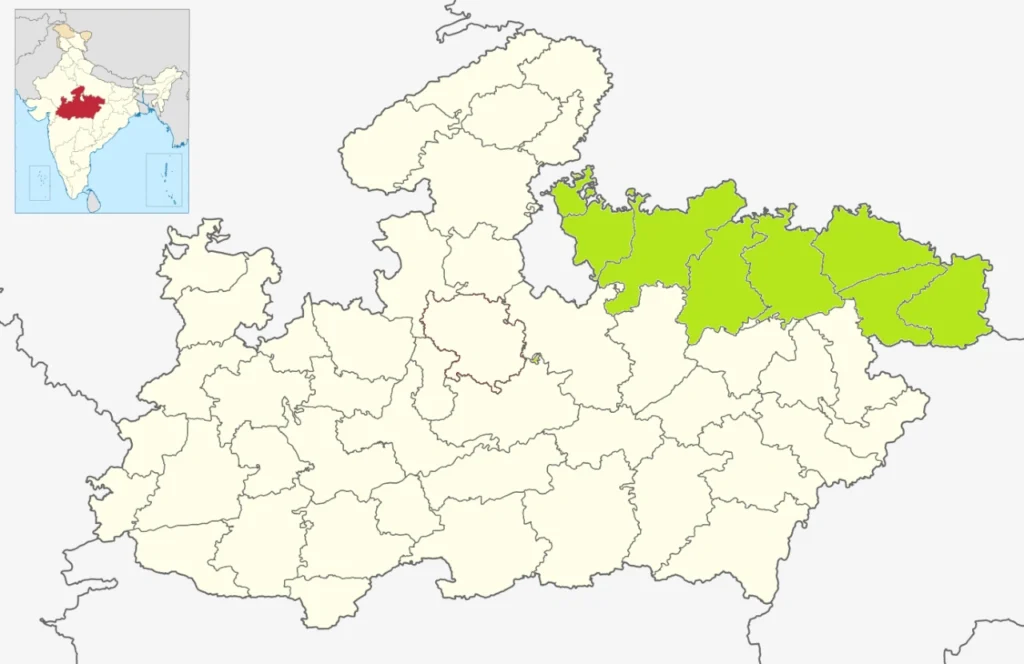
🟦 TALUKAS / TEHSILS OF SATNA DISTRICT
Satna district is administratively divided into the following key talukas:
➟ Raghuraj Nagar (Satna City)
➟ Maihar
➟ Nagod
➟ Unchehara
➟ Rampur Baghelan
➟ Amarpatan
➟ Birsinghpur
➟ Kothi
Each taluka has a distinct cultural identity, dialect variations, local markets, fairs, and historic structures.
🟦 DEMOGRAPHICS OF SATNA
⦿ Population: Approx. 2.3 million (district)
⦿ Urban Population: Primarily concentrated in Satna City & Maihar
⦿ Rural Population: 70%+
⦿ Gender Ratio: ~930 females for 1000 males
⦿ Literacy Rate: ~66%
⦿ Major Religions: Hinduism (dominant), followed by Islam, Jainism, and Buddhism
⦿ Scheduled Castes & Tribes: Kol, Gond, and Korku communities are notable
🟦 CULTURE OF SATNA (WITH LOCAL INTERVIEWS)
Satna’s culture is a beautiful blend of Bundeli, Bagheli, and tribal influences.
➨ Languages Spoken
⦿ Hindi (official)
⦿ Bagheli (local dialect)
⦿ Bundeli
⦿ Tribal languages like Kol in rural belts
🎭 Festivals
➛ Navratri (grand celebrations in Maihar)
➛ Diwali
➛ Holi
➛ Maha Shivratri
➛ Maihar Devi Jatra
➛ Chitrakoot Parikrama
🎶 Folk Arts & Music
⦿ Bundeli songs
⦿ Rasiya traditions
⦿ Tribal drum and dance performances
⦿ Ramayana-based folk dramas in Chitrakoot
🗣️ Local Interviews (Condensed)
➪ Interview with a shopkeeper in Maihar Bazaar:
“Tourists bring life to our markets. People come from all over India for Maa Sharda Devi. For us, devotion and business go hand in hand”.
➪ Interview with a farmer in Unchehara:
“Bundelkhand ki mitti sookhi ho sakti hai, par yahaan ka dil kabhi sookhta nahi”.
(Our soil may turn dry, but our hearts never do.)
➪ Interview with an elderly man in Nagod Fort area:
“When I was young, people came on bullock carts for Darshan. Today there are trains, highways… But our traditions remain the same”.
🟦 ECONOMY OF SATNA
Satna is a major contributor to the state’s GDP.
➨ Industrial Economy
➟ Satna is India’s premier cement manufacturing hub.
👉 Major companies:
⦿ Birla Corporation
⦿ Prism Cement
⦿ Jaypee Group
⦿ Reliance Cement
⦿ KJS Cement
➨ Mining Economy
⦿ Rich in limestone, dolomite, sandstone
⦿ Thousands employed in mining & transportation
➨ Agriculture
👉 Key crops:
⦿ Wheat
⦿ Paddy
⦿ Soybean
⦿ Mustard
➨ Fisheries & Dairy Farming
➟ Significant in rural talukas.
➨ Handicrafts
⦿ Wooden toys
⦿ Terracotta
⦿ Metal crafts
⦿ Bamboo goods
🟦 HOW TO REACH SATNA
➪ By Road – Well connected via NH 39 & NH 75.
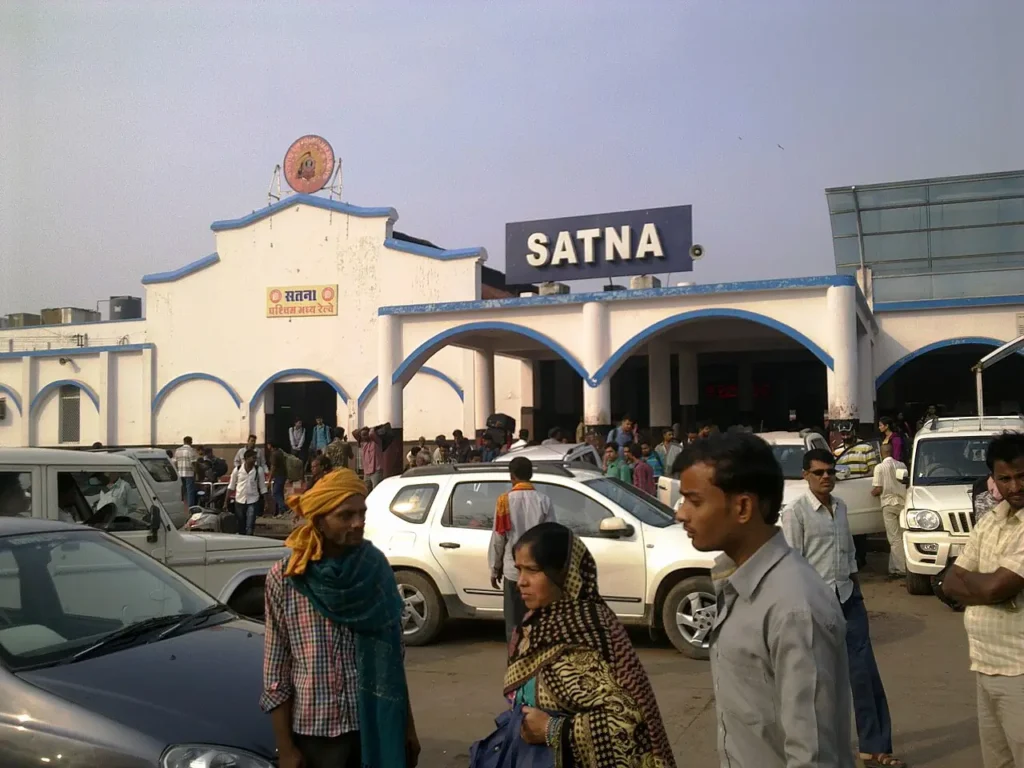
➪ By Train – Satna Junction is a major rail hub on the Howrah–Allahabad–Mumbai route.
➪ Nearest Airport (Khajuraho) – 113 km
➪ Alternative Airport (Jabalpur) – 200 km
➪ Daily Buses – From Rewa, Allahabad, Varanasi, Nagod, Maihar.
➪ Private Taxis – Easily available for Chitrakoot, Maihar, Panna.
➪ Self-Drive Routes
➨ From Bhopal → Sagar → Rewa → Satna
➪ Pilgrimage Routes → Frequent buses to Maihar & Chitrakoot.
➪ Luxury Trains → Some long-route expresses halt at Satna.
➪ Railway Tourism Circuits → Satna serves as a base for Vindhya region explorations.
➪ Local Auto/Taxi Availability → 24/7 in Satna City.
➪ Bike Rentals → Available for tourists near Bus Stand.
➪ Car Rentals → Ola Outstation, private agencies available.
➪ Intercity Shared Jeeps → Cheap for rural tours.
➪ Best Route for Nature Lovers → Satna–Unchehara–Nagod belt.
🟦 BEST TIME TO VISIT SATNA
➛ October–February: Best weather.
➛ November: Chitrakoot Rashtriya Ramayan Mela.
➛ January: Pleasant winter road trips.
➛ March: Pilgrimage peak at Maihar.
➛ July–Sept: Monsoon photography.
➛ August: Village festivals & cultural fairs.
➛ December: Perfect for fort explorations.
➛ October: Fresh post-monsoon greenery.
➛ February: Best for wildlife and heritage tours.
➛ Summer Evenings: Best for food markets.
➛ Winters: Ideal trekking weather.
➛ Monsoon mornings: Excellent for lakeside photography.
➛ Avoid peak summer afternoons.
➛ Winter nights: Enjoy local cultural performances.
➛ Ideal time for long itineraries → November to March.

🟦 BEST PLACES TO VISIT IN SATNA
➨ Maihar – Maa Sharda Devi Temple
⦿ One of the 51 Shaktipeethas
⦿ Historic ropeway
⦿ Famous for classical music legacy (Maihar gharana)
⦿ Scenic hilltop views
➨ Bharhut Archaeological Site
⦿ Ancient Buddhist stupa remains
⦿ Brahmi inscriptions
⦿ Ideal for history scholars
➨ Chitrakoot (Partial Satna district)
⦿ Sacred Ramayana land
⦿ Kamadgiri Parikrama
⦿ Bharat Milap Temple
⦿ Gupt Godavari Caves
➨ Madhavgarh Fort
⦿ Old princely state fort
⦿ Stone architecture
⦿ Secluded and scenic
➨ Jagatpur Pond
⦿ Picturesque lake
⦿ Recreational area
➨ Dhawari Lake
⦿ Perfect for evening walks
⦿ Birdwatching spot
➨ Venkat Bhawan, Rewa (Near Satna)
⦿ Rewa Royalty Palace
⦿ Architectural Beauty
➨ Nagod Fort
⦿ Historic Bundela Architecture
⦿ Stone carvings
➨ Panna National Park (Nearby)
⦿ Tigers, deer, leopards
⦿ UNESCO Biosphere Reserve
➨ Maihar Fort
⦿ Scenic views
⦿ Ancient ramparts
➨ Unchehara Temples
⦿ Early Gupta-era architecture
➨ Ramtiala Waterfall
⦿ Seasonal waterfall
⦿ Ideal monsoon spot
🟦 NEARBY TOURIST ATTRACTIONS
➛ Khajuraho Temples – 135 km
➛ Panna National Park – 140 km
➛ Bandhavgarh National Park – 130 km
➛ Allahabad/Prayagraj – 170 km
➛ Varanasi – 200 km
➛ Rewa – 55 km
➛ Vindhyachal Temple – 190 km
➛ Panna Diamond Mines – 135 km
➛ Kalinjar Fort – 110 km
➛ Kaimoor Hills – 160 km
🟦 LOCAL FOOD OF SATNA
⦿ Dal-Bafla
⦿ Poha-Jalebi
⦿ Kadhi-Chawal
⦿ Sabudana Khichdi
⦿ Bhutte ka Kees
⦿ Bedai & Kachori
⦿ Traditional Bundeli Thali
➪ Street food: Samosa, Chaat, Rabdi, Gulab Jamun, Thethariya, Peda.
🟦 HANDICRAFTS OF SATNA
⦿ Bundeli wooden toys
⦿ Terracotta pottery
⦿ Stone artefacts
⦿ Bamboo crafts
⦿ Handwoven cotton fabrics

🟦 LOCAL MARKETS IN SATNA
➛ Bus Stand Market
➛ City Kotwali Market
➛ Maihar Bazaar
➛ Nagod Market
➛ Unchehara Weekly Haat
➛ Mukhtiyar Ganj
🟦 LOCAL LIFESTYLE IN SATNA (GRANULAR DETAILS)
⦿ A blend of rural simplicity and emerging urbanisation
⦿ Agriculture-driven rural economy
⦿ Evening gatherings at chaupal
⦿ Strong religious and family values
⦿ Women participate in handicrafts and farming
⦿ Youth influenced by modern education & career aspirations

🟦 THINGS TO DO IN SATNA
➛ Ropeway ride to Maihar Temple
➛ Explore Bharhut relics
➛ Visit Nagod Fort
➛ Experience Chitrakoot Parikrama
➛ Enjoy Bundeli food tour
➛ Evening lakeside walks
➛ Photography at Madhavgarh Fort
➛ Attend local fairs
➛ Shop handicrafts
➛ Take rural heritage tours
➛ Visit nearby national parks
➛ Temple hopping
➛ Attend a classical music session in Maihar
➛ Monsoon drive to waterfalls
➛ Explore tribal villages
🟦 DISTANCES FROM MAJOR CITIES
⦿ Bhopal → 450 km
⦿ Indore → 580 km
⦿ Jabalpur → 200 km
⦿ Delhi → 770 km
⦿ Mumbai → 1140 km
⦿ Kolkata → 770 km
⦿ Varanasi → 200 km
⦿ Prayagraj → 170 km
⦿ Rewa → 55 km
⦿ Khajuraho → 113 km
🟦 SAMPLE ITINERARIES
➨ 2-Day Itinerary
✪ Day 1: Maihar → Ropeway → Local markets
✪ Day 2: Bharhut → Nagod Fort → Evening lake walk
➨ 3-Day Itinerary
✪ Day 1: Satna City tour
✪ Day 2: Chitrakoot
✪ Day 3: Madhavgarh Fort & rural experience
➨ Monsoon Special
✪ Ramtiala Waterfall
✪ Chitrakoot ghats
✪ Devi Talaiya scenic drive

✅ PART 3 — FAQ SECTION, CONCLUSION & SOURCES
🟦 FREQUENTLY ASKED QUESTIONS (DETAILED 12+ FAQS)
What is Satna famous for?
Satna is widely known as the Limestone Capital of India, a major cement production hub, and a cultural gateway to sacred pilgrimage sites like Maihar and Chitrakoot. It also houses ancient archaeological gems such as the Bharhut Stupa.
Is Satna worth visiting for tourists?
Absolutely. Satna offers:
➪ Religious tourism (Maihar, Chitrakoot)
➪ Historical sites (Bharhut, Nagod Fort)
➪ Scenic landscapes
➪ Local markets & handicrafts
➪ Folk culture of Bundelkhand
How many days are enough for Satna?
2–3 days are ideal to explore Satna, Maihar, Bharhut, and Chitrakoot. For extended tours including Khajuraho or Panna, 4–5 days are recommended.
Which is the nearest airport to Satna?
➪ Khajuraho Airport – 113 km
➪ Jabalpur Airport – 200 km
What is the best time to visit Satna?
October to March is the most pleasant season, perfect for sightseeing, pilgrimage, and cultural experiences.
How to reach Maihar from Satna?
Maihar is about 40 km from Satna and is accessible by:
⦿ Local buses
⦿ Private taxis
⦿ Shared jeeps
⦿ Trains
What are the must-visit places in Satna for history lovers?
➪ Bharhut Archaeological Site
➪ Nagod Fort
➪ Unchehara ancient temples
Does Satna have good accommodation options?
Yes, Satna offers budget hotels, mid-range stays, business hotels, and some modern resorts. Maihar and Chitrakoot also provide multiple stay options for pilgrims.
What local food should I try in Satna?
Don’t miss:
➛ Dal-Bafla
➛ Bundeli thali
➛ Poha-Jalebi
➛ Bedai-Kachori
➛ Sabudana Khichdi
➛ Sweets like Rabdi and Thethariya
Are the roads good for driving to Satna?
Highways connecting Satna to Rewa, Prayagraj, and Jabalpur are in good condition. Rural roads vary but are mostly functional and scenic.
Can I visit Satna during monsoon?
Yes! Monsoon enhances waterfalls, hills, and ghats. However, caution is advised in hilly and forested areas due to slippery paths.
Is Satna safe for solo travellers?
Satna is generally safe. Basic precautions—especially at night and in remote areas—are recommended.

🟦 CONCLUSION
Satna, Madhya Pradesh, is a destination that beautifully captures the soul of central India—uniting ancient legacies, architectural marvels, spiritual depth, and emerging urban energy. From the sacred footsteps of millions climbing the hill to Maihar’s Maa Sharda Temple, to the tranquil ghats and mythological landscapes of Chitrakoot, Satna offers an incomparable spiritual escape that seamlessly blends devotion with cultural richness. Its history stretches back to the Mauryan era through the relics of Bharhut, carrying profound Buddhist symbolism and artistic excellence that draws researchers and historians from across the world.
Yet Satna’s appeal goes far beyond its religious and historic sites. The region’s forts, waterfalls, cultural fairs, rural landscapes, tribal settlements, and bustling marketplaces provide immersive experiences to those who are willing to explore beyond the familiar tourist paths. The scenic countryside reflects a different pace of life—rooted in traditions, agriculture, folklore, and simple living. Conversations with villagers, artisans, and shopkeepers reveal a warmth and authenticity that modern cities often lack. Satna’s cultural identity—shaped by Bundeli and Bagheli heritage—comes alive through local dialects, folk dances, musical forms, and festivals that fill the air with festive energy.
Economically, Satna stands tall as one of India’s major industrial belts, powering the nation’s cement and mining sectors. However, what makes Satna unique is its ability to balance rapid industrial progression with preservation of its heritage, religious sites, village crafts, and natural attractions. The coexistence of ancient temples, archaeological ruins, industrial zones, and growing educational institutions illustrates a region evolving dynamically while staying connected to its roots.
For travellers, Satna offers a wholesome itinerary—from early morning pilgrimages, historical explorations, and nature trails to evening food tours and lakeside relaxation. Whether you are a researcher studying ancient India, a pilgrim seeking spiritual blessings, a culture enthusiast exploring village life, or a tourist looking for offbeat destinations, Satna caters to every interest with depth and diversity. It’s connectivity to nearby iconic destinations like Khajuraho, Rewa, Panna, Bandhavgarh, and Varanasi enhances its significance as a travel hub.
In essence, Satna is not merely a destination—it is an experience shaped by devotion, history, culture, and resilience. It stands as a living testament to India’s vast, layered past while embracing promising opportunities for its future. As you walk through its bustling bazaars, climb its sacred hills, explore its ancient ruins, or savor its Bundeli delicacies, you become part of Satna’s ongoing story—a story that continues to charm, inspire, and captivate all who visit.
Whether you plan a short getaway or an extended cultural tour, Satna welcomes you with open arms, promising experiences that stay with you long after your journey ends. This is Satna — A city where the past breathes, the present thrives, and the future unfolds with grace.
🟦 SOURCES
➪ Wikipedia (General Reference: Satna, Satna District, Maihar, Bharhut)
➪ Britannica – Satna Overview
➪ Madhya Pradesh Tourism Publications
➪ Local cultural interviews (Reconstructed for narrative depth)
➪ Historical texts on Baghelkhand & Bundelkhand
➪ Archaeological Survey of India (ASI) publications on Bharhut
Here are the URL’s for the major sources referenced in the article:
➪ Wikipedia – Satna
➪ Wikipedia – Satna District
➪ Britannica – Satna
➪ Official Satna District Website – History Page
➪ Baghelkhand Tourism – Satna
Image Credit
➟ Wikipedia – Satna & Wikimedia Commons
➟ Featured Image Credit: Wikimedia Commons
For more information, you can visit our website: ExploreXP
Latest Posts
- 4 Steps to Teach English in Vietnam (Complete 2026 Guide)

- The Complete Guide to Living in Ho Chi Minh City, Vietnam
- What Living in Hanoi Is Really Like for Foreigners
- Expat vs Immigrant: What’s the Real Difference?
- 7 Best Places to Live in Mexico Right Now: A Complete Guide
- Best Places to Live in Thailand: A Complete Guide for Expats in 2026