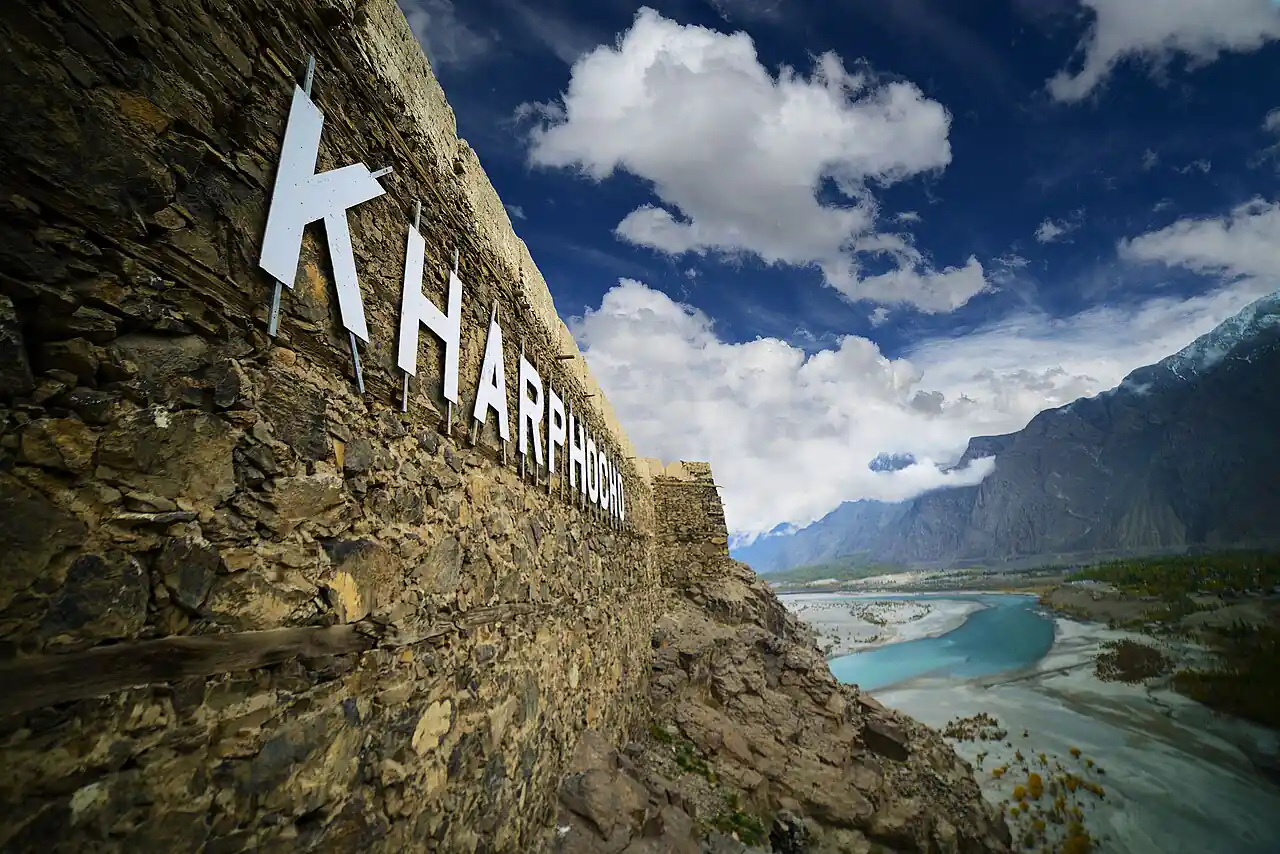
Skardu, the gateway to the Karakoram Range, is not only a scenic wonder but also a cultural mosaic shaped by centuries of history, trade, and migration. The city and its surrounding districts are home to a diverse population, with multiple ethnic groups, languages, and unique social practices. Understanding the demographic and sociocultural composition of Skardu helps travellers, researchers, and policymakers appreciate its complex social fabric. 🌄
👥 Population Overview
➪ Skardu district has an estimated population of over 200,000 people, with the city itself accounting for approximately 50,000–60,000 residents.
➪ The population density is relatively low due to the mountainous terrain and high-altitude climate, which limits agricultural land and urban expansion.
➪ The median age is estimated around 25–28 years, indicating a youthful population, with a significant portion engaged in tourism, trade, and agriculture.
🏔️ Ethnic Composition / Casts
Skardu’s population consists of several ethnic groups, often referred to locally as “castes” or tribal lineages. The major groups include:
➪ Balti People – The largest ethnic group, descendants of Tibetan and Central Asian ancestry, predominantly Shia Muslim.
➪ Shina-speaking Communities – Found mainly in surrounding valleys; traditionally agriculturists and herders.
➪ Burusho and Wakhi Minorities – Present in certain high-altitude regions; known for unique languages and cultural practices.
➪ Khaplu / Skardu Nobility Lineages – Historical families descended from former rulers, playing a cultural and administrative role historically.
These groups maintain distinct cultural traditions, dress, and social norms, contributing to Skardu’s rich cultural diversity. 👘 🏔️
Also Read
Skardu, Gilgit-Baltistan, Pakistan – “Gateway to the Roof of the World”
Detailed Historical Facts, and Timeline of Skardu, Gilgit–Baltistan, Pakistan
Explore the Architectural Marvels in Skardu, Gilgit–Baltistan, Pakistan
How to Reach Skardu, Gilgit–Baltistan, Pakistan – A Complete Travel Guide with Granular Details
Best Time to Visit & Where to Stay in Skardu along with Its Cultural Festivals and Traditions – A Complete Guide with Local Insights
Best Places to Visit in and near Skardu, Gilgit–Baltistan, Pakistan
Best Places for Refreshments & Authentic Local Food in Skardu, Gilgit–Baltistan, Pakistan
Climatic Conditions in Skardu, Gilgit–Baltistan, Pakistan
🗣️ Languages Spoken in Skardu
➪ Balti: The primary language of the region, a Tibetan-derived language written in Perso-Arabic script, widely used in daily communication and cultural ceremonies.
➪ Shina: Spoken in rural areas and valleys; it belongs to the Dardic group of Indo-Aryan languages.
➪ Urdu: The national language of Pakistan, widely understood in schools, administration, and urban areas.
➪ English: Used in education, tourism, and official documents, particularly by younger populations and professionals.
➪ Minor dialects include Burushaski and Wakhi, spoken by smaller communities, especially in remote mountainous valleys.
Travel Tip: Learning basic Balti or Urdu phrases can significantly enhance cultural interaction with locals. 📚
🕌 Religious Composition & Practices
➪ Skardu’s population is predominantly Muslim, with the majority being Twelver Shia, followed by Noorbakhshi sect adherents in rural areas.
➪ Sunni Muslims form a smaller minority, particularly in certain villages near Shigar and Khaplu.
➪ Religious life plays a central role, with mosques, shrines, and prayer rituals influencing daily schedules, festivals, and community cohesion.
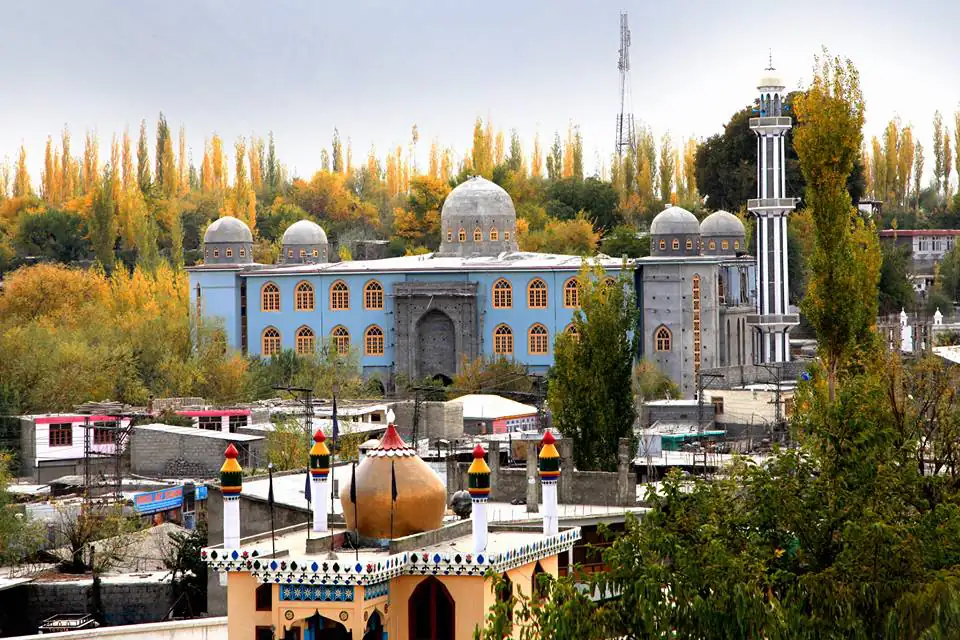
➪ Notable mosques include Skardu Central Mosque, Kharpocho Mosque, and small neighbourhood mosques for daily prayers.
👪 Family Structure & Social Organisation
➪ Skardu’s communities largely follow extended family systems, with multiple generations often living under one roof in rural areas.
➪ Village councils and local elders (Jirgas) historically played a role in dispute resolution, land management, and communal decision-making.
➪ Urban Skardu has a mix of nuclear families and joint families, reflecting modernisation while retaining traditional norms.
📖 Education & Literacy Levels
➪ Literacy in Skardu is estimated at 50–60%, with urban areas having higher rates due to better access to schools.
➪ Key institutions include Karimabad Higher Secondary Schools, Skardu Degree College, and numerous private schools.
➪ Education is increasingly bilingual, with Urdu and English taught alongside native Balti or Shina for younger students.
➪ Tourism-related education, such as mountain guiding, hospitality training, and trekking safety, has grown in recent years.
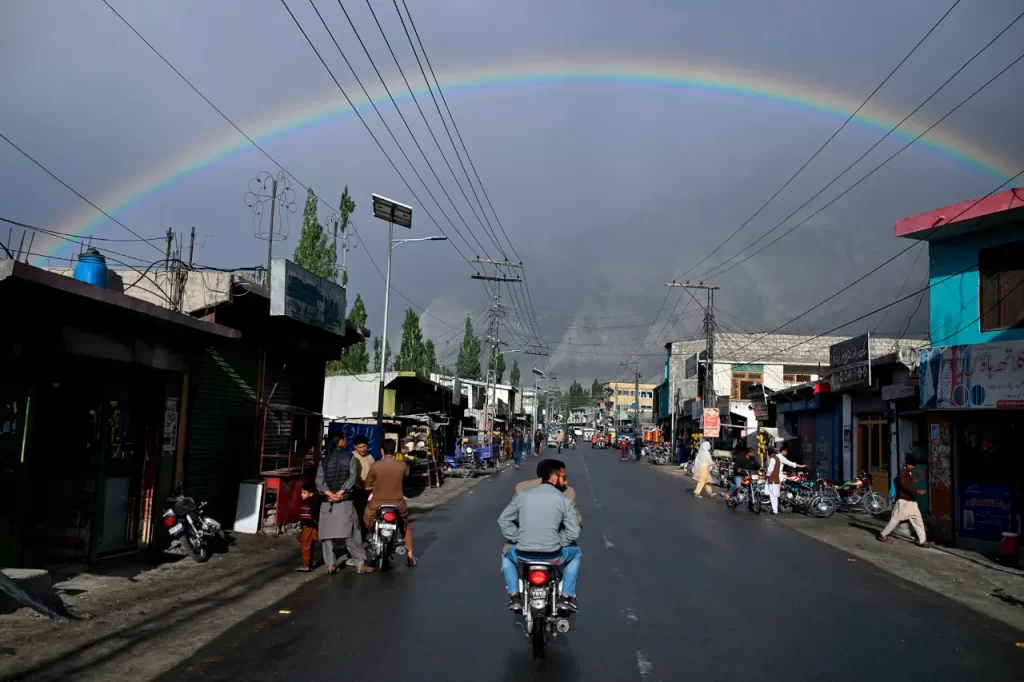
💼 Occupational & Economic Demographics
The primary occupations are:
➪ Agriculture – Barley, potatoes, apricots, and wheat cultivation in valleys.
➪ Tourism – Guesthouses, trekking guides, and hospitality services.
➪ Handicrafts – Traditional Balti wool products, apricot-based food items, and embroidered clothing.
➪ Public Services – Administration, education, and healthcare in Skardu city.
➪ Trade & Small Businesses – Bazaar-based commerce including local markets and street vendors.
Seasonal employment is common, with tourism surges in summer months providing supplemental income.
🌿 Cultural Practices & Lifestyle
➪ Locals maintain traditional Balti dress, with women often wearing colourful aprons, embroidered jackets, and scarves, and men donning woollen robes for warmth.
➪ Festivals and weddings are communal events, often featuring music, local dances, and apricot-based cuisines.
➪ Daily life revolves around agriculture, trade, and religious practices, with strong emphasis on hospitality for guests and travellers.
➪ Handicrafts, particularly pashmina shawls, embroidered caps, and carpets, reflect centuries-old artistry.
🏘️ Urban vs Rural Demographics
➪ Urban Skardu: Higher literacy, access to healthcare, modern housing, and better connectivity.
➪ Rural Valleys: More traditional lifestyles, reliance on agriculture and livestock, and preservation of native languages and customs.
➪ Migration patterns show youth moving to urban centres for education, employment, and tourism-related jobs.
📊 Demographic Challenges & Development Indicators
➪ Healthcare access in remote villages is limited, relying on local clinics and seasonal medical camps.
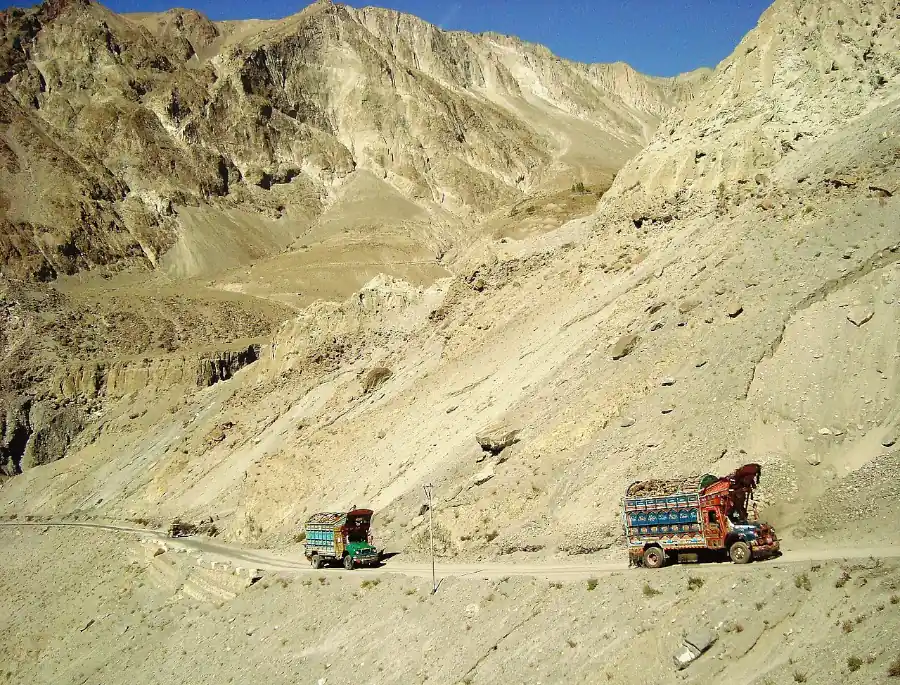
➪ Infrastructure improvements, particularly roads and electricity, are ongoing but challenged by mountainous terrain.
➪ Population growth is moderate, with youth migration influencing social dynamics and urban planning.
➪ Government initiatives aim to promote literacy, healthcare, and sustainable tourism, balancing development with cultural preservation.
✅ Summary
Skardu’s sociodemographic profile reflects a blend of ancient Balti traditions, tribal influences, and modern urban development. With multiple ethnicities, languages, and religious practices, the region offers a rich cultural tapestry that complements its natural beauty. Understanding this diversity is essential for travellers, researchers, and policy planners, ensuring culturally respectful engagement and immersive experiences in Skardu. 🏞️ 🕌 🗣️
🏔️ Detailed Local Lifestyle of the People of Skardu, Gilgit–Baltistan, Pakistan
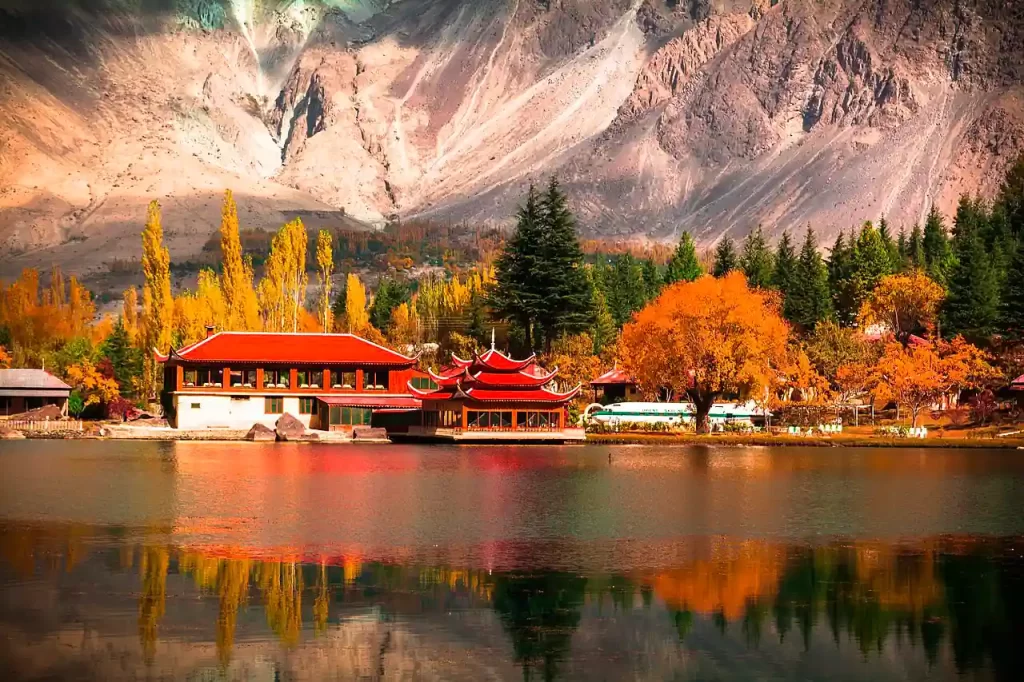
Skardu, often called the “Gateway to the Karakorams”, is not only a destination for breathtaking landscapes but also a hub of rich cultural and social traditions. The local lifestyle in Skardu reflects a blend of high-altitude adaptation, agrarian economy, tribal heritage, and hospitality customs, making it unique in both Pakistan and the wider region. Understanding the granular details of everyday life here offers travellers an immersive glimpse into Balti culture and mountain living. 🌿
⏰ Daily Life and Time Rhythms
➪ Daily life in Skardu is largely influenced by seasonal daylight and altitude.
➪ In summer, mornings start as early as 5:00 AM, with agricultural work, livestock tending, or market preparation.
➪ In winter, when daylight is shorter, locals begin daily chores later, around 7:00–8:00 AM, often centered around heating homes, preparing warm meals, and tending to indoor livestock.
➪ Meals are a social affair, with families gathering for butter tea, bread, and barley porridge in the mornings, and hearty stews or apricot-based dishes in the evening.
🏡 Housing and Architectural Practices
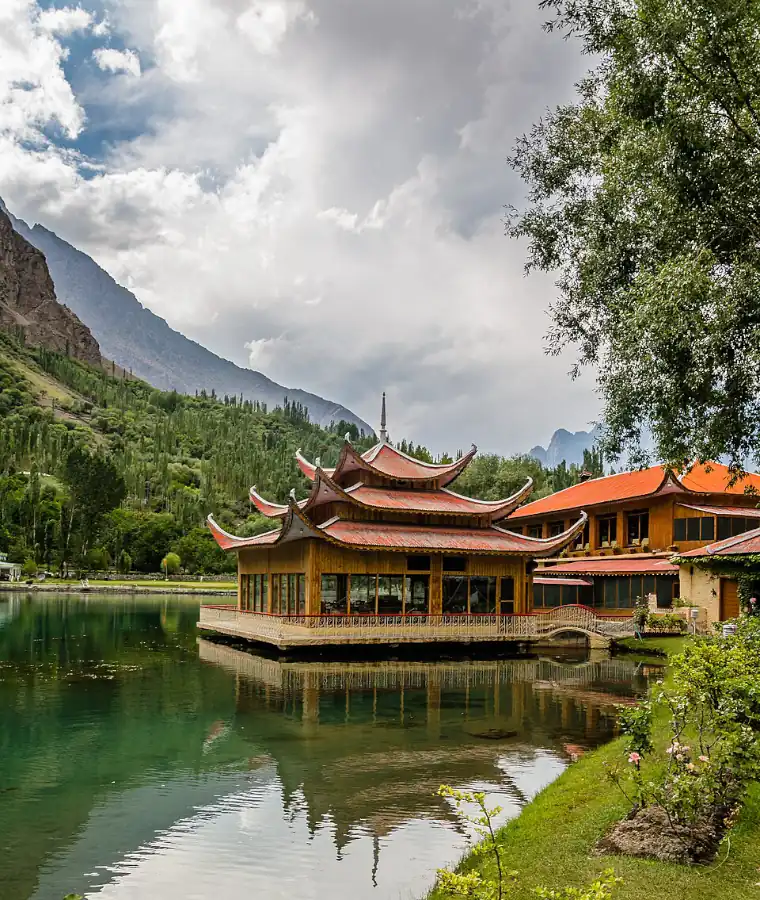
➪ Traditional homes are built with stone, mud, and timber, designed to insulate against extreme cold.
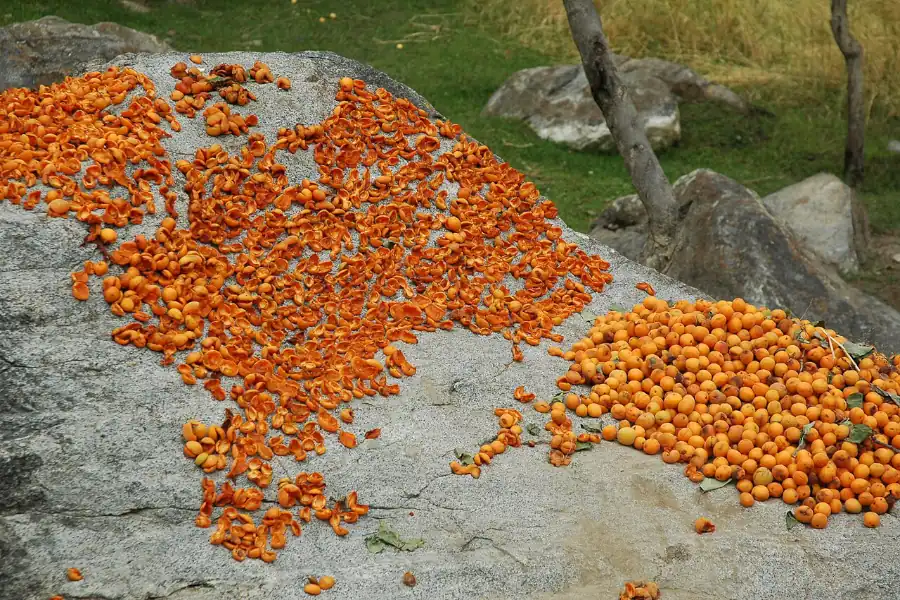
➪ Many homes feature flat roofs for drying apricots, grains, and herbs.
➪ Modern urban housing in Skardu city has incorporated brick, concrete, and metal roofing, while still preserving Balti aesthetic touches like carved wooden balconies and window frames.
➪ Heating is traditionally provided through wood, yak dung, and coal stoves, with modern households using gas heaters in urban areas.
👘 Clothing and Traditional Attire
➪ Clothing is largely functional yet culturally rich, designed to handle extreme cold and altitude.
➪ Men wear long woollen robes (chogas), wool caps, and high boots, particularly in rural areas.
➪ Women wear colourful embroidered dresses, aprons, and scarves, often paired with woollen shawls for warmth.
➪ During festivals or weddings, attire becomes elaborate, showcasing handwoven fabrics, traditional jewellery, and intricate embroidery, reflecting centuries-old Balti craftsmanship.
🍲 Food Habits and Culinary Practices
➪ Food in Skardu is heavily influenced by high-altitude agriculture, livestock, and apricot cultivation.
➪ Staples include barley, wheat, potatoes, yak or sheep meat, and apricots, with dishes often cooked in butter or apricot oil.
➪ Breakfasts: Barley porridge, salted butter tea (Gur Gur Chai), and flatbreads.
➪ Lunch/Dinner: Trout fish, Balti Gosht, roasted meats, and apricot-based desserts.
➪ Food preparation and sharing are communal, often involving extended family and neighbours, particularly during festivals and weddings. 🍽️
💼 Occupations and Economic Life
➪ The local economy is a mix of agriculture, livestock rearing, handicrafts, and tourism.
➪ Farmers cultivate barley, potatoes, wheat, and apricots in terraced fields.
➪ Livestock herders raise yaks, sheep, and goats for milk, meat, and wool.
➪ The tourism industry provides jobs in guesthouses, trekking guides, and hospitality services, especially in summer months.
➪ Handicrafts, including pashmina shawls, woollen caps, embroidered fabrics, and apricot-based products, contribute significantly to household income.
👥 Social Structure and Community Life
➪ Skardu society is traditionally community-oriented, with strong tribal and family ties.
➪ Village elders and local councils (Jirgas) play roles in conflict resolution, social events, and land disputes.
➪ Hospitality is a core value: Travellers are often offered tea, apricot snacks, and meals as a gesture of welcome.
➪ Weddings and festivals are grand community events, sometimes lasting multiple days and involving traditional music, dance, and culinary feasts.
🕌 🎉 Religious Practices and Festivals
➪ Religion deeply influences daily routines; most locals are Shia Muslims, with smaller communities practicing Noorbakhshi and Sunni Islam.
➪ Daily prayers, mosque attendance, and religious festivals such as Eid-ul-Fitr, Eid-ul-Adha, and local Shia commemorations shape the social calendar.
➪ Local festivals also integrate traditional music, dance, and cuisine, blending religious observance with cultural celebration.
📚 Education and Modern Lifestyles
➪ While many rural areas maintain traditional lifestyles, urban Skardu exhibits modern education and technology adoption.
➪ Children attend schools where Balti, Urdu, and English are taught.
➪ Internet, mobile phones, and television are increasingly present, yet they coexist with ancient cultural practices and community gatherings.
➪ Tourism-related education, including mountain guiding, hospitality training, and language skills, provides employment opportunities and connects locals to the global economy.
🏞️ Recreation and Leisure Activities
➪ Leisure is closely tied to nature and community life.
➪ Popular activities include fishing in trout-rich rivers, trekking to lakes, apricot orchards visits, and communal sports like polo and local archery games.
➪ In winters, indoor storytelling, music, and crafts dominate recreational time, while summer is dominated by outdoor exploration and tourism engagement.
❄️ 🌄 Impact of Climate and Geography on Lifestyle
➪ High-altitude conditions shape every aspect of life: from diet and clothing to housing and agriculture.
➪ Winters require food storage, indoor heating, and reduced outdoor activity, whereas summers allow agriculture, tourism, and social gatherings.
➪ The mountainous terrain also dictates transportation modes, reliance on mules or 4×4 vehicles, and seasonal movement between valleys and urban centres.
✅ Summary
The local lifestyle in Skardu is a delicate balance of tradition and modernity, where mountain living, cultural heritage, and community values coexist with tourism and modernisation. From culinary traditions and seasonal occupations to social customs and religious practices, life in Skardu offers a rich, immersive experience that travellers can witness firsthand, making it a unique destination for cultural and adventure tourism. 🏔️ 🕌 🍲
Sources:
➟ Wikipedia – Skardu
➟ And deep Google Research & other verified sources
Image Credit
➟ Wikipedia – Skardu & Wikimedia Commons
➟ Featured Image Credit: Wikimedia Commons
Latest Posts
- 4 Steps to Teach English in Vietnam (Complete 2026 Guide)

- The Complete Guide to Living in Ho Chi Minh City, Vietnam
- What Living in Hanoi Is Really Like for Foreigners
- Expat vs Immigrant: What’s the Real Difference?
- 7 Best Places to Live in Mexico Right Now: A Complete Guide
- Best Places to Live in Thailand: A Complete Guide for Expats in 2026