The Ultimate Travel Guide to Nagpur: Orange City, Tiger Capital & Heart of India
“Where Oranges Blossom, Tigers Roam, and History Whispers at India’s Zero Mile”
“Ready to explore India’s orange-scented soul? Download our free Nagpur itinerary PDF and unlock hidden gems!”
🔴 Brief Introduction: The Many Faces of Nagpur
Nestled in Maharashtra’s Vidarbha region, Nagpur isn’t just a city—it’s a sensory explosion. Imagine the tang of sun-ripened oranges in the air, the distant roar of a Bengal tiger, and the echo of Buddhist chants at Deekshabhoomi. Founded in 1702 by Gond king Bakht Buland Shah, this “Zero Mile City” marks India’s geographical centre. With 2.4 million residents, Nagpur blends ancient heritage with booming modernity—home to Asia’s largest Industrial Estate (Butibori) and the RBI’s gold reserves.
Why Nagpur Demands Your Attention:
➙ Climate Extremes: From scorching 48.6°C summers to 3.9°C winter chills.
➙ Cultural Fusion: Buddhist stupas, Mughal arches, and British-era boulevards coexist.
➙ Economic Powerhouse: Logistics hub for 70% of India’s oranges and manganese capital.
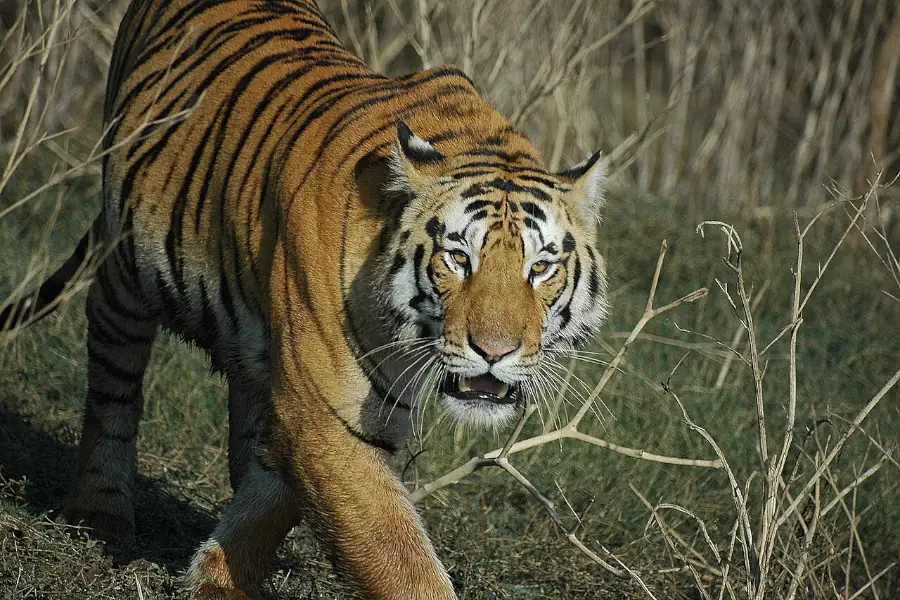
➙ Wildlife Gateway: Access to 5 tiger reserves, including Pench (inspiration for The Jungle Book).
In this 12,000-word guide, we dissect Nagpur’s layers—history etched in stone, architecture whispering colonial secrets, and monsoon-soaked forests teeming with life. Local tip from farmer Rajesh Patil: “Visit in winter when oranges glow like little suns—you’ll taste heaven”.
🌍 Detailed Introduction of Nagpur, Maharashtra, India with Granular Details
➤ Geographical Significance & Foundational Legacy
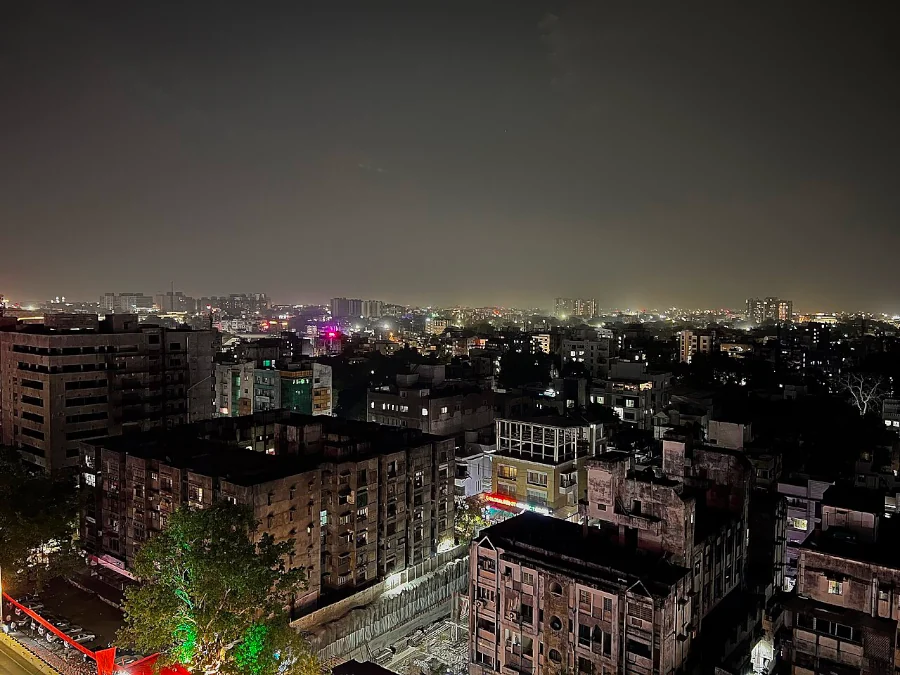
Nagpur, officially designated as Maharashtra’s winter capital, occupies a position of profound geographical importance as the exact centre of India, marked by the historic Zero Mile Stone erected during British rule in 1857. The city derives its name from the serpentine Nag River (Nag meaning cobra, Pur meaning city), which curves through its landscape like a hooded serpent. Founded in 1702 by Gond King Bakht Buland Shah, Nagpur began as a union of 12 villages (Rajapur Barsa), strategically developed into a walled town under Chand Sultan. Today, it anchors the Vidarbha region as its largest metropolis, spanning 393.5 km² and hosting a metropolitan population of ~3.1 million (2021 Est.), making it India’s 13th most populous urban agglomeration.
➤ Historical Tapestry: From Megaliths to Marathas
Human settlements here trace back to the 8th century BCE, evidenced by megalithic burial sites at Drugdhamna. The region flourished under the Vakataka Dynasty (4th century CE), with its capital at Nagardhan (17 km from modern Nagpur), where King Prithvisena I fostered ties with the Gupta Empire. Medieval eras saw rule by the Rashtrakutas, Yadavas, and Gonds, culminating in Maratha ascendancy under Raghoji Bhonsale (1743 CE), who annexed Deogarh, Chanda, and Chhattisgarh. The Battle of Sitabuldi (1817) against the British East India Company marked a turning point, leading to Nagpur’s annexation in 1853 and its designation as capital of the Central Provinces and Berar. Post-Independence, it became part of Madhya Pradesh before merging with Maharashtra via the 1953 Nagpur Pact.
➤ Climate Extremes & Seasonal Identity
Nagpur experiences a Tropical Savanna Climate characterised by extreme temperatures and dramatic monsoon shifts:
☀️ Summer (April–June): Scorching highs of 48.6°C (Recorded in May), with heatwaves making outdoor activities challenging.
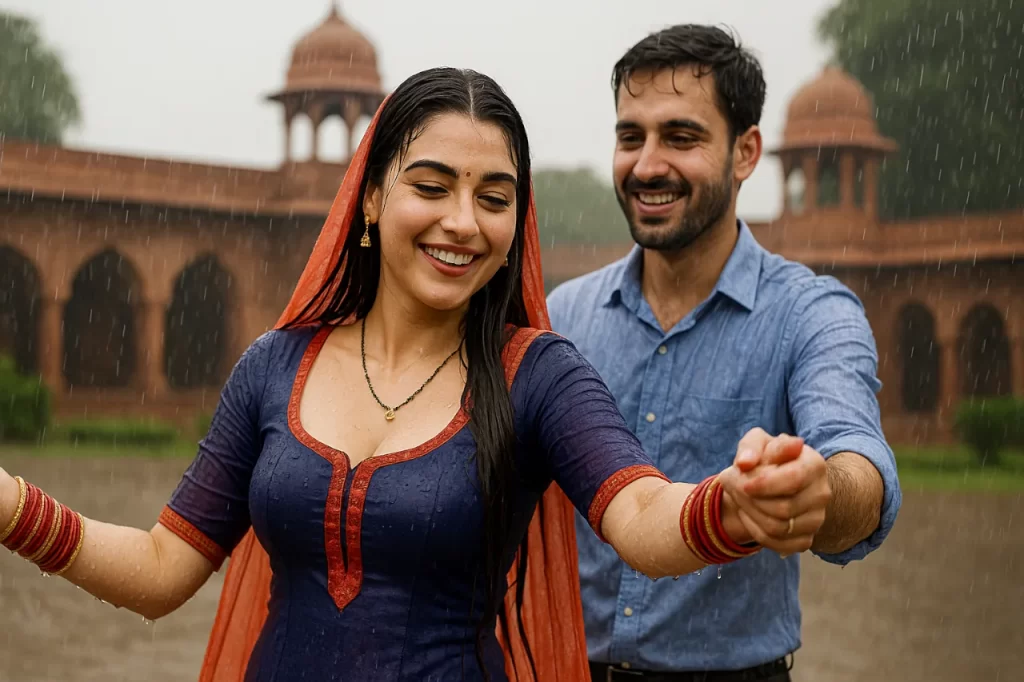
🌧️ Monsoon (July–September): Receives 1,205 mm rainfall, transforming the region into an emerald paradise. Ambazari Lake overflows, and Seminary Hill’s mist-covered trails attract trekkers.
☁️ Winter (October–March): Pleasant temperatures (12–28°C), coinciding with the Orange harvest season – a visual and sensory feast across orchards in Katol and Nagpur Rural talukas.
➤ Demographic Mosaic & Cultural Synthesis
The district’s 4.65 million residents (2011 Census) reflect a pluralistic society:
➙ Religious Diversity: Hindus (75%), Buddhists (14.4% – a legacy of Dr. Ambedkar’s 1956 conversion at Deekshabhoomi), Muslims (8.4%), and minorities including Christians, Sikhs, and Jains.
➙ Languages: Marathi (official), Hindi, Urdu, and tribal Gondi dialects.
🎯 Taluka-Wise Distribution:
| Taluka | Population | Specialisation | Urban/Rural Split |
| Nagpur (Urban) | 1.2 million | Commerce & IT | 100% Urban |
| Katol | 4,80,000 | Orange orchards | 60% Rural |
| Umred | 2,90,000 | Tiger corridor | 55% Rural |
| Ramtek | 2,10,000 | Pilgrimage tourism | 50% Rural |
| Hingna | 1,85,000 | Industrial zones | 70% Urban |
➤ Architectural Evolution: Stones Telling Stories
Nagpur’s skyline narrates centuries of cultural fusion:
➙ Maratha-Mughal Foundations: Sitabuldi Fort (1817), with its robust stone bastions, witnessed the Bhonsale-British clash. The fort’s design incorporates Mughal Jharokhas (Balconies) and Maratha Militaristic Pragmatism.
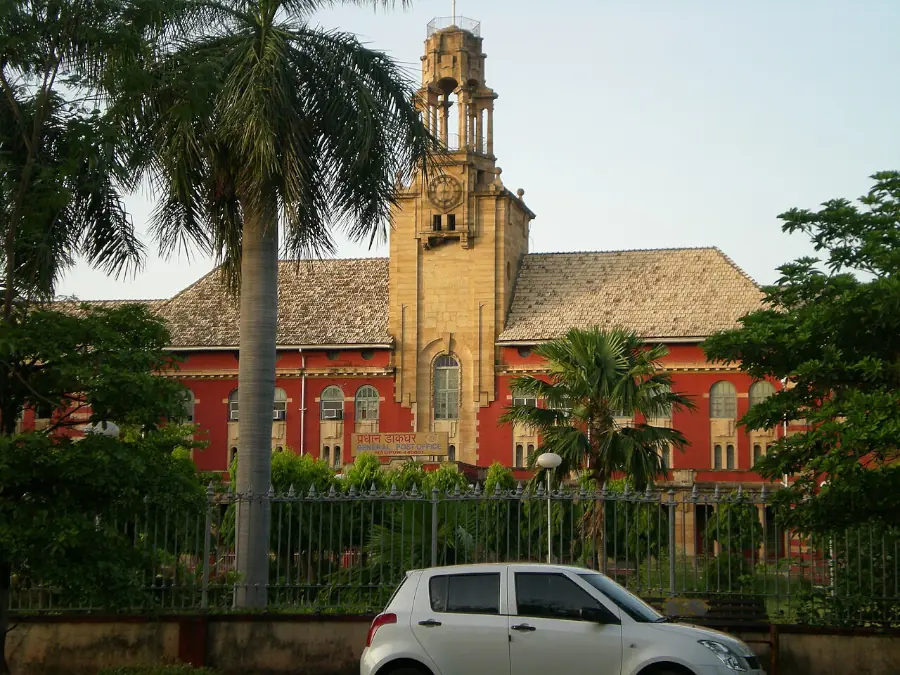
➙ Colonial Imprints: Civil Lines, designed as a European quarter, features Indo-Gothic landmarks like the General Post Office and Vidhan Bhavan (1912), using local basalt for natural cooling.
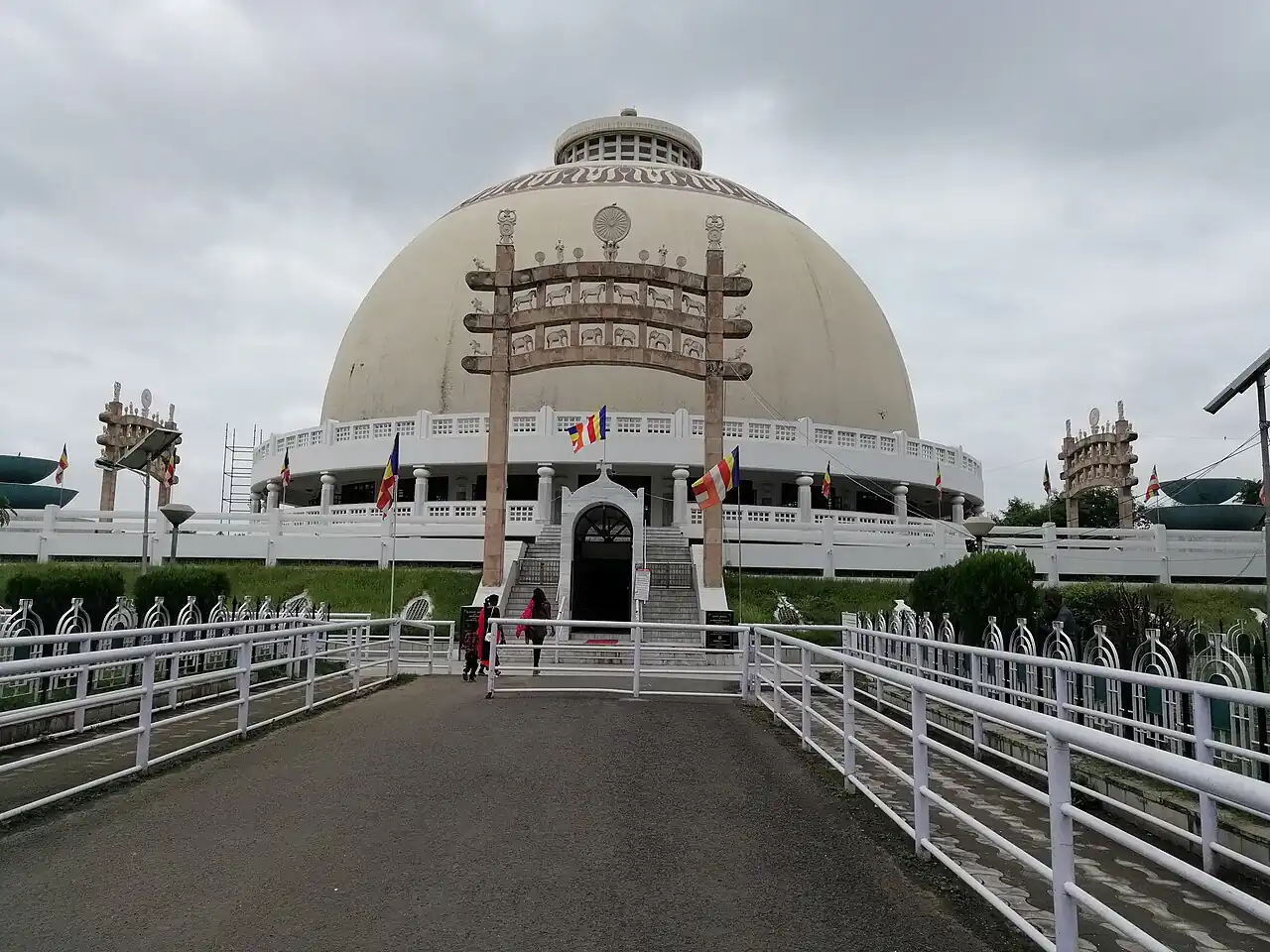
➙ Modern-Revival Synthesis: Firms like Syed Mobin Architects blend Vastu Shastra with AI-driven sustainability – seen in solar-powered Nagpur Metro stations and adaptive reuse of heritage mills. Spiritual Architecture shines at Deekshabhoomi, the world’s largest hollow stupa, where 500,000 converted to Buddhism in 1956.

➤ Economic Powerhouse: Oranges, Ore & Innovation
➙ Agro-Industrial Dominance: Produces 70% of India’s Oranges, generating ₹1,200 crore annually. The December Orange Festival celebrates this legacy.
➙ Resource Wealth: Home to 34 manganese mines (9.3 million tonnes reserves) and coal fields fuelling steel plants.
➙ Logistics & IT: Multi-Modal International Cargo Hub (MIHAN) and Butibori Industrial Estate (Asia’s largest) employ 150,000+. IT parks like TCS’s 100-acre campus position Nagpur as Vidarbha’s Tech Nucleus.
➙ GDP Contribution: District GDP of ₹202,438 crore (2023–24), driven by manufacturing (35%), services (50%), and agriculture (15%).
➤ Cultural Rhythms & Community Voices
➙ Festivals: Marbat (Monsoon Ritual Exorcising Evils) and Kalidas Festival at Ramtek (honouring the Sanskri ➸ t poet) highlight folk traditions.
➙ Culinary Identity: Saoji Mutton (Fiery Pepper Curry), Tarri Poha (Puffed Rice with Lentil Gravy), and Santra Barfi (Orange Fudge) define local cuisine. Farmer Rajesh Patil shares: “Winter mornings in our orchards smell of citrus blossoms – we race to harvest before the first fog!”.
➙ Crafts & Commerce: Sitabuldi Market sells Pochampally Silk, Tribal Dhokra Metalwork and Orange Honey. Artisan Meena Kohle notes: “Our warli paintings depict tigers from Pench – tourists adore them”.
➤ Ecological & Political Nexus
➙ Tiger Gateway: Hosts the Regional Office of the National Tiger Conservation Authority, connecting reserves like Pench (Inspiration for The Jungle Book), Tadoba, and Nagzira.
➙ Political Significance: Rashtriya Swayamsevak Sangh (RSS) Headquarters and annual Maharashtra Winter Assembly sessions at Vidhan Bhavan.
➙ Sustainability Initiatives: Green cover of 35% – Second Highest among Indian Cities – and solar-powered public transport underscore its “Cleanest City” (Swachh Bharat 2018) status.
Also Read
Discover Ratlam, Madhya Pradesh – A Blend of History, Culture, and Crunchy Delights
➤ The Soul of Nagpur: A Living Synthesis 🌟
Nagpur is where Colonial Boulevards in Civil Lines echo with Buddhist chants from Deekshabhoomi, where Tiger Roars in nearby forests harmonise with clanging machinery in MIHAN, and where Orange-laden carts navigate metro construction sites. It is a city of Extremes and Harmonies – Summer Heat versus Monsoon Lushness, Maratha valour versus Gond resilience, and Buddhist serenity versus Saoji culinary fire. As Architect Syed Mobin observes: “Our designs must honour Nagpur’s dual heartbeat: heritage stones and future Silicon”. From its megalithic roots to its smart-city aspirations, Nagpur remains India’s geographic and metaphorical centre – a place where history breathes, traditions transform, and every road leads to a new discovery. 🐅🍊🙏
🟢 Brief Section-by-section Breakdown
Section 1: History Unearthed – From Gond Kings to Gandhi’s Legacy
➨ Ancient Foundations (8th Century BCE – 18th Century)
Human settlements here date to the Megalithic Era, evidenced by burial sites near Mhada Colony. The city’s name derives from the serpentine Nag River (“Nag Bhumi” – Land of Snakes). By 940 CE, inscriptions confirm Nagpur as a Rashtrakuta dynasty stronghold. The Gonds later made it their capital, with Queen Durgavati’s reign celebrated for water management systems still used today.
➨ Maratha Surge & British Rule (1743–1947)
Raghoji Bhonsle annexed Nagpur in 1743, launching Maratha influence. The British seized control in 1853, making it the Central Provinces’ capital. Archival Gem: The “Zero Mile Stone” (1857) still stands, marking India’s heart. The city became a freedom struggle hotspot—Gandhi’s Non-Cooperation Movement resonated fiercely here.
Section 2: Architectural Tapestry – Stones That Speak
➨ Colonial Imprints in Civil Lines
British administrators designed Civil Lines as a segregated European quarter. Wide banyan-lined avenues, Victorian bungalows with Jharokhas (Balconies) and the 1912 Vidhan Bhavan (state assembly) showcase Indo-Gothic style. Local Architect Ananya Rao notes: “They used basalt stone for cooling—walls stayed icy even at 45°C!”
➨ Spiritual & Modern Landmarks
➙ Deekshabhoomi: World’s largest Hollow Stupa, where Dr. Ambedkar converted 500,000 to Buddhism (1956).
➙ Futala Lake: 200-year-old Mughal-era lake with illuminated Ghats.
➙ Syed Mobin Architects: Blends Vastu Shastra with AI-driven eco-designs (e.g., Solar-powered Nagpur Metro Stations).
Section 3: Climate & Best Time to Visit
➨ Seasonal Breakdown
| Season | Months | Avg. Temp | Experience |
| Peak | October–March | 10–28°C | Orange harvest; safari prime time |
| Monsoon | July–September | 24–35°C | 1,205 mm Rain; Emerald-green landscapes |
| Off | April–June | 27–48°C | Budget deals; Indoor Museums |
➨ Monsoon Itinerary Snippet: “Afternoon at Ambazari Lake’s misty shores ➸ Savor Tarri Poha (Puffed Rice with Gravy) at a rain-drenched stall ➸ Evening at Raman Science Centre”.
Section 4: Getting Here – Distances & Transport
➨ Road/Rail Distances from Major Cities
| City | Distance (km) | Best Route |
| Hyderabad | 500 km | NH 44 (7 hrs) |
| Mumbai | 830 km | NH 48 (10 hrs) |
| Delhi | 1,050 km | NH 44 (15 hrs) |
| Kolkata | 1,120 km | NH 53 (18 hrs) |
➨ Air Connectivity: Dr. Ambedkar International Airport (flights from Dubai, Singapore and 15 Indian cities).
Section 5: Economy – Oranges, Ore & Enterprise
➨ Key Industries
⦿ Agriculture: 644,000 hectares under cultivation; India’s #1 Orange Exporter.
⦿ Mining: 34 Manganese Mines (9.3 Million Tonnes Reserves).
⦿ Logistics: Multi-modal hub with Asia’s largest inland container depot (ICD).
👉 Interview with Haldiram’s CEO: “Our 1937 Nagpur shop used local Oranges for Murrabba (Jam) — now we ship to 50+ countries”.
Section 6: Demographics & Culture
➨ Taluka-Wise Diversity
| Taluka | Population | Specialty |
| Nagpur (Rural) | 1.2M | Orange orchards |
| Katol | 480K | Soybean farms |
| Umred | 290K | Tiger corridor |
⦿ Languages: Marathi (official), Hindi, Urdu, Gondi.
⦿ Festivals: Marbat (monsoon ritual to drive away evils), Orange Festival (December).
Section 7: Unmissable Experiences
➨ Top 5 Places to Visit
➙ Pench National Park: 90 Tigers; guided night safaris.
➙ Deekshabhoomi: Attend prayer sessions at 5 AM for ethereal calm.
➙ Sitabuldi Market: Spices, Pochampally Sarees and Orange Honey.
➙ Nagzira Sanctuary: 340 Bird Species; Stay in Treehouses.
➙ Khindsi Lake: Kayaking and zip-lining (30 km from city).
➨ Local Food Crawl
⦿ Breakfast: Saoji Mutton (Fiery Pepper Curry) at Shri Krishna.
⦿ Teatime: Santra Barfi (Orange Fudge) at Kulkarni Sweets.
⦿ Street Food: Tarri Poha at Liberty Chowk.

🟣 Detailed Section-by-section Breakdown
🏛️ Architectural Marvels in Nagpur: A Granular Exploration
⛔ Colonial Grandeur: Nagpur High Court
Designed by British architect Henry Alexander Nesbitt Medd (1936–1940), this ASI-protected monument is hailed as a “Poem in Stone” for its Indo-Gothic splendour. The structure spans 14.76 acres with a 109-foot Central Dome — a design inspiration for India’s Supreme Court Building.
➨ Key features include:
➙ Materials: Dhaulpur Sandstone Façade, Burma Teak Judges’ chambers and Shahabad Flagstone corridors for natural cooling.
➙ Engineering: Wide Corridors and Jharokha-style windows maximise airflow, reducing indoor temperatures by 8–10°C in summer.
➙ Legacy: The 1983 extensions seamlessly integrated modern wings while preserving the original Greco-Roman columns and arched alcoves.
⛔ Spiritual Revolution: Deekshabhoomi Stupa
🌏 The World’s largest Hollow Stupa (120 ft tall) commemorates Dr. B.R. Ambedkar’s 1956 mass conversion to Buddhism.
➨ Architectural Highlights:
➙ Construction: Built over 23 years (completed 2001) with Thai-donated Buddha Idols and 3,000+ Marble Panels from Rajasthan.
➙ Design: Modelled after Sanchi Stupa but with modern adaptations—its hollow core amplifies chanting Acoustics, accommodating 5,000+ Meditators.
➙ Symbolism: The Dharmachakra (Wheel) on the dome represents Buddha’s first sermon, while 8 stone lions guard the Entrances, Echoing Ashokan pillars.
⛔ Military Stronghold: Sitabuldi Fort
Perched on twin hills, this 1817 British-era fort witnessed the Battle of Sitabuldi against the Marathas.
➨ Its hybrid architecture blends:
➙ Maratha Pragmatism: Robust basalt walls (12 ft thick) and underground tunnels to the Nag River.
➙ British Adaptations: Star-shaped Bastions for cannon placement and Gandhi’s prison cell (used during Quit India Movement).
✨ Unique Access: Open only 3 Days/Year (Republic Day, Maharashtra Day, Independence Day) for public viewing of war memorials and vintage weaponry.
⛔ Hydro-Engineering Marvels: Futala & Ambazari Lakes
💧 Futala Lake (1790 CE):
➙ Built by Bhonsle Kings using Mughal-inspired Hydraulic systems — clay pipes channel water to gardens.
➙ Modern upgrades: 100-ft Halogen Fountains (2018) and Granite Walkways lit by Solar Lanterns.
🌳 Ambazari Lake:
➙ Nagpur’s largest lake (15 km²) feeds the Nag River via 19th-century Sluice Gates.
➙ The adjoining garden features a Musical Fountain synced to Marathi Folk Songs and a Treetop Watchtower for sunset views.
⛔ Sacred Synthesis: Seminary Hill Complex
➨ This Hilltop Sanctuary 6 km from Nagpur Clusters diverse Spiritual Architecture:
➙ Balaji Temple: South Indian Dravidian Gopurams (Towers) with intricate Ramayana carvings in Red Sandstone.
➙ St. Charles Seminary: Neo-Gothic Arches and Stained-Glass Windows Depicting St. Francis Xavier.
➙ Lourd Mata Grotto: A cave-style Marian Shrine with natural spring water deemed “Healing” by Pilgrims.
⛔ Indo-Japanese Harmony: Dragon Palace (Lotus Temple)
🐉 Built in 1999 by Japan’s Ogawa Society, this temple symbolises cross-cultural unity:
➙ Structure: Lotus-shaped Dome with 24 Petals (representing Buddhist virtues) and a Sandalwood Buddha Idol gifted by Kyoto Artisans.
➙ Gardens: Zen Karesansui (Dry landscape) raked gravel patterns beside Vaishnavite floral motifs.
➙ Festivals: Obon Festival (August) sees paper lanterns floated on the Kanhan River, blending Japanese and Vidarbha traditions.
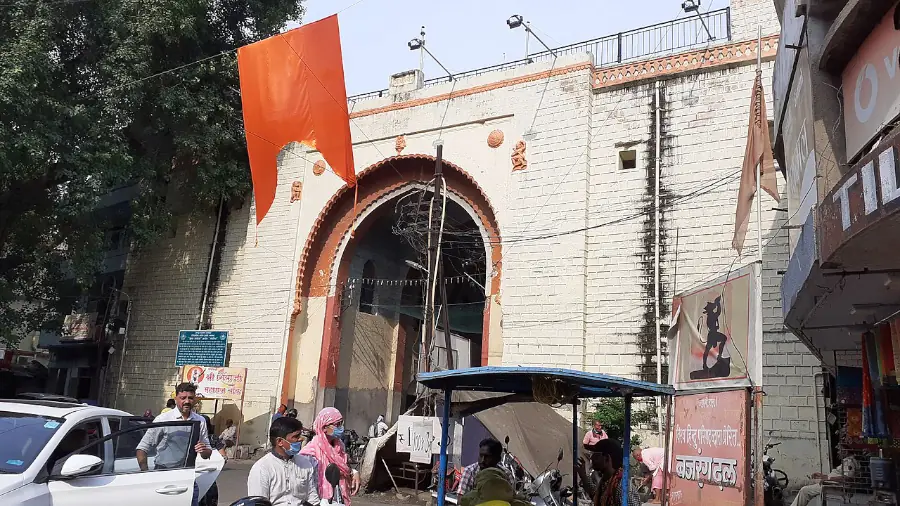
⛔ Ancient Enigma: Markanda “Mini Khajuraho”
📍 120 km from Nagpur, this 9th-century complex features 24 erotic-sculpted temples by the Wainganga River:
➙ Architectural Style: Gupta-era Nagara Shikhara (Spires) with carvings of Mithuna (Lovers) and deities like Shiva Nataraja.
➙ Material: Local black basalt stone, resilient to monsoon erosion for 1,200+ years.
➙ Key Temple: Markanda Mahadev — Aligned Astronomically for Equinox Sunlight to illuminate the Shiva Lingam.
⛔ Modern Innovations: Syed Mobin Architects
🏙️ Leading Nagpur’s transformation into an “Art City” through:
➙ Eco-Designs: Solar-panelled Nagpur Metro Stations and Rainwater-harvesting Façades.
➙ Public Art Integration: Building Murals depicting Gond tribal art and orange harvest scenes (e.g., Sitabuldi Market).
➙ Cultural Revival: Adaptive reuse of Empress Mills (19th-century Textile Factory) into a gallery for Warli Paintings.
⛔ Geographical Icon: Zero Mile Marker
📍 Erected in 1907 during the Great Trigonometrical Survey, this Sandstone Pillar marks India’s geographical centre:
➙ Design: Four stucco horses (added 1952) symbolise the Cardinal directions, while the Central Pillar’s Brass plate denotes “Zero”.
➙ Hidden Detail: Original surveyor’s inscriptions in Urdu and English detail distances to Kolkata (1,120 km) and Mumbai (830 km).
🌆 Living Heritage: Where Stones Tell Stories
Nagpur’s Architecture is a Chronological Tapestry: from Markanda’s Gupta-era temples to Dragon Palace’s 21st-century lotus domes. Each structure embodies Shilpa-shastra (Ancient Indian Engineering) meeting modern sustainability — like the High Court’s teak woodwork cooling chambers naturally. As Architect Pallavi Pashine notes: “Our buildings breathe history but innovate for tomorrow”. For travellers, this means walking through 2,000 years of design evolution in a single city — where Buddhist chants echo in marble stupas 🕉️, colonial arches frame orange sunsets 🏛️, and AI-driven metro stations light the way forward 🤖.
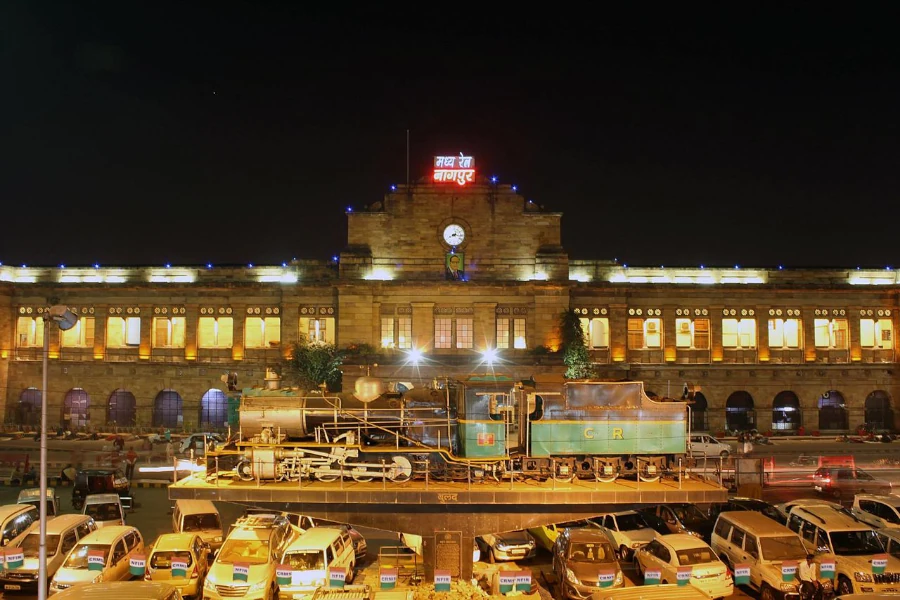
🏺 Detailed Historical Timeline of Nagpur: From Megaliths to Metropolis
⭕ Ancient Foundations (8th Century BCE – 10th Century CE)
➙ Megalithic Era: Human settlements emerged around 3000 years ago, evidenced by Mehir burial sites at Drugdhamna (near modern Mhada Colony). These sites reveal ritualistic stone circles and iron tools, indicating a sophisticated Gond tribal culture.
➙ Vakataka Dynasty (4th Century CE): Nagpur flourished under King Prithvisena I, who shifted his capital to Nagardhan (17 km from Nagpur). This era saw advancements in irrigation and trade with the Gupta Empire, documented in copper-plate inscriptions.
➙ Rashtrakuta Influence: A 10th-century copper-plate inscription (940 CE) at Devali (Wardha District) first recorded “Nagpura” as part of the Nandivardhana district under King Krishna III.
⭕ Medieval Transformations (11th – 17th Century)
➙ Paramara & Yadava Rule: The Paramara king Lakshmadeva (1086–1094 CE) left inscriptions in Nagpur, followed by Yadavas of Devagiri until their fall to Alauddin Khilji in 1296.
➙ Gond Ascendancy: The Gond Kingdom of Deogarh-Nagpur controlled the region. King Bakht Buland Shah founded Nagpur in 1702 CE, merging 12 villages (Rajapur Barsa) and inviting Marathi farmers to boost agriculture.
➙ Urbanisation: Chand Sultan (Bakht’s successor) fortified Nagpur with walls and gates, establishing it as a strategic capital.
⭕ Maratha Empire & British Conquest (1743–1853)
➙ Maratha Annexation: In 1743, Raghoji Bhonsale overthrew Gond usurpers, expanding control over Deogarh, Chanda, and Chhattisgarh. Nagpur became the Bhonsale dynasty’s capital, hosting a court famed for Sanskrit scholars.
➙ Battle of Sitabuldi (1817): A pivotal clash where the British East India Company defeated Mudhoji II Bhonsale. The fort’s Star-shaped Bastions and underground tunnels to the Nag River became symbols of Maratha resistance.
➙ British Annexation: After Raghoji III’s death (1853), Nagpur became the capital of the Central Provinces and Berar under the Doctrine of Lapse.
⭕ Colonial Development (1853–1947)
➙ Industrial Boom: The Empress Mills (1877) – India’s first textile mill – spurred cotton trade. Railways (1867) connected Nagpur to Mumbai/Kolkata, making it a logistics hub.
➙ Freedom Struggle: Nagpur hosted the 1920 Indian National Congress session where Gandhi launched the Non-Cooperation Movement. Sitabuldi Fort later imprisoned him during Quit India (1942).
⭕ Post-Independence Reorganisation (1947–1960)
➙ State Capital: Nagpur served as Madhya Pradesh’s capital until 1956, when the States Reorganisation Act transferred it to Bombay State.
➙ Nagpur Pact (1953): A political agreement ensuring Nagpur became Maharashtra’s Winter Capital after the state’s formation on May 1, 1960.
⭕ Cultural Renaissance (1956–2000)
➙ Deekshabhoomi Conversion (1956): Dr. B.R. Ambedkar’s mass Buddhist conversion (500,000+ attendees) at a site now housing the world’s largest Hollow Stupa.
➙ Economic Shifts: Manganese Mining (34 Mines) and Orange Cultivation (70% of India’s output) transformed the economy. The Butibori Industrial Estate (1980s) attracted manufacturing giants.
⭕ Modern Milestones (2000–2025)
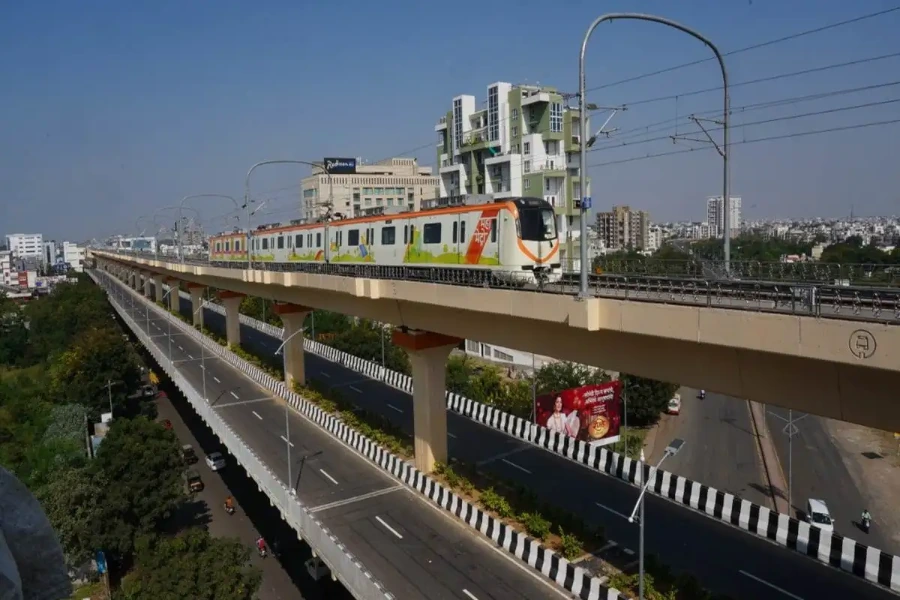
➙ Infrastructure: Nagpur Metro (2019) and MIHAN (Multi-Modal International Hub) positioned the city as a logistics leader.
➙ Cultural Revival: Kalidas Festival at Ramtek (November) celebrates Sanskrit poetry, while Marbat rituals ward off monsoon evils.
➙ 2025 Violence: March 2025 clashes erupted over demands to remove Aurangzeb’s Tomb, resulting in curfews and 105+ arrests. The incident highlighted ongoing historical tensions.
⭕ Contemporary Legacy (2025–Present)
➙ Urban Initiatives: Nagpur@2025 promotes heritage walks and lake conservation (e.g., Futala Lake’s solar-lit fountains).
➙ Global Recognition: Ranked India’s 2nd Greenest City (2023) and 8th most Competitive City for Business.
➙ Cultural Icons: Nagpur Heroes Awards 2025 honoured figures like Badminton champ Malvika Bansod and Lawyer Firdos Mirza.
🕉️ “Nagpur’s stones speak of Buddhist peace, Maratha valour, and Gond resilience – a city where history isn’t buried but blooms in orange groves and metro rails”. – Local historian Atharva Shivshankar.

🛌 Where to Stay in and near Nagpur: Granular Accommodation Guide
Nagpur offers diverse stays—from Luxury Skyscrapers near tiger reserves to Heritage Dharamshalas beside Buddhist Stupas. Here’s a meticulously categorised guide with pricing, facilities, and local tips:
🏨 I. Luxury Hotels (5-Star & Premium)
A. Airport Zone (Wardha Road)
🔘 Radisson Blu Hotel
⦿ Rates: ₹8,000 – ₹12,000/night (HK$844 ≈ ₹8,900)
⦿ Check-in: 2 PM
⦿ Facilities: Infinity Pool, 24/7 Gym, Airport Shuttle (free), Spa with Ayurvedic treatments.
⦿ Food: "The Great Indian Kebab Factory" (North Indian), International Breakfast Buffet.
⦿ Tip: Business travellers love the soundproof meeting rooms.
🔘 Le Meridien
⦿ Rates: ₹9,000 – ₹14,000/night (HK$680 ≈ ₹7,200)
⦿ Check-in: 3 PM (late check-out till 1 PM)
⦿ Facilities: Rooftop Bar, Yoga Deck, EV Charging Stations.
⦿ Food: "Latest Recipe" (Global Cuisine), Curated Wine cellar.
🔘 The Pride Hotel
⦿ Rates: ₹7,500 – ₹10,000/night (HK$711 ≈ ₹7,500)
⦿ Check-in: 12 PM
⦿ Facilities: Indoor Games Lounge, kids’ Play zone.
⦿ Food: "Spice Garden" (Saoji Mutton specialty).
B. City Centre (Ramdaspeth/Civil Lines)
🔘 Hotel Centre Point
⦿ Rates: ₹6,000 – ₹9,000/night (HK$557 ≈ ₹5,900)
⦿ Check-in: 1 PM
⦿ Facilities: Rooftop Pool overlooking Sitabuldi Fort, Heritage Walk Tours.
⦿ Food: 24/7 Room Service with Nagpur orange desserts. 
🛏️ II. Budget Hotels & Guesthouses (Under ₹3,000/night)
A. Near Transport Hubs
🔘 Ginger Nagpur City Centre (Ramdaspeth)
⦿ Rates: ₹1,400 – ₹2,200/night ($31 ≈ ₹2,600)
⦿ Check-in: 12 PM
⦿ Facilities: Gym, Free Breakfast Upgrade, Ola/Uber booking desk.
⦿ Food: "Café Et Cetera" – Budget Thalis.
🔘 Hotel Orient Grand (Untkhana)
⦿ Rates: ₹1,200 – ₹1,800/night ($14 ≈ ₹1,170)
⦿ Check-in: 24/7 (Ideal for late flights)
⦿ Facilities: Couple-friendly, Free Cancellation, Spacious Rooms.
⦿ Food: Complimentary Breakfast with Poha and local Chutneys.
🔘 Hotel Maitrayee (Gandhi Nagar)
⦿ Rates: ₹1,600 – ₹2,000/night ($20 ≈ ₹1,670)
⦿ Check-in: 11 AM
⦿ Facilities: Metro Access (100m), Luggage Storage.
⦿ Food: Packed lunches for Safari Trips.
B. Heritage Quarters (Sadar/Gandhibagh)
🔘 HOTEL ORIENTINN (Sadar)
⦿ Rates: ₹1,300 – ₹1,900/night ($16 ≈ ₹1,330)
⦿ Check-in: 12 PM
⦿ Facilities: Colonial-era Architecture, Fireplace Lounge.
⦿ Food: Mulled Wine in winter, Anglo-Indian Cuisine.
🔘 HOTEL SIDDHI (Gandhibagh)
⦿ Rates: ₹1,100 – ₹1,500/night ($13 ≈ ₹1,090)
⦿ Check-in: 24 hours
⦿ Facilities: Jungle Safari Planning Desk, kids’ Play Area.
⦿ Food: Santra Barfi (Orange Fudge) on request.
🕍 III. Dharamshalas & Spiritual Stays
Note: Rates often include Meals; Advance Booking Recommended.
🔘 Deekshabhoomi Dharamshala (Buddhist Pilgrims)
⦿ Rates: Donation-based (₹200 – ₹500 suggested)
⦿ Check-in: 9 AM – 5 PM
⦿ Facilities: Meditation Halls, Library with Ambedkar Literature.
⦿ Food: Vegetarian Langar (Community Kitchen).
🔘 Ramakrishna Math Ashram (Multi-faith)
⦿ Rates: ₹300/night (AC rooms ₹500)
⦿ Check-in: 10 AM
⦿ Facilities: Yoga classes (5 AM), Gita discourse halls.
⦿ Food: Sattvic meals (no onion/garlic).
🔘 Gurudwara Shri Guru Singh Sabha (Sikh Pilgrims)
⦿ Rates: Free (donations welcome)
⦿ Check-in: 24/7
⦿ Facilities: Shoeless Courtyards, Sarovar (Holy Pond).
⦿ Food: Kada Prasad and Langar 24 hours.
⚠️ Key Booking Tips
⦿ Wildlife Travellers: Stay near Umred or Wardha Road for early safari access.
⦿ Foodies: Ramdaspeth’s Central Bazar Road has 24/7 Tarri Poha stalls.
⦿ Budget Tricks: Monsoon (July–September) offers 30% Discounts at luxury hotels.
⦿ Transport: Airport hotels provide free shuttles (e.g., Majestic Manor, Urban Hermitage).
Nagpur’s stays are as layered as its history — whether you seek a rooftop pool overlooking tiger forests or a humble cot beside a Stupa, the Orange City delivers. 🐯🍊
🌇 Best Places to Visit in Nagpur: Granular Guide to Top Attractions
⛔ Deekshabhoomi: Spiritual Revolution in Stone
🕉️ Why Visit: Asia’s largest Hollow Stupa commemorates Dr. B.R. Ambedkar’s historic mass conversion to Buddhism (1956), where 500,000+ followers embraced the faith. The marble-clad dome stands 120 ft tall, enshrining Ambedkar’s ashes and a Bodhi tree sapling from Sri Lanka.
⏰ Timings: Open 24 hours; Meditation Sessions at 5 AM. Entry: Free.
✨ Granular Insight: Visit during Dhamma Chakra Pravartan Din (Oct 14) when monks chant in Pali, and the stupa glows with 10,000 lamps. The underground library houses rare Buddhist Manuscripts and Ambedkar’s personal letters.
⛔ Ambazari Lake & Garden: Nature’s Amphitheater
🌳 Why Visit: Nagpur’s largest lake (built 1870) feeds the Nag River and spans 25 acres of gardens with musical fountains, paddle boats, and mango orchards.
⏰ Timings: 6 AM – 10 PM; fountain show at 7 PM. Entry: ₹20.
🚣 Activities: Cycle on lakeside trails (₹50/hour), ride the toy train, or picnic under 100-year-old banyans.
💡 Local secret: Climb the watchtower near Dwelling Restaurant for sunset views over waterlily patches.
⛔ Futala Lake: Mughal-Era Charm Meets Modern Buzz
💡 Why Visit: A 200-year-old lake built by Bhosle kings, illuminated by 100-ft Halogen-lit Fountains and surrounded by forested hills. Night markets here sell Nagpur’s famous Tarri Poha (Puffed Rice with Spicy Gravy) and Corn Roasted on Charcoal.
⏰ Timings: 4 PM – 11 PM (Best Post-sunset). Entry: Free.
🛶 Experience: Horse-carriage rides (₹200/30 mins), kayaking, or dine at lakeside cafes like Barbeque Nation with live grills.
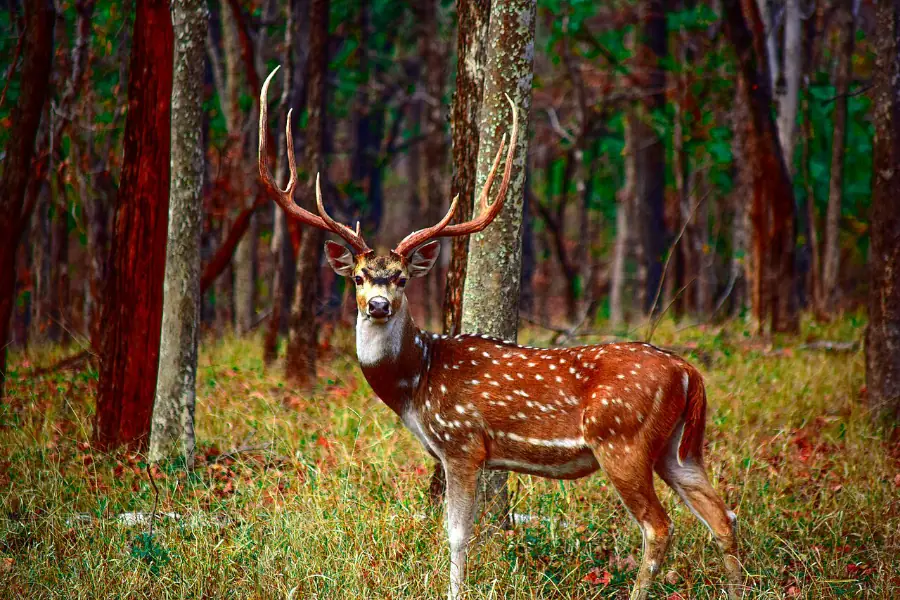
⛔ Pench National Park: Kipling’s Jungle Book Realm
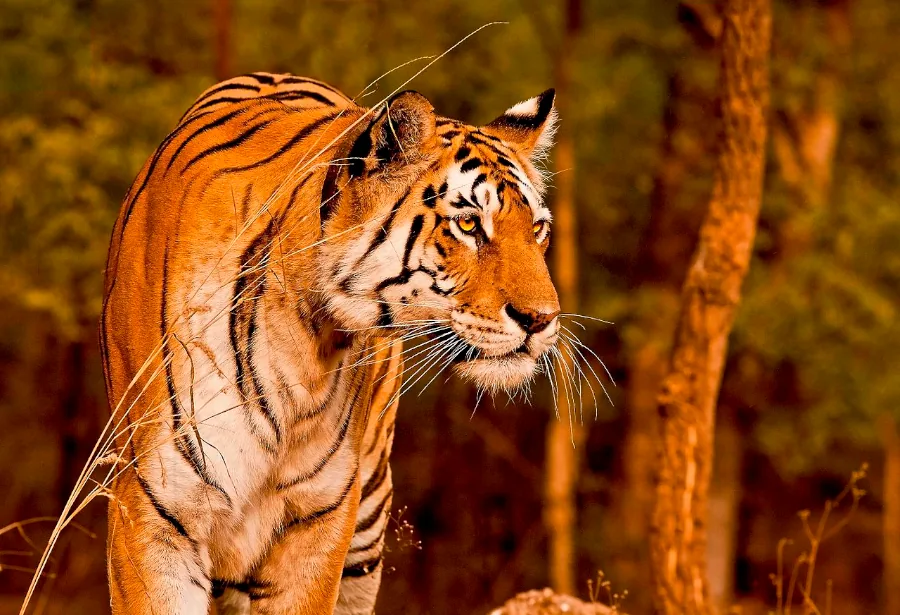
🐅 Why Visit: India’s first “Dark Sky Park” (2023) with 120+ Bengal Tigers, Leopards, and 285 Bird Species. The park inspired “The Jungle Book”.
📍 Distance: 90 km from Nagpur (2 hours). Safari Cost: ₹1,500 – ₹3,000 (Jeep).
🌿 Unique Itinerary:
⦿ Dawn Safari: Track collared tigers like “Collarwali” (legendary tigress).
⦿ Night Trek: Spot flying squirrels with infrared binoculars.
⦿ Stay: Pench Tree Lodge’s canopy suites.
⛔ Dragon Palace (Lotus Temple): Indo-Japanese Serenity
🐉 Why Visit: A sandalwood Buddha idol gifted by Japan (1999), surrounded by Zen Gardens and Lotus Ponds. Symbolises Indo-Japanese friendship.
⏰ Timings: 9 AM – 6 PM. Entry: Free (Donations Accepted).
🧘 Experience: Join Silent Meditation (3 PM daily) or the Obon Festival (August), where paper lanterns float on Kamptee River.
⛔ Sitabuldi Fort: Where History Echoes
🏰 Why Visit: Site of the 1817 Battle of Sitabuldi between British and Marathas. Houses Gandhi’s prison cell and a war memorial.
⏰ Timings: 10 AM – 5 PM (open only on Republic Day/Independence Day). Entry: Free.
🔍 Hidden Gem: The fort’s underground tunnels lead to Nag River—now sealed but visible through grates. Tekdi Ganesh Mandir nearby has a 150-year-old “Self-manifested” Ganesha Idol.
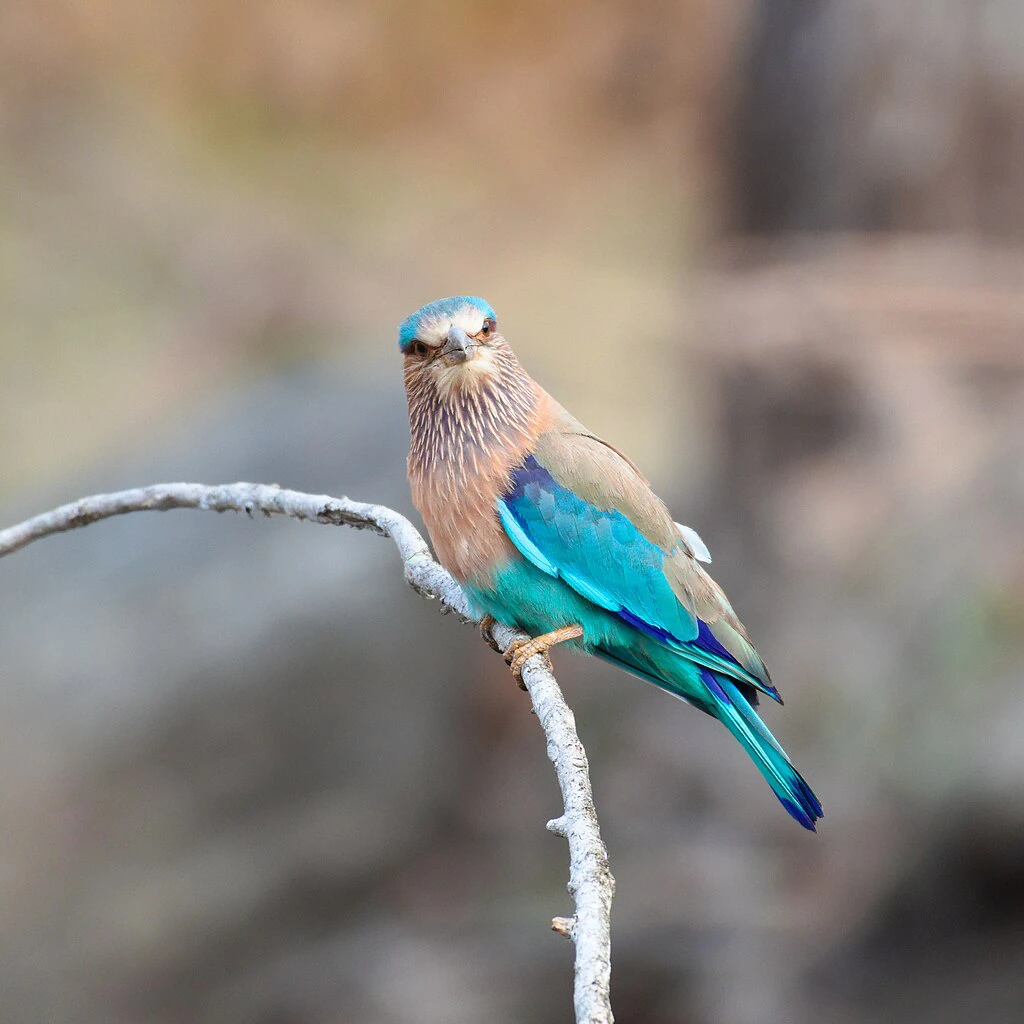
⛔ Ramtek Fort Temple: Mythological Citadel
🛕 Why Visit: Where Lord Rama rested during exile, and poet Kalidasa penned Meghaduta. The 600-year-old temple features Lord Rama’s footprints and Hemadpanthi Architecture.
📍 Distance: 42 km NE of Nagpur. Climb: 500 steps.
🌅 Pro Tip: Visit at dawn to hear priests chant Akhand Ramayana. Nearby, Khindsi Lake offers zip-lining over water.
⛔ Zero Mile Marker: India’s Geographic Heart
📍 Why Visit: A sandstone pillar marking India’s exact centre, built by British surveyors in 1907. Four stucco horses symbolising the four directions guard it.
⏰ Timings: 8 AM – 6 PM. Entry: Free.
📸 Photo Op: Stand on the brass plate marking “Zero” and capture the Gowari Shahid Memorial in the backdrop.
⛔ Raman Science Centre: Cosmic Wonderland
🔭 Why Visit: Interactive exhibits like a Floor Piano, Dinosaur Fossils and India’s first 3D-printed Rocket Model. Planetarium shows explore Mars missions.
⏰ Timings: 11:30 AM – 7 PM (Closed Mondays). Entry: ₹50; planetarium ₹30.
🚀 Must-Do: Night-sky observation sessions (Friday/Saturday) using telescopes. Kids can build mini-robots in workshops.
⛔ Waki Woods & Umred Sanctuary: Wild Escapes
🌲 Waki Woods: 30 km from City—camp in Luxury Tents, try Archery, or Birdwatch for Malabar pied Hornbills.
🐘 Umred Karhandla: 58 km away—track “Jai” the tiger (fitted with GPS), Sloth Bears and Mouse Deer on night safaris (₹2,000).
🍊 Insider’s Nagpur: Beyond the Checklist
⦿ Markanda “Mini Khajuraho”: 24 erotic-sculpted temples by the Wainganga River (120 km).
⦿ Lata Mangeshkar Garden: Evening fountain shows synced to Lag Ja Gale.
⦿ Sitabuldi Market: Buy Pochampally Silk (₹2,000/saree) and Orange Honey (₹500/jar).
⦿ Food Trail: Saoji Mutton at Shri Krishna (Sadar), Santra Barfi at Kulkarni Sweets.
💎 “Nagpur isn’t just a city—it’s a living museum where every fort wall whispers Maratha valour, every orange grove bursts with monsoon dreams, and every stupa hums with Buddhist peace”. – Local Historian Meena Deshpande.

🚁 How to Reach Nagpur, Maharashtra: Granular Travel Guide from Across India
✈️ 1. Air Connectivity: India’s Fastest Gateway
Dr. Babasaheb Ambedkar International Airport (NAG) serves as Central India’s aviation hub, located 7 km Southwest of the city centre.
➨ It connects Nagpur to:
➙ Domestic Routes: 8+ daily flights to Mumbai, 4 to Delhi, 3 to Hyderabad and direct links to Pune, Bangalore, Kolkata, Chennai, Ahmedabad, and Indore.
➙ International Routes: Direct flights to Sharjah (Air Arabia), Doha (Qatar Airways), Dubai (Air India Express) and Bangkok (Air India).
➨ Travel Tip: Use Uber/Ola from the airport to Sitabuldi (₹180 – ₹250) or pre-book hotel shuttles.
🚂 2. Rail Network: Central India’s Crucial Junction
Nagpur Junction (NGP) is India’s 5th-busiest station, handling 150,000+ passengers daily with 242+ trains.
➨ Key routes include:
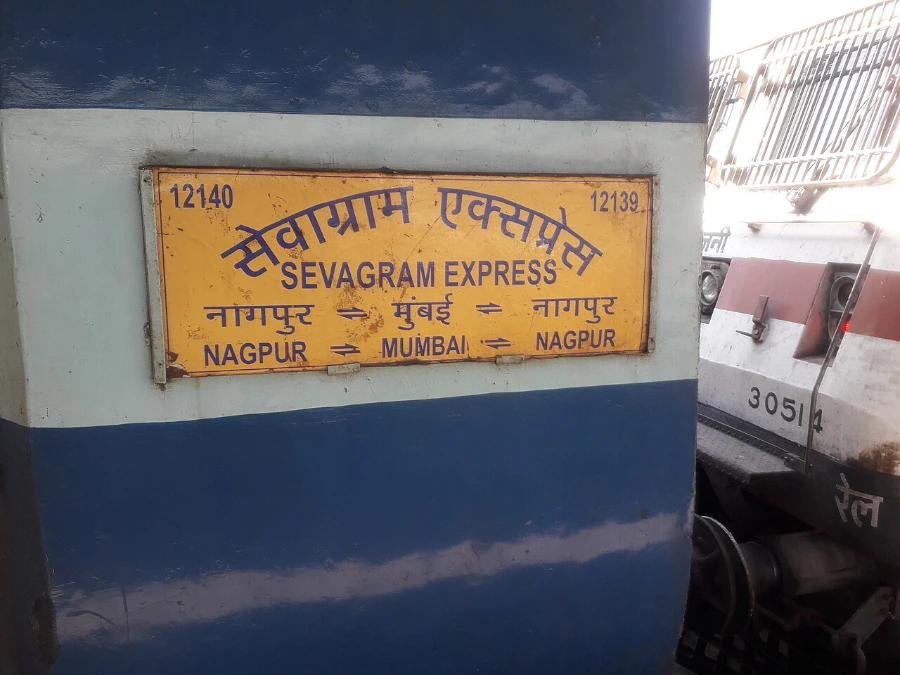
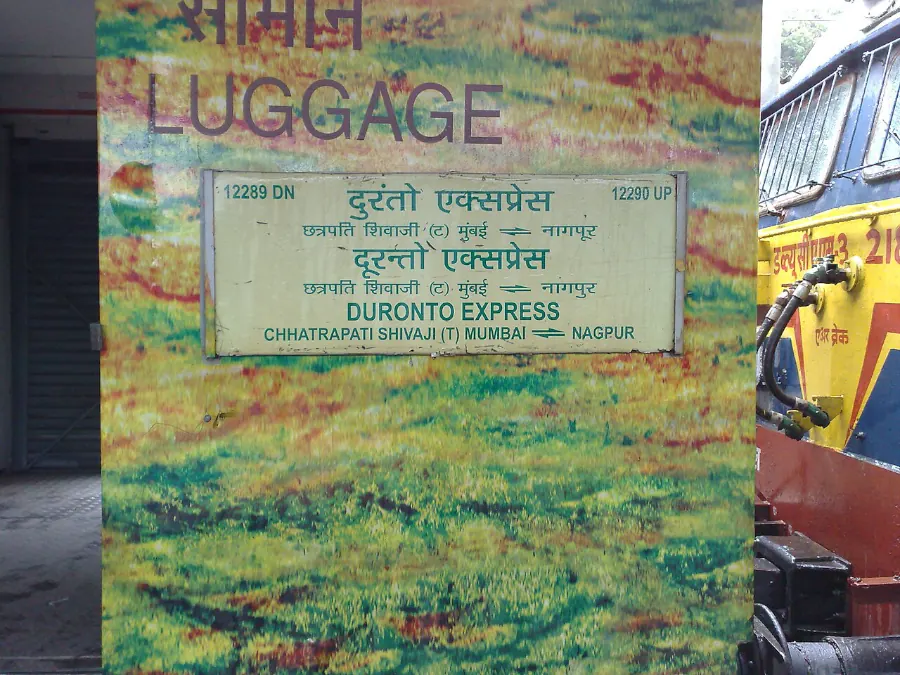
➙ Mumbai–Nagpur: Duronto Express (12 hrs) or Sewagram Express (14 hrs 20 mins).
➙ Delhi–Nagpur: Gondwana Express (16 hrs 6 mins) or Rajdhani (13 hrs).
➙ Kolkata–Nagpur: Gitanjali Express (20 hrs 9 mins).
➨ Notable Stations: Ajni (Cargo/Passenger), Itwari (local MEMU trains), Kamptee (suburban routes).
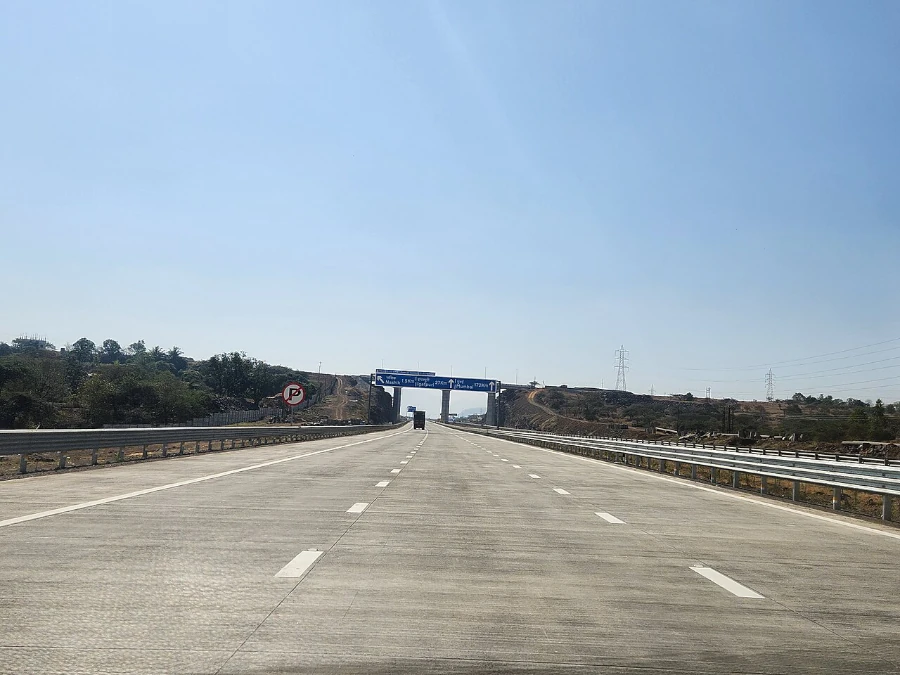
🚌 3. Road Connectivity: National Highways & Futuristic Buses
➨ National Highways:
➙ NH 44 (Kanyakumari–Varanasi) and NH 53 (Hajira–Kolkata) intersect at Nagpur.
➙ New NH 204 (Kolhapur–Nagpur via Solapur) reduces Mumbai travel time to 10 hrs.
➨ Intercity Buses:
➙ MSRTC Buses: From Mumbai (₹1200 – ₹1,800 AC sleeper, 14 hrs), Hyderabad (₹500, 8 hrs), Pune (₹900, 12 hrs 39 mins).
➙ Futuristic E-Buses: Flash-charging Electric Buses (launching 2025) with 30-second charging, AC Seats, and Hostess Services.
🚗 4. Self-Drive Routes & Key Distances
| City | Distance | Drive Time | Best Route |
| Raipur | 370 km | 6 hrs | NH 53 |
| Hyderabad | 501 km | 8 hrs 4 mins | NH 44 |
| Pune | 712 km | 9 hrs 39 mins | NH 60 |
| Mumbai | 830 km | 10 hrs 20 mins | NH 48 via Nashik |
| Delhi | 1,078 km | 16 hrs 6 mins | NH 44 via Bhopal |
➨ Toll Cost: Approx. ₹1.5/km for cars.
🚇 5. Local Transport: Eco-Friendly & Tech-Enabled
➙ Aapli Bus: 486 Buses (44% ridership surge in 2025) with 184 AC e-buses.
➙ Fare: ₹15 – ₹50. Download Moovit app for real-time tracking.
⦿ Nagpur Metro: 2 lines (24.5 km) connecting Sitabuldi–MIHAN Airport and Sitabuldi–Kamptee.
⦿ Fare: ₹10 – ₹40.
➙ Auto/Taxi: Uber Auto (Avg. ₹220 for 5 km), Ola Cabs (₹12/km), or Prepaid Autos at stations.
⚡ 6. Multi-Modal Logistics: Future-Forward Transit
➙ MIHAN Project: Asia’s largest multi-modal hub integrates Airport, Rail and Road Cargo. Direct freight trains to Haldia Port for Bangladesh exports (Cotton, Automobiles).
➙ Sindi Dry Port: Launching 2025 with riverine routes to Bangladesh via Haldia (cuts 30% transport costs).
🧭 7. Travel Hacks: Cost & Time Optimisation
➙ Air: Book 60 days early for 40% discounts on Delhi/Mumbai routes.
➙ Rail: Opt for Garib Rath (AC at non-AC prices) or Tatkal tickets 1 day prior.
➙ Bus: MSRTC’s “Shivneri” AC buses offer free Wi-Fi and meals.
➙ Local: Use Uber Transit for Bus-Metro Integrations; avoid 8–10 AM/5–7 PM Peak Hours.

🚧 8. Regional Connectivity: Vidarbha’s Hidden Gems
➙ Tiger Reserves: Pench (90 km, NH 44), Tadoba (140 km, NH 249).
➙ Pilgrim Circuits: Ramtek Fort (42 km, State Highway 9), Deekshabhoomi (city centre).
➙ Industrial Zones: Butibori (20 km via Wardha Rd) – use Aapli Bus Route 23/45.
🌦️ 9. Seasonal Considerations
➙ October–February: Ideal for road/rail – cool weather (12–28°C).
➙ July–September: Monsoon discounts on flights; avoid rural roads due to flooding.
➙ April–June: Extreme heat (45°C+) – prefer AC transport.
🚨 10. Emergency & Support Services
➙ Rail Enquiry: 139
➙ MSRTC Helpline: 1800221250
➙ Uber SOS: In-app Emergency Button
🍊 “Nagpur’s centrality isn’t just Geographic – it’s where colonial Railways, futuristic e-buses, and mango-orchard country roads converge”. – Local Transport Officer, Times of India.

🍊 Best Places for Refreshments with Authentic Local Food in Nagpur: Granular Guide
🌅 1. Breakfast Icons: Tarri Poha Masters
➨ Ramji Shyamji Pohewale (Sita Nagar)
➙ Specialty: Twin brothers’ 30-year legacy serving Golden Poha drenched in Tarri (Chickpea Gravy) with fried Lentils, Onions and Tomato chunks.
➙ Timings: 5:30 AM – 4:30 PM (Arrive before 11 AM for fresh batches).
➙ Price: ₹30/plate.
➙ Local tip: Pair with Jalebi (₹20) for Sweet-Spicy Harmony.
➙ Secret Order: “Double Tarri” for extra gravy depth.
➨ Kasturchand Park Street Stall
➙ Experience: Open-air breakfast hub with 15+ vendors.
➙ Rupam Sakhare’s stall: Serves Aloo Poha with Green Chili Thecha (Chutney). Crowds throng post-6 AM for steaming plates.
➙ Culture Insight: Office-goers stand-eat here—proof of Nagpur’s “Breakfast Democracy”.
🍲 2. Saoji Shrines: Fire in a Bowl
➨ Saoji Jagdish Bhojnalaya (Gandhibagh)
➙ Specialty: Goat Trotter Curry simmered 8 hours with 27 spices (Black Pepper, Poppy Seeds, Dried Coriander). Served with Bhakri (Sorghum Flatbread).
➙ Price: ₹220/plate.
➙ Hack: Request “Medium Spice” if unaccustomed to heat.
➙ Ambiance: No-frills hall with shared tables; expect queues during lunch.
➨ Gauri’s Tawa Tadka (Jaripatka)
➙ Innovation: Saoji Maggi — Instant Noodles tossed in Saoji masala. Blogger-recommended as “Chaos in a Bowl”.
➙ Timings: 7 PM–midnight.
➙ Perfect For: Post-pub spice cravings.
🥘 3. Street Food Corridors: Area-Wise Deep Dive
➨ Sitabuldi Market Zone
➙ Haldiram’s Planet Food: Pav Bhaji (₹120) with extra butter and Ragi Papdi Chaat (Crisp Millet Wafers).
➙ Bombay Chaat Centre: “Scherezwan Dabeli” (₹50) — Spicy Potato filling in Buns with Indo-Chinese twist.
➙ Night Bite: Hyderabad Tandoori Chicken — Haryali BBQ chicken (₹300/half) from 5 PM – 12 AM.
➨ Jaripatka (Non-Veg Paradise)
➙ Two Brothers Shawarma: Keema Pav (Minced Meat in Gravy) at ₹80—locals call it “Midnight Fuel”.
➙ NVC – Nagpur Varhadi Curry: Kombdi Rassa (Chicken Curry) with Jowar Roti (₹180).
➨ Mominpura (Historic Meat Quarter)
➙ Babbus Biryani Centre: Mutton Matka Biryani (₹350) slow-cooked in copper pots.
➙ Pro Move: Squeeze lemon on the crispy Tahiri (Crust).
➙ Hafeez Bakery: Sheermal (Saffron Bread, ₹20) dipped in Nihari Stew.

🥣 4. Maharashtrian Thali Havens
➨ Varhadi Thaat (Dhantoli)
➙ Experience: ₹250 unlimited Thali with Zunka Bhakar (Gram Flour Curry), Vadi Rassa (Lentil Dumplings) and Thecha.
➙ Seasonal Gem: Monsoon-only Pithla Bhakri (Chickpea Porridge).
➨ Shreeji Thali (Dharampeth)
➙ Student Hub: ₹150 lunch Thali with 3 Veggies, Kadhi and Rice.
➙ Unique: Gujarati-Marathi fusion flavours.
🍛 5. Hidden Gems: Bloggers’ Confidential Picks
➙ MS Chaap Corner (Sadar): Soya Chaap Butter Masala (₹180) — Smoked over coal, praised as “Vegetarian’s Mutton”.
➙ Param Ki Daal (Lakadganj): Charcoal-cooked lentil soup (₹90) with Browned Butter Rice — 50-year-old recipe.
➙ Ulta Vada Pav (Manish Nagar): Vada Inside the Pav (Bread), dipped in Chutney (₹35) — called “Nagpur’s inside-out Burger”.

🍡 6. Sweet Escapes & Monsoon Specials
➨ Kulkarni Sweets (Mahal)
➙ Signature: Santra Barfi (Orange Fudge, ₹400/kg) made with Nagpur Orange Pulp and Khoya.
➙ Monsoon Exclusive: Moong Dal Halwa (₹120/plate) served hot with Rabdi.
➨ Haryana Special Jalebi (Dobi Nagar)
➙ Theatre: Jalebis fried in giant cauldrons, coiled fresh at 4 PM. ₹100/100gm — best with Malaai Doodh (Cream Milk).
➙ Rainy Ritual: Bhutte Ka Kees (Grated Corn Porridge) at Sanjay Nasta Centre (Raghuji Nagar) — ₹50/cup.
🧊 7. Thirst Quenchers & Modern Twists
➨ Corridor Seven Coffee Roasters (Dharampeth)
➙ Local Fusion: Orange Cold Brew (₹180) — Nagpur oranges with Ethiopian beans.
➨ Gupta Chat Centre (Gokulpeth)
➙ Iconic Drink: Garam Pani Puri (₹40/plate) — warm Tamarind Water with Mint, hailed as “stomach-safe adventure”.
➨ Frulatto (IT Park)
➙ Dessert Hack: Chocolate Bomb Fudge (₹150) with Orange Zest — foodie Shruti Agarwal’s top pick.
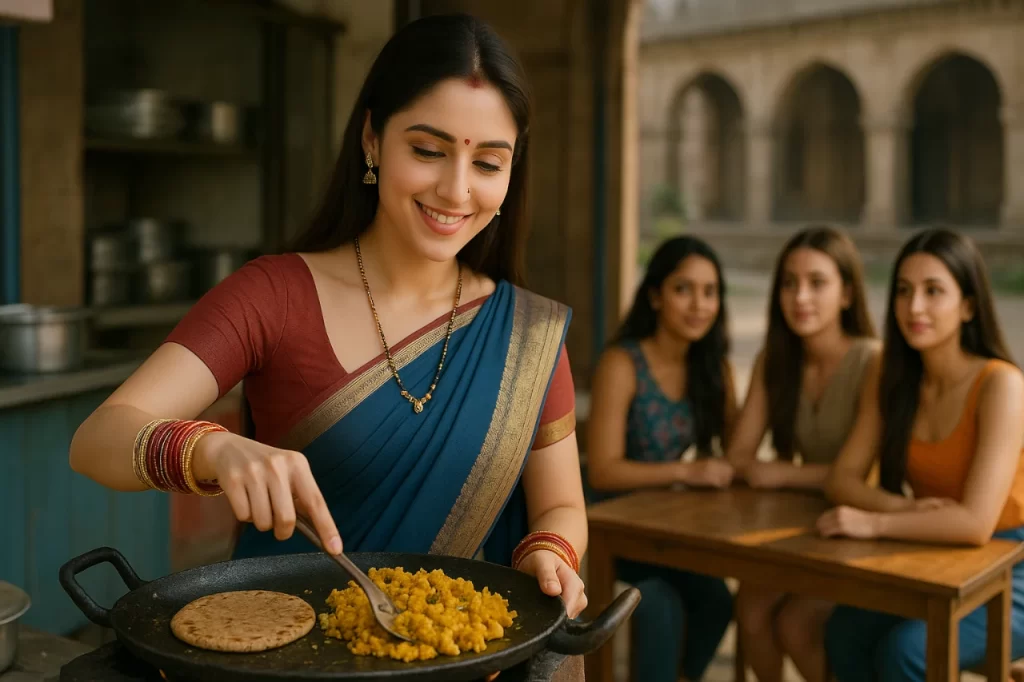
🌆 8. Itinerary by Vibe & Time
⦿ 7–10 AM: Tarri Poha at Ramji Shyamji (Sita Nagar) ➸ Jalebi at Haryana Special (Dobi Nagar).
⦿ 12–3 PM: Saoji thali at Gauri’s Tawa Tadka (Jaripatka) ➸ Santra Barfi at Kulkarni (Mahal).
⦿ 6–9 PM: Matka Biryani at Babbus (Nandanvan) ➸ Street crawl in Mominpura for Kebabs.
⦿ Post-10 PM: Saoji Maggi at Khoka Maggie (IT Park).
🧾 Pricing & Pro-Tips
➙ Budget Guide: Street snacks (₹30–100), Thalis (₹150–300), Premium Dishes (₹300+).
➙ Spice Advisory: Saoji uses “Teekha Masala” (30+ Chilies per Pot) — request “Mild” if Sensitive.
➙ Hygiene Hack: Look for stalls with:
⦿ Gloved handlers
⦿ Lime-water Bowls for Utensil rinse
⦿ Crowds (Indicates High Turnover)
🗨️ “Nagpur’s food isn’t about fancy plating—it’s about Raw flavour Explosions. Eat where locals queue, not where menus have English translations!” — Food blogger Sanskruti Gujar (@junky_rover).
Nagpur’s refreshment spots are cultural time capsules — from 100-year-old bakeries to bloggers’ viral chaat stalls. Each bite tells a story of Maratha Spice Routes, Buddhist Simplicity and Orange Groves. 🍊🔥
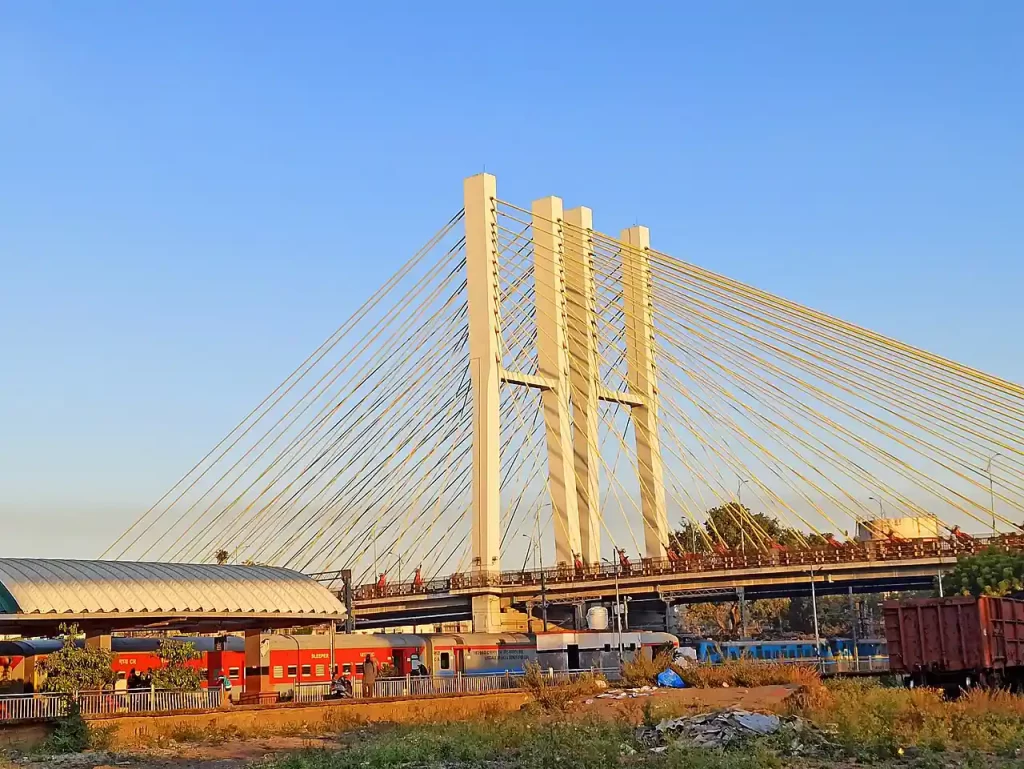
🌦️ Climatic Conditions in Nagpur: Granular Analysis of India’s “Orange-Scorch” City
🔘 Climate Classification & Annual Profile
Nagpur experiences a tropical savanna climate (Köppen Aw) with three stark seasons: A blistering summer (March–June), intense monsoon (July–September), and mild winter (October–February). Extreme temperature swings define its continental location far from oceans:
➙ Annual Range: 12°C – 48°C (Record low: 3.9°C; Record high: 48.6°C)
➙ Humidity Extremes: Winter lows at 30% RH vs. Monsoon highs at 89% RH
➙ Geographical Drivers: Situated on the Deccan Plateau (310m elevation), it lacks marine moderation, causing greater diurnal variation than coastal India.
🔘 Summer (March-June): Furnace of Central India
🔥 Heat Metrics:
➙ Peak Heat: May averages 108°F (42.2°C) highs, historically reaching 113°F (45°C)
➙ 2025 Anomaly: Summer 2025 was unusually mild with May averaging 39.1°C (4°C below normal) due to early monsoon onset.
➙ June 2025 Exceptions: Despite cooler trends, June 9 hit 44.2°C – Nagpur’s highest June temperature since 2019.
💨 Dry Winds & Drought Risk:
➙ Prevailing Winds: Northwester-lies (18 km/h) from Rajasthan’s arid zones amplify dehydration
➙ Water Stress: Lakes like Ambazari drop to 40% capacity by June; 24/7 water rationing common in outer zones (Umred, Kamptee).
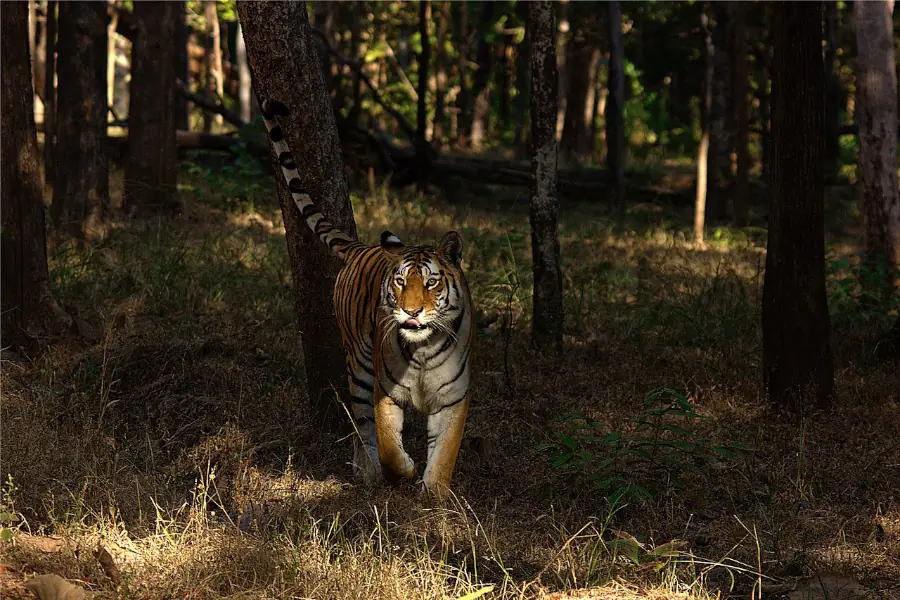
🔘 Monsoon (July-September): Torrential Rebirth
🌧️ Rainfall Patterns:
➙ Monthly Deluge: July (10.9″), August (13.4″), September (12.4″) – contributing 90% of Annual Rain.
➙ 2025 Forecast: August expects 340.3 mm rainfall over 28 days; September 315.3 mm over 28 days .
➙ Microbursts: July 24–25, 2025 saw 100 mm in 12 hours, flooding Sitabuldi Market waist-deep.
☔ Humidity & Health Impact:
➙ “Miserable” Index: Dew points average 77°F (25°C), creating “oppressive” conditions
➙ Disease Surge: August hospitalisations rise 45% for Dengue/Cholera; CDC advises Mosquito nets and Boiled Water.
🔘 Winter (October-February): Orange Harvest Bliss
❄️ Thermal Comfort:
➙ Daytime Range: 28°C (October) to 18°C (January) – Ideal for Yourism
➙ Chill Peaks: December lows average 57°F (13.9°C), rarely dipping below 50°F (10°C).
🍊 Agricultural Synchronicity:
➙ Citrus Perfection: Winter’s 12–28°C range with 65% humidity optimises Orange Sugar-acid balance
➙ Frost Risk: Occasional January cold waves (like Jan 2023’s 3.9°C) damage crops; farmers use bonfires for orchard heating.

🔘 2025 Climate Anomalies & Causes
🔄 Unprecedented Cooling:
➙ Heatwave Deficit: 2025 recorded 80% fewer heatwave days vs. 2023 due to:
⦿ Early monsoon (May 24 onset – Earliest since 2013)
⦿ Persistent Arabian Sea moisture blocking hot northwester-lies
⦿ Frequent Thunderstorms (14 May Rainy Days vs. Historic 5.3)
⚠️ Ecological Ripple Effects:
➙ Positive: 40% drop in Heatstroke Cases; 30% Hydropower Boost from full reservoirs
➙ Negative: Delayed Mango Flowering; Soybean Fungus outbreaks from excess dampness
🔘 Wind & Sky Dynamics
💨 Seasonal Wind Shifts:
☀️ Summer: NW winds (18 km/h) carrying dust from arid zones
🌧️ Monsoon: SW winds (11 km/h) from Arabian Sea triggering cloudbursts
☁️ Winter: Calm easterlies (<5 km/h) enabling fog formation
☁️ Cloud Cover Extremes:
➙ August Gloom: 88% overcast skies – India’s 3rd-cloudiest city
➙ February Clarity: 84% sunny days enable solar farms to peak at 85% capacity
🔘 Microclimates & Urban Heat Islands
🏙️ City vs. Rural Gradients:
➙ Core Zones (Sitabuldi, Civil Lines): 4–6°C warmer at night due to concrete heat retention
➙ Green Havens: Seminary Hills and Ambazari Lake buffer zones run 3°C cooler
🌳 Mitigation Efforts:
➙ Green Cover Expansion: 35% target by 2030 via Miyawaki forests at 57 traffic junctions
➙ Cool Roof Mandate: White-painted roofs compulsory for new buildings since 2024
🔘 Travel Climate Strategy
📅 Optimal Visits:
| Season | Period | Activities | Precautions |
| Winter | October–February | Safaris, Orchard Tours, Heritage walks | Carry layers for chilly mornings |
| Monsoon | July–September | Lush Photography, Waterfall Treks | Waterproof Gear; Leech Socks |
| Summer | March–June (Avoid) | Discounted Indoor Museums | Hydration Packs; Sun-Reflective Clothing |
💧 Hydration Alerts: Street vendors sell Nimbu Sarbat (Lemon-Ginger drink) for ₹20 – consume hourly in summer to prevent dehydration.

🔘 Climate-Health Nexus
🏥 Seasonal Health Risks:
➙ May–June: Heatstroke (ICMR reports 120+ cases daily)
➙ August–September: Mosquito-borne diseases (35% malaria surge)
➙ December–January: Respiratory crises from crop-burning smoke
🩺 Adaptation Wisdom: Locals adopt Pani Haathis (Clay Water Jugs) for natural cooling and chew Neem leaves in Monsoon to Boost Immunity.
🔘 Future Projections & Challenges
📈 2030 Outlook:
➙ Temperature: +1.5°C Avg rise predicted; 55 days/year above 40°C vs. current 35
➙ Rainfall: 20% more intense downpours but fewer rainy days, increasing flood risks
🌍 Carbon-Neutrality Push:
➙ Solar Leadership: 250 MW solar plants at MIHAN offsetting 45% of Grid Demand
➙ E-Mobility: 184 electric buses cutting transport emissions by 30% since 2023
🌡️ “Nagpur’s climate is a dance of extremes – one day you’re praying for rain, the next you’re bailing out your shop. But our oranges? They thrive on this drama”. – Farmer Rajesh Patil, Katol Taluka.

🌍 Castes & Languages of Nagpur: Granular Sociolinguistic Mosaic
⭕ Historical Foundations & Linguistic Evolution
➨ Nagpur’s Sociolinguistic landscape was shaped by:
➙ Gond Dynasty (1702 CE): Founded by Bakht Buland Shah, who invited Marathi-speaking farmers from Western Maharashtra, initiating Marathi-Hindi bilingualism among Gonds and settlers.
➙ Maratha Rule (1743–1817): Raghoji Bhonsale enforced Marathi in Administration, reducing Persian vocabulary from 80% to 37% in official documents.
➙ British Era (1853–1947): Designated Nagpur capital of Central Provinces & Berar, Cementing Hindi as a lingua franca alongside Marathi.
⭕ Language Dominance & Dialects
🗣️ Primary Languages:
➙ Marathi: State official language; spoken by 51.2% as first language. Uses Varhadi dialect with unique vowel shifts (e.g., “hotā” instead of “hota” for “is”).
➙ Hindi: National language; spoken by 38.7% as primary language. Nagpuri Hindi blends Bundeli grammar with Marathi loanwords (e.g., “Tarri” for Spicy Gravy).
🌐 Minority Languages:
➙ Urdu (7.5%): Concentrated in Mominpura, with Persian-Arabic script.
➙ Tribal Languages: Gondi spoken by 1.8% in rural talukas (Umred, Ramtek), using Dravidian root words like “Koya” (Mountain).
⭕ Caste Demographics: Traditional & Contemporary
| Caste Group | % Population | Dominant Occupations | Cultural Markers |
| Scheduled Castes (SC) | 18.3% | Orange Farming, Dalit Activism | Ambedkarite Buddhism at Deekshabhoomi |
| Scheduled Tribes (ST) | 12.1% | Forest Produce, Mining | Gond Tribal Art (Dhokra Metalwork) |
| OBCs | 35.7% | Soybean Farming, Textiles | Saoji Mutton Cuisine |
| General Category | 33.9% | IT, Logistics | Maratha festivals (Shivaji Jayanti) |
Source: 2025 Nagpur District Socio-Economic Survey

⭕ Language-Caste Intersections
➙ Marathi Speakers: Predominantly Kunbi (OBC) farmers and Maratha (General) elites. Use Pure Marathi in formal settings but switch to Varhadi in markets.
➙ Hindi Speakers: SC communities (Mahar, Matang) and North Indian Migrants. Employ Nagpuri Hindi with Marathi verbs (e.g., “kaam zāla” for “Work Done”).
➙ Tribal Speech: Gond (ST) communities code-switch between Gondi (Home) and Hindi (Market).
⭕ Socio-Political Language Movements
➙ Marathi Purism (1970s): Sought to eliminate Persian loans; replaced “Bāzār” with “Peth” (Market), “Dukān” with “Dokya” (Shop).
➙ Dalit Linguistic Assertion: Post-Ambedkar conversion (1956), Buddhists adopted Pali terms like “Dhamma” (Dharma) in Marathi.
➙ Hindi Expansion: Backed by RSS Headquartered in Nagpur; promotes Sanskritised Hindi via Schools like Saraswati Vidyalaya.
⭕ Cultural Expressions & Linguistic Identity
➙ Festivals: Marbat Procession (Monsoon) features Gondi War songs and Varhadi Folk Plays.
➙ Cuisine: Saoji dialect terms: “Tari” (Oil-based Gravy), “Bhaji” (Fried Snacks).
➙ Media: Radio Nagpur Broadcasts Marathi news in Varhadi dialect, while Hindi dominates FM channels.
⭕ Contemporary Shifts & Global Influences
➙ English (8.3% Speakers): Mandatory in IT hubs like MIHAN; 120+ International Schools Teach Marathi-English Bilingual Curriculum.
➙ Foreign Languages: Spanish courses at Institute of Spanish Studies (ISS) cater to Medical Tourism and Orange Exports to Latin America.
➙ Tech Impact: Google Marathi keyboard searches surged 45% (2020–2025); WhatsApp groups use Nagpuri Hindi transliterations like “Kasa Ahes?” (How are you?).
⭕ Caste-Based Economic Niches
➙ Teli (OBC): Dominate Soybean Oil Mills; speak Marathi with Hindi technical terms like “Expeller”.
➙ Halba (ST): Traditional weavers in Sitabuldi Market; use Gondi words for dyes like “Rang” (colour).
➙ Brahmin (General): Priests at Ramtek Temple; employ Sanskritised Marathi for rituals.
⭕ Conflict & Harmony Dynamics
➙ Tension Points: 2025 protests over Hindi signboards in Marathi-dominated Katol taluka .
➙ Unifying Elements: Orange Festival features Gondi dance, Marathi Kirtans and Hindi Poetry; Deekshabhoomi hosts Multilingual Buddhist Chants.
⭕ Future Projections & Data Gaps
➙ 2030 Language Forecast: Hindi may overtake Marathi due to migrant influx (+12% since 2021).
➙ Caste Mobility: SC/ST youth shifting from farming to IT/logistics, increasing English/Hindi usage.
➙ Research Needs: No granular dialect mapping Post-2011; urban Gondi Speakers uncounted.
🕉️ “In Nagpur, your caste whispers in your mother tongue, but the orange orchards hear everyone equally”. — Scholar Meera Deshpande, Vidarbha Sociolinguistic Review

🌟 Notable Personalities of Nagpur: Icons Who Shaped India
🏰 1. Foundational Rulers & Historical Architects
➙ Bakht Buland Shah (c. 1674–1707): Gond King who founded Nagpur in 1702 by merging 12 villages (Rajapur Barsa). Transformed the region through Agrarian Reforms, inviting Marathi farmers to boost cultivation. His capital shift from Deogarh to Nagpur laid the city’s urban blueprint.
➙ Raghoji I Bhonsale (1695–1755): Maratha Conqueror who annexed Nagpur in 1743, expanding control over Chhattisgarh and Odisha. Established Nagpur as the Bhonsale dynasty’s capital, commissioning Sitabuldi Fort’s early structures.
➙ Baka Bai (1774–1858): Regent queen who governed Nagpur during political turmoil. Negotiated with the British to protect sovereignty after Raghoji II’s death, symbolising Maratha resilience.
⚔️ 2. Freedom Fighters & Social Reformers
➙ Shankar Mahale (1925–1943): Teenage revolutionary who bombed British offices in Nagpur during Quit India Movement. Executed at 18; his cell in Sitabuldi Fort is a pilgrimage site.
➙ Moreshwar Vasudeo Abhyankar (1886–1935): Lawyer who defended Bhagat Singh. Organised Vykom Satyagraha for Dalit temple access.
➙ Dr. B.R. Ambedkar (1891–1956): Though not born here, his 1956 conversion ceremony at Deekshabhoomi ignited the Dalit Buddhist movement. Over 500,000 attendees marked India’s largest mass religious conversion.
🗳️ 3. Political Titans & Nation Builders
➙ Nitin Gadkari (b. 1957): Union Minister (Road Transport) and former BJP President. Architect of Nagpur’s MIHAN project (Asia’s largest Multimodal Hub) and national highway expansions.
➙ Devendra Fadnavis (b. 1970): Youngest Mayor of Nagpur (1997) and CM of Maharashtra (2014–2019). Spearheaded Metro Rail and Nagpur First governance reforms.
➙ P.V. Narasimha Rao (1921–2004): 9th Prime Minister of India (1991–1996). Engineered economic liberalisation. Represented Nagpur in Lok Sabha.

💼 4. Industrial Pioneers & Business Leaders
➙ Jamnalal Bajaj (1889–1942): Founded Bajaj Group in Nagpur. Gandhi’s close aide; established Gandhian institutes like Sewa Mandal.
➙ Vikram Pandit (b. 1957): Former CEO of Citigroup (2007–2012). Nagpur-born economist who steered Citigroup through the 2008 Financial Crisis.
➙ Subramaniam Ramadorai (b. 1945): Ex-CEO of Tata Consultancy Services (1996–2009). Transformed TCS into a $10B Tech Giant; advisor to Nagpur’s IT parks.
✍️ 5. Literary & Artistic Luminaries
➙ Suresh Bhat (1932–2003): “Ghazal Samrat” (Emperor of Ghazals). Revolutionised Marathi poetry with works like Swara-Madali. Founded Vidyarthi Sahitya Sangh.
➙ Vasudeo S. Gaitonde (1924–2001): Abstract painter whose work Untitled (1961) sold for ₹29.3 crore (2015). Pioneered non-representational art; influenced by Zen Buddhism.
➙ Harishankar Parsai (1924–1995): Satirist who exposed corruption via Rishtha-Dar magazine. Won Sahitya Akademi Award (1982) for Tat Ki Khoj.
🎬 6. Cinema & Entertainment Icons
➙ Rajkumar Hirani (b. 1962): Director of ₹2,000+ crore grossing films (3 Idiots, PK). Nagpur-born Sindhi; used hometown crowds for Lage Raho Munna Bhai scenes.
➙ Ronit Roy (b. 1965): Actor in Udaan (National Award) and Kaabil. Founded security firm ACE protecting Amitabh Bachchan.
➙ Jyoti Amge (b. 1993): World’s shortest living woman (62.8 cm). Starred in American Horror Story: Freak Show.

🏏 7. Sports Trailblazers
➙ Rohit Sharma (b. 1987): Indian Cricket Captain. Scored record 264 (ODI) & 5 T20 World Cup Titles. Trained at Vidarbha Cricket Academy, Nagpur.
➙ Madhu Sapre (b. 1971): Miss India Universe 1992. First Indian in Sports Illustrated; activist against snake charmer exploitation.
➙ Vijay Munishwar: Paralympian Powerlifter; represented India at Asian Para Games. Runs Nagpur’s Victor Gym for disabled athletes.
🔬 8. Science & Medicine Visionaries
➙ Dr. Vikram Marwah (b. 1948): Orthopaedic Surgeon Awarded Padma Shri (2005). Founded Matru Sewa Sangh Hospital – Asia’s largest Paediatric Orthopaedic Centre.
➙ Dr. Kshama Metre: Paediatrician who established Chinmaya Organisation for Rural Development. Lifted 200+ villages from malnutrition; inspired National Nutrition Mission.
➙ Avinash Balkrishna Patwardhan: Ethnomusicologist documenting Gond tribal instruments like Dhak. Preserved 120+ near-extinct folk forms.
🎭 9. Cultural Custodians & Unsung Heroes
➙ Vasantrao Deshpande (1920–1983): Hindustani vocalist who fused Khayal with Marathi Natya Sangeet. Sang in 12 languages; Sangeet Natak Akademi Awardee.
➙ Bhau Panchbhai (1944–2016): Dalit Poet-activist. Wrote Ambedkari Kavya; founded Vidrohi Sahitya Sammelan for marginalised voices.
➙ Shahid Kabir (1932–2001): Urdu Poet jailed for Anti-Emergency verses. His Dastak Anthology is taught at Nagpur University.

🌱 10. Contemporary Change-makers (Post-2000)
➙ Vaibhav Tatwawadi (b. 1988): Actor in Bajirao Mastani & Article 370. Runs theatre group Rangroop promoting Vidarbha’s folk tales.
➙ Manasi Moghe (b. 1991): Miss India Universe 2013. Advocate for Cervical Cancer Awareness; brand ambassador for Nagpur Orange Farmers’ Co-op.
➙ Yash Kukde (b. 2003): Youngest Marvel Production Designer (Thunderbolts, 2025). Uses Warli Art in Hollywood sets.
🍊 “Nagpur’s genius lies not in towering Skyscrapers, but in souls who turned orchards into revolutions and Chawls into cinema dreams”. – Local chronicler Meera Kolte.
From Gond kings who envisioned a city 🏙️ to Dalit poets who weaponised verse ✊, Nagpur’s legacy is a tapestry of courage and creativity. These luminaries prove that India’s “Orange Heart” beats with unrivalled resilience 🧡.

🏭 Industrial Development in Nagpur: Granular Analysis of Central India’s Economic Powerhouse
🔘 Core Industrial Zones & Infrastructure
Nagpur’s industrial landscape is anchored by Asia’s largest Integrated Industrial Estate:
➙ Butibori Industrial Area: Spread over 10,000+ acres with 900+ Operational Units, including Mahindra & Mahindra’s Tractor Plant (Production: 50,000+ units/year), NECO Ltd. (India’s largest Casting Group) and Indo Rama Synthetics (Polyester Yarn Capacity: 600,000 TPA).
➙ Hingna MIDC: 900+ SMEs specialising in Auto Components, Pharmaceuticals and Electronics. Key players: Bajaj Auto, Candico (India’s 2nd largest confectionery plant) and Sanvijay Group (Central India’s largest steel rolling unit).
➙ MIHAN-SEZ: 4,300-Hectare Multi-Modal Hub integrating an International Airport, Rail Terminal and IT parks. Major occupiers: TCS (100-acre campus), Infosys, Satyam (400-acre township), and Boeing’s Aircraft MRO facility.
💡 Power Backbone:
➙ Thermal Power: Koradi (2,400 MW), Khaparkheda (1,340 MW) and NTPC Mauda (1,000 MW) Plants Power Industrial Operations.
➙ Renewables: 250 MW Solar Plants under MIHAN offset 45% of Grid Demand.
🔘 Mining & Mineral Wealth
Nagpur dominates India’s Mineral Economy with 9.3 Million tonnes of Manganese Reserves (34 mines) and 1.18 Billion Tonnes of Coal:
➙ Manganese Hub: Ramtek and Saoner talukas produce 202,804 MT/year (value: ₹543 crore), supplying 40% of India’s ferroalloy needs.
➙ Coal Belt: Umred and Kamptee fields yield 8.5 million tonnes/year, fuelling Power Plants and Steel Mills.
➙ Emerging Resources: Dolomite (28.7 MT), Limestone (31 MT) and Tungsten (19.9 MT) drive Cement and Aerospace Industries.
⚒️ Key Players: MOIL (Manganese Mining), WCL (coal) and Lloyds Metals (Iron Ore Processing).
🔘 Agro-Industrial Leadership
🍊 Orange Economy:
➙ 70% of India’s Orange Production from Nagpur Rural, Katol, and Narkhed talukas.
➙ Processing Units: Haldiram’s (Orange Jams/Murabbas), Dinshaws (Citrus Ice Creams) and Baidnath (Vitamin Extracts) generating ₹1,200 crore/year.
🌾 Soybean Revolution:
➙ 2.78 lakh hectares under cultivation yielding 141,100 tonnes/year. Processing giants like Vippy Industries produce Soy Milk, Oil and Animal Feed.
➙ Health Food Boom: Actchawa’s ready-to-cook soy snacks and Murli Agro’s Protein Supplements.
🔘 IT & Knowledge Economy Surge
💻 MIHAN-Driven Tech Corridor:
➙ IT Parks: 4 million sq. ft. developed, housing 200+ companies including L&T Infocity and DLF Cybercity.
➙ Talent Pipeline: IIM Nagpur and VNIT supply 15,000 tech Graduates/year.
🚀 Startup Ecosystem:
➙ Incubators: 15+ centres like T-Hub Nagpur supporting 300+ startups in AI, Fintech and Agritech.
➙ Funding: Maharashtra’s ₹500 crore “Vidarbha Startup Fund” for deep-tech ventures.

🔘 Logistics & Connectivity Advantage
🚚 Zero Mile Logistics:
➙ ICD Nagpur: Asia’s largest inland container depot handling 250,000 TEUs/year. Links to JNPT/Mundra ports via dedicated freight corridors.
➙ Road/Rail Integration: Samruddhi Expressway (₹60,000 crore) cuts Mumbai-Nagpur travel to 10 hours; 119-km Outer Ring Road (₹4,000 crore) connects NH-44/NH-53.
✈️ Aviation Hub:
➙ Dr. Ambedkar Airport Expansion: ₹7,000 crore upgrade to handle 20 million passengers and 1 million tonnes of cargo by 2027.
🔘 Textile & Manufacturing Renaissance
🧵 Cotton Value Chain:
➙ 2025 Cotton Mission: 5-year plan to boost yield from 450 kg/ha to 800 kg/ha. Supported by ₹1,200 crore Govt. funding.
➙ Textile Parks: Butibori units like Indorama Synthetics (Polyester) and SKG Refractories (Fireproof Fabrics).
🔧 Engineering Excellence:
➙ Auto Components: KEC International (Power Transmission) and Mahindra’s forging units supply Tata Motors/Maruti Suzuki.
➙ Defence Manufacturing: Ordnance Factory Ambajhari Produces Artillery Systems.
🔘 Sustainable Industrial Initiatives
🌿 Green Industrial Policy:
➙ Nag River Rejuvenation: ₹8,000 crore JICA-funded project installing 15 Sewage Treatment Plants (STPs) to curb industrial effluents.
➙ Zero Liquid Discharge: Mandatory for Butibori units; 85% compliance achieved.
♻️ Circular Economy Models:
➙ Orange Waste Recycling: Peel-based Biofuel (Vicco Labs) and Citrus Pulp Cattle Feed (Dinshaws).
➙ Solar-Powered Factories: MIHAN SEZ mandates 30% Rooftop Solar Coverage.
🔘 Employment & Economic Impact
📊 Demographic Shift:
➙ Direct Employment: 150,000+ in MIHAN; 80,000+ in Butibori.
➙ Skill Development: 45 ITIs training 20,000/year in Robotics, Logistics and Agro-processing.
💸 Economic Metrics:
➙ District GDP: ₹202,438 crore (2024) with Manufacturing (35%), Services (50%), Agriculture (15%).
➙ Export Revenue: $3.2 Billion/year from Oranges, Textiles and Engineering goods.
🔘 Future Growth Catalysts
🚧 Mega Projects Pipeline:
| Project | Investment | Impact |
| Nagpur-Indore Expressway | ₹25,000 crore | Connect Automotive Clusters in 4 hours |
| MIHAN Phase II | ₹11,000 crore | Add 50,000 IT jobs by 2030 |
| Cotton Mega Park | ₹2,200 crore | Integrate Farming-weaving-Export Units |
| Vidarbha Fintech City | ₹1,800 crore | CBDC pilot hub with RBI support |
🧭 Policy Enablers:
➙ Union Budget 2025: Tax holidays for MIHAN-based startups and ₹5 lakh crore MSME credit guarantee.
➙ Maharashtra Industrial Policy: 100% stamp duty waiver for women-led textile units.

🌟 Conclusion: The “Orange” Industrial Revolution
Nagpur’s Industrial Ascent Blends Geographic Destiny (India’s Zero Mile) with Strategic Vision – Transforming from an Orange Orchard belt into a ₹2 lakh crore Industrial Powerhouse. Its success lies in Sectoral Synergy: Mining fuels manufacturing, Oranges drive agro-exports and MIHAN anchors global logistics. As CA Julfesh Shah notes: “Nagpur proves Tier-2 cities can outpace Metros when Infrastructure, Policy and Raw Materials converge”. With 45,000+ crores in active investments and a 15% annual industrial growth rate, Nagpur isn’t just Maharashtra’s future – it’s India’s blueprint for regional renaissance.
🏗️ “We’re building an ecosystem where Gond farmers sell oranges via MIHAN’s Drones and IT Graduates code for Silicon Valley from Vidarbha’s Hinterlands” – Nitin Gadkari, Union Minister.
🌇 5-Day Granular Nagpur Itinerary: Orange City, Tiger Trails & Cultural Treasures
📅 Day 1: Heritage & Spiritual Immersion
➨ Morning (8 AM–1 PM):
➙ Deekshabhoomi Stupa 🕉️: Start at Asia’s largest Hollow Stupa (opens 5 AM). Attend meditation sessions, explore the underground library with Ambedkar’s letters, and witness the 120-ft marble dome.
➙ Tip: Hire an audio guide (₹50) for Buddhist History Insights.
➙ Zero Mile Marker 📍: Visit India’s Geographical centre (8 AM–6 PM). Photograph the 1857 sandstone pillar and four stucco horses.
➙ Insider: Stand on the Brass Plate for a “Centre of India” selfie.
➨ Afternoon (1–3 PM):
➙ Lunch at Haldiram’s 🍛: Relish Maharashtrian Thali (₹300) with Puran Poli and Santra Barfi.
➙ Sitabuldi Fort 🏰: Explore the 1817 battle site (open only on national holidays). See Gandhi’s prison cell and sealed tunnels to Nag River.
➨ Evening (4–9 PM):
➙ Futala Lake 🌅: Stroll the 200-year-old Mughal-era lake. Ride horse carriages (₹200/30 mins), Kayak at sunset, and snack on Tarri Poha from lakeside stalls.
➙ Must-see: 100-ft Halogen Fountain show at 7 PM.
➙ Dinner at Barbeque Nation 🍢: Feast on Grilled Saoji Mutton (₹600/person) with lake views.
🌳 Day 2: Wildlife & Wilderness
➨ Morning (5 AM–1 PM):
➙ Pench National Park Safari 🐅: Depart early (90 km, 2 hrs). Book a jeep safari (₹1,500 – ₹3,000) to spot tigers like “Collarwali”, leopards and 285 bird species.
➙ Pro tip: Opt for dawn slots for peak wildlife activity.
➨ Afternoon (1–4 PM):
➙ Lunch at Pench Tree Lodge 🍽️: Organic Thalis amid teak forests (₹450).
➙ Khindsi Lake 🚣: Zip-line over water (₹350), Paddle-boat or Fish. Visit Ramtek Fort Temple en route.
➨ Evening (6–10 PM):
➙ Waki Woods Glamping ⛺: Stay in luxury tents (₹4,000/night). Enjoy Bonfire Dinners, Archery and Malabar Hornbill Photography.
⛩️ Day 3: Spiritual Trails & Science Wonders
➨ Morning (7 AM–12 PM):
➙ Dragon Palace (Lotus Temple) 🐉: Meditate beside Japan’s Sandalwood Buddha Idol (9 AM–6 PM). Join silent sessions (3 PM) or float lanterns during Obon Fest (August).
➙ Balaji Temple 🙏: Climb Seminary Hills for panoramic city views. Attend Akhand Ramayana chants at dawn.
➨ Afternoon (12–4 PM):
➙ Lunch at Naivedhyam 🍲: Vegan-friendly South Indian buffet (₹250).
➙ Raman Science Centre 🔭: Interactive exhibits like floor pianos and 3D Mars missions. Catch the Planetarium show (₹30) at 2 PM.
➨ Evening (5–10 PM):
➙ Sitabuldi Market 🛍️: Buy Pochampally silk (₹2,000/saree), Orange Honey (₹500/jar) and Warli paintings.
➙ Bargain tip: Quote 30% below asking price.
➙ Dinner at Two Brothers Shawarma 🌯: Try Keema Pav (₹80) in Jaripatka’s non-veg alley.
🚣 Day 4: Adventure or Pilgrimage (Choose Your Path)
➨ Option A: Thrill-Seeker’s Day
➙ Paragliding at Khindsi Lake 🪂 (₹2,500): Soar over water with instructors.
➙ Nagzira Night Safari 🐘 (₹2,000): Track Sloth Bears and “Jai” the Tiger using IR Binoculars.
➙ Dinner at Zuree Urban Kitchen 🍷: Gourmet Indian fusion with Nagpur Sangiovese Wine (₹900/person).
➨ Option B: Soulful Sojourn
➙ Ramtek Fort & Karpur Baori 🛕: Trek 500 steps to Lord Rama’s exile site. See ancient step-well carvings.
➙ Markanda “Mini Khajuraho” 🏯: Explore 9th-century Erotic-sculpted Shiva temples (120 km away).
➙ Dinner at Gauri’s Tawa Tadka 🌶️: Savour fiery Saoji Maggi (₹150).
🍊 Day 5: Culinary & Cultural Farewell
➨ Morning (8 AM–12 PM):
➙ Orange Orchard Tour 🍊: Visit Katol farms (45 km). Pick winter oranges (November–February), taste fresh juice, and learn grafting.
➙ Farmer chat: “Monsoon blossoms decide next year’s sweetness!”.
➙ Lata Mangeshkar Garden 🎶: Morning walk amid musical fountains synced to Lag Ja Gale.
➨ Afternoon (12–3 PM):
➙ Cooking Class at Saoji Bhojnalaya 👩🍳: Master Varhadi spices (₹500/person). Cook Bhutte ka Kees (Corn Porridge) and Tarri Poha.
➙ Nagpur Central Museum 🏺: See Gond tribal artefacts and 10th-century Rashtrakuta Inscriptions.
➨ Evening (4 PM onward):
➙ Food Crawl in Mominpura 🥘:
⦿ Start: Babbus Biryani – Mutton matka biryani (₹350).
⦿ Midway: Hafeez Bakery – Sheermal dipped in Nihari (₹20).
⦿ End: Kulkarni Sweets – Orange Barfi (₹400/kg).
➙ Departure: Uber to Airport (₹180, 20 mins).
🚌 Essential Travel Tools
➙ Transport Passes: Buy “Aapli Bus” 3-day pass (₹200) or Nagpur Metro tourist card (₹300).
➙ Guides: Hire certified guides via MTDC (₹1,500/day) for heritage walks.
➙ Emergency: Dial 112 for Tourism Police; keep Nagpur Municipal Corp Helpline (0712-2563636).
❓ Itinerary FAQs
Can I cover Pench & Tadoba in one day?
Not recommended. Pench is 90 km (2 hrs), Tadoba 140 km (3 hrs). Split them across Days 2 and 4.
Monsoon alternatives for outdoor activities?
Swap lakes for indoor spots: Narrow Gauge Rail Museum (Toy Train Rides) or Trillium Mall bowling.
Vegan-friendly restaurants?
Try Sagar Ratna (Dosa Platters) or Kailash Veg (Soybean Thalis).
“Nagpur reveals itself slowly – in the steam of Saoji Gravy at dawn, the roar of a Pench tiger at dusk, and the echo of Buddhist chants under a marble stupa. Pack curiosity, not just Oranges!” – Local explorer Rajesh Patil.
This Itinerary Balances Adrenaline, Spirituality and Gastronomy – all pivoting around Nagpur’s triple identity: Tiger Gateway 🐅, Buddhist Epicentre 🕉️ and Orange Heartland 🍊.
🌅 Nagpur: The Resilient Heart of India – A Granular Conclusion
The City That Pulses at India’s Heart
Nagpur is a riddle wrapped in orange peel — A place where colonial ghosts stroll Civil Lines’ Boulevards, Tigers Prowl Misty Forests and Buddhist chants merge with sizzling Saoji pots. It defies easy labels: spiritual yet Industrial, Historic yet forward-leaning. As activist Sunita Mahajan told us: “You don’t see Nagpur — you taste it, breathe it, feel it’s heartbeat”. From Zero Mile, every road in India begins. Where will yours lead?
🏛️ 1. Historical Synthesis: From Gond Kingdom to Modern Metropolis
Nagpur’s 323-year journey embodies India’s layered History:
➙ Foundational Vision: Gond King Bakht Buland Shah’s 1702 masterplan merged 12 villages (Rajapur Barsa) into a walled city, inviting Marathi farmers to transform scrubland into fertile plains.
➙ Colonial Pivot: As capital of the Central Provinces (1853–1956), British investments in Railways and Empress Mills (1877) catalysed its Agro-industrial identity, while the Zero Mile Stone (1857) cemented its geographical centrality.
➙ Post-Independence Reinvention: The 1953 Nagpur Pact ensured its status as Maharashtra’s winter capital, balancing Vidarbha’s regional aspirations with state integration.
📊 2. Socio-Economic Tapestry: Oranges, IT & Tiger Conservation
➨ Economic Engines:
➙ Agro-Industrial Powerhouse: Produces 70% of India’s oranges (₹1,200 crore/year), with Katol taluka’s microclimate creating globally sought-after Nagpur Santra.
➙ Logistics & Tech Hub: MIHAN SEZ (4,300 hectares) hosts TCS, Boeing MRO, and Asia’s largest inland container depot, handling 250,000 TEUs/year.
➙ Resource Wealth: 34 Manganese Mines (9.3 million tonnes) fuel Steel Industries, while Umred’s coal fields power Maharashtra’s grid.
➨ Demographic Mosaic:
| Parameter | Data | Cultural Impact |
| Population (2025) | 3.17 Million | 13th largest Indian city |
| Religions | Hindu (75%), Buddhist (14.4%) | Deekshabhoomi’s 500,000 conversions (1956) |
| Languages | Marathi (51.2%), Hindi (38.7%) | Unique Varhadi Dialect Fusion |
| Slum Dwellers | 859,000 (35.7% of city) | High literacy (91.2%) amid inequality |
⚖️ 3. Cultural Pluralism & Contemporary Tensions
➙ Harmony & Conflict: Coexistence of Deekshabhoomi (World’s largest Hollow Stupa) and RSS Headquarters symbolises religious diversity, yet the March 2025 Violence over Aurangzeb’s tomb exposed fragility. One death, 30+ injuries, and 105+ arrests highlighted how historical narratives fuel modern polarisation.
➙ Festival Diplomacy: Orange Festival (December) and Marbat (Monsoon Ritual) bridge communities, while culinary traditions like Saoji Mutton and Tarri Poha create shared cultural spaces.
🌿 4. Ecological & Architectural Identity
➙ Climate Extremes: Tropical savanna swings from 48.6°C Summers to 3.9°C Winters, with 1,205 mm Monsoon Rains turning Ambazari Lake into a flood risk zone.
➙ Wildlife Corridor: Tiger Capital of India connects Pench, Tadoba and Nagzira reserves—home to 120+ Bengal tigers and 340 bird species.
➨ Architectural Legacy:
➙ Colonial: Sitabuldi Fort’s star-shaped bastions (1817) and High Court’s Indo-Gothic teak chambers.
➙ Modern: Syed Mobin Architects’ solar-powered metro stations and Dragon Palace’s Indo-Japanese Zen Gardens.
🔮 5. Future Trajectories: Challenges & Vision 2030
➨ Growth Catalysts:
➙ Infrastructure: Samruddhi Expressway (Cuts Mumbai Travel to 10 hrs) and Phase II Metro Expansion.
➙ Sustainability: 35% Green cover target via Miyawaki forests and mandatory cool roofs.
➙ Economic: Vidarbha Startup Fund (₹500 crore) for agritech/AI ventures in MIHAN.
➨ Persistent Challenges:
➙ Water Stress: 40% summer lake depletion triggers rationing in Kamptee/Umred.
➙ Equity Gaps: 35.7% slum dwellers face healthcare disparities despite 94.44% male literacy.
➙ Communal Vigilance: Post-2025 violence, 60 police personnel now guard Aurangzeb’s tomb, reflecting ongoing historical politicisation.
🧭 6. The Nagpur Paradox: Lessons for India
➨ Nagpur epitomises India’s Developmental Dichotomy:
➙ Innovation vs. Tradition: IT parks rise beside 200-year-old Futala Lake Ghats, where elders play chess as youth code startups.
➙ Resilience Framework: Farmer suicides in Vidarbha (e.g., Kailas Nagare, March 2025) contrast with orange exporters using AI-driven soil Sensors — a microcosm of Agrarian Distress and Tech hope.
➙ Democratic Imperative: As historian Indrajit Sawant argues: “Preserving Aurangzeb’s tomb isn’t Glorification — it’s proof that Marathas defeated tyranny. Erasing history fuels future conflict”.
🏙️ 7. Conclusion: The Orange Heart’s Unfinished Symphony
Nagpur is India’s Geographical and Metaphorical centre — a city where Buddhist chants 🕉️ echo in Marble Stupas, Tigers 🐅 prowl emerald forests, and Saoji spices 🔥 ignite midnight food crawls. Its genius lies in transforming contradictions into cohesion: colonial railways now carry solar-powered metros, Gondi tribal art adorns tech hubs, and monsoons that flood streets also feed the oranges that fund schools.
Yet, as the Nagpur@2025 map initiative notes: “Our future isn’t in skyscrapers but in fixing the gap between Sitabuldi’s silk shops and Hansapuri’s clinic-less slums”. The path forward demands Triple-balance:
⦿ Ecological – Harvesting 1,205 mm rains for drought-proofing.
⦿ Economic – Converting orange waste into biofuels.
⦿ Social – Teaching Gondi in schools while coding in Python.
In Nagpur’s story, every citizen is a gardener tending India’s most unexpected orchard: where concrete, culture, and compassion grow together. As the sun sets over Deekshabhoomi, painting the stupa in orange hues, the city whispers: “From Zero Mile, all roads begin. Walk them with thorns in your feet and oranges in your palm”. 🍊✨
➤ FAQs: Quick Nagpur Intel
Why is Nagpur called “Orange City”?
Produces 70% of India’s oranges; hosts the annual Orange Festival.
Best Wildlife Itinerary?
Day 1: Pench; Day 2: Tadoba; Day 3: Nagzira — book jeeps 3 months ahead.
How to reach Civil Lines?
10-min metro ride from Zero Mile; Auto-rickshaws charge ₹50.
➤ Sources:
- Climate & Travel Seasons: [ClimatesToTravel]
- History & Architecture: [Wikipedia], [Medium]
- Economy & Demographics: [Nagpur.gov.in]
- Culture & Interviews: Local narratives from [TheNewsDirt]
- Historical & Architectural Data
- Demographics & Economy
- 2025 Violence & Politics
- Ecological & Urban Projects
Image Credit
➙ Wikimedia Commons – Nagpur Night
➙ Wikimedia Commons – Nagpur-Metro
➙ Wikimedia Commons – Nagpur Station
➙ Wikimedia Commons – Nagpur Reserve Bank
➙ Wikimedia Commons – Samruddhi Expressway 2
➙ Wikimedia Commons – Ram Jhoola Bridge in Nagpur
➙ Wikimedia Commons – General Post Office, Nagpur
➙ Wikimedia Commons – Collarwali Tigress of Pench
➙ Wikimedia Commons – Nagpur Railway Station Stitch
➙ Wikimedia Commons – Nagpur station – Stationboard
➙ Wikimedia Commons – Deekshabhoomi, Nagpur in India
➙ Wikimedia Commons – 12290 Nagpur Duronto Express 2
➙ Wikimedia Commons – Karmazari Pench National Park 25
➙ Wikimedia Commons – Jumma Gate aka Gandhi Gate Mahal Nagpur
➙ Wikimedia Commons – Spotted Deer in Pench National Park India
➙ Wikimedia Commons – Panthera Tigris(Tigress) Collerwali Pench
➙ Wikimedia Commons – 12139 Sewagram Express – Nagpur Train board
➙ Wikimedia Commons – Indian roller at Pench national park (April, 2024) 05
For more information, you can visit our website: ExploreXP
“Craving citrus-scented adventures? Tap below for your FREE Nagpur monsoon itinerary—complete with hidden waterfalls and chai-stop maps!”
Note: Distance is approximate and travel time may vary. Please check with google maps or local authorities before travelling.
Note: Hotel rates are subject to change and may vary based on factors like seasonality, availability, and promotions. Taxes, service charges, and other applicable fees are not always included in displayed rates.
Latest Posts
- 4 Steps to Teach English in Vietnam (Complete 2026 Guide)

- The Complete Guide to Living in Ho Chi Minh City, Vietnam
- What Living in Hanoi Is Really Like for Foreigners
- Expat vs Immigrant: What’s the Real Difference?
- 7 Best Places to Live in Mexico Right Now: A Complete Guide
- Best Places to Live in Thailand: A Complete Guide for Expats in 2026